


Building Blocks
Subcategories of "Building Blocks"
- Boronic Acids & Boronic Acid Derivatives(5,786 products)
- Chiral Building Blocks(1,246 products)
- Hydrocarbon Building Blocks(6,107 products)
- Organic Building Blocks(61,079 products)
Found 205461 products of "Building Blocks"
(2E)-3-(3,5-Dimethyl-1-phenyl-1H-pyrazol-4-yl)prop-2-enoic acid
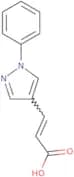
CAS:Versatile small molecule scaffoldFormula:C14H14N2O2Purity:Min. 95%Molecular weight:242.27 g/mol(2E)-3-(1-Phenyl-1H-pyrazol-4-yl)prop-2-enoic acid
CAS:Versatile small molecule scaffold
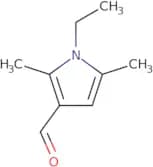
Formula:C12H10N2O2Purity:Min. 95%Molecular weight:214.22 g/mol1-Ethyl-2,5-dimethyl-1H-pyrrole-3-carbaldehyde
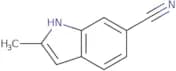
CAS:Versatile small molecule scaffoldFormula:C9H13NOPurity:Min. 95%Molecular weight:151.21 g/mol2-Methylindole-6-carbonitrile
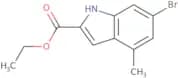
CAS:Versatile small molecule scaffoldFormula:C10H8N2Purity:Min. 95%Molecular weight:156.18 g/molEthyl 6-bromo-4-methyl-1H-indole-2-carboxylate
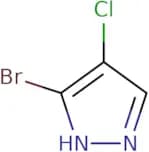
CAS:Versatile small molecule scaffoldFormula:C12H12BrNO2Purity:Min. 95%Molecular weight:282.13 g/mol3-Bromo-4-chloro-1H-pyrazole
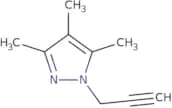
CAS:Versatile small molecule scaffoldFormula:C3H2BrClN2Purity:Min. 95%Molecular weight:181.42 g/mol3,4,5-Trimethyl-1-(prop-2-yn-1-yl)-1H-pyrazole
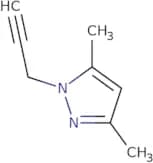
CAS:Versatile small molecule scaffoldFormula:C9H12N2Purity:Min. 95%Molecular weight:148.2 g/mol3,5-Dimethyl-1-(prop-2-yn-1-yl)-1H-pyrazole
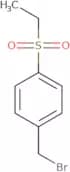
CAS:Versatile small molecule scaffoldFormula:C8H10N2Purity:Min. 95%Molecular weight:134.18 g/mol1-(Bromomethyl)-4-(ethanesulfonyl)benzene
CAS:Versatile small molecule scaffoldFormula:C9H11BrO2SPurity:Min. 95%Molecular weight:263.15 g/mol(5-Methyl-1H-benzoimidazol-2-ylsulfanyl)-acetic acid
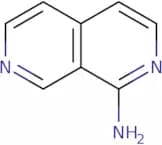
CAS:Versatile small molecule scaffoldFormula:C10H10N2O2SPurity:Min. 95%Molecular weight:222.27 g/mol2,7-Naphthyridin-1-amine
CAS:2,7-Naphthyridin-1-amine is a synthesized compound that has cytotoxic and antitumor activity. It has been shown to inhibit the growth of cervical cancer cells in vitro and induce apoptosis. 2,7-Naphthyridin-1-amine also has the potential to be used as an antitumor agent for hepatic cancers. Additionally, it mediates its cytotoxic effect by inhibiting protein synthesis and inducing cell death.Formula:C8H7N3Purity:Min. 95%Molecular weight:145.16 g/mol1H-Pyrrolo[3,2-b]Pyridine-3-Acetic Acid
CAS:Versatile small molecule scaffoldFormula:C9H8N2O2Purity:Min. 95%Molecular weight:176.17 g/mol5-Chloro-[1,2,4]triazolo[4,3-a]pyridine
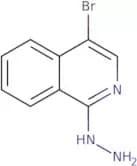
CAS:5-Chloro-[1,2,4]triazolo[4,3-a]pyridine is a functional group that is used in organic synthesis for the transformation of a variety of substrates. The product can be synthesized by cross-coupling reactions. 5-Chloro-[1,2,4]triazolo[4,3-a]pyridine can be reduced to benzyl alcohol with sodium borohydride or lithium aluminum hydride and then benzylated with benzyl chloride. This functional group is also an efficient synthetic intermediate for the synthesis of triazolopyridines. 5-Chloro-[1,2,4]triazolo[4,3-a]pyridine has been used as a biomolecular probe to study protein kinase activity and DNA replication.Formula:C6H4ClN3Purity:Min. 95%Molecular weight:153.57 g/mol4-Bromo-1-hydrazinylisoquinoline
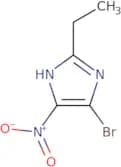
CAS:Versatile small molecule scaffoldFormula:C9H8BrN3Purity:Min. 95%Molecular weight:238.08 g/mol4-Bromo-2-ethyl-5-nitro-1H-imidazole
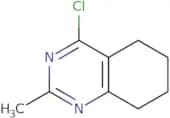
CAS:Versatile small molecule scaffoldFormula:C5H6BrN3O2Purity:Min. 95%Molecular weight:220.02 g/mol4-Chloro-2-methyl-5,6,7,8-tetrahydroquinazoline
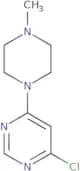
CAS:Versatile small molecule scaffoldFormula:C9H11ClN2Purity:Min. 95%Molecular weight:182.65 g/mol4-Chloro-6-(4-methyl-1-piperazinyl)pyrimidine
CAS:Versatile small molecule scaffoldFormula:C9H13ClN4Purity:Min. 95%Molecular weight:212.68 g/mol3,6-Dichloro-2-hydroxybenzaldehyde
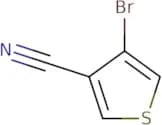
CAS:Versatile small molecule scaffoldFormula:C7H4Cl2O2Purity:Min. 95%Molecular weight:191.01 g/mol4-Bromothiophene-3-carbonitrile
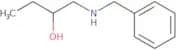
CAS:4-Bromothiophene-3-carbonitrile is a reactive, heterocyclic compound that can be prepared by reacting ethyl bromide with 3-carbonitrile in the presence of triethyl orthoformate. This compound can be used as an acceptor for electron and has an optical spectrum that contains a strong absorption at 295 nm, which corresponds to its electron affinity. The compound is also resistant to halogenation and has three functional groups. 4-Bromothiophene-3-carbonitrile can react with various types of halides or other organic compounds to form addition products.Formula:C5H2BrNSPurity:Min. 95%Molecular weight:188.05 g/mol1-(Benzylamino)butan-2-ol
CAS:Versatile small molecule scaffold
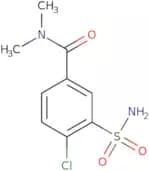
Formula:C11H17NOPurity:Min. 95%Molecular weight:179.26 g/mol4-Chloro-N,N-dimethyl-3-sulfamoylbenzamide
CAS:Versatile small molecule scaffold
Formula:C9H11ClN2O3SPurity:Min. 95%Molecular weight:262.71 g/mol2-Oxo-1H,2H,5H,7H,8H-pyrano[4,3-b]pyridine-3-carbonitrile
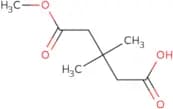
CAS:Versatile small molecule scaffoldFormula:C9H8N2O2Purity:Min. 95%Molecular weight:176.17 g/mol5-Methoxy-3,3-dimethyl-5-oxopentanoic acid
CAS:Versatile small molecule scaffold
Formula:C8H14O4Purity:Min. 95%Molecular weight:174.19 g/molBenzo[d]isothiazole-3(2H)-thione 1,1-dioxide
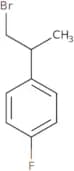
CAS:Benzo[d]isothiazole-3(2H)-thione 1,1-dioxide is a molecule that crystallizes as the sodium salt. The crystal structure was determined by x-ray diffraction and found to be orthorhombic with space group Pna2 1 . The molecular geometry was studied using experimental studies and calculated from the diffraction data. It has been shown that benzo[d]isothiazole-3(2H)-thione 1,1-doxide can form hydrogen bonds with water molecules in the crystal lattice. There are two possible geometries for this molecule: one where the hydrogen atom is above the plane of the thione ring, and one where it is below.Formula:C7H5NO2S2Purity:Min. 95%Molecular weight:199.24 g/mol1-(1-Bromopropan-2-yl)-4-fluorobenzene
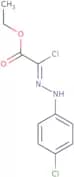
CAS:Versatile small molecule scaffoldFormula:C9H10BrFPurity:Min. 95%Molecular weight:217.08 g/mol(z)-Ethyl 2-chloro-2-(2-(4-chlorophenyl)hydrazono)acetate
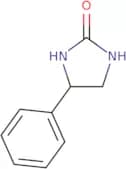
CAS:(Z)-Ethyl 2-chloro-2-(2-(4-chlorophenyl)hydrazono)acetate is a cyclic molecule with a planar geometry. The molecule has a hydrogen bond between the carboxyl and amino groups, which provides stability. It also has an aromatic ring, which is planar and coplanar in shape. The monoclinic structure of the molecule results in torsion angles that are dihedral. This chemical compound is a polymer with substituents on each carbon atom.Formula:C10H10Cl2N2O2Purity:Min. 95%Molecular weight:261.1 g/mol4-Phenylimidazolidin-2-one
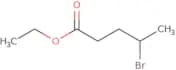
CAS:4-Phenylimidazolidin-2-one is a prodrug that is converted to an active form by hydrolysis. This compound has antiviral potency and a detection time of 1 to 4 hours. 4-Phenylimidazolidin-2-one is used as an antiviral agent for the treatment of influenza A and B. It also has anticancer activity, which may be due to its ability to inhibit allosteric binding sites on proteins such as human epidermal growth factor receptor 2 (HER2) and vascular endothelial growth factor receptor 2 (VEGFR2). It has been shown to be effective against cancer cells in vitro and in vivo, including the highly aggressive tumor cell line sw620. The mechanism of action for the anticancer activity of 4-phenylimidazolidin-2-one may be through the inhibition of protein kinase C (PKC) and phospholipase C (PLC), which areFormula:C9H10N2OPurity:Min. 95%Molecular weight:162.19 g/molEthyl 4-bromopentanoate
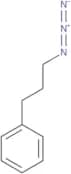
CAS:Ethyl 4-bromopentanoate is an organic compound that belongs to the class of compounds called ketones. It is a colorless liquid with a fruity odor. The compound is used in the synthesis of polycyclic aromatic hydrocarbons, such as tetrahydrocarbazoles and adducts with dienophiles. This active form can be synthesized by Wittig reaction using dimethyl acetylenedicarboxylate and an annulated alkyl halide as the starting materials.Formula:C7H13BrO2Purity:Min. 95%Molecular weight:209.08 g/mol(3-Azidopropyl)benzene
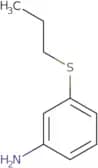
CAS:Versatile small molecule scaffoldFormula:C9H11N3Purity:Min. 95%Molecular weight:161.2 g/mol3-(Propylsulfanyl)aniline
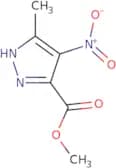
CAS:Versatile small molecule scaffoldFormula:C9H13NSPurity:Min. 95%Molecular weight:167.27 g/molMethyl 5-methyl-4-nitro-1H-pyrazole-3-carboxylate
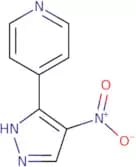
CAS:Versatile small molecule scaffoldFormula:C6H7N3O4Purity:Min. 95%Molecular weight:185.14 g/mol4-(4-Nitro-1H-pyrazol-3-yl)pyridine
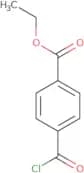
CAS:Versatile small molecule scaffoldFormula:C8H6N4O2Purity:Min. 95%Molecular weight:190.16 g/molEthyl 4-(carbonochloridoyl)benzoate
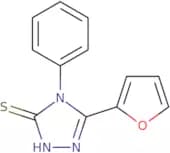
CAS:Versatile small molecule scaffoldFormula:C10H9ClO3Purity:Min. 95%Molecular weight:212.63 g/mol5-(Furan-2-yl)-4-phenyl-4H-1,2,4-triazole-3-thiol
CAS:Versatile small molecule scaffoldFormula:C12H9N3OSPurity:Min. 95%Molecular weight:243.29 g/mol4-Butyl-5-mercapto-4H-1,2,4-triazol-3-ol
CAS:Versatile small molecule scaffold
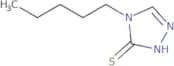
Formula:C6H11N3OSPurity:Min. 95%Molecular weight:173.24 g/mol4-Pentyl-4H-1,2,4-triazole-3-thiol
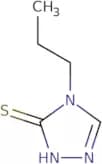
CAS:Versatile small molecule scaffoldFormula:C7H13N3SPurity:Min. 95%Molecular weight:171.27 g/mol4-Propyl-4H-1,2,4-triazole-3-thiol
CAS:Versatile small molecule scaffoldFormula:C5H9N3SPurity:Min. 95%Molecular weight:143.21 g/molMethyl isoquinoline-1-carboxylate
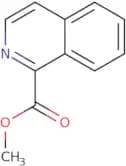
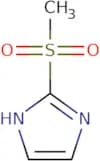
CAS:Methyl isoquinoline-1-carboxylate is an organic molecule with the formula CH3OC(=O)C6H4CH2NHC(=O)OC6H5. It is a methyl ester of isoquinoline-1-carboxylic acid. The compound has been found to have high values in oxidation reactions, and it can be used as a terminal oxidant in organic synthesis. Methyl isoquinoline-1-carboxylate can also be used as an experimental oxidant for the oxidation of terminal alkenes, such as acrylates, to produce terminal epoxides. This compound is a diastereoisomer of methyl 2,4,6-trimethoxybenzoate and can be synthesized by oxidative coupling of phenylglycine and phenyl ring followed by triflation.Formula:C11H9NO2Purity:Min. 95%Molecular weight:187.2 g/mol2-Methanesulfonyl-1H-imidazole
CAS:2-Methanesulfonyl-1H-imidazole (MSI) is a sulphydryl containing compound that has been shown to be an electron-withdrawing group. It has shown to be cytotoxic in the chinese hamster cell line and radiosensitizes cells in culture. MSI also inhibits oxidative phosphorylation by inhibiting enzymes such as eukaryotic cytochrome c oxidase, succinate dehydrogenase, and adenylate kinase. MSI is also effective against E. coli and other bacteria, including mycobacterium tuberculosis. MSI may be cytotoxic due to its ability to inhibit bacterial DNA synthesis by preventing deoxyribonucleotide synthesis and the inhibition of RNA synthesis.Formula:C4H6N2O2SPurity:Min. 95%Molecular weight:146.17 g/mol2-Hydroxy-1-(morpholin-4-yl)propan-1-one
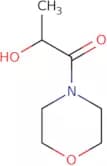
CAS:Versatile small molecule scaffold
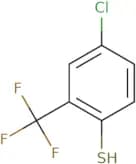
Formula:C7H13NO3Purity:Min. 95%Molecular weight:159.18 g/mol4-Chloro-2-trifluoromethylbenzenethiol
CAS:Versatile small molecule scaffoldFormula:C7H4ClF3SPurity:Min. 95%Molecular weight:212.62 g/mol3-Amino-4-methoxy-N-phenylbenzene-1-sulfonamide
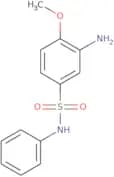
CAS:Versatile small molecule scaffold
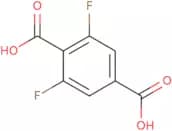
Formula:C13H14N2O3SPurity:Min. 95%Molecular weight:278.33 g/mol2,6-Difluorobenzene-1,4-dicarboxylic acid
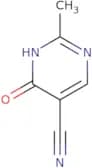
CAS:Versatile small molecule scaffoldFormula:C8H4F2O4Purity:Min. 95%Molecular weight:202.11 g/mol4-Hydroxy-2-methylpyrimidine-5-carbonitrile
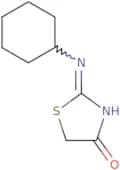
CAS:Versatile small molecule scaffoldFormula:C6H5N3OPurity:Min. 95%Molecular weight:135.12 g/mol2-(Cyclohexylamino)-4,5-dihydro-1,3-thiazol-4-one
CAS:Versatile small molecule scaffoldFormula:C9H14N2OSPurity:Min. 95%Molecular weight:198.29 g/mol2-[(3-Methylphenyl)amino]-4,5-dihydro-1,3-thiazol-4-one
CAS:Versatile small molecule scaffold
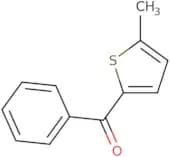
Formula:C10H10N2OSPurity:Min. 95%Molecular weight:206.27 g/mol(5-Methylthiophen-2-yl)(phenyl)methanone
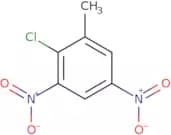
CAS:5-Methylthiophen-2-yl)(phenyl)methanone is a triplet with a wavelength of 349 nm. It has an ultraviolet absorption spectrum with maxima at 285, 295, and 350 nm. The carbonyl group in 5-Methylthiophen-2-yl)(phenyl)methanone has been shown to be the chromophore that absorbs at 310 nm. The carbonyl group is also responsible for the emission of light at 361 nm when irradiated with a deuterium lamp. The methyl group in 5-Methylthiophen-2-yl)(phenyl)methanone can undergo photocycloaddition reactions with isobutylene and 2-, 3-, or 4-benzoylthiophene to produce cyclopropanes, cyclobutanes, or tetrahydrofurans, respectively. Thermally, 5-Methylthiophen-Formula:C12H10OSPurity:Min. 95%Molecular weight:202.27 g/mol2-Chloro-1-methyl-3,5-dinitrobenzene
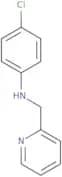
CAS:Versatile small molecule scaffoldFormula:C7H5ClN2O4Purity:Min. 95%Molecular weight:216.58 g/molN-(4-Chlorophenyl)pyridine-2-methylamine
CAS:N-(4-Chlorophenyl)pyridine-2-methylamine is a research tool that can be used for the study of ion channels, ligand-receptor interactions and protein interactions. It inhibits ligand binding to receptors and ion channels, preventing activation of the receptor or opening of the ion channel. N-(4-Chlorophenyl)pyridine-2-methylamine has a high purity and is suitable for use in pharmacology, cell biology, and other research fields.Formula:C12H11ClN2Purity:Min. 95%Molecular weight:218.68 g/molFuro[2,3-b]pyridin-3(2H)-one
CAS:Versatile small molecule scaffold
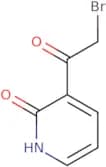
Formula:C7H5NO2Purity:Min. 95%Molecular weight:135.12 g/mol3-(2-Bromoacetyl)pyridin-2(1H)-one
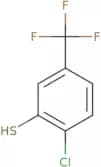
CAS:Versatile small molecule scaffoldFormula:C7H6BrNO2Purity:Min. 95%Molecular weight:216.03 g/mol2-Chloro-5-trifluoromethylbenzenethiol
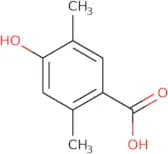
CAS:Versatile small molecule scaffoldFormula:C7H4ClF3SPurity:Min. 95%Molecular weight:212.62 g/mol4-Hydroxy-2,5-dimethylbenzoic acid
CAS:Versatile small molecule scaffoldFormula:C9H10O3Purity:Min. 95%Molecular weight:166.17 g/mol8-Fluoro-2,3,4,9-tetrahydro-1H-carbazole
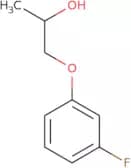
CAS:Versatile small molecule scaffoldFormula:C12H12FNPurity:Min. 95%Molecular weight:189.23 g/mol1-(3-Fluorophenoxy)propan-2-ol
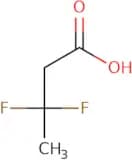
CAS:Versatile small molecule scaffoldFormula:C9H11FO2Purity:Min. 95%Molecular weight:170.18 g/mol3,3-Difluorobutanoic acid
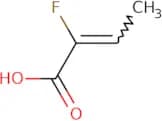
CAS:Versatile small molecule scaffoldFormula:C4H6F2O2Purity:Min. 95%Molecular weight:124.09 g/mol2-Fluorobut-2-enoic acid
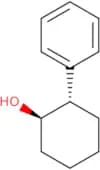
CAS:Versatile small molecule scaffoldFormula:C4H5FO2Purity:Min. 95%Molecular weight:104.08 g/moltrans-2-Phenyl-1-cyclohexanol
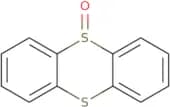
CAS:Trans-2-phenyl-1-cyclohexanol is a hydroxylated cyclohexanol. It is used as a reagent in organic synthesis for the dehydration of alcohols and the acetylation of acyclic carboxylic acids. Trans-2-phenyl-1-cyclohexanol can be prepared from cyclopentene oxide and chloride by the following sequence: trans,trans,trans-2,4'-dichlorobenzophenone → trans,trans,trans-2,4'-dichlorocyclopentene → trans,trans,trans-2-(chloromethyl)cyclohexane → trans,trans,trans-2-(chloromethyl)cyclohexanol. This compound has been investigated as a model system in kinetic studies of transfer reactions such as hydrogen transfer reactions.Formula:C6H5C6H10OHPurity:Min. 95%Molecular weight:176.25 g/molThianthrene 5-oxide
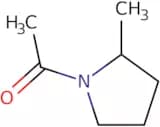
CAS:Thianthrene 5-oxide is a molecule that has been synthesized by the reaction of hydrochloric acid and thioxanthone. The molecule contains five rings which are connected with intramolecular hydrogen bonds, forming a pseudoequatorial structure. Thianthrene 5-oxide contains two functional groups, the sulfinyl group and the hydroxyl group. These functional groups are nucleophilic and can react with electrophiles to form transfer reactions.Formula:C12H8OS2Purity:Min. 95%Color and Shape:PowderMolecular weight:232.3 g/mol1-(2-Methylpyrrolidin-1-yl)ethan-1-one
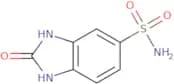
CAS:1-(2-Methylpyrrolidin-1-yl)ethan-1-one is a chiral hydrolytic enzyme that catalyzes the hydrolysis of ester bonds. It is stereoselective, with an absolute stereochemistry of S.Formula:C7H13NOPurity:Min. 95%Molecular weight:127.18 g/mol2-Oxo-2,3-dihydro-1H-1,3-benzodiazole-5-sulfonamide
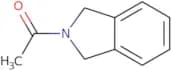
CAS:Versatile small molecule scaffoldFormula:C7H7N3O3SPurity:Min. 95%Molecular weight:213.22 g/mol1-(2,3-Dihydro-1H-isoindol-2-yl)ethan-1-one
CAS:Versatile small molecule scaffold
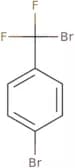
Formula:C10H11NOPurity:Min. 95%Molecular weight:161.2 g/mol1-bromo-4-(bromodifluoromethyl)benzene
CAS:Versatile small molecule scaffoldFormula:C7H4Br2F2Purity:Min. 95%Molecular weight:285.91 g/mol1-(3-Fluoro-4-methoxyphenyl)propan-2-one
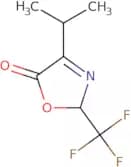
CAS:Versatile small molecule scaffoldFormula:C10H11FO2Purity:Min. 95%Molecular weight:182.19 g/mol4-(Propan-2-yl)-2-(trifluoromethyl)-2,5-dihydro-1,3-oxazol-5-one
CAS:Versatile small molecule scaffoldFormula:C7H8F3NO2Purity:Min. 95%Molecular weight:195.14 g/mol5-Oxo-1-[4-(trifluoromethyl)phenyl]-pyrrolidine-3-carboxylic acid
CAS:Versatile small molecule scaffoldFormula:C12H10F3NO3Purity:Min. 95%Molecular weight:273.21 g/molChloromethyl Methyl Sulfone
CAS:Chloromethyl Methyl Sulfone is a nucleophilic acceptor for aldehydes and pyridinium compounds. It can be synthesized by the reaction of methyl sulfoxide and hydrochloric acid in the presence of triazole and hydroxide ion. Chloromethyl Methyl Sulfone is a crystalline solid that can be used to study the interaction of kinesin with methyl sulfones. This compound has been shown to have an inhibitory effect on cellular activity, which may be due to its ability to react with chloride ions, forming chloromethyl methyl sulfonium chloride.Formula:C2H5ClO2SPurity:Min. 95%Molecular weight:128.58 g/mol2-[(4-Methylphenyl)amino]acetohydrazide
CAS:2-[(4-Methylphenyl)amino]acetohydrazide is a crystalline solid that belongs to the group of hydrazides. It has an asymmetric, planar, two-dimensional crystal structure with dihedral angles of 1.2° and 2.6°. The compound contains a benzene ring and two hydrogen bonds.Formula:C9H13N3OPurity:Min. 95%Molecular weight:179.22 g/mol5-Acetyl-2-chlorobenzene-1-sulfonamide
CAS:Versatile small molecule scaffold
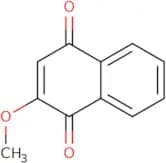
Formula:C8H8ClNO3SPurity:Min. 95%Molecular weight:233.67 g/mol2-Methoxy-1,4-naphthoquinone
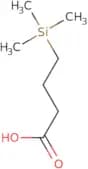
CAS:2-Methoxy-1,4-naphthoquinone is a natural compound that has low potency and significant cytotoxicity. It inhibits the polymerase chain reaction (PCR) by inhibiting DNA synthesis in the bacteria. This compound also exhibits antiinflammatory activity which may be due to its ability to inhibit prostaglandin synthesis. 2-Methoxy-1,4-naphthoquinone has been shown to exhibit minimal toxicity in mice and humans. It is structurally similar to p-hydroxybenzoic acid, a common ingredient found in food and cosmetics. 2-Methoxy-1,4-naphthoquinone has been used for the treatment of infectious diseases such as oral pathogens and bacterial infections caused by Helicobacter pylori or c. glabrata.Formula:C11H8O3Purity:Min. 95%Molecular weight:188.18 g/mol4-(Trimethylsilyl)butanoic acid
CAS:Versatile small molecule scaffold
Formula:C7H16O2SiPurity:Min. 95%Molecular weight:160.29 g/mol(Trimethylsilyl)acetic acid
CAS:(Trimethylsilyl)acetic acid is an organosilicon compound that has a hydroxyl group and three methyl groups. It is a metastable substance with a boiling point of about 130 degrees Celsius. (Trimethylsilyl)acetic acid can be synthesized by reacting bromoacetic acid with methyllithium or trimethylsilyl chloride. This compound has been shown to have kinetic properties such as molecular ions, kinetic energy, and inorganic acids. It also has functional groups that are able to interact with detergent compositions.
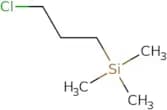
Formula:C5H12O2SiPurity:Min. 95%Molecular weight:132.23 g/mol(3-Chloropropyl)trimethylsilane
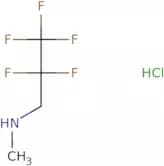
CAS:3-Chloropropyltrimethylsilane is a diphenyl ether that inhibits the cross-linking of proteins and enzymes in infectious diseases. It has been shown to be an effective catalyst for oxidation reactions, such as the conversion of metal carbonyls to unsaturated alkyls. 3-Chloropropyltrimethylsilane has also been shown to inhibit cavities in glycol ethers and corrosion in hydrochloric acid solutions. This chemical has fluorescence properties. The structural formula is CHClSi(CH)CHCl, and it is a colorless liquid with a boiling point of -71°C.Formula:C6H15ClSiPurity:Min. 95%Molecular weight:150.72 g/molMethyl(2,2,3,3,3-pentafluoropropyl)amine hydrochloride
CAS:Versatile small molecule scaffoldFormula:C4H7ClF5NPurity:Min. 95%Molecular weight:199.55 g/mol3,3,3-Trifluoropropyl 4-methylbenzenesulfonate
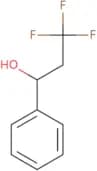
CAS:Versatile small molecule scaffoldFormula:C10H11F3O3SPurity:Min. 95%Molecular weight:268.25 g/mol3,3,3-Trifluoro-1-phenylpropan-1-ol
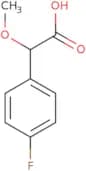
CAS:Versatile small molecule scaffoldFormula:C9H9F3OPurity:Min. 95%Molecular weight:190.16 g/mol2-(4-Fluorophenyl)-2-methoxyacetic acid
CAS:Versatile small molecule scaffoldFormula:C9H9FO3Purity:Min. 95%Molecular weight:184.16 g/mol(5-Fluoro-2-methylphenyl)hydrazine
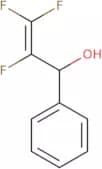
CAS:Versatile small molecule scaffoldFormula:C7H9FN2Purity:Min. 95%Molecular weight:140.16 g/mol2,3,3-Trifluoro-1-phenylprop-2-en-1-ol
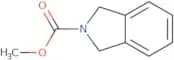
CAS:Versatile small molecule scaffoldFormula:C9H7F3OPurity:Min. 95%Molecular weight:188.15 g/molMethyl 2,3-dihydro-1H-isoindole-2-carboxylate
CAS:Versatile small molecule scaffoldFormula:C10H11NO2Purity:Min. 95%Molecular weight:177.2 g/molEthyl 5-chloropentanoate
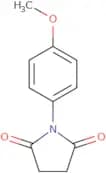
CAS:Ethyl 5-chloropentanoate belongs to the class of compounds called test compounds. It was synthesized for the purpose of studying the biological properties of histone lysine residues. The compound has shown a number of biological effects, including activation energy and quantum theory, at low concentrations in women. This chemical is a chloride ion donor and contains an ethyl group and a carbonyl group. It has been shown to be an effective activator of pentene isomers that are present in tissues in order to form reactive intermediates that can initiate reactions with other molecules, such as lysine residues on proteins.Formula:C7H13ClO2Purity:Min. 95%Molecular weight:164.63 g/mol1-(4-Methoxyphenyl)pyrrolidine-2,5-dione
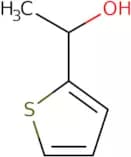
CAS:1-(4-Methoxyphenyl)pyrrolidine-2,5-dione is a potent inhibitor of p2y receptors. It has been shown to inhibit the generation of monoclonal antibodies and cytosolic Ca2+ in T cells, which are both important for the activation of immune cells. 1-(4-Methoxyphenyl)pyrrolidine-2,5-dione also inhibits the polymerase chain reaction (PCR), which is a DNA replication technique used in molecular biology. The molecule interacts with hydrogen bond and gamma-aminobutyric acid (GABA), but does not interact with glutamate or carbaryl. This drug may be useful for the treatment of bladder cancer due to its potent inhibitory activity against p2y receptors.Formula:C11H11NO3Purity:Min. 95%Molecular weight:205.21 g/mol1-(Thiophen-2-yl)ethan-1-ol
CAS:1-(Thiophen-2-yl)ethan-1-ol is an enantiopure reactant that can be used to synthesize lipase substrates. The immobilized substrate is a polyvinyl polymer that has been functionalized with a primary alcohol and thiol groups. 1-(Thiophen-2-yl)ethan-1-ol is used in the synthesis of lipase substrates that are used to study the biotransformations of secondary alcohols. X-ray structures have been obtained for this compound, which contains a chiral center.Formula:C6H8OSPurity:Min. 95%Molecular weight:128.19 g/mol4-Amino-N-methylphthalimide
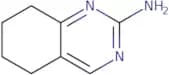
CAS:4-Amino-N-methylphthalimide (AMI) is a fluorescent dye that has been shown to be an effective proton sensor. It can be used as a transistor, and has the potential to be used in other applications such as photophysical studies, gas sensors, and quantum dots. 4-Amino-N-methylphthalimide has been shown to bind MgO with a binding constant of 9.3x10 M. It also has high kinetic data, which can be helpful for understanding the reaction mechanisms at work.Formula:C9H8N2O2Purity:Min. 95%Molecular weight:176.17 g/mol5,6,7,8-Tetrahydroquinazolin-2-amine
CAS:5,6,7,8-Tetrahydroquinazolin-2-amine is a heterobicyclic drug that has antibacterial activity. It was synthesized in the multistep reaction of cyclic amines with 2-aminothiazole. This compound may be used as a diagnostic tool for serotonin because it activates 5-HT6 receptors and inhibits the binding of serotonin to its receptor. This drug also has an inhibitory effect on bacterial growth and is useful for treating bacterial infections. 5,6,7,8-Tetrahydroquinazolin-2-amine has antidepressive effects and may be used to treat depression by antagonizing the reuptake of serotonin at synapses in the brain and increasing synaptic concentrations of this neurotransmitter.
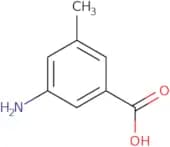
Formula:C8H11N3Purity:Min. 95%Molecular weight:149.19 g/mol3-Amino-5-methylbenzoic acid
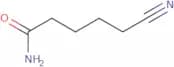
CAS:3-Amino-5-methylbenzoic acid (3-AMBA) is a chemical compound that is used in the treatment of murine leukemia. It inhibits cell growth by binding to the DNA and inhibiting transcription and replication, as well as by inhibiting the biosynthesis of proteins and other cellular molecules. 3-AMBA has been shown to be active against Salmonella typhimurium, Staphylococcus aureus, Bacillus subtilis, Escherichia coli, Mycobacterium tuberculosis, and L1210 cells. This drug also has detoxification properties and can inhibit the production of cyclopentanoid compounds in plants.Formula:C8H9NO2Purity:Min. 95%Molecular weight:151.16 g/mol5-Cyanopentanamide
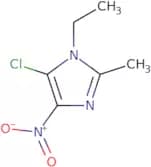
CAS:5-Cyanopentanamide is a liquid phase catalyst that has been immobilized on Ru(III) oxide. 5-Cyanopentanamide shows good activity in the hydration of carbonyl compounds, such as triazolinones, to produce the corresponding amides. It also catalyzes the hydrogenation reaction of ammonium salts with adiponitrile and hydrogen. 5-Cyanopentanamide's biochemical properties are similar to those of other amides. The use of this immobilized catalyst allows for reactions to be carried out at lower temperatures and pressures than with traditional methods.Formula:C6H10N2OPurity:Min. 95%Molecular weight:126.16 g/mol5-Chloro-1-ethyl-2-methyl-4-nitro-1H-imidazole
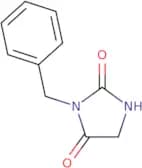
CAS:Versatile small molecule scaffoldFormula:C6H8ClN3O2Purity:Min. 95%Molecular weight:189.6 g/mol3-benzylimidazolidine-2,4-dione
CAS:3-benzylimidazolidine-2,4-dione is a synthetic molecule that can be used to inhibit the growth of cancer cells. It is classified as an alkylating agent and is structurally related to glyoxal. 3-benzylimidazolidine-2,4-dione has shown cytotoxic effects in vitro by inhibiting DNA replication and protein synthesis in a variety of cancer cell lines. It also has the ability to cross the blood brain barrier and has been shown to be effective against human glioblastoma cells. This compound may be useful in the treatment of brain tumours due to its ability to inhibit protein synthesis and DNA replication.Formula:C10H10N2O2Purity:Min. 95%Molecular weight:190.2 g/mol3,6-Dinitrobenzene-1,2-dicarboxylic acid
CAS:Versatile small molecule scaffoldFormula:C8H4N2O8Purity:Min. 95%Molecular weight:256.13 g/molBicyclo[4.2.0]octa-1,3,5-trien-7-amine hydrochloride
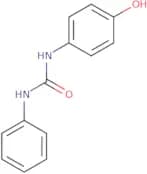
CAS:Versatile small molecule scaffoldFormula:C8H10ClNPurity:Min. 95%Molecular weight:155.62 g/mol3-(4-Hydroxyphenyl)-1-phenylurea
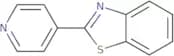
CAS:Versatile small molecule scaffoldFormula:C13H12N2O2Purity:Min. 95%Molecular weight:228.25 g/mol2-(4-Pyridyl)-1,3-benzothiazole
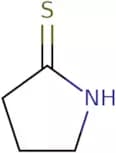
CAS:2-(4-Pyridyl)-1,3-benzothiazole is a pancreatic carcinogen. It has been shown to be an important factor in the development of pancreatic cancer. 2-(4-Pyridyl)-1,3-benzothiazole is a ligand for the nuclear receptor PPARγ and can activate this receptor by binding to it. Activated PPARγ then regulates gene expression and protein synthesis, leading to tumorigenesis. In addition, 2-(4-Pyridyl)-1,3-benzothiazole has been shown to inhibit the activity of methionine synthase and increase the amount of homocysteine in cells. This inhibition ultimately leads to cell death by increasing reactive oxygen species that can cause DNA damage or inhibit protein synthesis.Formula:C12H8N2SPurity:Min. 95%Molecular weight:212.27 g/molPyrrolidine-2-thione
CAS:Pyrrolidine-2-thione is a molecule that is an organic compound consisting of two pyrrole rings linked by a sulfur atom. It has a molecular weight of 176.13 and a monosodium salt with the chemical formula C6H8N2S. Pyrrolidine-2-thione is soluble in water, alcohol, and ether. This compound reacts with hydrochloric acid to form hydrogen fluoride and pyrrole monosulfonic acid, which exhibits anti-inflammatory properties. The particle size distribution of this compound has been found to be between 1 and 10 micrometers in diameter and it is highly soluble in polycarboxylic acids like oxalic acid or maleic acid. Pyrrolidine-2-thione also has high reactivity with aromatic hydrocarbons such as benzene, toluene, and xylene.Formula:C4H7NSPurity:Min. 95%Molecular weight:101.17 g/molEthyl 3-hydroxy-3-phenylbutanoate
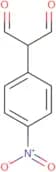
CAS:Versatile small molecule scaffoldFormula:C12H16O3Purity:Min. 95%Molecular weight:208.25 g/mol2-(4-Nitrophenyl)malondialdehyde
CAS:2-(4-Nitrophenyl)malondialdehyde (2-NPMA) is a neutral, water soluble dye that has an affinity for malondialdehyde. It is a cyanine dye with a basic structure and it can be used as an effective method to detect malondialdehyde in aqueous solutions. Merocyanine dyes are symmetric and unsymmetric cyanine dyes with different spectral properties. A merocyanine dye can be either basic or acidic depending on the pH of the solution. At low pH values, it will have a positive charge and at high pH values, it will have a negative charge. The merocyanine dye 2-NPMA is effective in detecting malondialdehyde because of its affinity for this chemical.Formula:C9H7NO4Purity:Min. 95%Molecular weight:193.16 g/mol3-Butoxy-2,2-dimethylcyclobutan-1-one
CAS:Versatile small molecule scaffoldFormula:C10H18O2Purity:Min. 95%Molecular weight:170.25 g/molSilane, isothiocyanatotrimethyl-
CAS:Trifluoroacetic acid is a reactive compound that can be used to produce amines by activation with trimethylsilyl. It is also used in the synthesis of other compounds, such as silanes and thiocyanates. Trifluoroacetic acid has been shown to be an effective treatment for autoimmune diseases, such as inflammatory bowel disease, alopecia areata, and rheumatoid arthritis. It has also been shown to inhibit the production of pro-inflammatory cytokines in human monocytes. Trifluoroacetic acid has chemical stability in organic solvents and does not react with water or alcohols.
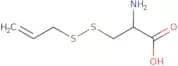
Formula:C4H9NSSiPurity:Min. 95%Molecular weight:131.27 g/mol(2R)-2-Amino-3-(prop-2-en-1-yldisulfanyl)propanoic acid
CAS:(2R)-2-Amino-3-(prop-2-en-1-yldisulfanyl)propanoic acid is an anti-cancer drug that inhibits the enzyme activity of histone deacetylase (HDAC). This drug has been shown to induce apoptosis in colorectal adenocarcinoma cells by inhibiting HDAC. It also induces autophagy and apoptosis in cancer cell lines with different genetic backgrounds. The reaction solution for this compound is a mixture of water, methanol, and hydrochloric acid. The product is soluble in water and methanol, but not in hydrochloric acid.Formula:C6H11NO2S2Purity:Min. 95%Molecular weight:193.3 g/molBicyclo[2.2.2]octane-1,4-diamine dihydrochloride
CAS:Versatile small molecule scaffoldFormula:C8H16N2•(HCl)2Purity:Min. 95%Molecular weight:213.15 g/mol


![1H-Pyrrolo[3,2-b]Pyridine-3-Acetic Acid](/_next/image/?url=https%3A%2Fstatic.cymitquimica.com%2Fproducts%2F3D%2Fthumb-webp%2FCBA22427.webp&w=3840&q=75)
![5-Chloro-[1,2,4]triazolo[4,3-a]pyridine](/_next/image/?url=https%3A%2Fstatic.cymitquimica.com%2Fproducts%2F3D%2Fthumb-webp%2FCBA18713.webp&w=3840&q=75)

![2-Oxo-1H,2H,5H,7H,8H-pyrano[4,3-b]pyridine-3-carbonitrile](/_next/image/?url=https%3A%2Fstatic.cymitquimica.com%2Fproducts%2F3D%2Fthumb-webp%2FCBA15209.webp&w=3840&q=75)
![Benzo[d]isothiazole-3(2H)-thione 1,1-dioxide](/_next/image/?url=https%3A%2Fstatic.cymitquimica.com%2Fproducts%2F3D%2Fthumb-webp%2FCBA14803.webp&w=3840&q=75)
![2-[(3-Methylphenyl)amino]-4,5-dihydro-1,3-thiazol-4-one](/_next/image/?url=https%3A%2Fstatic.cymitquimica.com%2Fproducts%2F3D%2Fthumb-webp%2FCBA05216.webp&w=3840&q=75)
![Furo[2,3-b]pyridin-3(2H)-one](/_next/image/?url=https%3A%2Fstatic.cymitquimica.com%2Fproducts%2F3D%2Fthumb-webp%2FCBA03848.webp&w=3840&q=75)


![5-Oxo-1-[4-(trifluoromethyl)phenyl]-pyrrolidine-3-carboxylic acid](/_next/image/?url=https%3A%2Fstatic.cymitquimica.com%2Fproducts%2F3D%2Fthumb-webp%2FCAA35727.webp&w=3840&q=75)

![2-[(4-Methylphenyl)amino]acetohydrazide](/_next/image/?url=https%3A%2Fstatic.cymitquimica.com%2Fproducts%2F3D%2Fthumb-webp%2FCAA35099.webp&w=3840&q=75)







![Bicyclo[4.2.0]octa-1,3,5-trien-7-amine hydrochloride](/_next/image/?url=https%3A%2Fstatic.cymitquimica.com%2Fproducts%2F3D%2Fthumb-webp%2FCAA29900.webp&w=3840&q=75)



![Bicyclo[2.2.2]octane-1,4-diamine dihydrochloride](/_next/image/?url=https%3A%2Fstatic.cymitquimica.com%2Fproducts%2F3D%2Fthumb-webp%2FCAA27793.webp&w=3840&q=75)