


Building Blocks
Subcategories of "Building Blocks"
- Boronic Acids & Boronic Acid Derivatives(5,786 products)
- Chiral Building Blocks(1,246 products)
- Hydrocarbon Building Blocks(6,107 products)
- Organic Building Blocks(61,079 products)
Found 205461 products of "Building Blocks"
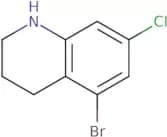
5-Bromo-7-chloro-1,2,3,4-tetrahydroquinoline
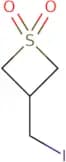
CAS:Versatile small molecule scaffoldFormula:C9H9BrClNPurity:Min. 95%Molecular weight:246.53 g/mol3-(Iodomethyl)-1λ⁶-thietane-1,1-dione
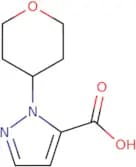
CAS:Versatile small molecule scaffoldFormula:C4H7IO2SPurity:Min. 95%Molecular weight:246.1 g/mol1-(Oxan-4-yl)-1H-pyrazole-5-carboxylic acid
CAS:Versatile small molecule scaffoldFormula:C9H12N2O3Purity:Min. 95%Molecular weight:196.2 g/molMethyl 7-aminopyrazolo[1,5-a]pyrimidine-3-carboxylate
CAS:Versatile small molecule scaffoldFormula:C8H8N4O2Purity:Min. 95%Molecular weight:192.2 g/mol[3-(Trifluoromethyl)-5H,6H,7H,8H-imidazo[1,5-a]pyridin-1-yl]methanamine
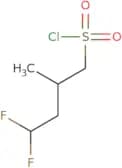
CAS:Versatile small molecule scaffoldFormula:C9H12F3N3Purity:Min. 95%Molecular weight:219.21 g/mol4,4-Difluoro-2-methylbutane-1-sulfonyl chloride
CAS:Versatile small molecule scaffold
Formula:C5H9ClF2O2SPurity:Min. 95%Molecular weight:206.64 g/mol2-[1-({[(tert-Butoxy)carbonyl]amino}methyl)cyclopropyl]acetic acid
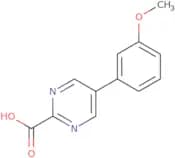
CAS:Versatile small molecule scaffoldFormula:C11H19NO4Purity:Min. 95%Molecular weight:229.27 g/mol5-(3-Methoxyphenyl)pyrimidine-2-carboxylic acid
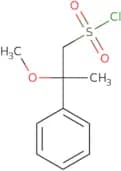
CAS:Versatile small molecule scaffoldFormula:C12H10N2O3Purity:Min. 95%Molecular weight:230.2 g/mol2-Methoxy-2-phenylpropane-1-sulfonyl chloride
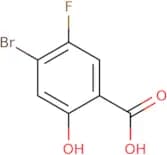
CAS:Versatile small molecule scaffoldFormula:C10H13ClO3SPurity:Min. 95%Molecular weight:248.73 g/mol4-Bromo-5-fluoro-2-hydroxybenzoic acid
CAS:Versatile small molecule scaffoldFormula:C7H4BrFO3Purity:Min. 95%Molecular weight:235.01 g/mol3-Bromo-4H,5H,6H-pyrrolo[1,2-b]pyrazole-2-carboxylic acid
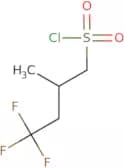
CAS:Versatile small molecule scaffoldFormula:C7H7BrN2O2Purity:Min. 95%Molecular weight:231.05 g/mol4,4,4-Trifluoro-2-methylbutane-1-sulfonyl chloride
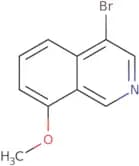
CAS:Versatile small molecule scaffoldFormula:C5H8ClF3O2SPurity:Min. 95%Molecular weight:224.63 g/mol4-Bromo-8-methoxyisoquinoline
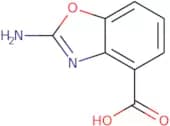
CAS:Versatile small molecule scaffoldFormula:C10H8BrNOPurity:Min. 95%Molecular weight:238.08 g/mol2-Amino-1,3-benzoxazole-4-carboxylic acid
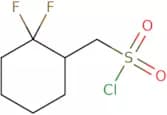
CAS:Versatile small molecule scaffoldFormula:C8H6N2O3Purity:Min. 95%Molecular weight:178.14 g/mol(2,2-Difluorocyclohexyl)methanesulfonyl chloride
CAS:Versatile small molecule scaffold
Formula:C7H11ClF2O2SPurity:Min. 95%Molecular weight:232.68 g/mol[3-(Propan-2-yl)piperidin-3-yl]methanol
CAS:Versatile small molecule scaffoldFormula:C9H19NOPurity:Min. 95%Molecular weight:157.25 g/mol1,2-Diazaspiro[4.6]undecan-3-one
CAS:Versatile small molecule scaffoldFormula:C9H16N2OPurity:Min. 95%Molecular weight:168.24 g/mol2-Fluorocycloheptan-1-amine hydrochlorides
CAS:Versatile small molecule scaffoldFormula:C7H15ClFNPurity:Min. 95%Molecular weight:167.7 g/mol2-Bromo-5H,6H,7H-pyrrolo[1,2-a]imidazole-3-carboxylic acid
CAS:Versatile small molecule scaffold
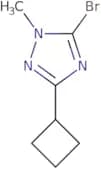
Formula:C7H7BrN2O2Purity:Min. 95%Molecular weight:231.05 g/mol5-Bromo-3-cyclobutyl-1-methyl-1H-1,2,4-triazole
CAS:Versatile small molecule scaffoldFormula:C7H10BrN3Purity:Min. 95%Molecular weight:216.08 g/mol7-Oxaspiro[3.5]nonane-1-carboxylic acid
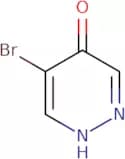
CAS:Versatile small molecule scaffoldFormula:C9H14O3Purity:Min. 95%Molecular weight:170.21 g/mol5-Bromopyridazin-4-ol
CAS:Versatile small molecule scaffoldFormula:C4H3BrN2OPurity:Min. 95%Molecular weight:174.99 g/mol3-Methylpyrazolo[1,5-a]pyrimidine-5-carboxylic acid
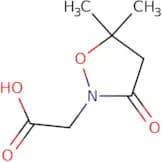
CAS:Versatile small molecule scaffoldFormula:C8H7N3O2Purity:Min. 95%Molecular weight:177.16 g/mol2-(5,5-Dimethyl-3-oxo-1,2-oxazolidin-2-yl)acetic acid
CAS:Versatile small molecule scaffoldFormula:C7H11NO4Purity:Min. 95%Molecular weight:173.17 g/moltert-Butyl N-[(3-hydroxythiolan-3-yl)methyl]carbamate
CAS:Versatile small molecule scaffold
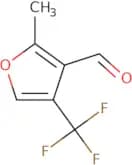
Formula:C10H19NO3SPurity:Min. 95%Molecular weight:233.33 g/mol2-Methyl-4-(trifluoromethyl)furan-3-carbaldehyde
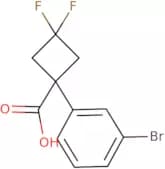
CAS:Versatile small molecule scaffoldFormula:C7H5F3O2Purity:Min. 95%Molecular weight:178.11 g/mol1-(3-Bromophenyl)-3,3-difluorocyclobutane-1-carboxylic acid
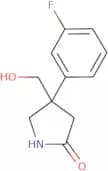
CAS:Versatile small molecule scaffoldFormula:C11H9BrF2O2Purity:Min. 95%Molecular weight:291.09 g/mol4-(3-Fluorophenyl)-4-(hydroxymethyl)pyrrolidin-2-one
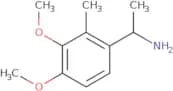
CAS:Versatile small molecule scaffoldFormula:C11H12FNO2Purity:Min. 95%Molecular weight:209.22 g/mol1-(3,4-Dimethoxy-2-methylphenyl)ethan-1-amine
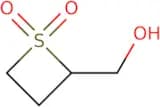
CAS:Versatile small molecule scaffoldFormula:C11H17NO2Purity:Min. 95%Molecular weight:195.26 g/mol2-Thietanemethanol 1,1-dioxide
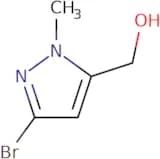
CAS:Versatile small molecule scaffoldFormula:C4H8O3SPurity:Min. 95%Molecular weight:136.17 g/mol(3-Bromo-1-methyl-1H-pyrazol-5-yl)methanol
CAS:Versatile small molecule scaffoldFormula:C5H7BrN2OPurity:Min. 95%Molecular weight:191.03 g/mol7-Bromo-[1,3]oxazolo[4,5-b]pyridin-2-ol
CAS:Versatile small molecule scaffoldFormula:C6H3BrN2O2Purity:Min. 95%Molecular weight:215 g/mol1-[(tert-Butoxy)carbonyl]-3-(difluoromethyl)azetidine-3-carboxylic acid
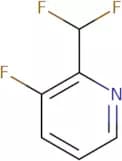
CAS:Versatile small molecule scaffoldFormula:C10H15F2NO4Purity:Min. 95%Molecular weight:251.23 g/mol2-(Difluoromethyl)-3-fluoropyridine
CAS:Versatile small molecule scaffold
Formula:C6H4F3NPurity:Min. 95%Molecular weight:147.1 g/mol7-Methyl-1,3-benzoxazol-6-ol
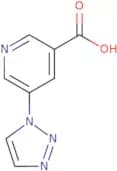
CAS:Versatile small molecule scaffoldFormula:C8H7NO2Purity:Min. 95%Molecular weight:149.1 g/mol5-(1H-1,2,3-Triazol-1-yl)pyridine-3-carboxylic acid
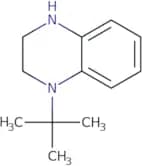
CAS:Versatile small molecule scaffoldFormula:C8H6N4O2Purity:Min. 95%Molecular weight:190.16 g/mol1-tert-Butyl-1,2,3,4-tetrahydroquinoxaline
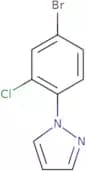
CAS:Versatile small molecule scaffoldFormula:C12H18N2Purity:Min. 95%Molecular weight:190.28 g/mol1-(4-Bromo-2-chlorophenyl)-1H-pyrazole
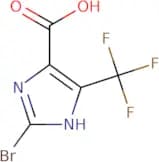
CAS:Versatile small molecule scaffoldFormula:C9H6BrClN2Purity:Min. 95%Molecular weight:257.51 g/mol2-Bromo-4-(trifluoromethyl)-1H-imidazole-5-carboxylic acid
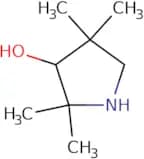
CAS:Versatile small molecule scaffoldFormula:C5H2BrF3N2O2Purity:Min. 95%Molecular weight:258.98 g/mol2,2,4,4-Tetramethylpyrrolidin-3-ol
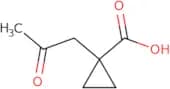
CAS:Versatile small molecule scaffoldFormula:C8H17NOPurity:Min. 95%Molecular weight:143.2 g/mol1-(2-Oxopropyl)cyclopropane-1-carboxylic acid
CAS:Versatile small molecule scaffoldFormula:C7H10O3Purity:Min. 95%Molecular weight:142.2 g/moltert-Butyl N-{6-oxospiro[2.5]octan-1-yl}carbamate
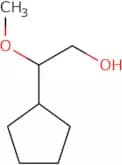
CAS:Versatile small molecule scaffoldFormula:C13H21NO3Purity:Min. 95%Molecular weight:239.31 g/mol2-Cyclopentyl-2-methoxyethan-1-ol
CAS:Versatile small molecule scaffoldFormula:C8H16O2Purity:Min. 95%Molecular weight:144.21 g/mol3-Methoxy-4-[(methoxycarbonyl)amino]benzoic acid
CAS:Versatile small molecule scaffold
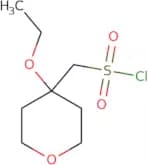
Formula:C10H11NO5Purity:Min. 95%Molecular weight:225.2 g/mol(4-Ethoxyoxan-4-yl)methanesulfonyl chloride
CAS:Versatile small molecule scaffoldFormula:C8H15ClO4SPurity:Min. 95%Molecular weight:242.72 g/mol2-(1-Methyl-1H-imidazol-5-yl)propan-2-ol
CAS:Versatile small molecule scaffoldFormula:C7H12N2OPurity:Min. 95%Molecular weight:140.2 g/mol1-{Spiro[2.5]octan-6-yl}ethan-1-one
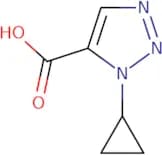
CAS:Versatile small molecule scaffoldFormula:C10H16OPurity:Min. 95%Molecular weight:152.2 g/mol1-Cyclopropyl-1H-1,2,3-triazole-5-carboxylic acid
CAS:Versatile small molecule scaffoldFormula:C6H7N3O2Purity:Min. 95%Molecular weight:153.14 g/mol7-(Propan-2-yl)-2-(trifluoromethyl)pyrazolo[1,5-a]pyrimidine-5-carboxylic acid
CAS:Versatile small molecule scaffoldFormula:C11H10F3N3O2Purity:Min. 95%Molecular weight:273.21 g/molBenzyl N-[1-(chlorosulfonyl)propan-2-yl]carbamate
CAS:Versatile small molecule scaffoldFormula:C11H14ClNO4SPurity:Min. 95%Molecular weight:291.75 g/mol3-(1-Hydroxycyclopropyl)phenol
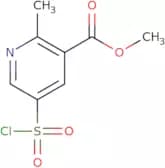
CAS:Versatile small molecule scaffoldFormula:C9H10O2Purity:Min. 95%Molecular weight:150.2 g/molMethyl 5-(chlorosulfonyl)-2-methylpyridine-3-carboxylate
CAS:Versatile small molecule scaffoldFormula:C8H8ClNO4SPurity:Min. 95%Molecular weight:249.67 g/mol2-(4-{[(tert-Butoxy)carbonyl]amino}oxolan-3-yl)acetic acid
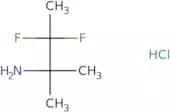
CAS:Versatile small molecule scaffoldFormula:C11H19NO5Purity:Min. 95%Molecular weight:245.27 g/mol3,3-Difluoro-2-methylbutan-2-amine hydrochloride
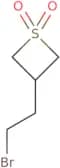
CAS:Versatile small molecule scaffoldFormula:C5H12ClF2NPurity:Min. 95%Molecular weight:159.6 g/mol3-(2-Bromoethyl)thietane 1,1-dioxide
CAS:Versatile small molecule scaffoldFormula:C5H9BrO2SPurity:Min. 95%Molecular weight:213.1 g/mol2-{1-[(tert-Butoxy)carbonyl]pyrrolidin-3-yl}-2,2-difluoroacetic acid
CAS:Versatile small molecule scaffold
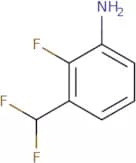
Formula:C11H17F2NO4Purity:Min. 95%Molecular weight:265.25 g/mol3-(Difluoromethyl)-2-fluoroaniline
CAS:Versatile small molecule scaffoldFormula:C7H6F3NPurity:Min. 95%Molecular weight:161.13 g/mol4-(Cyclobutylmethyl)-1H-pyrrole-2-carboxylic acid
CAS:Versatile small molecule scaffoldFormula:C10H13NO2Purity:Min. 95%Molecular weight:179.2 g/mol2-Azaspiro[4.4]nonane-1,6-dione
CAS:Versatile small molecule scaffold
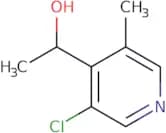
Formula:C8H11NO2Purity:Min. 95%Molecular weight:153.18 g/mol1-(3-Chloro-5-methylpyridin-4-yl)ethanol
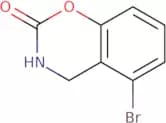
CAS:Versatile small molecule scaffoldFormula:C8H10ClNOPurity:Min. 95%Molecular weight:171.62 g/mol5-Bromo-3,4-dihydro-2H-1,3-benzoxazin-2-one
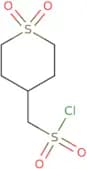
CAS:Versatile small molecule scaffoldFormula:C8H6BrNO2Purity:Min. 95%Molecular weight:228.04 g/molTetrahydro-2H-thiopyran-4-methanesulfonyl chloride 1,1-dioxide
CAS:Versatile small molecule scaffoldFormula:C6H11ClO4S2Purity:Min. 95%Molecular weight:246.7 g/mol3-{[(tert-Butoxy)carbonyl](hydroxy)amino}propanoic acid
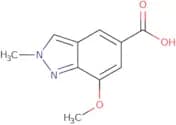
CAS:Versatile small molecule scaffoldFormula:C8H15NO5Purity:Min. 95%Molecular weight:205.2 g/mol7-Methoxy-2-methyl-2H-indazole-5-carboxylic acid
CAS:Versatile small molecule scaffoldFormula:C10H10N2O3Purity:Min. 95%Molecular weight:206.2 g/mol3-[(1-Methylpiperidin-3-yl)methyl]aniline
CAS:Versatile small molecule scaffoldFormula:C13H20N2Purity:Min. 95%Molecular weight:204.31 g/mol6-Hydroxy-5-methyl-2-(pyridin-2-yl)-3,4-dihydropyrimidin-4-one
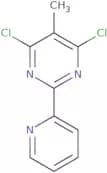
CAS:Versatile small molecule scaffoldFormula:C10H9N3O2Purity:Min. 95%Molecular weight:203.2 g/mol4,6-Dichloro-5-methyl-2-(pyridin-2-yl)pyrimidine
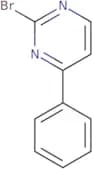
CAS:Versatile small molecule scaffoldFormula:C10H7Cl2N3Purity:Min. 95%Molecular weight:240.09 g/mol2-Bromo-4-phenylpyrimidine
CAS:2-Bromo-4-phenylpyrimidine is a nucleophilic reagent that has been used in the synthesis of heterocyclic compounds. It can act as a scavenger of unsaturated groups, and can be introduced into a molecule by an electrophilic substitution reaction. 2-Bromo-4-phenylpyrimidine is also able to deplete electron density from the heterocyclic ring, which leads to increased yields in reactions with electron deficient molecules such as water. The molecule undergoes oxidation when exposed to air, so it must be stored under nitrogen or argon gas. 2-Bromo-4-phenylpyrimidine is not soluble in water, but is soluble in organic solvents such as dichloromethane and chloroform. The compound has been used for optimizing electron deficiency in molecules such as 3,5-dimethoxybenzoic acid and 4-(trifluoromethFormula:C10H7BrN2Purity:Min. 95%Molecular weight:235.08 g/mol1-Methyl-5-phenyl pyrazole-3-carboxylic acid
CAS:Versatile small molecule scaffoldFormula:C11H10N2O2Purity:Min. 95%Molecular weight:202.21 g/mol5-Methyl-1-phenyl-1H-pyrazole-3-carboxylic acid
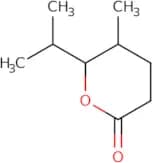
CAS:Versatile small molecule scaffoldFormula:C11H10N2O2Purity:Min. 95%Molecular weight:202.21 g/mol5-Methyl-6-(propan-2-yl)oxan-2-one
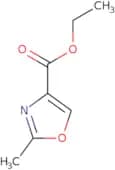
CAS:Versatile small molecule scaffoldFormula:C9H16O2Purity:Min. 95%Molecular weight:156.22 g/molEthyl-4-methyl-3,5-oxazolecarboxylate
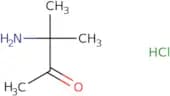
CAS:Versatile small molecule scaffoldFormula:C7H9NO3Purity:Min. 95%Molecular weight:155.15 g/mol3-amino-3-methylbutan-2-one hydrochloride
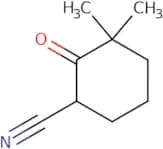
CAS:Versatile small molecule scaffoldFormula:C5H12ClNOPurity:Min. 95%Molecular weight:137.61 g/mol3,3-Dimethyl-2-oxocyclohexane-1-carbonitrile
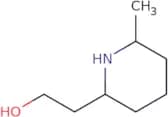
CAS:Versatile small molecule scaffoldFormula:C9H13NOPurity:Min. 95%Molecular weight:151.21 g/mol2-(6-Methylpiperidin-2-yl)ethan-1-ol
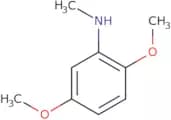
CAS:Versatile small molecule scaffoldFormula:C8H17NOPurity:Min. 95%Molecular weight:143.23 g/mol2,5-Dimethoxy-N-methylaniline
CAS:Versatile small molecule scaffold
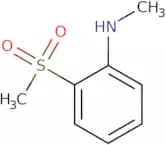
Formula:C9H13NO2Purity:Min. 95%Molecular weight:167.2 g/mol2-Methanesulfonyl-N-methylaniline
CAS:Versatile small molecule scaffold
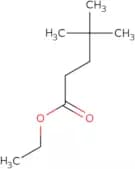
Formula:C8H11NO2SPurity:Min. 95%Molecular weight:185.25 g/molEthyl 4,4-dimethylpentanoate
CAS:Versatile small molecule scaffoldFormula:C9H18O2Purity:Min. 95%Molecular weight:158.24 g/mol4-Phenylbut-3-yn-1-ol
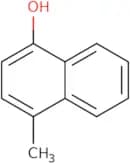
CAS:4-Phenylbut-3-yn-1-ol is a chiral molecule with two stereogenic centers. It is an intermediate in the synthesis of indenes, which are used as pharmaceuticals and pesticides. 4-Phenylbut-3-yn-1-ol can be prepared by reacting diethyl etherate with acetaldehyde and malonate, or by reacting methylethylketone with ethylene oxide and carbon monoxide. The molecule has intramolecular hydrogen bonding due to the electron withdrawing effect of the carbonyl group on the adjacent phenyl ring. This allows for conformation changes that lead to catalytic activity.Formula:C10H10OPurity:Min. 95%Molecular weight:146.19 g/mol4-Methylnaphthalen-1-ol
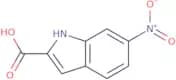
CAS:4-Methylnaphthalen-1-ol is a binder that, when mixed with other organic materials, can be used to form a film. It can be used to bind many different types of sensitive material, including those that are heat-sensitive and cannot withstand high temperatures or those that are supercooled at low temperatures. 4-Methylnaphthalen-1-ol has been shown to react with alkylating agents such as diazo and naphthalenesulfonamide in the presence of iron catalyst and produce a high yield of products. These products have potential use in pharmaceuticals, plastics, rubber processing, and other industries.Formula:C11H10OPurity:Min. 95%Molecular weight:158.2 g/mol6-Nitro-1H-indole-2-carboxylic acid
CAS:Versatile small molecule scaffold
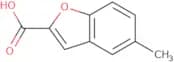
Formula:C9H6N2O4Purity:Min. 95%Molecular weight:206.15 g/mol5-Methylbenzofuran-2-carboxylic acid
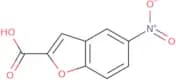
CAS:5-Methylbenzofuran-2-carboxylic acid is a ligand that binds to the hydroxamic acid site on histone deacetylases, which are enzymes that remove acetyl groups from lysine residues on histones. This causes histones to become tightly packed, which inhibits transcription of DNA into RNA (gene expression). 5-Methylbenzofuran-2-carboxylic acid has been shown to be an inhibitor of the tumor growth and metastasis in animal models. The efficiencies of this drug in inhibiting the histone deacetylase enzyme have been found to be minimal. However, it is thought that this drug may be effective in combination with other drugs as a therapeutic agent for cancer treatment.Formula:C10H8O3Purity:Min. 95%Molecular weight:176.17 g/mol5-Nitrobenzofuran-2-carboxylic acid
CAS:5-Nitrobenzofuran-2-carboxylic acid is a chromophore with an orange-yellow color. This compound has been identified in soil and water samples, but it is not known to be produced by any living organism. It is possible that 5-nitrobenzofuran-2-carboxylic acid is produced by thermally or opportunistic bacteria, such as Chromobacterium violaceum, as a result of the oxidation of 5-nitrobenzofuran. The molecule's fluorescence can be quenched by chloroformate, which suggests that this compound may play a role in the synthesis of other aromatic compounds. The enzyme ethyl bromoacetate alkylates 5-nitrobenzofuran-2-carboxylic acid and produces ethyl 2-(5'-nitrobenzo[d][1,3]dioxol-5'-yl)acetate.
Formula:C9H5NO5Purity:Min. 95%Molecular weight:207.14 g/mol4-(2-Hydroxypropyl)-3-methyl-4,5-dihydro-1H-pyrazol-5-one
CAS:Versatile small molecule scaffoldFormula:C7H12N2O2Purity:Min. 95%Molecular weight:156.18 g/mol3-[(Phenylcarbamoyl)amino]propanoic acid
CAS:Versatile small molecule scaffoldFormula:C10H12N2O3Purity:Min. 95%Molecular weight:208.21 g/mol4-[(Ethylamino)sulfonyl]benzoic acid
CAS:Versatile small molecule scaffold
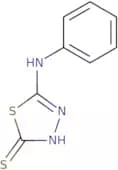
Formula:C9H11NO4SPurity:Min. 95%Molecular weight:229.25 g/mol5-(Phenylamino)-1,3,4-thiadiazole-2-thiol
CAS:Versatile small molecule scaffold
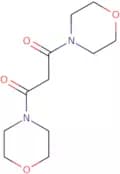
Formula:C8H7N3S2Purity:Min. 95%Molecular weight:209.3 g/mol1,3-Bis(morpholin-4-yl)propane-1,3-dione
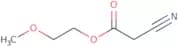
CAS:Versatile small molecule scaffoldFormula:C11H18N2O4Purity:Min. 95%Molecular weight:242.27 g/molAcetic acid, 2-cyano-, 2-methoxyethyl ester
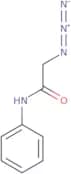
CAS:2-Cyano-2-methoxyethyl acetic acid is a reactive organic solvent that has a boiling point of 152°C. It is soluble in water and has an acidic pH. This compound is used as a monomer, and is also used as an alkylating agent for the synthesis of polymers. 2-Cyano-2-methoxyethyl acetic acid can be copolymerized with other compounds to create a variety of products with different properties. The reaction time depends on the type of product being synthesized, but it typically takes up to 48 hours to complete the reaction. 2-Cyano-2-methoxyethyl acetic acid can react with c1–6 alkyl groups, which may affect its solubility. This compound has a high degree of configurability, which may allow it to be used in more chemical reactions than other organic solvents.Formula:C6H9NO3Purity:Min. 95%Molecular weight:143.14 g/mol2-Azido-N-phenylacetamide
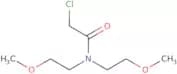
CAS:2-Azido-N-phenylacetamide is an anticancer drug that inhibits cancer cell growth. It is a noncompetitive inhibitor of tyrosine kinases, which are enzymes that control the cellular division cycle. The inhibition of tyrosine kinases prevents the activation of phosphatidylinositol 3-kinase (PI3K). This leads to a decrease in the production of proteins such as Bcl-2 and Bcl-xL, which are responsible for the survival and proliferation of cancer cells. 2-Azido-N-phenylacetamide has been shown to be active against human lung cancer cells in vitro and has also been used to treat bacterial infections. The molecular electrostatic potentials of this compound indicate that it may be an effective antibacterial agent due to its carbonyl group.Formula:C8H8N4OPurity:Min. 95%Molecular weight:176.18 g/mol2-Chloro-N,N-bis(2-methoxyethyl)acetamide
CAS:Versatile small molecule scaffoldFormula:C8H16ClNO3Purity:Min. 95%Molecular weight:209.67 g/mol2-Chloro-N-[3-(propan-2-yloxy)propyl]acetamide
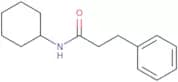
CAS:Versatile small molecule scaffoldFormula:C8H16ClNO2Purity:Min. 95%Molecular weight:193.67 g/molN-Cyclohexyl-3-phenylpropanamide
CAS:Versatile small molecule scaffoldFormula:C15H21NOPurity:Min. 95%Molecular weight:231.33 g/molrac-(4aR,7aR)-Octahydro-1H-cyclopenta[C]pyridine
CAS:Versatile small molecule scaffoldFormula:C8H15NPurity:Min. 95%Molecular weight:125.2 g/mol2-(2-Chlorophenyl)acetamide
CAS:2-(2-Chlorophenyl)acetamide is a trisubstituted acetamide that has been shown to bind to the benzodiazepine receptor. This binding prevents the binding of GABA to the receptor and inhibits the ion channel, which leads to increased cell membrane permeability and cell death. 2-(2-Chlorophenyl)acetamide also binds to the anhydrase II isoform, which causes inhibition of carbonic anhydrase activity. This in turn leads to increased levels of carbon dioxide in some tissues, such as those found in the eye, leading to irritation and pain. The compound has also been shown to inhibit mitogen-activated protein kinase (MAPK), which is a protein involved in cellular signalling pathways that regulate growth and differentiation. It does this by preventing phosphorylation of MAPK at tyrosine residues.
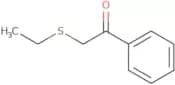
Formula:C8H8ClNOPurity:Min. 95%Molecular weight:169.61 g/mol2-(Ethylsulfanyl)-1-phenylethan-1-one
CAS:Versatile small molecule scaffoldFormula:C10H12OSPurity:Min. 95%Molecular weight:180.27 g/mol2-(1,2-Thiazol-5-yl)acetic acid
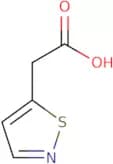
CAS:Versatile small molecule scaffold
Formula:C5H5NO2SPurity:Min. 95%Molecular weight:143.17 g/mol2,3,3-Trichloroprop-2-en-1-amine hydrochloride
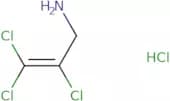
CAS:Versatile small molecule scaffoldFormula:C3H5Cl4NPurity:Min. 95%Molecular weight:196.9 g/mol2-Oxo-2-{4,7,7-trimethyl-3-oxobicyclo[2.2.1]heptan-2-yl}acetic acid
CAS:Versatile small molecule scaffoldFormula:C12H16O4Purity:Min. 95%Molecular weight:224.25 g/mol({1,7,7-Trimethylbicyclo[2.2.1]heptan-2-ylidene}amino)urea
CAS:Versatile small molecule scaffoldFormula:C11H19N3OPurity:Min. 95%Molecular weight:209.29 g/mol

![Methyl 7-aminopyrazolo[1,5-a]pyrimidine-3-carboxylate](/_next/image/?url=https%3A%2Fstatic.cymitquimica.com%2Fproducts%2F3D%2Fthumb-webp%2FJWC33486.webp&w=3840&q=75)
![[3-(Trifluoromethyl)-5H,6H,7H,8H-imidazo[1,5-a]pyridin-1-yl]methanamine](/_next/image/?url=https%3A%2Fstatic.cymitquimica.com%2Fproducts%2F3D%2Fthumb-webp%2FJWC33645.webp&w=3840&q=75)
![2-[1-({[(tert-Butoxy)carbonyl]amino}methyl)cyclopropyl]acetic acid](/_next/image/?url=https%3A%2Fstatic.cymitquimica.com%2Fproducts%2F3D%2Fthumb-webp%2FJWC35160.webp&w=3840&q=75)
![3-Bromo-4H,5H,6H-pyrrolo[1,2-b]pyrazole-2-carboxylic acid](/_next/image/?url=https%3A%2Fstatic.cymitquimica.com%2Fproducts%2F3D%2Fthumb-webp%2FJWC36994.webp&w=3840&q=75)
![[3-(Propan-2-yl)piperidin-3-yl]methanol](/_next/image/?url=https%3A%2Fstatic.cymitquimica.com%2Fproducts%2F3D%2Fthumb-webp%2FJWC39015.webp&w=3840&q=75)
![1,2-Diazaspiro[4.6]undecan-3-one](/_next/image/?url=https%3A%2Fstatic.cymitquimica.com%2Fproducts%2F3D%2Fthumb-webp%2FJWC39705.webp&w=3840&q=75)
![2-Bromo-5H,6H,7H-pyrrolo[1,2-a]imidazole-3-carboxylic acid](/_next/image/?url=https%3A%2Fstatic.cymitquimica.com%2Fproducts%2F3D%2Fthumb-webp%2FJWC40097.webp&w=3840&q=75)
![7-Oxaspiro[3.5]nonane-1-carboxylic acid](/_next/image/?url=https%3A%2Fstatic.cymitquimica.com%2Fproducts%2F3D%2Fthumb-webp%2FJWC41825.webp&w=3840&q=75)
![3-Methylpyrazolo[1,5-a]pyrimidine-5-carboxylic acid](/_next/image/?url=https%3A%2Fstatic.cymitquimica.com%2Fproducts%2F3D%2Fthumb-webp%2FJWC43449.webp&w=3840&q=75)
![tert-Butyl N-[(3-hydroxythiolan-3-yl)methyl]carbamate](/_next/image/?url=https%3A%2Fstatic.cymitquimica.com%2Fproducts%2F3D%2Fthumb-webp%2FJWC45056.webp&w=3840&q=75)
![7-Bromo-[1,3]oxazolo[4,5-b]pyridin-2-ol](/_next/image/?url=https%3A%2Fstatic.cymitquimica.com%2Fproducts%2F3D%2Fthumb-webp%2FJWC53406.webp&w=3840&q=75)
![1-[(tert-Butoxy)carbonyl]-3-(difluoromethyl)azetidine-3-carboxylic acid](/_next/image/?url=https%3A%2Fstatic.cymitquimica.com%2Fproducts%2F3D%2Fthumb-webp%2FJWC56269.webp&w=3840&q=75)
![tert-Butyl N-{6-oxospiro[2.5]octan-1-yl}carbamate](/_next/image/?url=https%3A%2Fstatic.cymitquimica.com%2Fproducts%2F3D%2Fthumb-webp%2FJWC62763.webp&w=3840&q=75)
![3-Methoxy-4-[(methoxycarbonyl)amino]benzoic acid](/_next/image/?url=https%3A%2Fstatic.cymitquimica.com%2Fproducts%2F3D%2Fthumb-webp%2FJWC63267.webp&w=3840&q=75)
![1-{Spiro[2.5]octan-6-yl}ethan-1-one](/_next/image/?url=https%3A%2Fstatic.cymitquimica.com%2Fproducts%2F3D%2Fthumb-webp%2FJWC64960.webp&w=3840&q=75)
![7-(Propan-2-yl)-2-(trifluoromethyl)pyrazolo[1,5-a]pyrimidine-5-carboxylic acid](/_next/image/?url=https%3A%2Fstatic.cymitquimica.com%2Fproducts%2F3D%2Fthumb-webp%2FJWC65790.webp&w=3840&q=75)
![Benzyl N-[1-(chlorosulfonyl)propan-2-yl]carbamate](/_next/image/?url=https%3A%2Fstatic.cymitquimica.com%2Fproducts%2F3D%2Fthumb-webp%2FJWC67122.webp&w=3840&q=75)
![2-(4-{[(tert-Butoxy)carbonyl]amino}oxolan-3-yl)acetic acid](/_next/image/?url=https%3A%2Fstatic.cymitquimica.com%2Fproducts%2F3D%2Fthumb-webp%2FJWC68442.webp&w=3840&q=75)
![2-{1-[(tert-Butoxy)carbonyl]pyrrolidin-3-yl}-2,2-difluoroacetic acid](/_next/image/?url=https%3A%2Fstatic.cymitquimica.com%2Fproducts%2F3D%2Fthumb-webp%2FJWC79535.webp&w=3840&q=75)
![2-Azaspiro[4.4]nonane-1,6-dione](/_next/image/?url=https%3A%2Fstatic.cymitquimica.com%2Fproducts%2F3D%2Fthumb-webp%2FJWC82292.webp&w=3840&q=75)
amino}propanoic acid](/_next/image/?url=https%3A%2Fstatic.cymitquimica.com%2Fproducts%2F3D%2Fthumb-webp%2FJWC84248.webp&w=3840&q=75)
![3-[(1-Methylpiperidin-3-yl)methyl]aniline](/_next/image/?url=https%3A%2Fstatic.cymitquimica.com%2Fproducts%2F3D%2Fthumb-webp%2FJWC86708.webp&w=3840&q=75)




![3-[(Phenylcarbamoyl)amino]propanoic acid](/_next/image/?url=https%3A%2Fstatic.cymitquimica.com%2Fproducts%2F3D%2Fthumb-webp%2FKAA25066.webp&w=3840&q=75)
![4-[(Ethylamino)sulfonyl]benzoic acid](/_next/image/?url=https%3A%2Fstatic.cymitquimica.com%2Fproducts%2F3D%2Fthumb-webp%2FKAA25264.webp&w=3840&q=75)
![2-Chloro-N-[3-(propan-2-yloxy)propyl]acetamide](/_next/image/?url=https%3A%2Fstatic.cymitquimica.com%2Fproducts%2F3D%2Fthumb-webp%2FKAA26367.webp&w=3840&q=75)
![rac-(4aR,7aR)-Octahydro-1H-cyclopenta[C]pyridine](/_next/image/?url=https%3A%2Fstatic.cymitquimica.com%2Fproducts%2F3D%2Fthumb-webp%2FKAA26802.webp&w=3840&q=75)
![2-Oxo-2-{4,7,7-trimethyl-3-oxobicyclo[2.2.1]heptan-2-yl}acetic acid](/_next/image/?url=https%3A%2Fstatic.cymitquimica.com%2Fproducts%2F3D%2Fthumb-webp%2FKAA27734.webp&w=3840&q=75)
![({1,7,7-Trimethylbicyclo[2.2.1]heptan-2-ylidene}amino)urea](/_next/image/?url=https%3A%2Fstatic.cymitquimica.com%2Fproducts%2F3D%2Fthumb-webp%2FKAA28141.webp&w=3840&q=75)