


Building Blocks
Subcategories of "Building Blocks"
- Boronic Acids & Boronic Acid Derivatives(5,781 products)
- Chiral Building Blocks(1,242 products)
- Hydrocarbon Building Blocks(6,101 products)
- Organic Building Blocks(61,038 products)
Found 205338 products of "Building Blocks"
4-(2-Aminoethoxy)-3-methoxyphenol hydrochloride
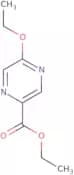
CAS:Versatile small molecule scaffoldFormula:C9H14ClNO3Purity:Min. 95%Molecular weight:219.7 g/molEthyl 5-ethoxypyrazine-2-carboxylate
CAS:Versatile small molecule scaffold
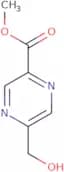
Formula:C9H12N2O3Purity:Min. 95%Molecular weight:196.2 g/molMethyl 5-(hydroxymethyl)pyrazine-2-carboxylate
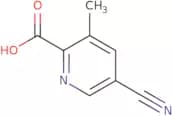
CAS:Versatile small molecule scaffoldFormula:C7H8N2O3Purity:Min. 95%Molecular weight:168.15 g/mol5-cyano-3-methylpyridine-2-carboxylic acid
CAS:5-cyano-3-methylpyridine-2-carboxylic acid is a medicinal drug used to treat chronic diseases. It belongs to the group of p-glycoprotein (Pgp) inhibitors, which are trifluoromethylated compounds that are effluxed by Pgp from cells. 5-cyano-3-methylpyridine-2-carboxylic acid has been shown to inhibit BACE1, an enzyme responsible for the production of amyloid beta, which can lead to Alzheimer's disease. This compound also inhibits neural cell growth and nervous system activity in rats. The trifluoromethyl group in this molecule is important for optimization as it increases the affinity for binding with proteins.Formula:C8H6N2O2Purity:Min. 95%Molecular weight:162.14 g/molMethyl 5-chloro-3-methylpyrazine-2-carboxylate
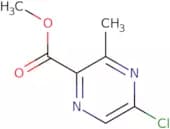
CAS:Versatile small molecule scaffoldFormula:C7H7ClN2O2Purity:Min. 95%Molecular weight:186.59 g/mol5-((tert-Butoxycarbonyl)amino)-2-methyloxazole-4-carboxylic acid
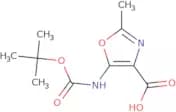
CAS:Versatile small molecule scaffoldFormula:C10H14N2O5Purity:Min. 95%Molecular weight:242.23 g/mol2-(3-Acetylbenzenesulfonamido)-3-carbamoylpropanoic acid
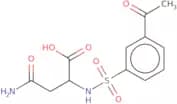
CAS:Versatile small molecule scaffoldFormula:C12H14N2O6SPurity:Min. 95%Molecular weight:314.3 g/mol6-(Propan-2-yloxy)-1,2,3,4-tetrahydroisoquinoline hydrochloride
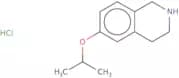
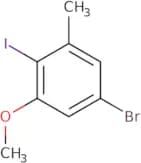
CAS:Versatile small molecule scaffoldFormula:C12H18ClNOPurity:Min. 95%Molecular weight:227.7 g/mol5-Bromo-2-iodo-1-methoxy-3-methyl-benzene
CAS:Versatile small molecule scaffold
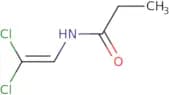
Formula:C8H8BrIOPurity:Min. 95%Molecular weight:326.96 g/molN-(2,2-Dichloroethenyl)propanamide
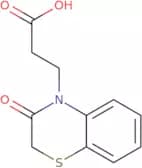
CAS:Versatile small molecule scaffoldFormula:C5H7Cl2NOPurity:Min. 95%Molecular weight:168.02 g/mol3-(3-Oxo-3,4-dihydro-2H-1,4-benzothiazin-4-yl)propanoic acid
CAS:Versatile small molecule scaffoldFormula:C11H11NO3SPurity:Min. 95%Molecular weight:237.28 g/mol1-(3-Methoxyphenyl)thiourea
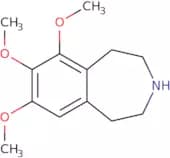
CAS:1-(3-Methoxyphenyl)thiourea (1-MTU) is a drug that has been shown to have hypoglycemic activity in animal models of diabetes. It is an agonist for the human glucagon receptor and has EC50 values of 0.3-0.8 μM, which are similar to those of the natural ligand, glucagon. 1-MTU has been shown to be effective in reducing hyperglycemia in diabetic mice and rats. This drug is being considered as a potential treatment for type 2 diabetes and may be useful for treating other diseases with an inflammatory component such as arthritis and osteoporosis.Formula:C8H10N2OSPurity:Min. 95%Molecular weight:182.24 g/mol6,7,8-Trimethoxy-2,3,4,5-tetrahydro-1H-3-benzazepine
CAS:Versatile small molecule scaffoldFormula:C13H19NO3Purity:Min. 95%Molecular weight:237.29 g/mol[(Chloromethyl)(ethyl)phosphoryl]ethane
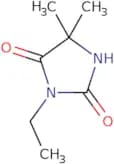
CAS:Versatile small molecule scaffoldFormula:C5H12ClOPPurity:Min. 95%Molecular weight:154.57 g/mol3-Ethyl-5,5-dimethylimidazolidine-2,4-dione
CAS:Versatile small molecule scaffoldFormula:C7H12N2O2Purity:Min. 95%Molecular weight:156.18 g/mol4-Benzyl-2-nitrophenol
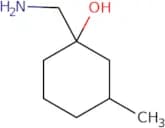
CAS:Versatile small molecule scaffoldFormula:C13H11NO3Purity:Min. 95%Molecular weight:229.23 g/mol1-(Aminomethyl)-3-methylcyclohexan-1-ol
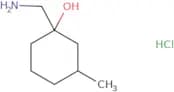
CAS:Versatile small molecule scaffoldFormula:C8H17NOPurity:Min. 95%Molecular weight:143.23 g/mol1-(Aminomethyl)-3-methylcyclohexanol hydrochloride
CAS:Versatile small molecule scaffoldFormula:C8H18ClNOPurity:Min. 95%Molecular weight:179.69 g/mol2-{[3-(2-Methylphenyl)-4-oxo-3,4-dihydroquinazolin-2-yl]sulfanyl}acetohydrazide
CAS:Versatile small molecule scaffoldFormula:C17H16N4O2SPurity:Min. 95%Molecular weight:340.4 g/mol2-({Bicyclo[2.2.1]heptan-2-yl}amino)ethan-1-ol
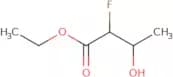
CAS:Versatile small molecule scaffoldFormula:C9H17NOPurity:Min. 95%Molecular weight:155.24 g/molEthyl 2-fluoro-3-hydroxybutanoate
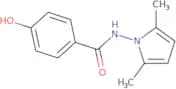
CAS:Versatile small molecule scaffoldFormula:C6H11FO3Purity:Min. 95%Molecular weight:150.15 g/molN-(2,5-Dimethyl-1H-pyrrol-1-yl)-4-hydroxybenzamide
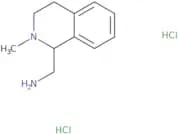
CAS:Versatile small molecule scaffoldFormula:C13H14N2O2Purity:Min. 95%Molecular weight:230.26 g/mol(2-Methyl-1,2,3,4-tetrahydroisoquinolin-1-yl)methanamine dihydrochloride
CAS:Versatile small molecule scaffoldFormula:C11H18Cl2N2Purity:Min. 95%Molecular weight:249.2 g/molOctahydro-1H-pyrido[1,2-a]piperazine-1,4-dione
CAS:Versatile small molecule scaffold
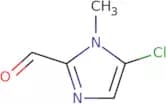
Formula:C8H12N2O2Purity:Min. 95%Molecular weight:168.19 g/mol5-Chloro-1-methyl-1H-imidazole-2-carbaldehyde
CAS:5-Chloro-1-methyl-1H-imidazole-2-carbaldehyde is a flavonoid that is chemically synthesized and structurally related to the isoxazoles. It has been shown to have an activating effect on nonselective cation channels and pharmacokinetic properties in rats. The drug has also been shown to inhibit intestinal motility by increasing the intracellular calcium levels in rat colonic smooth muscle cells. 5-Chloro-1-methyl-1H-imidazole-2-carbaldehyde may be useful for the treatment of gastrointestinal disorders, such as constipation and irritable bowel syndrome, due to its ability to relax muscle contractions in the intestines.
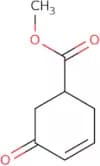
Formula:C5H5ClN2OPurity:Min. 95%Molecular weight:144.56 g/molMethyl 5-oxocyclohex-3-ene-1-carboxylate
CAS:Versatile small molecule scaffoldFormula:C8H10O3Purity:Min. 95%Molecular weight:154.16 g/molN-[4-(Chloromethyl)-1,3-thiazol-2-yl]-N-methylacetamide
CAS:Versatile small molecule scaffoldFormula:C7H9ClN2OSPurity:Min. 95%Molecular weight:204.68 g/mol1-[4-(Heptyloxy)phenyl]ethan-1-one
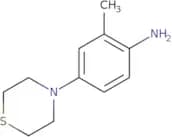
CAS:Versatile small molecule scaffoldFormula:C15H22O2Purity:Min. 95%Molecular weight:234.33 g/mol2-Methyl-4-(thiomorpholin-4-yl)aniline
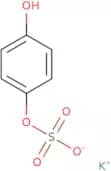
CAS:Versatile small molecule scaffoldFormula:C11H16N2SPurity:Min. 95%Molecular weight:208.33 g/molPotassium Hydroquinone Monosulfate
CAS:Potassium hydroquinone monosulfate (KHQMS) is a chemical substance that is used as a co-precipitant in the preparation of samples for analysis by high-performance liquid chromatography. It has hydroxyl groups on both ends and can be used to filter organic particles from water samples. The KHQMS can also be used for the removal of substances that interfere with analytical measurements, such as polysaccharides, polymers, proteins, lipids, and other organic molecules. This compound can be recycled and reused up to four times. It has been found to be effective in the extraction of phenolic compounds from leaves and granules. KHQMS is also used in bioanalytical methods for the determination of human urine samples.Formula:C6H5KO5SPurity:Min. 95%Molecular weight:228.26 g/mol2-Amino-4H,5H-naphtho[2,1-b]thiophene-1-carbonitrile
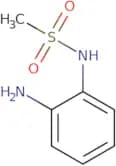
CAS:2-Amino-4H,5H-naphtho[2,1-b]thiophene-1-carbonitrile is a dihydronaphthalene compound that has been shown to be active against influenza viruses. It inhibits the virus by binding to the pyrimidine ring of the virus's RNA polymerase. This inhibits viral replication and reduces plaque formation. 2-Amino-4H,5H-naphtho[2,1-b]thiophene-1-carbonitrile has antiviral activity against influenza A and is effective in inhibiting h5n1 virus replication.Formula:C13H10N2SPurity:Min. 95%Molecular weight:226.3 g/mol2-(Methylsulfonamido)aniline
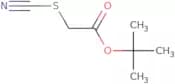
CAS:Versatile small molecule scaffoldFormula:C7H10N2O2SPurity:Min. 95%Molecular weight:186.23 g/moltert-Butyl 2-(cyanosulfanyl)acetate
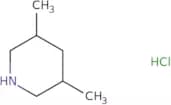
CAS:Versatile small molecule scaffoldFormula:C7H11NO2SPurity:Min. 95%Molecular weight:173.24 g/molrac-(3R,5S)-3,5-Dimethylpiperidine hydrochloride
CAS:Versatile small molecule scaffoldFormula:C7H16ClNPurity:Min. 95%Molecular weight:149.66 g/mol{2-Methyl-2-azabicyclo[2.2.2]octan-6-yl}methanol
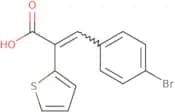
CAS:Versatile small molecule scaffoldFormula:C9H17NOPurity:Min. 95%Molecular weight:155.24 g/mol3-(4-Bromophenyl)-2-(thiophen-2-yl)prop-2-enoic acid
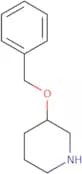
CAS:Versatile small molecule scaffoldFormula:C13H9BrO2SPurity:Min. 95%Molecular weight:309.18 g/mol3-(Benzyloxy)piperidine hydrochloride
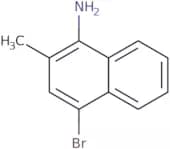
CAS:Versatile small molecule scaffoldFormula:C12H18ClNOPurity:Min. 95%Molecular weight:227.74 g/mol4-Bromo-2-methylnaphthalen-1-amine
CAS:Versatile small molecule scaffold
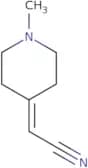
Formula:C11H10BrNPurity:Min. 95%Molecular weight:236.11 g/mol2-(1-Methylpiperidin-4-ylidene)acetonitrile
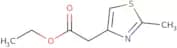
CAS:Versatile small molecule scaffoldFormula:C8H12N2Purity:Min. 95%Molecular weight:136.19 g/mol(2-Methyl-thiazol-4-yl)-acetic acid ethyl ester
CAS:Versatile small molecule scaffold
Formula:C8H11NO2SPurity:Min. 95%Molecular weight:185.25 g/mol3-(Pyridine-3-carbonyl)-1H-indole
CAS:Controlled ProductVersatile small molecule scaffoldFormula:C14H10N2OPurity:Min. 95%Molecular weight:222.24 g/mol2-(Furan-2-yl)-1H-1,3-benzodiazol-5-amine
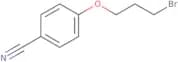
CAS:Versatile small molecule scaffoldFormula:C11H9N3OPurity:Min. 95%Molecular weight:199.21 g/mol4-(3-Bromopropoxy)benzonitrile
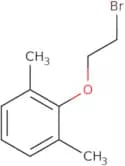
CAS:Versatile small molecule scaffoldFormula:C10H10BrNOPurity:Min. 95%Molecular weight:240.1 g/mol2-(2-Bromo-ethoxy)-1,3-dimethyl-benzene
CAS:Versatile small molecule scaffold
Formula:C10H13BrOPurity:Min. 95%Molecular weight:229.12 g/mol1-(2-Bromo-ethoxy)-3,5-dimethyl-benzene
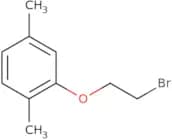
CAS:1-(2-Bromo-ethoxy)-3,5-dimethyl-benzene is a potential drug that has immunosuppressive effects. It binds to the pyrimidine ring of human immunodeficiency virus (HIV) and inhibits its activity. This inhibitor blocks the synthesis of viral DNA and RNA by binding to the sulfur atom of the pyrimidine ring. The substituents on this molecule are bromine and ethoxy groups, which are alkylated.Formula:C10H13BrOPurity:Min. 95%Molecular weight:229.12 g/mol2-(2-Bromo-ethoxy)-1,4-dimethyl-benzene
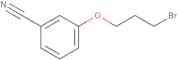
CAS:Versatile small molecule scaffoldFormula:C10H13BrOPurity:Min. 95%Molecular weight:229.12 g/mol3-(3-Bromopropoxy)benzonitrile
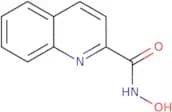
CAS:Versatile small molecule scaffoldFormula:C10H10BrNOPurity:Min. 95%Molecular weight:240.1 g/molN-Hydroxyquinoline-2-carboxamide
CAS:N-Hydoxyquinoline-2-carboxamide is a molecule that belongs to the hydroxamic acid class. It is a zirconium-containing derivative of hydroxylamine and, as such, is tautomeric with respect to the carboxylic acid moiety. This compound has been shown to be mutagenic in Salmonella typhimurium strains TA98 and TA100 and in Escherichia coli strain WP2 uvrA. N-Hydroxyquinoline-2-carboxamide has also been found to be an inducer of sulfation and conjugates with glutathione and other organic acids.Formula:C10H8N2O2Purity:Min. 95%Molecular weight:188.18 g/mol7-Hydrazinyl-5-methyl-[1,2,4]triazolo[1,5-a]pyrimidine
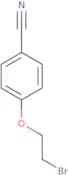
CAS:Versatile small molecule scaffoldFormula:C6H8N6Purity:Min. 95%Molecular weight:164.17 g/mol4-(2-Bromoethoxy)benzonitrile
CAS:Versatile small molecule scaffold
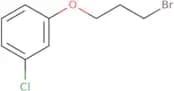
Formula:C9H8BrNOPurity:Min. 95%Molecular weight:226.07 g/mol1-(3-Bromopropoxy)-3-chlorobenzene
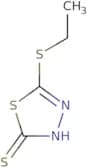
CAS:Versatile small molecule scaffoldFormula:C9H10BrClOPurity:Min. 95%Molecular weight:249.53 g/mol2-(Ethylthio)-1,3,4-thiadiazole-5-thiol
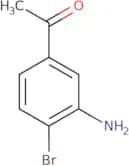
CAS:Versatile small molecule scaffoldFormula:C4H6N2S3Purity:Min. 95%Molecular weight:178.3 g/mol3′-Amino-4′-bromoacetophenone
CAS:Versatile small molecule scaffoldFormula:C8H8BrNOPurity:Min. 95%Molecular weight:214.06 g/mol4-[4-(Trifluoromethyl)phenyl]-1H-imidazol-2-amine
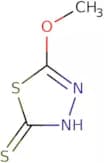
CAS:Versatile small molecule scaffoldFormula:C10H8F3N3Purity:Min. 95%Molecular weight:227.19 g/mol5-Methoxy-1,3,4-thiadiazole-2-thiol
CAS:Versatile small molecule scaffold
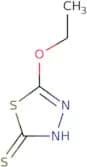
Formula:C3H4N2OS2Purity:Min. 95%Molecular weight:148.21 g/mol5-Ethoxy-1,3,4-thiadiazole-2-thiol
CAS:5-Ethoxy-1,3,4-thiadiazole-2-thiol is a heterocyclic compound that belongs to the group of thiadiazole dimers. It has a planar structure and is composed of two five-membered heterocycles that are connected by a single bond. The molecule contains no hydrogen bonds and has a dihedral angle of about 60°.Formula:C4H6N2OS2Purity:Min. 95%Molecular weight:162.2 g/mol5-(Propan-2-yloxy)-1,3,4-thiadiazole-2-thiol
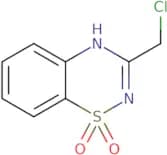
CAS:Versatile small molecule scaffoldFormula:C5H8N2OS2Purity:Min. 95%Molecular weight:176.3 g/mol3-(Chloromethyl)-2H-1,2,4-benzothiadiazine-1,1-dione
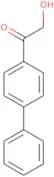
CAS:Versatile small molecule scaffoldFormula:C8H7ClN2O2SPurity:Min. 95%Molecular weight:230.67 g/mol2-Hydroxy-1-(4-phenylphenyl)ethan-1-one
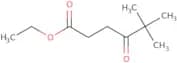
CAS:Versatile small molecule scaffoldFormula:C14H12O2Purity:Min. 95%Molecular weight:212.24 g/molEthyl 5,5-dimethyl-4-oxohexanoate
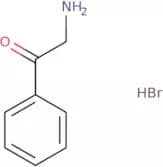
CAS:Versatile small molecule scaffoldFormula:C10H18O3Purity:Min. 95%Molecular weight:186.25 g/molPhenacylamine hydrobromide
CAS:Controlled ProductPhenacylamine hydrobromide is an alkylsulfonyl carbonyl compound that has a nitro group. It is used as a plant growth regulator for horticultural purposes, and inhibits the production of dopamine and serotonin in the brain by binding to monoamine oxidase. Phenacylamine hydrobromide also has been found to be effective in treating autoimmune diseases through its ability to inhibit the production of interferon-γ. The conformational properties of phenacylamine hydrobromide are affected by the presence of deuterium, which results in an increased rate of reaction with hydroxyl groups as well as a decrease in reactivity with nitro groups.Formula:C8H10BrNOPurity:Min. 95%Molecular weight:216.07 g/mol2-Acetylisonicotinonitrile
CAS:Versatile small molecule scaffoldFormula:C8H6N2OPurity:Min. 95%Molecular weight:146.15 g/mol(1R,2S,3R,4R,5S)-Tricyclo[3.2.1.0,2,4]octane-3-carboxylic acid
CAS:Versatile small molecule scaffold
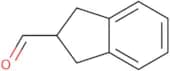
Formula:C9H12O2Purity:Min. 95%Molecular weight:152.19 g/mol2,3-Dihydro-1H-indene-2-carbaldehyde
CAS:2,3-Dihydro-1H-indene-2-carbaldehyde is a bioisostere of the aromatic compound 2,3-dihydrobenzo[b]thiophene. It has been shown to be potent and selective antagonists of the rhodium complex that binds to the topoisomerase I enzyme found in bacteria. The carbonyl group on this molecule is in an active conformation, which makes it a good inhibitor for topoisomerase 1.Formula:C10H10OPurity:Min. 95%Molecular weight:146.19 g/mol4-(1,3-Dioxolan-2-yl)-4-methylpentan-1-amine
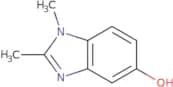
CAS:Versatile small molecule scaffoldFormula:C9H19NO2Purity:Min. 95%Molecular weight:173.25 g/mol1,2-Dimethyl-1H-1,3-benzodiazol-5-ol
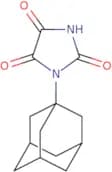
CAS:Versatile small molecule scaffoldFormula:C9H10N2OPurity:Min. 95%Molecular weight:162.19 g/mol1-(Adamantan-1-yl)imidazolidine-2,4,5-trione
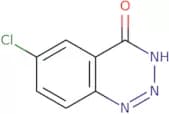
CAS:Versatile small molecule scaffoldFormula:C13H16N2O3Purity:Min. 95%Molecular weight:248.28 g/mol6-Chloro-3,4-dihydro-1,2,3-benzotriazin-4-one
CAS:6-Chloro-3,4-dihydro-1,2,3-benzotriazin-4-one is a potent anti-inflammatory agent that belongs to the group of organic compounds. It has been shown to be more effective in inhibiting inflammation than other classes of drugs such as nonsteroidal anti-inflammatory agents. 6-Chloro-3,4-dihydro-1,2,3-benzotriazin-4-one also blocks the production of prostaglandins by inhibiting cyclooxygenase and lipoxygenases. This drug is not a nitrite but is converted into one by sodium nitrite in a reaction that releases nitric oxide. Nitric oxide causes vasodilation and inhibits platelet aggregation, which reduces blood clot formation.Formula:C7H4ClN3OPurity:Min. 95%Molecular weight:181.58 g/mol3-(Furan-2-yl)-1-methyl-4,5-dihydro-1H-pyrazol-5-one
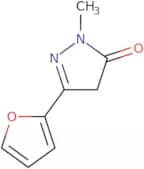
CAS:Versatile small molecule scaffold
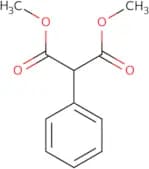
Formula:C8H8N2O2Purity:Min. 95%Molecular weight:164.16 g/mol1,3-Dimethyl 2-phenylpropanedioate
CAS:1,3-Dimethyl 2-phenylpropanedioate is a molecule that is used in the production of malonic acid. The reaction mechanism involves an enzymatic homogenization of the reactants, which leads to the formation of carbonyl oxygens and reaction intermediates. The carbonyl oxygens are then protonated by ethyl diazoacetate to form allyl carbonates. This process occurs in the presence of immobilized enzymes and chemical reactions.Formula:C11H12O4Purity:Min. 95%Molecular weight:208.21 g/molMethyl 2-[(1R,3S)-rel-3-hydroxycyclopentyl]acetate
CAS:Versatile small molecule scaffold
Formula:C8H14O3Purity:Min. 95%Molecular weight:158.19 g/mol3H-Imidazo[4,5-b]pyridine-5,7-diamine dihydrochloride
CAS:Versatile small molecule scaffoldFormula:C6H8ClN5Purity:Min. 95%Molecular weight:185.61 g/molN-[3-(Prop-2-en-1-yloxy)phenyl]acetamide
CAS:Versatile small molecule scaffoldFormula:C11H13NO2Purity:Min. 95%Molecular weight:191.23 g/mol2-Isocyanato-1-methoxy-2-methylpropane
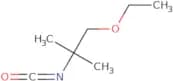
CAS:Versatile small molecule scaffoldFormula:C6H11NO2Purity:Min. 95%Molecular weight:129.2 g/mol1-Ethoxy-2-isocyanato-2-methylpropane
CAS:Versatile small molecule scaffoldFormula:C7H13NO2Purity:Min. 95%Molecular weight:143.2 g/mol2-Isocyanato-1-methoxybutane
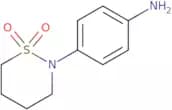
CAS:Versatile small molecule scaffoldFormula:C6H11NO2Purity:Min. 95%Molecular weight:129.2 g/mol4-(Tetrahydro-1,1-dioxido-2H-1,2-thiazin-2-yl)-benzenamine
CAS:Versatile small molecule scaffoldFormula:C10H14N2O2SPurity:Min. 95%Molecular weight:226.3 g/mol4a-Methyl-decahydroquinoline
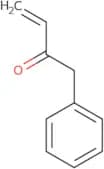
CAS:Versatile small molecule scaffoldFormula:C10H19NPurity:Min. 95%Molecular weight:153.26 g/mol1-Phenylbut-3-en-2-one
CAS:1-Phenylbut-3-en-2-one is an n-oxide that is the product of the reaction between 2,4,6-trinitrobenzenesulfonic acid and phenylacetic acid. It has been used as a horticultural agent for controlling mildew on plants. It has also been shown to have a potent inhibitory effect against cell growth in vitro at doses of 50 μmol/L. 1-Phenylbut-3-en-2-one will react with chlorine atoms in the environment to form chlorinated derivatives that may be more toxic than the parent compound. 1Phenylbut-3-en-2-one has neuroprotective properties and has been shown to reduce the incidence of cancer in rats by inhibiting carcinogenesis studies. This drug also exhibits antiangiogenic properties, which may be due to its inhibition of DNA synthesis and protein synthesis.
Formula:C10H10OPurity:Min. 95%Molecular weight:146.19 g/mol2,2-Dimethoxycyclobutane-1-carbonitrile
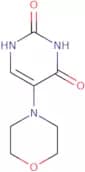
CAS:Versatile small molecule scaffoldFormula:C7H11NO2Purity:Min. 95%Molecular weight:141.2 g/mol5-(Morpholin-4-yl)-1,2,3,4-tetrahydropyrimidine-2,4-dione
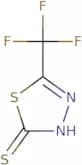
CAS:Versatile small molecule scaffoldFormula:C8H11N3O3Purity:Min. 95%Molecular weight:197.19 g/mol5-(Trifluoromethyl)-1,3,4-thiadiazole-2-thiol
CAS:Versatile small molecule scaffold
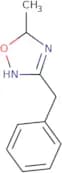
Formula:C3HF3N2S2Purity:Min. 95%Molecular weight:186.18 g/mol3-Benzyl-5-methyl-4,5-dihydro-1,2,4-oxadiazole
CAS:Versatile small molecule scaffoldFormula:C10H12N2OPurity:Min. 95%Molecular weight:176.21 g/molEthyl 2,1,3-benzoxadiazole-4-carboxylate
CAS:Versatile small molecule scaffoldFormula:C9H8N2O3Purity:Min. 95%Molecular weight:192.17 g/mol1-Butyl-5-(chloromethyl)-1H-1,2,3,4-tetrazole
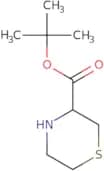
CAS:Versatile small molecule scaffoldFormula:C6H11ClN4Purity:Min. 95%Molecular weight:174.63 g/moltert-Butyl thiomorpholine-3-carboxylate
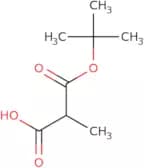
CAS:Versatile small molecule scaffoldFormula:C9H17NO2SPurity:Min. 95%Molecular weight:203.3 g/mol3-(tert-Butoxy)-2-methyl-3-oxopropanoic acid
CAS:Versatile small molecule scaffoldFormula:C8H14O4Purity:Min. 95%Molecular weight:174.19 g/molEthyl 4-chloro-5-formyl-2-methyl-3-thiophenecarboxylate
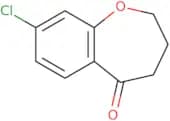
CAS:Versatile small molecule scaffoldFormula:C9H9ClO3SPurity:Min. 95%Molecular weight:232.68 g/mol8-Chloro-2,3,4,5-tetrahydro-1-benzoxepin-5-one
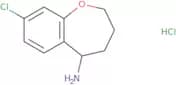
CAS:Versatile small molecule scaffoldFormula:C10H9ClO2Purity:Min. 95%Molecular weight:196.63 g/mol8-Chloro-2,3,4,5-tetrahydro-1-benzoxepin-5-amine hydrochloride
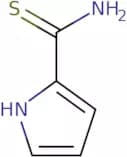
CAS:Versatile small molecule scaffoldFormula:C10H13Cl2NOPurity:Min. 95%Molecular weight:234.12 g/mol1H-Pyrrole-2-carbothioamide
CAS:1H-Pyrrole-2-carbothioamide is an analog of porphyrin. It has a macrocyclic structure with a central metal atom that is bonded to four sulfur atoms and two nitrogen atoms. It absorbs light in the visible region, which makes it appealing for use as a pigment or dye. 1H-Pyrrole-2-carbothioamide has been shown to be biocompatible with living cells and tissues, making it suitable for use in biomedical applications. This molecule can be synthesized by reacting potassium with methanesulfonic acid followed by addition of thiocyanate ion.Formula:C5H6N2SPurity:Min. 95%Molecular weight:126.18 g/mol6-Chloro-3H-pyrido[2,3-b][1,4]thiazin-2-amine
CAS:Versatile small molecule scaffold
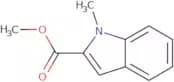
Formula:C7H6ClN3SPurity:Min. 95%Molecular weight:199.66 g/molMethyl 1-methyl-1H-indole-2-carboxylate
CAS:Controlled ProductMethyl 1-methyl-1H-indole-2-carboxylate is an organic compound that belongs to the family of indole carboxylic acid esters. It is an x-ray crystallographic study for the preparation process, and it has been shown to have antileishmanial activity. The methyl ester is a reagent for the synthesis of octahydroaziridine and can be used as a reagent in Grignard reactions.Formula:C11H11NO2Purity:Min. 95%Molecular weight:189.21 g/mol5-Chloro-2-(ethylamino)benzoic acid
CAS:Versatile small molecule scaffoldFormula:C9H10ClNO2Purity:Min. 95%Molecular weight:199.63 g/mol1-Cyclopentyl-4,5-dihydro-1H-1,2,3,4-tetrazol-5-one
CAS:Versatile small molecule scaffoldFormula:C6H10N4OPurity:Min. 95%Molecular weight:154.17 g/mol1-Chloroisoquinoline-4-carboxylic acid methyl ester
CAS:1-Chloroisoquinoline-4-carboxylic acid methyl ester is a potent compound that acts as an antagonist of the prostanoid receptor. It blocks the binding of prostanoids to the receptor and inhibits the production of inflammatory molecules, such as leukotrienes. 1CIQME has been shown to have affinity for both Cox-1 and Cox-2, but is selective for Cox-2. This drug also competitively inhibits the enzyme cyclooxygenase (COX), which produces prostaglandins from arachidonic acid. 1CIQME has been shown to inhibit chemotaxis in mice and to block chemoattractant effects in human neutrophils.
Formula:C11H8ClNO2Purity:Min. 95%Molecular weight:221.64 g/mol7-Bromo-2,3-dihydro-1H-cyclopenta[b]quinoline-9-carboxylic acid
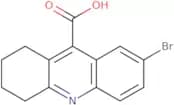
CAS:Versatile small molecule scaffoldFormula:C13H10BrNO2Purity:Min. 95%Molecular weight:292.13 g/mol7-Bromo-1,2,3,4-tetrahydro-acridine-9-carboxylic acid
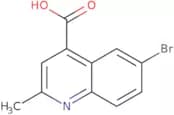
CAS:Versatile small molecule scaffoldFormula:C14H12BrNO2Purity:Min. 95%Molecular weight:306.15 g/mol6-Bromo-2-methylquinoline-4-carboxylic acid
CAS:Versatile small molecule scaffoldFormula:C11H8BrNO2Purity:Min. 95%Molecular weight:266.09 g/mol[(1-Hydroxy-2-oxo-2-phenylethyl)thio]acetic acid
CAS:[(1-Hydroxy-2-oxo-2-phenylethyl)thio]acetic acid (HPTAA) is a selective inhibitor of the enzyme tyrosine kinase. It has been shown to have antiproliferative effects in vitro against glioblastoma cells lines and other cancer cell lines, as well as in vivo against established tumors. HPTAA inhibits the proliferation of cancer cells by interfering with the activation of multiple signaling pathways. This compound has been shown to be selective for cancer cells, while having no effect on normal cells at micromolar concentrations. HPTAA is currently being tested in preselected patients with malignant gliomas and recurrent testicular seminoma.Formula:C10H10O4SPurity:Min. 95%Molecular weight:226.25 g/mol


![[(Chloromethyl)(ethyl)phosphoryl]ethane](/_next/image/?url=https%3A%2Fstatic.cymitquimica.com%2Fproducts%2F3D%2Fthumb-webp%2FMBA01654.webp&w=3840&q=75)

![2-{[3-(2-Methylphenyl)-4-oxo-3,4-dihydroquinazolin-2-yl]sulfanyl}acetohydrazide](/_next/image/?url=https%3A%2Fstatic.cymitquimica.com%2Fproducts%2F3D%2Fthumb-webp%2FMBA02932.webp&w=3840&q=75)
![2-({Bicyclo[2.2.1]heptan-2-yl}amino)ethan-1-ol](/_next/image/?url=https%3A%2Fstatic.cymitquimica.com%2Fproducts%2F3D%2Fthumb-webp%2FMBA03110.webp&w=3840&q=75)
![Octahydro-1H-pyrido[1,2-a]piperazine-1,4-dione](/_next/image/?url=https%3A%2Fstatic.cymitquimica.com%2Fproducts%2F3D%2Fthumb-webp%2FMBA04304.webp&w=3840&q=75)
![N-[4-(Chloromethyl)-1,3-thiazol-2-yl]-N-methylacetamide](/_next/image/?url=https%3A%2Fstatic.cymitquimica.com%2Fproducts%2F3D%2Fthumb-webp%2FMBA06075.webp&w=3840&q=75)
![1-[4-(Heptyloxy)phenyl]ethan-1-one](/_next/image/?url=https%3A%2Fstatic.cymitquimica.com%2Fproducts%2F3D%2Fthumb-webp%2FMBA06261.webp&w=3840&q=75)
![2-Amino-4H,5H-naphtho[2,1-b]thiophene-1-carbonitrile](/_next/image/?url=https%3A%2Fstatic.cymitquimica.com%2Fproducts%2F3D%2Fthumb-webp%2FMBA07120.webp&w=3840&q=75)
![{2-Methyl-2-azabicyclo[2.2.2]octan-6-yl}methanol](/_next/image/?url=https%3A%2Fstatic.cymitquimica.com%2Fproducts%2F3D%2Fthumb-webp%2FMBA08966.webp&w=3840&q=75)



![7-Hydrazinyl-5-methyl-[1,2,4]triazolo[1,5-a]pyrimidine](/_next/image/?url=https%3A%2Fstatic.cymitquimica.com%2Fproducts%2F3D%2Fthumb-webp%2FMBA14008.webp&w=3840&q=75)
![4-[4-(Trifluoromethyl)phenyl]-1H-imidazol-2-amine](/_next/image/?url=https%3A%2Fstatic.cymitquimica.com%2Fproducts%2F3D%2Fthumb-webp%2FMBA14887.webp&w=3840&q=75)


![(1R,2S,3R,4R,5S)-Tricyclo[3.2.1.0,2,4]octane-3-carboxylic acid](/_next/image/?url=https%3A%2Fstatic.cymitquimica.com%2Fproducts%2F3D%2Fthumb-webp%2FMBA39909.webp&w=3840&q=75)
![Methyl 2-[(1R,3S)-rel-3-hydroxycyclopentyl]acetate](/_next/image/?url=https%3A%2Fstatic.cymitquimica.com%2Fproducts%2F3D%2Fthumb-webp%2FMBA43580.webp&w=3840&q=75)
![3H-Imidazo[4,5-b]pyridine-5,7-diamine dihydrochloride](/_next/image/?url=https%3A%2Fstatic.cymitquimica.com%2Fproducts%2F3D%2Fthumb-webp%2FMBA43703.webp&w=3840&q=75)
![N-[3-(Prop-2-en-1-yloxy)phenyl]acetamide](/_next/image/?url=https%3A%2Fstatic.cymitquimica.com%2Fproducts%2F3D%2Fthumb-webp%2FMBA43978.webp&w=3840&q=75)





![6-Chloro-3H-pyrido[2,3-b][1,4]thiazin-2-amine](/_next/image/?url=https%3A%2Fstatic.cymitquimica.com%2Fproducts%2F3D%2Fthumb-webp%2FMBA48937.webp&w=3840&q=75)


![7-Bromo-2,3-dihydro-1H-cyclopenta[b]quinoline-9-carboxylic acid](/_next/image/?url=https%3A%2Fstatic.cymitquimica.com%2Fproducts%2F3D%2Fthumb-webp%2FMBA50866.webp&w=3840&q=75)
![[(1-Hydroxy-2-oxo-2-phenylethyl)thio]acetic acid](/_next/image/?url=https%3A%2Fstatic.cymitquimica.com%2Fproducts%2F3D%2Fthumb-webp%2FMBA51029.webp&w=3840&q=75)