Building Blocks
This section contains fundamental products for the synthesis of organic and biological compounds. Building blocks are the essential starting materials used to construct complex molecules through various chemical reactions. They play a critical role in drug discovery, material science, and chemical research. At CymitQuimica, we offer a diverse range of high-quality building blocks to support your innovative research and industrial projects, ensuring you have the essential components for successful synthesis.
Subcategories of "Building Blocks"
- Boronic Acids & Boronic Acid Derivatives(5,756 products)
- Chiral Building Blocks(1,242 products)
- Hydrocarbon Building Blocks(6,095 products)
- Organic Building Blocks(61,051 products)
Found 199813 products of "Building Blocks"
Sort by
Purity (%)
0
100
|
0
|
50
|
90
|
95
|
100
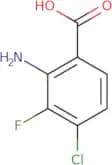
2-Amino-4-chloro-3-fluorobenzoic acid
CAS:<p>Versatile small molecule scaffold</p>Formula:C7H5ClFNO2Purity:Min. 95%Molecular weight:189.57 g/mol4-[(4-Iodophenyl)amino]butanoic acid
CAS:<p>Versatile small molecule scaffold</p>Formula:C10H12INO2Purity:Min. 95%Molecular weight:305.11 g/mol7-Chloro-8-fluoro-1,2,3,4-tetrahydroquinoline
CAS:<p>Versatile small molecule scaffold</p>Formula:C9H9ClFNPurity:Min. 95%Molecular weight:185.62 g/mol[4-(Dimethylamino)-3-nitrophenyl]methanol
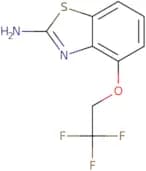
CAS:Versatile small molecule scaffoldFormula:C9H12N2O3Purity:Min. 95%Molecular weight:196.2 g/mol4-(2,2,2-Trifluoroethoxy)-1,3-benzothiazol-2-amine
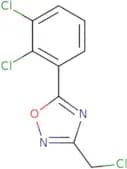
CAS:<p>Versatile small molecule scaffold</p>Formula:C9H7F3N2OSPurity:Min. 95%Molecular weight:248.23 g/mol3-(Chloromethyl)-5-(2,3-dichlorophenyl)-1,2,4-oxadiazole
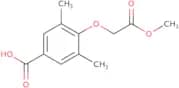
CAS:<p>Versatile small molecule scaffold</p>Formula:C9H5Cl3N2OPurity:Min. 95%Molecular weight:263.5 g/mol4-(2-Methoxy-2-oxoethoxy)-3,5-dimethylbenzoic acid
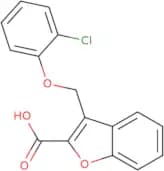
CAS:<p>Versatile small molecule scaffold</p>Formula:C12H14O5Purity:Min. 95%Molecular weight:238.24 g/mol3-(2-Chlorophenoxymethyl)-1-benzofuran-2-carboxylic acid
CAS:<p>Versatile small molecule scaffold</p>Formula:C16H11ClO4Purity:Min. 95%Molecular weight:302.71 g/mol3-[(Thiophen-2-ylsulfanyl)methyl]-1-benzofuran-2-carboxylic acid
CAS:Versatile small molecule scaffoldFormula:C14H10O3S2Purity:Min. 95%Molecular weight:290.4 g/mol{3-Fluoro-4-[4-(pyrimidin-2-yl)piperazin-1-yl]phenyl}methanamine
CAS:Versatile small molecule scaffoldFormula:C15H18FN5Purity:Min. 95%Molecular weight:287.34 g/mol1-[4-(Aminomethyl)-2-fluorophenyl]piperidin-4-ol
CAS:<p>Versatile small molecule scaffold</p>Formula:C12H17FN2OPurity:Min. 95%Molecular weight:224.27 g/mol[4-(4-Ethylpiperazin-1-yl)-3-fluorophenyl]methanamine
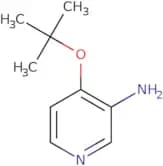
CAS:<p>Versatile small molecule scaffold</p>Formula:C13H20FN3Purity:Min. 95%Molecular weight:237.32 g/mol4-(tert-Butoxy)pyridin-3-amine
CAS:<p>Versatile small molecule scaffold</p>Formula:C9H14N2OPurity:Min. 95%Molecular weight:166.22 g/mol[4-(2,3-Dichlorophenoxy)phenyl]methanamine
CAS:<p>Versatile small molecule scaffold</p>Formula:C13H11Cl2NOPurity:Min. 95%Molecular weight:268.13 g/mol5-[3-(Difluoromethoxy)phenyl]-1,3,4-oxadiazol-2-amine
CAS:<p>Versatile small molecule scaffold</p>Formula:C9H7F2N3O2Purity:Min. 95%Molecular weight:227.17 g/mol1-(2-Fluoro-4-methylphenyl)-1H,4H,5H,6H-cyclopenta[C]pyrazole-3-carboxylic acid
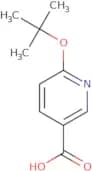
CAS:<p>Versatile small molecule scaffold</p>Formula:C14H13FN2O2Purity:Min. 95%Molecular weight:260.26 g/mol6-(tert-Butoxy)pyridine-3-carboxylic acid
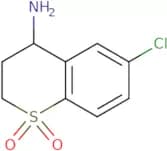
CAS:<p>Versatile small molecule scaffold</p>Formula:C10H13NO3Purity:Min. 95%Molecular weight:195.21 g/mol6-chloro-1,1-dioxo-3,4-dihydro-2H-thiochromen-4-amine
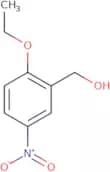
CAS:Versatile small molecule scaffoldFormula:C9H10ClNO2SPurity:Min. 95%Molecular weight:231.7 g/mol(2-Ethoxy-5-nitrophenyl)methanol
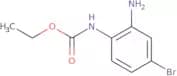
CAS:<p>Versatile small molecule scaffold</p>Formula:C9H11NO4Purity:Min. 95%Molecular weight:197.19 g/molEthyl N-(2-amino-4-bromophenyl)carbamate
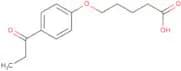
CAS:Versatile small molecule scaffoldFormula:C9H11BrN2O2Purity:Min. 95%Molecular weight:259.1 g/mol5-(4-Propanoylphenoxy)pentanoic acid
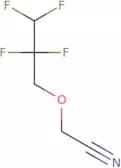
CAS:Versatile small molecule scaffoldFormula:C14H18O4Purity:Min. 95%Molecular weight:250.29 g/mol2-(2,2,3,3-Tetrafluoropropoxy)acetonitrile
CAS:Versatile small molecule scaffoldFormula:C5H5F4NOPurity:Min. 95%Molecular weight:171.09 g/mol3-{[(4-Hydroxypyrimidin-2-yl)sulfanyl]methyl}-1-benzofuran-2-carboxylic acid
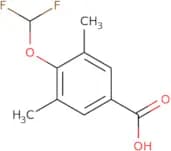
CAS:Versatile small molecule scaffoldFormula:C14H10N2O4SPurity:Min. 95%Molecular weight:302.31 g/mol4-(Difluoromethoxy)-3,5-dimethylbenzoic acid
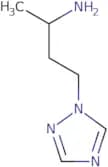
CAS:<p>Versatile small molecule scaffold</p>Formula:C10H10F2O3Purity:Min. 95%Molecular weight:216.18 g/mol4-(1H-1,2,4-Triazol-1-yl)butan-2-amine
CAS:<p>Versatile small molecule scaffold</p>Formula:C6H12N4Purity:Min. 95%Molecular weight:140.19 g/mol1-{4-[4-(Hydroxymethyl)phenyl]piperazin-1-yl}ethan-1-one
CAS:<p>Versatile small molecule scaffold</p>Formula:C13H18N2O2Purity:Min. 95%Molecular weight:234.29 g/mol2-{[(2-Methylbutan-2-yl)oxy]methyl}aniline
CAS:<p>Versatile small molecule scaffold</p>Formula:C12H19NOPurity:Min. 95%Molecular weight:193.28 g/mol[2-(Cyclopropylmethoxy)phenyl]methanol
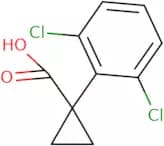
CAS:<p>Versatile small molecule scaffold</p>Formula:C11H14O2Purity:Min. 95%Molecular weight:178.23 g/mol1-(2,6-Dichlorophenyl)cyclopropane-1-carboxylic acid
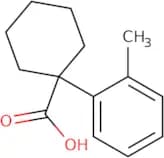
CAS:<p>Versatile small molecule scaffold</p>Formula:C10H8Cl2O2Purity:Min. 95%Molecular weight:231.07 g/mol1-(2-Methylphenyl)cyclohexane-1-carboxylic acid
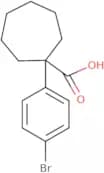
CAS:Versatile small molecule scaffoldFormula:C14H18O2Purity:Min. 95%Molecular weight:218.29 g/mol1-(4-Bromophenyl)cycloheptane-1-carboxylic acid
CAS:<p>Versatile small molecule scaffold</p>Formula:C14H17BrO2Purity:Min. 95%Molecular weight:297.19 g/mol1-(4-Bromophenyl)-cyclobutanemethanamine
CAS:Versatile small molecule scaffoldFormula:C11H14BrNPurity:Min. 95%Molecular weight:240.1 g/mol{1-[3-(Trifluoromethyl)phenyl]cyclobutyl}methanamine
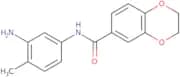
CAS:Versatile small molecule scaffoldFormula:C12H14F3NPurity:Min. 95%Molecular weight:229.24 g/molN-(3-Amino-4-methylphenyl)-2,3-dihydro-1,4-benzodioxine-6-carboxamide
CAS:<p>Versatile small molecule scaffold</p>Formula:C16H16N2O3Purity:Min. 95%Molecular weight:284.3 g/mol3-[(Octyloxy)methyl]aniline
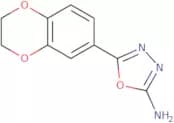
CAS:Versatile small molecule scaffoldFormula:C15H25NOPurity:Min. 95%Molecular weight:235.36 g/mol5-(2,3-Dihydro-1,4-benzodioxin-6-yl)-1,3,4-oxadiazol-2-amine
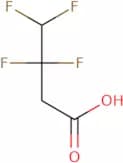
CAS:<p>Versatile small molecule scaffold</p>Formula:C10H9N3O3Purity:Min. 95%Molecular weight:219.2 g/mol3,3,4,4-Tetrafluorobutanoic acid
CAS:<p>Versatile small molecule scaffold</p>Formula:C4H4F4O2Purity:Min. 95%Molecular weight:160.07 g/mol3-{[(6-Methylcyclohex-3-en-1-yl)methoxy]methyl}benzoic acid
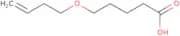
CAS:<p>Versatile small molecule scaffold</p>Formula:C16H20O3Purity:Min. 95%Molecular weight:260.33 g/mol5-(But-3-en-1-yloxy)pentanoic acid
CAS:<p>Versatile small molecule scaffold</p>Formula:C9H16O3Purity:Min. 95%Molecular weight:172.22 g/mol3-[(tert-Butoxy)methyl]aniline
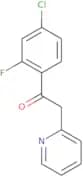
CAS:<p>Versatile small molecule scaffold</p>Formula:C11H17NOPurity:Min. 95%Molecular weight:179.26 g/mol1-(4-Chloro-2-fluorophenyl)-2-(pyridin-2-yl)ethan-1-one
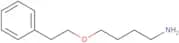
CAS:<p>Versatile small molecule scaffold</p>Formula:C13H9ClFNOPurity:Min. 95%Molecular weight:249.67 g/mol4-(2-Phenylethoxy)butan-1-amine
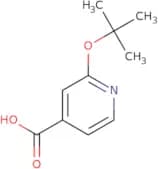
CAS:<p>Versatile small molecule scaffold</p>Formula:C12H19NOPurity:Min. 95%Molecular weight:193.28 g/mol2-(tert-Butoxy)pyridine-4-carboxylic acid
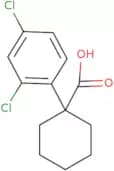
CAS:Versatile small molecule scaffoldFormula:C10H13NO3Purity:Min. 95%Molecular weight:195.21 g/mol1-(2,4-Dichlorophenyl)cyclohexane-1-carboxylic acid
CAS:Versatile small molecule scaffoldFormula:C13H14Cl2O2Purity:Min. 95%Molecular weight:273.15 g/mol1-[4-(2-Methylpropoxy)phenyl]cyclopentane-1-carboxylic acid
CAS:<p>Versatile small molecule scaffold</p>Formula:C16H22O3Purity:Min. 95%Molecular weight:262.34 g/mol1-[1-(Pyridin-4-yl)ethyl]piperidin-4-amine
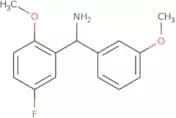
CAS:<p>Versatile small molecule scaffold</p>Formula:C12H19N3Purity:Min. 95%Molecular weight:205.3 g/mol(5-Fluoro-2-methoxyphenyl)(3-methoxyphenyl)methanamine
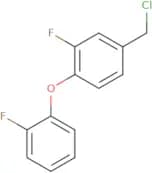
CAS:<p>Versatile small molecule scaffold</p>Formula:C15H16FNO2Purity:Min. 95%Molecular weight:261.29 g/mol4-(Chloromethyl)-2-fluoro-1-(2-fluorophenoxy)benzene
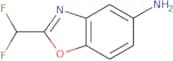
CAS:<p>Versatile small molecule scaffold</p>Formula:C13H9ClF2OPurity:Min. 95%Molecular weight:254.66 g/mol2-(Difluoromethyl)-1,3-benzoxazol-5-amine
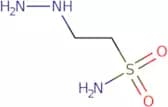
CAS:<p>Versatile small molecule scaffold</p>Formula:C8H6F2N2OPurity:Min. 95%Molecular weight:184.14 g/mol2-Hydrazinylethane-1-sulfonamide
CAS:<p>Versatile small molecule scaffold</p>Formula:C2H9N3O2SPurity:Min. 95%Molecular weight:139.18 g/mol4-Chloro-1-[4-(chloromethyl)phenoxy]-2-methylbenzene
CAS:Versatile small molecule scaffoldFormula:C14H12Cl2OPurity:Min. 95%Molecular weight:267.1 g/mol3-{[(2-Chlorophenyl)sulfanyl]methyl}-1-benzofuran-2-carboxylic acid
CAS:Controlled Product<p>3-{[(2-Chlorophenyl)sulfanyl]methyl}-1-benzofuran-2-carboxylic acid is a research tool for studying protein interactions. It is a ligand that binds to the receptor and blocks it from interacting with other proteins. 3-{[(2-Chlorophenyl)sulfanyl]methyl}-1-benzofuran-2-carboxylic acid has been used as an inhibitor of ion channels in cell biology and pharmacology. This drug also inhibits antibody production by binding to the antigen binding site of antibodies and prevents their association with antigens. 3-(2,3,4,5,6,7,8,9,10,11)-Hexahydrobenzo[b]thiophene - 2-[(4'-chlorophenyl)sulfanyl]methyl - 1-(4'-methoxyphenyl)ethanone is</p>Formula:C16H11ClO3SPurity:Min. 95%Molecular weight:318.8 g/mol2-Chloro-5-[4-(trifluoromethyl)phenoxymethyl]pyridine
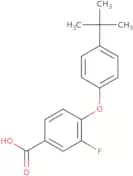
CAS:<p>Versatile small molecule scaffold</p>Formula:C13H9ClF3NOPurity:Min. 95%Molecular weight:287.66 g/mol4-(4-tert-Butylphenoxy)-3-fluorobenzoic acid
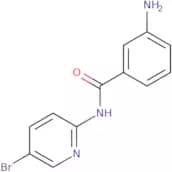
CAS:<p>Versatile small molecule scaffold</p>Formula:C17H17FO3Purity:Min. 95%Molecular weight:288.31 g/mol3-Amino-N-(5-bromopyridin-2-yl)benzamide
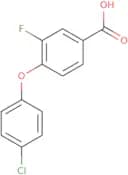
CAS:Versatile small molecule scaffoldFormula:C12H10BrN3OPurity:Min. 95%Molecular weight:292.13 g/mol4-(4-Chlorophenoxy)-3-fluorobenzoic acid
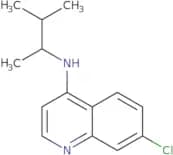
CAS:<p>Versatile small molecule scaffold</p>Formula:C13H8ClFO3Purity:Min. 95%Molecular weight:266.65 g/mol7-Chloro-N-(3-methylbutan-2-yl)quinolin-4-amine
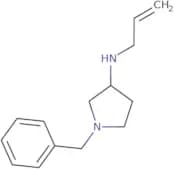
CAS:<p>Versatile small molecule scaffold</p>Formula:C14H17ClN2Purity:Min. 95%Molecular weight:248.75 g/mol1-Benzyl-N-(prop-2-en-1-yl)pyrrolidin-3-amine
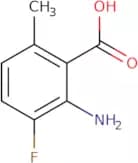
CAS:<p>Versatile small molecule scaffold</p>Formula:C14H20N2Purity:Min. 95%Molecular weight:216.32 g/mol2-amino-3-fluoro-6-methylbenzoic acid
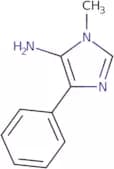
CAS:Versatile small molecule scaffoldFormula:C8H8FNO2Purity:Min. 95%Molecular weight:169.16 g/mol1-Methyl-4-phenyl-1H-imidazol-5-amine
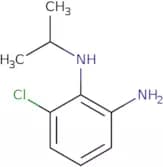
CAS:<p>Versatile small molecule scaffold</p>Formula:C10H11N3Purity:Min. 95%Molecular weight:173.21 g/mol6-Chloro-1-N-(propan-2-yl)benzene-1,2-diamine
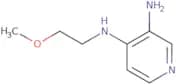
CAS:<p>Versatile small molecule scaffold</p>Formula:C9H13ClN2Purity:Min. 95%Molecular weight:184.66 g/molN4-(2-Methoxyethyl)pyridine-3,4-diamine
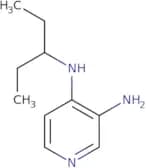
CAS:<p>Versatile small molecule scaffold</p>Formula:C8H13N3OPurity:Min. 95%Molecular weight:167.21 g/molN4-(Pentan-3-yl)pyridine-3,4-diamine
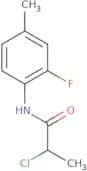
CAS:<p>Versatile small molecule scaffold</p>Formula:C10H17N3Purity:Min. 95%Molecular weight:179.26 g/mol2-Chloro-N-(2-fluoro-4-methylphenyl)propanamide
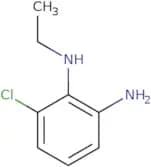
CAS:<p>Versatile small molecule scaffold</p>Formula:C10H11ClFNOPurity:Min. 95%Molecular weight:215.65 g/mol6-Chloro-1-N-ethylbenzene-1,2-diamine
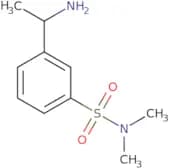
CAS:<p>Versatile small molecule scaffold</p>Formula:C8H11ClN2Purity:Min. 95%Molecular weight:170.64 g/mol3-(1-Aminoethyl)-N,N-dimethylbenzene-1-sulfonamide
CAS:<p>Versatile small molecule scaffold</p>Formula:C10H16N2O2SPurity:Min. 95%Molecular weight:228.31 g/mol5-Bromo-N-[3-(dimethylamino)propyl]pyridin-2-amine
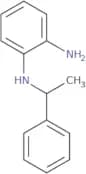
CAS:<p>Versatile small molecule scaffold</p>Formula:C10H16BrN3Purity:Min. 95%Molecular weight:258.16 g/mol1-N-(1-Phenylethyl)benzene-1,2-diamine
CAS:<p>Versatile small molecule scaffold</p>Formula:C14H16N2Purity:Min. 95%Molecular weight:212.29 g/mol2-[4-(4-Methoxyphenyl)piperazin-1-yl]propanoic acid
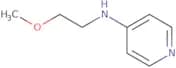
CAS:<p>Versatile small molecule scaffold</p>Formula:C14H20N2O3Purity:Min. 95%Molecular weight:264.32 g/molN-(2-Methoxyethyl)pyridin-4-amine
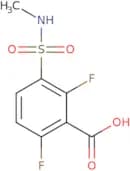
CAS:Versatile small molecule scaffoldFormula:C8H12N2OPurity:Min. 95%Molecular weight:152.19 g/mol2,6-Difluoro-3-(methylsulfamoyl)benzoic acid
CAS:<p>Versatile small molecule scaffold</p>Formula:C8H7F2NO4SPurity:Min. 95%Molecular weight:251.21 g/mol4-[Ethyl(phenyl)amino]benzoic acid
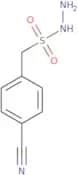
CAS:<p>Versatile small molecule scaffold</p>Formula:C15H15NO2Purity:Min. 95%Molecular weight:241.28 g/mol(4-Cyanophenyl)methanesulfonohydrazide
CAS:<p>Versatile small molecule scaffold</p>Formula:C8H9N3O2SPurity:Min. 95%Molecular weight:211.24 g/mol3-Azabicyclo[4.2.1]nonane-3-carboxamide
CAS:<p>Versatile small molecule scaffold</p>Formula:C9H16N2OPurity:Min. 95%Molecular weight:168.2 g/mol1-[(tert-Butoxy)carbonyl]-3-phenoxyazetidine-3-carboxylic acid
CAS:<p>Versatile small molecule scaffold</p>Formula:C15H19NO5Purity:Min. 95%Molecular weight:293.3 g/mol4-[(3-Chlorophenyl)amino]-4-oxobutanoic acid
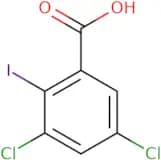
CAS:<p>4-Amino-4-oxobutanoic acid is a weak organic acid that is found in the form of a white, crystalline powder. It has a molecular weight of 123.17 and a melting point of 163°C. 4-Amino-4-oxobutanoic acid is soluble in water, but not in alcohols or ethers. This compound can be classified as an amide, due to the presence of hydrogen bonds between the carbonyl group and the amino group. 4-Amino-4-oxobutanoic acid is also known as 4-[(3-chlorophenyl)amino]-4-oxobutanoic acid (CLAB).</p>Formula:C10H10ClNO3Purity:Min. 95%Molecular weight:227.64 g/mol3,5-Dichloro-2-iodobenzoic acid
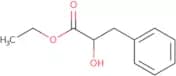
CAS:<p>Versatile small molecule scaffold</p>Formula:C7H3Cl2IO2Purity:Min. 95%Molecular weight:316.9 g/molEthyl 2-hydroxy-3-phenylpropanoate
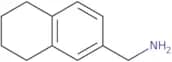
CAS:<p>Ethyl 2-hydroxy-3-phenylpropanoate (EPP) is a component of the fragrance, which is used in perfumes, soaps, and detergents. It has been shown to have a hypocholesterolemic effect in rats and a proliferator-activated receptor agonist effect on human cells. EPP also has been shown to stimulate collagen production and inhibit the proliferation of human keratinocytes. The biological properties of this compound are related to its ability to activate insulin receptors in muscle cells. EP can be synthesized by reacting 3-phenylpropanal with ethyl bromoacetate followed by hydrolysis of the resulting ester.</p>Formula:C11H14O3Purity:Min. 95%Molecular weight:194.23 g/mol(5,6,7,8-tetrahydronaphthalen-2-yl)methanamine
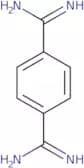
CAS:<p>Versatile small molecule scaffold</p>Formula:C11H15NPurity:Min. 95%Molecular weight:161.24 g/mol1,4-Diamidinobenzene
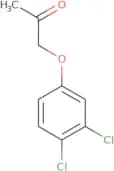
CAS:<p>1,4-Diamidinobenzene is a chemical compound that belongs to the group of triazines. It has been extensively used in pharmaceutical preparations because of its stability and low toxicity. 1,4-Diamidinobenzene is an acid complex with a molecule that has a crystalline structure. It is soluble in organic solvents such as ethanol and acetone. The terminal half-life of 1,4-diamidinobenzene depends on the type of coating applied to the metal surface; it can be degradable or not. The electronic interaction between 1,4-diamidinobenzene and urokinase-type plasminogen increases its activity by tenfold when compared to other non-interacting molecules.</p>Formula:C8H10N4Purity:Min. 95%Molecular weight:162.19 g/mol1-(3,4-Dichlorophenoxy)propan-2-one
CAS:<p>Versatile small molecule scaffold</p>Formula:C9H8Cl2O2Purity:Min. 95%Molecular weight:219.06 g/mol3-(2-bromoethoxy)prop-1-ene
CAS:<p>Versatile small molecule scaffold</p>Formula:C5H9OBrPurity:Min. 95%Molecular weight:165.02 g/mol3-(3-Bromopropoxy)prop-1-ene
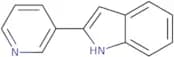
CAS:<p>Versatile small molecule scaffold</p>Formula:C6H11BrOPurity:Min. 95%Molecular weight:179.05 g/mol2-(Pyridin-3-yl)-1H-indole
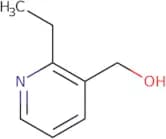
CAS:<p>Versatile small molecule scaffold</p>Formula:C13H10N2Purity:Min. 95%Molecular weight:194.23 g/mol(2-Ethylpyridin-3-yl)methanol
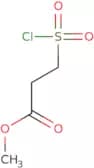
CAS:(2-Ethylpyridin-3-yl)methanol is a drug that can be used for the treatment of cerebral ischemia. It has been shown to increase blood flow to the brain and reduce the infarct size in animal models. (2-Ethylpyridin-3-yl)methanol is also effective in treating acute ischemic stroke, as it has been shown to reduce the severity of cerebral vasospasm. This drug can be used as a substitute for insulin in type 2 diabetes mellitus, because it reduces insulin resistance and improves glycemic control. As with other drugs in this class, (2-Ethylpyridin-3-yl)methanol should be administered by intravenous infusion only. The recommended dose for adults with normal renal function is 3 mg/kg body weight over 15 minutes followed by an infusion at 0.5 mg/kg over 4 hours. If given as an infusion,Formula:C8H11NOPurity:Min. 95%Molecular weight:137.18 g/molmethyl 3-(chlorosulfonyl)propanoate
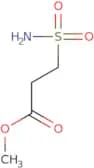
CAS:<p>Versatile small molecule scaffold</p>Formula:C4H7ClO4SPurity:Min. 95%Molecular weight:186.6 g/molMethyl 3-sulfamoylpropanoate
CAS:<p>Versatile small molecule scaffold</p>Formula:C4H9NO4SPurity:Min. 95%Molecular weight:167.19 g/mol1,1-dioxo-1,2-thiazolidin-3-one
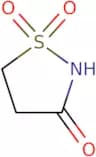
CAS:<p>1,1-Dioxo-1,2-thiazolidin-3-one is a protease inhibitor that inhibits the activity of serine proteases. It is used to treat inflammatory diseases and cancer. 1,1-Dioxo-1,2-thiazolidin-3-one prevents the spread of cancer cells by inhibiting their ability to break down proteins that are important for cell growth and division. This drug also possesses anti-inflammatory properties. These effects may be due to its inhibition of serine proteases such as matrix metalloproteinases (MMPs) and cathepsins.</p>Formula:C3H5NO3SPurity:Min. 95%Molecular weight:135.14 g/mol2-Methylpropane-1,2-diamine dihydrochloride
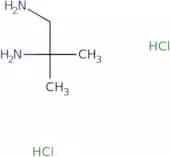
CAS:<p>Versatile small molecule scaffold</p>Formula:C4H14Cl2N2Purity:Min. 95%Molecular weight:161.07 g/molMethyl 2-(4-chlorobenzenesulfonyl)acetate
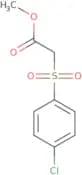
CAS:<p>Versatile small molecule scaffold</p>Formula:C9H9ClO4SPurity:Min. 95%Molecular weight:248.68 g/molDimethyl bicyclo[2.2.1]heptane-1,4-dicarboxylate
CAS:<p>Dimethyl bicyclo[2.2.1]heptane-1,4-dicarboxylate is a synthetic diol with the chemical formula (CH)C(O)CH(CH)(CO)OCH. It has been shown to be one of the most effective diols for alkylation of ethylene in a continuous process, yielding high yields and low amounts of byproducts. Dimethyl bicyclo[2.2.1]heptane-1,4-dicarboxylate has also been used as an immobilized catalyst for lipase production and has shown potential as an immobilized catalyst for cycloaliphatic ring opening reactions using magnetic fields to control reactivity and stereochemistry.</p>Formula:C11H16O4Purity:Min. 95%Molecular weight:212.24 g/mol4-(methoxycarbonyl)bicyclo[2.2.1]heptane-1-carboxylic acid
CAS:<p>4-(Methoxycarbonyl)bicyclo[2.2.1]heptane-1-carboxylic acid is a dicarboxylic acid that can be prepared by the reaction of malonic ester and allyl alcohol in the presence of base. It is a precursor to 4-hydroxybutyric acid, which is an intermediate in the conversion of lysine to methionine. 4-(Methoxycarbonyl)bicyclo[2.2.1]heptane-1-carboxylic acid is used as a monoester and diester in the preparation of detergents and emulsifiers, as well as being used in the synthesis of pharmaceuticals and other organic compounds. The monoester form has been shown to have high yields for use with Burkholderia cepacia lipases (BCL) immobilized on silica gel, while the diesters are</p>Formula:C10H14O4Purity:Min. 95%Molecular weight:198.2 g/molMethyl 4-carbamoylbicyclo[2.2.1]heptane-1-carboxylate
CAS:<p>Versatile small molecule scaffold</p>Formula:C10H15NO3Purity:Min. 95%Molecular weight:197.23 g/mol4-Bromobicyclo[2.2.1]heptane-1-carboxylic acid
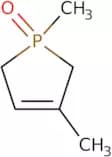
CAS:<p>Versatile small molecule scaffold</p>Formula:C8H11BrO2Purity:Min. 95%Molecular weight:219.08 g/mol1,3-Dimethyl-3-phospholene 1-oxide
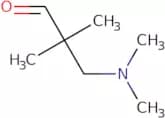
CAS:Versatile small molecule scaffoldFormula:C6H11OPPurity:Min. 95%Molecular weight:130.12 g/mol3-Dimethylamino-2,2-dimethyl-propionaldehyde
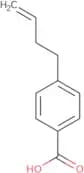
CAS:3-Dimethylamino-2,2-dimethylpropionaldehyde is an equimolar mixture of 3-dimethylamino-2,2-dimethylpropionaldehyde and 3-methylbutyraldehyde. This aldehyde has multifunctional properties and can be used in the preparation of a wide variety of aldehydes, such as acetaldehyde, benzaldehyde, butyraldehyde, and cinnamaldehyde. The reaction products are known for their pharmacophore activity. This product was also shown to have nmr spectrum with signals at δ 0.94 (3H), δ 1.23 (3H), δ 2.00 (6H), δ 4.82 (1H). The proton signal is at δ 7.28 ppm and the nitrogen atom is at δ 5.04 ppm in the spectrum of this product.END> END>Formula:C7H15NOPurity:Min. 95%Molecular weight:129.2 g/mol4-(But-3-en-1-yl)benzoic acid
CAS:<p>Versatile small molecule scaffold</p>Formula:C11H12O2Purity:Min. 95%Molecular weight:176.21 g/mol2-[2-(4-Methoxyphenyl)ethyl]-1H-1,3-benzodiazole
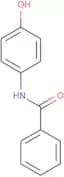
CAS:<p>Versatile small molecule scaffold</p>Formula:C16H16N2OPurity:Min. 95%Molecular weight:252.31 g/molN-(4-Hydroxyphenyl)benzamide
CAS:<p>4-Hydroxyphenylbenzamide is a metabolite of biphenyl and an estrogen receptor modulator. It has been shown to inhibit the proliferation of human breast cancer cells in vitro. 4-Hydroxyphenylbenzamide binds to the estrogen receptors and inhibits the negative feedback on the hypothalamus, which leads to increased levels of luteinizing hormone and follicle stimulating hormone. This results in vasomotor symptoms such as hot flashes, night sweats, and mood swings. The drug also has effects on bone metabolism by increasing bone resorption and decreasing bone formation. 4-Hydroxyphenylbenzamide is metabolized in the liver by glucuronidation conjugates, which are excreted in feces or eliminated through urine.</p>Formula:C13H11NO2Purity:Min. 95%Molecular weight:213.23 g/mol4-Chloro-2,6-diiodophenol
CAS:<p>4-Chloro-2,6-diiodophenol is a disinfectant that belongs to the family of phenolic compounds. It is used as a water purifier and has been shown to be effective against Diptera, Culicidae and Trichoptera, although it is not effective against other insects. 4-Chloro-2,6-diiodophenol reacts with chlorine to form chloral hydrate, which is an intermediate in the synthesis of trichloroacetic acid. This reaction rate has been shown to increase with population density. The effectiveness of 4-chloro-2,6-diiodophenol as a disinfectant has been found to be dependent on the concentration of chlorine in the water.</p>Formula:C6H3ClI2OPurity:Min. 95%Molecular weight:380.35 g/mol

![4-[(4-Iodophenyl)amino]butanoic acid](/_next/image/?url=https%3A%2Fstatic.cymitquimica.com%2Fproducts%2F3D%2Fthumb-webp%2FPRB87915.webp&w=3840&q=75)

![[4-(Dimethylamino)-3-nitrophenyl]methanol](/_next/image/?url=https%3A%2Fstatic.cymitquimica.com%2Fproducts%2F3D%2Fthumb-webp%2FPRB88200.webp&w=3840&q=75)
![3-[(Thiophen-2-ylsulfanyl)methyl]-1-benzofuran-2-carboxylic acid](/_next/image/?url=https%3A%2Fstatic.cymitquimica.com%2Fproducts%2F3D%2Fthumb-webp%2FPRB89126.webp&w=3840&q=75)
![{3-Fluoro-4-[4-(pyrimidin-2-yl)piperazin-1-yl]phenyl}methanamine](/_next/image/?url=https%3A%2Fstatic.cymitquimica.com%2Fproducts%2F3D%2Fthumb-webp%2FPRB89192.webp&w=3840&q=75)
![1-[4-(Aminomethyl)-2-fluorophenyl]piperidin-4-ol](/_next/image/?url=https%3A%2Fstatic.cymitquimica.com%2Fproducts%2F3D%2Fthumb-webp%2FPRB89260.webp&w=3840&q=75)
![[4-(4-Ethylpiperazin-1-yl)-3-fluorophenyl]methanamine](/_next/image/?url=https%3A%2Fstatic.cymitquimica.com%2Fproducts%2F3D%2Fthumb-webp%2FPRB89284.webp&w=3840&q=75)
![[4-(2,3-Dichlorophenoxy)phenyl]methanamine](/_next/image/?url=https%3A%2Fstatic.cymitquimica.com%2Fproducts%2F3D%2Fthumb-webp%2FPRB89409.webp&w=3840&q=75)
![5-[3-(Difluoromethoxy)phenyl]-1,3,4-oxadiazol-2-amine](/_next/image/?url=https%3A%2Fstatic.cymitquimica.com%2Fproducts%2F3D%2Fthumb-webp%2FPRB89932.webp&w=3840&q=75)
![1-(2-Fluoro-4-methylphenyl)-1H,4H,5H,6H-cyclopenta[C]pyrazole-3-carboxylic acid](/_next/image/?url=https%3A%2Fstatic.cymitquimica.com%2Fproducts%2F3D%2Fthumb-webp%2FPRB90017.webp&w=3840&q=75)
![3-{[(4-Hydroxypyrimidin-2-yl)sulfanyl]methyl}-1-benzofuran-2-carboxylic acid](/_next/image/?url=https%3A%2Fstatic.cymitquimica.com%2Fproducts%2F3D%2Fthumb-webp%2FPRB92241.webp&w=3840&q=75)
![1-{4-[4-(Hydroxymethyl)phenyl]piperazin-1-yl}ethan-1-one](/_next/image/?url=https%3A%2Fstatic.cymitquimica.com%2Fproducts%2F3D%2Fthumb-webp%2FPRB92966.webp&w=3840&q=75)
![2-{[(2-Methylbutan-2-yl)oxy]methyl}aniline](/_next/image/?url=https%3A%2Fstatic.cymitquimica.com%2Fproducts%2F3D%2Fthumb-webp%2FPRB93062.webp&w=3840&q=75)
![[2-(Cyclopropylmethoxy)phenyl]methanol](/_next/image/?url=https%3A%2Fstatic.cymitquimica.com%2Fproducts%2F3D%2Fthumb-webp%2FPRB93123.webp&w=3840&q=75)
![{1-[3-(Trifluoromethyl)phenyl]cyclobutyl}methanamine](/_next/image/?url=https%3A%2Fstatic.cymitquimica.com%2Fproducts%2F3D%2Fthumb-webp%2FPRB93276.webp&w=3840&q=75)
![3-[(Octyloxy)methyl]aniline](/_next/image/?url=https%3A%2Fstatic.cymitquimica.com%2Fproducts%2F3D%2Fthumb-webp%2FPRB93371.webp&w=3840&q=75)
![3-{[(6-Methylcyclohex-3-en-1-yl)methoxy]methyl}benzoic acid](/_next/image/?url=https%3A%2Fstatic.cymitquimica.com%2Fproducts%2F3D%2Fthumb-webp%2FPRB94517.webp&w=3840&q=75)
![3-[(tert-Butoxy)methyl]aniline](/_next/image/?url=https%3A%2Fstatic.cymitquimica.com%2Fproducts%2F3D%2Fthumb-webp%2FPRB94612.webp&w=3840&q=75)
![1-[4-(2-Methylpropoxy)phenyl]cyclopentane-1-carboxylic acid](/_next/image/?url=https%3A%2Fstatic.cymitquimica.com%2Fproducts%2F3D%2Fthumb-webp%2FPRB95252.webp&w=3840&q=75)
![1-[1-(Pyridin-4-yl)ethyl]piperidin-4-amine](/_next/image/?url=https%3A%2Fstatic.cymitquimica.com%2Fproducts%2F3D%2Fthumb-webp%2FPRB95275.webp&w=3840&q=75)
![4-Chloro-1-[4-(chloromethyl)phenoxy]-2-methylbenzene](/_next/image/?url=https%3A%2Fstatic.cymitquimica.com%2Fproducts%2F3D%2Fthumb-webp%2FPRB96236.webp&w=3840&q=75)
![3-{[(2-Chlorophenyl)sulfanyl]methyl}-1-benzofuran-2-carboxylic acid](/_next/image/?url=https%3A%2Fstatic.cymitquimica.com%2Fproducts%2F3D%2Fthumb-webp%2FPRB96731.webp&w=3840&q=75)
![2-Chloro-5-[4-(trifluoromethyl)phenoxymethyl]pyridine](/_next/image/?url=https%3A%2Fstatic.cymitquimica.com%2Fproducts%2F3D%2Fthumb-webp%2FPRB96930.webp&w=3840&q=75)
![5-Bromo-N-[3-(dimethylamino)propyl]pyridin-2-amine](/_next/image/?url=https%3A%2Fstatic.cymitquimica.com%2Fproducts%2F3D%2Fthumb-webp%2FPRB98725.webp&w=3840&q=75)
![2-[4-(4-Methoxyphenyl)piperazin-1-yl]propanoic acid](/_next/image/?url=https%3A%2Fstatic.cymitquimica.com%2Fproducts%2F3D%2Fthumb-webp%2FPRB99312.webp&w=3840&q=75)
![4-[Ethyl(phenyl)amino]benzoic acid](/_next/image/?url=https%3A%2Fstatic.cymitquimica.com%2Fproducts%2F3D%2Fthumb-webp%2FPRB99585.webp&w=3840&q=75)
![3-Azabicyclo[4.2.1]nonane-3-carboxamide](/_next/image/?url=https%3A%2Fstatic.cymitquimica.com%2Fproducts%2F3D%2Fthumb-webp%2FPRD81804.webp&w=3840&q=75)
![1-[(tert-Butoxy)carbonyl]-3-phenoxyazetidine-3-carboxylic acid](/_next/image/?url=https%3A%2Fstatic.cymitquimica.com%2Fproducts%2F3D%2Fthumb-webp%2FPRD95586.webp&w=3840&q=75)
![4-[(3-Chlorophenyl)amino]-4-oxobutanoic acid](/_next/image/?url=https%3A%2Fstatic.cymitquimica.com%2Fproducts%2F3D%2Fthumb-webp%2FQAA38696.webp&w=3840&q=75)


![Dimethyl bicyclo[2.2.1]heptane-1,4-dicarboxylate](/_next/image/?url=https%3A%2Fstatic.cymitquimica.com%2Fproducts%2F3D%2Fthumb-webp%2FQAA44876.webp&w=3840&q=75)
![4-(methoxycarbonyl)bicyclo[2.2.1]heptane-1-carboxylic acid](/_next/image/?url=https%3A%2Fstatic.cymitquimica.com%2Fproducts%2F3D%2Fthumb-webp%2FQAA44877.webp&w=3840&q=75)
![Methyl 4-carbamoylbicyclo[2.2.1]heptane-1-carboxylate](/_next/image/?url=https%3A%2Fstatic.cymitquimica.com%2Fproducts%2F3D%2Fthumb-webp%2FQAA44878.webp&w=3840&q=75)
![4-Bromobicyclo[2.2.1]heptane-1-carboxylic acid](/_next/image/?url=https%3A%2Fstatic.cymitquimica.com%2Fproducts%2F3D%2Fthumb-webp%2FQAA44885.webp&w=3840&q=75)
![2-[2-(4-Methoxyphenyl)ethyl]-1H-1,3-benzodiazole](/_next/image/?url=https%3A%2Fstatic.cymitquimica.com%2Fproducts%2F3D%2Fthumb-webp%2FQAA45232.webp&w=3840&q=75)