Building Blocks
This section contains fundamental products for the synthesis of organic and biological compounds. Building blocks are the essential starting materials used to construct complex molecules through various chemical reactions. They play a critical role in drug discovery, material science, and chemical research. At CymitQuimica, we offer a diverse range of high-quality building blocks to support your innovative research and industrial projects, ensuring you have the essential components for successful synthesis.
Subcategories of "Building Blocks"
- Boronic Acids & Boronic Acid Derivatives(5,756 products)
- Chiral Building Blocks(1,242 products)
- Hydrocarbon Building Blocks(6,095 products)
- Organic Building Blocks(61,055 products)
Found 199650 products of "Building Blocks"
Sort by
Purity (%)
0
100
|
0
|
50
|
90
|
95
|
100
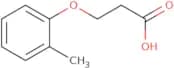
3-o-Tolyloxy-propionic acid
CAS:<p>3-o-Tolyloxy-propionic acid (3TP) is a monomer that can be used in the production of polymers. 3TP has been shown to have high emission efficiency, which is attributed to its low density and inductive properties. It also has a low melting point, making it suitable for use in the production of polymers at low temperatures. 3TP is also known to have an acid group and vinyl group, making it useful in the production of polymers with a variety of functions. 3TP is soluble in water and other solvents, making it easy to handle during polymerization processes. It is non-toxic and environmentally friendly because it does not emit any harmful substances when heated or mixed with other materials.</p>Formula:C10H12O3Purity:Min. 95%Molecular weight:180.2 g/mol2-(3,4-Dichlorophenyl)propanoic acid
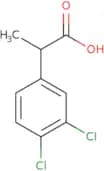
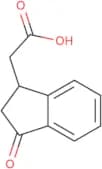
CAS:<p>Versatile small molecule scaffold</p>Formula:C9H8Cl2O2Purity:Min. 95%Molecular weight:219.06 g/mol2-(3-Oxo-2,3-dihydro-1H-inden-1-yl)acetic acid
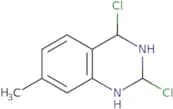
CAS:<p>Versatile small molecule scaffold</p>Formula:C11H10O3Purity:Min. 95%Molecular weight:190.2 g/mol2,4-Dichloro-7-methylquinazoline
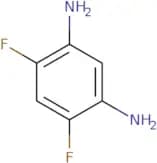
CAS:<p>Versatile small molecule scaffold</p>Formula:C9H6Cl2N2Purity:Min. 95%Molecular weight:213.06 g/mol4,6-Difluorobenzene-1,3-diamine
CAS:Versatile small molecule scaffoldFormula:C6H6F2N2Purity:Min. 95%Molecular weight:144.12 g/molrac-(1R,5R,7S)-7-Methylbicyclo[3.2.0]hept-2-en-6-one
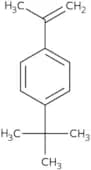
CAS:<p>Versatile small molecule scaffold</p>Formula:C8H10OPurity:Min. 95%Molecular weight:122.2 g/mol1-tert-Butyl-4-(prop-1-en-2-yl)benzene
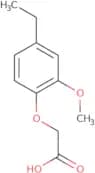
CAS:<p>Versatile small molecule scaffold</p>Formula:C13H18Purity:Min. 95%Molecular weight:174.28 g/mol2-(4-Ethyl-2-methoxyphenoxy)acetic acid
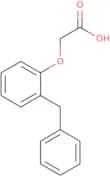
CAS:<p>Versatile small molecule scaffold</p>Formula:C11H14O4Purity:Min. 95%Molecular weight:210.23 g/mol2-(2-Benzylphenoxy)acetic acid
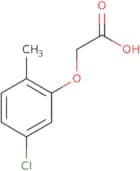
CAS:<p>Versatile small molecule scaffold</p>Formula:C15H14O3Purity:Min. 95%Molecular weight:242.27 g/mol2-(5-Chloro-2-methylphenoxy)acetic acid
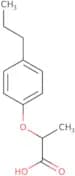
CAS:<p>2-(5-Chloro-2-methylphenoxy)acetic acid is a chemical compound used in the synthesis of herbicides, such as glyphosate. It is an inhibitor of plant growth. 2-(5-Chloro-2-methylphenoxy)acetic acid has been shown to induce apoptosis and inhibit cell growth in breast cancer cells. The compound interacts with reactive oxygen species to form hydroxyl radicals that react with DNA and cause DNA damage. This genotoxic potential may be responsible for its anticancer activity. The compound has been shown to be mutagenic, although it can also act as a mutational blocker and suppress the production of mutations by other carcinogens.</p>Formula:C9H9ClO3Purity:Min. 95%Molecular weight:200.62 g/mol2-(4-Propylphenoxy)propanoic acid
CAS:<p>Versatile small molecule scaffold</p>Formula:C12H16O3Purity:Min. 95%Molecular weight:208.25 g/mol2-[3-(Propan-2-yl)phenoxy]propanoic acid
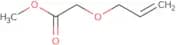
CAS:<p>Versatile small molecule scaffold</p>Formula:C12H16O3Purity:Min. 95%Molecular weight:208.25 g/molMethyl 2-(prop-2-en-1-yloxy)acetate
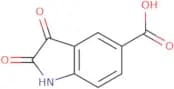
CAS:<p>Methyl 2-(prop-2-en-1-yloxy)acetate is an ester that is soluble in organic solvents, such as acetone and ether. The compound has been shown to be a potent antifungal agent against dermatophytes and other fungi. It has been shown to exhibit the ability to cleave esters and amides with high enantiomeric excess (ee). This compound can also be used for the synthesis of chiral compounds, by using asymmetric synthesis methods, such as the Wittig reaction.</p>Formula:C6H10O3Purity:Min. 95%Molecular weight:130.14 g/mol2,3-Dioxoindoline-5-carboxylic acid
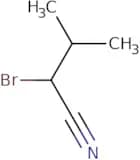
CAS:<p>2,3-Dioxoindoline-5-carboxylic acid (2,3-DIAC) is a carboxylic acid that has been found in plants. It can be used as a building block for the synthesis of indole compounds. 2,3-DIAC is an important intermediate in organic chemistry and has been used as a starting material for the synthesis of many other carboxylic acids.</p>Formula:C9H5NO4Purity:Min. 95%Molecular weight:191.14 g/mol2-Bromo-3-methylbutanenitrile
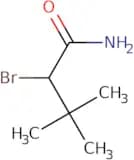
CAS:<p>Versatile small molecule scaffold</p>Formula:C5H8BrNPurity:Min. 95%Molecular weight:162.03 g/mol2-Bromo-3,3-dimethylbutanamide
CAS:<p>2-Bromo-3,3-dimethylbutanamide is a carbamate herbicide with optimum activity on broadleaf weeds and grasses. It is the carbamate derivative of 2,2,2-trifluoroethanol. The herbicidal composition contains this compound as an active ingredient.</p>Formula:C6H12BrNOPurity:Min. 95%Molecular weight:194.07 g/mol(3-Iodophenyl)(phenyl)methanone
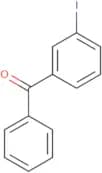
CAS:<p>3-Iodophenyl)(phenyl)methanone is an organic compound that contains a diaryl ketone group. It has been shown to be electrochromic and reacts with the isophthalates, which are used as plasticizers in polyvinyl chloride. 3-Iodophenyl)(phenyl)methanone has also been shown to react with organic peroxides, such as benzoyl peroxide. The radical formed by this reaction can be used in organic synthesis reactions.</p>Formula:C13H9IOPurity:Min. 95%Molecular weight:308.11 g/mol1-Cyclobutyl-2-methylpropan-1-one
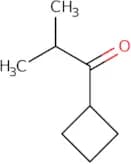
CAS:<p>Versatile small molecule scaffold</p>Formula:C8H14OPurity:Min. 95%Molecular weight:126.2 g/mol3-Propylhexanoic acid
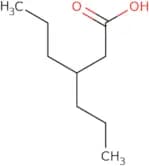
CAS:<p>3-Propylhexanoic acid is a teratogenic compound that has been shown to be effective against epilepsy and cytomegalovirus. It is also an inhibitor of histone deacetylases, which are enzymes that catalyze the removal of acetyl groups from lysine residues in histones. 3-Propylhexanoic acid has been shown to inhibit the enzyme activity of these enzymes, leading to increased levels of acetylation in the brain and liver. This leads to decreased transcription of genes involved in neuronal growth and differentiation and cell survival, as well as increased transcription of genes involved in apoptosis. 3-Propylhexanoic acid is a potent teratogen, causing abnormalities in fetal development when administered during pregnancy.</p>Formula:C9H18O2Purity:Min. 95%Molecular weight:158.24 g/mol1-(4-Chlorophenyl)-1H-1,2,3,4-tetrazole
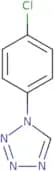
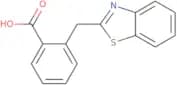
CAS:<p>1-(4-Chlorophenyl)-1H-1,2,3,4-tetrazole is a chemical compound that was synthesized in order to study the uptake rate of heavy metals by marine sponges. This molecule is a cross-linking agent that can be used to form protein molecules with other proteins or amino acids. It has been found to have an antigenic profile and is also able to cause growth regulation in bacteria. The element analysis of 1-(4-chlorophenyl)-1H-1,2,3,4-tetrazole reveals the presence of carbon (C), hydrogen (H), nitrogen (N), and chlorine (Cl). The molecular weight of this compound is 271.25 g/mol and its melting point is 155°C.</p>Formula:C7H5ClN4Purity:Min. 95%Molecular weight:180.59 g/mol2-(1,3-Benzothiazol-2-ylmethyl)benzoic acid
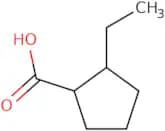
CAS:<p>Versatile small molecule scaffold</p>Formula:C15H11NO2SPurity:Min. 95%Molecular weight:269.3 g/mol2-Ethylcyclopentane-1-carboxylic acid
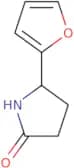
CAS:<p>Versatile small molecule scaffold</p>Formula:C8H14O2Purity:Min. 95%Molecular weight:142.2 g/mol5-(Furan-2-yl)pyrrolidin-2-one
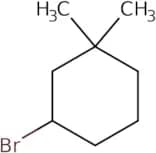
CAS:<p>Versatile small molecule scaffold</p>Formula:C8H9NO2Purity:Min. 95%Molecular weight:151.16 g/mol3-Bromo-1,1-dimethylcyclohexane
CAS:<p>Versatile small molecule scaffold</p>Formula:C8H15BrPurity:Min. 95%Molecular weight:191.11 g/mol5-(Methoxycarbonyl)bicyclo[3.1.0]hexane-1-carboxylic acid
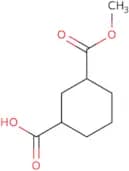
CAS:<p>Versatile small molecule scaffold</p>Formula:C9H12O4Purity:Min. 95%Molecular weight:184.2 g/mol3-(methoxycarbonyl)cyclohexane-1-carboxylic acid, Mixture of diastereomers
CAS:<p>Versatile small molecule scaffold</p>Formula:C9H14O4Purity:Min. 95%Molecular weight:186.2 g/mol4-Methylpiperidine-2,6-dione
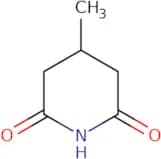
CAS:<p>4-Methylpiperidine-2,6-dione is a diacid that is used as an iron chelating agent. It binds to ferric ions and prevents them from reacting with other molecules. The molecular descriptors for 4-methylpiperidine-2,6-dione are acidic ph, piperazine, and chloride. This molecule has been shown to be reactive in predictive models and hydrolyzes in aqueous solutions.</p>Formula:C6H9NO2Purity:Min. 95%Molecular weight:127.14 g/mol2-Bromo-4,5,6,7-tetrahydro-1-benzothiophen-4-one
CAS:<p>Versatile small molecule scaffold</p>Formula:C8H7BrOSPurity:Min. 95%Molecular weight:231.11 g/mol1-Cbz-pyrrolidine
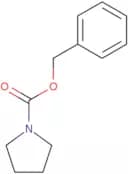
CAS:<p>1-Cbz-pyrrolidine is a substrate for the reaction of hydroxylation with recombinant Escherichia coli. It was used as a model substrate to study the effects of concentration and stereoselectivity on the rate of reaction. A preparative scale reaction was carried out using 1-Cbz-pyrrolidine in order to examine the effect of substrate concentration on product yield. The immobilization of 1-Cbz-pyrrolidine onto an insoluble support material was then investigated in order to determine the suitability of this process for the preparation of a reusable bioreactor. Immobilization led to an increase in activity, and therefore immobilizing 1-Cbz-pyrrolidine onto an insoluble support material is a feasible method for its preparation as a reusable bioreactor.</p>Formula:C12H15NO2Purity:Min. 95%Molecular weight:205.26 g/molBenzyl morpholine-4-carboxylate
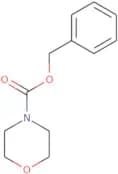
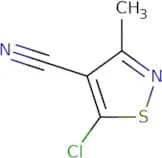
CAS:<p>Benzyl morpholine-4-carboxylate is an ester of morpholine and benzoic acid. It is a good solvent for amines, alcohols, and sulfonamides. Benzyl morpholine-4-carboxylate can be used as a catalyst in the synthesis of aliphatic amines. The catalytic activity of this compound was found to be higher than that of either DBU or DBN in the reaction with ethylamine. The reaction yield was high when benzyl morpholine-4-carboxylate was used, which made it a good candidate for use in the synthesis of aliphatic amines with high yields.</p>Formula:C12H15NO3Purity:Min. 95%Molecular weight:221.26 g/mol5-Chloro-3-methyl-1,2-thiazole-4-carbonitrile
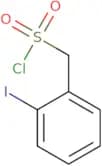
CAS:<p>Versatile small molecule scaffold</p>Formula:C5H3ClN2SPurity:Min. 95%Molecular weight:158.61 g/mol(2-Iodophenyl)methanesulfonyl chloride
CAS:<p>Versatile small molecule scaffold</p>Formula:C7H6ClIO2SPurity:Min. 95%Molecular weight:316.54 g/mol5-{[(6-Methoxypyridin-3-yl)amino]methylidene}-2,2-dimethyl-1,3-dioxane-4,6-dione
CAS:<p>Versatile small molecule scaffold</p>Formula:C13H14N2O5Purity:Min. 95%Molecular weight:278.26 g/mol2-Chloro-N-[2-(naphthalen-1-yl)ethyl]acetamide
CAS:<p>Versatile small molecule scaffold</p>Formula:C14H14ClNOPurity:Min. 95%Molecular weight:247.72 g/molMethyl 3-[(3-methoxy-2-methyl-3-oxopropyl)disulfanyl]-2-methylpropanoate
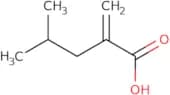
CAS:<p>Versatile small molecule scaffold</p>Formula:C10H18O4S2Purity:Min. 95%Molecular weight:266.4 g/mol4-Methyl-2-methylidenepentanoic acid
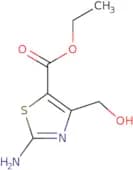
CAS:<p>4-Methyl-2-methylidenepentanoic acid (MMPA) is a cocatalyst that acts as an inhibitor of autophagy. It binds to receptors on the surface of cells and blocks protein transport, which prevents the synthesis of proteins essential for cell growth and survival. MMPA has been shown to be useful in the production of recombinant proteins. This compound also inhibits glycosidase enzymes, preventing the degradation of glycosylated proteins and lowering their immunogenicity. MMPA has been shown to have antioxidant properties, which may be due to its ability to stabilize metal ions such as zirconium or arylpiperazines. The viscosity of MMPA is relatively low at room temperature, but increases with increasing temperature.<br>!-- <br>--></p>Formula:C7H12O2Purity:Min. 95%Molecular weight:128.17 g/molEthyl 2-amino-4-(hydroxymethyl)-1,3-thiazole-5-carboxylate
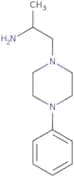
CAS:Versatile small molecule scaffoldFormula:C7H10N2O3SPurity:Min. 95%Molecular weight:202.23 g/mol1-(4-Phenylpiperazin-1-yl)propan-2-amine
CAS:Versatile small molecule scaffoldFormula:C13H21N3Purity:Min. 95%Molecular weight:219.33 g/mol3-Ethoxybenzene-1-carboximidamide hydrochloride
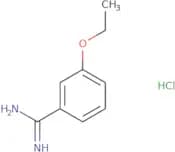
CAS:<p>Versatile small molecule scaffold</p>Formula:C9H13ClN2OPurity:Min. 95%Molecular weight:200.66 g/mol9H-Purine-6-sulfonic acid
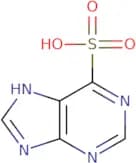
CAS:<p>9H-Purine-6-sulfonic acid is a potential range of compounds that can be classified as either dimers or monomers. It has a potential range of -0.2 to 0.8 volts and is capable of undergoing two reactions, namely the electrochemical oxidation and the electrolysis. The on-line method used in this experiment was an electrochemical oxidation with a polarographic electrode. 9H-Purine-6-sulfonic acid has been shown to form micelles when dissolved in water and it can be used as an electron donor for the reduction of various analytes, including peroxidase, on chromatographic substrates such as silica gel, aluminum oxide, and carboxymethylcellulose. This compound also shows protonation properties, which allows it to undergo an electrochemical oxidation reaction that oxidizes other compounds in solution. This process is known as an on-line system because it occurs while the analyte is passing</p>Formula:C5H4N4O3SPurity:Min. 95%Molecular weight:200.18 g/mol2-Cyclobutylideneacetic acid
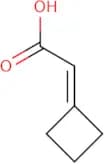
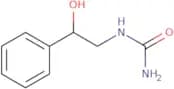
CAS:<p>2-Cyclobutylideneacetic acid is a monomer that inhibits protein synthesis by binding to the amino acids in the polypeptide chain. It also has been shown to be an inhibitor of epidermal growth factor and linker, which are proteins involved in angiogenesis. 2-Cyclobutylideneacetic acid has been shown to have cardiovascular benefits due to its ability to inhibit cholesterol ester transfer. This drug also exhibits tautomerism, which may account for the stereoisomers observed in the laboratory.</p>Formula:C6H8O2Purity:Min. 95%Molecular weight:112.13 g/mol(2-Hydroxy-2-phenylethyl)urea
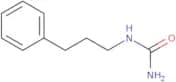
CAS:<p>Versatile small molecule scaffold</p>Formula:C9H12N2O2Purity:Min. 95%Molecular weight:180.2 g/mol(3-Phenylpropyl)urea
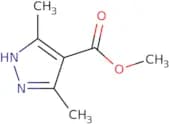
CAS:<p>Versatile small molecule scaffold</p>Formula:C10H14N2OPurity:Min. 95%Molecular weight:178.23 g/molMethyl 3,5-dimethyl-1H-pyrazole-4-carboxylate
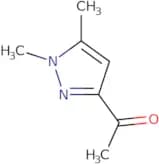
CAS:<p>Versatile small molecule scaffold</p>Formula:C7H10N2O2Purity:Min. 95%Molecular weight:154.17 g/mol1-(1,5-Dimethyl-1H-pyrazol-3-yl)ethan-1-one
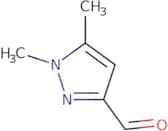
CAS:<p>Versatile small molecule scaffold</p>Formula:C7H10N2OPurity:Min. 95%Molecular weight:138.17 g/mol1,5-Dimethyl-1H-pyrazole-3-carboxaldehyde
CAS:<p>Versatile small molecule scaffold</p>Formula:C6H8N2OPurity:Min. 95%Molecular weight:124.14 g/mol2-Chloro-1-(2,4-dihydroxy-phenyl)-ethanone
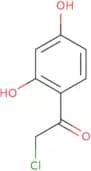
CAS:<p>2-Chloro-1-(2,4-dihydroxy-phenyl)-ethanone (CDPE) is a neutralizing chemical that can be used for the detection of various organic solvents. It reacts with the solvent to form a fluorescent compound. CDPE has high specificity and can detect a wide range of solvents, including chlorinated hydrocarbons, alcohols, ketones, and esters. The reaction between CDPE and the solvent generates a fluorescence signal that can be detected by UV light at 365 nm or 366 nm. This probe is sensitive enough to detect as little as 0.02 mg/L of chloroform in water. CDPE is soluble in alkaline solutions but not in acidic solutions and therefore will only react with an alkaline solution when it is mixed with an organic solvent. The reaction between CDPE and the solvent generates a fluorescence signal that can be detected by UV light at 365 nm</p>Formula:C8H7ClO3Purity:Min. 95%Molecular weight:186.59 g/mol2-tert-Butylpent-4-enoic acid
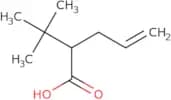
CAS:<p>Versatile small molecule scaffold</p>Formula:C9H16O2Purity:Min. 95%Molecular weight:156.22 g/mol1,4-Dimethyl 2-oxobutanedioate
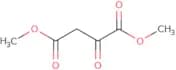
CAS:<p>Versatile small molecule scaffold</p>Formula:C6H8O5Purity:Min. 95%Molecular weight:160.12 g/mol2-({[(9H-Fluoren-9-yl)methoxy]carbonyl}amino)bicyclo[4.1.0]heptane-2-carboxylic acid
CAS:<p>Versatile small molecule scaffold</p>Formula:C23H23NO4Purity:Min. 95%Molecular weight:377.4 g/mol2-{[(tert-Butoxy)carbonyl]amino}bicyclo[4.1.0]heptane-2-carboxylic acid
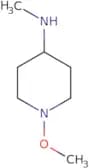
CAS:<p>Versatile small molecule scaffold</p>Formula:C13H21NO4Purity:Min. 95%Molecular weight:255.3 g/mol1-Methoxy-N-methylpiperidin-4-amine
CAS:<p>Versatile small molecule scaffold</p>Formula:C7H16N2OPurity:Min. 95%Molecular weight:144.21 g/mol3-[(Carbamoylamino)sulfonyl]benzoic acid
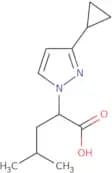
CAS:<p>Versatile small molecule scaffold</p>Formula:C8H8N2O5SPurity:Min. 95%Molecular weight:244.2 g/mol2-(3-Cyclopropyl-1H-pyrazol-1-yl)-4-methylpentanoic acid
CAS:<p>Versatile small molecule scaffold</p>Formula:C12H18N2O2Purity:Min. 95%Molecular weight:222.3 g/mol3-[3-(Formyloxy)-2,2-bis[(formyloxy)methyl]propoxy]-2,2-bis[(formyloxy)methyl]propyl formate
CAS:<p>Versatile small molecule scaffold</p>Formula:C16H22O13Purity:Min. 95%Molecular weight:422.34 g/mol{Bicyclo[2.2.2]octan-2-yl}methanesulfonamide
CAS:<p>Versatile small molecule scaffold</p>Formula:C9H17NO2SPurity:Min. 95%Molecular weight:203.3 g/mol3-Bromo-1-Oxa-2,8-Diaza-Spiro[4.5]Dec-2-Ene-8-Carboxylic Acid Tert-Butyl Ester
CAS:<p>Versatile small molecule scaffold</p>Formula:C12H19BrN2O3Purity:Min. 95%Molecular weight:319.2 g/mol2-(tert-Butoxycarbonyl)-2-azaspiro[3.3]heptane-5-carboxylic acid
CAS:<p>Versatile small molecule scaffold</p>Formula:C12H19NO4Purity:Min. 95%Molecular weight:241.28 g/moltert-Butyl 3-(aminomethyl)-5H,6H,7H,8H-[1,2,4]triazolo[4,3-a]pyrazine-7-carboxylate
CAS:<p>Versatile small molecule scaffold</p>Formula:C11H19N5O2Purity:Min. 95%Molecular weight:253.3 g/mol7-Amino-5-oxa-2-azaspiro[3.4]octane-2-carboxylic acid 1,1-dimethylethyl ester
CAS:Versatile small molecule scaffoldFormula:C11H20N2O3Purity:Min. 95%Molecular weight:228.29 g/moltert-Butyl 2-bromo-6,7-dihydropyrazolo[1,5-a]pyrazine-5(4H)-carboxylate
CAS:<p>Versatile small molecule scaffold</p>Formula:C11H16BrN3O2Purity:Min. 95%Molecular weight:302.17 g/moltert-Butyl N-{2-azabicyclo[2.2.2]octan-1-ylmethyl}carbamate
CAS:<p>Versatile small molecule scaffold</p>Formula:C13H24N2O2Purity:Min. 95%Molecular weight:240.34 g/moltert-Butyl 1-(aminomethyl)-2-azabicyclo[2.1.1]hexane-2-carboxylate
CAS:<p>Versatile small molecule scaffold</p>Formula:C11H20N2O2Purity:Min. 95%Molecular weight:212.29 g/moltert-Butyl N-{3-azabicyclo[3.2.1]octan-1-yl}carbamate
CAS:<p>Versatile small molecule scaffold</p>Formula:C12H22N2O2Purity:Min. 95%Molecular weight:226.32 g/mol3-Boc-3-azabicyclo[3.2.1]octane-8-carboxylic acid
CAS:<p>Versatile small molecule scaffold</p>Formula:C13H21NO4Purity:Min. 95%Molecular weight:255.31 g/mol2-[(tert-butoxy)carbonyl]-2-azabicyclo[2.2.2]octane-6-carboxylic acid
CAS:<p>Versatile small molecule scaffold</p>Formula:C13H21NO4Purity:Min. 95%Molecular weight:255.3 g/mol-2(-3(Tert-Butoxycarbonyl)-3-Azabicyclo[3.2.1]Octan-8-Yl)Acetic Acid
CAS:<p>Versatile small molecule scaffold</p>Formula:C14H23NO4Purity:Min. 95%Molecular weight:269.34 g/mol8-[(tert-Butoxy)carbonyl]-8-azaspiro[4.5]decane-1-carboxylic acid
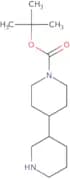
CAS:<p>Versatile small molecule scaffold</p>Formula:C15H25NO4Purity:Min. 95%Molecular weight:283.36 g/moltert-Butyl 4-(piperidin-3-yl)piperidine-1-carboxylate
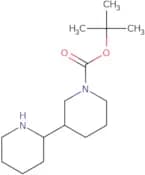
CAS:<p>Versatile small molecule scaffold</p>Formula:C15H28N2O2Purity:Min. 95%Molecular weight:268.39 g/moltert-Butyl 3-piperidin-2-ylpiperidine-1-carboxylate
CAS:<p>Versatile small molecule scaffold</p>Formula:C15H28N2O2Purity:Min. 95%Molecular weight:268.39 g/mol3-boc-3-azabicyclo[3.1.1]heptane-6-carboxylic acid
CAS:Versatile small molecule scaffoldFormula:C12H19NO4Purity:Min. 95%Molecular weight:241.28 g/moltert-Butyl 4-(pyrrolidin-2-yl)piperidine-1-carboxylate
CAS:Versatile small molecule scaffoldFormula:C14H26N2O2Purity:Min. 95%Molecular weight:254.37 g/moltert-Butyl 4-amino-1-oxa-9-azaspiro[5.5]undecane-9-carboxylate
CAS:<p>Versatile small molecule scaffold</p>Formula:C14H26N2O3Purity:Min. 95%Molecular weight:270.37 g/mol8-Boc-8-azaspiro[4.5]decan-2-one
CAS:<p>Versatile small molecule scaffold</p>Formula:C14H23NO3Purity:Min. 95%Molecular weight:253.34 g/molcis-3-Boc-3,7-diazabicyclo[4.2.0]octane
CAS:<p>Versatile small molecule scaffold</p>Formula:C11H20N2O2Purity:Min. 95%Molecular weight:424.58 g/molEthyl 2-azabicyclo[4.1.0]heptane-1-carboxylate
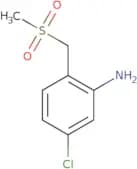
CAS:<p>Versatile small molecule scaffold</p>Formula:C9H15NO2Purity:Min. 95%Molecular weight:169.22 g/mol5-Chloro-2-(methanesulfonylmethyl)aniline
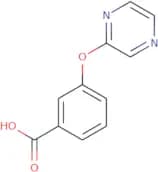
CAS:<p>Versatile small molecule scaffold</p>Formula:C8H10ClNO2SPurity:Min. 95%Molecular weight:219.69 g/mol3-(Pyrazin-2-yloxy)benzoic acid
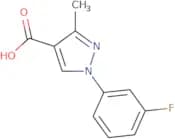
CAS:<p>Versatile small molecule scaffold</p>Formula:C11H8N2O3Purity:Min. 95%Molecular weight:216.19 g/mol1-(3-Fluorophenyl)-3-methyl-1H-pyrazole-4-carboxylic acid
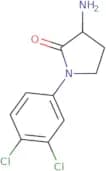
CAS:<p>Versatile small molecule scaffold</p>Formula:C11H9FN2O2Purity:Min. 95%Molecular weight:220.2 g/mol3-Amino-1-(3,4-dichlorophenyl)pyrrolidin-2-one
CAS:<p>Versatile small molecule scaffold</p>Formula:C10H10Cl2N2OPurity:Min. 95%Molecular weight:245.1 g/mol1-[3-(Aminomethyl)pyrrolidin-1-yl]-2-methylpropan-2-ol
CAS:<p>Versatile small molecule scaffold</p>Formula:C9H20N2OPurity:Min. 95%Molecular weight:172.27 g/mol3-[(Propan-2-yl)(2,2,2-trifluoroethyl)amino]propan-1-ol
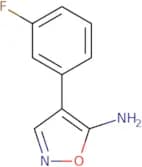
CAS:<p>Versatile small molecule scaffold</p>Formula:C8H16F3NOPurity:Min. 95%Molecular weight:199.21 g/mol4-(3-Fluorophenyl)-1,2-oxazol-5-amine
CAS:<p>Versatile small molecule scaffold</p>Formula:C9H7FN2OPurity:Min. 95%Molecular weight:178.16 g/mol[(1-Benzyl-1H-1,2,3,4-tetrazol-5-yl)methyl](methyl)amine
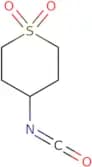
CAS:<p>Versatile small molecule scaffold</p>Formula:C10H13N5Purity:Min. 95%Molecular weight:203.2 g/molTetrahydro-4-isocyanato-2H-thiopyran 1,1-dioxide
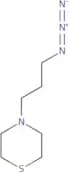
CAS:<p>Versatile small molecule scaffold</p>Formula:C6H9NO3SPurity:Min. 95%Molecular weight:175.21 g/mol4-(3-Azidopropyl)thiomorpholine
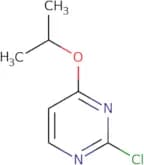
CAS:<p>Versatile small molecule scaffold</p>Formula:C7H14N4SPurity:Min. 95%Molecular weight:186.28 g/mol2-Chloro-4-isopropoxypyrimidine
CAS:<p>Versatile small molecule scaffold</p>Formula:C7H9ClN2OPurity:Min. 95%Molecular weight:172.61 g/mol2-[(Dimethylcarbamoyl)amino]-5-methylbenzoic acid
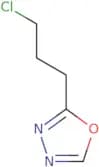
CAS:<p>Versatile small molecule scaffold</p>Formula:C11H14N2O3Purity:Min. 95%Molecular weight:222.24 g/mol2-(3-Chloropropyl)-1,3,4-oxadiazole
CAS:<p>Versatile small molecule scaffold</p>Formula:C5H7ClN2OPurity:Min. 95%Molecular weight:146.57 g/molrac-(2R,4R)-1-[(tert-Butoxy)carbonyl]-2-methylpiperidine-4-carboxylic acid
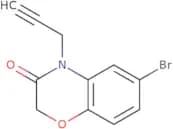
CAS:<p>Versatile small molecule scaffold</p>Formula:C12H21NO4Purity:Min. 95%Molecular weight:243.3 g/mol6-Bromo-4-(prop-2-yn-1-yl)-3,4-dihydro-2H-1,4-benzoxazin-3-one
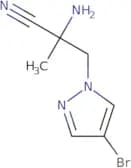
CAS:<p>Versatile small molecule scaffold</p>Formula:C11H8BrNO2Purity:Min. 95%Molecular weight:266.09 g/mol2-Amino-3-(4-bromo-1H-pyrazol-1-yl)-2-methylpropanenitrile
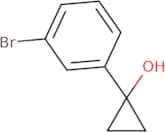
CAS:<p>Versatile small molecule scaffold</p>Formula:C7H9BrN4Purity:Min. 95%Molecular weight:229.08 g/mol1-(3-Bromophenyl)cyclopropan-1-ol
CAS:<p>Versatile small molecule scaffold</p>Formula:C9H9BrOPurity:Min. 95%Molecular weight:213.07 g/mol[2-(Cyclohexyloxy)-4-methylphenyl]methanamine
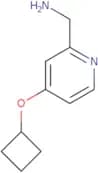
CAS:<p>Versatile small molecule scaffold</p>Formula:C14H21NOPurity:Min. 95%Molecular weight:219.32 g/mol(4-Cyclobutoxypyridin-2-yl)methanamine
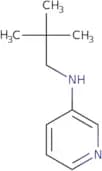
CAS:<p>Versatile small molecule scaffold</p>Formula:C10H14N2OPurity:Min. 95%Molecular weight:178.23 g/molN-(2,2-Dimethylpropyl)pyridin-3-amine
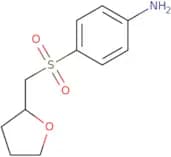
CAS:<p>Versatile small molecule scaffold</p>Formula:C10H16N2Purity:Min. 95%Molecular weight:164.25 g/mol4-(Oxolan-2-ylmethanesulfonyl)aniline
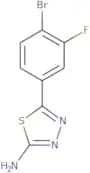
CAS:<p>Versatile small molecule scaffold</p>Formula:C11H15NO3SPurity:Min. 95%Molecular weight:241.31 g/mol5-(4-Bromo-3-fluorophenyl)-1,3,4-thiadiazol-2-amine
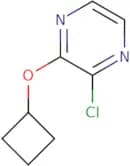
CAS:<p>Versatile small molecule scaffold</p>Formula:C8H5BrFN3SPurity:Min. 95%Molecular weight:274.12 g/mol2-Chloro-3-cyclobutoxypyrazine
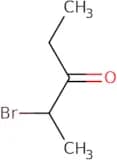
CAS:<p>Versatile small molecule scaffold</p>Formula:C8H9ClN2OPurity:Min. 95%Molecular weight:184.62 g/mol2-Bromo-3-pentanone
CAS:<p>2-Bromo-3-pentanone is a chemical reagent that is used in the synthesis of β-unsaturated ketones. It is produced by the alkylation of sodium hydroxide solution with 2-bromopentane, followed by the reaction with a ruthenium complex. The product can also be obtained from β-unsaturated ketones by reducing anhydrous sodium and sodium carbonate in a hydroxide solution. This process converts the carbonyl group to an alkene group. Cyclopentenones are obtained by dehydrogenation of ethyl esters, which can be achieved through reductive or stereoselective methods. Halides can be added as substituents to produce stereoisomers in stepwise reactions.</p>Formula:C5H9BrOPurity:Min. 95%Molecular weight:165.03 g/mol

![rac-(1R,5R,7S)-7-Methylbicyclo[3.2.0]hept-2-en-6-one](/_next/image/?url=https%3A%2Fstatic.cymitquimica.com%2Fproducts%2F3D%2Fthumb-webp%2FABA16969.webp&w=3840&q=75)
![2-[3-(Propan-2-yl)phenoxy]propanoic acid](/_next/image/?url=https%3A%2Fstatic.cymitquimica.com%2Fproducts%2F3D%2Fthumb-webp%2FABA14093.webp&w=3840&q=75)
![5-(Methoxycarbonyl)bicyclo[3.1.0]hexane-1-carboxylic acid](/_next/image/?url=https%3A%2Fstatic.cymitquimica.com%2Fproducts%2F3D%2Fthumb-webp%2FABA09043.webp&w=3840&q=75)

![5-{[(6-Methoxypyridin-3-yl)amino]methylidene}-2,2-dimethyl-1,3-dioxane-4,6-dione](/_next/image/?url=https%3A%2Fstatic.cymitquimica.com%2Fproducts%2F3D%2Fthumb-webp%2FABA06369.webp&w=3840&q=75)
![2-Chloro-N-[2-(naphthalen-1-yl)ethyl]acetamide](/_next/image/?url=https%3A%2Fstatic.cymitquimica.com%2Fproducts%2F3D%2Fthumb-webp%2FABA05569.webp&w=3840&q=75)
![Methyl 3-[(3-methoxy-2-methyl-3-oxopropyl)disulfanyl]-2-methylpropanoate](/_next/image/?url=https%3A%2Fstatic.cymitquimica.com%2Fproducts%2F3D%2Fthumb-webp%2FABA05541.webp&w=3840&q=75)
![2-({[(9H-Fluoren-9-yl)methoxy]carbonyl}amino)bicyclo[4.1.0]heptane-2-carboxylic acid](/_next/image/?url=https%3A%2Fstatic.cymitquimica.com%2Fproducts%2F3D%2Fthumb-webp%2FAAD95870.webp&w=3840&q=75)
![2-{[(tert-Butoxy)carbonyl]amino}bicyclo[4.1.0]heptane-2-carboxylic acid](/_next/image/?url=https%3A%2Fstatic.cymitquimica.com%2Fproducts%2F3D%2Fthumb-webp%2FAAD95864.webp&w=3840&q=75)
![3-[(Carbamoylamino)sulfonyl]benzoic acid](/_next/image/?url=https%3A%2Fstatic.cymitquimica.com%2Fproducts%2F3D%2Fthumb-webp%2FAAD64213.webp&w=3840&q=75)
![3-[3-(Formyloxy)-2,2-bis[(formyloxy)methyl]propoxy]-2,2-bis[(formyloxy)methyl]propyl formate](/_next/image/?url=https%3A%2Fstatic.cymitquimica.com%2Fproducts%2F3D%2Fthumb-webp%2FAAD08045.webp&w=3840&q=75)
![{Bicyclo[2.2.2]octan-2-yl}methanesulfonamide](/_next/image/?url=https%3A%2Fstatic.cymitquimica.com%2Fproducts%2F3D%2Fthumb-webp%2FAAD05962.webp&w=3840&q=75)
![3-Bromo-1-Oxa-2,8-Diaza-Spiro[4.5]Dec-2-Ene-8-Carboxylic Acid Tert-Butyl Ester](/_next/image/?url=https%3A%2Fstatic.cymitquimica.com%2Fproducts%2F3D%2Fthumb-webp%2FAAC99979.webp&w=3840&q=75)
![2-(tert-Butoxycarbonyl)-2-azaspiro[3.3]heptane-5-carboxylic acid](/_next/image/?url=https%3A%2Fstatic.cymitquimica.com%2Fproducts%2F3D%2Fthumb-webp%2FAAC99954.webp&w=3840&q=75)
![tert-Butyl 3-(aminomethyl)-5H,6H,7H,8H-[1,2,4]triazolo[4,3-a]pyrazine-7-carboxylate](/_next/image/?url=https%3A%2Fstatic.cymitquimica.com%2Fproducts%2F3D%2Fthumb-webp%2FAAC99900.webp&w=3840&q=75)
![7-Amino-5-oxa-2-azaspiro[3.4]octane-2-carboxylic acid 1,1-dimethylethyl ester](/_next/image/?url=https%3A%2Fstatic.cymitquimica.com%2Fproducts%2F3D%2Fthumb-webp%2FAAC99824.webp&w=3840&q=75)
![tert-Butyl 2-bromo-6,7-dihydropyrazolo[1,5-a]pyrazine-5(4H)-carboxylate](/_next/image/?url=https%3A%2Fstatic.cymitquimica.com%2Fproducts%2F3D%2Fthumb-webp%2FAAC99821.webp&w=3840&q=75)
![tert-Butyl N-{2-azabicyclo[2.2.2]octan-1-ylmethyl}carbamate](/_next/image/?url=https%3A%2Fstatic.cymitquimica.com%2Fproducts%2F3D%2Fthumb-webp%2FAAC99776.webp&w=3840&q=75)
![tert-Butyl 1-(aminomethyl)-2-azabicyclo[2.1.1]hexane-2-carboxylate](/_next/image/?url=https%3A%2Fstatic.cymitquimica.com%2Fproducts%2F3D%2Fthumb-webp%2FAAC99762.webp&w=3840&q=75)
![tert-Butyl N-{3-azabicyclo[3.2.1]octan-1-yl}carbamate](/_next/image/?url=https%3A%2Fstatic.cymitquimica.com%2Fproducts%2F3D%2Fthumb-webp%2FAAC99750.webp&w=3840&q=75)
![3-Boc-3-azabicyclo[3.2.1]octane-8-carboxylic acid](/_next/image/?url=https%3A%2Fstatic.cymitquimica.com%2Fproducts%2F3D%2Fthumb-webp%2FAAC99729.webp&w=3840&q=75)
![2-[(tert-butoxy)carbonyl]-2-azabicyclo[2.2.2]octane-6-carboxylic acid](/_next/image/?url=https%3A%2Fstatic.cymitquimica.com%2Fproducts%2F3D%2Fthumb-webp%2FAAC99705.webp&w=3840&q=75)
![-2(-3(Tert-Butoxycarbonyl)-3-Azabicyclo[3.2.1]Octan-8-Yl)Acetic Acid](/_next/image/?url=https%3A%2Fstatic.cymitquimica.com%2Fproducts%2F3D%2Fthumb-webp%2FAAC99675.webp&w=3840&q=75)
![8-[(tert-Butoxy)carbonyl]-8-azaspiro[4.5]decane-1-carboxylic acid](/_next/image/?url=https%3A%2Fstatic.cymitquimica.com%2Fproducts%2F3D%2Fthumb-webp%2FAAC99634.webp&w=3840&q=75)
![3-boc-3-azabicyclo[3.1.1]heptane-6-carboxylic acid](/_next/image/?url=https%3A%2Fstatic.cymitquimica.com%2Fproducts%2F3D%2Fthumb-webp%2FAAC99541.webp&w=3840&q=75)

![tert-Butyl 4-amino-1-oxa-9-azaspiro[5.5]undecane-9-carboxylate](/_next/image/?url=https%3A%2Fstatic.cymitquimica.com%2Fproducts%2F3D%2Fthumb-webp%2FAAC99452.webp&w=3840&q=75)
![8-Boc-8-azaspiro[4.5]decan-2-one](/_next/image/?url=https%3A%2Fstatic.cymitquimica.com%2Fproducts%2F3D%2Fthumb-webp%2FAAC99414.webp&w=3840&q=75)
![cis-3-Boc-3,7-diazabicyclo[4.2.0]octane](/_next/image/?url=https%3A%2Fstatic.cymitquimica.com%2Fproducts%2F3D%2Fthumb-webp%2FAAC99351.webp&w=3840&q=75)
![Ethyl 2-azabicyclo[4.1.0]heptane-1-carboxylate](/_next/image/?url=https%3A%2Fstatic.cymitquimica.com%2Fproducts%2F3D%2Fthumb-webp%2FAAC99325.webp&w=3840&q=75)
![1-[3-(Aminomethyl)pyrrolidin-1-yl]-2-methylpropan-2-ol](/_next/image/?url=https%3A%2Fstatic.cymitquimica.com%2Fproducts%2F3D%2Fthumb-webp%2FAAC98497.webp&w=3840&q=75)
![3-[(Propan-2-yl)(2,2,2-trifluoroethyl)amino]propan-1-ol](/_next/image/?url=https%3A%2Fstatic.cymitquimica.com%2Fproducts%2F3D%2Fthumb-webp%2FAAC98295.webp&w=3840&q=75)
amine](/_next/image/?url=https%3A%2Fstatic.cymitquimica.com%2Fproducts%2F3D%2Fthumb-webp%2FAAC98013.webp&w=3840&q=75)
![2-[(Dimethylcarbamoyl)amino]-5-methylbenzoic acid](/_next/image/?url=https%3A%2Fstatic.cymitquimica.com%2Fproducts%2F3D%2Fthumb-webp%2FAAC96567.webp&w=3840&q=75)
![rac-(2R,4R)-1-[(tert-Butoxy)carbonyl]-2-methylpiperidine-4-carboxylic acid](/_next/image/?url=https%3A%2Fstatic.cymitquimica.com%2Fproducts%2F3D%2Fthumb-webp%2FAAC95907.webp&w=3840&q=75)
![[2-(Cyclohexyloxy)-4-methylphenyl]methanamine](/_next/image/?url=https%3A%2Fstatic.cymitquimica.com%2Fproducts%2F3D%2Fthumb-webp%2FAAC95147.webp&w=3840&q=75)