Building Blocks
This section contains fundamental products for the synthesis of organic and biological compounds. Building blocks are the essential starting materials used to construct complex molecules through various chemical reactions. They play a critical role in drug discovery, material science, and chemical research. At CymitQuimica, we offer a diverse range of high-quality building blocks to support your innovative research and industrial projects, ensuring you have the essential components for successful synthesis.
Subcategories of "Building Blocks"
- Boronic Acids & Boronic Acid Derivatives(5,756 products)
- Chiral Building Blocks(1,242 products)
- Hydrocarbon Building Blocks(6,095 products)
- Organic Building Blocks(61,051 products)
Found 199813 products of "Building Blocks"
Sort by
Purity (%)
0
100
|
0
|
50
|
90
|
95
|
100
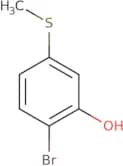
2-Bromo-5-(methylsulfanyl)phenol
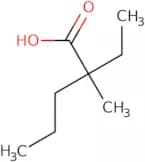
CAS:<p>Versatile small molecule scaffold</p>Formula:C7H7BrOSPurity:Min. 95%Molecular weight:219.1 g/mol(2RS)-2-Ethyl-2-methylpentanoic acid
CAS:<p>(2RS)-2-Ethyl-2-methylpentanoic acid is an organic compound that is used to synthesize the drug 2-ethylhexanoic acid. This compound can be obtained by asymmetric synthesis and it has cytosolic activity. It inhibits the growth of tumor cells by inducing necrotic cell death and hemolysis in erythrocytes. The pH of this substance is acidic and it can be used for the uptake of drugs. In addition, (2RS)-2-Ethyl-2-methylpentanoic acid has significant cytotoxicity as well as fusogenic properties. It also has endosomal excipients and can be used as a neutral or acidic buffer solution for intravenous injections.</p>Formula:C8H16O2Purity:Min. 95%Molecular weight:144.21 g/mol2-Hydroxy-4-methoxybenzene-1-sulfonamide
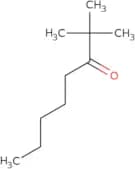
CAS:<p>Versatile small molecule scaffold</p>Formula:C7H9NO4SPurity:Min. 95%Molecular weight:203.22 g/mol2,2-Dimethyloctan-3-one
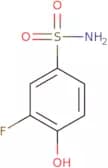
CAS:<p>Versatile small molecule scaffold</p>Formula:C10H20OPurity:Min. 95%Molecular weight:156.26 g/mol3-Fluoro-4-hydroxybenzene-1-sulfonamide
CAS:Versatile small molecule scaffoldFormula:C6H6FNO3SPurity:Min. 95%Molecular weight:191.18 g/mol6-Bromo-3-chlorobenzo[d]isoxazole
CAS:<p>Versatile small molecule scaffold</p>Formula:C7H3BrClNOPurity:Min. 95%Molecular weight:232.46 g/mol2-(Methylsulfanyl)pyridin-4-ol
CAS:<p>Versatile small molecule scaffold</p>Formula:C6H7NOSPurity:Min. 95%Molecular weight:141.19 g/mol3-Ethenylbenzonitrile
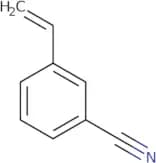
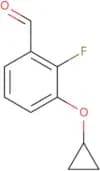
CAS:<p>3-Ethenylbenzonitrile is an organic compound that can be prepared by photolysis of 2-bromobenzonitrile in the presence of a nonpolar solvent. It is also synthesized by laser induced exciplex reaction between benzene and ethylene. 3-Ethenylbenzonitrile has a conformation that is dependent on the polarity of the solvent. In polar solvents, it adopts a bent structure while in nonpolar solvents, it adopts a linear structure. The molecule undergoes cyclobutane formation and then reacts with electron acceptors such as cations to form intermediates. These intermediates react with other molecules to form products.</p>Formula:C9H7NPurity:Min. 95%Molecular weight:129.16 g/mol3-Cyclopropoxy-2-fluorobenzaldehyde
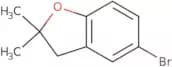
CAS:<p>Versatile small molecule scaffold</p>Formula:C10H9FO2Purity:Min. 95%Molecular weight:180.17 g/mol5-Bromo-2,2-dimethyl-2,3-dihydro-1-benzofuran
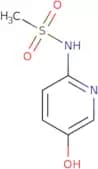
CAS:<p>Versatile small molecule scaffold</p>Formula:C10H11BrOPurity:Min. 95%Molecular weight:227.1 g/molN-(5-Hydroxypyridin-2-yl)methanesulfonamide
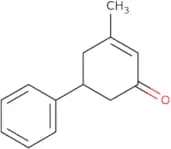
CAS:Versatile small molecule scaffoldFormula:C6H8N2O3SPurity:Min. 95%Molecular weight:188.21 g/mol3-Methyl-5-phenylcyclohex-2-en-1-one
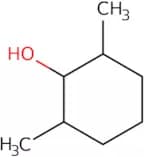
CAS:<p>3-Methyl-5-phenylcyclohex-2-en-1-one is an organic compound that belongs to the class of cyano compounds. This agent is a colorless, oily liquid with a peculiar odor. 3-Methyl-5-phenylcyclohex-2-en-1-one has been used as a solvent for acetoacetate and solvents. The use of this agent in the synthesis of ethyl benzoylacetate has been reported. The axial orientation of the methyl group and the orientations of the phenyl ring have been optimized in order to achieve a conformation that does not lead to steric hindrance during the reaction. A sodium ethoxide solution was used as an additive to promote nucleophilic attack on the carbonyl group in order to obtain ethyl acetoacetate.</p>Formula:C13H14OPurity:Min. 95%Molecular weight:186.25 g/mol2,6-Dimethylcyclohexanol (mixture of isomers)
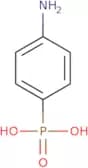
CAS:<p>2,6-Dimethylcyclohexanol is a mixture of isomers that has been shown to enhance the activity of cationic surfactants in a cell culture model. The isomers are 2,6-dimethylcyclohexane carboxylic acid and 2,6-dimethylcyclohexanol. This compound has been used in mice to determine if it can reverse the infertility caused by exposure to monoterpene hydrocarbons. It also inhibits the activity of recombinant human epidermal growth factor receptor (EGFR) and can be used as an anticancer drug for EGFR-overexpressing tumors. The solubility data indicate that this molecule has low solubility in water and organic solvents such as chloroform or methanol. The molecular modeling shows that this molecule contains a hydroxyl group at C2 and two methyl groups at C6. The nmr spectra show a signal at δ =</p>Formula:C8H16OPurity:Min. 95%Molecular weight:128.22 g/mol(4-Aminophenyl)phosphonic Acid
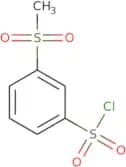
CAS:<p>4-Aminophenylphosphonic acid (4AP) is an organic compound that is used as a building block for the synthesis of other chemicals. It reacts optimally with chlorhexidine, a human receptor binding agent, to form 4-aminophenylchlorohexidinium chloride. 4AP has been shown to have antimicrobial properties and is used in topical applications. It also has an inhibitory effect on the growth of bacteria such as Pseudomonas aeruginosa, which can cause serious infections in humans. 4AP inhibits bacterial growth by interfering with the synthesis of proteins and nucleic acids. This inhibition occurs because 4AP binds to phosphatases and hydrolyzes them into phosphate and amine groups. The amine group will bind to the DNA or RNA molecule and inhibit its function.</p>Formula:C6H8NO3PPurity:Min. 95%Molecular weight:173.11 g/mol3-(Methylsulfonyl)benzenesulfonyl Chloride
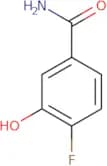
CAS:<p>Versatile small molecule scaffold</p>Formula:C7H7ClO4S2Purity:Min. 95%Molecular weight:254.71 g/mol4-Fluoro-3-hydroxybenzamide
CAS:<p>Versatile small molecule scaffold</p>Formula:C7H6FNO2Purity:Min. 95%Molecular weight:155.13 g/mol1-Methyl-1H-pyrazolo[3,4-d]pyrimidin-4(7H)-one
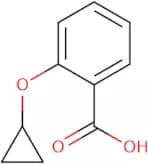
CAS:<p>Versatile small molecule scaffold</p>Formula:C6H6N4OPurity:Min. 95%Molecular weight:150.14 g/mol2-Cyclopropoxybenzoic acid
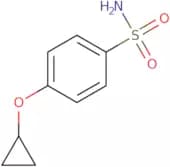
CAS:<p>Versatile small molecule scaffold</p>Formula:C10H10O3Purity:Min. 95%Molecular weight:178.18 g/mol4-Cyclopropoxybenzene-1-sulfonamide
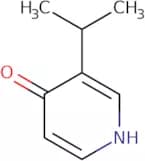
CAS:Versatile small molecule scaffoldFormula:C9H11NO3SPurity:Min. 95%Molecular weight:213.26 g/mol3-(Propan-2-yl)pyridin-4-ol
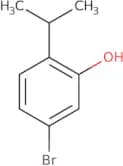
CAS:<p>Versatile small molecule scaffold</p>Formula:C8H11NOPurity:Min. 95%Molecular weight:137.18 g/mol5-Bromo-2-(propan-2-yl)phenol
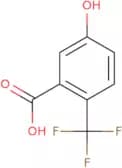
CAS:<p>Versatile small molecule scaffold</p>Formula:C9H11BrOPurity:Min. 95%Molecular weight:215.09 g/mol5-Hydroxy-2-(trifluoromethyl)benzoic acid
CAS:<p>Versatile small molecule scaffold</p>Formula:C8H5F3O3Purity:Min. 95%Molecular weight:206.12 g/molN,1-Dimethyl-1H-pyrazolo[3,4-d]pyrimidin-4-amine
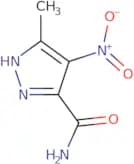
CAS:<p>N,1-Dimethyl-1H-pyrazolo[3,4-d]pyrimidin-4-amine is an isomer of pyrazolopyrimidine. It has been shown to be a strong inhibitor of uracil incorporation in DNA and RNA syntheses. The autoassociation kinetics of this compound are dependent on the concentration of its methyl derivatives. The equilibrium constants for the N,1-dimethyl derivative are different from those for the N,2-dimethyl derivative. The parameters and constants used in the simulation were obtained from thermodynamic calculations and from experimental data for other molecules with similar properties. The equilibrium constant for tautomeric interaction was determined by calculating the ratio of concentrations at equilibrium for two competing tautomers.</p>Formula:C7H9N5Purity:Min. 95%Molecular weight:163.18 g/mol5-Methyl-4-nitro-1H-pyrazole-3-carboxamide
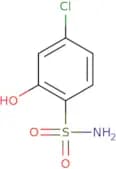
CAS:<p>Versatile small molecule scaffold</p>Formula:C5H6N4O3Purity:Min. 95%Molecular weight:170.13 g/mol4-Chloro-2-hydroxybenzene-1-sulfonamide
CAS:<p>Versatile small molecule scaffold</p>Formula:C6H6ClNO3SPurity:Min. 95%Molecular weight:207.64 g/mol6-Chloro-1-methyl-1H-pyrazolo[3,4-d]pyrimidin-4(7H)-one
CAS:<p>Versatile small molecule scaffold</p>Formula:C6H5ClN4OPurity:Min. 95%Molecular weight:184.58 g/mol4-(3,4-dimethoxyphenyl)-4-oxobutanoic acid
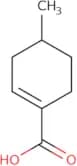
CAS:<p>4-(3,4-dimethoxyphenyl)-4-oxobutanoic acid is an acylation reaction product. It can be made by the acylation of succinic anhydride with nitrobenzene. Optimizing the parameters for this reaction will yield the most desirable product. The optimum conditions for this reaction are 30 minutes at 60 degrees Celsius in a solvent of propionic acid. 4-(3,4-dimethoxyphenyl)-4-oxobutanoic acid can also be made by the Friedel-Crafts acylation reaction between veratrole and succinic anhydride. This reaction takes place over a period of 20 hours at room temperature in a solvent of ethylene glycol dimethyl ether.</p>Formula:C12H14O5Purity:Min. 95%Molecular weight:238.24 g/mol4-Methylcyclohex-1-ene-1-carboxylic acid
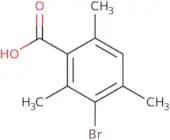
CAS:<p>Versatile small molecule scaffold</p>Formula:C8H12O2Purity:Min. 95%Molecular weight:140.18 g/mol3-Bromo-2,4,6-trimethylbenzoic acid
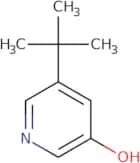
CAS:<p>Versatile small molecule scaffold</p>Formula:C10H11BrO2Purity:Min. 95%Molecular weight:243.1 g/mol5-tert-Butylpyridin-3-ol
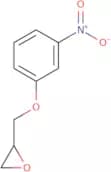
CAS:<p>Versatile small molecule scaffold</p>Formula:C9H13NOPurity:Min. 95%Molecular weight:151.21 g/mol2-(3-Nitrophenoxymethyl)oxirane
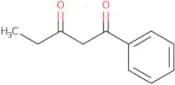
CAS:<p>Versatile small molecule scaffold</p>Formula:C9H9NO4Purity:Min. 95%Molecular weight:195.17 g/mol1-Phenylpentane-1,3-dione
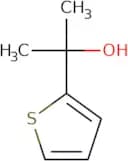
CAS:<p>1-Phenylpentane-1,3-dione is an organic compound that is a colorless liquid at room temperature. It belongs to the class of aliphatic hydrocarbons and can be used as an organic solution or as an alcohol group in organic solvents. This compound has a hydroxyl group and a hydroxy group, which gives it the ability to react with other compounds. 1-Phenylpentane-1,3-dione has been shown to be a good solvent for many organic reactions. It reacts with metals such as iron to form metal chelate complexes. 1-Phenylpentane-1,3-dione is also used in radiation treatments because it blocks the formation of new abnormal cells. The average particle diameter of this compound is 6 nm and its particle size ranges from 0.01 μm to 10 μm.</p>Formula:C11H12O2Purity:Min. 95%Molecular weight:176.21 g/mol2-(Thiophen-2-yl)propan-2-ol
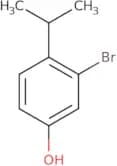
CAS:<p>Versatile small molecule scaffold</p>Formula:C7H10OSPurity:Min. 95%Molecular weight:142.22 g/mol3-Bromo-4-(propan-2-yl)phenol
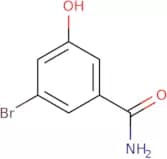
CAS:<p>Versatile small molecule scaffold</p>Formula:C9H11BrOPurity:Min. 95%Molecular weight:215.09 g/mol3-Bromo-5-hydroxybenzamide
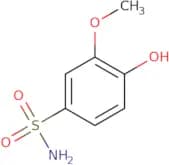
CAS:<p>Versatile small molecule scaffold</p>Formula:C7H6BrNO2Purity:Min. 95%Molecular weight:216.03 g/mol4-Hydroxy-3-methoxybenzene-1-sulfonamide
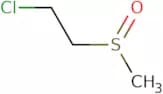
CAS:<p>Versatile small molecule scaffold</p>Formula:C7H9NO4SPurity:Min. 95%Molecular weight:203.22 g/mol1-Chloro-2-methanesulfinylethane
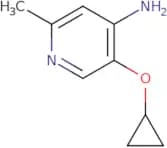
CAS:<p>Versatile small molecule scaffold</p>Formula:C3H7ClOSPurity:Min. 95%Molecular weight:126.61 g/mol5-Cyclopropoxy-2-methylpyridin-4-amine
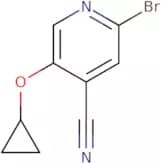
CAS:Versatile small molecule scaffoldFormula:C9H12N2OPurity:Min. 95%Molecular weight:164.2 g/mol2-Bromo-5-cyclopropoxypyridine-4-carbonitrile
CAS:<p>Versatile small molecule scaffold</p>Formula:C9H7BrN2OPurity:Min. 95%Molecular weight:239.07 g/mol4-m-Tolyl-thiazol-2-ylamine
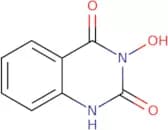
CAS:<p>Versatile small molecule scaffold</p>Formula:C10H10N2SPurity:Min. 95%Molecular weight:190.26 g/mol3-Hydroxy-1,2,3,4-tetrahydroquinazoline-2,4-dione
CAS:<p>3-Hydroxy-1,2,3,4-tetrahydroquinazoline-2,4-dione is an amido-containing amino acid that is a potent and selective antagonist of the AMPA receptor. It has been shown to be active against influenza A and B viruses in cell culture. 3-Hydroxy-1,2,3,4-tetrahydroquinazoline-2,4-dione also inhibits glutamate release in the brain by blocking presynaptic calcium currents. The molecular modeling study of this drug on a chlorine atom revealed a hydrogen bond with the carboxyl group at position 2 and a nitrogen atom at position 4. This hydrogen bond may explain its pharmacokinetic properties.</p>Formula:C8H6N2O3Purity:Min. 95%Molecular weight:178.14 g/mol4,4'-Sulfonylbis-morpholine
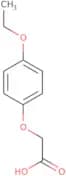
CAS:<p>Versatile small molecule scaffold</p>Formula:C8H16N2O4SPurity:Min. 95%Molecular weight:236.29 g/mol2-(4-Ethoxyphenoxy)acetic acid
CAS:<p>Versatile small molecule scaffold</p>Formula:C10H12O4Purity:Min. 95%Molecular weight:196.2 g/mol1'-Benzyl 6-ethyl spiro[indoline-3,4'-piperidine]-1',6-dicarboxylate
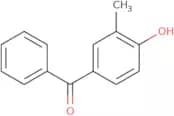
CAS:<p>Versatile small molecule scaffold</p>Formula:C23H26N2O4Purity:Min. 95%Molecular weight:394.5 g/mol4-Hydroxy-3-methyl-benzophenone
CAS:<p>4-Hydroxy-3-methyl-benzophenone is a benzene derivative with a 4-hydroxyl group and 3 methyl groups. It is an organic compound that has the ability to form hydrogen bonds. This compound is used in the production of polymers, plastics, and resins.</p>Formula:C14H12O2Purity:Min. 95%Molecular weight:212.24 g/mol4-Hydroxy-3-(propan-2-yloxy)benzene-1-sulfonamide
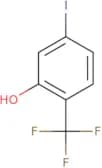
CAS:<p>Versatile small molecule scaffold</p>Formula:C9H13NO4SPurity:Min. 95%Molecular weight:231.27 g/mol5-Iodo-2-(trifluoromethyl)phenol
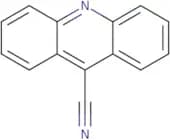
CAS:<p>Versatile small molecule scaffold</p>Formula:C7H4F3IOPurity:Min. 95%Molecular weight:288.01 g/molAcridine-9-carbonitrile
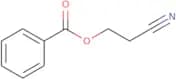
CAS:<p>Acridine-9-carbonitrile is a fluorescent dye that is sensitive to peroxide. Acridine-9-carbonitrile has been used as a hydrogen peroxide probe in the determination of peroxidase activity, and it has also been used as an oxidizing agent in organic synthesis. It is also active against carbamazepine and fluorophore. Acridine-9-carbonitrile can be activated by irradiation with ultraviolet light or by nitrous oxide. This compound was first synthesized in 1891, and has been studied for its advances in techniques such as fluorescence microscopy and DNA sequencing.</p>Formula:C14H8N2Purity:Min. 95%Molecular weight:204.23 g/mol2-Cyanoethyl benzoate
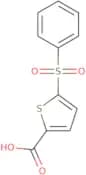
CAS:2-Cyanoethyl benzoate is a nucleophilic reagent that can be used for the synthesis of polypeptides. It acts as an acyl transfer agent and is used in the immobilization of proteins on solid supports, such as acrylonitrile or cellulose. 2-Cyanoethyl benzoate has been shown to have anti-inflammatory properties, which may be due to its inhibition of prostaglandin synthesis. The mechanism may involve inhibition of cyclooxygenase and lipoxygenase enzymes by blocking the conversion of arachidonic acid to prostaglandins and leukotrienes. This reagent also has been shown to have antipsychotic effects, which are likely due to its antagonistic effects against dopamine receptors in the brain.Formula:C10H9NO2Purity:Min. 95%Molecular weight:175.18 g/mol5-(Benzenesulfonyl)thiophene-2-carboxylic acid
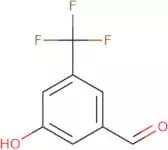
CAS:<p>Versatile small molecule scaffold</p>Formula:C11H8O4S2Purity:Min. 95%Molecular weight:268.3 g/mol3-Hydroxy-5-(trifluoromethyl)benzaldehyde
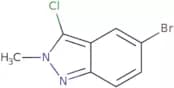
CAS:<p>Versatile small molecule scaffold</p>Formula:C8H5F3O2Purity:Min. 95%Molecular weight:190.12 g/mol5-Bromo-3-chloro-2-methyl-2H-indazole
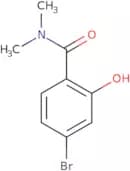
CAS:<p>Versatile small molecule scaffold</p>Formula:C8H6BrClN2Purity:Min. 95%Molecular weight:245.5 g/mol4-Bromo-2-hydroxy-N,N-dimethylbenzamide
CAS:Versatile small molecule scaffoldFormula:C9H10BrNO2Purity:Min. 95%Molecular weight:244.08 g/mol3-Methanesulfonyl-2,2-dimethylpropanoic acid
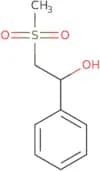
CAS:<p>Versatile small molecule scaffold</p>Formula:C6H12O4SPurity:Min. 95%Molecular weight:180.22 g/mol2-Methanesulfonyl-1-phenylethan-1-ol
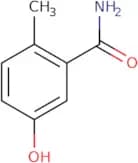
CAS:<p>Versatile small molecule scaffold</p>Formula:C9H12O3SPurity:Min. 95%Molecular weight:200.26 g/mol5-Hydroxy-2-methylbenzamide
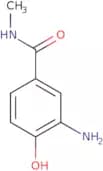
CAS:<p>Versatile small molecule scaffold</p>Formula:C8H9NO2Purity:Min. 95%Molecular weight:151.16 g/mol3-Amino-4-hydroxy-N-methylbenzamide
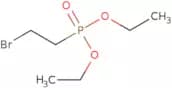
CAS:<p>Versatile small molecule scaffold</p>Formula:C8H10N2O2Purity:Min. 95%Molecular weight:166.18 g/molDiethyl 2-Bromoethylphosphonate
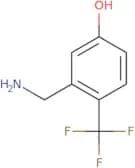
CAS:<p>Diethyl 2-bromoethylphosphonate is a chemical compound that is used in the synthesis of pharmaceuticals. It can be used to prepare conjugates, which are important for biological properties, such as alkylation. Diethyl 2-bromoethylphosphonate also has proton and reversed-phase high performance liquid chromatography applications. This compound is used to synthesize decyl phosphonic acid, which is an organic solvent with biological properties. Diethyl 2-bromoethylphosphonate can be hydrolyzed by hydrochloric acid or nitro. It can also be analyzed using gravimetric analysis.</p>Formula:C6H14BrO3PPurity:Min. 95%Molecular weight:245.05 g/mol3-(Aminomethyl)-4-(trifluoromethyl)phenol
CAS:Versatile small molecule scaffoldFormula:C8H8F3NOPurity:Min. 95%Molecular weight:191.15 g/mol2,3-Dichloro-1-benzothiophene
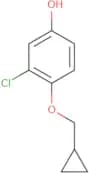
CAS:<p>2,3-Dichloro-1-benzothiophene is an organochlorine compound that is a colorless solid. It has the formula CHClS and it is used as a precursor to other compounds. 2,3-Dichloro-1-benzothiophene can be prepared by reacting phenylphosphine with hydrogen chloride in the presence of chlorine:<br>2PCl + 2HCl → 2CHClS + PCl <br>It can also be synthesized from 1,4-dichlorobenzene and sulfuric acid. The chemical reactions for this are shown below:<br>2C6H4Cl2 + H2SO4 → (CH)5CO2H + Cl2 <br>The product is purified by recrystallization or distillation. The major use of 2,3-dichloro-1-benzothiophene is as a precursor to other compounds such as</p>Formula:C8H4Cl2SPurity:Min. 95%Molecular weight:203.09 g/mol3-Chloro-4-(cyclopropylmethoxy)phenol
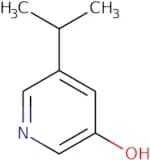
CAS:Versatile small molecule scaffoldFormula:C10H11ClO2Purity:Min. 95%Molecular weight:198.64 g/mol5-(Propan-2-yl)pyridin-3-ol
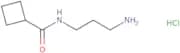
CAS:<p>Versatile small molecule scaffold</p>Formula:C8H11NOPurity:Min. 95%Molecular weight:137.18 g/molN-(3-Aminopropyl)cyclobutanecarboxamide hydrochloride
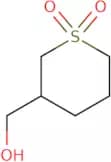
CAS:<p>Versatile small molecule scaffold</p>Formula:C8H17ClN2OPurity:Min. 95%Molecular weight:192.68 g/molTetrahydro-2H-thiopyran-3-methanol 1,1-dioxide
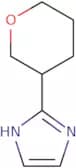
CAS:Versatile small molecule scaffoldFormula:C6H12O3SPurity:Min. 95%Molecular weight:164.22 g/mol2-(Oxan-3-yl)-1H-imidazole
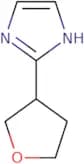
CAS:<p>Versatile small molecule scaffold</p>Formula:C8H12N2OPurity:Min. 95%Molecular weight:152.19 g/mol2-(Oxolan-3-yl)-1H-imidazole
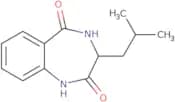
CAS:<p>Versatile small molecule scaffold</p>Formula:C7H10N2OPurity:Min. 95%Molecular weight:138.17 g/mol(3R)-3-(2-Methylpropyl)-2,3,4,5-tetrahydro-1H-1,4-benzodiazepine-2,5-dione
CAS:Versatile small molecule scaffoldFormula:C13H16N2O2Purity:Min. 95%Molecular weight:232.28 g/mol5-[Butyl(methyl)amino]-2-(2-methylpropanamido)benzoic acid
CAS:<p>Versatile small molecule scaffold</p>Formula:C16H24N2O3Purity:Min. 95%Molecular weight:292.4 g/mol3-[(2-Hydroxyethyl)sulfanyl]propan-1-ol
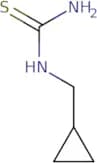
CAS:<p>3-[(2-Hydroxyethyl)sulfanyl]propan-1-ol is a sulfide metabolite that is formed in the body from the sulfhydryl group of cysteine. It is an aliphatic compound that can be found in plants, animals, and microorganisms. 3-[(2-Hydroxyethyl)sulfanyl]propan-1-ol has been shown to inhibit bacterial growth by binding to DNA and RNA. This process inhibits transcription and replication of bacterial DNA, which leads to cell death.</p>Formula:C5H12O2SPurity:Min. 95%Molecular weight:136.22 g/mol1-(Cyclopropylmethyl)thiourea
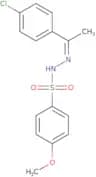
CAS:<p>1-(Cyclopropylmethyl)thiourea is a substituted thiourea that inhibits the activity of the 5-HT2C receptor. It is used for the treatment of obsessive-compulsive disorder and depression, as well as for the prevention of restenosis following angioplasty. 1-(Cyclopropylmethyl)thiourea was shown to inhibit osteoclast activation and bone resorption, which may play a role in its therapeutic effects on bone loss.</p>Formula:C5H10N2SPurity:Min. 95%Molecular weight:130.21 g/molN-(4-Acetylphenyl)-4-methylbenzene-1-sulfonamide
CAS:<p>Versatile small molecule scaffold</p>Formula:C15H15NO3SPurity:Min. 95%Molecular weight:289.4 g/mol2-Amino-5-chloro-4-methyl-1,3-thiazole
CAS:<p>Versatile small molecule scaffold</p>Formula:C4H5ClN2SPurity:Min. 95%Molecular weight:148.61 g/mol2-Methyl-1H-imidazole-4,5-dicarboxylic acid
CAS:<p>2-Methyl-1H-imidazole-4,5-dicarboxylic acid is a dicarboxylic acid that has both acidic and basic properties. It can be found in architectures such as the nitrogen atom (N) and hydrogen sulfate (HSO). The molecular formula is C2H3N3O4 and the chemical name is 2-methyl-1H-imidazole-4,5-dicarboxylic acid. This compound stabilizes metal ligands in coordination geometry. Crystal x-ray diffraction studies have shown that 2MIDA forms a fluorescence complex with protonated carboxylate groups. The fluorescent properties of this compound are due to its supramolecular interactions with other molecules and its ability to coordinate with metal ions. Photocatalytic activity has been observed for this substance when it was mixed with titanium dioxide nanoparticles.</p>Formula:C6H6N2O4Purity:Min. 95%Molecular weight:170.12 g/mol1-Bromo-4-[(1R)-1-isocyanatoethyl]benzene
CAS:<p>Versatile small molecule scaffold</p>Formula:C9H8BrNOPurity:Min. 95%Molecular weight:226.07 g/molBenzyl 3-(hydroxymethyl)azetidine-1-carboxylate
CAS:<p>Versatile small molecule scaffold</p>Formula:C12H15NO3Purity:Min. 95%Molecular weight:221.25 g/molN-Methylbenzenecarbothioamide
CAS:<p>N-Methylbenzenecarbothioamide is a chemical compound that has a molecular weight of 269.3 g/mol, and is a colorless liquid with a boiling point of 115°C. It is soluble in water and alcohols, but insoluble in ether. N-Methylbenzenecarbothioamide has low toxicity to animals when used at sublethal doses. The uptake of this substance by the lungs can be increased by exposure to chloride ions or serotonin. This chemical has shown to have an effect on the central nervous system as well, which may be due to its ability to release serotonin from the presynaptic nerve terminal. <br>N-Methylbenzenecarbothioamide can also form hydrogen bonds with other molecules, including protonated amines, hydroxyl groups, and sulfuric acid groups. This chemical was first synthesized by Emil Fischer in 1894 and was later named "carboxylic acid methyl ester"</p>Formula:C8H9NSPurity:Min. 95%Molecular weight:151.23 g/mol4-(4-Methoxyphenyl)cyclohexan-1-one
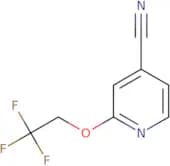
CAS:<p>Versatile small molecule scaffold</p>Formula:C13H16O2Purity:Min. 95%Molecular weight:204.26 g/mol2-(2,2,2-Trifluoroethoxy)pyridine-4-carbonitrile
CAS:<p>Versatile small molecule scaffold</p>Formula:C8H5F3N2OPurity:Min. 95%Molecular weight:202.13 g/mol2,3-Dimethylbenzene-1,4-diamine
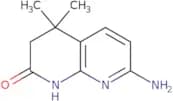
CAS:<p>Versatile small molecule scaffold</p>Formula:C8H12N2Purity:Min. 95%Molecular weight:136.2 g/mol7-Amino-4,4-dimethyl-3,4-dihydro-1,8-naphthyridin-2(1H)-one
CAS:Versatile small molecule scaffoldFormula:C10H13N3OPurity:Min. 95%Molecular weight:191.22 g/mol4-Methylazetidin-2-one
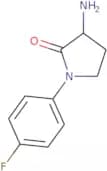
CAS:<p>Versatile small molecule scaffold</p>Formula:C4H7NOPurity:Min. 95%Molecular weight:85.1 g/mol3-Amino-1-(4-fluorophenyl)pyrrolidin-2-one
CAS:<p>Versatile small molecule scaffold</p>Formula:C10H11FN2OPurity:Min. 95%Molecular weight:194.21 g/mol3-Amino-1-(4-chlorophenyl)pyrrolidin-2-one
CAS:<p>Versatile small molecule scaffold</p>Formula:C10H11ClN2OPurity:Min. 95%Molecular weight:210.66 g/mol2-Methyl-3-[pyrrolidin-1-yl(thiophen-2-yl)methyl]-1H-indole
CAS:Versatile small molecule scaffoldFormula:C18H20N2SPurity:Min. 95%Molecular weight:296.4 g/mol5-(Bromomethyl)-3-(2,4-dichlorophenyl)-1,2-oxazole
CAS:<p>Versatile small molecule scaffold</p>Formula:C10H6BrCl2NOPurity:Min. 95%Molecular weight:306.97 g/mol5-(Bromomethyl)-3-(4-chlorophenyl)-1,2-oxazole
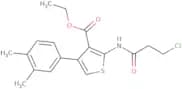
CAS:<p>Versatile small molecule scaffold</p>Formula:C10H7BrClNOPurity:Min. 95%Molecular weight:272.52 g/molEthyl 2-(3-chloropropanamido)-4-(3,4-dimethylphenyl)thiophene-3-carboxylate
CAS:<p>Versatile small molecule scaffold</p>Formula:C18H20ClNO3SPurity:Min. 95%Molecular weight:365.9 g/molMethyl 3-amino-3-[4-(propan-2-yl)phenyl]propanoate
CAS:<p>Versatile small molecule scaffold</p>Formula:C13H20ClNO2Purity:Min. 95%Molecular weight:257.75 g/mol1-(4-Bromophenyl)-3-(4-fluorophenyl)-1H-pyrazole-4-carbaldehyde
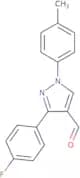
CAS:Versatile small molecule scaffoldFormula:C16H10BrFN2OPurity:Min. 95%Molecular weight:345.16 g/mol3-(4-Fluorophenyl)-1-(4-methylphenyl)-1H-pyrazole-4-carbaldehyde
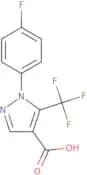
CAS:<p>Versatile small molecule scaffold</p>Formula:C17H13FN2OPurity:Min. 95%Molecular weight:280.3 g/mol1-(4-Fluorophenyl)-5-(trifluoromethyl)-1H-pyrazole-4-carboxylic acid
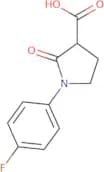
CAS:<p>Versatile small molecule scaffold</p>Formula:C11H6F4N2O2Purity:Min. 95%Molecular weight:274.17 g/mol1-(4-Fluorophenyl)-2-oxopyrrolidine-3-carboxylic acid
CAS:1-(4-Fluorophenyl)-2-oxopyrrolidine-3-carboxylic acid is a fluorinated derivative of pyrrolidine that is used as a reagent in analytical chemistry. It has been used to develop an electrochemical assay for the detection of microbial infection, which can be used as a rapid diagnostic tool. 1-(4-Fluorophenyl)-2-oxopyrrolidine-3-carboxylic acid has also been shown to inhibit the synthesis of DNA, RNA, and proteins in bacteria. This inhibition may be due to the presence of nitrogen atoms in its structure and diazonium salt formation. 1-(4-Fluorophenyl)-2-oxopyrrolidine-3-carboxylic acid has been tested for use as an antirheumatic drug and shows promising results in animal models. The mechanism by which this drug works is not yet clear but may involve laser abFormula:C11H10FNO3Purity:Min. 95%Molecular weight:223.2 g/molEthyl 6-Hydroxyhexanoate
CAS:<p>Ethyl 6-hydroxyhexanoate is an ester with the chemical formula CH3COOC2H5. It is a colorless liquid that can be prepared by the reaction of ethyl alcohol and acetyl chloride. Ethyl 6-hydroxyhexanoate has been shown to react with amines at a rate that is faster than the reaction rate for fatty acids, which may be due to its higher surface area. This ester also reacts with primary alcohols to form esters or ethers. The functional groups on ethyl 6-hydroxyhexanoate include carboxylic acid, hydroxyl group, and primary alcohol.</p>Formula:C8H16O3Purity:Min. 95%Molecular weight:160.21 g/mol{2-[(3-Carboxypropanoyl)oxy]ethyl}trimethylammonium chloride
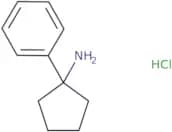
CAS:<p>Succinylcholine is a depolarizing neuromuscular blocking agent that is used in surgical procedures. Succinylcholine hydrolyzes to succinic acid and choline in vivo and is metabolized by the liver. The half-life of succinylcholine is about 2 minutes in humans. It has been shown that this drug causes respiratory paralysis, but only at high doses. Succinylcholine also has potent cardiac effects, which are due to its ability to block nicotinic acetylcholine receptors on the heart muscle. It was found that succinylmonocholine (a metabolite of succinylcholine) can be detected in urine samples after administration of this drug with a kinetic data analysis method. This method uses LC-MS/MS to measure the concentration of succinylmonocholine in human serum and isolated heart tissue samples. A pharmacokinetic study showed that succinycholines accumulation rate constant was 0.051 ± 0.</p>Formula:C9H18ClNO4Purity:Min. 95%Molecular weight:239.69 g/mol1-Phenylcyclopentanamine hydrochloride
CAS:<p>Versatile small molecule scaffold</p>Formula:C11H16ClNPurity:Min. 95%Molecular weight:197.7 g/mol(2R,5R)-5-Phenylpyrrolidine-2-carboxamide hydrochloride
CAS:Versatile small molecule scaffoldFormula:C11H15ClN2OPurity:Min. 95%Molecular weight:226.7 g/mol2-[(2,6-Dimethylphenoxy)methyl]oxirane
CAS:<p>Versatile small molecule scaffold</p>Formula:C11H14O2Purity:Min. 95%Molecular weight:178.23 g/mol2-[(Phenylsulfanyl)methyl]oxirane
CAS:<p>2-[(Phenylsulfanyl)methyl]oxirane is an unsaturated heterocyclic that can be synthesized by the reaction of ethylene and acrylonitrile on-line. The metal surface catalyzes this reaction, which is used as a corrosion inhibitor in magnesium. 2-[(Phenylsulfanyl)methyl]oxirane has been shown to inhibit insulin resistance in mice by targeting the metal salt in the body. It also inhibits hyperglycemia in diabetic mice, which may be due to its ability to bind with carboxyalkyl groups and block their interactions with insulin receptor sites.</p>Formula:C9H10OSPurity:Min. 95%Molecular weight:166.24 g/mol(2R,5R)-5-Phenylpyrrolidine-2-carboxamide
CAS:<p>Versatile small molecule scaffold</p>Formula:C11H14N2OPurity:Min. 95%Molecular weight:190.2 g/mol2,2'-dichlorobenzophenone
CAS:<p>2,2'-dichlorobenzophenone is a benzophenone derivative that is used as a precursor in the production of dyes, flame retardants, and plasticizers. It has the molecular conformations of both cis and trans isomers. In the cis conformation, the dipole moment points towards the 2 position on the ring. The trans conformation has a dipole moment pointing to the 3 position on the ring.</p>Formula:C13H8Cl2OPurity:Min. 95%Molecular weight:251.11 g/mol


![6-Bromo-3-chlorobenzo[d]isoxazole](/_next/image/?url=https%3A%2Fstatic.cymitquimica.com%2Fproducts%2F3D%2Fthumb-webp%2FTZB38957.webp&w=3840&q=75)

![1-Methyl-1H-pyrazolo[3,4-d]pyrimidin-4(7H)-one](/_next/image/?url=https%3A%2Fstatic.cymitquimica.com%2Fproducts%2F3D%2Fthumb-webp%2FFAA33456.webp&w=3840&q=75)
![N,1-Dimethyl-1H-pyrazolo[3,4-d]pyrimidin-4-amine](/_next/image/?url=https%3A%2Fstatic.cymitquimica.com%2Fproducts%2F3D%2Fthumb-webp%2FFAA33449.webp&w=3840&q=75)
![6-Chloro-1-methyl-1H-pyrazolo[3,4-d]pyrimidin-4(7H)-one](/_next/image/?url=https%3A%2Fstatic.cymitquimica.com%2Fproducts%2F3D%2Fthumb-webp%2FFAA33435.webp&w=3840&q=75)


![1'-Benzyl 6-ethyl spiro[indoline-3,4'-piperidine]-1',6-dicarboxylate](/_next/image/?url=https%3A%2Fstatic.cymitquimica.com%2Fproducts%2F3D%2Fthumb-webp%2FTZB34700.webp&w=3840&q=75)



![5-[Butyl(methyl)amino]-2-(2-methylpropanamido)benzoic acid](/_next/image/?url=https%3A%2Fstatic.cymitquimica.com%2Fproducts%2F3D%2Fthumb-webp%2FTZB02814.webp&w=3840&q=75)
![3-[(2-Hydroxyethyl)sulfanyl]propan-1-ol](/_next/image/?url=https%3A%2Fstatic.cymitquimica.com%2Fproducts%2F3D%2Fthumb-webp%2FFAA32360.webp&w=3840&q=75)


![1-Bromo-4-[(1R)-1-isocyanatoethyl]benzene](/_next/image/?url=https%3A%2Fstatic.cymitquimica.com%2Fproducts%2F3D%2Fthumb-webp%2FTZA46178.webp&w=3840&q=75)





![2-Methyl-3-[pyrrolidin-1-yl(thiophen-2-yl)methyl]-1H-indole](/_next/image/?url=https%3A%2Fstatic.cymitquimica.com%2Fproducts%2F3D%2Fthumb-webp%2FTZA40703.webp&w=3840&q=75)


![Methyl 3-amino-3-[4-(propan-2-yl)phenyl]propanoate](/_next/image/?url=https%3A%2Fstatic.cymitquimica.com%2Fproducts%2F3D%2Fthumb-webp%2FTZA10984.webp&w=3840&q=75)


![{2-[(3-Carboxypropanoyl)oxy]ethyl}trimethylammonium chloride](/_next/image/?url=https%3A%2Fstatic.cymitquimica.com%2Fproducts%2F3D%2Fthumb-webp%2FFAA29717.webp&w=3840&q=75)
![2-[(2,6-Dimethylphenoxy)methyl]oxirane](/_next/image/?url=https%3A%2Fstatic.cymitquimica.com%2Fproducts%2F3D%2Fthumb-webp%2FFAA29634.webp&w=3840&q=75)
![2-[(Phenylsulfanyl)methyl]oxirane](/_next/image/?url=https%3A%2Fstatic.cymitquimica.com%2Fproducts%2F3D%2Fthumb-webp%2FFAA29621.webp&w=3840&q=75)