


Building Blocks
Subcategories of "Building Blocks"
- Boronic Acids & Boronic Acid Derivatives(5,778 products)
- Chiral Building Blocks(1,243 products)
- Hydrocarbon Building Blocks(6,099 products)
- Organic Building Blocks(61,038 products)
Found 205376 products of "Building Blocks"
2-Bromo-7-chloro-[1,2,4]triazolo[1,5-a]pyridine
CAS:Versatile small molecule scaffold
Formula:C6H3BrClN3Purity:Min. 95%Molecular weight:232.46 g/mol4-[(4-Methoxyphenyl)methyl]azetidin-2-one
CAS:Versatile small molecule scaffoldFormula:C11H13NO2Purity:Min. 95%Molecular weight:191.23 g/molRef: 3D-EFC81230
Discontinued product4-(4-Aminophenyl)-1-methyl-1H-pyrazolo[3,4-b]pyridine-3-carboxylic acid
CAS:Versatile small molecule scaffoldFormula:C14H12N4O2Purity:Min. 95%Molecular weight:268.27 g/molRef: 3D-EEC70466
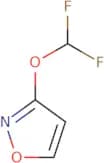
Discontinued product3-(Difluoromethoxy)-1,2-oxazole
CAS:Versatile small molecule scaffold
Formula:C4H3F2NO2Purity:Min. 95%Molecular weight:135.07 g/molRef: 3D-DXC56293
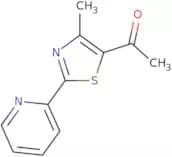
Discontinued product1-(4-Methyl-2-pyridin-2-yl-1,3-thiazol-5-yl)ethanone
CAS:Versatile small molecule scaffold
Formula:C11H10N2OSPurity:Min. 95%Molecular weight:218.28 g/molRef: 3D-DUA25765
Discontinued product2,6-Dichloropyridine-3-sulfonamide
CAS:Versatile small molecule scaffold
Formula:C5H4Cl2N2O2SPurity:Min. 95%Molecular weight:227.07 g/molRef: 3D-DTB62777
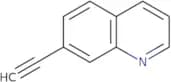
Discontinued product7-Ethynylquinoline
CAS:Versatile small molecule scaffold
Formula:C11H7NPurity:Min. 95%Molecular weight:153.18 g/molRef: 3D-DEA98780
Discontinued product3-(4-Ethylphenyl)butanoic acid
CAS:Versatile small molecule scaffold
Formula:C12H16O2Purity:Min. 95%Molecular weight:192.25 g/molRef: 3D-DCA08649
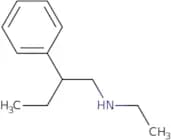
Discontinued productEthyl(2-phenylbutyl)amine
CAS:Controlled ProductVersatile small molecule scaffold
Formula:C12H19NPurity:Min. 95%Molecular weight:177.29 g/molRef: 3D-CRA92083
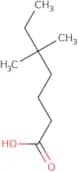
Discontinued product5,5-Dimethylheptanoic acid
CAS:Versatile small molecule scaffold
Formula:C9H18O2Purity:Min. 95%Molecular weight:158.24 g/molRef: 3D-CCA14621
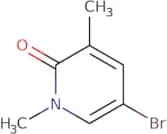
Discontinued product5-Bromo-1,3-dimethylpyridin-2(1H)-one
CAS:Benzyne is a reactive intermediate that is formed by the tautomerization of 5-bromo-1,3-dimethylpyridin-2(1H)-one. It is an adduct between a bromine atom and a benzene ring. This compound has been shown to react with electron-rich olefins to form bicyclic compounds called diels-alder adducts. These reactions are often catalyzed by metals, such as palladium or nickel. Benzyne also reacts with triple bonds or other electron rich centers to form benzyne adducts, which are highly reactive and can be used as chemical probes for electron density in molecules.
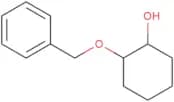
Formula:C7H8BrNOPurity:Min. 95%Molecular weight:202.05 g/molrac-(1R,2R)-2-(Benzyloxy)cyclohexan-1-ol
CAS:Versatile small molecule scaffold
Formula:C13H18O2Purity:Min. 95%Molecular weight:206.28 g/molRef: 3D-BCA32929
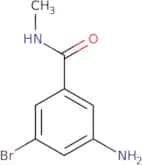
Discontinued product3-Amino-5-bromo-N-methylbenzamide
CAS:Versatile small molecule scaffold
Formula:C8H9BrN2OPurity:Min. 95%Molecular weight:229.07 g/molRef: 3D-AFC06914
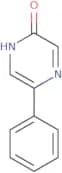
Discontinued product5-Phenyl-1H-pyrazin-2-one
CAS:5-Phenyl-1H-pyrazin-2-one is a potent inhibitor of tyrosine kinase, which is an enzyme that regulates the activity of cells by transferring phosphate groups from ATP to tyrosine residues. This drug binds to the ATP binding site, resulting in inhibition of the enzyme's activity and reduced cell proliferation. 5-Phenyl-1H-pyrazin-2-one has been shown to be effective in treating rheumatoid arthritis and other autoimmune diseases, with no adverse effects on bone metabolism or blood pressure. It also has no effect on platelet aggregation or erythrocytes.
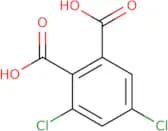
Formula:C10H8N2OPurity:Min. 95%Molecular weight:172.18 g/mol3,5-Dichlorophthalic acid
CAS:3,5-Dichlorophthalic acid is a divalent organic acid that is used as an intermediate in the production of other chemicals. 3,5-Dichlorophthalic acid is used as a regulator of plant growth and development. It can also be used to make different n-substituted compounds, such as naphthalene, phthalic anhydride, and 2,6-dichloro-pyridine.
Formula:C8H4Cl2O4Purity:Min. 95%Molecular weight:235.02 g/molRef: 3D-ABA64198
Discontinued product1,3-Diazaspiro[4.4]nonane-2,4-dione
CAS:1,3-Diazaspiro[4.4]nonane-2,4-dione (1) is a new fungicide that was shown to have fungicidal activity in vitro against the grapevine pathogens Plasmopara viticola and Plasmopara obducens. This compound has been isolated from the plant Express erythroxylum coca (Erythroxylum coca). The compound belongs to the class of diaza spiro compounds and is a member of a family of diaza spiro compounds with antifungal activity. One possible mode of action for 1 is that it inhibits the synthesis of DNA by binding to bacterial DNA gyrase.
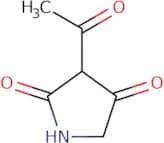
Formula:C7H10N2O2Purity:Min. 95%Molecular weight:154.17 g/mol3-Acetylpyrrolidine-2,4-dione
CAS:3-Acetylpyrrolidine-2,4-dione is an experimental drug that belongs to the class of metal hydroxides. It has been shown to have anti-tumor activity in vitro and in vivo against a variety of malignant tumors. 3-Acetylpyrrolidine-2,4-dione also inhibits the growth of pigweed and other plants by inhibiting the production of tenuazonic acid. This compound is a tautomeric form of tenuazonic acid, which is also known as 2,4-pentanedione. The carboxylate group on this molecule may be responsible for its herbicidal activity.
Formula:C6H7NO3Purity:Min. 95%Molecular weight:141.12 g/molRef: 3D-AAA69757
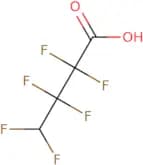
Discontinued product2,2,3,3,4,4-Hexafluorobutyric acid
CAS:2,2,3,3,4,4-Hexafluorobutyric acid is a hydroxylated organic compound. It has been shown to be more chemically stable than other quaternary ammonium compounds. 2,2,3,3,4,4-Hexafluorobutyric acid is used as a polymerization initiator for the preparation of cationic polymers. This chemical can also be used to fragment proteins and nucleic acids in order to prepare samples for analysis by mass spectrometry. 2HFBA is reactive and can cause irritation on contact with the skin or eyes. It has been shown that this chemical may have an effect on body mass index and can bind to calcium ions.
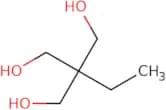
Formula:C4H2F6O2Purity:Min. 95%Molecular weight:196.05 g/mol1,1,1-Tris(hydroxymethyl)propane
CAS:Tris(hydroxymethyl)propane is a diphenyl ether that has been shown to have an electrochemical impedance spectroscopy (EIS) spectrum in the human serum that is similar to those of other known antioxidants. Tris(hydroxymethyl)propane has been shown to protect against light-induced damage in human skin cells, and it also has radiation protective effects. Tris(hydroxymethyl)propane has also been shown to interact with trimethylolpropane, which is another antioxidant, and this interaction may affect the effectiveness of each agent. Tris(hydroxymethyl)propane inhibits lipid peroxidation by inhibiting the oxidation of fatty acids and hydroxyl groups on proteins.
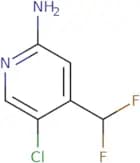
Formula:C6H14O3Purity:Min. 95%Molecular weight:134.17 g/mol5-Chloro-4-(difluoromethyl)pyridin-2-amine
CAS:Versatile small molecule scaffold
Formula:C6H5ClF2N2Purity:Min. 95%Molecular weight:178.57 g/molRef: 3D-EXC66046
Discontinued product2-Bromo-5-fluoro-4-methoxybenzoic acid
CAS:Versatile small molecule scaffold
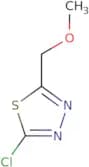
Formula:C8H6BrFO3Purity:Min. 95%Molecular weight:249.03 g/mol2-Chloro-5-(methoxymethyl)-1,3,4-thiadiazole
CAS:Versatile small molecule scaffoldFormula:C4H5ClN2OSPurity:Min. 95%Molecular weight:164.61 g/molRef: 3D-PDC25110
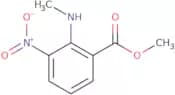
Discontinued productMethyl 2-(methylamino)-3-nitrobenzoate
CAS:Versatile small molecule scaffold
Formula:C9H10N2O4Purity:Min. 95%Molecular weight:210.19 g/molRef: 3D-NLB29715
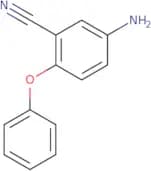
Discontinued product5-Amino-2-phenoxybenzonitrile
CAS:Versatile small molecule scaffold
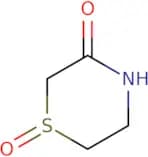
Formula:C13H10N2OPurity:Min. 95%Molecular weight:210.23 g/mol1λ⁴-Thiomorpholine-1,3-dione
CAS:Versatile small molecule scaffold
Formula:C4H7NO2SPurity:Min. 95%Molecular weight:133.17 g/molRef: 3D-NDA62029
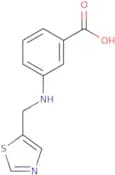
Discontinued product3-((Thiazol-5-ylmethyl)amino)benzoic acid
CAS:Versatile small molecule scaffold
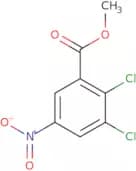
Formula:C11H10N2O2SPurity:Min. 95%Molecular weight:234.28 g/molMethyl 2,3-dichloro-5-nitrobenzoate
CAS:Versatile small molecule scaffold
Formula:C8H5Cl2NO4Purity:Min. 95%Molecular weight:250.03 g/molRef: 3D-NCA10554
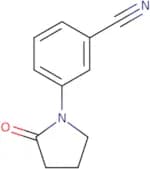
Discontinued product3-(2-Oxopyrrolidin-1-yl)benzonitrile
CAS:Versatile small molecule scaffold
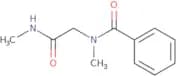
Formula:C11H10N2OPurity:Min. 95%Molecular weight:186.21 g/molN-Methyl-2-(N-methyl-1-phenylformamido)acetamide
CAS:Versatile small molecule scaffold
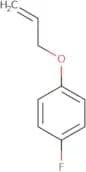
Formula:C11H14N2O2Purity:Min. 95%Molecular weight:206.2 g/mol1-Fluoro-4-(prop-2-en-1-yloxy)benzene
CAS:Versatile small molecule scaffold
Formula:C9H9FOPurity:Min. 95%Molecular weight:152.16 g/molRef: 3D-NAA99072
Discontinued producttert-Butyl N-{4-[1-(4-bromophenoxy)ethyl]phenyl}carbamate
CAS:Versatile small molecule scaffold
Formula:C19H22BrNO3Purity:Min. 95%Molecular weight:392.3 g/molRef: 3D-PZC05838
Discontinued product(2-{6-[(Oxan-4-yl)amino]imidazo[1,2-b]pyridazin-3-yl}phenyl)methanol
CAS:Versatile small molecule scaffold
Formula:C18H20N4O2Purity:Min. 95%Molecular weight:324.4 g/molRef: 3D-MQB34443
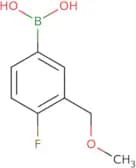
Discontinued product4-Fluoro-3-(methoxymethyl)phenylboronic acid
CAS:Versatile small molecule scaffold
Formula:C8H10BFO3Purity:Min. 95%Molecular weight:183.97 g/molRef: 3D-MNA53619
Discontinued producttert-Butyl N-({8-oxa-2-azaspiro[4.5]decan-4-yl}methyl)carbamate
CAS:Versatile small molecule scaffoldFormula:C14H26N2O3Purity:Min. 95%Molecular weight:270.37 g/molRef: 3D-PZC05858
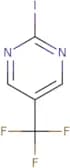
Discontinued product2-Iodo-5-(trifluoromethyl)pyrimidine
CAS:Versatile small molecule scaffold
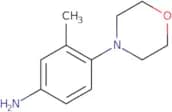
Formula:C5H2F3IN2Purity:Min. 95%Molecular weight:273.98 g/mol3-Methyl-4-(4-morpholinyl)aniline
CAS:Versatile small molecule scaffold
Formula:C11H16N2OPurity:Min. 95%Molecular weight:192.26 g/molRef: 3D-MEA90082
Discontinued product{4-[(2-Methylpropyl)amino]piperidin-4-yl}methanol dihydrochloride
CAS:Versatile small molecule scaffold
Formula:C10H24Cl2N2OPurity:Min. 95%Molecular weight:259.21 g/molRef: 3D-PZC06111
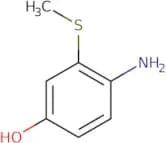
Discontinued product4-amino-3-(methylsulfanyl)phenol
CAS:Versatile small molecule scaffold
Formula:C7H9NOSPurity:Min. 95%Molecular weight:155.21 g/molMethyl 2-(hydroxymethyl)-4-methylpyrimidine-5-carboxylate
CAS:Versatile small molecule scaffold
Formula:C8H10N2O3Purity:Min. 95%Molecular weight:182.2 g/molRef: 3D-LUD63599
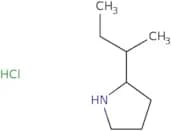
Discontinued product2-(Butan-2-yl)pyrrolidine hydrochloride
CAS:Versatile small molecule scaffold
Formula:C8H18ClNPurity:Min. 95%Molecular weight:163.7 g/molRef: 3D-LUD63585
Discontinued productN,N,1-Trimethyl-1H,4H,5H,6H,7H-pyrazolo[4,3-c]pyridine-4-carboxamide dihydrochloride
CAS:Versatile small molecule scaffold
Formula:C10H18Cl2N4OPurity:Min. 95%Molecular weight:281.2 g/molRef: 3D-LUD63514
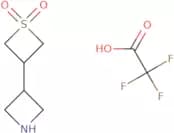
Discontinued product3-(1,1-dioxido-3-thietanyl)-azetidine 2,2,2-trifluoroacetate
CAS:Versatile small molecule scaffold
Formula:C8H12F3NO4SPurity:Min. 95%Molecular weight:275.25 g/molRef: 3D-PZC06126
Discontinued product1-Benzenesulfonyl-piperidine-4-carboxylic acid ethyl ester
CAS:1-Benzenesulfonyl-piperidine-4-carboxylic acid ethyl ester is an inhibitor of acetylcholinesterase. It is a white solid that can be synthesized in two steps from commercially available starting materials. Inhibition of this enzyme leads to the accumulation of acetylcholine, which causes increased stimulation of nicotinic and muscarinic receptors. This drug has been shown to have IC50 values that are similar to those of the reference inhibitor donepezil. 1-Benzenesulfonyl-piperidine-4-carboxylic acid ethyl ester also interacts with sulfonyl chlorides, butyrylcholinesterase, and other proteins in a manner similar to donepezil. The molecular docking studies suggest that this compound binds competitively with the active site of acetylcholinesterase.
Formula:C14H19NO4SPurity:Min. 95%Molecular weight:297.37 g/molRef: 3D-LEA62726
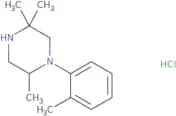
Discontinued product2,5,5-Trimethyl-1-(2-methylphenyl)piperazine hydrochloride
CAS:Versatile small molecule scaffold
Formula:C14H23ClN2Purity:Min. 95%Molecular weight:254.8 g/molRef: 3D-PZC06160
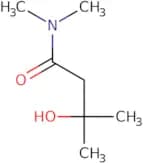
Discontinued product3-Hydroxy-N,N,3-trimethylbutanamide
CAS:3-Hydroxy-N,N,3-trimethylbutanamide is a liquid at room temperature. It is an additive that can be used in the production of nitrocellulose and as a preservative for nitrate film. 3-Hydroxy-N,N,3-trimethylbutanamide decomposes on exposure to UV light to form nitric oxide. It is also used as a photoinitiator in the synthesis of polymers by free radical polymerization reactions. The liquid composition can be thermally treated to produce stable silver nanoparticles.
Formula:C7H15NO2Purity:Min. 95%Molecular weight:145.2 g/molRef: 3D-LCA66547
Discontinued product8-chloro-3-(propan-2-yl)-[1,2,4]triazolo[4,3-a]pyrazine
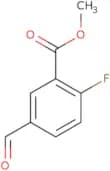
CAS:Versatile small molecule scaffoldFormula:C8H9ClN4Purity:Min. 95%Molecular weight:196.64 g/molMethyl 2-fluoro-5-formylbenzoate
CAS:Versatile small molecule scaffold
Formula:C9H7FO3Purity:Min. 95%Molecular weight:182.15 g/molRef: 3D-QGA80394
Discontinued product4,5,6,7-Tetrahydropyrazolo[1,5-a]pyrazine dihydrochloride
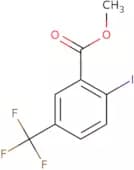
CAS:Versatile small molecule scaffoldFormula:C6H11Cl2N3Purity:Min. 95%Molecular weight:196.08 g/molMethyl 2-iodo-5-(trifluoromethyl)benzoate
CAS:Versatile small molecule scaffold
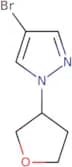
Formula:C9H6F3IO2Purity:Min. 95%Molecular weight:330.04 g/mol4-Bromo-1-(oxolan-3-yl)-1H-pyrazole
CAS:Versatile small molecule scaffold
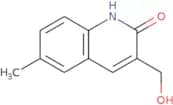
Formula:C7H9BrN2OPurity:Min. 95%Molecular weight:217.06 g/mol3-(Hydroxymethyl)-6-methyl-2(1H)-quinolinone
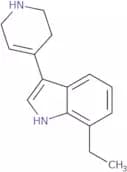
CAS:Versatile small molecule scaffoldFormula:C11H11NO2Purity:Min. 95%Molecular weight:189.21 g/mol7-Ethyl-3-(1,2,3,6-tetrahydropyridin-4-yl)-1H-indole
CAS:Versatile small molecule scaffoldFormula:C15H18N2Purity:Min. 95%Molecular weight:226.32 g/molRef: 3D-KTA35413
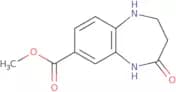
Discontinued productMethyl 4-oxo-2,3,4,5-tetrahydro-1H-1,5-benzodiazepine-7-carboxylate
CAS:Versatile small molecule scaffold
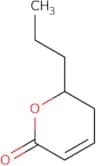
Formula:C11H12N2O3Purity:Min. 95%Molecular weight:220.22 g/mol6-Propyl-5,6-dihydro-2H-pyran-2-one
CAS:6-Propyl-5,6-dihydro-2H-pyran-2-one belongs to the class of isoquinoline alkaloids. It is found in leguminosae plants and has a strong spectrum of activity against bacteria, viruses and fungi. This compound is also used for the treatment of malaria and as an antihelminthic agent. The index of this substance is unknown, but it has been shown to have a mass spectrum that corresponds with that of prosopis. 6-Propyl-5,6-dihydro-2H-pyran-2-one is semiarid and indehiscent, with volatile fruit.
Formula:C8H12O2Purity:Min. 95%Molecular weight:140.18 g/molRef: 3D-RAA40069
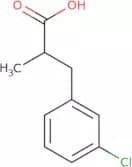
Discontinued product3-(3-Chlorophenyl)-2-methylpropanoic acid
CAS:Versatile small molecule scaffoldFormula:C10H11ClO2Purity:Min. 95%Molecular weight:198.64 g/molRef: 3D-RCA73500
Discontinued product4-[4-(Methylsulfanyl)phenyl]butanoic acid
CAS:Versatile small molecule scaffold
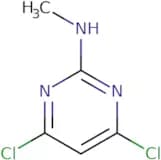
Formula:C11H14O2SPurity:Min. 95%Molecular weight:210.29 g/mol4,6-Dichloro-N-methylpyrimidin-2-amine
CAS:4,6-Dichloro-N-methylpyrimidin-2-amine is an analog of pyrimidine that has been used in the synthesis of a number of drugs. The compound was first synthesized by condensation of 2,4,6-trichloropyrimidine with formaldehyde and sodium hydroxide. 4,6-Dichloro-N-methylpyrimidin-2-amine can be converted to the corresponding hydrochloride salt by treatment with hydrochloric acid. The compound reacts with methanol to produce methylamine. It also undergoes acid hydrolysis to produce methyl chloride and formaldehyde.Formula:C5H5Cl2N3Purity:Min. 95%Molecular weight:178.02 g/mol7-Bromo-1H,2H,3H-pyrazolo[1,5-a]imidazole
CAS:Versatile small molecule scaffoldFormula:C5H6BrN3Purity:Min. 95%Molecular weight:188.03 g/molRef: 3D-REA24833
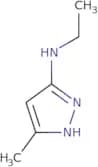
Discontinued productN-Ethyl-5-methyl-1H-pyrazol-3-amine
CAS:Versatile small molecule scaffold
Formula:C6H11N3Purity:Min. 95%Molecular weight:125.17 g/molRef: 3D-REA54520
Discontinued product2-[(tert-Butyldimethylsilyl)oxy]benzaldehyde
CAS:2-[(tert-Butyldimethylsilyl)oxy]benzaldehyde (BBSA) is a traceless synthetic reagent that is used for the termination of peptide synthesis. It can also be used in the synthesis of benzofurans, carbonyl compounds, and thioacetals. The high yield and chemoselectivity makes BBSA a competitive reagent for these types of reactions. BBSA can be prepared from hydrogen peroxide, esters, enol ethers, or peroxides. These latter reactants are more selective than hydrogen peroxide and do not lead to oxidation of substrates or side products. This product is also useful for the synthesis of thioketals.
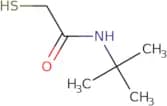
Formula:C13H20O2SiPurity:Min. 95%Molecular weight:236.38 g/molN-tert-Butyl-2-sulfanylacetamide
CAS:Versatile small molecule scaffold
Formula:C6H13NOSPurity:Min. 95%Molecular weight:147.2 g/mol8-Oxo-8H-pyrano[3,4-b]pyridine-6-carboxylic acid
CAS:Versatile small molecule scaffold
Formula:C9H5NO4Purity:Min. 95%Molecular weight:191.14 g/molRef: 3D-RID26773
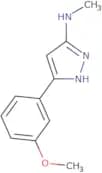
Discontinued product5-(3-Methoxyphenyl)-N-methyl-1H-pyrazol-3-amine
CAS:Versatile small molecule scaffoldFormula:C11H13N3OPurity:Min. 95%Molecular weight:203.24 g/molRef: 3D-JDC14608
Discontinued product1-(4-bromo-2-methylphenyl)propan-1-one
CAS:Versatile small molecule scaffold
Formula:C10H11BrOPurity:Min. 95%Molecular weight:227.1 g/mol2-Chloro-4-methoxy-7-methyl-7H-pyrrolo[2,3-d]pyrimidine
CAS:Versatile small molecule scaffold
Formula:C8H8ClN3OPurity:Min. 95%Molecular weight:197.62 g/molRef: 3D-JDA95534
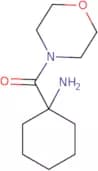
Discontinued product1-(Morpholine-4-carbonyl)cyclohexan-1-amine
CAS:Versatile small molecule scaffold
Formula:C11H20N2O2Purity:Min. 95%Molecular weight:212.29 g/molRef: 3D-RQB85795
Discontinued productMethyl 5-ethynylpyridine-2-carboxylate
CAS:Methyl 5-ethynylpyridine-2-carboxylate is a ligand that binds in the active site of many enzymes. It can enhance the activity of these enzymes and also change their conformations. Methyl 5-ethynylpyridine-2-carboxylate interacts with four subunits to form a tetradentate framework, which is responsible for this molecule's ability to bind to any type of ligand. This enhancement effect is reversible, and it can be reversed by oxidizing methyl 5-ethynylpyridine-2-carboxylate with nitric acid. The yield of methyl 5-ethynylpyridine-2-carboxylate depends on the reaction conditions and the type of arylacetylene used. Methyl 5-ethynylpyridine-2-carboxylate has been shown to be an effective ligand with a high emission yield when using 1,3
Formula:C9H7NO2Purity:Min. 95%Molecular weight:161.2 g/mol8-Bromo-2-methylimidazo[1,2-a]pyridine
CAS:Versatile small molecule scaffold
Formula:C8H7N2BrPurity:Min. 95%Molecular weight:211.05 g/mol2-Bromo-3,3,3-trifluoro-1-propene
CAS:Controlled Product2-Bromo-3,3,3-trifluoro-1-propene is a chemical compound that has been synthesized in an asymmetric reaction. The reactant is bromopropane and the product is 2,2,2-trifluoropropene. The methylene group on the propene molecule is activated by the nucleophilic attack of a fluoride ion from hydrogen fluoride to form a cavity with a highly strained bond. The kinetic study of this reaction revealed that the activation energy for the reaction is 42 kJ/mol. Palladium-catalyzed coupling reactions are catalyzed by palladium and require nonpolar solvents such as toluene or dichloromethane. This type of reaction has been shown to be exothermic with an isolated yield of 1%.
Formula:C3H2BrF3Purity:Min. 95%Color and Shape:Colorless PowderMolecular weight:174.95 g/mol4,5-Dihydro-1H-imidazol-2-amine hydrochloride
CAS:Please enquire for more information about 4,5-Dihydro-1H-imidazol-2-amine hydrochloride including the price, delivery time and more detailed product information at the technical inquiry form on this page
Formula:C3H7N3•HClPurity:Min. 95%Molecular weight:121.57 g/molRef: 3D-FD183639
Discontinued product1-Hydroxycyclopentane-1-carbonitrile
CAS:1-Hydroxycyclopentane-1-carbonitrile is a monomer that is hydrolyzed to form benzoin and cyanohydrins. It can be used in the production of scifinder as a monomer or dimerizer.
Formula:C6H9NOPurity:Min. 95%Molecular weight:111.14 g/mol3-Hydroxy-5-methylpyridine
CAS:3-Hydroxy-5-methylpyridine (3HMP) is a chemical substance that has been classified as an amine. It is a product of the metabolism of purines, which are nitrogenous bases found in DNA and RNA. 3HMP is produced by aerogenic bacteria (such as Enterobacter), and can be used to estimate the number of these bacteria present in water samples. 3HMP has been shown to have antiviral properties against influenza virus, and can be used as a biomarker for the presence of other viruses in animals. 3HMP also has mineralization properties, which have been studied extensively, particularly with regards to pancreatic disease.
Formula:C6H7NOPurity:Min. 95%Color and Shape:PowderMolecular weight:109.13 g/molRef: 3D-FH16174
Discontinued product4-Chloro-2-hydroxy-6-methylphenylboronic acid
CAS:Versatile small molecule scaffoldFormula:C7H8BClO3Purity:Min. 95%Molecular weight:186.4 g/moltert-Butyl (2,2-difluoro-3-hydroxypropyl)carbamate
CAS:Versatile small molecule scaffoldFormula:C10H13NO4Purity:Min. 95%Molecular weight:211.21 g/mol4,5-Dihydroxy-2,3-Pentanedione
CAS:4,5-Dihydroxy-2,3-pentanedione is a carbonyl compound that is the product of the oxidation of ascorbic acid. It is used in wastewater treatment and has antimicrobial properties against infectious diseases. This compound has been shown to inhibit protein synthesis by binding to the ribosome and preventing the formation of peptide bonds between amino acids. 4,5-Dihydroxy-2,3-pentanedione has also been shown to bind to plasma proteins, which may be due to its acyl chain structure. 4,5-Dihydroxy-2,3-pentanedione can be synthesized in a catalytic mechanism that involves dehydroascorbic acid and molecular oxygen.
Formula:C5H8O4Purity:Min. 95%Color and Shape:PowderMolecular weight:132.11 g/molRef: 3D-FD180770
Discontinued productPiperyline
CAS:Piperyline is an alkanoic acid that has shown to be effective against skin cancer. It also has antimicrobial properties, which may be due to its ability to bind metal ions and form polymeric compounds. Piperyline inhibits microbial growth by inhibiting the synthesis of proteins and nucleic acids. The antimicrobial activity is related to its cationic polymerization with hydroxyl groups, which forms a structure that can inhibit microbial enzymes and disrupt microbial cell membranes. This compound also interacts with the skin's natural lipids, making it difficult for microorganisms to attach and grow on the skin. Piperyline is synthesized in organic chemistry laboratories as an amide precursor of other pharmaceuticals such as penicillin.
Formula:C16H17NO3Purity:Min. 95%Molecular weight:271.31 g/mol
![2-Bromo-7-chloro-[1,2,4]triazolo[1,5-a]pyridine](/_next/image/?url=https%3A%2Fstatic.cymitquimica.com%2Fproducts%2F3D%2Fthumb-webp%2FEKC58111.webp&w=3840&q=75)

![4-[(4-Methoxyphenyl)methyl]azetidin-2-one](/_next/image/?url=https%3A%2Fstatic.cymitquimica.com%2Fproducts%2F3D%2Fthumb-webp%2FEFC81230.webp&w=3840&q=75)
![4-(4-Aminophenyl)-1-methyl-1H-pyrazolo[3,4-b]pyridine-3-carboxylic acid](/_next/image/?url=https%3A%2Fstatic.cymitquimica.com%2Fproducts%2F3D%2Fthumb-webp%2FEEC70466.webp&w=3840&q=75)


![1,3-Diazaspiro[4.4]nonane-2,4-dione](/_next/image/?url=https%3A%2Fstatic.cymitquimica.com%2Fproducts%2F3D%2Fthumb-webp%2FAAA69951.webp&w=3840&q=75)

![tert-Butyl N-{4-[1-(4-bromophenoxy)ethyl]phenyl}carbamate](/_next/image/?url=https%3A%2Fstatic.cymitquimica.com%2Fproducts%2F3D%2Fthumb-webp%2FPZC05838.webp&w=3840&q=75)
![(2-{6-[(Oxan-4-yl)amino]imidazo[1,2-b]pyridazin-3-yl}phenyl)methanol](/_next/image/?url=https%3A%2Fstatic.cymitquimica.com%2Fproducts%2F3D%2Fthumb-webp%2FMQB34443.webp&w=3840&q=75)
![tert-Butyl N-({8-oxa-2-azaspiro[4.5]decan-4-yl}methyl)carbamate](/_next/image/?url=https%3A%2Fstatic.cymitquimica.com%2Fproducts%2F3D%2Fthumb-webp%2FPZC05858.webp&w=3840&q=75)
![{4-[(2-Methylpropyl)amino]piperidin-4-yl}methanol dihydrochloride](/_next/image/?url=https%3A%2Fstatic.cymitquimica.com%2Fproducts%2F3D%2Fthumb-webp%2FPZC06111.webp&w=3840&q=75)
![N,N,1-Trimethyl-1H,4H,5H,6H,7H-pyrazolo[4,3-c]pyridine-4-carboxamide dihydrochloride](/_next/image/?url=https%3A%2Fstatic.cymitquimica.com%2Fproducts%2F3D%2Fthumb-webp%2FLUD63514.webp&w=3840&q=75)

![8-chloro-3-(propan-2-yl)-[1,2,4]triazolo[4,3-a]pyrazine](/_next/image/?url=https%3A%2Fstatic.cymitquimica.com%2Fproducts%2F3D%2Fthumb-webp%2FQFA91091.webp&w=3840&q=75)
![4,5,6,7-Tetrahydropyrazolo[1,5-a]pyrazine dihydrochloride](/_next/image/?url=https%3A%2Fstatic.cymitquimica.com%2Fproducts%2F3D%2Fthumb-webp%2FQGA89407.webp&w=3840&q=75)
![4-[4-(Methylsulfanyl)phenyl]butanoic acid](/_next/image/?url=https%3A%2Fstatic.cymitquimica.com%2Fproducts%2F3D%2Fthumb-webp%2FREA17433.webp&w=3840&q=75)
![7-Bromo-1H,2H,3H-pyrazolo[1,5-a]imidazole](/_next/image/?url=https%3A%2Fstatic.cymitquimica.com%2Fproducts%2F3D%2Fthumb-webp%2FREA24833.webp&w=3840&q=75)
![2-[(tert-Butyldimethylsilyl)oxy]benzaldehyde](/_next/image/?url=https%3A%2Fstatic.cymitquimica.com%2Fproducts%2F3D%2Fthumb-webp%2FREA58512.webp&w=3840&q=75)
![8-Oxo-8H-pyrano[3,4-b]pyridine-6-carboxylic acid](/_next/image/?url=https%3A%2Fstatic.cymitquimica.com%2Fproducts%2F3D%2Fthumb-webp%2FRID26773.webp&w=3840&q=75)
![2-Chloro-4-methoxy-7-methyl-7H-pyrrolo[2,3-d]pyrimidine](/_next/image/?url=https%3A%2Fstatic.cymitquimica.com%2Fproducts%2F3D%2Fthumb-webp%2FJDA95534.webp&w=3840&q=75)

![8-Bromo-2-methylimidazo[1,2-a]pyridine](/_next/image/?url=https%3A%2Fstatic.cymitquimica.com%2Fproducts%2F3D%2Fthumb-webp%2FUXB37475.webp&w=3840&q=75)







