


Building Blocks
Subcategories of "Building Blocks"
- Boronic Acids & Boronic Acid Derivatives(5,778 products)
- Chiral Building Blocks(1,243 products)
- Hydrocarbon Building Blocks(6,099 products)
- Organic Building Blocks(61,038 products)
Found 205376 products of "Building Blocks"
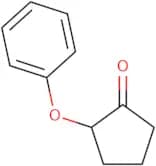
2-Phenoxycyclopentan-1-one
CAS:Versatile small molecule scaffold
Formula:C11H12O2Purity:Min. 95%Molecular weight:176.21 g/molRef: 3D-DDA72616
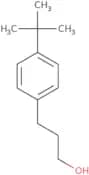
Discontinued product3-(4-tert-Butylphenyl)propan-1-ol
CAS:Versatile small molecule scaffold
Formula:C13H20OPurity:Min. 95%Molecular weight:192.3 g/molRef: 3D-DDA57408
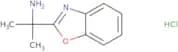
Discontinued product2-(1,3-Benzoxazol-2-yl)propan-2-amine hydrochloride
CAS:Versatile small molecule scaffoldFormula:C10H13ClN2OPurity:Min. 95%Molecular weight:212.67 g/molRef: 3D-UGD90278
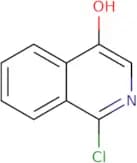
Discontinued product1-Chloroisoquinolin-4-ol
CAS:1-Chloroisoquinolin-4-ol is a phenylpyrimidine with anti-inflammatory properties. It is used in the treatment of sensitivity and mediated diseases, such as osteoarthritis, rheumatoid arthritis, and ankylosing spondylitis. 1-Chloroisoquinolin-4-ol inhibits the enzymatic activity of matrix metalloproteinases (MMPs), which are enzymes that break down collagen and other proteins in the body. The inhibition of MMPs by 1-chloroisoquinolin-4-ol leads to reduced inflammation and pain. This compound is also an effective inhibitor of the activities of chloride channels involved in acid secretion by cells in the stomach lining, thus inhibiting acid production. 1-Chloroisoquinolin-4-ol has been shown to have anticholesterolemic effects on liver cells due to its ability to inhibit cholesterol synthesis through inhibition of HMG CoA
Formula:C9H6ClNOPurity:Min. 95%Molecular weight:179.6 g/molRef: 3D-DAA33643
Discontinued product2-(2-[(Propan-2-yloxy)methyl]phenyl)acetic acid
CAS:Versatile small molecule scaffold
Formula:C12H16O3Purity:Min. 95%Molecular weight:208.3 g/molRef: 3D-XLC02690
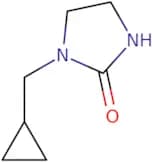
Discontinued product1-(Cyclopropylmethyl)imidazolidin-2-one
CAS:Versatile small molecule scaffold
Formula:C7H12N2OPurity:Min. 95%Molecular weight:140.18 g/molRef: 3D-XLC04672
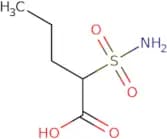
Discontinued product2-Sulfamoylpentanoic acid
CAS:Versatile small molecule scaffold
Formula:C5H11NO4SPurity:Min. 95%Molecular weight:181.21 g/molRef: 3D-XLC81845
Discontinued product3-methylpyridine-2-sulfinate lithium
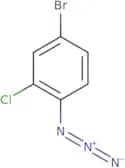
CAS:Versatile small molecule scaffoldFormula:C6H6LiNO2SPurity:Min. 95%Molecular weight:163.1 g/mol1-Azido-4-bromo-2-chlorobenzene
CAS:Versatile small molecule scaffold
Formula:C6H3BrClN3Purity:Min. 95%Molecular weight:232.46 g/molRef: 3D-CWB94347
Discontinued productPB-22 3-carboxyindole metabolite solution
CAS:Controlled ProductPB-22 is a synthetic cannabinoid, which can be classified as a CB1 receptor agonist. It is one of the many cannabinoids that have been created in an attempt to circumvent drug laws by creating compounds that are similar to those found in cannabis but have different chemical structures. PB-22 has shown to increase locomotor activity and stimulate the cb1 receptor in mice. Magnetic resonance spectroscopy (MRS) and assays were used to determine the binding affinity of PB-22 for the CB1 receptor. The MRS data showed that PB-22 bound with high affinity to the CB1 receptor and had a lower affinity for CB2 receptors. This suggests that PB-22 may be more potent than other synthetic cannabinoids, such as JWH-018 and CP 55,940, which bind better with CB2 receptors than CB1 receptors.
PB-22 is an analog of JWH-073 and has been shown to have a stronger effect on locomotor activity than JWHFormula:C14H17NO2Purity:Min. 95%Molecular weight:231.29 g/mol4-Methyl-1,2-oxazolidin-4-ol hydrochloride
CAS:Versatile small molecule scaffold
Formula:C4H10ClNO2Purity:Min. 95%Molecular weight:139.6 g/molRef: 3D-XLD15344
Discontinued product5-Fluoropyridine-3-sulfonamide
CAS:Versatile small molecule scaffold
Formula:C5H5FN2O2SPurity:Min. 95%Molecular weight:176.17 g/mol1-[4-Methyl-2-(4-methylphenyl)-1,3-thiazol-5-yl]ethan-1-ol
CAS:Versatile small molecule scaffoldFormula:C13H15NOSPurity:Min. 95%Molecular weight:233.33 g/molRef: 3D-XZB72183
Discontinued product[4-(2-Methoxyethoxy)phenyl]methanamine
CAS:Versatile small molecule scaffold
Formula:C10H15NO2Purity:Min. 95%Molecular weight:181.23 g/mol1-Benzothiophene-5-carbonitrile
CAS:1-Benzothiophene-5-carbonitrile is a heterocyclic compound that is formed by condensation of ethyl azidoacetate with indole under catalysis. It can be used in the synthesis of heterocycles. The yield of 1-benzothiophene-5-carbonitrile is about 56%.
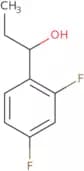
Formula:C9H5NSPurity:Min. 95%Molecular weight:159.21 g/mol1-(2,4-Difluorophenyl)propan-1-ol
CAS:Versatile small molecule scaffold
Formula:C9H10F2OPurity:Min. 95%Molecular weight:172.17 g/molRef: 3D-XZB99805
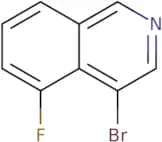
Discontinued product4-Bromo-5-fluoro-isoquinoline
CAS:Versatile small molecule scaffold
Formula:C9H5BrFNPurity:Min. 95%Molecular weight:226.04 g/molRef: 3D-BPA45758
Discontinued product3-Bromobenzo[b]thiophen-5-amine
CAS:Versatile small molecule scaffold
Formula:C8H6BrNSPurity:Min. 95%Molecular weight:228.11 g/molRef: 3D-YDA43436
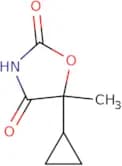
Discontinued product5-cyclopropyl-5-methyl-1,3-oxazolidine-2,4-dione
CAS:Versatile small molecule scaffold
Formula:C7H9NO3Purity:Min. 95%Molecular weight:155.15 g/molRef: 3D-YDA54752
Discontinued product4-Chloro-1,6-dimethyl-1H-pyrazolo[3,4-d]pyrimidine
CAS:Versatile small molecule scaffoldFormula:C7H7ClN4Purity:Min. 95%Molecular weight:182.61 g/mol1-[3-(Chloromethyl)benzoyl]piperidine
CAS:Versatile small molecule scaffold
Formula:C13H16ClNOPurity:Min. 95%Molecular weight:237.72 g/mol2-Chloro-5,8-difluoroquinoline
CAS:Versatile small molecule scaffold
Formula:C9H4ClF2NPurity:Min. 95%Molecular weight:199.58 g/mol3-[(Pyridin-4-yl)methyl]-1,2,4-oxadiazol-5-amine
CAS:Versatile small molecule scaffold
Formula:C8H8N4OPurity:Min. 95%Molecular weight:176.18 g/molRef: 3D-YZB21426
Discontinued product(R)-2-[(Phenylmethyl)amino]-1-propanol
CAS:Versatile small molecule scaffold
Formula:C10H15NOPurity:Min. 95%Molecular weight:165.23 g/molRef: 3D-ZCA60949
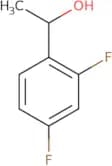
Discontinued product(1R)-1-(2,4-Difluorophenyl)ethan-1-ol
CAS:Versatile small molecule scaffold
Formula:C8H8F2OPurity:Min. 95%Molecular weight:158.14 g/molBenzo[d][1,2,3]thiadiazole
CAS:Benzo[d][1,2,3]thiadiazole is a benzothiadiazole with a redox potential of -0.25 V that is stable in the absence of oxygen and light. It can be used to synthesize chemical pesticides by reacting with hydrochloric acid. The reaction mechanism of benzo[d][1,2,3]thiadiazole has been determined using nuclear magnetic resonance spectroscopy and quantum chemical calculations. This compound reacts with hydrogen bond acceptors on the enzyme active site to form covalent bonds. It also interacts with the enzyme's steric environment by forming hydrogen bonds and van der Waals forces. Benzo[d][1,2,3]thiadiazole also emits light when it reacts with nitric oxide in solution.
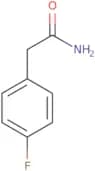
Formula:C6H4N2SPurity:Min. 95%Molecular weight:136.17 g/mol2-(4-Fluorophenyl)acetamide
CAS:2-(4-Fluorophenyl)acetamide (FFAA) is a broad-spectrum antiviral drug that has been evaluated against picornavirus, enterovirus, and rhinovirus. FFAA has been shown to be effective in the treatment of acute enterovirus infections in mice. This compound was also found to have a cytopathic effect on cells infected with enteroviruses in culture. It binds to the virus's RNA-dependent RNA polymerase and prevents viral replication. FFAA is not active against influenza A or B viruses, but it is active against influenza C virus. This compound has also been found to have medicinal properties, as it can inhibit the growth of human lung cancer cells in culture and may be useful for treating cancers such as leukemia.
Formula:C8H8FNOPurity:Min. 95%Molecular weight:153.15 g/molRef: 3D-AAA33229
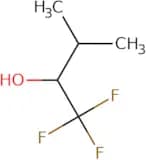
Discontinued product1,1,1-Trifluoro-3-methylbutan-2-ol
CAS:Versatile small molecule scaffold
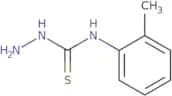
Formula:C5H9F3OPurity:Min. 95%Molecular weight:142.12 g/mol4-(2-Methylphenyl)-3-thiosemicarbazide
CAS:4-(2-Methylphenyl)-3-thiosemicarbazide is a crystalline solid that belongs to the group of benzoic acid derivatives. It has an orthorhombic crystal structure, with a yellow color. The crystals are measured at room temperature, and it has an atomic weight of 197.11 g/mol. 4-(2-Methylphenyl)-3-thiosemicarbazide is stable in air and in solution, but decomposes at temperatures above 250°C. This compound has been studied by using X-ray diffraction measurements and Bruker parameters. Its isotropic radiation is recorded at the following wavelength: 1.5418 Å (1).
Formula:C8H11N3SPurity:Min. 95%Molecular weight:181.26 g/mol4-oxo-2-spiro(N-Boc-piperidine-4-yl)-benzopyran
CAS:Versatile small molecule scaffold
Formula:C18H23NO4Purity:Min. 95%Molecular weight:317.39 g/molRef: 3D-ZIB92822
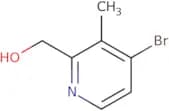
Discontinued product(4-Bromo-3-methylpyridin-2-yl)methanol
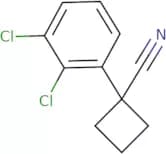
CAS:Versatile small molecule scaffoldFormula:C7H8BrNOPurity:Min. 95%Molecular weight:202.05 g/mol1-(2,3-Dichlorophenyl)cyclobutanecarbonitrile
CAS:Versatile small molecule scaffold
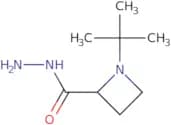
Formula:C11H9Cl2NPurity:Min. 95%Molecular weight:226.1 g/mol1-tert-Butylazetidine-2-carbohydrazide
CAS:Versatile small molecule scaffoldFormula:C8H17N3OPurity:Min. 95%Molecular weight:171.24 g/molRef: 3D-KCA16934
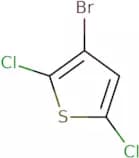
Discontinued product3-Bromo-2,5-dichlorothiophene
CAS:Versatile small molecule scaffold
Formula:C4HBrCl2SPurity:Min. 95%Molecular weight:231.93 g/mol2-Bromo-7-phenyl-5H-[1,3,4]thiadiazolo[3,2-a]pyrimidin-5-one
CAS:Versatile small molecule scaffold
Formula:C11H6BrN3OSPurity:Min. 95%Molecular weight:308.16 g/molRef: 3D-JYB10753
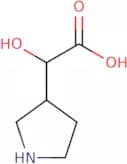
Discontinued product2-Hydroxy-2-(pyrrolidin-3-yl)acetic acid
CAS:Versatile small molecule scaffold
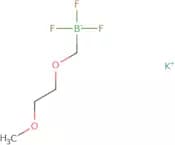
Formula:C6H11NO3Purity:Min. 95%Molecular weight:145.16 g/molPotassium 2-methoxyethoxymethyltrifluoroborate
CAS:Versatile small molecule scaffold
Formula:C4H9BF3KO2Purity:Min. 95%Molecular weight:196.02 g/molRef: 3D-KLB25113
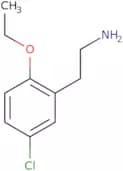
Discontinued product2-(5-Chloro-2-ethoxyphenyl)ethan-1-amine
CAS:Controlled ProductVersatile small molecule scaffoldFormula:C10H14ClNOPurity:Min. 95%Molecular weight:199.68 g/molRef: 3D-KLB38095
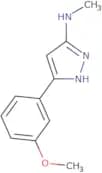
Discontinued product5-(3-Methoxyphenyl)-N-methyl-1H-pyrazol-3-amine
CAS:Versatile small molecule scaffoldFormula:C11H13N3OPurity:Min. 95%Molecular weight:203.24 g/molRef: 3D-JDC14608
Discontinued product2-Amino-2-(2-fluorophenyl)acetic acid hydrochloride
CAS:Versatile small molecule scaffold
Formula:C8H9ClFNO2Purity:Min. 95%Molecular weight:205.61 g/mol1-(4-bromo-2-methylphenyl)propan-1-one
CAS:Versatile small molecule scaffold
Formula:C10H11BrOPurity:Min. 95%Molecular weight:227.1 g/mol2-Chloro-4-methoxy-7-methyl-7H-pyrrolo[2,3-d]pyrimidine
CAS:Versatile small molecule scaffold
Formula:C8H8ClN3OPurity:Min. 95%Molecular weight:197.62 g/molRef: 3D-JDA95534
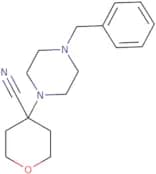
Discontinued product4-(4-Benzylpiperazin-1-yl)oxane-4-carbonitrile
CAS:Versatile small molecule scaffoldFormula:C17H23N3OPurity:Min. 95%Molecular weight:285.4 g/molRef: 3D-KLB57537
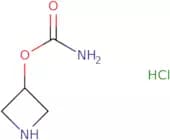
Discontinued productAzetidin-3-yl carbamate hydrochloride
CAS:Versatile small molecule scaffold
Formula:C4H9ClN2O2Purity:Min. 95%Molecular weight:152.58 g/molRef: 3D-KMB66838
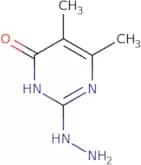
Discontinued product2-Hydrazinyl-5,6-dimethyl-3,4-dihydropyrimidin-4-one
CAS:Versatile small molecule scaffold
Formula:C6H10N4OPurity:Min. 95%Molecular weight:154.17 g/molRef: 3D-JCA22410
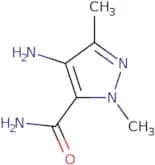
Discontinued product4-Amino-1,3-dimethyl-1H-pyrazole-5-carboxamide
CAS:Versatile small molecule scaffold
Formula:C6H10N4OPurity:Min. 95%Molecular weight:154.17 g/molRef: 3D-JCA02332
Discontinued product[(4-Bromo-2-fluorophenyl)methyl][2-(4-methylpiperazin-1-yl)ethyl]amine
CAS:Versatile small molecule scaffold
Formula:C14H21BrFN3Purity:Min. 95%Molecular weight:330.24 g/molRef: 3D-IXB00918
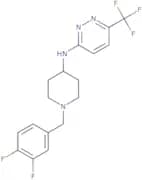
Discontinued productJNJ 37822681 dihydrochloride
CAS:JNJ 37822681 is a novel, potent, and selective small molecule inhibitor of the enzyme fatty acid amide hydrolase (FAAH), which is involved in the degradation of anandamide, a cannabinoid receptor ligand. The compound has been shown to be efficacious in animal models predictive of antipsychotic activity.
Formula:C17H17F5N4Purity:Min. 95%Molecular weight:372.34 g/molRef: 3D-KMB77674
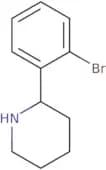
Discontinued product2-(2-Bromophenyl)piperidine
CAS:Versatile small molecule scaffold
Formula:C11H14BrNPurity:Min. 95%Molecular weight:240.14 g/mol6-Bromo-1,4-dihydro-2H-pyrido-[2,3-d][1,3]oxazin-2-one
CAS:Versatile small molecule scaffold
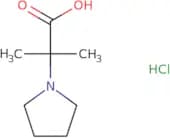
Formula:C7H5BrN2O2Purity:Min. 95%Molecular weight:229.04 g/mol2-Methyl-2-(pyrrolidin-1-yl)propanoic acid hydrochloride
CAS:Versatile small molecule scaffold
Formula:C8H16ClNO2Purity:Min. 95%Molecular weight:193.67 g/mol4-(Piperazin-1-yl)isoquinoline dihydrochloride
CAS:Versatile small molecule scaffold
Formula:C13H17Cl2N3Purity:Min. 95%Molecular weight:286.2 g/molRef: 3D-ILB29289
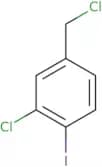
Discontinued product2-Chloro-4-(chloromethyl)-1-iodobenzene
CAS:Versatile small molecule scaffoldFormula:C7H5Cl2IPurity:Min. 95%Molecular weight:286.92 g/molRef: 3D-LAC44995
Discontinued productMethyl 3-amino-2-[(oxan-4-yl)methyl]propanoate hydrochloride
CAS:Versatile small molecule scaffold
Formula:C10H20ClNO3Purity:Min. 95%Molecular weight:237.72 g/molRef: 3D-ICC65034
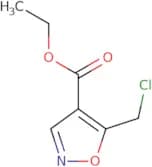
Discontinued productEthyl 5-(chloromethyl)-1,2-oxazole-4-carboxylate
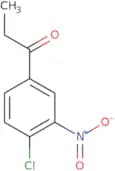
CAS:Versatile small molecule scaffoldFormula:C7H8ClNO3Purity:Min. 95%Molecular weight:189.59 g/mol1-(4-Chloro-3-nitrophenyl)propan-1-one
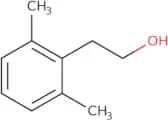
CAS:Versatile small molecule scaffoldFormula:C9H8ClNO3Purity:Min. 95%Molecular weight:213.62 g/mol2-(2,6-Dimethylphenyl)ethan-1-ol
CAS:2-(2,6-Dimethylphenyl)ethan-1-ol is a racemic mixture of two compounds with the same molecular formula. The two enantiomers have different chemical properties and can be separated by specific techniques such as chromatography. 2-(2,6-Dimethylphenyl)ethan-1-ol is an ether that is made from methylmalonic acid and ethylene oxide. It is hydrolysed to release methylmalonyl chloride or demethylated to produce methyl ether acetate. This compound has been used in the synthesis of various esters and sesquiterpenoids.
Formula:C10H14OPurity:Min. 95%Molecular weight:150.22 g/molRef: 3D-FBA59580
Discontinued product2-Cyclopropyl-1-phenylpropan-2-amine
CAS:Versatile small molecule scaffold
Formula:C12H17NPurity:Min. 95%Molecular weight:175.27 g/molRef: 3D-HWB64164
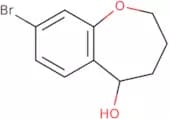
Discontinued product8-Bromo-2,3,4,5-tetrahydro-1-benzoxepin-5-ol
CAS:Versatile small molecule scaffold
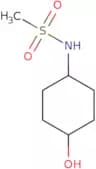
Formula:C10H11BrO2Purity:Min. 95%Molecular weight:243.1 g/molN-(4-Hydroxycyclohexyl)methanesulfonamide
CAS:Versatile small molecule scaffold
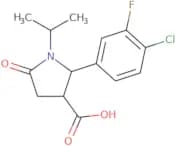
Formula:C7H15NO3SPurity:Min. 95%Molecular weight:193.27 g/mol2-(4-Chloro-3-fluorophenyl)-5-oxo-1-(propan-2-yl)pyrrolidine-3-carboxylic acid
CAS:Versatile small molecule scaffoldFormula:C14H15ClFNO3Purity:Min. 95%Molecular weight:299.72 g/molRef: 3D-HHC67933
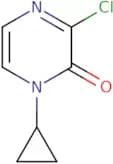
Discontinued product3-Chloro-1-cyclopropyl-1,2-dihydropyrazin-2-one
CAS:Versatile small molecule scaffold
Formula:C7H7ClN2OPurity:Min. 95%Molecular weight:170.59 g/mol3'-Methyl-[1,1'-biphenyl]-2-carboxylic acid
CAS:Versatile small molecule scaffold
Formula:C14H12O2Purity:Min. 95%Molecular weight:212.24 g/molRef: 3D-HEA41271
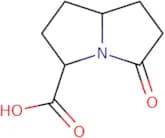
Discontinued product5-Oxo-hexahydro-1H-pyrrolizine-3-carboxylic acid
CAS:Versatile small molecule scaffold
Formula:C8H11NO3Purity:Min. 95%Molecular weight:169.18 g/molRef: 3D-HEA29450
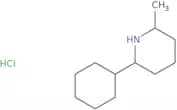
Discontinued product2-Cyclohexyl-6-methylpiperidine hydrochlorides
CAS:Versatile small molecule scaffold
Formula:C12H24ClNPurity:Min. 95%Molecular weight:217.8 g/molRef: 3D-FSD25550
Discontinued product2-(Methylsulfonyl)-1H-benzo[d]imidazole
CAS:2-(Methylsulfonyl)-1H-benzo[d]imidazole (MSBI) is a relatively new class of catalysts that can be used to promote the oxidation of alcohols. The catalytic system consists of copper, iodides, and MSBI. The first step in the catalytic cycle is the formation of a complex between MSBI and copper. This complex reacts with an alcohol to give a more reactive species, which then oxidizes iodide to iodine. The iodide is reduced back to iodide by hydrogen peroxide generated from the reaction with water. The spectrum of MSBI shows peaks at 1706 cm-1 and 1684 cm-1 due to its methyl groups, while the peak at 1202 cm-1 corresponds to the stretching vibration in the imidazole ring. Experimental results show that MSBI has a low density and high theoretical activity.
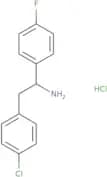
Formula:C8H8N2O2SPurity:Min. 95%Molecular weight:196.22 g/mol2-(4-Chlorophenyl)-1-(4-fluorophenyl)ethan-1-amine hydrochloride
CAS:Versatile small molecule scaffoldFormula:C14H14Cl2FNPurity:Min. 95%Molecular weight:286.2 g/molRef: 3D-FSD25561
Discontinued product4,5-Dihydro-1H-imidazol-2-amine hydrochloride
CAS:Please enquire for more information about 4,5-Dihydro-1H-imidazol-2-amine hydrochloride including the price, delivery time and more detailed product information at the technical inquiry form on this page
Formula:C3H7N3•HClPurity:Min. 95%Molecular weight:121.57 g/molRef: 3D-FD183639
Discontinued product3-Hydroxy-5-methylpyridine
CAS:3-Hydroxy-5-methylpyridine (3HMP) is a chemical substance that has been classified as an amine. It is a product of the metabolism of purines, which are nitrogenous bases found in DNA and RNA. 3HMP is produced by aerogenic bacteria (such as Enterobacter), and can be used to estimate the number of these bacteria present in water samples. 3HMP has been shown to have antiviral properties against influenza virus, and can be used as a biomarker for the presence of other viruses in animals. 3HMP also has mineralization properties, which have been studied extensively, particularly with regards to pancreatic disease.
Formula:C6H7NOPurity:Min. 95%Color and Shape:PowderMolecular weight:109.13 g/molRef: 3D-FH16174
Discontinued product1-Hydroxycyclopentane-1-carbonitrile
CAS:1-Hydroxycyclopentane-1-carbonitrile is a monomer that is hydrolyzed to form benzoin and cyanohydrins. It can be used in the production of scifinder as a monomer or dimerizer.
Formula:C6H9NOPurity:Min. 95%Molecular weight:111.14 g/mol4-Chloro-2-hydroxy-6-methylphenylboronic acid
CAS:Versatile small molecule scaffoldFormula:C7H8BClO3Purity:Min. 95%Molecular weight:186.4 g/mol2-Bromo-3,3,3-trifluoro-1-propene
CAS:Controlled Product2-Bromo-3,3,3-trifluoro-1-propene is a chemical compound that has been synthesized in an asymmetric reaction. The reactant is bromopropane and the product is 2,2,2-trifluoropropene. The methylene group on the propene molecule is activated by the nucleophilic attack of a fluoride ion from hydrogen fluoride to form a cavity with a highly strained bond. The kinetic study of this reaction revealed that the activation energy for the reaction is 42 kJ/mol. Palladium-catalyzed coupling reactions are catalyzed by palladium and require nonpolar solvents such as toluene or dichloromethane. This type of reaction has been shown to be exothermic with an isolated yield of 1%.
Formula:C3H2BrF3Purity:Min. 95%Color and Shape:Colorless PowderMolecular weight:174.95 g/mol8-Bromo-2-methylimidazo[1,2-a]pyridine
CAS:Versatile small molecule scaffold
Formula:C8H7N2BrPurity:Min. 95%Molecular weight:211.05 g/moltert-Butyl (2,2-difluoro-3-hydroxypropyl)carbamate
CAS:Versatile small molecule scaffoldFormula:C10H13NO4Purity:Min. 95%Molecular weight:211.21 g/mol4,5-Dihydroxy-2,3-Pentanedione
CAS:4,5-Dihydroxy-2,3-pentanedione is a carbonyl compound that is the product of the oxidation of ascorbic acid. It is used in wastewater treatment and has antimicrobial properties against infectious diseases. This compound has been shown to inhibit protein synthesis by binding to the ribosome and preventing the formation of peptide bonds between amino acids. 4,5-Dihydroxy-2,3-pentanedione has also been shown to bind to plasma proteins, which may be due to its acyl chain structure. 4,5-Dihydroxy-2,3-pentanedione can be synthesized in a catalytic mechanism that involves dehydroascorbic acid and molecular oxygen.
Formula:C5H8O4Purity:Min. 95%Color and Shape:PowderMolecular weight:132.11 g/molRef: 3D-FD180770
Discontinued productPiperyline
CAS:Piperyline is an alkanoic acid that has shown to be effective against skin cancer. It also has antimicrobial properties, which may be due to its ability to bind metal ions and form polymeric compounds. Piperyline inhibits microbial growth by inhibiting the synthesis of proteins and nucleic acids. The antimicrobial activity is related to its cationic polymerization with hydroxyl groups, which forms a structure that can inhibit microbial enzymes and disrupt microbial cell membranes. This compound also interacts with the skin's natural lipids, making it difficult for microorganisms to attach and grow on the skin. Piperyline is synthesized in organic chemistry laboratories as an amide precursor of other pharmaceuticals such as penicillin.
Formula:C16H17NO3Purity:Min. 95%Molecular weight:271.31 g/mol

![2-(2-[(Propan-2-yloxy)methyl]phenyl)acetic acid](/_next/image/?url=https%3A%2Fstatic.cymitquimica.com%2Fproducts%2F3D%2Fthumb-webp%2FXLC02690.webp&w=3840&q=75)



![1-[4-Methyl-2-(4-methylphenyl)-1,3-thiazol-5-yl]ethan-1-ol](/_next/image/?url=https%3A%2Fstatic.cymitquimica.com%2Fproducts%2F3D%2Fthumb-webp%2FXZB72183.webp&w=3840&q=75)
![[4-(2-Methoxyethoxy)phenyl]methanamine](/_next/image/?url=https%3A%2Fstatic.cymitquimica.com%2Fproducts%2F3D%2Fthumb-webp%2FCEA19620.webp&w=3840&q=75)

![3-Bromobenzo[b]thiophen-5-amine](/_next/image/?url=https%3A%2Fstatic.cymitquimica.com%2Fproducts%2F3D%2Fthumb-webp%2FYDA43436.webp&w=3840&q=75)
![4-Chloro-1,6-dimethyl-1H-pyrazolo[3,4-d]pyrimidine](/_next/image/?url=https%3A%2Fstatic.cymitquimica.com%2Fproducts%2F3D%2Fthumb-webp%2FYDA55075.webp&w=3840&q=75)
![1-[3-(Chloromethyl)benzoyl]piperidine](/_next/image/?url=https%3A%2Fstatic.cymitquimica.com%2Fproducts%2F3D%2Fthumb-webp%2FYFA58364.webp&w=3840&q=75)
![3-[(Pyridin-4-yl)methyl]-1,2,4-oxadiazol-5-amine](/_next/image/?url=https%3A%2Fstatic.cymitquimica.com%2Fproducts%2F3D%2Fthumb-webp%2FYZB21426.webp&w=3840&q=75)
![(R)-2-[(Phenylmethyl)amino]-1-propanol](/_next/image/?url=https%3A%2Fstatic.cymitquimica.com%2Fproducts%2F3D%2Fthumb-webp%2FZCA60949.webp&w=3840&q=75)
![Benzo[d][1,2,3]thiadiazole](/_next/image/?url=https%3A%2Fstatic.cymitquimica.com%2Fproducts%2F3D%2Fthumb-webp%2FAAA27377.webp&w=3840&q=75)
![2-Bromo-7-phenyl-5H-[1,3,4]thiadiazolo[3,2-a]pyrimidin-5-one](/_next/image/?url=https%3A%2Fstatic.cymitquimica.com%2Fproducts%2F3D%2Fthumb-webp%2FJYB10753.webp&w=3840&q=75)

![2-Chloro-4-methoxy-7-methyl-7H-pyrrolo[2,3-d]pyrimidine](/_next/image/?url=https%3A%2Fstatic.cymitquimica.com%2Fproducts%2F3D%2Fthumb-webp%2FJDA95534.webp&w=3840&q=75)
![[(4-Bromo-2-fluorophenyl)methyl][2-(4-methylpiperazin-1-yl)ethyl]amine](/_next/image/?url=https%3A%2Fstatic.cymitquimica.com%2Fproducts%2F3D%2Fthumb-webp%2FIXB00918.webp&w=3840&q=75)
![6-Bromo-1,4-dihydro-2H-pyrido-[2,3-d][1,3]oxazin-2-one](/_next/image/?url=https%3A%2Fstatic.cymitquimica.com%2Fproducts%2F3D%2Fthumb-webp%2FKNA03238.webp&w=3840&q=75)

![Methyl 3-amino-2-[(oxan-4-yl)methyl]propanoate hydrochloride](/_next/image/?url=https%3A%2Fstatic.cymitquimica.com%2Fproducts%2F3D%2Fthumb-webp%2FICC65034.webp&w=3840&q=75)

![3'-Methyl-[1,1'-biphenyl]-2-carboxylic acid](/_next/image/?url=https%3A%2Fstatic.cymitquimica.com%2Fproducts%2F3D%2Fthumb-webp%2FHEA41271.webp&w=3840&q=75)
![2-(Methylsulfonyl)-1H-benzo[d]imidazole](/_next/image/?url=https%3A%2Fstatic.cymitquimica.com%2Fproducts%2F3D%2Fthumb-webp%2FHCA15981.webp&w=3840&q=75)




![8-Bromo-2-methylimidazo[1,2-a]pyridine](/_next/image/?url=https%3A%2Fstatic.cymitquimica.com%2Fproducts%2F3D%2Fthumb-webp%2FUXB37475.webp&w=3840&q=75)


