


Building Blocks
Subcategories of "Building Blocks"
- Boronic Acids & Boronic Acid Derivatives(5,778 products)
- Chiral Building Blocks(1,243 products)
- Hydrocarbon Building Blocks(6,099 products)
- Organic Building Blocks(61,038 products)
Found 205376 products of "Building Blocks"
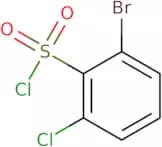
2-Bromo-6-chlorobenzene-1-sulfonyl chloride
CAS:Versatile small molecule scaffoldFormula:C6H3BrCl2O2SPurity:Min. 95%Molecular weight:289.96 g/molRef: 3D-LAC87416
Discontinued product[3-(3-Propyl-1,2,4-oxadiazol-5-yl)phenyl]methanamine
CAS:Versatile small molecule scaffold
Formula:C12H15N3OPurity:Min. 95%Molecular weight:217.27 g/mol3-[(4-Bromo-1H-pyrazol-1-yl)methyl]aniline hydrochloride
CAS:Versatile small molecule scaffold
Formula:C10H11BrClN3Purity:Min. 95%Molecular weight:288.57 g/molRef: 3D-KXB48392
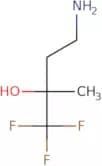
Discontinued product4-Amino-1,1,1-trifluoro-2-methylbutan-2-ol
CAS:Versatile small molecule scaffoldFormula:C5H10F3NOPurity:Min. 95%Molecular weight:157.13 g/molRef: 3D-LLB06086
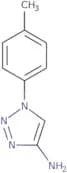
Discontinued product1-(4-Methylphenyl)-1H-1,2,3-triazol-4-amine
CAS:Versatile small molecule scaffoldFormula:C9H10N4Purity:Min. 95%Molecular weight:174.2 g/molRef: 3D-XJC02317
Discontinued product2,2,2-Trifluoroethyl N-[3-fluoro-4-(1H-pyrazol-1-yl)phenyl]carbamate
CAS:Versatile small molecule scaffoldFormula:C12H9F4N3O2Purity:Min. 95%Molecular weight:303.21 g/molRef: 3D-EEC95905
Discontinued productMethyl 2-(hydroxymethyl)-4-methylpyrimidine-5-carboxylate
CAS:Versatile small molecule scaffold
Formula:C8H10N2O3Purity:Min. 95%Molecular weight:182.2 g/molRef: 3D-LUD63599
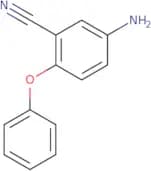
Discontinued product5-Amino-2-phenoxybenzonitrile
CAS:Versatile small molecule scaffold
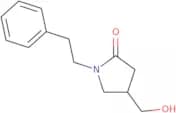
Formula:C13H10N2OPurity:Min. 95%Molecular weight:210.23 g/mol4-(Hydroxymethyl)-1-(2-phenylethyl)pyrrolidin-2-one
CAS:Versatile small molecule scaffold
Formula:C13H17NO2Purity:Min. 95%Molecular weight:219.28 g/molRef: 3D-ELB23782
Discontinued product4-(4-Aminophenyl)-1-methyl-1H-pyrazolo[3,4-b]pyridine-3-carboxylic acid
CAS:Versatile small molecule scaffoldFormula:C14H12N4O2Purity:Min. 95%Molecular weight:268.27 g/molRef: 3D-EEC70466
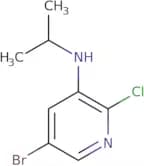
Discontinued product5-Bromo-2-chloro-N-(propan-2-yl)pyridin-3-amine
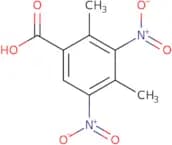
CAS:Versatile small molecule scaffoldFormula:C8H10BrClN2Purity:Min. 95%Molecular weight:249.53 g/mol2,4-Dimethyl-3,5-dinitrobenzoic acid
CAS:Versatile small molecule scaffold
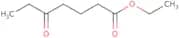
Formula:C9H8N2O6Purity:Min. 95%Molecular weight:240.17 g/molEthyl 5-oxoheptanoate
CAS:Ethyl 5-oxoheptanoate is a clear, colorless liquid that can be synthesized by reacting benzene with acetone. The synthesis of ethyl 5-oxoheptanoate is an example of a Friedel-Crafts reaction. This chemical is soluble in organic solvents such as acetone and cyclohexane and has low toxicity. It can be used as a reagent for the preparation of esters from alcohols, phenols, or carboxylic acids. Ethyl 5-oxoheptanoate can also be used to prepare resorcinol, which is a precursor to polymers and dyes, by hydrogenation of the molecule. Preparative methods are often used to produce this product because it has limited solubility in water.
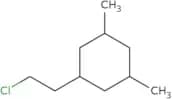
Formula:C9H16O3Purity:Min. 95%Molecular weight:172.22 g/mol1-(2-Chloroethyl)-3,5-dimethylcyclohexane
CAS:Versatile small molecule scaffold
Formula:C10H19ClPurity:Min. 95%Molecular weight:174.71 g/molRef: 3D-VAA67816
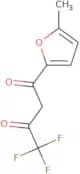
Discontinued product4,4,4-Trifluoro-1-(5-methylfuran-2-yl)butane-1,3-dione
CAS:Versatile small molecule scaffold
Formula:C9H7F3O3Purity:Min. 95%Molecular weight:220.14 g/molRef: 3D-EGB34239
Discontinued product2-Phenylbutan-1-amine HCl
CAS:Versatile small molecule scaffold
Formula:C10H15N·HClPurity:Min. 95%Molecular weight:185.7 g/molRef: 3D-VAA56945
Discontinued product2-(5-Methyl-1H-pyrazol-1-yl)aniline
CAS:Versatile small molecule scaffold
Formula:C10H11N3Purity:Min. 95%Molecular weight:173.21 g/molRef: 3D-CWB58305
Discontinued product6-Methyl-3,4-dihydro-2H-pyrido[3,2-b][1,4]oxazine
CAS:Versatile small molecule scaffold
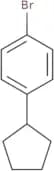
Formula:C8H10N2OPurity:Min. 95%Molecular weight:150.18 g/mol1-Bromo-4-cyclopentylbenzene
CAS:1-Bromo-4-cyclopentylbenzene (1-BCPB) is a chlorinated aromatic compound that can be synthesized by reacting 1-bromo-4-chlorobenzene and cyclopentylmagnesium bromide. The reaction sequence begins with the addition of hydrochloric acid to the first reactant, followed by magnesium chloride and ether. The mixture is heated to produce a liquid solution of ethylhexyloxy pyridine, which reacts with the second reactant in a sequence that leads to the desired product. 1-BCPB is used as an intermediate in organic synthesis. It has been shown to have moderate interaction with paraldehyde and pyridinium salts at room temperature, but it does not react with cycloalkyls or pyridinium salts at elevated temperatures.
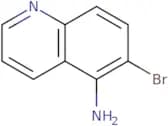
Formula:C11H13BrPurity:Min. 95%Molecular weight:225.13 g/mol5-Amino-6-bromoquinoline
CAS:Versatile small molecule scaffold
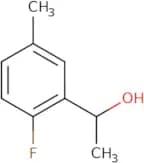
Formula:C9H7BrN2Purity:Min. 95%Molecular weight:223.07 g/mol1-(2-Fluoro-5-methylphenyl)ethan-1-ol
CAS:Versatile small molecule scaffoldFormula:C9H11FOPurity:Min. 95%Molecular weight:154.18 g/molRef: 3D-LLB21808
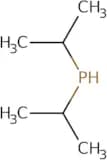
Discontinued productDiisopropylphosphine, 10wt.% in hexane
CAS:Please enquire for more information about Diisopropylphosphine, 10wt.% in hexane including the price, delivery time and more detailed product information at the technical inquiry form on this page
Formula:C6H15PPurity:Min. 95%Molecular weight:118.16 g/molRef: 3D-VAA49153
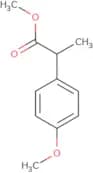
Discontinued productMethyl 2-(4-methoxyphenyl)propanoate
CAS:Versatile small molecule scaffold
Formula:C11H14O3Purity:Min. 95%Molecular weight:194.23 g/mol2-Bromo-5-fluoro-4-methoxybenzoic acid
CAS:Versatile small molecule scaffold
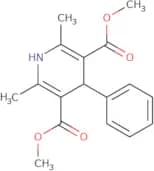
Formula:C8H6BrFO3Purity:Min. 95%Molecular weight:249.03 g/molDimethyl 2,6-dimethyl-4-phenyl-1,4-dihydropyridine-3,5-dicarboxylate
CAS:Dimethyl 2,6-dimethyl-4-phenyl-1,4-dihydropyridine-3,5-dicarboxylate is a radioligand that binds to calcium channels. It is used as a radioligand in binding studies to determine the affinity of various drugs for specific types of calcium channels. Dimethyl 2,6-dimethyl-4-phenyl-1,4-dihydropyridine 3,5 dicarboxylate has been shown to bind specifically to a particular class of calcium channel antagonists (i.e., monosubstituted) and can be used as a pharmacological probe for the study of these compounds.Formula:C17H19NO4Purity:Min. 95%Molecular weight:301.34 g/molRef: 3D-VCA67778
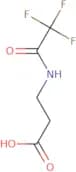
Discontinued product3-(Trifluoroacetamido)propanoic acid
CAS:Versatile small molecule scaffold
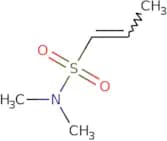
Formula:C5H6F3NO3Purity:Min. 95%Molecular weight:185.1 g/molN,N-Dimethylprop-1-ene-1-sulfonamide
CAS:Versatile small molecule scaffold
Formula:C5H11NO2SPurity:Min. 95%Molecular weight:149.2 g/molRef: 3D-VCA78500
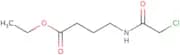
Discontinued productEthyl 4-(2-chloroacetamido)butanoate
CAS:Versatile small molecule scaffold
Formula:C8H14ClNO3Purity:Min. 95%Molecular weight:207.65 g/molRef: 3D-TMA27137
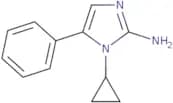
Discontinued product1-Cyclopropyl-5-phenyl-1H-imidazol-2-amine
CAS:Versatile small molecule scaffold
Formula:C12H13N3Purity:Min. 95%Molecular weight:199.25 g/molRef: 3D-TLB80162
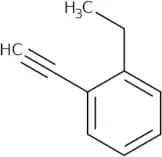
Discontinued product1-Ethyl-2-ethynylbenzene
CAS:1-Ethyl-2-ethynylbenzene is an indene that can be synthesized by the reaction of 1-ethylbenzene with ethynylmagnesium bromide and trifluoroacetyl chloride. 1-Ethyl-2-ethynylbenzene reacts as a nucleophile with electrophiles, such as phenylsulfonyl and acetylene compounds, to form sulfones and acetylenes. It can also react with tetrafluoroborates to form indenes.
Formula:C10H10Purity:Min. 95%Molecular weight:130.19 g/molRef: 3D-ADA65949
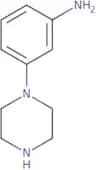
Discontinued product3-(Piperazin-1-yl)aniline
CAS:Versatile small molecule scaffold
Formula:C10H15N3Purity:Min. 95%Molecular weight:177.25 g/mol1-[3-(Hydroxymethyl)phenyl]ethan-1-one
CAS:Versatile small molecule scaffold
Formula:C9H10O2Purity:Min. 95%Molecular weight:150.17 g/molRef: 3D-AFA60406
Discontinued product1-(6-Chloro-4-pyrimidinyl)indoline
CAS:Versatile small molecule scaffold
Formula:C12H10ClN3Purity:Min. 95%Molecular weight:231.69 g/molRef: 3D-TLA29233
Discontinued product2-[(1-Methyl-5-phenyl-1H-imidazol-2-yl)sulfanyl]acetic acid
CAS:Versatile small molecule scaffoldFormula:C12H12N2O2SPurity:Min. 95%Molecular weight:248.3 g/molRef: 3D-MTA06714
Discontinued product5-(Propan-2-yl)-4,5,6,7-tetrahydro-1-benzothiophene-2-carboxylic acid
CAS:Versatile small molecule scaffold
Formula:C12H16O2SPurity:Min. 95%Molecular weight:224.32 g/molRef: 3D-TDC98874
Discontinued product4-[2-(3-Nitrophenyl)diazen-1-yl]phenol
CAS:Versatile small molecule scaffoldFormula:C12H9N3O3Purity:Min. 95%Molecular weight:243.22 g/molRef: 3D-GTB83534
Discontinued product2-(1-Ethyl-1H-1,2,3-triazol-4-yl)ethan-1-amine
CAS:Versatile small molecule scaffold
Formula:C6H12N4Purity:Min. 95%Molecular weight:140.19 g/molRef: 3D-LKC96014
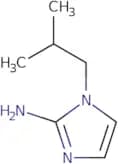
Discontinued product1-(2-Methylpropyl)-1H-imidazol-2-amine
CAS:Versatile small molecule scaffold
Formula:C7H13N3Purity:Min. 95%Molecular weight:139.2 g/molRef: 3D-JXB01789
Discontinued product6-[3-(3-Chlorophenyl)-1,2,4-oxadiazol-5-yl]-2,3-dihydropyridazin-3-one
CAS:Versatile small molecule scaffold
Formula:C12H7ClN4O2Purity:Min. 95%Molecular weight:274.66 g/molRef: 3D-VEC59761
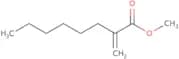
Discontinued productMethyl 2-methylideneoctanoate
CAS:Versatile small molecule scaffold
Formula:C10H18O2Purity:Min. 95%Molecular weight:170.25 g/molRef: 3D-DAA61840
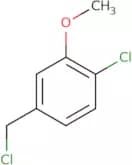
Discontinued product1-Chloro-4-(chloromethyl)-2-methoxybenzene
CAS:Versatile small molecule scaffold
Formula:C8H8Cl2OPurity:Min. 95%Molecular weight:191.05 g/molRef: 3D-NAA72618
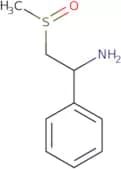
Discontinued product2-Methanesulfinyl-1-phenylethan-1-amine
CAS:Versatile small molecule scaffoldFormula:C9H13NOSPurity:Min. 95%Molecular weight:183.27 g/molRef: 3D-TDC83740
Discontinued productMethyl 3-[(6-chloropyridin-2-yl)sulfanyl]propanoate
CAS:Versatile small molecule scaffold
Formula:C9H10ClNO2SPurity:Min. 95%Molecular weight:231.7 g/molRef: 3D-TDC96753
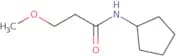
Discontinued productN-Cyclopentyl-3-methoxypropanamide
CAS:Versatile small molecule scaffoldFormula:C9H17NO2Purity:Min. 95%Molecular weight:171.2 g/molRef: 3D-TDC81079
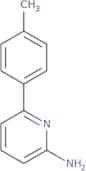
Discontinued product6-(p-Tolyl)pyridin-2-amine
CAS:Versatile small molecule scaffold
Formula:C12H12N2Purity:Min. 95%Molecular weight:184.24 g/molRef: 3D-EGA47928
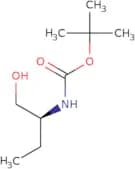
Discontinued productN-Boc-(S)-(ˆ’)-2-amino-1-butanol
CAS:Versatile small molecule scaffold
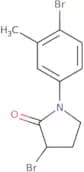
Formula:C9H19NO3Purity:Min. 95%Molecular weight:189.25 g/mol3-Bromo-1-(4-bromo-3-methylphenyl)pyrrolidin-2-one
CAS:Versatile small molecule scaffoldFormula:C11H11Br2NOPurity:Min. 95%Molecular weight:333.02 g/molRef: 3D-TDC73999
Discontinued productN-[3-(Dimethylamino)phenyl]acetamide
CAS:Versatile small molecule scaffold
Formula:C10H14N2OPurity:Min. 95%Molecular weight:178.23 g/molRef: 3D-HAA47495
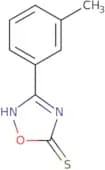
Discontinued product3-(3-Methylphenyl)-1,2,4-oxadiazole-5-thiol
CAS:Versatile small molecule scaffold
Formula:C9H8N2OSPurity:Min. 95%Molecular weight:192.24 g/molRef: 3D-TDC70058
Discontinued product2-(2-Methyl-1,3-thiazol-4-yl)-2-oxoacetic acid
CAS:Versatile small molecule scaffoldFormula:C6H5NO3SPurity:Min. 95%Molecular weight:171.2 g/molRef: 3D-XJC11960
Discontinued product1-(2-tert-Butyl-1,3-thiazol-4-yl)ethan-1-one
CAS:Versatile small molecule scaffold
Formula:C9H13NOSPurity:Min. 95%Molecular weight:183.27 g/molRef: 3D-TDC45616
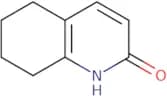
Discontinued product5,6,7,8-Tetrahydroquinolin-2(1H)-one
CAS:Tetrahydroquinolin-2(1H)-one is a hydrobromide that has been found in the environment as an environmental pollutant. Tetrahydroquinolin-2(1H)-one is used to synthesize amides and has been studied by single-crystal x-ray diffraction. The molecule is centrosymmetric, with a molecular weight of 244.06 g/mol. Tetrahydroquinolin-2(1H)-one can be used as a ligand for metals such as chlorine and magnesium. It does not dissolve in water but does dissolve in organic solvents such as ethers, chloroform, or benzene.
Formula:C9H11NOPurity:Min. 95%Molecular weight:149.19 g/molEthyl 1-amino-1-cyclobutanecarboxylate monohydrochloride
CAS:Ethyl 1-amino-1-cyclobutanecarboxylate monohydrochloride is a cyclic carbonyl compound that is used as a building block in organic synthesis. It has been used to synthesize a number of natural products, such as piperarborenine and cyclobutanes. This compound can be synthesized by reacting ethyl chloroformate with cyclobutanecarbaldehyde in the presence of an acid or base catalyst. The steric and geometric properties of this molecule are highlighted below.
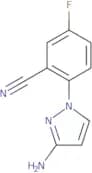
Formula:C2H5O2CC4H6NH2·HClPurity:Min. 95%Molecular weight:179.64 g/mol2-(3-Amino-1H-pyrazol-1-yl)-5-fluorobenzonitrile
CAS:Versatile small molecule scaffold
Formula:C10H7FN4Purity:Min. 95%Molecular weight:202.19 g/molRef: 3D-TDC36347
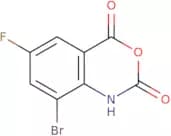
Discontinued product8-Bromo-6-fluoro-2,4-dihydro-1H-3,1-benzoxazine-2,4-dione
CAS:Versatile small molecule scaffold
Formula:C8H3BrFNO3Purity:Min. 95%Molecular weight:260.02 g/molRef: 3D-TDC35994
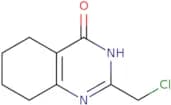
Discontinued product2-(Chloromethyl)-5,6,7,8-tetrahydroquinazolin-4(3H)-one
CAS:Versatile small molecule scaffold
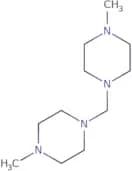
Formula:C9H11ClN2OPurity:Min. 95%Molecular weight:198.65 g/molBis(4-methylpiperazin-1-yl)methane
CAS:Versatile small molecule scaffold
Formula:C11H24N4Purity:Min. 95%Molecular weight:212.34 g/molRef: 3D-TAA73933
Discontinued product2-[(4-Bromophenyl)sulfanyl]-2-methylpropanoic acid
CAS:Versatile small molecule scaffold
Formula:C10H11BrO2SPurity:Min. 95%Molecular weight:275.16 g/molRef: 3D-TAA52716
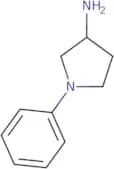
Discontinued product3-Pyrrolidinamine, 1-phenyl-
CAS:Versatile small molecule scaffold
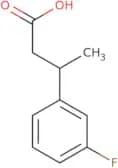
Formula:C10H14N2Purity:Min. 95%Molecular weight:162.23 g/mol3-(3-Fluorophenyl)butanoic acid
CAS:Versatile small molecule scaffold
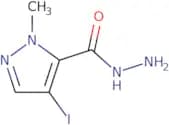
Formula:C10H11FO2Purity:Min. 95%Molecular weight:182.19 g/mol4-Iodo-1-methyl-1H-pyrazole-5-carbohydrazide
CAS:Versatile small molecule scaffold
Formula:C5H7IN4OPurity:Min. 95%Molecular weight:266.04 g/molRef: 3D-MVA81000
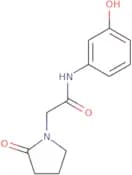
Discontinued productN-(3-Hydroxyphenyl)-2-(2-oxopyrrolidin-1-yl)acetamide
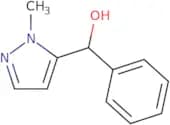
CAS:Controlled ProductN-(3-Hydroxyphenyl)-2-(2-oxopyrrolidin-1-yl)acetamide is a research tool that is used as an activator or ligand to study the function of receptors, ion channels and other proteins. It binds to cell surface receptors and activates them by mimicking the endogenous ligands. This compound has been shown to be a high purity reagent with protein interactions.Formula:C12H14N2O3Purity:Min. 95%Molecular weight:234.25 g/mol(1-Methyl-1H-pyrazol-5-yl)(phenyl)methanol
CAS:Versatile small molecule scaffold
Formula:C11H12N2OPurity:Min. 95%Molecular weight:188.23 g/molRef: 3D-HBA50065
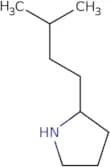
Discontinued product2-(3-Methylbutyl)pyrrolidine
CAS:Versatile small molecule scaffold
Formula:C9H19NPurity:Min. 95%Molecular weight:141.25 g/molRef: 3D-SRB80769
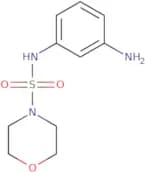
Discontinued productN-(3-Aminophenyl)morpholine-4-sulfonamide
CAS:Versatile small molecule scaffold
Formula:C10H15N3O3SPurity:Min. 95%Molecular weight:257.31 g/molRef: 3D-SRB65603
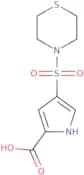
Discontinued product4-(Thiomorpholine-4-sulfonyl)-1H-pyrrole-2-carboxylic acid
CAS:Controlled Product4-(Thiomorpholine-4-sulfonyl)-1H-pyrrole-2-carboxylic acid is a peptide that belongs to the class of sulfonamides. It is an activator of ion channels and receptors, which may be useful in the study of life sciences and pharmacology. This compound has been shown to inhibit protein interactions by binding to receptor sites on cells and ligand sites on proteins. 4-(Thiomorpholine-4-sulfonyl)-1H-pyrrole-2-carboxylic acid also binds to the antibody, which enhances the immune response in animals by increasing the production of antibodies against bacterial antigens.
Formula:C9H12N2O4S2Purity:Min. 95%Molecular weight:276.3 g/mol2-(Pyrrolidin-3-yl)ethanol hydrochloride
CAS:Versatile small molecule scaffoldFormula:C6H13NO·HClPurity:Min. 95%Molecular weight:151.64 g/mol2-Bromo-3,3,3-trifluoro-1-propene
CAS:Controlled Product2-Bromo-3,3,3-trifluoro-1-propene is a chemical compound that has been synthesized in an asymmetric reaction. The reactant is bromopropane and the product is 2,2,2-trifluoropropene. The methylene group on the propene molecule is activated by the nucleophilic attack of a fluoride ion from hydrogen fluoride to form a cavity with a highly strained bond. The kinetic study of this reaction revealed that the activation energy for the reaction is 42 kJ/mol. Palladium-catalyzed coupling reactions are catalyzed by palladium and require nonpolar solvents such as toluene or dichloromethane. This type of reaction has been shown to be exothermic with an isolated yield of 1%.
Formula:C3H2BrF3Purity:Min. 95%Color and Shape:Colorless PowderMolecular weight:174.95 g/mol4,5-Dihydro-1H-imidazol-2-amine hydrochloride
CAS:Please enquire for more information about 4,5-Dihydro-1H-imidazol-2-amine hydrochloride including the price, delivery time and more detailed product information at the technical inquiry form on this page
Formula:C3H7N3•HClPurity:Min. 95%Molecular weight:121.57 g/molRef: 3D-FD183639
Discontinued product4-Chloro-2-hydroxy-6-methylphenylboronic acid
CAS:Versatile small molecule scaffoldFormula:C7H8BClO3Purity:Min. 95%Molecular weight:186.4 g/moltert-Butyl (2,2-difluoro-3-hydroxypropyl)carbamate
CAS:Versatile small molecule scaffoldFormula:C10H13NO4Purity:Min. 95%Molecular weight:211.21 g/mol1-Hydroxycyclopentane-1-carbonitrile
CAS:1-Hydroxycyclopentane-1-carbonitrile is a monomer that is hydrolyzed to form benzoin and cyanohydrins. It can be used in the production of scifinder as a monomer or dimerizer.
Formula:C6H9NOPurity:Min. 95%Molecular weight:111.14 g/mol8-Bromo-2-methylimidazo[1,2-a]pyridine
CAS:Versatile small molecule scaffold
Formula:C8H7N2BrPurity:Min. 95%Molecular weight:211.05 g/mol3-Hydroxy-5-methylpyridine
CAS:3-Hydroxy-5-methylpyridine (3HMP) is a chemical substance that has been classified as an amine. It is a product of the metabolism of purines, which are nitrogenous bases found in DNA and RNA. 3HMP is produced by aerogenic bacteria (such as Enterobacter), and can be used to estimate the number of these bacteria present in water samples. 3HMP has been shown to have antiviral properties against influenza virus, and can be used as a biomarker for the presence of other viruses in animals. 3HMP also has mineralization properties, which have been studied extensively, particularly with regards to pancreatic disease.
Formula:C6H7NOPurity:Min. 95%Color and Shape:PowderMolecular weight:109.13 g/molRef: 3D-FH16174
Discontinued product4,5-Dihydroxy-2,3-Pentanedione
CAS:4,5-Dihydroxy-2,3-pentanedione is a carbonyl compound that is the product of the oxidation of ascorbic acid. It is used in wastewater treatment and has antimicrobial properties against infectious diseases. This compound has been shown to inhibit protein synthesis by binding to the ribosome and preventing the formation of peptide bonds between amino acids. 4,5-Dihydroxy-2,3-pentanedione has also been shown to bind to plasma proteins, which may be due to its acyl chain structure. 4,5-Dihydroxy-2,3-pentanedione can be synthesized in a catalytic mechanism that involves dehydroascorbic acid and molecular oxygen.
Formula:C5H8O4Purity:Min. 95%Color and Shape:PowderMolecular weight:132.11 g/molRef: 3D-FD180770
Discontinued productPiperyline
CAS:Piperyline is an alkanoic acid that has shown to be effective against skin cancer. It also has antimicrobial properties, which may be due to its ability to bind metal ions and form polymeric compounds. Piperyline inhibits microbial growth by inhibiting the synthesis of proteins and nucleic acids. The antimicrobial activity is related to its cationic polymerization with hydroxyl groups, which forms a structure that can inhibit microbial enzymes and disrupt microbial cell membranes. This compound also interacts with the skin's natural lipids, making it difficult for microorganisms to attach and grow on the skin. Piperyline is synthesized in organic chemistry laboratories as an amide precursor of other pharmaceuticals such as penicillin.
Formula:C16H17NO3Purity:Min. 95%Molecular weight:271.31 g/mol

![[3-(3-Propyl-1,2,4-oxadiazol-5-yl)phenyl]methanamine](/_next/image/?url=https%3A%2Fstatic.cymitquimica.com%2Fproducts%2F3D%2Fthumb-webp%2FJXB25246.webp&w=3840&q=75)
![3-[(4-Bromo-1H-pyrazol-1-yl)methyl]aniline hydrochloride](/_next/image/?url=https%3A%2Fstatic.cymitquimica.com%2Fproducts%2F3D%2Fthumb-webp%2FKXB48392.webp&w=3840&q=75)
![2,2,2-Trifluoroethyl N-[3-fluoro-4-(1H-pyrazol-1-yl)phenyl]carbamate](/_next/image/?url=https%3A%2Fstatic.cymitquimica.com%2Fproducts%2F3D%2Fthumb-webp%2FEEC95905.webp&w=3840&q=75)
![4-(4-Aminophenyl)-1-methyl-1H-pyrazolo[3,4-b]pyridine-3-carboxylic acid](/_next/image/?url=https%3A%2Fstatic.cymitquimica.com%2Fproducts%2F3D%2Fthumb-webp%2FEEC70466.webp&w=3840&q=75)

![6-Methyl-3,4-dihydro-2H-pyrido[3,2-b][1,4]oxazine](/_next/image/?url=https%3A%2Fstatic.cymitquimica.com%2Fproducts%2F3D%2Fthumb-webp%2FVAA56767.webp&w=3840&q=75)

![1-[3-(Hydroxymethyl)phenyl]ethan-1-one](/_next/image/?url=https%3A%2Fstatic.cymitquimica.com%2Fproducts%2F3D%2Fthumb-webp%2FAFA60406.webp&w=3840&q=75)

![2-[(1-Methyl-5-phenyl-1H-imidazol-2-yl)sulfanyl]acetic acid](/_next/image/?url=https%3A%2Fstatic.cymitquimica.com%2Fproducts%2F3D%2Fthumb-webp%2FMTA06714.webp&w=3840&q=75)

![4-[2-(3-Nitrophenyl)diazen-1-yl]phenol](/_next/image/?url=https%3A%2Fstatic.cymitquimica.com%2Fproducts%2F3D%2Fthumb-webp%2FGTB83534.webp&w=3840&q=75)

![6-[3-(3-Chlorophenyl)-1,2,4-oxadiazol-5-yl]-2,3-dihydropyridazin-3-one](/_next/image/?url=https%3A%2Fstatic.cymitquimica.com%2Fproducts%2F3D%2Fthumb-webp%2FVEC59761.webp&w=3840&q=75)
![Methyl 3-[(6-chloropyridin-2-yl)sulfanyl]propanoate](/_next/image/?url=https%3A%2Fstatic.cymitquimica.com%2Fproducts%2F3D%2Fthumb-webp%2FTDC96753.webp&w=3840&q=75)
![N-[3-(Dimethylamino)phenyl]acetamide](/_next/image/?url=https%3A%2Fstatic.cymitquimica.com%2Fproducts%2F3D%2Fthumb-webp%2FHAA47495.webp&w=3840&q=75)


![2-[(4-Bromophenyl)sulfanyl]-2-methylpropanoic acid](/_next/image/?url=https%3A%2Fstatic.cymitquimica.com%2Fproducts%2F3D%2Fthumb-webp%2FTAA52716.webp&w=3840&q=75)






![8-Bromo-2-methylimidazo[1,2-a]pyridine](/_next/image/?url=https%3A%2Fstatic.cymitquimica.com%2Fproducts%2F3D%2Fthumb-webp%2FUXB37475.webp&w=3840&q=75)


