Building Blocks
Subcategories of "Building Blocks"
- Boronic Acids & Boronic Acid Derivatives(5,786 products)
- Chiral Building Blocks(1,246 products)
- Hydrocarbon Building Blocks(6,107 products)
- Organic Building Blocks(61,079 products)
Found 205461 products of "Building Blocks"
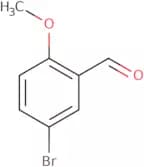
5-Bromo-2-methoxybenzaldehyde
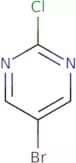
CAS:5-Bromo-2-methoxybenzaldehyde is a benzodiazepine receptor ligand that has been shown to have antiviral, antibacterial and anticancer properties. 5-Bromo-2-methoxybenzaldehyde is an inhibitor of the enzyme benzyl alcohol dehydrogenase (BAHD). BAHD plays an important role in the production of reactive oxygen species (ROS) by converting benzoic acid to benzoate, which is then converted to ROS. The inhibitory concentration values for 5-bromo-2-methoxybenzaldehyde are not yet known.Formula:C8H7BrO2Purity:Min. 95%Color and Shape:PowderMolecular weight:215.04 g/mol5-Bromo-2-chloropyrimidine
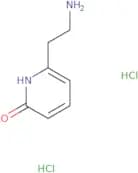
CAS:Intermediate in the synthesis of macitentan; building blockFormula:C4H2BrClN2Purity:Min. 95%Color and Shape:White PowderMolecular weight:193.43 g/mol6-(2-Aminoethyl)-1,2-dihydropyridin-2-one dihydrochloride
CAS:6-(2-Aminoethyl)-1,2-dihydropyridin-2-one dihydrochloride (CEP) is a versatile building block that is used in the research and development of complex compounds, reagents, and speciality chemicals. It is an intermediate for the production of other compounds that can be used in pharmaceuticals or agrochemicals. CEP has also been shown to be a useful scaffold for the synthesis of new compounds with potential applications as anti-cancer agents.Formula:C7H12Cl2N2OPurity:Min. 95%Color and Shape:PowderMolecular weight:211.09 g/mol2,5-Dimethyl-3-nitrobenzoic acid
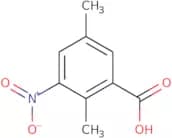
CAS:2,5-Dimethyl-3-nitrobenzoic acid is a versatile building block that can be used in the synthesis of a wide range of compounds. It is also an important intermediate for the synthesis of pharmaceuticals and other speciality chemicals. 2,5-Dimethyl-3-nitrobenzoic acid has been shown to be useful in the preparation of high quality fine chemicals and research chemicals. This compound has been found to be an excellent reagent for various chemical reactions.Formula:C9H9NO4Purity:Min. 95%Color and Shape:PowderMolecular weight:195.17 g/mol2,5-Dichlorobenzoic acid ethyl ester
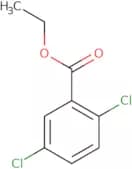
CAS:2,5-Dichlorobenzoic acid ethyl ester is a high quality, versatile building block that can be used as a reagent or intermediate. It is a useful scaffold for the synthesis of fine chemicals and research chemicals. This compound has been used in the synthesis of 2,5-dichloro-N-(2-hydroxyethyl)benzamide (CAS No. 35112-27-7), which is a speciality chemical with potential applications in pharmaceuticals and agrochemicals. 2,5-Dichlorobenzoic acid ethyl ester reacts with an amine to produce an N-[2-(2,5-dichlorophenyl)ethyl]amine (CAS No. 35112-27-7). The reaction proceeds via an amide bond formation by condensation of the amine with the acid chloride formed from the acid and ethyl chloride. This reaction is facilitated by heat andFormula:C9H8Cl2O2Purity:Min. 95%Color and Shape:PowderMolecular weight:219.06 g/mol3-Bromo-4-methoxybenzoic acid
CAS:3-Bromo-4-methoxybenzoic acid is a methyl ester of 3-bromo-4-methoxybenzoic acid. It is used as a reagent in organic synthesis, including the hydrolysis of esters and nitriles to acids and amines respectively. The compound is also used in the synthesis of 3-bromo-4-methoxybenzamide and other bromomethyl benzoates. The trifluoroacetic acid reacts with cuprous cyanide to form ethyl formate and methoxybenzoate, which reacts with thionyl chloride to form the chloride 3-bromo-4-methoxybenzoic acid. This compound can be demethylated by acetaldehyde or alkali metal hydroxides to give methyl formate and methanol. It can also react with acetonitrile to produce 3,3′,3″Formula:C8H7BrO3Purity:Min. 95%Color and Shape:PowderMolecular weight:231.04 g/molIndole-3-butyric acid
CAS:Plant hormone; auxin; inducer of root development; used in plant rooting
Formula:C12H13NO2Purity:Min 98%Color and Shape:White Yellow PowderMolecular weight:203.24 g/mol2,4-Dichlorobenzophenone
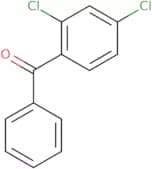
CAS:2,4-Dichlorobenzophenone has a molecular weight of 220.38 g/mol and a melting point of -7 °C. It is soluble in chloroform, benzene, ether, and acetone. The 2,4-dichlorobenzophenone has a cyclic structure with two reactive groups that can undergo desorption reactions. When the 2,4-dichlorobenzophenone is sulfated it becomes insoluble in water and isomerizes to 1-chloro-2,4-dichlorobenzene. This product can be used to make silicone products by reacting it with silicone oil.Formula:C13H8Cl2OPurity:Min. 95%Color and Shape:White PowderMolecular weight:251.11 g/mol2,6-Dihydroxy-4-methylbenzoic acid
CAS:2,6-Dihydroxy-4-methylbenzoic acid is a phenolic compound that has been shown to have significant cytotoxicity against cancer cells and may be used in the treatment of various cancers. It is also an endophytic fungus that has been found to produce significant desorption of chloride ions from soil. This compound can also be synthesized by reacting 2,6-dihydroxyphenylacetic acid with methyl iodide or methyl bromide. The reaction system for this synthesis includes concentrated hydrochloric acid, zinc dust, and ethyl acetate. The reaction solution was crystallized in the form of a white solid and the crystals were analyzed by X-ray crystallography to determine their structure. Photocatalytic activity was observed when using 2,6-dihydroxy-4-methylbenzoic acid as an electron donor in a reaction system containing titanium dioxide and hydrogen peroxide as an electron acceptor.Formula:C8H8O4Purity:Min. 98 Area-%Color and Shape:SolidMolecular weight:168.15 g/mol3,5-Diisopropyl-4-hydroxybenzoic acid
CAS:3,5-Diisopropyl-4-hydroxybenzoic acid is a white, crystalline compound that can be found as a dimer. It is soluble in solvents such as chloroform and ethers but insoluble in water. 3,5-Diisopropyl-4-hydroxybenzoic acid is used in the production of polyesters, polymers, and resins. This compound has been used to produce propofol and decarboxylating monomers for organic solvents. 3,5-Diisopropyl-4-hydroxybenzoic acid reacts with chloride ion at high temperatures to form chlorine gas and hydrogen chloride. The melting point of this compound is 169 degrees Celsius.Formula:C13H18O3Purity:Min. 95%Color and Shape:PowderMolecular weight:222.28 g/molBocNH-PEG4-CH2COOH
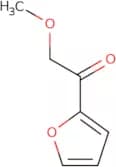
CAS:BocNH-PEG4-CH2COOH is a PEG compound with two different functional groups (also known as heterobifunctional). Unlike homobifunctional PEG compounds (same functional group on both ends), this type of compounds are more versatile as have two different anchor points. BocNH-PEG4-CH2COOH is used as a linker and spacer to add a PEG moiety, via pegylation (a bioconjugation technique) to proteins, peptides, oligonucleotides, small molecules and nanoparticles.Formula:C15H29NO8Purity:Min. 95%Color and Shape:Clear LiquidMolecular weight:351.39 g/mol1-(Furan-2-yl)-2-methoxyethan-1-one
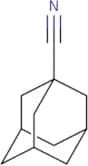
CAS:Versatile small molecule scaffoldFormula:C7H8O3Purity:Min. 95%Color and Shape:Clear LiquidMolecular weight:140.14 g/mol1-Adamantane carbonitrile
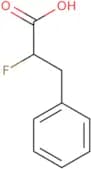
CAS:1-Adamantane carbonitrile is a compound that has been shown to have high binding constants to the covid-19 pandemic. The compound has been shown to be a good candidate for oxidation catalysts and radiation. 1-Adamantane carbonitrile is also a metastable molecule, which means it can exist in two different states with different energy levels. This compound has been found to bind to an endogenous enzyme, as well as being crystalline and having a coordination complex. It has been shown that 1-Adamantane carbonitrile reacts with hydrogen chloride and produces reactive intermediates such as hydrogen chloride. 1-Adamantane carbonitrile has also been shown to have antiviral properties against influenza virus with nmr spectra data showing the presence of this compound in the active site of the influenza virus.Formula:C11H15NPurity:Min. 96.0%Color and Shape:PowderMolecular weight:161.24 g/mol2-Fluoro-3-phenylpropanoic acid
CAS:Versatile small molecule scaffold
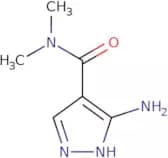
Formula:C9H9FO2Purity:Min. 95%Color and Shape:PowderMolecular weight:168.16 g/mol5-Amino-N,N-dimethyl-1H-pyrazole-4-carboxamide
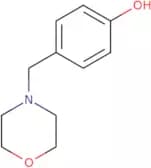
CAS:Versatile small molecule scaffoldFormula:C6H10N4OPurity:Min. 95%Color and Shape:PowderMolecular weight:154.17 g/mol4-(Morpholinomethyl)phenol
CAS:4-(Morpholinomethyl)phenol is a potent acetylcholinesterase inhibitor that binds to the active site of the enzyme and prevents its function. It has been shown to have inhibitory activity against acetylcholinesterase and may be used for the treatment of Alzheimer's disease. 4-(Morpholinomethyl)phenol is a competitive inhibitor and is structurally similar to galanthamine, an acetylcholinesterase inhibitor that has been used in the treatment of Alzheimer's disease.Formula:C11H15NO2Purity:Min. 95 Area-%Color and Shape:PowderMolecular weight:193.24 g/molEthyl homovanillate
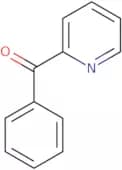
CAS:Inhibitor of monoamine oxidase AFormula:C11H14O4Purity:Min. 95%Color and Shape:Colorless PowderMolecular weight:210.23 g/mol2-Benzoylpyridine
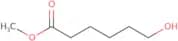
CAS:2-Benzoylpyridine is a novel, potent antimicrobial compound that kills bacteria by targeting the bacterial membrane. 2-Benzoylpyridine binds to the bacterial membrane and causes leakage of ions and other molecules that disrupts the cell's redox potential. It has been shown to be active against human colon adenocarcinoma cells in vitro, with significant cytotoxicity observed. 2-Benzoylpyridine also has a coordination geometry that allows for intermolecular hydrogen bonding, which may contribute to its high potency as an antimicrobial agent.Formula:C12H9NOPurity:Min. 99.0 Area-%Color and Shape:Slightly Yellow PowderMolecular weight:183.21 g/molMethyl 6-hydroxyhexanoate
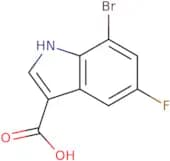
CAS:Methyl 6-hydroxyhexanoate is a reaction intermediate in the synthesis of glycol ethers and polycarboxylic acids. It is also used as a precursor for monoclonal antibodies for cancer therapy. Methyl 6-hydroxyhexanoate reacts with metal ions to form hydrogen bonds, which are important in the stabilization of the covalent bond between the two compounds. This reaction is catalyzed by an enzyme called lipase. The rate of this reaction is increased by adding glycosidation, which increases the number of hydrogen bonding sites on the compound. Methyl 6-hydoxyhexanoate can also be produced from methyl hydroxy and glycol ethers through a reaction that involves metal ion, glycosidation, and a lipase. The antigenicity of methyl 6-hydroxyhexanoate can be altered by changing its carboxyl group to a benzyl group.Formula:C7H14O3Purity:Min. 95%Molecular weight:146.18 g/mol7-Bromo-5-fluoro-1H-indole-3-carboxylic acid
CAS:Please enquire for more information about 7-Bromo-5-fluoro-1H-indole-3-carboxylic acid including the price, delivery time and more detailed product information at the technical inquiry form on this page
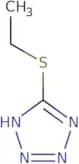
Formula:C9H5BrFNO2Purity:Min. 95%Color and Shape:PowderMolecular weight:258.04 g/mol5-Ethylthio-1H-tetrazole - Conductivity >30 uS/cm
CAS:5-Ethylthio-1H-tetrazole is a chloroformate that is used as an inhibitor of the cell membrane permeability. It can be prepared by the reaction of thiourea and ethyl bromoacetate in chloroform. This compound has been shown to inhibit the acidification of cells, which is caused by hydrogen ions leaking through the cell membrane. 5-Ethylthio-1H-tetrazole is also an inhibitor of RNA synthesis, which may be due to its ability to bind with nucleoside triphosphates and competitively inhibit ATPase activity. This product also has a luminescent property, which may be due to its ability to produce light upon oxidation in air or water.Formula:C3H6N4SColor and Shape:PowderMolecular weight:130.17 g/moltert-Butoxycarbonyl-L-leucine
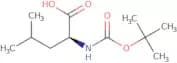
CAS:Tert-Butoxycarbonyl-L-leucine (tBOC-LL) is a tetrapeptide that is used as a drug substance in the synthesis of buserelin, a synthetic peptide hormone. It has been shown to have high reactivity in organic solvents and can be used in cationic polymerization reactions. tBOC-LL has been used to synthesize helical structures with high purity and yield. As it is not an amino acid, tBOC-LL does not occur naturally and must be synthesized.
Tert-Butoxycarbonyl-L-leucine (tBOC-LL) is available from Sigma Aldrich Chemie GmbH & Co KG as:Formula:C11H21NO4Purity:Min. 98 Area-%Color and Shape:White PowderMolecular weight:231.29 g/mol3-{[(Benzylsulfanyl)methanethioyl]sulfanyl}propanoic acid
CAS:3-{[(Benzylsulfanyl)methanethioyl]sulfanyl}propanoic acid are essential mediators for reversible addition-fragmentation chain transfer (RAFT) polymerization, common type of controlled radical polymerization.
Formula:C11H12O2S3Purity:Min. 95%Color and Shape:PowderMolecular weight:272.4 g/mol5-Amino-2-nitrobenzoic acid
CAS:5-Amino-2-nitrobenzoic acid is an organic compound that belongs to the class of versatile building block. It is a white solid that has been used as a research chemical, reagent, and specialty chemical for the synthesis of complex compounds and pharmaceuticals. 5-Amino-2-nitrobenzoic acid is also known as 2-amino-5-chlorobenzoic acid (ACBA). It is soluble in water, but insoluble in ethanol. The CAS number for this chemical is 13280-60-9.
Formula:C7H6N2O4Molecular weight:182.14 g/molRef: 3D-A-6802
-Unit-ggTo inquire1kgTo inquire100gTo inquire250gTo inquire500gTo inquire2500gTo inquire2-Phenylbutan-1-amine
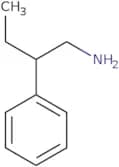
CAS:Controlled Product2-Phenylbutan-1-amine is an optical isomer of the more common 1-phenylbutan-2-amine. It has been used as a chiral building block in the synthesis of pharmaceuticals and industrial products. 2-Phenylbutan-1-amine selectively reacts with propionic acid to produce optically pure 2-(4-methoxyphenyl)propionic acid, which can be used in the production of fluoroquinolone antibiotics, such as flurbiprofen. 2-Phenylbutan-1-amine has also been studied for its ability to hydrolyze microorganisms and amides.Formula:C10H15NPurity:Min. 95%Color and Shape:PowderMolecular weight:149.23 g/mol2,3-Dichloro-N,N-dimethylquinoxaline-6-sulfonamide
CAS:2,3-Dichloro-N,N-dimethylquinoxaline-6-sulfonamide is a fine chemical that is used as a building block in the synthesis of various organic compounds. It has been shown to be an effective reagent for the synthesis of various complex compounds. This compound can be used as a reaction component in many chemical reactions and also as a versatile scaffold for synthesizing other molecules.Formula:C10H9Cl2N3O2SPurity:Min. 95%Color and Shape:PowderMolecular weight:306.17 g/molMethyl 4-(2-chloroethyl)benzoate
CAS:Versatile small molecule scaffold
Formula:C10H11ClO2Purity:Min. 95%Molecular weight:198.65 g/mol2-(Hydroxymethyl)-3,4-dihydroquinazolin-4-one
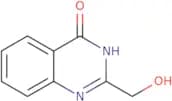
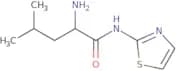
CAS:2-(Hydroxymethyl)-3,4-dihydroquinazolin-4-one is an organic compound that belongs to the group of quinazolines. It is a fine chemical with CAS No. 34637-40-6. This product is a versatile building block for synthesis of complex compounds and can be used as a reaction component in organic chemistry. 2-(Hydroxymethyl)-3,4-dihydroquinazolin-4-one is a useful intermediate in the preparation of various pharmaceuticals, including antibiotics and antihypertensives. It is also used as a reagent in the laboratory or as a speciality chemical.Formula:C9H8N2O2Purity:Min. 95%Color and Shape:PowderMolecular weight:176.17 g/mol2-Amino-4-methyl-N-(1,3-thiazol-2-yl)pentanamide
CAS:Versatile small molecule scaffold
Formula:C9H15N3OSPurity:Min. 95%Color and Shape:PowderMolecular weight:213.3 g/mol4-Amino-3-nitropyridine
CAS:4-Amino-3-nitropyridine is a molecule with the chemical formula C6H6N4O2. It is an organic compound that has been shown to have analgesic, antimicrobial, and antiviral properties. 4-Amino-3-nitropyridine has been shown to inhibit the growth of bacteria in vitro by reducing the ability of bacteria to synthesize DNA. It is not active against bacteria that use RNA as their genetic material. 4-Amino-3-nitropyridine also inhibits viral replication and may be useful in treating chronic pain, diabetic neuropathy, and other conditions related to nerve damage. This drug binds to chloride ions and nucleophilic functional groups on microbial metabolites, which prevents their conversion into other metabolites.Formula:C5H5N3O2Purity:Min. 95%Color and Shape:PowderMolecular weight:139.11 g/mol4-Acetoxyindole
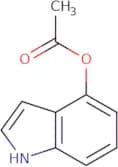
CAS:4-Acetoxyindole is a chromophore that belongs to the pyrrole family of compounds. It has been shown to react with an ionic liquid under acidic conditions to form a protonated intermediate, which can be deprotonated by a nucleophile. This reaction yields an acetate anion and a fluorescing product. 4-Acetoxyindole also reacts with deuterium gas, yielding an acetate, a deuterium atom, and fluorescing product. The reaction is reversible and the yield of the product depends on the concentration of the reactants. 4-Acetoxyindole has strong carbonyl groups that make it reactive towards other functional groups. These reactions are useful for synthesizing heterocycles such as indoles and isoquinolines.
Formula:C10H9NO2Purity:Min. 97 Area-%Color and Shape:White PowderMolecular weight:175.18 g/mol4-Acetoxystyrene, stabilized with TBC
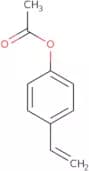
CAS:4-Acetoxystyrene is a monomer that belongs to the group of hydroxylated styrenes. It is stabilized with TBC, which protects the hydroxyl group from reactive substances such as hydrogen fluoride and hydrochloric acid. 4-Acetoxystyrene has a phase transition temperature of 130°C, high resistance to oxidation and reduction, and a high affinity for metal hydroxides. The molecule has been shown to scavenge anion radicals in the presence of hydrogen fluoride or hydrochloric acid and can be used as a hydrogenation catalyst in the palladium-catalyzed coupling reaction. It also has polymerization properties and copolymerizes with malonic acid to produce polyester resins. 4-Acetoxystyrene is also used in electrochemical impedance spectroscopy (EIS) studies, where it acts as an effective solvent for fatty acids.Formula:C10H10O2Purity:Min. 98 Area-%Color and Shape:Colorless Clear LiquidMolecular weight:162.19 g/mol3-Amino-adamantane-1-carboxylic hydrochloride
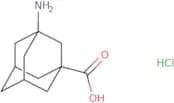
CAS:3-Amino-adamantane-1-carboxylic hydrochloride is a versatile building block that can be used as a research chemical, reagent, speciality chemical, and useful scaffold in the synthesis of various complex compounds. It is a high quality intermediate and reaction component that can be used in the synthesis of fine chemicals. 3-Amino-adamantane-1-carboxylic hydrochloride has a variety of uses due to its versatility and can be used in the production of pharmaceuticals, agrochemicals, dyes, plastics, perfumes, pesticides, herbicides, explosives, and more.
Formula:C11H17NO2•HClPurity:Min. 95%Color and Shape:PowderMolecular weight:231.72 g/molQuestiomycin A
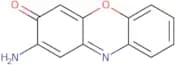
CAS:Questiomycin A is a sesquiterpene lactone that is an antimicrobial agent. It has been shown to modulate the immune system by inhibiting the production of cytokines and altering the expression of genes related to autoimmune diseases. Questiomycin A also inhibits cell growth in myeloma cells, which is due to its ability to inhibit dinucleotide phosphate (NADPH) reductase, an enzyme required for mitochondrial membrane potential maintenance and other cellular functions. In addition, questiomycin A has been shown to induce apoptosis in liver cells as well as carcinoma cell lines. This drug can also be used for body formation, as it stimulates bone growth and inhibits osteoclast activity.Formula:C12H8N2O2Purity:Min. 95 Area-%Color and Shape:PowderMolecular weight:212.2 g/mol5-Azaindole
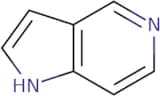
CAS:5-Azaindole is a heterocyclic compound that has been studied for its biological properties. It is a prodrug of trifluoroacetic acid, which can be used to treat metabolic disorders and autoimmune diseases. 5-Azaindole has also been shown to increase the expression of growth factor in cells, which may be useful in treating pain or bowel disease. This drug is metabolized by hydroxylation followed by conjugation with glucuronic acid and excretion in the urine. 5-Azaindole is also converted to an active form by enzymatic oxidation of a hydroxyl group and protonation on the nitrogen atom, as well as conversion to sorafenib (a drug used to inhibit tumor growth).Formula:C7H6N2Purity:Min. 95%Color and Shape:PowderMolecular weight:118.14 g/mol5-Chloro-indan-2-ylamine hydrochloride
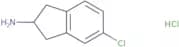
CAS:Controlled Product5-Chloro-indan-2-ylamine hydrochloride is a chemical that can be used as a building block in the synthesis of other chemicals. It is a reagent and useful scaffold in organic synthesis reactions, such as Friedel-Crafts reactions, and can be used to produce indenes. 5-Chloro-indan-2-ylamine hydrochloride is also an intermediate for the production of complex compounds, fine chemicals, and pharmaceuticals. The CAS number for this chemical is 73536-86-4.Formula:C9H10NCl·HClPurity:Min. 95%Color and Shape:PowderMolecular weight:204.09 g/mol4-tert-Butoxyphenylacetic acid
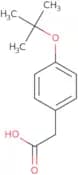
CAS:Ruthenium complexes of 4-tert-butoxyphenylacetic acid are catalysts that have been shown to be effective in the asymmetric synthesis of alcohols and terpyridines.
This complex has been shown to be a ligand for ruthenium metal, which is often used as a catalyst in organic reactions. The use of this catalyst has led to advances in the field of organic chemistry, specifically the synthesis of new oligomers.Formula:C12H16O3Purity:Min. 95%Color and Shape:PowderMolecular weight:208.25 g/mol1-(Bromomethyl)adamantane
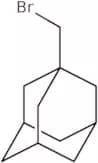
CAS:1-(Bromomethyl)adamantane is a synthetic chemical that is used in the preparation of other chemicals. The active site of 1-(bromomethyl)adamantane can be found on its bromine atom, which has been shown to react with copper. The regioselectivity is determined by the 1-position on adamantane, and the thermodynamic constants are affected by the carbon-halogen bond, which is present in 1-(bromomethyl)adamantane. This compound has been shown to have chromatographic properties that make it useful for separating compounds that are similar in structure. It can also be used as a reagent to synthesize other chemicals or prepare them for use in experiments.
Formula:C11H17BrPurity:Min. 95%Color and Shape:White PowderMolecular weight:229.16 g/mol1-(Chloromethyl)-3,5-diiodobenzene
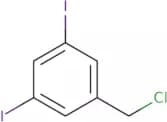
CAS:1-(Chloromethyl)-3,5-diiodobenzene is a versatile and high quality chemical building block that is useful for research purposes. It can be used as a reagent or speciality chemical in the synthesis of other compounds. This compound has been shown to be an intermediate for the synthesis of more complex compounds, such as pharmaceuticals, agrochemicals, and fine chemicals. 1-(Chloromethyl)-3,5-diiodobenzene has many uses in organic chemistry including as a reaction component or scaffold for the construction of complex molecules.Formula:C7H5ClI2Purity:Min. 95%Color and Shape:PowderMolecular weight:378.37 g/mol2,6-Dimethoxy-4-propylphenol
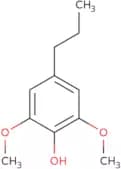
CAS:2,6-Dimethoxy-4-propylphenol is an organic solvent that is used in the synthesis of pharmaceuticals and agricultural chemicals. It is also a precursor for lignin, a natural polymer found in plants. 2,6-Dimethoxy-4-propylphenol can be converted to 2,6-dimethoxyphenol by hydrolysis with water vapor or an acid catalyst. The skeleton of 2,6-dimethoxy-4-propylphenol is a carbon chain with ether linkages that are susceptible to hydrolysis reactions. These reactions produce monomers and fatty acids.
Formula:C11H16O3Purity:Min. 95%Color and Shape:Clear LiquidMolecular weight:196.24 g/mol3,4-Furandimethanol
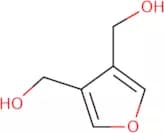
CAS:3,4-Furandimethanol is an antimicrobial agent that is used to treat skin and soft tissue infections. It belongs to the group of compounds called halogens and has a number of natural sources. The fluorescence properties make it a useful tool for biocatalysis, especially in Friedel-Crafts reactions. 3,4-Furandimethanol can be produced from hydrogen chloride, sulfuric acid, and diphenyl ether. This compound is also acetylated by acetic anhydride to produce 3,4-dihydroxymethylfuran (DHMF). 3,4-Furandimethanol has been shown to react with hydrogen sulfate in a polymerization reaction.Formula:C6H8O3Purity:Min. 95%Color and Shape:Clear LiquidMolecular weight:128.13 g/mol1-Bromo-2-methoxy-3-nitrobenzene
CAS:1-Bromo-2-methoxy-3-nitrobenzene is a high quality chemical that is used as a reagent and building block in organic synthesis. It is also a versatile intermediate and can be used in the synthesis of complex compounds. This chemical has been shown to have anti-inflammatory properties, which may be due to its inhibition of prostaglandin synthesis.Formula:C7H6BrNO3Purity:Min. 95%Color and Shape:PowderMolecular weight:232.03 g/mol[4-(tert-Butyl)phenyl]methanethiol
CAS:4-(tert-Butyl)phenyl methanethiol is a reagent that is used as an intermediate in the synthesis of more complex compounds. It has been shown to be a useful building block for the synthesis of a wide range of compounds, including speciality chemicals and research chemicals. This product can be used as a reaction component in the preparation of large quantities of fine chemicals, such as pharmaceuticals and agrochemicals. 4-(tert-Butyl)phenyl methanethiol is also commercially available as a fine chemical or research chemical.Formula:C11H16SPurity:Min. 95%Color and Shape:Clear LiquidMolecular weight:180.31 g/molEthyl 4-iodobenzoate
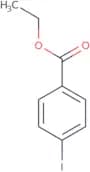
CAS:Ethyl 4-iodobenzoate is an amide that reacts with a variety of substances, including retinoic acid and pemetrexed. It is a reactive substance that can be used in the synthesis of other substances such as iron oxides and transfer mechanism. Ethyl 4-iodobenzoate is also used for the preparation of picolinic acid and crystalline structure. Radical coupling reactions are most common and involve halides, phenyl groups, and aryl halides. The reaction temperature ranges from room temperature to 100 ˚C, while the reaction mechanism varies depending on the type of coupling reaction.Formula:C9H9IO2Purity:Min. 95%Color and Shape:PowderMolecular weight:276.07 g/mol2-Ethyl-3,5-dimethylpyrazine
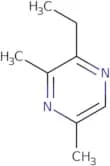
CAS:2-Ethyl-3,5-dimethylpyrazine (2E-DMP) is a fatty acid that is produced by the reaction of unsaturated ketones and fatty acids. 2E-DMP has been shown to have an inhibitory effect on the activity of kidney bean lipoxygenase. It also inhibits the growth of mammalian cells in culture. 2E-DMP has a molecular weight of 152.24, a melting point of -50 degrees Celsius, and a boiling point at 230 degrees Celsius. The compound has not been tested for carcinogenic or mutagenic effects in mammals or humans.Formula:C8H12N2Purity:Min. 95%Color and Shape:Clear LiquidMolecular weight:136.19 g/mol3-Bromo-4-iodobenzaldehyde
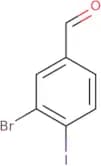
CAS:Versatile small molecule scaffoldFormula:C7H4BrIOPurity:Min. 95%Color and Shape:PowderMolecular weight:310.91 g/mol2,4,6-Trihydroxybenzophenone
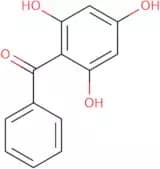
CAS:2,4,6-Trihydroxybenzophenone is a phenolic compound that has been shown to have significant inhibitory activities against the growth of bacteria in vitro. It can be used as a preservative for oils and fats. This product also inhibits the benzoate degradation pathway in E. coli and inhibits the synthesis of phenylpropanoids by inhibiting the activity of phenylalanine ammonia-lyase (PAL). 2,4,6-Trihydroxybenzophenone also has an inhibitory effect on cell proliferation and induces apoptosis in human leukemia cells. 2,4,6-Trihydroxybenzophenone belongs to the group of compounds called hypericins (hyperforin) that are produced by Hypericum perforatum plants. The biosynthesis of this molecule is thought to involve two consecutive hydroxylations at positions 4 and 6 on the aromatic ring.
Formula:C13H10O4Purity:Min. 95%Color and Shape:Off-White PowderMolecular weight:230.22 g/molTrans-methylisoeugenol
CAS:Trans-methylisoeugenol is a natural compound that has been shown to have anti-inflammatory, antioxidant, and immunomodulatory properties. It is a metabolite of isoeugenol, which is a constituent of the essential oils from plants such as angelica dahurica and eugenia caryophyllata. Trans-methylisoeugenol binds to the glucuronide conjugate receptor on the cell surface, leading to various effects including inflammatory responses. Trans-methylisoeugenol also inhibits the activity of enzymes such as benzalkonium chloride and eugenol that are responsible for inflammation. Molecular docking analysis predicts that trans-methylisoeugenol may bind to the same site on the receptor as benzalkonium chloride.Formula:C11H14O2Purity:Min. 90 Area-%Color and Shape:PowderMolecular weight:178.23 g/mol(1S,3S,5S)-2-Azabicyclo[3.1.0]hexane-3-carboxylic Acid
CAS:(1S,3S,5S)-2-Azabicyclo[3.1.0]hexane-3-carboxylic Acid is a crystalline compound in the form of a white solid with a melting point of 210°C and a molecular weight of 164.09 g/mol. It has been used to stabilize the helical conformation of l-proline and proline, which are amino acids that have been shown to inhibit the conformational changes in proteins that may lead to protein misfolding and aggregation. (1S,3S,5S)-2-Azabicyclo[3.1.0]hexane-3-carboxylic Acid also has structural properties that make it suitable for x-ray crystallography experiments as well as structural studies with dichroism or tetrameric techniques.Formula:C6H9NO2Purity:Min. 95%Molecular weight:127.14 g/mol4-Azidopiperidine hydrochloride
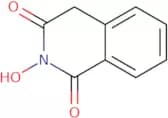
CAS:4-Azidopiperidine hydrochloride is a chemical compound that is used as a versatile building block in the synthesis of complex chemical compounds. It is also used as a reagent or speciality chemical, and has many applications in research, such as being an intermediate for the synthesis of other chemicals. 4-Azidopiperidine hydrochloride can be used to make useful building blocks, reaction components, and scaffolds for chemical reactions.Formula:C5H11ClN4Purity:Min. 95%Color and Shape:PowderMolecular weight:162.62 g/mol2-Hydroxyisoquinoline-1,3(2H,4H)-dione
CAS:2-Hydroxyisoquinoline-1,3(2H,4H)-dione (2HIQ) is a potent anti-viral agent that has been shown to inhibit the replication of viruses in cell cultures. 2HIQ inhibits viral replication by binding to the enzyme reverse transcriptase and inhibiting its ability to synthesize DNA from RNA. This drug also has inhibitory properties against human immunodeficiency virus type 1 (HIV-1) and hepatitis C virus (HCV). 2HIQ binds to the active site of the enzyme HIV reverse transcriptase, which is a key enzyme in viral replication. It also binds to HCV NS5B polymerase, which is an essential protein in HCV replication. These interactions lead to inhibition of viral replication and thus prevention of disease progression.Formula:C9H7NO3Purity:Min. 95%Color and Shape:Off-White To Brown SolidMolecular weight:177.16 g/mol7-Azaindole
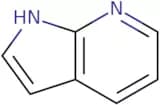
CAS:7-Azaindole is a reactive chemical that has been shown to be effective in the treatment of skin cancer, as well as hepatic steatosis. The compound can promote the transfer of hydrogen atoms and form a dimer with protonated nitrogen. 7-Azaindole reacts rapidly with nucleophiles such as amines, alcohols, and thiols to form covalent bonds. The reaction mechanism is characterized by an initial protonation step followed by nucleophilic attack or hydrogen transfer from the nucleophile to 7-azaindole. Kinetic studies have demonstrated that the rate of this reaction depends on the concentration of both reactants.
Formula:C7H6N2Color and Shape:PowderMolecular weight:118.14 g/mol3,4,5-Trimethoxycinnamic acid
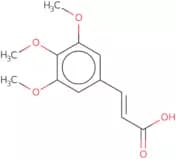
CAS:3,4,5-Trimethoxycinnamic acid (TMC) is a hydroxycinnamic acid that is an intermediate in the synthesis of protocatechuic acid. TMC has been found to have an inhibitory effect on the matrix metalloproteinase activity in the cerebellar granule cells and may be useful for treating allergic reactions. It also has anti-inflammatory properties and can be used as a replacement for sodium carbonate in certain industrial processes. TMC also has been shown to have GABA-ergic effects, increasing locomotor activity and reducing anxiety. TMC can also be used as a Chinese herb for the treatment of ganoderma lucidum.Formula:C12H14O5Purity:Min. 98 Area-%Color and Shape:PowderMolecular weight:238.24 g/mol2-Benzyl-1-methylpiperazine
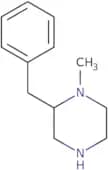
CAS:2-Benzyl-1-methylpiperazine is a versatile building block that can be used in the synthesis of other compounds. It is used as a reagent and building block in research, as well as a speciality chemical and useful scaffold for synthesizing new materials. 2-Benzyl-1-methylpiperazine has been shown to have usefulness in organic synthesis due to its ability to undergo both nucleophilic and electrophilic substitution reactions. It can also react with aldehydes to form ketones, or with alcohols to form ethers. This compound is also used as a reaction component for the synthesis of heterocycles or polymers.Formula:C12H18N2Purity:Min. 95%Color and Shape:Clear LiquidMolecular weight:190.28 g/mol4-Methoxybenzamide
CAS:4-Methoxybenzamide is a small molecule that has been shown to have anticancer activity in vitro and in vivo. It is a hydroxylated benzamide with an intramolecular hydrogen bond, which allows it to selectively bind to DNA at the C4' position of cytosine. The compound's anticancer effects are due to its ability to inhibit the transcription of genes involved in cancer cell proliferation and its ability to induce apoptosis via caspase activation. 4-Methoxybenzamide has been shown to be synergistic when used with other chemotherapeutics, such as cisplatin, doxorubicin or 5-fluorouracil. This drug also inhibits the uptake of these drugs by cancer cells, limiting their therapeutic effects on healthy tissues.
Formula:C8H9NO2Purity:Min. 95%Color and Shape:PowderMolecular weight:151.16 g/mol2-Bromo-4-nitrobenzonitrile
CAS:2-Bromo-4-nitrobenzonitrile is a chemical compound that can be used to study the relationship between genetic polymorphism and chromosome structure. This compound has been found to induce polyploidy in Brassica plants, which may have implications for the evolution of these species. 2-Bromo-4-nitrobenzonitrile also has been shown to be a useful marker for phylogenetic and ecological studies of Lepidium species. The compound is diploid in nature, but can be used as a matrix in tetraploid plants.Formula:C7H3BrN2O2Purity:Min. 95%Color and Shape:PowderMolecular weight:227.02 g/mol4-Amino-1-butanol
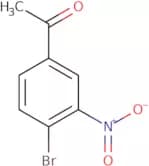
CAS:4-Amino-1-butanol is a natural compound that is not toxic to humans. It is amide with a hydrophilic interaction chromatography property, and has been shown to have hemolytic activity against human erythrocytes. 4-Amino-1-butanol has been shown to be an inhibitor of the HIV virus, with minimal toxicity. It has also been shown to inhibit the replication of the wild type virus in cells in vitro and in vivo, which is due to its ability to bind with the enzyme ethylene diamine. The inhibition of this enzyme leads to a reduction in biological activity of amines.Formula:C4H11NOPurity:Min. 95%Color and Shape:Slightly Yellow Clear LiquidMolecular weight:89.14 g/mol4-Bromo-3-nitroacetophenone - 90%
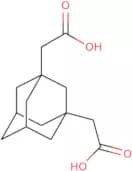
CAS:4-Bromo-3-nitroacetophenone is a chemical compound with the molecular formula C6H4BrNO2. It is an organic nitroaromatic compound that is used in organic synthesis as a building block for pharmaceuticals. 4-Bromo-3-nitroacetophenone has been shown to be effective in relieving pain and it has been used as an analgesic. The compound was synthesized by the Suzuki reaction, which involves the use of palladium as a catalyst, and thermogravimetric analysis showed that it hydrolyzes in water. 4-Bromo-3-nitroacetophenone also reacts with europium ion to produce phosphor, which can be observed using absorption spectroscopy. This chemical has also been shown to have an emission spectrum. The reaction product of 4-bromo-3-nitroacetophenone and ligands can be measured using various fields or cross coupling reactions.Formula:C8H6BrNO3Purity:Min. 95%Color and Shape:PowderMolecular weight:244.04 g/mol1,3-Adamantanediacetic acid
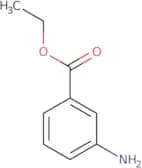
CAS:1,3-Adamantanediacetic acid is a linker molecule that is used in analytical chemistry. It is a bifunctional reagent that reacts with trifluoroacetic acid and triflic acid to form a chelate ring. This reaction product can be analyzed using analytical methods such as gas chromatography or nuclear magnetic resonance spectroscopy. 1,3-Adamantanediacetic acid has been shown to react with amides and hydrogen bonding interactions to form supramolecular structures. The introduction of this compound into the synthesis of peptides has allowed for the elucidation of the structural analysis of these molecules.Formula:C14H20O4Purity:Min. 98 Area-%Color and Shape:PowderMolecular weight:252.31 g/molEthyl 3-aminobenzoate
CAS:Ethyl 3-aminobenzoate is a chemical that is used as an anesthetic. It is administered intravenously and has been shown to have effects on the cardiovascular system, such as lowering blood pressure, decreasing heart rate and increasing the time it takes for the heart to recover after a contraction. Ethyl 3-aminobenzoate also affects the central nervous system by causing anesthesia and changes in brain function. Its effects are reversible with administration of naloxone or flumazenil.Formula:C9H11NO2Purity:Min. 95%Color and Shape:PowderMolecular weight:165.19 g/molMethyl 5-nitrosalicylate
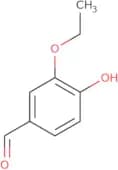
CAS:Methyl 5-nitrosalicylate is a chemical compound that belongs to the group of 4-hydroxycoumarin derivatives. It is an inhibitor of the reaction between salicylic acid and nitrous acid, inhibiting the formation of 5-nitrosalicylic acid. Methyl 5-nitrosalicylate has shown inhibitory activity against various nitro compounds, including benzofurans. The inhibitory effect on oxidation reactions may be due to its ability to act as a ligand and form coordination complexes with metal ions such as copper, zinc, and iron. Methyl 5-nitrosalicylate also has anti-inflammatory properties that are due to its ability to inhibit prostaglandin synthesis by blocking cyclooxygenase enzyme activity. Methyl 5-nitrosalicylate can be synthesized in a few ways. One method includes reacting methyl salicylate with nitrous acid in the presence of lightFormula:C8H7NO5Purity:Min. 95%Color and Shape:PowderMolecular weight:197.14 g/mol3-Ethoxy-4-hydroxybenzaldehyde
CAS:3-Ethoxy-4-hydroxybenzaldehyde is an active analogue of p-hydroxybenzoic acid that can be used in the synthesis of vanillin. 3-Ethoxy-4-hydroxybenzaldehyde is extracted from a reaction solution using solid phase microextraction, and can then be analyzed by gas chromatography/mass spectrometry to determine the concentration of vanillin. This compound has been shown to have a solubility in water, but not in organic solvents. 3-Ethoxy-4-hydroxybenzaldehyde has been found to inhibit cytochrome P450 activity and polyvinyl chloride production. This chemical compound has also been found to be toxic when inhaled or ingested, with no known toxicity studies for skin contact or eye contact.
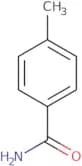
Formula:C9H10O3Purity:Min. 95%Color and Shape:White PowderMolecular weight:166.17 g/mol4-Methylbenzamide
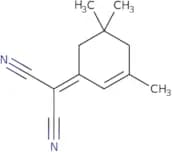
CAS:4-Methylbenzamide is a palladium complex that has been used in the synthesis of imatinib, a drug used to treat chronic myeloid leukemia. 4-Methylbenzamide has been shown to form a hydrogen bond with water molecules and also exhibits cavity effects. The cavity effect can be explained by intermolecular hydrogen bonding and the deuterium isotope effect. The deuterium isotope effect is observed when an atom of deuterium replaces an atom of hydrogen in a molecule. This substitution leads to reduced boiling point and increased solubility for the compound. 4-Methylbenzamide is also known for its inhibitory effects on p38 kinase, which are seen through titration calorimetry.Formula:C8H9NOPurity:Min. 95%Color and Shape:PowderMolecular weight:135.16 g/mol(3,5,5-Trimethylcyclohex-2-enylidene)malononitrile
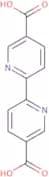
CAS:(3,5,5-Trimethylcyclohex-2-enylidene)malononitrile is a versatile compound that has various applications in different fields. It is commonly used as a research chemical and has shown promising results in the development of new medicaments. Its unique structure and properties make it an ideal candidate for further exploration.Formula:C12H14N2Purity:Min. 95%Molecular weight:186.25 g/mol2,2'-Bipyridine-5,5'-dicarboxylic acid
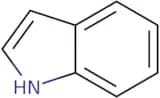
CAS:2,2'-Bipyridine-5,5'-dicarboxylic acid is an algal metabolite that has been shown to have a glucose sensor function. It is synthesized by Chlorella and other green algae in response to light and high concentrations of glucose. This compound can be used as a linker for the immobilization of fluorescent probes or luminescent probes. It also has a catalytic subunit that can be used in oxidation reactions at low temperatures with chloride as the oxidant. 2,2'-Bipyridine-5,5'-dicarboxylic acid is chemically stable and does not react with chloride or ligands. It can also be used as an oxidation catalyst for reactions at high temperatures.Formula:C12H8N2O4Color and Shape:White PowderMolecular weight:244.2 g/molIndole
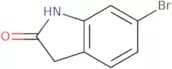
CAS:Indole is a nitrogen-containing heterocyclic aromatic organic compound. Copper chloride in the presence of trifluoroacetic acid and indole gives rise to an indolenine derivative, which reacts with nitrogen atoms to form a copper nitride. This reaction is used as a model system for biological properties of indole. Indolenine has been shown to have bone cancer prevention and treatment effects in mice, and may also be beneficial in autoimmune diseases and metabolic disorders, due to its ability to inhibit toll-like receptor signaling pathways. The wild-type strain has shown resistance to antibiotics, which can be overcome by using mutant strains that are resistant to antibiotic treatments.Formula:C8H7NPurity:Min. 95 Area-%Color and Shape:Off-White PowderMolecular weight:117.15 g/mol6-Bromo-2-oxindole
CAS:6-Bromo-2-oxindole is a crystalline compound with a molecular formula of C10H6BrO. It has been shown to have a high efficiency in the production of butyric acid and other organic acids. 6-Bromo-2-oxindole is also used in electron microscopy studies as an electron acceptor, and can be used for producing polymers with crystalline structures and dihedral angles. The compound has been shown to inhibit the growth of breast cancer cells by preventing the synthesis of mda-mb-231 breast cancer cells. It also has been shown to inhibit the production of isoindigo and morphology.
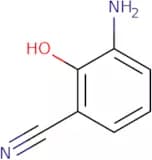
Formula:C8H6BrNOPurity:Min. 98 Area-%Color and Shape:PowderMolecular weight:212.04 g/mol3-Amino-2-hydroxybenzonitrile
CAS:3-Amino-2-hydroxybenzonitrile is a chemical that can be used as a building block in the synthesis of other compounds. It is also a versatile intermediate for organic synthesis and can be used for the production of pharmaceuticals, agrochemicals, and many other materials. 3-Amino-2-hydroxybenzonitrile is a white solid with a melting point of 203 degrees Celsius. It has high purity, low impurities, and a high quality.
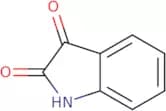
Formula:C7H6N2OPurity:Min. 95%Color and Shape:PowderMolecular weight:134.14 g/molIsatin
CAS:Isatin is a natural compound that can be found in the bark of the Cinchona tree. It has inhibitory properties against the enzyme polymerase chain reaction (PCR) and has been shown to have antimicrobial activity. Isatin also has an effect on 5-HT concentrations, which may be due to its ability to inhibit platelet aggregation and induce vasoconstriction. Isatin has been shown to have anticancer effects in vitro, and also inhibits cellular transformation by reducing DNA synthesis.
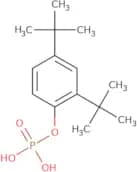
Formula:C8H5NO2Purity:Min. 98 Area-%Color and Shape:Red PowderMolecular weight:147.13 g/mol(2,4-Di-tert-butylphenoxy)phosphonic acid
CAS:(2,4-Di-tert-butylphenoxy)phosphonic acid is a fine chemical with CAS No. 18351-37-6. It is an intermediate for the production of other chemicals and can also be used as a reagent or speciality chemical. The compound is a versatile building block that can be used in the production of complex compounds with high quality and versatility. The compound has been shown to react with many functional groups, which makes it useful in research and development. (2,4-Di-tert-butylphenoxy)phosphonic acid is also a useful scaffold for the synthesis of pharmaceuticals.Formula:C14H23O4PPurity:Min. 95%Color and Shape:PowderMolecular weight:286.3 g/molPiperazine-1,4-bis(2-ethanesulfonic acid) disodium
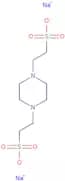
CAS:Piperazine-1,4-bis(2-ethanesulfonic acid) disodium (PIPES) is a conjugate that can be used as a catalyst in organic syntheses. PIPES is also used to modulate biological processes, such as the treatment of chronic pain. It has been shown to be an effective inhibitor of cholesterol esterase and gene product, which are enzymes associated with the development of Alzheimer's disease. PIPES has been shown to reduce axonal growth in vitro.Formula:C8H18N2O6S2•Na2Color and Shape:PowderMolecular weight:348.35 g/mol1-Hydroxyisoquinoline
CAS:1-Hydroxyisoquinoline is a molecule with a carbonyl group and is found in heart tissue. It has been proposed as a treatment for herpes simplex virus, but no studies have been done to confirm this. 1-Hydroxyisoquinoline can be prepared by reacting hydrochloric acid with sodium salts. This molecule also has the ability to inhibit cancer cells and may have potential as an anticancer agent. It also has anti-inflammatory properties, which may be due to its inhibition of prostaglandin synthesis. The mechanism of action for 1-hydroxyisoquinoline is not yet fully understood, but it inhibits the replication of DNA and RNA in cancer cells.Formula:C9H7NOPurity:Min. 98 Area-%Color and Shape:White PowderMolecular weight:145.16 g/mol4-[(1E)-3-Hydroxyprop-1-en-1-yl]phenol
CAS:4-[(1E)-3-Hydroxyprop-1-en-1-yl]phenol (4-HP) is a natural compound that belongs to the group of polyphenols. It is one of the main constituents of the plant extract, which is obtained from leaves of the plant Ferula communis. 4-HP has been shown to have antiinflammatory activity by inhibiting prostaglandin synthesis in 3T3-L1 preadipocytes. The synergic effect can be explained by a combination of its antioxidant and antiinflammatory properties. In an analytical method, 4-HP was found to be present in ferulic acid and p-hydroxybenzoic acid. 4-HP also inhibits dna polymerase activity and rna synthesis at low concentration levels. The mechanism of action may be due to the inhibition of bacterial dna gyrase and topoisomerase I, leading to bacterial cell death.Formula:C9H10O2Purity:Min. 95%Molecular weight:150.17 g/mol2-Pyridinepropanol
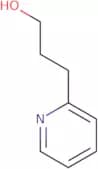
CAS:2-Pyridinepropanol is a tetranuclear compound that contains two nitrogen atoms and two silver ions. It has been shown to be an inhibitor of arthropoda development in the laboratory. 2-Pyridinepropanol also has potent inhibitory activity against the growth of bacteria, including Staphylococcus aureus and Pseudomonas aeruginosa. This compound was synthesized from 2-benzoylbenzoic acid, which is a product of the plant metabolism. The structure of this molecule was determined by X-ray crystallography and electrochemical studies.
2-Pyridinepropanol binds to the bacterial enzyme hydrogenase, which catalyzes the production of hydrogen gas, thereby inhibiting its activity (hydrogenase is an enzyme that catalyses the reduction of protons to hydrogen gas).Formula:C8H11NOPurity:Min. 95%Color and Shape:Colorless PowderMolecular weight:137.18 g/mol4-[(1E)-Prop-1-en-1-yl]phenol
CAS:Eugenol is a phenolic compound and the main active ingredient of clove oil. Eugenol has been shown to have antioxidant, anti-inflammatory, analgesic, and antimicrobial properties. It also inhibits the growth of cancer cells in vitro (mcf-7 cells). The mechanism of eugenol’s activity is not well understood. It may involve activation of adenine nucleotide levels by inhibiting the production of p-hydroxybenzoic acid or by increasing nucleotide levels by inhibiting the conversion to p-hydroxybenzoic acid. Eugenol also inhibits bacterial DNA gyrase and topoisomerase IV, which are enzymes that maintain the integrity of bacterial DNA. This inhibition leads to cell death by inhibiting protein synthesis. Eugenol has been shown to inhibit mineralization in petunia plants and may have a similar effect on human bone tissue.Formula:C9H10OPurity:90%Molecular weight:134.17 g/molEthyl 2-amino-4-methylthiophene-3-carboxylate
CAS:Ethyl 2-amino-4-methylthiophene-3-carboxylate (EMTC) is a cytotoxic agent. It inhibits the HIV virus by interfering with the synthesis of viral proteins. EMTC has been shown to be effective against cancer cells, but not against healthy cells. The cytotoxic effect of EMTC is related to its ability to inhibit DNA synthesis and RNA transcription in both normal and cancer cells, which leads to cell death.Formula:C8H11NO2SPurity:Min. 95%Color and Shape:PowderMolecular weight:185.24 g/mol2-Ethoxybenzamide
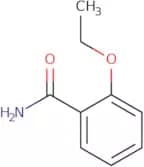
CAS:2-Ethoxybenzamide is a nonsteroidal anti-inflammatory drug that has been shown to inhibit the production of inflammatory prostaglandins. It is structurally similar to ethenzamide, an older drug in this class. 2-Ethoxybenzamide is used for the treatment of pain and inflammation, as well as for other conditions such as gout and rheumatoid arthritis. The molecular formula for 2-ethoxybenzamide is C6H11NO2 and its molecular weight is 169.21 grams per mole. It has a melting point of 75 degrees Celsius and a boiling point of 220 degrees Celsius at atmospheric pressure. This compound can be found in crystalline cellulose, analytical method, water vapor, experimental solubility data, wastewater treatment, ethylmalonic acid, human serum, structural analysis.Formula:C9H11NO2Purity:Min. 95%Color and Shape:White PowderMolecular weight:165.19 g/mol4'-Ethoxyacetophenone
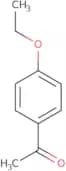
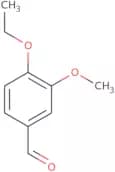
CAS:Anti-bacterial agent; reagent for polymerizationFormula:C10H12O2Purity:Min. 98 Area-%Color and Shape:Slightly Yellow PowderMolecular weight:164.2 g/mol4-Ethoxy-3-methoxybenzaldehyde
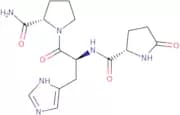
CAS:4-Ethoxy-3-methoxybenzaldehyde is an organic compound that can be found in plants, such as in the leaves of the nutmeg plant. It is a cleavage product of 4-hydroxycoumarin. 4-Ethoxy-3-methoxybenzaldehyde is a dicarboxylic acid by substructure and it has been shown to be an intermediate in the synthesis of ethylene acetal and hydrogen peroxide. It is also postulated to react with chloride to form 4-chloroacetophenone and chloride ions, which are then reacted with hydrogen peroxide to form hydrochloric acid. The acute toxicity of this compound has not been determined but it may cause toxic effects on extracellular cells, such as radical species. The toxicities of 4-ethoxy-3-methoxybenzaldehyde have been observed in biphenyl which causes skin irritation, liver toxicity, kidney damage, and respiratory irritationFormula:C10H12O3Purity:Min. 95%Color and Shape:PowderMolecular weight:180.2 g/molL-Pyroglutamyl-L-histidyl-L-prolinamide
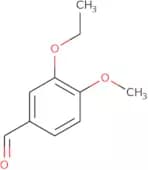
CAS:L-Pyroglutamyl-L-histidyl-L-prolinamide (PGC) is a pyrrolidine that is used for the treatment of neurologic disorders. It has been shown to be effective in treating depression and a number of other neurologic disorders, including Parkinson's disease, Alzheimer's disease, and epilepsy. PGC has also been shown to have an antidepressant effect in women with depression who are pregnant or have recently given birth. In addition, it has been found to be clinically effective in the treatment of symptoms associated with Parkinson’s Disease. PGC is not absorbed into the bloodstream and must be injected directly into muscle tissue or fat cells in order to produce its therapeutic effects.Formula:C16H22N6O4Purity:Min. 95%Color and Shape:White PowderMolecular weight:362.38 g/mol3-Ethoxy-4-methoxybenzaldehyde
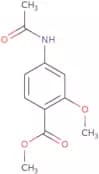
CAS:3-Ethoxy-4-methoxybenzaldehyde is a metabolite of the benzoquinone and 3-hydroxypropanoic acid pathway. It is an electron donor that serves as a substrate for fatty acid synthesis. This compound has been shown to have antiviral properties, as it inhibits the replication of influenza virus in vitro by interfering with viral RNA polymerase. It may also act as a regulatory molecule for uptake, although its precise role in this process is not yet known. 3-Ethoxy-4-methoxybenzaldehyde has been shown to be an optimal reactant with signal sequences from proteins, including biochemical pathways such as glycolysis and pentose phosphate shunt.Formula:C10H12O3Purity:Min. 95%Color and Shape:White PowderMolecular weight:180.2 g/molMethyl 4-acetamido-2-methoxybenzoate
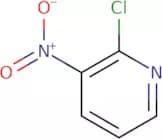
CAS:Methyl 4-acetamido-2-methoxybenzoate is a chemical compound that belongs to the group of heterocycles. It is a precursor to the imidazopyridine, imidazopyrazine and thiazolopyridine classes of drugs. The protonation of methyl 4-acetamido-2-methoxybenzoate has been shown experimentally to be an important factor in its biological activity, especially for its binding affinity for DNA. Methyl 4-acetamido-2-methoxybenzoate has been used as an inotropic agent and as an atypical antipsychotic drug.Formula:C11H13NO4Purity:Min. 95%Color and Shape:PowderMolecular weight:223.23 g/mol2-Chloro-3-nitropyridine
CAS:2-Chloro-3-nitropyridine is a nucleophilic compound that reacts with amines to form substituted amines. It can be synthesized by hydrolysis of chloroacetamide with hydrochloric acid and reacting the resulting ammonium chloride with nitrobenzene. The reactions are nucleophilic substitutions, which means it reacts at an electron rich atom such as the nitrogen in the ammonium chloride. This reaction is exothermic, meaning it releases heat, and the products are 2-chloro-3-nitropyridine and water. 2-Chloro-3-nitropyridine has been shown to inhibit α subunit of protein kinase C (PKCα) activity by binding to the PKCα ATP site. It also has been shown to react with proteins containing reactive sulfhydryl groups such as cysteine residues, forming sulfonamides or sulfoxides that may inhibit enzyme activity orFormula:C5H3ClN2O2Purity:Min. 95%Color and Shape:Slightly Yellow PowderMolecular weight:158.54 g/mol2-Bromo-4-hydroxyacetophenone
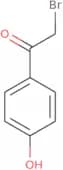
CAS:2-Bromo-4-hydroxyacetophenone is a membrane permeable inhibitor of monoamine oxidase (MAO) that has been shown to inhibit the enzyme's activity with an IC50 of 10 μM. It is used as a research tool in biological studies and has been shown to be active against MAO A, MAO B, and MAO C. 2-Bromo-4-hydroxyacetophenone has also been shown to inhibit the growth of carcinoma cells in vitro. This molecule is also a β-unsaturated ketone that binds to catalytic domains and forms covalent bonds with chloride ions. 2-Bromo-4-hydroxyacetophenone can be used as an industrial process catalyst for chemical reactions involving chloride.
2-Bromo-4-hydroxyacetophenone synergistically inhibits the growth of cancer cells when combined with other compounds such as trifluoroacetic acid or dichlorometFormula:C8H7BrO2Purity:(%) Min. 85%Color and Shape:PowderMolecular weight:215.04 g/mol5-Ethylindole
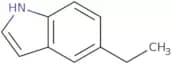
CAS:5-Ethylindole is a granulatimide that is synthesized by the cross-coupling of ethylene and copper chromite in the presence of solvents and magnesium. The chemical reactions are performed at temperatures between room temperature and 50°C, depending on the desired product. 5-Ethylindole is used as an intermediate for other chemicals such as pharmaceuticals, fungicides, dyes, and pesticides. It can be used to produce chloroethanol, which is used in the synthesis of numerous compounds including pharmaceuticals and plastics. Chromatographic techniques are often used to isolate 5-Ethylindole from mixtures with other chemicals.Formula:C10H11NPurity:Min. 95%Molecular weight:145.2 g/mol2-Amino-5-fluoropyridine
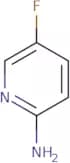
CAS:2-Amino-5-fluoropyridine is a precursor to the amino acid L-glutamic acid. It is used in organic synthesis as an acetylating agent and can be synthesized from ethyl bromoacetate and anhydrous sodium acetate. 2-Amino-5-fluoropyridine has shown efficacy in treating cancer, including leukemia cells. This compound also has allosteric modulator activity, which may be due to its ability to form hydrogen bonds with other molecules. The synthesis of 2-amino-5-fluoropyridine requires a chloride ion source that is not chlorinated, such as magnesium chloride or potassium chloride. The optimal reaction temperature is between 60°C and 80°C.Formula:C5H5FN2Purity:Min. 95%Color and Shape:White PowderMolecular weight:112.11 g/mol1-[3-(Trifluoromethyl)phenyl]-1H-1,2,3-triazole-4-carboxylic acid
CAS:1-[3-(Trifluoromethyl)phenyl]-1H-1,2,3-triazole-4-carboxylic acid (TFTCA) is a versatile building block used as a reagent in research and speciality chemical synthesis. TFTCA is used as a reactant in the synthesis of complex compounds and can be used as an intermediate or scaffold. The compound has been used to synthesize drugs such as 3,5-dichloro-N-(3-(trifluoromethyl)phenyl)-2-thiophenecarboxamide (PF23410), which is a potent inhibitor of protein kinase C.Formula:C10H6F3N3O2Purity:Min. 95%Color and Shape:PowderMolecular weight:257.17 g/mol7-Ethylindole
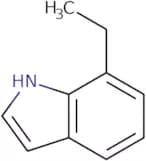
CAS:7-Ethylindole is a fatty acid with a cationic surfactant that belongs to the group of mesoporous materials. It has been synthesized by using chromatographic method and sample preparation techniques. The synthetic process is based on the protonation of 7-ethylindole. It undergoes dehydrogenation and activation energy, which is programmed in copper chromite. The chemical compositions are chloride, hydrogenated, and activated 7-ethylindole.Formula:C10H11NPurity:Min. 95%Molecular weight:145.2 g/mol3'-Bromoacetophenone
CAS:3'-Bromoacetophenone is a synthetic chemical that has been synthesized for the purpose of studying molecular orbitals and vibrational spectra. It is an enantiopure compound with a formyl group and an ethyl bromoacetate. The molecule has four nitrogen atoms and two methyl ketones, which are bonded to each other in the form of a ring. 3'-Bromoacetophenone can be used as a starting material in the synthesis of other compounds. It can also be used as a reagent to make carbon-carbon bonds in organic molecules. 3'-Bromoacetophenone has been shown to have optical properties that can be used for detection of light and fluorescence microscopy.Formula:C8H7BrOPurity:Min. 98.5 Area-%Color and Shape:Slightly Yellow Clear LiquidMolecular weight:199.04 g/molKojic acid dipalmitate
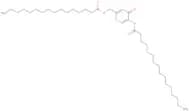
CAS:Tyrosinase inhibitor; skin whitener
Formula:C38H66O6Purity:(Hplc) Min. 98.5%Color and Shape:White Off-White PowderMolecular weight:618.93 g/mol4-Hydroxyindole
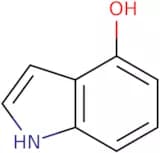
CAS:4-Hydroxyindole is an inorganic acid that is produced by the oxidation of 4-hydroxyphenylacetic acid. It is a metabolite of the synthetic cannabinoids, JWH-018 and JWH-073. The production of 4-hydroxyindole has been shown to be dependent on the presence of a nucleophilic attack on the diazonium salt, which leads to protonation. The fluorescence properties of this molecule are dependent on its hydroxyl group, which allows for detection using magnetic resonance spectroscopy. Hydrochloric acid can be used as an alternate solvent to produce 4-hydroxyindole from 4-hydroxyphenylacetic acid. 4-Hydroxyindole has been shown to have pharmacokinetic properties that are similar to those of THC, but it does not bind well to cannabinoid receptors or activate them.br> br> The structure of this molecule can be seen belowFormula:C8H7NOColor and Shape:White PowderMolecular weight:133.15 g/mol3-Methyl-4-(4,4,5,5-tetramethyl-1,3,2-dioxaborolan-2-yl)isoxazole
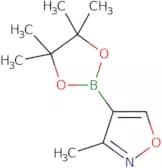
CAS:3-Methyl-4-(4,4,5,5-tetramethyl-1,3,2-dioxaborolan-2-yl)isoxazole is a fine chemical that belongs to the class of boron compounds. It can be used as a reagent or in the synthesis of other compounds. 3-Methyl-4-(4,4,5,5-tetramethyl-1,3,2-dioxaborolan-2-yl)isoxazole is an intermediate for the production of pharmaceuticals and agrochemicals. It can also be used as a building block in organic synthesis and a scaffold for the preparation of complex molecules.
Formula:C10H16BNO3Purity:Min. 95%Color and Shape:PowderMolecular weight:209.05 g/mol3-Methoxybenzoic acid
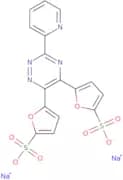
CAS:3-Methoxybenzoic acid is a compound that has two carboxyl groups, one on each of the two benzene rings. It is a white crystalline solid with a melting point of 86°C and a boiling point of 240°C at 1 mmHg. 3-Methoxybenzoic acid can be found in plants such as cranberries and strawberries. It also occurs naturally in animal fat, where it functions as an antioxidant and antimicrobial agent. 3-Methoxybenzoic acid has been shown to have synergistic effects when combined with protocatechuic acid in the treatment of carcinoma cells.Formula:C8H8O3Purity:Min. 95%Color and Shape:PowderMolecular weight:152.15 g/molFerene disodium salt
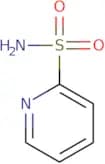
CAS:Ferene is an iron chelate that has been shown to have a number of beneficial effects on iron homeostasis. Ferene has been used in the treatment of chronic viral hepatitis, and it has also been shown to be effective against galleria mellonella. Ferene is a metal chelate, which means that it is a type of molecule that contains two metal ions. The metal ions are usually connected by a central atom, such as oxygen or nitrogen. Ferene disodium salt can be synthesized in the lab using the chemiluminescence method and polymerase chain reaction (PCR). It is also possible to isolate ferene from human serum or from a model system.Formula:C16H8N4Na2O8S2Purity:Min. 95 Area-%Color and Shape:Yellow PowderMolecular weight:494.37 g/molPyridine-2-sulfonamide
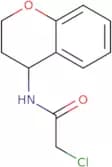
CAS:Pyridine-2-sulfonamide is a synthetic drug that has been shown to inhibit the growth of cancer cells. It binds to the endothelin-A receptor, which is found in many tissues including the heart, brain, and skin. This binding inhibits the binding of epidermal growth factor to its receptor. Pyridine-2-sulfonamide also inhibits pancreatitis by inhibiting the production of hydrogen ions from hydrochloric acid and reducing inflammation. This drug has been shown to be effective against HIV infection.Formula:C5H6N2O2SPurity:Min. 95%Color and Shape:PowderMolecular weight:158.18 g/mol2-Chloro-N-(3,4-dihydro-2H-1-benzopyran-4-yl)acetamide
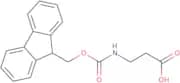
CAS:Versatile small molecule scaffoldFormula:C11H12ClNO2Purity:Min. 95%Color and Shape:PowderMolecular weight:225.67 g/molFmoc-beta-alanine
CAS:Fmoc-beta-alanine is a type of amino acid that is found in plants. It has been shown to have biological properties and can be used as an ingredient in food products. Fmoc-beta-alanine is also a chemical ligation agent that can be used for the synthesis of cyclic peptides and polypeptides. The compound has been shown to inhibit chloride ion channels, which may make it useful for the treatment of autoimmune diseases. Fmoc-beta-alanine is natural antibacterial and has been shown to increase the activity of urokinase-type plasminogen activator, which may make it useful for the treatment of cardiovascular diseases. Fmoc-beta-alanine is a sequence of amino acids found in wheat germ, as well as other plant families such as corn and rice. This compound binds to specific receptors and can be synthesized by solid phase synthesis on a resin column.Formula:C18H17NO4Purity:Min. 95%Color and Shape:PowderMolecular weight:311.33 g/mol2,4,6-Trihydroxybenzoic acid methyl ester
CAS:2,4,6-Trihydroxybenzoic acid methyl ester is a synthetic compound that has been used in animal studies to investigate the inflammatory effects of substances. It has been shown to have anti-inflammatory properties in vitro and in vivo. Furthermore, 2,4,6-Trihydroxybenzoic acid methyl ester has been shown to inhibit the production of tumour necrosis factor-α (TNF-α) and other cytokines. This drug also has anti-fungal activity against Candida albicans and Aspergillus fumigatus. 2,4,6-Trihydroxybenzoic acid methyl ester is biodegradable.
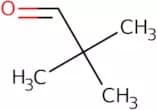
Formula:C8H8O5Purity:Min. 95%Color and Shape:PowderMolecular weight:184.15 g/molPivaldehyde
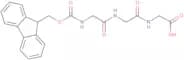
CAS:Intermediate in organic syntheses; stereoselective synthesisFormula:C5H10OPurity:Min. 95%Color and Shape:Colorless Clear LiquidMolecular weight:86.13 g/molFmoc-Gly-Gly-Gly-OH
CAS:Fmoc-gly-gly-gly-OH is a synthetic amino acid with the carboxylate group at the alpha position and an amide group at the beta position. It is a white solid that can be synthesized by reacting glycine ethyl ester with glyoxylic acid in a solvent such as chloroform. Fmoc-gly-gly-gly-OH has been used to study the binding of oxytocin to its receptor, which is important for regulating uterine contraction during childbirth. The compound also has potential applications in drug delivery, biotechnology, and medical research.Formula:C21H21N3O6Purity:Min. 95%Color and Shape:PowderMolecular weight:411.41 g/mol







![3-{[(Benzylsulfanyl)methanethioyl]sulfanyl}propanoic acid](/_next/image/?url=https%3A%2Fstatic.cymitquimica.com%2Fproducts%2F3D%2Fthumb-webp%2FXUA93176.webp&w=3840&q=75)





![[4-(tert-Butyl)phenyl]methanethiol](/_next/image/?url=https%3A%2Fstatic.cymitquimica.com%2Fproducts%2F3D%2Fthumb-webp%2FZBA54363.webp&w=3840&q=75)

![(1S,3S,5S)-2-Azabicyclo[3.1.0]hexane-3-carboxylic Acid](/_next/image/?url=https%3A%2Fstatic.cymitquimica.com%2Fproducts%2F3D%2Fthumb-webp%2FPIA19313.webp&w=3840&q=75)






![4-[(1E)-3-Hydroxyprop-1-en-1-yl]phenol](/_next/image/?url=https%3A%2Fstatic.cymitquimica.com%2Fproducts%2F3D%2Fthumb-webp%2FVAA64940.webp&w=3840&q=75)
![4-[(1E)-Prop-1-en-1-yl]phenol](/_next/image/?url=https%3A%2Fstatic.cymitquimica.com%2Fproducts%2F3D%2Fthumb-webp%2FVAA64939.webp&w=3840&q=75)

![1-[3-(Trifluoromethyl)phenyl]-1H-1,2,3-triazole-4-carboxylic acid](/_next/image/?url=https%3A%2Fstatic.cymitquimica.com%2Fproducts%2F3D%2Fthumb-webp%2FNEA93433.webp&w=3840&q=75)