Building Blocks
Subcategories of "Building Blocks"
- Boronic Acids & Boronic Acid Derivatives(5,781 products)
- Chiral Building Blocks(1,242 products)
- Hydrocarbon Building Blocks(6,101 products)
- Organic Building Blocks(61,038 products)
Found 205338 products of "Building Blocks"
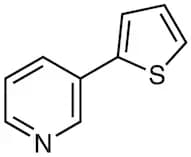
3-(2-Thienyl)pyridine
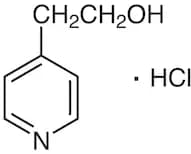
CAS:Formula:C9H7NSPurity:>98.0%(GC)Color and Shape:White to Yellow to Green clear liquidMolecular weight:161.224-Pyridineethanol Hydrochloride
CAS:Formula:C7H9NO·HClPurity:>98.0%(T)(HPLC)Color and Shape:White to Almost white powder to crystalMolecular weight:159.612-[[(Butylthio)carbonothioyl]thio]propanoic Acid
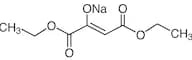
CAS:Formula:C8H14O2S3Purity:>95.0%(T)(HPLC)Color and Shape:Light yellow to Yellow powder to crystalMolecular weight:238.38Diethyl Oxalacetate Sodium Salt
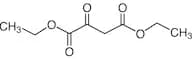
CAS:Formula:C8H11NaO5Purity:>95.0%(T)Color and Shape:White to Light yellow to Light orange powder to crystalMolecular weight:210.16Diethyl Oxalacetate
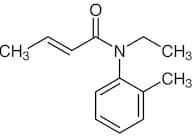
CAS:Formula:C8H12O5Purity:>95.0%(GC)Color and Shape:Colorless to Light yellow clear liquidMolecular weight:188.18N-Ethyl-o-crotonotoluidide
CAS:Formula:C13H17NOPurity:>95.0%(GC)Color and Shape:Colorless to Light yellow to Light orange clear liquidMolecular weight:203.292-(tert-Butyldimethylsilyl)thiazole
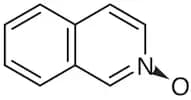
CAS:Formula:C9H17NSSiPurity:>97.0%(GC)Color and Shape:Colorless to Light orange to Yellow clear liquidMolecular weight:199.39Isoquinoline N-Oxide
CAS:Formula:C9H7NOPurity:>98.0%(T)(qNMR)Color and Shape:Light yellow to Yellow to Orange powder to crystalMolecular weight:145.16Benzo[b]furan-2-boronic acid
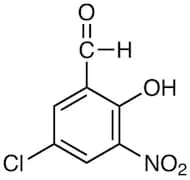
CAS:Benzo[b]furan-2-boronic acid is a potent matrix metalloproteinase inhibitor that can be used in the treatment of cancer. It is synthesized from 2-aminobenzofuran by using a Suzuki coupling reaction with boronic acid. Benzo[b]furan-2-boronic acid has been shown to inhibit MMP-1, MMP-13, and MMP-14. This compound also inhibits the activity of other proteases such as cathepsin G, elastase, and chymase. The compound has been shown to be cytotoxic against human breast cancer cells and colon cancer cells. In addition, this compound is fluorescent and its fluorescence has been shown to increase when it binds to cancer cells.Formula:C8H7BO3Purity:Min. 95%Color and Shape:White PowderMolecular weight:161.95 g/mol5-Chloro-3-nitrosalicylaldehyde
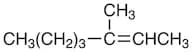
CAS:Formula:C7H4ClNO4Purity:>98.0%(GC)(T)Color and Shape:Light orange to Yellow to Green powder to crystalMolecular weight:201.563-Methyl-2-heptene (cis- and trans- mixture)
CAS:Formula:C8H16Purity:>95.0%(GC)Color and Shape:Colorless to Almost colorless clear liquidMolecular weight:112.222-Iodo-3-fluoronitrobenzene
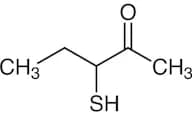
CAS:2-Iodo-3-fluoronitrobenzene is a chemical compound that is used as a building block for the synthesis of pharmaceuticals, agrochemicals and other organic compounds. It is also used as a reagent in organic synthesis. This compound can be used as a reactant to produce various products with different functional groups. 2-Iodo-3-fluoronitrobenzene has a high quality and versatility, which makes it useful in the synthesis of many different types of molecules.Formula:C6H3FINO2Purity:Min. 95%Color and Shape:White PowderMolecular weight:267 g/mol3-Mercapto-2-pentanone
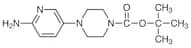
CAS:Formula:C5H10OSPurity:>97.0%(GC)(T)Color and Shape:Colorless to Almost colorless clear liquidMolecular weight:118.19tert-Butyl 4-(6-Amino-3-pyridyl)piperazine-1-carboxylate
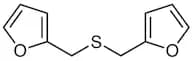
CAS:Formula:C14H22N4O2Purity:>98.0%(T)(HPLC)Color and Shape:White to Yellow to Green powder to crystalMolecular weight:278.36Difurfuryl Sulfide
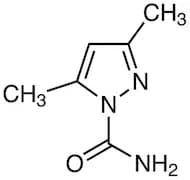
CAS:Formula:C10H10O2SPurity:>98.0%(GC)Color and Shape:White or Colorless to Yellow powder to lump to clear liquidMolecular weight:194.253,5-Dimethylpyrazole-1-carboxamide
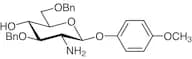
CAS:Formula:C6H9N3OPurity:>98.0%(GC)(T)Color and Shape:White to Almost white powder to crystalMolecular weight:139.164-Methoxyphenyl 2-Amino-3,6-di-O-benzyl-2-deoxy-β-D-glucopyranoside
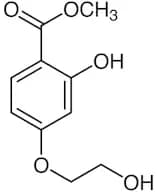
CAS:Formula:C27H31NO6Color and Shape:White to Almost white powder to crystalMolecular weight:465.55Methyl 4-(2-Hydroxyethoxy)salicylate
Formula:C10H12O5Purity:>98.0%(GC)Color and Shape:White to Light yellow to Light orange powder to crystalMolecular weight:212.20L-Alaninol
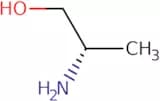
CAS:L-Alaninol is a natural amino acid that can be synthesized in an asymmetric way. It has been used as a palladium complex catalyst to produce the inorganic acid, l-alaninol. L-Alaninol is biologically active and has shown antiviral and antimicrobial activities against mycobacterium avium and human lymphocytes. It also has been shown to have anticancer properties in animal models. In addition, it has been used as a model system for the study of organic chemistry reactions. L-Alaninol has also been shown to exhibit magnetic resonance spectroscopy properties that are similar to those of l-phenylalaninol.
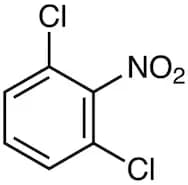
Formula:C3H9NOColor and Shape:Colorless Slightly Yellow Clear LiquidMolecular weight:75.11 g/mol1,3-Dichloro-2-nitrobenzene
CAS:Formula:C6H3Cl2NO2Purity:>98.0%(GC)Color and Shape:White to Orange to Green powder to crystalMolecular weight:192.00Galβ(1-3)[Neu5Acα(2-6)]GalNAc-α-pNP
CAS:Formula:C31H45N3O21Purity:>95.0%(HPLC)Color and Shape:White to Almost white powder to crystalMolecular weight:795.704-(Chloromethyl)styrene (stabilized with TBC + ONP + 2-Nitro-p-cresol)
CAS:Formula:C9H9ClPurity:>90.0%(GC)Color and Shape:Light yellow to Yellow to Orange clear liquidMolecular weight:152.62N-Methyl methanesulfonamide
CAS:N-Methyl methanesulfonamide is an amide compound that has a vibrational frequency of 1605 cm-1. It is used in the manufacture of covid-19, a pandemic influenza virus vaccine. Covid-19 contains N-methyl methanesulfonamide as one of its ingredients. The vaccine has been shown to have a constant temperature and an inhibitory effect on the production of tyrosine kinase, which is a protein that regulates cell growth and division. The reaction product also inhibits sulfoxide reductase, an enzyme that catalyzes the reduction of sulfoxides. N-Methyl methanesulfonamide is susceptible to acidic hydrolysis and can be structurally represented as follows:Formula:C2H7NO2SPurity:Min. 95%Color and Shape:Light (Or Pale) Yellow To Amber To Brown LiquidMolecular weight:109.15 g/mol2-Nitrobiphenyl
CAS:Formula:C12H9NO2Purity:>98.0%(GC)Color and Shape:White or Colorless to Yellow powder to lump to clear liquidMolecular weight:199.211-Bromo-4-iodonaphthalene
CAS:1-Bromo-4-iodonaphthalene is an organic compound that can be synthesized in a number of steps. The first step involves the reaction of 4-bromobenzonitrile with sulfur. This is followed by the acetylation of the product to give 2-(acetyloxy)benzonitrile. An intermediate product is then obtained by reacting this with sodium azide in water and heating to 90°C for 12 hours. Finally, the intermediate product is reacted with phenylmagnesium bromide in ether and hydrolyzed with an alkali to give 1-bromo-4-iodonaphthalene. This compound has been used in the industrial synthesis of biphenyls and dyes such as methyl violet.
Formula:C10H6BrIPurity:Min. 95%Color and Shape:Off-White PowderMolecular weight:332.96 g/mol4-Chloro-7-(p-toluenesulfonyl)-7H-pyrrolo[2,3-d]pyrimidine
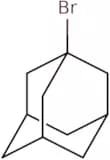
CAS:Formula:C13H10ClN3O2SPurity:>96.0%(HPLC)(N)Color and Shape:White to Orange to Green powder to crystalMolecular weight:307.751-Bromoadamantane - 99%min
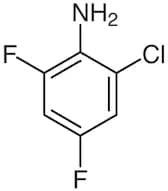
CAS:1-Bromoadamantane is a quinoline derivative that is used as a pharmaceutical preparation. It was first synthesized in the 1950s, and has been used to treat inflammatory bowel disease. The synthesis of 1-Bromoadamantane is accomplished by the palladium-catalyzed coupling of trifluoromethanesulfonic acid with an organic solution containing the bromide salt of the quinoline. The chemical structure of 1-Bromoadamantane can be seen below:Formula:C10H15BrPurity:Min. 98.5%Color and Shape:PowderMolecular weight:215.13 g/mol2-Chloro-4,6-difluoroaniline
CAS:Formula:C6H4ClF2NPurity:>98.0%(GC)(T)Color and Shape:White to Brown to Dark purple powder to crystalMolecular weight:163.55Sodium trifluoromethanesulfonate
CAS:Sodium trifluoromethanesulfonate is an inorganic salt that is used as a reagent in organic synthesis. It is prepared by treating sodium metal with hydrogen fluoride and carbon disulfide. Sodium trifluoromethanesulfonate can be used to form stable complexes with copper(II) chloride, which are useful for the synthesis of organic compounds. This compound has been shown to undergo intermolecular hydrogen bonding interactions with glycol ethers, which are model systems for polymers. Sodium trifluoromethanesulfonate also has the ability to form hydrogen bonds with water molecules, which is important for its use in electrolytes. The structural analysis of sodium trifluoromethanesulfonate reveals that it contains one asymmetric center, which may be responsible for its ability to form hydrogen bonds.
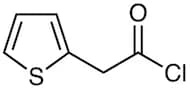
Formula:CHF3O3S•NaPurity:Min. 95%Color and Shape:White PowderMolecular weight:173.07 g/molThiophene-2-acetyl Chloride
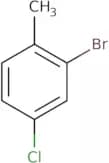
CAS:Formula:C6H5ClOSPurity:>98.0%(GC)(T)Color and Shape:Yellow to Amber to Dark purple clear liquidMolecular weight:160.622-Bromo-4-chlorotoluene
CAS:2-Bromo-4-chlorotoluene is a chemical compound with the molecular formula C6H4BrClO. It is an aromatic peroxide that has a chlorine atom attached to one of the benzene rings. 2-Bromo-4-chlorotoluene is produced by the reaction of bromine with chlorotoluene in the presence of hydrogen peroxide and sodium periodate. The reaction takes place at room temperature, producing a colourless liquid with a pungent odour. This chemical can be identified by its infrared frequencies, which are observed as vibrations between 1650 and 1700 cm−1. The molecule has a dipole moment of 0.5 D, which means it can transfer electrons to other molecules or atoms in order to form bonds. 2-Bromo-4-chlorotoluene is used as an intermediate for organic compounds such as glycol dimethyl ethers. 2-BromoFormula:C7H6BrClPurity:Min. 95%Color and Shape:PowderMolecular weight:205.48 g/molPotassium Formate
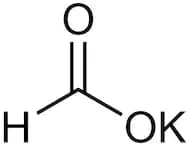
CAS:Formula:CHKO2Purity:>98.0%(T)Color and Shape:White to Light yellow powder to crystalMolecular weight:84.128-Iodoquinoline
CAS:Formula:C9H6INPurity:>98.0%(GC)Color and Shape:Light yellow to Yellow to Orange powder to crystalMolecular weight:255.06Sodium Dodecylbenzenesulfonate (soft type) (mixture)
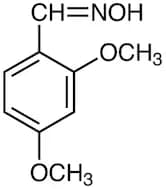
CAS:Sodium dodecylbenzenesulfonate is a surfactant that has been used in a wide variety of industrial and research applications. Sodium dodecylbenzenesulfonate is not considered to be toxicologically harmful, but it can produce byproducts that are hazardous. These byproducts are controlled by regulatory authorities and are removed during the manufacturing process. It can also absorb other chemicals, such as carbamates and silicone oils, from the atmosphere. The focus of its use is as an absorbent for water-based paints.Formula:C18H29NaO3SPurity:Min. 95%Color and Shape:PowderMolecular weight:348.48 g/mol2,4-Dimethoxybenzaldoxime
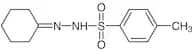
CAS:Formula:C9H11NO3Purity:>95.0%(GC)Color and Shape:White to Almost white powder to crystalMolecular weight:181.19Cyclohexanone p-Toluenesulfonylhydrazone
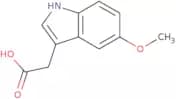
CAS:Formula:C13H18N2O2SPurity:>98.0%(T)(HPLC)Color and Shape:White to Light yellow to Light orange powder to crystalMolecular weight:266.365-Methoxyindole-3-acetic acid
CAS:5-Methoxyindole-3-acetic acid (5MI) is an endogenous indole and metabolite of melatonin that is found in high concentrations in the human serum. 5MI has been shown to inhibit the activity of cyclase enzymes and may be a specific inhibitor of the type I form of estrone sulfate, which is involved in estrogen production. This agent also inhibits matrix metalloproteinases and aminotransferases, which are enzymes that play a role in oxidative injury. 5MI also has a fluorescent derivative that can be used as a probe for biological samples or to study the target enzyme.Formula:C11H11NO3Purity:Min. 97.5 Area-%Color and Shape:PowderMolecular weight:205.21 g/mol4'-Iodoacetophenone
CAS:4'-Iodoacetophenone is a catalyst in organic synthesis. It is a cross-coupling agent that is used to catalyze reactions of alkyl halides with organometallic compounds. The reaction mechanism is the same as for other cross-coupling reactions and involves the formation of a palladium complex. 4'-Iodoacetophenone has been shown to be effective in asymmetric synthesis, where it can be used as a homogeneous catalyst. This compound has also been shown to be an efficient methylating agent and can be used in the methylation of various functional groups, such as amines, nitro groups, and phenols.Formula:C8H7IOPurity:Min. 95%Color and Shape:Yellow PowderMolecular weight:246.05 g/mol3-(2-Methoxyphenyl)propionic Acid
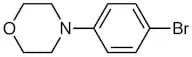
CAS:Formula:C10H12O3Purity:>98.0%(GC)(T)Color and Shape:White to Almost white powder to crystalMolecular weight:180.204-(4-Bromophenyl)morpholine
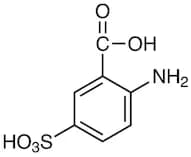
CAS:Formula:C10H12BrNOPurity:>98.0%(GC)(T)Color and Shape:White to Light yellow to Light orange powder to crystalMolecular weight:242.122-Amino-5-sulfobenzoic Acid
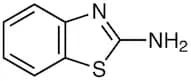
CAS:Formula:C7H7NO5SPurity:>96.0%(T)(HPLC)Color and Shape:White to Light yellow to Light orange powder to crystalMolecular weight:217.202-Aminobenzothiazole
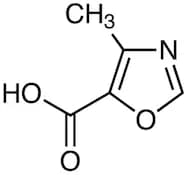
CAS:Formula:C7H6N2SPurity:>97.0%(T)(HPLC)Color and Shape:White to Light yellow to Light orange powder to crystalMolecular weight:150.204-Methyloxazole-5-carboxylic Acid
CAS:Formula:C5H5NO3Purity:>98.0%(T)Color and Shape:White to Gray to Brown powder to crystalMolecular weight:127.101,2,3,4-Tetrahydronaphthalene-1-carbonitrile
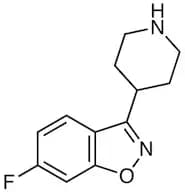
CAS:Formula:C11H11NPurity:>95.0%(GC)Color and Shape:Colorless to Light yellow to Light orange clear liquidMolecular weight:157.226-Fluoro-3-(4-piperidinyl)-1,2-benzisoxazole
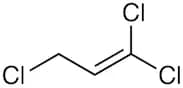
CAS:Formula:C12H13FN2OPurity:>98.0%(GC)(T)Color and Shape:White to Almost white powder to crystalMolecular weight:220.251,1,3-Trichloro-1-propene
CAS:Formula:C3H3Cl3Purity:>98.0%(GC)Color and Shape:Colorless to Light yellow clear liquidMolecular weight:145.413,4-O-Isopropylidene-D-mannitol
CAS:Formula:C9H18O6Purity:>96.0%(GC)Color and Shape:White to Almost white powder to crystalMolecular weight:222.24DL-Homocysteine
CAS:DL-Homocysteine is a sulfur-containing amino acid that is essential for the synthesis of methionine, and is an intermediate in the metabolism of L-methionine. DL-homocysteine has been shown to cause cardiac infarction in rats by inhibiting mitochondrial functions. This amino acid also inhibits the activity of enzymes that regulate homocysteine levels, such as cystathione beta-synthase and cystathione gamma-lyase. DL-homocysteine can be used as a fluorescent probe for detecting proteins involved in apoptosis. It also has proapoptotic effects on cells, causing them to undergo apoptosis.Formula:C4H9NO2SPurity:Min. 95%Color and Shape:PowderMolecular weight:135.19 g/mol4-Hydroxy-2-iodobenzaldehyde
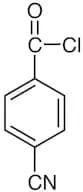
CAS:4-Hydroxy-2-iodobenzaldehyde is a high quality chemical that belongs to the group of complex compounds. It has been shown to be a useful intermediate, fine chemical, and speciality chemical. It can also be used as a reaction component in the synthesis of other chemicals and is an important building block for making other compounds. 4-Hydoxy-2-iodobenzaldehyde is versatile and can be used in many different reactions.Formula:C7H5IO2Purity:Min. 98 Area-%Molecular weight:248.02 g/mol4-Cyanobenzoyl Chloride
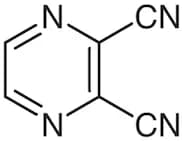
CAS:Formula:C8H4ClNOPurity:>98.0%(GC)(T)Color and Shape:White to Light yellow powder to crystalMolecular weight:165.582,3-Dicyanopyrazine
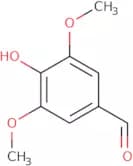
CAS:Formula:C6H2N4Purity:>99.0%(GC)Color and Shape:White to Light yellow to Light orange powder to crystalMolecular weight:130.114-Hydroxy-3,5-dimethoxybenzaldehyde
CAS:4-Hydroxy-3,5-dimethoxybenzaldehyde (4HMB) is a phenolic compound that can be obtained from lignin. 4HMB is the precursor in the synthesis of vanillin, which has a characteristic flavor and odor. It is also used as an additive in perfumes. The compound is found naturally in plants, such as in the bark of cinchona trees, and can be extracted using preparative high performance liquid chromatography (HPLC). 4HMB can be synthesized by reacting p-hydroxybenzoic acid with 3,4,5-trimethoxybenzyl alcohol in the presence of copper chloride. This chemical reaction results in an aldehyde form of the molecule. 4HMB binds to sodium salts to form a water soluble salt that can be used for wastewater treatment. It also has antioxidant properties due to its ability to scavenge free radicals. The enzyme activities of 4HMB are not wellFormula:C9H10O4Purity:Min. 95%Color and Shape:Off-White PowderMolecular weight:182.17 g/mol2,6-Dichloroindophenol Sodium Salt Dihydrate
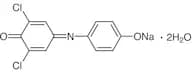
CAS:Formula:C12H6Cl2NNaO2·2H2OPurity:>95.0%(T)Color and Shape:Green to Dark green powder to crystalMolecular weight:326.103,4-Difluorobenzenesulfonamide
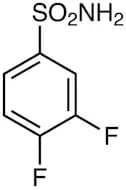
CAS:Formula:C6H5F2NO2SPurity:>98.0%(GC)Color and Shape:White to Almost white powder to crystalMolecular weight:193.175-Methyl-1,3-benzenediacetonitrile
CAS:Formula:C11H10N2Purity:>98.0%(GC)Color and Shape:White to Almost white powder to crystalMolecular weight:170.22Ethyl 5-Chlorothiophene-2-carboxylate
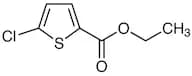
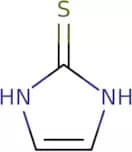
CAS:Formula:C7H7ClO2SPurity:>98.0%(GC)Color and Shape:Colorless to Light yellow clear liquidMolecular weight:190.642-Mercapto-1H-imidazole
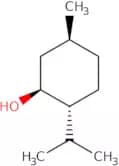
CAS:2-Mercapto-1H-imidazole is an irreversible inhibitor of xanthine oxidase. It binds to the nitrogen atoms of the enzyme's active site and forms a strong hydrogen bond with the oxygen atom of the xanthine substrate. The steric interactions between 2-mercapto-1H-imidazole and the substrate prevent binding and catalysis. The crystal structures of 2-mercapto-1H-imidazole in complex with xanthine oxidase have been determined using X-ray crystallography. FTIR spectroscopy has shown that 2-mercapto-1H-imidazole coordinates in a geometry similar to that of the reactant, hydrochloric acid. Electrochemical impedance spectroscopy (EIS) has revealed that proton transfer takes place when 2-mercapto-1H imidazole binds to xanthine oxidase, which is consistent with reaction mechanism involving electFormula:C3H4N2SPurity:Min. 95%Color and Shape:PowderMolecular weight:100.14 g/mol(1S,2R,5S)-(+)-Menthol
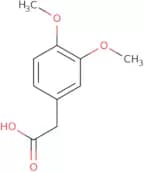
CAS:(1S,2R,5S)-(+)-Menthol is a pharmacological agent that has been shown to have anti-inflammatory activity. It inhibits prostaglandin synthesis by competitively blocking cyclooxygenase-1 and cyclooxygenase-2. (1S,2R,5S)-(+)-Menthol has also been shown to have x-ray crystal structures of the complex with sodium citrate in solution. These structures provide information about how menthol reacts with sodium citrate and water vapor for its reaction mechanism. The thermodynamic data for this process are also available. Menthol was found to be most effective when used in cell lysis experiments at a concentration of 1.0 mM and at room temperature. This compound is a white crystalline solid that is soluble in ethanol or chloroform but insoluble in water.Formula:C10H20OPurity:Min. 98%Color and Shape:White PowderMolecular weight:156.27 g/mol3,4-Dimethoxyphenylacetic acid
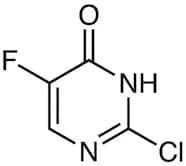
CAS:3,4-Dimethoxyphenylacetic acid is an aromatic acid that has antimicrobial properties. It is used as a food additive for the preservation of meat and poultry. The 3,4-dimethoxyphenyl group in this molecule is an intramolecular hydrogen acceptor. This property allows it to undergo transfer reactions with other molecules, such as protocatechuic acid and lignin. 3,4-Dimethoxyphenylacetic acid also inhibits cellular physiology and can be used in the treatment of bacteria in biological systems. The hydroxyl group can form an acidic compound by reacting with a proton donor, such as water or trifluoroacetic acid (TFA). This reaction may be catalyzed by the enzyme cytochrome P450 reductase.Formula:C10H12O4Purity:Min. 95%Color and Shape:White PowderMolecular weight:196.2 g/mol2-Chloro-5-fluoro-4-pyrimidinone
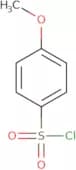
CAS:Formula:C4H2ClFN2OPurity:>98.0%(T)Color and Shape:White to Light yellow powder to crystalMolecular weight:148.524-Methoxybenzenesulfonyl chloride
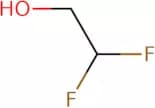
CAS:4-Methoxybenzenesulfonyl chloride is a water-soluble and colorless solid that is used in the treatment of wastewater. It binds to hydroxyl groups and copper complexes, which are present in high concentrations in wastewater. 4-Methoxybenzenesulfonyl chloride can be used as an analytical reagent for determining binding constants, as well as for the separation of amyloid proteins. This compound has been shown to have anti-inflammatory properties by inhibiting the production of pro-inflammatory cytokines such as tumor necrosis factor (TNF) and interleukin (IL)-1β. 4-Methoxybenzenesulfonyl chloride also has activity against certain cancers such as L1210 leukemia cells in mice and diphenyl ethers.Formula:C7H7ClO3SPurity:Min. 97 Area-%Color and Shape:Brown Off-White PowderMolecular weight:206.65 g/mol2,2-Difluoroethanol
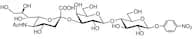
CAS:2,2-Difluoroethanol is a chemical compound with the molecular formula C2H4F2O. It is a colorless liquid that has a distinctive odor and is highly flammable. 2,2-Difluoroethanol reacts in an electrophilic substitution reaction to replace chlorine atoms with hydrogen atoms from the ethyl formate molecule. This reaction can be described by the following equation:Formula:C2H4OF2Purity:Min. 95%Color and Shape:PowderMolecular weight:82.05 g/molNeu5Acα(2-3)Galβ(1-4)Glc-β-pNP
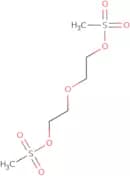
CAS:Formula:C29H42N2O21Purity:>97.0%(HPLC)Color and Shape:White to Light yellow to Green powder to crystalineMolecular weight:754.65Diethylene glycol dimethanesulfonate
CAS:Diethylene glycol dimethanesulfonate is a functional group that is used in the synthesis of organic compounds. It is a white crystalline solid with a melting point of about 130°C. Diethylene glycol dimethanesulfonate reacts slowly with water and hydrochloric acid to produce diethyl ether and hydrogen chloride gas. The reaction time for this process can be affected by the concentration of reactants, temperature, and pH. Diethylene glycol dimethanesulfonate undergoes acidic hydrolysis in the presence of hydrochloric acid or sodium hydroxide. This reaction produces sodium chloride and ethylene glycol. Busulfan, an anti-cancer drug, is produced by the dehydration of diethylene glycol dimethanesulfonate with copper chloride or chlorine gas. Intramolecular hydrogen bonds are formed during this process to give grandis as an intermediate product. Grandis can be converted into busulfan byFormula:C6H14O7S2Purity:Min. 95%Color and Shape:PowderMolecular weight:262.3 g/mol2-Methyl-5-nitroimidazole-1-propanol
CAS:2-Methyl-5-nitroimidazole-1-propanol (2MI) is a matrix effect correction reagent that can be used to reconstitute the original concentrations of drugs in plasma and urine samples. It is also used for sample preparation, validation and quality control. 2MI has been shown to bind with cervical cancer cells, which may be due to its ability to bind with drug receptors on the surface of these cells. A liquid chromatography-mass spectrometry (LC-MS/MS) method was developed to measure 2MI in plasma and urine samples. The method was validated using test samples and showed good agreement with the target concentration.Formula:C7H11N3O3Purity:Min. 95%Color and Shape:PowderMolecular weight:185.18 g/molN-Isopropylaniline
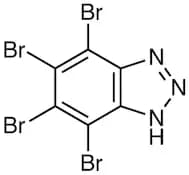
CAS:Formula:C9H13NPurity:>99.0%(GC)(T)Color and Shape:Colorless to Orange to Green clear liquidMolecular weight:135.214,5,6,7-Tetrabromobenzotriazole
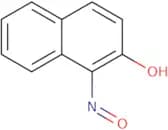
CAS:Formula:C6HBr4N3Purity:>97.0%(T)(HPLC)Color and Shape:White to Light yellow powder to crystalMolecular weight:434.711-Nitroso-2-naphthol
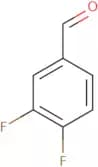
CAS:1-Nitroso-2-naphthol is a copper complex that is used as an analytical reagent for the determination of nitrogen content in organic compounds. It has been shown to have linear calibration curves with a detection limit of 0.01% nitrogen at a concentration of 20 ppm. The thermodynamic data for the formation of this complex is available and includes free energy, enthalpy, entropy, and Gibbs free energy values. A reaction mechanism has also been proposed for this compound. 1-Nitroso-2-naphthol has been shown to chelate ligands such as picolinic acid and matrix effects on its electrochemical impedance spectra can be seen. Pharmaceutical preparations containing 1-nitroso-2-naphthol are on the market as treatment for gastric ulcers and duodenal ulcers.Formula:C10H7NO2Purity:Min. 95%Color and Shape:Brown PowderMolecular weight:173.17 g/mol3,4-Difluorobenzaldehyde
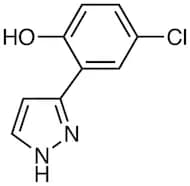
CAS:3,4-Difluorobenzaldehyde is a chemical inhibitor that has been shown to be effective in the treatment of cancer. It inhibits the activity of an enzyme called tyrosine kinase by reacting with its functional group, leading to decreased production of growth factors and cell proliferation. 3,4-Difluorobenzaldehyde has been shown to have a high reaction yield in animal health studies, and it can be used as a drug for treating carcinoma cells. This compound also has strong liquid crystal properties and can be used as a component of diphenyl ether molecules. 3,4-Difluorobenzaldehyde is metabolized by the liver or excreted through urine. The pharmacokinetic properties of this compound are similar to those of other drugs that are metabolized by humans.Formula:C7H4F2OPurity:Min. 95%Color and Shape:Colorless Clear LiquidMolecular weight:142.1 g/mol4-Chloro-2-(1H-pyrazol-3-yl)phenol
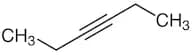
CAS:Formula:C9H7ClN2OPurity:>98.0%(GC)(T)Color and Shape:White to Orange to Green powder to crystalMolecular weight:194.623-Hexyne
CAS:Formula:C6H10Purity:>97.0%(GC)Color and Shape:Colorless to Light yellow to Light orange clear liquidMolecular weight:82.15(1S,2S)-(-)-1,2-Diaminocyclohexane-N,N'-bis(2-diphenylphosphino-1-naphthoyl)
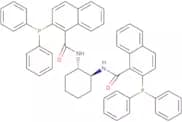
CAS:(1S,2S)-(-)-1,2-Diaminocyclohexane-N,N'-bis(2-diphenylphosphino-1-naphthoyl) is an alkoxyallene that is synthesized from the reaction of allene and ethylene oxide. It has been shown to inhibit abnormal cell growth in vitro. (1S,2S)-(-)-1,2-Diaminocyclohexane-N,N'-bis(2-diphenylphosphino-1-naphthoyl) also inhibits cancer cell proliferation in vivo and shows a high degree of stereoselectivity and enantioselectivity. This compound can be used as an anticancer agent due to its ability to selectively kill cancer cells while leaving normal cells unharmed.Formula:C52H44N2O2P2Purity:Min. 94.5 Area-%Color and Shape:PowderMolecular weight:790.87 g/mol4-Nitrobenzoic anhydride
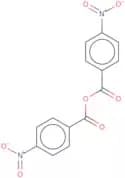
CAS:4-Nitrobenzoic anhydride is a chemical compound that is used as a reagent in organic synthesis. It can be prepared by reacting magnesium with 4-nitrobenzoyl chloride in tetrahydrofuran. This reaction produces the salt of the acid, which can then be reacted with ethyl acetate to form the diethyl ester. The product can also be prepared by reacting propionyl chloride and peroxide in tetrahydrofuran or by reaction of 1-naphthaldehyde and chloride in acetic acid. 4-Nitrobenzoic anhydride is a salt that has been used as a corrosion inhibitor for metals and as a reducing agent for epoxides. It has also been used to produce other substances, such as methylamines, amines, and nitro compounds. 4-Nitrobenzoic anhydride reacts with nucleophiles such as water or alkalis to produce peroxFormula:C14H8N2O7Purity:Min. 95%Color and Shape:Off-White PowderMolecular weight:316.22 g/mol2-Amino-5-ureido-4,6-pyrimidinedione
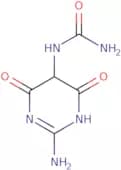
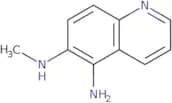
CAS:2-Amino-5-ureido-4,6-pyrimidinedione is a chemical building block that can be used in research, as a reagent for the synthesis of other compounds, or as an intermediate. It is also a versatile building block and reaction component. 2-Amino-5-ureido-4,6-pyrimidinedione is a high purity compound with a CAS number of 21823-25-6.Formula:C5H7N5O3Purity:Min. 95%Color and Shape:PowderMolecular weight:185.14 g/mol5-Amino-6-(methylamino)quinoline
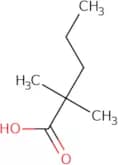
CAS:5-Amino-6-(methylamino)quinoline is a molecule that inhibits the enzymatic activity of tyrosine phosphatases and has been shown to inhibit the growth of typhimurium ta98, which is resistant to quinoxaline. It has also been shown to be mutagenic in vitro. 5-Amino-6-(methylamino)quinoline has an imidazole ring and is synthesized from 2-methylbenzothiazole and N,N'-dimethylethylenediamine. The synthesis of this compound takes place in two steps with the first step being an oxidative cyclization followed by a reductive amination.Formula:C10H11N3Purity:Min. 95%Color and Shape:Green Brown To Brown SolidMolecular weight:173.21 g/mol2,2-Dimethylvaleric acid
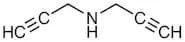
CAS:2,2-Dimethylvaleric acid is a fatty acid that can be synthesized from 2,2-dimethylolpropane. It has been shown to reduce blood pressure in mice by inhibiting the synthesis of certain fatty acids. The mechanism of action may be due to the inhibition of messenger RNA (mRNA) and protein synthesis in the central nervous system. 2,2-Dimethylvaleric acid has also been shown to have neurotrophic effects on cultured cells and is an effective antioxidant. This compound has been used as a control for diode experiments in optical systems.Formula:C7H14O2Purity:Min. 95%Color and Shape:Colorless Clear LiquidMolecular weight:130.18 g/molDipropargylamine
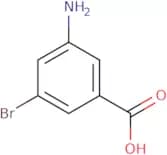
CAS:Formula:C6H7NPurity:>97.0%(T)Color and Shape:Orange to Brown clear liquidMolecular weight:93.133-Amino-5-bromobenzoic acid
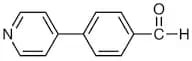
CAS:3-Amino-5-bromobenzoic acid is a synthetic, water soluble anti-inflammatory agent. It is cytotoxic to macrophages in vitro and has significant efficacy in vivo. Its mechanism of action is to inhibit the synthesis of nucleotides in the cell. 3-Amino-5-bromobenzoic acid also inhibits inflammation by inhibiting prostaglandin synthesis and has been shown to be effective against seborrheic dermatitis. This drug has pharmacokinetic properties that are favourable for oral administration and is rapidly absorbed from the gastrointestinal tract with a half life of 2 hours. The drug is eliminated through the kidneys, with an elimination half life of 6 hours.Formula:C7H6BrNO2Purity:Min. 95%Color and Shape:PowderMolecular weight:216.03 g/mol4-(4-Pyridyl)benzaldehyde
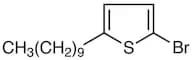
CAS:Formula:C12H9NOPurity:>98.0%(GC)Color and Shape:White to Orange to Green powder to crystalMolecular weight:183.212-Bromo-5-decylthiophene
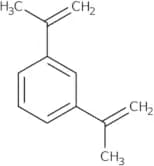
CAS:Formula:C14H23BrSPurity:>97.0%(GC)Color and Shape:White - Yellow LiquidMolecular weight:303.301,3-Diisopropenylbenzene - stabilized with TBC
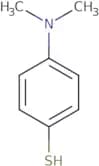
CAS:1,3-Diisopropenylbenzene is a hydrocarbon solvent with thermal expansion properties. It has been shown to be an effective cross-linking agent for cationic polymerization and is used as a surfactant for the production of polyurethanes. 1,3-Diisopropenylbenzene is also used as a chemical intermediate in the production of higher molecular weight polymers and plastics. The ester linkages in 1,3-diisopropenylbenzene are susceptible to hydrolysis and oxidation, which can lead to degradation. 1,3-diisopropenylbenzene is stabilized with TBC by forming an ether linkage with the terminal hydroxyl group on TBC.Formula:C12H14Purity:Min. 95%Color and Shape:Colorless PowderMolecular weight:158.24 g/mol4-(Dimethylamino)benzenethiol
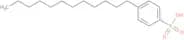
CAS:4-(Dimethylamino)benzenethiol (DMAT) is a thiol that has coordination chemistry with metal ions. DMAT exhibits transport properties, such as solubility in water and chloride, which may be due to its electrochemical properties. DMAT can be photooxidized by ultraviolet light to form the reactive species, 4-dimethylaminobenzoquinone. This reactive species can then react with hydrogen peroxide to produce the intermediate radical cation, which can react with other molecules to produce singlet oxygen and superoxide radicals. These reactions are responsible for the photooxidation of organic materials. The enhanced Raman spectra of DMAT have been studied using surface-enhanced Raman spectroscopy (SERS). The SERS technique enhances the intensity of scattered laser light by orders of magnitude by tapping into a phenomenon known as surface plasmon resonance. The nmr spectra of DMAT have been studied and show that it isFormula:C8H11NSPurity:Min. 95%Color and Shape:PowderMolecular weight:153.25 g/mol4-Dodecylbenzenesulfonic acid - mixture of C10-C13 isomers
CAS:4-Dodecylbenzenesulfonic acid is a mixture of C10-C13 isomers. It is used as an additive to biodiesel or petroleum diesel fuel to reduce the corrosivity of the fuel and protect the engine. 4-Dodecylbenzenesulfonic acid can be synthesized by reacting hydrochloric acid with a fatty acid. The product is then purified by hydrophilic interaction chromatography and sodium carbonate. 4-Dodecylbenzenesulfonic acid has been shown to have synergistic effects when combined with other compounds, such as boron nitride, in treating breast cancer cells. This compound has also been shown to have antimicrobial properties against bacteria, fungi, and protozoa through its hydroxide solution reaction with nitrogen atoms on the surface of multi-walled carbon nanotubes. 4-Dodecylbenzenesulfonic acid is a white solid that can be crystallized at roomFormula:C18H30O3SPurity:Min. 95%Color and Shape:Brown Clear LiquidMolecular weight:326.5 g/mol1H,1H,12H,12H-Icosafluoro-1,12-dodecanediol
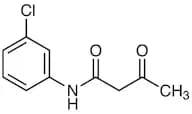
CAS:Formula:C12H6F20O2Purity:>96.0%(GC)Color and Shape:White to Almost white powder to crystalMolecular weight:562.15N-(3-Chlorophenyl)-3-oxobutyramide
CAS:Formula:C10H10ClNO2Purity:>96.0%(T)(HPLC)Color and Shape:White to Orange to Green powder to crystalMolecular weight:211.65tert-Butyl N-Hydroxycarbamate
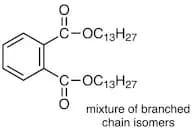
CAS:Formula:C5H11NO3Purity:>97.0%(GC)Color and Shape:White to Light yellow powder to crystalMolecular weight:133.15Ditridecyl Phthalate (mixture of branched chain isomers)
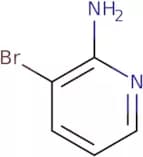
CAS:Formula:C34H58O4Purity:multi component mixture(GC)Color and Shape:Colorless to Almost colorless clear liquidMolecular weight:530.832-Amino-3-bromopyridine
CAS:2-Amino-3-bromopyridine (2ABP) is a nucleoside analogue that is used as a photosensitizer for photodynamic therapy. It has been shown to be effective against the fungus Cryptococcus neoformans, which can cause cryptococcal meningitis. 2ABP is unstable when exposed to light and requires an acidic environment to maintain stability. It binds to the ribose ring of levulinate, forming hydrogen bonding interactions with the hydroxide group on C5 and C8. 2ABP has been shown to have high transport properties in cells. This drug also has photophysical properties that are sensitive to pH, requiring it to be dissolved in a solution of trifluoroacetic acid or acetonitrile at a neutral pH. The 2ABP molecule has been characterized by nuclear magnetic resonance spectroscopy (NMR). Aqueous solutions of sodium hydroxide have been used successfully for the preparationFormula:C5H5BrN2Purity:Min. 95%Color and Shape:White PowderMolecular weight:173.01 g/mol2,6-Dimethylbenzaldehyde
CAS:2,6-Dimethylbenzaldehyde is a colorless liquid with a sweet odor. It is used in the synthesis of fatty acids and as an intermediate for other compounds. This chemical has significant cytotoxicity against leukemia cells, and is used in the production of acrylonitrile. 2,6-Dimethylbenzaldehyde can be synthesized by reacting an amine with an acyl chloride, followed by hydrolysis of the resulting ester. A contactor is usually added to facilitate the reaction. The reaction can also be carried out in the presence of a phosphorane or organic solvent. 2,6-Dimethylbenzaldehyde can be hydrogenated to produce 2,4-dimethylaniline and 2,4,6-trimethylaniline.Formula:C9H10OPurity:Min. 95%Color and Shape:Clear White Solid Or Liquid (May Vary)Molecular weight:134.18 g/molTetramethylpropylcyclopentadiene (mixture of isomers)
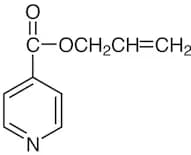
Formula:C12H20Purity:>95.0%(GC)Color and Shape:White to Yellow to Green clear liquidMolecular weight:164.29Allyl Isonicotinate
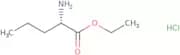
CAS:Formula:C9H9NO2Purity:>98.0%(GC)Color and Shape:Colorless to Light yellow to Light orange clear liquidMolecular weight:163.18L-Norvaline ethyl ester hydrochloride
CAS:L-Norvaline ethyl ester hydrochloride is an angiotensin-converting enzyme inhibitor. It has been shown to reduce the levels of angiotensin I and II, which are hormones that constrict blood vessels, resulting in a decrease in blood pressure. L-Norvaline ethyl ester hydrochloride also inhibits the production of aldosterone, a hormone involved in water retention. This drug is used as a supplement for people with congestive heart failure or those who have experienced a myocardial infarction. L-Norvaline ethyl ester hydrochloride is purified by elution from a column and then processed to remove impurities. The flow rate of the process is determined by measuring the height of the liquid in millimeters at various points on the column.Formula:C7H15NO2·HClPurity:Min. 95%Color and Shape:PowderMolecular weight:181.66 g/mol3-[Bis(phenylmethyl)amino]-5-fluoro-6-methyl-2-(phenylmethoxy)benzoic acid phenyl ester
CAS:Building block in tetracycline antibiotic synthesisFormula:C35H30FNO3Purity:Min. 95%Color and Shape:PowderMolecular weight:531.62 g/mol2-Oxa-6-azaspiro[3.4]octane
CAS:2-Oxa-6-azaspiro[3.4]octane is an epidermal growth factor (EGF) inhibitor that has shown inhibitory activities against a number of different EGFR-related cell lines, including parental and mutant cell lines. This drug has been shown to inhibit the proliferation of cancer cells in vitro by binding to the epidermal growth receptor (EGFR). 2-Oxa-6-azaspiro[3.4]octane also inhibits the activity of tyrosine kinases and factor receptors, which are involved in the development of cancer cells. It is a potent inhibitor of TK1 and TK2 tyrosine kinases, and is more potent than piperazine or morpholine, which are other EGF inhibitors.
Formula:C6H11NOPurity:Min. 95%Color and Shape:White PowderMolecular weight:113.16 g/molEthyl 2-aminothiophene-3-carboxylate
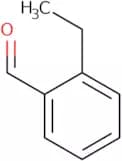
CAS:Ethyl 2-aminothiophene-3-carboxylate is a triazole derivative with anticancer activity. It has been shown to inhibit the adenosine A1 receptor and show anticancer activity in vitro. The drug has also been shown to have potent cytotoxic effects against cancer cells, which may be due to its ability to activate apoptosis in tumor cells through structural modifications that lead to the inhibition of DNA synthesis. This compound has also been shown to be less toxic than other chemotherapeutic drugs, such as thiosemicarbazide and ethylene diamine, and it does not cause red blood cell lysis or hemolysis.Formula:C7H9NO2SPurity:Min. 95%Color and Shape:Slightly Yellow PowderMolecular weight:171.22 g/mol2-Ethylbenzaldehyde
CAS:2-Ethylbenzaldehyde is a colorless volatile liquid that has an odor similar to that of cloves. 2-Ethylbenzaldehyde can be found in the essential oil of nutmeg and other spices, such as cinnamon. It is used in the chemical industry as a control agent for analytical methods, such as the spectrometric determination of ether linkages. 2-Ethylbenzaldehyde has been shown to inhibit fatty acid production by bacteria and to inhibit lipid peroxidation. It also exhibits anti-inflammatory effects when exposed to cells in vitro. Exposure to 2-ethylbenzaldehyde may cause irritation of the eyes, skin, and respiratory tract, dizziness, headache, nausea and vomiting. 2-Ethylbenzaldehyde is generally considered safe for human consumption at low levels; however it may cause adverse health effects if ingested in large quantities or if heated over 400° F (204° Celsius).Formula:C9H10OPurity:Min. 95%Color and Shape:PowderMolecular weight:134.18 g/molN-Boc-2-methyl-L-proline
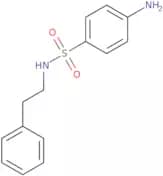
CAS:N-Boc-2-methyl-L-proline is a chemical compound that is used as a building block in the synthesis of other compounds. This substance is also an intermediate in the production of pharmaceuticals and pesticides. The compound has been shown to have high quality, versatility, and complexity. N-Boc-2-methyl-L-proline can be used as a reagent for research or as a speciality chemical. The CAS number for this substance is 103336-06-7.Formula:C11H19NO4Purity:Min. 95%Color and Shape:White To Off-White SolidMolecular weight:229.27 g/mol4-Amino-N-(2-phenylethyl)benzenesulfonamide
CAS:4-Amino-N-(2-phenylethyl)benzenesulfonamide (4APBS) is a histone deacetylase inhibitor. It has been shown to inhibit the histone methyltransferase activity of EZH2, which is important for regulating gene expression, in cells treated with 4APBS. This inhibition leads to increased levels of the transcriptional coactivator β-catenin and reduced levels of tumor suppressor genes. These changes ultimately lead to an increase in cancer cell proliferation and decreased apoptosis. 4APBS also interacts with hormone receptors that are found on the surface of cells and can regulate cellular functions such as proliferation, differentiation, or apoptosis.Formula:C14H16N2O2SPurity:Min. 95%Color and Shape:Off-White PowderMolecular weight:276.36 g/mol2-Ethylhexylphosphonic acid mono-2-ethylhexyl ester
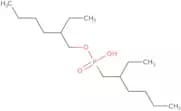
CAS:Sodium carbonate is a chemical compound that is used as an alkaline substance in the laboratory. It is also used in the manufacture of detergents, glass, and textiles. Sodium carbonate has been shown to be an extractant for 2-ethylhexylphosphonic acid mono-2-ethylhexyl ester. It has been shown to react with acidic sodium salts to form a copper complex and adsorb onto the surface of hydrochloric acid at high concentrations. The Langmuir adsorption isotherm shows that 2-ethylhexylphosphonic acid mono-2-ethylhexyl ester has an optimum concentration at around 3 milliliters per gram, with a kinetic data of 4.74 x 10^4 mL/g/sec. The kinetic data also indicates that this reaction proceeds via a Langmuir adsorption mechanism.
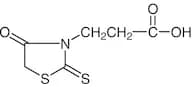
Formula:C16H35O3PPurity:Min. 95%Color and Shape:Clear LiquidMolecular weight:306.42 g/molRhodanine-3-propionic Acid
CAS:Formula:C6H7NO3S2Purity:>98.0%(GC)(T)Color and Shape:Light yellow to Brown powder to crystalMolecular weight:205.25

![2-[[(Butylthio)carbonothioyl]thio]propanoic Acid](/_next/image/?url=https%3A%2Fstatic.cymitquimica.com%2Fproducts%2F3B%2Fthumb-webp%2FB6789.webp&w=3840&q=75)

![Benzo[b]furan-2-boronic acid](/_next/image/?url=https%3A%2Fstatic.cymitquimica.com%2Fproducts%2F3D%2Fthumb-webp%2FFB40264.webp&w=3840&q=75)


![Galβ(1-3)[Neu5Acα(2-6)]GalNAc-α-pNP](/_next/image/?url=https%3A%2Fstatic.cymitquimica.com%2Fproducts%2F3B%2Fthumb-webp%2FG0377.webp&w=3840&q=75)


![4-Chloro-7-(p-toluenesulfonyl)-7H-pyrrolo[2,3-d]pyrimidine](/_next/image/?url=https%3A%2Fstatic.cymitquimica.com%2Fproducts%2F3B%2Fthumb-webp%2FC3036.webp&w=3840&q=75)















![3-[Bis(phenylmethyl)amino]-5-fluoro-6-methyl-2-(phenylmethoxy)benzoic acid phenyl ester](/_next/image/?url=https%3A%2Fstatic.cymitquimica.com%2Fproducts%2F3D%2Fthumb-webp%2FFB101468.webp&w=3840&q=75)
![2-Oxa-6-azaspiro[3.4]octane](/_next/image/?url=https%3A%2Fstatic.cymitquimica.com%2Fproducts%2F3D%2Fthumb-webp%2FFO11439.webp&w=3840&q=75)