Building Blocks
Subcategories of "Building Blocks"
- Boronic Acids & Boronic Acid Derivatives(5,781 products)
- Chiral Building Blocks(1,242 products)
- Hydrocarbon Building Blocks(6,101 products)
- Organic Building Blocks(61,038 products)
Found 205338 products of "Building Blocks"
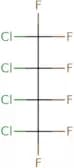
1,2,3,4-Tetrachlorohexafluorobutane
CAS:1,2,3,4-Tetrachlorohexafluorobutane is a colorless liquid with an unpleasant odor. It is used as a solvent and as a chemical intermediate in the production of other chemicals. 1,2,3,4-Tetrachlorohexafluorobutane has been shown to react with hydrochloric acid to produce hydrogen chloride gas and hydrogen fluoride. The reaction vessel must be well-ventilated and the use of protective clothing is recommended due to the potential for exposure to hydrogen fluoride. This compound can also be chlorinated using chlorine gas or hypochlorite solution.Formula:C4Cl4F6Purity:Min. 95%Color and Shape:Colorless Clear LiquidMolecular weight:303.84 g/mol4-Chloro-2-hydroxypyridine
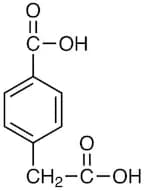
CAS:Formula:C5H4ClNOPurity:>98.0%(GC)(T)Color and Shape:White to Light yellow powder to crystalMolecular weight:129.544-(Carboxymethyl)benzoic Acid
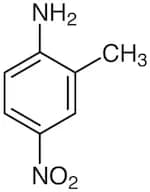
CAS:Formula:C9H8O4Purity:>98.0%(T)Color and Shape:White to Almost white powder to crystalMolecular weight:180.162-Methyl-4-nitroaniline
CAS:Formula:C7H8N2O2Purity:>98.0%(GC)Color and Shape:White to Yellow to Green powder to crystalMolecular weight:152.154-Iodotoluene
CAS:Formula:C7H7IPurity:>99.0%(GC)Color and Shape:White or Colorless to Yellow powder to lump to clear liquidMolecular weight:218.045-Methyl-2-phenyl-1H-imidazole-4-carboxylic acid
CAS:5-Methyl-2-phenyl-1H-imidazole-4-carboxylic acid (MPICA) is a potent inhibitor of xanthine oxidase. It is also an inhibitor of β-glucuronidase and enzymes that maintain the integrity of bacterial DNA. MPICA has been shown to inhibit xanthine oxidase in a dose dependent manner and can be used as a lead compound for new inhibitors of this enzyme.
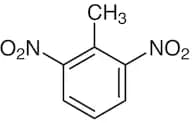
Formula:C11H10N2O2Purity:Min. 95%Color and Shape:White PowderMolecular weight:202.21 g/mol2,6-Dinitrotoluene
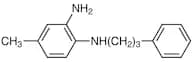
CAS:Formula:C7H6N2O4Purity:>99.0%(GC)Color and Shape:White to Orange to Green powder to crystalMolecular weight:182.144-Methyl-N1-(3-phenylpropyl)-1,2-phenylenediamine
CAS:Formula:C16H20N2Purity:>98.0%(GC)Color and Shape:White to Light yellow to Light orange powder to crystalMolecular weight:240.35Methyl 3-Methyl-15-phenylpentadecanoate
CAS:Formula:C23H38O2Purity:>95.0%(GC)Color and Shape:White to Yellow to Green clear liquidMolecular weight:346.566-Hydroxy-2-naphtoic acid
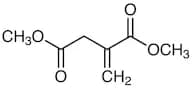
CAS:6-Hydroxy-2-naphtoic acid is an amide that is hydrolyzed to 6-hydroxybenzoic acid and formamide. It has been used as a viscosity modifier in the synthesis of polymers. 6-Hydroxy-2-naphtoic acid can be produced by a borane-tetrahydrofuran complex reaction with naphthalene. This reaction also produces p-hydroxybenzoic acid, which can then be converted to hydroxybenzoic acid with hydrochloric acid. The structural analysis of this compound has been performed using fluorescence probes and an inorganic acid.Formula:C11H8O3Purity:Min. 95%Color and Shape:Yellow PowderMolecular weight:188.18 g/molDimethyl Itaconate (stabilized with HQ)
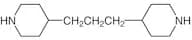
CAS:Formula:C7H10O4Purity:>98.0%(GC)Color and Shape:White or Colorless to Light yellow powder to lump to clear liquidMolecular weight:158.151,3-Di-4-piperidylpropane
CAS:Formula:C13H26N2Purity:>97.0%(GC)Color and Shape:White to Light yellow powder to crystalMolecular weight:210.372-Chloro-5-(4,4,5,5-tetramethyl-1,3,2-dioxaborolan-2-yl)pyridine
CAS:Formula:C11H15BClNO2Purity:>98.0%(GC)(T)Color and Shape:White to Almost white powder to crystalMolecular weight:239.511-(2-Cyanoethyl)piperidine
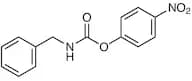
CAS:Formula:C8H14N2Purity:>98.0%(GC)Color and Shape:Colorless to Light yellow to Light orange clear liquidMolecular weight:138.214-Nitrophenyl N-Benzylcarbamate
CAS:Formula:C14H12N2O4Purity:>98.0%(N)Color and Shape:White to Light yellow to Green powder to crystalMolecular weight:272.261,1,2,2,3,3-Hexafluoro-1-(trifluoromethoxy)-3-[(1,2,2-trifluorovinyl)oxy]propane
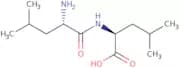
CAS:Formula:C6F12O2Purity:>97.0%(GC)Color and Shape:Colorless to Almost colorless clear liquidMolecular weight:332.04Leu-Leu-OH
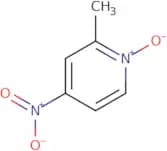
CAS:Leu-Leu-OH is a polymerase chain that belongs to the group of p2. It has been used as an experimental model for biological studies and cell lysis. The activity of Leu-Leu-OH is due to hydrogen bonding interactions with water molecules. This polymerase chain has been shown to be involved in infectious diseases, autoimmune diseases, and toll-like receptor signaling pathways. Leu-Leu-OH has also been studied as a model system for apoptosis by cell factor and histological analysis in anhydrous sodium phosphate buffer at pH 7.4.Formula:C12H24N2O3Purity:Min. 95%Color and Shape:PowderMolecular weight:244.33 g/mol2-Methyl-4-nitropyridine-N-oxide
CAS:2-Methyl-4-nitropyridine-N-oxide is an alkoxy radical that is a toxic chemical. It is used in the synthesis of other chemicals and drugs, as well as in diagnostic tests. 2-Methyl-4-nitropyridine-N-oxide is converted to its n-oxide form by hydrochloric acid. The molecule has two functionalities: one nucleophilic and one electrophilic. These functionalities allow it to undergo reactions with many different types of molecules, including ethylene acetal.
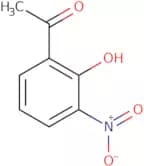
Formula:C6H6N2O3Purity:Min. 95%Color and Shape:Yellow PowderMolecular weight:154.13 g/mol2-Hydroxy-3-nitroacetophenone
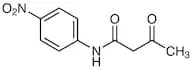
CAS:2-Hydroxy-3-nitroacetophenone is an inorganic compound that belongs to the group of metal salts. It is a synthetic, directional, and oriented molecule with four stereogenic centers. 2-Hydoxy-3-nitroacetophenone can be synthesized by the reaction of azide with chromene and cyanoformate. The product has been used in the synthesis of other compounds, such as phosphorus oxychloride, nitrohydroxyacetophenone, hydrogenation reaction, and inorganic bases. The product has also shown cytotoxic activity against cancer cells. This may be due to its ability to inhibit DNA synthesis or cell division by binding to the enzyme topoisomerase II. It can also bind to nucleic acids and react with oxygen radicals in a manner similar to O2-.Formula:C8H7NO4Purity:Min. 95%Color and Shape:PowderMolecular weight:181.15 g/molN-(4-Nitrophenyl)-3-oxobutyramide
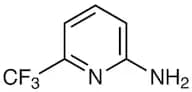
CAS:Formula:C10H10N2O4Purity:>98.0%(T)(HPLC)Color and Shape:White to Amber powder to crystalMolecular weight:222.202-Amino-6-(trifluoromethyl)pyridine
CAS:Formula:C6H5F3N2Purity:>98.0%(GC)(T)Color and Shape:Light yellow to Brown to Dark green powder to crystalMolecular weight:162.123-Methylpyridine
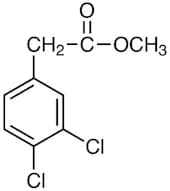
CAS:3-Methylpyridine is a compound that can be used in the treatment of wastewater. It has been shown to have high adsorption capacity for malonic acid and a Langmuir adsorption isotherm with high values. 3-Methylpyridine is stable in acidic conditions and has been shown to efficiently remove nitrogen from wastewater. The coordination geometry of 3-methylpyridine is octahedral, which makes it capable of removing hydrogen fluoride from wastewater. This compound also has the ability to transfer reactions and can be used for titration calorimetry.Formula:C6H7NPurity:Min. 95%Color and Shape:Colorless Clear LiquidMolecular weight:93.13 g/molMethyl 3,4-Dichlorophenylacetate
CAS:Formula:C9H8Cl2O2Purity:>98.0%(GC)Color and Shape:Colorless to Light orange to Yellow clear liquidMolecular weight:219.062,6-Dibromopyridine
CAS:2,6-Dibromopyridine (2,6-DBP) is a chemical compound that has been used in the synthesis of other organic compounds. It is an aromatic heterocycle with nitrogen atoms at the 2 and 6 positions. 2,6-DBP is a monosubstituted pyridine derivative that undergoes a palladium-catalyzed coupling reaction with an aryl halide to form pyrazoles. This process can be done unsymmetrically by protonating the 2 position of the dibromopyridine molecule. The presence of serine protease has been shown to promote this reaction by increasing the surface area of the substrate.Formula:C5H3Br2NPurity:Min. 98 Area-%Color and Shape:Off-White Yellow PowderMolecular weight:236.89 g/mol2-(3-Aminopropyl)isoindole-1,3(2H)-dione hydrochloride
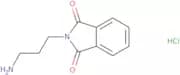
CAS:2-(3-Aminopropyl)isoindole-1,3(2H)-dione hydrochloride is a versatile building block and useful intermediate. It has been used as a reagent in organic synthesis, and also as a reaction component for the preparation of high quality research chemicals. 2-(3-Aminopropyl)isoindole-1,3(2H)-dione hydrochloride is an important building block for complex compounds with potential uses in medical research or as speciality chemicals. It can be used to prepare fine chemicals such as pharmaceuticals, agrochemicals, or dyes.Formula:C11H12N2O2·HClPurity:Min. 95%Color and Shape:White PowderMolecular weight:240.69 g/mol4-Hydroxymethylpiperidine hydrochloride
CAS:4-Hydroxymethylpiperidine hydrochloride is a fine chemical that has been used as a versatile building block for the synthesis of complex compounds. It is available for sale as a research chemical, and can be used as an intermediate or reagent in the synthesis of specialty chemicals. This compound is useful in the production of pharmaceuticals, agrochemicals, dyes, and fragrances. 4-Hydroxymethylpiperidine hydrochloride has been found to be useful in the manufacture of high-quality products.Formula:C6H13NO·HClPurity:Min. 95%Color and Shape:White PowderMolecular weight:151.63 g/molBenzo[b]furan-2-boronic acid
CAS:Benzo[b]furan-2-boronic acid is a potent matrix metalloproteinase inhibitor that can be used in the treatment of cancer. It is synthesized from 2-aminobenzofuran by using a Suzuki coupling reaction with boronic acid. Benzo[b]furan-2-boronic acid has been shown to inhibit MMP-1, MMP-13, and MMP-14. This compound also inhibits the activity of other proteases such as cathepsin G, elastase, and chymase. The compound has been shown to be cytotoxic against human breast cancer cells and colon cancer cells. In addition, this compound is fluorescent and its fluorescence has been shown to increase when it binds to cancer cells.Formula:C8H7BO3Purity:Min. 95%Color and Shape:White PowderMolecular weight:161.95 g/mol1,4-Diazabicyclo[3.2.2]nonane
CAS:Diazepam (also known as Valium) is a benzodiazepine drug used to treat anxiety disorders, muscle spasms, alcohol withdrawal symptoms, and other conditions. Diazepam is a tranquilizer that works by slowing down the activity of the central nervous system. It may also be used to control seizures, prevent certain types of muscle spasms, treat insomnia and relieve anxiety before surgery. Diazepam has been shown to have an affinity for nicotinic acetylcholine receptors in rat brains. This drug can work by blocking these receptors and preventing the transmission of impulses between neurons. Diazepam is marketed in many countries as an anxiolytic agent under trade names such as Valium and Librium. The clinical use of diazepam should be limited because it has been shown to cause birth defects in animal studies when given at high doses or during pregnancy.
Formula:C7H14N2Purity:Min. 95%Color and Shape:White PowderMolecular weight:126.2 g/mol2-Acetylpyrazine
CAS:2-Acetylpyrazine is a nitrogen containing compound that has been used in biological studies. 2-Acetylpyrazine has been shown to have inhibitory properties against the growth of prostate cancer cells and other cell lines. It also inhibits the production of fatty acids and epidermal growth factor, which are important for cellular proliferation. The inhibition is due to the photochemical properties of 2-acetylpyrazine, which cause the formation of reactive species that react with biological molecules. The reactive species may be generated by either a reaction mechanism or a reaction pathway that involve coordination geometry. 2-acetylpyrazine has also been used as a fluorescence probe for fatty acid detection in lipid bilayers and liposomes.Formula:C6H6N2OPurity:Min. 95%Color and Shape:PowderMolecular weight:122.12 g/mol6-Bromo-7-azaindole
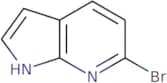
CAS:6-Bromo-7-azaindole is a homologous molecule. It is an electron deficient compound with a piperidine moiety at the 6 position and a nitrogen atom at the 7 position. The nitrogen atom substitutes for an oxygen atom, making this molecule reactive. The electron deficient nature of this molecule makes it suitable for use in transistors and other physicochemical devices. 6-Bromo-7-azaindole has been shown to be effective against carcinoma cells in vitro, as well as to inhibit tumor growth in vivo. This drug also causes homologous recombination by interacting with DNA in mammalian cells. 6-Bromo-7-azaindole binds to DNA, forming a covalent bond with the guanine base of DNA through the nitrogen atom, which is electron deficient.
Formula:C7H5BrN2Purity:Min. 95%Color and Shape:Off-White To Beige To Yellow SolidMolecular weight:197.03 g/mol2,6-Diacetylpyridine
CAS:2,6-Diacetylpyridine is a chelate ligand that has significant cytotoxicity. It binds to nitrogen atoms and can form stable complexes with metals. The compound also has genotoxic activity that is shown through the formation of high values in plasma mass spectrometry. 2,6-Diacetylpyridine has been used as an antimicrobial agent, where it inhibits bacterial growth by binding to DNA and RNA. This compound also binds to the enzyme thymidylate synthase and inhibits its activity, which may be due to its coordination geometry. 2,6-Diacetylpyridine has been shown to have biological properties such as being able to inhibit cell proliferation and induce apoptosis in cell cultures.
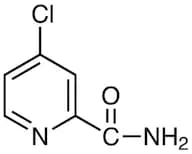
Formula:C9H9NO2Purity:Min. 98 Area-%Color and Shape:White PowderMolecular weight:163.17 g/mol4-Chloropyridine-2-carboxamide
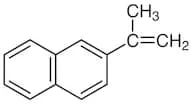
CAS:Formula:C6H5ClN2OPurity:>97.0%(T)(HPLC)Color and Shape:White to Almost white powder to crystalMolecular weight:156.572-Isopropenylnaphthalene
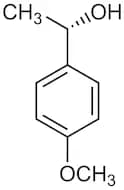
CAS:Formula:C13H12Purity:>98.0%(GC)Color and Shape:White to Orange to Green powder to crystalMolecular weight:168.24(S)-1-(4-Methoxyphenyl)ethanol
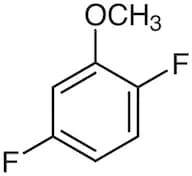
CAS:Formula:C9H12O2Purity:>95.0%(GC)Color and Shape:Colorless to Light yellow clear liquidMolecular weight:152.192,5-Difluoroanisole
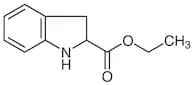
CAS:Formula:C7H6F2OPurity:>98.0%(GC)Color and Shape:Colorless to Almost colorless clear liquidMolecular weight:144.12Ethyl Indoline-2-carboxylate
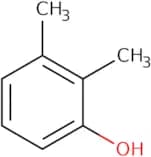
CAS:Formula:C11H13NO2Purity:>95.0%(GC)Color and Shape:White to Orange to Green powder to crystalMolecular weight:191.231-Hydroxy-2,3-dimethylbenzene
CAS:1-Hydroxy-2,3-dimethylbenzene (1,2-DMB) is a chemical compound that is used as an industrial catalyst. It has been shown to be an efficient catalyst for the treatment of wastewater, and has been studied in the removal of nitrogen from industrial gases. 1,2-DMB has also been found to be active against bacteria such as Pseudomonas aeruginosa and Staphylococcus aureus. This compound reacts with copper ions to form an organometallic complex, which then reacts with trifluoroacetic acid in an organic solution to form an aldehyde group.
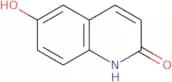
Formula:C8H10OPurity:Min. 95%Color and Shape:Off-White PowderMolecular weight:122.16 g/mol6-Hydroxyquinoline-(1H)-2-one
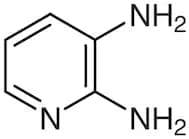
CAS:6-Hydroxyquinoline-(1H)-2-one is an organic compound that has been shown to inhibit the uptake of carbostyril by bacterial cells. This inhibition causes increased uptake of xanthurenic acid and anthranilic acid, which are two compounds that are found in wastewater treatment. 6-Hydroxyquinoline-(1H)-2-one may be a potential anticancer agent, as it inhibits the growth of astroglia cells and bladder cancer cells. It also reacts with acylation reactions to form quinolinic acid, which has been shown to have anticancer effects.Formula:C9H7NO2Purity:Min. 95%Color and Shape:White SolidMolecular weight:161.16 g/mol2,3-Diaminopyridine
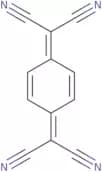
CAS:Formula:C5H7N3Purity:>98.0%(GC)(T)Color and Shape:White to Brown powder to crystalMolecular weight:109.137,7,8,8-Tetracyanoquinodimethane
CAS:7,7,8,8-Tetracyanoquinodimethane is a quinoid compound that is used as an analytical chemical reagent. It has been shown to be a powerful reducing agent and can be used in the determination of trace amounts of metals. 7,7,8,8-Tetracyanoquinodimethane also reacts with cationic surfactants and hydroxyl groups to form stable compounds. The nitrogen atoms in this molecule are capable of multiple transfer reactions with other molecules.br>br> The redox potentials of this substance are negative and it has been shown to have the ability to transport pharmaceutical preparations across cell membranes. Boron nitride (BN) has been shown to stabilize the structure of 7,7,8,8-tetracyanoquinodimethane by forming strong hydrogen bonds between the BN and hydroxyl groups on this molecule.Formula:C12H4N4Purity:Min. 95%Color and Shape:Yellow To Green Or Brown SolidMolecular weight:204.19 g/molL-gamma-glutamyl-L-threonine
CAS:L-gamma-glutamyl-L-threonine is a compound in the sphingolipid metabolism pathway. It has been shown to be a regulator of acidic phospholipids and fatty acids. L-gamma-glutamyl-L-threonine is found in human urine at high concentrations and has demonstrated antibacterial activity against gram negative bacteria. The analog, L-threo-gamma-glutamyltyrosine, was shown to have anticancer activity against leukemia cells in vitro.Formula:C9H16N2O6Purity:Min. 95%Color and Shape:PowderMolecular weight:248.23 g/mol4'-Iodoacetophenone
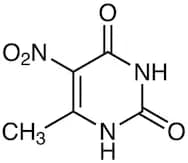
CAS:4'-Iodoacetophenone is a catalyst in organic synthesis. It is a cross-coupling agent that is used to catalyze reactions of alkyl halides with organometallic compounds. The reaction mechanism is the same as for other cross-coupling reactions and involves the formation of a palladium complex. 4'-Iodoacetophenone has been shown to be effective in asymmetric synthesis, where it can be used as a homogeneous catalyst. This compound has also been shown to be an efficient methylating agent and can be used in the methylation of various functional groups, such as amines, nitro groups, and phenols.Formula:C8H7IOPurity:Min. 95%Color and Shape:Yellow PowderMolecular weight:246.05 g/mol6-Methyl-5-nitrouracil
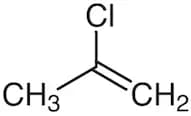
CAS:Formula:C5H5N3O4Purity:>95.0%(T)(HPLC)Color and Shape:Light orange to Yellow to Green powder to crystalMolecular weight:171.112-Chloro-1-propene
CAS:Formula:C3H5ClPurity:>97.0%(GC)Color and Shape:Colorless to Almost colorless clear liquidMolecular weight:76.523-Hydrazinopyridine 2HCl
CAS:3-Hydrazinopyridine 2HCl is a carboxylic acid that occurs naturally in the form of its dihydrochloride salt, 3-hydrazinopyridine dihydrochloride. It is an intermediate in the synthesis of numerous other compounds and has been used as a precursor to maleic anhydride. 3-Hydrazinopyridine 2HCl is also a reagent for the production of dialkylated or chlorinated derivatives. The hydrolysis of 3-hydrazinopyridine 2HCl with sodium hydroxide yields acetic acid, which can be oxidized to form maleic acid, or reduced to form acrylonitrile.Formula:C5H9Cl2N3Purity:Min. 95%Color and Shape:PowderMolecular weight:182.05 g/mol3'-Iodoacetophenone
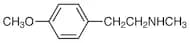
CAS:3'-Iodoacetophenone is a synthetic analog of o-chloroaniline. 3'-Iodoacetophenone is used as a reagent for the kinetic study of anions and hydrogenated derivatives. It is also used in the palladium-catalyzed coupling of monobenzyl phenols to form phenol nucleophiles. The synthesis of 3'-iodoacetophenone starts with the dehydration of 2,6-dichloroaniline with phosphorous pentachloride and subsequent reaction with iodine in acetic acid.Formula:C8H7IOPurity:Min. 95%Color and Shape:Off-White Clear LiquidMolecular weight:246.05 g/molN-Methyl-2-(4-methoxyphenyl)ethylamine
CAS:Formula:C10H15NOPurity:>95.0%(GC)(T)Color and Shape:Light orange to Yellow to Green clear liquidMolecular weight:165.244-(2-Aminoanilino)pyridine
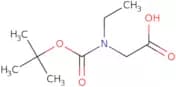
CAS:4-(2-Aminoanilino)pyridine is a pyridine that has been shown to be an impurity in the acid salt of 4-(2-aminophenyl)pyridine. It is an acidified impurity that can form when the pyridine reacts with hydrochloric acid or sulfuric acid.Formula:C11H11N3Purity:Min. 95%Color and Shape:PowderMolecular weight:185.23 g/molBoc-N-Ethylglycine
CAS:Building blockFormula:C9H17NO4Purity:Min. 95%Color and Shape:White PowderMolecular weight:203.24 g/mol3-Methoxy-5-(trifluoromethyl)aniline
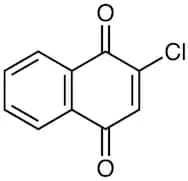
CAS:Formula:C8H8F3NOPurity:>98.0%(GC)(T)Color and Shape:Light yellow to Brown to Dark red powder to crystalMolecular weight:191.152-Chloro-1,4-naphthoquinone
CAS:Formula:C10H5ClO2Purity:>98.0%(GC)Color and Shape:Light yellow to Yellow to Orange powder to crystalMolecular weight:192.602,3,3-Trimethyl-3H-benzo[e]indole
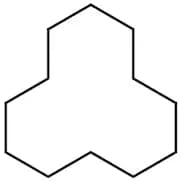
CAS:2,3,3-Trimethyl-3H-benzo[e]indole is a reactive molecule that has been shown to be an effective treatment for cervical cancer. It can be used in conjunction with monoclonal antibodies that have been designed to target the acidic protonation sites on the surface of cervical cancer cells. This active form binds to the site and emits fluorescence when illuminated with a laser, which can then be detected by a confocal microscope. This technique can also be used for the diagnosis of other cancers. 2,3,3-Trimethyl-3H-benzo[e]indole is not toxic to human serum as it does not react with this type of tissue.Formula:C15H15NPurity:Min. 98 Area-%Color and Shape:PowderMolecular weight:209.29 g/molCyclododecane
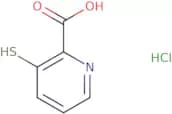
CAS:Formula:C12H24Purity:>99.0%(GC)Color and Shape:White to Almost white powder to crystalMolecular weight:168.323-Mercapto-2-pyridinecarboxylic acid hydrochloride
CAS:3-Mercapto-2-pyridinecarboxylic acid hydrochloride (3MP) is a small molecule that is a phosphoenolpyruvate carboxykinase inhibitor. The inhibition of this enzyme leads to an accumulation of 3-phosphoglyceric acid and inhibits the conversion of pyruvate to acetyl CoA, which results in the accumulation of reactive oxygen species. 3MP has been shown to inhibit the activity of mitochondrial phosphoenolpyruvate carboxykinase (PEPCK) in porcine hepatocytes, leading to decreased triglycerides and increased glucose uptake. It also inhibits PEPCK activity in vitro in cultured human cells, leading to increased HSP70 levels and exacerbated oxidative stress.
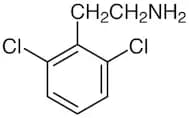
Formula:C6H5NO2S·HClPurity:Min. 95%Color and Shape:PowderMolecular weight:191.64 g/mol2-(2,6-Dichlorophenyl)ethylamine
CAS:Formula:C8H9Cl2NPurity:>98.0%(GC)(T)Color and Shape:Colorless to Light orange to Yellow clear liquidMolecular weight:190.078-Iodoquinoline
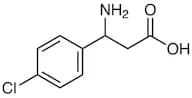
CAS:Formula:C9H6INPurity:>98.0%(GC)Color and Shape:Light yellow to Yellow to Orange powder to crystalMolecular weight:255.063-Amino-3-(4-chlorophenyl)propionic Acid
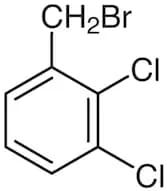
CAS:Formula:C9H10ClNO2Purity:>97.0%(T)(HPLC)Color and Shape:White to Almost white powder to crystalMolecular weight:199.632,3-Dichlorobenzyl Bromide
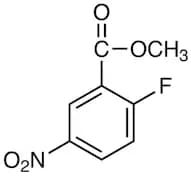
CAS:Formula:C7H5BrCl2Purity:>98.0%(GC)(T)Color and Shape:White or Colorless to Light yellow powder to lump to clear liquidMolecular weight:239.92Methyl 2-Fluoro-5-nitrobenzoate
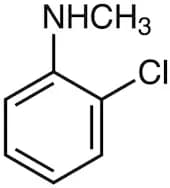
CAS:Formula:C8H6FNO4Purity:>98.0%(GC)Color and Shape:White to Yellow to Green powder to crystalMolecular weight:199.142-Chloro-N-methylaniline
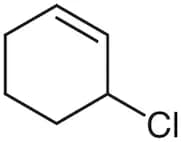
CAS:Formula:C7H8ClNPurity:>98.0%(GC)(T)Color and Shape:Colorless to Red to Green clear liquidMolecular weight:141.603-Chlorocyclohexene
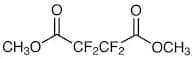
CAS:Formula:C6H9ClPurity:>95.0%(GC)Color and Shape:Colorless to Light yellow clear liquidMolecular weight:116.59Dimethyl Tetrafluorosuccinate
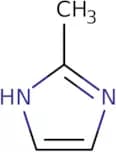
CAS:Formula:C6H6F4O4Purity:>95.0%(GC)Color and Shape:Colorless to Almost colorless clear liquidMolecular weight:218.102-Methylimidazole
CAS:2-Methylimidazole is a crystalline solid that has been used in the preparation of coordination compounds. The compound is prepared by reacting 2-methylimidazole with an appropriate metal cyanide, such as copper cyanide or nickel cyanide. The crystal structure of 2-methylimidazole shows strong hydrogen bonding interaction between the nitrogen atoms and the carboxylate groups. This compound has been used in clinical pathology to detect increased levels of ammonia, uric acid, and lactic acid in the blood. 2-Methylimidazole is not toxic to humans but has shown some toxicity to mice when injected intravenously at high concentrations. It can be used as an analytical method for determining trace amounts of chlorine in chemical compounds by way of electrochemical impedance spectroscopy (EIS).Formula:C4H6N2Purity:Min. 95%Color and Shape:White Clear LiquidMolecular weight:82.1 g/mol2,2':6',2'-Terpyridine-4,4',4''-tricarboxylic acid
CAS:2,2':6',2'-Terpyridine-4,4',4''-tricarboxylic acid is a model system that has been studied for its photochemical properties. In this molecule, there are two carboxyl groups and three pyridine rings. The molecule can be protonated easily by electron transfer to form a positively charged anion. This allows the molecule to undergo electron transfer reactions with other molecules in the presence of radiation or visible light. 2,2':6',2'-Terpyridine-4,4',4''-tricarboxylic acid absorbs photons easily and then transfers its energy to a nearby electron. The electron then passes on the energy to another molecule, which can produce a photocurrent.
Formula:C18H11N3O6Purity:Min. 95%Color and Shape:Brown SolidMolecular weight:365.3 g/mol7-Aminoquinoline
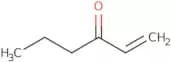
CAS:7-Aminoquinoline is a nucleophilic compound that is involved in the catalysis of bond cleavage. It has been shown to react with organic molecules and produce an oxygenative interaction. 7-Aminoquinoline has been shown to produce anti-inflammatory properties by inhibiting prostaglandin synthesis, which occurs through the inhibition of cyclooxygenase activity.Formula:C9H8N2Purity:Min. 95%Color and Shape:Yellow PowderMolecular weight:144.17 g/mol1-Hexen-3-one
CAS:1-Hexen-3-one is a carbonyl compound that has been shown to act as an estrogen receptor modulator. It has been isolated from the reaction product of hexene and formaldehyde, in which the intramolecular hydrogen is transferred to the carbon atom adjacent to the carbonyl group. 1-Hexen-3-one has been shown to induce muscle cell proliferation in vitro and inhibit liver microsomal protein synthesis in vivo. The 1-hexen-3-one can be prepared by reacting hexene with formaldehyde. The yield of this reaction is about 80%.
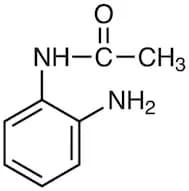
2 HCHO + C6H12 → C6H14O + 2 HCOOHFormula:C6H10OPurity:Min. 95%Color and Shape:PowderMolecular weight:98.14 g/mol2'-Aminoacetanilide
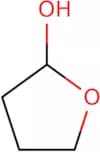
CAS:Formula:C8H10N2OPurity:>98.0%(T)Color and Shape:Light orange to Light red powder to crystallineMolecular weight:150.182-Hydroxytetrahydrofuran
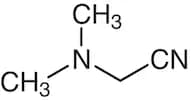
CAS:2-Hydroxytetrahydrofuran is a glycol ether that is used as an agent in various industrial processes. It has been shown to be a potent inhibitor of the Mcl-1 protein, which plays an important role in apoptosis. 2-Hydroxytetrahydrofuran has also been found to be effective against autoimmune diseases and metabolic disorders such as diabetes mellitus. In addition, this chemical is known for its ability to inhibit the oxidation of hydrogen peroxide by acting as a catalyst. 2-Hydroxytetrahydrofuran is used in wastewater treatment because it prevents the formation of nitrates and nitrites from nitrogen-containing organic compounds. This chemical can also cause eye disorders if it penetrates the cornea or other parts of the eye.Formula:C4H8O2Purity:Min. 95 Area-%Color and Shape:Colorless Clear LiquidMolecular weight:88.11 g/mol(Dimethylamino)acetonitrile
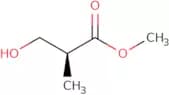
CAS:Formula:C4H8N2Purity:>96.0%(GC)(T)Color and Shape:Colorless to Light yellow to Light orange clear liquidMolecular weight:84.12Methyl L-(S)-b-Hydroxyisobutanoate
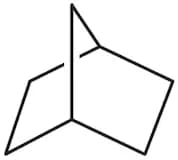
CAS:Methyl L-(S)-b-hydroxyisobutanoate is a spiroketal that belongs to the class of methyl ketones. It has been found to inhibit the growth of cancer cells in vitro and in vivo. This effect is mediated by its ability to inhibit fatty acid synthesis and its ability to activate Bafilomycin A1, which inhibits ATP synthase. Methyl L-(S)-b-hydroxyisobutanoate also has an asymmetric carbon atom at position 4, which makes it possible to synthesize stereoisomers with different biological properties. The hydroxyl group on the side chain is important for its biological function because it facilitates the binding to biomolecules.Formula:C5H10O3Purity:Min. 95%Color and Shape:PowderMolecular weight:118.13 g/molNorbornane
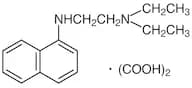
CAS:Formula:C7H12Purity:>98.0%(GC)Color and Shape:White to Almost white powder to crystalMolecular weight:96.17N-(2-Diethylaminoethyl)-1-naphthylamine Oxalate
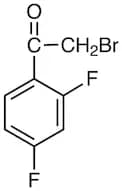
CAS:Formula:C18H24N2O4Purity:>98.0%(T)Color and Shape:White to Almost white powder to crystalMolecular weight:332.402-Bromo-2',4'-difluoroacetophenone
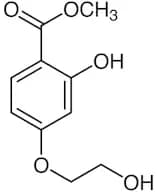
CAS:Formula:C8H5BrF2OPurity:>98.0%(GC)Color and Shape:White or Colorless to Light yellow to Light orange powder to lump to clear liquidMolecular weight:235.03Methyl 4-(2-Hydroxyethoxy)salicylate
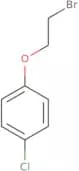
Formula:C10H12O5Purity:>98.0%(GC)Color and Shape:White to Light yellow to Light orange powder to crystalMolecular weight:212.201-(2-Bromoethoxy)-4-chloro-benzene
CAS:1-(2-Bromoethoxy)-4-chloro-benzene is a monomer that is soluble in organic solvents and has been shown to be an electron donor. The reaction mechanism of the bromination of 1-(2-bromoethoxy)-4-chlorobenzene involves the formation and subsequent decomposition of a radical anion, which is stabilized by the solvent acetonitrile. This monomer can also be used as a sensitizer for polymerization reactions. The yield of this product has been found to increase with increasing amounts of ethanol in the solution. 1-(2-Bromoethoxy)-4-chlorobenzene can also undergo an intramolecular cyclization to form a five membered ring with two stereogenic centers. 1-(2-Bromoethoxy)-4-chlorobenzene yields optical rotation values that are dependent on the concentration of water in the solution and it has beenFormula:C8H8BrClOPurity:Min. 95%Color and Shape:Off-White PowderMolecular weight:235.51 g/mol7-Chloroquinoline-3-carboxylicacid
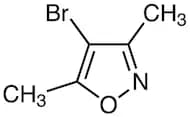
CAS:7-Chloroquinoline-3-carboxylicacid (7CQCA) is a synthetic compound that has been shown to have regulatory, immunomodulatory, and anticancer properties. It is a potent inhibitor of mammalian DNA polymerase beta and it has been shown to induce apoptosis in human prostate cancer cells by inhibiting the production of cAMP. 7CQCA also inhibits the proliferation of mouse CD1 leukemia cells in vitro and induces apoptosis in these cells. The compound was found to be more effective when used with other agents such as triticum aestivum extract, which may be due to its synergistic interaction with these compounds.Formula:C10H6ClNO2Purity:Min. 95%Color and Shape:Off-White PowderMolecular weight:207.61 g/mol4-Bromo-3,5-dimethylisoxazole
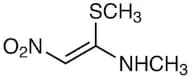
CAS:Formula:C5H6BrNOPurity:>98.0%(GC)Color and Shape:Colorless to Light orange to Yellow clear liquidMolecular weight:176.011-Methylamino-1-methylthio-2-nitroethylene
CAS:Formula:C4H8N2O2SPurity:>99.0%(HPLC)Color and Shape:Light orange to Yellow to Green powder to crystalMolecular weight:148.182-Nitrobiphenyl
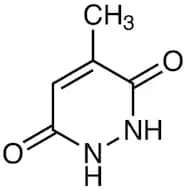
CAS:Formula:C12H9NO2Purity:>98.0%(GC)Color and Shape:White or Colorless to Yellow powder to lump to clear liquidMolecular weight:199.21Methylmaleic Hydrazide
CAS:Formula:C5H6N2O2Purity:>98.0%(GC)Color and Shape:White to Light yellow powder to crystalMolecular weight:126.124-Phenyl-2-butanol
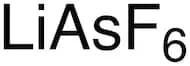
CAS:4-Phenyl-2-butanol is a monoclonal antibody that is used in the treatment of human immunodeficiency virus (HIV). It is an aromatic hydrocarbon that binds to amines and reacts with malonic acid, which has monophenolase activity. The resulting product, dimethyl malonate, reacts with unsaturated ketones to form diphenols. The reaction solution also contains chloride yields, which are generated by the conversion of amines to their corresponding chlorides. 4-Phenyl-2-butanol has been shown to have enantiopure properties for the synthesis of fatty acids and other compounds containing unsaturated ketones.Formula:C10H14OPurity:Min. 95%Color and Shape:Clear Colourless LiquidMolecular weight:150.22 g/molLithium Hexafluoroarsenate(V)
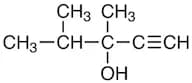
CAS:Formula:LiAsF6Purity:>98.0%(T)Color and Shape:White to Almost white powder to crystalMolecular weight:195.853,4-Dimethyl-1-pentyn-3-ol
CAS:Formula:C7H12OPurity:>96.0%(GC)Color and Shape:Colorless to Light orange to Yellow clear liquidMolecular weight:112.174-Bromo-2,6-difluorobenzaldehyde
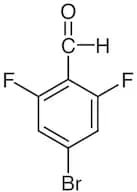
CAS:Formula:C7H3BrF2OPurity:>98.0%(GC)Color and Shape:White to Light yellow to Light orange powder to crystalMolecular weight:221.002-Amino-3-fluorobenzoic acid methyl ester
CAS:2-Amino-3-fluorobenzoic acid methyl ester (2AFBME) is an antibacterial agent that inhibits bacterial protein synthesis by binding to ribosomes and inhibiting the release of amino acids during translation. 2AFBME has been shown to have antibacterial activity against aureus, streptococcus, and staphylococcus strains in laboratory tests. The clinical development of 2AFBME has not yet been completed.Formula:C8H8FNO2Purity:Min. 95%Color and Shape:Yellow PowderMolecular weight:169.15 g/mol3-Bromochromone
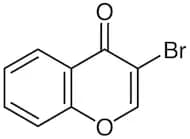
CAS:Formula:C9H5BrO2Purity:>98.0%(GC)Color and Shape:White to Orange to Green powder to crystalMolecular weight:225.042-Octadecoxyethanol
CAS:2-Octadecoxyethanol is a skin cell penetration enhancer. It is a nonionic surfactant that has been shown to increase the permeability of the skin by altering the lipid structure and function of the stratum corneum. This product can be used as an absorption enhancer, or as a plate test for microbial metabolism. 2-Octadecoxyethanol is water soluble and has low toxicity. It is also stable in both acidic and alkaline environments, making it suitable for use in a variety of applications.Formula:C20H42O2Purity:Min. 95%Color and Shape:PowderMolecular weight:314.55 g/mol(S)-(+)-3-Methyl-1-pentanol
CAS:(S)-(+)-3-Methyl-1-pentanol is a branched-chain, β-unsaturated aldehyde that is produced by the elimination of two molecules of water from (R)-(+)-3-methylbutanal. It is an organocatalytic substrate for the family of enzymes that catalyze the first step in the biosynthetic pathway to abiotic long-chain alcohols. The product is an intermediate in the biosynthesis of escherichia coli and other bacteria. The enzyme involved in this reaction is initially activated by acetate and then inhibited by NADH. In nature, this compound can be found as a natural product or as a metabolic intermediate.Formula:C6H14OPurity:Min. 95%Color and Shape:Colorless Clear LiquidMolecular weight:102.17 g/mol3-Methyl-1-butene (ca. 15% in Dichloromethane, ca. 2.5mol/L)
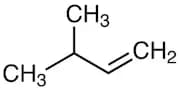
CAS:Formula:C5H10Color and Shape:Colorless to Almost colorless clear liquidMolecular weight:70.142,4-Dimethylnitrobenzene
CAS:Formula:C8H9NO2Purity:>98.0%(GC)Color and Shape:Light yellow to Yellow clear liquidMolecular weight:151.17Diethyl Diethylmalonate
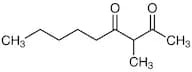
CAS:Formula:C11H20O4Purity:>97.0%(GC)Color and Shape:Colorless to Almost colorless clear liquidMolecular weight:216.283-Methylnonane-2,4-dione
CAS:Formula:C10H18O2Purity:>97.0%(GC)Color and Shape:Colorless to Yellow to Green clear liquidMolecular weight:170.259-Bromo-10-[4-(2-naphthyl)phenyl]anthracene
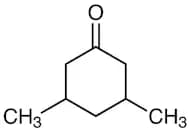
CAS:Formula:C30H19BrPurity:>98.0%(HPLC)Color and Shape:Light orange to Yellow to Green powder to crystalMolecular weight:459.393,5-Dimethylcyclohexanone (mixture of isomers)
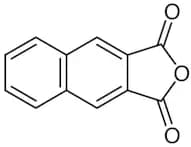
CAS:Formula:C8H14OPurity:>98.0%(GC)Color and Shape:Colorless to Light yellow clear liquidMolecular weight:126.202,3-Naphthalenedicarboxylic Anhydride
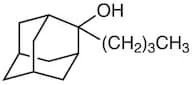
CAS:Formula:C12H6O3Purity:>95.0%(GC)(T)Color and Shape:White to Gray to Brown powder to crystalMolecular weight:198.182-Butyl-2-adamantanol
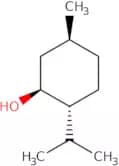
CAS:Formula:C14H24OPurity:>98.0%(GC)Color and Shape:White to Almost white powder to crystalMolecular weight:208.35(1S,2R,5S)-(+)-Menthol
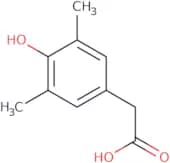
CAS:(1S,2R,5S)-(+)-Menthol is a pharmacological agent that has been shown to have anti-inflammatory activity. It inhibits prostaglandin synthesis by competitively blocking cyclooxygenase-1 and cyclooxygenase-2. (1S,2R,5S)-(+)-Menthol has also been shown to have x-ray crystal structures of the complex with sodium citrate in solution. These structures provide information about how menthol reacts with sodium citrate and water vapor for its reaction mechanism. The thermodynamic data for this process are also available. Menthol was found to be most effective when used in cell lysis experiments at a concentration of 1.0 mM and at room temperature. This compound is a white crystalline solid that is soluble in ethanol or chloroform but insoluble in water.Formula:C10H20OPurity:Min. 98%Color and Shape:White PowderMolecular weight:156.27 g/mol3,5-Dimethyl-4-hydroxyphenylacetic acid
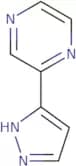
CAS:3,5-Dimethyl-4-hydroxyphenylacetic acid (DHPA) is a fine chemical that can be used as a building block in the production of other chemicals. It is a useful intermediate in organic synthesis and has been used to produce pharmaceuticals, fragrances, and dyes. DHPA is also an important reagent for research purposes and can be used to synthesize other compounds.Formula:C10H12O3Purity:Min. 95%Color and Shape:Off-White PowderMolecular weight:180.2 g/mol2-(1H-Pyrazol-3-yl)pyrazine
CAS:2-(1H-Pyrazol-3-yl)pyrazine is a dinuclear compound that has been shown to inhibit the activity of anions. It has also been used in the treatment of diabetes by increasing the thermal expansion of beta cells and decreasing insulin resistance. 2-(1H-Pyrazol-3-yl)pyrazine has been shown to have magnetic properties, which can be exploited for its use in medicine. This compound is a single crystal x-ray diffraction research tool that is used to aid in understanding the structural changes that occur during thermal expansion. This compound also expands when heated, which may be due to an increase in volume or less electron density as a result of loss of hydrogens.Formula:C7H6N4Purity:Min. 95%Color and Shape:White PowderMolecular weight:146.15 g/molBoc-homo-L-tyrosine
CAS:Boc-homo-L-tyrosine is a high quality reagent, which is a useful intermediate for the synthesis of complex compounds. It is also a useful scaffold that can be used in the creation of fine chemicals and research chemicals. Boc-homo-L-tyrosine has been shown to be versatile, as it can serve as a reaction component in different types of chemical reactions. This compound can be used as a building block and is classified as a speciality chemical. Boc-homo-L-tyrosine has an CAS number of 198473-94-8.Formula:C15H21NO5Purity:Min. 95%Color and Shape:White PowderMolecular weight:295.33 g/mol









![1,1,2,2,3,3-Hexafluoro-1-(trifluoromethoxy)-3-[(1,2,2-trifluorovinyl)oxy]propane](/_next/image/?url=https%3A%2Fstatic.cymitquimica.com%2Fproducts%2F3B%2Fthumb-webp%2FH1610.webp&w=3840&q=75)



![Benzo[b]furan-2-boronic acid](/_next/image/?url=https%3A%2Fstatic.cymitquimica.com%2Fproducts%2F3D%2Fthumb-webp%2FFB40264.webp&w=3840&q=75)
![1,4-Diazabicyclo[3.2.2]nonane](/_next/image/?url=https%3A%2Fstatic.cymitquimica.com%2Fproducts%2F3D%2Fthumb-webp%2FFD07111.webp&w=3840&q=75)








![2,3,3-Trimethyl-3H-benzo[e]indole](/_next/image/?url=https%3A%2Fstatic.cymitquimica.com%2Fproducts%2F3D%2Fthumb-webp%2FFT29018.webp&w=3840&q=75)











![9-Bromo-10-[4-(2-naphthyl)phenyl]anthracene](/_next/image/?url=https%3A%2Fstatic.cymitquimica.com%2Fproducts%2F3B%2Fthumb-webp%2FB4571.webp&w=3840&q=75)