Building Blocks
Subcategories of "Building Blocks"
- Boronic Acids & Boronic Acid Derivatives(5,781 products)
- Chiral Building Blocks(1,242 products)
- Hydrocarbon Building Blocks(6,101 products)
- Organic Building Blocks(61,033 products)
Found 205320 products of "Building Blocks"
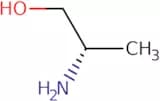
L-Alaninol
CAS:L-Alaninol is a natural amino acid that can be synthesized in an asymmetric way. It has been used as a palladium complex catalyst to produce the inorganic acid, l-alaninol. L-Alaninol is biologically active and has shown antiviral and antimicrobial activities against mycobacterium avium and human lymphocytes. It also has been shown to have anticancer properties in animal models. In addition, it has been used as a model system for the study of organic chemistry reactions. L-Alaninol has also been shown to exhibit magnetic resonance spectroscopy properties that are similar to those of l-phenylalaninol.
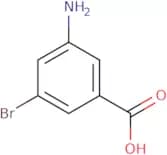
Formula:C3H9NOColor and Shape:Colorless Slightly Yellow Clear LiquidMolecular weight:75.11 g/mol3-Amino-5-bromobenzoic acid
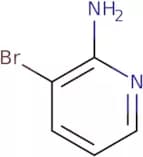
CAS:3-Amino-5-bromobenzoic acid is a synthetic, water soluble anti-inflammatory agent. It is cytotoxic to macrophages in vitro and has significant efficacy in vivo. Its mechanism of action is to inhibit the synthesis of nucleotides in the cell. 3-Amino-5-bromobenzoic acid also inhibits inflammation by inhibiting prostaglandin synthesis and has been shown to be effective against seborrheic dermatitis. This drug has pharmacokinetic properties that are favourable for oral administration and is rapidly absorbed from the gastrointestinal tract with a half life of 2 hours. The drug is eliminated through the kidneys, with an elimination half life of 6 hours.Formula:C7H6BrNO2Purity:Min. 95%Color and Shape:PowderMolecular weight:216.03 g/mol2-Amino-3-bromopyridine
CAS:2-Amino-3-bromopyridine (2ABP) is a nucleoside analogue that is used as a photosensitizer for photodynamic therapy. It has been shown to be effective against the fungus Cryptococcus neoformans, which can cause cryptococcal meningitis. 2ABP is unstable when exposed to light and requires an acidic environment to maintain stability. It binds to the ribose ring of levulinate, forming hydrogen bonding interactions with the hydroxide group on C5 and C8. 2ABP has been shown to have high transport properties in cells. This drug also has photophysical properties that are sensitive to pH, requiring it to be dissolved in a solution of trifluoroacetic acid or acetonitrile at a neutral pH. The 2ABP molecule has been characterized by nuclear magnetic resonance spectroscopy (NMR). Aqueous solutions of sodium hydroxide have been used successfully for the preparationFormula:C5H5BrN2Purity:Min. 95%Color and Shape:White PowderMolecular weight:173.01 g/mol2-Azido-1,3-bis[(2,2-dimethyl-1,3-dioxan-5-yl)oxy]propane
CAS:Formula:C15H27N3O6Purity:>95.0%(HPLC)Color and Shape:White or Colorless to Light orange to Yellow powder to lump to clear liquidMolecular weight:345.401-Benzyl-3-p-tolyltriazene [for Esterification]
CAS:Formula:C14H15N3Purity:>98.0%(T)Color and Shape:White to Yellow to Orange powder to crystalMolecular weight:225.30(R)-1-Benzyl-3-pyrrolidinol
CAS:Formula:C11H15NOPurity:>96.0%(GC)Color and Shape:Light yellow to Yellow to Orange clear liquid to slightly cloudy liquidMolecular weight:177.25N,N-Bis(4-bromobenzyl)amine
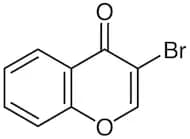
CAS:Formula:C14H13Br2NPurity:>98.0%(GC)(T)Color and Shape:White to Orange to Green powder to crystalMolecular weight:355.073-Bromochromone
CAS:Formula:C9H5BrO2Purity:>98.0%(GC)Color and Shape:White to Orange to Green powder to crystalMolecular weight:225.046-Bromo-2-(4-bromophenyl)-indole
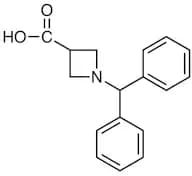
CAS:6-Bromo-2-(4-bromophenyl)-indole is a fine chemical with CAS No. 28718-96-9 that can be used as a versatile building block for the synthesis of complex compounds, useful scaffold for research chemicals, and reaction component for speciality chemicals. This compound has high quality and is a reagent in the synthesis of other compounds.Formula:C14H9Br2NPurity:Min. 95%Color and Shape:Off white to pale yellow powder.Molecular weight:351.04 g/mol1-Benzhydrylazetidine-3-carboxylic Acid
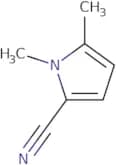
CAS:Formula:C17H17NO2Purity:>98.0%(T)(HPLC)Color and Shape:White to Light yellow to Light orange powder to crystalMolecular weight:267.332-Cyano-1,5-dimethylpyrrole
CAS:2-Cyano-1,5-dimethylpyrrole is a quinone antibiotic. It has been shown to have antibacterial activity against organisms such as Staphylococcus, Streptococcus, and Pyogenes. This chemical has been shown to be active in the gaseous phase and against test organisms in alcohol extracts. 2-Cyano-1,5-dimethylpyrrole also exhibits flavonoid and saponin properties that may contribute to its antimicrobial activity.
Formula:C7H8N2Purity:Min. 95%Color and Shape:PowderMolecular weight:120.15 g/molN,N-Bis[2-(p-tolylsulfonyloxy)ethyl]-p-toluenesulfonamide
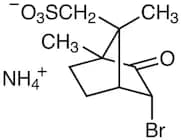
CAS:Formula:C25H29NO8S3Purity:>98.0%(HPLC)(N)Color and Shape:White to Almost white powder to crystalMolecular weight:567.69(-)-3-Bromocamphor-8-sulfonic Acid Ammonium Salt
CAS:Formula:C10H18BrNO4SPurity:>97.0%(T)Color and Shape:White to Light yellow to Light orange powder to crystalMolecular weight:328.229-Bromo-10-[4-(2-naphthyl)phenyl]anthracene
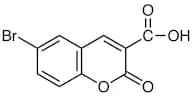
CAS:Formula:C30H19BrPurity:>98.0%(HPLC)Color and Shape:Light orange to Yellow to Green powder to crystalMolecular weight:459.396-Bromocoumarin-3-carboxylic Acid
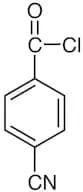
CAS:Formula:C10H5BrO4Purity:>98.0%(HPLC)Color and Shape:White to Orange to Green powder to crystalMolecular weight:269.054-Cyanobenzoyl Chloride
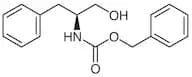
CAS:Formula:C8H4ClNOPurity:>98.0%(GC)(T)Color and Shape:White to Light yellow powder to crystalMolecular weight:165.58N-Carbobenzoxy-L-phenylalaninol
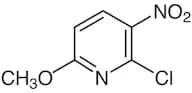
CAS:Formula:C17H19NO3Purity:>98.0%(HPLC)Color and Shape:White to Almost white powder to crystalMolecular weight:285.342-Chloro-6-methoxy-3-nitropyridine
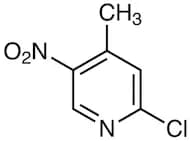
CAS:Formula:C6H5ClN2O3Purity:>98.0%(GC)Color and Shape:Light yellow to Yellow to Green powder to crystalMolecular weight:188.572-Chloro-4-methyl-5-nitropyridine
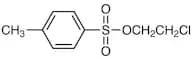
CAS:Formula:C6H5ClN2O2Purity:>98.0%(GC)Color and Shape:White or Colorless to Light yellow to Green powder to lump to clear liquidMolecular weight:172.572-Chloroethyl p-Toluenesulfonate
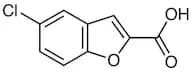
CAS:Formula:C9H11ClO3SPurity:>98.0%(GC)Color and Shape:Colorless to Light yellow clear liquidMolecular weight:234.695-Chlorobenzofuran-2-carboxylic Acid
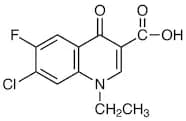
CAS:Formula:C9H5ClO3Purity:>98.0%(GC)(T)Color and Shape:White to Light yellow powder to crystalMolecular weight:196.597-Chloro-1-ethyl-6-fluoro-1,4-dihydro-4-oxoquinoline-3-carboxylic Acid
CAS:Formula:C12H9ClFNO3Purity:>98.0%(T)(HPLC)Color and Shape:White to Orange to Green powder to crystalMolecular weight:269.664-Chloro-2-(trifluoromethyl)quinoline
CAS:Formula:C10H5ClF3NPurity:>97.0%(GC)Color and Shape:White or Colorless to Almost white or Almost colorless powder to lump to clear liquidMolecular weight:231.60(S)-(+)-3-Methyl-1-pentanol
CAS:(S)-(+)-3-Methyl-1-pentanol is a branched-chain, β-unsaturated aldehyde that is produced by the elimination of two molecules of water from (R)-(+)-3-methylbutanal. It is an organocatalytic substrate for the family of enzymes that catalyze the first step in the biosynthetic pathway to abiotic long-chain alcohols. The product is an intermediate in the biosynthesis of escherichia coli and other bacteria. The enzyme involved in this reaction is initially activated by acetate and then inhibited by NADH. In nature, this compound can be found as a natural product or as a metabolic intermediate.Formula:C6H14OPurity:Min. 95%Color and Shape:Colorless Clear LiquidMolecular weight:102.17 g/mol7-Methoxyquinoline
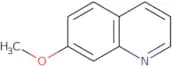
CAS:7-Methoxyquinoline is a drug that belongs to the group of histone deacetylase inhibitors. It has been shown to inhibit monooxygenase and cytochrome p-450, which are enzymes involved in the metabolism of drugs. 7-Methoxyquinoline can be used as a fluorescent probe for reactions involving histones or other proteins with similar chemical structures. It is also used as an inhibitor in biochemical assays, such as fluorometric assays. 7-Methoxyquinoline can be prepared by reacting hydrazine with methoxyacetic acid followed by hydrolysis of the resulting hydrazone. This process yields a mixture of products, some of which are substituted with methoxy groups at different positions on the benzene ring.Formula:C10H9NOPurity:Min. 95%Color and Shape:Colorless PowderMolecular weight:159.18 g/mol2,4-Dimethylnitrobenzene
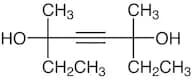
CAS:Formula:C8H9NO2Purity:>98.0%(GC)Color and Shape:Light yellow to Yellow clear liquidMolecular weight:151.173,6-Dimethyl-4-octyne-3,6-diol
CAS:Formula:C10H18O2Purity:>98.0%(GC)Color and Shape:White to Almost white powder to crystalMolecular weight:170.252-(2,2-Diethoxyethyl)-1,3-propanediol
CAS:Formula:C9H20O4Purity:>88.0%(GC)Color and Shape:Colorless to Light yellow clear liquidMolecular weight:192.262,3-Dichlorobenzyl Bromide
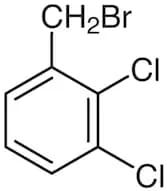
CAS:Formula:C7H5BrCl2Purity:>98.0%(GC)(T)Color and Shape:White or Colorless to Light yellow powder to lump to clear liquidMolecular weight:239.922-(2,6-Dichlorophenyl)ethylamine
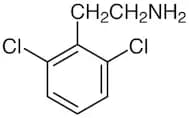
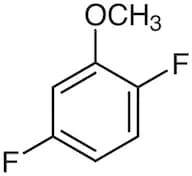
CAS:Formula:C8H9Cl2NPurity:>98.0%(GC)(T)Color and Shape:Colorless to Light orange to Yellow clear liquidMolecular weight:190.072,5-Difluoroanisole
CAS:Formula:C7H6F2OPurity:>98.0%(GC)Color and Shape:Colorless to Almost colorless clear liquidMolecular weight:144.12Dimethyl Iminodiacetate Hydrochloride
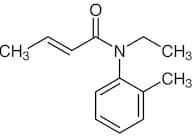
CAS:Formula:C6H11NO4·HClPurity:>98.0%(T)Color and Shape:White to Almost white powder to crystalMolecular weight:197.62N-Ethyl-o-crotonotoluidide
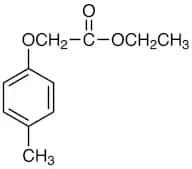
CAS:Formula:C13H17NOPurity:>95.0%(GC)Color and Shape:Colorless to Light yellow to Light orange clear liquidMolecular weight:203.29Ethyl (4-Methylphenoxy)acetate
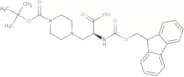
CAS:Formula:C11H14O3Purity:>97.0%(GC)Color and Shape:Colorless to Light yellow clear liquidMolecular weight:194.23(S)-3-(4-Boc-piperazin-1-yl)-2-(Fmoc-amino)propionic acid
CAS:(S)-3-(4-Boc-piperazin-1-yl)-2-(Fmoc-amino)propionic acid is a high quality reagent which has been synthesized in our lab. It is used as a reaction component and can be used as a speciality chemical, versatile building block, or useful intermediate. This compound has been shown to have complex properties and can be used as a fine chemical.Formula:C27H33N3O6Purity:Min. 95%Color and Shape:White PowderMolecular weight:495.57 g/mol1-Bromo-4-iodonaphthalene
CAS:1-Bromo-4-iodonaphthalene is an organic compound that can be synthesized in a number of steps. The first step involves the reaction of 4-bromobenzonitrile with sulfur. This is followed by the acetylation of the product to give 2-(acetyloxy)benzonitrile. An intermediate product is then obtained by reacting this with sodium azide in water and heating to 90°C for 12 hours. Finally, the intermediate product is reacted with phenylmagnesium bromide in ether and hydrolyzed with an alkali to give 1-bromo-4-iodonaphthalene. This compound has been used in the industrial synthesis of biphenyls and dyes such as methyl violet.
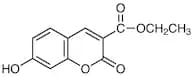
Formula:C10H6BrIPurity:Min. 95%Color and Shape:Off-White PowderMolecular weight:332.96 g/molEthyl 7-Hydroxycoumarin-3-carboxylate
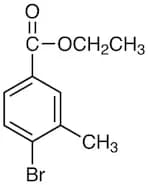
CAS:Formula:C12H10O5Purity:>98.0%(GC)Color and Shape:White to Light yellow to Light orange powder to crystalMolecular weight:234.21Ethyl 4-Bromo-3-methylbenzoate
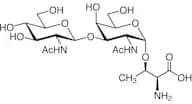
CAS:Formula:C10H11BrO2Purity:>98.0%(GC)Color and Shape:Colorless to Light yellow clear liquidMolecular weight:243.10GlcNAcβ(1-3)GalNAc-α-Thr
CAS:Formula:C20H35N3O13Purity:>97.0%(HPLC)Color and Shape:White to Almost white powder to crystalMolecular weight:525.51Galβ(1-3)[Neu5Acα(2-6)]GalNAc-β-pNP
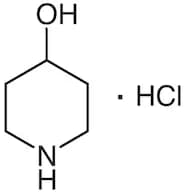
CAS:Formula:C31H45N3O21Purity:min. 97.0 area%(HPLC)Color and Shape:White to Light yellow to Green powder to crystalMolecular weight:795.704-Hydroxypiperidine Hydrochloride
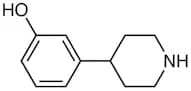
CAS:Formula:C5H11NO·HClPurity:>98.0%(T)Color and Shape:White to Orange to Green powder to crystalineMolecular weight:137.614-(3-Hydroxyphenyl)piperidine
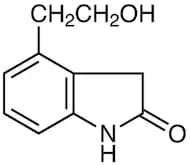
CAS:Formula:C11H15NOPurity:>98.0%(GC)(T)Color and Shape:White to Orange to Green powder to crystalMolecular weight:177.254-(2-Hydroxyethyl)oxindole
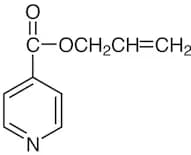
CAS:Formula:C10H11NO2Purity:>98.0%(GC)Color and Shape:White to Orange to Green powder to crystalMolecular weight:177.20Allyl Isonicotinate
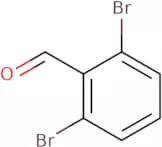
CAS:Formula:C9H9NO2Purity:>98.0%(GC)Color and Shape:Colorless to Light yellow to Light orange clear liquidMolecular weight:163.182,6-Dibromobenzaldehyde
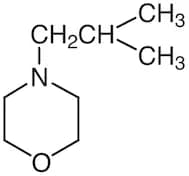
CAS:2,6-Dibromobenzaldehyde is an imidazole derivative that has been shown to be a potent inhibitor of tyrosine kinase. It has been shown to inhibit the replication of virus type-1 and is effective in the treatment of pain models. 2,6-Dibromobenzaldehyde also inhibits the activity of enzymes, such as phosphodiesterases and protein kinases. This compound has shown promising results in animal studies for the treatment of human immunodeficiency virus type 1 (HIV-1) infection. The pharmacokinetic properties of 2,6-dibromobenzaldehyde have been studied in rats and dogs with oral administration and found to be linear and rapid with high bioavailability.Formula:C7H4Br2OPurity:Min. 95%Color and Shape:PowderMolecular weight:263.91 g/mol4-Isobutylmorpholine
CAS:Formula:C8H17NOPurity:>98.0%(GC)Color and Shape:Colorless to Yellow clear liquidMolecular weight:143.233,4-O-Isopropylidene-D-mannitol
CAS:Formula:C9H18O6Purity:>96.0%(GC)Color and Shape:White to Almost white powder to crystalMolecular weight:222.241-Iodo-2-methylbutane (stabilized with Copper chip)
CAS:Formula:C5H11IPurity:>95.0%(GC)Color and Shape:Colorless to Brown clear liquidMolecular weight:198.051-Ethyl-1,2-dihydro-2,2,4-trimethyl-7-quinolinol hydrochloride
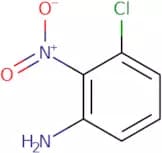
CAS:Please enquire for more information about 1-Ethyl-1,2-dihydro-2,2,4-trimethyl-7-quinolinol hydrochloride including the price, delivery time and more detailed product information at the technical inquiry form on this pageFormula:C14H19NO•HClPurity:Min. 95%Color and Shape:PowderMolecular weight:253.77 g/mol3-Chloro-2-nitroaniline
CAS:3-Chloro-2-nitroaniline is an organic compound that regulates the neuron and can be used in the treatment of Alzheimer's disease. It has been shown to bind to the potassium channel, which regulates the flow of potassium ions across neuronal membranes. 3-Chloro-2-nitroaniline also binds to the CB2 receptor, which is found on immune cells, and has been shown to be a potent agonist for this receptor. The affinity of 3-chloro-2-nitroaniline for the CB2 receptor is about 100 times greater than for the CB1 receptor. 3-Chloro-2-nitroaniline also binds to other proteins such as ABCA1 and Abca1, which regulate cholesterol transport in cells. 3-Chloro-2-nitroaniline is currently being studied as a potential drug candidate for treatment of Alzheimer's disease and other neurological disorders.
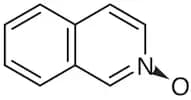
Formula:C6H5ClN2O2Purity:Min. 95%Color and Shape:PowderMolecular weight:172.57 g/molIsoquinoline N-Oxide
CAS:Formula:C9H7NOPurity:>98.0%(T)(qNMR)Color and Shape:Light yellow to Yellow to Orange powder to crystalMolecular weight:145.161H,1H,12H,12H-Icosafluoro-1,12-dodecanediol
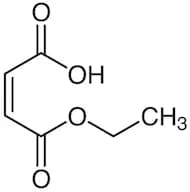
CAS:Formula:C12H6F20O2Purity:>96.0%(GC)Color and Shape:White to Almost white powder to crystalMolecular weight:562.15Ethyl Hydrogen Maleate
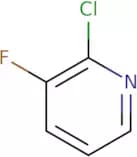
CAS:Formula:C6H8O4Purity:>95.0%(GC)Color and Shape:Colorless to Almost colorless clear liquidMolecular weight:144.132-Chloro-3-fluoropyridine
CAS:2-Chloro-3-fluoropyridine is a chemical compound that is classified as an allosteric modulator. It has a profile of physicochemical and spectrometric properties, which includes a pyridine ring with two chloro substituents and one fluorine atom. 2-Chloro-3-fluoropyridine can be transported by organic solvents such as benzene or chloroform, but not by water. This chemical reacts with copper chloride to form a cross-coupling reaction, which may be useful for the synthesis of complex organic molecules. 2-Chloro-3-fluoropyridine also has biological properties that include being a ligand for some receptors in the brain and central nervous system, as well as having antioxidant activity.
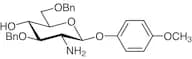
Formula:C5H3ClFNPurity:Min. 95%Color and Shape:Clear LiquidMolecular weight:131.54 g/mol4-Methoxyphenyl 2-Amino-3,6-di-O-benzyl-2-deoxy-β-D-glucopyranoside
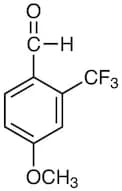
CAS:Formula:C27H31NO6Color and Shape:White to Almost white powder to crystalMolecular weight:465.554-Methoxy-2-(trifluoromethyl)benzaldehyde
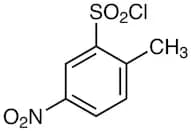
CAS:Formula:C9H7F3O2Purity:>97.0%(GC)Color and Shape:White to Almost white powder to lumpMolecular weight:204.152-Methyl-5-nitrobenzenesulfonyl Chloride
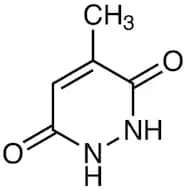
CAS:Formula:C7H6ClNO4SPurity:>98.0%(GC)(T)Color and Shape:White to Light yellow powder to crystalMolecular weight:235.64Methylmaleic Hydrazide
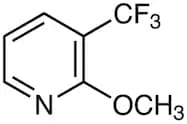
CAS:Formula:C5H6N2O2Purity:>98.0%(GC)Color and Shape:White to Light yellow powder to crystalMolecular weight:126.122-Methoxy-3-(trifluoromethyl)pyridine
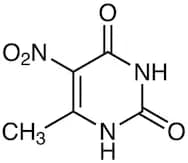
CAS:Formula:C7H6F3NOPurity:>98.0%(GC)Color and Shape:Colorless to Almost colorless clear liquidMolecular weight:177.136-Methyl-5-nitrouracil
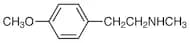
CAS:Formula:C5H5N3O4Purity:>95.0%(T)(HPLC)Color and Shape:Light orange to Yellow to Green powder to crystalMolecular weight:171.11N-Methyl-2-(4-methoxyphenyl)ethylamine
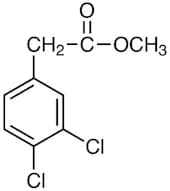
CAS:Formula:C10H15NOPurity:>95.0%(GC)(T)Color and Shape:Light orange to Yellow to Green clear liquidMolecular weight:165.24Methyl 3,4-Dichlorophenylacetate
CAS:Formula:C9H8Cl2O2Purity:>98.0%(GC)Color and Shape:Colorless to Light orange to Yellow clear liquidMolecular weight:219.063-Methyl-N-methylbenzylamine
CAS:Formula:C9H13NPurity:>97.0%(GC)Color and Shape:Colorless to Light yellow to Light orange clear liquidMolecular weight:135.212-Nitrobiphenyl
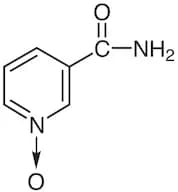
CAS:Formula:C12H9NO2Purity:>98.0%(GC)Color and Shape:White or Colorless to Yellow powder to lump to clear liquidMolecular weight:199.21Nicotinamide N-Oxide
CAS:Formula:C6H6N2O2Purity:>98.0%(T)Color and Shape:White to Light yellow powder to crystalMolecular weight:138.134-Nitro-2-(trifluoromethyl)benzonitrile
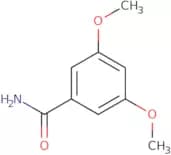
CAS:Formula:C8H3F3N2O2Purity:>98.0%(GC)Color and Shape:White to Yellow to Green powder to crystalMolecular weight:216.123,5-Dimethoxybenzamide
CAS:3,5-Dimethoxybenzamide belongs to the class of quinolone drugs. It is a potentiator of nabilone, which is a synthetic cannabinoid similar to THC. 3,5-Dimethoxybenzamide has been shown to be an electron-deficient compound that reacts with 5-hydroxytryptamine (serotonin) in vitro. This reaction leads to the formation of hydrogen bonds and modifications in the structure of serotonin molecules. 3,5-Dimethoxybenzamide also has grignard reagent activity and can be used as a carboxyamide or amide precursor in organic synthesis.Formula:C9H11NO3Purity:Min. 95%Color and Shape:PowderMolecular weight:181.19 g/mol4-Chloropiperidine
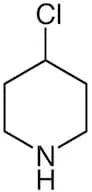
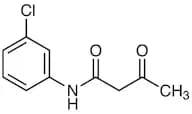
CAS:Formula:C5H10ClNPurity:>97.0%(GC)(T)Color and Shape:Colorless to Light yellow to Light orange clear liquidMolecular weight:119.59N-(3-Chlorophenyl)-3-oxobutyramide
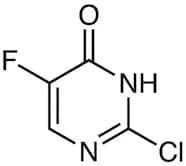
CAS:Formula:C10H10ClNO2Purity:>96.0%(T)(HPLC)Color and Shape:White to Orange to Green powder to crystalMolecular weight:211.652-Chloro-5-fluoro-4-pyrimidinone
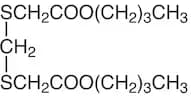
CAS:Formula:C4H2ClFN2OPurity:>98.0%(T)Color and Shape:White to Light yellow powder to crystalMolecular weight:148.52Dibutyl Methylenebis(thioglycolate)
CAS:Formula:C13H24O4S2Purity:>95.0%(GC)Color and Shape:Colorless to Almost colorless clear liquidMolecular weight:308.45Methyl 3-Methyl-15-phenylpentadecanoate
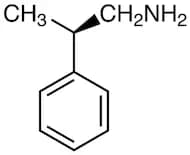
CAS:Formula:C23H38O2Purity:>95.0%(GC)Color and Shape:White to Yellow to Green clear liquidMolecular weight:346.56(R)-(+)-β-Methylphenethylamine
CAS:Formula:C9H13NPurity:>98.0%(GC)(T)Color and Shape:Colorless to Almost colorless clear liquidMolecular weight:135.21Neu5Ac[1Me,4789Ac]α(2-6)Gal[24Bz,3Bn]-β-MP
CAS:Formula:C54H59NO21Purity:>95.0%(HPLC)Color and Shape:White to Almost white powder to crystalMolecular weight:1,058.053-Methoxy-5-(trifluoromethyl)aniline
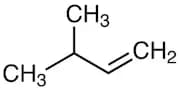
CAS:Formula:C8H8F3NOPurity:>98.0%(GC)(T)Color and Shape:Light yellow to Brown to Dark red powder to crystalMolecular weight:191.153-Methyl-1-butene (ca. 15% in Dichloromethane, ca. 2.5mol/L)
CAS:Formula:C5H10Color and Shape:Colorless to Almost colorless clear liquidMolecular weight:70.14Methyl Pentafluorophenyl Carbonate
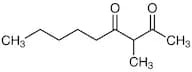
CAS:Formula:C8H3F5O3Purity:>98.0%(GC)Color and Shape:White to Almost white powder to lumpMolecular weight:242.103-Methylnonane-2,4-dione
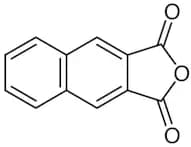
CAS:Formula:C10H18O2Purity:>97.0%(GC)Color and Shape:Colorless to Yellow to Green clear liquidMolecular weight:170.252,3-Naphthalenedicarboxylic Anhydride
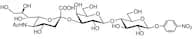
CAS:Formula:C12H6O3Purity:>95.0%(GC)(T)Color and Shape:White to Gray to Brown powder to crystalMolecular weight:198.18Neu5Acα(2-3)Galβ(1-4)Glc-β-pNP
CAS:Formula:C29H42N2O21Purity:>97.0%(HPLC)Color and Shape:White to Light yellow to Green powder to crystalineMolecular weight:754.65Octadecylcyclohexane
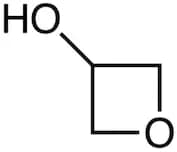
CAS:Formula:C24H48Purity:>98.0%(GC)Color and Shape:White to Almost white powder to crystalMolecular weight:336.653-Oxetanol
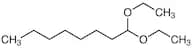
CAS:Formula:C3H6O2Purity:>96.0%(GC)Color and Shape:Colorless to Light yellow clear liquid to slightly cloudy liquidMolecular weight:74.08n-Octanal Diethyl Acetal
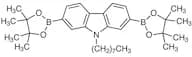
CAS:Formula:C12H26O2Purity:>97.0%(GC)Color and Shape:Colorless to Almost colorless clear liquidMolecular weight:202.349-n-Octyl-2,7-bis(4,4,5,5-tetramethyl-1,3,2-dioxaborolan-2-yl)carbazole
CAS:Formula:C32H47B2NO4Purity:>97.0%(HPLC)(N)Color and Shape:White to Almost white powder to crystalMolecular weight:531.351,1'-[1,4-Phenylenebis(methylene)]bis(4,4'-bipyridinium) Dibromide
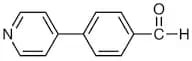
CAS:Formula:C28H24Br2N4Purity:>98.0%(HPLC)Color and Shape:White to Light yellow to Light orange powder to crystalMolecular weight:576.344-(4-Pyridyl)benzaldehyde
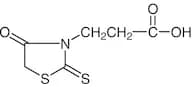
CAS:Formula:C12H9NOPurity:>98.0%(GC)Color and Shape:White to Orange to Green powder to crystalMolecular weight:183.21Rhodanine-3-propionic Acid
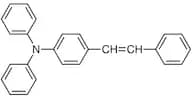
CAS:Formula:C6H7NO3S2Purity:>98.0%(GC)(T)Color and Shape:Light yellow to Brown powder to crystalMolecular weight:205.254-Styryltriphenylamine
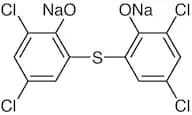
CAS:Formula:C26H21NPurity:>98.0%(GC)Color and Shape:Light yellow to Yellow to Green powder to crystalMolecular weight:347.46Bithionol Disodium Salt
CAS:Formula:C12H4Cl4Na2O2SPurity:>98.0%(T)(HPLC)Color and Shape:White to Gray to Brown powder to crystalMolecular weight:400.00Trimethylolpropane Triacrylate (stabilized with MEHQ)
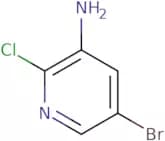
CAS:Formula:C15H20O6Purity:>75.0%(GC)Color and Shape:Colorless to Light yellow to Light orange clear liquidMolecular weight:296.323-Amino-5-bromo-2-chloropyridine
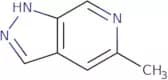
CAS:3-Amino-5-bromo-2-chloropyridine is a synthetic compound that has been shown to be an inhibitor of phosphoinositide 3 kinase delta (PI3Kδ). It is also a potent inhibitor of the proliferation of human cancer cells in vitro and in vivo. The PI3Kδ is activated by insulin and other growth factors, which leads to the activation of downstream pathways. These pathways trigger cell growth and proliferation. 3-Amino-5-bromo-2-chloropyridine may have potential as a novel anticancer drug due to its ability to inhibit PI3Kδ activity and prevent the progression of cancer.Formula:C5H4BrClN2Purity:Min. 95%Color and Shape:Yellow PowderMolecular weight:207.46 g/mol6-Aza-5-methyl-1H-indazole
CAS:6-Aza-5-methyl-1H-indazole is a chemical compound that acts as a building block for the synthesis of pharmaceuticals and other compounds. It is used in research for the development of new drugs, such as antihypertensive agents, antibiotics, and immunosuppressants. 6-Aza-5-methyl-1H-indazole has been shown to be an effective intermediate in the synthesis of many complex compounds, including cephalosporins, penicillins, carbapenems, and aminoglycosides. This versatile reagent can be used to synthesize a wide variety of organic compounds.
Formula:C7H7N3Purity:Min. 95%Color and Shape:White To Beige SolidMolecular weight:133.15 g/mol2-Acetylpyrazine
CAS:2-Acetylpyrazine is a nitrogen containing compound that has been used in biological studies. 2-Acetylpyrazine has been shown to have inhibitory properties against the growth of prostate cancer cells and other cell lines. It also inhibits the production of fatty acids and epidermal growth factor, which are important for cellular proliferation. The inhibition is due to the photochemical properties of 2-acetylpyrazine, which cause the formation of reactive species that react with biological molecules. The reactive species may be generated by either a reaction mechanism or a reaction pathway that involve coordination geometry. 2-acetylpyrazine has also been used as a fluorescence probe for fatty acid detection in lipid bilayers and liposomes.Formula:C6H6N2OPurity:Min. 95%Color and Shape:PowderMolecular weight:122.12 g/mol3-[Bis(phenylmethyl)amino]-5-fluoro-6-methyl-2-(phenylmethoxy)benzoic acid phenyl ester
CAS:Building block in tetracycline antibiotic synthesisFormula:C35H30FNO3Purity:Min. 95%Color and Shape:PowderMolecular weight:531.62 g/mol4-Bromo-2-nitrobenzoic acid
CAS:4-Bromo-2-nitrobenzoic acid is an anthranilic acid derivative that can be used as a radiolabel for the diagnosis of bladder cancer. The uptake of 4-Bromo-2-nitrobenzoic acid in the bladder is proportional to the number of cells, which are then detected by positron emission tomography (PET) scanning. The affinity of 4-Bromo-2-nitrobenzoic acid to human bladder tissue was determined by measuring its uptake in humans and rats. 4-Bromo-2-nitrobenzoic acid has been shown to be effective against cancer cells in vitro. Radiolabeling with this compound allows for more accurate diagnostic imaging than using other radiopharmaceuticals.Formula:C7H4BrNO4Purity:Min. 95%Color and Shape:PowderMolecular weight:246.02 g/molN-Boc-2-methyl-L-proline
CAS:N-Boc-2-methyl-L-proline is a chemical compound that is used as a building block in the synthesis of other compounds. This substance is also an intermediate in the production of pharmaceuticals and pesticides. The compound has been shown to have high quality, versatility, and complexity. N-Boc-2-methyl-L-proline can be used as a reagent for research or as a speciality chemical. The CAS number for this substance is 103336-06-7.Formula:C11H19NO4Purity:Min. 95%Color and Shape:White To Off-White SolidMolecular weight:229.27 g/mol1,2-Bis(diphenylphosphino)ethane
CAS:1,2-Bis(diphenylphosphino)ethane is a ligand that binds to the metal molybdenum. It has been shown to have biochemical properties in relation to its ability to form complexes with adriamycin and other drugs. The redox potential of 1,2-Bis(diphenylphosphino)ethane depends on the presence of sodium ions. This ligand is able to bind to the iron in the mitochondrial membrane and can affect the mitochondrial membrane potential. X-ray crystal structures show that this ligand binds to a monosodium salt. 1,2-Bis(diphenylphosphino)ethane has been shown to be a potent inhibitor of transfer reactions and is used as an analytical reagent for structural analysis.Formula:C26H24P2Purity:Min. 98 Area-%Color and Shape:White Off-White PowderMolecular weight:398.42 g/molBoc-homo-L-tyrosine
CAS:Boc-homo-L-tyrosine is a high quality reagent, which is a useful intermediate for the synthesis of complex compounds. It is also a useful scaffold that can be used in the creation of fine chemicals and research chemicals. Boc-homo-L-tyrosine has been shown to be versatile, as it can serve as a reaction component in different types of chemical reactions. This compound can be used as a building block and is classified as a speciality chemical. Boc-homo-L-tyrosine has an CAS number of 198473-94-8.Formula:C15H21NO5Purity:Min. 95%Color and Shape:White PowderMolecular weight:295.33 g/mol12-(t-Boc-amino)-1-dodecanol
CAS:12-(t-Boc-amino)-1-dodecanol is a versatile building block that is used in the synthesis of complex compounds. It can be used by itself or as a reagent or speciality chemical. This compound is useful for the synthesis of high quality research chemicals and useful scaffolds. 12-(t-Boc-amino)-1-dodecanol has CAS No. 67341-03-1 and is a fine chemical that has been widely used in the synthesis of pharmaceuticals, agrochemicals, and other organic compounds.
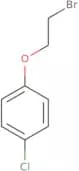
Formula:C17H35NO3Purity:Min. 95%Color and Shape:PowderMolecular weight:301.46 g/mol1-(2-Bromoethoxy)-4-chloro-benzene
CAS:1-(2-Bromoethoxy)-4-chloro-benzene is a monomer that is soluble in organic solvents and has been shown to be an electron donor. The reaction mechanism of the bromination of 1-(2-bromoethoxy)-4-chlorobenzene involves the formation and subsequent decomposition of a radical anion, which is stabilized by the solvent acetonitrile. This monomer can also be used as a sensitizer for polymerization reactions. The yield of this product has been found to increase with increasing amounts of ethanol in the solution. 1-(2-Bromoethoxy)-4-chlorobenzene can also undergo an intramolecular cyclization to form a five membered ring with two stereogenic centers. 1-(2-Bromoethoxy)-4-chlorobenzene yields optical rotation values that are dependent on the concentration of water in the solution and it has beenFormula:C8H8BrClOPurity:Min. 95%Color and Shape:Off-White PowderMolecular weight:235.51 g/mol

![2-Azido-1,3-bis[(2,2-dimethyl-1,3-dioxan-5-yl)oxy]propane](/_next/image/?url=https%3A%2Fstatic.cymitquimica.com%2Fproducts%2F3B%2Fthumb-webp%2FA2474.webp&w=3840&q=75)

![1-Benzyl-3-p-tolyltriazene [for Esterification]](/_next/image/?url=https%3A%2Fstatic.cymitquimica.com%2Fproducts%2F3B%2Fthumb-webp%2FB0949.webp&w=3840&q=75)



![N,N-Bis[2-(p-tolylsulfonyloxy)ethyl]-p-toluenesulfonamide](/_next/image/?url=https%3A%2Fstatic.cymitquimica.com%2Fproducts%2F3B%2Fthumb-webp%2FB4136.webp&w=3840&q=75)
![9-Bromo-10-[4-(2-naphthyl)phenyl]anthracene](/_next/image/?url=https%3A%2Fstatic.cymitquimica.com%2Fproducts%2F3B%2Fthumb-webp%2FB4571.webp&w=3840&q=75)






![Galβ(1-3)[Neu5Acα(2-6)]GalNAc-β-pNP](/_next/image/?url=https%3A%2Fstatic.cymitquimica.com%2Fproducts%2F3B%2Fthumb-webp%2FG0345.webp&w=3840&q=75)







![Neu5Ac[1Me,4789Ac]α(2-6)Gal[24Bz,3Bn]-β-MP](/_next/image/?url=https%3A%2Fstatic.cymitquimica.com%2Fproducts%2F3B%2Fthumb-webp%2FM1761.webp&w=3840&q=75)



![1,1'-[1,4-Phenylenebis(methylene)]bis(4,4'-bipyridinium) Dibromide](/_next/image/?url=https%3A%2Fstatic.cymitquimica.com%2Fproducts%2F3B%2Fthumb-webp%2FP1405.webp&w=3840&q=75)


![3-[Bis(phenylmethyl)amino]-5-fluoro-6-methyl-2-(phenylmethoxy)benzoic acid phenyl ester](/_next/image/?url=https%3A%2Fstatic.cymitquimica.com%2Fproducts%2F3D%2Fthumb-webp%2FFB101468.webp&w=3840&q=75)