Building Blocks
This section contains fundamental products for the synthesis of organic and biological compounds. Building blocks are the essential starting materials used to construct complex molecules through various chemical reactions. They play a critical role in drug discovery, material science, and chemical research. At CymitQuimica, we offer a diverse range of high-quality building blocks to support your innovative research and industrial projects, ensuring you have the essential components for successful synthesis.
Subcategories of "Building Blocks"
- Boronic Acids & Boronic Acid Derivatives(5,756 products)
- Chiral Building Blocks(1,242 products)
- Hydrocarbon Building Blocks(6,095 products)
- Organic Building Blocks(61,038 products)
Found 196817 products of "Building Blocks"
Sort by
Purity (%)
0
100
|
0
|
50
|
90
|
95
|
100
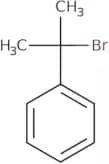
(2-Bromopropan-2-yl)benzene
CAS:<p>2-Bromopropan-2-yl)benzene is an impurity in the production of polypropylene. It is a potential monomer that can be used for the synthesis of polymers. The compound has been shown to have copolymerization properties and can be used as a debrominating agent for poly(vinyl chloride). 2-Bromopropan-2-yl)benzene's reaction mechanism is based on the addition of bromine to the double bond of an organic compound. The product of this reaction is a halide, which is then hydrolyzed to release water and hydrogen bromide gas. 2-Bromopropan-2-yl)benzene also has antiinflammatory properties and has been shown to inhibit the production of chloride ions in immune cells. 2-Bromopropan-2-yl)benzene has also been shown to have peroxide decomposition properties, which may cause</p>Formula:C9H11BrPurity:Min. 95%Molecular weight:199.09 g/mol1-Chloro-5-methoxy-2-pentene
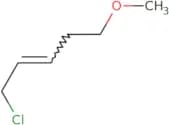
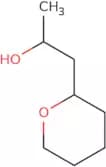
CAS:<p>Versatile small molecule scaffold</p>Formula:C6H11ClOPurity:Min. 95%Molecular weight:134.6 g/mol1-(Oxan-2-yl)propan-2-ol
CAS:<p>Versatile small molecule scaffold</p>Formula:C8H16O2Purity:Min. 95%Molecular weight:144.21 g/mol2-[4-(Ethylsulfanyl)phenyl]acetic acid
CAS:<p>Versatile small molecule scaffold</p>Formula:C10H12O2SPurity:Min. 95%Molecular weight:196.27 g/mol2-[4-(Propan-2-ylsulfanyl)phenyl]acetic acid
CAS:<p>Versatile small molecule scaffold</p>Formula:C11H14O2SPurity:Min. 95%Molecular weight:210.29 g/mol1-[4-(Ethylsulfanyl)phenyl]ethan-1-one
CAS:<p>Versatile small molecule scaffold</p>Formula:C10H12OSPurity:Min. 95%Molecular weight:180.27 g/mol2-(Methanesulfonyloxy)acetic acid
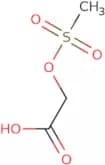
CAS:<p>2-Methanesulfonyloxyacetic acid (MSAA) is a nitrosated compound that is used in the food industry as a preservative. It has been shown to inhibit tumor growth by inhibiting the synthesis of DNA and RNA, as well as protein synthesis. MSAA also inhibits the production of dehydrogenase in thymus cells, which has been shown to be related to cancer development. The mechanism of this inhibition is not yet clear, but it may be due to an interaction with diazoacetate or imidazole. MSAA also inhibits catalysis by anion, which can be reinterpreted to mean that it catalyzes anion.</p>Formula:C3H6O5SPurity:Min. 95%Molecular weight:154.14 g/mol1-Methoxy-2-phenylpropan-2-ol
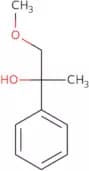
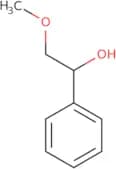
CAS:<p>Versatile small molecule scaffold</p>Formula:C10H14O2Purity:Min. 95%Molecular weight:166.22 g/mol2-Methoxy-1-phenylethan-1-ol
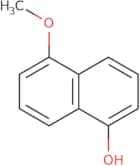
CAS:<p>2-Methoxy-1-phenylethan-1-ol is a derivatised compound that contains a hydroxyl group. It is structurally similar to styrene and has been found to be catalysed by proton, as well as by the presence of other compounds such as cytochrome P450. 2-Methoxy-1-phenylethan-1-ol is an ether with two ether linkages in its backbone, which form at the alpha carbon of the ethyl group and the oxygen atom of the methoxy group. The ether linkage can be cleaved by peroxide to produce an alcohol and an aldehyde. 2-Methoxy-1-phenylethan-1-ol has been shown to reduce inflammation in mice by inhibiting the synthesis of inflammatory cytokines, such as TNFα.</p>Formula:C9H12O2Purity:Min. 95%Molecular weight:152.19 g/mol5-Methoxynaphthalen-1-ol
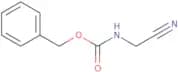
CAS:<p>5-Methoxynaphthalen-1-ol is an alkylating agent that has been shown to have hypoglycemic activity. It is a nonpolar solvent, which can be used for the extraction of alkaloids from plants and fungi. 5-Methoxynaphthalen-1-ol has been shown to bind specifically to the hydroxyl group of proteins, nucleic acids, and lipids. This binding inhibits the metabolism of carbohydrates and leads to an increase in blood sugar levels. 5-Methoxynaphthalen-1-ol is synthesized by reacting naphthalene with a mixture of nitric acid and hydrochloric acid in a polar solvent such as water or ethanol. The reaction produces dihydroxynaphthalenes, which are then oxidized with potassium permanganate in a nonpolar solvent such as benzene or chloroform.</p>Formula:C11H10O2Purity:Min. 95%Molecular weight:174.2 g/molN-(Benzyloxycarbonyl)-2-aminoacetonitrile
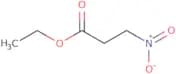
CAS:<p>N-(Benzyloxycarbonyl)-2-aminoacetonitrile is a chemists molecule that has significant cytotoxicity. It is used as an antibacterial agent against Streptococcus pneumoniae, which is the cause of bacterial pneumonia and ear infections. The drug binds to the fatty acid biosynthesis enzyme, inhibiting the production of long-chain fatty acids such as palmitic and oleic acids. This leads to cell death through apoptosis or necrosis. N-(Benzyloxycarbonyl)-2-aminoacetonitrile has potent antibacterial activity against S. pneumoniae and other bacteria that are resistant to penicillin, ampicillin, erythromycin, and tetracycline antibiotics.</p>Formula:C10H10N2O2Purity:Min. 95%Molecular weight:190.2 g/molethyl 3-nitropropanoate
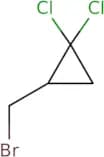
CAS:<p>Ethyl 3-nitropropanoate is a synthetic, organic compound that has been reported as an effective nucleophile in the synthesis of nitroaldol products. This reagent is also used to synthesize bifunctional derivatives from nitro compounds and malonates. It can be used in the synthesis of asymmetric nitro compounds. Ethyl 3-nitropropanoate is a low molecular weight anion that can be easily removed by washing with water or dilute acid, which makes it ideal for use in organic synthesis. The chloride anion is also present in this compound, which may be derived from the reaction of ethyl 3-nitropropanoate with chlorine gas or other chlorine containing reagents.</p>Formula:C5H9NO4Purity:Min. 95%Molecular weight:147.13 g/mol2-(Bromomethyl)-1,1-dichlorocyclopropane
CAS:<p>2-(Bromomethyl)-1,1-dichlorocyclopropane is a compound that contains carbon atoms and a three-membered ring. This compound can be synthesized by the reaction of maleimide with 1,1-dichlorocyclopropane in the presence of p-toluenesulfonic acid. The yield of this reaction is typically 60%. 2-(Bromomethyl)-1,1-dichlorocyclopropane has been shown to have antiviral properties against pandemic H5N1 influenza A virus (Covid-19) and amide antiviral activity. It also has intramolecular reactivity due to its amine groups.</p>Formula:C4H5BrCl2Purity:Min. 95%Molecular weight:203.89 g/molN-Propylcyclohexanamine hydrochloride
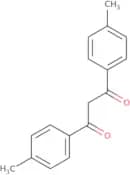
CAS:<p>Versatile small molecule scaffold</p>Formula:C9H20ClNPurity:Min. 95%Molecular weight:177.71 g/mol1,3-Bis(4-methylphenyl)propane-1,3-dione
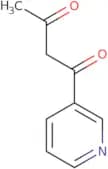
CAS:<p>Versatile small molecule scaffold</p>Formula:C17H16O2Purity:Min. 95%Molecular weight:252.31 g/mol1-(Pyridin-3-yl)butane-1,3-dione
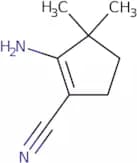
CAS:<p>1-(Pyridin-3-yl)butane-1,3-dione is an activating agent that can be used to treat a variety of disorders. It activates the insulin receptor and has been shown to activate the PPAR alpha and gamma heterodimers in vitro. 1-(Pyridin-3-yl)butane-1,3-dione may also have a proliferating effect on cells. This compound is a chelate ring that contains heterocyclic bonds, which are often found in compounds with profiles similar to those of 1-(pyridin-3-yl)butane-1,3-dione. The structural formula for this compound is shown below:</p>Formula:C9H9NO2Purity:Min. 95%Molecular weight:163.17 g/mol2-Amino-3,3-dimethylcyclopent-1-ene-1-carbonitrile
CAS:<p>Versatile small molecule scaffold</p>Formula:C8H12N2Purity:Min. 95%Molecular weight:136.19 g/molCaffeoylalkohol
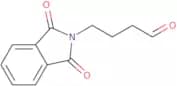
CAS:<p>Caffeoylalkohol is a caffeic acid ester that has been shown to inhibit the growth of bacteria. It inhibits bacterial growth by binding to hydroxyl ions, sinapate, and methoxy groups in cell membranes, which prevents fatty acids from entering the cell. Caffeoylalkohol also has an inhibitory effect on fatty alcohols and monocarboxylic acids by competitive inhibition. The synergistic interaction between caffeoylalkohol and other compounds such as sinapic acid or p-coumaryl alcohol may have a synergistic effect on bacterial growth inhibition.</p>Formula:C9H10O3Purity:Min. 95%Molecular weight:166.17 g/mol4-(1,3-Dioxoisoindolin-2-yl)butanal
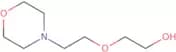
CAS:<p>4-(1,3-Dioxoisoindolin-2-yl)butanal is a ligand that binds to the dopamine D3 and D2 receptors. It has been shown to have high affinity for these receptors in rat brain tissue. 4-(1,3-Dioxoisoindolin-2-yl)butanal is an analogue of the neurotransmitter dopamine and can be used as a lead compound for drug discovery programs. It is also a bioisosteric replacement for anilines, which are commonly used as starting materials in chemical synthesis. This compound has been shown to have affinity with carboxylic acid groups and amide groups on proteins.</p>Formula:C12H11NO3Purity:Min. 95%Molecular weight:217.22 g/mol2-(2-morpholinoethoxy)ethan-1-ol
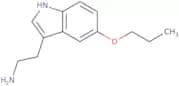
CAS:<p>2-(2-Morpholinoethoxy)ethan-1-ol is a surface stabilizer that is used in detergents. It can be used as an additive in the manufacture of gaseous fuels, such as propane, butane, and natural gas. 2-(2-Morpholinoethoxy)ethan-1-ol also has primary amine groups that react with chloride to form polyester resins. 2-(2-Morpholinoethoxy)ethan-1-ol is hydrophobic and therefore does not dissolve easily in water, which makes it suitable for use in dehydrating reactions.</p>Formula:C8H17NO3Purity:Min. 95%Molecular weight:175.12 g/mol2-(5-Propoxy-1H-indol-3-yl)ethan-1-amine
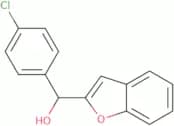
CAS:Controlled ProductVersatile small molecule scaffoldFormula:C13H18N2OPurity:Min. 95%Molecular weight:218.29 g/mol(1-Benzofuran-2-yl)(4-chlorophenyl)methanol
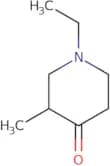
CAS:<p>(1-Benzofuran-2-yl)(4-chlorophenyl)methanol is a synthetic compound that is used as an estrogen receptor modulator. This drug binds to the estrogen receptor and activates it, which causes the cell to proliferate. (1-Benzofuran-2-yl)(4-chlorophenyl)methanol has been shown to have both anti-inflammatory and cardioprotective effects in animal models. It is also effective against cancer in animals, but not in humans. The side effects of this drug are cardiac toxicity and congestive heart failure.</p>Formula:C15H11ClO2Purity:Min. 95%Molecular weight:258.7 g/mol1-ethyl-3-methylpiperidin-4-one
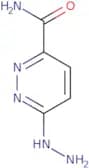
CAS:<p>Versatile small molecule scaffold</p>Formula:C8H15NOPurity:Min. 95%Molecular weight:141.21 g/mol6-Hydrazinopyridazine-3-carboxamide
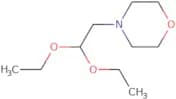
CAS:<p>6-Hydrazinopyridazine-3-carboxamide (HPC) is a drug that regulates the activity of protein genes. It is an antihypertensive agent and has been shown to inhibit the conversion of citrate to ATP in heart tissue, which may be due to its ability to bind to collagen. HPC has biological properties that include inhibition of cardiac contractility and vasodilation, as well as growth factor activity. This drug also inhibits cancer cell proliferation by interfering with the production of growth factors, such as PDGF and FGF. HPC is a coordination complex with dopamine and may have therapeutic effects on Parkinson's disease.</p>Formula:C5H7N5OPurity:Min. 95%Molecular weight:153.14 g/mol4-(2,2-Diethoxyethyl)morpholine
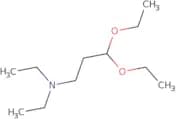
CAS:<p>Versatile small molecule scaffold</p>Formula:C10H21NO3Purity:Min. 95%Molecular weight:203.28 g/mol(3,3-Diethoxypropyl)diethylamine
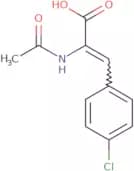
CAS:<p>Versatile small molecule scaffold</p>Formula:C11H25NO2Purity:Min. 95%Molecular weight:203.32 g/mol(2Z)-2-(Acetylamino)-3-(4-chlorophenyl)acrylic acid
CAS:<p>Versatile small molecule scaffold</p>Formula:C11H10ClNO3Purity:Min. 95%Molecular weight:239.65 g/mol2-{Spiro[3.3]heptan-2-yl}ethan-1-ol
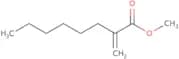
CAS:<p>Versatile small molecule scaffold</p>Formula:C9H16OPurity:Min. 95%Molecular weight:140.22 g/molMethyl 2-methylideneoctanoate
CAS:<p>Versatile small molecule scaffold</p>Formula:C10H18O2Purity:Min. 95%Molecular weight:170.25 g/mol4-Methyl-5-oxopentanenitrile
CAS:<p>Versatile small molecule scaffold</p>Formula:C6H9NOPurity:Min. 95%Molecular weight:111.14 g/mol1-Propyl-[1,4]diazepane
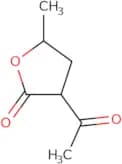
CAS:<p>Versatile small molecule scaffold</p>Formula:C8H18N2Purity:Min. 95%Molecular weight:142.25 g/mol3-Acetyl-5-methyloxolan-2-one
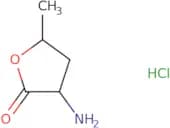
CAS:<p>Versatile small molecule scaffold</p>Formula:C7H10O3Purity:Min. 95%Molecular weight:142.15 g/mol3-Amino-5-methyloxolan-2-one hydrochloride
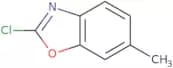
CAS:<p>Versatile small molecule scaffold</p>Formula:C5H10ClNO2Purity:Min. 95%Molecular weight:151.59 g/mol2-Chloro-6-methyl-1,3-benzoxazole
CAS:<p>Versatile small molecule scaffold</p>Formula:C8H6ClNOPurity:Min. 95%Molecular weight:167.59 g/mol2-Chloro-6-(methylsulfonyl)benzo[d]thiazole
CAS:<p>Versatile small molecule scaffold</p>Formula:C8H6ClNO2S2Purity:Min. 95%Molecular weight:247.72 g/mol2-Chloro-5-methylbenzo[d]thiazole
CAS:<p>Versatile small molecule scaffold</p>Formula:C8H6ClNSPurity:Min. 95%Molecular weight:183.66 g/mol2-Chloro-4-methyl-benzothiazole
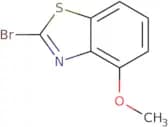
CAS:<p>Versatile small molecule scaffold</p>Formula:C8H6ClNSPurity:Min. 95%Molecular weight:183.66 g/mol2-Bromo-4-methoxybenzothiazole
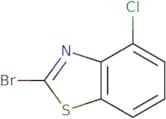
CAS:<p>Versatile small molecule scaffold</p>Formula:C8H6BrNOSPurity:Min. 95%Molecular weight:244.11 g/mol2-Bromo-4-chlorobenzothiazole
CAS:<p>Versatile small molecule scaffold</p>Formula:C7H3BrClNSPurity:Min. 95%Molecular weight:248.53 g/mol2-Bromo-7-methylbenzo[D]thiazole
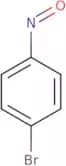
CAS:<p>Versatile small molecule scaffold</p>Formula:C8H6BrNSPurity:Min. 95%Molecular weight:228.11 g/mol1-Bromo-4-nitrosobenzene
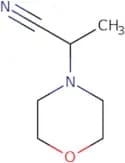
CAS:<p>1-Bromo-4-nitrosobenzene is a chemical compound that has been shown to be a stable, metastable molecule. It can undergo nucleophilic attack on the carbonyl group by deuterium atoms. This reaction is dependent on kinetic and thermodynamic factors, such as activation energy and the concentration of the reactants. The FT-IR spectroscopy for this compound reveals that it consists of two heterodimers: one containing three nitroso groups and one bromine atom and another with two nitroso groups and one bromine atom. The rates of reaction for these monomers are different because they are not equivalent in terms of their chemical properties.</p>Formula:C6H4BrNOPurity:Min. 95%Molecular weight:186.01 g/mol2-(Morpholin-4-yl)propanenitrile
CAS:<p>2-(Morpholin-4-yl)propanenitrile is a diaminodiphenylsulfone that inhibits the synthesis of pyrimidines, such as thymine and cytosine. It also has synergistic effects with sulphones, which are inhibitors of mycobacteria. The synergistic activity of 2-(Morpholin-4-yl)propanenitrile against mycobacteria has been shown to be due to its antimicrobial properties. This chemical compound has been shown to have a synergistic effect when combined with isoniazide, an inhibitor of the synthesis of mycolic acid in Mycobacterium tuberculosis.</p>Formula:C7H12N2OPurity:Min. 95%Molecular weight:140.18 g/molethyl 6-aminohexanoate,hydrochloride
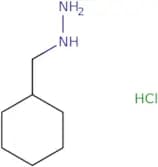
CAS:<p>Ethyl 6-aminohexanoate,hydrochloride is a monomer that can be polymerized with other ethyl 6-aminohexanoate,hydrochloride monomers to form polyelectrolytes. This compound has hydrophobic properties and reacts with functional groups. Ethyl 6-aminohexanoate,hydrochloride is fluorescent and has reactive properties. Polyelectrolytes are polymers that contain multiple charged groups which are able to form ionic bonds with other polymers or ions in solution. Ethyl 6-aminohexanoate,hydrochloride can be used as a crosslinker because it contains two methacrylate groups that react with the amino groups of proteins or polypeptides to form covalent bonds.</p>Formula:C8H18ClNO2Purity:Min. 95%Molecular weight:195.69 g/mol(Cyclohexylmethyl)hydrazine hydrochloride
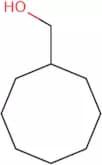
CAS:<p>Cyclohexylmethyl)hydrazine hydrochloride is a heterocyclic compound that has been used as a medicinal agent. It has shown to be effective in the treatment of cachexia, autoimmune diseases, diabetes, rheumatoid arthritis, and asthma. Cyclohexylmethyl)hydrazine hydrochloride has an inhibitory effect on the production of inflammatory cytokines and enzymes such as prostaglandin E2 synthase and cyclooxygenase-1 (COX-1). The drug also inhibits the growth of cells in human skin and erythematosus lesions. Cyclohexylmethyl)hydrazine hydrochloride is metabolized by hydroxamic acid.</p>Formula:C7H16N2·ClHPurity:Min. 95%Molecular weight:164.68 g/molCyclooctylmethanol
CAS:<p>Cyclooctylmethanol is a cancer drug that belongs to the class of amides. It has been shown to have anti-inflammatory properties and can be used in the treatment of bladder infections, as well as infectious diseases. Cyclooctylmethanol binds to the platelet membrane and inhibits the growth of cancer cells. This compound also has an inhibitory effect on nicotinic acetylcholine receptors and can be used to treat Alzheimer's disease. Cyclooctylmethanol has been shown to have growth factor activity, which may be due to its hydroxyl group or fatty acid moiety. This antibiotic also reacts with ruthenium complex, which causes it to become more active against bacteria.</p>Formula:C9H18OPurity:Min. 95%Molecular weight:142.23 g/mol2-Hydroxy-2,3-dimethylbutanoic acid
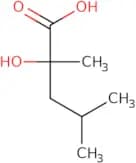
CAS:<p>Versatile small molecule scaffold</p>Formula:C6H12O3Purity:Min. 95%Molecular weight:132.16 g/mol2-Hydroxy-2,4-dimethylpentanoic acid
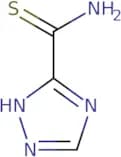
CAS:<p>Versatile small molecule scaffold</p>Formula:C7H14O3Purity:Min. 95%Molecular weight:146.18 g/mol4H-1,2,4-Triazole-3-carbothioamide
CAS:<p>Versatile small molecule scaffold</p>Formula:C3H4N4SPurity:Min. 95%Molecular weight:128.16 g/molSpiro[4.5]decan-2-one
CAS:<p>Spiro[4.5]decan-2-one is a lactam that is used in pharmaceutical formulations for the treatment of cerebral and nervous disorders. Lactams are prepared by reacting an amine with a carbonyl compound, usually a carboxylic acid, in the presence of an acid catalyst. This reaction creates a ring structure that contains both a nitrogen atom and an oxygen atom. Spiro[4.5]decan-2-one can be administered orally or intravenously. It is also used as an intermediate in the synthesis of other drugs, such as anti-inflammatory agents and antibiotics. The preparation process includes three steps: the tosylate is activated by reaction with hydrochloric acid; then it reacts with magnesium sulfate to form the crystalline salt; and finally this salt is treated with ethyl chloride to produce the hydrochloride salt, which is soluble in water.</p>Formula:C10H16OPurity:Min. 95%Molecular weight:152.23 g/mol1-[2-(Dimethylamino)ethyl]piperazine
CAS:<p>1-[2-(Dimethylamino)ethyl]piperazine (DAP) is a chemical species that encompasses a number of different structures. DAP can have hydrophobic effects, and it binds to the neurokinin-1 receptor, which has been shown to be involved in the transmission of pain signals. DAP has also shown anticholinesterase activity, which is due to its reaction with acetylcholine esterase. DAP reacts with polyols, forming reactive cross-linkages. It is also a molecule that can form aldimines and trimerization reactions with other molecules. DAP has been used as a cross-linking agent in polyurethane production.</p>Formula:C8H19N3Purity:Min. 95%Molecular weight:157.26 g/mol3-{Methyl[(oxiran-2-yl)methyl]amino}propanenitrile
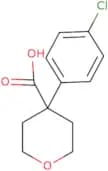
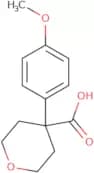
CAS:<p>Versatile small molecule scaffold</p>Formula:C7H12N2OPurity:Min. 95%Molecular weight:140.18 g/mol4-(4-Chloro-phenyl)-tetrahydro-pyran-4-carboxylic acid
CAS:<p>Versatile small molecule scaffold</p>Formula:C12H13ClO3Purity:Min. 95%Molecular weight:240.68 g/mol4-(4-Methoxy-phenyl)-tetrahydro-pyran-4-carboxylic acid
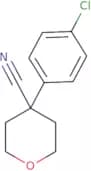
CAS:<p>4-(4-Methoxy-phenyl)-tetrahydro-pyran-4-carboxylic acid is a substituted benzoic acid that is used in the production of p-aminobenzoic acid. This product is made by acylation of 4-(4-methoxyphenyl)tetrahydro-2H-pyran-4 carboxylic acid with amines, chlorides, and chloride. Alternatively, it can be prepared by hydrolysis of 4-(4-methoxyphenyl) tetrahydropyran.</p>Formula:C13H16O4Purity:Min. 95%Molecular weight:236.26 g/mol4-(4-Chlorophenyl)tetrahydro-2H-pyran-4-carbonitrile
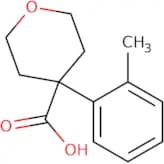
CAS:<p>Versatile small molecule scaffold</p>Formula:C12H12ClNOPurity:Min. 95%Molecular weight:221.69 g/mol4-(2-Methylphenyl)oxane-4-carboxylic acid
CAS:<p>Versatile small molecule scaffold</p>Formula:C13H16O3Purity:Min. 95%Molecular weight:220.26 g/mol7-Methoxy-2,3,4,5-tetrahydro-benzo[c]azepin-1-one
CAS:<p>Versatile small molecule scaffold</p>Formula:C11H13NO2Purity:Min. 95%Molecular weight:191.23 g/mol5,6,7,8-Tetrahydropyrido[2,3-D]Pyrimidin-4(3H)-One
CAS:<p>Tetrahydropyrido[2,3-D]pyrimidin-4(3H)-one is a heterocyclic compound that has been synthesized with high diastereoselectivity and good yields. The reaction process is carried out with the use of a solid acid catalyst at room temperature to give the desired product in high yield. Tetrahydropyrido[2,3-D]pyrimidin-4(3H)-one can be used as an antineoplastic agent for the treatment of cancer. It inhibits cell proliferation by arresting cells in the G1 phase of the cell cycle.</p>Formula:C7H9N3OPurity:Min. 95%Molecular weight:151.17 g/mol1H,2H,3H,4H,5H,6H,7H-Pyrazolo[3,4-b]pyridin-3-one
CAS:<p>Versatile small molecule scaffold</p>Formula:C6H9N3OPurity:Min. 95%Molecular weight:139.16 g/molImidazo[1,2-a]pyridin-6-amine dihydrochloride
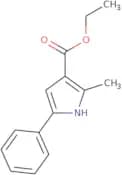
CAS:<p>Versatile small molecule scaffold</p>Formula:C7H7N3·2HClPurity:Min. 95%Molecular weight:206.08 g/molethyl 2-methyl-5-phenyl-1H-pyrrole-3-carboxylate
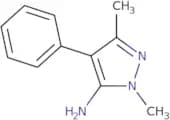
CAS:<p>Ethyl 2-methyl-5-phenyl-1H-pyrrole-3-carboxylate is a serotonin analog. It has been shown to have antidepressant properties and inhibit the reuptake of serotonin by the neurotransmitter transporter. This leads to an increase in serotonin levels in the brain, which may be due to its ability to act on 5-HT2A and 5-HT2C receptors. The compound also acts as an antagonist at 5HT1A receptors, which may contribute to its antidepressant effects. In vivo activities of this drug have been confirmed using various animal models. Ethyl 2-methyl-5-phenyl-1H-pyrrole-3--carboxylate is a lead compound for other potential antidepressants with similar activity.</p>Formula:C14H15NO2Purity:Min. 95%Molecular weight:229.28 g/mol2,5-Dimethyl-4-phenylpyrazol-3-amine
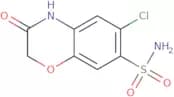
CAS:<p>Versatile small molecule scaffold</p>Formula:C11H13N3Purity:Min. 95%Molecular weight:187.25 g/mol6-Chloro-3-oxo-3,4-dihydro-2H-1,4-benzoxazine-7-sulfonamide
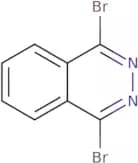
CAS:<p>Versatile small molecule scaffold</p>Formula:C8H7ClN2O4SPurity:Min. 95%Molecular weight:262.67 g/mol1,4-Dibromophthalazine
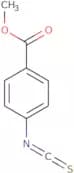
CAS:<p>1,4-Dibromophthalazine is a protonated nitrogen heterocycle. It is a ligand that binds to an iron catalyst and inhibits the fluxional activity of organic acids. 1,4-Dibromophthalazine has been shown to inhibit the proliferation of cancer cells in vitro at concentrations as low as 0.1 mM. The anti-proliferative activities of 1,4-dibromophthalazine are due to its ability to bind to the DNA in cancer cells, which prevents DNA replication and transcription, leading to cell death.</p>Formula:C8H4Br2N2Purity:Min. 95%Molecular weight:287.94 g/mol4-Methoxycarbonylphenyl isothiocyanate
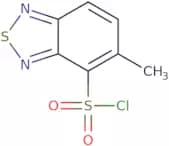
CAS:<p>4-Methoxycarbonylphenyl isothiocyanate is a metabolic disorder that is detectable by the use of stable isotope labeled 4-Methoxycarbonylphenyl isothiocyanate, which can be used to screen for and diagnose metabolic disorders. This compound is synthesized from phenyl isothiocyanate, which is converted to the 4-methoxycarbonyl derivative under acidic conditions. The 4-methoxycarbonylphenyl derivative can be derivatized with bromine in methanol to produce a label that can be detected using an ionization mass spectrometer. The ionization mass spectrometer can also be used to analyze the matrix effect on linearity of the derivatized metabolite. Liquid chromatography coupled with electrospray ionization has been shown to be a sensitive method for detecting this compound in human urine.</p>Formula:C9H7NO2SPurity:Min. 95%Molecular weight:193.22 g/mol5-Methyl-2,1,3-benzothiadiazole-4-sulfonyl chloride
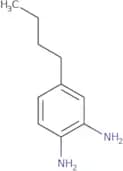
CAS:<p>Versatile small molecule scaffold</p>Formula:C7H5ClN2O2S2Purity:Min. 95%Molecular weight:248.71 g/mol4-Butylbenzene-1,2-diamine
CAS:<p>4-Butylbenzene-1,2-diamine is an organic compound that is synthesized by the reaction of acetyl chloride and 4-butylbenzene. This chemical is a colorless solid with a melting point of 45°C and a boiling point of 184°C. It has a distinctive unpleasant odor. 4-Butylbenzene-1,2-diamine is used as a reagent in the synthesis of hydrosulfite, sodium thiosulfate, and sodium sulfide. 4-Butylbenzene-1,2-diamine reacts with hydroxide solution to form acetone and sodium sulfate. When this chemical is heated with sodium sulfide it produces hydrogen sulfide gas. 4-Butylbenzene-1,2-diamine also reacts with cyanamide to produce carbamic acid ethylamide and nitrous oxide gas (N 2 O). This chemical can also</p>Formula:C10H16N2Purity:Min. 95%Molecular weight:164.25 g/mol6-Ethyl-1H-1,2,3-benzotriazole
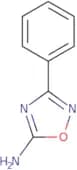
CAS:<p>Versatile small molecule scaffold</p>Formula:C8H9N3Purity:Min. 95%Molecular weight:147.18 g/mol3-Phenyl-1,2,4-oxadiazol-5-amine
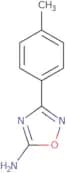
CAS:<p>3-Phenyl-1,2,4-oxadiazol-5-amine is a synthetic compound that is used for the study of mechanistic and stereochemical aspects of organic reactions. It has been shown to be an effective nucleophile in many different reactions. 3-Phenyl-1,2,4-oxadiazol-5-amine can undergo rearrangements and is a good substrate for thioamides. This compound also reacts with thioureas and thiocarbamates, which are both reactive compounds that are commonly used in organic chemistry. 3-Phenyl-1,2,4-oxadiazol-5-amine reacts with thiols to form photochemically active organosulfur compounds. The photoinduced reaction can be carried out by irradiating the compound with ultraviolet light or visible light.</p>Formula:C8H7N3OPurity:Min. 95%Molecular weight:161.16 g/mol3-(4-Methylphenyl)-1,2,4-oxadiazol-5-amine
CAS:<p>Versatile small molecule scaffold</p>Formula:C9H9N3OPurity:Min. 95%Molecular weight:175.19 g/mol2,3-Dihydro-benzo[1,4]dioxine-2-carboxylic acidmethyl ester
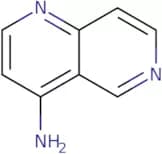
CAS:<p>Versatile small molecule scaffold</p>Formula:C10H10O4Purity:Min. 95%Molecular weight:194.18 g/mol1,6-Naphthyridin-4-amine
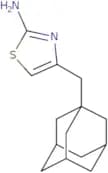
CAS:<p>Versatile small molecule scaffold</p>Formula:C8H7N3Purity:Min. 95%Molecular weight:145.16 g/mol4-(Adamantan-1-ylmethyl)-1,3-thiazol-2-amine
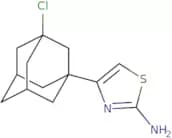
CAS:<p>Versatile small molecule scaffold</p>Formula:C14H20N2SPurity:Min. 95%Molecular weight:248.39 g/mol4-(3-Chloro-adamantan-1-yl)-thiazol-2-ylamine
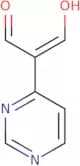
CAS:<p>Versatile small molecule scaffold</p>Formula:C13H17ClN2SPurity:Min. 95%Molecular weight:268.81 g/mol2-(4-Pyrimidyl)malondialdehyde
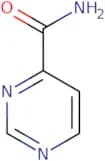
CAS:<p>Versatile small molecule scaffold</p>Formula:C7H6N2O2Purity:Min. 95%Molecular weight:150.14 g/molPyrimidine-4-carboxamide
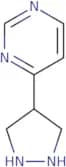
CAS:<p>Pyrimidine-4-carboxamide is an inhibitor of adrenergic receptors, which are proteins that mediate the effects of adrenaline and noradrenaline. It is a potent inhibitor of tyrosine hydroxylase, an enzyme that converts tyrosine to the neurotransmitter dopamine. Pyrimidine-4-carboxamide has been shown to have anti-cancer properties in vitro and in vivo. It also inhibits methoxy groups, which are involved in insulin resistance and prostatic hypertrophy. This drug may be used as a therapeutic agent for cancer or diabetes patients who have developed resistant phenotypes to other drugs.</p>Formula:C5H5N3OPurity:Min. 95%Molecular weight:123.12 g/mol4-(1H-Pyrazol-4-yl)pyrimidine
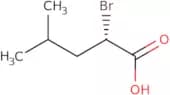
CAS:<p>4-(1H-Pyrazol-4-yl)pyrimidine is a x-ray crystallography marker that has been shown to have potential as a drug for the treatment of chronic obstructive pulmonary disease. The pharmacokinetics of 4-(1H-pyrazol-4-yl)pyrimidine was studied in rats and its permeability was found to be low. 4-(1H-Pyrazol-4-yl)pyrimidine has been shown to inhibit the activity of cytochrome P450 enzymes, which are responsible for metabolizing drugs. This makes 4-(1H-pyrazol-4-yl)pyrimidine an important lead compound for drug discovery efforts.</p>Formula:C7H6N4Purity:Min. 95%Molecular weight:146.15 g/mol(S)-2-Bromo-4-methylpentanoic acid ee
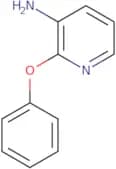
CAS:<p>(S)-2-Bromo-4-methylpentanoic acid ee is a peptidomimetic that has been synthesized using triphosgene and a chiral amide. This compound is a synthetic molecule that contains a nitrogen atom. The (S) enantiomer of this compound was synthesized by nature and the structure of this compound is structured, with sulfur atoms on the side chains. This chiral molecule has been shown to have antibacterial activity against leucocytes, which may be due to its conformational effects.</p>Formula:C6H11BrO2Purity:Min. 95%Molecular weight:195.05 g/mol2-Phenoxypyridin-3-amine
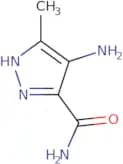
CAS:<p>Versatile small molecule scaffold</p>Formula:C11H10N2OPurity:Min. 95%Molecular weight:186.21 g/mol4-Amino-5-methyl-1H-pyrazole-3-carboxamide
CAS:<p>Versatile small molecule scaffold</p>Formula:C5H8N4OPurity:Min. 95%Molecular weight:140.14 g/mol2-Phenyl-5,6-dihydro-4H-1,3,4-oxadiazin-5-one
CAS:Versatile small molecule scaffoldFormula:C9H8N2O2Purity:Min. 95%Molecular weight:176.17 g/mol3-Chloro-6-methylpyridazin-4-amine
CAS:<p>Versatile small molecule scaffold</p>Formula:C5H6ClN3Purity:Min. 95%Molecular weight:143.57 g/mol1H,4H,5H-Imidazo[4,5-d]pyridazin-4-one
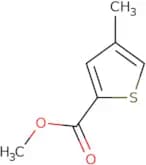
CAS:<p>1H,4H,5H-Imidazo[4,5-d]pyridazin-4-one is a tautomeric form of guanine. It can be synthesized from 1H,4H,5H-imidazo[4,5-d]pyridazine and purine. This experimental compound is an analog to adenine and has been shown to have anti-parasitic properties in toxoplasma. 1H,4H,5H-Imidazo[4,5-d]pyridazin-4-one is a nucleobase that binds to the purine receptor on the parasite's surface. This binding inhibits the parasite's ability to produce ATP by inhibiting adenosine phosphorylation.</p>Formula:C5H4N4OPurity:Min. 95%Molecular weight:136.11 g/molMethyl 4-methylthiophene-2-carboxylate
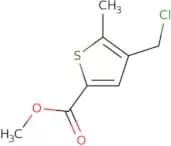
CAS:<p>Versatile small molecule scaffold</p>Formula:C7H8O2SPurity:Min. 95%Molecular weight:156.2 g/molMethyl 4-(chloromethyl)-5-methylthiophene-2-carboxylate
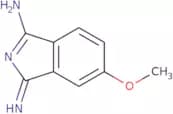
CAS:<p>Versatile small molecule scaffold</p>Formula:C8H9ClO2SPurity:Min. 95%Molecular weight:204.67 g/mol1-Imino-6-methoxy-1H-isoindol-3-amine
CAS:<p>Versatile small molecule scaffold</p>Formula:C9H9N3OPurity:Min. 95%Molecular weight:175.19 g/mol1-[3-Fluoro-4-(piperidin-1-yl)phenyl]ethan-1-one
CAS:<p>Versatile small molecule scaffold</p>Formula:C13H16FNOPurity:Min. 95%Molecular weight:221.27 g/molPropan-2-yl N-(3-chloro-4-hydroxyphenyl)carbamate
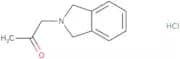
CAS:<p>Propan-2-yl N-(3-chloro-4-hydroxyphenyl)carbamate is a phenolic compound that has been used as a substrate in studies of the metabolism of reactive electrophiles by rat hepatocytes. It is found in incubations with rat liver microsomes and mitochondria. The reaction product has been identified as propan-2-ol, which is an alcohol. Propan-2-yl N-(3-chloro-4-hydroxyphenyl)carbamate also inhibits atpase activity in rat hepatocytes and glutathione conjugates are formed when it interacts with glutathione.</p>Formula:C10H12ClNO3Purity:Min. 95%Molecular weight:229.66 g/mol1-(2,3-Dihydro-1H-isoindol-2-yl)propan-2-one hydrochloride
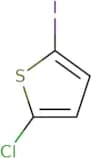
CAS:<p>Versatile small molecule scaffold</p>Formula:C11H14ClNOPurity:Min. 95%Molecular weight:211.69 g/mol2-chloro-5-iodothiophene
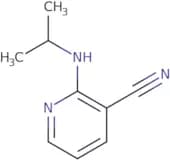
CAS:<p>2-Chloro-5-iodothiophene is a chlorinated aromatic compound that is used to produce various drugs and pesticides. This chemical is synthesized by the reaction of 2-chloro-5-iodobenzoic acid with phosphorus pentoxide or aluminium hydride in the presence of lithium aluminum hydride. 2-Chloro-5-iodothiophene has long lasting effects on behavior and can be used for the treatment of neuroleptic disorders. It was also shown to have antihistamine properties and may be used as an antipyretic drug. 2-Chloro-5-iodothiophene can inhibit the activity of acetylcholinesterase, which is responsible for breaking down acetylcholine, leading to paralysis and death by respiratory arrest.</p>Formula:C4H2ClISPurity:Min. 95%Molecular weight:244.47 g/mol2-(Isopropylamino)nicotinonitrile
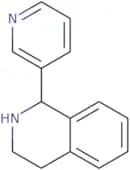
CAS:<p>Versatile small molecule scaffold</p>Formula:C9H11N3Purity:Min. 95%Molecular weight:161.21 g/mol1-(Pyridin-3-yl)-1,2,3,4-tetrahydroisoquinoline
CAS:<p>Versatile small molecule scaffold</p>Formula:C14H14N2Purity:Min. 95%Molecular weight:210.27 g/mol1-(Prop-2-en-1-yl)piperidin-2-one
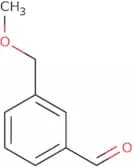
CAS:<p>1-(Prop-2-en-1-yl)piperidin-2-one is a naturally occurring chemical substance with the molecular formula CHC1. It is a lactam, or cyclic amide, that contains a carbonyl group and a hydroxy group. The compound has optical activity due to its chiral center at carbon atom number 2. It can be prepared from hydrochloric acid and propionic anhydride. Hydrolysis of 1-(prop-2-en-1-yl)piperidin-2-one yields propionic acid and piperidine.</p>Formula:C8H13NOPurity:Min. 95%Molecular weight:139.19 g/mol3-(Methoxymethyl)benzaldehyde
CAS:<p>Versatile small molecule scaffold</p>Formula:C9H10O2Purity:Min. 95%Molecular weight:150.17 g/mol1H-Indazole-3-carbothioamide
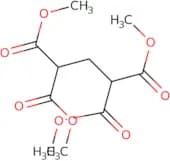
CAS:<p>Versatile small molecule scaffold</p>Formula:C8H7N3SPurity:Min. 95%Molecular weight:177.23 g/mol1,1,3,3-Tetramethyl propane-1,1,3,3-tetracarboxylate
CAS:<p>1,1,3,3-Tetramethyl propane-1,1,3,3-tetracarboxylate is a hexamethyl triamide that is used as a catalyst in the production of tetramethyl. The three methyl groups on the molecule serve as Lewis acid sites and are involved in the reaction mechanism. It is produced by electrolysis of methyl acetate with a nickel anode and a copper cathode in an acid solution.</p>Formula:C11H16O8Purity:Min. 95%Molecular weight:276.24 g/mol1-(1-Ethoxyethyl)-1H-pyrazole
CAS:<p>Versatile small molecule scaffold</p>Formula:C7H12N2OPurity:Min. 95%Molecular weight:140.18 g/mol3-(Isocyanatomethyl)tetrahydrothiophene 1,1-dioxide
CAS:<p>Versatile small molecule scaffold</p>Formula:C6H9NO3SPurity:Min. 95%Molecular weight:175.21 g/mol4-Methoxy-4-methylpent-1-yne
CAS:<p>Versatile small molecule scaffold</p>Formula:C7H12OPurity:Min. 95%Molecular weight:112.17 g/molEthyl 3-cyclohexylbutanoate
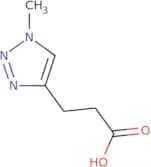
CAS:<p>Versatile small molecule scaffold</p>Formula:C12H22O2Purity:Min. 95%Molecular weight:198.3 g/mol3-(1-Methyl-1H-1,2,3-triazol-4-yl)propanoic acid
CAS:<p>Versatile small molecule scaffold</p>Formula:C6H9N3O2Purity:Min. 95%Molecular weight:155.15 g/mol

![2-[4-(Ethylsulfanyl)phenyl]acetic acid](/_next/image/?url=https%3A%2Fstatic.cymitquimica.com%2Fproducts%2F3D%2Fthumb-webp%2FDAA58358.webp&w=3840&q=75)
![2-[4-(Propan-2-ylsulfanyl)phenyl]acetic acid](/_next/image/?url=https%3A%2Fstatic.cymitquimica.com%2Fproducts%2F3D%2Fthumb-webp%2FDAA58360.webp&w=3840&q=75)
![1-[4-(Ethylsulfanyl)phenyl]ethan-1-one](/_next/image/?url=https%3A%2Fstatic.cymitquimica.com%2Fproducts%2F3D%2Fthumb-webp%2FDAA58573.webp&w=3840&q=75)
![2-{Spiro[3.3]heptan-2-yl}ethan-1-ol](/_next/image/?url=https%3A%2Fstatic.cymitquimica.com%2Fproducts%2F3D%2Fthumb-webp%2FDAA61781.webp&w=3840&q=75)

![1-Propyl-[1,4]diazepane](/_next/image/?url=https%3A%2Fstatic.cymitquimica.com%2Fproducts%2F3D%2Fthumb-webp%2FDAA61974.webp&w=3840&q=75)
![2-Chloro-6-(methylsulfonyl)benzo[d]thiazole](/_next/image/?url=https%3A%2Fstatic.cymitquimica.com%2Fproducts%2F3D%2Fthumb-webp%2FDAA62229.webp&w=3840&q=75)
![2-Chloro-5-methylbenzo[d]thiazole](/_next/image/?url=https%3A%2Fstatic.cymitquimica.com%2Fproducts%2F3D%2Fthumb-webp%2FDAA62231.webp&w=3840&q=75)

![2-Bromo-7-methylbenzo[D]thiazole](/_next/image/?url=https%3A%2Fstatic.cymitquimica.com%2Fproducts%2F3D%2Fthumb-webp%2FDAA62244.webp&w=3840&q=75)


![Spiro[4.5]decan-2-one](/_next/image/?url=https%3A%2Fstatic.cymitquimica.com%2Fproducts%2F3D%2Fthumb-webp%2FDAA64316.webp&w=3840&q=75)
![1-[2-(Dimethylamino)ethyl]piperazine](/_next/image/?url=https%3A%2Fstatic.cymitquimica.com%2Fproducts%2F3D%2Fthumb-webp%2FDAA64418.webp&w=3840&q=75)
![3-{Methyl[(oxiran-2-yl)methyl]amino}propanenitrile](/_next/image/?url=https%3A%2Fstatic.cymitquimica.com%2Fproducts%2F3D%2Fthumb-webp%2FDAA64735.webp&w=3840&q=75)
![7-Methoxy-2,3,4,5-tetrahydro-benzo[c]azepin-1-one](/_next/image/?url=https%3A%2Fstatic.cymitquimica.com%2Fproducts%2F3D%2Fthumb-webp%2FDAA64886.webp&w=3840&q=75)
![5,6,7,8-Tetrahydropyrido[2,3-D]Pyrimidin-4(3H)-One](/_next/image/?url=https%3A%2Fstatic.cymitquimica.com%2Fproducts%2F3D%2Fthumb-webp%2FDAA64942.webp&w=3840&q=75)
![1H,2H,3H,4H,5H,6H,7H-Pyrazolo[3,4-b]pyridin-3-one](/_next/image/?url=https%3A%2Fstatic.cymitquimica.com%2Fproducts%2F3D%2Fthumb-webp%2FDAA64944.webp&w=3840&q=75)
![Imidazo[1,2-a]pyridin-6-amine dihydrochloride](/_next/image/?url=https%3A%2Fstatic.cymitquimica.com%2Fproducts%2F3D%2Fthumb-webp%2FDAA64947.webp&w=3840&q=75)
![2,3-Dihydro-benzo[1,4]dioxine-2-carboxylic acidmethyl ester](/_next/image/?url=https%3A%2Fstatic.cymitquimica.com%2Fproducts%2F3D%2Fthumb-webp%2FDAA66379.webp&w=3840&q=75)


![1H,4H,5H-Imidazo[4,5-d]pyridazin-4-one](/_next/image/?url=https%3A%2Fstatic.cymitquimica.com%2Fproducts%2F3D%2Fthumb-webp%2FDBA68294.webp&w=3840&q=75)
![1-[3-Fluoro-4-(piperidin-1-yl)phenyl]ethan-1-one](/_next/image/?url=https%3A%2Fstatic.cymitquimica.com%2Fproducts%2F3D%2Fthumb-webp%2FDBA69848.webp&w=3840&q=75)