Building Blocks
This section contains fundamental products for the synthesis of organic and biological compounds. Building blocks are the essential starting materials used to construct complex molecules through various chemical reactions. They play a critical role in drug discovery, material science, and chemical research. At CymitQuimica, we offer a diverse range of high-quality building blocks to support your innovative research and industrial projects, ensuring you have the essential components for successful synthesis.
Subcategories of "Building Blocks"
- Boronic Acids & Boronic Acid Derivatives(5,756 products)
- Chiral Building Blocks(1,242 products)
- Hydrocarbon Building Blocks(6,093 products)
- Organic Building Blocks(60,532 products)
Found 195533 products of "Building Blocks"
Sort by
Purity (%)
0
100
|
0
|
50
|
90
|
95
|
100
5-Chlorobicyclo[4.2.0]octa-1,3,5-trien-7-one
CAS:<p>Versatile small molecule scaffold</p>Formula:C8H5ClOPurity:Min. 95%Molecular weight:152.58 g/mol2-[4-(Bromomethyl)phenyl]thiophene
CAS:<p>Versatile small molecule scaffold</p>Formula:C11H9BrSPurity:Min. 95%Molecular weight:253.16 g/mol[4-(Thien-2-yl)phenyl]methanol
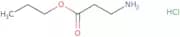
CAS:<p>Versatile small molecule scaffold</p>Formula:C11H10OSPurity:Min. 95%Molecular weight:190.26 g/molPropyl 3-aminopropanoate hydrochloride
CAS:<p>Versatile small molecule scaffold</p>Formula:C6H14ClNO2Purity:Min. 95%Molecular weight:167.63 g/mol6-Bromo-2-methylimidazo[1,2-a]pyridine-3-carboxylic acid
CAS:<p>Versatile small molecule scaffold</p>Formula:C9H7BrN2O2Purity:Min. 95%Molecular weight:255.07 g/molEthyl 7-Bromo-2-methylimidazo[1,2-a]pyridine-3-carboxylate
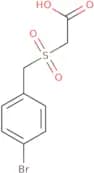
CAS:<p>Versatile small molecule scaffold</p>Formula:C11H11BrN2O2Purity:Min. 95%Molecular weight:283.12 g/mol2-(4-Bromobenzylsulfonyl)acetic acid
CAS:<p>Versatile small molecule scaffold</p>Formula:C9H9BrO4SPurity:Min. 95%Molecular weight:293.14 g/mol2-[(4-Bromophenyl)methanesulfinyl]acetic acid
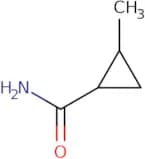
CAS:<p>Versatile small molecule scaffold</p>Formula:C9H9BrO3SPurity:Min. 95%Molecular weight:277.14 g/mol2-Methylcyclopropanecarboxamide
CAS:<p>2-Methylcyclopropanecarboxamide is a compound that has been shown to have anticoagulant properties. It binds to the active site of coagulation factor Xa and inhibits its activity, thereby preventing blood clots from forming. 2-Methylcyclopropanecarboxamide has also been shown to be an immunosuppressant, demonstrating a decrease in antibody response and reduced intestinal inflammation in mice. This drug has potential use as an anti-inflammatory agent or for the treatment of autoimmune diseases.</p>Formula:C5H9NOPurity:Min. 95%Molecular weight:99.13 g/molN-(Methylcarbamoyl)acetamido N-methylcarbamate
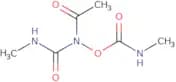
CAS:<p>N-(Methylcarbamoyl)acetamido N-methylcarbamate (NMCA) is a novel anti-cancer compound that selectively binds to the CB2 receptor. NMCA has been shown to inhibit the growth of cancer cells in vitro and in vivo, as well as reduce the size of bowel tumors. It also has a beneficial effect on cardiac function. The mechanism of action is not completely understood, but it may be due to binding to the CB2 receptor and blocking the activation of other receptors such as TNF-α. NMCA can be formulated into biocompatible polymers that are suitable for drug delivery. Furthermore, this compound can be used for treating inflammatory bowel disease and renal cell cancer.</p>Formula:C6H11N3O4Purity:Min. 95%Molecular weight:189.17 g/mol3-Methylthiophene-2-sulfonamide
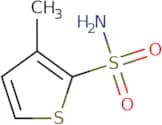
CAS:<p>Versatile small molecule scaffold</p>Formula:C5H7NO2S2Purity:Min. 95%Molecular weight:177.2 g/mol1,3-Dihydrospiro[indene-2,3'-pyrrolidine]-2',5'-dione
CAS:<p>Versatile small molecule scaffold</p>Formula:C12H11NO2Purity:Min. 95%Molecular weight:201.22 g/mol2,3-Dihydrospiro[indene-1,3'-pyrrolidine]-2',5'-dione
CAS:<p>Versatile small molecule scaffold</p>Formula:C12H11NO2Purity:Min. 95%Molecular weight:201.22 g/mol1-[(Benzyloxy)methyl]-4-bromobenzene
CAS:<p>Versatile small molecule scaffold</p>Formula:C14H13BrOPurity:Min. 95%Molecular weight:277.16 g/mol1H-Indazol-4-ol
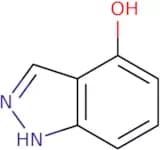
CAS:<p>1H-Indazol-4-ol is a synthetic chemical with the molecular formula CHNO. It is the chloride, nitro, diammonium, enamine, divalent, methyl ester, acrylonitrile, polyethylene terephthalate and anion form of 1H-indazole. 1H-Indazol-4-ol is used in the synthesis of aminonaphthalenes and triazoles. The polymerization reaction for the production of cellulose acetate is also catalyzed by 1H-indazole. This chemical has been shown to have anion properties in solvents such as water and alcohols.</p>Formula:C7H6N2OPurity:Min. 95%Molecular weight:134.14 g/mol4-(1H-1,3-Benzodiazol-1-yl)phenol
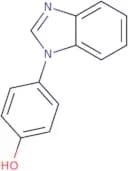
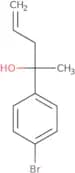
CAS:<p>Versatile small molecule scaffold</p>Formula:C13H10N2OPurity:Min. 95%Molecular weight:210.23 g/mol2-(4-Bromophenyl)pent-4-en-2-ol
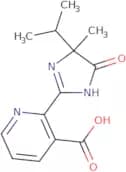
CAS:<p>Versatile small molecule scaffold</p>Formula:C11H13BrOPurity:Min. 95%Molecular weight:241.12 g/molImazapyr
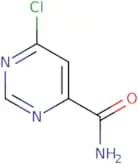
CAS:<p>Imazapyr is a herbicide that inhibits the activity of acetolactate synthase, an enzyme essential for plant growth. Imazapyr binds to the active site of acetolactate synthase and forms a stable complex with the enzyme, thereby inhibiting its activity. Imazapyr has been shown to have a low toxicity in mammals and is not absorbed through skin or lungs. This herbicide is also toxic to plants and fish, as it inhibits their growth by disrupting photosynthesis. Imazapyr does not bind to DNA, thus it does not induce mutations in bacterial chromosomes.</p>Formula:C13H15N3O3Purity:Min. 95%Molecular weight:261.28 g/mol6-Chloropyrimidine-4-carboxamide
CAS:<p>Versatile small molecule scaffold</p>Formula:C5H4ClN3OPurity:Min. 95%Molecular weight:157.56 g/mol3-[2-(methoxycarbonyl)phenyl]propanoic acid
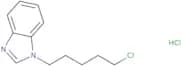
CAS:<p>Versatile small molecule scaffold</p>Formula:C11H12O4Purity:Min. 95%Molecular weight:208.2 g/mol1-(5-Chloropentyl)-1H-1,3-benzodiazole hydrochloride
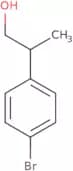
CAS:<p>Versatile small molecule scaffold</p>Formula:C12H16Cl2N2Purity:Min. 95%Molecular weight:259.17 g/mol2-(4-Bromophenyl)propan-1-ol
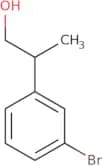
CAS:<p>Versatile small molecule scaffold</p>Formula:C9H11BrOPurity:Min. 95%Molecular weight:215.09 g/mol2-(3-Bromophenyl)propan-1-ol
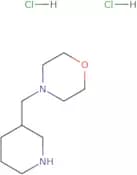
CAS:<p>Versatile small molecule scaffold</p>Formula:C9H11BrOPurity:Min. 95%Molecular weight:215.09 g/mol4-(Piperidin-3-ylmethyl)morpholine dihydrochloride
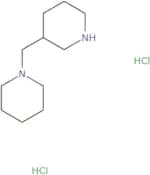
CAS:<p>Versatile small molecule scaffold</p>Formula:C10H22Cl2N2OPurity:Min. 95%Molecular weight:257.2 g/mol1-(3-Piperidinylmethyl)piperidine dihydrochloride
CAS:<p>Versatile small molecule scaffold</p>Formula:C11H24Cl2N2Purity:Min. 95%Molecular weight:255.22 g/mol2-Methyl-2H,6H,7H-pyrazolo[3,4-d]pyridazin-7-one
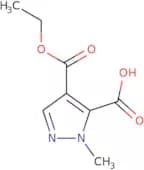
CAS:<p>Versatile small molecule scaffold</p>Formula:C6H6N4OPurity:Min. 95%Molecular weight:150.1 g/mol4-(Ethoxycarbonyl)-1-methyl-1H-pyrazole-5-carboxylic acid
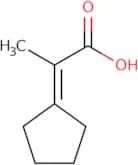
CAS:<p>Versatile small molecule scaffold</p>Formula:C8H10N2O4Purity:Min. 95%Molecular weight:198.18 g/mol2-Cyclopentylidenepropanoic acid
CAS:<p>Versatile small molecule scaffold</p>Formula:C8H12O2Purity:Min. 95%Molecular weight:140.18 g/mol2-Ethynyl-3-methylthiophene
CAS:<p>Versatile small molecule scaffold</p>Formula:C7H6SPurity:Min. 95%Molecular weight:122.19 g/mol2-Ethynyl-5-methylthiophene
CAS:<p>Versatile small molecule scaffold</p>Formula:C7H6SPurity:Min. 95%Molecular weight:122.19 g/mol1,2,3,4-Tetrahydronaphthalene-2-carbaldehyde
CAS:<p>Versatile small molecule scaffold</p>Formula:C11H12OPurity:Min. 95%Molecular weight:160.21 g/molTrimethyl(trifluoromethyl)silane
CAS:<p>Please enquire for more information about Trimethyl(trifluoromethyl)silane including the price, delivery time and more detailed product information at the technical inquiry form on this page</p>Formula:C4H9F3SiPurity:Min. 95%Molecular weight:142.19 g/mol5,8-Dibromoquinoline
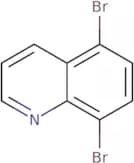
CAS:<p>5,8-Dibromoquinoline is a synthetic trisubstituted quinoline derivative that has been shown to form frameworks with nitrogen atoms. It has been synthesized from 2-hydroxyphenylacetic acid, which upon dehydration gives the corresponding n-oxide. 5,8-Dibromoquinoline forms an acidic solution in water and an alkaline solution in ethanol. 5,8-Dibromoquinoline can be hydrolysed by both acidic and alkaline conditions to produce 2,4-dichlorobenzene and 2-bromophenol. The reaction is stereoselective with the formation of only one product.</p>Formula:C9H5Br2NPurity:Min. 95%Molecular weight:286.95 g/mol1-Methyl-2-[(1-methyl-1H-pyrrol-2-yl)methyl]-1H-pyrrole
CAS:<p>Versatile small molecule scaffold</p>Formula:C11H14N2Purity:Min. 95%Molecular weight:174.24 g/molN-[(4-Ethoxy-3-methoxyphenyl)methylidene]hydroxylamine
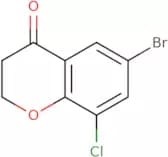
CAS:<p>Versatile small molecule scaffold</p>Formula:C10H13NO3Purity:Min. 95%Molecular weight:195.21 g/mol6-Bromo-8-chloro-3,4-dihydro-2H-1-benzopyran-4-one
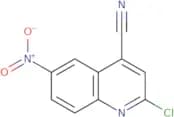
CAS:<p>Versatile small molecule scaffold</p>Formula:C9H6BrClO2Purity:Min. 95%Molecular weight:261.5 g/mol2-Chloro-6-nitroquinoline-4-carbonitrile
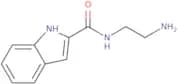
CAS:<p>Versatile small molecule scaffold</p>Formula:C10H4ClN3O2Purity:Min. 95%Molecular weight:233.61 g/molN-(2-Aminoethyl)-1H-indole-2-carboxamide
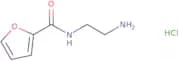
CAS:<p>Versatile small molecule scaffold</p>Formula:C11H13N3OPurity:Min. 95%Molecular weight:203.24 g/molFuran-2-carboxylic acid (2-amino-ethyl)-amidehydrochloride
CAS:<p>Versatile small molecule scaffold</p>Formula:C7H11ClN2O2Purity:Min. 95%Molecular weight:190.63 g/molN-(Aza(1,3-dioxoindan-2-ylidene)methyl)-4-pyridylformamide
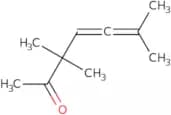
CAS:<p>Versatile small molecule scaffold</p>Formula:C15H9N3O3Purity:Min. 95%Molecular weight:279.25 g/mol3,3,6-Trimethylhepta-4,5-dien-2-one
CAS:<p>Versatile small molecule scaffold</p>Formula:C10H16OPurity:Min. 95%Molecular weight:152.23 g/mol4-Iodo-3-(methoxymethoxy)pyridine
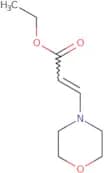
CAS:<p>Versatile small molecule scaffold</p>Formula:C7H8INO2Purity:Min. 95%Molecular weight:265.05 g/molEthyl (2E)-3-(morpholin-4-yl)prop-2-enoate
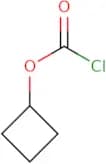
CAS:<p>Versatile small molecule scaffold</p>Formula:C9H15NO3Purity:Min. 95%Molecular weight:185.22 g/molCyclobutyl carbonochloridate
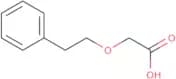
CAS:<p>Versatile small molecule scaffold</p>Formula:C5H7ClO2Purity:Min. 95%Molecular weight:134.56 g/mol2-(2-Phenylethoxy)acetic acid
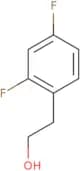
CAS:<p>2-(2-Phenylethoxy)acetic acid is an oleylethanolamide that has been shown to have antibacterial activity. It has been shown to activate lysosomal hydrolases and inhibit the growth of bacterial cells. 2-(2-Phenylethoxy)acetic acid also inhibits the synthesis of inflammatory molecules, such as leukotrienes, prostaglandins, and cytokines. This drug is a potent inhibitor of phospholipase A2 and can be used for the treatment of inflammatory diseases.</p>Formula:C10H12O3Purity:Min. 95%Molecular weight:180.2 g/mol2-(2,4-Difluorophenyl)ethan-1-ol
CAS:<p>Versatile small molecule scaffold</p>Formula:C8H8F2OPurity:Min. 95%Molecular weight:158.14 g/molMethyl 7-bromo-4-methoxy-1H-indole-2-carboxylate
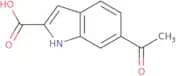
CAS:<p>Versatile small molecule scaffold</p>Formula:C11H10BrNO3Purity:Min. 95%Molecular weight:284.11 g/mol6-Acetyl-1H-indole-2-carboxylic acid
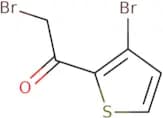
CAS:<p>Versatile small molecule scaffold</p>Formula:C11H9NO3Purity:Min. 95%Molecular weight:203.19 g/mol2-Bromo-1-(3-bromo-2-thienyl)-1-ethanone
CAS:<p>Versatile small molecule scaffold</p>Formula:C6H4Br2OSPurity:Min. 95%Molecular weight:283.98 g/mol4-(3-Bromo-2-thienyl)-1,3-thiazol-2-amine
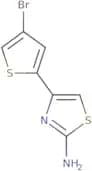
CAS:<p>Versatile small molecule scaffold</p>Formula:C7H5BrN2S2Purity:Min. 95%Molecular weight:261.2 g/mol4-(4-Bromothiophen-2-yl)-1,3-thiazol-2-amine
CAS:<p>Versatile small molecule scaffold</p>Formula:C7H5BrN2S2Purity:Min. 95%Molecular weight:261.2 g/mol8-Bromooct-1-yne
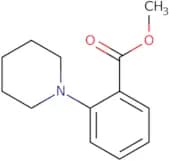
CAS:<p>8-Bromooct-1-yne has a chiral carbon and is therefore optically active. It has a boiling point of about 44 degrees Celsius, and it is soluble in ether and chloroform but not in water. The compound is stable at temperatures up to 130 degrees Celsius, and it is soluble in benzene and acetone but not in acetone. 8-Bromooct-1-yne has an optical rotation of +10.5 degrees. The molecule can be monosubstituted with a hydrogen atom or halogen atom, which changes the optical properties of the molecule. 8-Bromooct-1-yne has dichroism when viewed under polarized light, which means that the molecule absorbs light differently when it is rotated by 90° compared to when it is rotated by 0°. The compound's fluorescence emission maxima are at 488 nm and 514 nm. 8-Bromooct-1-yne's con</p>Formula:C8H13BrPurity:Min. 95%Molecular weight:189.09 g/molMethyl 2-(piperidin-1-yl)benzoate
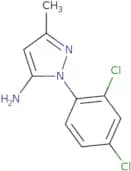
CAS:<p>Versatile small molecule scaffold</p>Formula:C13H17NO2Purity:Min. 95%Molecular weight:219.28 g/mol1-(2,4-Dichlorophenyl)-3-methyl-1H-pyrazol-5-amine
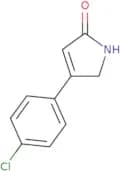
CAS:<p>Versatile small molecule scaffold</p>Formula:C10H9Cl2N3Purity:Min. 95%Molecular weight:242.1 g/mol4-(4-Chlorophenyl)-2,5-dihydro-1H-pyrrol-2-one
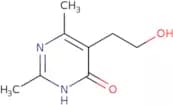
CAS:<p>Versatile small molecule scaffold</p>Formula:C10H8ClNOPurity:Min. 95%Molecular weight:193.63 g/mol5-(2-Hydroxyethyl)-2,6-dimethylpyrimidin-4-ol
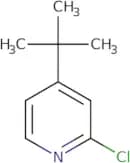
CAS:<p>Versatile small molecule scaffold</p>Formula:C8H12N2O2Purity:Min. 95%Molecular weight:168.19 g/mol4-(tert-Butyl)-2-chloropyridine
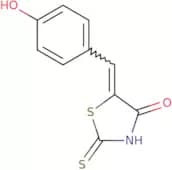
CAS:<p>4-(tert-Butyl)-2-chloropyridine is a ligand that has been used in the synthesis of a number of boronic acids and quinoline derivatives. It is also useful in cross-coupling reactions, which are nucleophilic substitution reactions involving two partners, such as an organometallic reagent and an organic halide or pseudohalide. The linker can be any group that connects the two partners together for these reactions. 4-(tert-Butyl)-2-chloropyridine is stable under acidic conditions, making it an excellent choice for coupling with amines to produce amides.</p>Formula:C9H12ClNPurity:Min. 95%Molecular weight:169.65 g/mol(E)-5-(4-Hydroxybenzylidene)-2-mercaptothiazol-4(5H)-one
CAS:<p>Versatile small molecule scaffold</p>Formula:C10H7NO2S2Purity:Min. 95%Molecular weight:237.3 g/mol4-[(2-Methoxyphenyl)methoxy]piperidine hydrochloride
CAS:<p>Versatile small molecule scaffold</p>Formula:C13H20ClNO2Purity:Min. 95%Molecular weight:257.75 g/mol4-[(2-Methylphenyl)methoxy]piperidine
CAS:<p>Versatile small molecule scaffold</p>Formula:C13H19NOPurity:Min. 95%Molecular weight:205.3 g/mol4-[(4-Fluorophenyl)methoxy]piperidine
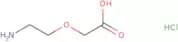
CAS:<p>Versatile small molecule scaffold</p>Formula:C12H16FNOPurity:Min. 95%Molecular weight:209.26 g/mol2-(2-Aminoethoxy)acetic acid hydrochloride
CAS:<p>Versatile small molecule scaffold</p>Formula:C4H10ClNO3Purity:Min. 95%Molecular weight:155.58 g/mol2-[(1-Phenylpropyl)amino]ethan-1-ol
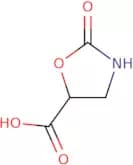
CAS:<p>Versatile small molecule scaffold</p>Formula:C11H17NOPurity:Min. 95%Molecular weight:179.26 g/mol(5S)-2-Oxo-1,3-oxazolidine-5-carboxylic acid
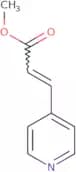
CAS:<p>Versatile small molecule scaffold</p>Formula:C4H5NO4Purity:Min. 95%Molecular weight:131.09 g/mol(E)-Methyl 3-(pyridin-4-yl)acrylate
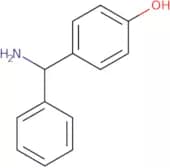
CAS:<p>Versatile small molecule scaffold</p>Formula:C9H9NO2Purity:Min. 95%Molecular weight:163.17 g/molα-(4-hydroxyphenyl)benzylamine
CAS:<p>Versatile small molecule scaffold</p>Formula:C13H13NOPurity:Min. 95%Molecular weight:199.25 g/mol2-[[4-(Boc-amino)methyl]phenoxy]acetic acid
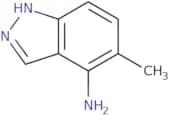
CAS:<p>Versatile small molecule scaffold</p>Formula:C14H19NO5Purity:Min. 95%Molecular weight:281.3 g/mol5-Methyl-1H-indazol-4-amine
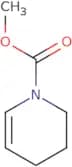
CAS:<p>5-Methyl-1H-indazol-4-amine is a tyrosine kinase inhibitor that has been shown to be potent in inhibiting the activity of various types of tyrosine kinases. It has good oral pharmacokinetics and is not metabolized by the liver. 5-Methyl-1H-indazol-4-amine binds to the ATP site on the enzyme and prevents phosphorylation, which inhibits cell proliferation and growth. This agent also inhibits DNA synthesis, protein synthesis, and phosphoinositide turnover in cells. 5-Methyl-1H-indazol-4-amine is an orally active inhibitor of tyrosine kinases with good oral pharmacokinetics and does not require metabolic activation by the liver. This agent may be used for the treatment of cancer or other diseases associated with uncontrolled cell growth.</p>Formula:C8H9N3Purity:Min. 95%Molecular weight:147.18 g/molMethyl 1,2,3,4-tetrahydropyridine-1-carboxylate
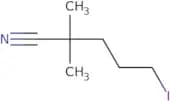
CAS:<p>Versatile small molecule scaffold</p>Formula:C7H11NO2Purity:Min. 95%Molecular weight:141.17 g/mol5-Iodo-2,2-dimethylpentanenitrile
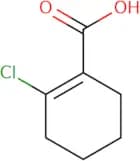
CAS:<p>Versatile small molecule scaffold</p>Formula:C7H12INPurity:Min. 95%Molecular weight:237.08 g/mol2-Chlorocyclohex-1-ene-1-carboxylic acid
CAS:<p>2-Chlorocyclohex-1-ene-1-carboxylic acid is a synthetic compound that has been used as a reactant for the production of phthalic anhydride. The reaction mechanism begins with the formation of isocyanide, which reacts with benzoic acid to form an intermediate benzoyl isocyanide. This intermediate reacts with the acetic acid to produce 2-chlorocyclohexanecarboxylic acid, which in turn undergoes hydrolysis to give phthalic anhydride.</p>Formula:C7H9ClO2Purity:Min. 95%Molecular weight:160.6 g/molThieno[3,2-b]pyridine-5-carboxylic acid
CAS:<p>Versatile small molecule scaffold</p>Formula:C8H5NO2SPurity:Min. 95%Molecular weight:179.2 g/molFuro[3,2-b]pyridine-5-carboxylic acid
CAS:<p>Versatile small molecule scaffold</p>Formula:C8H5NO3Purity:Min. 95%Molecular weight:163.13 g/mol4-(Propan-2-yl)benzene-1,2-diamine
CAS:<p>Versatile small molecule scaffold</p>Formula:C9H14N2Purity:Min. 95%Molecular weight:150.22 g/mol8-chloroimidazo[1,5-a]pyrazine
CAS:<p>8-Chloroimidazo[1,5-a]pyrazine is a potent insulin-like growth factor-I receptor (IGF-IR) inhibitor with potential therapeutic use for type II diabetes. It was found to inhibit IGF-I induced activation of the IR and downstream signaling pathways in a dose dependent manner. 8-Chloroimidazo[1,5-a]pyrazine inhibited IGF-I induced mitogenesis in human colon cancer cells and showed antiangiogenic activity in nude mice bearing xenografts of human colon cancer cells.</p>Formula:C6H4ClN3Purity:Min. 95%Molecular weight:153.57 g/mol7H,8H-Imidazo[1,5-a]pyrazin-8-one
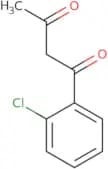
CAS:<p>7H,8H-Imidazo[1,5-a]pyrazin-8-one is a potent and selective inhibitor of the bromodomain family. Bromodomains are protein domains found in many proteins that have been implicated in regulating gene expression, DNA repair, and protein degradation. Inhibiting this domain leads to decreased proliferation of tumor cells. 7H,8H-Imidazo[1,5-a]pyrazin-8-one has also shown potential as an anti-neurodegenerative agent by inhibiting the enzyme acetylcholinesterase. This compound is active against cancerous cell lines and is crystalline with a polymorphic form that can be used for medicine production.</p>Formula:C6H5N3OPurity:Min. 95%Molecular weight:135.12 g/mol1-(2-Chlorophenyl)-1,3-butanedione
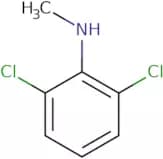
CAS:<p>Versatile small molecule scaffold</p>Formula:C10H9O2ClPurity:Min. 95%Molecular weight:196.63 g/mol2,6-Dichloro-N-methylaniline
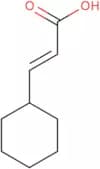
CAS:<p>Versatile small molecule scaffold</p>Formula:C7H7Cl2NPurity:Min. 95%Molecular weight:176.04 g/mol(E)-3-Cyclohexylacrylic acid
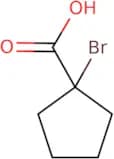
CAS:<p>(E)-3-Cyclohexylacrylic acid is an antibacterial agent that inhibits the growth of bacteria by binding to the 50S ribosomal subunit. It binds to bacterial 16S ribosomal RNA and inhibits protein synthesis, leading to cell death by inhibiting the production of proteins vital for cell division. (E)-3-Cyclohexylacrylic acid has been shown to be effective against methicillin-resistant Staphylococcus aureus (MRSA) and Clostridium perfringens, although is not active against acid-fast bacteria such as Mycobacterium tuberculosis or Mycobacterium avium complex. This compound also has anticancer activity, which may be due to its ability to inhibit topoisomerase II activity in cells.</p>Formula:C9H14O2Purity:Min. 95%Molecular weight:154.21 g/mol1-Bromocyclopentane-1-carboxylic acid
CAS:<p>Cyclopentane-1,2-dicarboxylic acid is an organic compound with the molecular formula C5H8O4. The molecule consists of a cyclopentane ring and two carboxylic acid groups. Cyclopentane-1,2-dicarboxylic acid can be synthesized by an intramolecular cyclization reaction between a 1-bromocyclopentane and a chalcone. This reagent can also be used to synthesize other compounds such as phenoxyethanol, an enolate, and organozinc compounds.</p>Formula:C6H9BrO2Purity:Min. 95%Molecular weight:193.04 g/mol1-Bromocyclopentane-1-carbonyl chloride
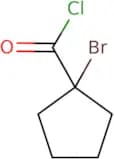
CAS:<p>Versatile small molecule scaffold</p>Formula:C6H8BrClOPurity:Min. 95%Molecular weight:211.48 g/molethyl 2-cyanocyclopropane-1-carboxylate
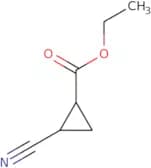
CAS:<p>Ethyl 2-cyanocyclopropane-1-carboxylate is a reactive chemical reagent that can be used to synthesize a variety of compounds. It is an aliphatic compound with a carbonyl group at the end of the molecule and belongs to a class of compounds called chlorohydrins. Ethyl 2-cyanocyclopropane-1-carboxylate has been used as an organoindium compound for the synthesis of stilbene derivatives. It can also be used to synthesize chlorinated alkenes, oxiranes, and other cyclopropanes. Ethyl 2-cyanocyclopropane-1-carboxylate can react with alcohols or phenols in presence of acid to form acetals or ketals, respectively.</p>Formula:C7H9NO2Purity:Min. 95%Molecular weight:139.15 g/mol2-(Pyridin-2-yloxy)ethan-1-ol
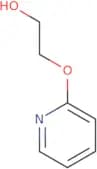
CAS:<p>Versatile small molecule scaffold</p>Formula:C7H9NO2Purity:Min. 95%Molecular weight:139.15 g/molMethyl 2-[(3-aminophenyl)formamido]acetate
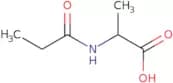
CAS:<p>Versatile small molecule scaffold</p>Formula:C10H12N2O3Purity:Min. 95%Molecular weight:208.21 g/mol(2S)-2-Propanamidopropanoic acid
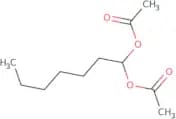
CAS:<p>(2S)-2-Propanamidopropanoic acid is a non-protein amino acid that is used in the synthesis of peptides. It has an acidic side chain and can be reacted with amines to form a beta-amide linkage. These reactions are catalyzed by enzymes such as proteases and thiols. This compound has been shown to inhibit the activity of proteases, which may be due to its ability to compete for binding sites on the enzyme. The equilibrium constant for this reaction is 1.5 x 10^9 M^(-1).</p>Formula:C6H11NO3Purity:Min. 95%Molecular weight:145.16 g/mol1-(Acetyloxy)heptyl acetate
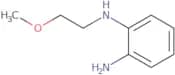
CAS:<p>1-(Acetyloxy)heptyl acetate is an organic compound that has the molecular formula CH3COOC7H15. It is a colorless liquid with boiling point of 174°C at 1 mmHg. This compound is used as a solvent, and it is also used in the synthesis of some pharmaceuticals. The melting point of 1-(acetyloxy)heptyl acetate varies depending on the temperature because this compound exists as two polymorphs. The compound can be activated by heating to temperatures above 145°C, which will cause it to form hydrogen bonds with water molecules. One of the major uses for 1-(acetyloxy)heptyl acetate is as an excipient in tablets and capsules. The most common use for this substance is in pharmaceuticals that are taken orally and require solvents or solubilizers to dissolve other components such as inactive ingredients, active ingredients, or colors.</p>Formula:C11H20O4Purity:Min. 95%Molecular weight:216.27 g/molN1-(2-Methoxyethyl)benzene-1,2-diamine
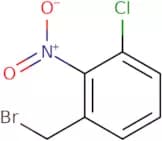
CAS:<p>Versatile small molecule scaffold</p>Formula:C9H14N2OPurity:Min. 95%Molecular weight:166.22 g/mol3-Chloro-2-nitrobenzyl bromide
CAS:<p>Versatile small molecule scaffold</p>Formula:C7H5BrClNO2Purity:Min. 95%Molecular weight:250.48 g/molo-[3-(Dimethylamino)propyl]hydroxylamine dihydrochloride
CAS:<p>o-[3-(Dimethylamino)propyl]hydroxylamine dihydrochloride is a drug used to treat cardiovascular disorders. It is a prodrug that is metabolized in the body to form hydroxylamine, which has affinity for c1-6 alkyl groups. The hydroxyl group on the heterocycle of o-[3-(Dimethylamino)propyl]hydroxylamine dihydrochloride also has biological properties. This drug is an inhibitor of monoamine oxidase and may reduce the risk of heart disease by lowering blood pressure and decreasing cholesterol levels. The stereoisomers of this compound are used for the treatment of hypertension. The benzyl group on o-[3-(Dimethylamino)propyl]hydroxylamine dihydrochloride may be responsible for its ability to inhibit monoamine oxidase A and B, as well as other enzymes involved in cardiovascular diseases.</p>Formula:C5H16Cl2N2OPurity:Min. 95%Molecular weight:191.1 g/mol2-(Carbamoylmethoxy)benzoic acid
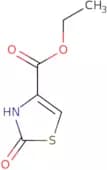
CAS:<p>Versatile small molecule scaffold</p>Formula:C9H9NO4Purity:Min. 95%Molecular weight:195.17 g/molEthyl 2-hydroxy-1,3-thiazole-4-carboxylate
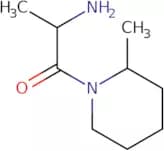
CAS:<p>Versatile small molecule scaffold</p>Formula:C6H7NO3SPurity:Min. 95%Molecular weight:173.19 g/mol2-Amino-1-(2-methylpiperidin-1-yl)propan-1-one
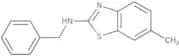
CAS:Controlled Product<p>Versatile small molecule scaffold</p>Formula:C9H18N2OPurity:Min. 95%Molecular weight:170.25 g/molN-Benzyl-6-methyl-1,3-benzothiazol-2-amine
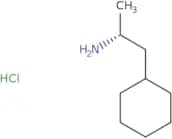
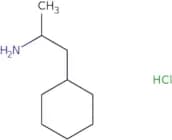
CAS:<p>Versatile small molecule scaffold</p>Formula:C15H14N2SPurity:Min. 95%Molecular weight:254.4 g/mol(2R)-1-Cyclohexylpropan-2-amine hydrochloride
CAS:<p>Versatile small molecule scaffold</p>Formula:C9H20ClNPurity:Min. 95%Molecular weight:177.7 g/mol(2S)-1-Cyclohexylpropan-2-amine hydrochloride
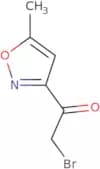
CAS:<p>Versatile small molecule scaffold</p>Formula:C9H20ClNPurity:Min. 95%Molecular weight:177.71 g/mol2-Bromo-1-(5-methyl-1,2-oxazol-3-yl)ethan-1-one
CAS:<p>Versatile small molecule scaffold</p>Formula:C6H6BrNO2Purity:Min. 95%Molecular weight:204.02 g/mol2-[4-(6-Chloropyridazin-3-yl)piperazin-1-yl]ethan-1-ol
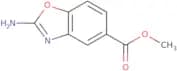
CAS:<p>Versatile small molecule scaffold</p>Formula:C10H15ClN4OPurity:Min. 95%Molecular weight:242.7 g/molMethyl 2-amino-1,3-benzoxazole-5-carboxylate
CAS:<p>Versatile small molecule scaffold</p>Formula:C9H8N2O3Purity:Min. 95%Molecular weight:192.17 g/mol6-Chloro-3-(4-methylphenyl)-[1,2,4]triazolo[4,3-b]pyridazine
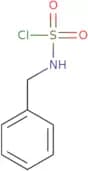
CAS:<p>Versatile small molecule scaffold</p>Formula:C12H9ClN4Purity:Min. 95%Molecular weight:244.68 g/molN-Benzylsulfamoyl chloride
CAS:<p>N-Benzylsulfamoyl chloride is an inhibitor of the enzyme, racemase. This inhibitor has been shown to be active against a variety of hyperproliferative diseases. N-Benzylsulfamoyl chloride inhibits the production of cell proteins and can be used for the treatment of mycoses and thioether-related disorders. It also has cytoprotective activity in liver cells and neuronal cells, which may be due to its ability to inhibit carboxyalkylases.</p>Formula:C7H8ClNO2SPurity:Min. 95%Molecular weight:205.66 g/mol
![5-Chlorobicyclo[4.2.0]octa-1,3,5-trien-7-one](/_next/image/?url=https%3A%2Fstatic.cymitquimica.com%2Fproducts%2F3D%2Fthumb-webp%2FGDA44763.webp&w=3840&q=75)

![2-[4-(Bromomethyl)phenyl]thiophene](/_next/image/?url=https%3A%2Fstatic.cymitquimica.com%2Fproducts%2F3D%2Fthumb-webp%2FGDA44346.webp&w=3840&q=75)
![[4-(Thien-2-yl)phenyl]methanol](/_next/image/?url=https%3A%2Fstatic.cymitquimica.com%2Fproducts%2F3D%2Fthumb-webp%2FGDA44344.webp&w=3840&q=75)
![6-Bromo-2-methylimidazo[1,2-a]pyridine-3-carboxylic acid](/_next/image/?url=https%3A%2Fstatic.cymitquimica.com%2Fproducts%2F3D%2Fthumb-webp%2FGDA43857.webp&w=3840&q=75)
![Ethyl 7-Bromo-2-methylimidazo[1,2-a]pyridine-3-carboxylate](/_next/image/?url=https%3A%2Fstatic.cymitquimica.com%2Fproducts%2F3D%2Fthumb-webp%2FGDA43856.webp&w=3840&q=75)
![2-[(4-Bromophenyl)methanesulfinyl]acetic acid](/_next/image/?url=https%3A%2Fstatic.cymitquimica.com%2Fproducts%2F3D%2Fthumb-webp%2FGDA43133.webp&w=3840&q=75)
![1,3-Dihydrospiro[indene-2,3'-pyrrolidine]-2',5'-dione](/_next/image/?url=https%3A%2Fstatic.cymitquimica.com%2Fproducts%2F3D%2Fthumb-webp%2FGDA40221.webp&w=3840&q=75)
![2,3-Dihydrospiro[indene-1,3'-pyrrolidine]-2',5'-dione](/_next/image/?url=https%3A%2Fstatic.cymitquimica.com%2Fproducts%2F3D%2Fthumb-webp%2FGDA40216.webp&w=3840&q=75)
![1-[(Benzyloxy)methyl]-4-bromobenzene](/_next/image/?url=https%3A%2Fstatic.cymitquimica.com%2Fproducts%2F3D%2Fthumb-webp%2FGDA39527.webp&w=3840&q=75)
![3-[2-(methoxycarbonyl)phenyl]propanoic acid](/_next/image/?url=https%3A%2Fstatic.cymitquimica.com%2Fproducts%2F3D%2Fthumb-webp%2FGDA32974.webp&w=3840&q=75)
![2-Methyl-2H,6H,7H-pyrazolo[3,4-d]pyridazin-7-one](/_next/image/?url=https%3A%2Fstatic.cymitquimica.com%2Fproducts%2F3D%2Fthumb-webp%2FGDA30593.webp&w=3840&q=75)


![1-Methyl-2-[(1-methyl-1H-pyrrol-2-yl)methyl]-1H-pyrrole](/_next/image/?url=https%3A%2Fstatic.cymitquimica.com%2Fproducts%2F3D%2Fthumb-webp%2FGDA26387.webp&w=3840&q=75)
![N-[(4-Ethoxy-3-methoxyphenyl)methylidene]hydroxylamine](/_next/image/?url=https%3A%2Fstatic.cymitquimica.com%2Fproducts%2F3D%2Fthumb-webp%2FGDA25953.webp&w=3840&q=75)





![4-[(2-Methoxyphenyl)methoxy]piperidine hydrochloride](/_next/image/?url=https%3A%2Fstatic.cymitquimica.com%2Fproducts%2F3D%2Fthumb-webp%2FGDA15157.webp&w=3840&q=75)
![4-[(2-Methylphenyl)methoxy]piperidine](/_next/image/?url=https%3A%2Fstatic.cymitquimica.com%2Fproducts%2F3D%2Fthumb-webp%2FGDA15151.webp&w=3840&q=75)
![4-[(4-Fluorophenyl)methoxy]piperidine](/_next/image/?url=https%3A%2Fstatic.cymitquimica.com%2Fproducts%2F3D%2Fthumb-webp%2FGDA15135.webp&w=3840&q=75)
![2-[(1-Phenylpropyl)amino]ethan-1-ol](/_next/image/?url=https%3A%2Fstatic.cymitquimica.com%2Fproducts%2F3D%2Fthumb-webp%2FGDA13369.webp&w=3840&q=75)
![2-[[4-(Boc-amino)methyl]phenoxy]acetic acid](/_next/image/?url=https%3A%2Fstatic.cymitquimica.com%2Fproducts%2F3D%2Fthumb-webp%2FGDA12340.webp&w=3840&q=75)
![Thieno[3,2-b]pyridine-5-carboxylic acid](/_next/image/?url=https%3A%2Fstatic.cymitquimica.com%2Fproducts%2F3D%2Fthumb-webp%2FGCA47392.webp&w=3840&q=75)
![Furo[3,2-b]pyridine-5-carboxylic acid](/_next/image/?url=https%3A%2Fstatic.cymitquimica.com%2Fproducts%2F3D%2Fthumb-webp%2FGCA47391.webp&w=3840&q=75)

![8-chloroimidazo[1,5-a]pyrazine](/_next/image/?url=https%3A%2Fstatic.cymitquimica.com%2Fproducts%2F3D%2Fthumb-webp%2FGCA46823.webp&w=3840&q=75)
![7H,8H-Imidazo[1,5-a]pyrazin-8-one](/_next/image/?url=https%3A%2Fstatic.cymitquimica.com%2Fproducts%2F3D%2Fthumb-webp%2FGCA46821.webp&w=3840&q=75)
![Methyl 2-[(3-aminophenyl)formamido]acetate](/_next/image/?url=https%3A%2Fstatic.cymitquimica.com%2Fproducts%2F3D%2Fthumb-webp%2FGCA44569.webp&w=3840&q=75)
![o-[3-(Dimethylamino)propyl]hydroxylamine dihydrochloride](/_next/image/?url=https%3A%2Fstatic.cymitquimica.com%2Fproducts%2F3D%2Fthumb-webp%2FGCA42532.webp&w=3840&q=75)

![2-[4-(6-Chloropyridazin-3-yl)piperazin-1-yl]ethan-1-ol](/_next/image/?url=https%3A%2Fstatic.cymitquimica.com%2Fproducts%2F3D%2Fthumb-webp%2FGCA39287.webp&w=3840&q=75)
![6-Chloro-3-(4-methylphenyl)-[1,2,4]triazolo[4,3-b]pyridazine](/_next/image/?url=https%3A%2Fstatic.cymitquimica.com%2Fproducts%2F3D%2Fthumb-webp%2FGCA38342.webp&w=3840&q=75)