Building Blocks
This section contains fundamental products for the synthesis of organic and biological compounds. Building blocks are the essential starting materials used to construct complex molecules through various chemical reactions. They play a critical role in drug discovery, material science, and chemical research. At CymitQuimica, we offer a diverse range of high-quality building blocks to support your innovative research and industrial projects, ensuring you have the essential components for successful synthesis.
Subcategories of "Building Blocks"
- Boronic Acids & Boronic Acid Derivatives(5,756 products)
- Chiral Building Blocks(1,242 products)
- Hydrocarbon Building Blocks(6,095 products)
- Organic Building Blocks(61,038 products)
Found 196817 products of "Building Blocks"
Sort by
Purity (%)
0
100
|
0
|
50
|
90
|
95
|
100
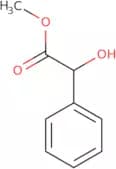
Methyl DL-Mandelate
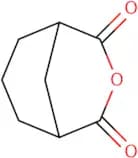
CAS:<p>Methyl DL-Mandelate is a chiral compound that has been shown to have an inhibitory effect on the growth of bacteria. It binds to bacterial cell surface receptors and causes lysis by creating holes in the membrane. Methyl DL-Mandelate also has high resistance against wastewater treatment; it is not removed during conventional treatment processes and can be used in the treatment of infectious diseases. The mechanism for this inhibition is unknown, but it has been hypothesized that methyl DL-Mandelate acts as an adsorbent, which blocks or inhibits the binding sites of other antibiotics or toxins.</p>Formula:C9H10O3Purity:Min. 95%Molecular weight:166.18 g/molcis-1,3-Cyclohexanedicarboxylic anhydride
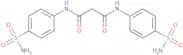
CAS:<p>Versatile small molecule scaffold</p>Formula:C8H10O3Purity:Min. 95%Molecular weight:154.17 g/molN,N'-Bis(4-sulfamoylphenyl)propanediamide
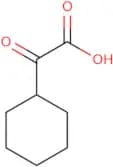
CAS:<p>Versatile small molecule scaffold</p>Formula:C15H16N4O6S2Purity:Min. 95%Molecular weight:412.4 g/mol2-Cyclohexyl-2-oxoacetic acid
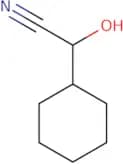
CAS:<p>2-Cyclohexyl-2-oxoacetic acid (2C2OA) is a quaternary ammonium salt that has been used in the synthesis of benzyl esters. 2C2OA is also reactive and can be used as an organic solvent. It reacts with Friedel-Crafts reaction to produce enantiomeric cyclohexanones, which are useful for the preparation of acyl halides and hydroxyl groups. 2C2OA is not an acid but can react with inorganic acids to form condensation products. Hydrogen chloride (HCl) will react with 2C2OA to produce cyclohexene and cyclohexanone chlorides, which are both volatile compounds. 2C2OA can also act as an acyl halide by reacting with acyl halides.</p>Formula:C8H12O3Purity:Min. 95%Molecular weight:156.18 g/mol2-Cyclohexyl-2-hydroxyacetonitrile
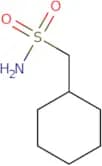
CAS:<p>2-Cyclohexyl-2-hydroxyacetonitrile is a reaction mixture that can be used to synthesize an amide, dialkyl, or carbonate. It is a high yield reaction with hydrogen chloride and carbonate as reagents. The reactants are cyanohydrin and alkoxide or halide. The product of this reaction is an anhydride. 2-Cyclohexyl-2-hydroxyacetonitrile can also be used to make phosgene by reacting with phosgene gas in the presence of metallic chloride or other halides.</p>Formula:C8H13NOPurity:Min. 95%Molecular weight:139.19 g/molCyclohexylmethanesulfonamide
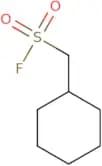
CAS:<p>Cyclohexylmethanesulfonamide is a quinoline derivative that has been shown to have affinity for the CB1 receptor. It has been used in animal studies as an anti-inflammatory agent and may also have cancer chemopreventive properties. The compound has also been shown to inhibit the activity of the NS5B polymerase, which is involved in viral RNA synthesis. Cyclohexylmethanesulfonamide binds to the C1-C6 alkyl group and alkylsulfonyl group on the enzyme, inhibiting its ability to replicate viral RNA. It has been suggested that this drug may be useful in treating psychotic disorders because it can cross the blood brain barrier.</p>Formula:C7H15NO2SPurity:Min. 95%Molecular weight:177.27 g/molCyclohexylmethanesulfonyl fluoride
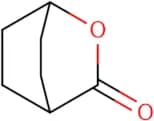
CAS:<p>Versatile small molecule scaffold</p>Formula:C7H13FO2SPurity:Min. 95%Molecular weight:180.24 g/mol4-Hydroxy-1-cyclohexanecarboxylic Acid '-Lactone
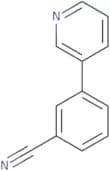
CAS:<p>4-Hydroxy-1-cyclohexanecarboxylic acid ´-lactone is a lactone that is used as an initiator in the production of polyesters. It has also been used as a reactant for synthesizing organolithium compounds. It has been shown that 4-hydroxy-1-cyclohexanecarboxylic acid ´-lactone can be polymerized with styrene and toluene to form a copolymer. This copolymer has been studied by spectroscopy and calorimetry. The enthalpy of this reaction was determined to be -2,979 kJ/mol. The structure of 4-hydroxy-1-cyclohexanecarboxylic acid ´-lactone has been confirmed using crystallography.</p>Formula:C7H10O2Purity:Min. 95%Molecular weight:126.16 g/mol3-(Pyridin-3-yl)benzonitrile
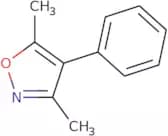
CAS:<p>Versatile small molecule scaffold</p>Formula:C12H8N2Purity:Min. 95%Molecular weight:180.2 g/mol3,5-Dimethyl-4-phenyl-1,2-oxazole
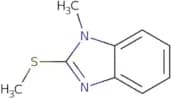
CAS:<p>Versatile small molecule scaffold</p>Formula:C11H11NOPurity:Min. 95%Molecular weight:173.21 g/mol1-Methyl-2-(methylsulfanyl)-1H-1,3-benzodiazole
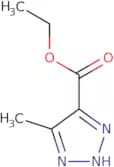
CAS:<p>1-Methyl-2-(methylsulfanyl)-1H-1,3-benzodiazole is an alkylating agent that undergoes a regiospecific reaction with N-methylmorpholine and dimethylformamide to produce the desired 1-(methylsulfanyl)benzene. This process can be carried out in the presence of activated carbon to remove any byproducts. The kinetics of the reaction are dependent on temperature, which can be adjusted by using different solvents. The product is then purified through techniques such as recrystallization or distillation.</p>Formula:C9H10N2SPurity:Min. 95%Molecular weight:178.26 g/molEthyl 5-methyl-1H-1,2,3-triazole-4-carboxylate
CAS:<p>Versatile small molecule scaffold</p>Formula:C6H9N3O2Purity:Min. 95%Molecular weight:155.15 g/mol4-Propoxycyclohexan-1-amines
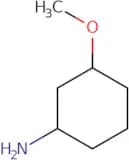
CAS:<p>Versatile small molecule scaffold</p>Formula:C9H19NOPurity:Min. 95%Molecular weight:157.3 g/mol3-Methoxy-cyclohexylamine
CAS:<p>Versatile small molecule scaffold</p>Formula:C7H15NOPurity:Min. 95%Molecular weight:129.2 g/mol{Tricyclo[2.2.1.0,2,6]heptan-3-yl}methanol
CAS:<p>Versatile small molecule scaffold</p>Formula:C8H12OPurity:Min. 95%Molecular weight:124.18 g/mol2H,3H-[1,2]Thiazolo[5,4-b]pyridin-3-one
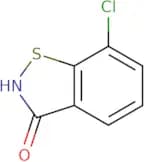
CAS:<p>Versatile small molecule scaffold</p>Formula:C6H4N2OSPurity:Min. 95%Molecular weight:152.18 g/mol7-Chloro-2,3-dihydro-1,2-benzothiazol-3-one
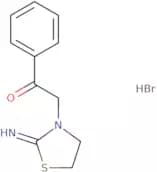
CAS:<p>Versatile small molecule scaffold</p>Formula:C7H4ClNOSPurity:Min. 95%Molecular weight:185.63 g/mol2-(2-Imino-1,3-thiazolidin-3-yl)-1-phenylethanone hydrobromide
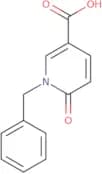
CAS:<p>Versatile small molecule scaffold</p>Formula:C11H13BrN2OSPurity:Min. 95%Molecular weight:301.2 g/mol1-Benzyl-6-oxo-1,6-dihydro-3-pyridinecarboxylic acid
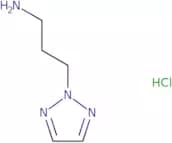
CAS:<p>Versatile small molecule scaffold</p>Formula:C13H11NO3Purity:Min. 95%Molecular weight:229.24 g/mol3-(2H-1,2,3-Triazol-2-yl)propan-1-amine hydrochloride
CAS:<p>Versatile small molecule scaffold</p>Formula:C5H11ClN4Purity:Min. 95%Molecular weight:162.62 g/mol{[(2-Chloroethyl)sulfanyl]methyl}benzene
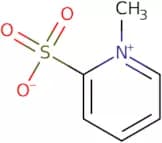
CAS:<p>2-Chloroethylbenzene is an alkylating agent that reacts with a nucleophile to form a new carbon-carbon bond. It is used as a synthetic intermediate for the production of 2-chloroethyl sulfide and episulfide. 2-Chloroethylbenzene can be synthesized by the reaction of benzyl chloride with ethylene, amines, or other alkylating agents in the presence of sodium hydroxide. 2-Chloroethylbenzene can also be synthesized by the debenzylation of 2-chloroethenylbenzene with hydrochloric acid and potassium hydroxide.<br>Fluorination of 2-chloroethylbenzene will yield 2-chloroethyl fluoroformate, which is an important precursor to pesticides.</p>Formula:C9H11ClSPurity:Min. 95%Molecular weight:186.7 g/mol1-Methylpyridin-1-ium-2-sulfonate
CAS:<p>Versatile small molecule scaffold</p>Formula:C6H7NO3SPurity:Min. 95%Molecular weight:173.19 g/mol3-[(2-Aminophenyl)sulfanyl]propanenitrile
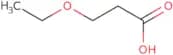
CAS:<p>Versatile small molecule scaffold</p>Formula:C9H10N2SPurity:Min. 95%Molecular weight:178.26 g/mol3-Ethoxypropionic acid
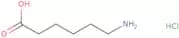
CAS:<p>3-Ethoxypropionic acid is a glycidic compound that is used as a pharmaceutical intermediate. It is a hydroxyl group with a cinnamic acid derivative. 3-Ethoxypropionic acid has been shown to be effective in the treatment of autoimmune diseases and inflammatory diseases. The chemical stability of this compound makes it an excellent candidate for use in pharmaceutical preparations. 3-Ethoxypropionic acid was isolated with an isolated yield of 73%. The chirality of this compound was determined by NMR spectroscopy, which showed that the molecule is unsymmetrical, containing both left-handed and right-handed configurations. This immiscible solvents can be synthesized using a chiral catalyst at the ph optimum of 10.5</p>Formula:C5H10O3Purity:Min. 95%Color and Shape:Clear LiquidMolecular weight:118.13 g/mol6-Aminohexanoic acid hydrochloride
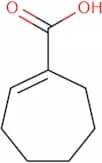
CAS:<p>6-Aminohexanoic acid hydrochloride is a serine protease inhibitor that is used as a medicinal preparation. It is an amino acid with a carbonyl group, which in the presence of metal ions can act as a nucleophile. 6-Aminohexanoic acid hydrochloride has been shown to inhibit the activity of HIV and other viruses, which may be due to its ability to bind viral proteins and inhibit their function. This drug also inhibits the activity of serine proteases, including chymotrypsin and trypsin.</p>Formula:C6H14ClNO2Purity:Min. 95%Molecular weight:167.63 g/molCyclohept-1-ene-1-carboxylic acid
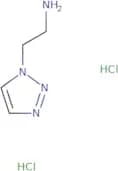
CAS:<p>Cyclohept-1-ene-1-carboxylic acid is a methyl ester. It can be synthesized by the reaction of benzyl chloride, methanol, and bromine in the presence of an alkali metal as a catalyst. The product is then treated with chlorine to give cyclohept-1-ene-1-carboxylic acid. Cyclohept-1-ene-1-carboxylic acid can be used as an esterification agent or as a precursor for other compounds such as tribromocycloheptane, which is used in the synthesis of polychlorinated biphenyls (PCBs). This compound has been found to react with carbon tetrachloride and trichloromethanes to form chlorocarbon tetrachlorides. Cyclohept-1-ene carboxylic acid may be prepared by reacting benzyl chloride with methanol and</p>Formula:C8H12O2Purity:Min. 95%Molecular weight:140.18 g/mol2-(1H-1,2,3-Triazol-1-yl)ethan-1-amine dihydrochloride
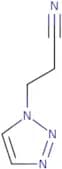
CAS:<p>Versatile small molecule scaffold</p>Formula:C4H10Cl2N4Purity:Min. 95%Molecular weight:185.05 g/mol3-(1H-1,2,3-Triazol-1-yl)propanenitrile
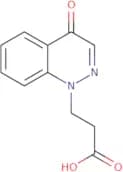
CAS:<p>Versatile small molecule scaffold</p>Formula:C5H6N4Purity:Min. 95%Molecular weight:122.13 g/mol3-(4-Oxo-1,4-dihydrocinnolin-1-yl)propanoic acid
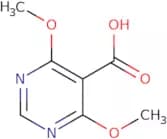
CAS:<p>Versatile small molecule scaffold</p>Formula:C11H10N2O3Purity:Min. 95%Molecular weight:218.21 g/mol4,6-Dimethoxypyrimidine-5-carboxylic acid
CAS:<p>Versatile small molecule scaffold</p>Formula:C7H8N2O4Purity:Min. 95%Molecular weight:184.14 g/mol5-Bromo-4-chloro-6-methoxypyrimidine
CAS:<p>Versatile small molecule scaffold</p>Formula:C5H4BrClN2OPurity:Min. 95%Molecular weight:223.46 g/mol5-Bromo-4-methoxypyrimidine
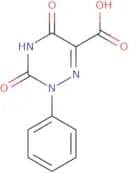
CAS:<p>5-Bromo-4-methoxypyrimidine is a versatile compound with a wide range of applications. It can be used as a building block in the synthesis of various organic compounds, including pharmaceuticals, agrochemicals, and research chemicals. The benzylic nature of this compound makes it highly reactive and allows for easy functionalization. Additionally, 5-Bromo-4-methoxypyrimidine has been shown to enhance the production of biomass and promote the growth of certain microorganisms. This compound also exhibits potential therapeutic effects, such as increasing collagen synthesis and promoting the production of growth factors like TGF-β1. Whether you're a researcher or a chemist looking for a reliable source of high-quality chemicals, 5-Bromo-4-methoxypyrimidine is an essential addition to your laboratory inventory.</p>Formula:C5H5BrN2OPurity:Min. 95%Molecular weight:189.01 g/mol3,5-Dioxo-2-phenyl-2,3,4,5-tetrahydro-1,2,4-triazine-6-carboxylic acid
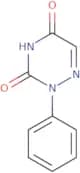
CAS:<p>Versatile small molecule scaffold</p>Formula:C10H7N3O4Purity:Min. 95%Molecular weight:233.18 g/mol2-Phenyl-2,3,4,5-tetrahydro-1,2,4-triazine-3,5-dione
CAS:<p>2-Phenyl-2,3,4,5-tetrahydro-1,2,4-triazine-3,5-dione (Toltrazuril) is a coccidiostatic drug that inhibits the growth of coccidia by inhibiting the synthesis of adenosine triphosphate. It has been used for chemotherapy in veterinary medicine. Toltrazuril acts as a competitive inhibitor of ATP synthase and is effective against Eimeria tenella and Eimeria acervulina.</p>Formula:C9H7N3O2Purity:Min. 95%Molecular weight:189.17 g/mol1H-1,2,3-Triazole-1-acetic acid ethyl ester
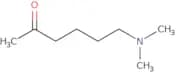
CAS:<p>Versatile small molecule scaffold</p>Formula:C6H9N3O2Purity:Min. 95%Molecular weight:155.15 g/mol6-(Dimethylamino)hexan-2-one
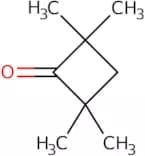
CAS:<p>Versatile small molecule scaffold</p>Formula:C8H17NOPurity:Min. 95%Molecular weight:143.23 g/mol2,2,4,4-Tetramethylcyclobutan-1-one
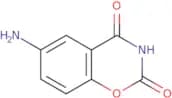
CAS:<p>2,2,4,4-Tetramethylcyclobutan-1-one (TMCB) is an organic compound that is synthesized by the thermal decomposition of isobutene. TMCB can be used as a starting material for the synthesis of other chemicals. It has been shown to react with nucleophiles in a spontaneous reaction that forms an acylium ion intermediate. The carbonyl group on TMCB reacts with anions to form adducts such as cyclobutanecarbonyl chloride and tetrahydrofuran-1,1-dicarbonyl chloride. The crystallography of TMCB has been studied using x-ray diffraction data collected at various temperatures. The kinetic parameters for TMCB were determined from the results of the filtration study.</p>Formula:C8H14OPurity:Min. 95%Molecular weight:126.2 g/mol6-Amino-3,4-dihydro-2H-1,3-benzoxazine-2,4-dione
CAS:<p>Versatile small molecule scaffold</p>Formula:C8H6N2O3Purity:Min. 95%Molecular weight:178.14 g/mol2-[(2,3-Dichlorophenyl)amino]benzoic acid
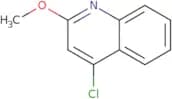
CAS:<p>2-[(2,3-Dichlorophenyl)amino]benzoic acid is a nonsteroidal anti-inflammatory drug that binds to the receptor for prostaglandin E2. It has been shown to have anti-inflammatory and analgesic effects in animal models of inflammatory bowel disease and microbial infection. 2-[(2,3-Dichlorophenyl)amino]benzoic acid inhibits the release of inflammatory mediators such as leukotrienes (LTs), prostaglandins, histamine, and cytokines from mast cells and eosinophils. It also inhibits the production of proinflammatory cytokines by macrophages and T lymphocytes. This drug can be used in treatment of autoimmune diseases because it blocks the action of COX enzymes that produce prostaglandins involved in inflammation. 2-[(2,3-Dichlorophenyl)amino]benzoic acid has been shown to inhibit water vapor</p>Formula:C13H9Cl2NO2Purity:Min. 95%Molecular weight:282.12 g/mol4-Chloro-2-methoxyquinoline
CAS:<p>4-Chloro-2-methoxyquinoline is a chemical compound that has been extensively studied for its nucleophilic substitution reactions. It can be used to study the effects of substituents on the kinetics and reactivity of nucleophilic substitution reactions. 4-Chloro-2-methoxyquinoline is a mesomeric compound, which means that it can exist as two different structures: an anion (electron donor) or a cation (electron acceptor). 4-Chloro-2-methoxyquinoline can also interact with thiolates, which are reactive groups found in biomolecules. This interaction allows for the study of the effects of substituents on the kinetics and reactivity of nucleophilic substitution reactions.</p>Formula:C10H8ClNOPurity:Min. 95%Molecular weight:193.63 g/mol1-(2-Propynyl)-1H-indole-2,3-dione
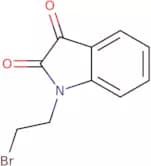
CAS:<p>1-(2-Propynyl)-1H-indole-2,3-dione is a hydrophobic molecule that has been shown to have anticancer activity in vitro. It causes cancer cells to undergo programmed cell death by interacting with the cellular mitochondria and triggering apoptosis. The molecule also interacts with serum albumin, which may be related to its ability to enter cells. 1-(2-Propynyl)-1H-indole-2,3-dione has been shown to cause DNA damage by binding to the x-ray crystallography of microbial strains, as well as by irradiation in the presence of azides. This molecule has a fluorescent substructure that can be detected using bovine serum albumin fluorescence.</p>Formula:C11H7NO2Purity:Min. 95%Molecular weight:185.18 g/mol1-(2-Bromoethyl)-1H-indole-2,3-dione
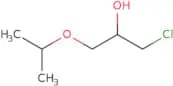
CAS:<p>1-(2-Bromoethyl)-1H-indole-2,3-dione is a planar molecule with hydrogen bonds and is a member of the isatin class of compounds. It has been used to evaluate the surface of inorganic materials, such as silicon wafers, which are made from sand or quartz. The bromine atom in this molecule can be replaced by chlorine or iodine atoms to create other isatin derivatives.</p>Formula:C10H8BrNO2Purity:Min. 95%Molecular weight:254.08 g/mol1-Chloro-3-(propan-2-yloxy)propan-2-ol
CAS:<p>Versatile small molecule scaffold</p>Formula:C6H13ClO2Purity:Min. 95%Molecular weight:152.62 g/mol2-(2,5-Dimethylphenoxymethyl)oxirane
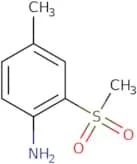
CAS:<p>Versatile small molecule scaffold</p>Formula:C11H14O2Purity:Min. 95%Molecular weight:178.23 g/mol2-Methanesulfonyl-4-methylaniline
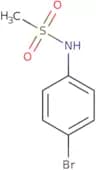
CAS:<p>Versatile small molecule scaffold</p>Formula:C8H11NO2SPurity:Min. 95%Molecular weight:185.25 g/molN-(4-Bromophenyl)methanesulfonamide
CAS:<p>N-(4-Bromophenyl)methanesulfonamide, also known as bromfenac, is a nonsteroidal anti-inflammatory drug (NSAID) of the sulfonanilide class. It binds to the COX enzyme and inhibits prostaglandin synthesis. The COX enzyme catalyzes the conversion of arachidonic acid to prostaglandins. This inhibition leads to reduction in inflammation and pain. Bromfenac has been shown to inhibit the production of pro-inflammatory cytokines such as TNF-α and IL-1β in vitro. Bromfenac is a crystalline compound with a molecular weight of 285.2 Da and consists of one chain with two hydrogen bonds that are both ionic and covalent in nature.</p>Formula:BrC6H4NHSO2CH3Purity:Min. 95%Molecular weight:250.11 g/molN-Methyl-N-(prop-2-yn-1-yl)aniline
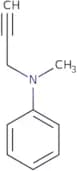
CAS:<p>N-Methyl-N-(prop-2-yn-1-yl)aniline, also known as NMPAA, is a processable monomer. It has a high solubility in water and organic solvents. The methyl groups allow it to be oxidized easily, which can be used for the synthesis of other compounds. This monomer can be used to make polymers with terminal alkynes or azides. It is also able to undergo tricyanovinylation and bond cleavage reactions. Its main use is in the production of polymers with chromophores and dyes for plastics.</p>Formula:C10H11NPurity:Min. 95%Molecular weight:145.2 g/mol9-(Prop-2-yn-1-yl)-9H-carbazole
CAS:<p>9-(Prop-2-yn-1-yl)-9H-carbazole is a monomer that has been shown to be insoluble, diffraction, and regioselective. Its copolymerization with 1,3-diphenylpropane yields polymers with high molecular weight. 9-(Prop-2-yn-1-yl)-9H-carbazole can be polymerized by the addition of sulfate ions, which can also act as a catalyst for the polymerization process. Copolymers of 9-(Prop-2-yn-1-yl)-9H-carbazole have been shown to possess photoconductive properties. This monomer has also been shown to be an effective catalyst for the 1,3 dipolar cycloaddition reaction.</p>Formula:C15H11NPurity:Min. 95%Molecular weight:205.26 g/mol1-Iodononane (stabilized with Copper chip)
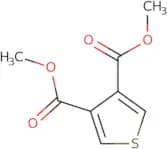
CAS:<p>1-Iodononane is a reactive chemical species that can be used in the synthesis of amides and other important organic molecules. It has been used in asymmetric syntheses to produce molecules with different stereoisomers. 1-Iodononane has been found to have cancer-fighting properties, and it can be used as an eye drop for eye disorders such as conjunctivitis. This compound is also able to react with human liver cells, which may be due to its alkyl group. The magnesium salt of 1-iodonane may be able to inhibit the production of glycerin in the body, and its carbonyl group could lead to structural analysis of this molecule.</p>Formula:C9H19IPurity:Min. 95%Molecular weight:254.16 g/molDimethyl Thiophene-3,4-dicarboxylate
CAS:<p>Dimethyl Thiophene-3,4-dicarboxylate is a bioactive molecule that can be synthesized in a cross-coupling reaction. Dimethyl Thiophene-3,4-dicarboxylate has also been shown to have cytotoxic properties. This compound is able to alkylate DNA and RNA, which may account for its cytotoxic effects. The interactions of this compound with the acceptor molecules are still unknown. There is no information about the modification of this compound or the diffraction pattern obtained from it.</p>Formula:C8H8O4SPurity:Min. 95%Molecular weight:200.21 g/mol4-(Methoxycarbonyl)thiophene-3-carboxylic acid
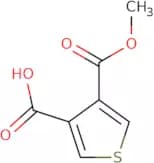
CAS:<p>4-(Methoxycarbonyl)thiophene-3-carboxylic acid is a colorless liquid with a boiling point of 104-106 degrees Celsius. It can be obtained by alkaline hydrolysis of 4-(methoxycarbonyl)thiophene-2,5-dicarboxylic acid, or by the action of methanol on thiophene. The solubility of this compound in solvents depends on the polarity and the hydrogen bonding capability of the solvent. The kinetics of hydrolysis are dependent on temperature and pH. This compound has a pKa value of 10.5 and an ionization constant (pKb) value of 10.1. The thermodynamic parameters for this compound are calculated to be -9.4 kcal/mol for enthalpy, -8.4 kcal/mol for entropy, and -7.6 kcal/mol for free energy change at 298 K and</p>Formula:C7H6O4SPurity:Min. 95%Molecular weight:186.19 g/mol2,4-Furandicarboxylic acid
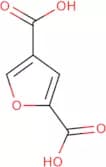
CAS:<p>2,4-Furandicarboxylic acid is a type of organic compound with the chemical formula C6H2O4. It is an acid that has optical properties and can be used as a reagent in organic synthesis. 2,4-Furandicarboxylic acid is biosynthesized by lactam dehydration, catalyzed by the enzyme 5-hmf. Furan rings are known to form when this compound undergoes oxidation reactions. The presence of furan rings can be detected through magnetic resonance spectroscopy and can be used to determine the concentration of 2,4-furandicarboxylic acid in urine samples.</p>Formula:C6H4O5Purity:Min. 95%Molecular weight:156.09 g/mol2-Chloro-5,5-dimethyl-1,3,2-dioxaphosphorinane 2-oxide
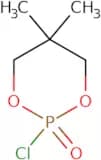
CAS:<p>2-Chloro-5,5-dimethyl-1,3,2-dioxaphosphorinane 2-oxide is a molecule with two chlorine atoms and one oxygen atom. The phosphoryl group has two phosphoranes that are linked by a pyrophosphate bond. The molecule also has a nucleophilic hydrogen chloride and an oxygen carbon double bond. The conformation of the molecule can be determined by the three cyclic groups on the left side of the molecule. This compound is used as an intermediate in organic synthesis for the preparation of other molecules. This reinvestigation shows that this compound bonds to a nucleophilic atom or group to form a new carbon chain and an oxo bridge.</p>Formula:C5H10ClO3PPurity:Min. 95%Molecular weight:184.56 g/molN-Chloroacetyl-DL-valine
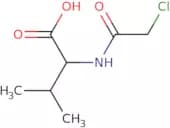
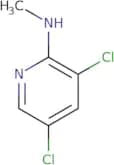
CAS:<p>N-Chloroacetyl-DL-valine is a natural amino acid with the formula CH3C(O)NH2. It is one of the 22 proteinogenic amino acids. The N-chloroacetyl group in this compound is attached to nitrogen at the α-position, and its carboxylic acid moiety is attached to the β-position of the amino acid backbone. In crystallized form, it has a n-terminal pyrolysable amide bond that can be cleaved by heat. In solution, it hydrolyzes readily to DL-alanine and chloroacetic acid. Aminoacylase and dipeptidase enzymes catalyze this reaction in vivo. NCA is an L-amino acid that contains an α-carbon atom with two substituents: an amide group (NHCOCH3) and a chloroacetyl group (CH3C(O)Cl). The molecular weight</p>Formula:C7H12ClNO3Purity:Min. 95%Molecular weight:193.63 g/mol3,5-Dichloro-N-methylpyridin-2-amine
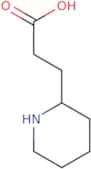
CAS:<p>Versatile small molecule scaffold</p>Formula:C6H6Cl2N2Purity:Min. 95%Molecular weight:177.03 g/mol3-(Piperidin-2-yl)propanoic acid
CAS:<p>Versatile small molecule scaffold</p>Formula:C8H15NO2Purity:Min. 95%Molecular weight:157.21 g/mol6,7,8,9-Tetrahydro-5H-benzo[7]annulene-1-carboxylic acid
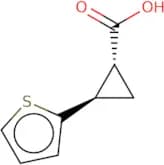
CAS:<p>Versatile small molecule scaffold</p>Formula:C12H14O2Purity:Min. 95%Molecular weight:190.24 g/molrac-(1R,2R)-2-(Thiophen-2-yl)cyclopropane-1-carboxylic acid
CAS:<p>Versatile small molecule scaffold</p>Formula:C8H8O2SPurity:Min. 95%Molecular weight:168.2 g/mol1-Thia-4-azaspiro[5.5]undecane
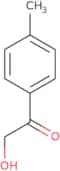
CAS:<p>Versatile small molecule scaffold</p>Formula:C9H17NSPurity:Min. 95%Molecular weight:171.31 g/mol2-Hydroxy-1-(4-methylphenyl)ethanone
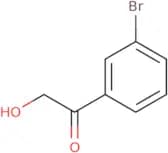
CAS:<p>Versatile small molecule scaffold</p>Formula:C9H10O2Purity:Min. 95%Molecular weight:150.17 g/mol1-(3-Bromophenyl)-2-hydroxyethan-1-one
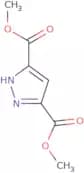
CAS:<p>Versatile small molecule scaffold</p>Formula:C8H7BrO2Purity:Min. 95%Molecular weight:215.04 g/molDimethyl 1H-pyrazole-3,5-dicarboxylate
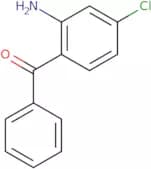
CAS:<p>Dimethyl 1H-pyrazole-3,5-dicarboxylate is a heterocyclic compound that can be synthesized by refluxing methyl groups with pyrazole derivatives. The anion of this compound has been shown to form crystalline complexes with nucleophilic ligands. Dimethyl 1H-pyrazole-3,5-dicarboxylate has been studied in x-ray crystallography and single crystal diffraction studies. The unsymmetrical nature of the molecule allows the two different methyl groups to bind to the same metal atom, which is often observed in other pyrazole derivatives. This property makes dimethyl 1H-pyrazole-3,5-dicarboxylate reactive and a good ligand for metal ions.</p>Formula:C7H8N2O4Purity:Min. 95%Molecular weight:184.15 g/mol2-Benzoyl-5-chloroaniline
CAS:<p>2-Benzoyl-5-chloroaniline is a synthetic chemical that can be used as an intermediate in the synthesis of other chemicals. It has been found in urine samples and is also used to prepare other compounds. 2-Benzoyl-5-chloroaniline is typically acetylated, salicylated, or trifluoroacetylated before use in order to protect against degradation by acidic conditions. This chemical can react with amines to form conjugates and has functional groups such as chloride and amines that are detectable by gas chromatography. 2-Benzoyl-5-chloroaniline regulates the activity of enzymes related to the metabolism of proteins and nucleic acids, which may be due to its ability to inhibit protein synthesis or DNA replication.</p>Formula:C13H10ClNOPurity:Min. 95%Molecular weight:231.68 g/mol1-[4-(tert-Butoxy)phenyl]ethan-1-one
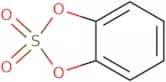
CAS:<p>Versatile small molecule scaffold</p>Formula:C12H16O2Purity:Min. 95%Molecular weight:192.25 g/mol1,3,2-Benzodioxathiole, 2,2-dioxide
CAS:<p>1,3,2-Benzodioxathiole, 2,2-dioxide is a hydroxy group and an aliphatic hydrocarbon. It is used as a surfactant in detergent compositions. The compound has been shown to be a potent control agent for inflammatory diseases such as atopic dermatitis and psoriasis. It also has the ability to inhibit active enzymes such as cyclooxygenase and lipoxygenase. 1,3,2-Benzodioxathiole, 2,2-dioxide has been shown to have anti-inflammatory properties that may be due to its ability to inhibit the production of inflammatory mediators such as gamma-aminobutyric acid or prostaglandins.<br>1,3,2-Benzodioxathiole, 2,2-dioxide is also used as a light stabilizer in polymers exposed to light.</p>Formula:C6H4O4SPurity:Min. 95%Molecular weight:172.16 g/mol1-[4-(Propan-2-ylsulfanyl)phenyl]ethan-1-one
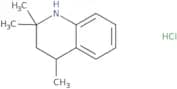
CAS:<p>Versatile small molecule scaffold</p>Formula:C11H14OSPurity:Min. 95%Molecular weight:194.3 g/mol2,2,4-Trimethyl-1,2,3,4-tetrahydroquinoline hydrochloride
CAS:<p>Versatile small molecule scaffold</p>Formula:C12H18ClNPurity:Min. 95%Molecular weight:211.73 g/mol2-(2-Methyl-1H-indol-3-yl)acetonitrile
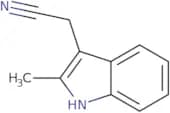
CAS:<p>Versatile small molecule scaffold</p>Formula:C11H10N2Purity:Min. 95%Molecular weight:170.21 g/mol3-Bromo-5-chloro-2-hydroxybenzoic acid
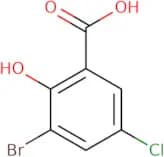
CAS:<p>Versatile small molecule scaffold</p>Formula:C7H4BrClO3Purity:Min. 95%Molecular weight:251.5 g/mol3-(2-Furyl)-DL-alanine
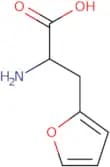
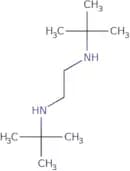
CAS:<p>3-(2-Furyl)-DL-alanine is a chiral amino acid that is used as a building block in the synthesis of peptides and proteins. The enantiomers of 3-(2-furyl)alanine have been shown to have different properties. One enantiomer has been shown to be more soluble in cyclohexane and 2-propanol, while the other has been shown to be more soluble in water. This difference can be optimized by using an appropriate solvent or by adding a complexing agent such as sodium chloride. It also has been found that one enantiomer is more reactive than the other with metal ions such as copper(II).</p>Formula:C7H9NO3Purity:Min. 95%Molecular weight:155.15 g/molN,N'-Di-tert-butylethylenediamine
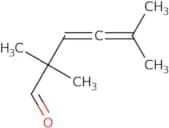
CAS:<p>N,N'-Di-tert-butylethylenediamine is a diamine compound that has been used as an optical reference in infrared spectroscopy and as a ligand for catalysis. It is soluble in organic solvents and has a magnetic susceptibility of 0.0014 cm3/mol. The optical properties of N,N'-Di-tert-butylethylenediamine are the result of a chromophore with an absorption maximum at 595 nm and emission maxima at 600 nm. This substance also has been shown to have functional groups that can be reduced to form peroxide radicals.</p>Formula:C10H24N2Purity:Min. 95%Molecular weight:172.32 g/mol2,2,5-Trimethylhexa-3,4-dienal
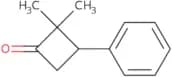
CAS:<p>Versatile small molecule scaffold</p>Formula:C9H14OPurity:Min. 95%Molecular weight:138.21 g/mol2,2-Dimethyl-3-phenylcyclobutan-1-one
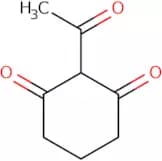
CAS:<p>Versatile small molecule scaffold</p>Formula:C12H14OPurity:Min. 95%Molecular weight:174.24 g/mol2-Acetyl-cyclohexane-1,3-dione
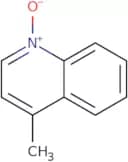
CAS:<p>2-Acetyl-cyclohexane-1,3-dione is a synthetic compound that belongs to the class of quinoline derivatives. It has been used as an antimicrobial agent in cosmetics and topical pharmaceuticals. 2-Acetyl-cyclohexane-1,3-dione has shown bacteriostatic properties against Staphylococcus and Clostridium perfringens, but not against Listeria monocytogenes. This antibiotic also functions as a preservative against Gram-positive bacteria, but not against Gram negative bacteria such as Escherichia coli. 2-Acetyl-cyclohexane-1,3-dione binds to metal ions such as copper and zinc by chelation. The structure of this compound contains a diphenyl ether group and a benzyl group.</p>Formula:C8H10O3Purity:Min. 95%Molecular weight:154.16 g/mol4-Methylquinolin-1-ium-1-olate
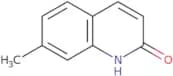
CAS:<p>4-Methylquinolin-1-ium-1-olate is a chemical compound that contains a quinoline ring, which is composed of six carbons and three nitrogens. The quinoline ring is attached to a methyl group, which is one carbon atom bonded to three hydrogen atoms. 4-Methylquinolin-1-ium-1-olate has been shown to react with alkali metals such as lithium and sodium, forming an ionic salt. This reaction may be due to the formation of a hydrogen bond between the quinoline nitrogen and the metal cation. 4-Methylquinolin-1-ium-1-olate can also undergo alkylation reactions with halogens, such as chlorine or bromine, in trichloroacetic acid, forming a chloromethyl or bromomethyl group on the quinoline ring. The addition of trichloroacetic acid leads to the cleavage of a bond</p>Formula:C10H9NOPurity:Min. 95%Molecular weight:159.18 g/mol7-Methyl-1,2-dihydroquinolin-2-one
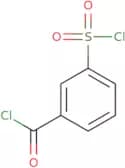
CAS:<p>Versatile small molecule scaffold</p>Formula:C10H9NOPurity:Min. 95%Molecular weight:159.18 g/mol3-(Chlorosulfonyl)benzoyl chloride
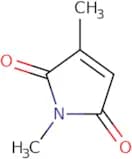
CAS:<p>3-(Chlorosulfonyl)benzoyl chloride is a chemical compound that is used as an additive in various industries, such as the textile industry. It is also used to modify the hydrogen bond between two molecules. This chemical has been shown to inhibit cell growth in vitro by binding to the amines of protein molecules, which prevents osmosis. 3-(Chlorosulfonyl)benzoyl chloride has also been shown to be an inhibitor for a number of enzymes, including piperazine amidohydrolase and aminotransferases. 3-(Chlorosulfonyl)benzoyl chloride is made from the reaction of chlorosulfonic acid with benzoyl chloride. The nitro group on this molecule can react with carboxamido groups on other molecules, forming a new molecule called N-nitrosocarbamylchloride.</p>Formula:C7H4Cl2O3SPurity:Min. 95%Color and Shape:Clear LiquidMolecular weight:239.08 g/mol1,3-Dimethyl-2,5-dihydro-1H-pyrrole-2,5-dione
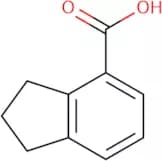
CAS:<p>1,3-Dimethyl-2,5-dihydro-1H-pyrrole-2,5-dione is a photopolymerization initiator that can be used in the production of polyurethane foams. It is a cyclic compound that absorbs ultraviolet light and undergoes polymerization reactions to form polyurethane. This chemical also has low molecular weight and isomeric properties. 1,3-Dimethyl-2,5-dihydro-1H-pyrrole-2,5-dione has been shown to be a stereoisomeric compound with aspartic acid and amines. It has also been shown to have diffraction peaks at 2θ values of 5.8° and 7.6° when irradiated with UV light at 365 nm wavelength and can be used for the production of polyurethane foams at temperatures between 120°C and 160°C.</p>Formula:C6H7NO2Purity:Min. 95%Molecular weight:125.13 g/mol2,3-Dihydro-1H-indene-4-carboxylic acid
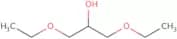
CAS:<p>Versatile small molecule scaffold</p>Formula:C10H10O2Purity:Min. 95%Molecular weight:162.18 g/mol1,3-Diethoxy-2-propanol
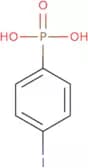
CAS:<p>1,3-Diethoxy-2-propanol is a crystalline cellulose derivative that is soluble in water. It has been shown to have synergistic effects with methyl ethyl in the treatment of bowel disease. It also has been shown to inhibit the growth of cervical cancer cells and inflammatory bowel disease. The chemical structure has a basic structure, which may be due to its reaction with p-hydroxybenzoic acid. The reaction mechanism is not well understood, but it may be related to its ability to bind to fluorophores such as fluorescence probe and asymmetric synthesis.</p>Formula:C7H16O3Purity:Min. 95%Molecular weight:148.2 g/mol(4-Iodophenyl)phosphonic acid
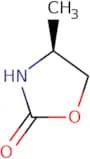
CAS:<p>Versatile small molecule scaffold</p>Formula:C6H6IO3PPurity:Min. 95%Molecular weight:283.99 g/mol(S)-4-Methyloxazolidin-2-one
CAS:<p>Versatile small molecule scaffold</p>Formula:C4H7NO2Purity:Min. 95%Molecular weight:101.1 g/molBicyclo[2.2.1]heptan-2-ylmethanamine hydrochloride
CAS:Controlled Product<p>Bicyclo[2.2.1]heptan-2-ylmethanamine hydrochloride is a chemical compound that is used to treat inflammatory diseases. It has been shown to be effective in animals with experimental arthritis, and it has been found to suppress the production of nitric oxide, which is involved in inflammation. Bicyclo[2.2.1]heptan-2-ylmethanamine hydrochloride binds to proteins and peptides in the body, forming conjugates that are excreted in urine samples or plasma concentrations. The enantiomers of this drug have different effects on the body, with one being more potent than the other. It has been shown that this drug can inhibit cell dysfunction by modulating cell signaling pathways as well as inhibiting inflammatory responses via interactions with opioid receptors on cells. This drug also inhibits the production of inflammatory cytokines such as IL-6 and TNF-α by binding to their</p>Formula:C20H27NOPurity:Min. 95%Molecular weight:297.4 g/molPropargyl Benzyl Ether
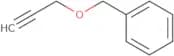
CAS:<p>Propargyl benzyl ether is an organic compound with the formula CHCH=C(CH)OCH. It is a colorless liquid that has been used as a synthetic intermediate in organic synthesis. Propargyl benzyl ether has been shown to induce apoptotic cell death, which may be due to its ability to bind and inhibit the activity of pyrazole-3-carboxamide ribonucleotide transformylase, an enzyme involved in purine metabolism. This compound also induces apoptosis through the activation of caspases. The sample is pretreated before analysis by activating the cells with a solution of HCl and KOH before adding propargyl benzyl ether. Analysis is then conducted using analytical chemistry techniques such as gas chromatography or mass spectrometry. The chemical synthesis can be accomplished by reacting a β-unsaturated ketone with an acid catalyst such as HCl or acetic acid in the presence of a chelate ligand such as pyridine hydro</p>Formula:C10H10OPurity:Min. 95%Molecular weight:146.19 g/mol2,4,4Prime-Trimethoxybenzophenone
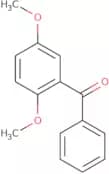
CAS:<p>Versatile small molecule scaffold</p>Formula:C16H16O4Purity:Min. 95%Molecular weight:272.29 g/mol(2,5-Dimethoxyphenyl)(phenyl)methanone
CAS:<p>Versatile small molecule scaffold</p>Formula:C15H14O3Purity:Min. 95%Molecular weight:242.27 g/mol5-Nitro-2-(morpholin-4-yl)benzoic acid
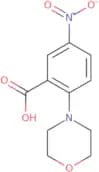
CAS:<p>5-Nitro-2-(morpholin-4-yl)benzoic acid is a cytotoxic agent that induces apoptosis in cells. This compound binds to tubulin and inhibits its polymerization, which leads to the disruption of microtubules. 5NMBA has potent cytotoxicity against cancer cells, including human lung cancer cells. It has been shown to be a potent inhibitor of paclitaxel polymerization, and also can disrupt the polymerization of other drugs such as colchicine and vinblastine. 5NMBA expresses itself at high levels in human lung cancer tissues and is often found in multidrug resistant tumor cells.</p>Formula:C11H12N2O5Purity:Min. 95%Molecular weight:252.22 g/molN-{4-[(3-Chloroquinoxalin-2-yl)sulfamoyl]phenyl}acetamide
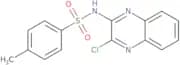
CAS:<p>Versatile small molecule scaffold</p>Formula:C16H13ClN4O3SPurity:Min. 95%Molecular weight:376.8 g/molN-(3-Chloroquinoxalin-2-yl)-4-methylbenzenesulfonamide
CAS:<p>3-Chloroquinoxaline-2-carboxylic acid (3CQC) is a halogen atom, oxadiazole, benzene, alkoxycarbonyl, alkoxy, cyano, trifluoromethyl, dihedral and halogen. 3CQC is used as a chemical intermediate in organic synthesis. It can be used as a starting material for the synthesis of other organic compounds and pharmaceuticals. 3CQC has been found to inhibit bacterial growth by inhibiting RNA polymerase. This compound also inhibits protein synthesis by binding to the ribosome's 50S subunit and prevents the production of proteins vital for cell division.</p>Formula:C15H12ClN3O2SPurity:Min. 95%Molecular weight:333.79 g/mol2,2-Dimethyl-4-oxocyclohexanecarboxylic acid
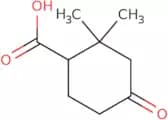
CAS:<p>Versatile small molecule scaffold</p>Formula:C9H14O3Purity:Min. 95%Molecular weight:170.21 g/mol5-Methyl-1H-pyrazole-3-carboxylic acid amide
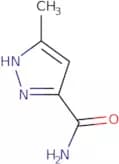
CAS:<p>Versatile small molecule scaffold</p>Formula:C5H7N3OPurity:Min. 95%Molecular weight:125.13 g/molEthyl 2-methyl-6-oxo-1,4,5,6-tetrahydropyridine-3-carboxylate
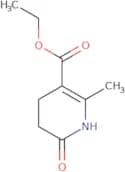
CAS:<p>Versatile small molecule scaffold</p>Formula:C9H13NO3Purity:Min. 95%Molecular weight:183.2 g/molSpiro[4.5]decan-8-one
CAS:<p>Spiro[4.5]decan-8-one is a phenylhydrazine that has been used in the synthesis of indole and cycloalkyl compounds. The spectra of this compound show two peaks at 6.3 and 8.7 ppm in the IR spectrum, which correspond to the C=C stretching mode for the cycloalkyl group and the C=N stretch for the phenylhydrazine moiety respectively. This structural isomer shows different chemical properties when compared to other isomers because it has a spirocyclic ring system with an 8-membered ring fused to a 10-membered ring, whereas other isomers have a 9-membered ring fused to a 10-membered ring.</p>Formula:C10H16OPurity:Min. 95%Molecular weight:152.23 g/mol2-Hydroxy-2,3,3-trimethylbutanoic acid
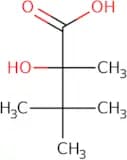
CAS:<p>2-Hydroxy-2,3,3-trimethylbutanoic acid is a molecule that has been used in the synthesis of ligands and is also used to stabilize the carboxylic acid group. The protonation of this molecule leads to its acidic properties, which are useful for many purposes, including as a precursor for insect pheromones. The addition of chloride ions to 2-hydroxy-2,3,3-trimethylbutanoic acid produces an ion with a mononuclear charge that can be detected by nmr spectroscopy. This molecule forms hydrogen bonds with water molecules.</p>Formula:C7H14O3Purity:Min. 95%Molecular weight:146.18 g/mol2-Hydroxy-3,3-dimethylbutanoic acid
CAS:<p>2-Hydroxy-3,3-dimethylbutanoic acid is an organic compound that is used as a precursor to hypochlorite. It is synthesized by the catalytic oxidation of ethyl formate with a palladium catalyst in an alkaline solution. The resulting 2-hydroxy-3,3-dimethylbutanoic acid has a high yield and can be used as a starting material for the manufacture of sodium hypochlorite and other chlorinating agents. The optical purity of the product can be improved by using ruthenium or copper catalysts in place of palladium.</p>Formula:C6H12O3Purity:Min. 95%Molecular weight:132.16 g/mol1-(4-Bromophenyl)-1,3-butanedione
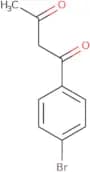
CAS:<p>1-(4-Bromophenyl)-1,3-butanedione is a colorless liquid that has a molecular weight of 98.09 and an elemental analysis of C, H, Br, O. It is soluble in water and alcohols and has an enol form. 1-(4-Bromophenyl)-1,3-butanedione reacts with tantalum to give the tantalum salt with a molecular weight of 203.59. 1-(4-Bromophenyl)-1,3-butanedione can be used as a raw material for organic synthesis or as an intermediate for chemical reactions involving bromine or halogens.</p>Formula:C10H9BrO2Purity:Min. 95%Molecular weight:241.08 g/mol4-Ethylpyridine-2-carboxylic acid
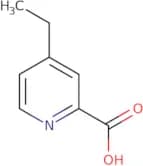
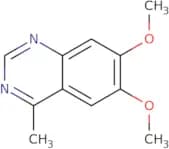
CAS:<p>Versatile small molecule scaffold</p>Formula:C8H9NO2Purity:Min. 95%Molecular weight:151.16 g/mol6,7-Dimethoxy-4-methylquinazoline
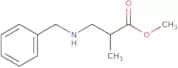
CAS:<p>Versatile small molecule scaffold</p>Formula:C11H12N2O2Purity:Min. 95%Molecular weight:204.22 g/molMethyl 3-(benzylamino)-2-methylpropanoate
CAS:<p>Versatile small molecule scaffold</p>Formula:C12H17NO2Purity:Min. 95%Molecular weight:207.27 g/mol1,2,3,4-Tetrahydroquinolin-2-imine
CAS:<p>Versatile small molecule scaffold</p>Formula:C9H10N2Purity:Min. 95%Molecular weight:146.2 g/mol

![{Tricyclo[2.2.1.0,2,6]heptan-3-yl}methanol](/_next/image/?url=https%3A%2Fstatic.cymitquimica.com%2Fproducts%2F3D%2Fthumb-webp%2FEAA33795.webp&w=3840&q=75)
![2H,3H-[1,2]Thiazolo[5,4-b]pyridin-3-one](/_next/image/?url=https%3A%2Fstatic.cymitquimica.com%2Fproducts%2F3D%2Fthumb-webp%2FEAA33760.webp&w=3840&q=75)
![{[(2-Chloroethyl)sulfanyl]methyl}benzene](/_next/image/?url=https%3A%2Fstatic.cymitquimica.com%2Fproducts%2F3D%2Fthumb-webp%2FEAA33251.webp&w=3840&q=75)
![3-[(2-Aminophenyl)sulfanyl]propanenitrile](/_next/image/?url=https%3A%2Fstatic.cymitquimica.com%2Fproducts%2F3D%2Fthumb-webp%2FEAA32752.webp&w=3840&q=75)



![2-[(2,3-Dichlorophenyl)amino]benzoic acid](/_next/image/?url=https%3A%2Fstatic.cymitquimica.com%2Fproducts%2F3D%2Fthumb-webp%2FEAA29555.webp&w=3840&q=75)




![6,7,8,9-Tetrahydro-5H-benzo[7]annulene-1-carboxylic acid](/_next/image/?url=https%3A%2Fstatic.cymitquimica.com%2Fproducts%2F3D%2Fthumb-webp%2FEAA08743.webp&w=3840&q=75)
![1-Thia-4-azaspiro[5.5]undecane](/_next/image/?url=https%3A%2Fstatic.cymitquimica.com%2Fproducts%2F3D%2Fthumb-webp%2FEAA08356.webp&w=3840&q=75)
![1-[4-(tert-Butoxy)phenyl]ethan-1-one](/_next/image/?url=https%3A%2Fstatic.cymitquimica.com%2Fproducts%2F3D%2Fthumb-webp%2FEAA07463.webp&w=3840&q=75)
![1-[4-(Propan-2-ylsulfanyl)phenyl]ethan-1-one](/_next/image/?url=https%3A%2Fstatic.cymitquimica.com%2Fproducts%2F3D%2Fthumb-webp%2FEAA07453.webp&w=3840&q=75)
![Bicyclo[2.2.1]heptan-2-ylmethanamine hydrochloride](/_next/image/?url=https%3A%2Fstatic.cymitquimica.com%2Fproducts%2F3D%2Fthumb-webp%2FEAA04059.webp&w=3840&q=75)
![N-{4-[(3-Chloroquinoxalin-2-yl)sulfamoyl]phenyl}acetamide](/_next/image/?url=https%3A%2Fstatic.cymitquimica.com%2Fproducts%2F3D%2Fthumb-webp%2FEAA02942.webp&w=3840&q=75)
![Spiro[4.5]decan-8-one](/_next/image/?url=https%3A%2Fstatic.cymitquimica.com%2Fproducts%2F3D%2Fthumb-webp%2FEAA02735.webp&w=3840&q=75)