Building Blocks
This section contains fundamental products for the synthesis of organic and biological compounds. Building blocks are the essential starting materials used to construct complex molecules through various chemical reactions. They play a critical role in drug discovery, material science, and chemical research. At CymitQuimica, we offer a diverse range of high-quality building blocks to support your innovative research and industrial projects, ensuring you have the essential components for successful synthesis.
Subcategories of "Building Blocks"
- Boronic Acids & Boronic Acid Derivatives(5,756 products)
- Chiral Building Blocks(1,242 products)
- Hydrocarbon Building Blocks(6,095 products)
- Organic Building Blocks(61,051 products)
Found 199813 products of "Building Blocks"
Sort by
Purity (%)
0
100
|
0
|
50
|
90
|
95
|
100
(2E)-3-[3-(2-Oxo-2H-chromen-3-yl)-1-phenyl-1H-pyrazol-4-yl]prop-2-enoic acid
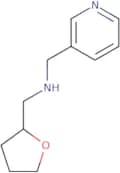
CAS:<p>Versatile small molecule scaffold</p>Formula:C21H14N2O4Purity:Min. 95%Molecular weight:358.3 g/molPyridin-3-ylmethyl-(tetrahydro-furan-2-ylmethyl)-amine
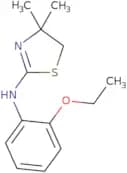
CAS:<p>Versatile small molecule scaffold</p>Formula:C11H16N2OPurity:Min. 95%Molecular weight:192.26 g/molN-(2-Ethoxyphenyl)-4,4-dimethyl-4,5-dihydro-1,3-thiazol-2-amine
CAS:<p>Versatile small molecule scaffold</p>Formula:C13H18N2OSPurity:Min. 95%Molecular weight:250.36 g/mol4-(3-Methoxyphenyl)-5-sulfanyl-8-thia-4,6-diazatricyclo[7.5.0.0,2,7]tetradeca-1(9),2(7),5-trien-3-one
CAS:<p>Versatile small molecule scaffold</p>Formula:C18H18N2O2S2Purity:Min. 95%Molecular weight:358.5 g/mol4-Methyl-N-[2-(propan-2-yl)phenyl]-4,5-dihydro-1,3-thiazol-2-amine
CAS:<p>Versatile small molecule scaffold</p>Formula:C13H18N2SPurity:Min. 95%Molecular weight:234.36 g/mol2-Ethyl-1,2,3,4-tetrahydro-benzo[b]-[1,6]naphthyridine-10-carboxylic acid
CAS:Versatile small molecule scaffoldFormula:C15H16N2O2Purity:Min. 95%Molecular weight:256.31 g/mol3-[4-(Naphthalen-2-yl)-1,3-thiazol-2-yl]pyridine
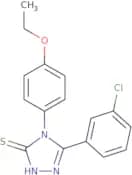
CAS:<p>Versatile small molecule scaffold</p>Formula:C18H12N2SPurity:Min. 95%Molecular weight:288.4 g/mol5-(3-Chlorophenyl)-4-(4-ethoxyphenyl)-4H-1,2,4-triazole-3-thiol
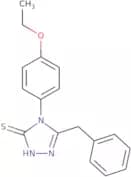
CAS:Versatile small molecule scaffoldFormula:C16H14ClN3OSPurity:Min. 95%Molecular weight:331.8 g/mol5-Benzyl-4-(4-ethoxyphenyl)-4H-1,2,4-triazole-3-thiol
CAS:<p>Versatile small molecule scaffold</p>Formula:C17H17N3OSPurity:Min. 95%Molecular weight:311.4 g/mol4-[(2-Methoxy-5-nitrophenyl)sulfamoyl]benzoic acid
CAS:<p>4-[(2-Methoxy-5-nitrophenyl)sulfamoyl]benzoic acid is a fluorinated sugar that can be used for the synthesis of oligosaccharides and polysaccharides. It is also a building block for glycosylation, methylation, and click modification. This product has CAS number 519152-08-0 and a purity of >98%.</p>Formula:C14H12N2O7SPurity:Min. 95%Molecular weight:352.32 g/mol3-[(Prop-2-en-1-yl)[3-(trifluoromethyl)phenyl]sulfamoyl]benzoic acid
CAS:<p>Versatile small molecule scaffold</p>Formula:C17H14F3NO4SPurity:Min. 95%Molecular weight:385.4 g/mol2-Fluoro-5-[(2-methoxy-5-nitrophenyl)sulfamoyl]benzoic acid
CAS:<p>Versatile small molecule scaffold</p>Formula:C14H11FN2O7SPurity:Min. 95%Molecular weight:370.31 g/mol3-[4-(4-Fluorophenyl)-5-sulfanyl-4H-1,2,4-triazol-3-yl]-N,N-dimethylbenzene-1-sulfonamide
CAS:<p>Versatile small molecule scaffold</p>Formula:C16H15FN4O2S2Purity:Min. 95%Molecular weight:378.4 g/mol2-(1H-1,3-Benzodiazol-2-yl)-N-[(4-chlorophenyl)methyl]acetamide
CAS:<p>Versatile small molecule scaffold</p>Formula:C16H14ClN3OPurity:Min. 95%Molecular weight:299.75 g/mol3-[(2-Oxo-2,3-dihydro-1H-indol-3-ylidene)amino]-1-(oxolan-2-ylmethyl)thiourea
CAS:Versatile small molecule scaffoldFormula:C14H16N4O2SPurity:Min. 95%Molecular weight:304.37 g/mol2-Amino-5-[(2-methoxyphenyl)sulfamoyl]benzoic acid
CAS:<p>Versatile small molecule scaffold</p>Formula:C14H14N2O5SPurity:Min. 95%Molecular weight:322.34 g/mol2-Amino-5-[(4-methoxyphenyl)sulfamoyl]benzoic acid
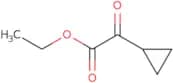
CAS:<p>Versatile small molecule scaffold</p>Formula:C14H14N2O5SPurity:Min. 95%Molecular weight:322.34 g/molCyclopropyl-oxo-acetic acid ethyl ester
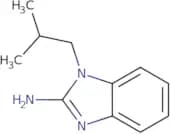
CAS:<p>Versatile small molecule scaffold</p>Formula:C7H10O3Purity:Min. 95%Molecular weight:142.15 g/mol1-Isobutyl-1H-benzimidazol-2-amine
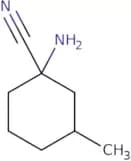
CAS:<p>Versatile small molecule scaffold</p>Formula:C11H15N3Purity:Min. 95%Molecular weight:189.26 g/mol1-Amino-3-methylcyclohexane-1-carbonitrile
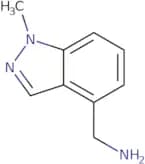
CAS:Versatile small molecule scaffoldFormula:C8H14N2Purity:Min. 95%Molecular weight:138.21 g/mol(1-Methyl-1H-indazol-4-yl)methanamine
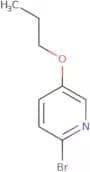
CAS:<p>Versatile small molecule scaffold</p>Formula:C9H11N3Purity:Min. 95%Molecular weight:161.2 g/mol2-Bromo-5-propoxypyridine
CAS:<p>Versatile small molecule scaffold</p>Formula:C8H10BrNOPurity:Min. 95%Molecular weight:216.08 g/molTM-N1324
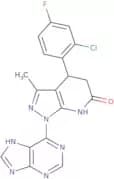
CAS:TM-N1324 is a research tool that can be used to activate, inhibit or modulate the function of a receptor. It also binds to the ligand binding site on the receptor and may act as an inhibitor of the receptor. TM-N1324 has been shown to have high purity, with a CAS number of 1144477-35-9. This compound is classified as a peptide and can be used in cell biology, pharmacology, and life science research. TM-N1324 has been shown to inhibit ion channels in some cells and may be used for the treatment of epilepsy, depression, pain relief, or other neurological disorders.Formula:C18H13ClFN7OPurity:Min. 95%Molecular weight:397.79 g/mol4-[(4-Hydroxyphenyl)methyl]-1,3-oxazolidin-2-one
CAS:<p>4-[(4-Hydroxyphenyl)methyl]-1,3-oxazolidin-2-one is a sodium carbonate salt that is soluble in water and has a pH of 10. It is used as a pH indicator, with bright yellow coloration at pH 11 and brown coloration at pH 7. When 4-[(4-hydroxyphenyl)methyl]-1,3-oxazolidin-2-one is added to urine samples, the fluorescence detector can be used to measure the concentration of nitrogen atoms in the sample. This compound has been shown to react with fatty acids and other reactive substances, which may be useful for pharmaceutical preparations.</p>Formula:C10H11NO3Purity:Min. 95%Molecular weight:193.2 g/mol1-[2-Hydroxy-3-(trifluoromethyl)phenyl]ethan-1-one
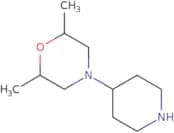
CAS:<p>Versatile small molecule scaffold</p>Formula:C9H7F3O2Purity:Min. 95%Molecular weight:204.15 g/mol(2R,6S)-2,6-Dimethyl-4-(piperidin-4-yl)morpholine
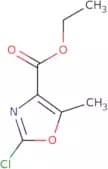
CAS:<p>Versatile small molecule scaffold</p>Formula:C11H22N2OPurity:Min. 95%Color and Shape:PowderMolecular weight:198.31 g/molEthyl 2-chloro-5-methyl-1,3-oxazole-4-carboxylate
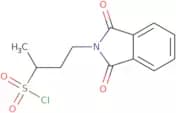
CAS:<p>Versatile small molecule scaffold</p>Formula:C7H8ClNO3Purity:Min. 95%Molecular weight:189.59 g/mol4-(1,3-Dioxo-2,3-dihydro-1H-isoindol-2-yl)butane-2-sulfonyl chloride
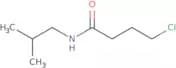
CAS:<p>Versatile small molecule scaffold</p>Formula:C12H12ClNO4SPurity:Min. 95%Molecular weight:301.75 g/mol4-Chloro-N-(2-methylpropyl)butanamide
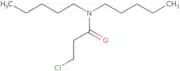
CAS:<p>Versatile small molecule scaffold</p>Formula:C8H16ClNOPurity:Min. 95%Molecular weight:177.67 g/mol3-Chloro-N,N-dipentylpropanamide
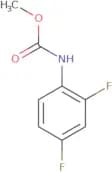
CAS:<p>Versatile small molecule scaffold</p>Formula:C13H26ClNOPurity:Min. 95%Molecular weight:247.8 g/mol(2,4-Difluoro-phenyl)-carbamic acid methyl ester
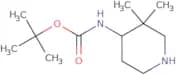
CAS:<p>Versatile small molecule scaffold</p>Formula:C8H7F2NO2Purity:Min. 95%Molecular weight:187.14 g/mol4-(Boc-amino)-3,3-dimethylpiperidine
CAS:<p>Versatile small molecule scaffold</p>Formula:C12H24N2O2Purity:Min. 95%Molecular weight:228.34 g/mol2-{[(tert-butoxy)carbonyl]amino}-4,4,4-trifluorobutanoic acid
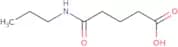
CAS:<p>Versatile small molecule scaffold</p>Formula:C9H14F3NO4Purity:Min. 95%Molecular weight:257.2 g/mol4-(Propylcarbamoyl)butanoic acid
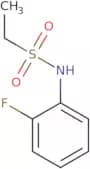
CAS:Versatile small molecule scaffoldFormula:C8H15NO3Purity:Min. 95%Molecular weight:173.21 g/molN-(2-Fluorophenyl)ethane-1-sulfonamide
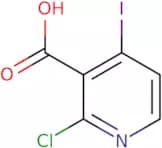
CAS:N-(2-Fluorophenyl)ethane-1-sulfonamide is a drug that inhibits the proximal tubules in the kidney. It has been shown to be effective against a number of viruses, including syncytial virus and HIV. This drug also has anti-inflammatory properties and can be used to treat inflammatory disorders such as septic shock, arthritis, and psoriasis. N-(2-Fluorophenyl)ethane-1-sulfonamide has been shown to inhibit collagenase activity in vitro by binding to collagenase at an allosteric site, thereby preventing the cleavage of proline residues from collagen molecules.Formula:C8H10FNO2SPurity:Min. 95%Molecular weight:203.24 g/mol2-Chloro-4-iodopyridine-3-carboxylic acid
CAS:<p>Versatile small molecule scaffold</p>Formula:C6H3ClINO2Purity:Min. 95%Molecular weight:283.45 g/mol2-[(2-Aminoethyl)amino]pyridine-3-carbonitrile
CAS:<p>Versatile small molecule scaffold</p>Formula:C8H10N4Purity:Min. 95%Molecular weight:162.19 g/mol[2-(Dimethylamino)-5-nitrophenyl]methanol
CAS:Versatile small molecule scaffoldFormula:C9H12N2O3Purity:Min. 95%Molecular weight:196.2 g/molN-[4-(1-Aminoethyl)phenyl]pyridine-4-carboxamide
CAS:<p>Versatile small molecule scaffold</p>Formula:C14H15N3OPurity:Min. 95%Molecular weight:241.29 g/mol1-tert-Butoxycarbonylpiperidine-4-carboxylic acid methyl amide
CAS:<p>1-tert-Butoxycarbonylpiperidine-4-carboxylic acid methyl amide is a reactive compound that is used as a neuroprotective agent. It blocks the formation of malondialdehyde, which are toxic byproducts of lipid peroxidation, and protects cells from oxidative damage in animal models of Parkinson's disease. 1-tert-Butoxycarbonylpiperidine-4-carboxylic acid methyl amide also has the ability to bind to alpha synuclein (a protein associated with Parkinson's disease) and inhibit its aggregation, as well as bind to markers associated with hyperproliferative diseases such as striatal markers. This molecule may also be useful for the treatment of cardiovascular diseases due to its ability to form hydrogen bonds with carbonyl groups.</p>Formula:C12H22N2O3Purity:Min. 95%Molecular weight:242.31 g/moltert-Butyl 4-{[(2-chloropyrimidin-4-yl)(methyl)amino]methyl}piperidine-1-carboxylate
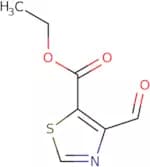
CAS:Versatile small molecule scaffoldFormula:C16H25ClN4O2Purity:Min. 95%Molecular weight:340.8 g/molEthyl 4-formyl-1,3-thiazole-5-carboxylate
CAS:<p>Versatile small molecule scaffold</p>Formula:C7H7NO3SPurity:Min. 95%Molecular weight:185.2 g/molBenzyl N-[2-(fluorosulfonyl)ethyl]carbamate
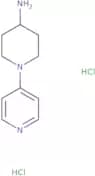
CAS:<p>Versatile small molecule scaffold</p>Formula:C10H12FNO4SPurity:Min. 95%Molecular weight:261.27 g/mol4-(4-Aminopiperidino)pyridine Dihydrochloride
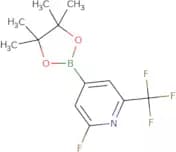
CAS:Versatile small molecule scaffoldFormula:C10H15N3·2HClPurity:Min. 95%Molecular weight:250.17 g/mol2-Fluoro-4-(4,4,5,5-tetramethyl-1,3,2-dioxaborolan-2-yl)-6-(trifluoromethyl)pyridine
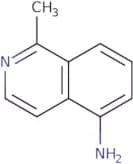
CAS:<p>Versatile small molecule scaffold</p>Formula:C12H14BF4NO2Purity:Min. 95%Molecular weight:291.05 g/mol1-Methylisoquinolin-5-amine
CAS:1-Methylisoquinolin-5-amine is a drug that is used to treat cancer. It inhibits the growth of cancer cells by binding to DNA and altering the gene expression in the cell. 1-Methylisoquinolin-5-amine binds to and acetylates two residues on the deoxyribose of DNA, thereby inhibiting DNA synthesis. The inhibitory potency of 1-methylisoquinolin-5-amine has been shown in clinical trials using L1210 murine leukemia cells. This drug also decomposes into carboxaldehyde, which is excreted through the urinary system. 1-Methylisoquinolin-5-amine has been shown to have an inhibitory effect on homogenates of human l1210 cells incubated with radioactivity.Formula:C10H10N2Purity:Min. 95%Molecular weight:158.2 g/mol6-Methyl-4H-pyrido[3,2-b][1,4]oxazin-3-one
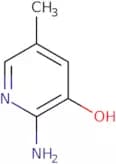
CAS:<p>Versatile small molecule scaffold</p>Formula:C8H8N2O2Purity:Min. 95%Molecular weight:164.16 g/mol2-Amino-5-methylpyridin-3-ol
CAS:<p>Versatile small molecule scaffold</p>Formula:C6H8N2OPurity:Min. 95%Molecular weight:124.14 g/mol2-Methyl-2H-pyrido[3,2-b][1,4]oxazin-3(4H)-one
CAS:<p>Versatile small molecule scaffold</p>Formula:C8H8N2O2Purity:Min. 95%Molecular weight:164.16 g/mol2,2-Dimethyl-2H,3H,4H-pyrido[3,2-b][1,4]oxazine
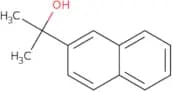
CAS:<p>Versatile small molecule scaffold</p>Formula:C9H12N2OPurity:Min. 95%Molecular weight:164.2 g/mol2-(2-Naphthyl)-2-propanol
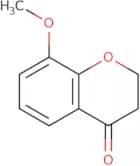
CAS:2-(2-Naphthyl)-2-propanol is a reactive chemical that is orally administered, and interacts with tissues to produce extents. The molecule has been shown to be magnetic resonance spectroscopic (MRS) detectable. 2-(2-Naphthyl)-2-propanol reacts with chloride ions and produces 2-chloro-1-naphthol and 2-(2-naphthyl)ethanol, which can be used as biomarkers for its presence in the body. This chemical also reacts with isopropyl groups to form epoxides or peroxides, depending on the extent of reaction. Irradiation of this compound by UV light yields hydroxypyridinium salts. 2-(2-Naphthyl)-2-propanol may interact with metal ions such as iron, copper, or zinc.Formula:C13H14OPurity:Min. 95%Molecular weight:186.25 g/mol8-Methoxychroman-4-one
CAS:<p>8-Methoxychroman-4-one is a natural product that inhibits the activity of dopamine beta-hydroxylase, an enzyme that converts dopamine to norepinephrine. It also has inhibitory effects on dopaminergic neurons in vivo and has been shown to be effective in reversing streptozotocin-induced diabetes in rats. 8-Methoxychroman-4-one may also have potential as a prophylactic agent for diabetic nephropathy. The extract of the rhizomes has been shown to contain both 8-methoxychroman-4-one and oxime, aminoguanidine, which is an inhibitor of nitric oxide synthase.</p>Formula:C10H10O3Purity:Min. 95%Molecular weight:178.2 g/mol4-Methoxy-8-oxatricyclo[7.4.0.0,2,7]trideca-1(9),2(7),3,5,10,12-hexaene
CAS:<p>Versatile small molecule scaffold</p>Formula:C13H10O2Purity:Min. 95%Molecular weight:198.22 g/mol7-Chlorobenzo[d]thiazol-2-amine
CAS:<p>7-Chlorobenzo[d]thiazol-2-amine is a synthetic intermediate used in the production of dyes, pigments, and pharmaceuticals. It is prepared by the reaction of 2-aminobenzothiazole with nitrous acid and 7-chloroacetophenone. 7-Chlorobenzo[d]thiazol-2-amine can be cleaved at the 2 position to produce 2,4,5-trichlorobenzothiazole. The infrared absorption spectrum of 7-chlorobenzo[d]thiazol-2-amine has been recorded in the solid phase at room temperature and shows three bands between 1710 cm−1 and 1700 cm−1.</p>Formula:C7H5ClN2SPurity:Min. 95%Molecular weight:184.65 g/mol7-Bromo-1,3-benzothiazol-2-amine
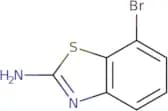
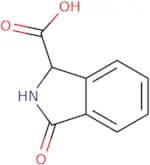
CAS:<p>7-Bromo-1,3-benzothiazol-2-amine is a heterocyclic compound with the chemical formula CHBrN. It is synthesized by reacting 2-aminobenzothiazole with aniline in the presence of acid. The product has been shown to have traceless reactions and can be used for solid phase synthesis. 7-Bromo-1,3-benzothiazol-2-amine has been shown to undergo cleavage under acidic conditions, which is useful for the synthesis of other heterocyclic compounds.</p>Formula:C7H5BrN2SPurity:Min. 95%Molecular weight:229.1 g/mol3-Hydroxy-1H-isoindole-1-carboxylic acid
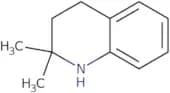
CAS:<p>Versatile small molecule scaffold</p>Formula:C9H7NO3Purity:Min. 95%Molecular weight:177.16 g/mol2,2-Dimethyl-1,2,3,4-tetrahydroquinoline
CAS:<p>2,2-Dimethyl-1,2,3,4-tetrahydroquinoline is a molecule with the chemical formula C8H10N. It is a white crystalline solid that has a pyridine ring and a tetrahydroquinoline ring. 2,2-Dimethyl-1,2,3,4-tetrahydroquinoline has been shown to interact with nitrogen atoms in its environment. This process can lead to the formation of an N-oxide or carbonyl groups at the nitrogen atom. The molecule has also been shown to react with methyl groups and form stoichiometric amounts of n-oxides or carbonyl groups. 2,2-Dimethyl-1,2,3,4-tetrahydroquinoline can be used as a desorption agent for gas chromatography (GC).</p>Formula:C11H15NPurity:Min. 95%Molecular weight:161.24 g/mol2-Chloro-N-{[4-(dimethylamino)phenyl]methyl}acetamide
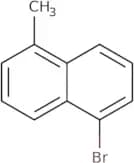
CAS:<p>Versatile small molecule scaffold</p>Formula:C11H15ClN2OPurity:Min. 95%Molecular weight:226.7 g/mol1-Bromo-5-methylnaphthalene
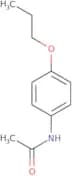
CAS:<p>1-Bromo-5-methylnaphthalene is a chemical compound that belongs to the group of organic compounds. It can be synthesized by deoxygenation of 1,2-dibromonaphthalene with lithium diisopropylamide and diisopropylamide in an alkaline medium. The reaction yields high yields of 1-bromo-5-methylnaphthalene. The synthesis can also be achieved by the regioisomeric lithium–diels–alder reaction.</p>Formula:C11H9BrPurity:Min. 95%Molecular weight:221.09 g/molN-(4-Propoxyphenyl)acetamide
CAS:<p>N-(4-Propoxyphenyl)acetamide is a crystalline solid that has the chemical formula C8H11NO2. This compound belongs to the group of hydrogen bond coplanar molecules. It has a molecular weight of 153.19 and a melting point of 209 degrees Celsius. Its crystal structure is monoclinic with chains that are parallel to each other and have an angle of 90 degrees, with four propoxyphenyl groups at one end and one acetamide group at the other end.</p>Formula:C11H15NO2Purity:Min. 95%Molecular weight:193.24 g/molFenbendazole Related Compound B
CAS:<p>Versatile small molecule scaffold</p>Formula:C9H8ClN3O2Purity:Min. 95%Molecular weight:225.63 g/mol3-(2-Methoxyphenoxy)propanoic acid
CAS:<p>3-(2-Methoxyphenoxy)propanoic acid is a nonracemic compound that is an enantiomer of phenoxyacetic acid. 3-(2-Methoxyphenoxy)propanoic acid has been shown to inhibit the growth of bacteria by inhibiting protein synthesis. It also inhibits the production of proteins essential for cell division and causes bacterial cells to undergo apoptosis, which leads to cell death. 3-(2-Methoxyphenoxy)propanoic acid is active against both Gram-positive and Gram-negative bacteria, but is not active against Mycobacterium tuberculosis or Mycobacterium avium complex.</p>Formula:C10H12O4Purity:Min. 95%Molecular weight:196.2 g/mol1,1-Bis(bromomethyl)cyclobutane
CAS:<p>Versatile small molecule scaffold</p>Formula:C6H10Br2Purity:Min. 95%Molecular weight:241.95 g/mol5-Azidoquinoline
CAS:<p>5-Azidoquinoline is a molecule with the molecular formula CHN. It is classified as an oxadiazoloquinine and has a range of chemical properties that make it suitable for use in medicine, including its ability to form halides and nitro groups. 5-Azidoquinoline can also be used to synthesize other molecules, such as chloroacetone, by nucleophilic substitution reactions. The electronegativity of the 5-azido group makes it an excellent nucleophile, which allows for kinetic reactions. This molecule has six different heterocycles and can be substituted with halogens or other azides.</p>Formula:C9H6N4Purity:Min. 95%Molecular weight:170.17 g/mol1-[2-(2-Chlorophenoxy)ethyl]piperazine
CAS:<p>Versatile small molecule scaffold</p>Formula:C12H17ClN2OPurity:Min. 95%Molecular weight:240.73 g/mol1,1,3-Trichloropropane
CAS:<p>Versatile small molecule scaffold</p>Formula:C3H5Cl3Purity:Min. 95%Molecular weight:147.43 g/mol5-Chloropentyl Acetate
CAS:<p>Versatile small molecule scaffold</p>Formula:C7H13ClO2Purity:Min. 95%Molecular weight:164.63 g/mol2-(4-Chlorophenyl)-2-methylpropanal
CAS:<p>Versatile small molecule scaffold</p>Formula:C10H11ClOPurity:Min. 95%Molecular weight:182.64 g/molRef: 3D-VAA40129
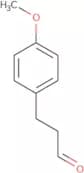
1gTo inquire5gTo inquire10gTo inquire5mg250.00€50mg990.00€250mgTo inquire500mgTo inquire3-(4-Methoxyphenyl)propionaldehyde
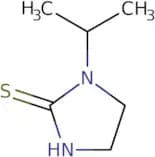
CAS:<p>3-(4-Methoxyphenyl)propionaldehyde is an enantioselective compound that can be synthesized in four steps from trichloroacetimidate and d-proline. This compound has been shown to be efficient for the olefination of aldehydes with allylic alcohols. The reaction is catalyzed by Cu(OAc)2, which is used as a catalyst to promote the reaction between the aldehyde and the allylic alcohol, leading to the formation of acetic acid esters.</p>Formula:C10H12O2Purity:Min. 95%Molecular weight:164.2 g/mol1-(Propan-2-yl)imidazolidine-2-thione
CAS:<p>1-(Propan-2-yl)imidazolidine-2-thione is a thione that has been shown to be a degradable molecule. It has been used in devices such as hydrogen bonding interactions, sublimable, targetable, and dispersive. The properties of 1-(Propan-2-yl)imidazolidine-2-thione make it an ideal candidate for diagnostic or therapeutic applications of iontophoresis and coordination chemistry.</p>Formula:C6H12N2SPurity:Min. 95%Molecular weight:144.24 g/mol2-(Trimethylacetyl)thiophene
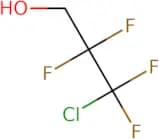
CAS:2-(Trimethylacetyl)thiophene is a thiophene derivative that is used as a precursor to other organic compounds. It reacts with carbon tetrachloride in the presence of light to yield 2-chloro-1,3-dithiole-4,5-dithiol and 2-trimethylacetylthiophene. The kinetics of this reaction has been studied using magnetic resonance spectroscopy. The abundances of the two products have been measured by gas chromatography/mass spectrometry (GC/MS). The dihedral angles for the reactant and product molecules have also been determined by NMR spectroscopy. This compound's conformational studies have revealed dipole moment values and frequencies that are different than those found in other thiophenes.Formula:C9H12OSPurity:Min. 95%Molecular weight:168.26 g/mol3-Chloro-2,2,3,3-tetrafluoropropan-1-ol
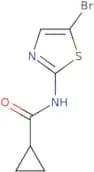
CAS:<p>Versatile small molecule scaffold</p>Formula:C3H3ClF4OPurity:Min. 95%Molecular weight:166.5 g/molN-(5-Bromo-1,3-thiazol-2-yl)cyclopropanecarboxamide
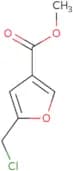
CAS:<p>Versatile small molecule scaffold</p>Formula:C7H7BrN2OSPurity:Min. 95%Molecular weight:247.11 g/molMethyl 5-(chloromethyl)furan-3-carboxylate
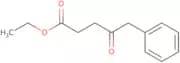
CAS:<p>Versatile small molecule scaffold</p>Formula:C7H7ClO3Purity:Min. 95%Molecular weight:174.58 g/molEthyl 4-oxo-5-phenylpentanoate
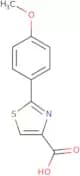
CAS:<p>Ethyl 4-oxo-5-phenylpentanoate (ETP) is a synthetic chemical that can be used as a test compound for cancer research. ETP has been shown to inhibit the growth of human breast cancer cells in vitro and in vivo. It has also been shown to have an inhibitory effect on the growth of liver cancer cells. ETP inhibits the production of endogenous retinoids, which are naturally occurring compounds derived from vitamin A, by binding to lysine residues on histones. This prevents the transcription and replication of DNA, thereby preventing cell division. The terminal half-life of this compound is approximately 1 hour in humans.</p>Formula:C13H16O3Purity:Min. 95%Molecular weight:220.26 g/mol2-(4-Methoxyphenyl)thiazole-4-carboxylic acid
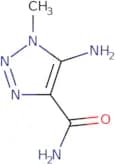
CAS:<p>Versatile small molecule scaffold</p>Formula:C11H9NO3SPurity:Min. 95%Molecular weight:235.26 g/mol5-Amino-1-methyl-1H-1,2,3-triazole-4-carboxamide
CAS:<p>Versatile small molecule scaffold</p>Formula:C4H7N5OPurity:Min. 95%Molecular weight:141.13 g/mol3-Bromo-1H,6H,7H-pyrazolo[4,3-d]pyrimidin-7-one
CAS:<p>Versatile small molecule scaffold</p>Formula:C5H3BrN4OPurity:Min. 95%Molecular weight:215.01 g/mol7-Bromo-1H,2H,3H,4H,5H-pyrrolo[3,2-d]pyrimidine-2,4-dione
CAS:<p>Versatile small molecule scaffold</p>Formula:C6H4BrN3O2Purity:Min. 95%Molecular weight:230.02 g/mol3-Methyl-3H,6H,7H-[1,2,3]triazolo[4,5-d]pyrimidin-7-one
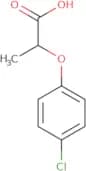
CAS:<p>Versatile small molecule scaffold</p>Formula:C5H5N5OPurity:Min. 95%Molecular weight:151.13 g/mol(2S)-2-(4-Chlorophenoxy)propanoic acid
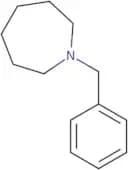
CAS:<p>Versatile small molecule scaffold</p>Formula:C9H9ClO3Purity:Min. 95%Molecular weight:200.62 g/mol1-Benzylazepane
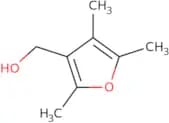
CAS:<p>Benzylazepane is a triacetoxyborohydride that can be used for the reductive amination of aldehydes to form amines. Benzylazepane has been shown to react with sodium triacetoxyborohydride and amines to produce acrylonitrile, which is useful in the synthesis of polymers. The reductive amination of benzaldehyde with ethyl cyanoacetate forms acrylonitrile and acetaldehyde, which is then oxidized using ozonolysis. This reaction produces nitroethane, nitromethane, and acrylamide. Benzylazepane is also used in the synthesis of nature-inspired molecules such as polysaccharides and nucleotides.</p>Formula:C13H19NPurity:Min. 95%Molecular weight:189.3 g/mol(Trimethylfuran-3-yl)methanol
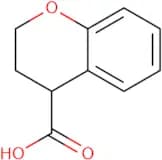
CAS:<p>Versatile small molecule scaffold</p>Formula:C8H12O2Purity:Min. 95%Molecular weight:140.18 g/mol3,4-dihydro-2H-1-benzopyran-4-carboxylic acid
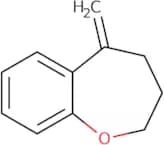
CAS:<p>3,4-Dihydro-2H-1-benzopyran-4-carboxylic acid is a chromanone with an enantiomeric ratio of S:R. It is a synthetic compound and a member of the acid compounds group. 3,4-Dihydro-2H-1-benzopyran-4-carboxylic acid is used as an intermediate in organic chemistry to produce sorbinil sodium salt and ganate, which are also synthetic compounds. This chemical has been shown to be effective for oral hypoglycemia in rats when administered with amines. The racemic mixture contains two enantiomers that are not identical but are related to each other as mirror images. Phenylacetic acid (PAA) is another member of the same class of molecules that can be complicating when purified from this chemical. 3,4-Dihydro-2H-1-ben</p>Formula:C10H10O3Purity:Min. 95%Molecular weight:178.19 g/mol5-Methylidene-2,3,4,5-tetrahydro-1-benzoxepine
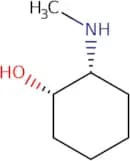
CAS:<p>Versatile small molecule scaffold</p>Formula:C11H12OPurity:Min. 95%Molecular weight:160.21 g/mol(1R,2S)-2-Methylamino-cyclohexanol
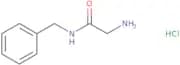
CAS:<p>(1R,2S)-2-Methylamino-cyclohexanol is an alkanolamine that has been shown to have antioxidant properties. It is synthesized from hydrogen chloride and ethanolamine by a dehydration reaction. This compound can be used as a co-catalyst for the catalytic oxidation of chlorides in organic solvents and has been shown to inhibit the growth of membranes in E. coli. (1R,2S)-2-Methylamino-cyclohexanol also has potential applications in preventing atherosclerosis or treatment of zinc deficiency.</p>Formula:C7H15NOPurity:Min. 95%Molecular weight:129.2 g/mol2-Amino-N-benzylacetamide hydrochloride
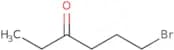
CAS:<p>Versatile small molecule scaffold</p>Formula:C9H13ClN2OPurity:Min. 95%Molecular weight:200.67 g/mol6-Bromohexan-3-one
CAS:<p>6-Bromohexan-3-one is a pheromone that belongs to the group of skeleton-targeted pheromones. It binds to an unknown receptor in the insect and causes specific behavioral changes such as attraction, orientation, and oviposition. 6-Bromohexan-3-one has been shown to be effective against male gypsy moths, although it is not active against other insects. The structure of 6-Bromohexan-3-one consists of a phosphonium group with a six member ring and a double bond between carbons 3 and 4.</p>Formula:C6H11BrOPurity:Min. 95%Molecular weight:179.05 g/molSpiro[4.5]decan-6-amine
CAS:<p>Versatile small molecule scaffold</p>Formula:C10H19NPurity:Min. 95%Molecular weight:153.26 g/molSpiro[4.4]nonan-1-amine
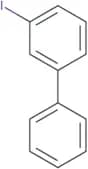
CAS:<p>Versatile small molecule scaffold</p>Formula:C9H17NPurity:Min. 95%Molecular weight:139.24 g/mol3-Iodobiphenyl
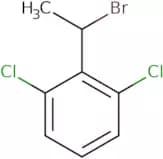
CAS:<p>3-Iodobiphenyl is a synthetic chemical compound that has been used in the manufacture of dyes, pesticides, and other organic chemicals. 3-Iodobiphenyl is a low molecular weight soluble solid with a high solubility in most organic solvents. It is insoluble in water and may be produced as one of two different isomeric forms, depending on the conditions used to synthesize it. The physical properties of these two forms are similar but they differ in their reactivity. 3-Iodobiphenyl can adsorb onto amine groups on proteins and phospholipid membranes, forming a monolayer that alters the permeability of membrane bilayers. This organocatalytic reaction can also be facilitated by metal ions such as copper or zinc. 3-Iodobiphenyl also reacts with halides such as chloride or bromide to form soluble complexes that may be used for solute separation during phase chrom</p>Formula:C12H9IPurity:Min. 95%Molecular weight:280.11 g/mol2-(1-Bromoethyl)-1,3-dichlorobenzene
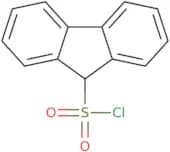
CAS:<p>Versatile small molecule scaffold</p>Formula:C8H7BrCl2Purity:Min. 95%Molecular weight:253.95 g/mol9H-Fluorene-9-sulfonyl chloride
CAS:<p>Versatile small molecule scaffold</p>Formula:C13H9ClO2SPurity:Min. 95%Molecular weight:264.73 g/molSpiro[bicyclo[2.2.1]heptane-7,1'-cyclopropan]-6-one
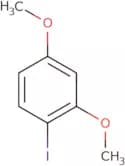
CAS:<p>Versatile small molecule scaffold</p>Formula:C9H12OPurity:Min. 95%Molecular weight:136.2 g/mol2,4-Dimethoxyiodobenzene
CAS:<p>2,4-Dimethoxyiodobenzene is a methyl ketone that has three methoxy groups. It is used as a building block in organic synthesis and can be synthesized by the reaction of 2,4-dimethoxybenzaldehyde with peroxide and methylamine. 2,4-Dimethoxyiodobenzene inhibits radical formation by reacting with an activated metal halide to form a covalent bond between the two molecules. The terminal alkyne reacts with a halogen to form an alkynyl radical which then reacts with another activated metal halide to form a second covalent bond. This process creates a new radical that has been deactivated by the addition of two bonds, preventing it from initiating another chain reaction. 2,4-Dimethoxyiodobenzene also exhibits inhibitory potency against β-amino acid decomposition through the same mechanism.</p>Formula:C8H9IO2Purity:Min. 95%Molecular weight:264.06 g/molEthyl 4-chloro-1,3-dimethylpyrazolo[3,4-b]pyridine-5-carboxylate
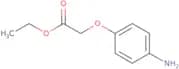
CAS:<p>Versatile small molecule scaffold</p>Formula:C11H12ClN3O2Purity:Min. 95%Molecular weight:253.69 g/molEthyl 2-(4-aminophenoxy)acetate
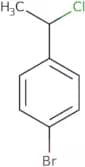
CAS:Versatile small molecule scaffoldFormula:C10H13NO3Purity:Min. 95%Molecular weight:195.21 g/mol1-Bromo-4-(1-chloroethyl)benzene
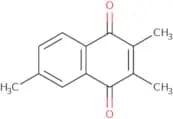
CAS:Versatile small molecule scaffoldFormula:C8H8BrClPurity:Min. 95%Molecular weight:219.5 g/mol2,3,6-Trimethyl-1,4-naphthoquinone
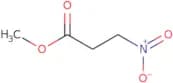
CAS:<p>2,3,6-Trimethyl-1,4-naphthoquinone (2,3,6-TQ) is a hexane extract from the bark of the East Indian tree Pterocarpus marsupium that has been shown to have both reversible and irreversible inhibitory effects on monoamine oxidase. 2,3,6-TQ has been shown to have neuroprotective properties in mouse models of Parkinson's disease. It also has neurotrophic effects in cultured cells. The molecular modeling data suggest that 2,3,6-TQ binds to the active site of monoamine oxidase type A and B with a binding affinity comparable to that of clorgyline and deprenyl. In addition, it inhibits dopamine metabolism by inhibiting monoamine oxidase type A and B.</p>Formula:C13H12O2Purity:Min. 95%Molecular weight:200.23 g/molMethyl 3-nitropropanoate
CAS:<p>Methyl 3-nitropropanoate is a chemical compound that is used in synthetic organic chemistry. It can be synthesized by the nitration of propionic acid and then reacting the product with methyl iodide. This reaction produces an asymmetric synthesis of an α-lactam ring, which is one of the most commonly found functional groups in natural products. The carbonyl group on this molecule is also reactive to many other reagents, which enables it to be modified for use in various methods. The lactam ring has been shown to have anti-inflammatory properties, focusing research on its potential medicinal uses.</p>Formula:C4H7NO4Purity:Min. 95%Molecular weight:133.1 g/mol
![(2E)-3-[3-(2-Oxo-2H-chromen-3-yl)-1-phenyl-1H-pyrazol-4-yl]prop-2-enoic acid](/_next/image/?url=https%3A%2Fstatic.cymitquimica.com%2Fproducts%2F3D%2Fthumb-webp%2FUVA13746.webp&w=3840&q=75)

![4-(3-Methoxyphenyl)-5-sulfanyl-8-thia-4,6-diazatricyclo[7.5.0.0,2,7]tetradeca-1(9),2(7),5-trien-3-…](/_next/image/?url=https%3A%2Fstatic.cymitquimica.com%2Fproducts%2F3D%2Fthumb-webp%2FUVA15062.webp&w=3840&q=75)
![4-Methyl-N-[2-(propan-2-yl)phenyl]-4,5-dihydro-1,3-thiazol-2-amine](/_next/image/?url=https%3A%2Fstatic.cymitquimica.com%2Fproducts%2F3D%2Fthumb-webp%2FUVA15064.webp&w=3840&q=75)
![2-Ethyl-1,2,3,4-tetrahydro-benzo[b]-[1,6]naphthyridine-10-carboxylic acid](/_next/image/?url=https%3A%2Fstatic.cymitquimica.com%2Fproducts%2F3D%2Fthumb-webp%2FUVA15065.webp&w=3840&q=75)
![3-[4-(Naphthalen-2-yl)-1,3-thiazol-2-yl]pyridine](/_next/image/?url=https%3A%2Fstatic.cymitquimica.com%2Fproducts%2F3D%2Fthumb-webp%2FUVA15161.webp&w=3840&q=75)
![4-[(2-Methoxy-5-nitrophenyl)sulfamoyl]benzoic acid](/_next/image/?url=https%3A%2Fstatic.cymitquimica.com%2Fproducts%2F3D%2Fthumb-webp%2FUVA15208.webp&w=3840&q=75)
![3-[(Prop-2-en-1-yl)[3-(trifluoromethyl)phenyl]sulfamoyl]benzoic acid](/_next/image/?url=https%3A%2Fstatic.cymitquimica.com%2Fproducts%2F3D%2Fthumb-webp%2FUVA15210.webp&w=3840&q=75)
![2-Fluoro-5-[(2-methoxy-5-nitrophenyl)sulfamoyl]benzoic acid](/_next/image/?url=https%3A%2Fstatic.cymitquimica.com%2Fproducts%2F3D%2Fthumb-webp%2FUVA15211.webp&w=3840&q=75)
![3-[4-(4-Fluorophenyl)-5-sulfanyl-4H-1,2,4-triazol-3-yl]-N,N-dimethylbenzene-1-sulfonamide](/_next/image/?url=https%3A%2Fstatic.cymitquimica.com%2Fproducts%2F3D%2Fthumb-webp%2FUVA15265.webp&w=3840&q=75)
![2-(1H-1,3-Benzodiazol-2-yl)-N-[(4-chlorophenyl)methyl]acetamide](/_next/image/?url=https%3A%2Fstatic.cymitquimica.com%2Fproducts%2F3D%2Fthumb-webp%2FUVA15278.webp&w=3840&q=75)
![3-[(2-Oxo-2,3-dihydro-1H-indol-3-ylidene)amino]-1-(oxolan-2-ylmethyl)thiourea](/_next/image/?url=https%3A%2Fstatic.cymitquimica.com%2Fproducts%2F3D%2Fthumb-webp%2FUVA15297.webp&w=3840&q=75)
![2-Amino-5-[(2-methoxyphenyl)sulfamoyl]benzoic acid](/_next/image/?url=https%3A%2Fstatic.cymitquimica.com%2Fproducts%2F3D%2Fthumb-webp%2FUVA15300.webp&w=3840&q=75)
![2-Amino-5-[(4-methoxyphenyl)sulfamoyl]benzoic acid](/_next/image/?url=https%3A%2Fstatic.cymitquimica.com%2Fproducts%2F3D%2Fthumb-webp%2FUVA15301.webp&w=3840&q=75)
![4-[(4-Hydroxyphenyl)methyl]-1,3-oxazolidin-2-one](/_next/image/?url=https%3A%2Fstatic.cymitquimica.com%2Fproducts%2F3D%2Fthumb-webp%2FUVB49733.webp&w=3840&q=75)
![1-[2-Hydroxy-3-(trifluoromethyl)phenyl]ethan-1-one](/_next/image/?url=https%3A%2Fstatic.cymitquimica.com%2Fproducts%2F3D%2Fthumb-webp%2FUVB50167.webp&w=3840&q=75)
![2-{[(tert-butoxy)carbonyl]amino}-4,4,4-trifluorobutanoic acid](/_next/image/?url=https%3A%2Fstatic.cymitquimica.com%2Fproducts%2F3D%2Fthumb-webp%2FUWA47961.webp&w=3840&q=75)
![2-[(2-Aminoethyl)amino]pyridine-3-carbonitrile](/_next/image/?url=https%3A%2Fstatic.cymitquimica.com%2Fproducts%2F3D%2Fthumb-webp%2FUWA67863.webp&w=3840&q=75)
![[2-(Dimethylamino)-5-nitrophenyl]methanol](/_next/image/?url=https%3A%2Fstatic.cymitquimica.com%2Fproducts%2F3D%2Fthumb-webp%2FUWA69391.webp&w=3840&q=75)
![N-[4-(1-Aminoethyl)phenyl]pyridine-4-carboxamide](/_next/image/?url=https%3A%2Fstatic.cymitquimica.com%2Fproducts%2F3D%2Fthumb-webp%2FUWA69470.webp&w=3840&q=75)

![tert-Butyl 4-{[(2-chloropyrimidin-4-yl)(methyl)amino]methyl}piperidine-1-carboxylate](/_next/image/?url=https%3A%2Fstatic.cymitquimica.com%2Fproducts%2F3D%2Fthumb-webp%2FUWA69602.webp&w=3840&q=75)
![Benzyl N-[2-(fluorosulfonyl)ethyl]carbamate](/_next/image/?url=https%3A%2Fstatic.cymitquimica.com%2Fproducts%2F3D%2Fthumb-webp%2FUWB19920.webp&w=3840&q=75)
![6-Methyl-4H-pyrido[3,2-b][1,4]oxazin-3-one](/_next/image/?url=https%3A%2Fstatic.cymitquimica.com%2Fproducts%2F3D%2Fthumb-webp%2FVAA34810.webp&w=3840&q=75)
![2-Methyl-2H-pyrido[3,2-b][1,4]oxazin-3(4H)-one](/_next/image/?url=https%3A%2Fstatic.cymitquimica.com%2Fproducts%2F3D%2Fthumb-webp%2FVAA34819.webp&w=3840&q=75)
![2,2-Dimethyl-2H,3H,4H-pyrido[3,2-b][1,4]oxazine](/_next/image/?url=https%3A%2Fstatic.cymitquimica.com%2Fproducts%2F3D%2Fthumb-webp%2FVAA34826.webp&w=3840&q=75)
![4-Methoxy-8-oxatricyclo[7.4.0.0,2,7]trideca-1(9),2(7),3,5,10,12-hexaene](/_next/image/?url=https%3A%2Fstatic.cymitquimica.com%2Fproducts%2F3D%2Fthumb-webp%2FVAA35770.webp&w=3840&q=75)
![7-Chlorobenzo[d]thiazol-2-amine](/_next/image/?url=https%3A%2Fstatic.cymitquimica.com%2Fproducts%2F3D%2Fthumb-webp%2FVAA35801.webp&w=3840&q=75)
![2-Chloro-N-{[4-(dimethylamino)phenyl]methyl}acetamide](/_next/image/?url=https%3A%2Fstatic.cymitquimica.com%2Fproducts%2F3D%2Fthumb-webp%2FHCA67838.webp&w=3840&q=75)

![1-[2-(2-Chlorophenoxy)ethyl]piperazine](/_next/image/?url=https%3A%2Fstatic.cymitquimica.com%2Fproducts%2F3D%2Fthumb-webp%2FVAA38385.webp&w=3840&q=75)



![3-Bromo-1H,6H,7H-pyrazolo[4,3-d]pyrimidin-7-one](/_next/image/?url=https%3A%2Fstatic.cymitquimica.com%2Fproducts%2F3D%2Fthumb-webp%2FVAA41967.webp&w=3840&q=75)
![7-Bromo-1H,2H,3H,4H,5H-pyrrolo[3,2-d]pyrimidine-2,4-dione](/_next/image/?url=https%3A%2Fstatic.cymitquimica.com%2Fproducts%2F3D%2Fthumb-webp%2FVAA41974.webp&w=3840&q=75)
![3-Methyl-3H,6H,7H-[1,2,3]triazolo[4,5-d]pyrimidin-7-one](/_next/image/?url=https%3A%2Fstatic.cymitquimica.com%2Fproducts%2F3D%2Fthumb-webp%2FVAA42086.webp&w=3840&q=75)
![Spiro[4.5]decan-6-amine](/_next/image/?url=https%3A%2Fstatic.cymitquimica.com%2Fproducts%2F3D%2Fthumb-webp%2FVAA44070.webp&w=3840&q=75)
![Spiro[4.4]nonan-1-amine](/_next/image/?url=https%3A%2Fstatic.cymitquimica.com%2Fproducts%2F3D%2Fthumb-webp%2FVAA44071.webp&w=3840&q=75)
![Spiro[bicyclo[2.2.1]heptane-7,1'-cyclopropan]-6-one](/_next/image/?url=https%3A%2Fstatic.cymitquimica.com%2Fproducts%2F3D%2Fthumb-webp%2FVAA45477.webp&w=3840&q=75)
![Ethyl 4-chloro-1,3-dimethylpyrazolo[3,4-b]pyridine-5-carboxylate](/_next/image/?url=https%3A%2Fstatic.cymitquimica.com%2Fproducts%2F3D%2Fthumb-webp%2FVAA48115.webp&w=3840&q=75)