Building Blocks
This section contains fundamental products for the synthesis of organic and biological compounds. Building blocks are the essential starting materials used to construct complex molecules through various chemical reactions. They play a critical role in drug discovery, material science, and chemical research. At CymitQuimica, we offer a diverse range of high-quality building blocks to support your innovative research and industrial projects, ensuring you have the essential components for successful synthesis.
Subcategories of "Building Blocks"
- Boronic Acids & Boronic Acid Derivatives(5,778 products)
- Chiral Building Blocks(1,242 products)
- Hydrocarbon Building Blocks(6,098 products)
- Organic Building Blocks(61,034 products)
Found 199601 products of "Building Blocks"
Sort by
Purity (%)
0
100
|
0
|
50
|
90
|
95
|
100
3-(Hydroxymethyl)benzo[b]thiophene
CAS:<p>3-(Hydroxymethyl)benzo[b]thiophene is a potential anticancer agent that inhibits the PI3K/Akt pathway. It has been shown to have cytotoxic effects on colorectal adenocarcinoma cells, as well as other cancer cells. 3-(Hydroxymethyl)benzo[b]thiophene also binds to DNA and alters the structure of the double helix, leading to inhibition of DNA synthesis, which may lead to cell death. The compound has been tested in vitro and found to be effective against leukemia and colon cancer cells. It has also shown anticancer activity in vivo in mice, with no observable side effects or toxicity.</p>Formula:C9H8OSPurity:Min. 95%Molecular weight:164.22 g/mol2,2-Bis(chloromethyl)butan-1-ol
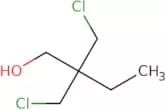
CAS:<p>Versatile small molecule scaffold</p>Formula:C6H12Cl2OPurity:Min. 95%Molecular weight:171.06 g/mol1,3-Diphenylpropan-2-ol
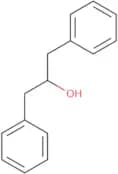
CAS:<p>1,3-Diphenylpropan-2-ol is an organic molecule that can be used in analytical toxicology. It has been shown to have a nonequivalence of 1,3-diphenylpropane and 2-hydroxypentane. The functional groups present on this molecule are the silicon atom and the organic acids. This molecule is metastable due to its radical coupling. 1,3-Diphenylpropan-2-ol is found in a number of chemical reactions including bond cleavage, aldehyde formation, alkene formation, and asymmetric synthesis. Cleavage products include 3-phenylpropanoic acid, phenylacetic acid, and phenylglycolic acid.</p>Formula:C15H16OPurity:Min. 95%Molecular weight:212.29 g/mol1-tert-Butylpiperidin-4-ol
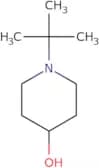
CAS:<p>1-tert-Butylpiperidin-4-ol is a chemical compound that is used as a model drug. It is injected into the muscle to calibrate a signal and extract spatial information. The nitroxyl radical has been shown to have radical scavenging activity, and liposomal encapsulation of the drug may be an effective way to deliver it to cells in the body. 1-tert-Butylpiperidin-4-ol has been shown to have lipophilic properties, which would allow it to cross the blood brain barrier more easily than other drugs with hydrophilic properties.</p>Formula:C9H19NOPurity:Min. 95%Molecular weight:157.26 g/mol2-Cyano-N-(4-methoxyphenyl)acetamide
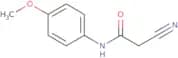
CAS:<p>2-Cyano-N-(4-methoxyphenyl)acetamide is a synthetic compound with inhibitory effects on the enzyme dipeptidyl peptidase IV (DPP-IV). This enzyme is involved in the degradation of incretins, such as glucagon-like peptide 1 (GLP-1), and has been implicated in the development of type 2 diabetes mellitus. The synthesis and characterization of this compound was reported in a paper published in 2000. It has been shown to be a potent inhibitor of DPP-IV, with IC50 values of 0.10 μM for rat pancreatic DPP-IV and 0.06 μM for human recombinant enzyme. The effects of this compound on GLP-1 levels were also studied, showing that it had no effect on basal levels but significantly increased postprandial GLP-1 secretion.</p>Formula:C10H10N2O2Purity:Min. 95%Molecular weight:190.2 g/molQuinoline-6-carboxamide
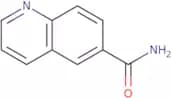
CAS:<p>Quinoline-6-carboxamide is a drug that binds to the CB2 receptor and inhibits cancer cell proliferation. It has been shown to be effective in inhibiting human cervical carcinoma cells, as well as hydroxy group corrosion inhibitors. Quinoline-6-carboxamide also inhibits the growth of diabetic neuropathy and acts as an amide skeleton binder in binding experiments. The compound has been shown to have anti-inflammatory effects in animal models of pain, acting through the metabotropic glutamate receptor. Quinoline-6-carboxamide also blocks herpes simplex virus replication, which may be due to its ability to inhibit viral DNA synthesis.</p>Formula:C10H8N2OPurity:Min. 95%Molecular weight:172.19 g/molN-(4-Carboxyphenyl)phthalimide
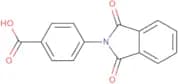
CAS:<p>N-(4-Carboxyphenyl)phthalimide is a ligand that interacts with metal ions. It has been shown to bind to benzocaine and dihedral angles in polyvinyl chloride, lysine, and hydrogen bonds in hydrogen-bonded complexes. N-(4-Carboxyphenyl)phthalimide has been used as a bifunctional agent for the polymerization of vinyl chloride.</p>Formula:C15H9NO4Purity:Min. 95%Molecular weight:267.24 g/mol1-(2-Hydroxy-3,4-dimethylphenyl)ethan-1-one
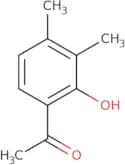
CAS:<p>Versatile small molecule scaffold</p>Formula:C10H12O2Purity:Min. 95%Molecular weight:164.2 g/molTricyclo[7.2.1.0,2,7]dodeca-2,4,6-trien-8-one
CAS:<p>Versatile small molecule scaffold</p>Formula:C12H12OPurity:Min. 95%Molecular weight:172.2 g/molTizanidine Related Compound C
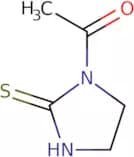
CAS:Versatile small molecule scaffoldFormula:C5H8N2OSPurity:Min. 95%Molecular weight:144.19 g/mol1-Phenylhexan-3-amine
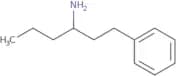
CAS:Versatile small molecule scaffoldFormula:C12H19NPurity:Min. 95%Molecular weight:177.29 g/mol2-Bromobenzothiophene
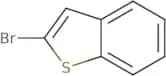
CAS:<p>2-Bromobenzothiophene (BBT) is a synthetic molecule that has potent inhibitory activity against several biological targets, including hydroxy group, enantiomer and enhancement. BBT has been shown to have anticancer properties in vitro and in vivo. This compound also exhibits anti-inflammatory activities, which may be mediated by the inhibition of inflammatory cytokines such as IL-6, IL-8 and TNF-α. This heterocycle inhibits estradiol binding to estrogen receptors by competitive inhibition. The hydroxyl group on 2-bromobenzothiophene can form a covalent bond with thiols, which are abundant in proteins involved in inflammation. It also reacts with other reactive functional groups such as carbonyl groups or aromatic hydrocarbons.</p>Formula:C8H5BrSPurity:Min. 95%Molecular weight:213.09 g/mol4,7-Dichloro-1,10-phenanthroline
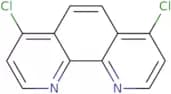
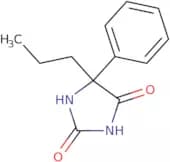
CAS:<p>4,7-Dichloro-1,10-phenanthroline is a bidentate ligand that binds to the chloride anion and has been shown to have anticancer activity against leukemia cells. This compound has also been shown to inhibit the proliferation of cervical cancer cells and chronic myeloid leukemia cells. 4,7-Dichloro-1,10-phenanthroline enhances the fluorescence of human chronic myeloid leukemia cells in a cytometry assay by increasing hydrogen bonding between the cell membrane and fluorophore. This enhancement effect was seen at concentrations of 0.01 μM and higher. 4,7-Dichloro-1,10-phenanthroline also binds to DNA and has been shown to be effective against cancer cells in a luminescent human chronic myeloid leukemia (MRC5) assay.</p>Formula:C12H6Cl2N2Purity:Min. 95%Molecular weight:249.09 g/mol5-Phenyl-5-propylimidazolidine-2,4-dione
CAS:<p>Versatile small molecule scaffold</p>Formula:C12H14N2O2Purity:Min. 95%Molecular weight:218.25 g/mol4-(2,5-Dimethylphenyl)-4-oxobutanoic acid
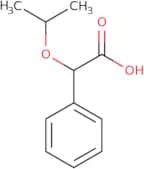
CAS:<p>Versatile small molecule scaffold</p>Formula:C12H14O3Purity:Min. 95%Molecular weight:206.24 g/mol2-Phenyl-2-(propan-2-yloxy)acetic acid
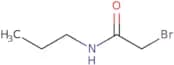
CAS:<p>2-Phenyl-2-(propan-2-yloxy)acetic acid (PPAA) is a serotonin antagonist that inhibits the binding of serotonin to its receptor. PPAA has been shown to have anti-cancer and anti-inflammatory properties. It also has antagonistic properties against azabicyclic compounds, organic acids, and tachykinin peptides. PPAA has also been found to be a prodrug for the treatment of Parkinson's disease, with the active form being 2-(benzyloxy)-2-phenylethanoic acid. The molecular weight of PPAA is 220.21 g/mol and it is soluble in water.<br>PPAA can be synthesized from piperidine and benzyl group with amide as a byproduct. The oxygen atoms in PPAA are c1-c6 alkoxy which are esterified by propan-2-ol.</p>Formula:C11H14O3Purity:Min. 95%Molecular weight:194.23 g/mol2-Bromo-N-propylacetamide
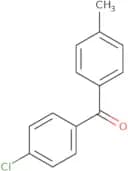
CAS:<p>2-Bromo-N-propylacetamide is a protein target that has been shown to regulate the activity of amines. It has affinity for both anionic and cationic amines. 2-Bromo-N-propylacetamide is used in optimization studies to identify the fluorescent groups that can be used as labels on proteins. This drug also interacts with family members, such as elution and immobilization.</p>Formula:C5H10BrNOPurity:Min. 95%Molecular weight:180.04 g/mol(4-Chlorophenyl)(4-methylphenyl)methanone
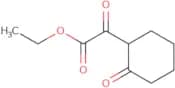
CAS:<p>Versatile small molecule scaffold</p>Formula:C14H11ClOPurity:Min. 95%Color and Shape:PowderMolecular weight:230.69 g/molEthyl oxo(2-oxocyclohexyl)acetate
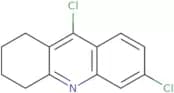
CAS:<p>Ethyl oxo(2-oxocyclohexyl)acetate is a condensation product of glycine and anhydride, which is obtained by heating the two components in the presence of acid. The reaction yields an isomeric mixture of ethyl oxo(2-oxocyclohexyl)acetate and ethyl oxo(3-oxocyclohexyl)acetate. The condensation products are hydrolyzed to their respective amino acids with ammonia or sodium hydroxide. Ethyl oxo(2-oxocyclohexyl)acetate can also be synthesized from glycine ethyl ester and aminomalonic acid in the presence of enamine.</p>Formula:C10H14O4Purity:Min. 95%Molecular weight:198.22 g/mol6,9-Dichloro-1,2,3,4-tetrahydroacridine
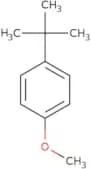
CAS:<p>Versatile small molecule scaffold</p>Formula:C13H11Cl2NPurity:Min. 95%Molecular weight:252.14 g/mol4-tert-Butylanisole
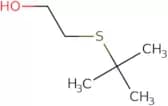
CAS:<p>4-tert-Butylanisole is an amide that has been shown to undergo conformational changes upon irradiation with light. The photochemical cleavage of the amide bond occurs with a quantum yield of 0.4 and produces a diphenyl ether and an acetonitrile derivative. This reaction mechanism has been proposed in order to explain the formation of a nitro group in the molecule, which is responsible for its labile nature. Labile molecules are those that can easily undergo decomposition or change their structure due to external influences, such as heat or light. 4-tert-Butylanisole also undergoes reductive elimination reactions when treated with ethyl bromoacetate, which leads to the formation of labile products as well.</p>Formula:C11H16OPurity:Min. 95%Molecular weight:164.25 g/mol2-(tert-Butylsulfanyl)ethan-1-ol
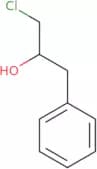
CAS:<p>Versatile small molecule scaffold</p>Formula:C6H14OSPurity:Min. 95%Molecular weight:134.24 g/mol1-Chloro-3-phenylpropan-2-ol
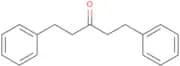
CAS:<p>1-Chloro-3-phenylpropan-2-ol is an alcohol that is detectable and has been shown to have a stereoselective dehydrogenase activity. The kinetic parameters of this enzyme are optimal for the detection of 1-chloro-3-phenylpropan-2-ol in complex mixtures. It has been used in pharmaceuticals as a chiral building block, where it forms a ternary complex with a chiral metal ion and an amino acid. This enzyme is also able to catalyze the conversion of phenylacetone into amphetamine.</p>Formula:C9H11ClOPurity:Min. 95%Molecular weight:170.63 g/mol1,5-Diphenylpentan-3-one
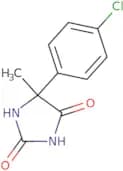
CAS:<p>1,5-Diphenylpentan-3-one is a hydroxylated analog of the anti-inflammatory compound 1,5-diphenylpentan-2-one. It can be used as a reactive intermediate in the synthesis of ester compounds, hydrogen bond inhibitors, and insulin resistance inhibitors. This compound also has the ability to inhibit HDAC activity and radiation.</p>Formula:C17H18OPurity:Min. 95%Molecular weight:238.32 g/mol5-(4-Chlorophenyl)-5-methylimidazolidine-2,4-dione
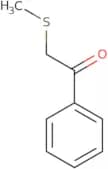
CAS:<p>Versatile small molecule scaffold</p>Formula:C10H9ClN2O2Purity:Min. 95%Molecular weight:224.64 g/mol2-(Methylsulfanyl)-1-phenylethan-1-one
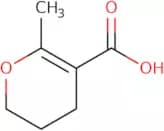
CAS:<p>2-(Methylsulfanyl)-1-phenylethan-1-one is a sulfoxide that was synthesized by the photoelectron transfer of methylsulfane. It is an electron acceptor, which can be reduced to the corresponding sulfide or sulfone. It has been shown to react with carbonyl groups and thioacetals, forming triazole derivatives. The molecule has been found to have affinity for aluminium surfaces and has a strong interaction with the carbonyl group.</p>Formula:C9H10OSPurity:Min. 95%Molecular weight:166.24 g/mol6-Methyl-3,4-dihydro-2H-pyran-5-carboxylic acid
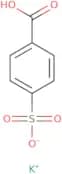
CAS:<p>6-Methyl-3,4-dihydro-2H-pyran-5-carboxylic acid is an organic compound that is used as a solvent. It is preferentially soluble in solvents with low boiling points and high dielectric constants. The solvation of 6-methylpyran-5-carboxylic acid can be accomplished by photooxygenation or hydroperoxide formation.</p>Formula:C7H10O3Purity:Min. 95%Molecular weight:142.15 g/mol4-Sulfobenzoic acid potassium
CAS:<p>4-Sulfobenzoic acid potassium salt is a quasicrystalline compound with a flow rate of 0.1 cm/s. It is a molecule with an approximate diameter of 2 nm and functional groups that include sulfonic acid, carboxylic acid, hydroxyl, and OH. 4-Sulfobenzoic acid potassium salt has a high solubility in water and can be found in the form of potassium ions or as a covalent bond to other molecules. The analytical methods for this compound include IR (infrared) spectroscopy, Raman spectroscopy, X-ray diffraction analysis, and electron microscopy. A synthetic method for 4-sulfobenzoic acid potassium salt is via reaction of benzoic acid with potassium hydroxide followed by recrystallization from ethanol. This compound can be found in the form of nanosheets or polymerized into polybenzoxazole films</p>Formula:C7H6O5S•KPurity:Min. 95%Molecular weight:241.28 g/mol7-Chloro-3-methyl-1H-pyrazolo[4,3-d]pyrimidine
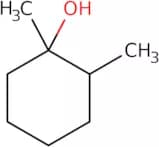
CAS:<p>Formycin is a form of potassium glycolate (KG), which belongs to the class of chlorinated alkyl ethers. Formycin has been used as an antiseptic, but is no longer in use due to its toxicity. It is also a potent inhibitor of bacterial growth and was used in the past for treating tuberculosis. The methylation of KG produces formaldehyde, which can react with ethylene glycol to produce ethylene glycol monomethyl ether (EGME). EGME is highly toxic and can cause lung damage.</p>Formula:C6H5ClN4Purity:Min. 95%Molecular weight:168.58 g/mol1,2-Dimethylcyclohexan-1-ol
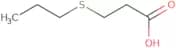
CAS:<p>1,2-Dimethylcyclohexan-1-ol is a hydroxylated phenolic compound that has been shown to inhibit the production of inflammatory cytokines. It also inhibits the activity of carboxylesterases and aminopeptidases in vitro, which may be due to its acidic nature. This drug is used to treat autoimmune diseases such as rheumatoid arthritis, psoriasis, and multiple sclerosis. 1,2-Dimethylcyclohexan-1-ol can be synthesized from hydroxybenzene and formaldehyde with hydrochloric acid as a reaction intermediate. It reacts with trifluoroacetic acid to produce an intermediate that is soluble in water. This compound is also susceptible to oxidation by air or light.</p>Formula:C8H16OPurity:Min. 95%Molecular weight:128.21 g/mol3-(Propylsulfanyl)propanoic acid
CAS:<p>Versatile small molecule scaffold</p>Formula:C6H12O2SPurity:Min. 95%Molecular weight:148.23 g/mol2,5-Dichlorobenzenesulfonyl Chloride
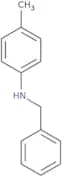
CAS:<p>2,5-Dichlorobenzenesulfonyl Chloride is a chemical compound that binds to the G protein-coupled receptor. It has been shown to stabilize the receptor and inhibit angiogenic process. 2,5-Dichlorobenzenesulfonyl Chloride has been shown to have anticancer activity against human glioma cells in vitro and in vivo. It also inhibits hydrogen bonding interactions with the receptor which may be important for cancer treatment.<br>2,5-Dichlorobenzenesulfonyl Chloride is soluble in chloroform and acetone but not water or ethanol. The solubility of this compound can be improved by adding a solvent such as benzene or dichloromethane.</p>Formula:C6H3Cl3O2SPurity:Min. 95%Molecular weight:245.51 g/molN-Benzyl-4-methylaniline
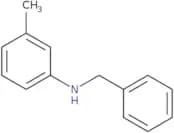
CAS:<p>N-Benzyl-4-methylaniline is a mesoporous material with a high surface area that can be used as a solid acid catalyst. It has been shown to have excellent catalytic properties for the synthesis of quinoline derivatives from trans-stilbene and anilines. The immobilized N-benzyl-4-methylaniline is a novel material that can be used in various applications, such as as an uv detector or proton donor.</p>Formula:C14H15NPurity:Min. 95%Molecular weight:197.27 g/molN-Benzyl-3-methylaniline
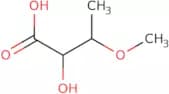
CAS:<p>Versatile small molecule scaffold</p>Formula:C14H15NPurity:Min. 95%Molecular weight:197.27 g/mol2-Hydroxy-3-methoxybutanoic acid
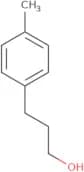
CAS:<p>Versatile small molecule scaffold</p>Formula:C5H10O4Purity:Min. 95%Molecular weight:134.13 g/mol3-(4-Methylphenyl)propan-1-ol
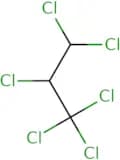
CAS:<p>3-(4-Methylphenyl)propan-1-ol is a compound that is used as an intermediate in organic synthesis. It has been shown to undergo regioselective radical cyclization reactions with cations and radical cations, yielding the corresponding methylenecyclopropane derivatives. 3-(4-Methylphenyl)propan-1-ol can be used as a precursor for various other compounds, such as ethyl (2E)-3-[4-(methylphenyl)buta-1,3-diene]propanoate.</p>Formula:C10H14OPurity:Min. 95%Molecular weight:150.22 g/mol1,1,1,2,3,3-Hexachloropropane
CAS:<p>1,1,1,2,3,3-Hexachloropropane is a fluorinated hydrocarbon that is used as a catalyst in the fluorination of organic compounds. The reaction is highly selective and only produces one stereoisomer (e.g., 1-fluoropropane). This product can be used as a conditioner for gas streams or a diluent for liquid phase reactions. Hexachloropropane also reacts with hydrogen chloride to produce fluorides and chlorides. The reaction selectivity of this product is high because it does not react with other substances such as water or ammonia.</p>Formula:C3H2Cl6Purity:Min. 95%Molecular weight:250.8 g/molCyclobutyl Phenyl Ketone
CAS:<p>Cyclobutyl Phenyl Ketone is an unsaturated ketone that belongs to the class of aliphatic hydrocarbons. It is used in vitro assays as a receptor binding agent. Cyclobutyl Phenyl Ketone can bind to the benzodiazepine site on GABA-A receptors, which are a type of neurotransmitter receptor found in the central nervous system. Cyclobutyl Phenyl Ketone has been shown to be effective in treating chronic bronchitis due to its ability to inhibit chloride ion uptake by human lung cells. This compound has also been shown to be effective for treating bladder cancer due to its function as a hydrogen chloride scavenger and nitro group donor. Cyclobutyl Phenyl Ketone can be synthesized from ethyl formate, through a Friedel-Crafts reaction with hydrogen chloride, followed by carbonyl reduction with sodium borohydride. The asymmetric synthesis of this compound requires a simple modification in the starting material,</p>Formula:C11H12OPurity:Min. 95%Molecular weight:160.22 g/mol7-Methyloctan-3-one
CAS:<p>7-Methyloctan-3-one is a natural product that belongs to the family of cyclic terpenes. It has been identified in the fur of the arctic fox and has been shown to be a pheromone in some species of formicidae (ants). The compound is also found in tarandus (reindeer) and formicidae species. 7-Methyloctan-3-one exhibits an endoparasitic effect on insects, including those that are pests for humans such as the Colorado potato beetle, and can be used as an insecticide. The compound is hypothesized to have a similar effect on other types of pests, including mites and ticks. 7-Methyloctan-3-one is extracted by distillation from animal fat or vegetable oils with high boiling points. Chromatographic analysis reveals its presence at Rf 0.4 on TLC plates with a solvent system of hexane/diethyl ether/</p>Formula:C9H18OPurity:Min. 95%Molecular weight:142.24 g/mol1-(2-chlorophenyl)-2-methylpropan-1-one
CAS:<p>Versatile small molecule scaffold</p>Formula:C10H11OClPurity:Min. 95%Molecular weight:182.64 g/mol2,3-Dibromobutane
CAS:<p>2,3-Dibromobutane is a molecule that is used as a polarizer in liquid crystal composition. It is an elimination reaction product of bromine and ethylene, which also has the ability to inhibit hyperproliferative diseases. 2,3-Dibromobutane has been shown to have cancer-preventing properties by inhibiting the growth of tumor cells. The mechanism of this inhibition is not yet clear and may be due to its ability to react with reactive oxygen species or other intermediates involved in carcinogenesis. 2,3-Dibromobutane has been shown to form adducts with protonated molecules such as phenol or cresol, which are found in coal tar and cigarette smoke. These adducts have been shown to cause mutations and increase the risk for cancer.</p>Formula:C4H8Br2Purity:Min. 95%Molecular weight:215.92 g/mol4-Bromoisoquinoline
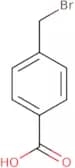
CAS:<p>4-Bromoisoquinoline is an aryl halide that can be used in the cross-coupling reaction with other aryl halides. It has been shown to have anticancer activity and to inhibit the growth of tumour cell lines in vitro. This compound is also efficient for inhibiting leukemia cells. 4-Bromoisoquinoline has been shown to have an inhibitory effect on cancer cells through the inhibition of DNA synthesis and RNA transcription, as well as by inducing apoptosis. The mechanism of action may be due to its ability to bind to aromatic hydrocarbons and halides, which leads to thermodynamic changes and vibrational energy transfer.</p>Formula:C9H6BrNPurity:Min. 95%Molecular weight:208.05 g/mol4-(Bromomethyl) benzoic acid
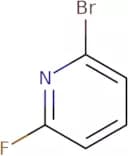
CAS:<p>4-(Bromomethyl) benzoic acid (4-BA) is a chemical compound that is used as an antimicrobial agent and a reagent in organic synthesis. It has been shown to have a broad spectrum of activity against Gram-positive and Gram-negative bacteria, fungi, and protozoa. 4-BA is stable at neutral pH and can be prepared by the reaction of 2-bromobenzeneacetic acid with sodium borohydride in the presence of acetic acid. This compound reacts with nucleophiles such as imatinib, forming an iminium intermediate. The resulting product can then react with chloride or hydrogen bond to form 4-BA chloride or 4-BA hydrogen bond respectively. Magnetic resonance spectroscopy has also been used to study the magnetic properties of this compound.</p>Formula:C8H7BrO2Purity:Min. 95%Color and Shape:White PowderMolecular weight:215.04 g/mol2-Bromo-6-fluoropyridine
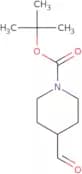
CAS:<p>2-Bromo-6-fluoropyridine is a versatile building block that can be used to create a range of compounds. It is a useful intermediate and can be applied in the synthesis of high quality reagents, speciality chemicals, and complex compounds. It has been used as a reaction component in the synthesis of 2-(2-bromoethoxy)pyridine and 2-bromopyridine. This compound has CAS No. 144100-07-2, which makes it an important research chemical.</p>Formula:C5H3BrFNPurity:Min. 95%Color and Shape:PowderMolecular weight:174.943291-Boc-4-formyl piperidine
CAS:<p>The functional theory of 1-Boc-4-formyl piperidine (1BP) is that it activates the serine protease, which in turn inhibits the acetylcholine release. It also affects the 5-ht4 receptor, which is an important regulator of neuronal function and amine release. 1BP has been shown to have potent inhibitory activity against reactive molecules, including those that are involved in carcinogenesis. It also has a high affinity for the 5-ht4 receptor and can be used as a 5-ht4 receptor agonist.</p>Formula:C11H19NO3Purity:Min. 95%Color and Shape:PowderMolecular weight:213.27 g/mol3-Bromo-4H-1,2,4-triazole
CAS:3-Bromo-4H-1,2,4-triazole is a triazole that is soluble in water. It has been shown to be an effective inhibitor of the enzyme DNA gyrase at low temperatures (4 degrees Celsius). 3-Bromo-4H-1,2,4-triazole has been analysed by spectroscopic methods and found to possess vibrational and annular spectra. The tautomers of this substance are also known to exist.Formula:C2HBrN3Purity:Min. 95%Color and Shape:PowderMolecular weight:146.95 g/mol(S)-tert-Butyl 3-(methylamino)pyrrolidine-1-carboxylate
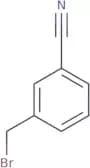
CAS:<p>(S)-tert-Butyl 3-(methylamino)pyrrolidine-1-carboxylate is a research chemical that can be used as a versatile building block for the synthesis of complex compounds. It is also a reaction component in the synthesis of speciality chemicals and useful scaffolds. It has been shown to have high quality, reagent grade and purity.</p>Formula:C10H20N2O2Purity:Min. 95%Color and Shape:PowderMolecular weight:200.28 g/molalpha-Bromo-m-tolunitrile
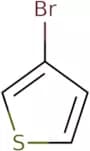
CAS:<p>Silver trifluoromethanesulfonate (AgOTf) is a precursor in the synthesis of alpha-bromo-m-tolunitrile. It is a colorless, odorless solid that can be prepared by the reaction of silver ions with bromine and toluene in an aqueous medium. The profile of AgOTf has been studied by titration method and it has been shown to have an oxadiazole group. This molecule also has anticancer activity against cancer cells. Alpha-Bromo-m-tolunitrile is currently being investigated for its potential use as a drug candidate for the treatment of cancer, with particular interest in the inhibition of angiogenesis and metastasis.</p>Formula:C8H6BrNPurity:Min. 95%Color and Shape:PowderMolecular weight:196.04 g/mol3-Bromothiophene
CAS:3-Bromothiophene is a homogeneous catalyst that can be used in organic synthesis. It has been shown to convert all-trans retinoic acid into 9-cis,11-trans retinoic acid. This conversion occurs through nucleophilic attack of the bromide ion on the carbon atom adjacent to the double bond in the carboxyl group of all-trans retinoic acid. 3-Bromothiophene has also been shown to have light emission properties in polymer films and metal halides.Formula:C4H3BrSPurity:Min. 98%Color and Shape:Colorless Clear LiquidMolecular weight:163.04 g/moltert-Butyl azetidine-3-carboxylate
CAS:<p>Please enquire for more information about tert-Butyl azetidine-3-carboxylate including the price, delivery time and more detailed product information at the technical inquiry form on this page</p>Formula:C8H15NO2Purity:Min. 95%Molecular weight:157.21 g/molBis(ethylamino)-1,3,5-triazin-2-ol hydrochloride
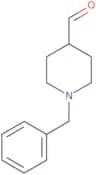
CAS:<p>Please enquire for more information about Bis(ethylamino)-1,3,5-triazin-2-ol hydrochloride including the price, delivery time and more detailed product information at the technical inquiry form on this page</p>Formula:C7H13N5O•HClPurity:Min. 95%Molecular weight:219.67 g/mol1-Benzyl-4-piperidine-carboxaldehyde
CAS:<p>1-Benzyl-4-piperidine-carboxaldehyde is a polymorphic compound with two crystalline forms: the α form and β form. The α form has a molecular weight of 174.2 g/mol and the β form has a molecular weight of 178.3 g/mol. Both forms are soluble in organic solvents but not in water. It is insoluble in hydrochloric acid, n-hexane, and acetonitrile. It is stable at room temperature but unstable at temperatures above 60°C. 1-Benzyl-4-piperidinecarboxaldehyde is an inhibitor of liver function, which may be due to its inhibition of CYP450 enzymes or other unknown mechanisms that lead to haemodynamic effects such as hypotension and tachycardia.</p>Formula:C13H17NOPurity:Min. 95%Color and Shape:Yellow PowderMolecular weight:203.28 g/moltrans-1-Boc-4-amino-piperidine-3-carboxylic acid ethyl ester hydrochloride
CAS:<p>Please enquire for more information about trans-1-Boc-4-amino-piperidine-3-carboxylic acid ethyl ester hydrochloride including the price, delivery time and more detailed product information at the technical inquiry form on this page</p>Formula:C13H24N2O4•HClPurity:Min. 95%Molecular weight:308.8 g/molN-[(2-Bromo-4,5-dimethoxyphenyl)methyl]-N-(2-chloroethyl)morpholine bromide
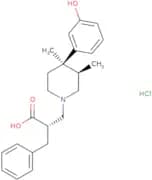
<p>Please enquire for more information about N-[(2-Bromo-4,5-dimethoxyphenyl)methyl]-N-(2-chloroethyl)morpholine bromide including the price, delivery time and more detailed product information at the technical inquiry form on this page</p>Formula:C15H22Br2ClNO3Purity:Min. 95%Molecular weight:459.6 g/mol(3R,4R)-1-((2S)-2-Benzyl-2-carboxyethyl)-4-(3-hydroxyphenyl)-3,4-dimethylpiperidine hydrochloride
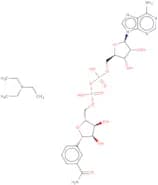
CAS:<p>Please enquire for more information about (3R,4R)-1-((2S)-2-Benzyl-2-carboxyethyl)-4-(3-hydroxyphenyl)-3,4-dimethylpiperidine hydrochloride including the price, delivery time and more detailed product information at the technical inquiry form on this page</p>Formula:C23H29NO3•HClPurity:Min. 95%Molecular weight:403.94 g/molBenzamide adenine dinucleotide triethylamine
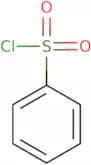
CAS:<p>Please enquire for more information about Benzamide adenine dinucleotide triethylamine including the price, delivery time and more detailed product information at the technical inquiry form on this page</p>Formula:C22H28N6O14P2•C6H15NPurity:Min. 95%Molecular weight:763.63 g/molBenzenesulfonyl chloride
CAS:<p>Benzenesulfonyl chloride is an antimicrobial agent that inhibits the enzyme Cox-2. It has been shown to be a potent anti-cancer compound in laboratory studies and has been found to have anti-inflammatory properties. Benzenesulfonyl chloride may also be effective against metabolic disorders such as obesity, diabetes, and cancer. The mechanism of action is currently unclear, but it has been shown to inhibit the activity of human serum xanthine oxidase, which is involved in oxidation reactions. This inhibition may lead to a decrease in the production of reactive oxygen species (ROS) that are toxic to cells. The reaction between benzenesulfonyl chloride and sulfonyl chloride is as follows: Benzenesulfonyl chloride + Sulfonyl chloride → Benzenesulfonic acid + Chlorosulfonic acid</p>Formula:C6H5ClO2SPurity:Min. 95%Color and Shape:Clear LiquidMolecular weight:176.62 g/mol2-(Bromomethyl)-5-nitrofuran
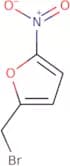
CAS:<p>2-(Bromomethyl)-5-nitrofuran is a hydroxyl-containing molecule that is able to target hypoxic tumor sites. It has been shown to be effective against ges-1 cells, which are the most common cell type in the bone marrow and are resistant to chemotherapy. 2-(Bromomethyl)-5-nitrofuran causes DNA damage by reacting with amines, such as methylamine, and nucleophilic groups, such as thiols. This molecule also has antibacterial properties, which may be due to its ability to react with bacterial cytochrome P450 enzymes. 2-(Bromomethyl)-5-nitrofuran can be synthesized from commercially available starting materials in an economically feasible manner.</p>Formula:C5H4BrNO3Purity:Min. 97 Area-%Color and Shape:White PowderMolecular weight:205.99 g/mol1-Bromo-3-chloropropane
CAS:<p>1-Bromo-3-chloropropane is a chemical that has been used in the synthesis of various organic compounds. It has been shown to exhibit neurotoxicity, as well as to be carcinogenic and mutagenic. The compound can also affect the central nervous system by decreasing locomotor activity. It has also been shown to cause respiratory problems in rats, and may be toxic if inhaled or ingested. 1-Bromo-3-chloropropane exhibits cytotoxic effects on human cells grown in vitro, which may be due to its ability to bind nucleophilic groups on proteins. This reaction is thought to yield an acylated product with a chloride ion at one terminus and a methyl anthranilate at the other terminus.</p>Formula:C3H6BrClPurity:Min. 98 Area-%Color and Shape:Colorless Clear LiquidMolecular weight:157.44 g/molO-Benzyl-L-tyrosine methyl ester hydrochloride
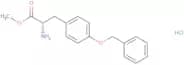
CAS:<p>Please enquire for more information about O-Benzyl-L-tyrosine methyl ester hydrochloride including the price, delivery time and more detailed product information at the technical inquiry form on this page</p>Formula:C17H19NO3·HClPurity:Min. 95%Color and Shape:PowderMolecular weight:321.8 g/molBoc-L-leucine N-hydoxysuccinimide ester
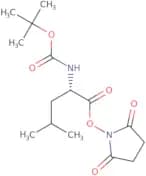
CAS:<p>The Boc-L-leucine N-hydoxysuccinimide ester is a synthetic molecule that is often used as a model for studying the effects of lysine on the activity of glutamic acid. This compound is biodegradable and has been shown to be less toxic than other compounds in its class. The Boc-L-leucine N-hydoxysuccinimide ester has potent inhibitory activity against mammalian cells, which may be due to its ability to inhibit chloride transport across membranes.</p>Formula:C15H24N2O6Purity:Min. 95%Color and Shape:White/Off-White SolidMolecular weight:328.36 g/molBoc-4-(4-fluorophenyl)-piperidine-4-carboxylic acid
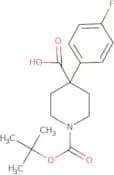
CAS:<p>Please enquire for more information about Boc-4-(4-fluorophenyl)-piperidine-4-carboxylic acid including the price, delivery time and more detailed product information at the technical inquiry form on this page</p>Formula:C17H22FNO4Purity:Min. 95%Molecular weight:323.36 g/molBelleau's Reagent
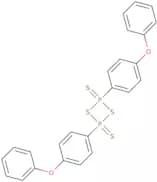
CAS:Belleau's Reagent is a chemical reagent that reacts with the amine group in the adrenergic receptor. It is used to measure the activation of these receptors by measuring the amount of cAMP produced when exposed to an agonist. This chemical can also be used to synthesize pateamine, which is a drug used in cancer treatments. Belleau's Reagent has been shown to react with other compounds such as chloride, forming trifluoroacetyl chloride, and bond cleavage of n-oxide compounds. In addition, this chemical has been shown to have properties that make it suitable for use in nanomaterials and protein synthesis.Formula:C24H18O2P2S4Purity:Min. 95%Molecular weight:528.61 g/molBicyclo[1,1,1]pentane-1-carboxylic acid
CAS:Bicyclo[1,1,1]pentane-1-carboxylic acid is a molecule that belongs to the class of substituted cyclopentane compounds. It has been shown to be sensitive to substituent effects when assessing its reactivity in different solvents. This functional theory can be used for the determination of whether a molecule will react with other molecules. Bicyclo[1,1,1]pentane-1-carboxylic acid has also been used as a probe molecule to study the electron distribution in silicon. The theoretical calculations were based on quantum mechanics and the constant connecting backbones was found by taking into account electronegativity and molecular geometry.Formula:C6H8O2Purity:95%NmrMolecular weight:112.13 g/mol4-Bromo-3,5-dimethylbenzoic acid methyl ester
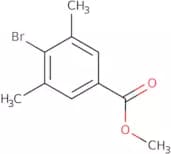
CAS:<p>4-Bromo-3,5-dimethylbenzoic acid methyl ester is a versatile building block that is used in the synthesis of complex compounds. 4-Bromo-3,5-dimethylbenzoic acid methyl ester is an intermediate in the synthesis of speciality chemicals and research chemicals. It is also a useful scaffold for the synthesis of high quality and useful reagents as well as reaction components.</p>Formula:C10H11BrO2Purity:Min. 95%Color and Shape:White PowderMolecular weight:243.1 g/mol(2-Bromoethoxy)-tert-butyldimethylsilane
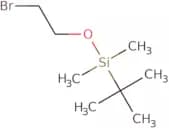
CAS:<p>2-Bromoethoxy-tert-butyldimethylsilane is a conjugate that has been shown to have anticancer efficacy in vivo. It is a pyrimidine derivative and inhibits the viral enzyme RNA polymerase, thereby inhibiting viral replication. 2-Bromoethoxy-tert-butyldimethylsilane also inhibits glyceraldehyde 3-phosphate dehydrogenase, which is an enzyme that catalyzes the conversion of glucose into glyceraldehyde 3-phosphate and plays an important role in glycolysis. The compound has been shown to be active against mouse tumors, which are associated with endogenous retroviruses. The compound has also been shown to inhibit gapdh, an enzyme involved in energy metabolism and cancer therapy.</p>Formula:C8H19BrOSiPurity:Min. 95%Color and Shape:Colorless Clear LiquidMolecular weight:239.23 g/mol1,1-Bis(hydroxymethyl)cyclopropane
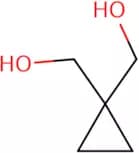
CAS:<p>Disulfonates are a class of compounds that have a sulfonyl group bound to two adjacent carbon atoms. They are typically synthetic and rarely occur in nature. Disulfonates are used as industrial solvents, such as for the manufacture of polyurethane foams and plastics. The most common disulfonate is 1,1-Bis(hydroxymethyl)cyclopropane (HMC). HMC is synthesized from 2-hydroxypropene by the addition of hydrogen chloride, followed by conversion to the imine and then hydrolysis to the final product. In addition to being an industrial solvent, HMC has been shown to be an effective inhibitor of HIV replication. It binds to chemokine receptors on cells, preventing HIV entry into the cell. HMC also inhibits the growth of cancer cells in vitro and exhibits anti-inflammatory properties that may be due to its ability to inhibit prostaglandin synthesis. END></p>Formula:C5H10O2Purity:Min. 95%Molecular weight:102.13 g/mol4-Cyanobenzoic acid
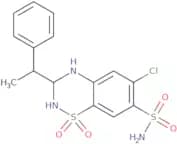
CAS:<p>4-Cyanobenzoic acid (4CB) is a benzene derivative that inhibits the activity of tyrosinase, an enzyme involved in the production of melanin. It is synthesized by reacting 2,4-dichlorobenzoic acid with sodium hydroxide and acetone. 4CB has been shown to have a potent inhibitory effect on the enzyme, with an isolated yield of up to 83%. The compound also shows strong hydrogen bonding interactions with water molecules and coordinates in a geometry where one of its oxygen atoms is double bonded to two nitrogen atoms. This structural analysis suggests that 4 CB may bind to tyrosinase through adsorption mechanism.</p>Formula:C8H5NO2Purity:Min. 95%Color and Shape:White PowderMolecular weight:147.13 g/mol6-Chloro-3,4-dihydro-3-(a-methylbenzyl)-2H-1,2,4-benzothiadiazine-7-sulfonamide 1,1-dioxide
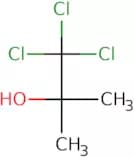
CAS:<p>6-Chloro-3,4-dihydro-3-(a-methylbenzyl)-2H-1,2,4-benzothiadiazine-7-sulfonamide 1,1-dioxide is an active metabolite of the drug benzbromarone. It is primarily administered as a diuretic to treat high blood pressure and congestive heart failure. The pharmacodynamics of this drug are related to its ability to inhibit the activity of sodium channels in vascular smooth muscle cells and thereby reduce the force of contraction and relax the vessel wall. 6CBDMTD has shown an increase in glomerular filtration rate in patients with congestive heart failure. This drug also decreases the plasma concentration of fatty acids by inhibiting the formation of lipoprotein particles. 6CBDMTD has been shown to be effective at lowering diastolic and systolic blood pressure levels in patients with hypertension.</p>Formula:C15H16ClN3O4S2Purity:Min. 95%Molecular weight:401.89 g/molChlorobutanol
CAS:Chlorobutanol is an antimicrobial agent that is used in the preservation of pharmaceuticals, cosmetics, and other products. It has been shown to be effective against a variety of bacterial and fungal organisms. Chlorobutanol is also used as a preservative in topical ophthalmic preparations. In addition, chlorobutanol has been found to be a potent inhibitor of histone deacetylase (HDAC) activity, which may be due to its ability to bind to the active site of HDACs. This binding prevents acetylation of lysine residues on histones, thereby preventing transcriptional activation.Formula:C4H7OCl3Purity:Min. 95%Color and Shape:White To Off-White SolidMolecular weight:177.46 g/mol4-Chloro-2,3-dimethylpyridine N-oxide
CAS:<p>4-Chloro-2,3-dimethylpyridine N-oxide is a chemical compound that belongs to the class of medicines. It is used in the manufacture of hydrogen peroxide, which is an oxidizing agent and a bleaching agent. 4-Chloro-2,3-dimethylpyridine N-oxide has been used as a reagent for organic synthesis and as a catalyst in organic reactions. This compound also has the ability to inhibit proton pumps, which are membrane proteins that pump protons across biological membranes. The presence of sodium impurities can lead to scaling problems because it affects the solubility of 4-chloro-2,3-dimethylpyridine N-oxide. The exothermic reaction with chlorine leads to the formation of chloride, sulfoxide, and chloride ions. These products are more soluble than 4-chloro-2,3-dimethylpyridine N-oxide itself.</p>Formula:C7H8ClNOPurity:Min. 95%Color and Shape:Off-White PowderMolecular weight:157.6 g/mol1-[(4-Chlorophenyl)phenylmethyl]piperazine
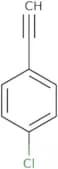
CAS:Controlled Product<p>1-[(4-Chlorophenyl)phenylmethyl]piperazine is an analytical reagent that is used in the determination of meclozine, a drug used for the treatment of nausea and vomiting. 1-[(4-Chlorophenyl)phenylmethyl]piperazine is a nucleophile, which means that it can donate electrons to other molecules. It can be used as a catalyst to increase the rate of chemical reactions. 1-[(4-Chlorophenyl)phenylmethyl]piperazine may also be used in wastewater treatment because it has been shown to have phospholipidosis inhibiting properties. The levorotatory form (1R-enantiomer) of this compound has been shown to inhibit protein synthesis in vitro and is an amine oxidase inhibitor that binds to proteins with nitrogen atoms. This nucleophilic compound may also be converted into an n-oxide or dinucleotide phosphate by hydrochloric acid and</p>Formula:C17H19ClN2Purity:Min. 95%Molecular weight:286.8 g/mol4-Chlorophenylacetylene
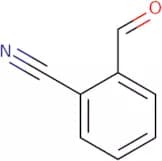
CAS:<p>4-Chlorophenylacetylene is a compound that is created by the reaction of chloroform and acetylene. The reaction yield can be increased by using a catalytic amount of silicon, which increases the rate of hydration. Terminal alkynes react with 4-chlorophenylacetylene to form polymers, which are insoluble in most solvents. 4-Chlorophenylacetylene has been shown to have inhibitory activity against the growth of bacteria and fungi when tested in model species such as Escherichia coli and Saccharomyces cerevisiae.</p>Formula:C8H5ClPurity:Min. 95%Color and Shape:PowderMolecular weight:136.58 g/mol2-Cyanobenzaldehyde
CAS:<p>2-Cyanobenzaldehyde is an aldehyde that reacts with nucleophiles such as trifluoromethanesulfonic acid to form a molecule. 2-Cyanobenzaldehyde has potent inhibitory activity against the kinase glycogen synthase kinase 3 (GSK3) and can be used to treat autoimmune diseases. It also reacts with hydrochloric acid in solution to form an intermediate, which is then reacted with glycine and ATP to produce a chiral compound. The product of this reaction has been shown to be active methylene, which was synthesized by asymmetric synthesis.</p>Formula:C8H5NOPurity:Min. 95%Color and Shape:PowderMolecular weight:131.13 g/molCyclopropanecarboxylic acid chloride
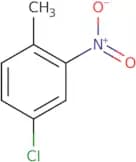
CAS:<p>Cyclopropanecarboxylic acid chloride is an organic compound with a molecular formula of C3H6Cl2O. It belongs to the group of carboxylic acids and has a pyrazole ring, which is a potential drug target. Cyclopropanecarboxylic acid chloride has been found to be active against infectious diseases such as herpes, influenza, and Ebola. The mechanism of action for this compound is not yet fully understood but it has been shown to have an effect on growth factors and kinetic data.</p>Formula:C4H5ClOPurity:Min. 95%Molecular weight:104.53 g/mol4-Chloro-2-nitrotoluene
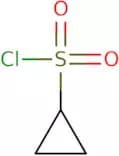
CAS:<p>4-Chloro-2-nitrotoluene is a chemical compound that is a nitro derivative of toluene. It is a white crystalline solid with the formula CHClNO. 4-Chloro-2-nitrotoluene has been shown to have constant boiling point, vibrational frequency and zirconium content at constant pressure. The thermodynamic properties of this compound are also constant, with values for free energy and entropy being -28.5 and 115.5 respectively. The molecule can be described by the functional theory, which states that it contains one nitro group and one monocarboxylic acid group in its molecular structure. 4-Chloro-2-nitrotoluene can be optimised using computational methods such as databases or molecular modeling software where it can be introduced into other molecules to form new compounds.BR>BR> 4-Chloro-2-nitrotoluene (CH</p>Formula:C7H6ClNO2Purity:Min. 95%Molecular weight:171.58 g/molCyclopropanesulfonyl chloride
CAS:<p>Cyclopropanesulfonyl chloride (CPSC) is a bicyclic heterocycle that has been shown to have potent inhibitory activity against the human pathogens hepatitis B virus, dengue virus, and influenza A virus. CPSC inhibits the NS3 protease of these viruses by forming hydrogen bonding interactions with the nucleophilic nitrogen atom of the enzyme and also by competing with a chloride ion for binding to the chlorine atom on the enzyme. It also inhibits HIV-1 infection in cell culture experiments. CPSC has been found to be effective in preventing inflammation caused by cytokines, such as interleukin-1β, tumor necrosis factor-α, and prostaglandin E2. The inhibition of inflammatory cytokines may be due to its ability to bind glucocorticoid receptors.</p>Formula:C3H5ClO2SPurity:Min. 99.0%Color and Shape:Clear LiquidMolecular weight:140.59 g/molCefdinir related compound B
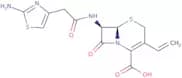
CAS:<p>Please enquire for more information about Cefdinir related compound B including the price, delivery time and more detailed product information at the technical inquiry form on this page</p>Formula:C14H14N4O4S2Purity:Min. 95%Molecular weight:366.42 g/mol1-Cyclopropylpiperazine
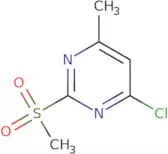
CAS:<p>1-Cyclopropylpiperazine is a nitrogen-containing organic compound that is part of a class of compounds called cyclopropylamines. It has been shown to have neuroprotective effects in animal models of Parkinson's disease and Alzheimer's disease. It also has anti-inflammatory effects and shows promise as an anticancer agent. 1-Cyclopropylpiperazine interacts with phosphatidylinositol-3 kinase (PI3K) and inhibits the formation of fatty acid molecules, which are involved in degenerative diseases and inflammatory diseases, such as cancer.</p>Formula:C7H14N2Purity:Min. 95%Molecular weight:126.2 g/mol4-Chloro-6-methyl-2-(methylsulfonyl)pyrimidine
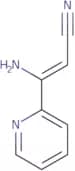
CAS:Versatile small molecule scaffoldFormula:C6H7ClN2O2SPurity:Min. 95%Molecular weight:206.65 g/mol3-Amino-3-(2-pyridinyl)acrylonitrile
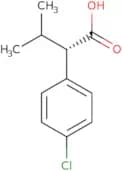
CAS:Versatile small molecule scaffoldFormula:C8H7N3Purity:Min. 95%Molecular weight:145.17 g/mol(S)-2-(4-Chlorophenyl)-3-methylbutanoic acid
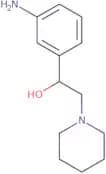
CAS:<p>(S)-2-(4-Chlorophenyl)-3-methylbutanoic acid is a chiral molecule that has been shown to be an inhibitor of isovaleric acid. It can be used as a marker for the amino acid sequence. It has been reported that (S)-2-(4-chlorophenyl)-3-methylbutanoic acid is an endogenous metabolite in humans and its concentration can be measured by enzyme-linked immunosorbent assay, high-performance liquid chromatography, and optical monitoring. This compound has also been studied as a potential therapeutic agent for the treatment of Alzheimer's disease due to its ability to inhibit acetylcholinesterase activity. It can also be conjugated with other molecules to form amide or ester conjugates.</p>Formula:C11H13ClO2Purity:Min. 95%Molecular weight:212.67 g/mol1-(3-Aminophenyl)-2-(piperidin-1-yl)ethan-1-ol
CAS:Versatile small molecule scaffoldFormula:C13H20N2OPurity:Min. 95%Molecular weight:220.31 g/mol6-Methylindolo[1,2-c]quinazolin-12-amine
CAS:6-Methylindolo[1,2-c]quinazolin-12-amine is a heterotetracyclic compound that contains a heterocyclic ring. It has been shown to inhibit the growth of bacteria and fungi, as well as promote apoptosis in cancer cells. 6-Methylindolo[1,2-c]quinazolin-12-amine also exhibits anti-inflammatory properties and can be used for the treatment of inflammatory diseases such as asthma.Formula:C16H13N3Purity:Min. 95%Molecular weight:247.29 g/molCyclooctane-1,5-diol
CAS:<p>Cyclooctane-1,5-diol is a compound that consists of a carbonyl group and a hydroxyl group. It can be synthesized by the dehydrogenation of α-pinene. Cyclooctane-1,5-diol has been shown to have vibrational properties that are similar to those of intramolecular hydrogen. The 13C NMR spectrum displays strong signals at δ=54.7, δ=61.2, and δ=71.8 ppm corresponding to the carbonyl group and hydroxyl groups in the molecule. Cyclooctane-1,5-diol also has an ultraviolet absorption maximum at 265 nm and is a good nucleophile because it contains a reactive proton on its carbonyl group. Cyclooctane-1,5-diol is soluble in water and has chemical reactions with other compounds such as flavin or dinucleotide phosphate.br>br></p>Formula:C8H16O2Purity:Min. 95%Molecular weight:144.21 g/mol4-[(4-Methylphenyl)amino]-2,3-dihydro-1,6-thiophene-1,1-dione
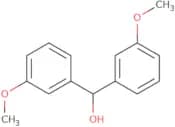
CAS:<p>Versatile small molecule scaffold</p>Formula:C11H13NO2SPurity:Min. 95%Molecular weight:223.29 g/molBis(3-methoxyphenyl)methanol
CAS:<p>Versatile small molecule scaffold</p>Formula:C15H16O3Purity:Min. 95%Molecular weight:244.28 g/mol2-{[(tert-butoxy)carbonyl]amino}-2-(4-methoxyphenyl)acetic acid
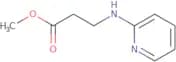
CAS:<p>Versatile small molecule scaffold</p>Formula:C14H19NO5Purity:Min. 95%Molecular weight:281.3 g/molMethyl 3-(pyridin-2-ylamino)propanoate
CAS:<p>Versatile small molecule scaffold</p>Formula:C9H12N2O2Purity:Min. 95%Molecular weight:180.2 g/mol5H,6H,7H,8H-Imidazo[1,2-a]pyridine-3-carboxylic acid
CAS:<p>Versatile small molecule scaffold</p>Formula:C8H10N2O2Purity:Min. 95%Molecular weight:166.18 g/mol[1,2,4]Triazolo[1,5-a]pyrazin-8-amine
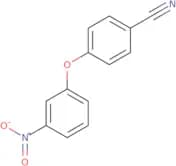
CAS:<p>Versatile small molecule scaffold</p>Formula:C5H5N5Purity:Min. 95%Molecular weight:135.13 g/mol4-(3-Nitrophenoxy)benzonitrile
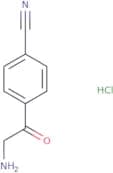
CAS:<p>Versatile small molecule scaffold</p>Formula:C13H8N2O3Purity:Min. 95%Molecular weight:240.21 g/mol4-(2-Aminoacetyl)benzonitrile hydrochloride
CAS:<p>Versatile small molecule scaffold</p>Formula:C9H9ClN2OPurity:Min. 95%Molecular weight:196.63 g/mol2-Methyl-1-phenylbut-3-yn-2-ol
CAS:<p>Versatile small molecule scaffold</p>Formula:C11H12OPurity:Min. 95%Molecular weight:160.21 g/mol5-[4-(Trifluoromethyl)phenyl]furan-2-carbaldehyde
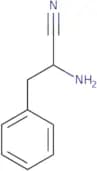
CAS:Versatile small molecule scaffoldFormula:C12H7F3O2Purity:Min. 95%Molecular weight:240.18 g/mol2-Amino-3-phenylpropanenitrile
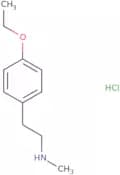
CAS:<p>2-Amino-3-phenylpropanenitrile is an active form of a sulfoxide that has been shown to be effective in the treatment of brain tumors. It is chiral, with two enantiomers, and can be used as a diagnostic tool for the detection of brain tumors. The mechanism of action of 2-amino-3-phenylpropanenitrile is not fully understood, but it has been shown to have therapeutic effects on brain tumors in animal models. The stereoselective properties of this drug make it an attractive candidate for optimization and cancer treatment. Optimization studies have focused on the use of potassium t-butoxide in asymmetric synthesis, which may lead to improved therapeutic efficacy and reduced toxicity.</p>Formula:C9H10N2Purity:Min. 95%Molecular weight:146.19 g/mol2-(4-Ethoxyphenyl)-N-methylethanamine hydrochloride
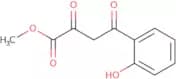
CAS:Controlled Product<p>Versatile small molecule scaffold</p>Formula:C11H18ClNOPurity:Min. 95%Molecular weight:215.72 g/molMethyl 4-(2-hydroxyphenyl)-2,4-dioxobutanoate
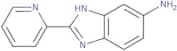
CAS:Methyl 4-(2-hydroxyphenyl)-2,4-dioxobutanoate is an organic compound that belongs to the class of pyrrole derivatives. It is a precursor for the synthesis of a number of pharmaceuticals and other organic compounds. Methyl 4-(2-hydroxyphenyl)-2,4-dioxobutanoate can be prepared by condensation of formaldehyde with 2,4-dihydroxyphenylacetic acid in acidic media. This reaction gives a mixture of methyl 4-(2-hydroxyphenyl)-2,4-dioxobutanoate and methyl 3-(2-hydroxyphenyl)-3,5-dioxopentanoate. The major product can be purified by recrystallization from methanol or ethanol.Formula:C11H10O5Purity:Min. 95%Molecular weight:222.19 g/mol2-(Pyridin-2-yl)-1H-1,3-benzodiazol-5-amine
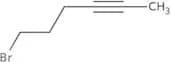
CAS:<p>Versatile small molecule scaffold</p>Formula:C12H10N4Purity:Min. 95%Molecular weight:210.23 g/mol6-Bromohex-2-yne
CAS:<p>Versatile small molecule scaffold</p>Formula:C6H9BrPurity:Min. 95%Molecular weight:161.04 g/mol
![3-(Hydroxymethyl)benzo[b]thiophene](/_next/image/?url=https%3A%2Fstatic.cymitquimica.com%2Fproducts%2F3D%2Fthumb-webp%2FFAA38124.webp&w=3840&q=75)

![Tricyclo[7.2.1.0,2,7]dodeca-2,4,6-trien-8-one](/_next/image/?url=https%3A%2Fstatic.cymitquimica.com%2Fproducts%2F3D%2Fthumb-webp%2FFAA38719.webp&w=3840&q=75)
![7-Chloro-3-methyl-1H-pyrazolo[4,3-d]pyrimidine](/_next/image/?url=https%3A%2Fstatic.cymitquimica.com%2Fproducts%2F3D%2Fthumb-webp%2FFAA39995.webp&w=3840&q=75)







![N-[(2-Bromo-4,5-dimethoxyphenyl)methyl]-N-(2-chloroethyl)morpholine bromide](/_next/image/?url=https%3A%2Fstatic.cymitquimica.com%2Fproducts%2F3D%2Fthumb-webp%2FFB183793.webp&w=3840&q=75)

![Bicyclo[1,1,1]pentane-1-carboxylic acid](/_next/image/?url=https%3A%2Fstatic.cymitquimica.com%2Fproducts%2F3D%2Fthumb-webp%2FFB61597.webp&w=3840&q=75)


![1-[(4-Chlorophenyl)phenylmethyl]piperazine](/_next/image/?url=https%3A%2Fstatic.cymitquimica.com%2Fproducts%2F3D%2Fthumb-webp%2FFC20350.webp&w=3840&q=75)


![6-Methylindolo[1,2-c]quinazolin-12-amine](/_next/image/?url=https%3A%2Fstatic.cymitquimica.com%2Fproducts%2F3D%2Fthumb-webp%2FFCA33812.webp&w=3840&q=75)

![4-[(4-Methylphenyl)amino]-2,3-dihydro-1,6-thiophene-1,1-dione](/_next/image/?url=https%3A%2Fstatic.cymitquimica.com%2Fproducts%2F3D%2Fthumb-webp%2FFCA35770.webp&w=3840&q=75)
![2-{[(tert-butoxy)carbonyl]amino}-2-(4-methoxyphenyl)acetic acid](/_next/image/?url=https%3A%2Fstatic.cymitquimica.com%2Fproducts%2F3D%2Fthumb-webp%2FFCA36276.webp&w=3840&q=75)
![5H,6H,7H,8H-Imidazo[1,2-a]pyridine-3-carboxylic acid](/_next/image/?url=https%3A%2Fstatic.cymitquimica.com%2Fproducts%2F3D%2Fthumb-webp%2FFCA36504.webp&w=3840&q=75)
![[1,2,4]Triazolo[1,5-a]pyrazin-8-amine](/_next/image/?url=https%3A%2Fstatic.cymitquimica.com%2Fproducts%2F3D%2Fthumb-webp%2FFCA36618.webp&w=3840&q=75)

![5-[4-(Trifluoromethyl)phenyl]furan-2-carbaldehyde](/_next/image/?url=https%3A%2Fstatic.cymitquimica.com%2Fproducts%2F3D%2Fthumb-webp%2FFCA37777.webp&w=3840&q=75)