


Building Blocks
This section contains fundamental products for the synthesis of organic and biological compounds. Building blocks are the essential starting materials used to construct complex molecules through various chemical reactions. They play a critical role in drug discovery, material science, and chemical research. At CymitQuimica, we offer a diverse range of high-quality building blocks to support your innovative research and industrial projects, ensuring you have the essential components for successful synthesis.
Subcategories of "Building Blocks"
- Boronic Acids & Boronic Acid Derivatives(5,756 products)
- Chiral Building Blocks(1,242 products)
- Hydrocarbon Building Blocks(6,095 products)
- Organic Building Blocks(61,051 products)
Found 199813 products of "Building Blocks"
Sort by
Purity (%)
0
100
|
0
|
50
|
90
|
95
|
100
3-Bromo-5-methyl-1H-pyrazolo[3,4-b]pyridine
CAS:<p>Versatile small molecule scaffold</p>Formula:C7H6BrN3Purity:Min. 95%Molecular weight:212.05 g/molMethyl 1-boc-3-hydroxyazetidine-3-carboxylate
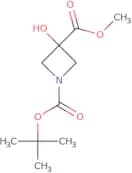
CAS:<p>Versatile small molecule scaffold</p>Formula:C10H17NO5Purity:Min. 95%Molecular weight:231.25 g/moltert-Butyl 3-(2-chloropyrimidin-4-yl)azetidine-1-carboxylate
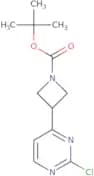
CAS:<p>Versatile small molecule scaffold</p>Formula:C12H16ClN3O2Purity:Min. 95%Molecular weight:269.73 g/molMethyl 3-Hydroxyazetidine-3-carboxylate Hydrochloride
CAS:<p>Versatile small molecule scaffold</p>Formula:C5H10ClNO3Purity:Min. 95%Molecular weight:167.59 g/mol3-(1-Methylcyclopropyl)-1H-pyrazol-5-amine
CAS:<p>Versatile small molecule scaffold</p>Formula:C7H11N3Purity:Min. 95%Molecular weight:137.18 g/molNI 42
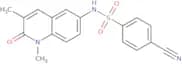
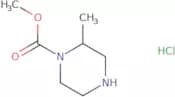
CAS:<p>NI 42 is a strain of bacteria that was first isolated from carbon nanotubes. It has been shown to be resistant to organic solvents and oxidation. This strain is also able to transport molecules through its nanotube-like structures. The transport properties of NI 42 are dependent on the nanotube length, diameter, and shape of the tube. These properties can be changed by changing the chemical composition of the tube surface. In addition, NI 42 has been shown to have high thermal expansion coefficient, which may make it suitable for use in industrial chemicals applications such as insulation and coatings.</p>Formula:C18H15N3O3SPurity:Min. 95%Molecular weight:353.39 g/molMethyl (2S)-2-methylpiperazine-1-carboxylate hydrochloride
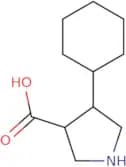
CAS:<p>Versatile small molecule scaffold</p>Formula:C7H15ClN2O2Purity:Min. 95%Molecular weight:194.66 g/molrac-(3R,4R)-4-Cyclohexylpyrrolidine-3-carboxylic acid
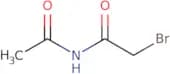
CAS:<p>Versatile small molecule scaffold</p>Formula:C11H19NO2Purity:Min. 95%Molecular weight:197.3 g/molN-(2-Bromoacetyl)acetamide
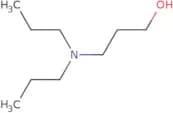
CAS:<p>Versatile small molecule scaffold</p>Formula:C4H6BrNO2Purity:Min. 95%Molecular weight:180 g/mol3-(Dipropylamino)propan-1-ol
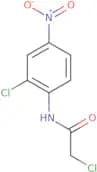
CAS:<p>Versatile small molecule scaffold</p>Formula:C9H21NOPurity:Min. 95%Molecular weight:159.27 g/mol2-Chloro-N-(2-chloro-4-nitrophenyl)acetamide
CAS:Versatile small molecule scaffoldFormula:C8H6Cl2N2O3Purity:Min. 95%Molecular weight:249.05 g/mol4-Methyl-5-(methylsulfanyl)-1,3-thiazol-2-amine
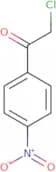
CAS:<p>Versatile small molecule scaffold</p>Formula:C5H8N2S2Purity:Min. 95%Molecular weight:160.3 g/mol2-Chloro-1-(4-nitrophenyl)ethan-1-one
CAS:<p>2-Chloro-1-(4-nitrophenyl)ethan-1-one is a precursor to the phosphonate herbicide, 2,2-dichloroethyl dimethyl phosphate. This compound reacts with halogenated compounds to produce various reaction products. It has been detected in rainwater samples as an intermediate in the production of hydrogen chloride and chloride gas.</p>Formula:C8H6ClNO3Purity:Min. 95%Molecular weight:199.59 g/mol3-(Ethylsulfonyl)prop-1-ene
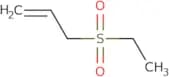
CAS:<p>3-(Ethylsulfonyl)prop-1-ene is a fluorinated organic compound that is used for the synthesis of phosphazenes. It has been found to be an excellent source of fluorine, which is often hard to isolate due to its reactivity. The molecule has two functional groups: one allyl group and one radical chain, which can be used in different ways. 3-(Ethylsulfonyl)prop-1-ene has a particle diameter of 200 nm and an average particle size of 145 nm, with a lamellar structure. It is soluble in organic solvents and reacts with lithium metal to form lithium ion complexes.</p>Formula:C5H10O2SPurity:Min. 95%Molecular weight:134.2 g/mol1-(5-tert-Butyl-1,3,4-thiadiazol-2-yl)-1-ethyl-3-methylurea
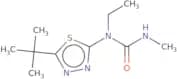
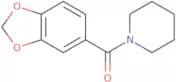
CAS:<p>Versatile small molecule scaffold</p>Formula:C10H18N4OSPurity:Min. 95%Molecular weight:242.3 g/mol1-BCP
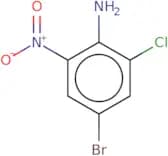
CAS:<p>1-BCP is an inorganic compound of formula BF4. It has been shown to have potentiation effects on glutamate induced excitotoxicity in hippocampal neurons and also enhances the activity of aniracetam, a nootropic drug. 1-BCP is effective at nanomolar concentrations and may be a potential treatment for neuronal disorders.</p>Formula:C13H15NO3Purity:Min. 95%Molecular weight:233.26 g/mol4-bromo-2-chloro-6-nitroaniline
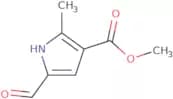
CAS:<p>Versatile small molecule scaffold</p>Formula:C6H4BrClN2O2Purity:Min. 95%Molecular weight:251.5 g/molMethyl 5-formyl-2-methyl-1H-pyrrole-3-carboxylate
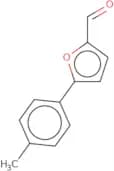
CAS:<p>Versatile small molecule scaffold</p>Formula:C8H9NO3Purity:Min. 95%Molecular weight:167.16 g/mol5- p -Tolyl-furan-2-carbaldehyde
CAS:<p>Versatile small molecule scaffold</p>Formula:C12H10O2Purity:Min. 95%Molecular weight:186.21 g/mol5H,6H,7H-Imidazo[2,1-b][1,3]thiazin-6-ol
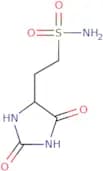
CAS:<p>Versatile small molecule scaffold</p>Formula:C6H8N2OSPurity:Min. 95%Molecular weight:156.21 g/mol2-(2,5-Dioxoimidazolidin-4-yl)ethane-1-sulfonamide
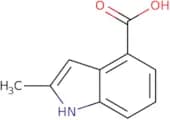
CAS:<p>2-(2,5-Dioxoimidazolidin-4-yl)ethane-1-sulfonamide is a crystalline solid that belongs to the class of imidazolidinediones. It has the chemical formula CHNOS and a molecular weight of 244.25 g/mol. The imidazolidinedione ring system is planar with an intramolecular hydrogen bonding pattern. This compound can be used as a precursor for the synthesis of homocysteine, which is involved in methionine metabolism. 2-(2,5-Dioxoimidazolidin-4-yl)ethane-1-sulfonamide has been shown to have antiinflammatory properties and can be used to treat conditions such as gout and hypercholesterolemia.</p>Formula:C5H9N3O4SPurity:Min. 95%Molecular weight:207.21 g/mol2-Methyl-1H-indole-4-carboxylic acid
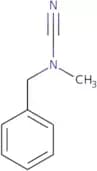
CAS:<p>2-Methyl-1H-indole-4-carboxylic acid (2MICA) is a cyclic compound that is used in the synthesis of other compounds. It is obtained by reacting 2,3-dibromo-nitrobenzoic acid with sodium ethoxide in an alkaline solution. The yield of 2MICA can be increased by using catalytic acid anhydrides such as dimethyl sulphoxide or lactam. In the presence of reductive agents, 2MICA can be synthesized from the corresponding lactam or cyclised carboxylic acid.<br>2MICA reacts with sodium ethoxide to form a lactam and reduces 2-bromo-3-nitrobenzoic acid to yield 2MICA.</p>Formula:C10H9NO2Purity:Min. 95%Molecular weight:175 g/molBenzyl(cyano)methylamine
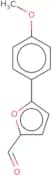
CAS:<p>Benzyl (cyano)methylamine is an anti-hypertensive agent that belongs to the group of propionyl chloride. It is a benzene derivative with a methyl group attached to one of the rings. Benzyl (cyano)methylamine can be used as an intermediate in the synthesis of other compounds, such as cyclohexanone, phenoxyacetic acid, and acetophenone.</p>Formula:C9H10N2Purity:Min. 95%Molecular weight:146.19 g/mol5-(4-Methoxy-phenyl)-furan-2-carbaldehyde
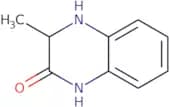
CAS:<p>Versatile small molecule scaffold</p>Formula:C12H10O3Purity:Min. 95%Molecular weight:202.21 g/mol3-Methyl-3,4-dihydro-1H-quinoxalin-2-one
CAS:<p>3-Methyl-3,4-dihydro-1H-quinoxalin-2-one is a substrate for tyramine and homovanillic acid oxidases. It is used as a fluorogenic substrate for horseradish peroxidase. The fluorescence of 3-methyl-3,4-dihydro-1H-quinoxalin-2-one changes in response to the activity of the enzyme. This makes it possible to measure the enzyme activity of tyramine or homovanillic acid oxidases by measuring the intensity of the fluorescence. The stability of 3 methyl -3,4 dihydro -1H quinoxalin -2 one has been shown when it was incubated with horseradish peroxidase at 37 degrees Celsius for 20 hours.</p>Formula:C9H10N2OPurity:Min. 95%Molecular weight:162.19 g/mol6-Methylpyridine-3-sulfonamide
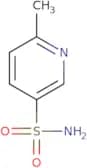
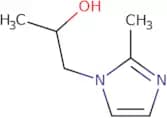
CAS:<p>Versatile small molecule scaffold</p>Formula:C6H8N2O2SPurity:Min. 95%Molecular weight:172.21 g/mol1-(2-Methyl-1H-imidazol-1-yl)propan-2-ol
CAS:<p>Versatile small molecule scaffold</p>Formula:C7H12N2OPurity:Min. 95%Molecular weight:140.18 g/mol{[(1H-1,3-Benzodiazol-2-yl)methyl]sulfanyl}carbonitrile
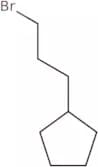
CAS:<p>Versatile small molecule scaffold</p>Formula:C9H7N3SPurity:Min. 95%Molecular weight:189.24 g/mol(3-Bromopropyl)cyclopentane
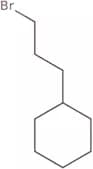
CAS:<p>Versatile small molecule scaffold</p>Formula:C8H15BrPurity:Min. 95%Molecular weight:191.11 g/mol3-Cyclohexylpropyl bromide
CAS:<p>3-Cyclohexylpropyl bromide is a chemical reagent that is used as an intermediate in the synthesis of various drugs. It yields a mixture of products with different structures and properties, including dopamine, aldehydes, and phthalic acid. 3-Cyclohexylpropyl bromide has been shown to have a combination effect on the spontaneous locomotor activity of rats treated with dopamine. This may be due to its ability to inhibit metallo-β-lactamase, an enzyme that inactivates antibiotics such as carbapenems.</p>Formula:C9H17BrPurity:Min. 95%Molecular weight:205.14 g/mol7-Oxo-4H,7H-[1,2,4]triazolo[1,5-a]pyrimidine-5-carboxylic acid
CAS:<p>Versatile small molecule scaffold</p>Formula:C6H4N4O3Purity:Min. 95%Molecular weight:180.12 g/mol7-Phenyl-4H,5H-[1,2,4]triazolo[1,5-a]pyrimidin-5-one
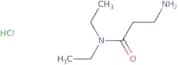
CAS:Versatile small molecule scaffoldFormula:C11H8N4OPurity:Min. 95%Molecular weight:212.21 g/mol3-Amino-N,N-diethyl-propionamide hydrochloride
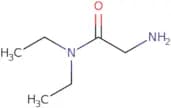
CAS:<p>Versatile small molecule scaffold</p>Formula:C7H17ClN2OPurity:Min. 95%Molecular weight:180.68 g/mol2-Amino-N,N-diethylacetamide
CAS:<p>2-Amino-N,N-diethylacetamide is a hydrolysing agent that is used in pest control. It has been shown to be effective against Triatoma infestans and Tunga penetrans, which are vectors for Chagas disease. 2-Amino-N,N-diethylacetamide hydrolyses proteins by cleaving the peptide bond in tripeptides. The ester hydrochloride form of this compound has also been shown to be an effective insecticide against mosquitoes. This pesticide can be formulated with other active ingredients such as nitrous oxide or isobutyl chloroformate for increased efficacy.</p>Formula:C6H14N2OPurity:Min. 95%Molecular weight:130.19 g/molMethyl 2-cyclopropylacetate
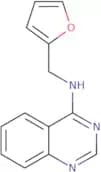
CAS:<p>Methyl 2-cyclopropylacetate is a heterocyclic compound that has anticancer activity. It inhibits the production of inflammatory cytokines, such as IL-8, in mice with colitis. Methyl 2-cyclopropylacetate also has been shown to inhibit the binding of noradrenaline to its receptor in cell cultures and animals with bowel disease. This drug binds to 5-ht1a receptors and inhibits reuptake of serotonin. Methyl 2-cyclopropylacetate is metabolized by CYP2D6 and CYP3A4 enzymes, making it an inhibitor for these two enzymes. The methyl group can be substituted with ethyl formate or an alkynyl group, which are less reactive than nitro groups when exposed to nucleophiles.</p>Formula:C6H10O2Purity:Min. 95%Molecular weight:114.14 g/molN-(Furan-2-ylmethyl)quinazolin-4-amine
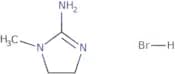
CAS:<p>Versatile small molecule scaffold</p>Formula:C13H11N3OPurity:Min. 95%Molecular weight:225.25 g/mol1-Methyl-4,5-dihydro-1H-imidazol-2-amine hydrobromide
CAS:<p>Versatile small molecule scaffold</p>Formula:C4H10BrN3Purity:Min. 95%Molecular weight:180.05 g/mol1-[2-(Piperazin-1-yl)ethyl]-1,2-dihydropyridin-2-one dihydrochloride
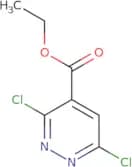
CAS:Versatile small molecule scaffoldFormula:C11H19Cl2N3OPurity:Min. 95%Molecular weight:280.19 g/molEthyl 3,6-dichloropyridazine-4-carboxylate
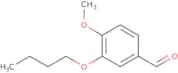
CAS:<p>Versatile small molecule scaffold</p>Formula:C7H6Cl2N2O2Purity:Min. 95%Molecular weight:221.04 g/mol3-Butoxy-4-methoxybenzaldehyde
CAS:<p>Versatile small molecule scaffold</p>Formula:C12H16O3Purity:Min. 95%Molecular weight:208.25 g/mol1-{Tricyclo[2.2.1.0,2,6]heptan-3-yl}ethan-1-one
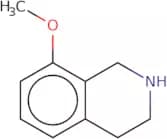
CAS:<p>Versatile small molecule scaffold</p>Formula:C9H12OPurity:Min. 95%Molecular weight:136.2 g/mol8-Methoxy-1,2,3,4-tetrahydroisoquinoline
CAS:<p>8-Methoxy-1,2,3,4-tetrahydroisoquinoline is a heterocyclic compound that can be synthesized from 1,2,3,4-tetrahydroisoquinoline by catalyzed cyclization with butyllithium. This reaction is known as an ortho-lithiation. The scifinder search of this compound shows that it has the following substituents: a chlorine atom and two methoxy groups on the phenyl group.</p>Formula:C10H13NOPurity:Min. 95%Molecular weight:163.22 g/mol4-Methyl-cyclohexanemethanamine
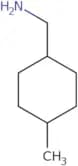
CAS:<p>Versatile small molecule scaffold</p>Formula:C8H17NPurity:Min. 95%Molecular weight:127.23 g/mol4-Bromobenzaldehyde oxime
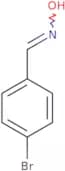
CAS:<p>4-Bromobenzaldehyde oxime is an antibacterial agent that binds to the surface of gram-positive pathogens and inhibits their growth. It has been shown to inhibit the biosynthesis of bacterial cell walls, which may be due to its ability to form a covalent bond with serum albumin. This functional group is also responsible for the antiinflammatory activity 4-Bromobenzaldehyde oxime displays. The carbonyl group on this molecule reacts with abscisic acid (ABA) in a dehydration reaction, producing a chloride and an oxazolidinone.</p>Formula:C7H6BrNOPurity:Min. 95%Molecular weight:200.03 g/mol2-Chloro-N-[2-(2-methoxyphenyl)ethyl]acetamide
CAS:<p>Versatile small molecule scaffold</p>Formula:C11H14ClNO2Purity:Min. 95%Molecular weight:227.69 g/mol2-Chloro-N-[2-(2,3-dichlorophenyl)ethyl]acetamide
CAS:<p>Versatile small molecule scaffold</p>Formula:C10H10Cl3NOPurity:Min. 95%Molecular weight:266.5 g/mol2-Chloro-N-[2-(4-methoxyphenyl)ethyl]propanamide
CAS:<p>Versatile small molecule scaffold</p>Formula:C12H16ClNO2Purity:Min. 95%Molecular weight:241.71 g/mol(2-Imidazo[1,2-a]pyridin-3-ylethyl)amine dihydrochloride
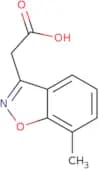
CAS:Versatile small molecule scaffoldFormula:C9H13Cl2N3Purity:Min. 95%Molecular weight:234.12 g/mol2-(7-Methyl-1,2-benzoxazol-3-yl)acetic acid
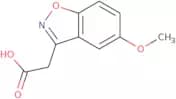
CAS:<p>Versatile small molecule scaffold</p>Formula:C10H9NO3Purity:Min. 95%Molecular weight:191.18 g/mol2-(5-Methoxy-1,2-benzoxazol-3-yl)acetic acid
CAS:<p>Versatile small molecule scaffold</p>Formula:C10H9NO4Purity:Min. 95%Molecular weight:207.18 g/mol2-(5-Hydroxybenzo[D]isoxazol-3-yl)acetic Acid
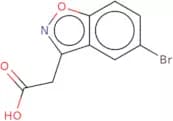
CAS:<p>Versatile small molecule scaffold</p>Formula:C9H7NO4Purity:Min. 95%Molecular weight:193.15 g/mol2-(5-bromo-1,2-benzoxazol-3-yl)acetic acid
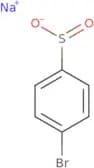
CAS:Versatile small molecule scaffoldFormula:C9H6BrNO3Purity:Min. 95%Molecular weight:256.1 g/molSodium 4-bromobenzene-1-sulfinate
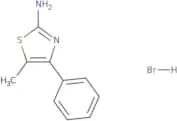
CAS:<p>Versatile small molecule scaffold</p>Formula:C6H4BrNaO2SPurity:Min. 95%Molecular weight:243.06 g/mol5-Methyl-4-phenyl-1,3-thiazol-2-amine hydrobromide
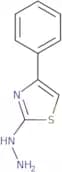
CAS:<p>Versatile small molecule scaffold</p>Formula:C10H10N2S·HBrPurity:Min. 95%Molecular weight:271.18 g/mol2-Hydrazino-4-phenylthiazole
CAS:<p>2-Hydrazino-4-phenylthiazole is a synthetic molecule with an enhancement effect on thiosemicarbazide. It binds to the target enzyme, the mitochondrial membrane potential, and inhibits the transport of electrons through the electron transport chain. This leads to an increase in reactive oxygen species (ROS) and disruption of cellular function. 2-Hydrazino-4-phenylthiazole has been shown to have anti fungal properties against strains of Candida albicans and Aspergillus niger. It also inhibits the growth of Escherichia coli and Bacillus subtilis. 2-Hydrazino-4-phenylthiazole can be used as a fungicide in industrial chemicals or as a preservative for acidic foods such as pickles or sauerkraut.</p>Formula:C9H9N3SPurity:Min. 95%Molecular weight:191.25 g/molSpiro[4.4]nonan-2-one
CAS:<p>Versatile small molecule scaffold</p>Formula:C9H14OPurity:Min. 95%Molecular weight:138.21 g/mol2-Ethoxy-4-[(hydroxyimino)methyl]phenol
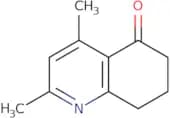
CAS:<p>Oxysporum f. is a fungus that can cause both bacterial and fungal infections in humans, animals, and plants. The 2-Ethoxy-4-[(hydroxyimino)methyl]phenol (2-EtO-4-[(HIM))] is an oxime derivative that has been shown to be an effective antibacterial agent against Oxysporum f. It has also shown antifungal activity against cercospora in vitro. The compound was synthesized by reacting chloroacetyl chloride with 4-[(hydroxyimino)methyl]-2-methoxyphenol in the presence of triethylamine. The 2-EtO-4-[(HIM))] isomers are separated by column chromatography and their elemental analysis is performed by mass spectrometry.<br>2-Ethoxy-4-[(hydroxyimino)methyl]phenol exhibits antibacterial activity against oxysporum f</p>Formula:C9H11NO3Purity:Min. 95%Molecular weight:181.19 g/mol2,4-Dimethyl-5,6,7,8-tetrahydroquinolin-5-one
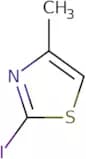
CAS:<p>Versatile small molecule scaffold</p>Formula:C11H13NOPurity:Min. 95%Molecular weight:175.23 g/mol2-Iodo-4-methylthiazole
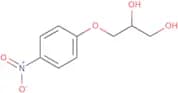
CAS:<p>2-Iodo-4-methylthiazole is a chemical that is found in the human body. It is a subtype of glutamate, which is an amino acid that acts as a neurotransmitter. The ethynyl group on 2-Iodo-4-methylthiazole makes it a metabotropic antagonist. This chemical has been shown to have therapeutic potential for the treatment of nervous system disorders, such as epilepsy and Parkinson's disease. Although 2-Iodo-4-methylthiazole does not bind to the glutamate receptor, it blocks its activation by antagonists, such as ibotenic acid and kainic acid. This inhibition prevents excessive stimulation of the nervous system.</p>Formula:C4H4INSPurity:Min. 95%Molecular weight:225.05 g/mol3-(4-Nitrophenoxy)propane-1,2-diol
CAS:<p>3-(4-Nitrophenoxy)propane-1,2-diol (3NPPD) is a nitrophenol that inhibits the growth of bacteria. 3NPPD has been shown to be an effective antimicrobial agent against Pseudomonas aeruginosa and other pathogenic bacteria. This compound binds to the cellular target at physiological concentrations, thereby inhibiting their growth rate. 3NPPD inhibits the synthesis of proteins by binding to the ribosomes in the bacterial cell wall. It also inhibits protein synthesis in eukaryotic cells by binding to ribosomes in rat liver microsomes and may cause damage to DNA. 3NPPD has been shown to inhibit the virulence factor production of P. aeruginosa.</p>Formula:C9H11NO5Purity:Min. 95%Molecular weight:213.19 g/mol1-Methyl-2-piperidin-1-yl-ethylamine
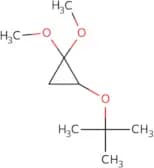
CAS:<p>Versatile small molecule scaffold</p>Formula:C8H18N2Purity:Min. 95%Molecular weight:142.24 g/mol2-(tert-Butoxy)-1,1-dimethoxycyclopropane
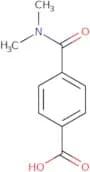
CAS:<p>Versatile small molecule scaffold</p>Formula:C9H18O3Purity:Min. 95%Molecular weight:174.2 g/mol4-(Dimethylcarbamoyl)benzoic acid
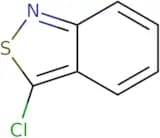
CAS:<p>Versatile small molecule scaffold</p>Formula:C10H11NO3Purity:Min. 95%Molecular weight:193.2 g/mol3-Chloro-2,1-benzothiazole
CAS:<p>3-Chloro-2,1-benzothiazole is an anti-inflammatory drug that has been shown to inhibit the cyclization of arachidonic acid to prostaglandin G2. This drug is a thiobenzamide and is structurally related to other drugs with anti-inflammatory properties. 3-Chloro-2,1-benzothiazole has been shown to reduce inflammation by inhibiting the production of prostaglandins and leukotrienes. It also inhibits amine oxidase, which breaks down amines such as histamine and serotonin.</p>Formula:C7H4ClNSPurity:Min. 95%Molecular weight:169.63 g/mol2-[(3-Methylbutyl)amino]ethan-1-ol
CAS:<p>Versatile small molecule scaffold</p>Formula:C7H17NOPurity:Min. 95%Molecular weight:131.22 g/mol5-p-Tolyloxymethyl-3H-[1,3,4]oxadiazole-2-thione
CAS:<p>Versatile small molecule scaffold</p>Formula:C10H10N2O2SPurity:Min. 95%Molecular weight:222.27 g/molN-(2,2-Dichloroethenyl)acetamide
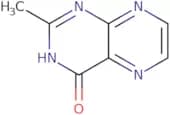
CAS:<p>Versatile small molecule scaffold</p>Formula:C4H5Cl2NOPurity:Min. 95%Molecular weight:153.99 g/mol2-Methylpteridin-4-ol
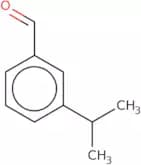
CAS:<p>2-Methylpteridin-4-ol is a molecule that belongs to the group of bifunctional molecules. It is a component of the mitochondrial respiratory chain and has been shown to inhibit radiation-induced DNA damage in human cells. 2-Methylpteridin-4-ol has also been shown to have anti-cancer activity, but it does not cause any cytotoxic effects on normal cells. 2-Methylpteridin-4-ol is synthesized from glycinamide ribonucleotide (GAR) and pteridine in vivo and has been shown to inhibit glucose uptake in vitro. This compound binds to the active site of ATP synthase, inhibiting its function and leading to cell death.</p>Formula:C7H6N4OPurity:Min. 95%Molecular weight:162.15 g/mol3-Isopropylbenzaldehyde
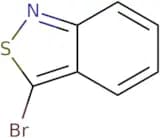
CAS:<p>3-Isopropylbenzaldehyde is a flavonoid that has been shown to possess anti-inflammatory properties. It binds to the P38 and JNK pathways, which are associated with inflammation, in an animal model and inhibits the production of prostaglandin E2 by inhibiting the enzyme cyclooxygenase 2. 3-Isopropylbenzaldehyde also has been shown to inhibit fatty acid biosynthesis, which may be a strategy for treating obesity.</p>Formula:C10H12OPurity:Min. 95%Molecular weight:148.2 g/mol3-Bromo-2,1-benzothiazole
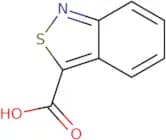
CAS:<p>Versatile small molecule scaffold</p>Formula:C7H4BrNSPurity:Min. 95%Molecular weight:214.08 g/mol2,1-Benzothiazole-3-carboxylic acid
CAS:<p>2,1-Benzothiazole-3-carboxylic acid is a chlorinated compound with a methyl group. It is a hydrolysis product of DDT and exhibits functional and chemical properties similar to those of thionyl chloride. 2,1-Benzothiazole-3-carboxylic acid has been shown to be highly toxic to rats and rabbits, but not to mice.</p>Formula:C8H5NO2SPurity:Min. 95%Molecular weight:179.2 g/molPropane-2-sulfinyl chloride
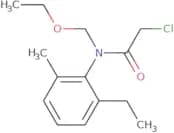
CAS:<p>Versatile small molecule scaffold</p>Formula:C3H7ClOSPurity:Min. 95%Molecular weight:126.61 g/molAcetochlor
CAS:<p>Acetochlor is a herbicide that belongs to the class of chloroacetanilides. It has been shown to inhibit the activity of enzymes such as polyphenol oxidase and peroxidase in plants. Acetochlor also inhibits microbial growth, but its mechanism of action is not known. The compound has been shown to be toxic to aquatic organisms and may have significant cytotoxicity in mammalian cell cultures. Acetochlor has been found to be an effective disinfectant for wastewater treatment and has been used in polymerase chain reactions (PCR). Acetochlor is also used as a herbicide for control of weeds and grasses.</p>Formula:C14H20ClNO2Purity:Min. 95%Molecular weight:269.77 g/mol2,3-Dihydro-1,4λ⁶-benzoxathiine-4,4-dione
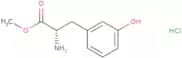
CAS:Versatile small molecule scaffoldFormula:C8H8O3SPurity:Min. 95%Molecular weight:184.2 g/mol(S)-methyl 2-amino-3-(3-hydroxyphenyl)propanoate hydrochloride
CAS:Versatile small molecule scaffoldFormula:C10H14ClNO3Purity:Min. 95%Molecular weight:231.68 g/molrac-(4aR,9aR)-4a-Methyl-2,3,4,4a,9,9a-hexahydro-1H-carbazole
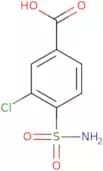
CAS:<p>Versatile small molecule scaffold</p>Formula:C13H17NPurity:Min. 95%Molecular weight:187.3 g/mol3-Chloro-4-sulfamoylbenzoic acid
CAS:<p>Versatile small molecule scaffold</p>Formula:C7H6ClNO4SPurity:Min. 95%Molecular weight:235.65 g/mol3-Ethoxy-1,2-benzothiazole
CAS:<p>Versatile small molecule scaffold</p>Formula:C9H9NOSPurity:Min. 95%Molecular weight:179.24 g/mol1-[4-(2-Propynyloxy)phenyl]-1-ethanone
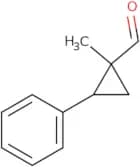
CAS:<p>1-[4-(2-Propynyloxy)phenyl]-1-ethanone is a quinine derivative with a bathochromic shift. It has been shown to undergo cycloadditions, photophysical, and supramolecular reactions in the presence of other molecules. 1-[4-(2-Propynyloxy)phenyl]-1-ethanone shows luminescent properties under optical microscopy and shifts from red to blue when it is irradiated. The compound can also be used as an optical probe for studying the mechanism of drug release in vitro.</p>Formula:C11H10O2Purity:Min. 95%Molecular weight:174.2 g/molrac-(1R,2S)-1-Methyl-2-phenylcyclopropane-1-carbaldehyde
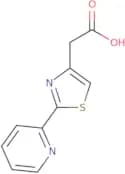
CAS:<p>Versatile small molecule scaffold</p>Formula:C11H12OPurity:Min. 95%Molecular weight:160.21 g/mol(2-Pyridin-2-yl-thiazol-4-yl)-acetic acid
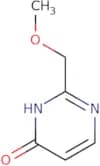
CAS:<p>Versatile small molecule scaffold</p>Formula:C10H8N2O2SPurity:Min. 95%Molecular weight:220.25 g/mol2-(Methoxymethyl)-1,4-dihydropyrimidin-4-one
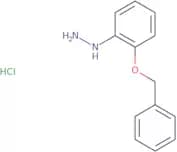
CAS:Versatile small molecule scaffoldFormula:C6H8N2O2Purity:Min. 95%Molecular weight:140.14 g/mol(2-Benzyloxy-phenyl)-hydrazine Hydrochloride
CAS:Versatile small molecule scaffoldFormula:C13H15ClN2OPurity:Min. 95%Molecular weight:250.72 g/molN-[2-(Benzyloxy)phenyl]acetamide
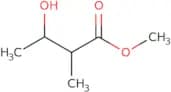
CAS:<p>Versatile small molecule scaffold</p>Formula:C15H15NO2Purity:Min. 95%Molecular weight:241.28 g/molMethyl 3-hydroxy-2-methylbutanoate
CAS:<p>Methyl 3-hydroxy-2-methylbutanoate is a chiral compound that can be found in wine. The enantiomers of this compound can be distinguished using a variety of analytical methods. These include chromatographic methods, such as the use of postharvest and solid phase microextraction to separate isomers, as well as spectrometric and mass spectrometric analysis. Methyl 3-hydroxy-2-methylbutanoate has been detected in wines by these methods and is believed to contribute to wine flavor.</p>Formula:C6H12O3Purity:Min. 95%Color and Shape:Clear LiquidMolecular weight:132.16 g/mol1-Phenyl-1H-1,2,3-triazole-4-carbaldehyde
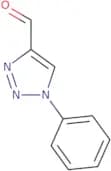
CAS:<p>1-Phenyl-1H-1,2,3-triazole-4-carbaldehyde (phenyltriazole) is a heterocyclic compound that has been synthesized as a potential drug for the treatment of malaria. The equilibrium between the two isomers is controlled by the rate of thermal isomerization. The dimethyl sulfoxide and nitrile functional groups are responsible for this process. Phenyltriazole has been shown to have antiplasmodial activity in vitro against parasites resistant to chloroquine and pyrimethamine, as well as in vivo against chloroquine resistant strains. This molecule also inhibits growth of Mycobacterium tuberculosis in cell culture and has been shown to be effective against other bacterial strains that are resistant to standard antibiotics. Phenyltriazole binds to DNA gyrase, an enzyme involved in DNA replication and repair, which results in inhibition of RNA synthesis and protein synthesis, leading</p>Formula:C9H7N3OPurity:Min. 95%Molecular weight:173.17 g/mol3,5-Dimethylfuran-2-carboxylic acid
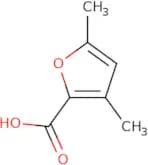
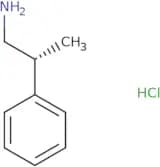
CAS:<p>Versatile small molecule scaffold</p>Formula:C7H8O3Purity:Min. 95%Molecular weight:140.14 g/mol(R)-(+)-β-Methylphenethylamine hydrochloride
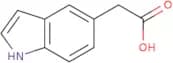
CAS:Controlled Product<p>Versatile small molecule scaffold</p>Formula:C9H13N•HClPurity:Min. 95%Molecular weight:171.67 g/mol2-(1H-Indol-5-yl)acetic acid
CAS:<p>2-(1H-Indol-5-yl)acetic acid is a lipogenic agent that is used in the treatment of cancer. It binds to nuclear hormone receptors, which regulate lipid biosynthesis. 2-(1H-Indol-5-yl)acetic acid has been shown to inhibit the growth of human bladder cancer cells and increase the uptake of fatty acids by these cells. This agent also has anti-inflammatory properties and causes an increase in reactive oxygen species in microglia, which are immune system cells found in the brain. 2-(1H-Indol-5-yl)acetic acid has been shown to have cytotoxic effects on mammalian cells, but not on bacteria or yeast. 2-(1H-Indol-5-yl)acetic acid may be administered intravenously or intraperitoneally.</p>Formula:C10H9NO2Purity:Min. 95%Molecular weight:175.18 g/mol5-Oxaspiro[2.4]heptane-4,6-dione
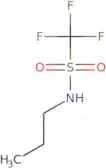
CAS:<p>5-Oxaspiro[2.4]heptane-4,6-dione is an organic compound that has been synthesized by irradiating styrene with light. It has a molecular formula of C7H12O3 and a molar mass of 150.17 g/mol. The compound exists in two isomers, the cis and trans isomers, which have different optical properties that can be observed when it is irradiated with light. 5-Oxaspiro[2.4]heptane-4,6-dione has been shown to be reactive in many different ways; for example, it can modulate the activity of other compounds or transfer hydrogen atoms from one molecule to another. The compound also participates in stereospecific reactions, where the orientation of bonds affects the reactivity of the molecule. 5-Oxaspiro[2.4]heptane-4,6-dione has a five membered ring that resembles the</p>Formula:C6H6O3Purity:Min. 95%Molecular weight:126.11 g/mol1,1,1-Trifluoro-N-propylmethanesulfonamide
CAS:<p>Versatile small molecule scaffold</p>Formula:C4H8F3NO2SPurity:Min. 95%Molecular weight:191.17 g/molN-Benzyl-N-methylpropanamide
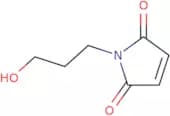
CAS:<p>Versatile small molecule scaffold</p>Formula:C11H15NOPurity:Min. 95%Molecular weight:177.24 g/mol1-(3-Hydroxypropyl)-2,5-dihydro-1H-pyrrole-2,5-dione
CAS:<p>1-(3-Hydroxypropyl)-2,5-dihydro-1H-pyrrole-2,5-dione is a monomer that has been used for the fabrication of polymers. It is a colorless liquid with a boiling point of 109.7°C and a melting point of -37.6°C. It can be reversibly polymerized with formaldehyde to give poly(1-(3-hydroxypropyl)-2,5-dihydro-1H-pyrrole-2,5-dione). The compound can be purified by gel permeation chromatography or recrystallization. 1-(3-Hydroxypropyl)-2,5-dihydro-1H-pyrrole-2,5-dione can also be used as an intermediate in the synthesis of other compounds such as phenoxyacetic acid and methyl 2-(3'-hydroxyphenoxy)</p>Formula:C7H9NO3Purity:Min. 95%Molecular weight:155.15 g/molMal-PEG2-OH
CAS:<p>Mal-PEG2-OH is a PEG polymer categorised as monofunctional (OH-PEG-X). Used as a linker, mal-PEG2-OH is used to attached PEG to proteins, peptides, oligonucleotides, nanoparticles and small molecules via pegylation, a bioconjugation technique.</p>Formula:C8H11NO4Purity:Min. 95%Molecular weight:185.18 g/molN-(2-Methoxyethyl)ethylamine
CAS:<p>N-(2-Methoxyethyl)ethylamine is a chlorinated organic compound that is used as an adsorbent for the removal of chloride ions from wastewater. It can be prepared by reacting ethylamine with chloroform in the presence of a catalytic amount of acetone. The resulting product has a high affinity for chloride ions and has been shown to be effective in removing chloride from water contaminated with chlorinated solvents such as benzene, methyl alcohol, n-hexane, tetrachloride, carbon tetrachloride, and chloroform. N-(2-Methoxyethyl)ethylamine is insoluble in water or organic solvents. It also exhibits good thermal stability at temperatures up to 200°C.</p>Formula:C5H13NOPurity:Min. 95%Molecular weight:103.16 g/mol(4-Chlorophenyl)[4-(trifluoromethyl)phenyl]methanone
CAS:4-Chlorophenyl-[4-(trifluoromethyl)phenyl]methanone (TFMPP) is a psychostimulant drug that binds to the serotonin 5-HT2A receptor. TFMPP has been shown to produce effects in wild-type mice similar to those of amphetamine, but not in mice with the 5-HT2A receptor gene knocked out. The effective dose for TFMPP was determined by measuring the effect on extracellular dopamine levels in rat striatal tissue. TFMPP also inhibits the activity of an enzyme called adenosine deaminase, which breaks down endogenous adenosine. This inhibition leads to increased concentrations of adenosine and allosteric modulator binding at the 5-HT2A receptor site. TFMPP has also been shown to bind to a site on the G protein called Gαi3 and stabilize it, which may explain its ability to inhibit adenosine deFormula:C14H8ClF3OPurity:Min. 95%Molecular weight:284.66 g/mol3-Bromo-2-oxo-butyric acid methyl ester
CAS:<p>Versatile small molecule scaffold</p>Formula:C5H7BrO3Purity:Min. 95%Molecular weight:195.01 g/mol5-Methyl-4-oxo-2-sulfanyl-3H,4H-thieno[2,3-d]pyrimidine-6-carboxylic acid
CAS:<p>Versatile small molecule scaffold</p>Formula:C11H13N3O4S2Purity:Min. 95%Molecular weight:315.4 g/mol3-[2-(Diethylamino)ethoxy]aniline
CAS:Controlled ProductVersatile small molecule scaffoldFormula:C12H20N2OPurity:Min. 95%Molecular weight:208.3 g/mol1-(2-Chloroethoxy)-4-(methylsulfanyl)benzene
CAS:<p>Versatile small molecule scaffold</p>Formula:C9H11ClOSPurity:Min. 95%Molecular weight:202.7 g/mol
![3-Bromo-5-methyl-1H-pyrazolo[3,4-b]pyridine](/_next/image/?url=https%3A%2Fstatic.cymitquimica.com%2Fproducts%2F3D%2Fthumb-webp%2FJAD27572.webp&w=3840&q=75)



![5H,6H,7H-Imidazo[2,1-b][1,3]thiazin-6-ol](/_next/image/?url=https%3A%2Fstatic.cymitquimica.com%2Fproducts%2F3D%2Fthumb-webp%2FJBA03541.webp&w=3840&q=75)
![{[(1H-1,3-Benzodiazol-2-yl)methyl]sulfanyl}carbonitrile](/_next/image/?url=https%3A%2Fstatic.cymitquimica.com%2Fproducts%2F3D%2Fthumb-webp%2FJBA09138.webp&w=3840&q=75)
![7-Oxo-4H,7H-[1,2,4]triazolo[1,5-a]pyrimidine-5-carboxylic acid](/_next/image/?url=https%3A%2Fstatic.cymitquimica.com%2Fproducts%2F3D%2Fthumb-webp%2FJBA10276.webp&w=3840&q=75)
![7-Phenyl-4H,5H-[1,2,4]triazolo[1,5-a]pyrimidin-5-one](/_next/image/?url=https%3A%2Fstatic.cymitquimica.com%2Fproducts%2F3D%2Fthumb-webp%2FJBA10281.webp&w=3840&q=75)
![1-[2-(Piperazin-1-yl)ethyl]-1,2-dihydropyridin-2-one dihydrochloride](/_next/image/?url=https%3A%2Fstatic.cymitquimica.com%2Fproducts%2F3D%2Fthumb-webp%2FJBA12557.webp&w=3840&q=75)
![1-{Tricyclo[2.2.1.0,2,6]heptan-3-yl}ethan-1-one](/_next/image/?url=https%3A%2Fstatic.cymitquimica.com%2Fproducts%2F3D%2Fthumb-webp%2FJBA13200.webp&w=3840&q=75)
![2-Chloro-N-[2-(2-methoxyphenyl)ethyl]acetamide](/_next/image/?url=https%3A%2Fstatic.cymitquimica.com%2Fproducts%2F3D%2Fthumb-webp%2FJBA16211.webp&w=3840&q=75)
![2-Chloro-N-[2-(2,3-dichlorophenyl)ethyl]acetamide](/_next/image/?url=https%3A%2Fstatic.cymitquimica.com%2Fproducts%2F3D%2Fthumb-webp%2FJBA16221.webp&w=3840&q=75)
![2-Chloro-N-[2-(4-methoxyphenyl)ethyl]propanamide](/_next/image/?url=https%3A%2Fstatic.cymitquimica.com%2Fproducts%2F3D%2Fthumb-webp%2FJBA16229.webp&w=3840&q=75)
![(2-Imidazo[1,2-a]pyridin-3-ylethyl)amine dihydrochloride](/_next/image/?url=https%3A%2Fstatic.cymitquimica.com%2Fproducts%2F3D%2Fthumb-webp%2FJBA16488.webp&w=3840&q=75)
![2-(5-Hydroxybenzo[D]isoxazol-3-yl)acetic Acid](/_next/image/?url=https%3A%2Fstatic.cymitquimica.com%2Fproducts%2F3D%2Fthumb-webp%2FJBA17303.webp&w=3840&q=75)
![Spiro[4.4]nonan-2-one](/_next/image/?url=https%3A%2Fstatic.cymitquimica.com%2Fproducts%2F3D%2Fthumb-webp%2FJBA17718.webp&w=3840&q=75)
![2-Ethoxy-4-[(hydroxyimino)methyl]phenol](/_next/image/?url=https%3A%2Fstatic.cymitquimica.com%2Fproducts%2F3D%2Fthumb-webp%2FJBA18493.webp&w=3840&q=75)
![2-[(3-Methylbutyl)amino]ethan-1-ol](/_next/image/?url=https%3A%2Fstatic.cymitquimica.com%2Fproducts%2F3D%2Fthumb-webp%2FJBA24076.webp&w=3840&q=75)
![5-p-Tolyloxymethyl-3H-[1,3,4]oxadiazole-2-thione](/_next/image/?url=https%3A%2Fstatic.cymitquimica.com%2Fproducts%2F3D%2Fthumb-webp%2FJBA24310.webp&w=3840&q=75)



![1-[4-(2-Propynyloxy)phenyl]-1-ethanone](/_next/image/?url=https%3A%2Fstatic.cymitquimica.com%2Fproducts%2F3D%2Fthumb-webp%2FJBA26414.webp&w=3840&q=75)
![N-[2-(Benzyloxy)phenyl]acetamide](/_next/image/?url=https%3A%2Fstatic.cymitquimica.com%2Fproducts%2F3D%2Fthumb-webp%2FJBA28819.webp&w=3840&q=75)
![5-Oxaspiro[2.4]heptane-4,6-dione](/_next/image/?url=https%3A%2Fstatic.cymitquimica.com%2Fproducts%2F3D%2Fthumb-webp%2FJBA29944.webp&w=3840&q=75)



![(4-Chlorophenyl)[4-(trifluoromethyl)phenyl]methanone](/_next/image/?url=https%3A%2Fstatic.cymitquimica.com%2Fproducts%2F3D%2Fthumb-webp%2FJBA32831.webp&w=3840&q=75)

![5-Methyl-4-oxo-2-sulfanyl-3H,4H-thieno[2,3-d]pyrimidine-6-carboxylic acid](/_next/image/?url=https%3A%2Fstatic.cymitquimica.com%2Fproducts%2F3D%2Fthumb-webp%2FJBA33004.webp&w=3840&q=75)
![3-[2-(Diethylamino)ethoxy]aniline](/_next/image/?url=https%3A%2Fstatic.cymitquimica.com%2Fproducts%2F3D%2Fthumb-webp%2FJBA33419.webp&w=3840&q=75)
