Building Blocks
This section contains fundamental products for the synthesis of organic and biological compounds. Building blocks are the essential starting materials used to construct complex molecules through various chemical reactions. They play a critical role in drug discovery, material science, and chemical research. At CymitQuimica, we offer a diverse range of high-quality building blocks to support your innovative research and industrial projects, ensuring you have the essential components for successful synthesis.
Subcategories of "Building Blocks"
- Boronic Acids & Boronic Acid Derivatives(5,756 products)
- Chiral Building Blocks(1,242 products)
- Hydrocarbon Building Blocks(6,093 products)
- Organic Building Blocks(60,532 products)
Found 195534 products of "Building Blocks"
Sort by
Purity (%)
0
100
|
0
|
50
|
90
|
95
|
100
4-Bromo-2-nitro-1H-pyrrole
CAS:<p>Versatile small molecule scaffold</p>Formula:C4H3BrN2O2Purity:Min. 95%Molecular weight:190.98 g/mol2-amino-2-(3-nitrophenyl)acetic acid
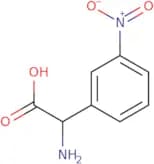
CAS:<p>Versatile small molecule scaffold</p>Formula:C8H8N2O4Purity:Min. 95%Molecular weight:196.16 g/molN-(3-Amino-4-methylphenyl)-3-(trifluoromethyl)benzamide
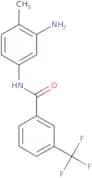
CAS:<p>Versatile small molecule scaffold</p>Formula:C15H13F3N2OPurity:Min. 95%Molecular weight:294.27 g/mol3-Amino-3-phenylpropanamide hydrochloride
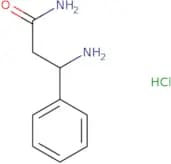
CAS:<p>Versatile small molecule scaffold</p>Formula:C9H13ClN2OPurity:Min. 95%Molecular weight:200.66 g/mol5-Allylsulfanyl-1,3,4-thiadiazol-2-amine
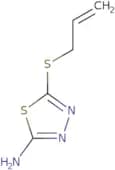
CAS:<p>Versatile small molecule scaffold</p>Formula:C5H7N3S2Purity:Min. 95%Molecular weight:173.3 g/mol1,2,3,5-Tetrahydroindolizine-1,5-dione
CAS:<p>Versatile small molecule scaffold</p>Formula:C8H7NO2Purity:Min. 95%Molecular weight:149.15 g/mol8-Chloro-5-methoxy-N-methyl-1,2,3,4-tetrahydronaphthalen-1-amine hydrochloride
CAS:<p>Versatile small molecule scaffold</p>Formula:C12H17Cl2NOPurity:Min. 95%Molecular weight:262.17 g/mol1,2,3,4-Tetrahydroquinoline-6-sulfonamide
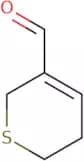
CAS:<p>Versatile small molecule scaffold</p>Formula:C9H12N2O2SPurity:Min. 95%Molecular weight:212.27 g/mol3,6-Dihydro-2H-thiopyran-5-carbaldehyde
CAS:<p>3,6-Dihydro-2H-thiopyran-5-carbaldehyde is an aldehyde that is used as an intermediate in the synthesis of crotonaldehyde. It reacts with hydrogen sulfide in the presence of an acidic catalyst to produce acrolein and water. The reaction product can be boiled off to generate a crude form of crotonaldehyde. 3,6-Dihydro-2H-thiopyran-5-carbaldehyde has been patented by BASF SE under patent number EP0992871.</p>Formula:C6H8OSPurity:Min. 95%Molecular weight:128.19 g/mol1-(2-Oxopropyl)pyrrolidine-2,5-dione
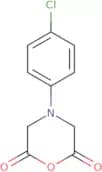
CAS:<p>1-(2-Oxopropyl)pyrrolidine-2,5-dione is a reactive molecule that can be used to conjugate biomolecules and synthetic polymers. It has been immobilized on the surface of polymer particles or in polymer matrices, which allows for the efficient separation of biomolecules and synthetic polymers. This molecule is also reactive with thiol groups and can be used to crosslink biomolecules and synthetic polymers. 1-(2-Oxopropyl)pyrrolidine-2,5-dione has been shown to react with immobilized proteins and DNA.</p>Formula:C7H9NO3Purity:Min. 95%Molecular weight:155.15 g/mol4-(4-Chlorophenyl)morpholine-2,6-dione
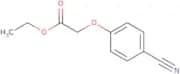
CAS:<p>Versatile small molecule scaffold</p>Formula:C10H8ClNO3Purity:Min. 95%Molecular weight:225.63 g/molEthyl 2-(4-cyanophenoxy)acetate
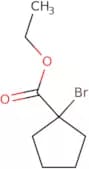
CAS:<p>Versatile small molecule scaffold</p>Formula:C11H11NO3Purity:Min. 95%Molecular weight:205.21 g/molEthyl 1-bromocyclopentane-1-carboxylate
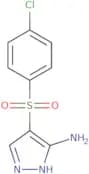
CAS:<p>Versatile small molecule scaffold</p>Formula:C8H13BrO2Purity:Min. 95%Molecular weight:221.09 g/mol4-(4-Chlorobenzenesulfonyl)-1H-pyrazol-5-amine
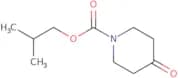
CAS:<p>Versatile small molecule scaffold</p>Formula:C9H8ClN3O2SPurity:Min. 95%Molecular weight:257.7 g/mol2-Methylpropyl 4-oxopiperidine-1-carboxylate
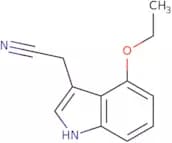
CAS:Controlled Product<p>Versatile small molecule scaffold</p>Formula:C10H17NO3Purity:Min. 95%Molecular weight:199.25 g/mol2-(4-Ethoxy-1H-indol-3-yl)acetonitrile
CAS:<p>Versatile small molecule scaffold</p>Formula:C12H12N2OPurity:Min. 95%Molecular weight:200.24 g/mol7-Methoxy-4-phenyl-1,2-dihydroquinolin-2-one
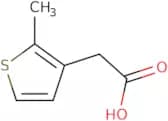
CAS:<p>Versatile small molecule scaffold</p>Formula:C16H13NO2Purity:Min. 95%Molecular weight:251.28 g/mol2-(2-Methylthiophen-3-yl)acetic acid
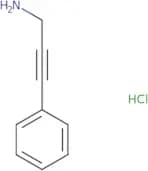
CAS:<p>Versatile small molecule scaffold</p>Formula:C7H8O2SPurity:Min. 95%Molecular weight:156.2 g/mol3-Phenyl-2-propyn-1-amine hydrochloride
CAS:<p>3-Phenyl-2-propyn-1-amine hydrochloride is a dopamine β-hydroxylase inhibitor that can be detected in urine. It is used to study the effects of various drugs and chemicals on the metabolism of dopamine, noradrenaline, and other catecholamines. 3PPPA has been shown to inhibit the activity of cytochrome P450 enzymes and blocks adrenergic receptors. This drug also inhibits the synthesis of epinephrine from norepinephrine by blocking its conversion to epinephrine. 3PPPA may also be used as a receptor blocker for diagnosis or treatment of asthma or allergic reactions by preventing the release of histamine, which is released from mast cells in response to an allergen, causing inflammation.</p>Formula:C9H10ClNPurity:Min. 95%Molecular weight:167.64 g/molBis[2-(perfluorohexyl)ethyl]phosphate
CAS:<p>Bis[2-(perfluorohexyl)ethyl] Phosphate is a perfluorinated, fluorinated chemical that is used in wastewater treatment. It is also found in human serum and organisms, as well as in the drinking water of some communities. Bis[2-(perfluorohexyl)ethyl] Phosphate has been detected in the maternal serum and urine of women who are pregnant or breast-feeding. It may be associated with adverse effects on neurodevelopmental outcomes in children. Bis[2-(perfluorohexyl)ethyl] Phosphate can be removed from drinking water by using an ultrasonic extraction system. This method uses sound waves to extract the chemical from water and other liquids and is effective at removing small amounts (less than 10 parts per billion). The analytical method for this compound is low detection, which means that it can only detect concentrations of up to 0.1 part per billion (ppb). However, this method</p>Formula:C16H9F26O4PPurity:Min. 95%Color and Shape:PowderMolecular weight:790.17 g/mol1-Bromo-2-fluoro-3-nitrobenzene
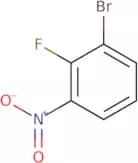
CAS:<p>1-Bromo-2-fluoro-3-nitrobenzene is a synthetic chemical that is used as an intermediate in the synthesis of various dyes. It can be obtained by the diazotization of acetyl nitrite and acetonitrile, followed by acetylation with acetic anhydride and hydrolysis with sodium hydroxide. The bromoaniline formed after this reaction is then converted to 1-bromo-2-fluoro-3-nitrobenzene by refluxing it with nitric acid. This chemical can also be synthesized from bromines and chloride in the presence of a diazo salt. It reacts with fluoride or halogens to produce fluorobenzene derivatives, which are used as intermediates for other organic compounds.</p>Formula:C6H3BrFNO2Purity:Min. 95%Color and Shape:Yellow PowderMolecular weight:220 g/molBelleau's Reagent
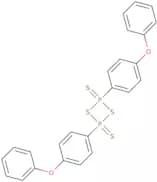
CAS:<p>Belleau's Reagent is a chemical reagent that reacts with the amine group in the adrenergic receptor. It is used to measure the activation of these receptors by measuring the amount of cAMP produced when exposed to an agonist. This chemical can also be used to synthesize pateamine, which is a drug used in cancer treatments. Belleau's Reagent has been shown to react with other compounds such as chloride, forming trifluoroacetyl chloride, and bond cleavage of n-oxide compounds. In addition, this chemical has been shown to have properties that make it suitable for use in nanomaterials and protein synthesis.</p>Formula:C24H18O2P2S4Purity:Min. 95%Molecular weight:528.61 g/mol3-Bromo-4-pyridinecarboxylic acid
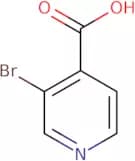
CAS:<p>3-Bromo-4-pyridinecarboxylic acid is a naphthyridine derivative that is used in drug development. It is a crystalline solid that can be dissolved in organic solvents. 3-Bromo-4-pyridinecarboxylic acid has been shown to have antiinflammatory properties and can be used as an oxidant. 3-Bromo-4-pyridinecarboxylic acid is being investigated as a receptor subtype for inflammatory diseases, and it has also been used to study the mechanism of chronic inflammatory diseases.</p>Formula:C6H4BrNO2Purity:Min. 95%Molecular weight:202.01 g/moltert-Butyl 3-bromopropionate
CAS:<p>Tert-butyl 3-bromopropionate is a linker for the synthesis of pleuromutilin derivatives. It has been used as a model substrate for studying the effects of hypertrophy on cardiac muscle. Tert-butyl 3-bromopropionate has also been shown to inhibit the production of proinflammatory cytokines in response to bacterial infection, and can be used as an antibacterial agent. Tert-butyl 3-bromopropionate binds to RNA and inhibits protein synthesis, which leads to cell death by preventing the production of proteins vital for cell division. Tert-butyl 3-bromopropionate is also a potent inhibitor of chloride channels that are found in nerve cells and prevents the flow of chloride ions through these channels, leading to paralysis. This drug also inhibits hydrogen fluoride excretion in rats, which may be due to its ability to bind with chloride ions in the kidney tubules, preventing their</p>Formula:C7H13BrO2Purity:Min. 95%Color and Shape:Colorless Clear LiquidMolecular weight:209.08 g/mol3-Bromobenzenesulfonyl chloride
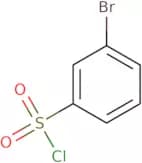
CAS:<p>3-Bromobenzenesulfonyl chloride is a molecule that can be used to inhibit the uptake of 3-bromobenzoate. The inhibition of uptake is due to the desymmetrization of the unsymmetrical, 3-bromobenzoate. This reaction leads to an increase in the concentration of 3-bromobenzoate. Inhibition studies have shown that 3-bromobenzenesulfonyl chloride has an inhibitory effect on cancer cells and apoptosis pathway. The structural studies have shown that this drug is synthetic and biphenyl can be synthesized from it. T-cell lymphomas have been shown to be inhibited by this drug and heart disease has also been inhibited.</p>Formula:C6H4BrClO2SPurity:Min. 95%Molecular weight:255.52 g/molBis[2-(perfluorooctyl)ethyl] phosphate
CAS:Controlled Product<p>Bis[2-(perfluorooctyl)ethyl] phosphate is a perfluorinated compound that can be used as an alternative to polyvinyl chloride in the manufacture of children's toys and other consumer products. It has been shown to have no health effects on humans, unlike other perfluorinated compounds, in a study where human serum was analyzed. Bis[2-(perfluorooctyl)ethyl] phosphate also has a high affinity for polyfluoroalkyl substances (PFASs) and can be used in analytical methods for their detection. The optimised extraction procedure is simple and rapid, using ultrasonic extraction with no need for any organic solvents. Recoveries are high (>99%) and the method does not require any volatile solvents.</p>Formula:C20H9F34O4PPurity:Min. 95%Molecular weight:990.2 g/molBis[(pinacolato)boryl]methane
CAS:<p>Bis[(pinacolato)boryl]methane is a bifunctional organoboron reagent with an allyl group on one end and a cyclopropane on the other end. It is useful in organic synthesis as a nucleophile for allylation, as well as for the synthesis of unsymmetrical cyclopropanes. This compound can be used to catalyze asymmetric methods, such as the synthesis of alicyclic compounds. Bis[(pinacolato)boryl]methane can also be used to synthesize biomolecules.</p>Formula:C13H26B2O4Purity:Min. 95%Color and Shape:White To Off-White SolidMolecular weight:267.97 g/molBenzydamine hydrochloride EP Impurity D
CAS:Controlled Product<p>Please enquire for more information about Benzydamine hydrochloride EP Impurity D including the price, delivery time and more detailed product information at the technical inquiry form on this page</p>Formula:C23H32N4OPurity:Min. 95%Molecular weight:380.53 g/mol3-Bromothiophene
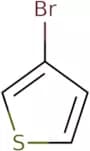
CAS:<p>3-Bromothiophene is a homogeneous catalyst that can be used in organic synthesis. It has been shown to convert all-trans retinoic acid into 9-cis,11-trans retinoic acid. This conversion occurs through nucleophilic attack of the bromide ion on the carbon atom adjacent to the double bond in the carboxyl group of all-trans retinoic acid. 3-Bromothiophene has also been shown to have light emission properties in polymer films and metal halides.</p>Formula:C4H3BrSPurity:Min. 98%Color and Shape:Colorless Clear LiquidMolecular weight:163.04 g/molα-Bromo-m-tolunitrile
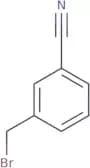
CAS:<p>Silver trifluoromethanesulfonate (AgOTf) is a precursor in the synthesis of alpha-bromo-m-tolunitrile. It is a colorless, odorless solid that can be prepared by the reaction of silver ions with bromine and toluene in an aqueous medium. The profile of AgOTf has been studied by titration method and it has been shown to have an oxadiazole group. This molecule also has anticancer activity against cancer cells. Alpha-Bromo-m-tolunitrile is currently being investigated for its potential use as a drug candidate for the treatment of cancer, with particular interest in the inhibition of angiogenesis and metastasis.</p>Formula:C8H6BrNPurity:Min. 95%Color and Shape:PowderMolecular weight:196.04 g/mol3-Bromopropanenitrile
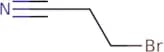
CAS:<p>3-Bromopropanenitrile (3BP) is a small molecule that has been shown to have agonistic activity against the adipocyte receptor, adiponectin. The potential of 3BP to be used as an anti-diabetic drug has also been explored, in particular its ability to lower blood sugar levels by inhibiting gluconeogenesis and enhancing glucose uptake. 3BP is an acrylonitrile derivative that is synthesized by alkylation of propanenitrile with bromine. It was found to be a potent inhibitor of population growth in E. coli K12.</p>Formula:C3H4BrNPurity:Min. 95%Color and Shape:Colourless To Yellow LiquidMolecular weight:133.97 g/mol3-Bromo-5-phenyl-1,2,4-oxadiazole
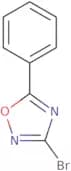
CAS:<p>3-Bromo-5-phenyl-1,2,4-oxadiazole (3BrO) is an organic compound that can be synthesized by coupling a benzoyl chloride with a cyanide salt. 3BrO is also produced in the pyrolysis of benzophenone and 1,2,4-triazole. The fragmentation of 3BrO produces catechol and phenylhydrazine. The deoxygenative coupling reaction of 3BrO with sodium azide produces the explosive compound 2,4,6-trinitrobenzamide. This chemical has been used as the starting material for the synthesis of many other explosives such as RDX and TNT.</p>Formula:C8H5BrN2OPurity:Min. 95%Molecular weight:225.04 g/mol2-Butynoic acid
CAS:<p>2-Butynoic acid is a trifluoroacetic acid derivative that has been shown to inhibit the production of cytokines and inflammatory mediators in human macrophages. It has been used as a model system for studying the effects of alkanoic acids on antibody production. This drug may also be useful in treating autoimmune diseases by inhibiting the formation of antibodies. 2-Butynoic acid is an α-subunit inhibitor that prevents cellular transformation and tumor growth by preventing proliferation and metastasis. The drug inhibits the formation of disulfide bonds, which are essential for protein folding and function. 2-Butynoic acid has also shown synergistic effects with other drugs such as doxorubicin or hydrogen fluoride, which may lead to a more effective treatment for cancerous cells.</p>Formula:C4H4O2Purity:Min. 95%Color and Shape:Yellow PowderMolecular weight:84.07 g/mol2-Bromo-6-hydroxybenzaldehyde
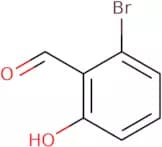
CAS:<p>2-Bromo-6-hydroxybenzaldehyde is a synthetic chemical that consists of a furan ring with an acetonitrile group. It has been shown to be a constant in cyclic electroreduction and is used as a biomolecular surfactant. 2-Bromo-6-hydroxybenzaldehyde has also been shown to react intramolecularly with the hydroxyl group on the benzene ring, which results in the formation of a dimer. This chemical can be produced by solvolysis or electroreduction.</p>Formula:C7H5BrO2Purity:Min. 95%Color and Shape:PowderMolecular weight:201.02 g/mol3-Benzyl-6-chloro-1H-pyrimidine-2,4-dione
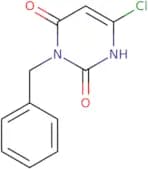
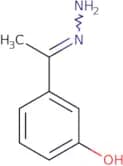
CAS:<p>Versatile small molecule scaffold</p>Formula:C11H9ClN2O2Purity:Min. 95%Molecular weight:236.65 g/mol3-Ethanehydrazonoylphenol
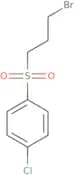
CAS:<p>Versatile small molecule scaffold</p>Formula:C8H10N2OPurity:Min. 95%Molecular weight:150.18 g/mol1-(3-Bromopropanesulfonyl)-4-chlorobenzene
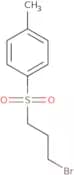
CAS:<p>Versatile small molecule scaffold</p>Formula:C9H10BrClO2SPurity:Min. 95%Molecular weight:297.6 g/mol1-(3-Bromopropanesulfonyl)-4-methylbenzene
CAS:<p>Versatile small molecule scaffold</p>Formula:C10H13BrO2SPurity:Min. 95%Molecular weight:277.18 g/mol2-[(2-Bromoethyl)sulfanyl]propane
CAS:<p>Versatile small molecule scaffold</p>Formula:C22H25N3O5SPurity:Min. 95%Molecular weight:443.5 g/mol[(2-Bromoethyl)sulfanyl]cyclohexane
CAS:<p>Versatile small molecule scaffold</p>Formula:C8H15BrSPurity:Min. 95%Molecular weight:223.18 g/mol2-[(2-Bromoethyl)sulfanyl]-2-methylpropane
CAS:<p>Versatile small molecule scaffold</p>Formula:C6H13BrSPurity:Min. 95%Molecular weight:197.14 g/mol2-[(3-Phenylpropyl)sulfanyl]ethan-1-ol
CAS:<p>Versatile small molecule scaffold</p>Formula:C11H16OSPurity:Min. 95%Molecular weight:196.31 g/mol3-(tert-Butylsulfanyl)propan-1-ol
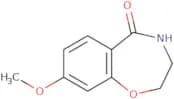
CAS:<p>Versatile small molecule scaffold</p>Formula:C7H16OSPurity:Min. 95%Molecular weight:148.27 g/mol8-Methoxy-2,3,4,5-tetrahydro-1,4-benzoxazepin-5-one
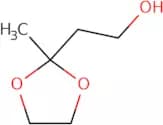
CAS:<p>Versatile small molecule scaffold</p>Formula:C10H11NO3Purity:Min. 95%Molecular weight:193.2 g/mol2-Methyl-1,3-dioxolane-2-ethanol
CAS:<p>2-Methyl-1,3-dioxolane-2-ethanol is a ketone that can be extracted from the reaction of ethanol and methyl vinyl ketone with ethyl acetate in the presence of an acid catalyst. This ketone is used as a reagent in organic synthesis. The target compounds for this product are acids, alcohols, esters, amides, nitriles, and other organic compounds. It is also used to synthesize glycols and ethylene glycols. 2-Methyl-1,3-dioxolane-2-ethanol has an efficient yield and can be isolated by distillation or crystallization. 2-Methyl-1,3-dioxolane-2-ethanol is not toxic to humans or animals because it is not metabolized in the body.</p>Formula:C6H12O3Purity:Min. 95%Molecular weight:132.16 g/mol4,5-Dimethylpyridazine-3,6-diol
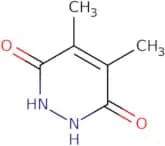
CAS:<p>Versatile small molecule scaffold</p>Formula:C6H8N2O2Purity:Min. 95%Molecular weight:140.14 g/mol2-[(2-Aminoethyl)(ethyl)amino]ethan-1-ol
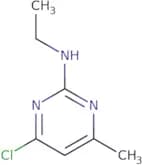
CAS:<p>Versatile small molecule scaffold</p>Formula:C6H16N2OPurity:Min. 95%Molecular weight:132.2 g/mol(4-Chloro-6-methylpyrimidin-2-yl)Ethylamine
CAS:<p>Versatile small molecule scaffold</p>Formula:C7H10N3ClPurity:Min. 95%Molecular weight:171.62 g/molEthyl[1-(pyridin-3-yl)ethyl]amine
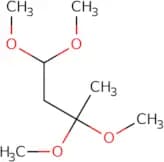
CAS:<p>Versatile small molecule scaffold</p>Formula:C9H14N2Purity:Min. 95%Molecular weight:150.22 g/mol1,1,3,3-Tetramethoxybutane
CAS:<p>1,1,3,3-Tetramethoxybutane is an organic compound that is used as a raw material in the synthesis of other fluorinated compounds. It can be synthesized from formaldehyde and methoxyacetone by dehydration reactions. It has been shown to react with hydrazines to form acetals and trifluoroacetylation.</p>Formula:C8H18O4Purity:Min. 95%Molecular weight:178.23 g/molSpiro[2.6]nonan-4-one
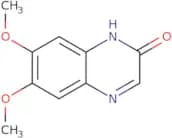
CAS:<p>Versatile small molecule scaffold</p>Formula:C9H14OPurity:Min. 95%Molecular weight:138.21 g/mol2-Hydroxy-6,7-dimethoxyquinoxaline
CAS:<p>Versatile small molecule scaffold</p>Formula:C10H10N2O3Purity:Min. 95%Molecular weight:206.2 g/mol(4-Chloro-6-methyl-pyrimidin-2-yl)-methyl-amine
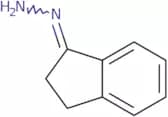
CAS:<p>Versatile small molecule scaffold</p>Formula:C6H8ClN3Purity:Min. 95%Molecular weight:157.6 g/mol(2,3-Dihydro-1H-inden-1-ylidene)hydrazine
CAS:<p>Versatile small molecule scaffold</p>Formula:C9H10N2Purity:Min. 95%Molecular weight:146.19 g/mol(2-methyl-[1,3]dioxolan-2-yl)-acetic acid
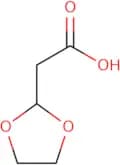
CAS:<p>Versatile small molecule scaffold</p>Formula:C6H10O4Purity:Min. 95%Molecular weight:146.14 g/mol2-(1,3-Dioxolan-2-yl)acetic acid
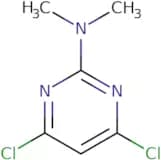
CAS:<p>Versatile small molecule scaffold</p>Formula:C5H8O4Purity:Min. 95%Color and Shape:PowderMolecular weight:132.11 g/mol4,6-Dichloro-N,N-dimethyl-2-pyrimidinamine
CAS:<p>Versatile small molecule scaffold</p>Formula:C6H7Cl2N3Purity:Min. 95%Molecular weight:192.05 g/mol2-Oxaspiro[4.4]nonan-1-one
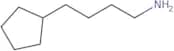
CAS:<p>Versatile small molecule scaffold</p>Formula:C8H12O2Purity:Min. 95%Molecular weight:140.18 g/mol4-Cyclopentylbutan-1-amine
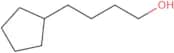
CAS:<p>Versatile small molecule scaffold</p>Formula:C9H19NPurity:Min. 95%Molecular weight:141.25 g/mol4-Cyclopentylbutan-1-ol
CAS:<p>4-Cyclopentylbutan-1-ol is a cyclic ester that is used in the production of fragrances. It is found naturally in sandalwood oil, which contains about 85% of this ester. 4-Cyclopentylbutan-1-ol has cytoprotective properties and can prevent lipid peroxidation induced by reactive oxygen species (ROS) and reactive nitrogen species (RNS). The molecule has an aromatic ring that consists of a benzene ring fused to a cyclopropane ring. This substance belongs to the class of alkenes, which are unsaturated hydrocarbons containing one or more carbon-carbon double bonds. Furthermore, it has an alkenyl group, which is a hydrocarbon that contains one or more carbon atoms with at least one triple bond.</p>Formula:C9H18OPurity:Min. 95%Molecular weight:142.24 g/molCyclopentylacetonitrile
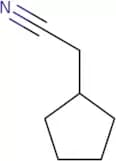
CAS:<p>Cyclopentylacetonitrile is a solvent that is used in the manufacture of organic chemicals. It is an organic compound that is a colorless liquid with a boiling point of about 111°C and a melting point of about -102°C. Cyclopentylacetonitrile has been shown to be effective as an etchant for silicon dioxide, as well as being used as a lithographic printing plate developer. Cyclopentylacetonitrile can also be used as a diluent for hydrogen fluoride gas during the production of fluorocarbons.</p>Formula:C7H11NPurity:Min. 95%Molecular weight:109.17 g/mol4-Cyclopentylbutanoic acid
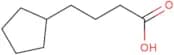
CAS:<p>4-Cyclopentylbutanoic acid is a cyclic compound that is synthesized from succinic acid. This chemical has a wide range of applications in the pharmaceutical industry, including as an intermediate in the synthesis of hydantoins and hydroxylamides. 4-Cyclopentylbutanoic acid also reacts with potassium to form a cyclopentenone, which can be used to produce esters and chiral cyclopentenones. 4-Cyclopentylbutanoic acid can be used to inhibit the growth of microorganisms by inhibiting protein synthesis.</p>Formula:C9H16O2Purity:Min. 95%Molecular weight:156.22 g/molBis(2-(2-methoxyethoxy)ethyl)amine
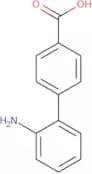
CAS:<p>Versatile small molecule scaffold</p>Formula:C10H23NO4Purity:Min. 95%Molecular weight:221.29 g/mol2'-Aminobiphenyl-4-carboxylic acid
CAS:<p>Versatile small molecule scaffold</p>Formula:C13H11NO2Purity:Min. 95%Molecular weight:213.23 g/mol1-N-[(4-Chlorophenyl)methyl]benzene-1,2-diamine
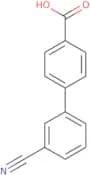
CAS:<p>Versatile small molecule scaffold</p>Formula:C13H13ClN2Purity:Min. 95%Molecular weight:232.71 g/mol3'-Cyano-biphenyl-4-carboxylic acid
CAS:<p>Versatile small molecule scaffold</p>Formula:C14H9NO2Purity:Min. 95%Molecular weight:223.23 g/mol2'-Cyano[1,1'-biphenyl]-4-carboxylic acid
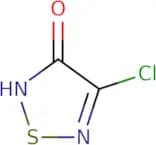
CAS:<p>Versatile small molecule scaffold</p>Formula:C14H9NO2Purity:Min. 95%Molecular weight:223.23 g/mol4-Chloro-1,2,5-thiadiazol-3-ol
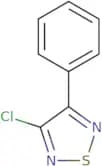
CAS:<p>4-Chloro-1,2,5-thiadiazol-3-ol is an antibacterial agent that belongs to the class of imidazolidinones. It inhibits the growth of bacteria by reacting with sulfur in their cell walls and chlorinating them. 4-Chloro-1,2,5-thiadiazol-3-ol has been shown to be effective against a wide range of bacteria including Staphylococcus aureus, Escherichia coli, Pseudomonas aeruginosa, and Enterobacter cloacae. 4-Chloro-1,2,5-thiadiazol 3-ol also has been shown to react with chloride ions in body fluids and form hydrochloric acid which may be responsible for some of its antibacterial activity.</p>Formula:C2HClN2OSPurity:Min. 95%Color and Shape:PowderMolecular weight:136.56 g/mol3-Chloro-4-phenyl-1,2,5-thiadiazole
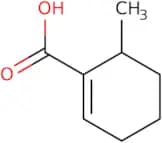
CAS:<p>3-Chloro-4-phenyl-1,2,5-thiadiazole is a chemical compound with an alkoxy group (C6H4O), an organotin group (CH3Sn), and a 1-6c alkyl group. It has been used in the manufacture of medicines and agrochemicals as a reactant or catalyst. 3-Chloro-4-phenyl-1,2,5-thiadiazole is also used industrially as a trifluoromethylation reagent for phenols and thiols.</p>Formula:C8H5ClN2SPurity:Min. 95%Molecular weight:196.66 g/mol6-Methylcyclohex-1-enecarboxylic acid
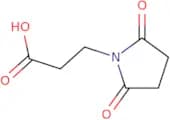
CAS:<p>Versatile small molecule scaffold</p>Formula:C8H12O2Purity:Min. 95%Molecular weight:140.18 g/mol3-(2,5-Dioxopyrrolidin-1-yl)propanoic acid
CAS:<p>Versatile small molecule scaffold</p>Formula:C7H9NO4Purity:Min. 95%Molecular weight:171.15 g/mol2-Oxaspiro[4.4]nonan-3-one
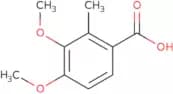
CAS:<p>Versatile small molecule scaffold</p>Formula:C8H12O2Purity:Min. 95%Molecular weight:140.18 g/mol3,4-Dimethoxy-2-methylbenzoic acid
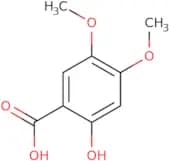
CAS:<p>Versatile small molecule scaffold</p>Formula:C10H12O4Purity:Min. 95%Molecular weight:196.2 g/mol4,5-Dimethoxysalicylic Acid
CAS:<p>4,5-Dimethoxysalicylic Acid is a synthetic chemical that is used to remove pollutants from the environment. It is a colorless liquid that reacts with benzene to form the salicylate salt. 4,5-Dimethoxysalicylic acid is also used in the synthesis of acotiamide, which is an organic solvent. The compound is a byproduct of hydrochloric acid and has been detected in high concentrations in industrial waste water. 4,5-Dimethoxysalicylic acid may be harmful to the environment and can contaminate water supplies.</p>Formula:C9H10O5Purity:Min. 95%Molecular weight:198.17 g/mol3,9-Dihydro-4H-pyrimido[4,5-b]indol-4-one
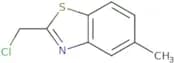
CAS:<p>Versatile small molecule scaffold</p>Formula:C10H7N3OPurity:Min. 95%Molecular weight:185.18 g/mol2-(Chloromethyl)-5-methyl-1,3-benzothiazole
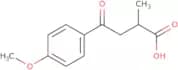
CAS:<p>Versatile small molecule scaffold</p>Formula:C9H8ClNSPurity:Min. 95%Molecular weight:197.69 g/mol4-(4-Methoxyphenyl)-2-methyl-4-oxobutanoic acid
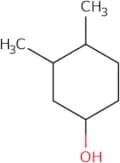
CAS:<p>Versatile small molecule scaffold</p>Formula:C12H14O4Purity:Min. 95%Molecular weight:222.24 g/mol3,4-Dimethylcyclohexanol (mixture of isomers)
CAS:<p>3,4-Dimethylcyclohexanol is a trimer of cyclohexanol that has a boiling point of 113.2°C and a density of 0.816 g/mL at 20°C. The mixture is composed of two isomers, cis-3,4-dimethylcyclohexanol and trans-3,4-dimethylcyclohexanol. 3,4-Dimethylcyclohexanol is soluble in water and alcohols and can form hydrogen bonds with other molecules. The equilibrium constant for the formation of the cis-isomer from the trans-isomer is 2.05x10^5 at 25°C and 1 atm pressure. At equilibrium, the concentrations are 0.25 mol/L for cis-3,4-dimethylcyclohexanol and 0.75 mol/L for trans-3,4-dimethylcyclohexanol.</p>Formula:C8H16OPurity:Min. 95%Molecular weight:128.22 g/mol(2-Phenylethyl)[(pyridin-4-yl)methyl]amine
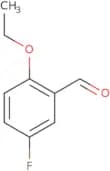
CAS:Controlled Product<p>Versatile small molecule scaffold</p>Formula:C14H16N2Purity:Min. 95%Molecular weight:212.29 g/mol2-Ethoxy-5-fluorobenzaldehyde
CAS:<p>Versatile small molecule scaffold</p>Formula:C9H9FO2Purity:Min. 95%Molecular weight:168.17 g/mol2-Nitro-1H-benzo[d]imidazole
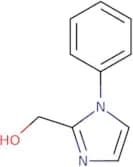
CAS:<p>2-Nitro-1H-benzo[d]imidazole is an analog of benzimidazole compounds. It is used in the preparation of antibodies. 2-Nitro-1H-benzo[d]imidazole reacts with hydrochloric acid to form a trifluoroacetic acid, which can be purified by trichloroacetic acid and recrystallized from methanol. The purity of the product can be checked using a UV spectrophotometer, and it has a melting point of 141°C.</p>Formula:C7H5N3O2Purity:Min. 95%Molecular weight:163.13 g/mol(1-Phenyl-1H-imidazol-2-yl)methanol
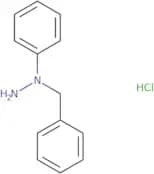
CAS:<p>Versatile small molecule scaffold</p>Formula:C10H10N2OPurity:Min. 95%Molecular weight:174.2 g/mol1-Benzyl-1-phenylhydrazine hydrochloride
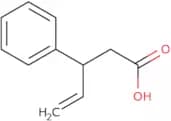
CAS:<p>1-Benzyl-1-phenylhydrazine hydrochloride is a selective androgen receptor modulator that binds to the prostate response element (RARE) in the promoter region of prostate cancer cells. It is used for the treatment of prostatic hyperplasia and benign prostatic hypertrophy. 1-Benzyl-1-phenylhydrazine hydrochloride has been shown to reduce the symptoms of urinary obstruction and to slow the progression of prostate cancer cells in vitro. It also has side effect profiles that are similar to those of nonsteroidal anti-inflammatory drugs, such as gastrointestinal upset and diarrhea.</p>Formula:C13H15ClN2Purity:Min. 95%Molecular weight:234.72 g/mol3-Phenylpent-4-enoic acid
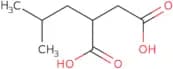
CAS:<p>3-Phenylpent-4-enoic acid is a natural product that is obtained from the lipophilic fraction of various plant species. It can be synthesized using chemoenzymatic reactions. 3-Phenylpent-4-enoic acid can be used as a chiral chemical intermediate in the synthesis of other compounds, such as olefinic compounds and alkene derivatives. This compound has been shown to have promiscuous reactivity, which is characterized by its ability to catalyze metathesis reactions with high enantiomeric excess. The isolated yield for this reaction was high at 96%.</p>Formula:C11H12O2Purity:Min. 95%Molecular weight:176.21 g/mol2-(2-Methylpropyl)butanedioic acid
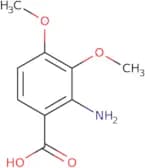
CAS:<p>2-(2-Methylpropyl)butanedioic acid is an uncatalyzed chemical reaction that is used for the treatment of wastewater. It is a chiral compound, which means it has a non-superimposable mirror image. 2-(2-Methylpropyl)butanedioic acid can be synthesized by homochiral reactions, which are reactions that uses only one type of chiral molecule to produce a chiral product. The rate of this reaction is controlled by the concentration of reactants and the temperature at which it occurs. This reaction mechanism involves the formation of an enolate ion from 2-(2-methylpropyl) butanedioic acid, followed by deprotonation to form the conjugated enolate. Leukocyte elastase is an enzyme that breaks down elastin in cells, and this enzyme may be inhibited by gabapentin.</p>Formula:C8H14O4Purity:Min. 95%Molecular weight:174.19 g/mol2-Amino-3,4-dimethoxybenzoic acid
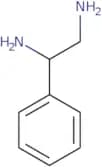
CAS:<p>2-Amino-3,4-dimethoxybenzoic acid is a chemotherapeutic agent that inhibits the function of P-glycoprotein (Pgp) and other ATPase pumps. It has been shown to be effective in inhibiting the growth of human cancer cells with functionalities such as epidermal growth factor, p-glycoprotein, and TNF-α. This drug also inhibits the production of alicyclic compounds in the body by blocking their metabolic pathways. 2-Amino-3,4-dimethoxybenzoic acid is a fluorescent compound that emits green light when excited at 350 nm and 450 nm.</p>Formula:C9H11NO4Purity:Min. 95%Molecular weight:197.19 g/mol1-Phenylethane-1,2-diamine
CAS:<p>1-Phenylethane-1,2-diamine (1PD) is a diamine tetraacetic acid salt that is a conformational analogue of the chemokine CXCL12. It has been shown to bind to its receptor and inhibit chemotaxis in vitro. 1PD has also been shown to be stereoselective in its binding to the receptor, with the sodium salt showing greater selectivity for CXCR4 than CXCR5. The solvation of 1PD has been studied by spectroscopic techniques and it is found that the solvation process is dominated by hydrogen bonding interactions with solvent molecules. This drug has not yet been analysed for human use or toxicity.</p>Formula:C8H12N2Purity:Min. 95%Molecular weight:136.19 g/mol1,4-Diazaspiro[5.5]undecane-3,5-dione
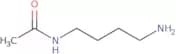
CAS:<p>Versatile small molecule scaffold</p>Formula:C9H14N2O2Purity:Min. 95%Molecular weight:182.22 g/molN-(4-Aminobutyl)acetamide
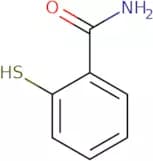
CAS:<p>N-(4-Aminobutyl)acetamide (4-ABAA) is a polyamine that can be found in the body as a byproduct of putrescine and spermidine. It is a potential biomarker for cancer, and has been shown to inhibit the activity of enzymes involved in energy metabolism. 4-ABAA is also present in maternal blood, where it can be used as a measure of disease activity during pregnancy. The basic structure of 4-ABAA is N-(4-aminobutyl)acetamide, which contains a nitrogen atom and an amine group. This molecule is soluble in water and has been used for analytical purposes.</p>Formula:C6H14N2OPurity:Min. 95%Color and Shape:Clear LiquidMolecular weight:130.19 g/mol2-Sulfanylbenzamide
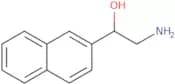
CAS:<p>2-Sulfanylbenzamide is a chemical compound that has been used as an anti-inflammatory drug and as a medicine for the treatment of autoimmune diseases. It has been shown to bind to basic proteins in human serum, which is responsible for its neutral pH. This agent also binds to primary cells and is chemically stable, with ethylene diamine as a matrix effect. 2-Sulfanylbenzamide has been shown to be effective against inflammatory diseases by inhibiting the synthesis of inflammatory mediators such as prostaglandins and leukotrienes.</p>Formula:C7H7NOSPurity:Min. 95%Molecular weight:153.2 g/mol2-Amino-1-(2-naphthyl)-1-ethanol
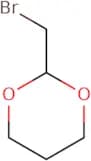
CAS:<p>2-Amino-1-(2-naphthyl)-1-ethanol (2NPE) is an atypical amino alcohol that is used as a pharmacological agent. It has been shown to have glucuronide and phenolic hydroxyl groups, which are reactive metabolites. 2NPE may be carcinogenic due to its ability to inhibit the activity of the enzyme glutathione reductase, which is involved in the detoxification of hydrogen peroxide and organic hydroperoxides. The metabolic pathways for 2NPE include sulfation by phenolic hydroxyl groups, which can lead to a residue of phenolic compounds in humans and animals. 2NPE has been found to have a thymic effect similar to natural n-substituted amino alcohols.</p>Formula:C12H13NOPurity:Min. 95%Molecular weight:187.24 g/mol2-(Bromomethyl)-1,3-dioxane
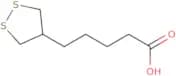
CAS:<p>Versatile small molecule scaffold</p>Formula:C5H9BrO2Purity:Min. 95%Molecular weight:181.03 g/mol5-(1,2-Dithiolan-4-yl)pentanoic acid
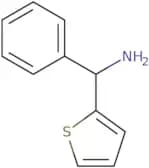
CAS:<p>Versatile small molecule scaffold</p>Formula:C8H14O2S2Purity:Min. 95%Molecular weight:206.3 g/molPhenyl(thiophen-2-yl)methanamine
CAS:<p>Versatile small molecule scaffold</p>Formula:C11H11NSPurity:Min. 95%Molecular weight:189.28 g/mol4-Methyl-2-(2-methylpropyl)pentanoic acid
CAS:<p>Versatile small molecule scaffold</p>Formula:C10H20O2Purity:Min. 95%Molecular weight:172.26 g/mol2-Amino-2,3-dihydro-1H-benzo[de]isoquinoline-1,3-dione
CAS:<p>2-Amino-2,3-dihydro-1H-benzo[de]isoquinoline-1,3-dione (BENZENE) is a chemical compound that has been used to study the photochemical properties of epoxides. It is also used as a starting material in the synthesis of polymers. The synthesis of polymers may be accomplished by cationic polymerization or ring opening. Nitro groups on BENZENE are commonly used to synthesize nitro polymers and other compounds containing nitro groups. This chemical can be synthesized by chlorination with formamide and subsequent reaction with nitrous acid or acrylates. BENZENE is also capable of localizing fluorescent dyes within a specific region of a sample and can be used to measure distances between molecules.</p>Formula:C12H8N2O2Purity:Min. 95%Molecular weight:212.2 g/molPropane-1,2-cyclic sulfate
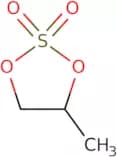
CAS:<p>Propane-1,2-cyclic sulfate is a diphenyl ether that is an organic solvent. It has been shown to be effective in the treatment of aliphatic hydrocarbons and alkynes with carboxylates. Propane-1,2-cyclic sulfate also reacts with vinylene and plate test as a nonaqueous electrolyte. The optimal reaction temperature is around 40°C and the optimal pH is around 6.5.</p>Formula:C3H6O4SPurity:Min. 95%Molecular weight:138.14 g/mol1,3-Diphenylpropan-1-amine
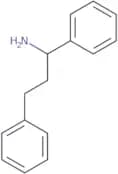
CAS:<p>Versatile small molecule scaffold</p>Formula:C15H17NPurity:Min. 95%Molecular weight:211.3 g/mol1-(1-Methyl-1H-indol-3-yl)propan-2-amine hydrochloride
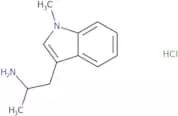
CAS:Controlled Product<p>Versatile small molecule scaffold</p>Formula:C12H17ClN2Purity:Min. 95%Molecular weight:224.73 g/mol2-Cyclopropyl-2-phenylacetic acid
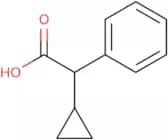
CAS:<p>Versatile small molecule scaffold</p>Formula:C11H12O2Purity:Min. 95%Molecular weight:176.21 g/mol






![Bis[2-(perfluorohexyl)ethyl]phosphate](/_next/image/?url=https%3A%2Fstatic.cymitquimica.com%2Fproducts%2F3D%2Fthumb-webp%2FFB84246.webp&w=3840&q=75)

![Bis[2-(perfluorooctyl)ethyl] phosphate](/_next/image/?url=https%3A%2Fstatic.cymitquimica.com%2Fproducts%2F3D%2Fthumb-webp%2FFB18790.webp&w=3840&q=75)
![Bis[(pinacolato)boryl]methane](/_next/image/?url=https%3A%2Fstatic.cymitquimica.com%2Fproducts%2F3D%2Fthumb-webp%2FFB18774.webp&w=3840&q=75)

![2-[(2-Bromoethyl)sulfanyl]propane](/_next/image/?url=https%3A%2Fstatic.cymitquimica.com%2Fproducts%2F3D%2Fthumb-webp%2FFAA75562.webp&w=3840&q=75)
![[(2-Bromoethyl)sulfanyl]cyclohexane](/_next/image/?url=https%3A%2Fstatic.cymitquimica.com%2Fproducts%2F3D%2Fthumb-webp%2FFAA75561.webp&w=3840&q=75)
![2-[(2-Bromoethyl)sulfanyl]-2-methylpropane](/_next/image/?url=https%3A%2Fstatic.cymitquimica.com%2Fproducts%2F3D%2Fthumb-webp%2FFAA75560.webp&w=3840&q=75)
![2-[(3-Phenylpropyl)sulfanyl]ethan-1-ol](/_next/image/?url=https%3A%2Fstatic.cymitquimica.com%2Fproducts%2F3D%2Fthumb-webp%2FFAA75557.webp&w=3840&q=75)

![2-[(2-Aminoethyl)(ethyl)amino]ethan-1-ol](/_next/image/?url=https%3A%2Fstatic.cymitquimica.com%2Fproducts%2F3D%2Fthumb-webp%2FFAA75348.webp&w=3840&q=75)
![Ethyl[1-(pyridin-3-yl)ethyl]amine](/_next/image/?url=https%3A%2Fstatic.cymitquimica.com%2Fproducts%2F3D%2Fthumb-webp%2FFAA74654.webp&w=3840&q=75)
![Spiro[2.6]nonan-4-one](/_next/image/?url=https%3A%2Fstatic.cymitquimica.com%2Fproducts%2F3D%2Fthumb-webp%2FFAA74385.webp&w=3840&q=75)

![(2-methyl-[1,3]dioxolan-2-yl)-acetic acid](/_next/image/?url=https%3A%2Fstatic.cymitquimica.com%2Fproducts%2F3D%2Fthumb-webp%2FFAA73597.webp&w=3840&q=75)
![2-Oxaspiro[4.4]nonan-1-one](/_next/image/?url=https%3A%2Fstatic.cymitquimica.com%2Fproducts%2F3D%2Fthumb-webp%2FFAA73298.webp&w=3840&q=75)

![1-N-[(4-Chlorophenyl)methyl]benzene-1,2-diamine](/_next/image/?url=https%3A%2Fstatic.cymitquimica.com%2Fproducts%2F3D%2Fthumb-webp%2FFAA72918.webp&w=3840&q=75)
![2'-Cyano[1,1'-biphenyl]-4-carboxylic acid](/_next/image/?url=https%3A%2Fstatic.cymitquimica.com%2Fproducts%2F3D%2Fthumb-webp%2FFAA72844.webp&w=3840&q=75)
![2-Oxaspiro[4.4]nonan-3-one](/_next/image/?url=https%3A%2Fstatic.cymitquimica.com%2Fproducts%2F3D%2Fthumb-webp%2FFAA72462.webp&w=3840&q=75)
![3,9-Dihydro-4H-pyrimido[4,5-b]indol-4-one](/_next/image/?url=https%3A%2Fstatic.cymitquimica.com%2Fproducts%2F3D%2Fthumb-webp%2FFAA71950.webp&w=3840&q=75)
![(2-Phenylethyl)[(pyridin-4-yl)methyl]amine](/_next/image/?url=https%3A%2Fstatic.cymitquimica.com%2Fproducts%2F3D%2Fthumb-webp%2FFAA71384.webp&w=3840&q=75)
![2-Nitro-1H-benzo[d]imidazole](/_next/image/?url=https%3A%2Fstatic.cymitquimica.com%2Fproducts%2F3D%2Fthumb-webp%2FFAA70967.webp&w=3840&q=75)
![1,4-Diazaspiro[5.5]undecane-3,5-dione](/_next/image/?url=https%3A%2Fstatic.cymitquimica.com%2Fproducts%2F3D%2Fthumb-webp%2FFAA69991.webp&w=3840&q=75)
![2-Amino-2,3-dihydro-1H-benzo[de]isoquinoline-1,3-dione](/_next/image/?url=https%3A%2Fstatic.cymitquimica.com%2Fproducts%2F3D%2Fthumb-webp%2FFAA69046.webp&w=3840&q=75)