Building Blocks
This section contains fundamental products for the synthesis of organic and biological compounds. Building blocks are the essential starting materials used to construct complex molecules through various chemical reactions. They play a critical role in drug discovery, material science, and chemical research. At CymitQuimica, we offer a diverse range of high-quality building blocks to support your innovative research and industrial projects, ensuring you have the essential components for successful synthesis.
Subcategories of "Building Blocks"
- Boronic Acids & Boronic Acid Derivatives(5,778 products)
- Chiral Building Blocks(1,242 products)
- Hydrocarbon Building Blocks(6,098 products)
- Organic Building Blocks(61,034 products)
Found 199601 products of "Building Blocks"
Sort by
Purity (%)
0
100
|
0
|
50
|
90
|
95
|
100
1-Oxaspiro[4.4]nonan-4-amine
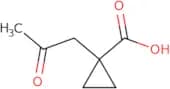
CAS:<p>Versatile small molecule scaffold</p>Formula:C8H15NOPurity:Min. 95%Molecular weight:141.21 g/mol1-(2-Oxopropyl)cyclopropane-1-carboxylic acid
CAS:<p>Versatile small molecule scaffold</p>Formula:C7H10O3Purity:Min. 95%Molecular weight:142.2 g/moltert-Butyl N-{6-oxospiro[2.5]octan-1-yl}carbamate
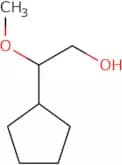
CAS:<p>Versatile small molecule scaffold</p>Formula:C13H21NO3Purity:Min. 95%Molecular weight:239.31 g/mol2-Cyclopentyl-2-methoxyethan-1-ol
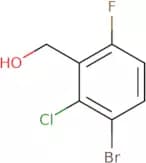
CAS:<p>Versatile small molecule scaffold</p>Formula:C8H16O2Purity:Min. 95%Molecular weight:144.21 g/mol3-Bromo-2-chloro-6-fluorobenzyl alcohol
CAS:<p>Versatile small molecule scaffold</p>Formula:C7H5BrClFOPurity:Min. 95%Molecular weight:239.47 g/mol3-Methoxy-4-[(methoxycarbonyl)amino]benzoic acid
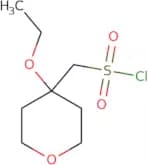
CAS:<p>Versatile small molecule scaffold</p>Formula:C10H11NO5Purity:Min. 95%Molecular weight:225.2 g/mol(4-Ethoxyoxan-4-yl)methanesulfonyl chloride
CAS:<p>Versatile small molecule scaffold</p>Formula:C8H15ClO4SPurity:Min. 95%Molecular weight:242.72 g/mol2-(1-Methyl-1H-imidazol-5-yl)propan-2-ol
CAS:<p>Versatile small molecule scaffold</p>Formula:C7H12N2OPurity:Min. 95%Molecular weight:140.2 g/mol1-{Spiro[2.5]octan-6-yl}ethan-1-one
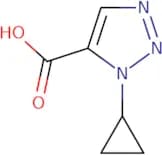
CAS:<p>Versatile small molecule scaffold</p>Formula:C10H16OPurity:Min. 95%Molecular weight:152.2 g/mol1-Cyclopropyl-1H-1,2,3-triazole-5-carboxylic acid
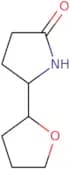
CAS:Versatile small molecule scaffoldFormula:C6H7N3O2Purity:Min. 95%Molecular weight:153.14 g/mol5-(Oxolan-2-yl)pyrrolidin-2-one
CAS:<p>Versatile small molecule scaffold</p>Formula:C8H13NO2Purity:Min. 95%Molecular weight:155.19 g/mol7-(Propan-2-yl)-2-(trifluoromethyl)pyrazolo[1,5-a]pyrimidine-5-carboxylic acid
CAS:<p>Versatile small molecule scaffold</p>Formula:C11H10F3N3O2Purity:Min. 95%Molecular weight:273.21 g/molBenzyl N-[1-(chlorosulfonyl)propan-2-yl]carbamate
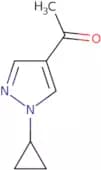
CAS:<p>Versatile small molecule scaffold</p>Formula:C11H14ClNO4SPurity:Min. 95%Molecular weight:291.75 g/mol1-(1-Cyclopropyl-1H-pyrazol-4-yl)ethan-1-one
CAS:<p>Versatile small molecule scaffold</p>Formula:C8H10N2OPurity:Min. 95%Molecular weight:150.18 g/mol3-(1-Hydroxycyclopropyl)phenol
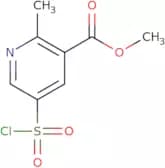
CAS:Versatile small molecule scaffoldFormula:C9H10O2Purity:Min. 95%Molecular weight:150.2 g/molMethyl 5-(chlorosulfonyl)-2-methylpyridine-3-carboxylate
CAS:<p>Versatile small molecule scaffold</p>Formula:C8H8ClNO4SPurity:Min. 95%Molecular weight:249.67 g/mol2-(4-{[(tert-Butoxy)carbonyl]amino}oxolan-3-yl)acetic acid
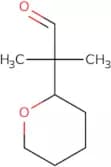
CAS:<p>Versatile small molecule scaffold</p>Formula:C11H19NO5Purity:Min. 95%Molecular weight:245.27 g/mol2-Methyl-2-(oxan-2-yl)propanal
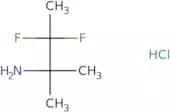
CAS:<p>Versatile small molecule scaffold</p>Formula:C9H16O2Purity:Min. 95%Molecular weight:156.22 g/mol3,3-Difluoro-2-methylbutan-2-amine hydrochloride
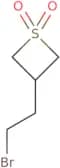
CAS:<p>Versatile small molecule scaffold</p>Formula:C5H12ClF2NPurity:Min. 95%Molecular weight:159.6 g/mol3-(2-Bromoethyl)thietane 1,1-dioxide
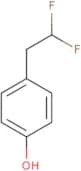
CAS:<p>Versatile small molecule scaffold</p>Formula:C5H9BrO2SPurity:Min. 95%Molecular weight:213.1 g/mol4-(2,2-Difluoroethyl)phenol
CAS:<p>Versatile small molecule scaffold</p>Formula:C8H8F2OPurity:Min. 95%Molecular weight:158.14 g/mol2-{1-[(tert-Butoxy)carbonyl]pyrrolidin-3-yl}-2,2-difluoroacetic acid
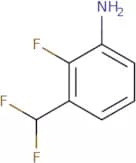
CAS:<p>Versatile small molecule scaffold</p>Formula:C11H17F2NO4Purity:Min. 95%Molecular weight:265.25 g/mol3-(Difluoromethyl)-2-fluoroaniline
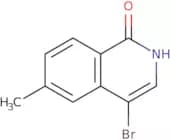
CAS:<p>Versatile small molecule scaffold</p>Formula:C7H6F3NPurity:Min. 95%Molecular weight:161.13 g/mol4-Bromo-6-methyl-1,2-dihydroisoquinolin-1-one
CAS:Versatile small molecule scaffoldFormula:C10H8BrNOPurity:Min. 95%Molecular weight:238.08 g/mol4-(Cyclobutylmethyl)-1H-pyrrole-2-carboxylic acid
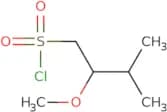
CAS:<p>Versatile small molecule scaffold</p>Formula:C10H13NO2Purity:Min. 95%Molecular weight:179.2 g/mol2-Methoxy-3-methylbutane-1-sulfonyl chloride
CAS:<p>Versatile small molecule scaffold</p>Formula:C6H13ClO3SPurity:Min. 95%Molecular weight:200.68 g/mol2-Azaspiro[4.4]nonane-1,6-dione
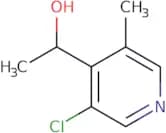
CAS:<p>Versatile small molecule scaffold</p>Formula:C8H11NO2Purity:Min. 95%Molecular weight:153.18 g/mol1-(3-Chloro-5-methylpyridin-4-yl)ethanol
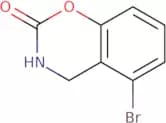
CAS:<p>Versatile small molecule scaffold</p>Formula:C8H10ClNOPurity:Min. 95%Molecular weight:171.62 g/mol5-Bromo-3,4-dihydro-2H-1,3-benzoxazin-2-one
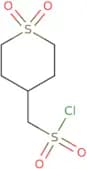
CAS:<p>Versatile small molecule scaffold</p>Formula:C8H6BrNO2Purity:Min. 95%Molecular weight:228.04 g/molTetrahydro-2H-thiopyran-4-methanesulfonyl chloride 1,1-dioxide
CAS:<p>Versatile small molecule scaffold</p>Formula:C6H11ClO4S2Purity:Min. 95%Molecular weight:246.7 g/mol3-{[(tert-Butoxy)carbonyl](hydroxy)amino}propanoic acid
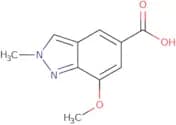
CAS:Versatile small molecule scaffoldFormula:C8H15NO5Purity:Min. 95%Molecular weight:205.2 g/mol7-Methoxy-2-methyl-2H-indazole-5-carboxylic acid
CAS:<p>Versatile small molecule scaffold</p>Formula:C10H10N2O3Purity:Min. 95%Molecular weight:206.2 g/mol3-[(1-Methylpiperidin-3-yl)methyl]aniline
CAS:<p>Versatile small molecule scaffold</p>Formula:C13H20N2Purity:Min. 95%Molecular weight:204.31 g/mol6-Hydroxy-5-methyl-2-(pyridin-2-yl)-3,4-dihydropyrimidin-4-one
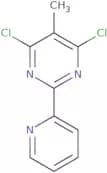
CAS:<p>Versatile small molecule scaffold</p>Formula:C10H9N3O2Purity:Min. 95%Molecular weight:203.2 g/mol4,6-Dichloro-5-methyl-2-(pyridin-2-yl)pyrimidine
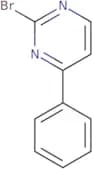
CAS:Versatile small molecule scaffoldFormula:C10H7Cl2N3Purity:Min. 95%Molecular weight:240.09 g/mol2-Bromo-4-phenylpyrimidine
CAS:<p>2-Bromo-4-phenylpyrimidine is a nucleophilic reagent that has been used in the synthesis of heterocyclic compounds. It can act as a scavenger of unsaturated groups, and can be introduced into a molecule by an electrophilic substitution reaction. 2-Bromo-4-phenylpyrimidine is also able to deplete electron density from the heterocyclic ring, which leads to increased yields in reactions with electron deficient molecules such as water. The molecule undergoes oxidation when exposed to air, so it must be stored under nitrogen or argon gas.<br>2-Bromo-4-phenylpyrimidine is not soluble in water, but is soluble in organic solvents such as dichloromethane and chloroform. The compound has been used for optimizing electron deficiency in molecules such as 3,5-dimethoxybenzoic acid and 4-(trifluorometh</p>Formula:C10H7BrN2Purity:Min. 95%Molecular weight:235.08 g/mol1-Methyl-5-phenyl pyrazole-3-carboxylic acid
CAS:<p>Versatile small molecule scaffold</p>Formula:C11H10N2O2Purity:Min. 95%Molecular weight:202.21 g/mol5-Methyl-1-phenyl-1H-pyrazole-3-carboxylic acid
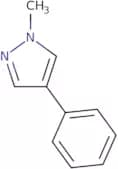
CAS:<p>Versatile small molecule scaffold</p>Formula:C11H10N2O2Purity:Min. 95%Molecular weight:202.21 g/mol1-Methyl-4-phenyl-1H-pyrazole
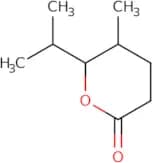
CAS:<p>1-Methyl-4-phenyl-1H-pyrazole is a regiospecific cross-coupling agent that reacts with alkenes to form pyrazoles. It is typically used in palladium-catalyzed cross-coupling reactions for the synthesis of 1,2,3-triazoles. Pyrazoles are also found as natural products in plants and animals and have been shown to be effective as anti-cancer drugs and against chronic viral infections. They are also involved in iron binding and have been shown to inhibit the activity of isomerases such as glucose 6 phosphate isomerase. 1Methyl-4-phenyl-1H-pyrazole is commercially available, but can be synthesized by reacting benzonitrile with styrene followed by allylation with ethylene or propylene oxide. The compound has been optimized for photocleavage, which makes it useful for generating azadiene derivatives.</p>Formula:C10H10N2Purity:Min. 95%Molecular weight:158.2 g/mol5-Methyl-6-(propan-2-yl)oxan-2-one
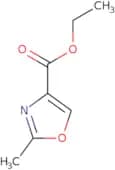
CAS:<p>Versatile small molecule scaffold</p>Formula:C9H16O2Purity:Min. 95%Molecular weight:156.22 g/molEthyl-4-methyl-3,5-oxazolecarboxylate
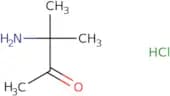
CAS:<p>Versatile small molecule scaffold</p>Formula:C7H9NO3Purity:Min. 95%Molecular weight:155.15 g/mol3-amino-3-methylbutan-2-one hydrochloride
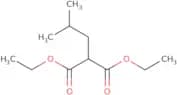
CAS:<p>Versatile small molecule scaffold</p>Formula:C5H12ClNOPurity:Min. 95%Molecular weight:137.61 g/molDiethyl Isobutylmalonate
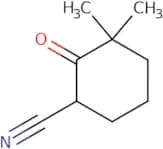
CAS:<p>Diethyl Isobutylmalonate is a solid catalyst that is used in the organic synthesis of ester compounds. This compound is an organometallic compound with a diethyl group bound to an iso-butyl group and malonic acid. The active methylene group of this molecule reacts with carboxylic acids, such as picolinic acid, to form esters. Diethyl Isobutylmalonate can be used with an acid catalyst to cross-link peptides. The hydroxyl group on the molecule can react with amine groups on proteins and also bind to aromatic hydrocarbons.</p>Formula:C11H20O4Purity:Min. 95%Molecular weight:216.27 g/mol3,3-Dimethyl-2-oxocyclohexane-1-carbonitrile
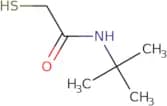
CAS:<p>Versatile small molecule scaffold</p>Formula:C9H13NOPurity:Min. 95%Molecular weight:151.21 g/molN-tert-Butyl-2-sulfanylacetamide
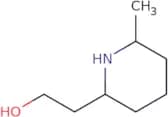
CAS:<p>Versatile small molecule scaffold</p>Formula:C6H13NOSPurity:Min. 95%Molecular weight:147.2 g/mol2-(6-Methylpiperidin-2-yl)ethan-1-ol
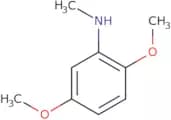
CAS:<p>Versatile small molecule scaffold</p>Formula:C8H17NOPurity:Min. 95%Molecular weight:143.23 g/mol2,5-Dimethoxy-N-methylaniline
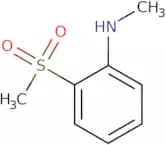
CAS:<p>Versatile small molecule scaffold</p>Formula:C9H13NO2Purity:Min. 95%Molecular weight:167.2 g/mol2-Methanesulfonyl-N-methylaniline
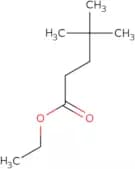
CAS:<p>Versatile small molecule scaffold</p>Formula:C8H11NO2SPurity:Min. 95%Molecular weight:185.25 g/molEthyl 4,4-dimethylpentanoate
CAS:Versatile small molecule scaffoldFormula:C9H18O2Purity:Min. 95%Molecular weight:158.24 g/mol4-Phenylbut-3-yn-1-ol
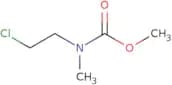
CAS:<p>4-Phenylbut-3-yn-1-ol is a chiral molecule with two stereogenic centers. It is an intermediate in the synthesis of indenes, which are used as pharmaceuticals and pesticides. 4-Phenylbut-3-yn-1-ol can be prepared by reacting diethyl etherate with acetaldehyde and malonate, or by reacting methylethylketone with ethylene oxide and carbon monoxide. The molecule has intramolecular hydrogen bonding due to the electron withdrawing effect of the carbonyl group on the adjacent phenyl ring. This allows for conformation changes that lead to catalytic activity.</p>Formula:C10H10OPurity:Min. 95%Molecular weight:146.19 g/molMethyl N-(2-chloroethyl)-N-methylcarbamate
CAS:<p>Versatile small molecule scaffold</p>Formula:C5H10ClNO2Purity:Min. 95%Molecular weight:151.59 g/mol3-(1,3-Dioxaindan-5-yl)prop-2-ynoic acid
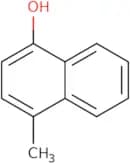
CAS:<p>Versatile small molecule scaffold</p>Formula:C10H6O4Purity:Min. 95%Molecular weight:190.15 g/mol4-Methylnaphthalen-1-ol
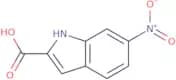
CAS:<p>4-Methylnaphthalen-1-ol is a binder that, when mixed with other organic materials, can be used to form a film. It can be used to bind many different types of sensitive material, including those that are heat-sensitive and cannot withstand high temperatures or those that are supercooled at low temperatures. 4-Methylnaphthalen-1-ol has been shown to react with alkylating agents such as diazo and naphthalenesulfonamide in the presence of iron catalyst and produce a high yield of products. These products have potential use in pharmaceuticals, plastics, rubber processing, and other industries.</p>Formula:C11H10OPurity:Min. 95%Molecular weight:158.2 g/mol6-Nitro-1H-indole-2-carboxylic acid
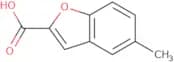
CAS:<p>Versatile small molecule scaffold</p>Formula:C9H6N2O4Purity:Min. 95%Molecular weight:206.15 g/mol5-Methylbenzofuran-2-carboxylic acid
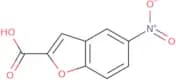
CAS:<p>5-Methylbenzofuran-2-carboxylic acid is a ligand that binds to the hydroxamic acid site on histone deacetylases, which are enzymes that remove acetyl groups from lysine residues on histones. This causes histones to become tightly packed, which inhibits transcription of DNA into RNA (gene expression). 5-Methylbenzofuran-2-carboxylic acid has been shown to be an inhibitor of the tumor growth and metastasis in animal models. The efficiencies of this drug in inhibiting the histone deacetylase enzyme have been found to be minimal. However, it is thought that this drug may be effective in combination with other drugs as a therapeutic agent for cancer treatment.</p>Formula:C10H8O3Purity:Min. 95%Molecular weight:176.17 g/mol5-Nitrobenzofuran-2-carboxylic acid
CAS:<p>5-Nitrobenzofuran-2-carboxylic acid is a chromophore with an orange-yellow color. This compound has been identified in soil and water samples, but it is not known to be produced by any living organism. It is possible that 5-nitrobenzofuran-2-carboxylic acid is produced by thermally or opportunistic bacteria, such as Chromobacterium violaceum, as a result of the oxidation of 5-nitrobenzofuran. The molecule's fluorescence can be quenched by chloroformate, which suggests that this compound may play a role in the synthesis of other aromatic compounds. The enzyme ethyl bromoacetate alkylates 5-nitrobenzofuran-2-carboxylic acid and produces ethyl 2-(5'-nitrobenzo[d][1,3]dioxol-5'-yl)acetate.</p>Formula:C9H5NO5Purity:Min. 95%Molecular weight:207.14 g/mol4-(2-Hydroxypropyl)-3-methyl-4,5-dihydro-1H-pyrazol-5-one
CAS:<p>Versatile small molecule scaffold</p>Formula:C7H12N2O2Purity:Min. 95%Molecular weight:156.18 g/mol3-[(Phenylcarbamoyl)amino]propanoic acid
CAS:<p>Versatile small molecule scaffold</p>Formula:C10H12N2O3Purity:Min. 95%Molecular weight:208.21 g/mol4-[(Ethylamino)sulfonyl]benzoic acid
CAS:<p>Versatile small molecule scaffold</p>Formula:C9H11NO4SPurity:Min. 95%Molecular weight:229.25 g/mol4-[(Isopropylamino)sulfonyl]benzoic acid
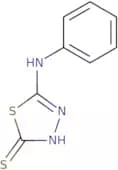
CAS:<p>Versatile small molecule scaffold</p>Formula:C10H13NO4SPurity:Min. 95%Molecular weight:243.28 g/mol5-(Phenylamino)-1,3,4-thiadiazole-2-thiol
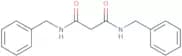
CAS:<p>Versatile small molecule scaffold</p>Formula:C8H7N3S2Purity:Min. 95%Molecular weight:209.3 g/molN,N'-Dibenzylpropanediamide
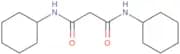
CAS:<p>Versatile small molecule scaffold</p>Formula:C17H18N2O2Purity:Min. 95%Molecular weight:282.34 g/molN,N'-Dicyclohexylpropanediamide
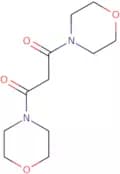
CAS:<p>Versatile small molecule scaffold</p>Formula:C15H26N2O2Purity:Min. 95%Molecular weight:266.38 g/mol1,3-Bis(morpholin-4-yl)propane-1,3-dione
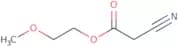
CAS:<p>Versatile small molecule scaffold</p>Formula:C11H18N2O4Purity:Min. 95%Molecular weight:242.27 g/molAcetic acid, 2-cyano-, 2-methoxyethyl ester
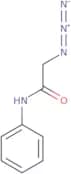
CAS:<p>2-Cyano-2-methoxyethyl acetic acid is a reactive organic solvent that has a boiling point of 152°C. It is soluble in water and has an acidic pH. This compound is used as a monomer, and is also used as an alkylating agent for the synthesis of polymers. 2-Cyano-2-methoxyethyl acetic acid can be copolymerized with other compounds to create a variety of products with different properties. The reaction time depends on the type of product being synthesized, but it typically takes up to 48 hours to complete the reaction. 2-Cyano-2-methoxyethyl acetic acid can react with c1–6 alkyl groups, which may affect its solubility. This compound has a high degree of configurability, which may allow it to be used in more chemical reactions than other organic solvents.</p>Formula:C6H9NO3Purity:Min. 95%Molecular weight:143.14 g/mol2-Azido-N-phenylacetamide
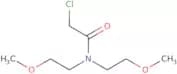
CAS:<p>2-Azido-N-phenylacetamide is an anticancer drug that inhibits cancer cell growth. It is a noncompetitive inhibitor of tyrosine kinases, which are enzymes that control the cellular division cycle. The inhibition of tyrosine kinases prevents the activation of phosphatidylinositol 3-kinase (PI3K). This leads to a decrease in the production of proteins such as Bcl-2 and Bcl-xL, which are responsible for the survival and proliferation of cancer cells. 2-Azido-N-phenylacetamide has been shown to be active against human lung cancer cells in vitro and has also been used to treat bacterial infections. The molecular electrostatic potentials of this compound indicate that it may be an effective antibacterial agent due to its carbonyl group.</p>Formula:C8H8N4OPurity:Min. 95%Molecular weight:176.18 g/mol2-Chloro-N,N-bis(2-methoxyethyl)acetamide
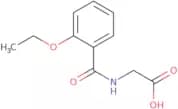
CAS:<p>Versatile small molecule scaffold</p>Formula:C8H16ClNO3Purity:Min. 95%Molecular weight:209.67 g/mol(2-Ethoxy-benzoylamino)-acetic acid
CAS:<p>Versatile small molecule scaffold</p>Formula:C11H13NO4Purity:Min. 95%Molecular weight:223.22 g/mol2-Chloro-N-[3-(propan-2-yloxy)propyl]acetamide
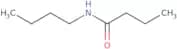
CAS:<p>Versatile small molecule scaffold</p>Formula:C8H16ClNO2Purity:Min. 95%Molecular weight:193.67 g/molN-Butylbutanamide
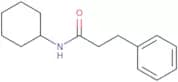
CAS:<p>N-Butylbutanamide is a colorless, volatile liquid that has a distinctive odor. It is used as an intermediate in the production of other chemicals and a solvent for coatings and adhesives. N-Butylbutanamide has been shown to react with amines and amides with high concentrations of primary alcohols to form diazirine. Diazirine can be detected by UV spectroscopy at 254 nm and by mass spectrometry. N-Butylbutanamide can be analyzed using on-line liquid chromatography or GCMS.</p>Formula:C8H17NOPurity:Min. 95%Molecular weight:143.23 g/molN-Cyclohexyl-3-phenylpropanamide
CAS:<p>Versatile small molecule scaffold</p>Formula:C15H21NOPurity:Min. 95%Molecular weight:231.33 g/molrac-(4aR,7aR)-Octahydro-1H-cyclopenta[C]pyridine
CAS:<p>Versatile small molecule scaffold</p>Formula:C8H15NPurity:Min. 95%Molecular weight:125.2 g/mol2-(2-Chlorophenyl)acetamide
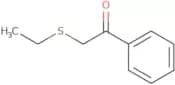
CAS:<p>2-(2-Chlorophenyl)acetamide is a trisubstituted acetamide that has been shown to bind to the benzodiazepine receptor. This binding prevents the binding of GABA to the receptor and inhibits the ion channel, which leads to increased cell membrane permeability and cell death. 2-(2-Chlorophenyl)acetamide also binds to the anhydrase II isoform, which causes inhibition of carbonic anhydrase activity. This in turn leads to increased levels of carbon dioxide in some tissues, such as those found in the eye, leading to irritation and pain. The compound has also been shown to inhibit mitogen-activated protein kinase (MAPK), which is a protein involved in cellular signalling pathways that regulate growth and differentiation. It does this by preventing phosphorylation of MAPK at tyrosine residues.</p>Formula:C8H8ClNOPurity:Min. 95%Molecular weight:169.61 g/mol2-(Ethylsulfanyl)-1-phenylethan-1-one
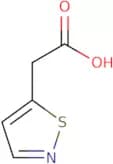
CAS:<p>Versatile small molecule scaffold</p>Formula:C10H12OSPurity:Min. 95%Molecular weight:180.27 g/mol2-(1,2-Thiazol-5-yl)acetic acid
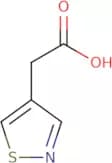
CAS:<p>Versatile small molecule scaffold</p>Formula:C5H5NO2SPurity:Min. 95%Molecular weight:143.17 g/mol2-(1,2-Thiazol-4-yl)acetic acid
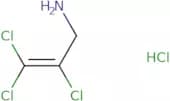
CAS:<p>Versatile small molecule scaffold</p>Formula:C5H5NO2SPurity:Min. 95%Molecular weight:143.17 g/mol2,3,3-Trichloroprop-2-en-1-amine hydrochloride
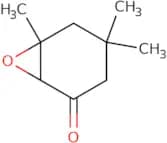
CAS:<p>Versatile small molecule scaffold</p>Formula:C3H5Cl4NPurity:Min. 95%Molecular weight:196.9 g/molIsophorone Oxide
CAS:<p>Isophorone Oxide is a molecule that contains a carbonyl group. It is unreactive and does not form hydrogen bonds or react with hydroxy groups. Isophorone oxide has two reactive groups, the hydroxyl group and amido group, which are responsible for its chemical properties. The electron reduction of the carbonyl group can be achieved by using deionized water as a reducing agent. In solution form, Isophorone Oxide is colorless to light yellow liquid with a molecular weight of 144.16 g/mol.</p>Formula:C9H14O2Purity:Min. 95%Molecular weight:154.21 g/mol2-Oxo-2-{4,7,7-trimethyl-3-oxobicyclo[2.2.1]heptan-2-yl}acetic acid
CAS:<p>Versatile small molecule scaffold</p>Formula:C12H16O4Purity:Min. 95%Molecular weight:224.25 g/mol({1,7,7-Trimethylbicyclo[2.2.1]heptan-2-ylidene}amino)urea
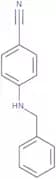
CAS:<p>Versatile small molecule scaffold</p>Formula:C11H19N3OPurity:Min. 95%Molecular weight:209.29 g/mol4-(Benzylamino)benzonitrile
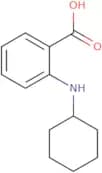
CAS:<p>Versatile small molecule scaffold</p>Formula:C14H12N2Purity:Min. 95%Molecular weight:208.26 g/mol2-(Cyclohexylamino)benzoic acid
CAS:<p>2-(Cyclohexylamino)benzoic acid is a chemical compound that reacts with aryl halides to form cyclic amines. The reaction proceeds by the formation of an intermediate, which is then hydrolyzed and decarboxylated to form the product. This reaction can be used for the synthesis of amines from either aromatic or aliphatic aryl chlorides. This process is often used in screening experiments because it has been shown to be selective for aryl halides and yields high yields. The addition of cross-coupling reactions can also yield high yields and produce desired products with good chemo- and regioselectivity. 2-(Cyclohexylamino)benzoic acid is also useful for the synthesis of hyperpolarized molecules for imaging studies, as well as in ultrafast experiments where transfer rates are important.</p>Formula:C13H17NO2Purity:Min. 95%Molecular weight:219.28 g/molMethyl 2-(cyclohexylamino)benzoate
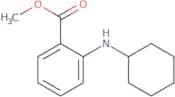
CAS:<p>Versatile small molecule scaffold</p>Formula:C14H19NO2Purity:Min. 95%Molecular weight:233.31 g/mol2,6-Dichlorobenzenesulfonamide
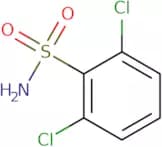
CAS:<p>Versatile small molecule scaffold</p>Formula:C6H5Cl2NO2SPurity:Min. 95%Molecular weight:226.08 g/mol4-Cyclobutylphenol
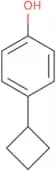
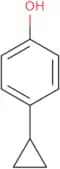
CAS:<p>Versatile small molecule scaffold</p>Formula:C10H12OPurity:Min. 95%Molecular weight:148.2 g/mol4-Cyclopropylphenol
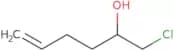
CAS:<p>4-Cyclopropylphenol is an antimicrobial agent that belongs to the group of phenols. It has been shown to have mutagenic properties and is used in chemical studies. 4-Cyclopropylphenol is activated by reaction with a benzene molecule, which binds to the functional groups on the phenol, forming a covalent bond. This activation process requires an input of energy in order to break the benzene ring and form the reactive species. The elimination of 4-cyclopropylfhenol from solution also requires energy input as it leaves as a gas. The mutagenic properties of 4-cyclopropylfhenol are due to its ability for interaction with DNA, which is based on thermodynamic and kinetic theory.</p>Formula:C9H10OPurity:Min. 95%Molecular weight:134.18 g/mol1-Chlorohex-5-en-2-ol
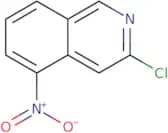
CAS:<p>Versatile small molecule scaffold</p>Formula:C6H11ClOPurity:Min. 95%Molecular weight:134.6 g/mol3-Chloro-5-nitroisoquinoline
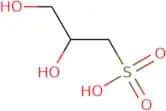
CAS:<p>3-Chloro-5-nitroisoquinoline is a heterocyclic compound that belongs to the isoquinoline class. It can be synthesized by reacting 3,4,5-trichlorobenzaldehyde with ammonia and sodium nitrite in an aqueous solution. The synthesis of this compound has been shown to produce two isomers, thiazolo and thiazole. Spectroscopic data for this compound have been obtained in the solid state and in solution. The spectra show strong absorptions at about 250 nm and at about 590 nm. The heterocyclic ring has a nitrogen atom as one of its members, which is responsible for the absorption at around 250 nm. The absorption at 590 nm is due to the presence of an aromatic ring system.</p>Formula:C9H5ClN2O2Purity:Min. 95%Molecular weight:208.6 g/mol2,3-Dihydroxypropane-1-sulfonic acid
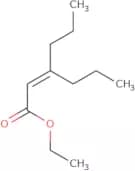
CAS:<p>2,3-Dihydroxypropane-1-sulfonic acid is a hydrophilic monomer that is used to produce polyesters. It has an allyl group that reacts with triphosgene to form a conjugate acid. This acid reacts with the hydroxyl groups on the polyester to create ester bonds. 2,3-Dihydroxypropane-1-sulfonic acid is copolymerized with other hydrophilic monomers such as ethylene glycol to produce a water resistant coating for metal surfaces or plastics. 2,3-Dihydroxypropane-1-sulfonic acid also has emulsifying properties and can be used in conjunction with sodium salts to create emulsions in paints and coatings. The hydrogen elimination reaction of 2,3-dihydroxypropane-1-sulfonic acid produces cyclic sulfamic acid and its derivative, which are used as radiation</p>Formula:C3H8O5SPurity:Min. 95%Molecular weight:156.16 g/molEthyl 3-propylhex-2-enoate
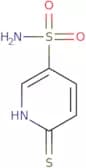
CAS:<p>Ethyl 3-propylhex-2-enoate is an allylic alcohol that is used as a building block in organic synthesis. It is obtained by the Wittig reaction of allyl bromide with a terminal alkyne. The wittig reaction first produces the allylic acetal, which then reacts with dimethyl acetal to produce ethyl 3-propylhex-2-enoate. Ethyl 3-propylhex-2-enoate may be used in the production of carbonyl compounds, carbonyl, and acetals.</p>Formula:C11H20O2Purity:Min. 95%Molecular weight:184.27 g/mol6-Sulfanylpyridine-3-sulfonamide
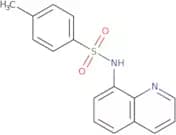
CAS:<p>Versatile small molecule scaffold</p>Formula:C5H6N2O2S2Purity:Min. 95%Molecular weight:190.2 g/mol8-(Tosylamino)quinoline
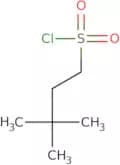
CAS:<p>8-(Tosylamino)quinoline is a quinoline derivative that inhibits the production of tumor necrosis factor-α (TNF-α) and other inflammatory mediators. 8-(Tosylamino)quinoline has been shown to inhibit the proliferation of muscle cells, which may be due to its anti-inflammatory properties. This drug also suppresses genes that are involved in cell growth and signaling, such as suppressor genes. 8-(Tosylamino)quinoline binds copper ions, which prevents the formation of reactive oxygen species and blocks the activation of nuclear factor kappa beta (NFκB), which regulates immune responses. It also inhibits autophagy, a process by which cells destroy their own intracellular contents during periods of starvation or stress.</p>Formula:C16H14N2O2SPurity:Min. 95%Molecular weight:298.36 g/mol3,3-Dimethylbutane-1-sulfonyl chloride
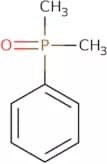
CAS:<p>Versatile small molecule scaffold</p>Formula:C6H13ClO2SPurity:Min. 95%Molecular weight:184.69 g/mol(Dimethylphosphoryl)benzene
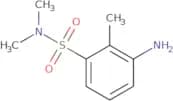
CAS:<p>Dimethylphosphorylbenzene is an inorganic compound that is a phosphine, a class of organometallic compounds. It has been shown to have a catalytic effect on the reaction between acyl halides and carbon disulphide. Dimethylphosphorylbenzene has also been studied for its use as a polymerization initiator in lithography. Its light-emitting properties are due to the presence of a hydroxyl group and its ability to undergo photochemical reactions following exposure to light.</p>Formula:C8H11OPPurity:Min. 95%Molecular weight:154.15 g/mol3-Amino-N,N,2-trimethylbenzene-1-sulfonamide
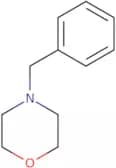
CAS:<p>Versatile small molecule scaffold</p>Formula:C9H14N2O2SPurity:Min. 95%Molecular weight:214.29 g/mol4-Benzylmorpholine
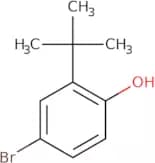
CAS:<p>4-Benzylmorpholine is a solvent that is used in organic chemistry as a reactant and as a chemical intermediate. It has been shown to inhibit the activity of cytochrome P450 enzymes in human liver microsomes, which are enzymes that metabolize xenobiotics. 4-Benzylmorpholine binds to the heme moiety of these enzymes, preventing them from carrying out their function. This inhibition of p-450 enzymes leads to an increase in the levels of reactive oxygen species and lipid peroxidation, which may be responsible for its toxicity. The binding site for 4-benzylmorpholine on p-450 enzymes has been identified using kinetic analysis and NMR spectroscopy as a hydrogen bond between the amine group and the hydroxyl group at C3 on the ring.</p>Formula:C11H15NOPurity:Min. 95%Molecular weight:177.25 g/mol4-Bromo-2-tert-butylphenol
CAS:<p>4-Bromo-2-tert-butylphenol is a fungicide that has been shown to have fungistatic activity against Aspergillus and other fungi. It has been shown to be effective for the elimination of fungal growth on plant material, such as fruit and vegetables. 4-Bromo-2-tert-butylphenol inhibits the growth of fungi by altering the pH levels in the environment, which results in a decrease in fungal growth. Fungi are killed by methylation when they come into contact with this chemical. This compound is also volatile and can be used as an organic solvent or formamide.</p>Formula:C10H13BrOPurity:Min. 95%Molecular weight:229.12 g/mol[1,3]Oxazolo[5,4-d]pyrimidin-7-amine
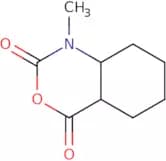
CAS:<p>Versatile small molecule scaffold</p>Formula:C5H4N4OPurity:Min. 95%Molecular weight:136.11 g/molN-Methylisatoic anhydride
CAS:<p>N-Methylisatoic anhydride is a versatile compound used in various industries. It is commonly employed in the production of polymers, cellulose derivatives, and detergents. This compound acts as a cationic hydrogenated pyrazole chloride, making it highly soluble in water and easily solubilized in various solvents. N-Methylisatoic anhydride is also utilized as an inhibitor for the synthesis of uridine monophosphate and cytidine monophosphate. Additionally, it finds applications as an electrode material due to its excellent conductivity properties. With its wide range of uses, N-Methylisatoic anhydride is a valuable compound for multiple industries.</p>Formula:C9H7NO3Purity:Min. 95%Molecular weight:177.16 g/molN-Hydroxy-2-(naphthalen-1-yl)acetamide
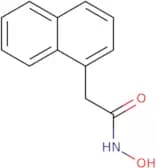
CAS:<p>Versatile small molecule scaffold</p>Formula:C12H11NO2Purity:Min. 95%Molecular weight:201.22 g/mol
![1-Oxaspiro[4.4]nonan-4-amine](/_next/image/?url=https%3A%2Fstatic.cymitquimica.com%2Fproducts%2F3D%2Fthumb-webp%2FJWC61312.webp&w=3840&q=75)

![tert-Butyl N-{6-oxospiro[2.5]octan-1-yl}carbamate](/_next/image/?url=https%3A%2Fstatic.cymitquimica.com%2Fproducts%2F3D%2Fthumb-webp%2FJWC62763.webp&w=3840&q=75)
![3-Methoxy-4-[(methoxycarbonyl)amino]benzoic acid](/_next/image/?url=https%3A%2Fstatic.cymitquimica.com%2Fproducts%2F3D%2Fthumb-webp%2FJWC63267.webp&w=3840&q=75)
![1-{Spiro[2.5]octan-6-yl}ethan-1-one](/_next/image/?url=https%3A%2Fstatic.cymitquimica.com%2Fproducts%2F3D%2Fthumb-webp%2FJWC64960.webp&w=3840&q=75)
![7-(Propan-2-yl)-2-(trifluoromethyl)pyrazolo[1,5-a]pyrimidine-5-carboxylic acid](/_next/image/?url=https%3A%2Fstatic.cymitquimica.com%2Fproducts%2F3D%2Fthumb-webp%2FJWC65790.webp&w=3840&q=75)
![Benzyl N-[1-(chlorosulfonyl)propan-2-yl]carbamate](/_next/image/?url=https%3A%2Fstatic.cymitquimica.com%2Fproducts%2F3D%2Fthumb-webp%2FJWC67122.webp&w=3840&q=75)
![2-(4-{[(tert-Butoxy)carbonyl]amino}oxolan-3-yl)acetic acid](/_next/image/?url=https%3A%2Fstatic.cymitquimica.com%2Fproducts%2F3D%2Fthumb-webp%2FJWC68442.webp&w=3840&q=75)
![2-{1-[(tert-Butoxy)carbonyl]pyrrolidin-3-yl}-2,2-difluoroacetic acid](/_next/image/?url=https%3A%2Fstatic.cymitquimica.com%2Fproducts%2F3D%2Fthumb-webp%2FJWC79535.webp&w=3840&q=75)
![2-Azaspiro[4.4]nonane-1,6-dione](/_next/image/?url=https%3A%2Fstatic.cymitquimica.com%2Fproducts%2F3D%2Fthumb-webp%2FJWC82292.webp&w=3840&q=75)
amino}propanoic acid](/_next/image/?url=https%3A%2Fstatic.cymitquimica.com%2Fproducts%2F3D%2Fthumb-webp%2FJWC84248.webp&w=3840&q=75)
![3-[(1-Methylpiperidin-3-yl)methyl]aniline](/_next/image/?url=https%3A%2Fstatic.cymitquimica.com%2Fproducts%2F3D%2Fthumb-webp%2FJWC86708.webp&w=3840&q=75)





![3-[(Phenylcarbamoyl)amino]propanoic acid](/_next/image/?url=https%3A%2Fstatic.cymitquimica.com%2Fproducts%2F3D%2Fthumb-webp%2FKAA25066.webp&w=3840&q=75)
![4-[(Ethylamino)sulfonyl]benzoic acid](/_next/image/?url=https%3A%2Fstatic.cymitquimica.com%2Fproducts%2F3D%2Fthumb-webp%2FKAA25264.webp&w=3840&q=75)
![4-[(Isopropylamino)sulfonyl]benzoic acid](/_next/image/?url=https%3A%2Fstatic.cymitquimica.com%2Fproducts%2F3D%2Fthumb-webp%2FKAA25266.webp&w=3840&q=75)
![2-Chloro-N-[3-(propan-2-yloxy)propyl]acetamide](/_next/image/?url=https%3A%2Fstatic.cymitquimica.com%2Fproducts%2F3D%2Fthumb-webp%2FKAA26367.webp&w=3840&q=75)
![rac-(4aR,7aR)-Octahydro-1H-cyclopenta[C]pyridine](/_next/image/?url=https%3A%2Fstatic.cymitquimica.com%2Fproducts%2F3D%2Fthumb-webp%2FKAA26802.webp&w=3840&q=75)
![2-Oxo-2-{4,7,7-trimethyl-3-oxobicyclo[2.2.1]heptan-2-yl}acetic acid](/_next/image/?url=https%3A%2Fstatic.cymitquimica.com%2Fproducts%2F3D%2Fthumb-webp%2FKAA27734.webp&w=3840&q=75)
![({1,7,7-Trimethylbicyclo[2.2.1]heptan-2-ylidene}amino)urea](/_next/image/?url=https%3A%2Fstatic.cymitquimica.com%2Fproducts%2F3D%2Fthumb-webp%2FKAA28141.webp&w=3840&q=75)
![[1,3]Oxazolo[5,4-d]pyrimidin-7-amine](/_next/image/?url=https%3A%2Fstatic.cymitquimica.com%2Fproducts%2F3D%2Fthumb-webp%2FKAA32561.webp&w=3840&q=75)