Building Blocks
This section contains fundamental products for the synthesis of organic and biological compounds. Building blocks are the essential starting materials used to construct complex molecules through various chemical reactions. They play a critical role in drug discovery, material science, and chemical research. At CymitQuimica, we offer a diverse range of high-quality building blocks to support your innovative research and industrial projects, ensuring you have the essential components for successful synthesis.
Subcategories of "Building Blocks"
- Boronic Acids & Boronic Acid Derivatives(5,756 products)
- Chiral Building Blocks(1,242 products)
- Hydrocarbon Building Blocks(6,095 products)
- Organic Building Blocks(61,038 products)
Found 196817 products of "Building Blocks"
Sort by
Purity (%)
0
100
|
0
|
50
|
90
|
95
|
100
1-[(4-Bromophenyl)methyl]-5-oxopyrrolidine-2-carboxylic acid
CAS:Controlled Product<p>1-[(4-Bromophenyl)methyl]-5-oxopyrrolidine-2-carboxylic acid is a peptide that belongs to a class of inhibitors. It has been shown to inhibit the activity of ion channels and is used as a research tool in cell biology and pharmacology. 1-[(4-Bromophenyl)methyl]-5-oxopyrrolidine-2-carboxylic acid interacts with specific receptors and ligands, which may contribute to its ability to inhibit the activity of ion channels.</p>Formula:C12H12BrNO3Purity:Min. 95%Molecular weight:298.13 g/mol-3(2,3,4-trimethoxyphenyl)acrylic acid
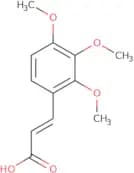
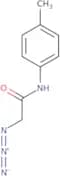
CAS:<p>-3(2,3,4-trimethoxyphenyl)acrylic acid is a versatile compound that has various applications in different fields. It is used as a hydrogen atom donor in chemical reactions and as a precursor for the synthesis of eszopiclone, an FDA-approved medication for insomnia. Additionally, it is utilized in the production of herbicides and research chemicals.</p>Formula:C12H14O5Purity:Min. 95%Molecular weight:238.24 g/mol2-Azido-N-(4-methylphenyl)acetamide
CAS:<p>Versatile small molecule scaffold</p>Formula:C9H10N4OPurity:Min. 95%Molecular weight:190.2 g/mol2-Azido-N-benzylacetamide
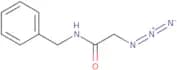
CAS:<p>2-Azido-N-benzylacetamide (2ABA) is a strain that can be used in biochemistry, specifically for the study of amides. It has been shown to be chemically stable and has a number of strategies that can be employed. 2ABA is an amide with phenyl substituents that have functional groups such as azides and traceless. The hydrogen bond in 2ABA forms through the bond cleavage reaction rate and ligation, which are triggered by triggerable bonds.</p>Formula:C9H10N4OPurity:Min. 95%Molecular weight:190.2 g/mol3,4,5-Tribromophenol
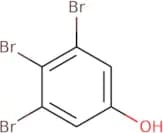
CAS:<p>Versatile small molecule scaffold</p>Formula:C6H3Br3OPurity:Min. 95%Molecular weight:330.8 g/mol3-ethoxy-4-nitroaniline
CAS:<p>Versatile small molecule scaffold</p>Formula:C8H10N2O3Purity:Min. 95%Molecular weight:182.18 g/mol3-Methyl-N-phenylbenzene-1-sulfonamide
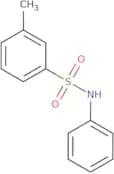
CAS:<p>Versatile small molecule scaffold</p>Formula:C13H13NO2SPurity:Min. 95%Molecular weight:247.31 g/mol3-Methylbenzene-1,2-disulfonyl dichloride
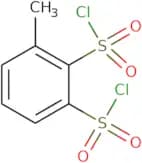
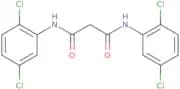
CAS:<p>Versatile small molecule scaffold</p>Formula:C7H6Cl2O4S2Purity:Min. 95%Molecular weight:289.2 g/molN,N'-Bis(2,5-dichlorophenyl)propanediamide
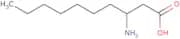
CAS:<p>Versatile small molecule scaffold</p>Formula:C15H10Cl4N2O2Purity:Min. 95%Molecular weight:392.1 g/mol3-Aminodecanoic acid
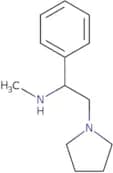
CAS:<p>3-Aminodecanoic acid is a residue that is synthesized by the nonribosomal peptide synthetase. The enzyme has been sequenced and found to be homologous to other enzymes such as 3-hydroxyisobutyric acid and 3-aminohexanoic acid. The biosynthesis of 3-aminodecanoic acid is thought to be an evolutionary adaptation of cyanobacteria, which are photosynthetic bacteria. Experimental evidence suggests that the antifungal activity of this compound may be due to its ability to inhibit lipid synthesis in yeast cells.</p>Formula:C10H21NO2Purity:Min. 95%Molecular weight:187.28 g/mol(1S)-N-Methyl-1-phenyl-2-(pyrrolidin-1-yl)ethanamine
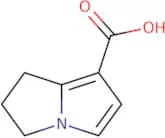
CAS:<p>Versatile small molecule scaffold</p>Formula:C13H20N2Purity:Min. 95%Molecular weight:204.31 g/mol2,3-Dihydro-1H-pyrrolizine-7-carboxylic acid
CAS:<p>Versatile small molecule scaffold</p>Formula:C8H9NO2Purity:Min. 95%Molecular weight:151.16 g/mol5-[(3-Chloro-2-methylphenyl)amino]-1,3,4-thiadiazole-2-thiol
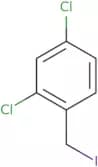
CAS:<p>Versatile small molecule scaffold</p>Formula:C9H8ClN3S2Purity:Min. 95%Molecular weight:257.8 g/mol2,4-Dichloro-1-(iodomethyl)benzene
CAS:<p>Versatile small molecule scaffold</p>Formula:C7H5Cl2IPurity:Min. 95%Molecular weight:286.92 g/mol2,4-Diiodo-6-nitroaniline
CAS:<p>Versatile small molecule scaffold</p>Formula:C6H4I2N2O2Purity:Min. 95%Molecular weight:389.92 g/mol3-Bromo-2-nitrobenzoic acid
CAS:<p>3-Bromo-2-nitrobenzoic acid is a synthetic organic solvent that is used in the synthesis of other organic compounds. The chemical synthesis of 3-Bromo-2-nitrobenzoic acid starts with the reaction of acetone and potassium permanganate. The reactants are mixed together and heated to produce a hydrochloric acid solution, which is then cooled to room temperature. This process produces a white solid, which is filtered and washed with water and dried. The chemical synthesis method for 3-Bromo-2-nitrobenzoic acid yields a high yield.</p>Formula:C7H4BrNO4Purity:Min. 95%Molecular weight:246.01 g/mol4-iodo-2-nitrobenzoic acid
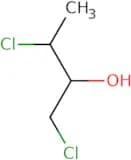
CAS:<p>Versatile small molecule scaffold</p>Formula:C7H4INO4Purity:Min. 95%Molecular weight:293 g/mol1,3-Dichlorobutan-2-ol
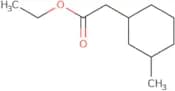
CAS:<p>Versatile small molecule scaffold</p>Formula:C4H8Cl2OPurity:Min. 95%Molecular weight:143.01 g/molEthyl 2-(3-methylcyclohexyl)acetate
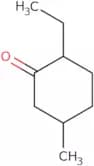
CAS:<p>Versatile small molecule scaffold</p>Formula:C11H20O2Purity:Min. 95%Molecular weight:184.3 g/mol2-Ethyl-5-methylcyclohexan-1-one
CAS:<p>Versatile small molecule scaffold</p>Formula:C9H16OPurity:Min. 95%Molecular weight:140.22 g/molThieno[3,2-b]pyridine-6-carbonitrile
CAS:<p>Thiophene-2-carboxylic acid is a heterocyclic compound containing a thiophene ring and carboxylic acid functional groups. Thiophene-2-carboxylic acid is used in the synthesis of β-unsaturated ketones, butyronitrile, acetonitrile, aldehydes, and amines. It also has shown to be an inhibitor of kidney disease, neuropathic pain, and xylene toxicity. The compound is used as an intermediate in the synthesis of polycystic kidney disease drugs. Thiophene-2-carboxylic acid also has anti-cancer properties that are due to its ability to inhibit the growth of cancer cells by inhibiting protein synthesis and inducing apoptosis.</p>Formula:C8H4N2SPurity:Min. 95%Molecular weight:160.19 g/mol3-Chloro-1aH,6H,6aH-indeno[1,2-b]oxirene
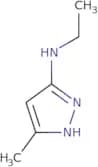
CAS:<p>Versatile small molecule scaffold</p>Formula:C9H7ClOPurity:Min. 95%Molecular weight:166.6 g/molN-Ethyl-5-methyl-1H-pyrazol-3-amine
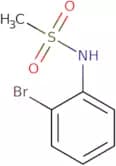
CAS:<p>Versatile small molecule scaffold</p>Formula:C6H11N3Purity:Min. 95%Molecular weight:125.17 g/molN-(2-Bromophenyl)methanesulfonamide
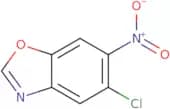
CAS:<p>Versatile small molecule scaffold</p>Formula:C7H8BrNO2SPurity:Min. 95%Molecular weight:250.12 g/mol5-Chloro-6-nitro-1,3-benzoxazole
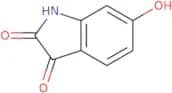
CAS:<p>Versatile small molecule scaffold</p>Formula:C7H3ClN2O3Purity:Min. 95%Molecular weight:198.57 g/mol6-Hydroxy-2,3-dihydro-1h-indole-2,3-dione
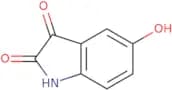
CAS:<p>6-Hydroxy-2,3-dihydro-1H-indole-2,3-dione is a compound that inhibits the growth of Streptomyces and other bacteria. It has been shown to inhibit the growth of anthranilic acid producing bacteria such as Streptomycetes. 6-Hydroxy-2,3-dihydro-1H-indole-2,3-dione also attenuates the development of experimental anthranilic acid induced arthritis in rats. The compound is an inhibitor of prostaglandin E2 (PGE2) production in various types of cells. In particular it inhibits the production of PGE2 by isolated rat brain cells and by mycobacteria. 6-Hydroxyindole 2,3 dihydrodione also has been found to be an isomeric mixture of two compounds with identical molecular weight but different chemical structures: p -hydroxybenzoic acid and ty</p>Formula:C8H5NO3Purity:Min. 95%Molecular weight:163.13 g/mol5-Hydroxy-2,3-dihydro-1H-indole-2,3-dione
CAS:<p>5-Hydroxy-2,3-dihydro-1H-indole-2,3-dione is a growth factor that has been shown to have an inhibitory effect on the production of indirubin and oxindole. It has been found to be effective against infectious diseases such as malaria, leishmaniasis and toxoplasmosis. This molecule also has an inhibitory effect on oxidases, which are enzymes that catalyze the oxidation of various substrates. 5-Hydroxy-2,3-dihydro-1H-indole-2,3-dione can be modified by enzymes to form a variety of derivatives with different biological activities. 5HIDD binds to cell membrane receptors and inhibits insulin like growth factor binding protein 3 (IGFBP3) and insulin receptor substrate 1 (IRS1).</p>Formula:C8H5NO3Purity:Min. 95%Molecular weight:163.13 g/mol2-[(tert-Butyldimethylsilyl)oxy]benzaldehyde
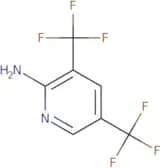
CAS:<p>2-[(tert-Butyldimethylsilyl)oxy]benzaldehyde (BBSA) is a traceless synthetic reagent that is used for the termination of peptide synthesis. It can also be used in the synthesis of benzofurans, carbonyl compounds, and thioacetals. The high yield and chemoselectivity makes BBSA a competitive reagent for these types of reactions. BBSA can be prepared from hydrogen peroxide, esters, enol ethers, or peroxides. These latter reactants are more selective than hydrogen peroxide and do not lead to oxidation of substrates or side products. This product is also useful for the synthesis of thioketals.</p>Formula:C13H20O2SiPurity:Min. 95%Molecular weight:236.38 g/mol3,5-Bis(trifluoromethyl)pyridin-2-amine
CAS:<p>Versatile small molecule scaffold</p>Formula:C7H4F6N2Purity:Min. 95%Molecular weight:230.11 g/mol(6,7,8,9-Tetrahydro-5h-[1,2,4]triazolo[4,3-a]azepin-3-yl)-acetonitrile
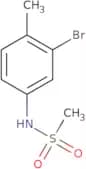
CAS:<p>Acetanilide is a chemical compound with the formula CHC(O)NH. It is an organic compound that reacts with Cl- to form the corresponding acetyl chloride. Acetanilide is a white crystalline solid that can be obtained by reacting phenol with acetic anhydride in the presence of a base. It has a melting point of about 155°C and has no odor or taste. Acetanilide is used as a starting material for other chemicals, such as para-acetamidobenzene and sulfonamides.</p>Formula:C9H12N4Purity:Min. 95%Molecular weight:176.22 g/molN-(3-Bromo-4-methylphenyl)methanesulfonamide
CAS:<p>Versatile small molecule scaffold</p>Formula:C8H10BrNO2SPurity:Min. 95%Molecular weight:264.14 g/mol4-[(Methylamino)methyl]benzene-1-sulfonamide hydrochloride
CAS:<p>Versatile small molecule scaffold</p>Formula:C8H13ClN2O2SPurity:Min. 95%Molecular weight:236.72 g/mol6-Chloronaphthalene-1-carbaldehyde
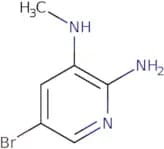
CAS:<p>Versatile small molecule scaffold</p>Formula:C11H7ClOPurity:Min. 95%Molecular weight:190.62 g/mol5-Bromo-N3-methylpyridine-2,3-diamine
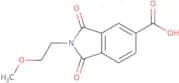
CAS:<p>5-Bromo-N3-methylpyridine-2,3-diamine is a halogenated pyridine derivative that is the product of bromination and chlorination reactions. 5-Bromo-N3-methylpyridine-2,3-diamine can be used as an intermediate in the production of other chemicals such as dyes and pharmaceuticals. The pathways for the synthesis of 5-bromo-N3 methylpyridine 2,3 diamine are shown below.</p>Formula:C6H8BrN3Purity:Min. 95%Molecular weight:202.05 g/mol2-(2-Methoxy-ethyl)-1,3-dioxo-2,3-dihydro-1H-isoindole-5-carboxylic acid
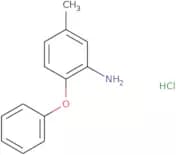
CAS:<p>Versatile small molecule scaffold</p>Formula:C12H11NO5Purity:Min. 95%Molecular weight:249.22 g/mol5-Methyl-2-phenoxyaniline hydrochloride
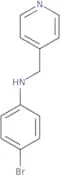
CAS:<p>Versatile small molecule scaffold</p>Formula:C13H14ClNOPurity:Min. 95%Molecular weight:235.71 g/mol4-Bromo-N-(pyridin-4-ylmethyl)aniline
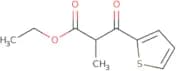
CAS:<p>Versatile small molecule scaffold</p>Formula:C12H11BrN2Purity:Min. 95%Molecular weight:263.13 g/molEthyl 2-methyl-3-oxo-3-(thiophen-2-yl)propanoate
CAS:<p>Versatile small molecule scaffold</p>Formula:C10H12O3SPurity:Min. 95%Molecular weight:212.27 g/molMethyl 5-amino-1-methyl-1H-pyrrole-2-carboxylate
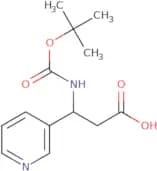
CAS:<p>Versatile small molecule scaffold</p>Formula:C7H10N2O2Purity:Min. 95%Molecular weight:154.17 g/mol3-Boc-Amino-3-(3-pyridyl)-propionic acid
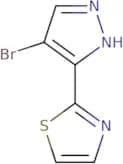
CAS:<p>Versatile small molecule scaffold</p>Formula:C13H18N2O4Purity:Min. 95%Molecular weight:266.3 g/mol2-(4-Bromo-1H-pyrazol-3-yl)-1,3-thiazole
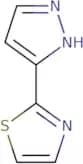
CAS:<p>Versatile small molecule scaffold</p>Formula:C6H4BrN3SPurity:Min. 95%Molecular weight:230.09 g/mol2-(1H-Pyrazol-3-yl)thiazole
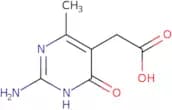
CAS:<p>2-(1H-Pyrazol-3-yl)thiazole is a crystalline polymorph of carbon disulphide. It has been shown to have anticancer activity in vitro and in vivo models, as well as antiinflammatory activity. 2-(1H-Pyrazol-3-yl)thiazole inhibits the production of reactive oxygen species by blocking the mitochondrial electron transport chain. It also has been shown to inhibit lipid biosynthesis, which may be useful for treating cirrhosis and antimicrobial agents. Molecular modeling studies have indicated that 2-(1H-Pyrazol-3-yl)thiazole binds to the soluble guanylate cyclase, preventing activation of this enzyme and inhibiting cellular proliferation.</p>Formula:C6H5N3SPurity:Min. 95%Molecular weight:151.19 g/mol(2-Amino-4-methyl-6-oxo-1,6-dihydro-pyrimidin-5-yl)-acetic acid
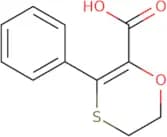
CAS:<p>Versatile small molecule scaffold</p>Formula:C7H9N3O3Purity:Min. 95%Molecular weight:183.16 g/mol3-Phenyl-5,6-dihydro-1,4-oxathiine-2-carboxylic acid
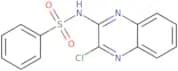
CAS:<p>Versatile small molecule scaffold</p>Formula:C11H10O3SPurity:Min. 95%Molecular weight:222.26 g/molN-(3-Chloroquinoxalin-2-yl)benzenesulfonamide
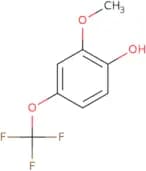
CAS:<p>Versatile small molecule scaffold</p>Formula:C14H10ClN3O2SPurity:Min. 95%Molecular weight:319.8 g/mol2-Methoxy-4-(trifluoromethoxy)phenol
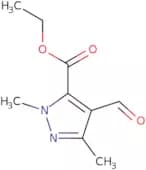
CAS:<p>Versatile small molecule scaffold</p>Formula:C8H7F3O3Purity:Min. 95%Molecular weight:208.13 g/molEthyl 4-formyl-1,3-dimethyl-1H-pyrazole-5-carboxylate
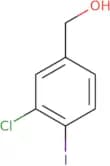
CAS:<p>Versatile small molecule scaffold</p>Formula:C9H12N2O3Purity:Min. 95%Molecular weight:196.2 g/mol3-Chloro-4-iodobenzyl alcohol
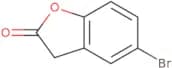
CAS:<p>Versatile small molecule scaffold</p>Formula:C7H6OClIPurity:Min. 95%Molecular weight:268.47 g/mol5-Bromo-2,3-dihydro-1-benzofuran-2-one
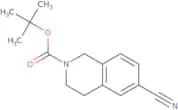
CAS:<p>Versatile small molecule scaffold</p>Formula:C8H5BrO2Purity:Min. 95%Molecular weight:213.03 g/moltert-Butyl 6-cyano-3,4-dihydroisoquinoline-2(1H)-carboxylate
CAS:<p>Versatile small molecule scaffold</p>Formula:C15H18N2O2Purity:Min. 95%Molecular weight:258.32 g/molN-Methyl-1,4-dioxaspiro[4.5]decan-8-amine
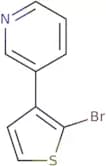
CAS:<p>Versatile small molecule scaffold</p>Formula:C9H17NO2Purity:Min. 95%Molecular weight:171.24 g/mol3-(2-Bromothiophen-3-yl)pyridine
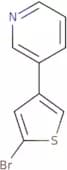
CAS:<p>Versatile small molecule scaffold</p>Formula:C9H6BrNSPurity:Min. 95%Molecular weight:240.12 g/mol3-(5-Bromothiophen-3-yl)pyridine
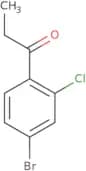
CAS:<p>Versatile small molecule scaffold</p>Formula:C9H6BrNSPurity:Min. 95%Molecular weight:240.12 g/mol1-(4-Bromo-2-chlorophenyl)propan-1-one
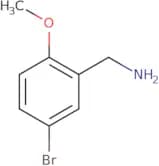
CAS:<p>Versatile small molecule scaffold</p>Formula:C9H8BrClOPurity:Min. 95%Molecular weight:247.51 g/mol(5-bromo-2-methoxyphenyl)methanamine
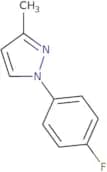
CAS:<p>Versatile small molecule scaffold</p>Formula:C8H10BrNOPurity:Min. 95%Molecular weight:216.1 g/mol1-(4-Fluorophenyl)-3-methyl-1H-pyrazole
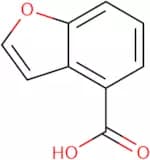
CAS:<p>Versatile small molecule scaffold</p>Formula:C10H9FN2Purity:Min. 95%Molecular weight:176.19 g/mol4-Benzofurancarboxylic Acid
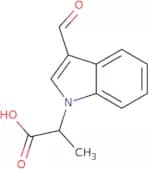
CAS:<p>4-Benzofurancarboxylic acid is an organic compound with the formula CH(CO2H)2. It is a white crystalline solid that is soluble in many organic solvents. The compound has a carboxyl group, and it reacts as an acid to give salts with various metals. 4-Benzofurancarboxylic acid also undergoes Friedel-Crafts reactions and can be synthesized by reacting carbon disulfide with acetyl chloride, which gives the product in high yield.</p>Formula:C9H6O3Purity:Min. 95%Molecular weight:162.14 g/mol2-(3-Formyl-1H-indol-1-yl)propanoic acid
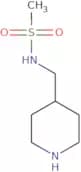
CAS:<p>Versatile small molecule scaffold</p>Formula:C12H11NO3Purity:Min. 95%Molecular weight:217.22 g/molN-(Piperidin-4-ylmethyl)methanesulfonamidehydrochloride
CAS:<p>Versatile small molecule scaffold</p>Formula:C7H17ClN2O2SPurity:Min. 95%Molecular weight:228.74 g/mol2-[(4-Amino-3-methylphenyl)sulfanyl]ethan-1-ol
CAS:<p>Versatile small molecule scaffold</p>Formula:C9H13NOSPurity:Min. 95%Molecular weight:183.27 g/molrac-(1R,2R,6S,7S)-10-(Propan-2-ylidene)-4-azatricyclo[5.2.1.0,2,6]decane-3,5-dione
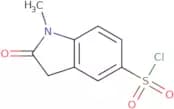
CAS:<p>Versatile small molecule scaffold</p>Formula:C12H15NO2Purity:Min. 95%Molecular weight:205.25 g/mol1-Methyl-2-oxindole-5-sulphonyl chloride
CAS:<p>Versatile small molecule scaffold</p>Formula:C9H8ClNO3SPurity:Min. 95%Molecular weight:245.68 g/mol2-(Bromomethyl)-5-nitrothiophene
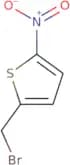
CAS:<p>2-(Bromomethyl)-5-nitrothiophene is a compound that belongs to the class of organic compounds known as thiophenes. It can be used as an optoelectronic material, and has been shown to have a transition from a triplet state to a singlet state at room temperature. It is also an acceptor in tetrads, which are molecules that have four electron pairs. The triplet state of 2-(bromomethyl)-5-nitrothiophene is able to emit light in the visible spectrum when exposed to UV light.</p>Formula:C5H4BrNO2SPurity:Min. 95%Molecular weight:222.06 g/molN-[(4,5-Dihydro-1H-imidazol-2-yl)methyl]aniline dihydrochloride
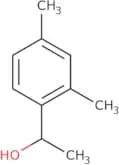
CAS:<p>Versatile small molecule scaffold</p>Formula:C10H15Cl2N3Purity:Min. 95%Molecular weight:248.15 g/mol(1R)-1-(2,4-Dimethylphenyl)ethan-1-ol
CAS:<p>Versatile small molecule scaffold</p>Formula:C10H14OPurity:Min. 95%Molecular weight:150.22 g/mol[1-(Pyridin-4-yl)piperidin-4-yl]methanamine
CAS:<p>Versatile small molecule scaffold</p>Formula:C11H17N3Purity:Min. 95%Molecular weight:191.27 g/mol1-Bromo-4-[(2-methoxyethoxy)methyl]benzene
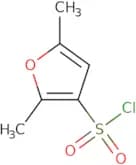
CAS:<p>Versatile small molecule scaffold</p>Formula:C10H13BrO2Purity:Min. 95%Molecular weight:245.11 g/mol2,5-Dimethyl-3-furansulfonyl chloride
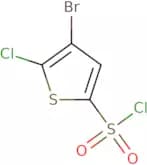
CAS:<p>Versatile small molecule scaffold</p>Formula:C6H7ClO3SPurity:Min. 95%Molecular weight:194.64 g/mol3-Bromo-2-chlorothiophene-5-sulphonyl chloride
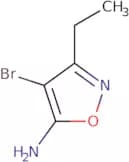
CAS:<p>3-Bromo-2-chlorothiophene-5-sulphonyl chloride is a low-molecular weight inhibitor. It has been shown to inhibit the activity of aminopeptidases, which are enzymes that break down amino acids. The inhibition of aminopeptidases has been shown to reduce the production of hormone and peptide hormones in animal and human cells. 3-Bromo-2-chlorothiophene-5-sulphonyl chloride also has an inhibitory potency against tetrazole and other inhibitors. This compound may be effective as a research tool for studying the function of aminopeptidases.</p>Purity:Min. 95%Molecular weight:295.99 g/mol4-Bromo-3-ethyl-1,2-oxazol-5-amine
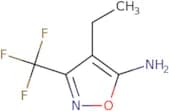
CAS:<p>Versatile small molecule scaffold</p>Formula:C5H7BrN2OPurity:Min. 95%Molecular weight:191.03 g/mol4-Ethyl-3-(trifluoromethyl)-1,2-oxazol-5-amine
CAS:<p>Versatile small molecule scaffold</p>Formula:C6H7F3N2OPurity:Min. 95%Molecular weight:180.13 g/mol3-(Propan-2-yl)-3-azabicyclo[3.2.1]octan-8-amine
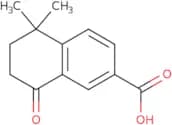
CAS:<p>Versatile small molecule scaffold</p>Formula:C10H20N2Purity:Min. 95%Molecular weight:168.28 g/mol5,5-Dimethyl-8-oxo-5,6,7,8-tetrahydronaphthalene-2-carboxylic acid
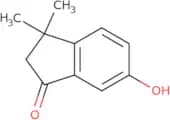
CAS:<p>Versatile small molecule scaffold</p>Formula:C13H14O3Purity:Min. 95%Molecular weight:218.25 g/mol6-Hydroxy-3,3-dimethyl-2,3-dihydro-1H-inden-1-one
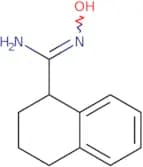
CAS:<p>Versatile small molecule scaffold</p>Formula:C11H12O2Purity:Min. 95%Molecular weight:176.21 g/molN'-Hydroxy-1,2,3,4-tetrahydronaphthalene-1-carboximidamide
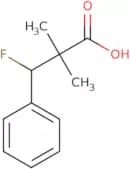
CAS:<p>Versatile small molecule scaffold</p>Formula:C11H14N2OPurity:Min. 95%Molecular weight:190.24 g/mol3-Fluoro-2,2-dimethyl-3-phenylpropanoic acid
CAS:<p>Versatile small molecule scaffold</p>Formula:C11H13FO2Purity:Min. 95%Molecular weight:196.22 g/moltert-Butyl 4-[2-oxo-2-(pyridin-3-yl)ethyl]piperidine-1-carboxylate
CAS:<p>Versatile small molecule scaffold</p>Formula:C17H24N2O3Purity:Min. 95%Molecular weight:304.4 g/mol3-[(4-Methoxyphenyl)methoxy]propanenitrile
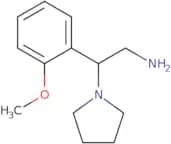
CAS:<p>Versatile small molecule scaffold</p>Formula:C11H13NO2Purity:Min. 95%Molecular weight:191.23 g/mol2-(2-Methoxyphenyl)-2-(pyrrolidin-1-yl)ethan-1-amine
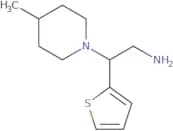
CAS:<p>Versatile small molecule scaffold</p>Formula:C13H20N2OPurity:Min. 95%Molecular weight:220.31 g/mol2-(4-Methylpiperidin-1-yl)-2-(thiophen-2-yl)ethan-1-amine
CAS:<p>Versatile small molecule scaffold</p>Formula:C12H20N2SPurity:Min. 95%Molecular weight:224.37 g/mol5-Chloro-2-(piperidine-1-carbonyl)aniline
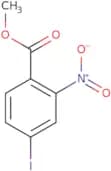
CAS:<p>Versatile small molecule scaffold</p>Formula:C12H15ClN2OPurity:Min. 95%Molecular weight:238.71 g/molMethyl 4-iodo-2-nitrobenzoate
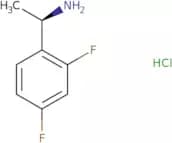
CAS:<p>Versatile small molecule scaffold</p>Formula:C8H6INO4Purity:Min. 95%Molecular weight:307.04 g/mol(R)-1-(2,4-Difluorophenyl)ethanamine hydrochloride
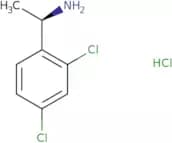
CAS:<p>Versatile small molecule scaffold</p>Formula:C8H10ClF2NPurity:Min. 95%Molecular weight:193.62 g/mol(R)-1-(2,4-Dichlorophenyl)ethanamine HCl
CAS:<p>Versatile small molecule scaffold</p>Formula:C8H10Cl3NPurity:Min. 95%Molecular weight:226.53 g/mol2-[2-({[5-(1,3-Dioxaindan-5-yl)-1,3,4-oxadiazol-2-yl]sulfanyl}methyl)-6-chloro-1H-1,3-benzodiazol-1-yl]ethan-1-ol
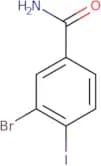
CAS:Controlled Product<p>Versatile small molecule scaffold</p>Formula:C19H15ClN4O4SPurity:Min. 95%Molecular weight:430.9 g/mol3-Bromo-4-iodobenzamide
CAS:<p>Versatile small molecule scaffold</p>Formula:C7H5BrINOPurity:Min. 95%Molecular weight:325.93 g/mol1-[4-(2-Aminoethyl)piperidin-1-yl]ethan-1-one
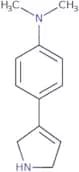
CAS:<p>Versatile small molecule scaffold</p>Formula:C9H18N2OPurity:Min. 95%Molecular weight:170.25 g/mol4-(2,5-Dihydro-1H-pyrrol-3-yl)-N,N-dimethylaniline
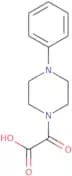
CAS:<p>Versatile small molecule scaffold</p>Formula:C12H16N2Purity:Min. 95%Molecular weight:188.27 g/mol2-Oxo-2-(4-phenylpiperazin-1-yl)acetic acid
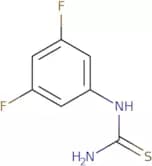
CAS:Controlled Product<p>Versatile small molecule scaffold</p>Formula:C12H14N2O3Purity:Min. 95%Molecular weight:234.25 g/mol3,5-Difluorophenylthiourea
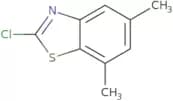
CAS:<p>Versatile small molecule scaffold</p>Formula:C7H6F2N2SPurity:Min. 95%Molecular weight:188.2 g/mol2-Chloro-5,7-dimethyl-1,3-benzothiazole
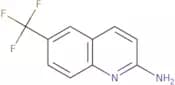
CAS:<p>Versatile small molecule scaffold</p>Formula:C9H8ClNSPurity:Min. 95%Molecular weight:197.69 g/mol6-(trifluoromethyl)quinolin-2-amine
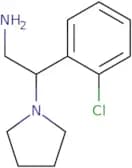
CAS:<p>Versatile small molecule scaffold</p>Formula:C10H7F3N2Purity:Min. 95%Molecular weight:212.17 g/mol2-(2-Chloro-phenyl)-2-pyrrolidin-1-yl-ethylamine
CAS:<p>Versatile small molecule scaffold</p>Formula:C12H17ClN2Purity:Min. 95%Molecular weight:224.73 g/molN-[(Pyridin-3-yl)methyl]-2H-1,3-benzodioxol-5-amine
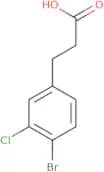
CAS:<p>Versatile small molecule scaffold</p>Formula:C13H12N2O2Purity:Min. 95%Molecular weight:228.25 g/mol3-(4-Bromo-3-chlorophenyl)propanoic acid
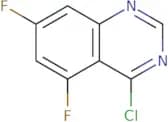
CAS:<p>Versatile small molecule scaffold</p>Formula:C9H8BrClO2Purity:Min. 95%Molecular weight:263.51 g/mol4-Chloro-5,7-difluoroquinazoline
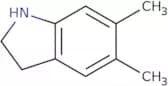
CAS:<p>Versatile small molecule scaffold</p>Formula:C8H3ClF2N2Purity:Min. 95%Molecular weight:200.57 g/mol5,6-Dimethyl-2,3-dihydro-1H-indole
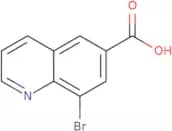
CAS:<p>Versatile small molecule scaffold</p>Formula:C10H13NPurity:Min. 95%Molecular weight:147.22 g/mol8-Bromoquinoline-6-carboxylic acid
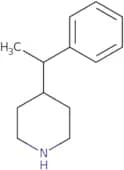
CAS:<p>Versatile small molecule scaffold</p>Formula:C10H6BrNO2Purity:Min. 95%Molecular weight:252.06 g/mol4-(1-Phenylethyl)piperidine
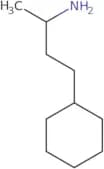
CAS:<p>Versatile small molecule scaffold</p>Formula:C13H19NPurity:Min. 95%Molecular weight:189.3 g/mol4-Cyclohexylbutan-2-amine
CAS:<p>Versatile small molecule scaffold</p>Formula:C10H21NPurity:Min. 95%Molecular weight:155.28 g/mol
![1-[(4-Bromophenyl)methyl]-5-oxopyrrolidine-2-carboxylic acid](/_next/image/?url=https%3A%2Fstatic.cymitquimica.com%2Fproducts%2F3D%2Fthumb-webp%2FREA40423.webp&w=3840&q=75)


![5-[(3-Chloro-2-methylphenyl)amino]-1,3,4-thiadiazole-2-thiol](/_next/image/?url=https%3A%2Fstatic.cymitquimica.com%2Fproducts%2F3D%2Fthumb-webp%2FREA52923.webp&w=3840&q=75)


![Thieno[3,2-b]pyridine-6-carbonitrile](/_next/image/?url=https%3A%2Fstatic.cymitquimica.com%2Fproducts%2F3D%2Fthumb-webp%2FREA53895.webp&w=3840&q=75)
![3-Chloro-1aH,6H,6aH-indeno[1,2-b]oxirene](/_next/image/?url=https%3A%2Fstatic.cymitquimica.com%2Fproducts%2F3D%2Fthumb-webp%2FREA54088.webp&w=3840&q=75)
![2-[(tert-Butyldimethylsilyl)oxy]benzaldehyde](/_next/image/?url=https%3A%2Fstatic.cymitquimica.com%2Fproducts%2F3D%2Fthumb-webp%2FREA58512.webp&w=3840&q=75)
![(6,7,8,9-Tetrahydro-5h-[1,2,4]triazolo[4,3-a]azepin-3-yl)-acetonitrile](/_next/image/?url=https%3A%2Fstatic.cymitquimica.com%2Fproducts%2F3D%2Fthumb-webp%2FREA59869.webp&w=3840&q=75)
![4-[(Methylamino)methyl]benzene-1-sulfonamide hydrochloride](/_next/image/?url=https%3A%2Fstatic.cymitquimica.com%2Fproducts%2F3D%2Fthumb-webp%2FREA59933.webp&w=3840&q=75)


![N-Methyl-1,4-dioxaspiro[4.5]decan-8-amine](/_next/image/?url=https%3A%2Fstatic.cymitquimica.com%2Fproducts%2F3D%2Fthumb-webp%2FRGA39841.webp&w=3840&q=75)
![2-[(4-Amino-3-methylphenyl)sulfanyl]ethan-1-ol](/_next/image/?url=https%3A%2Fstatic.cymitquimica.com%2Fproducts%2F3D%2Fthumb-webp%2FRGA81883.webp&w=3840&q=75)
![rac-(1R,2R,6S,7S)-10-(Propan-2-ylidene)-4-azatricyclo[5.2.1.0,2,6]decane-3,5-dione](/_next/image/?url=https%3A%2Fstatic.cymitquimica.com%2Fproducts%2F3D%2Fthumb-webp%2FRGA87852.webp&w=3840&q=75)
![N-[(4,5-Dihydro-1H-imidazol-2-yl)methyl]aniline dihydrochloride](/_next/image/?url=https%3A%2Fstatic.cymitquimica.com%2Fproducts%2F3D%2Fthumb-webp%2FRGA90437.webp&w=3840&q=75)
![[1-(Pyridin-4-yl)piperidin-4-yl]methanamine](/_next/image/?url=https%3A%2Fstatic.cymitquimica.com%2Fproducts%2F3D%2Fthumb-webp%2FRGA95415.webp&w=3840&q=75)
![1-Bromo-4-[(2-methoxyethoxy)methyl]benzene](/_next/image/?url=https%3A%2Fstatic.cymitquimica.com%2Fproducts%2F3D%2Fthumb-webp%2FRGA95929.webp&w=3840&q=75)
![3-(Propan-2-yl)-3-azabicyclo[3.2.1]octan-8-amine](/_next/image/?url=https%3A%2Fstatic.cymitquimica.com%2Fproducts%2F3D%2Fthumb-webp%2FRGA97311.webp&w=3840&q=75)
![tert-Butyl 4-[2-oxo-2-(pyridin-3-yl)ethyl]piperidine-1-carboxylate](/_next/image/?url=https%3A%2Fstatic.cymitquimica.com%2Fproducts%2F3D%2Fthumb-webp%2FRGB06462.webp&w=3840&q=75)
![3-[(4-Methoxyphenyl)methoxy]propanenitrile](/_next/image/?url=https%3A%2Fstatic.cymitquimica.com%2Fproducts%2F3D%2Fthumb-webp%2FRGB06767.webp&w=3840&q=75)

![2-[2-({[5-(1,3-Dioxaindan-5-yl)-1,3,4-oxadiazol-2-yl]sulfanyl}methyl)-6-chloro-1H-1,3-benzodiazol-…](/_next/image/?url=https%3A%2Fstatic.cymitquimica.com%2Fproducts%2F3D%2Fthumb-webp%2FRGB10569.webp&w=3840&q=75)
![1-[4-(2-Aminoethyl)piperidin-1-yl]ethan-1-one](/_next/image/?url=https%3A%2Fstatic.cymitquimica.com%2Fproducts%2F3D%2Fthumb-webp%2FRGB56361.webp&w=3840&q=75)
![N-[(Pyridin-3-yl)methyl]-2H-1,3-benzodioxol-5-amine](/_next/image/?url=https%3A%2Fstatic.cymitquimica.com%2Fproducts%2F3D%2Fthumb-webp%2FRGB60106.webp&w=3840&q=75)