Building Blocks
This section contains fundamental products for the synthesis of organic and biological compounds. Building blocks are the essential starting materials used to construct complex molecules through various chemical reactions. They play a critical role in drug discovery, material science, and chemical research. At CymitQuimica, we offer a diverse range of high-quality building blocks to support your innovative research and industrial projects, ensuring you have the essential components for successful synthesis.
Subcategories of "Building Blocks"
- Boronic Acids & Boronic Acid Derivatives(5,756 products)
- Chiral Building Blocks(1,242 products)
- Hydrocarbon Building Blocks(6,093 products)
- Organic Building Blocks(60,529 products)
Found 195534 products of "Building Blocks"
Sort by
Purity (%)
0
100
|
0
|
50
|
90
|
95
|
100
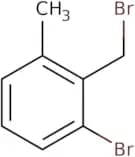
2-Bromo-6-methylbenzyl bromide
CAS:<p>Versatile small molecule scaffold</p>Formula:C8H8Br2Purity:Min. 95%Molecular weight:263.96 g/mol2-[(1R,2S)-2-Hydroxycyclohexyl]acetic acid
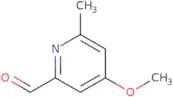
CAS:<p>Versatile small molecule scaffold</p>Formula:C8H14O3Purity:Min. 95%Molecular weight:158.2 g/mol4-Methoxy-6-methylpyridine-2-carbaldehyde
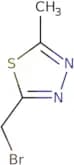
CAS:<p>Versatile small molecule scaffold</p>Formula:C8H9NO2Purity:Min. 95%Molecular weight:151.16 g/mol2-(Bromomethyl)-5-methyl-1,3,4-thiadiazole
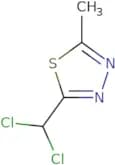
CAS:<p>Versatile small molecule scaffold</p>Formula:C4H5BrN2SPurity:Min. 95%Molecular weight:193.07 g/mol2-(Dichloromethyl)-5-methyl-1,3,4-thiadiazole
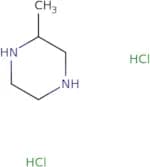
CAS:<p>Versatile small molecule scaffold</p>Formula:C4H4Cl2N2SPurity:Min. 95%Molecular weight:183.06 g/mol(R)-2-Methylpiperazine dihydrochloride
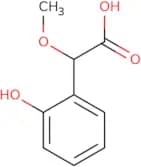
CAS:<p>Versatile small molecule scaffold</p>Formula:C5H14Cl2N2Purity:Min. 95%Molecular weight:173.08 g/mol2-(2-Hydroxyphenyl)-2-methoxyacetic acid
CAS:<p>Versatile small molecule scaffold</p>Formula:C9H10O4Purity:Min. 95%Molecular weight:182.17 g/mol[(4-Phenylphenyl)methyl]hydrazine hydrochloride
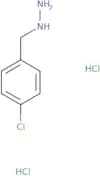
CAS:<p>Versatile small molecule scaffold</p>Formula:C13H15ClN2Purity:Min. 95%Molecular weight:234.72 g/mol(4-Chlorobenzyl)hydrazine hydrochloride
CAS:<p>Versatile small molecule scaffold</p>Formula:C7H10Cl2N2Purity:Min. 95%Molecular weight:193.07 g/molDimethyl bicyclo[3.1.1]heptane-1,5-dicarboxylate
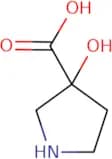
CAS:<p>Versatile small molecule scaffold</p>Formula:C11H16O4Purity:Min. 95%Molecular weight:212.24 g/mol3-Hydroxypyrrolidine-3-carboxylic acid
CAS:<p>Versatile small molecule scaffold</p>Formula:C5H9NO3Purity:Min. 95%Molecular weight:131.13 g/mol2,3-Dimethylbutane-1-sulfonyl chloride
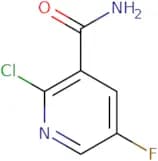
CAS:<p>Versatile small molecule scaffold</p>Formula:C6H13ClO2SPurity:Min. 95%Molecular weight:184.7 g/mol2-Chloro-5-fluoronicotinamide
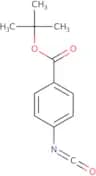
CAS:<p>Versatile small molecule scaffold</p>Formula:C6H4ClFN2OPurity:Min. 95%Molecular weight:174.56 g/moltert-Butyl 4-isocyanatobenzoate
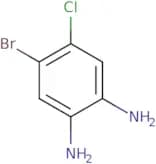
CAS:<p>Versatile small molecule scaffold</p>Formula:C12H13NO3Purity:Min. 95%Molecular weight:219.24 g/mol4-Bromo-5-chlorobenzene-1,2-diamine
CAS:<p>Versatile small molecule scaffold</p>Formula:C6H6BrClN2Purity:Min. 95%Molecular weight:221.48 g/molIndeno[2,1-b]chromene-6-carbaldehyde
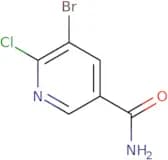
CAS:<p>Versatile small molecule scaffold</p>Formula:C17H10O2Purity:Min. 95%Molecular weight:246.26 g/mol5-Bromo-6-chloropyridine-3-carboxamide
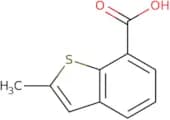
CAS:<p>Versatile small molecule scaffold</p>Formula:C6H4BrClN2OPurity:Min. 95%Color and Shape:PowderMolecular weight:235.5 g/mol2-Methyl-1-benzothiophene-7-carboxylic acid
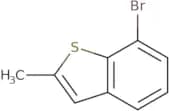
CAS:<p>Versatile small molecule scaffold</p>Formula:C10H8O2SPurity:Min. 95%Molecular weight:192.24 g/mol7-Bromo-2-methyl-1-benzothiophene
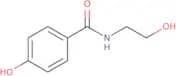
CAS:<p>Versatile small molecule scaffold</p>Formula:C9H7BrSPurity:Min. 95%Molecular weight:227.12 g/mol4-Hydroxy-N-(2-hydroxyethyl)benzamide
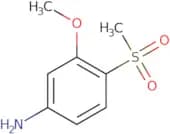
CAS:<p>4-Hydroxy-N-(2-hydroxyethyl)benzamide (4OHEBA) is a natural product that belongs to the class of phenolic compounds. It is found in macroalgae and has been shown to have anti-inflammatory properties, which may be due to its ability to inhibit prostaglandin synthesis. 4OHEBA has also been shown to have chemical diversity and studies show that it can be used in preservative systems.</p>Formula:C9H11NO3Purity:Min. 95%Molecular weight:181.19 g/mol4-Methanesulfonyl-3-methoxyaniline
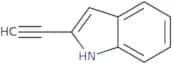
CAS:<p>Versatile small molecule scaffold</p>Formula:C8H11NO3SPurity:Min. 95%Molecular weight:201.25 g/mol2-Ethynyl-1H-indole
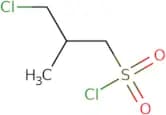
CAS:<p>2-Ethynyl-1H-indole is a synthetic nucleoside analog of the anti-viral drug acyclovir. It is an activated prodrug that is hydrolyzed by esterases to its active form, which inhibits viral polymerase and thus prevents the synthesis of new viral DNA. 2-Ethynyl-1H-indole also has been shown to have inhibitory effects on chronic bronchitis and emphysema, as well as demonstrating cytotoxic activity in vitro. The enantiomers of 2-ethynyl-1H indole have different pharmacological activities. The (R)-enantiomer is more potent than the (S)-enantiomer in inhibiting erythrocyte coagulation and platelet aggregation in vitro.</p>Formula:C10H7NPurity:Min. 95%Molecular weight:141.17 g/mol3-Chloro-2-methylpropane-1-sulfonyl chloride
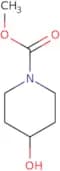
CAS:<p>Versatile small molecule scaffold</p>Formula:C4H8Cl2O2SPurity:Min. 95%Molecular weight:191.08 g/molMethyl 4-hydroxypiperidine-1-carboxyl
CAS:<p>Versatile small molecule scaffold</p>Formula:C7H13NO3Purity:Min. 95%Molecular weight:159.18 g/mol2-[(2,4-Dimethylphenyl)sulfanyl]acetic acid
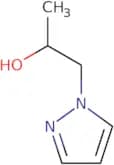
CAS:<p>Versatile small molecule scaffold</p>Formula:C10H12O2SPurity:Min. 95%Molecular weight:196.27 g/mol1-(1H-Pyrazol-1-yl)propan-2-ol
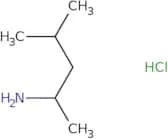
CAS:<p>Versatile small molecule scaffold</p>Formula:C6H10N2OPurity:Min. 95%Molecular weight:126.16 g/mol(2R)-4-Methylpentan-2-amine hydrochloride
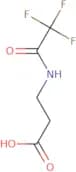
CAS:Controlled Product<p>Versatile small molecule scaffold</p>Formula:C6H16ClNPurity:Min. 95%Molecular weight:137.65 g/mol3-(Trifluoroacetamido)propanoic acid
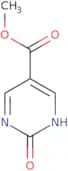
CAS:<p>Versatile small molecule scaffold</p>Formula:C5H6F3NO3Purity:Min. 95%Molecular weight:185.1 g/molMethyl 2-oxo-1,2-dihydropyrimidine-5-carboxylate
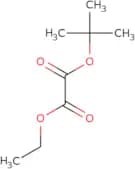
CAS:<p>Versatile small molecule scaffold</p>Formula:C6H6N2O3Purity:Min. 95%Molecular weight:154.12 g/molOxalic acid tert-butyl ester ethyl ester
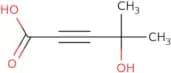
CAS:<p>Oxalic acid tert-butyl ester ethyl ester is an organic compound that is a byproduct of the production of methyl acetate. It has been shown to have antitumor and anti-inflammatory effects in animal studies. Oxalic acid tert-butyl ester ethyl ester contains a 7-chloro group, which is also present in deoxyharringtonine. The latter drug has been used to treat tumours and inflammatory conditions. In addition, oxalic acid tert-butyl ester ethyl ester can be converted into cephalotaxine (a natural alkaloid), which has been shown to be effective against cancer cells and inflammation.</p>Formula:C8H14O4Purity:Min. 95%Molecular weight:174.2 g/mol4-Hydroxy-4-methyl-pent-2-ynoic acid
CAS:<p>4-Hydroxy-4-methyl-pent-2-ynoic acid is an organic compound with the formula CH(CH)COH. It is a methyl ester of propiolic acid. 4-Hydroxy-4-methyl-pent-2-ynoic acid can be synthesized from propiolic acid by reacting it with copper chloride and iodides in the presence of a catalytic amount of concentrated sulfuric acid. This reaction affords the methyl ester in high yield. The synthesis of 4-hydroxypropionic acid is analogous to that of acrylic acid, which also yields a methyl ester on chlorination. 4HMP has been used as an intermediate in the production of vitamin A by carbonylation, and as a precursor to propionic acid and its derivatives. 4HMP can also be used as an intermediate for making other chemicals such as dyes, pharmaceuticals, and polymers.</p>Formula:C6H8O3Purity:Min. 95%Molecular weight:128.13 g/mol1H,4H,5H,6H,7H,8H-Pyrrolo[3,2-c]azepine
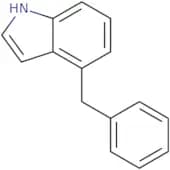
CAS:<p>1H,4H,5H,6H,7H,8H-Pyrrolo[3,2-c]azepine is a tranquilizer that is chemically related to piperazine. It has no analgesic properties and is used as a tranquilizer.</p>Formula:C8H12N2Purity:Min. 95%Molecular weight:136.19 g/mol4-Benzyl-1H-indole
CAS:<p>4-Benzyl-1H-indole is a chemical compound that belongs to the class of dihydroisoquinolines. This drug has shown anti-HIV activity in vitro and in vivo. It has been tested for its ability to inhibit HIV replication and protein–protein interaction with human immunodeficiency virus type 1 (HIV-1) proteins. 4-Benzyl-1H-indole inhibits the growth of HIV by binding to the gp41 coiled coil, thereby preventing the conformational change necessary for fusion with host cells. The clinical use of this compound is limited due to its low solubility in water and poor oral bioavailability.</p>Formula:C15H13NPurity:Min. 95%Molecular weight:207.27 g/mol2-Benzyl-1,2,3,4-tetrahydroquinoline
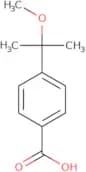
CAS:<p>Versatile small molecule scaffold</p>Formula:C16H17NPurity:Min. 95%Molecular weight:223.31 g/mol4-(2-Methoxypropan-2-yl)benzoic acid
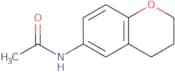
CAS:<p>Versatile small molecule scaffold</p>Formula:C11H14O3Purity:Min. 95%Molecular weight:194.23 g/molN-(3,4-Dihydro-2H-1-benzopyran-6-yl)acetamide
CAS:<p>Versatile small molecule scaffold</p>Formula:C11H13NO2Purity:Min. 95%Molecular weight:191.23 g/molN-(7-Nitro-3,4-dihydro-2H-chromen-6-yl)acetamide
CAS:<p>Versatile small molecule scaffold</p>Formula:C11H12N2O4Purity:Min. 95%Molecular weight:236.22 g/mol2-Acetylamino-thiazole-4-carboxylic acid
CAS:<p>2-Acetylamino-thiazole-4-carboxylic acid is a sulphoxide metabolite of 2-acetylamino-4,5,6,7-tetrahydrothiazolo[4,5,-c]pyridine. It is metabolized to mercapturic acid and sulphone by the enzyme cytochrome P450. This metabolite is also found in urine as a result of its metabolism by the enzyme N-acetyltransferase.</p>Formula:C6H6N2O3SPurity:Min. 95%Molecular weight:186.19 g/mol1-(2,2-Dimethylcyclopropyl)-1-propanone
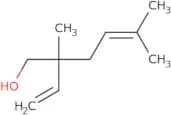
CAS:<p>Versatile small molecule scaffold</p>Formula:C8H14OPurity:Min. 95%Molecular weight:126.2 g/mol2-Ethenyl-2,5-dimethylhex-4-en-1-ol
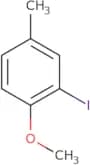
CAS:<p>2-Ethenyl-2,5-dimethylhex-4-en-1-ol is a conformationally restricted analog of flecainide. It has been shown to have an antipyrine-like activity in the rat and is a potential antineoplastic drug for use in women with breast cancer. 2EMHE has also been shown to have long term effects on serum levels in infants and children. It is metabolized by CYP3A4, which may be blocked by drugs such as erythromycin or ketoconazole. The metabolism of 2EMHE leads to the formation of hydroxylamines that are reactive with nucleophilic sites on DNA, causing strand breaks and inhibition of DNA synthesis. This drug also inhibits neutrophil chemotaxis in vitro and causes neutropenia when given intravenously to rats.</p>Formula:C10H18OPurity:Min. 95%Molecular weight:154.25 g/mol3-Iodo-4-methoxytoluene
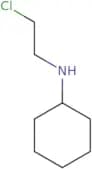
CAS:<p>3-Iodo-4-methoxytoluene is a colorless liquid that is slightly acidic, with a boiling point of 215 degrees Celsius. It has a density of 0.907 grams per cubic centimeter and a melting point of -78 degrees Celsius. 3-Iodo-4-methoxytoluene has been used in the production of amines, functional groups, and other complex molecules. It can be used as an intermediate in the synthesis of diazotization products that are used to produce synthetic fibers or fabrics. 3-Iodo-4-methoxytoluene interacts with other compounds such as acetonitrile, which may have an effect on its regiospecificity.</p>Formula:C8H9IOPurity:Min. 95%Molecular weight:248.06 g/molN-(2-Chloroethyl)cyclohexanamine hydrochloride
CAS:<p>Versatile small molecule scaffold</p>Formula:C8H16ClNPurity:Min. 95%Molecular weight:161.67 g/mol2-[4-(Pyridin-2-ylmethoxy)phenyl]acetic acid
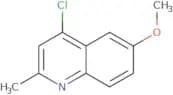
CAS:<p>Versatile small molecule scaffold</p>Formula:C14H13NO3Purity:Min. 95%Molecular weight:243.26 g/mol4-Chloro-6-methoxy-2-methyl-quinoline
CAS:<p>4-Chloro-6-methoxy-2-methyl-quinoline is a nitronium salt that belongs to the group of quinoline derivatives. It inhibits histone deacetylases (HDACs) and transcriptional coactivators, which are enzymes involved in regulating gene expression. 4-Chloro-6-methoxy-2-methyl-quinoline has been shown to synergistically inhibit HDACs with pyridoxal 5'-phosphate (P5P), a form of vitamin B6, and to reactivate latent HIV. The drug has been tested on Indian patients with chronic hepatitis B virus infection and showed promising results.</p>Formula:C11H10ClNOPurity:Min. 95%Molecular weight:207.66 g/mol1-bromo-6-methoxyhexane
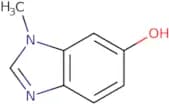
CAS:<p>1-bromo-6-methoxyhexane is a reportedly analog of hexane. It has been shown to have cancer chemopreventative properties in vivo and antioxidant potency in vitro. 1-bromo-6-methoxyhexane also has been shown to inhibit the growth of cancer cells by inhibiting mitochondrial function, which is responsible for energy production. The cytosolic and mitochondrial concentrations of 1-bromo-6-methoxyhexane are about equal, suggesting that transport mechanisms may exist for this molecule. The alkyl substituents on the molecule affect its antioxidant potency, with methoxy groups being the most potent. It has been demonstrated that 1-bromo-6-methoxyhexane can be used as a radiation protectant, although it is not clear how it interacts with DNA.</p>Formula:C7H15BrOPurity:Min. 95%Molecular weight:195.1 g/mol1-Methyl-1H-1,3-benzodiazol-6-ol
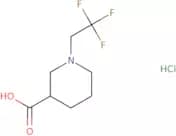
CAS:<p>Versatile small molecule scaffold</p>Formula:C8H8N2OPurity:Min. 95%Molecular weight:148.16 g/mol1-(2,2,2-Trifluoroethyl)piperidine-3-carboxylic acid hydrochloride
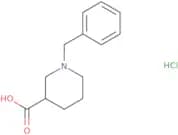
CAS:<p>Versatile small molecule scaffold</p>Formula:C8H13ClF3NO2Purity:Min. 95%Molecular weight:247.64 g/mol1-Benzylpiperidine-3-carboxylic acid hydrochloride
CAS:<p>Versatile small molecule scaffold</p>Formula:C13H18ClNO2Purity:Min. 95%Molecular weight:255.75 g/molMethyl 1-benzylpiperidine-3-carboxylate
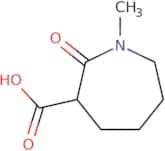
CAS:<p>Methyl 1-benzylpiperidine-3-carboxylate is a neurotoxin that causes Parkinson's disease, which is characterized by the death of dopamine neurons in the substantia nigra. It has been shown to bind to dopamine receptors and inhibit neurotransmission. The biological activity of methyl 1-benzylpiperidine-3-carboxylate was demonstrated as a result of its ability to inhibit the binding of oxadiazole derivatives, which are ligands for these receptors. Methyl 1-benzylpiperidine-3-carboxylate also has an agonistic effect on oxadiazole analogues and increases their biological activity.</p>Formula:C14H19NO2Purity:Min. 95%Molecular weight:233.31 g/mol1-Methyl-2-oxoazepane-3-carboxylic acid
CAS:<p>Versatile small molecule scaffold</p>Formula:C8H13NO3Purity:Min. 95%Molecular weight:171.19 g/mol2-(N-Methyl3-nitrobenzenesulfonamido)acetic acid
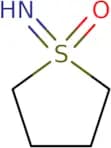
CAS:<p>2-(N-Methyl3-nitrobenzenesulfonamido)acetic acid, also known as 2-NMBSA or MTSEA, is a cell biology research tool that can be used to study ion channels, peptides and receptors. 2-NMBSA is primarily used to study the interaction between ligands and their receptors. It has been shown to activate potassium channels. This product is a white solid with a molecular weight of 258.2 g/mol.</p>Formula:C9H10N2O6SPurity:Min. 95%Molecular weight:274.25 g/molS,S-Tetramethylenesulphoximide
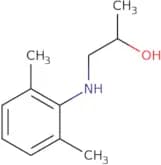
CAS:<p>Versatile small molecule scaffold</p>Formula:C4H9NOSPurity:Min. 95%Molecular weight:119.19 g/mol1-(2,6-Dimethylphenylamino)-propan-2-ol
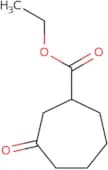
CAS:<p>Versatile small molecule scaffold</p>Formula:C11H17NOPurity:Min. 95%Molecular weight:179.26 g/molEthyl 3-oxocycloheptane-1-carboxylate
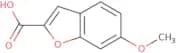
CAS:<p>Versatile small molecule scaffold</p>Formula:C10H16O3Purity:Min. 95%Molecular weight:184.23 g/mol6-Methoxybenzofuran-2-carboxylic acid
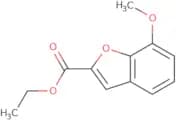
CAS:<p>6-Methoxybenzofuran-2-carboxylic acid is a synthetic compound that can be used as an intermediate in organic synthesis. It is stable and resistant to aqueous conditions, making it suitable for use in organic synthesis. 6-Methoxybenzofuran-2-carboxylic acid is also analogous to benzofurancarboxylic acids, which are characterized by their dianionic character. It has been shown to react with aldehydes at low temperatures and form tetrahydrofuran derivatives. 6-Methoxybenzofuran-2-carboxylic acid can be metallated with various metals to form stable complexes.</p>Formula:C10H8O4Purity:Min. 95%Molecular weight:192.17 g/molEthyl 7-methoxy-1-benzofuran-2-carboxylate
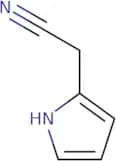
CAS:<p>Versatile small molecule scaffold</p>Formula:C12H12O4Purity:Min. 95%Molecular weight:220.22 g/mol2-(1H-Pyrrol-2-yl)acetonitrile
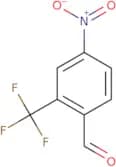
CAS:<p>2-(1H-Pyrrol-2-yl)acetonitrile is an inorganic compound that is used as a synthetic intermediate. It is a salt form of the chemical, which is soluble in water and has a pH value of 10. 2-(1H-Pyrrol-2-yl)acetonitrile reacts with alkali metals to produce hydrogen gas and ammonia. This reaction can be used for the treatment of organic wastes such as composting or wastewater treatment. 2-(1H-Pyrrol-2-yl)acetonitrile has been shown to react with cyclic hydrocarbons and aromatic heterocycles under acidic conditions at room temperature. The rate of this reaction depends on the flow rate and persulfate concentration.</p>Formula:C6H6N2Purity:Min. 95%Molecular weight:106.13 g/mol4-Nitro-2-(trifluoromethyl)benzaldehyde
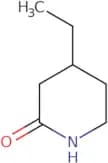
CAS:<p>Versatile small molecule scaffold</p>Formula:C8H4F3NO3Purity:Min. 95%Molecular weight:219.12 g/mol4-Ethylpiperidin-2-one
CAS:<p>4-Ethylpiperidin-2-one is a receptor tyrosine kinase inhibitor that binds to the ATP binding site of the enzyme, thereby inhibiting its activity. 4-Ethylpiperidin-2-one has been shown to inhibit the growth of xenograft tumor cells in mice by blocking tyrosine kinases, which are involved in cellular proliferation and differentiation. This drug has also been shown to have anti-inflammatory effects in rats due to its ability to inhibit prostaglandin synthesis. 4-Ethylpiperidin-2-one is metabolized by CYP3A4 and CYP2D6. It is also an organometallic compound that can bind to metal ions such as iron or copper with high affinity. The chemical structure of 4-ethylpiperidin-2-one consists of a piperidine ring connected at one end to an aldehyde group and at the other end to an oxind</p>Formula:C7H13NOPurity:Min. 95%Molecular weight:127.18 g/mol5-(Trifluoromethyl)piperidin-2-one
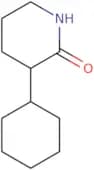
CAS:<p>Versatile small molecule scaffold</p>Formula:C6H8F3NOPurity:Min. 95%Molecular weight:167.13 g/mol3-Cyclohexylpiperidin-2-one
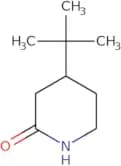
CAS:<p>Versatile small molecule scaffold</p>Formula:C11H19NOPurity:Min. 95%Molecular weight:181.27 g/mol4-tert-Butylpiperidin-2-one
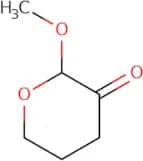
CAS:<p>Versatile small molecule scaffold</p>Formula:C9H17NOPurity:Min. 95%Molecular weight:155.24 g/mol2-Methoxyoxan-3-one
CAS:<p>Versatile small molecule scaffold</p>Formula:C6H10O3Purity:Min. 95%Molecular weight:130.14 g/mol3-(6-Methylpyridin-3-yl)propan-1-ol
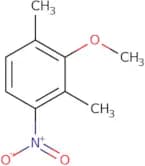
CAS:<p>Versatile small molecule scaffold</p>Formula:C9H13NOPurity:Min. 95%Molecular weight:151.21 g/mol2-Methoxy-1,3-dimethyl-4-nitrobenzene
CAS:<p>Versatile small molecule scaffold</p>Formula:C9H11NO3Purity:Min. 95%Molecular weight:181.19 g/mol5-Chloro-4-methyl-1H-indole-2-carboxylic acid
CAS:<p>Versatile small molecule scaffold</p>Formula:C10H8ClNO2Purity:Min. 95%Molecular weight:209.63 g/mol5-bromo-4-methyl-1H-indole-2-carboxylic acid
CAS:<p>Versatile small molecule scaffold</p>Formula:C10H8BrNO2Purity:Min. 95%Molecular weight:254.1 g/mol4,5-Dimethyl-1H-indole-2-carboxylic acid
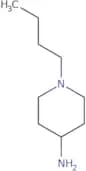
CAS:<p>Versatile small molecule scaffold</p>Formula:C11H11NO2Purity:Min. 95%Molecular weight:189.21 g/mol1-Butylpiperidin-4-amine
CAS:<p>Versatile small molecule scaffold</p>Formula:C9H20N2Purity:Min. 95%Molecular weight:156.27 g/molEthyl 5-hydroxy-4-oxo-4H-chromene-2-carboxylate
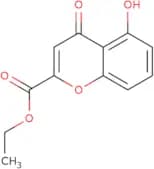
CAS:<p>Ethyl 5-hydroxy-4-oxo-4H-chromene-2-carboxylate is a chromone that is used in the synthesis of other compounds.</p>Formula:C12H10O5Purity:Min. 95%Molecular weight:234.2 g/mol2-{[(Benzyloxy)carbonyl]amino}-4-carbamoylbutanoic acid
CAS:<p>2-{[(Benzyloxy)carbonyl]amino}-4-carbamoylbutanoic acid is a peptidomimetic that inhibits β-catenin signaling, leading to decreased cell proliferation. This compound has been shown to inhibit the growth of cancer cells and to be effective in preventing an outbreak of corynebacterium. 2-{[(Benzyloxy)carbonyl]amino}-4-carbamoylbutanoic acid was also shown to reduce the production of fatty acids and viral life. This compound is synthetic and can be made by microbial biotransformation or protein–protein interaction. It has been shown that this peptidomimetic binds with high affinity to coronaviruses, which may lead to new treatments for coronavirus infections.</p>Formula:C13H16N2O5Purity:Min. 95%Molecular weight:280.28 g/mol2,6-Dichloroquinoline-4-carbonitrile
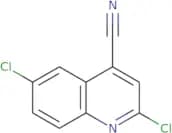
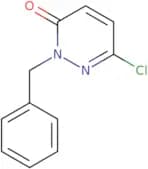
CAS:<p>Versatile small molecule scaffold</p>Formula:C10H4Cl2N2Purity:Min. 95%Molecular weight:223.05 g/mol2-Benzyl-6-chloro-2,3-dihydropyridazin-3-one
CAS:<p>2-Benzyl-6-chloro-2,3-dihydropyridazin-3-one is a Grignard reagent that reacts with electrophiles to form organometallic compounds. It is used in organic chemistry as a nucleophilic agent in the formation of carbon–carbon bonds and other types of reactions. 2-Benzyl-6-chloro-2,3-dihydropyridazin-3-one can also be used to produce alkyl magnesium bromides from alcohols and chlorides. The transformation of 2,2'-bipyridine into 2,2'-bipyrimidine is one example of this reaction.</p>Formula:C11H9ClN2OPurity:Min. 95%Molecular weight:220.65 g/mol4-Amino-N-ethyl-N-phenylbenzenesulfonamide
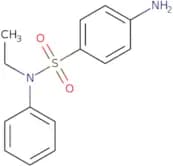
CAS:<p>Versatile small molecule scaffold</p>Formula:C14H16N2O2SPurity:Min. 95%Molecular weight:276.36 g/mol1-Methoxynaphthalene-2-carboxaldehyde
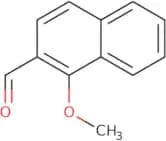
CAS:<p>1-Methoxynaphthalene-2-carboxaldehyde is an organic compound with the formula C11H14O. It is the simplest member of a family of compounds called naphthalenesulfonates, which consists of two fused benzene rings with a sulfonic acid group at each end. 1-Methoxynaphthalene-2-carboxaldehyde has been synthesised by reacting aluminium chloride with zinc chloride in anhydrous conditions. The product can be purified by distillation or recrystallisation from water and ethanol.</p>Formula:C12H10O2Purity:Min. 95%Molecular weight:186.21 g/molN-Allyl-p-toluenesulfonamide
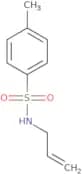
CAS:<p>N-Allyl-p-toluenesulfonamide is a nucleophilic, centrosymmetric molecule that is used as an intermediate in organic synthesis. It can be prepared by refluxing allylstannane with azide and triflic acid. N-Allyl-p-toluenesulfonamide is useful for the preparation of azides and azidoformates because it reacts with alkyl halides to form cyclic products. The chloride group on this molecule makes it a good nucleophile for reactions with other nucleophiles, such as chloride ion or azide ion.</p>Formula:C10H13NO2SPurity:Min. 95%Molecular weight:211.28 g/molN-(Prop-2-en-1-yl)benzenesulfonamide
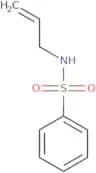
CAS:<p>Versatile small molecule scaffold</p>Formula:C9H11NO2SPurity:Min. 95%Molecular weight:197.26 g/molCyclopentane-1,2-dicarboxylic acid
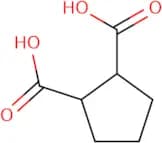
CAS:<p>Cyclopentane-1,2-dicarboxylic acid is a bioactive chemical that contains nitrogen atoms. It has a structural formula of C5H8O4 and an x-ray structure with antibacterial properties. Cyclopentane-1,2-dicarboxylic acid can be found in cocatalyst preparations for organic solvents such as benzene, toluene, and xylene. This compound has been shown to inhibit the growth of bacteria by binding to amines and forming coordination complexes with carboxylate groups on the surface of bacterial cells. The crystal structures of cyclopentane-1,2-dicarboxylic acid have not yet been determined due to its alicyclic nature.</p>Formula:C7H10O4Purity:Min. 95%Molecular weight:158.15 g/mol3-Phenyl-1,2,4-thiadiazole
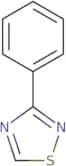
CAS:<p>3-Phenyl-1,2,4-thiadiazole is a tricyclic compound that has been synthesized in equimolar amounts by reactions of benzene with sulfur and nitric acid. This substance has also been shown to react with a number of other compounds and produce adducts. The reaction of 3-phenyl-1,2,4-thiadiazole with potassium bromide produces an adduct that contains the reactive benzylic bromide ion (3’). 3-Phenyl-1,2,4-thiadiazole is used in organic chemistry as a reagent for the synthesis of dithioesters. It can also be used to study the photochemistry of benzonitrile derivatives.</p>Formula:C8H6N2SPurity:Min. 95%Molecular weight:162.21 g/molEthyl 3-phenyl-1,2,4-thiadiazole-5-carboxylate
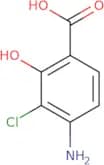
CAS:<p>Versatile small molecule scaffold</p>Formula:C11H10N2O2SPurity:Min. 95%Molecular weight:234.28 g/mol4-Amino-3-chloro-2-hydroxybenzoic acid
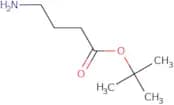
CAS:<p>Versatile small molecule scaffold</p>Formula:C7H6ClNO3Purity:Min. 95%Molecular weight:187.58 g/moltert-Butyl 4-aminobutanoate
CAS:<p>tert-Butyl 4-aminobutanoate is an amine that has been shown to stabilize the natural formyl group of the molecule. It is a nucleophilic reactant, which means it will react with electrophiles. The nucleophilic attack occurs when a nucleophile reacts with an electrophile, leading to the formation of a new bond between the two molecules. Tert-butyl 4-aminobutanoate also has a hydroxymethyl group on its side chain. This hydroxymethyl group can be reduced by pyridoxal phosphate in order to form gamma-aminobutyric acid.</p>Formula:C8H17NO2Purity:Min. 95%Molecular weight:159.23 g/mol5-chlorothiophene-2-carbonitrile
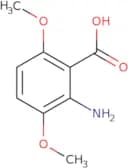
CAS:<p>5-Chlorothiophene-2-carbonitrile is a reactive heterocyclic compound that can be made by the chlorination of thiophene. It can be used as a precursor to other compounds, such as 1,3-dipolar cycloaddition products and 1,3-dioxolanes. 5-Chlorothiophene-2-carbonitrile has been shown to react with isoxazoles in a 1,3-dipolar cycloaddition reaction. This reaction produces dimers that are useful intermediates for the synthesis of pharmaceuticals. 5-Chlorothiophene-2-carbonitrile can also be used in an enantiospecific synthesis of 2,4,5,6 tetrahydropyrimidines. Irradiation of 5 chlorothiophene 2 carbonitrile leads to the formation of the corresponding n oxide or chloride and aldehyde.</p>Formula:C5H2ClNSPurity:Min. 95%Molecular weight:143.6 g/mol2-Amino-3,6-dimethoxybenzoic acid
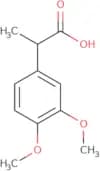
CAS:<p>Versatile small molecule scaffold</p>Formula:C9H11NO4Purity:Min. 95%Molecular weight:197.19 g/mol2-(3,4-Dimethoxyphenyl)propanoic acid
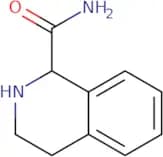
CAS:<p>Versatile small molecule scaffold</p>Formula:C11H14O4Purity:Min. 95%Molecular weight:210.23 g/mol1,2,3,4-Tetrahydroisoquinoline-1-carboxamide
CAS:<p>1,2,3,4-Tetrahydroisoquinoline-1-carboxamide is a solvate that is used in the pharmaceutical industry. It has been shown to be an inhibitor of thromboembolic disorders and is used as a crystalline solid. 1,2,3,4-Tetrahydroisoquinoline-1-carboxamide is a white crystalline solid that can be dissolved in water or methanol. The compound has been shown to inhibit thromboembolic disorders by preventing the oxidation of low density lipoprotein cholesterol and its subsequent aggregation with other molecules.</p>Formula:C10H12N2OPurity:Min. 95%Molecular weight:176.21 g/mol2-[(2-Methoxyphenoxy)methyl]benzoic acid
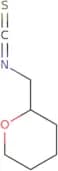
CAS:<p>Versatile small molecule scaffold</p>Formula:C15H14O4Purity:Min. 95%Molecular weight:258.27 g/mol2-(Isothiocyanatomethyl)oxane
CAS:<p>Versatile small molecule scaffold</p>Formula:C7H11NOSPurity:Min. 95%Molecular weight:157.2 g/mol4-Aminoquinazolin-2-ol
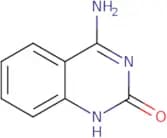
CAS:<p>4-Aminoquinazolin-2-ol is a regiospecific nitrogen nucleophile that can be used to synthesize heterocyclic compounds. It has been shown to have anticancer activity, and can be used as a control agent for cancer. 4-Aminoquinazolin-2-ol is also used in animals to study cell growth and the effects of drugs on cells. It binds to the alkyl group of a cell membrane and reacts with a hydroxyl group on the other side of the membrane, causing it to become more permeable so that sodium ions are allowed into the cell, which leads to an increase in intracellular calcium levels. 4-Aminoquinazolin-2-ol is also able to bind with potassium ion (K+) as a result of its nitrogen nucleophilic character.</p>Formula:C8H7N3OPurity:Min. 95%Molecular weight:161.16 g/mol4-Nitro-benzeneacetyl chloride
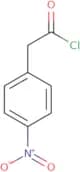
CAS:<p>4-Nitrobenzeneacetyl chloride is an amide with a heterocyclic amine group. It has been shown to have inhibitory activities against the growth of bacteria in acidic conditions, such as ph 3.5, and also inhibits the growth of bacteria in neutral conditions, such as ph 7.4. The functional groups on this compound are chlorides and phenyl groups. This compound does not have any halides or hydrochloric acid present in its structure. Nitrobenzeneacetyl chloride is unsymmetrical and has a benzene ring that is attached to an acetyl group.</p>Formula:C8H6ClNO3Purity:Min. 95%Color and Shape:SolidMolecular weight:199.59 g/mol5-Amino-1-(3-chlorophenyl)-1H-pyrazole-4-carboxamide
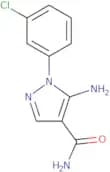
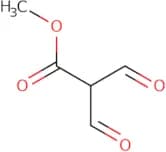
CAS:<p>Versatile small molecule scaffold</p>Formula:C10H9ClN4OPurity:Min. 95%Molecular weight:236.66 g/molMethyl 2-formyl-3-oxo-propionate
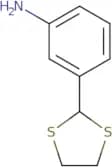
CAS:<p>Methyl 2-formyl-3-oxo-propionate is a reactive chemical that is used to prepare quinolizidines, which are biologically active compounds. It is synthesized from 3-acetylpyridine and formaldehyde in the presence of diborane. The reaction with trifluoroacetic acid leads to the formation of an acid chloride, which can be further reacted with amines to give quinolizidines. This compound has been shown to inhibit adenosine receptor a2a, which may lead to increased blood flow and improved cardiac function.</p>Formula:C5H6O4Purity:Min. 95%Molecular weight:130.1 g/mol3-(1,3-Dithiolan-2-yl)aniline
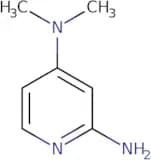
CAS:<p>Versatile small molecule scaffold</p>Formula:C9H11NS2Purity:Min. 95%Molecular weight:197.33 g/mol4-N,4-N-Dimethylpyridine-2,4-diamine
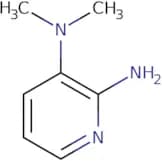
CAS:<p>Versatile small molecule scaffold</p>Formula:C7H11N3Purity:Min. 95%Molecular weight:137.18 g/mol3-N,3-N-Dimethylpyridine-2,3-diamine
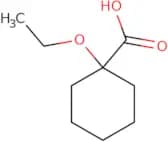
CAS:<p>3-N,3-N-Dimethylpyridine-2,3-diamine (DMPYD) is a pyrrole compound that has been used for the synthesis of aminopyridines. It can be synthesized by reacting 2-aminopyridine with dimethylamine in the presence of an acid catalyst and a base. The resulting molecule contains a pyrrole ring and an amino group. DMPYD binds to DNA through its amino group and is able to inhibit bacterial growth by inhibiting RNA synthesis in the ribosomes of bacteria. This inhibition prevents protein synthesis and leads to cell death.</p>Formula:C7H11N3Purity:Min. 95%Molecular weight:137.18 g/mol1-Ethoxycyclohexane-1-carboxylic acid
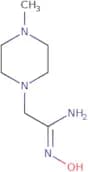
CAS:<p>Versatile small molecule scaffold</p>Formula:C9H16O3Purity:Min. 95%Molecular weight:172.22 g/mol(1Z)-N'-Hydroxy-2-(4-methyl-1-piperazinyl)ethaneimidamide
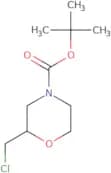
CAS:<p>Versatile small molecule scaffold</p>Formula:C7H16N4OPurity:Min. 95%Molecular weight:172.23 g/moltert-Butyl 2-(chloromethyl)morpholine-4-carboxylate
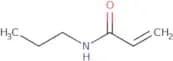
CAS:<p>Versatile small molecule scaffold</p>Formula:C10H18ClNO3Purity:Min. 95%Molecular weight:235.71 g/molN-Propylacrylamide
CAS:<p>N-Propylacrylamide is an organic monomer that is used in the production of acrylate polymers. It is a reactive chemical that can be used to modify surfaces and create coatings. N-Propylacrylamide has been shown to react with ammonium persulfate in the presence of an organic solvent to form a polymer. This reaction creates particles that are then used as a phase transition temperature probe for polymerization reactions. N-Propylacrylamide also reacts with metal cations, such as copper, and can be used as fluorescent probes in sequences.</p>Formula:C6H11NOPurity:Min. 95%Molecular weight:113.16 g/molmorpholine-4-sulfonamide
CAS:<p>Morpholine-4-sulfonamide is a chemical compound that belongs to the class of amides. It is used as a tool in pain models and has been shown to be toxic in animal studies. Morpholine-4-sulfonamide has been shown to inhibit cancer cell growth, apoptosis, and bowel disease in mice. This drug also has anti-inflammatory properties. Morpholine-4-sulfonamide may have some therapeutic potential for the treatment of Alzheimer's disease based on its ability to inhibit nitric oxide release and lysine residues.</p>Formula:C4H10N2O3SPurity:Min. 95%Molecular weight:166.2 g/mol

![2-[(1R,2S)-2-Hydroxycyclohexyl]acetic acid](/_next/image/?url=https%3A%2Fstatic.cymitquimica.com%2Fproducts%2F3D%2Fthumb-webp%2FADA36490.webp&w=3840&q=75)
![[(4-Phenylphenyl)methyl]hydrazine hydrochloride](/_next/image/?url=https%3A%2Fstatic.cymitquimica.com%2Fproducts%2F3D%2Fthumb-webp%2FADA33307.webp&w=3840&q=75)
![Dimethyl bicyclo[3.1.1]heptane-1,5-dicarboxylate](/_next/image/?url=https%3A%2Fstatic.cymitquimica.com%2Fproducts%2F3D%2Fthumb-webp%2FADA32854.webp&w=3840&q=75)

![Indeno[2,1-b]chromene-6-carbaldehyde](/_next/image/?url=https%3A%2Fstatic.cymitquimica.com%2Fproducts%2F3D%2Fthumb-webp%2FADA29382.webp&w=3840&q=75)
![2-[(2,4-Dimethylphenyl)sulfanyl]acetic acid](/_next/image/?url=https%3A%2Fstatic.cymitquimica.com%2Fproducts%2F3D%2Fthumb-webp%2FADA24312.webp&w=3840&q=75)
![1H,4H,5H,6H,7H,8H-Pyrrolo[3,2-c]azepine](/_next/image/?url=https%3A%2Fstatic.cymitquimica.com%2Fproducts%2F3D%2Fthumb-webp%2FACA61514.webp&w=3840&q=75)



![2-[4-(Pyridin-2-ylmethoxy)phenyl]acetic acid](/_next/image/?url=https%3A%2Fstatic.cymitquimica.com%2Fproducts%2F3D%2Fthumb-webp%2FACA59641.webp&w=3840&q=75)







![2-{[(Benzyloxy)carbonyl]amino}-4-carbamoylbutanoic acid](/_next/image/?url=https%3A%2Fstatic.cymitquimica.com%2Fproducts%2F3D%2Fthumb-webp%2FACA51614.webp&w=3840&q=75)


![2-[(2-Methoxyphenoxy)methyl]benzoic acid](/_next/image/?url=https%3A%2Fstatic.cymitquimica.com%2Fproducts%2F3D%2Fthumb-webp%2FACA45688.webp&w=3840&q=75)