Building Blocks
This section contains fundamental products for the synthesis of organic and biological compounds. Building blocks are the essential starting materials used to construct complex molecules through various chemical reactions. They play a critical role in drug discovery, material science, and chemical research. At CymitQuimica, we offer a diverse range of high-quality building blocks to support your innovative research and industrial projects, ensuring you have the essential components for successful synthesis.
Subcategories of "Building Blocks"
- Boronic Acids & Boronic Acid Derivatives(5,756 products)
- Chiral Building Blocks(1,242 products)
- Hydrocarbon Building Blocks(6,095 products)
- Organic Building Blocks(61,037 products)
Found 196200 products of "Building Blocks"
Sort by
Purity (%)
0
100
|
0
|
50
|
90
|
95
|
100
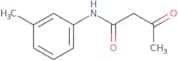
N-(3-Methylphenyl)-3-oxobutanamide
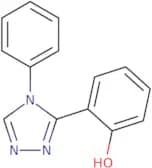
CAS:<p>Versatile small molecule scaffold</p>Formula:C11H13NO2Purity:Min. 95%Molecular weight:191.23 g/mol2-[(1E)-1,2,3,4-Tetrahydronaphthalen-1-ylidene]acetic acid
CAS:<p>Versatile small molecule scaffold</p>Formula:C12H12O2Purity:Min. 95%Molecular weight:188.2 g/mol2-(4-Phenyl-4H-1,2,4-triazol-3-yl)phenol
CAS:<p>Versatile small molecule scaffold</p>Formula:C14H11N3OPurity:Min. 95%Molecular weight:237.26 g/molTricyclo[3.3.1.1~3,7~]dec-2-ylideneacetic acid
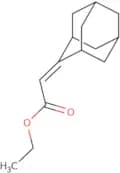
CAS:<p>Versatile small molecule scaffold</p>Formula:C12H16O2Purity:Min. 95%Molecular weight:192.25 g/molEthyl 2-(adamantan-2-ylidene)acetate
CAS:<p>Ethyl 2-(adamantan-2-ylidene)acetate is a reactive molecule that can undergo 1,3-dipolar cycloaddition with spiropyrans and benzonitrile. The experimentally observed regioselectivities of the reaction are benzopyran > spiropyran > benzonitrile. The colour changes from colourless to red in the presence of light. The reactivity of this molecule is increased at higher temperatures. Ethyl 2-(adamantan-2-ylidene)acetate is an isomeric molecule and can be converted into spiropyrans and benzonitrile by thermolysis or photochromic reactions.</p>Formula:C14H20O2Purity:Min. 95%Molecular weight:220.31 g/mol3-(Hydroxymethyl)piperidin-2-one
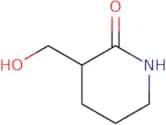
CAS:<p>Versatile small molecule scaffold</p>Formula:C6H11NO2Purity:Min. 95%Molecular weight:129.16 g/mol2-Chloroethyl N-(3-bromophenyl)carbamate
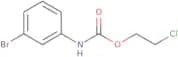
CAS:<p>Versatile small molecule scaffold</p>Formula:C9H9BrClNO2Purity:Min. 95%Molecular weight:278.53 g/mol3-(4-Chlorophenyl)-3-hydroxypropanoic acid
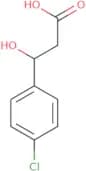
CAS:<p>Versatile small molecule scaffold</p>Formula:C9H9ClO3Purity:Min. 95%Molecular weight:200.62 g/molMethyl N-(4-bromophenyl)carbamate
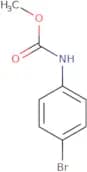
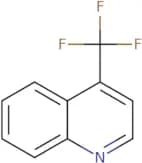
CAS:<p>Methyl N-(4-bromophenyl)carbamate is a chemical compound with the molecular formula CHBrNOC. It has an orthorhombic crystal structure and is soluble in organic solvents such as acetone, ethanol, and diethyl ether.</p>Formula:C8H8BrNO2Purity:Min. 95%Molecular weight:230.06 g/mol4-(Trifluoromethyl)quinoline
CAS:<p>4-(Trifluoromethyl)quinoline (4-TFMQ) is an aniline derivative that can be used in the preparation of heroin. 4-TFMQ is a photophysics reactive compound and has been shown to react with nucleophiles, such as amines, thiols, and alcohols. 4-TFMQ has been shown to react with acidic compounds such as water and alcohols. The fluorescence of 4-TFMQ is sensitive to changes in pH. It also reacts with quinoline derivatives and fluorescent quinolinecarboxylic acid esters. Cross-coupling reactions are used to attach the 4-TFMQ molecule to other organic molecules. These reactions are often performed using palladium catalysis and copper salts.</p>Formula:C10H6F3NPurity:Min. 95%Molecular weight:197.16 g/mol2-(Methanesulfonylmethyl)aniline
CAS:<p>Versatile small molecule scaffold</p>Formula:C8H11NO2SPurity:Min. 95%Molecular weight:185.25 g/mol[2-(Methanesulfonylmethyl)phenyl]methanamine hydrochloride
CAS:<p>Versatile small molecule scaffold</p>Formula:C9H14ClNO2SPurity:Min. 95%Molecular weight:235.73 g/mol3-(6-Amino-9H-purin-9-yl)propan-1-ol
CAS:<p>Versatile small molecule scaffold</p>Formula:C8H11N5OPurity:Min. 95%Molecular weight:193.21 g/mol1-Phenyl-3-oxabicyclo[3.1.0]hexane-2,4-dione
CAS:<p>Versatile small molecule scaffold</p>Formula:C11H8O3Purity:Min. 95%Molecular weight:188.18 g/mol1,3-Diazaspiro[4.7]dodecane-2,4-dione
CAS:<p>Versatile small molecule scaffold</p>Formula:C10H16N2O2Purity:Min. 95%Molecular weight:196.25 g/mol(2Z)-3-[(4-Methylphenyl)sulfanyl]prop-2-enoic acid
CAS:<p>Versatile small molecule scaffold</p>Formula:C10H10O2SPurity:Min. 95%Molecular weight:194.25 g/mol1-(3-Nitrophenyl)-2-thiourea
CAS:<p>1-(3-Nitrophenyl)-2-thiourea is a small molecule inhibitor of the transporter protein SLC5A8, which transports nitrates from the blood to the kidneys. 1-(3-Nitrophenyl)-2-thiourea inhibits this transporter in a systemically active fashion and selectively targets renal epithelial cells. This analog has been shown to be effective against some inherited disorders associated with mutations in SLC5A8. 1-(3-Nitrophenyl)-2-thiourea is believed to inhibit transport by binding to an allosteric site on SLC5A8, but its precise mechanism of action remains unclear.</p>Formula:C7H7N3O2SPurity:Min. 95%Molecular weight:197.22 g/mol1-Nitro-3-(trichloromethyl)benzene
CAS:<p>Versatile small molecule scaffold</p>Formula:C7H4Cl3NO2Purity:Min. 95%Molecular weight:240.5 g/mol4-Cyano-1-phenylpyrazole
CAS:<p>4-Cyano-1-phenylpyrazole is a nitrile that can be chloromethylated to form 4-chloro-1-phenylpyrazole. It is a herbicide that inhibits plant growth by inhibiting photosynthesis. The type of reaction can be halogenation, alkoxycarbonylation, or chloromethylation. This compound hydrolyzes at a relatively fast rate in water and reacts with other compounds to form derivatives of the original molecule. 4-Cyano-1-phenylpyrazole binds to the c3 and c4 positions on the cycloalkane ring and also binds to alkenes with an oxygen atom at the end of the chain (such as allyl alcohol). The compound has been used in both pharmaceuticals and agricultural products. 4-Cyano-1-phenylpyrazole is toxic to plants and animals because it inhibits cell membrane function.</p>Formula:C10H7N3Purity:Min. 95%Molecular weight:169.18 g/mol4-((Trifluoromethyl)sulfinyl)aniline
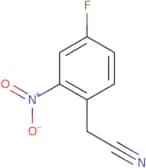
CAS:<p>Versatile small molecule scaffold</p>Formula:C7H6F3NOSPurity:Min. 95%Molecular weight:209.19 g/mol2-(4-Fluoro-2-nitrophenyl)acetonitrile
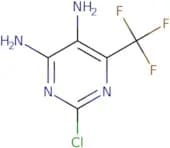
CAS:<p>Versatile small molecule scaffold</p>Formula:C8H5FN2O2Purity:Min. 95%Molecular weight:180.14 g/mol2-Chloro-6-(trifluoromethyl)pyrimidine-4,5-diamine
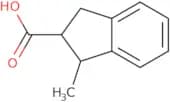
CAS:<p>Versatile small molecule scaffold</p>Formula:C5H4ClF3N4Purity:Min. 95%Molecular weight:212.56 g/mol1-Methyl-2,3-dihydro-1H-indene-2-carboxylic acid
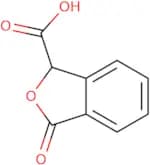
CAS:<p>Versatile small molecule scaffold</p>Formula:C11H12O2Purity:Min. 95%Molecular weight:176.21 g/mol3-Oxo-1,3-dihydro-2-benzofuran-1-carboxylic acid
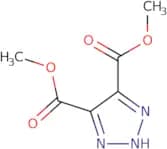
CAS:<p>3-Oxo-1,3-dihydro-2-benzofuran-1-carboxylic acid is a cyclic compound with a molecular weight of 174.19. It is a white crystalline solid with a melting point of 164°C and can be found in isopropyl alcohol. 3-Oxo-1,3-dihydro-2-benzofuran-1-carboxylic acid is used as an intermediate for the synthesis of coatings, which are applied to surfaces to protect them from corrosion or other chemical attack. The reaction time and solvent must be considered when working with this compound.</p>Formula:C9H6O4Purity:Min. 95%Molecular weight:178.14 g/mol4,5-Dimethyl 1H-1,2,3-triazole-4,5-dicarboxylate
CAS:<p>Versatile small molecule scaffold</p>Formula:C6H7N3O4Purity:Min. 95%Molecular weight:185.14 g/mol8-Methyl-1,3-diazaspiro[4.5]decane-2,4-dione
CAS:<p>Versatile small molecule scaffold</p>Formula:C9H14N2O2Purity:Min. 95%Molecular weight:182.22 g/mol1,3-Diazaspiro[4.6]undecane-2,4-dione
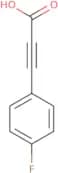
CAS:<p>Versatile small molecule scaffold</p>Formula:C9H14N2O2Purity:Min. 95%Molecular weight:182.22 g/mol3-(4-Fluorophenyl)prop-2-ynoic acid
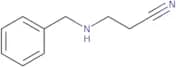
CAS:<p>Versatile small molecule scaffold</p>Formula:C9H5FO2Purity:Min. 95%Molecular weight:164.13 g/mol²-(Benzylamino)propionitrile
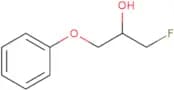
CAS:<p>²-(Benzylamino)propionitrile is a synthetic organic compound that is used in the synthesis of catalytic amines and aziridinium salts. It is an intermediate for the production of amines and aziridinium salts, which are compounds with a wide range of applications. ²-(Benzylamino)propionitrile also has the ability to be used as a ligand in metal-catalyzed reactions, such as hydrochloric acid catalyzed reactions. This chemical can be reused several times and is stable at temperatures from 0 to 150 ˚C.</p>Formula:C10H12N2Purity:Min. 95%Molecular weight:160.22 g/mol1-Fluoro-3-phenoxypropan-2-ol
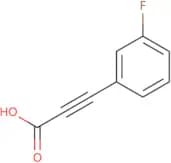
CAS:<p>1-Fluoro-3-phenoxypropan-2-ol is a chiral epoxide that is used as a reagent in organic synthesis. It reacts with styrene to form an enantiomerically pure styrene oxide. 1-Fluoro-3-phenoxypropan-2-ol also has the ability to react with epoxides, chlorohydrins, and chloride to form cyclohexene oxide and fluorine oxide, respectively. The stereochemistry of these reactions can be manipulated by changing the solvent or by using an enantioselective catalyst.</p>Formula:C9H11FO2Purity:Min. 95%Molecular weight:170.18 g/mol3-(3-fluorophenyl)prop-2-ynoic acid
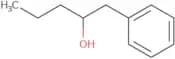
CAS:<p>3-(3-fluorophenyl)prop-2-ynoic acid is an organic compound that is used as a reagent in organic synthesis. It is activated with strong Lewis acids such as aluminum chloride and boron trifluoride etherate to yield the terminal alkynes. The terminal alkynes can be converted to carboxylic acids by carboxylation. 3-(3-Fluorophenyl)prop-2-ynoic acid has been shown to catalyze the reaction in which propiolic acid reacts with butyllithium, yielding methylene chloride and 1,1,1-trichloropropanol. 3-(3-Fluorophenyl)prop-2-ynoic acid also has a mononuclear structure and can be diffracted by x-rays.</p>Formula:C9H5O2FPurity:Min. 95%Molecular weight:164.13 g/mol2-Hydroxy-1-phenylpentane
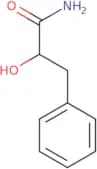
CAS:<p>2-Hydroxy-1-phenylpentane is a mandelonitrile with an alcohol group. It is a cytotoxic compound that can induce apoptosis in cancer cells. 2-Hydroxy-1-phenylpentane has been shown to inhibit the growth of MDA-MB-231 breast cancer cells and induce apoptosis. In addition, this compound also induces apoptosis in rat liver cells and human fibroblasts. This compound induces apoptosis by inhibiting the phosphatidylinositol 3 kinase (PI3K)/Akt pathways. 2-Hydroxy-1-phenylpentane also inhibits cell growth through a clonogenic assay in which it was found to be toxic to mouse embryonic stem cells at concentrations greater than or equal to 50 μM, but not at concentrations less than 10 μM. The toxicity of 2-Hydroxy-1-phenylpentane may be due to its ability to bind with DNA and</p>Formula:C11H16OPurity:Min. 95%Molecular weight:164.24 g/mol2-Hydroxy-3-phenylpropanamide
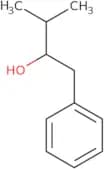
CAS:<p>2-Hydroxy-3-phenylpropanamide is a fatty acid that has been shown to have radical scavenging activity. It is an omega-3 fatty acid, which means it has the first double bond at the third carbon from the methyl end of the molecule. 2-Hydroxy-3-phenylpropanamide also has a phenolic group, which is a type of chemical group with one or more hydroxyl (-OH) groups attached to an aromatic hydrocarbon ring. This compound may be selective for substrate, as it does not react with carboxylic acids or amides. 2-Hydoxy-3-phenylpropanamide's unsaturated aliphatic chain makes it susceptible to oxidation and can lead to the formation of carboxylic acids and aldehydes, which are reactive molecules.</p>Formula:C9H11NO2Purity:Min. 95%Molecular weight:165.19 g/mol3-Methyl-1-phenylbutan-2-ol
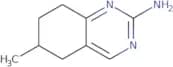
CAS:<p>3-Methyl-1-phenylbutan-2-ol is a benzene derivative that is used in the formulation of perfumes, as well as other products. It is safe to use and has no known side effects. 3-Methyl-1-phenylbutan-2-ol is a fragrance ingredient that belongs to the class of aromatic alcohols. This compound has been shown to have toxicologic and dermatologic properties, although it does not cause irritation or sensitization.<br>3-Methyl-1-phenylbutan-2-ol contains a benzene ring with an alcohol group. The benzene ring has two methyl groups at positions 1 and 2.</p>Formula:C11H16OPurity:Min. 95%Molecular weight:164.24 g/mol6-Methyl-5,6,7,8-tetrahydroquinazolin-2-amine
CAS:<p>Versatile small molecule scaffold</p>Formula:C9H13N3Purity:Min. 95%Molecular weight:163.22 g/mol4-Fluoro-2-nitro-n-methylaniline
CAS:<p>Versatile small molecule scaffold</p>Formula:C7H7FN2O2Purity:Min. 95%Molecular weight:170.14 g/molBicyclo[2.2.2]oct-5-ene-2-sulfonyl fluoride-(endo)
CAS:<p>Versatile small molecule scaffold</p>Formula:C8H11FO2SPurity:Min. 95%Molecular weight:190.24 g/mol3-Phenyl-2-oxazolidinone
CAS:<p>3-Phenyl-2-oxazolidinone is a potent antibacterial agent. It has been shown to be active against a wide range of Gram-positive and Gram-negative bacteria, including Enterococcus faecalis, Staphylococcus aureus, Mycobacterium avium complex and Escherichia coli. 3-Phenyl-2-oxazolidinone has also been shown to inhibit the growth of Mycobacterium tuberculosis in culture. The mechanism of action is not yet fully understood but may involve inhibition of cell wall synthesis or protein synthesis. 3-Phenyl-2-oxazolidinone also exhibits antiviral activity against human immunodeficiency virus type 1 (HIV) and herpes simplex virus type 2 (HSV).</p>Formula:C9H9NO2Purity:Min. 95%Molecular weight:163.17 g/mol7,8-Dichloroquinoline
CAS:<p>7,8-Dichloroquinoline is a chlorinated quinoline that can be used as a marker for the identification of lactobacillus acidophilus. It has been shown to be an effective agent against l. acidophilus and other lactobacilli in vitro. The effect of 7,8-dichloroquinoline on the growth of lactobacillus species was studied using a nutrient agar medium containing potassium phosphate and calcium carbonate as nutrients. The results showed that 7,8-dichloroquinoline inhibited the growth of all strains tested except Lactobacillus pentosus and Lactobacillus brevis.</p>Formula:C9H5Cl2NPurity:Min. 95%Molecular weight:198.05 g/mol5,8-Dichloroquinoline
CAS:<p>Dichloroquinoline is a nitrated nitrogen heterocycle, which has been orientated to the para position. It is a precursor to a variety of other compounds, including 5,8-dichloroquinoline and 3-chloro-5,8-dichloroquinoline.</p>Formula:C9H5Cl2NPurity:Min. 95%Molecular weight:198.05 g/mol4-Bromo-N-methylbenzenesulfonamide
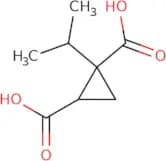
CAS:<p>Versatile small molecule scaffold</p>Formula:C7H8BrNO2SPurity:Min. 95%Molecular weight:250.11 g/molrac-(1R,2R)-1-(Propan-2-yl)cyclopropane-1,2-dicarboxylic acid
CAS:<p>Versatile small molecule scaffold</p>Formula:C8H12O4Purity:Min. 95%Molecular weight:172.2 g/mol4-Methylbicyclo[2.2.2]octane-1-carboxylic acid
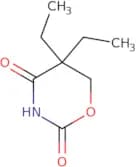
CAS:<p>Versatile small molecule scaffold</p>Formula:C10H16O2Purity:Min. 95%Molecular weight:168.23 g/mol5,5-Diethyl-1,3-oxazinane-2,4-dione
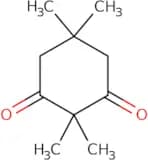
CAS:<p>5,5-Diethyl-1,3-oxazinane-2,4-dione is a water soluble plant growth regulator that belongs to the chemical class of hydroxylated dioximes. It has been shown to have biological properties in plants and is used as a soil wetting agent, but not as an herbicide. 5,5-Diethyl-1,3-oxazinane-2,4-dione has been shown to be highly resistant to microbial infection and have biocompatible properties. This compound was also found to be nonirritant in vitro and can be used as a sample preparation tool for kinetic studies. The compound is also useful for the detection of radiation in fatty acids.</p>Formula:C8H13NO3Purity:Min. 95%Molecular weight:171.19 g/mol2,2,5,5-Tetramethyl-1,3-cyclohexanedione
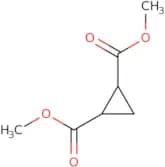
CAS:<p>Versatile small molecule scaffold</p>Formula:C10H16O2Purity:Min. 95%Molecular weight:168.23 g/molDimethyl cyclopropane-1,2-dicarboxylate
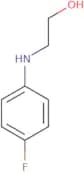
CAS:<p>Dimethyl cyclopropane-1,2-dicarboxylate (DMCPD) is a racemic antiviral agent that inhibits the synthesis of viral nucleic acids and proteins. It was developed as an intermediate for the production of allylstannanes and substituted cyclobutyls. DMCPD has been shown to inhibit the replication of influenza A virus in calf-thymus cells.</p>Formula:C7H10O4Purity:Min. 95%Molecular weight:158.15 g/mol2-(4-Fluoro-phenylamino)-ethanol
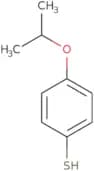
CAS:<p>Versatile small molecule scaffold</p>Formula:C8H10FNOPurity:Min. 95%Molecular weight:155.17 g/mol4-(Propan-2-yloxy)benzene-1-thiol
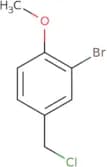
CAS:<p>4-(Propan-2-yloxy)benzene-1-thiol is a chemical that inhibits the enzyme acetyl-coa carboxylase. It is used in medicinal chemistry to create inhibitors of this enzyme. 4-(Propan-2-yloxy)benzene-1-thiol has been found to be selective for the inhibition of acetyl-coa carboxylase and not other enzymes such as malonyl coenzyme A carboxykinase. The high throughput screening of this compound has led to the discovery of new inhibitors with potential therapeutic benefits.</p>Formula:C9H12OSPurity:Min. 95%Molecular weight:168.26 g/mol2-Bromo-4-(chloromethyl)-1-methoxybenzene
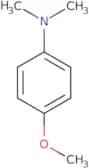
CAS:<p>2-Bromo-4-(chloromethyl)-1-methoxybenzene is a formaldehyde releaser that is used in the production of chloroacetamide. It is also used as an intermediate in organic chemistry, where it is acrylonitrile and chloride alkylation. The bromine atom in 2-bromo-4-(chloromethyl)-1-methoxybenzene can react to release formaldehyde, which may be toxic to humans. Formaldehyde exposure has been linked to cancer and other diseases.</p>Formula:C8H8BrClOPurity:Min. 95%Molecular weight:235.5 g/mol4-Methoxy-N,N-dimethylaniline
CAS:<p>4-Methoxy-N,N-dimethylaniline is a glycol ether that is used in active antiretroviral therapy. It is an effective contraceptive and has been shown to be safe for use in women. It has been shown to inhibit the polymerase chain reaction (PCR) of HIV-1 and HIV-2, as well as the DNA polymerases of hepatitis B virus and herpes simplex virus type 2. The drug does not affect the function of biological samples such as vaginal cells or semen, but does prevent water vapor from reaching them. 4-Methoxy-N,N-dimethylaniline also inhibits prostaglandin synthesis by binding to cyclooxygenase enzymes. This drug can cause stomach upset and nausea when taken orally, but these side effects are less pronounced when it is administered intravenously.</p>Formula:C9H13NOPurity:Min. 95%Molecular weight:151.21 g/mol1-(4-Fluorophenyl)propan-1-ol
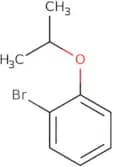
CAS:<p>Versatile small molecule scaffold</p>Formula:C9H11FOPurity:Min. 95%Molecular weight:154.18 g/mol1-Bromo-2-isopropoxybenzene
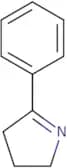
CAS:<p>Versatile small molecule scaffold</p>Formula:C9H11BrOPurity:Min. 95%Molecular weight:215.09 g/mol5-Phenyl-3,4-dihydro-2H-pyrrole
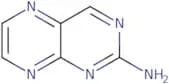
CAS:<p>5-Phenyl-3,4-dihydro-2H-pyrrole is a heterocyclic compound that is used in the synthesis of other chemicals. It can be positioned with a variety of functional groups and undergoes aromatisation by the cytochrome P450 enzyme system. 5-Phenyl-3,4-dihydro-2H-pyrrole reacts with perchlorates to form heterocycles such as pyrrolidine and activated pyrrole, which are used in supramolecular chemistry. 5PDP has been shown to react with haloalkanes to form bicyclic heterocycles such as 1,3,5-trioxane.</p>Formula:C10H11NPurity:Min. 95%Molecular weight:145.2 g/molPteridin-2-amine
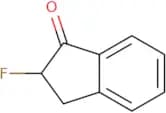
CAS:<p>Pteridin-2-amine is a calibration standard that is used to measure the covalent binding of metal ions to protein. It has been shown to have kidney toxicity and can cause liver damage. Pteridin-2-amine can be oxidized by O2 or NO3-, forming oxidation products containing nitrogen atoms, which are detected using voltammetry. The product has a high affinity for neopterin, a metabolic product that is released from eosinophils and mast cells in response to inflammatory stimuli. Pteridin-2-amine can inhibit the enzyme aldehyde oxidase and the activity of an enzyme called catalase, which helps protect cells from oxidative stress. This product has also been shown to form chromatographic peaks with oxygen atoms and sodium hydrogen when mixed with water.</p>Formula:C6H5N5Purity:Min. 95%Molecular weight:147.14 g/mol2-Fluoro-2,3-dihydro-1H-inden-1-one
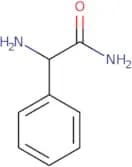
CAS:<p>2-Fluoro-2,3-dihydro-1H-inden-1-one is an enolate salt that has been shown to be effective as a ligand for palladium complexes. The compound is used in the photochemical production of cycloalkanones from allyl alcohols and ketones. 2-Fluoro-2,3-dihydro-1H-inden-1-one has also been used in the synthesis of chiral phosphine ligands. This chemical can be synthesized by reacting potassium phosphate with triflates in the presence of carbonyl compounds. It is also produced when uv irradiation interacts with enolates.</p>Formula:C9H7FOPurity:Min. 95%Molecular weight:150.15 g/mol2-Amino-2-phenylacetamide
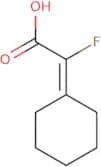
CAS:<p>2-Amino-2-phenylacetamide is a model compound that has been used to study enzyme catalysis. It is an amide with a hydroxylamine group and an aromatic ring. 2-Amino-2-phenylacetamide inhibits the replication of DNA by binding to the protein polymerase, which blocks the transfer of amino acids from the tRNA molecule to the growing strand of DNA. This leads to apoptosis in cells that are susceptible to this type of inhibition. The synthesis of 2-Amino-2-phenylacetamide can be achieved through two methods: nitration of phenylacetic acid and oxidation of benzoic acid with nitric acid. Hydrochloric acid is required for both methods, as well as zinc chloride for the nitration method.<br>2-Amino-2-phenylacetamide is also known as succinoyl.</p>Formula:C8H10N2OPurity:Min. 95%Molecular weight:150.18 g/mol2-Cyclohexylidene-2-fluoroacetic acid
CAS:<p>2-Cyclohexylidene-2-fluoroacetic acid is a geometrically constrained molecule that has been synthesized and characterized by X-ray crystallography. The compound adopts three conformations, each of which is related to the other two by a rotation of the cyclohexane ring around the central fluoroacetate group.</p>Formula:C8H11FO2Purity:Min. 95%Molecular weight:158.17 g/mol1-(Propan-2-yl)-1,3-diazinane-2,4-dione
CAS:<p>Versatile small molecule scaffold</p>Formula:C7H12N2O2Purity:Min. 95%Molecular weight:156.18 g/molBicyclo[2.2.1]hept-5-ene-2-sulfonyl fluoride, somers
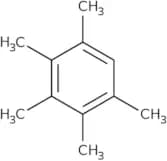
CAS:<p>Versatile small molecule scaffold</p>Formula:C7H9FO2SPurity:Min. 95%Molecular weight:176.21 g/molPentamethylbenzene
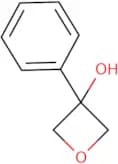
CAS:<p>Pentamethylbenzene is a reactive organic chemical that is used in the production of other chemicals and is used as a solvent. It has been shown to have high reactivity with hydrochloric acid, pentamethylbenzene, and trifluoroacetic acid. Pentamethylbenzene reacts with redox potentials to form bicyclic heterocycles. This reaction mechanism leads to metabolic disorders such as protonation of amino acids and deamination of nucleosides. Pentamethylbenzene also reacts with oxygen in vivo to form trifluoroacetic acid, which may lead to treatment of metabolic disorders by reducing the concentration of proton ions.</p>Formula:C11H16Purity:Min. 95%Molecular weight:148.25 g/mol3-Phenyloxetan-3-ol
CAS:<p>3-Phenyloxetan-3-ol is a degassing agent that can be used to regulate the sensitivity of metal plates. It has been shown to increase the efficiency of hydroelectric power generation by reducing the amount of turbidity in water. 3-Phenyloxetan-3-ol is not resistant to impurities, and can form metal oxides with copper and other elements. 3-Phenyloxetan-3-ol is a liquid that has a particle size of about 1 micrometre, which makes it useful for industrial applications such as plates and alloys.</p>Formula:C9H10O2Purity:Min. 95%Molecular weight:150.17 g/mol1,3-Diazaspiro[4.4]nonane-2,4-dione
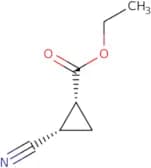
CAS:<p>1,3-Diazaspiro[4.4]nonane-2,4-dione (1) is a new fungicide that was shown to have fungicidal activity in vitro against the grapevine pathogens Plasmopara viticola and Plasmopara obducens. This compound has been isolated from the plant Express erythroxylum coca (Erythroxylum coca). The compound belongs to the class of diaza spiro compounds and is a member of a family of diaza spiro compounds with antifungal activity. One possible mode of action for 1 is that it inhibits the synthesis of DNA by binding to bacterial DNA gyrase.</p>Formula:C7H10N2O2Purity:Min. 95%Molecular weight:154.17 g/molcis-ethyl (1R,2S)-2-cyanocyclopropane-1-carboxylate
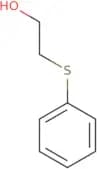
CAS:<p>Versatile small molecule scaffold</p>Formula:C7H9NO2Purity:Min. 95%Molecular weight:139.15 g/mol2-(Phenylthio)ethanol
CAS:<p>2-Phenylthioethanol is a monomer that is used in the synthesis of silver trifluoromethanesulfonate. 2-Phenylthioethanol reacts with hydroxyl groups to form an ether linkage, which is the basis for its use as a monomer. 2-Phenylthioethanol has been shown to react with orthophosphate to form an ester linkage. This reaction is catalyzed by a nucleophile (e.g., chloride) and occurs at neutral pH in the presence of aluminium powder. The rate of this reaction increases with temperature and can be accelerated by diphenyl sulfoxide. The coatings industry uses 2-phenylthioethanol as a solvent for polyvinylchloride and polyurethane coatings, due to its ability to dissolve these materials without degrading them.</p>Formula:C8H10OSPurity:Min. 95%Molecular weight:154.23 g/mol2-chloro-[1,2,4]triazolo[1,5-a]pyridine
CAS:<p>Versatile small molecule scaffold</p>Formula:C6H4ClN3Purity:Min. 95%Molecular weight:153.57 g/mol5-Methoxy-2-methyl-1,4-dihydropyrimidin-4-one
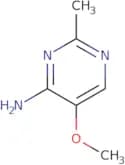
CAS:<p>Versatile small molecule scaffold</p>Formula:C6H8N2O2Purity:Min. 95%Molecular weight:140.14 g/mol5-Methoxy-2-methylpyrimidin-4-amine
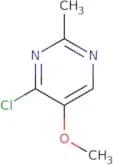
CAS:<p>Versatile small molecule scaffold</p>Formula:C6H9N3OPurity:Min. 95%Molecular weight:139.16 g/mol4-Chloro-5-methoxy-2-methylpyrimidine
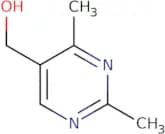
CAS:<p>Versatile small molecule scaffold</p>Formula:C6H7ClN2OPurity:Min. 95%Molecular weight:158.58 g/mol(2,4-Dimethylpyrimidin-5-yl)methanol
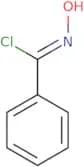
CAS:<p>(2,4-Dimethylpyrimidin-5-yl)methanol is an ethylene diamine molecule that is covalently bonded to a cyclic peptide. It has been shown to have strong antimicrobial activity against various types of bacteria and fungi. (2,4-Dimethylpyrimidin-5-yl)methanol is able to kill bacteria by inhibiting protein synthesis, which may be due to its ability to form hydrogen bonds with the transfer reactions of the ribosome. In addition, (2,4-Dimethylpyrimidin-5-yl)methanol has also been shown to form acid in the presence of malonic acid and inhibitor molecules. This results in inhibition of bacterial growth and structural analysis by electrochemical impedance spectroscopy.</p>Formula:C7H10N2OPurity:Min. 95%Molecular weight:138.17 g/mola-Chlorobenzaldoxime
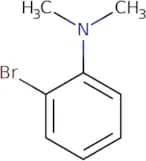
CAS:<p>a-Chlorobenzaldoxime is a potent antibacterial agent that inhibits bacterial growth by binding to the enzyme protein, thereby preventing the synthesis of essential proteins. It also has insecticidal activities. a-Chlorobenzaldoxime is an inorganic compound and is not metabolized by the body. This makes it an efficient method for treating bacterial infections.</p>Formula:C7H6ClNOPurity:Min. 95%Molecular weight:155.58 g/mol2-Bromo-N,N-dimethylaniline
CAS:<p>2-Bromo-N,N-dimethylaniline is a chemical compound that belongs to the class of alkylating agents. It is prepared by the reaction of 2-bromoaniline with a Grignard reagent, followed by acidification and removal of the volatile bromide. 2-Bromo-N,N-dimethylaniline has been used in the preparation of ligands for metal complexes and as an acetal protecting group for alcohols and phenols. 2-Bromo-N,N-dimethylaniline has been shown to be a good cross-coupling agent for halides or aromatic heterocycles, which is an important property in organic synthesis. The mechanism involves initial abstraction of hydrogen from the substrate molecule by 2-bromo-N,N-dimethylaniline forming an intermediate cationic species. This intermediate cationic species then reacts with the substrate molecule</p>Formula:C8H10BrNPurity:Min. 95%Molecular weight:200.08 g/mol6H,7H-Thieno[2,3-d]pyridazin-7-one
CAS:<p>Versatile small molecule scaffold</p>Formula:C6H4N2OSPurity:Min. 95%Molecular weight:152.18 g/mol7-Chlorothieno[2,3-d]pyridazine
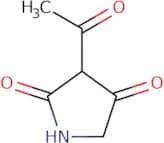
CAS:<p>Versatile small molecule scaffold</p>Formula:C6H3ClN2SPurity:Min. 95%Molecular weight:170.62 g/mol3-Acetylpyrrolidine-2,4-dione
CAS:<p>3-Acetylpyrrolidine-2,4-dione is an experimental drug that belongs to the class of metal hydroxides. It has been shown to have anti-tumor activity in vitro and in vivo against a variety of malignant tumors. 3-Acetylpyrrolidine-2,4-dione also inhibits the growth of pigweed and other plants by inhibiting the production of tenuazonic acid. This compound is a tautomeric form of tenuazonic acid, which is also known as 2,4-pentanedione. The carboxylate group on this molecule may be responsible for its herbicidal activity.</p>Formula:C6H7NO3Purity:Min. 95%Molecular weight:141.12 g/molTricyclo[2.2.1.0,2,6]heptane-3-carboxylic acid
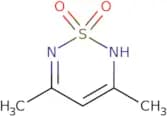
CAS:<p>Versatile small molecule scaffold</p>Formula:C8H10O2Purity:Min. 95%Molecular weight:138.16 g/mol3,5-Dimethyl-2H-1,2,6-thiadiazine-1,1-dione
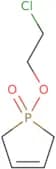
CAS:<p>Versatile small molecule scaffold</p>Formula:C5H8N2O2SPurity:Min. 95%Molecular weight:160.2 g/mol1-(2-Chloroethoxy)-2,5-dihydro-1H-1λ⁵-phosphol-1-one
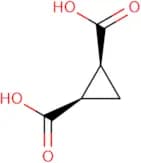
CAS:<p>Versatile small molecule scaffold</p>Formula:C6H10ClO2PPurity:Min. 95%Molecular weight:180.57 g/mol(1R,2S)rel-cyclopropane1,2dicarboxylic acid
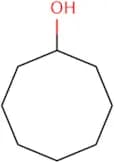
CAS:<p>(1R,2S)rel-cyclopropane1,2dicarboxylic acid is a synthetic compound. It has been shown to activate the camp-dependent protein kinase C and inhibit the phosphodiesterase type 3 enzyme. It also has gametocide properties in vitro assays. (1R,2S)rel-cyclopropane1,2dicarboxylic acid has been analysed using nmr spectra and transition state theory to determine its structure. The pharmacophore of (1R,2S)rel-cyclopropane1,2dicarboxylic acid is a dione with an activating hydrogen atom on one side and a hydrogenolysis site on the other.</p>Formula:C5H6O4Purity:Min. 95%Molecular weight:130.1 g/molCyclooctanol
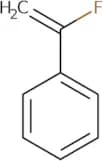
CAS:<p>Cyclooctanol is an organic compound that belongs to the group of aliphatic hydrocarbons. It is a reaction product of trifluoroacetic acid and cyclooctyl, which is formed at a rate dependent on the hydroxyl group content. Cyclooctanol inhibits monoamine reuptake, which may be due to its carbonyl group, and has been shown to have insulin resistance-inducing properties. Cyclooctanol also inhibits the formation of insulin receptors in diabetic neuropathy by binding with piperazine, thus inhibiting the redox potential of the cells.</p>Formula:C8H16OPurity:Min. 95%Molecular weight:128.22 g/molα-Fluorostyrene
CAS:<p>Styrene is a synthetic monomer that belongs to the group of cycloalkanes. It is a colorless, volatile liquid with a boiling point of at least 100°C and a viscosity of 0.5-2 mm2/s. Styrene is usually used in the production of polystyrene plastic and styrenic resins. Its most well-known application is in the manufacture of polystyrene foam insulation (commonly known as Styrofoam). Styrene can be converted into other compounds by thermolysis, oxidation, or hydrolysis. One such conversion is debromination, which occurs when styrene reacts with bromine in an alkaline solution to produce di-bromostyrene and hydrogen bromide gas. The isotopomers alpha-fluorostyrene and beta-fluorostyrene are derivatives of styrene that are used for analysis purposes because they have different physical properties due to their different masses.</p>Formula:C8H7FPurity:Min. 95%Molecular weight:122.14 g/mol1-Methyl-1,3-diazinane-2,4-dione
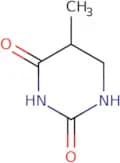
CAS:<p>1-Methyl-1,3-diazinane-2,4-dione is a heterocycle that has been shown to have immunosuppressive effects. It has been shown to inhibit the production of inflammatory cells, including T cells and natural killer cells, in response to stimulation with mitogens. In addition, 1-methyl-1,3-diazinane-2,4-dione inhibits the activation of T cells by inhibiting the synthesis of β-amino acid and reducing intracellular levels of LPS. This compound also has been shown to be a potent inhibitor of HIV replication and cancer growth in vitro.</p>Formula:C5H8N2O2Purity:Min. 95%Molecular weight:128.13 g/mol5,6-Dihydro Thymine
CAS:<p>5,6-Dihydrothymine is a metabolic precursor to thymine. It has been shown to inhibit the production of DNA and RNA in cells, which causes cellular transformation. 5,6-Dihydrothymine also inhibits enzyme activity by competing with substrates or by forming covalent bonds with the enzyme. This drug has been found to be genotoxic and may cause cancer, but it can also be used for diagnosis and treatment of radiation-induced genetic damage. The drug is an oral prodrug that is hydrolyzed in the gastrointestinal tract to release thymine. 5,6-Dihydrothymine is used for molecular pathogenesis studies on solid tumours, such as breast cancer and prostate cancer.</p>Formula:C5H8N2O2Purity:Min. 95%Molecular weight:128.13 g/mol3-Bromotricyclo[2.2.1.0,2,6]heptane
CAS:<p>3-Bromotricyclo[2.2.1.0,2,6]heptane is a biomolecule and azabicyclic compound with molecular formula C8H14Br and molecular weight of 152.19 g/mol. It has been shown to react through nucleophilic attack at the carbonyl carbon to produce an intermediate that tautomerizes to the corresponding ketone in a cycloaddition reaction with acetaldehyde or xylene. The deuterated derivative of this compound has been synthesized using deuteration techniques and can be used for studies on the mechanism of substitution reactions of nucleophiles such as chloride or butyltin compounds. This biomolecule also reacts with alkoxides at temperatures greater than 0°C to form ethyl 2-bromo-3-methylhexanoate, which can be used as a starting material for the synthesis of biphenyls by Friedel-Crafts</p>Formula:C7H9BrPurity:Min. 95%Molecular weight:173.05 g/mol2-Bromobicyclo[2.2.1]hept-2-ene
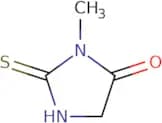
CAS:<p>2-Bromobicyclo[2.2.1]hept-2-ene is a brominating agent that is used for the synthesis of organic compounds, such as halogenated hydrocarbons and pharmaceuticals. The use of this reagent in the synthesis of halogenated hydrocarbons is based on its ability to form a metal hydride with the desired metal, which can then be used as a reducing agent. This brominating agent also has stereospecificity, allowing for the selective introduction of one type of substituent at one position in an organic molecule. 2-Bromobicyclo[2.2.1]hept-2-ene is a precursor to other brominating agents and metal hydrides, such as lithium bromide and sodium hydride.</p>Formula:C7H9BrPurity:Min. 95%Molecular weight:173.05 g/mol2-Mercapto-3-methyl-3,5-dihydro-imidazol-4-one
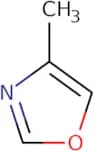
CAS:<p>2-Mercapto-3-methyl-3,5-dihydro-imidazol-4-one (MMI) is a diagnostic agent that belongs to the group of chemical ionization reagents. It has been shown to be effective as a carcinogen in Sprague Dawley rats and to induce cancer at high doses. MMI is used in the analysis of acidity, and is also used for the analysis of amino acids in proteins by chromatography. MMI reacts with histidine residues on ribosomes and forms an iminium ion, which leads to protein synthesis inhibition. This reaction mechanism can be inhibited by adding an amine such as methylamine or ammonia, thereby inhibiting protein synthesis.</p>Formula:C4H6N2OSPurity:Min. 95%Molecular weight:130.17 g/mol4-Methyloxazole
CAS:<p>4-Methyloxazole is a reactive compound that has been used in the synthesis of vitamins, ligands, and other organic chemicals. It can be prepared by formylation of nitroethane with formic acid, followed by oxidation with potassium permanganate. When heated to 300°C, 4-methyloxazole decomposes to form nitrogen gas and water vapor. 4-Methyloxazole is a ligand for several metal ions including platinum and palladium. The stability of 4-methyloxazole decreases as the number of methyl groups increases. This property makes it an excellent ligand for complex formation with metals such as zirconium oxide or imidazole derivatives.</p>Formula:C4H5NOPurity:Min. 95%Molecular weight:83.09 g/molVinylcyclopropane
CAS:<p>Versatile small molecule scaffold</p>Formula:C5H8Purity:Min. 95%Molecular weight:68.12 g/mol1-Bromoundecane
CAS:<p>1-Bromoundecane is an antimicrobial agent that inhibits the growth of bacteria by binding to their cell wall, thereby preventing its synthesis. It has been found to be effective against chronic kidney disease and metabolic disorders in tissue culture. 1-Bromoundecane has a low potency and is not reactive or activated. The chemical can react with hydrochloric acid to form a polarizer, which is used in optical instruments for measuring the refractive index of transparent materials such as glass and water. 1-Bromoundecane also inhibits the production of growth factors that are necessary for cellular proliferation. This drug may have biological functions as a fatty acid and hydrogen bond donor.</p>Formula:C11H23BrPurity:Min. 95%Molecular weight:235.2 g/mol2-Aminooctane
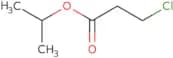
CAS:<p>2-Aminooctane is an organic compound that has a variety of industrial applications. It is used in the production of butyric acid and as a viscosity index improver in lubricating oils. 2-Aminooctane is also used to produce nitrides, which are compounds containing nitrogen and at least one other element. These compounds are useful for their high thermal stability, low reactivity, and high melting point. 2-Aminooctane can be obtained by oxidizing 2-aminoethanol with nitric acid or by reacting aminobutyric acid with formaldehyde. The product is then distilled under vacuum to remove excess water and other volatile substances.<br>2-Aminooctane is a colorless liquid that boils at 140°C (284°F) and freezes at -89°C (-129°F). It has an acidic odor and can react with bases such as calcium hydroxide to form calcium amin</p>Formula:C8H19NPurity:Min. 95%Molecular weight:129.25 g/molPropan-2-yl 3-chloropropanoate
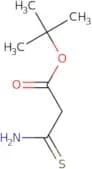
CAS:<p>Versatile small molecule scaffold</p>Formula:C6H11ClO2Purity:Min. 95%Molecular weight:150.6 g/moltert-butyl 3-amino-3-thioxopropanoate
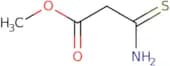
CAS:<p>Versatile small molecule scaffold</p>Formula:C7H13NO2SPurity:Min. 95%Molecular weight:175.25 g/molMethyl 3-amino-3-thioxopropanoate
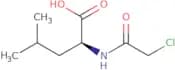
CAS:<p>Methyl 3-amino-3-thioxopropanoate is an antipyretic agent that belongs to the group of acid derivatives. The compound has been shown to have a blood pH lowering effect in animals. It also inhibits the synthesis of triglycerides, fibrinogen, and cholesterol. Methyl 3-amino-3-thioxopropanoate also displays anti-inflammatory properties and is used as an analgesic for rheumatic conditions.</p>Formula:C4H7NO2SPurity:Min. 95%Molecular weight:133.17 g/molN-Chloroacetyl-L-leucine
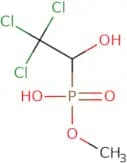
CAS:<p>N-Chloroacetyl-L-leucine is a chloromethyl ketone that is used as a pesticide and insecticide. It is effective against insects such as the Colorado potato beetle and the European corn borer, but not against snails or slugs. N-Chloroacetyl-L-leucine denatures proteins at high concentrations. This chemical has been shown to be toxic to the pancreas and can cause hepatitis in rats. N-Chloroacetyl-L-leucine can be used for pest control by disrupting the metabolism of an organism's nervous system. Techniques include thermal denaturation, metal ion uptake, and homogenization.</p>Formula:C8H14ClNO3Purity:Min. 95%Molecular weight:207.65 g/molMethoxy(2,2,2-trichloro-1-hydroxyethyl)phosphinic acid
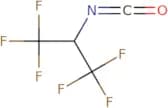
CAS:<p>Methoxy(2,2,2-trichloro-1-hydroxyethyl)phosphinic acid is a chemical substance that has been shown to be mutagenic in laboratory animals. It has been shown to produce birth defects in laboratory mice when given orally or intraperitoneally. Methoxy(2,2,2-trichloro-1-hydroxyethyl)phosphinic acid also causes damage to the central nervous system and can cause behavioral changes in rats.</p>Formula:C3H6Cl3O4PPurity:Min. 95%Molecular weight:243.41 g/mol1,1,1,3,3,3-Hexafluoro-2-isocyanatopropane
CAS:<p>1,1,1,3,3,3-Hexafluoro-2-isocyanatopropane (HFI) is an unsymmetrical molecule that is a colorless gas at room temperature. It is used as a reagent in the synthesis of carbodiimides. HFI has been shown to be an effective and selective nucleophile for the coupling of aryl halides with amines. The reactions are carried out in water without any additives or catalysts.</p>Formula:C4HF6NOPurity:Min. 95%Molecular weight:193.05 g/mol2,2,3,3,4,4-Hexafluorobutyric acid
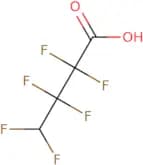
CAS:<p>2,2,3,3,4,4-Hexafluorobutyric acid is a hydroxylated organic compound. It has been shown to be more chemically stable than other quaternary ammonium compounds. 2,2,3,3,4,4-Hexafluorobutyric acid is used as a polymerization initiator for the preparation of cationic polymers. This chemical can also be used to fragment proteins and nucleic acids in order to prepare samples for analysis by mass spectrometry. 2HFBA is reactive and can cause irritation on contact with the skin or eyes. It has been shown that this chemical may have an effect on body mass index and can bind to calcium ions.</p>Formula:C4H2F6O2Purity:Min. 95%Molecular weight:196.05 g/mol2-[(2,2,2-Trifluoroethyl)sulfanyl]acetic acid
CAS:<p>2-[(2,2,2-Trifluoroethyl)sulfanyl]acetic acid (TFAA) is a pharmaceutical excipient that is used as a raw material for the production of cephalosporin. It has antibacterial activity against gram-positive and gram-negative bacteria. TFAA inhibits bacterial growth by binding to the active site of the enzyme methoxylmethyl esterase, which converts methoxymethyl esters to methyl esters. This leads to an accumulation of intermediates in cephalosporin synthesis and eventually cell death. TFAA has been shown to be effective against infections caused by methicillin-resistant Staphylococcus aureus (MRSA).</p>Formula:C4H5F3O2SPurity:Min. 95%Molecular weight:174.14 g/mol4-Chlorobenzene-1-diazonium, tetrafluoroboranuide
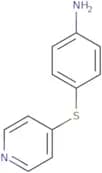
CAS:<p>4-Chlorobenzene-1,4-diazonium tetrafluoroborate is a carbocyclic nucleoside that has been synthesized and characterized by Raman spectroscopy. The systematic study of this molecule reveals that it has a crystalline structure and quantum theory. It also has low detection in the range of 0.03 ppm and can be used for the detection of guanine in DNA. 4-Chlorobenzene-1,4-diazonium tetrafluoroborate was immobilized on nanotubes with ammonolysis to form an exfoliated surface for use in surface-enhanced Raman spectroscopy.</p>Formula:C6H4BClF4N2Purity:Min. 95%Molecular weight:226.37 g/mol4-(Pyridin-4-ylsulfanyl)aniline
CAS:<p>Versatile small molecule scaffold</p>Formula:C11H10N2SPurity:Min. 95%Molecular weight:202.28 g/mol2-Oxo-2H-pyran-6-carboxylic acid
CAS:<p>2-Oxo-2H-pyran-6-carboxylic acid is a diphenyl ether that is used as an antimicrobial preservative. It functions by inhibiting bacterial growth and the activity of enzymes, such as pyrylium, which is required for the synthesis of DNA. 2-Oxo-2H-pyran-6-carboxylic acid has also been shown to bind to biphenyl and ether linkages in bacterial cells, preventing their replication. This compound has an acidic pH (4) and can be synthesized on a solid support using hydrochloric acid as a catalyst at neutral pH. The culture supernatant is then mixed with organic acids, such as acetic acid or formic acid, to produce 2-oxo-2H-pyran-6 carboxylic acid in solution.</p>Formula:C6H4O4Purity:Min. 95%Molecular weight:140.09 g/mol

![2-[(1E)-1,2,3,4-Tetrahydronaphthalen-1-ylidene]acetic acid](/_next/image/?url=https%3A%2Fstatic.cymitquimica.com%2Fproducts%2F3D%2Fthumb-webp%2FABA22737.webp&w=3840&q=75)
![Tricyclo[3.3.1.1~3,7~]dec-2-ylideneacetic acid](/_next/image/?url=https%3A%2Fstatic.cymitquimica.com%2Fproducts%2F3D%2Fthumb-webp%2FABA22007.webp&w=3840&q=75)

![[2-(Methanesulfonylmethyl)phenyl]methanamine hydrochloride](/_next/image/?url=https%3A%2Fstatic.cymitquimica.com%2Fproducts%2F3D%2Fthumb-webp%2FABA19567.webp&w=3840&q=75)

![1-Phenyl-3-oxabicyclo[3.1.0]hexane-2,4-dione](/_next/image/?url=https%3A%2Fstatic.cymitquimica.com%2Fproducts%2F3D%2Fthumb-webp%2FAAA71097.webp&w=3840&q=75)
![1,3-Diazaspiro[4.7]dodecane-2,4-dione](/_next/image/?url=https%3A%2Fstatic.cymitquimica.com%2Fproducts%2F3D%2Fthumb-webp%2FAAA71094.webp&w=3840&q=75)
![(2Z)-3-[(4-Methylphenyl)sulfanyl]prop-2-enoic acid](/_next/image/?url=https%3A%2Fstatic.cymitquimica.com%2Fproducts%2F3D%2Fthumb-webp%2FAAA71037.webp&w=3840&q=75)


![8-Methyl-1,3-diazaspiro[4.5]decane-2,4-dione](/_next/image/?url=https%3A%2Fstatic.cymitquimica.com%2Fproducts%2F3D%2Fthumb-webp%2FAAA70717.webp&w=3840&q=75)
![1,3-Diazaspiro[4.6]undecane-2,4-dione](/_next/image/?url=https%3A%2Fstatic.cymitquimica.com%2Fproducts%2F3D%2Fthumb-webp%2FAAA70716.webp&w=3840&q=75)

![Bicyclo[2.2.2]oct-5-ene-2-sulfonyl fluoride-(endo)](/_next/image/?url=https%3A%2Fstatic.cymitquimica.com%2Fproducts%2F3D%2Fthumb-webp%2FAAA70390.webp&w=3840&q=75)


![4-Methylbicyclo[2.2.2]octane-1-carboxylic acid](/_next/image/?url=https%3A%2Fstatic.cymitquimica.com%2Fproducts%2F3D%2Fthumb-webp%2FAAA70267.webp&w=3840&q=75)


![Bicyclo[2.2.1]hept-5-ene-2-sulfonyl fluoride, somers](/_next/image/?url=https%3A%2Fstatic.cymitquimica.com%2Fproducts%2F3D%2Fthumb-webp%2FAAA70026.webp&w=3840&q=75)
![1,3-Diazaspiro[4.4]nonane-2,4-dione](/_next/image/?url=https%3A%2Fstatic.cymitquimica.com%2Fproducts%2F3D%2Fthumb-webp%2FAAA69951.webp&w=3840&q=75)
![2-chloro-[1,2,4]triazolo[1,5-a]pyridine](/_next/image/?url=https%3A%2Fstatic.cymitquimica.com%2Fproducts%2F3D%2Fthumb-webp%2FAAA69843.webp&w=3840&q=75)

![6H,7H-Thieno[2,3-d]pyridazin-7-one](/_next/image/?url=https%3A%2Fstatic.cymitquimica.com%2Fproducts%2F3D%2Fthumb-webp%2FAAA69772.webp&w=3840&q=75)
![7-Chlorothieno[2,3-d]pyridazine](/_next/image/?url=https%3A%2Fstatic.cymitquimica.com%2Fproducts%2F3D%2Fthumb-webp%2FAAA69771.webp&w=3840&q=75)
![Tricyclo[2.2.1.0,2,6]heptane-3-carboxylic acid](/_next/image/?url=https%3A%2Fstatic.cymitquimica.com%2Fproducts%2F3D%2Fthumb-webp%2FAAA69756.webp&w=3840&q=75)

![3-Bromotricyclo[2.2.1.0,2,6]heptane](/_next/image/?url=https%3A%2Fstatic.cymitquimica.com%2Fproducts%2F3D%2Fthumb-webp%2FAAA69502.webp&w=3840&q=75)
![2-Bromobicyclo[2.2.1]hept-2-ene](/_next/image/?url=https%3A%2Fstatic.cymitquimica.com%2Fproducts%2F3D%2Fthumb-webp%2FAAA69490.webp&w=3840&q=75)



![2-[(2,2,2-Trifluoroethyl)sulfanyl]acetic acid](/_next/image/?url=https%3A%2Fstatic.cymitquimica.com%2Fproducts%2F3D%2Fthumb-webp%2FAAA67568.webp&w=3840&q=75)