Building Blocks
This section contains fundamental products for the synthesis of organic and biological compounds. Building blocks are the essential starting materials used to construct complex molecules through various chemical reactions. They play a critical role in drug discovery, material science, and chemical research. At CymitQuimica, we offer a diverse range of high-quality building blocks to support your innovative research and industrial projects, ensuring you have the essential components for successful synthesis.
Subcategories of "Building Blocks"
- Boronic Acids & Boronic Acid Derivatives(5,756 products)
- Chiral Building Blocks(1,242 products)
- Hydrocarbon Building Blocks(6,095 products)
- Organic Building Blocks(61,038 products)
Found 196817 products of "Building Blocks"
Sort by
Purity (%)
0
100
|
0
|
50
|
90
|
95
|
100
2-[(4-Methylphenyl)sulfanyl]-5-nitrobenzoic acid
CAS:<p>Versatile small molecule scaffold</p>Formula:C14H11NO4SPurity:Min. 95%Molecular weight:289.31 g/mol1-(Dimethylsulfamoyl)imidazole
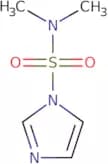
CAS:<p>1-(Dimethylsulfamoyl)imidazole is a chemical compound that belongs to the class of heterocycles. It has been shown to inhibit the activity of two enzymes, which are xanthine oxidase and nitric oxide synthase. 1-(Dimethylsulfamoyl)imidazole is synthesized by reacting 2-aminothiophene with methyl sulfonyl chloride in tetrahydrofuran. The yield of this reaction is low, which may be due to the imidazole ring being a poor nucleophile in this reaction. This chemical has been shown to have an inhibitory potency against xanthine oxidase and nitric oxide synthase, which may be due to its functional groups or dimethylformamide solvate state. The mechanism for 1-(dimethylsulfamoyl)imidazole's inhibition of these enzymes is not yet known.</p>Formula:C5H9N3O2SPurity:Min. 95%Molecular weight:175.21 g/mol2-Chloro-N-(2-methyl-6-nitrophenyl)acetamide
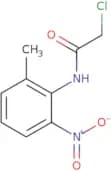
CAS:<p>Versatile small molecule scaffold</p>Formula:C9H9ClN2O3Purity:Min. 95%Molecular weight:228.63 g/mol6,7-Dihydro-5H-cyclopenta[b]pyridin-4-amine
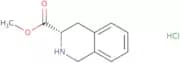
CAS:<p>Versatile small molecule scaffold</p>Formula:C8H10N2Purity:Min. 95%Molecular weight:134.18 g/mol(S)-Methyl 1,2,3,4-tetrahydroisoquinoline-3-carboxylate hydrochloride
CAS:<p>Versatile small molecule scaffold</p>Formula:C11H13NO2·HClPurity:Min. 95%Molecular weight:227.69 g/mol5-Phenyl-isoxazole-3-carbonyl chloride
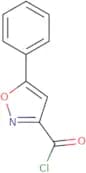
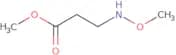
CAS:<p>5-Phenyl-isoxazole-3-carbonyl chloride is a cytostatic drug that inhibits the activity of tyrosine kinases. It binds to amines and furyl groups in proteins and prevents the formation of ATP. This leads to cell death by blocking the synthesis of DNA, RNA, and protein. 5-Phenyl-isoxazole-3-carbonyl chloride has been shown to be effective against primary tumors and medulloblastoma cells. It is also used as a ligand for metals such as platinum or cisplatin, which can be used for cancer treatments.</p>Formula:C10H6ClNO2Purity:Min. 95%Molecular weight:207.61 g/molMethyl 3-(methoxyamino)propanoate
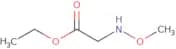
CAS:<p>Versatile small molecule scaffold</p>Formula:C5H11NO3Purity:Min. 95%Molecular weight:133.15 g/molEthyl 2-(methoxyamino)acetate
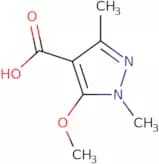
CAS:<p>Versatile small molecule scaffold</p>Formula:C5H11NO3Purity:Min. 95%Molecular weight:133.15 g/mol5-Methoxy-1,3-dimethyl-1H-pyrazole-4-carboxylic acid
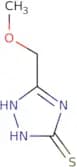
CAS:<p>Versatile small molecule scaffold</p>Formula:C7H10N2O3Purity:Min. 95%Molecular weight:170.17 g/mol5-(Methoxymethyl)-4H-1,2,4-triazole-3-thiol
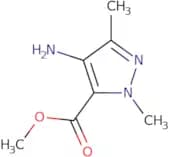
CAS:<p>Versatile small molecule scaffold</p>Formula:C4H7N3OSPurity:Min. 95%Molecular weight:145.19 g/molMethyl 4-amino-1,3-dimethyl-1H-pyrazole-5-carboxylate
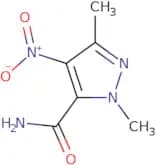
CAS:<p>Versatile small molecule scaffold</p>Formula:C7H11N3O2Purity:Min. 95%Molecular weight:169.18 g/mol1,3-Dimethyl-4-nitro-1H-pyrazole-5-carboxamide
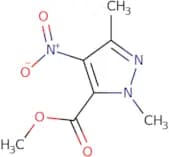
CAS:<p>Versatile small molecule scaffold</p>Formula:C6H8N4O3Purity:Min. 95%Molecular weight:184.15 g/molMethyl 1,3-dimethyl-4-nitro-1H-pyrazole-5-carboxylate
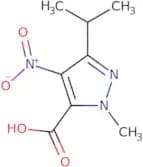
CAS:<p>Versatile small molecule scaffold</p>Formula:C7H9N3O4Purity:Min. 95%Molecular weight:199.16 g/mol1-Methyl-4-nitro-3-(propan-2-yl)-1H-pyrazole-5-carboxylic acid
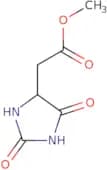
CAS:<p>Versatile small molecule scaffold</p>Formula:C8H11N3O4Purity:Min. 95%Molecular weight:213.19 g/molMethyl 2-(2,5-dioxoimidazolidin-4-yl)acetate
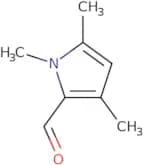
CAS:<p>Versatile small molecule scaffold</p>Formula:C6H8N2O4Purity:Min. 95%Molecular weight:172.14 g/mol1,3,5-Trimethyl-1H-pyrrole-2-carbaldehyde
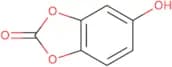
CAS:<p>Versatile small molecule scaffold</p>Formula:C8H11NOPurity:Min. 95%Molecular weight:137.18 g/mol5-Hydroxy-1,3-dioxaindan-2-one
CAS:<p>Versatile small molecule scaffold</p>Formula:C7H4O4Purity:Min. 95%Molecular weight:152.1 g/mol(2-Chloroethyl)(3-chloropropyl)amine hydrochloride
CAS:<p>Versatile small molecule scaffold</p>Formula:C5H12Cl3NPurity:Min. 95%Molecular weight:192.5 g/mol1,3,7-Triaza-spiro[4.5]decane-2,4-dione
CAS:<p>Benzodioxane is a benzodioxan derivative that is used in pharmaceutical preparations. It has been used as a cationic surfactant, ethylene polymerization catalyst, and hydrogen peroxide initiator. Benzodioxane is also an electrophotographic developer, glycol ether solvent, and fatty acid ester solubilizer. It can be used as a component of polyvinyl pyrrolidone (PVP) to produce a water-soluble polymer. Benzodioxane has also been shown to have anti-inflammatory properties due to its ability to inhibit the formation of prostaglandin E2 from arachidonic acid.</p>Formula:C7H11N3O2Purity:Min. 95%Molecular weight:169.18 g/mol2,4-Dibromobenzonitrile
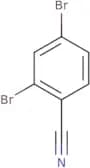
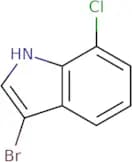
CAS:<p>Versatile small molecule scaffold</p>Formula:C7H3Br2NPurity:Min. 95%Molecular weight:260.92 g/mol3-Bromo-7-chloro-1H-indole
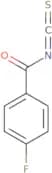
CAS:<p>Versatile small molecule scaffold</p>Formula:C8H5BrClNPurity:Min. 95%Molecular weight:230.49 g/mol4-Fluorobenzoyl isothiocyanate
CAS:<p>4-Fluorobenzoyl isothiocyanate (FBITC) is a fluorescent molecule that binds to the glutamate receptor. The binding of FBITC to the GluN2B subunit of the NMDA receptor leads to conformational changes in the receptor and decreases its ability to bind glutamate. This process has been shown using x-ray diffraction data, which also showed that FBITC was able to chelate with magnesium ions, indicating a possible allosteric modulator for these receptors.</p>Formula:C8H4FNOSPurity:Min. 95%Molecular weight:181.19 g/molN-[4-(3-Chloropropanesulfonyl)phenyl]acetamide
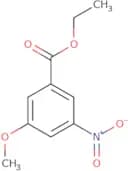
CAS:<p>Versatile small molecule scaffold</p>Formula:C11H14ClNO3SPurity:Min. 95%Molecular weight:275.75 g/molEthyl 3-methoxy-5-nitrobenzoate
CAS:<p>Ethyl 3-methoxy-5-nitrobenzoate is a chemical compound that belongs to the class of nitrobenzoic acids. It is a yellow solid that is soluble in water and alcohol, with an odor of ether. This substance has been used as a precursor for the synthesis of various aromatic amines, such as 3,5-dinitrobenzoic acid.</p>Formula:C9H9NO5Purity:Min. 95%Molecular weight:211.17 g/mol3-[(2-Carboxyethyl)carbamoyl]propanoic acid
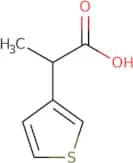
CAS:<p>Versatile small molecule scaffold</p>Formula:C7H11NO5Purity:Min. 95%Molecular weight:189.17 g/mol2-(Thiophen-3-yl)propanoic acid
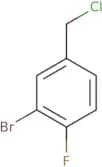
CAS:<p>Versatile small molecule scaffold</p>Formula:C7H8O2SPurity:Min. 95%Molecular weight:156.2 g/mol2-Bromo-4-(chloromethyl)-1-fluorobenzene
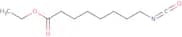
CAS:<p>Versatile small molecule scaffold</p>Formula:C7H5BrClFPurity:Min. 95%Molecular weight:223.47 g/molEthyl 8-isocyanatooctanoate
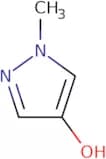
CAS:<p>Ethyl 8-isocyanatooctanoate is a cation with the chemical formula C8H12N2O3. It belongs to the group of hydrocarbons and has a molecular weight of 208.19 g/mol. Ethyl 8-isocyanatooctanoate has an analgesic effect, which can be attributed to its alkoxy, alkanoic, unsubstituted and naphthyl groups. The compound is also antithrombotic and analgesic because of substituents such as halogen and esters.</p>Formula:C11H19NO3Purity:Min. 95%Molecular weight:213.27 g/mol4-Hydroxy-1-methyl-1H-pyrazole
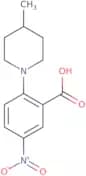
CAS:<p>Versatile small molecule scaffold</p>Formula:C4H6N2OPurity:Min. 95%Molecular weight:98.1 g/mol5-Nitro-2-(4-methylpiperidin-1-yl)benzoic acid
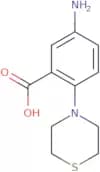
CAS:<p>Versatile small molecule scaffold</p>Formula:C13H16N2O4Purity:Min. 95%Molecular weight:264.28 g/mol5-Amino-2-(thiomorpholin-4-yl)benzoic acid
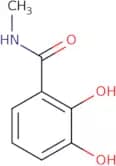
CAS:<p>Versatile small molecule scaffold</p>Formula:C11H14N2O2SPurity:Min. 95%Molecular weight:238.31 g/mol2,3-Dihydroxy-N-methylbenzamide
CAS:<p>2,3-Dihydroxy-N-methylbenzamide (DMBA) is a siderophore that has been shown to be taken up by the root and transported into the rhizosphere. It is also found in the human gut and has been shown to have an enteric effect on humans. DMBA can be synthesized from l-threonine through a number of enzymatic reactions. It is thought that DMBA may play a role in membrane transport, as it has been shown to bind with membranes when combined with water molecules. The chemical structure of DMBA is similar to other compounds such as xanthopterin and ferrichrome, which are known for their ability to form coordination complexes with iron ions. This similarity may be due to the fact that they share a common biosynthetic precursor, l-threonine.</p>Formula:C8H9NO3Purity:Min. 95%Molecular weight:167.16 g/mol4-[(4-Chlorophenyl)sulfanyl]benzoic acid
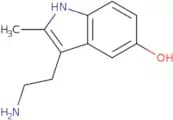
CAS:<p>Versatile small molecule scaffold</p>Formula:C13H9ClO2SPurity:Min. 95%Molecular weight:264.73 g/mol2-Methyl-5-HT
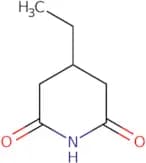
CAS:Controlled Product<p>2-Methyl-5-hydroxytryptamine (2-Me-5HT) is a naturally occurring neurotransmitter that belongs to the group of 5-HT receptor agonists. It induces platelet aggregation, chemotaxis, and anesthetization in animals. 2-Me-5HT can also induce cytosolic calcium ion levels by activating the enzyme phospholipase C. This activation leads to an increase in intracellular calcium ion levels, which can be measured using microdialysis probes or plate tests. 2-Me-5HT is a potent antagonist at 5-HT3 receptors and shows potent effects against 5HT2 receptors when administered as a monoclonal antibody. This drug has been shown to have locomotor activity and stimulates dopamine release as well as exhibiting 5HT1a receptor agonist activity.</p>Formula:C11H14N2OPurity:Min. 95%Color and Shape:PowderMolecular weight:190.24 g/mol3-Ethylglutarimide
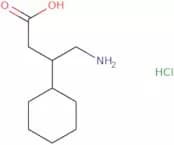
CAS:<p>3-Ethylglutarimide is a substance that inhibits bacterial growth. It is a glutarimide that belongs to the category of substances with antibiotic properties. 3-Ethylglutarimide was discovered in 1939 and has been shown to inhibit the growth of pathogenic bacteria, including Staphylococcus aureus, Bacillus anthracis, Clostridium perfringens, and Escherichia coli. 3-Ethylglutarimide binds to the active site of bacterial enzymes, such as glutarimidase and aminopeptidase, which are involved in the synthesis of proteins and amino acids. This binding prevents the formation of an enzyme-substance complex, which is required for protein synthesis.</p>Formula:C7H11NO2Purity:Min. 95%Molecular weight:141.17 g/mol4-Amino-3-cyclohexylbutanoic acid hydrochloride
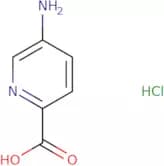
CAS:<p>Versatile small molecule scaffold</p>Formula:C10H20ClNO2Purity:Min. 95%Molecular weight:221.72 g/mol5-Aminopicolinic acid hydrochloride
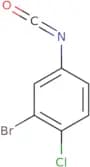
CAS:<p>Versatile small molecule scaffold</p>Formula:C6H6N2O2·HClPurity:Min. 95%Molecular weight:174.59 g/mol2-Bromo-1-chloro-4-isocyanatobenzene
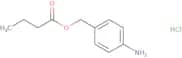
CAS:<p>Versatile small molecule scaffold</p>Formula:C7H3BrClNOPurity:Min. 95%Molecular weight:232.46 g/molBenzyl 4-aminobutanoate hydrochloride
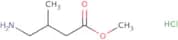
CAS:<p>Versatile small molecule scaffold</p>Formula:C11H16ClNO2Purity:Min. 95%Molecular weight:229.7 g/molMethyl 4-amino-3-methylbutanoate hydrochloride
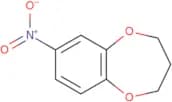
CAS:<p>Versatile small molecule scaffold</p>Formula:C6H14ClNO2Purity:Min. 95%Molecular weight:167.6 g/mol7-Nitro-3,4-dihydro-2H-1,5-benzodioxepine
CAS:<p>Versatile small molecule scaffold</p>Formula:C9H9NO4Purity:Min. 95%Molecular weight:195.17 g/molBicyclo[4.1.0]heptan-2-amine hydrochloride
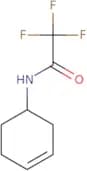
CAS:<p>Versatile small molecule scaffold</p>Formula:C7H14ClNPurity:Min. 95%Color and Shape:PowderMolecular weight:147.65 g/molN-(Cyclohex-3-en-1-yl)-2,2,2-trifluoroacetamide
CAS:<p>Versatile small molecule scaffold</p>Formula:C8H10F3NOPurity:Min. 95%Molecular weight:193.17 g/molBicyclo[4.1.0]heptan-3-amine hydrochloride
CAS:<p>Versatile small molecule scaffold</p>Formula:C7H14ClNPurity:Min. 95%Molecular weight:147.64 g/molBoc-(S)-2-amino-2-(4-methoxyphenyl)acetic acid
CAS:<p>Versatile small molecule scaffold</p>Formula:C14H19NO5Purity:Min. 95%Molecular weight:281.3 g/mol3H-Imidazo[4,5-b]pyridine-7-carbonitrile
CAS:<p>Versatile small molecule scaffold</p>Formula:C7H4N4Purity:Min. 95%Molecular weight:144.14 g/mol3-Methyl-3H-imidazo[4,5-b]pyridine-7-carboxylic acid
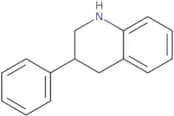
CAS:<p>Versatile small molecule scaffold</p>Formula:C8H7N3O2Purity:Min. 95%Molecular weight:177.16 g/mol3-Phenyl-1,2,3,4-tetrahydroquinoline
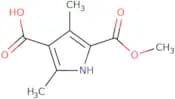
CAS:<p>Versatile small molecule scaffold</p>Formula:C15H15NPurity:Min. 95%Molecular weight:209.29 g/mol5-(Methoxycarbonyl)-2,4-dimethyl-1H-pyrrole-3-carboxylic acid
CAS:<p>Versatile small molecule scaffold</p>Formula:C9H11NO4Purity:Min. 95%Molecular weight:197.19 g/mol4-Amino-2-mercaptobenzoic acid
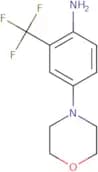
CAS:<p>4-Amino-2-mercaptobenzoic acid is an organic compound that is a ligand for the thiol group of cysteine. It binds to the amino acid histidine, which can be found in nature or unmodified in proteins. 4-Amino-2-mercaptobenzoic acid has been shown to have an electrospray ionization mass spectrometric and a spectroscopic technique to identify serum albumin after modification with this compound. This modified albumin has been used as a carrier of gold nanoparticles and other molecules. The disulfide bond between 4-amino-2-mercaptobenzoic acid and the protein can be reduced, forming covalent adducts.</p>Formula:C7H7NO2SPurity:Min. 95%Molecular weight:169.2 g/mol4-(Morpholin-4-yl)-2-(trifluoromethyl)aniline
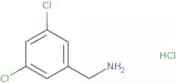
CAS:<p>Versatile small molecule scaffold</p>Formula:C11H13F3N2OPurity:Min. 95%Molecular weight:246.23 g/mol(3,5-Dichlorophenyl)methanamine hydrochloride
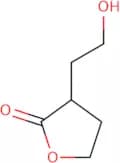
CAS:<p>3,5-Dichlorophenyl)methanamine hydrochloride is a research tool that is used in the study of ion channels and their ligands. It is an inhibitor of ligand-gated ion channels and voltage-gated ion channels. 3,5-Dichlorophenyl)methanamine hydrochloride has been shown to interact with a receptor for acetylcholine and also inhibits the binding of peptides to the alpha subunit of protein kinase C. 3,5-Dichlorophenyl)methanamine hydrochloride is a high purity product that can be used in the study of protein interactions or as an activator to detect antibodies.</p>Formula:C7H8Cl3NPurity:Min. 95%Molecular weight:212.5 g/mol3-(2-Hydroxyethyl)oxolan-2-one
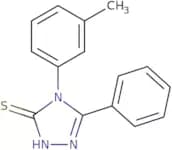
CAS:<p>3-(2-Hydroxyethyl)oxolan-2-one is an organic compound that belongs to the group of alcohols and has a cycloalkyl, cyclohexanone, ester, or aryl group. It can be used for the synthesis of caprolactones and amines. The reaction of 3-(2-hydroxyethyl)oxolan-2-one with primary amines in the presence of acidic catalysts leads to the formation of acyl groups. 3-(2-Hydroxyethyl)oxolan-2-one can be used as a solvent or as a catalyst in reactions such as hydrogenation, esterification, and alkylation. It is also used as a stabilizer in plastics.</p>Formula:C6H10O3Purity:Min. 95%Molecular weight:130.14 g/mol4-(3-Methylphenyl)-5-phenyl-4H-1,2,4-triazole-3-thiol
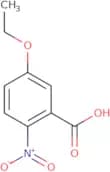
CAS:<p>Versatile small molecule scaffold</p>Formula:C15H13N3SPurity:Min. 95%Molecular weight:267.4 g/mol5-Ethoxy-2-nitrobenzoic acid
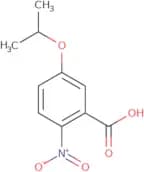
CAS:<p>Versatile small molecule scaffold</p>Formula:C9H9NO5Purity:Min. 95%Molecular weight:211.17 g/mol2-Nitro-5-(propan-2-yloxy)benzoic acid
CAS:<p>Versatile small molecule scaffold</p>Formula:C10H11NO5Purity:Min. 95%Molecular weight:225.2 g/molN-[2-(Morpholin-4-yl)ethyl]formamide
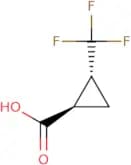
CAS:<p>Versatile small molecule scaffold</p>Formula:C7H14N2O2Purity:Min. 95%Molecular weight:158.2 g/moltrans-2-(Trifluoromethyl)cyclopropane-1-carboxylic acid
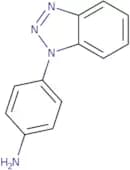
CAS:<p>Versatile small molecule scaffold</p>Formula:C5H5F3O2Purity:Min. 95%Molecular weight:154.1 g/mol4-(1H-1,2,3-Benzotriazol-1-yl)aniline
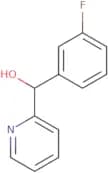
CAS:<p>Versatile small molecule scaffold</p>Formula:C12H10N4Purity:Min. 95%Molecular weight:210.23 g/mol(3-Fluorophenyl)(pyridin-2-yl)methanol
CAS:<p>Versatile small molecule scaffold</p>Formula:C12H10FNOPurity:Min. 95%Molecular weight:203.21 g/mol4-Fluorobicyclo[2.2.2]octane-1-carboxylic acid
CAS:<p>Versatile small molecule scaffold</p>Formula:C9H13FO2Purity:Min. 95%Molecular weight:172.2 g/molMethyl 4-fluorobicyclo[2.2.2]octane-1-carboxylate
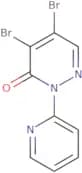
CAS:<p>Versatile small molecule scaffold</p>Formula:C10H15FO2Purity:Min. 95%Molecular weight:186.22 g/mol4,5-Dibromo-2-(pyridin-2-yl)-2,3-dihydropyridazin-3-one
CAS:<p>Versatile small molecule scaffold</p>Formula:C9H5Br2N3OPurity:Min. 95%Molecular weight:330.96 g/mol(1R)-1-(3,5-Dimethoxyphenyl)ethan-1-ol
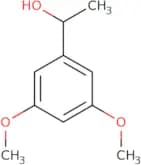
CAS:<p>Versatile small molecule scaffold</p>Formula:C10H14O3Purity:Min. 95%Molecular weight:182.22 g/mol4,5-Dichloro-2-(4,6-dimethylpyrimidin-2-yl)-2,3-dihydropyridazin-3-one
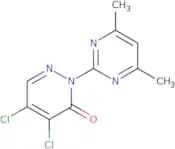
CAS:<p>Versatile small molecule scaffold</p>Formula:C10H8Cl2N4OPurity:Min. 95%Molecular weight:271.1 g/mol3,4-Dimethylfuran-2-carboxylic acid
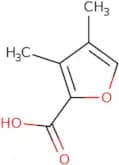
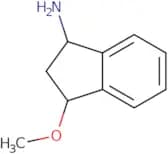
CAS:<p>Versatile small molecule scaffold</p>Formula:C7H8O3Purity:Min. 95%Molecular weight:140.14 g/mol3-Methoxy-2,3-dihydro-1H-inden-1-amine
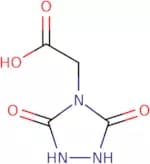
CAS:<p>Versatile small molecule scaffold</p>Formula:C10H13NOPurity:Min. 95%Molecular weight:163.22 g/mol2-(3,5-Dioxo-1,2,4-triazolidin-4-yl)acetic acid
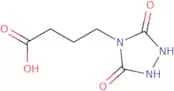
CAS:<p>Versatile small molecule scaffold</p>Formula:C4H5N3O4Purity:Min. 95%Molecular weight:159.1 g/mol4-(3,5-Dioxo-1,2,4-triazolidin-4-yl)butanoic acid
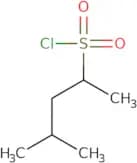
CAS:<p>Versatile small molecule scaffold</p>Formula:C6H9N3O4Purity:Min. 95%Molecular weight:187.15 g/mol4-Methylpentane-2-sulfonyl chloride
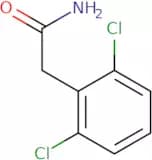
CAS:<p>Versatile small molecule scaffold</p>Formula:C6H13ClO2SPurity:Min. 95%Molecular weight:184.69 g/mol2,6-Dichlorophenylacetamide
CAS:<p>2,6-Dichlorophenylacetamide is an acetamide derivative with vasodilatory activity. It is a potent antihypertensive agent that can be used as a substitute for pyridazine. 2,6-Dichlorophenylacetamide also has the ability to contract vascular smooth muscle cells in vitro and in vivo. This drug has been shown to have antihypertensive effects in animal models of hypertension and to cause vasodilation in humans.</p>Formula:C8H7Cl2NOPurity:Min. 95%Molecular weight:204.06 g/mol2-Hydroxy-6-methyl-pyridine-3-carbaldehyde
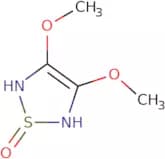
CAS:<p>Versatile small molecule scaffold</p>Formula:C7H7NO2Purity:Min. 95%Molecular weight:137.14 g/mol3,4-Dimethoxy-1,2,5-thiadiazole 1-oxide
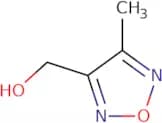
CAS:<p>Versatile small molecule scaffold</p>Formula:C4H8N2O3SPurity:Min. 95%Molecular weight:164.19 g/mol3-(Hydroxymethyl)-4-methyl-1,2,5-oxadiazole
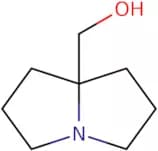
CAS:<p>Versatile small molecule scaffold</p>Formula:C4H6N2O2Purity:Min. 95%Molecular weight:114.1 g/molHexahydro-1H-pyrrolizin-7a-ylmethanol
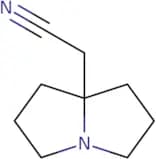
CAS:<p>Versatile small molecule scaffold</p>Formula:C8H15NOPurity:Min. 95%Molecular weight:141.21 g/mol2-(Hexahydro-1H-pyrrolizin-7a-yl)acetonitrile
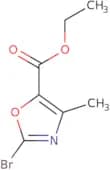
CAS:<p>Versatile small molecule scaffold</p>Formula:C9H14N2Purity:Min. 95%Molecular weight:150.22 g/molEthyl 2-bromo-4-methyloxazole-5-carboxylate
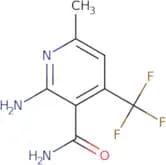
CAS:<p>Versatile small molecule scaffold</p>Formula:C7H8BrNO3Purity:Min. 95%Molecular weight:234.05 g/mol2-Amino-6-methyl-4-(trifluoromethyl)pyridine-3-carboxamide
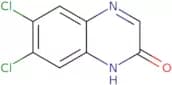
CAS:<p>Versatile small molecule scaffold</p>Formula:C8H8F3N3OPurity:Min. 95%Molecular weight:219.16 g/mol6,7-Dichloroquinoxalin-2-ol
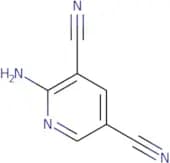
CAS:<p>Versatile small molecule scaffold</p>Formula:C8H4Cl2N2OPurity:Min. 95%Molecular weight:215.03 g/mol2-Amino-3,5-pyridinedicarbonitrile
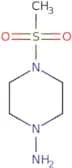
CAS:<p>2-Amino-3,5-pyridinedicarbonitrile (APDC) is a small molecule that has been shown to bind to the adenosine A1 receptor with high affinity and selectivity. It has a molecular weight of 167.2 g/mol, a pK of 7.4 and a logP value of 2.8. APDC was first synthesized in 1963 by scientists at the National Institute for Medical Research in London. The chlorine atom is influential in the pharmacokinetics of this compound. The pharmacokinetic profile shows that APDC is poorly absorbed and eliminated quickly from the body, with an elimination half-life of 0.6 hours and an oral bioavailability of less than 1%. This drug also has multipotent effects on Alzheimer's disease, showing significant efficacy against both plaques and tangles in animal models of Alzheimer's disease.</p>Formula:C7H4N4Purity:Min. 95%Molecular weight:144.13 g/mol4-Methanesulfonylpiperazin-1-amine
CAS:<p>Versatile small molecule scaffold</p>Formula:C5H13N3O2SPurity:Min. 95%Molecular weight:179.24 g/mol3-Chloro-4-[(6-chloropyridazin-3-yl)oxy]aniline
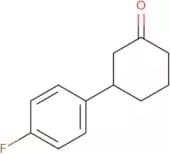
CAS:<p>Versatile small molecule scaffold</p>Formula:C10H7Cl2N3OPurity:Min. 95%Molecular weight:256.08 g/mol3-(4-Fluorophenyl)cyclohexan-1-one
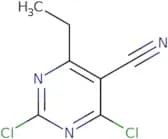
CAS:<p>Versatile small molecule scaffold</p>Formula:C12H13FOPurity:Min. 95%Molecular weight:192.23 g/mol2,4-Dichloro-6-ethylpyrimidine-5-carbonitrile
CAS:<p>Versatile small molecule scaffold</p>Formula:C7H5Cl2N3Purity:Min. 95%Molecular weight:202.04 g/mol3-Benzo[1,3]dioxol-5-yl-propylamine
CAS:Controlled Product<p>Versatile small molecule scaffold</p>Formula:C10H13NO2Purity:Min. 95%Molecular weight:179.22 g/mol1-[(Thiophen-2-yl)methyl]cyclohexane-1-carboxylic acid
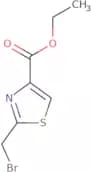
CAS:<p>Versatile small molecule scaffold</p>Formula:C12H16O2SPurity:Min. 95%Molecular weight:224.32 g/molEthyl 2-(bromomethyl)thiazole-4-carboxylate
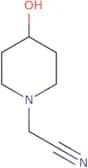
CAS:<p>Versatile small molecule scaffold</p>Formula:C7H8BrNO2SPurity:Min. 95%Molecular weight:250.11 g/mol2-(4-hydroxypiperidin-1-yl)acetonitrile
CAS:<p>Versatile small molecule scaffold</p>Formula:C7H12N2OPurity:Min. 95%Molecular weight:140.18 g/mol4-[(Methylamino)methyl]phenol
CAS:<p>4-[(Methylamino)methyl]phenol is a metabolite of 4-aminobiphenyl, which is found in cigarette smoke and other combustion products. It is an end product of the oxidative metabolism of polycyclic aromatic hydrocarbons (PAHs). This chemical has been shown to cause cancer tissue damage in lung cells and metabolic disorders in mice. The thermal expansion coefficient of 4-[(methylamino)methyl]phenol has been measured on calf thymus DNA and found to be similar to that of water. Chronic exposure to this chemical causes an increase in body mass index, increased risk for cardiovascular disease, and increased risk for atherosclerosis. Studies have shown that 4-[(methylamino)methyl]phenol can be eliminated from the body with a half-life of about 8 hours. Logistic regression analysis showed that high-sensitivity C-reactive protein (hsCRP) levels are significantly higher in people who are</p>Formula:C8H11NOPurity:Min. 95%Molecular weight:137.18 g/molN-Propyl-1,3-thiazol-2-amine
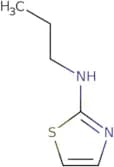
CAS:<p>Versatile small molecule scaffold</p>Formula:C6H10N2SPurity:Min. 95%Molecular weight:142.22 g/mol(4-Bromo-3-methylphenyl)urea
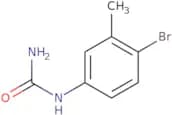
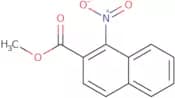
CAS:<p>Versatile small molecule scaffold</p>Formula:C8H9BrN2OPurity:Min. 95%Molecular weight:229.07 g/molMethyl 1-nitronaphthalene-2-carboxylate
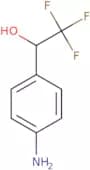
CAS:<p>Versatile small molecule scaffold</p>Formula:C12H9NO4Purity:Min. 95%Molecular weight:231.2 g/mol1-(4-Aminophenyl)-2,2,2-trifluoroethan-1-ol
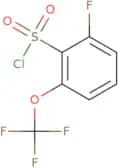
CAS:<p>Versatile small molecule scaffold</p>Formula:C8H8F3NOPurity:Min. 95%Molecular weight:191.15 g/mol2-Fluoro-6-(trifluoromethoxy)benzene-1-sulfonyl chloride
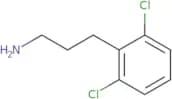
CAS:<p>Versatile small molecule scaffold</p>Formula:C7H3ClF4O3SPurity:Min. 95%Molecular weight:278.61 g/mol3-(2,6-Dichlorophenyl)propan-1-amine
CAS:<p>Versatile small molecule scaffold</p>Formula:C9H11Cl2NPurity:Min. 95%Molecular weight:204.09 g/mol1-[(2-Fluorophenyl)methyl]guanidine hydrochloride
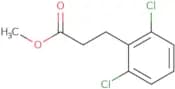
CAS:<p>Versatile small molecule scaffold</p>Formula:C8H11ClFN3Purity:Min. 95%Molecular weight:203.64 g/molMethyl 3-(2,6-dichlorophenyl)propanoate
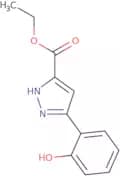
CAS:<p>Versatile small molecule scaffold</p>Formula:C10H10Cl2O2Purity:Min. 95%Molecular weight:233.09 g/molEthyl 5-(2-hydroxyphenyl)-1H-pyrazole-3-carboxylate
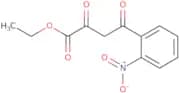
CAS:<p>Versatile small molecule scaffold</p>Formula:C12H12N2O3Purity:Min. 95%Molecular weight:232.23 g/molEthyl 4-(2-nitrophenyl)-2,4-dioxobutanoate
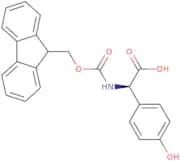
CAS:<p>Ethyl 4-(2-nitrophenyl)-2,4-dioxobutanoate is an enantioselective synthesis of the acid ethyl ester of benazepril. It is a competitive inhibitor of angiotensin I (AT1) receptor and has been shown to inhibit the activity of this receptor at concentrations as low as 0.01 μmol/L.</p>Formula:C12H11NO6Purity:Min. 95%Molecular weight:265.22 g/molFmoc-4-hydroxy-D-phenylglycine
CAS:<p>Versatile small molecule scaffold</p>Formula:C23H19NO5Purity:Min. 95%Molecular weight:389.41 g/mol
![2-[(4-Methylphenyl)sulfanyl]-5-nitrobenzoic acid](/_next/image/?url=https%3A%2Fstatic.cymitquimica.com%2Fproducts%2F3D%2Fthumb-webp%2FDDA16005.webp&w=3840&q=75)

![6,7-Dihydro-5H-cyclopenta[b]pyridin-4-amine](/_next/image/?url=https%3A%2Fstatic.cymitquimica.com%2Fproducts%2F3D%2Fthumb-webp%2FDDA18315.webp&w=3840&q=75)

![1,3,7-Triaza-spiro[4.5]decane-2,4-dione](/_next/image/?url=https%3A%2Fstatic.cymitquimica.com%2Fproducts%2F3D%2Fthumb-webp%2FDDA22209.webp&w=3840&q=75)
![N-[4-(3-Chloropropanesulfonyl)phenyl]acetamide](/_next/image/?url=https%3A%2Fstatic.cymitquimica.com%2Fproducts%2F3D%2Fthumb-webp%2FDDA23418.webp&w=3840&q=75)
![3-[(2-Carboxyethyl)carbamoyl]propanoic acid](/_next/image/?url=https%3A%2Fstatic.cymitquimica.com%2Fproducts%2F3D%2Fthumb-webp%2FDDA23872.webp&w=3840&q=75)
![4-[(4-Chlorophenyl)sulfanyl]benzoic acid](/_next/image/?url=https%3A%2Fstatic.cymitquimica.com%2Fproducts%2F3D%2Fthumb-webp%2FDDA25901.webp&w=3840&q=75)
![Bicyclo[4.1.0]heptan-2-amine hydrochloride](/_next/image/?url=https%3A%2Fstatic.cymitquimica.com%2Fproducts%2F3D%2Fthumb-webp%2FDDA29344.webp&w=3840&q=75)
![Bicyclo[4.1.0]heptan-3-amine hydrochloride](/_next/image/?url=https%3A%2Fstatic.cymitquimica.com%2Fproducts%2F3D%2Fthumb-webp%2FDDA29349.webp&w=3840&q=75)
![3H-Imidazo[4,5-b]pyridine-7-carbonitrile](/_next/image/?url=https%3A%2Fstatic.cymitquimica.com%2Fproducts%2F3D%2Fthumb-webp%2FDDA31613.webp&w=3840&q=75)
![3-Methyl-3H-imidazo[4,5-b]pyridine-7-carboxylic acid](/_next/image/?url=https%3A%2Fstatic.cymitquimica.com%2Fproducts%2F3D%2Fthumb-webp%2FDDA31622.webp&w=3840&q=75)
![N-[2-(Morpholin-4-yl)ethyl]formamide](/_next/image/?url=https%3A%2Fstatic.cymitquimica.com%2Fproducts%2F3D%2Fthumb-webp%2FDDA37550.webp&w=3840&q=75)
![4-Fluorobicyclo[2.2.2]octane-1-carboxylic acid](/_next/image/?url=https%3A%2Fstatic.cymitquimica.com%2Fproducts%2F3D%2Fthumb-webp%2FDDA38584.webp&w=3840&q=75)
![Methyl 4-fluorobicyclo[2.2.2]octane-1-carboxylate](/_next/image/?url=https%3A%2Fstatic.cymitquimica.com%2Fproducts%2F3D%2Fthumb-webp%2FDDA38585.webp&w=3840&q=75)

![3-Chloro-4-[(6-chloropyridazin-3-yl)oxy]aniline](/_next/image/?url=https%3A%2Fstatic.cymitquimica.com%2Fproducts%2F3D%2Fthumb-webp%2FDDA49061.webp&w=3840&q=75)
![3-Benzo[1,3]dioxol-5-yl-propylamine](/_next/image/?url=https%3A%2Fstatic.cymitquimica.com%2Fproducts%2F3D%2Fthumb-webp%2FDDA49859.webp&w=3840&q=75)
![1-[(Thiophen-2-yl)methyl]cyclohexane-1-carboxylic acid](/_next/image/?url=https%3A%2Fstatic.cymitquimica.com%2Fproducts%2F3D%2Fthumb-webp%2FDDA50209.webp&w=3840&q=75)
![4-[(Methylamino)methyl]phenol](/_next/image/?url=https%3A%2Fstatic.cymitquimica.com%2Fproducts%2F3D%2Fthumb-webp%2FDDA50719.webp&w=3840&q=75)
![1-[(2-Fluorophenyl)methyl]guanidine hydrochloride](/_next/image/?url=https%3A%2Fstatic.cymitquimica.com%2Fproducts%2F3D%2Fthumb-webp%2FDHA06334.webp&w=3840&q=75)