Building Blocks
This section contains fundamental products for the synthesis of organic and biological compounds. Building blocks are the essential starting materials used to construct complex molecules through various chemical reactions. They play a critical role in drug discovery, material science, and chemical research. At CymitQuimica, we offer a diverse range of high-quality building blocks to support your innovative research and industrial projects, ensuring you have the essential components for successful synthesis.
Subcategories of "Building Blocks"
- Boronic Acids & Boronic Acid Derivatives(5,756 products)
- Chiral Building Blocks(1,242 products)
- Hydrocarbon Building Blocks(6,095 products)
- Organic Building Blocks(61,051 products)
Found 199813 products of "Building Blocks"
Sort by
Purity (%)
0
100
|
0
|
50
|
90
|
95
|
100
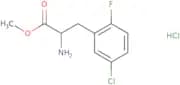
Methyl (2S)-2-amino-3-(5-chloro-2-fluorophenyl)propanoate hydrochloride
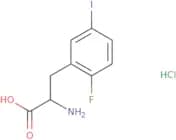
CAS:Versatile small molecule scaffoldFormula:C10H12Cl2FNO2Purity:Min. 95%Molecular weight:268.1 g/mol(2S)-2-Amino-3-(2-fluoro-5-iodophenyl)propanoic acid hydrochloride
CAS:<p>Versatile small molecule scaffold</p>Formula:C9H10ClFINO2Purity:Min. 95%Molecular weight:345.5 g/mol4-[(3R)-3-(dimethylamino)pyrrolidin-1-yl]-5,6-dimethylpyrimidine-2-carboxylate lithium
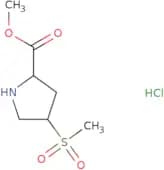
CAS:<p>Versatile small molecule scaffold</p>Formula:C13H19LiN4O2Purity:Min. 95%Molecular weight:270.3 g/molMethyl (2S,4R)-4-methanesulfonylpyrrolidine-2-carboxylate hydrochloride
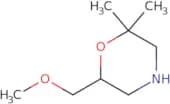
CAS:<p>Versatile small molecule scaffold</p>Formula:C7H14ClNO4SPurity:Min. 95%Molecular weight:243.7 g/mol(6S)-6-(Methoxymethyl)-2,2-dimethylmorpholine
CAS:<p>Versatile small molecule scaffold</p>Formula:C8H17NO2Purity:Min. 95%Molecular weight:159.2 g/mol(2R,3S)-3-(tert-Butoxy)-2-(2-{[(tert-butoxy)carbonyl]amino}acetamido)butanoic acid
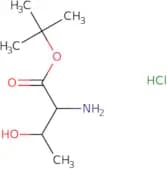
CAS:<p>Versatile small molecule scaffold</p>Formula:C15H28N2O6Purity:Min. 95%Molecular weight:332.4 g/moltert-Butyl (2R,3S)-2-amino-3-hydroxybutanoate hydrochloride
CAS:<p>Versatile small molecule scaffold</p>Formula:C8H18ClNO3Purity:Min. 95%Molecular weight:211.7 g/mol(2S)-Bicyclo[2.2.2]octan-2-amine hydrochloride
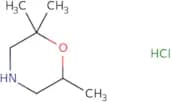
CAS:<p>Versatile small molecule scaffold</p>Formula:C8H16ClNPurity:Min. 95%Molecular weight:161.7 g/mol(6R)-2,2,6-Trimethylmorpholine hydrochloride
CAS:Versatile small molecule scaffoldFormula:C7H16ClNOPurity:Min. 95%Molecular weight:165.7 g/molMethyl 2-[(1R,3R,4S)-2-azabicyclo[2.2.1]heptan-3-yl]acetate hydrochloride
CAS:Versatile small molecule scaffoldFormula:C9H16ClNO2Purity:Min. 95%Molecular weight:205.7 g/mol2-[(1R,3R,4S)-2-Azabicyclo[2.2.1]heptan-3-yl]acetic acid hydrochloride
CAS:Versatile small molecule scaffoldFormula:C8H14ClNO2Purity:Min. 95%Molecular weight:191.7 g/mol(2R)-Bicyclo[2.2.2]octan-2-amine hydrochloride
CAS:<p>Versatile small molecule scaffold</p>Formula:C8H16ClNPurity:Min. 95%Molecular weight:161.7 g/molrac-Methyl (1R,3S,5S,8R)-8-hydroxybicyclo[3.2.1]octane-3-carboxylate
CAS:<p>Versatile small molecule scaffold</p>Formula:C10H16O3Purity:Min. 95%Molecular weight:184.2 g/moltert-Butyl (4R)-4-{[(tert-butoxy)carbonyl]amino}-5-oxopentanoate
CAS:<p>Versatile small molecule scaffold</p>Formula:C14H25NO5Purity:Min. 95%Molecular weight:287.4 g/mol(2S,3R)-3-(tert-Butoxy)-2-(2-{[(tert-butoxy)carbonyl]amino}acetamido)butanoic acid
CAS:<p>Versatile small molecule scaffold</p>Formula:C15H28N2O6Purity:Min. 95%Molecular weight:332.4 g/mol[(3S,5R)-3-(Aminomethyl)-4,5-dimethylmorpholin-3-yl]methanol
CAS:<p>Versatile small molecule scaffold</p>Formula:C8H18N2O2Purity:Min. 95%Molecular weight:174.2 g/moltert-Butyl (6S)-6-(bromomethyl)-2,2-dimethylmorpholine-4-carboxylate
CAS:<p>Versatile small molecule scaffold</p>Formula:C12H22BrNO3Purity:Min. 95%Molecular weight:308.21 g/molrac-Methyl (1R,4R,6R,7S)-6-hydroxy-2-azabicyclo[2.2.1]heptane-7-carboxylate hydrochloride
CAS:Versatile small molecule scaffoldFormula:C8H14ClNO3Purity:Min. 95%Molecular weight:207.7 g/moltert-Butyl (2S,3R)-2-amino-3-methoxybutanoate hydrochloride
CAS:<p>Versatile small molecule scaffold</p>Formula:C9H20ClNO3Purity:Min. 95%Molecular weight:225.7 g/molrac-(3R,4S)-4-Aminooxolane-3-carboxamide hydrochloride
CAS:Versatile small molecule scaffoldFormula:C5H11ClN2O2Purity:Min. 95%Molecular weight:166.6 g/mol(5R)-5-Methylthiomorpholin-3-one
CAS:<p>Versatile small molecule scaffold</p>Formula:C5H9NOSPurity:Min. 95%Molecular weight:131.2 g/mol(6R)-6-(Methoxymethyl)-2,2-dimethylmorpholine
CAS:Versatile small molecule scaffoldFormula:C8H17NO2Purity:Min. 95%Molecular weight:159.2 g/molMethyl (2R)-2-(2-aminoacetamido)-3-(4-hydroxyphenyl)propanoate hydrochloride
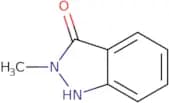
CAS:<p>Versatile small molecule scaffold</p>Formula:C12H17ClN2O4Purity:Min. 95%Molecular weight:288.7 g/mol2-Methyl-2,3-dihydro-1H-indazol-3-one
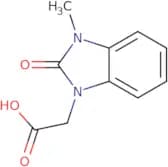
CAS:<p>Versatile small molecule scaffold</p>Formula:C8H8N2OPurity:Min. 95%Molecular weight:148.16 g/mol(3-Methyl-2-oxo-2,3-dihydro-benzoimidazol-1-yl)-acetic acid
CAS:<p>Versatile small molecule scaffold</p>Formula:C10H10N2O3Purity:Min. 95%Molecular weight:206.2 g/mol2-[3-(Carboxymethyl)-2-oxo-2,3-dihydro-1H-1,3-benzodiazol-1-yl]acetic acid
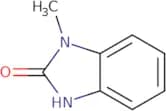
CAS:<p>Versatile small molecule scaffold</p>Formula:C11H10N2O5Purity:Min. 95%Molecular weight:250.21 g/mol1-Methyl-2-benzimidazolinone
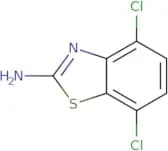
CAS:<p>1-Methyl-2-benzimidazolinone is a synthetic compound that has been shown to be cytotoxic to cancer cells. It binds to metal ions and forms reactive intermediates, which are able to react with nucleophiles in cellular macromolecules. The reaction mechanism of 1-methyl-2-benzimidazolinone is similar to the reaction of picolinic acid with metal hydroxides. The heteroarylations of this compound have also been studied using chemical ligation, and it has been found that the d4 receptor may play a role in its cytotoxicity.</p>Formula:C8H8N2OPurity:Min. 95%Molecular weight:148.16 g/mol2-Amino-4,7-dichlorobenzothiazole
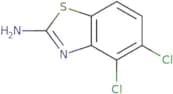
CAS:<p>Versatile small molecule scaffold</p>Formula:C7H4Cl2N2SPurity:Min. 95%Molecular weight:219.09 g/mol4,5-Dichloro-benzothiazol-2-ylamine
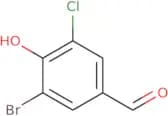
CAS:<p>Versatile small molecule scaffold</p>Formula:C7H4Cl2N2SPurity:Min. 95%Molecular weight:219.08 g/mol3-Bromo-5-chloro-4-hydroxybenzaldehyde
CAS:<p>3-Bromo-5-chloro-4-hydroxybenzaldehyde (3BCHA) is a phenolic compound that has been used in the synthesis of new drugs. 3BCHA is produced by the ozonation of 2,6-dichlorophenol and subsequent reactions with sodium hydroxide and hydrogen peroxide. The production of 3BCHA can be monitored using gas chromatography/electron spray ionization mass spectrometry (GC/ESI MS). 3BCHA can be synthesized in two ways:</p>Formula:C7H4BrClO2Purity:Min. 95%Molecular weight:235.46 g/mol{4-[2-(Diethylamino)ethoxy]phenyl}methanamine
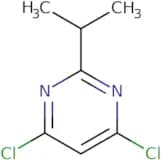
CAS:Controlled Product<p>Versatile small molecule scaffold</p>Formula:C13H22N2OPurity:Min. 95%Molecular weight:222.33 g/mol4,6-Dichloro-2-(propan-2-yl)pyrimidine
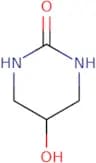
CAS:<p>Versatile small molecule scaffold</p>Formula:C7H8Cl2N2Purity:Min. 95%Molecular weight:191.05 g/mol5-Hydroxy-1,3-diazinan-2-one
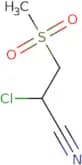
CAS:<p>Versatile small molecule scaffold</p>Formula:C4H8N2O2Purity:Min. 95%Molecular weight:116.12 g/mol2-Chloro-3-methanesulfonylpropanenitrile
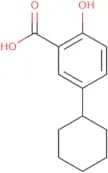
CAS:Versatile small molecule scaffoldFormula:C4H6ClNO2SPurity:Min. 95%Molecular weight:167.61 g/mol5-Cyclohexyl-2-hydroxybenzoic acid
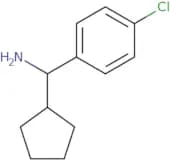
CAS:<p>5-Cyclohexyl-2-hydroxybenzoic acid is a compound that belongs to the group of phenolic compounds. It has been clinically used for the treatment of systemic hypertension and is used in the manufacture of dyes, resins, flavors and fragrances. 5-Cyclohexyl-2-hydroxybenzoic acid can be found in light exposure, metal cations and environmental pollution. The use of this compound may lead to depression, which may be due to its effects on the vessel diameter. This drug also has an effect on blood pressure by stimulating vasodilatation through an endothelium-dependent mechanism.</p>Formula:C13H16O3Purity:Min. 95%Molecular weight:220.26 g/mol(4-Chlorophenyl)(cyclopentyl)methanamine
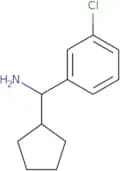
CAS:<p>Versatile small molecule scaffold</p>Formula:C12H16ClNPurity:Min. 95%Molecular weight:209.71 g/mol(3-Chlorophenyl)(cyclopentyl)methanamine
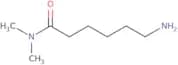
CAS:<p>Versatile small molecule scaffold</p>Formula:C12H16ClNPurity:Min. 95%Molecular weight:209.71 g/mol6-Amino-N,N-dimethylhexanamide
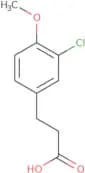
CAS:<p>Versatile small molecule scaffold</p>Formula:C8H18N2OPurity:Min. 95%Molecular weight:158.2 g/mol3-(3-Chloro-4-methoxyphenyl)propionic acid
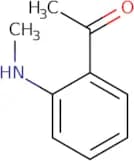
CAS:<p>Versatile small molecule scaffold</p>Formula:C10H11ClO3Purity:Min. 95%Molecular weight:214.65 g/mol1-(2-(Methylamino)phenyl)ethanone
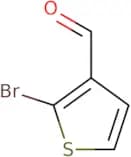
CAS:<p>Versatile small molecule scaffold</p>Formula:C9H11NOPurity:Min. 95%Molecular weight:149.19 g/mol2-Bromothiophene-3-carbaldehyde
CAS:<p>2-Bromothiophene-3-carbaldehyde is a versatile monomer that can be used for the synthesis of a wide range of products. 2-Bromothiophene-3-carbaldehyde has been used in the synthesis of hexacyclic and grignard reagents, as well as aldehydes, which are precursors to many other chemicals. It is also an isomeric compound and can be used for cross coupling reactions. The yields of this chemical are high, making it an ideal choice for use in organic syntheses. 2-Bromothiophene-3-carbaldehyde can also be used in solar cells to produce polymers with optimal reaction rates. This chemical is often used as a monomer in the formylation and dimethylformamide processes.</p>Formula:C5H3BrOSPurity:Min. 95%Molecular weight:191.05 g/mol6H-Benzo[C][1,2]benzothiazine 5,5-dioxide
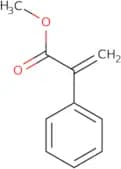
CAS:<p>6H-Benzo[C][1,2]benzothiazine 5,5-dioxide is a white crystalline solid with a molecular weight of 169.14. It is soluble in ether and benzene, but insoluble in water. 6H-Benzo[C][1,2]benzothiazine 5,5-dioxide has been shown to yield adducts with hydrochlorination and to react with quinones and other electrophiles to form chlorinated products. The regioselectivity of the reaction is determined by the anion of the substrate; chloride being the most reactive. The interaction of 6H-Benzo[C][1,2]benzothiazine 5,5-dioxide with anions such as diimide or sulfinic acid leads to the formation of different isomeric adducts.</p>Formula:C12H9NO2SPurity:Min. 95%Molecular weight:231.27 g/molMethyl 2-phenylacrylate
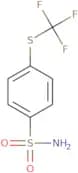
CAS:<p>Methyl 2-phenylacrylate is a synthetic chemical that is used in the production of polymers. It reacts with oxygen to give an oxidative carbonylation product, which consists of a particle and a functional group. The particle can be made insoluble by polymerisation. The reaction mechanism involves the donation of a methyl cinnamate group to the carbonyl group, which has a redox potential and kinetic energy that are sufficient for the reaction to proceed. Methyl 2-phenylacrylate has been used as an initiator for free radical polymerisation, which leads to cross-linked polymers. This initiator also reacts with other functional groups such as phenol or amine groups.</p>Formula:C10H10O2Purity:Min. 95%Molecular weight:162.19 g/mol4-(Trifluoromethylthio)benzenesulfonamide
CAS:<p>Versatile small molecule scaffold</p>Formula:C7H6F3NO2S2Purity:Min. 95%Molecular weight:257.3 g/molSebaconitrile
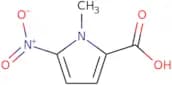
CAS:<p>Sebaconitrile is a reactive, unsaturated ketone that inhibits the activity of certain compounds by binding to the aliphatic carbon. Sebaconitrile is used as an inhibitor in chromatography and reacts with solute to form reaction products. Sebaconitrile is also used as a solvent for organic reactions. Sebaconitrile has been shown to inhibit the enzyme carbonic anhydrase, which is involved in the conversion of carbon dioxide and water into bicarbonate and hydrogen ions, respectively. This inhibition leads to increased levels of hydrogen ions in cells, which can lead to cell death. Sebaconitrile is also used as a solvent for organic reactions.</p>Formula:C10H16N2Purity:Min. 95%Molecular weight:164.25 g/mol1-Methyl-5-nitro-1H-pyrrole-2-carboxylic acid
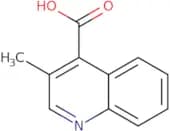
CAS:<p>1-Methyl-5-nitro-1H-pyrrole-2-carboxylic acid is a synthetic, nonpeptide antiviral agent that inhibits coxsackie virus and other enteroviruses. It is structurally related to the nucleoside analogues of acyclovir and ganciclovir. 1-Methyl-5-nitro-1H-pyrrole-2-carboxylic acid binds to the viral RNA genome in a sequence specific manner. This binding prevents the synthesis of viral proteins, which results in inhibition of virus replication. 1MPA has been shown to inhibit the growth of tumor cell lines in vitro and in vivo, as well as murine leukemia cells transplanted into mice.<br>1MPA also has an inhibitory effect on the production of tumor necrosis factor (TNF) by murine macrophages activated by tumor cells or lipopolysaccharides.</p>Formula:C6H6N2O4Purity:Min. 95%Molecular weight:170.12 g/mol3-Methylquinoline-4-carboxylic acid
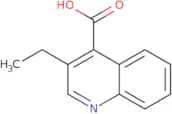
CAS:<p>3-Methylquinoline-4-carboxylic acid is a functional compound that is used in pharmaceutical formulations to stabilize the active ingredient. It is often used as a preservative in topical formulations because it can inhibit the growth of bacteria and fungi. 3-Methylquinoline-4-carboxylic acid has been shown to inhibit fatty acids such as methyl esters and organic acids, which are key components of many enzymes. 3-Methylquinoline-4-carboxylic acid also has been shown to be an inhibitor of hippuric acid, an acidic substance that is excreted by the kidneys. This product can be found in acidic or neutral conditions, depending on its function.</p>Formula:C11H9NO2Purity:Min. 95%Molecular weight:187.19 g/mol3-Ethylquinoline-4-carboxylic acid
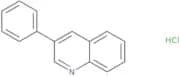
CAS:<p>3-Ethylquinoline-4-carboxylic acid is a functional derivative of hippuric acid, which is found in humans and other mammals. It is an inhibitor of enzymes that catalyze the oxidation of benzoic acid to benzaldehyde and benzoin. 3-Ethylquinoline-4-carboxylic acid has been used for pharmaceutical formulations as an alternative to phenylacetic acid due to its biodegradability and neutral pH. This compound also has preservative properties, which are due to its ability to react with ionizable groups on the surface of bacteria, leading to cell death. 3-Ethylquinoline-4-carboxylic acid can be synthesized from citric or organic acids in acidic conditions.</p>Formula:C12H11NO2Purity:Min. 95%Molecular weight:201.22 g/mol3-Phenylquinoline hydrochloride
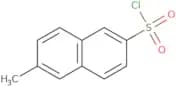
CAS:<p>Versatile small molecule scaffold</p>Formula:C15H12ClNPurity:Min. 95%Molecular weight:241.71 g/mol6-Methylnaphthalene-2-sulfonyl chloride
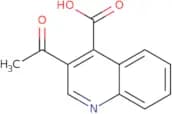
CAS:<p>Versatile small molecule scaffold</p>Formula:C11H9ClO2SPurity:Min. 95%Molecular weight:240.71 g/mol3-Acetylquinoline-4-carboxylic acid
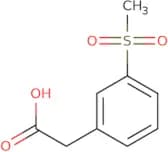
CAS:<p>Versatile small molecule scaffold</p>Formula:C12H9NO3Purity:Min. 95%Molecular weight:215.2 g/mol3-(Methylsulphonyl)phenylacetic acid
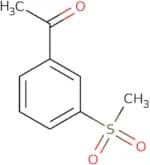
CAS:<p>Versatile small molecule scaffold</p>Formula:C9H10O4SPurity:Min. 95%Molecular weight:214.24 g/mol3-(Methylsulfonyl)acetophenone
CAS:Versatile small molecule scaffoldFormula:C9H10O3SPurity:Min. 95%Molecular weight:198.24 g/mol2-(3-Ethylphenoxy)acetic acid
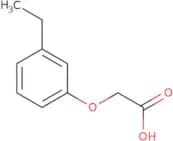
CAS:<p>2-(3-Ethylphenoxy)acetic acid is a phenoxyacetic acid that can be used as an igniting agent. It can be synthesized by the reaction of an alcohol with a carboxylic acid chloride in the presence of a base. The compound weighs 130.2 g/mol and has a melting point of 50°C. 2-(3-Ethylphenoxy)acetic acid is often used as a reagent for weighing zirconium oxide, which is used in some dental prostheses and dentures. It reacts with zirconia to produce ZrO2 and CO2 gas. The compound also reacts with water to form hydrogen gas, which makes it useful as a catalyst for oxidation reactions when heating zirconium metal in air.</p>Formula:C10H12O3Purity:Min. 95%Molecular weight:180.2 g/mol2-[3-(Propan-2-yl)phenoxy]acetic acid
CAS:<p>2-[3-(Propan-2-yl)phenoxy]acetic acid is a chemical compound that is used as an additive in benzene, and is a phytotoxic chemical. It prevents the formation of chlorophyll by blocking electron transport and inhibiting photosynthesis. 2-[3-(Propan-2-yl)phenoxy]acetic acid is used to induce callus tissue from lettuce, radish, and other plants. This compound also inhibits the growth of various bacteria including Escherichia coli and Pseudomonas aeruginosa.</p>Formula:C11H14O3Purity:Min. 95%Molecular weight:194.23 g/mol2-(3-tert-Butylphenoxy)acetic acid
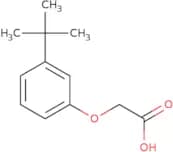
CAS:<p>Versatile small molecule scaffold</p>Formula:C12H16O3Purity:Min. 95%Molecular weight:208.25 g/mol2-(5,6,7,8-Tetrahydronaphthalen-2-yloxy)acetic acid
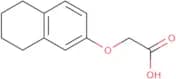
CAS:<p>2-(5,6,7,8-Tetrahydronaphthalen-2-yloxy)acetic acid is a triazole that has analgesic activity. It is a white crystalline solid with a melting point of 222°C and an empirical formula of C13H14O3. This compound is soluble in methanol and acetone but insoluble in water.</p>Formula:C12H14O3Purity:Min. 95%Molecular weight:206.24 g/mol3-(carboxymethoxy)benzoic acid
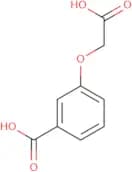
CAS:<p>3-(Carboxymethoxy)benzoic acid is a monoanion with a carboxylate group. It is a centrosymmetric molecule that has hydrogen bonds between the anions and the cations. It interacts with other molecules in supramolecular chemistry, such as isonicotinamide and pyridinium. 3-(Carboxymethoxy)benzoic acid can be used as a ligand for various metal ions, including copper and nickel, which are found in proteins that have been shown to have antimicrobial properties. This compound has been shown to inhibit the growth of bacteria by targeting methylamine-N-oxide reductase, an enzyme involved in methylamine metabolism. The molecule also inhibits protein synthesis by binding to ribosomes.</p>Formula:C9H8O5Purity:Min. 95%Molecular weight:196.16 g/mol(2-Acetyl-phenoxy)-acetic acid
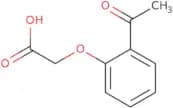
CAS:<p>(2-Acetyl-phenoxy)-acetic acid is a polymeric molecule that can be used as a herbivore-mediating agent. It is synthesized by chemoenzymatic reactions and has been shown to have an inhibitory effect on the lipase activity of plant cells, which may be mediated through the interaction with copper ions. (2-Acetyl-phenoxy)-acetic acid has also been found to be effective against planthoppers, such as Nilaparvata lugens, in screening tests.</p>Formula:C10H10O4Purity:Min. 95%Molecular weight:194.19 g/mol2-(3-Methanesulfonylphenoxy)acetic acid
CAS:Versatile small molecule scaffoldFormula:C9H10O5SPurity:Min. 95%Molecular weight:230.24 g/mol(3-Acetylphenoxy)acetic acid
CAS:<p>Versatile small molecule scaffold</p>Formula:C10H10O4Purity:Min. 95%Molecular weight:194.19 g/mol4-Acetylphenoxyacetic acid
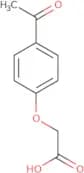
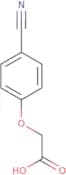
CAS:<p>4-Acetylphenoxyacetic acid is a hydroxamic acid, which inhibits the deacetylation of histones. This compound has been shown to inhibit histone deacetylase activity and to induce a conformational change in the enzyme. 4-Acetylphenoxyacetic acid is also a peptidomimetic that can be used as a lead compound for antiviral agents. It is also an inhibitor of chalcone synthase and can be used as a lead compound for new drugs against cancer. 4-Acetylphenoxyacetic acid has been shown to have anti-inflammatory effects in mice, which may be due to its ability to suppress prostaglandin synthesis by inhibiting cyclooxygenase-2 (COX-2).</p>Formula:CH3COC6H4OCH2CO2HPurity:Min. 95%Molecular weight:194.18 g/mol(4-Cyanophenoxy)acetic acid
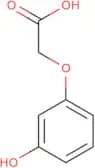
CAS:<p>4-Cyanophenoxyacetic acid is a traceless, magnetic and low temperature electrochemical oxidant. It has a symbol of CPA, and the chemical formula CHNO. 4-Cyanophenoxyacetic acid is an organic compound that can be used in sustainable chemistry to produce oxidants in low temperatures. This compound is able to reversibly switch between ferromagnetic and antiferromagnetic states at low temperatures. At higher temperatures, it reorients to the ferroelectric state. 4-Cyanophenoxyacetic acid is a strong oxidant with yields of up to 98% and reorientation at temperatures as high as 370 °C.</p>Formula:C9H7NO3Purity:Min. 95%Molecular weight:177.16 g/mol2-(3-Hydroxyphenoxy)acetic acid
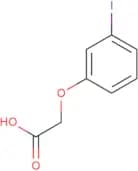
CAS:<p>2-(3-Hydroxyphenoxy)acetic acid is an organic compound that belongs to the phenoxy family. It is a cross-linker, which means that it links two molecules or parts of a molecule together. 2-(3-Hydroxyphenoxy)acetic acid has been used as a component in the production of polyurethane, cellulose acetate, and nylon. This chemical can be synthesized by reacting phenol with acetic anhydride in the presence of pyridine and tannins. 2-(3-Hydroxyphenoxy)acetic acid can be neutralized by adding sodium carbonate to form sodium phenoxide and sodium acetate. Alkylene chains can be introduced by reacting this compound with alkyl halides such as chloroethane or bromoethane in the presence of ammonia and sodium hydroxide. Phenolic groups can be introduced by reacting this compound with formaldehyde and trichlor</p>Formula:C8H8O4Purity:Min. 95%Molecular weight:168.15 g/mol2-(3-Iodophenoxy)acetic acid
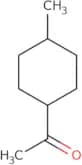
CAS:<p>Versatile small molecule scaffold</p>Formula:C8H7IO3Purity:Min. 95%Molecular weight:278.04 g/mol1-(4-Methylcyclohexyl)ethan-1-one
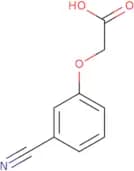
CAS:<p>Versatile small molecule scaffold</p>Formula:C9H16OPurity:Min. 95%Molecular weight:140.22 g/mol(3-Cyanophenoxy)acetic acid
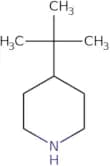
CAS:<p>(3-Cyanophenoxy)acetic acid is an analog of mandelic acid that has been shown to inhibit thrombus formation in vitro. The mechanism of action is not well understood, but it may involve the inhibition of phospholipase A2, which inhibits the production of prostaglandin E2 and thromboxane A2. It also inhibits platelet aggregation, the process by which platelets stick together and form clots that can block blood vessels. Furthermore, this compound has been shown to have antithrombotic effects in vivo in mice and rats. (3-Cyanophenoxy)acetic acid does not cause bleeding or increase the risk for bleeding.</p>Formula:C9H7NO3Purity:Min. 95%Molecular weight:177.16 g/mol4-tert-Butylpiperidine
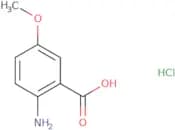
CAS:<p>4-tert-Butylpiperidine is an organic chemical compound that is a colorless liquid with a strong, unpleasant odor. 4-tert-Butylpiperidine is a nonselective, nucleophilic sulfoxide oxidant that reacts with the electron pair of a sulfur atom in sulfoxides and halides to form alkylating products. It has been used in the oxidation of toluene to benzoic acid and in the synthesis of piperazine. 4-tert-Butylpiperidine can also be used to chlorinate aluminium or as an analytical reagent for the detection of chloride ions. The chemical structure includes two isomeric forms, namely alpha and beta. Alpha is more stable than beta and will react faster; however, beta can be isolated from mixtures of the two compounds by distillation.</p>Formula:C9H19NPurity:Min. 95%Molecular weight:141.25 g/mol5-Methoxyanthranilic acid hydrochloride
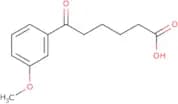
CAS:<p>Versatile small molecule scaffold</p>Formula:C8H10ClNO3Purity:Min. 95%Molecular weight:203.62 g/mol6-(3-Methoxyphenyl)-6-oxohexanoic acid
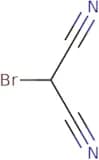
CAS:<p>Versatile small molecule scaffold</p>Formula:C13H16O4Purity:Min. 95%Molecular weight:236.26 g/mol2-Bromopropanedinitrile
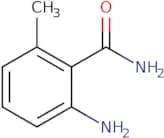
CAS:<p>2-Bromopropanedinitrile is an organic solvent that is used as a reactant in the production of polyurethane. It has been shown to have antibacterial activity against a number of bacteria, including Escherichia coli, Staphylococcus aureus, Bacillus subtilis, and Proteus vulgaris. 2-Bromopropanedinitrile exhibits its antimicrobial effect by reacting with the chloride ion and nucleophilic attack on the carbonyl group. This reaction causes the chemical to polymerize and form cross-links between molecules of DNA. The compound also has antifungal properties, which may be due to its hydroxyl groups or hydrogenated side chains.</p>Formula:C3HBrN2Purity:Min. 95%Molecular weight:144.96 g/mol2-Amino-6-methylbenzamide
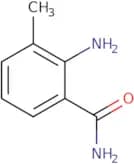
CAS:<p>2-Amino-6-methylbenzamide (2AMB) is a potent anticancer drug that binds to the cytoplasmic protein tubulin and inhibits the assembly of microtubules. This binding prevents cells from dividing and leads to cancer cell death. 2AMB has been shown to be effective against a number of human cancer cells, including colorectal, breast, and prostate cancer cells. It is also used as a fluorescent probe in biological research. The chiral nature of 2AMB means that it has two different forms, which are mirror images of one another. One form is active and the other inactive.</p>Formula:C8H10N2OPurity:Min. 95%Molecular weight:150.18 g/mol2-Amino-3-methylbenzamide
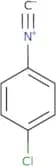
CAS:<p>Chlorantraniliprole is a fungicide that inhibits the function of the ryanodine receptor and blocks the release of calcium from intracellular stores. It has been shown to be effective against bacteria such as E. coli, Klebsiella pneumoniae and Salmonella typhimurium in vitro. Chlorantraniliprole was also shown to inhibit bacterial growth in vivo in a mouse model. This drug has demonstrated statistically significant antibacterial activity against gram-positive bacteria such as Staphylococcus aureus, Bacillus subtilis, and Streptococcus pyogenes. Chlorantraniliprole is an amide with a trifluoromethyl group attached to the nitrogen atom on the pyrazole ring. The chlorantraniliprole molecule contains an anthranilic linker between the chlorantranilic acid and 2-amino-3-methylbenzamide rings.</p>Formula:C8H10N2OPurity:Min. 95%Molecular weight:150.18 g/mol1-Chloro-4-isocyanobenzene
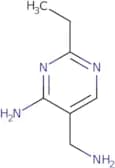
CAS:<p>1-Chloro-4-isocyanobenzene (1CI) is an organic compound that has been used as a chemical probe for the detection of amines and other molecules on metal surfaces. The frequency shift in Raman spectra, which is observed after the addition of 1CI to the metal surface, is used to detect amines. 1CI has also been shown to be a potent inhibitor of mitochondrial function. This molecule binds to nucleophilic sites on metal surfaces and forms covalent bonds with them, leading to a high degree of inhibition.<br>1CI can be synthesized in three steps from commercially available starting materials and is relatively easy to purify.</p>Formula:C7H4ClNPurity:Min. 95%Molecular weight:137.56 g/mol(2-Ethyl-4-imino-1,4-dihydropyrimidin-5-yl)methanamine
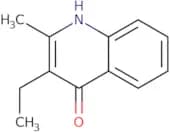
CAS:Versatile small molecule scaffoldFormula:C7H12N4Purity:Min. 95%Molecular weight:152.2 g/mol3-Ethyl-2-methylquinolin-4-ol
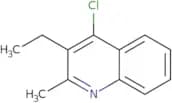
CAS:<p>Versatile small molecule scaffold</p>Formula:C12H13NOPurity:Min. 95%Molecular weight:187.24 g/mol4-Chloro-3-ethyl-2-methylquinoline
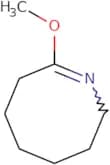
CAS:<p>Versatile small molecule scaffold</p>Formula:C12H12ClNPurity:Min. 95%Molecular weight:205.68 g/mol8-Methoxy-2,3,4,5,6,7-hexahydroazocine
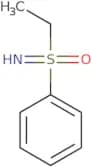
CAS:<p>Versatile small molecule scaffold</p>Formula:C8H15NOPurity:Min. 95%Molecular weight:141.21 g/molS-Ethyl-S-phenyl sulfoximine
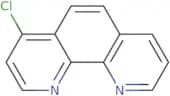
CAS:<p>Versatile small molecule scaffold</p>Formula:C8H11NOSPurity:Min. 95%Molecular weight:169.25 g/mol4-Chloro-1,10-phenanthroline
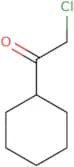
CAS:<p>Versatile small molecule scaffold</p>Formula:C12H7ClN2Purity:Min. 95%Molecular weight:214.65 g/mol2-Chloro-1-cyclohexylethan-1-one
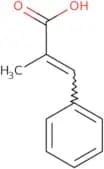
CAS:<p>2-Chloro-1-cyclohexylethan-1-one is an enantiopure epoxide that can be synthesized from chloroketones and amines. It is used in the synthesis of chlorinating agents, such as chloramines and chlorocarbons, as well as in the preparation of carbamates. 2-Chloro-1-cyclohexylethan-1-one also has a kinetic effect on dehalogenase enzymes, which are involved in halogen metabolism. The chemical's chlorine atom can react with hydrogen chloride to form hydrogen chloride gas and hydrochloric acid. 2-Chloro-1-cyclohexylethan-1-one has been shown to be effective against nematodes, limiting their growth by inhibiting the synthesis of essential proteins needed for cell division. This chemical also reacts with chloride ions to form polymers that act as a protective barrier against insects.<br>2CCHE is a</p>Formula:C8H13ClOPurity:Min. 95%Molecular weight:160.64 g/mol(E)-α-Methylcinnamic acid
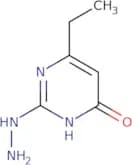
CAS:<p>The compound (E)-α-methylcinnamic acid is a methyl ketone that reacts with deionized water to form the ionic compound. This reaction is an example of Friedel-Crafts alkylation. The compound has been shown to be carcinogenic in animal studies, but not in human studies. It can also be used as a pressor and chloride channel blocker, and has been shown to have ferroelectric properties. The compound has been shown to react with fatty acids at high temperatures, yielding a reaction yield of 82%.</p>Formula:C10H10O2Purity:Min. 95%Molecular weight:162.18 g/mol6-Ethyl-2-hydrazinyl-3,4-dihydropyrimidin-4-one
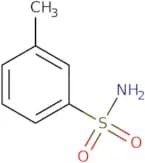
CAS:Versatile small molecule scaffoldFormula:C6H10N4OPurity:Min. 95%Molecular weight:154.17 g/mol3-methylbenzenesulfonamide
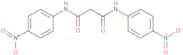
CAS:<p>3-methylbenzenesulfonamide is a dispersive, amide chemical structure that has antibacterial and antineoplastic properties. 3-methylbenzenesulfonamide is soluble in water and has a molecular weight of 198.33 g/mol. It is an experimental solubility data for this compound that it is less soluble than other compounds with the same molecular weight. 3-methylbenzenesulfonamide is a ligand and a coordination complex that has pharmacological agents, strategies, and experimental solubility data for the compound. The drug pharmacokinetics for this chemical are not well understood because it does not have an FDA classification and there are no pharmacokinetic studies available to date.</p>Formula:C7H9NO2SPurity:Min. 95%Molecular weight:171.22 g/molN,N'-Bis(4-nitrophenyl)propanediamide
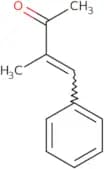
CAS:<p>Versatile small molecule scaffold</p>Formula:C15H12N4O6Purity:Min. 95%Molecular weight:344.28 g/mol3-Methyl-4-phenylbut-3-en-2-one
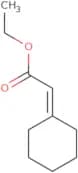
CAS:<p>Versatile small molecule scaffold</p>Formula:C11H12OPurity:Min. 95%Molecular weight:160.21 g/molCycloheptylidene-acetic acid ethyl ester
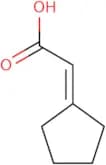
CAS:<p>Versatile small molecule scaffold</p>Formula:C11H18O2Purity:Min. 95%Molecular weight:182.26 g/mol2-Cyclopentylideneacetic acid
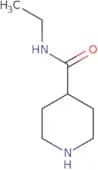
CAS:<p>2-Cyclopentylideneacetic acid is a growth factor that is structurally similar to epidermal growth factor (EGF) and has been shown to have an inhibitory effect on the EGF receptor. It is used in the manufacture of pharmaceuticals, such as antidiabetic agents, and cosmetics. 2-Cyclopentylideneacetic acid is also used as a synthetic intermediate in the manufacture of other drugs, such as peptide hormones. The two possible tautomers of 2-cyclopentylideneacetic acid are alpha-cyclohexenylacetic acid and beta-cyclohexenylacetic acid. The most stable form of these tautomers is alpha-cyclohexenylacetic acid. 2-Cyclopentylideneacetic acid can be used in the synthesis of epinephrine, norepinephrine, and dopamine.<br>2-cyclopentylideneac</p>Formula:C7H10O2Purity:Min. 95%Molecular weight:126.15 g/molN-Ethylpiperidine-4-carboxamide
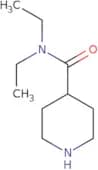
CAS:<p>Versatile small molecule scaffold</p>Formula:C8H16N2OPurity:Min. 95%Molecular weight:156.23 g/molN,N-Diethylpiperidine-4-carboxamide
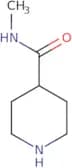
CAS:<p>Versatile small molecule scaffold</p>Formula:C10H20N2OPurity:Min. 95%Molecular weight:184.28 g/molN-Methylpiperidine-4-carboxamide
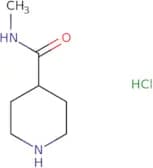
CAS:<p>Versatile small molecule scaffold</p>Formula:C7H14N2OPurity:Min. 95%Molecular weight:142.2 g/molN-Methylpiperidine-4-carboxamide hydrochloride
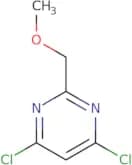
CAS:<p>Versatile small molecule scaffold</p>Formula:C7H15ClN2OPurity:Min. 95%Molecular weight:178.66 g/mol4,6-dichloro-2-(methoxymethyl)pyrimidine
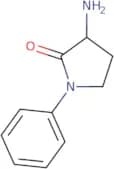
CAS:<p>Versatile small molecule scaffold</p>Formula:C6H6Cl2N2OPurity:Min. 95%Molecular weight:193 g/mol3-Amino-1-phenylpyrrolidin-2-one
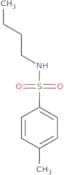
CAS:<p>Versatile small molecule scaffold</p>Formula:C10H12N2OPurity:Min. 95%Molecular weight:176.21 g/molN-Butyltoluene-4-sulfonamide
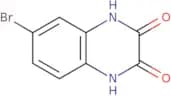
CAS:<p>N-Butyltoluene-4-sulfonamide is an alkylating agent that is used in the synthesis of pharmaceutical drugs. The chemical species of the molecule are amines, acidic, and anions. It is activated by light emission and reacts with a variety of chemical substrates. N-Butyltoluene-4-sulfonamide has a synthetic reaction time of 12 hours at room temperature and can be synthesized from toluene, sulfuric acid, and ammonium chloride. This molecule can react with various biomolecules such as DNA, RNA, proteins, carbohydrates, and lipids.</p>Formula:C11H17NO2SPurity:Min. 95%Molecular weight:227.32 g/mol6-Bromoquinoxaline-2,3(1h,4h)-dione
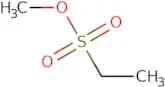
CAS:<p>Versatile small molecule scaffold</p>Formula:C8H5BrN2O2Purity:Min. 95%Molecular weight:241.04 g/molMethyl ethanesulfonate
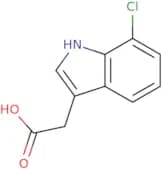
CAS:<p>Methyl ethanesulfonate is a chemical that is used in the methylation of serine protease. It inhibits the activity of serine protease by reacting with the nucleophilic sulfur atom in the enzyme's active site. This reaction results in a change in the shape of the enzyme's active site, which prevents access to substrate and reduces its affinity for substrate. Methyl ethanesulfonate has been shown to be effective against inflammatory bowel disease (IBD) and other inflammatory diseases.<br>Methyl ethanesulfonate has low toxicity, however it can cause liver damage if an individual is exposed to high doses over a long period of time as a result of its aliphatic hydrocarbon group.</p>Formula:C2H5SO3CH3Purity:Min. 95%Molecular weight:124.16 g/mol7-Chloro-1H-indole-3-acetic Acid
CAS:<p>7-Chloro-1H-indole-3-acetic Acid is a microbial metabolite that is the product of the anthranilic acid pathway. This compound has been found to be synthesized by some strains of organisms and can be used as a substrate for the synthesis of other compounds, such as kynurenine. The racemase enzyme converts this compound into its biologically active form, which is then converted into a fluorescent molecule by an unknown biological mechanism.</p>Formula:C10H8ClNO2Purity:Min. 95%Molecular weight:209.63 g/mol2-(1H-Pyrrolo[2,3-b]pyridin-3-yl)acetic acid
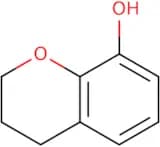
CAS:<p>2-(1H-Pyrrolo[2,3-b]pyridin-3-yl)acetic acid (2HPAPA) is a molecule that has been optimised for fluorescence. It is being developed as a potential treatment for cancer. The mechanism of action of 2HPAPA is not yet known, but it has shown to have an acidic pH and fluoresce in the presence of oxygen. 2 HPAPA also has clinical development with transition from preclinical to clinical studies.</p>Formula:C9H8N2O2Purity:Min. 95%Molecular weight:176.18 g/mol3,4-Dihydro-2H-1-benzopyran-8-ol
CAS:<p>Silver salts are used in photography to form images on photographic film or other material. Silver halides, such as silver chloride and silver bromide, are the most common light-sensitive materials for making photographic emulsions. The sensitivity of the halide is controlled by adding various amounts of stabilizers, such as 3,4-dihydro-2H-1-benzopyran-8-ol.</p>Formula:C9H10O2Purity:Min. 95%Molecular weight:150.17 g/mol

![4-[(3R)-3-(dimethylamino)pyrrolidin-1-yl]-5,6-dimethylpyrimidine-2-carboxylate lithium](/_next/image/?url=https%3A%2Fstatic.cymitquimica.com%2Fproducts%2F3D%2Fthumb-webp%2FAVD24821.webp&w=3840&q=75)
![(2R,3S)-3-(tert-Butoxy)-2-(2-{[(tert-butoxy)carbonyl]amino}acetamido)butanoic acid](/_next/image/?url=https%3A%2Fstatic.cymitquimica.com%2Fproducts%2F3D%2Fthumb-webp%2FAVD24847.webp&w=3840&q=75)
![(2S)-Bicyclo[2.2.2]octan-2-amine hydrochloride](/_next/image/?url=https%3A%2Fstatic.cymitquimica.com%2Fproducts%2F3D%2Fthumb-webp%2FAVD24864.webp&w=3840&q=75)
![Methyl 2-[(1R,3R,4S)-2-azabicyclo[2.2.1]heptan-3-yl]acetate hydrochloride](/_next/image/?url=https%3A%2Fstatic.cymitquimica.com%2Fproducts%2F3D%2Fthumb-webp%2FAVD24877.webp&w=3840&q=75)
![2-[(1R,3R,4S)-2-Azabicyclo[2.2.1]heptan-3-yl]acetic acid hydrochloride](/_next/image/?url=https%3A%2Fstatic.cymitquimica.com%2Fproducts%2F3D%2Fthumb-webp%2FAVD24881.webp&w=3840&q=75)
![(2R)-Bicyclo[2.2.2]octan-2-amine hydrochloride](/_next/image/?url=https%3A%2Fstatic.cymitquimica.com%2Fproducts%2F3D%2Fthumb-webp%2FAVD24884.webp&w=3840&q=75)
![rac-Methyl (1R,3S,5S,8R)-8-hydroxybicyclo[3.2.1]octane-3-carboxylate](/_next/image/?url=https%3A%2Fstatic.cymitquimica.com%2Fproducts%2F3D%2Fthumb-webp%2FAVD24891.webp&w=3840&q=75)
![tert-Butyl (4R)-4-{[(tert-butoxy)carbonyl]amino}-5-oxopentanoate](/_next/image/?url=https%3A%2Fstatic.cymitquimica.com%2Fproducts%2F3D%2Fthumb-webp%2FAVD24912.webp&w=3840&q=75)
![(2S,3R)-3-(tert-Butoxy)-2-(2-{[(tert-butoxy)carbonyl]amino}acetamido)butanoic acid](/_next/image/?url=https%3A%2Fstatic.cymitquimica.com%2Fproducts%2F3D%2Fthumb-webp%2FAVD24917.webp&w=3840&q=75)
![[(3S,5R)-3-(Aminomethyl)-4,5-dimethylmorpholin-3-yl]methanol](/_next/image/?url=https%3A%2Fstatic.cymitquimica.com%2Fproducts%2F3D%2Fthumb-webp%2FAVD24936.webp&w=3840&q=75)

![rac-Methyl (1R,4R,6R,7S)-6-hydroxy-2-azabicyclo[2.2.1]heptane-7-carboxylate hydrochloride](/_next/image/?url=https%3A%2Fstatic.cymitquimica.com%2Fproducts%2F3D%2Fthumb-webp%2FAVD24951.webp&w=3840&q=75)


![2-[3-(Carboxymethyl)-2-oxo-2,3-dihydro-1H-1,3-benzodiazol-1-yl]acetic acid](/_next/image/?url=https%3A%2Fstatic.cymitquimica.com%2Fproducts%2F3D%2Fthumb-webp%2FBAA84899.webp&w=3840&q=75)
![{4-[2-(Diethylamino)ethoxy]phenyl}methanamine](/_next/image/?url=https%3A%2Fstatic.cymitquimica.com%2Fproducts%2F3D%2Fthumb-webp%2FBAA84980.webp&w=3840&q=75)
![6H-Benzo[C][1,2]benzothiazine 5,5-dioxide](/_next/image/?url=https%3A%2Fstatic.cymitquimica.com%2Fproducts%2F3D%2Fthumb-webp%2FBAA86433.webp&w=3840&q=75)

![2-[3-(Propan-2-yl)phenoxy]acetic acid](/_next/image/?url=https%3A%2Fstatic.cymitquimica.com%2Fproducts%2F3D%2Fthumb-webp%2FBAA87852.webp&w=3840&q=75)

![2-(1H-Pyrrolo[2,3-b]pyridin-3-yl)acetic acid](/_next/image/?url=https%3A%2Fstatic.cymitquimica.com%2Fproducts%2F3D%2Fthumb-webp%2FBAA91242.webp&w=3840&q=75)