Building Blocks
This section contains fundamental products for the synthesis of organic and biological compounds. Building blocks are the essential starting materials used to construct complex molecules through various chemical reactions. They play a critical role in drug discovery, material science, and chemical research. At CymitQuimica, we offer a diverse range of high-quality building blocks to support your innovative research and industrial projects, ensuring you have the essential components for successful synthesis.
Subcategories of "Building Blocks"
- Boronic Acids & Boronic Acid Derivatives(5,756 products)
- Chiral Building Blocks(1,242 products)
- Hydrocarbon Building Blocks(6,095 products)
- Organic Building Blocks(61,051 products)
Found 199813 products of "Building Blocks"
Sort by
Purity (%)
0
100
|
0
|
50
|
90
|
95
|
100
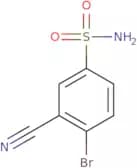
4-Bromo-3-cyanobenzene-1-sulfonamide
CAS:<p>Versatile small molecule scaffold</p>Formula:C7H5BrN2O2SPurity:Min. 95%Molecular weight:261.1 g/mol1-Chloro-2-(difluoromethoxy)-3-nitrobenzene
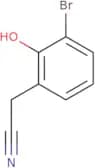
CAS:<p>Versatile small molecule scaffold</p>Formula:C7H4ClF2NO3Purity:Min. 95%Molecular weight:223.56 g/mol2-(3-Bromo-2-hydroxyphenyl)acetonitrile
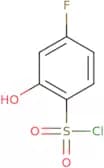
CAS:<p>Versatile small molecule scaffold</p>Formula:C8H6BrNOPurity:Min. 95%Molecular weight:212.04 g/mol4-Fluoro-2-hydroxybenzene-1-sulfonyl chloride
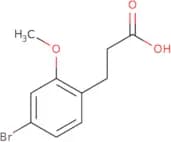
CAS:<p>Versatile small molecule scaffold</p>Formula:C6H4ClFO3SPurity:Min. 95%Molecular weight:210.61 g/mol3-(4-bromo-2-methoxyphenyl)propanoic acid
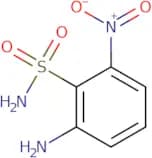
CAS:<p>Versatile small molecule scaffold</p>Formula:C10H11BrO3Purity:Min. 95%Molecular weight:259.1 g/mol2-Amino-6-nitrobenzene-1-sulfonamide
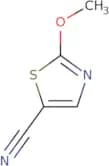
CAS:<p>Versatile small molecule scaffold</p>Formula:C6H7N3O4SPurity:Min. 95%Molecular weight:217.21 g/mol2-Methoxy-1,3-thiazole-5-carbonitrile
CAS:<p>Versatile small molecule scaffold</p>Formula:C5H4N2OSPurity:Min. 95%Molecular weight:140.17 g/mol3,6-Difluoro-2-methoxyaniline
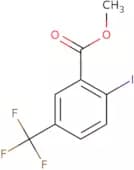
CAS:<p>Versatile small molecule scaffold</p>Formula:C7H7F2NOPurity:Min. 95%Molecular weight:159.13 g/molMethyl 2-iodo-5-(trifluoromethyl)benzoate
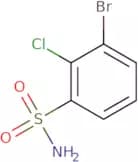
CAS:<p>Versatile small molecule scaffold</p>Formula:C9H6F3IO2Purity:Min. 95%Molecular weight:330.04 g/mol3-Bromo-2-chlorobenzene-1-sulfonamide
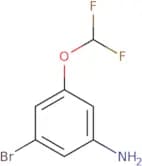
CAS:<p>Versatile small molecule scaffold</p>Formula:C6H5BrClNO2SPurity:Min. 95%Molecular weight:270.53 g/mol3-Bromo-5-(difluoromethoxy)aniline
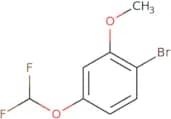
CAS:<p>Versatile small molecule scaffold</p>Formula:C7H6BrF2NOPurity:Min. 95%Molecular weight:238.03 g/mol1-Bromo-4-(difluoromethoxy)-2-methoxybenzene
CAS:<p>Versatile small molecule scaffold</p>Formula:C8H7BrF2O2Purity:Min. 95%Molecular weight:253.04 g/mol2-Hydroxy-6-(trifluoromethoxy)benzene-1-sulfonyl chloride
CAS:<p>Versatile small molecule scaffold</p>Formula:C7H4ClF3O4SPurity:Min. 95%Molecular weight:276.62 g/mol1-[2-Hydroxy-4-(trifluoromethyl)phenyl]propan-1-one
CAS:<p>Versatile small molecule scaffold</p>Formula:C10H9F3O2Purity:Min. 95%Molecular weight:218.17 g/mol(3-Methoxy-5-methylphenyl)methanamine
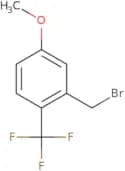
CAS:<p>Versatile small molecule scaffold</p>Formula:C9H13NOPurity:Min. 95%Molecular weight:151.21 g/mol2-(Bromomethyl)-4-methoxy-1-(trifluoromethyl)benzene
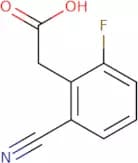
CAS:<p>Versatile small molecule scaffold</p>Formula:C9H8BrF3OPurity:Min. 95%Molecular weight:269.06 g/mol2-(2-Cyano-6-fluorophenyl)acetic acid
CAS:<p>Versatile small molecule scaffold</p>Formula:C9H6FNO2Purity:Min. 95%Molecular weight:179.15 g/mol2-Cyano-4-methylbenzene-1-sulfonyl chloride
CAS:<p>Versatile small molecule scaffold</p>Formula:C8H6ClNO2SPurity:Min. 95%Molecular weight:215.66 g/mol4-Fluoronaphthalen-2-ol
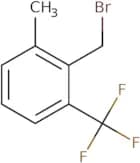
CAS:<p>Versatile small molecule scaffold</p>Formula:C10H7FOPurity:Min. 95%Molecular weight:162.16 g/mol2-Methyl-6-trifluoromethylbenzyl bromide
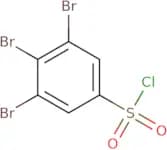
CAS:<p>Versatile small molecule scaffold</p>Formula:C9H8BrF3Purity:Min. 95%Molecular weight:253.06 g/mol3,4,5-Tribromobenzene-1-sulfonyl chloride
CAS:<p>Versatile small molecule scaffold</p>Formula:C6H2Br3ClO2SPurity:Min. 95%Molecular weight:413.31 g/mol2-Chloro-5-methylpyridine-4-carbonitrile
CAS:<p>2-Chloro-5-methylpyridine-4-carbonitrile (2CMP) is an organic compound that is used as a reagent in organic synthesis. 2CMP has been shown to have bifunctional properties and inhibitory effects on the human glucose transporter 1 (GLUT1). It also inhibits the activation of neutrophils. 2CMP has been used to develop monoclonal antibodies and x-ray crystal structures of biological molecules. The efficient method for synthesizing alkene was discovered using 2CMP as a precursor. Crystal structures of the enzyme catalytic mechanism were also elucidated by this reactant.</p>Formula:C7H5ClN2Purity:Min. 95%Molecular weight:152.58 g/mol3-Chloro-4-iodobenzonitrile
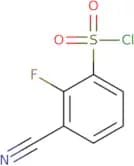
CAS:<p>Versatile small molecule scaffold</p>Formula:C7H3ClINPurity:Min. 95%Molecular weight:263.46 g/mol3-Cyano-2-fluorobenzene-1-sulfonyl chloride
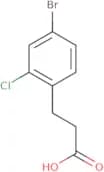
CAS:<p>Versatile small molecule scaffold</p>Formula:C7H3ClFNO2SPurity:Min. 95%Molecular weight:219.62 g/mol3-(4-Bromo-2-chlorophenyl)propanoic acid
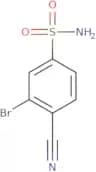
CAS:<p>Versatile small molecule scaffold</p>Formula:C9H8BrClO2Purity:Min. 95%Molecular weight:263.52 g/mol3-Bromo-4-cyanobenzene-1-sulfonamide
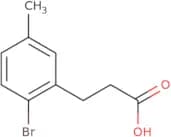
CAS:<p>Versatile small molecule scaffold</p>Formula:C7H5BrN2O2SPurity:Min. 95%Molecular weight:261.1 g/mol3-(2-Bromo-5-methylphenyl)propanoic acid
CAS:<p>Versatile small molecule scaffold</p>Formula:C10H11BrO2Purity:Min. 95%Molecular weight:243.1 g/mol3-Bromocyclohept-1-ene
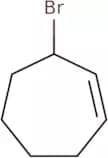
CAS:<p>3-Bromocyclohept-1-ene is an electrophile that reacts with nucleophiles, such as halides and hexacarbonyl. When heated, 3-bromocyclohept-1-ene undergoes a thermally induced ring opening to produce cyclopentenones and cyclic ketones. It also reacts with molybdenum to form a sodium salt. The product of the reaction with sodium is stereoselective, producing only the (E)-stereoisomer. 3-Bromocyclohept-1-ene also reacts with anions to form ligands.</p>Formula:C7H11BrPurity:Min. 95%Molecular weight:175.07 g/mol2-Chloro-N-[(1R)-1-phenylethyl]acetamide
CAS:<p>Versatile small molecule scaffold</p>Formula:C10H12ClNOPurity:Min. 95%Molecular weight:197.66 g/mol2-Methyl-2-phenylpropanoyl chloride
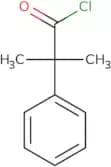
CAS:<p>2-Methyl-2-phenylpropanoyl chloride is a halogenated organic compound that can be used as a precursor to other organic compounds. It can be used in the synthesis of phenylacetic acid, which is an important chemical intermediate for the production of pharmaceuticals and dyes. The reactivity of this compound has been studied by diffraction, yielding information on its interaction with halides, transition metals and elemental analysis. 2-Methyl-2-phenylpropanoyl chloride undergoes decarbonylation to form phenylacetaldehyde and carbon monoxide. This reaction is non-selective and produces multinuclear products when catalyzed by trityl compounds.</p>Formula:C10H11ClOPurity:Min. 95%Molecular weight:182.65 g/mol5-Butyl-5-phenylimidazolidine-2,4-dione
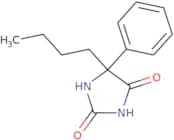
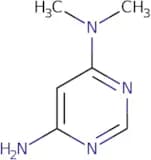
CAS:<p>Versatile small molecule scaffold</p>Formula:C13H16N2O2Purity:Min. 95%Molecular weight:232.28 g/molN4,N4-dimethylpyrimidine-4,6-diamine
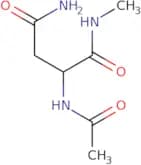
CAS:<p>Versatile small molecule scaffold</p>Formula:C6H10N4Purity:Min. 95%Molecular weight:138.17 g/mol2-Acetamido-N-methylbutanediamide
CAS:<p>Versatile small molecule scaffold</p>Formula:C7H13N3O3Purity:Min. 95%Molecular weight:187.2 g/molN-(3-Chloro-2-methylphenyl)-4,5-dihydro-1,3-thiazol-2-amine
CAS:<p>Versatile small molecule scaffold</p>Formula:C10H11ClN2SPurity:Min. 95%Molecular weight:226.73 g/mol3-[(2-Nitrophenyl)amino]propanamide
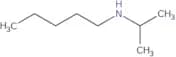
CAS:<p>Versatile small molecule scaffold</p>Formula:C9H11N3O3Purity:Min. 95%Molecular weight:209.2 g/molPentyl(propan-2-yl)amine
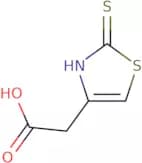
CAS:<p>Pentyl(propan-2-yl)amine is an aminocarboxylic acid that has been shown to have a high yield and purity. It can be used as a building block for the synthesis of aminocarboxylic acids, which are unsubstituted, branched-chain alkyl groups. The aminocarboxylic acid is also an intermediate in the production of pharmaceuticals and other chemicals.</p>Formula:C8H19NPurity:Min. 95%Molecular weight:129.24 g/mol2-(2-Sulfanyl-1,3-thiazol-4-yl)acetic acid
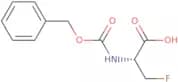
CAS:<p>Versatile small molecule scaffold</p>Formula:C5H5NO2S2Purity:Min. 95%Molecular weight:175.2 g/mol(R)-2-(((Benzyloxy)carbonyl)amino)-3-fluoropropanoic acid
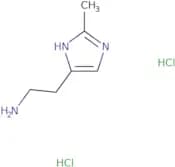
CAS:<p>Versatile small molecule scaffold</p>Formula:C11H12FNO4Purity:Min. 95%Molecular weight:241.22 g/mol2-(2-Methyl-1H-imidazol-4-yl)ethan-1-amine dihydrochloride
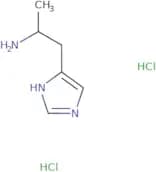
CAS:<p>Famotidine is a histamine H2 receptor antagonist that inhibits the secretion of stomach acid by blocking the histamine H2 receptors in the parietal cells of the stomach. Famotidine is a competitive inhibitor of histamine at these receptors, which causes a dose-dependent decrease in gastric acid secretion. The affinity of famotidine for the receptor is dependent on pH and increases with decreasing pH. With deuteration to produce 2-(2-methyl-1H-imidazol-4-yl)ethan-1-amine dihydrochloride, the binding affinity for the receptor is increased. This drug has been shown to be effective in reducing hyperthermia in animals, as well as suppressing symptoms associated with autoimmune diseases such as rheumatoid arthritis and insulin dependent diabetes mellitus. It also has biphasic effects on h2 receptors, with high doses producing an increase in acid secretion and low doses producing inhibition.</p>Formula:C6H13Cl2N3Purity:Min. 95%Molecular weight:198.09 g/mol1-(1H-Imidazol-4-yl)propan-2-amine dihydrochloride
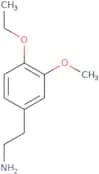
CAS:<p>Versatile small molecule scaffold</p>Formula:C6H13Cl2N3Purity:Min. 95%Molecular weight:198.09 g/mol2-(4-Ethoxy-3-methoxyphenyl)ethan-1-amine
CAS:Controlled Product<p>Versatile small molecule scaffold</p>Formula:C11H17NO2Purity:Min. 95%Molecular weight:195.26 g/mol2-Azaspiro[4.5]decane hydrochloride
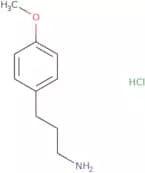
CAS:<p>Versatile small molecule scaffold</p>Formula:C9H18ClNPurity:Min. 95%Molecular weight:175.7 g/mol3-(4-Methoxyphenyl)propan-1-amine hydrochloride
CAS:<p>Versatile small molecule scaffold</p>Formula:C10H16ClNOPurity:Min. 95%Molecular weight:201.69 g/mol1-[(Oxiran-2-yl)methyl]cyclopentan-1-ol
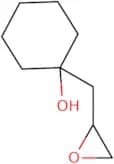
CAS:<p>Versatile small molecule scaffold</p>Formula:C8H14O2Purity:Min. 95%Molecular weight:142.2 g/mol1-(Oxiran-2-ylmethyl)cyclohexan-1-ol
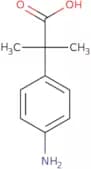
CAS:<p>Versatile small molecule scaffold</p>Formula:C9H16O2Purity:Min. 95%Molecular weight:156.22 g/mol2-(4-Aminophenyl)-2-methylpropanoic acid
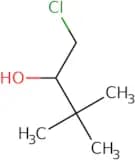
CAS:<p>Versatile small molecule scaffold</p>Formula:C10H13NO2Purity:Min. 95%Molecular weight:179.22 g/mol1-Chloro-3,3-dimethylbutan-2-ol
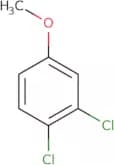
CAS:<p>Versatile small molecule scaffold</p>Formula:C6H13ClOPurity:Min. 95%Molecular weight:136.62 g/mol1,2-Dichloro-4-methoxybenzene
CAS:<p>1,2-Dichloro-4-methoxybenzene is a chemical compound that is used as an industrial chemical and in the synthesis of other chemicals. It is a chlorinated aromatic compound that can be found in environmental pollutants. 1,2-Dichloro-4-methoxybenzene has been shown to be toxic to cells by binding to peroxidases and inhibiting the activity of enzymes that are involved in the biosynthesis of fatty acids. 1,2-Dichloro-4-methoxybenzene also inhibits the growth of bacteria such as Chromobacterium violaceum. 1,2-Dichloro-4-methoxybenzene may act as an antibiotic by inhibiting gene transcription or protein synthesis in some bacteria.</p>Formula:C7H6Cl2OPurity:Min. 95%Molecular weight:177.03 g/mol4-(4-Chlorophenyl)-2,3-dihydro-1,3-oxazol-2-one
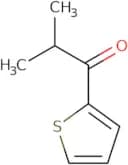
CAS:<p>Versatile small molecule scaffold</p>Formula:C9H6ClNO2Purity:Min. 95%Molecular weight:195.6 g/mol2-Methyl-1-(2-thienyl)propan-1-one
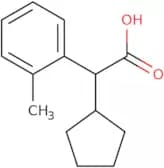
CAS:<p>Versatile small molecule scaffold</p>Formula:C8H10OSPurity:Min. 95%Molecular weight:154.23 g/mol2-Cyclopentyl-2-(o-tolyl)acetic acid
CAS:<p>Versatile small molecule scaffold</p>Formula:C14H18O2Purity:Min. 95%Molecular weight:218.29 g/mol1-[4-(Oxiran-2-ylmethoxy)phenyl]propan-1-one
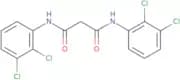
CAS:<p>Versatile small molecule scaffold</p>Formula:C12H14O3Purity:Min. 95%Molecular weight:206.24 g/molN,N'-Bis(2,3-dichlorophenyl)propanediamide
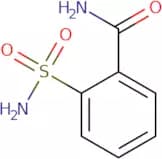
CAS:<p>Versatile small molecule scaffold</p>Formula:C15H10Cl4N2O2Purity:Min. 95%Molecular weight:392.1 g/mol2-Sulfamoylbenzamide
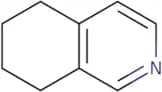
CAS:<p>2-Sulfamoylbenzamide is a drug that belongs to the class of sulfonamides. It is used as a diuretic, particularly in patients with congestive heart failure, and also to treat diabetes. 2-Sulfamoylbenzamide binds to the CB2 receptor and modulates the immune system by inhibiting proinflammatory cytokine production. Clinical studies have shown that it can effectively control diabetes mellitus, which may be due to its ability to regulate glucose metabolism and improve insulin sensitivity in adipose tissue. The drug has been shown to increase urine volume and decrease blood pressure in animals with nerve injury. 2-Sulfamoylbenzamide has been found to be an effective treatment for bladder cancer, but it does not affect other types of cancer cells.</p>Formula:C7H8N2O3SPurity:Min. 95%Molecular weight:200.22 g/mol5,6,7,8-Tetrahydroisoquinoline
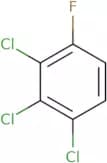
CAS:<p>Tetrahydroisoquinoline is an organic compound with the chemical formula C8H10N2. It is a colorless crystalline solid that is soluble in water and has a sweet odor. Tetrahydroisoquinoline can be synthesized by combining l-tartaric acid and amastigote. The reaction time for this synthesis can vary between 1 hour to 4 days, depending on temperature. Tetrahydroisoquinoline is an organic compound that can be used as a ligand for hydrogenation reactions and as a kinetic probe for enzymatic reactions. It also has been shown to interact with dehydrogenases, which are enzymes that catalyze the removal of hydrogen from certain molecules. Tetrahydroisoquinoline forms stable complexes with these enzymes, which allows kinetic studies to be conducted at various concentrations.</p>Formula:C9H11NPurity:Min. 95%Molecular weight:133.19 g/mol1,2,3-Trichloro-4-fluorobenzene
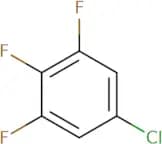
CAS:<p>Versatile small molecule scaffold</p>Formula:C6H2Cl3FPurity:Min. 95%Molecular weight:199.4 g/mol5-Chloro-1,2,3-trifluorobenzene
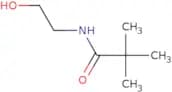
CAS:<p>Versatile small molecule scaffold</p>Formula:C6H2ClF3Purity:Min. 95%Molecular weight:166.53 g/molN-(2-Hydroxyethyl)-2,2-dimethylpropanamide
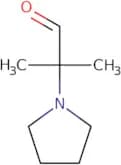
CAS:<p>Versatile small molecule scaffold</p>Formula:C7H15NO2Purity:Min. 95%Molecular weight:145.2 g/mol2-Methyl-2-(pyrrolidin-1-yl)propanal
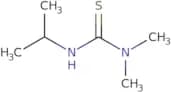
CAS:<p>Versatile small molecule scaffold</p>Formula:C8H15NOPurity:Min. 95%Molecular weight:141.21 g/mol3,3-Dimethyl-1-(propan-2-yl)thiourea
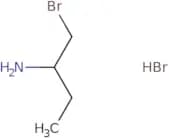
CAS:<p>Versatile small molecule scaffold</p>Formula:C6H14N2SPurity:Min. 95%Molecular weight:146.26 g/mol1-Bromobutan-2-amine hydrobromide
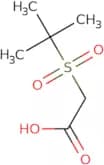
CAS:<p>Versatile small molecule scaffold</p>Formula:C4H11Br2NPurity:Min. 95%Molecular weight:232.94 g/mol2-(2-Methylpropane-2-sulfonyl)acetic acid
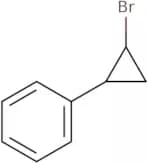
CAS:<p>Versatile small molecule scaffold</p>Formula:C6H12O4SPurity:Min. 95%Molecular weight:180.22 g/mol(2-Bromocyclopropyl)benzene
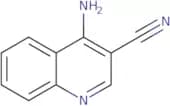
CAS:<p>2-Bromocyclopropyl)benzene is a nucleophilic compound that is activated by magnesium, yielding an organic halide. It has two structural isomers, one of which is the amide and the other the chloride. The reaction system for this compound is cyclopropylidene. 2-Bromocyclopropyl)benzene has been shown to be highly stereoselective and allylation reactions with it have been shown to be stereospecific.</p>Formula:C9H9BrPurity:Min. 95%Molecular weight:197.07 g/mol4-Aminoquinoline-3-carbonitrile
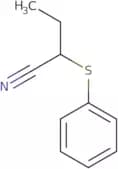
CAS:<p>4-Aminoquinoline-3-carbonitrile is a butyronitrile derivative that is synthesized by reacting xylene with an amine. It has been shown to be active against chronic myeloid leukemia, lymphocytic leukemia, and chronic myeloid leukemia cells in vitro. The activity of 4-aminoquinoline-3-carbonitrile against these cancers may be due to its ability to inhibit the phosphotidylinositol 3 kinase and mammalian target of rapamycin signaling pathways. This drug also inhibits the activity of tyrosine protein kinases, including c-KIT, PDGFRA, and FGFR1. The most common side effect of 4-aminoquinoline-3-carbonitrile is a decrease in white blood cell count (neutropenia).</p>Formula:C10H7N3Purity:Min. 95%Molecular weight:169.18 g/mol2-(Phenylsulfanyl)butanenitrile
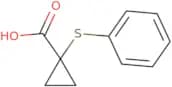
CAS:<p>Versatile small molecule scaffold</p>Formula:C10H11NSPurity:Min. 95%Molecular weight:177.27 g/mol1-(Phenylsulfanyl)cyclopropane-1-carboxylic acid
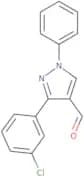
CAS:<p>Versatile small molecule scaffold</p>Formula:C10H10O2SPurity:Min. 95%Molecular weight:194.25 g/mol3-(3-Chlorophenyl)-1-phenyl-1H-pyrazole-4-carbaldehyde
CAS:<p>Versatile small molecule scaffold</p>Formula:C16H11ClN2OPurity:Min. 95%Molecular weight:282.72 g/mol[3-(4-Methoxyphenyl)-1-phenyl-1H-pyrazol-4-yl]methanol
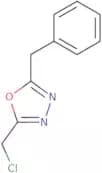
CAS:<p>Versatile small molecule scaffold</p>Formula:C17H16N2O2Purity:Min. 95%Molecular weight:280.32 g/mol2-Benzyl-5-(chloromethyl)-1,3,4-oxadiazole
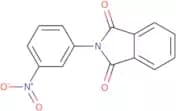
CAS:<p>Versatile small molecule scaffold</p>Formula:C10H9ClN2OPurity:Min. 95%Molecular weight:208.64 g/mol2-(3-Nitrophenyl)-2,3-dihydro-1H-isoindole-1,3-dione
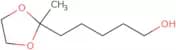
CAS:2-(3-Nitrophenyl)-2,3-dihydro-1H-isoindole-1,3-dione is a nonsteroidal antiinflammatory drug that inhibits cyclooxygenase (COX) and lipoxygenase. It has been shown to be effective in reducing plasma cholesterol levels and the fatty acid content of blood platelets. 2-(3-Nitrophenyl)-2,3-dihydro-1H-isoindole-1,3-dione also has an analgesic effect on inflamed tissue. The effective dose for this drug is 25 mg/kg body weight. This compound binds to the COX enzyme by hydrogen bonding at the same site as aspirin. 2-(3-Nitrophenyl)-2,3-dihydro-1H-isoindole-1,3-dione also has optical activity due to its chirality and can be used in spectroscFormula:C14H8N2O4Purity:Min. 95%Molecular weight:268.22 g/mol5-(2-Methyl-1,3-dioxolan-2-yl)pentan-1-ol
CAS:<p>Versatile small molecule scaffold</p>Formula:C9H18O3Purity:Min. 95%Molecular weight:174.24 g/mol2-(Naphthalen-2-yl)acetamide
CAS:<p>Versatile small molecule scaffold</p>Formula:C12H11NOPurity:Min. 95%Molecular weight:185.22 g/mol2-Methyl-5-(methylamino)-1,3-oxazole-4-carbonitrile
CAS:<p>Versatile small molecule scaffold</p>Formula:C6H7N3OPurity:Min. 95%Molecular weight:137.14 g/molDimethyl 3-hydroxyphthalate
CAS:<p>Dimethyl 3-hydroxyphthalate is a compound that is used in the production of phthalic acid esters. It can be synthesized by reacting chlorine with phthalic anhydride. The reaction system consists of aqueous solution of dimethyl 3-hydroxyphthalate, chlorine, and water. The electrons are accepted by chloride ions and the reaction proceeds through an electron transfer mechanism. Dimethyl 3-hydoxyphthalate undergoes desorption and spin resonance spectroscopy to determine its kinetic properties. Radical species are generated during the process and these radicals may react with other molecules to form new compounds, leading to mineralization or process efficiency. Phthalic acid esters are produced from this compound by oxidative polymerization reactions.</p>Formula:C10H10O5Purity:Min. 95%Molecular weight:210.18 g/mol3,3-Dimethyl-2,3-dihydro-1-benzofuran-5-ol
CAS:<p>Versatile small molecule scaffold</p>Formula:C10H12O2Purity:Min. 95%Molecular weight:164.2 g/mol2-(4-Hydroxyphenyl)-1,3-thiazole-4-carboxylic acid
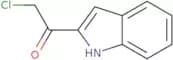
CAS:<p>Versatile small molecule scaffold</p>Formula:C10H7NO3SPurity:Min. 95%Molecular weight:221.23 g/mol2-Chloro-1-(1H-indol-2-yl)ethan-1-one
CAS:<p>Versatile small molecule scaffold</p>Formula:C10H8ClNOPurity:Min. 95%Molecular weight:193.63 g/molN-[2-(Pyrrolidin-1-yl)ethyl]aniline
CAS:Versatile small molecule scaffoldFormula:C12H18N2Purity:Min. 95%Molecular weight:190.28 g/mol4-(4-Fluorophenyl)-4-hydroxycyclohexan-1-one
CAS:<p>Versatile small molecule scaffold</p>Formula:C12H13FO2Purity:Min. 95%Molecular weight:208.23 g/mol4-(4-Chlorophenyl)cyclohex-3-en-1-one
CAS:<p>Versatile small molecule scaffold</p>Formula:C12H11ClOPurity:Min. 95%Molecular weight:206.67 g/mol4-(4-Fluorophenyl)cyclohex-3-en-1-amine hydrochloride
CAS:<p>Versatile small molecule scaffold</p>Formula:C12H15ClFNPurity:Min. 95%Molecular weight:227.7 g/mol4-Chlorocinnoline-3-carbonitrile
CAS:<p>4-Chlorocinnoline-3-carbonitrile is a heterocyclic compound with the molecular formula C6H5ClN. It is a pyridine derivative that has been used in the synthesis of other heterocycles, such as cinnolines and thioglycolates. The compound can be prepared by condensation reactions between hydrazine and thiourea or by catalytic hydrogenation of 4-chlorothiophene. 4-Chlorocinnoline-3-carbonitrile has been shown to have antiplatelet aggregation activity and inhibitory effects on the growth of certain bacteria.</p>Formula:C9H4ClN3Purity:Min. 95%Molecular weight:189.6 g/mol(2S)-2-(Pyridin-3-ylformamido)propanoic acid
CAS:<p>Versatile small molecule scaffold</p>Formula:C9H10N2O3Purity:Min. 95%Molecular weight:194.19 g/mol3-Phenyl-2-(pyridin-3-ylformamido)propanoic acid
CAS:<p>Versatile small molecule scaffold</p>Formula:C15H14N2O3Purity:Min. 95%Molecular weight:270.28 g/mol6-(4-Bromophenyl)-4,5-dihydro-2H-pyridazin-3-one
CAS:<p>Versatile small molecule scaffold</p>Formula:C10H9BrN2OPurity:Min. 95%Molecular weight:253.1 g/mol2,3-Dimethyl-1H-indol-5-ol
CAS:<p>Versatile small molecule scaffold</p>Formula:C10H11NOPurity:Min. 95%Molecular weight:161.2 g/mol6,7,8,9-Tetrahydro-5H-carbazole-3-carboxylic acid
CAS:<p>Versatile small molecule scaffold</p>Formula:C13H13NO2Purity:Min. 95%Molecular weight:215.25 g/mol3-Bromo-6-chloro-1-benzofuran
CAS:<p>Versatile small molecule scaffold</p>Formula:C8H4BrClOPurity:Min. 95%Molecular weight:231.47 g/mol4-Oxo-4-(pyridin-3-yl)butanenitrile
CAS:<p>Versatile small molecule scaffold</p>Formula:C9H8N2OPurity:Min. 95%Molecular weight:160.17 g/mol4-(1-Phenylcyclopentyl)phenol
CAS:<p>Versatile small molecule scaffold</p>Formula:C17H18OPurity:Min. 95%Molecular weight:238.32 g/mol7-Chloro-8-methoxyquinoline
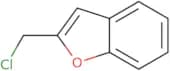
CAS:<p>Versatile small molecule scaffold</p>Formula:C10H8ClNOPurity:Min. 95%Molecular weight:193.63 g/mol2-(Chloromethyl)-1-benzofuran
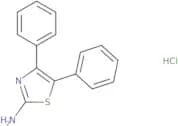
CAS:<p>2-(Chloromethyl)-1-benzofuran is a type of inhibitor that binds to the enzyme methanol dehydrogenase (MDH) and prevents it from forming formaldehyde. This agent has been shown to have a high oral bioavailability in rats, which is likely due to its low molecular weight and hydrophilicity. 2-(Chloromethyl)-1-benzofuran also inhibits the production of matrix metalloproteinases (MMPs), which are enzymes involved in cartilage degradation. It has been shown to be an orally bioavailable inhibitor with a kinetic profile similar to benzene, but without the carcinogenic properties.<br>2-(Chloromethyl)-1-benzofuran has also been shown to be effective for treating osteoarthritis in bovine models at concentrations of 10 μM or greater.</p>Formula:C9H7ClOPurity:Min. 95%Molecular weight:166.6 g/molDiphenyl-1,3-thiazol-2-amine hydrochloride
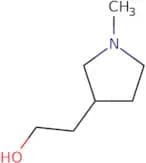
CAS:<p>Diphenyl-1,3-thiazol-2-amine hydrochloride is a drug that inhibits the activity of the inflammatory cytokine tumor necrosis factor (TNF). It has been shown to be effective in treating bowel disease and cancer. TNF is an important mediator of inflammation and this drug blocks the production of TNF by binding to its receptor. This drug also inhibits the enzyme nitric oxide synthase, which produces nitric oxide, a potent vasodilator. Nitric oxide synthase inhibition may be responsible for the anti-inflammatory properties of this drug. Diphenyl-1,3-thiazol-2-amine hydrochloride also interacts with amides, alzheimer's disease, and other neurodegenerative diseases through its ability to inhibit the protein kinases involved in these diseases.</p>Formula:C15H13ClN2SPurity:Min. 95%Molecular weight:288.8 g/mol2-(1-methylpyrrolidin-3-yl)ethan-1-ol
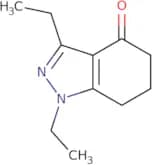
CAS:<p>Versatile small molecule scaffold</p>Formula:C7H15NOPurity:Min. 95%Molecular weight:129.2 g/mol1,3-Diethyl-1,5,6,7-tetrahydroindazol-4-one
CAS:<p>Versatile small molecule scaffold</p>Formula:C9H12N2OPurity:Min. 95%Molecular weight:164.2 g/mol3-Phenyl-8-azabicyclo[3.2.1]oct-2-ene hydrochloride
CAS:<p>Versatile small molecule scaffold</p>Formula:C13H16ClNPurity:Min. 95%Molecular weight:221.72 g/molrac-(1R,3R,5S)-3-Phenyl-8-azabicyclo[3.2.1]octane hydrochloride
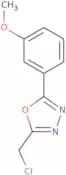
CAS:<p>Versatile small molecule scaffold</p>Formula:C13H18ClNPurity:Min. 95%Molecular weight:223.74 g/mol2-(chloromethyl)-5-(3-methoxyphenyl)-1,3,4-oxadiazole
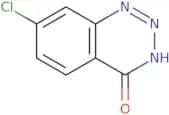
CAS:<p>Versatile small molecule scaffold</p>Formula:C10H9ClN2O2Purity:Min. 95%Molecular weight:224.64 g/mol7-Chloro-3,4-dihydro-1,2,3-benzotriazin-4-one
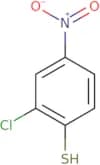
CAS:<p>Versatile small molecule scaffold</p>Formula:C7H4ClN3OPurity:Min. 95%Molecular weight:181.58 g/mol2-Chloro-4-nitrobenzene-1-thiol
CAS:<p>2-Chloro-4-nitrobenzene-1-thiol is a chemical compound that is used in the detection of viruses. It has been shown to bind to viral capsids and can be detected by techniques such as surface-enhanced Raman spectroscopy. 2-Chloro-4-nitrobenzene-1 thiol has an interaction with the amino acid composition of the virus, which may lead to its detection. The compound enhances the fluorescence of some viruses, allowing microscopy techniques to be used for detection. This chemical substance has also been shown to inhibit viral infectivity and can be used as a drug candidate for antiviral treatments.</p>Formula:C6H4ClNO2SPurity:Min. 95%Molecular weight:189.62 g/mol




![1-[2-Hydroxy-4-(trifluoromethyl)phenyl]propan-1-one](/_next/image/?url=https%3A%2Fstatic.cymitquimica.com%2Fproducts%2F3D%2Fthumb-webp%2FLAC68031.webp&w=3840&q=75)





![2-Chloro-N-[(1R)-1-phenylethyl]acetamide](/_next/image/?url=https%3A%2Fstatic.cymitquimica.com%2Fproducts%2F3D%2Fthumb-webp%2FLBA29300.webp&w=3840&q=75)

![3-[(2-Nitrophenyl)amino]propanamide](/_next/image/?url=https%3A%2Fstatic.cymitquimica.com%2Fproducts%2F3D%2Fthumb-webp%2FLBA33243.webp&w=3840&q=75)
![2-Azaspiro[4.5]decane hydrochloride](/_next/image/?url=https%3A%2Fstatic.cymitquimica.com%2Fproducts%2F3D%2Fthumb-webp%2FLBA39274.webp&w=3840&q=75)
![1-[(Oxiran-2-yl)methyl]cyclopentan-1-ol](/_next/image/?url=https%3A%2Fstatic.cymitquimica.com%2Fproducts%2F3D%2Fthumb-webp%2FLBA39923.webp&w=3840&q=75)

![1-[4-(Oxiran-2-ylmethoxy)phenyl]propan-1-one](/_next/image/?url=https%3A%2Fstatic.cymitquimica.com%2Fproducts%2F3D%2Fthumb-webp%2FLBA46733.webp&w=3840&q=75)
![[3-(4-Methoxyphenyl)-1-phenyl-1H-pyrazol-4-yl]methanol](/_next/image/?url=https%3A%2Fstatic.cymitquimica.com%2Fproducts%2F3D%2Fthumb-webp%2FLBA64056.webp&w=3840&q=75)


![N-[2-(Pyrrolidin-1-yl)ethyl]aniline](/_next/image/?url=https%3A%2Fstatic.cymitquimica.com%2Fproducts%2F3D%2Fthumb-webp%2FLBA71644.webp&w=3840&q=75)


![3-Phenyl-8-azabicyclo[3.2.1]oct-2-ene hydrochloride](/_next/image/?url=https%3A%2Fstatic.cymitquimica.com%2Fproducts%2F3D%2Fthumb-webp%2FLBA76906.webp&w=3840&q=75)
![rac-(1R,3R,5S)-3-Phenyl-8-azabicyclo[3.2.1]octane hydrochloride](/_next/image/?url=https%3A%2Fstatic.cymitquimica.com%2Fproducts%2F3D%2Fthumb-webp%2FLBA76916.webp&w=3840&q=75)