Building Blocks
This section contains fundamental products for the synthesis of organic and biological compounds. Building blocks are the essential starting materials used to construct complex molecules through various chemical reactions. They play a critical role in drug discovery, material science, and chemical research. At CymitQuimica, we offer a diverse range of high-quality building blocks to support your innovative research and industrial projects, ensuring you have the essential components for successful synthesis.
Subcategories of "Building Blocks"
- Boronic Acids & Boronic Acid Derivatives(5,778 products)
- Chiral Building Blocks(1,242 products)
- Hydrocarbon Building Blocks(6,098 products)
- Organic Building Blocks(61,034 products)
Found 199601 products of "Building Blocks"
Sort by
Purity (%)
0
100
|
0
|
50
|
90
|
95
|
100
Methyl 5-methoxy-1H-pyrrolo[3,2-b]pyridine-2-carboxylate
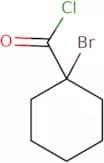
CAS:<p>Versatile small molecule scaffold</p>Formula:C10H10N2O3Purity:Min. 95%Molecular weight:206.2 g/mol1-Bromocyclohexane-1-carbonyl chloride
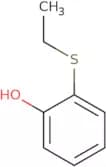
CAS:<p>Versatile small molecule scaffold</p>Formula:C7H10BrClOPurity:Min. 95%Molecular weight:225.51 g/mol2-(Ethylsulfanyl)phenol
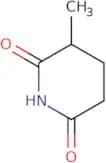
CAS:2-(Ethylsulfanyl)phenol is a hyphenated chemical compound that has been shown to be toxic to cells. It is a radical that can form in the body, and it has been found to have high potential for health risks. The reaction time for 2-(Ethylsulfanyl)phenol is an average of 130 seconds, which is much faster than most other chemicals. Kinetics for this compound are also rapid, with an average rate of 10-14 μmol/L per second. 2-(Ethylsulfanyl)phenol reacts with DNA at the scission site, which generates a free radical that damages the DNA strand and breaks it down into smaller fragments. This chemical has been shown to cause DNA damage at a rate of 0.1% per hour, which can lead to cell death and cancer development.Formula:C8H10OSPurity:Min. 95%Molecular weight:154.23 g/mol3-Methylpiperidine-2,6-dione
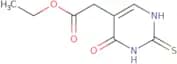
CAS:<p>3-Methylpiperidine-2,6-dione is a dipeptide that is used to form an oral drug delivery system. It is encapsulated in silicone and has affinity for hydrogen peroxide. A heterostructure is created by sandwiching the 3-methylpiperidine-2,6-dione between two layers of acrylate. This creates a device that can be activated by light and will release the dipeptide when it reaches a specific pH level. The acrylates are dissolved in an oxocarboxylic acid, which also denatures the peptide to prevent proteolysis by enzymes in the stomach. Once it reaches the small intestine, the phthalimides are cleaved from the 3-methylpiperidine-2,6-dione, leaving behind an intact dipeptide.</p>Formula:C6H9NO2Purity:Min. 95%Molecular weight:127.14 g/molEthyl 2-(4-hydroxy-2-mercaptopyrimidin-5-yl)acetate
CAS:<p>Versatile small molecule scaffold</p>Formula:C8H10N2O3SPurity:Min. 95%Molecular weight:214.24 g/mol3-Cyclopropyl-thiophene
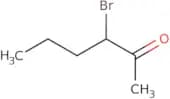
CAS:<p>Cyclopropylthiophene is a compound that can be synthesized by arylation of 3-cyclopropyl-thiophene with an aryl iodide in the presence of copper. The reaction can be catalyzed by diaryliodonium salts, and the selectivities are determined by the counterion. Cyclopropylthiophene is used as a model substrate for mechanistic studies on asymmetric catalysis. Cyclopropylthiophene can also be applied to the synthesis of nanoparticles for catalysis in organic reactions.</p>Formula:C7H8SPurity:Min. 95%Molecular weight:124.21 g/mol3-Bromohexan-2-one
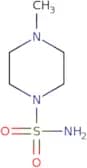
CAS:<p>Versatile small molecule scaffold</p>Formula:C6H11BrOPurity:Min. 95%Molecular weight:179.05 g/mol4-Methylpiperazine-1-sulfonamide
CAS:<p>Versatile small molecule scaffold</p>Formula:C5H13N3O2SPurity:Min. 95%Molecular weight:179.24 g/molAzocane-1-sulfonamide
CAS:<p>Versatile small molecule scaffold</p>Formula:C7H16N2O2SPurity:Min. 95%Molecular weight:192.28 g/mol(1-Bromo-2-methoxyethyl)benzene
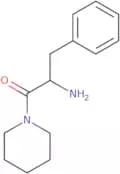
CAS:<p>Versatile small molecule scaffold</p>Formula:C9H11BrOPurity:Min. 95%Molecular weight:215.09 g/mol2-Amino-3-phenyl-1-(piperidin-1-yl)propan-1-one
CAS:<p>Versatile small molecule scaffold</p>Formula:C14H20N2OPurity:Min. 95%Molecular weight:232.32 g/molCyanogen bromide
CAS:<p>Used as a condensing agent during chemical ligation of oligodeoxyribonucleotides, for peptide cleavage and in protein immobilization procedures. Other applications include inorganic synthesis to prepare cyanamides, dicyanamides, cyanuric bromide, guanidines and hydroxylguanidines.</p>Formula:CNBrPurity:Min. 95%Color and Shape:PowderMolecular weight:105.92 g/molCyclobutyl bromide
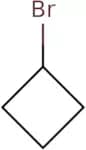
CAS:<p>Cyclobutyl bromide is a cyclopentyl compound that has an hydroxyl group. It is a potent inhibitor of the CB2 receptor, which is primarily expressed on cells of the immune system. Cyclobutyl bromide has been shown to inhibit the uptake of uv light and also has anti-inflammatory properties. Studies have confirmed that this drug inhibits the production of cytokines and chemokines in chronic bronchitis patients, as well as other inflammatory diseases such as rheumatoid arthritis.</p>Formula:C4H7BrPurity:Min. 95%Color and Shape:Clear LiquidMolecular weight:135 g/mol4-Cyanobenzoic acid
CAS:<p>4-Cyanobenzoic acid (4CB) is a benzene derivative that inhibits the activity of tyrosinase, an enzyme involved in the production of melanin. It is synthesized by reacting 2,4-dichlorobenzoic acid with sodium hydroxide and acetone. 4CB has been shown to have a potent inhibitory effect on the enzyme, with an isolated yield of up to 83%. The compound also shows strong hydrogen bonding interactions with water molecules and coordinates in a geometry where one of its oxygen atoms is double bonded to two nitrogen atoms. This structural analysis suggests that 4 CB may bind to tyrosinase through adsorption mechanism.</p>Formula:C8H5NO2Purity:Min. 95%Color and Shape:White PowderMolecular weight:147.13 g/mol4-Chloropyrimidine HCl
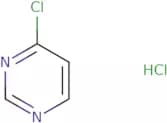
CAS:<p>4-Chloropyrimidine HCl is a covalent molecule that contains 4-chloropyridine and hydrogen chloride. It exists as two tautomers, the enol form and the keto form. The protonation of the proton on nitrogen will determine which tautomer it will exist in. When there is no proton present, the molecule will exist in its enol form. Resonance is also an important factor with this molecule because it can have a variety of resonance forms. Resonance spectrometry has been used to identify 4-chloropyrimidine HCl because it produces a specific resonance pattern when exposed to magnetic fields. 4-Chloropyridinium trifluoroacetate is another name for this compound that is formed when the chlorine atom bonds with trifluoroacetic acid. This chemical does not have any interactions with azide but can react with tetrazole to produce a stable compound, which can be easily</p>Formula:C4H3ClN2·HClPurity:Min. 95%Color and Shape:PowderMolecular weight:150.99 g/molCreatine phosphate di(tris) salt
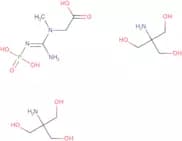
CAS:<p>Creatine phosphate di(tris) salt is a cyclase and rectifier of potassium ion channels. It is a potent activator of calcium ion channels, expressed in the cells of the ng108-15 mouse neuroblastoma line. Creatine phosphate di(tris) salt also potently activates guanylate cyclase and l-type calcium ion channels. This drug has been shown to stimulate prostaglandin synthesis and inhibit the production of prostaglandin E1 in biological chemistry studies. Creatine phosphate di(tris) salt is a cyclase and rectifier of potassium ion channels. It is a potent activator of calcium ion channels, expressed in the cells of the ng108-15 mouse neuroblastoma line. Creatine phosphate di(tris) salt also potently activates guanylate cyclase and l-type calcium ion channels. This drug has been shown to stimulate prostaglandin synthesis and inhibit the production of prostaglandin E1 in</p>Formula:C12H32N5O11PPurity:Min. 95%Molecular weight:453.38 g/mol4-Chloro-2,3-dimethylpyridine N-oxide
CAS:<p>4-Chloro-2,3-dimethylpyridine N-oxide is a chemical compound that belongs to the class of medicines. It is used in the manufacture of hydrogen peroxide, which is an oxidizing agent and a bleaching agent. 4-Chloro-2,3-dimethylpyridine N-oxide has been used as a reagent for organic synthesis and as a catalyst in organic reactions. This compound also has the ability to inhibit proton pumps, which are membrane proteins that pump protons across biological membranes. The presence of sodium impurities can lead to scaling problems because it affects the solubility of 4-chloro-2,3-dimethylpyridine N-oxide. The exothermic reaction with chlorine leads to the formation of chloride, sulfoxide, and chloride ions. These products are more soluble than 4-chloro-2,3-dimethylpyridine N-oxide itself.</p>Formula:C7H8ClNOPurity:Min. 95%Color and Shape:Off-White PowderMolecular weight:157.6 g/molClonidine hydrochloride
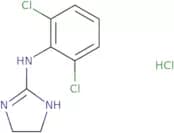
CAS:<p>Clonidine hydrochloride is a drug used in the treatment of hypertension and other cardiac diseases. It belongs to the class of drugs called centrally acting alpha-2 adrenergic agonists. Clonidine hydrochloride is also used for its antihypertensive effects in patients with neurogenic orthostatic hypotension, diabetic neuropathy, and glomerular filtration rate. The long-term efficacy and safety profile of clonidine hydrochloride has been established in clinical trials that have shown it to be effective in reducing symptoms of chronic pain and opioid withdrawal, as well as improving quality of life. Clonidine hydrochloride may be administered orally or transdermally. Clonidine binds to both alpha-1 and alpha-2 adrenergic receptors, which are responsible for vasoconstriction, inhibition of renin secretion from the kidneys, decreased sympathetic nerve activity, and increased parasympathetic nerve activity. This drug also has a protective effect on bone cancer cells</p>Formula:C9H9Cl2N3•HClPurity:Min. 95%Color and Shape:PowderMolecular weight:266.55 g/mol4-Chloro-1H-imidazo[4,5-c]pyridine
CAS:<p>4-Chloro-1H-imidazo[4,5-c]pyridine (4CI) is a nucleoside analog that inhibits the replication of RNA and DNA. It has significant inhibitory activity against herpes simplex virus type 1 and human immunodeficiency virus type 1 (HIV-1). 4CI inhibits the synthesis of adenosine, an important component in the synthesis of RNA and DNA. This drug also has antiviral properties against influenza A and B viruses. 4CI's effect on plasma cholesterol levels is thought to be due to inhibition of 3-hydroxy-3-methylglutaryl coenzyme A reductase.</p>Formula:C6H4ClN3Purity:Min. 95%Color and Shape:Off-White SolidMolecular weight:153.57 g/mol2-(Chloromethyl)-4-methylquinazoline
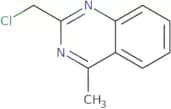
CAS:<p>Inhibitor of SIRT1 deacetylase</p>Formula:C10H9ClN2Purity:Min. 95%Color and Shape:Off-White To Yellow SolidMolecular weight:192.64 g/molCyclopropanecarboxylic acid chloride
CAS:<p>Cyclopropanecarboxylic acid chloride is an organic compound with a molecular formula of C3H6Cl2O. It belongs to the group of carboxylic acids and has a pyrazole ring, which is a potential drug target. Cyclopropanecarboxylic acid chloride has been found to be active against infectious diseases such as herpes, influenza, and Ebola. The mechanism of action for this compound is not yet fully understood but it has been shown to have an effect on growth factors and kinetic data.</p>Formula:C4H5ClOPurity:Min. 95%Molecular weight:104.53 g/molalpha-Cyano-3-hydroxycinnamic acid
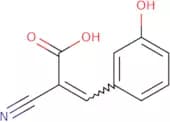
CAS:<p>alpha-Cyano-3-hydroxycinnamic acid is a mitochondrial matrix analog that has been shown to inhibit the uptake of carnitine, glutamate, and branched-chain amino acids. This compound also inhibits the activity of glyceraldehyde-3-phosphate dehydrogenase and dodecyl CoA dehydrogenase, which are enzymes involved in the production of cellular energy. alpha-Cyano-3-hydroxycinnamic acid also inhibits the synthesis of mitochondrial DNA and RNA. The compound binds to the enzyme succinate dehydrogenase, inhibiting its function. This inhibition leads to a decrease in cellular energy production and an increase in oxidative stress.</p>Formula:C10H7NO3Purity:Min. 95%Color and Shape:PowderMolecular weight:189.17 g/molCyanomethylenetributylphosphorane
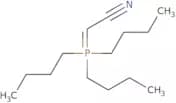
CAS:<p>Cyanomethylenetributylphosphorane (CMTP) is an agent used for the diagnosis of body formation. It is a chemical compound that can be used to produce images of tissue and organs by detecting apoptosis, or programmed cell death. CMTP binds to the glucose-dependent insulinotropic polypeptide receptor (GIPR), stimulating the release of insulin in the pancreas. CMTP also has therapeutic potential for metabolic disorders, as it has been shown to reduce triglycerides and increase HDL cholesterol levels in human serum. CMTP is synthesized from trifluoroacetic acid, which is then reacted with a cyclic peptide containing an amino acid derivative and 1-methyl-2-pyrrolidinone. This reaction produces a molecule with one free amino group at one end and two free carboxylic acid groups at the other end. The molecule can be reacted with epidermal growth factor (EGF) or insulin to</p>Formula:C14H28NPPurity:Min. 95%Color and Shape:Yellow To Dark Brown Clear LiquidMolecular weight:241.35 g/mol4-Chloro-6-methyl-2-(methylsulfonyl)pyrimidine
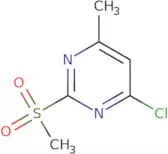
CAS:Versatile small molecule scaffoldFormula:C6H7ClN2O2SPurity:Min. 95%Molecular weight:206.65 g/mol3-Amino-3-(2-pyridinyl)acrylonitrile
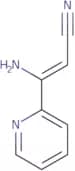
CAS:Versatile small molecule scaffoldFormula:C8H7N3Purity:Min. 95%Molecular weight:145.17 g/mol(S)-2-(4-Chlorophenyl)-3-methylbutanoic acid
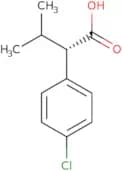
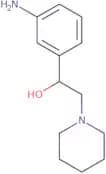
CAS:<p>(S)-2-(4-Chlorophenyl)-3-methylbutanoic acid is a chiral molecule that has been shown to be an inhibitor of isovaleric acid. It can be used as a marker for the amino acid sequence. It has been reported that (S)-2-(4-chlorophenyl)-3-methylbutanoic acid is an endogenous metabolite in humans and its concentration can be measured by enzyme-linked immunosorbent assay, high-performance liquid chromatography, and optical monitoring. This compound has also been studied as a potential therapeutic agent for the treatment of Alzheimer's disease due to its ability to inhibit acetylcholinesterase activity. It can also be conjugated with other molecules to form amide or ester conjugates.</p>Formula:C11H13ClO2Purity:Min. 95%Molecular weight:212.67 g/mol1-(3-Aminophenyl)-2-(piperidin-1-yl)ethan-1-ol
CAS:Versatile small molecule scaffoldFormula:C13H20N2OPurity:Min. 95%Molecular weight:220.31 g/mol6-Methylindolo[1,2-c]quinazolin-12-amine
CAS:6-Methylindolo[1,2-c]quinazolin-12-amine is a heterotetracyclic compound that contains a heterocyclic ring. It has been shown to inhibit the growth of bacteria and fungi, as well as promote apoptosis in cancer cells. 6-Methylindolo[1,2-c]quinazolin-12-amine also exhibits anti-inflammatory properties and can be used for the treatment of inflammatory diseases such as asthma.Formula:C16H13N3Purity:Min. 95%Molecular weight:247.29 g/molCyclooctane-1,5-diol
CAS:<p>Cyclooctane-1,5-diol is a compound that consists of a carbonyl group and a hydroxyl group. It can be synthesized by the dehydrogenation of α-pinene. Cyclooctane-1,5-diol has been shown to have vibrational properties that are similar to those of intramolecular hydrogen. The 13C NMR spectrum displays strong signals at δ=54.7, δ=61.2, and δ=71.8 ppm corresponding to the carbonyl group and hydroxyl groups in the molecule. Cyclooctane-1,5-diol also has an ultraviolet absorption maximum at 265 nm and is a good nucleophile because it contains a reactive proton on its carbonyl group. Cyclooctane-1,5-diol is soluble in water and has chemical reactions with other compounds such as flavin or dinucleotide phosphate.br>br></p>Formula:C8H16O2Purity:Min. 95%Molecular weight:144.21 g/mol4-[(4-Methylphenyl)amino]-2,3-dihydro-1,6-thiophene-1,1-dione
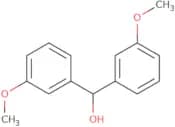
CAS:<p>Versatile small molecule scaffold</p>Formula:C11H13NO2SPurity:Min. 95%Molecular weight:223.29 g/molBis(3-methoxyphenyl)methanol
CAS:<p>Versatile small molecule scaffold</p>Formula:C15H16O3Purity:Min. 95%Molecular weight:244.28 g/mol2-{[(tert-butoxy)carbonyl]amino}-2-(4-methoxyphenyl)acetic acid
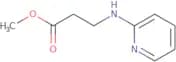
CAS:<p>Versatile small molecule scaffold</p>Formula:C14H19NO5Purity:Min. 95%Molecular weight:281.3 g/molMethyl 3-(pyridin-2-ylamino)propanoate
CAS:<p>Versatile small molecule scaffold</p>Formula:C9H12N2O2Purity:Min. 95%Molecular weight:180.2 g/mol5H,6H,7H,8H-Imidazo[1,2-a]pyridine-3-carboxylic acid
CAS:<p>Versatile small molecule scaffold</p>Formula:C8H10N2O2Purity:Min. 95%Molecular weight:166.18 g/mol[1,2,4]Triazolo[1,5-a]pyrazin-8-amine
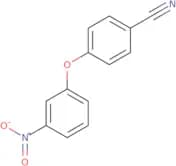
CAS:<p>Versatile small molecule scaffold</p>Formula:C5H5N5Purity:Min. 95%Molecular weight:135.13 g/mol4-(3-Nitrophenoxy)benzonitrile
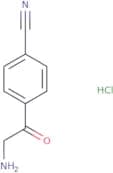
CAS:<p>Versatile small molecule scaffold</p>Formula:C13H8N2O3Purity:Min. 95%Molecular weight:240.21 g/mol4-(2-Aminoacetyl)benzonitrile hydrochloride
CAS:<p>Versatile small molecule scaffold</p>Formula:C9H9ClN2OPurity:Min. 95%Molecular weight:196.63 g/mol2-Methyl-1-phenylbut-3-yn-2-ol
CAS:<p>Versatile small molecule scaffold</p>Formula:C11H12OPurity:Min. 95%Molecular weight:160.21 g/mol5-[4-(Trifluoromethyl)phenyl]furan-2-carbaldehyde
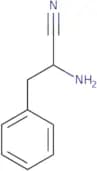
CAS:Versatile small molecule scaffoldFormula:C12H7F3O2Purity:Min. 95%Molecular weight:240.18 g/mol2-Amino-3-phenylpropanenitrile
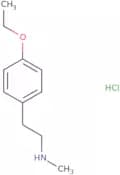
CAS:<p>2-Amino-3-phenylpropanenitrile is an active form of a sulfoxide that has been shown to be effective in the treatment of brain tumors. It is chiral, with two enantiomers, and can be used as a diagnostic tool for the detection of brain tumors. The mechanism of action of 2-amino-3-phenylpropanenitrile is not fully understood, but it has been shown to have therapeutic effects on brain tumors in animal models. The stereoselective properties of this drug make it an attractive candidate for optimization and cancer treatment. Optimization studies have focused on the use of potassium t-butoxide in asymmetric synthesis, which may lead to improved therapeutic efficacy and reduced toxicity.</p>Formula:C9H10N2Purity:Min. 95%Molecular weight:146.19 g/mol2-(4-Ethoxyphenyl)-N-methylethanamine hydrochloride
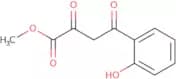
CAS:Controlled Product<p>Versatile small molecule scaffold</p>Formula:C11H18ClNOPurity:Min. 95%Molecular weight:215.72 g/molMethyl 4-(2-hydroxyphenyl)-2,4-dioxobutanoate
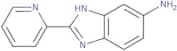
CAS:Methyl 4-(2-hydroxyphenyl)-2,4-dioxobutanoate is an organic compound that belongs to the class of pyrrole derivatives. It is a precursor for the synthesis of a number of pharmaceuticals and other organic compounds. Methyl 4-(2-hydroxyphenyl)-2,4-dioxobutanoate can be prepared by condensation of formaldehyde with 2,4-dihydroxyphenylacetic acid in acidic media. This reaction gives a mixture of methyl 4-(2-hydroxyphenyl)-2,4-dioxobutanoate and methyl 3-(2-hydroxyphenyl)-3,5-dioxopentanoate. The major product can be purified by recrystallization from methanol or ethanol.Formula:C11H10O5Purity:Min. 95%Molecular weight:222.19 g/mol2-(Pyridin-2-yl)-1H-1,3-benzodiazol-5-amine
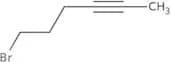
CAS:<p>Versatile small molecule scaffold</p>Formula:C12H10N4Purity:Min. 95%Molecular weight:210.23 g/mol6-Bromohex-2-yne
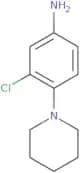
CAS:<p>Versatile small molecule scaffold</p>Formula:C6H9BrPurity:Min. 95%Molecular weight:161.04 g/mol3-Chloro-4-piperidin-1-yl-phenylamine
CAS:<p>Versatile small molecule scaffold</p>Formula:C11H15ClN2Purity:Min. 95%Molecular weight:210.71 g/mol6-(1-Piperidinyl)-3-pyridinamine
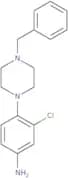
CAS:<p>Versatile small molecule scaffold</p>Formula:C10H15N3Purity:Min. 95%Molecular weight:177.25 g/mol4-(4-Benzyl-1-piperazinyl)-3-chlorophenylamine
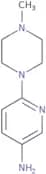
CAS:<p>Versatile small molecule scaffold</p>Formula:C17H20ClN3Purity:Min. 95%Molecular weight:301.82 g/mol3-Amino-6-(4-methylpiperazin-1-yl)pyridine
CAS:Versatile small molecule scaffoldFormula:C10H16N4Purity:Min. 95%Molecular weight:192.26 g/mol1-(2-Chloro-4-nitrophenyl)pyrrolidine
CAS:<p>Versatile small molecule scaffold</p>Formula:C10H11ClN2O2Purity:Min. 95%Molecular weight:226.66 g/mol3,6-Dibromopyrazolo[1,5-a]pyrimidine
CAS:<p>Versatile small molecule scaffold</p>Formula:C6H3Br2N3Purity:Min. 95%Molecular weight:276.92 g/mol3-Methylthiophene-2-carbonitrile
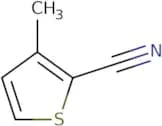
CAS:<p>3-Methylthiophene-2-carbonitrile is a crystalline solid that is soluble in water and has a boiling point of 115°C. This compound can be found as a gas or liquid at room temperature. 3-Methylthiophene-2-carbonitrile has been shown to undergo vaporization at high temperatures, with an enthalpy of vaporization of -5.5 kJ/mol. The structural formula for this compound is CH3CSCH3, which is made up of two methyl groups and one thiophene ring. 3-Methylthiophene-2-carbonitrile has been shown to have an energy of -4.6 kJ/mol when heated to 100°C, making it a very stable molecule.</p>Formula:C6H5NSPurity:Min. 95%Molecular weight:123.18 g/mol5-(Chloromethyl)-2-methyl-2H-1,2,3,4-tetrazole
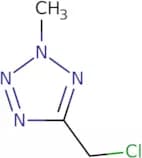
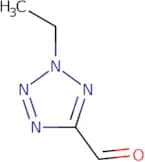
CAS:<p>5-(Chloromethyl)-2-methyl-2H-1,2,3,4-tetrazole is a fine chemical that is used as a versatile building block for research and industrial purposes. It is an intermediate in the synthesis of other compounds and is also used as a reaction component. The quality of this compound is high and it has been shown to be useful in the synthesis of various complex compounds. 5-(Chloromethyl)-2-methyl-2H-1,2,3,4-tetrazole can be used as a reagent for research or manufacturing purposes due to its versatility.</p>Formula:C3H5ClN4Purity:Min. 95%Color and Shape:PowderMolecular weight:132.55 g/mol2-Ethyl-2H-1,2,3,4-tetrazole-5-carbaldehyde
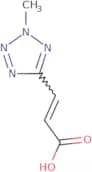
CAS:Versatile small molecule scaffoldFormula:C4H6N4OPurity:Min. 95%Molecular weight:126.12 g/mol(2E)-3-(2-Methyl-2H-1,2,3,4-tetrazol-5-yl)prop-2-enoic acid
CAS:<p>Versatile small molecule scaffold</p>Formula:C5H6N4O2Purity:Min. 95%Molecular weight:154.13 g/mol[2-Amino-3-(trifluoromethyl)phenyl]methanol
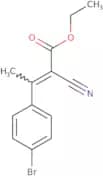
CAS:<p>Versatile small molecule scaffold</p>Formula:C8H8F3NOPurity:Min. 95%Molecular weight:191.15 g/molEthyl 3-(4-bromophenyl)-2-cyanobut-2-enoate
CAS:<p>Versatile small molecule scaffold</p>Formula:C13H12BrNO2Purity:Min. 95%Molecular weight:294.14 g/mol6-Methyl-2-(pyridin-2-yl)pyrimidin-4-ol
CAS:Versatile small molecule scaffoldFormula:C10H9N3OPurity:Min. 95%Molecular weight:187.2 g/mol2,4-dimethylimidazo[1,5-a]pyrimidine-8-carboxamide
CAS:<p>Versatile small molecule scaffold</p>Formula:C9H10N4OPurity:Min. 95%Molecular weight:190.21 g/molo-[(3-Chlorophenyl)methyl]hydroxylamine
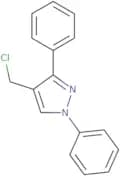
CAS:<p>Versatile small molecule scaffold</p>Formula:C7H8ClNOPurity:Min. 95%Molecular weight:157.6 g/mol4-(Chloromethyl)-1,3-diphenylpyrazole
CAS:<p>Versatile small molecule scaffold</p>Formula:C16H13ClN2Purity:Min. 95%Molecular weight:268.75 g/mol2-[3-(4-Chlorophenyl)-1-phenyl-1H-pyrazol-4-yl]acetonitrile
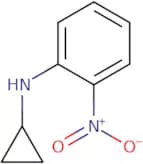
CAS:<p>Versatile small molecule scaffold</p>Formula:C17H12ClN3Purity:Min. 95%Molecular weight:293.7 g/molN-Cyclopropyl-2-nitroaniline
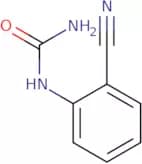
CAS:<p>Versatile small molecule scaffold</p>Formula:C9H10N2O2Purity:Min. 95%Molecular weight:178.19 g/mol(2-Cyanophenyl)urea
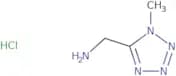
CAS:<p>Versatile small molecule scaffold</p>Formula:C8H7N3OPurity:Min. 95%Molecular weight:161.16 g/mol1-(1-Methyl-1H-1,2,3,4-tetrazol-5-yl)methanamine hydrochloride
CAS:<p>Versatile small molecule scaffold</p>Formula:C3H8ClN5Purity:Min. 95%Molecular weight:149.6 g/molEthyl 2-[4-(2-aminoethyl)phenoxy]acetate hydrochloride
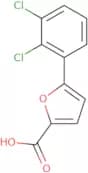
CAS:<p>Versatile small molecule scaffold</p>Formula:C12H18ClNO3Purity:Min. 95%Molecular weight:259.73 g/mol5-(2,3-Dichlorophenyl)furan-2-carboxylic acid
CAS:<p>Versatile small molecule scaffold</p>Formula:C11H6Cl2O3Purity:Min. 95%Molecular weight:257.07 g/mol2-[(2-Methylpropyl)amino]-1-phenylethan-1-ol
CAS:<p>Versatile small molecule scaffold</p>Formula:C12H19NOPurity:Min. 95%Molecular weight:193.28 g/mol2-{[(tert-Butoxy)carbonyl]amino}-2-(2-hydroxyphenyl)acetic acid
CAS:<p>Versatile small molecule scaffold</p>Formula:C13H17NO5Purity:Min. 95%Molecular weight:267.28 g/molN-Ethyl-8-hydroxyquinoline-7-carboxamide
CAS:<p>Versatile small molecule scaffold</p>Formula:C12H12N2O2Purity:Min. 95%Molecular weight:216.24 g/mol5-Bromo-[1,2,4]triazolo[1,5-a]pyrazine
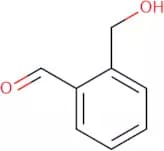
CAS:<p>Versatile small molecule scaffold</p>Formula:C5H3BrN4Purity:Min. 95%Molecular weight:199.01 g/mol2-(Hydroxymethyl)benzaldehyde
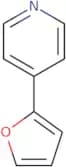
CAS:<p>2-(Hydroxymethyl)benzaldehyde (2HB) is a reactive aldehyde that is used as a cancer drug. It binds to the receptor in the cell membrane and inhibits fatty acid synthesis, which prevents cell division. 2HB has been shown to inhibit tumor growth by inhibiting chemokines, proteins that act as chemoattractants for immune cells. 2HB also inhibits the growth of cultured leukemia cells through crosslinking of DNA. This reaction can be enhanced by UV light, resulting in covalent bonds between adjacent nucleotides. The reaction mechanism for this process is called metathesis reactions.</p>Formula:C8H8O2Purity:Min. 95%Molecular weight:136.15 g/mol4-(Furan-2-yl)pyridine
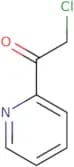
CAS:<p>4-(Furan-2-yl)pyridine is a heterocyclic organic compound that belongs to the group of pyridines. It has been shown to have strong cleavage reactions, which are enhanced by factors such as structural factors and the presence of a pyridine ring. The most common fragmentation reaction is the ionization of the furan ring, followed by dissociation of electron pairs from the furyl rings. This causes alkyl groups to be formed with n-propyl and alkyl groups. 4-(Furan-2-yl)pyridine can also undergo rearrangement reactions involving these groups, leading to formation of a new molecule with an additional carbon atom at one end.</p>Formula:C9H7NOPurity:Min. 95%Molecular weight:145.16 g/mol2-Chloro-1-(pyridin-2-yl)ethan-1-one
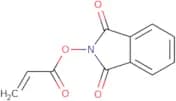
CAS:<p>Versatile small molecule scaffold</p>Formula:C7H6ClNOPurity:Min. 95%Molecular weight:155.58 g/mol1,3-Dioxo-2,3-dihydro-1H-isoindol-2-yl prop-2-enoate
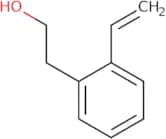
CAS:<p>Versatile small molecule scaffold</p>Formula:C11H7NO4Purity:Min. 95%Molecular weight:217.18 g/mol2-(2-Ethenylphenyl)ethan-1-ol
CAS:<p>Versatile small molecule scaffold</p>Formula:C10H12OPurity:Min. 95%Molecular weight:148.2 g/molPropyl[2-(pyridin-2-yl)ethyl]amine
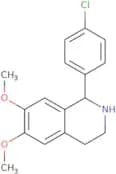
CAS:<p>Versatile small molecule scaffold</p>Formula:C10H16N2Purity:Min. 95%Molecular weight:164.25 g/mol1-(4-Chlorophenyl)-6,7-dimethoxy-1,2,3,4-tetrahydroisoquinoline
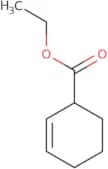
CAS:<p>Versatile small molecule scaffold</p>Formula:C17H18ClNO2Purity:Min. 95%Molecular weight:303.8 g/molEthyl cyclohex-2-ene-1-carboxylate
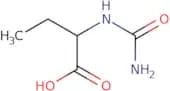
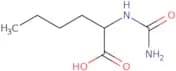
CAS:<p>Ethyl cyclohex-2-ene-1-carboxylate is an organic compound that is used as an analgesic, antiarrhythmic, and neuroleptic. It belongs to the group of esters and has a nitrogen atom in its structure. Ethyl cyclohex-2-ene-1-carboxylate was first synthesized by the reaction of ethyl bromide with 2-cyclohexenone. The molecule has two hydroxyalkyl groups, which are esters of alcohols. The two alkenyl groups are arranged cis to each other, which gives it a planar shape. Ethyl cyclohex-2-ene-1-carboxylate contains a heterocyclic system composed of a six membered ring containing three carbon atoms and three oxygen atoms.</p>Formula:C9H14O2Purity:Min. 95%Molecular weight:154.21 g/molN-Carbamyl-DL-α-amino-N-butyric acid
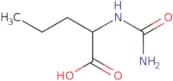
CAS:<p>N-Carbamyl-DL-α-amino-N-butyric acid is a reactive monocarboxylic acid that is found in fatty acids. It can be converted into an enantiomer, which has the same chemical formula but a different arrangement of atoms. This conversion can be achieved by reacting it with an alcohol and a base or an acid. N-Carbamyl-DL-α-amino-N-butyric acid reacts with glufosinate ammonium to form reaction products that are toxic to plants.</p>Formula:C5H10N2O3Purity:Min. 95%Molecular weight:146.14 g/mol2-(Carbamoylamino)pentanoic acid
CAS:<p>2-(Carbamoylamino)pentanoic acid is a monoclonal antibody that can be used as a diagnostic agent. It inhibits the proliferation of cancer cells by binding to the malic acid receptor, which is overexpressed on prostate cancer cells. This antibody has been shown to have an inhibitory effect on cell proliferation in vivo, but does not interfere with the function of other cells. 2-(Carbamoylamino)pentanoic acid also binds to antibodies and has shown a detection time of 4 hours in vivo. 2-(Carbamoylamino)pentanoic acid has been shown to bind to malic acid in vitro and can be used for the diagnosis of prostate cancer.</p>Formula:C6H12N2O3Purity:Min. 95%Molecular weight:160.17 g/mol2-(Carbamoylamino)hexanoic acid
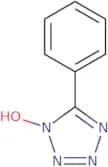
CAS:<p>Versatile small molecule scaffold</p>Formula:C7H14N2O3Purity:Min. 95%Molecular weight:174.2 g/mol5-Phenyl-1H-1,2,3,4-tetrazol-1-ol
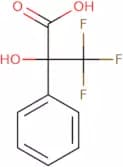
CAS:<p>5-Phenyl-1H-1,2,3,4-tetrazol-1-ol is a hydrophilic chemical that has been used as a coupling agent. It has been employed in the production of polyurethane elastomers and polyurethane foams. The substituents on this molecule can be classified as multilayer or sterically bulky. 5-Phenyl-1H-1,2,3,4-tetrazol-1-ol also regenerates easily by means of alkaline reactions and yields high yields under mild conditions. This compound is not soluble in water but is soluble in ethylene oxide and organic solvents. 5-Phenyl-1H-1,2,3,4-tetrazol-1-ol is hydrophobic and does not react with silver halides.</p>Formula:C7H6N4OPurity:Min. 95%Molecular weight:162.15 g/mol3,3,3-Trifluoro-2-hydroxy-2-phenylpropanoic acid
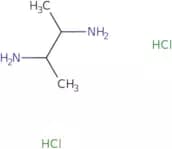
CAS:Versatile small molecule scaffoldFormula:C9H7F3O3Purity:Min. 95%Molecular weight:220.14 g/molButane-2,3-diamine dihydrochloride
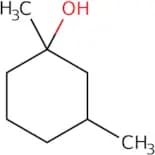
CAS:<p>Versatile small molecule scaffold</p>Formula:C4H14Cl2N2Purity:Min. 95%Molecular weight:161.07 g/mol1,3-Dimethylcyclohexan-1-ol
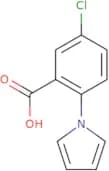
CAS:<p>Versatile small molecule scaffold</p>Formula:C8H16OPurity:Min. 95%Molecular weight:128.21 g/mol5-Chloro-2-(1H-pyrrol-1-yl)benzoic acid
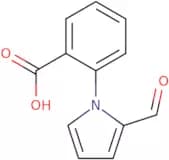
CAS:<p>Versatile small molecule scaffold</p>Formula:C11H8ClNO2Purity:Min. 95%Color and Shape:PowderMolecular weight:221.64 g/mol2-(2-Formyl-1H-pyrrol-1-yl)benzoic acid
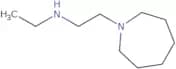
CAS:<p>Versatile small molecule scaffold</p>Formula:C12H9NO3Purity:Min. 95%Molecular weight:215.2 g/molN-(2-Azepan-1-ylethyl)-N-ethylamine
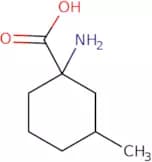
CAS:<p>Versatile small molecule scaffold</p>Formula:C10H22N2Purity:Min. 95%Molecular weight:170.3 g/mol1-Amino-3-methylcyclohexanecarboxylic acid
CAS:<p>1-Amino-3-methylcyclohexanecarboxylic acid is an amino acid that can inhibit the growth of Ochromonas. It has been shown to reduce the number of protozoa in a mouse model, which may be due to its ability to inhibit cyclic adenosine monophosphate (cAMP) production in phagocytes. 1-Amino-3-methylcyclohexanecarboxylic acid is also known for its glycine and l-alanine content, which are both essential for all life forms. This amino acid is found in the cells of all organisms and is necessary for protein synthesis and cell growth.</p>Formula:C8H15NO2Purity:Min. 95%Molecular weight:157.21 g/mol2-Dimethylamino-pyrimidine-5-carbaldehyde
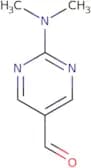
CAS:Versatile small molecule scaffoldFormula:C7H9N3OPurity:Min. 95%Molecular weight:151.17 g/molt-Butyl methyl fumarate
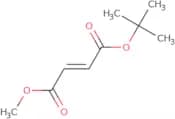
CAS:<p>t-Butyl methyl fumarate is a white crystalline powder with a molecular weight of 236.2 g/mol and a solubility in water of 0.05 g/L at 20 °C. It is an organic solvent that can be used as an initiator for free radical polymerization reactions, such as vinyl polymers, which are homopolymers or copolymers derived from the monomer ethylene. t-Butyl methyl fumarate has a boiling point of -21 °C and can be used as a solvent for organic compounds. It is soluble in organic solvents such as xylene, benzene, toluene, and dichloromethane. In the gas phase it has been found to have a critical temperature of 143 °C with no observable melting point.</p>Formula:C9H14O4Purity:Min. 95%Molecular weight:186.21 g/mol1,2-Benzoxazol-7-ol
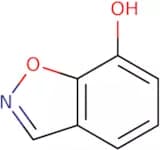
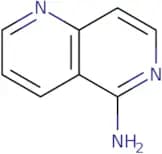
CAS:<p>Versatile small molecule scaffold</p>Formula:C7H5NO2Purity:Min. 95%Molecular weight:135.12 g/mol1,6-Naphthyridin-5-amine
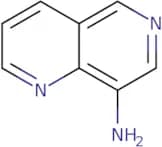
CAS:<p>Versatile small molecule scaffold</p>Formula:C8H7N3Purity:Min. 95%Molecular weight:145.17 g/mol1,6-Naphthyridin-8-amine
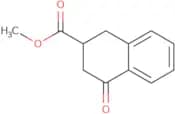
CAS:<p>Versatile small molecule scaffold</p>Formula:C8H7N3Purity:Min. 95%Molecular weight:145.16 g/molMethyl 4-oxo-1,2,3,4-tetrahydronaphthalene-2-carboxylate
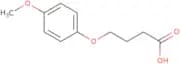
CAS:<p>Versatile small molecule scaffold</p>Formula:C12H12O3Purity:Min. 95%Molecular weight:204.22 g/mol4-(4-Methoxyphenoxy)butanoic acid
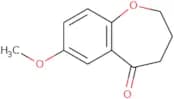
CAS:Controlled Product<p>4-(4-Methoxyphenoxy)butanoic acid is a reagent that yields an exothermic reaction when heated in hexane. It is used in the acylation of carboxylic acids with chlorides, forming esters. Impurities include chlorides and carbocations, which may react to form a reaction product. 4-(4-Methoxyphenoxy)butanoic acid is also used as an intermediate for making other compounds, including pharmaceuticals.</p>Formula:C11H14O4Purity:Min. 95%Molecular weight:210.23 g/mol7-Methoxy-2,3,4,5-tetrahydro-1-benzoxepin-5-one
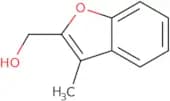
CAS:<p>Versatile small molecule scaffold</p>Formula:C11H12O3Purity:Min. 95%Molecular weight:192.21 g/mol3-Methylbenzofuran-2-methanol
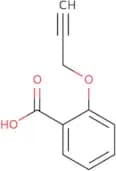
CAS:<p>Versatile small molecule scaffold</p>Formula:C10H10O2Purity:Min. 95%Molecular weight:162.19 g/mol2-(2-Propynyloxy)benzenecarboxylic acid
CAS:Versatile small molecule scaffoldFormula:C10H8O3Purity:Min. 95%Molecular weight:176.17 g/mol3-Methoxy-N-methyl-1-propanamine HCl
CAS:<p>Versatile small molecule scaffold</p>Formula:C5H14ClNOPurity:Min. 95%Molecular weight:139.62 g/mol
![Methyl 5-methoxy-1H-pyrrolo[3,2-b]pyridine-2-carboxylate](/_next/image/?url=https%3A%2Fstatic.cymitquimica.com%2Fproducts%2F3D%2Fthumb-webp%2FEBA54655.webp&w=3840&q=75)







![4-Chloro-1H-imidazo[4,5-c]pyridine](/_next/image/?url=https%3A%2Fstatic.cymitquimica.com%2Fproducts%2F3D%2Fthumb-webp%2FFC32403.webp&w=3840&q=75)

![6-Methylindolo[1,2-c]quinazolin-12-amine](/_next/image/?url=https%3A%2Fstatic.cymitquimica.com%2Fproducts%2F3D%2Fthumb-webp%2FFCA33812.webp&w=3840&q=75)

![4-[(4-Methylphenyl)amino]-2,3-dihydro-1,6-thiophene-1,1-dione](/_next/image/?url=https%3A%2Fstatic.cymitquimica.com%2Fproducts%2F3D%2Fthumb-webp%2FFCA35770.webp&w=3840&q=75)
![2-{[(tert-butoxy)carbonyl]amino}-2-(4-methoxyphenyl)acetic acid](/_next/image/?url=https%3A%2Fstatic.cymitquimica.com%2Fproducts%2F3D%2Fthumb-webp%2FFCA36276.webp&w=3840&q=75)
![5H,6H,7H,8H-Imidazo[1,2-a]pyridine-3-carboxylic acid](/_next/image/?url=https%3A%2Fstatic.cymitquimica.com%2Fproducts%2F3D%2Fthumb-webp%2FFCA36504.webp&w=3840&q=75)
![[1,2,4]Triazolo[1,5-a]pyrazin-8-amine](/_next/image/?url=https%3A%2Fstatic.cymitquimica.com%2Fproducts%2F3D%2Fthumb-webp%2FFCA36618.webp&w=3840&q=75)

![5-[4-(Trifluoromethyl)phenyl]furan-2-carbaldehyde](/_next/image/?url=https%3A%2Fstatic.cymitquimica.com%2Fproducts%2F3D%2Fthumb-webp%2FFCA37777.webp&w=3840&q=75)

![3,6-Dibromopyrazolo[1,5-a]pyrimidine](/_next/image/?url=https%3A%2Fstatic.cymitquimica.com%2Fproducts%2F3D%2Fthumb-webp%2FFCA40568.webp&w=3840&q=75)
![[2-Amino-3-(trifluoromethyl)phenyl]methanol](/_next/image/?url=https%3A%2Fstatic.cymitquimica.com%2Fproducts%2F3D%2Fthumb-webp%2FFCA41460.webp&w=3840&q=75)

![2,4-dimethylimidazo[1,5-a]pyrimidine-8-carboxamide](/_next/image/?url=https%3A%2Fstatic.cymitquimica.com%2Fproducts%2F3D%2Fthumb-webp%2FFCA41816.webp&w=3840&q=75)
![o-[(3-Chlorophenyl)methyl]hydroxylamine](/_next/image/?url=https%3A%2Fstatic.cymitquimica.com%2Fproducts%2F3D%2Fthumb-webp%2FFCA41831.webp&w=3840&q=75)
![2-[3-(4-Chlorophenyl)-1-phenyl-1H-pyrazol-4-yl]acetonitrile](/_next/image/?url=https%3A%2Fstatic.cymitquimica.com%2Fproducts%2F3D%2Fthumb-webp%2FFCA43207.webp&w=3840&q=75)
![Ethyl 2-[4-(2-aminoethyl)phenoxy]acetate hydrochloride](/_next/image/?url=https%3A%2Fstatic.cymitquimica.com%2Fproducts%2F3D%2Fthumb-webp%2FFCA45881.webp&w=3840&q=75)
![2-[(2-Methylpropyl)amino]-1-phenylethan-1-ol](/_next/image/?url=https%3A%2Fstatic.cymitquimica.com%2Fproducts%2F3D%2Fthumb-webp%2FFCA47491.webp&w=3840&q=75)
![2-{[(tert-Butoxy)carbonyl]amino}-2-(2-hydroxyphenyl)acetic acid](/_next/image/?url=https%3A%2Fstatic.cymitquimica.com%2Fproducts%2F3D%2Fthumb-webp%2FFCA47747.webp&w=3840&q=75)

![5-Bromo-[1,2,4]triazolo[1,5-a]pyrazine](/_next/image/?url=https%3A%2Fstatic.cymitquimica.com%2Fproducts%2F3D%2Fthumb-webp%2FFCA47878.webp&w=3840&q=75)
![Propyl[2-(pyridin-2-yl)ethyl]amine](/_next/image/?url=https%3A%2Fstatic.cymitquimica.com%2Fproducts%2F3D%2Fthumb-webp%2FFCA49657.webp&w=3840&q=75)