Building Blocks
This section contains fundamental products for the synthesis of organic and biological compounds. Building blocks are the essential starting materials used to construct complex molecules through various chemical reactions. They play a critical role in drug discovery, material science, and chemical research. At CymitQuimica, we offer a diverse range of high-quality building blocks to support your innovative research and industrial projects, ensuring you have the essential components for successful synthesis.
Subcategories of "Building Blocks"
- Boronic Acids & Boronic Acid Derivatives(5,756 products)
- Chiral Building Blocks(1,242 products)
- Hydrocarbon Building Blocks(6,095 products)
- Organic Building Blocks(61,055 products)
Found 199650 products of "Building Blocks"
Sort by
Purity (%)
0
100
|
0
|
50
|
90
|
95
|
100
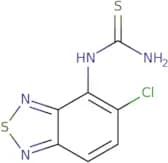
(5-Chloro-2,1,3-benzothiadiazol-4-yl)thiourea
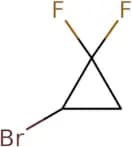
CAS:<p>Versatile small molecule scaffold</p>Formula:C7H5ClN4S2Purity:Min. 95%Molecular weight:244.7 g/mol2-Bromo-1,1-difluorocyclopropane
CAS:<p>Versatile small molecule scaffold</p>Formula:C3H3BrF2Purity:Min. 95%Molecular weight:156.96 g/mol1-Amino-4-tert-butylcyclohexane-1-carbonitrile hydrochloride
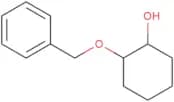
CAS:<p>Versatile small molecule scaffold</p>Formula:C11H21ClN2Purity:Min. 95%Molecular weight:216.75 g/molrac-(1R,2R)-2-(Benzyloxy)cyclohexan-1-ol
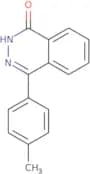
CAS:<p>Versatile small molecule scaffold</p>Formula:C13H18O2Purity:Min. 95%Molecular weight:206.28 g/mol4-(4-Methylphenyl)-1,2-dihydrophthalazin-1-one
CAS:<p>Versatile small molecule scaffold</p>Formula:C15H12N2OPurity:Min. 95%Molecular weight:236.27 g/mol1-[5-(4-Bromophenyl)thiophen-2-yl]ethan-1-one
CAS:<p>Versatile small molecule scaffold</p>Formula:C12H9BrOSPurity:Min. 95%Molecular weight:281.17 g/mol1-[5-(4-Chlorophenyl)-2-thienyl]-1-ethanone
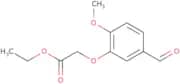
CAS:<p>Versatile small molecule scaffold</p>Formula:C12H9ClOSPurity:Min. 95%Molecular weight:236.72 g/molethyl 2-(5-formyl-2-methoxyphenoxy)acetate
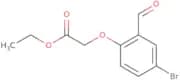
CAS:<p>Versatile small molecule scaffold</p>Formula:C12H14O5Purity:Min. 95%Molecular weight:238.24 g/molEthyl (4-bromo-2-formylphenoxy)acetate
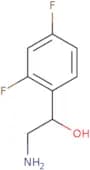
CAS:<p>Versatile small molecule scaffold</p>Formula:C11H11BrO4Purity:Min. 95%Molecular weight:287.1 g/mol2-Amino-1-(2,4-difluorophenyl)ethan-1-ol
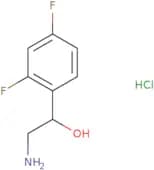
CAS:<p>Versatile small molecule scaffold</p>Formula:C8H9F2NOPurity:Min. 95%Molecular weight:173.16 g/mol2-Amino-1-(2,4-difluorophenyl)ethan-1-ol hydrochloride
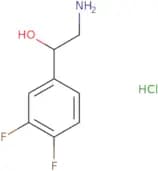
CAS:<p>Versatile small molecule scaffold</p>Formula:C8H10ClF2NOPurity:Min. 95%Molecular weight:209.62 g/mol2-Amino-1-(3,4-difluorophenyl)ethan-1-ol hydrochloride
CAS:<p>Versatile small molecule scaffold</p>Formula:C8H10ClF2NOPurity:Min. 95%Molecular weight:209.62 g/mol5-(Bromomethyl)-1,3-oxazolidin-2-one
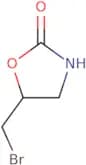
CAS:<p>5-(Bromomethyl)-1,3-oxazolidin-2-one is a synthetic compound that has been shown to be pharmacologically active in mice. It can be synthesized by the electrochemical oxidation of benzene and alcohols. 5-(Bromomethyl)-1,3-oxazolidin-2-one has been shown to have selectivities for cyclic and nucleophilic substrates over tetrafluoroborate substrates. The yields of this reaction are typically low due to the competing reactions between the substrate and oxidant. 5-(Bromomethyl)-1,3-oxazolidin-2-one has been shown to have selective chiral centers due to its spirocyclic structure. It also shows pharmacological effects in mice, which may be due to its ability to inhibit cyclooxygenase (COX) activity.</p>Formula:C4H6BrNO2Purity:Min. 95%Molecular weight:180 g/mol2-(2,2-Dimethylpropyl)benzoic acid
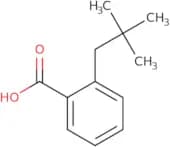
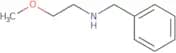
CAS:<p>2-(2,2-Dimethylpropyl)benzoic acid is an organic compound with the formula CH3COCH2C6H5CO2H. It is a white crystalline solid that is soluble in water and polar organic solvents. The compound is used in the synthesis of other compounds. 2-(2,2-Dimethylpropyl)benzoic acid can be prepared by reacting benzoic acid with magnesium to form a Grignard reagent, which reacts with chlorobenzene to yield the desired product. This compound has been shown to react selectively with substituents on benzyl chloride to produce substituted benzoates.</p>Formula:C12H16O2Purity:Min. 95%Molecular weight:192.25 g/molN-Benzyl-n-(2-methoxyethyl)amine
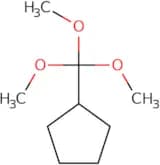
CAS:<p>Versatile small molecule scaffold</p>Formula:C10H15NOPurity:Min. 95%Molecular weight:165.23 g/mol(Trimethoxymethyl)cyclopentane
CAS:<p>Versatile small molecule scaffold</p>Formula:C9H18O3Purity:Min. 95%Molecular weight:174.24 g/mol(4-Chloro-3,5-dimethyl-1H-pyrazol-1-yl)methanol
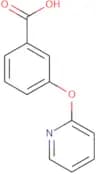
CAS:<p>Versatile small molecule scaffold</p>Formula:C6H9ClN2OPurity:Min. 95%Molecular weight:160.6 g/mol3-(Pyridin-2-yloxy)benzoic acid
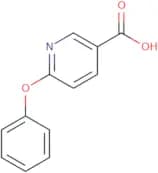
CAS:<p>3-(Pyridin-2-yloxy)benzoic acid is an organic compound that belongs to the group of anilides. It has been shown to be toxic to plants by inhibiting their chlorophyll production and by causing phytotoxicity. 3-(Pyridin-2-yloxy)benzoic acid also inhibits the germination of seeds, primarily due to its inhibition of growth hormone activity. 3-(Pyridin-2-yloxy)benzoic acid can be used as a herbicide because it is highly effective against broadleaf plants, but not grasses. This compound is also relatively non-toxic to mammals and birds, but can cause skin irritation in humans.</p>Formula:C12H9NO3Purity:Min. 95%Molecular weight:215.2 g/mol6-Phenoxynicotinic acid
CAS:<p>6-Phenoxynicotinic acid is an anticancer agent that is potent against a number of human cancer cell lines. It has shown anti-cancer efficacy in animal models and is known to interact with the cancer cells by modifying their DNA. 6-Phenoxynicotinic acid inhibits the growth of cancer cells by inhibiting the synthesis of specific proteins required for cell division. This compound has been synthesized and shown to have potent anticancer activity, which may be due to its ability to inhibit tyrosine kinases, leading to inhibition of protein synthesis.</p>Formula:C12H9NO3Purity:Min. 95%Molecular weight:215.2 g/mol6-(4-Chlorophenoxy)pyridine-2-carboxylic acid
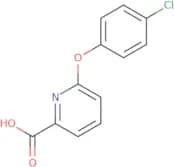
CAS:<p>Versatile small molecule scaffold</p>Formula:C12H8ClNO3Purity:Min. 95%Molecular weight:249.65 g/mol4-(Pyridin-2-yloxy)benzoic acid
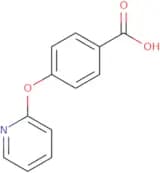
CAS:<p>Versatile small molecule scaffold</p>Formula:C12H9NO3Purity:Min. 95%Molecular weight:215.2 g/molEthyl 4,4-difluoro-3-oxopentanoate
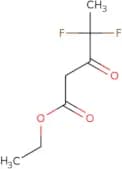
CAS:<p>Versatile small molecule scaffold</p>Formula:C7H10F2O3Purity:Min. 95%Molecular weight:180.15 g/mol(2S)-2-(Bromomethyl)pyrrolidine hydrobromide
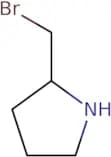
CAS:<p>Versatile small molecule scaffold</p>Formula:C5H10BrNPurity:Min. 95%Molecular weight:164.04 g/molDec-9-en-1-amine
CAS:<p>Dec-9-en-1-amine is a heterobifunctional amine with a diazonium salt. It can be used to immobilize biomolecules to surfaces using electrochemical methods. Dec-9-en-1-amine reacts with oxalyl chloride to produce the corresponding amide, which is then reacted with a secondary amine to form an oxazoline. The reaction of a primary amine with the oxazoline forms an azide and the final product is an oxazolidinone. The hybridization of DNA fragments can be detected by labeling one of the strands with a fluorescent dye and measuring changes in fluorescence as the two strands separate during hybridization.</p>Formula:C10H21NPurity:Min. 95%Molecular weight:155.28 g/mol2-Azepan-1-yl-ethylamine
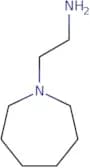
CAS:<p>Versatile small molecule scaffold</p>Formula:C8H18N2Purity:Min. 95%Molecular weight:142.25 g/mol3-[(Diethylamino)methyl]-4-ethoxyaniline
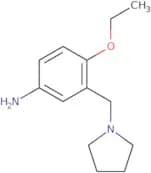
CAS:<p>Versatile small molecule scaffold</p>Formula:C13H22N2OPurity:Min. 95%Molecular weight:222.33 g/mol4-Ethoxy-3-(pyrrolidin-1-ylmethyl)aniline
CAS:<p>Versatile small molecule scaffold</p>Formula:C13H20N2OPurity:Min. 95%Molecular weight:220.31 g/mol1-Azaspiro[3.3]heptane oxalate
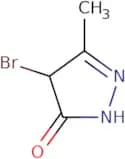
CAS:<p>Versatile small molecule scaffold</p>Formula:C14H24N2O4Purity:Min. 95%Molecular weight:284.36 g/mol4-Bromo-3-methyl-1H-pyrazol-5(4H)-one
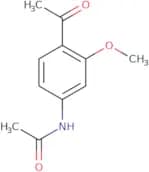
CAS:<p>Versatile small molecule scaffold</p>Formula:C4H5BrN2OPurity:Min. 95%Molecular weight:177 g/molN-(4-Acetyl-3-methoxyphenyl)acetamide
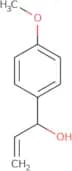
CAS:<p>Versatile small molecule scaffold</p>Formula:C11H13NO3Purity:Min. 95%Molecular weight:207.23 g/mol1-(4-Methoxyphenyl)prop-2-en-1-ol
CAS:<p>1-(4-Methoxyphenyl)prop-2-en-1-ol (1MPE) is a model compound that has been shown to inhibit the growth of cancer cells in vitro and in vivo. 1MPE inhibits the activity of human liver enzymes, such as cytochrome P450, which are involved in metabolizing xenobiotics and drugs. 1MPE also binds to the DNA repair enzyme topoisomerase II alpha and inhibits its activity. The binding of 1MPE with this enzyme prevents the relaxation of DNA, leading to cell death by apoptosis. 1MPE has been shown to have toxic effects on rat primary hepatocytes and rat liver microsomes. It also inhibits the growth of CD-1 mice transplanted with human colon tumor cells. In addition, 1MPE is excreted unchanged in urine samples from rats dosed orally with high doses of this drug.</p>Formula:C10H12O2Purity:Min. 95%Molecular weight:164.2 g/molAlrestatin
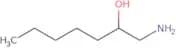
CAS:<p>Alrestatin is a molecule that inhibits the activity of enzymes in the reductase family. Alrestatin has been shown to inhibit both reductases and their binding partner, prostaglandin synthase. It also inhibits the formation of pro-inflammatory mediators by inhibiting enzyme activities. Alrestatin has been shown to be effective against nonsteroidal anti-inflammatory drugs (NSAIDs) such as aspirin, ibuprofen, and indomethacin.</p>Formula:C14H9NO4Purity:Min. 95%Molecular weight:255.23 g/mol1-Aminoheptan-2-ol
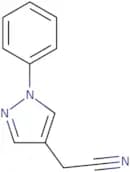
CAS:<p>Versatile small molecule scaffold</p>Formula:C7H17NOPurity:Min. 95%Molecular weight:131.22 g/mol2-(1-Phenyl-1H-pyrazol-4-yl)acetonitrile
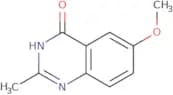
CAS:<p>2-(1-Phenyl-1H-pyrazol-4-yl)acetonitrile is a chemical compound that belongs to the group of methylamines. It can be found in bacteria, where it has been shown to react with methylamine to form tautomers. 2-(1-Phenyl-1H-pyrazol-4-yl)acetonitrile has biological activity and can be detected by the spectra of its compounds. The biological activity may be due to its ability to cyclize into a pyrazole ring or react with other chemicals.</p>Formula:C11H9N3Purity:Min. 95%Molecular weight:183.21 g/mol6-Methoxy-2-methylquinazolin-4-ol
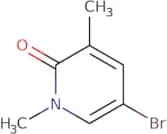
CAS:<p>Versatile small molecule scaffold</p>Formula:C10H10N2O2Purity:Min. 95%Molecular weight:190.2 g/mol5-Bromo-1,3-dimethylpyridin-2(1H)-one
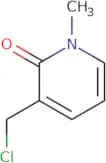
CAS:<p>Benzyne is a reactive intermediate that is formed by the tautomerization of 5-bromo-1,3-dimethylpyridin-2(1H)-one. It is an adduct between a bromine atom and a benzene ring. This compound has been shown to react with electron-rich olefins to form bicyclic compounds called diels-alder adducts. These reactions are often catalyzed by metals, such as palladium or nickel. Benzyne also reacts with triple bonds or other electron rich centers to form benzyne adducts, which are highly reactive and can be used as chemical probes for electron density in molecules.</p>Formula:C7H8BrNOPurity:Min. 95%Molecular weight:202.05 g/mol3-(Chloromethyl)-1-methyl-1,2-dihydropyridin-2-one
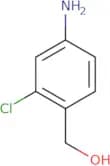
CAS:<p>Versatile small molecule scaffold</p>Formula:C7H8ClNOPurity:Min. 95%Molecular weight:157.6 g/mol(4-Amino-2-chlorophenyl)methanol
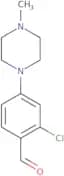
CAS:<p>Versatile small molecule scaffold</p>Formula:C7H8ClNOPurity:Min. 95%Molecular weight:157.6 g/mol2-Chloro-4-(4-methylpiperazino)benzaldehyde
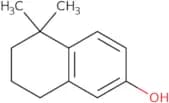
CAS:<p>Versatile small molecule scaffold</p>Formula:C12H15ClN2OPurity:Min. 95%Molecular weight:238.72 g/mol5,5-Dimethyl-5,6,7,8-tetrahydronaphthalen-2-ol
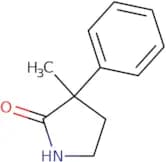
CAS:<p>Versatile small molecule scaffold</p>Formula:C12H16OPurity:Min. 95%Molecular weight:176.25 g/mol3-Methyl-3-phenylpyrrolidin-2-one
CAS:<p>Versatile small molecule scaffold</p>Formula:C11H13NOPurity:Min. 95%Molecular weight:175.23 g/mol3-[(6-Chloro-4-phenylquinazolin-2-yl)amino]propan-1-ol
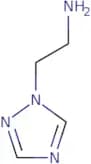
CAS:<p>Versatile small molecule scaffold</p>Formula:C17H16ClN3OPurity:Min. 95%Molecular weight:313.8 g/mol2-(1H-1,2,4-triazol-1-yl)ethanamine hydrochloride
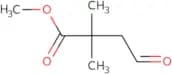
CAS:<p>Versatile small molecule scaffold</p>Formula:C4H9ClN4Purity:Min. 95%Molecular weight:148.59 g/molMethyl 2,2-dimethyl-4-oxobutanoate
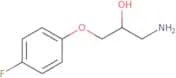
CAS:<p>Versatile small molecule scaffold</p>Formula:C7H12O3Purity:Min. 95%Molecular weight:144.17 g/mol1-Amino-3-(4-fluorophenoxy)propan-2-ol
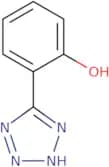
CAS:<p>Versatile small molecule scaffold</p>Formula:C9H12FNO2Purity:Min. 95%Molecular weight:185.2 g/mol2-(1H-Tetrazol-5-yl)phenol
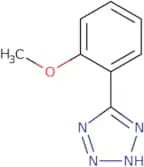
CAS:<p>2-(1H-Tetrazol-5-yl)phenol (HTZP) is a fluorescent probe that has been shown to have a high affinity for cancer cells. It binds to the DNA of cancer cells and emits light in the presence of hydrogen peroxide. This process generates a signal with a unique wavelength that can be detected by optical microscopy, flow cytometry, and fluorescence spectroscopy. HTZP has also been shown to bind to alkali metal ions such as Li+, K+, Na+, and Cs+. HTZP is an example of a supramolecular ligand that binds to cisplatin, which inhibits DNA replication and protein synthesis in cancer cells. The binding constants for HTZP are higher than those for cisplatin, suggesting that it may be used as an alternative treatment for cancer.</p>Formula:C7H6N4OPurity:Min. 95%Molecular weight:162.15 g/mol5-(2-Methoxyphenyl)-1H-1,2,3,4-tetrazole
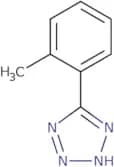
CAS:<p>Versatile small molecule scaffold</p>Formula:C8H8N4OPurity:Min. 95%Molecular weight:176.18 g/mol5-(o-Tolyl)tetrazole
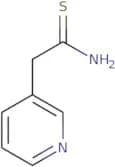
CAS:<p>5-(o-Tolyl)tetrazole is a compound that can be synthesized by the reaction of tetrazole with an aldehyde. It has been shown to have high efficiency in the preparation of halides, including chlorides and bromides. 5-(o-Tolyl)tetrazole is also efficient for the synthesis of functional groups, such as methyl tetrazole, ethyl tetrazole, phenyl tetrazole, and substituted phenyl tetrazoles. The cyclic form of 5-(o-tolyl)tetrazole is obtained through irradiation or catalysis.<br>5-(o-Tolyl)tetrazole can also be used as a ligand in coordination chemistry to generate metal complexes with various metals.</p>Formula:C8H8N4Purity:Min. 95%Molecular weight:160.18 g/mol2-(Pyridin-3-yl)ethanethioamide
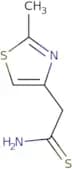
CAS:<p>Versatile small molecule scaffold</p>Formula:C7H8N2SPurity:Min. 95%Molecular weight:152.22 g/mol2-(2-Methyl-1,3-thiazol-4-yl)ethanethioamide
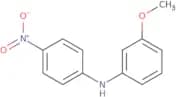
CAS:Versatile small molecule scaffoldFormula:C6H8N2S2Purity:Min. 95%Molecular weight:172.3 g/mol3-Methoxy-N-(4-nitrophenyl)aniline
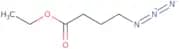
CAS:<p>Versatile small molecule scaffold</p>Formula:C13H12N2O3Purity:Min. 95%Molecular weight:244.25 g/molethyl 4-azidobutanoate
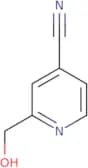
CAS:<p>Ethyl 4-azidobutanoate is a radiotracer that binds to the DNA of tumor cells. It has been shown to have high binding activity in xenograft models, which is mediated by the interaction between ethyl 4-azidobutanoate and nucleophilic sites on the DNA. This radiotracer also has a high specificity for tumors, with no detectable uptake in other tissues. Ethyl 4-azidobutanoate can be used as a diagnostic agent for detecting and quantifying radiation-induced damage in cells and tissues.</p>Formula:C6H11N3O2Purity:Min. 95%Molecular weight:157.17 g/mol2-(Hydroxymethyl)pyridine-4-carbonitrile
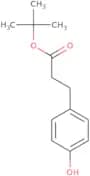
CAS:<p>2-(Hydroxymethyl)pyridine-4-carbonitrile is a methyl ester of 4-cyanopyridine and cysteine, which are two natural amino acids. This compound has been found to be an intermediate in the biosynthesis of thiazoles. It can also be synthesized from the coupling of 2-cyanopyridines with aldehydes or ketones using metal catalysts, such as palladium or platinum. 2-(Hydroxymethyl)pyridine-4-carbonitrile was first identified in luciferin, a biomimetic compound that produces light when oxidized by an enzyme called luciferase.</p>Formula:C7H6N2OPurity:Min. 95%Molecular weight:134.14 g/moltert-Butyl 3-(4-hydroxyphenyl)propanoate
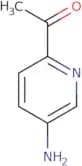
CAS:<p>Versatile small molecule scaffold</p>Formula:C13H18O3Purity:Min. 95%Molecular weight:222.28 g/mol1-(5-Aminopyridin-2-yl)ethan-1-one
CAS:<p>Versatile small molecule scaffold</p>Formula:C7H8N2OPurity:Min. 95%Molecular weight:136.15 g/molthiophene-3-carboxamide
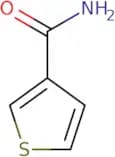
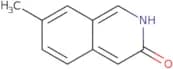
CAS:<p>Thiophene-3-carboxamide is an antibacterial agent that inhibits the growth of bacteria by binding to their ribosomes and inhibiting protein synthesis. It has been shown to be active against influenza virus, highlighting its potential as a drug for the treatment of influenza. Thiophene-3-carboxamide also has anti-tumor activities and can inhibit cancer cell growth by preventing DNA replication and RNA transcription. This drug binds to the viral neuraminidase, which is an enzyme that cleaves sialic acid from glycoproteins in the host cell membrane. This inhibits the release of progeny viruses from infected cells, thus reducing viral load.</p>Formula:C5H5NOSPurity:Min. 95%Molecular weight:127.17 g/mol7-Methyl-2,3-dihydroisoquinolin-3-one
CAS:Versatile small molecule scaffoldFormula:C10H9NOPurity:Min. 95%Molecular weight:159.18 g/mol6-Chloroisoquinolin-3(2H)-one
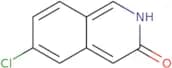
CAS:<p>Versatile small molecule scaffold</p>Formula:C9H6ClNOPurity:Min. 95%Molecular weight:179.6 g/mol8-Chloroisoquinolin-3(2H)-one
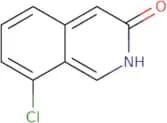
CAS:<p>Versatile small molecule scaffold</p>Formula:C9H6ClNOPurity:Min. 95%Molecular weight:179.6 g/mol2-ethoxypyridin-3-amine
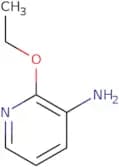
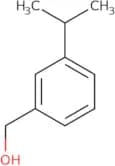
CAS:<p>Versatile small molecule scaffold</p>Formula:C7H10N2OPurity:Min. 95%Molecular weight:138.17 g/mol(3-Isopropylphenyl)methanol
CAS:<p>Versatile small molecule scaffold</p>Formula:C10H14OPurity:Min. 95%Molecular weight:150.22 g/mol8-Benzyl-3-oxa-8-azabicyclo[3.2.1]octane-2,4-dione
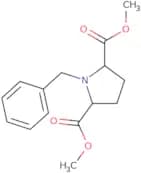
CAS:<p>Versatile small molecule scaffold</p>Formula:C13H13NO3Purity:Min. 95%Molecular weight:231.25 g/mol2,5-Dimethyl 1-benzylpyrrolidine-2,5-dicarboxylate
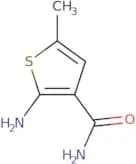
CAS:<p>Versatile small molecule scaffold</p>Formula:C15H19NO4Purity:Min. 95%Molecular weight:277.31 g/mol2-Amino-5-methylthiophene-3-carboxamide
CAS:<p>Versatile small molecule scaffold</p>Formula:C6H8N2OSPurity:Min. 95%Molecular weight:156.21 g/mol3,5-Dimethyl-2-sulfanyl-3H,4H-thieno[2,3-d]pyrimidin-4-one
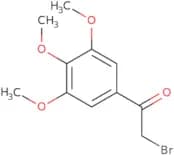
CAS:<p>Versatile small molecule scaffold</p>Formula:C8H8N2OS2Purity:Min. 95%Molecular weight:212.3 g/mol2-Bromo-1-(3,4,5-trimethoxyphenyl)ethan-1-one
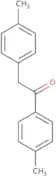
CAS:<p>Versatile small molecule scaffold</p>Formula:C11H13BrO4Purity:Min. 95%Molecular weight:289.12 g/mol1,2-Bis(4-methylphenyl)ethan-1-one
CAS:<p>Versatile small molecule scaffold</p>Formula:C16H16OPurity:Min. 95%Molecular weight:224.3 g/mol6,7,8,9-Tetrahydro-5H-benzo[7]annulen-2-amine hydrochloride
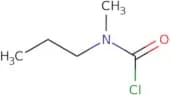
CAS:<p>Versatile small molecule scaffold</p>Formula:C11H16ClNPurity:Min. 95%Molecular weight:197.7 g/molN-Methyl-N-propylcarbamoyl Chloride
CAS:<p>N-Methyl-N-propylcarbamoyl Chloride is an anti-HIV drug that is a carbamate. It has potent anti-HIV activity and is reinvestigated for the treatment of HIV infection. N-Methyl-N-propylcarbamoyl Chloride inhibits reverse transcriptase, which is an enzyme necessary for the synthesis of viral RNA from the DNA template in the host cell. This drug blocks the polymerization of nucleotides, thereby preventing DNA synthesis. The chemical structure of this compound was found to be similar to that of furoxan, a natural substance that has been shown to have anti-HIV activity in vitro and in vivo.</p>Formula:C5H10ClNOPurity:Min. 95%Molecular weight:135.59 g/mol2-{8-Oxatricyclo[7.4.0.0,2,7]trideca-1(9),2(7),3,5,10,12-hexaen-4-yl}acetic acid
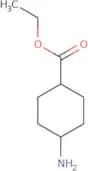
CAS:<p>2-{8-Oxatricyclo[7.4.0.0,2,7]trideca-1(9),2(7),3,5,10,12-hexaen-4-yl}acetic acid (HXA) is an estrogen receptor modulator that binds to the estrogen receptor and blocks its action. HXA has been shown to have a protective effect against radiation damage in cells and tissues of the human body by acting as a scavenger of reactive oxygen species. HXA also has a beneficial effect on mice with neuropathic pain by reducing the hypersensitivity of the peroneal nerve following chronic treatment with this compound.</p>Formula:C14H10O3Purity:Min. 95%Molecular weight:226.23 g/molethyl 4-aminocyclohexane-1-carboxylate, Mixture of diastereomers
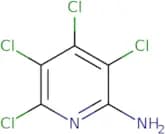
CAS:<p>Ethyl 4-aminocyclohexane-1-carboxylate, mixture of diastereomers (ECA) is a 5-HT1A receptor antagonist. It has been shown to have antagonistic activity in vitro at the 5-HT1A receptor, with a profile that is more potently active than that of other tested antagonists such as ketanserin and ritanserin. ECA has also been shown to be orally bioavailable and to possess a pharmacokinetic profile that is suitable for oral administration. Optimization of this compound for oral delivery may result in improved efficacy in vivo.</p>Formula:C9H17NO2Purity:Min. 95%Molecular weight:171.2 g/molTetrachloropyridin-2-amine
CAS:<p>Tetrachloropyridin-2-amine is a chemical compound. It is the product of the reaction between triphenylphosphine oxide and phosphorus pentachloride in the presence of alcohols. Tetrachloropyridine-2-amine has been shown to be effective against fungi, bacteria, and algae. It has also been used as an herbicide for agricultural purposes.</p>Formula:C5H2Cl4N2Purity:Min. 95%Molecular weight:231.9 g/mol4,5,6-Trichloropyrimidin-2-amine
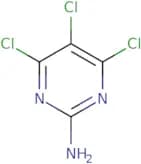
CAS:<p>4,5,6-Trichloropyrimidin-2-amine is a pyrimidine compound that can be synthesized from guanidine nitrate and chloroform. The reaction takes place in the presence of an organic base such as methanol or acetone. This compound has been shown to react with primary amines to form a guanidine derivative, which is then hydrolyzed to form the desired product. 4,5,6-Trichloropyrimidin-2-amine is an efficient synthesis for pyrimidine compounds because it does not require any purification steps before use.</p>Formula:C4H2Cl3N3Purity:Min. 95%Molecular weight:198.43 g/molOctahydro-1H-cyclopenta[b]pyridine
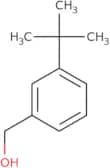
CAS:<p>Octahydro-1H-cyclopenta[b]pyridine is a pyridine with a hydrogen atom in the 1-position. It has been shown to be an analgesic and may have antihistaminic effects. Octahydro-1H-cyclopenta[b]pyridine is not active against γ-aminobutyric acid (GABA), but can act as a competitive inhibitor of α-mannosidase. The compound is an enantiomer of octahydro-2H,6H-[1,3]dioxolo[4,5-g][1,2]benzopyran and can be synthesized by catalytic reduction using hydrogen chloride gas and dioxane as the solvent.</p>Formula:C8H15NPurity:Min. 95%Molecular weight:125.21 g/mol3-tert-Butylbenzyl alcohol
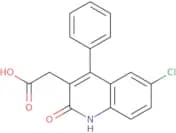
CAS:<p>Versatile small molecule scaffold</p>Formula:C11H16OPurity:Min. 95%Molecular weight:164.25 g/mol(6-Chloro-2-oxo-4-phenyl-1,2-dihydro-quinolin-3-yl)-acetic acid
CAS:<p>Versatile small molecule scaffold</p>Formula:C17H12ClNO3Purity:Min. 95%Molecular weight:313.7 g/mol2-Chlorophenylacetyl Chloride
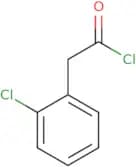
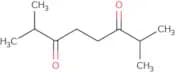
CAS:<p>2-Chlorophenylacetyl Chloride is a chlorinating agent that reacts with alkaline conditions to form a chloride. As an active ingredient in pesticides, it has been shown to have high selectivity and to be selective against fungi. The 2-chlorophenylacetyl chloride can be used as the starting material for epoxiconazole synthesis by Wittig reaction.<br>2-Chlorophenylacetyl Chloride is also a useful intermediate for the preparation of many other compounds. It can be used to synthesize dimethylchloride, which is used in the production of plastics and polymers; or it can be used to prepare formamide, which is used in the production of pharmaceuticals and agrochemicals. This compound has been shown to have catalysis properties and can be used in Wittig reactions that are selective towards different carbonyl groups.</p>Formula:C8H6Cl2OPurity:Min. 95%Molecular weight:189.04 g/mol2,7-Dimethyloctane-3,6-dione
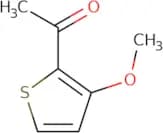
CAS:<p>Versatile small molecule scaffold</p>Formula:C10H18O2Purity:Min. 95%Molecular weight:170.25 g/mol1-(3-Methoxythiophen-2-yl)ethan-1-one
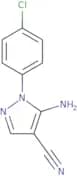
CAS:<p>Versatile small molecule scaffold</p>Formula:C7H8O2SPurity:Min. 95%Molecular weight:156.2 g/mol5-Amino-1-(4-chlorophenyl)-1H-pyrazole-4-carbonitrile
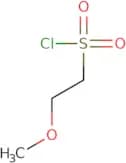
CAS:<p>Versatile small molecule scaffold</p>Formula:C10H7ClN4Purity:Min. 95%Molecular weight:218.64 g/mol2-Methoxyethylsulfonyl chloride
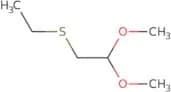
CAS:<p>2-Methoxyethylsulfonyl chloride is a hydroxide and sulfene compound. It has two forms: reversible and irreversible. The reversible form is composed of a carbanion, chloride, and organic compounds. The irreversible form is composed of a hydrolysis product, an anion, and organic compounds. 2-Methoxyethylsulfonyl chloride can be used as an intermediate in the production of other chemicals or pharmaceuticals. It also has been shown to be an effective agent for the synthesis of carboxylic acids from alcohols.</p>Formula:C3H7ClO3SPurity:Min. 95%Molecular weight:158.6 g/mol2-(Ethylsulfanyl)-1,1-dimethoxyethane
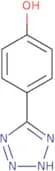
CAS:<p>Versatile small molecule scaffold</p>Formula:C6H14O2SPurity:Min. 95%Molecular weight:150.24 g/mol5-(4-Hydroxyphenyl) tetrazole
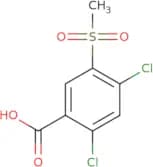
CAS:<p>5-(4-Hydroxyphenyl) tetrazole is a hydrophobic ligand that has been shown to bind to cisplatin and therefore may have potential use in cancer therapy. It has also been used as an anti-inflammatory agent with the potential to inhibit prostaglandin synthesis. 5-(4-Hydroxyphenyl) tetrazole binds to hydrogen peroxide, which is a strong oxidizing agent and produces reactive oxygen species (ROS). ROS can cause DNA damage and lead to cell death by apoptosis or necrosis. 5-(4-Hydroxyphenyl) tetrazole reacts with cisplatin, which is a chemotherapeutic agent that is used in the treatment of various types of cancer. Cisplatin binds to DNA and prevents replication, leading to cell death. Hydrophobic ligands such as 5-(4-Hydroxyphenyl) tetrazole are able to bind more tightly than other ligands because</p>Formula:C7H6N4OPurity:Min. 95%Molecular weight:162.15 g/mol2,4-Dichloro-5-methanesulfonylbenzoic acid
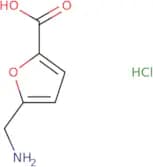
CAS:<p>Versatile small molecule scaffold</p>Formula:C8H6Cl2O4SPurity:Min. 95%Molecular weight:269.1 g/mol5-(Aminomethyl)furan-2-carboxylic acid hydrochloride
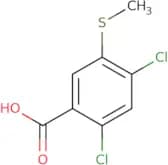
CAS:5-(Aminomethyl)furan-2-carboxylic acid hydrochloride is a monomer that belongs to the group of furans. It is soluble in solvents such as water, ethanol and acetone. 5-(Aminomethyl)furan-2-carboxylic acid hydrochloride can be used as a colorant for plastics and rubbers, or it can be used as an intermediate for other chemicals. This compound has been shown to be easily prepared by the catalyzed reaction of furfurylamine with sodium hydroxide and subsequent oxidation with sodium hypochlorite. The synthesis of this molecule requires a multistep procedure involving the preparation of 5-hydroxybenzoic acid by oxidation with nitric acid, followed by amination with ammonia in methanol, conversion to the corresponding amine salt, and finally hydrolysis of the amine salt in dilute hydrochloric acid.Formula:C6H8ClNO3Purity:Min. 95%Molecular weight:177.58 g/mol2,4-Dichloro-5-(methylsulfanyl)benzoic acid
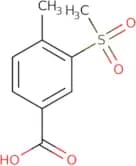
CAS:<p>Versatile small molecule scaffold</p>Formula:C8H6Cl2O2SPurity:Min. 95%Molecular weight:237.1 g/mol3-Methanesulfonyl-4-methylbenzoic acid
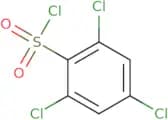
CAS:<p>Versatile small molecule scaffold</p>Formula:C9H10O4SPurity:Min. 95%Molecular weight:214.24 g/mol2,4,6-Trichlorobenzenesulfonyl chloride
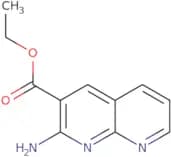
CAS:<p>2,4,6-Trichlorobenzenesulfonyl chloride is a sulfonylating agent that is used to treat metabolic disorders and iron metabolism. It is also used as an x-ray contrast agent for the detection of certain types of cancers. In addition, 2,4,6-trichlorobenzenesulfonyl chloride has been shown to have anti-inflammatory properties in chronic inflammatory diseases. This drug can be used to inhibit the synthesis of hepcidin by blocking the catalytic activity of ferrochelatase. 2,4,6-trichlorobenzenesulfonyl chloride may also be able to reduce inflammation by its ability to form reactive chlorides that react with alcohols and aldehydes. This can lead to deficiency symptoms such as chronic inflammatory disease or alcohol intolerance.</p>Formula:Cl3C6H2SO2ClPurity:Min. 95%Molecular weight:279.96 g/molEthyl 2-amino-1,8-naphthyridine-3-carboxylate
CAS:Versatile small molecule scaffoldFormula:C11H11N3O2Purity:Min. 95%Molecular weight:217.22 g/molThiophene-3-carboximidamide hydrochloride
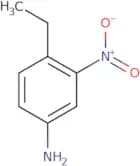
CAS:<p>Versatile small molecule scaffold</p>Formula:C5H7ClN2SPurity:Min. 95%Molecular weight:162.64 g/mol4-Ethyl-3-nitroaniline
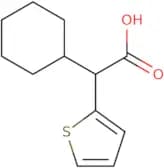
CAS:<p>Versatile small molecule scaffold</p>Formula:C8H10N2O2Purity:Min. 95%Molecular weight:166.18 g/mol2-Cyclohexyl-2-(thiophen-2-yl)acetic acid
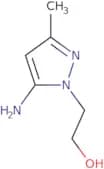
CAS:<p>Versatile small molecule scaffold</p>Formula:C12H16O2SPurity:Min. 95%Molecular weight:224.32 g/mol2-(5-Amino-3-methyl-1H-pyrazol-1-yl)ethanol
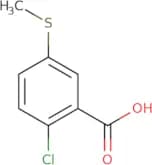
CAS:<p>Versatile small molecule scaffold</p>Formula:C6H11N3OPurity:Min. 95%Molecular weight:141.17 g/mol2-Chloro-5-(methylthio)benzoic acid
CAS:<p>Versatile small molecule scaffold</p>Formula:C8H7ClO2SPurity:Min. 95%Molecular weight:202.66 g/mol3-(Prop-2-en-1-yl)-2-sulfanyl-3H,4H-thieno[2,3-d]pyrimidin-4-one
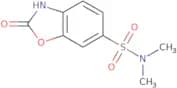
CAS:<p>Versatile small molecule scaffold</p>Formula:C9H8N2OS2Purity:Min. 95%Molecular weight:224.3 g/molN,N-Dimethyl-2-oxo-2,3-dihydro-1,3-benzoxazole-6-sulfonamide
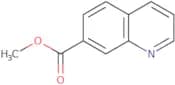
CAS:<p>Versatile small molecule scaffold</p>Formula:C9H10N2O4SPurity:Min. 95%Molecular weight:242.25 g/molMethyl quinoline-7-carboxylate
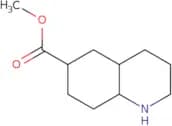
CAS:<p>Methyl quinoline-7-carboxylate is a molecule that inhibits angiotensin-converting enzyme (ACE) and prevents the conversion of angiotensin I to angiotensin II. It also has antihypertensive activity in mice, as well as an antihypertensive effect in transgenic mice with hypertension. Methyl quinoline-7-carboxylate is a nonpeptide inhibitor that has been shown to be effective in treating hypertension in transgenic mouse models. This drug was discovered by scientists at Eli Lilly and Company, who used a mouse model to study the effects of the drug on blood pressure. Methyl quinoline-7-carboxylate is an enantiomeric mixture of two molecules, which are mirror images of each other. The two molecules have identical chemical structures but different spatial arrangements. One of the two molecules is more potent than the other, but both are active inhibitors of ACE and have anti</p>Formula:C11H9NO2Purity:Min. 95%Molecular weight:187.19 g/molMethyl decahydroquinoline-6-carboxylate
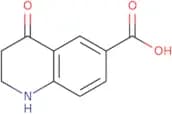
CAS:<p>Versatile small molecule scaffold</p>Formula:C11H19NO2Purity:Min. 95%Molecular weight:197.27 g/mol4-Oxo-1,2,3,4-tetrahydroquinoline-6-carboxylic acid
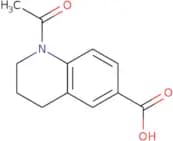
CAS:<p>Versatile small molecule scaffold</p>Formula:C10H9NO3Purity:Min. 95%Molecular weight:191.18 g/mol1-Acetyl-1,2,3,4-tetrahydroquinoline-6-carboxylic acid
CAS:<p>Versatile small molecule scaffold</p>Formula:C12H13NO3Purity:Min. 95%Molecular weight:219.24 g/mol


![1-[5-(4-Bromophenyl)thiophen-2-yl]ethan-1-one](/_next/image/?url=https%3A%2Fstatic.cymitquimica.com%2Fproducts%2F3D%2Fthumb-webp%2FBCA33589.webp&w=3840&q=75)
![1-[5-(4-Chlorophenyl)-2-thienyl]-1-ethanone](/_next/image/?url=https%3A%2Fstatic.cymitquimica.com%2Fproducts%2F3D%2Fthumb-webp%2FBCA33590.webp&w=3840&q=75)


![3-[(Diethylamino)methyl]-4-ethoxyaniline](/_next/image/?url=https%3A%2Fstatic.cymitquimica.com%2Fproducts%2F3D%2Fthumb-webp%2FBCA38807.webp&w=3840&q=75)
![1-Azaspiro[3.3]heptane oxalate](/_next/image/?url=https%3A%2Fstatic.cymitquimica.com%2Fproducts%2F3D%2Fthumb-webp%2FBCA39272.webp&w=3840&q=75)

![3-[(6-Chloro-4-phenylquinazolin-2-yl)amino]propan-1-ol](/_next/image/?url=https%3A%2Fstatic.cymitquimica.com%2Fproducts%2F3D%2Fthumb-webp%2FBCA44354.webp&w=3840&q=75)
![8-Benzyl-3-oxa-8-azabicyclo[3.2.1]octane-2,4-dione](/_next/image/?url=https%3A%2Fstatic.cymitquimica.com%2Fproducts%2F3D%2Fthumb-webp%2FBCA48384.webp&w=3840&q=75)
![3,5-Dimethyl-2-sulfanyl-3H,4H-thieno[2,3-d]pyrimidin-4-one](/_next/image/?url=https%3A%2Fstatic.cymitquimica.com%2Fproducts%2F3D%2Fthumb-webp%2FBCA48614.webp&w=3840&q=75)
![6,7,8,9-Tetrahydro-5H-benzo[7]annulen-2-amine hydrochloride](/_next/image/?url=https%3A%2Fstatic.cymitquimica.com%2Fproducts%2F3D%2Fthumb-webp%2FBCA49017.webp&w=3840&q=75)
![2-{8-Oxatricyclo[7.4.0.0,2,7]trideca-1(9),2(7),3,5,10,12-hexaen-4-yl}acetic acid](/_next/image/?url=https%3A%2Fstatic.cymitquimica.com%2Fproducts%2F3D%2Fthumb-webp%2FBCA49755.webp&w=3840&q=75)
![Octahydro-1H-cyclopenta[b]pyridine](/_next/image/?url=https%3A%2Fstatic.cymitquimica.com%2Fproducts%2F3D%2Fthumb-webp%2FBCA50154.webp&w=3840&q=75)

![3-(Prop-2-en-1-yl)-2-sulfanyl-3H,4H-thieno[2,3-d]pyrimidin-4-one](/_next/image/?url=https%3A%2Fstatic.cymitquimica.com%2Fproducts%2F3D%2Fthumb-webp%2FBCA55004.webp&w=3840&q=75)