


Building Blocks
This section contains fundamental products for the synthesis of organic and biological compounds. Building blocks are the essential starting materials used to construct complex molecules through various chemical reactions. They play a critical role in drug discovery, material science, and chemical research. At CymitQuimica, we offer a diverse range of high-quality building blocks to support your innovative research and industrial projects, ensuring you have the essential components for successful synthesis.
Subcategories of "Building Blocks"
- Boronic Acids & Boronic Acid Derivatives(5,756 products)
- Chiral Building Blocks(1,242 products)
- Hydrocarbon Building Blocks(6,095 products)
- Organic Building Blocks(61,038 products)
Found 196817 products of "Building Blocks"
Sort by
Purity (%)
0
100
|
0
|
50
|
90
|
95
|
100
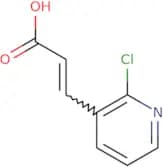
(2E)-3-(2-Chloropyridin-3-yl)prop-2-enoic acid
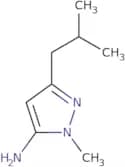
CAS:<p>Versatile small molecule scaffold</p>Formula:C8H6ClNO2Purity:Min. 95%Molecular weight:183.59 g/mol1-Methyl-3-(2-methylpropyl)-1H-pyrazol-5-amine
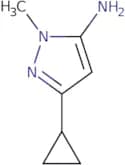
CAS:<p>Versatile small molecule scaffold</p>Formula:C8H15N3Purity:Min. 95%Molecular weight:153.22 g/mol3-Cyclopropyl-1-methyl-1H-pyrazol-5-amine
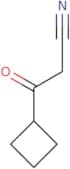
CAS:<p>Versatile small molecule scaffold</p>Formula:C7H11N3Purity:Min. 95%Molecular weight:137.18 g/molb-Oxo-cyclobutanepropanenitrile
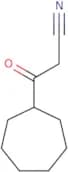
CAS:<p>Versatile small molecule scaffold</p>Formula:C7H9NOPurity:Min. 95%Molecular weight:123.15 g/mol3-Cycloheptyl-3-oxopropanenitrile
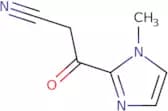
CAS:<p>Versatile small molecule scaffold</p>Formula:C10H15NOPurity:Min. 95%Molecular weight:165.23 g/mol3-(1-Methyl-1H-imidazol-2-yl)-3-oxopropanenitrile
CAS:<p>Versatile small molecule scaffold</p>Formula:C7H7N3OPurity:Min. 95%Molecular weight:149.15 g/molEthyl 4-amino-1-methyl-1H-pyrrole-2-carboxylate hydrochloride
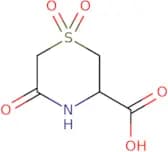
CAS:<p>Ethyl 4-amino-1-methyl-1H-pyrrole-2-carboxylate hydrochloride is a versatile compound with various applications. It is widely used in collagen research and as a building block in the synthesis of alkaloids, fullerenes, fatty acids, and inhibitors. Additionally, it has been studied for its potential therapeutic effects in areas such as icariin, temoporfin, sanguisorba, myo-inositol, antibiotic, hyaluronic acid, and multidrug resistance. With its diverse range of applications, Ethyl 4-amino-1-methyl-1H-pyrrole-2-carboxylate hydrochloride is a valuable compound for researchers and scientists alike.</p>Formula:C8H13ClN2O2Purity:Min. 95%Molecular weight:204.65 g/mol(R)-5-Oxo-3-thiomorpholinecarboxylic acid 1,1-dioxide
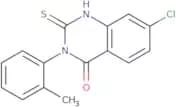
CAS:<p>Versatile small molecule scaffold</p>Formula:C5H7NO5SPurity:Min. 95%Molecular weight:193.18 g/mol7-Chloro-3-(2-methylphenyl)-2-sulfanyl-3,4-dihydroquinazolin-4-one
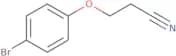
CAS:<p>Versatile small molecule scaffold</p>Formula:C15H11ClN2OSPurity:Min. 95%Molecular weight:302.8 g/mol3-(4-Bromophenoxy)propanenitrile
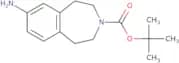
CAS:<p>Versatile small molecule scaffold</p>Formula:C9H8BrNOPurity:Min. 95%Molecular weight:226.07 g/mol3-Boc-7-amino-2,3,4,5-tetrahydro-1H-3-benzazepine
CAS:<p>Versatile small molecule scaffold</p>Formula:C15H22N2O2Purity:Min. 95%Molecular weight:262.35 g/molMethyl 6H-thieno[2,3-b]pyrrole-5-carboxylate
CAS:<p>Versatile small molecule scaffold</p>Formula:C8H7NO2SPurity:Min. 95%Molecular weight:181.21 g/mol2-[4-(Methylsulfanyl)phenyl]ethan-1-amine
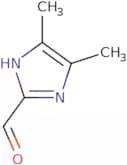
CAS:Controlled Product<p>Versatile small molecule scaffold</p>Formula:C9H13NSPurity:Min. 95%Molecular weight:167.27 g/mol4,5-Dimethyl-1H-imidazole-2-carboxaldehyde
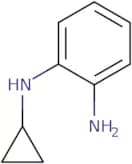
CAS:<p>Versatile small molecule scaffold</p>Formula:C6H8N2OPurity:Min. 95%Molecular weight:124.14 g/mol1-N-Cyclopropylbenzene-1,2-diamine
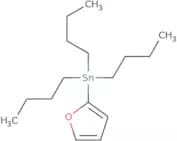
CAS:<p>Versatile small molecule scaffold</p>Formula:C9H12N2Purity:Min. 95%Molecular weight:148.2 g/mol2-(TRIBUTYLSTANNYL)FURAN
CAS:Controlled Product<p>2-(TRIBUTYLSTANNYL)FURAN (2-TBTF) is an irreversible oxidation agent that inhibits the enzyme activity of a number of enzymes, including furyl. It is a cross-coupling agent that can be used for the synthesis of natural products and pharmaceuticals. 2-TBTF has been shown to inhibit inflammatory diseases by inhibiting the cb2 receptor. This drug also has low energy and optical properties that make it suitable for use in molecular modeling studies. 2-TBTF binds to the dna binding proteins, which may lead to its anti-inflammatory effects. It also has transport properties and can be used as an adenosine receptor antagonist, which are important for its effectiveness against autoimmune diseases.</p>Formula:C16H30OSnPurity:Min. 95%Molecular weight:357.12 g/mol1-Methyl-2-(tributylstannyl)pyrrole
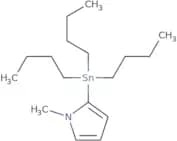
CAS:Controlled Product<p>1-Methyl-2-(tributylstannyl)pyrrole is a tosylate, which is a type of chemical compound that can be converted into other substances by the addition of water. 1-Methyl-2-(tributylstannyl)pyrrole is synthesized from 2,6-dichloroacetophenone and tributyltin chloride. This compound has shown chemotactic activity in neutrophils and mast cells in vitro. It also inhibits the synthesis of proteins and other cellular components. The pharmacokinetic properties of this drug have been studied in rats and mice, with oral absorption being the most suitable route for delivery. The formyl group on this drug may cause it to be used as an orally active form of chemotherapy for autoimmune diseases or as an anti-inflammatory agent.</p>Formula:C17H33NSnPurity:Min. 95%Molecular weight:370.16 g/mol7-Methylthieno[2,3-c]pyridin-5-ol
CAS:<p>Versatile small molecule scaffold</p>Formula:C8H7NOSPurity:Min. 95%Molecular weight:165.21 g/mol4-Amino-7-methylthieno[2,3-c]pyridin-5-ol
CAS:<p>Versatile small molecule scaffold</p>Formula:C8H8N2OSPurity:Min. 95%Molecular weight:180.23 g/molMethyl 2-[hydroxy(pyridin-2-yl)methyl]prop-2-enoate
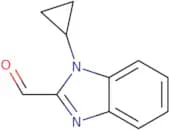
CAS:<p>Versatile small molecule scaffold</p>Formula:C10H11NO3Purity:Min. 95%Molecular weight:193.2 g/mol1-Cyclopropyl-1H-1,3-benzodiazole-2-carbaldehyde
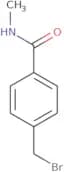
CAS:<p>Versatile small molecule scaffold</p>Formula:C11H10N2OPurity:Min. 95%Molecular weight:186.21 g/mol4-(Bromomethyl)-N-methylbenzamide
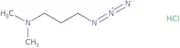
CAS:<p>Versatile small molecule scaffold</p>Formula:C9H10BrNOPurity:Min. 95%Molecular weight:228.09 g/mol(3-Azidopropyl)dimethylamine hydrochloride
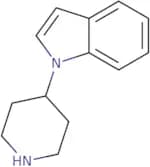
CAS:<p>Versatile small molecule scaffold</p>Formula:C5H12N4•HClPurity:Min. 95%Molecular weight:164.64 g/mol1-(Piperidin-4-yl)-1H-indole
CAS:<p>1-(Piperidin-4-yl)-1H-indole is a white to pale yellow crystalline powder that is soluble in water and oil. It has a molecular weight of 219.2 g/mol and the chemical formula C17H22N2O. The melting point of this compound is 170°C, with a boiling point of 275°F. 1-(Piperidin-4-yl)-1H-indole has been shown to be an alkoxy, hydrates, hydrogen atom, c1-c6 alkyl, c1-c6 alkoxy, c1-c6, hydrogen atoms.</p>Formula:C13H16N2Purity:Min. 95%Molecular weight:200.28 g/mol(5-Chloro-1H-indazol-3-yl)methanamine
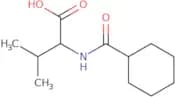
CAS:<p>Versatile small molecule scaffold</p>Formula:C8H8ClN3Purity:Min. 95%Molecular weight:181.62 g/mol2-(Cyclohexylformamido)-3-methylbutanoic acid
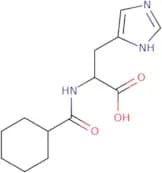
CAS:<p>Versatile small molecule scaffold</p>Formula:C12H21NO3Purity:Min. 95%Molecular weight:227.3 g/mol(2S)-2-(Cyclohexylformamido)-3-(1H-imidazol-4-yl)propanoic acid
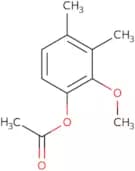
CAS:<p>Versatile small molecule scaffold</p>Formula:C13H19N3O3Purity:Min. 95%Molecular weight:265.31 g/mol2-Methoxy-3,4-dimethylphenyl acetate
CAS:<p>2-Methoxy-3,4-dimethylphenyl acetate is a natural compound found in the essential oil of the bark of Cinnamomum camphora. It has been shown to inhibit the activity of matrix metalloproteinases (MMPs), which are enzymes that degrade collagen and other proteins in the extracellular matrix. MMPs are involved in cancer metastasis and angiogenesis, as well as tissue remodeling after myocardial infarction, and 2-methoxy-3,4-dimethylphenyl acetate may be useful for preventing or treating these processes. This compound also inhibits the activation of c-Jun N-terminal kinase (JNK) and phosphorylation of mitogen activated protein kinase 1/2 (MAPK1/2), leading to reduced mitochondrial membrane potential and cardioprotection.</p>Formula:C11H14O3Purity:Min. 95%Molecular weight:194.23 g/mol2-(4-Fluorobenzoyl)pyrazine
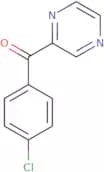
CAS:<p>Versatile small molecule scaffold</p>Formula:C11H7FN2OPurity:Min. 95%Molecular weight:202.18 g/mol2-(4-Chlorobenzoyl)pyrazine
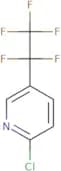
CAS:<p>Versatile small molecule scaffold</p>Formula:C11H7ClN2OPurity:Min. 95%Molecular weight:218.64 g/mol2-Chloro-5-(pentafluoroethyl)pyridine
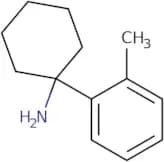
CAS:<p>Versatile small molecule scaffold</p>Formula:C7H3ClF5NPurity:Min. 95%Molecular weight:231.55 g/mol1-(2-Methylphenyl)cyclohexan-1-amine
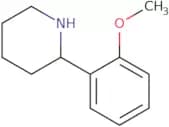
CAS:Controlled Product<p>Versatile small molecule scaffold</p>Formula:C13H19NPurity:Min. 95%Molecular weight:189.3 g/mol2-(2-Methoxyphenyl)piperidine
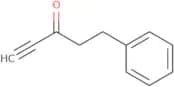
CAS:<p>Versatile small molecule scaffold</p>Formula:C12H17NOPurity:Min. 95%Molecular weight:191.27 g/mol5-Phenylpent-1-yn-3-one
CAS:<p>5-Phenylpent-1-yn-3-one is a chiral, carbonyl derivative that can be used as an intermediate in organic synthesis. It has been shown to be a reagent for the synthesis of enamines and amides. The asymmetric synthesis of 5-phenylpent-1-yn-3-ones is catalyzed by copper. 5-Phenylpent-1-yn-3-one has also been used in the synthesis of surfactants and has been shown to be an efficient electrophilic addition agent. 5-Phenylpent-1y n -3 -one is not an achiral molecule because it can exist as two geometric isomers, cis and trans.</p>Formula:C11H10OPurity:Min. 95%Molecular weight:158.2 g/mol1-(Aminomethyl)-5-methoxy-2,3-dihydro-1H-inden-1-ol
CAS:<p>Versatile small molecule scaffold</p>Formula:C11H15NO2Purity:Min. 95%Molecular weight:193.2 g/molrac-(3aR,6aS)-Hexahydro-1H-cyclopenta[C]thiophen-5-one
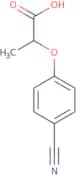
CAS:<p>Versatile small molecule scaffold</p>Formula:C7H10OSPurity:Min. 95%Molecular weight:142.22 g/mol2-(4-Cyanophenoxy)propanoic acid
CAS:<p>Versatile small molecule scaffold</p>Formula:C10H9NO3Purity:Min. 95%Molecular weight:191.18 g/mol4-[(1H-1,2,3-Triazol-1-yl)methyl]benzoic acid
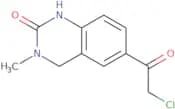
CAS:<p>Versatile small molecule scaffold</p>Formula:C10H9N3O2Purity:Min. 95%Molecular weight:203.2 g/mol6-(2-Chloroacetyl)-3-methyl-1,2,3,4-tetrahydroquinazolin-2-one
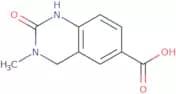
CAS:<p>Versatile small molecule scaffold</p>Formula:C11H11ClN2O2Purity:Min. 95%Molecular weight:238.67 g/mol3-Methyl-2-oxo-1,2,3,4-tetrahydroquinazoline-6-carboxylic acid
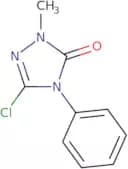
CAS:<p>Versatile small molecule scaffold</p>Formula:C10H10N2O3Purity:Min. 95%Molecular weight:206.2 g/mol3-Chloro-1-methyl-4-phenyl-4,5-dihydro-1H-1,2,4-triazol-5-one
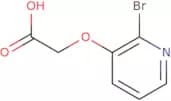
CAS:<p>Versatile small molecule scaffold</p>Formula:C9H8ClN3OPurity:Min. 95%Molecular weight:209.63 g/mol2-((2-Bromopyridin-3-yl)oxy)acetic acid
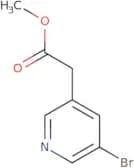
CAS:<p>Versatile small molecule scaffold</p>Formula:C7H6BrNO3Purity:Min. 95%Molecular weight:232.03 g/molMethyl 2-(5-bromopyridin-3-yl)acetate
CAS:<p>Methyl 2-(5-bromopyridin-3-yl)acetate is a potent inhibitor of respiratory syncytial virus (RSV) and other viruses. It inhibits the activity of polyproteins by binding to their ester bond, which blocks their formation. Methyl 2-(5-bromopyridin-3-yl)acetate has been shown to inhibit the synthesis of cysteine proteinase, an enzyme that is responsible for breaking down proteins in the body. This inhibition of the cysteine proteinase leads to an accumulation of proteins and can lead to a number of symptoms such as fever, diarrhea, nausea, vomiting, and abdominal pain. Inhibiting this enzyme also prevents translation by halting ribosomal RNA processing.</p>Formula:C8H8BrNO2Purity:Min. 95%Molecular weight:230.06 g/mol3-Chloro-4-fluoro-6-methylnitrobenzene
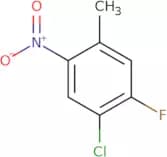
CAS:<p>Versatile small molecule scaffold</p>Formula:C7H5ClFNO2Purity:Min. 95%Molecular weight:189.57 g/mol3-(4-Methylfuran-3-yl)propan-1-ol
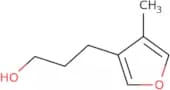
CAS:<p>3-(4-Methylfuran-3-yl)propan-1-ol is a chemical compound that belongs to the group of organic compounds. It is a colorless liquid with a pleasant odor. 3-(4-Methylfuran-3-yl)propan-1-ol has been found in the filtrate of certain plants, such as the endophyte fungi Fusarium verticillioides. It has been shown to have antifeedant properties and can be used in combination with other fungicides, such as tebuconazole or triazole, to control phytopathogens. 3-(4-Methylfuran-3-yl)propan-1-ol may also be used as an additive for food chemistry or in element analysis.</p>Formula:C8H12O2Purity:Min. 95%Molecular weight:140.18 g/molEthyl 2-chloropentanoate
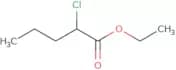
CAS:<p>Versatile small molecule scaffold</p>Formula:C7H13ClO2Purity:Min. 95%Molecular weight:164.63 g/mol2-[(3-Amino-2-pyridinyl)amino]ethanol
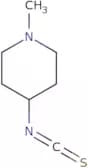
CAS:<p>Versatile small molecule scaffold</p>Formula:C7H11N3OPurity:Min. 95%Molecular weight:153.18 g/mol4-Isothiocyanato-1-methylpiperidine
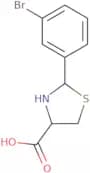
CAS:<p>4-Isothiocyanato-1-methylpiperidine is a type of inhibitor that binds to the kinase and blocks the phosphorylation of proteins. The binding of 4-isothiocyanato-1-methylpiperidine to receptor kinases blocks the activation of these receptors, which prevents growth factor β from binding to them. This leads to inhibition of cell growth by preventing mitosis and cell division. In addition, 4-isothiocyanato-1-methylpiperidine can inhibit the activity of type I receptor kinases in transfected cells, such as luciferase.</p>Formula:C7H12N2SPurity:Min. 95%Molecular weight:156.25 g/mol2-(3-Bromophenyl)-1,3-thiazolidine-4-carboxylic acid
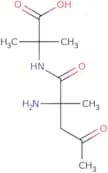
CAS:<p>2-(3-Bromophenyl)-1,3-thiazolidine-4-carboxylic acid is an antiparasitic drug. It is a natural compound that has been approved for the treatment of leishmaniasis. This drug also has antimicrobial activity and has been used to treat bacterial and viral infections. 2-(3-Bromophenyl)-1,3-thiazolidine-4-carboxylic acid is synthesized in a laboratory by reacting 3-bromobenzaldehyde with thiosemicarbazide. This drug may also be used to treat fungal infections such as Candida albicans.</p>Formula:C10H10BrNO2SPurity:Min. 95%Molecular weight:288.16 g/mol2-(2-acetamido-2-methylpropanamido)-2-methylpropanoic acid
CAS:<p>Versatile small molecule scaffold</p>Formula:C10H18N2O4Purity:Min. 95%Molecular weight:230.26 g/mol5-Oxo-2H,3H,5H,9bh-[1,3]thiazolo[2,3-a]isoindole-3-carboxylic acid
CAS:<p>Versatile small molecule scaffold</p>Formula:C11H9NO3SPurity:Min. 95%Molecular weight:235.26 g/molMethyl 2-amino-2-phenylbutanoate hydrochloride
CAS:<p>Versatile small molecule scaffold</p>Formula:C11H16ClNO2Purity:Min. 95%Molecular weight:229.7 g/molMethyl({1-[3-(trifluoromethyl)phenyl]ethyl})amine
CAS:<p>Versatile small molecule scaffold</p>Formula:C10H12F3NPurity:Min. 95%Molecular weight:203.2 g/mol7-Bromo-1-methyl-1H,2H,3H-pyrazolo[1,5-a]imidazole
CAS:<p>Versatile small molecule scaffold</p>Formula:C6H8BrN3Purity:Min. 95%Molecular weight:202.05 g/molOxazolo[5,4-b]pyridin-2-amine
CAS:<p>Versatile small molecule scaffold</p>Formula:C6H5N3OPurity:Min. 95%Molecular weight:135.13 g/molPyrrolo[1,2-b]pyridazine-6-carboxylic acid
CAS:<p>Versatile small molecule scaffold</p>Formula:C8H6N2O2Purity:Min. 95%Molecular weight:162.15 g/molMethyl[2-(piperidin-4-yl)ethyl]amine dihydrochloride
CAS:<p>Versatile small molecule scaffold</p>Formula:C8H20Cl2N2Purity:Min. 95%Molecular weight:215.16 g/mol1-[(3,5-Dimethoxyphenyl)methyl]piperazine
CAS:Controlled Product<p>Versatile small molecule scaffold</p>Formula:C13H20N2O2Purity:Min. 95%Molecular weight:236.31 g/moltert-Butyl (1S,4S)-4-aminocyclohexane-1-carboxylate hydrochloride
CAS:<p>Versatile small molecule scaffold</p>Formula:C11H22ClNO2Purity:Min. 95%Molecular weight:235.8 g/mol2-(Adamantan-1-yl)-2-methyloxirane
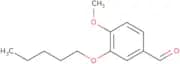
CAS:<p>Versatile small molecule scaffold</p>Formula:C13H20OPurity:Min. 95%Molecular weight:192.3 g/mol4-Methoxy-3-(pentyloxy)benzaldehyde
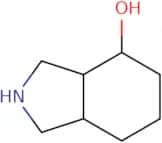
CAS:<p>Versatile small molecule scaffold</p>Formula:C13H18O3Purity:Min. 95%Molecular weight:222.28 g/molOctahydro-1H-isoindol-4-ol
CAS:<p>Octahydro-1H-isoindol-4-ol is a potent, cisplatin-like antagonist of tachykinin receptors. It has high affinity for the NK2 receptor and low affinity for the NK1 receptor. Octahydro-1H-isoindol-4-ol also has an antiemetic effect in rats that is not blocked by the NK1 receptor antagonist, piperidine. The dose range for octahydro-1H-isoindol-4-ol is from low doses to high doses. The drug has been shown to be potent in animal studies; it had a 50% inhibitory concentration (IC50) of 0.2 nM for the rat NK2 receptor, which is lower than cisplatin's IC50 of 2 nM. In human cells, octahydro-1H-isoindol-4-ol inhibited the binding of [3H]neurokinin A</p>Formula:C8H15NOPurity:Min. 95%Molecular weight:141.21 g/mol2H,3H,5H,6H,7H,8H-[1,2,4]Triazolo[4,3-a]pyridin-3-one
CAS:<p>The invention relates to a combination of two or more triazolopyridines, wherein the individual compounds are selected from the group consisting of 2H,3H,5H,6H,7H,8H-[1,2,4]triazolo[4,3-a]pyridin-3-one and pharmaceutically acceptable salts thereof. This invention also relates to a pharmaceutical composition comprising the combination of two or more triazolopyridines as well as a pharmaceutically acceptable carrier. This invention also relates to methods for treating lung inflammation by administering a therapeutically effective amount of the combination of two or more triazolopyridines. This invention also relates to methods for prophylaxis against lung inflammation by administering an effective amount of the combination of two or more triazolopyridines.</p>Formula:C6H9N3OPurity:Min. 95%Molecular weight:139.16 g/mol7-Bromo-[1,3]thiazolo[4,5-c]pyridin-2-amine
CAS:<p>Versatile small molecule scaffold</p>Formula:C6H4BrN3SPurity:Min. 95%Molecular weight:230.09 g/mol7-Oxo-2H,3H,7H-[1,3]oxazolo[3,2-a]pyrimidine-6-carbonitrile
CAS:<p>Versatile small molecule scaffold</p>Formula:C7H5N3O2Purity:Min. 95%Molecular weight:163.13 g/mol4-Chloro-2-methyl-6,7-dihydro-5h-cyclopenta[d]pyrimidine
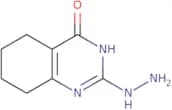
CAS:<p>Versatile small molecule scaffold</p>Formula:C8H9N2ClPurity:Min. 95%Molecular weight:168.62 g/mol2-Hydrazinyl-5,6,7,8-tetrahydroquinazolin-4-ol
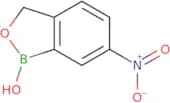
CAS:<p>Versatile small molecule scaffold</p>Formula:C8H12N4OPurity:Min. 95%Molecular weight:180.21 g/mol2-Hydroxymethyl-5-nitrophenylboronic acid dehydrated
CAS:<p>Versatile small molecule scaffold</p>Formula:C7H6BNO4Purity:Min. 95%Molecular weight:178.94 g/mol4-[5-(Trifluoromethyl)-1,2,4-oxadiazol-3-yl]phenol
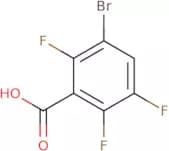
CAS:<p>Versatile small molecule scaffold</p>Formula:C9H5F3N2O2Purity:Min. 95%Molecular weight:230.14 g/mol3-Bromo-2,5,6-trifluorobenzoic acid
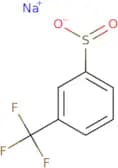
CAS:<p>Versatile small molecule scaffold</p>Formula:C7H2BrF3O2Purity:Min. 95%Molecular weight:254.99 g/mol3-(Trifluoromethyl)benzenesulfinic acid sodium
CAS:<p>Versatile small molecule scaffold</p>Formula:C7H4F3NaO2SPurity:Min. 95%Molecular weight:232.16 g/mol5-Octyl-1,3,4-thiadiazol-2-amine
CAS:<p>Versatile small molecule scaffold</p>Formula:C10H19N3SPurity:Min. 95%Molecular weight:213.35 g/mol1-(2-Aminoethoxy)naphthalene hydrochloride
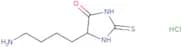
CAS:<p>Versatile small molecule scaffold</p>Formula:C12H14ClNOPurity:Min. 95%Molecular weight:223.7 g/mol5-(4-Aminobutyl)-2-sulfanylideneimidazolidin-4-one hydrochloride
CAS:<p>Versatile small molecule scaffold</p>Formula:C7H14ClN3OSPurity:Min. 95%Molecular weight:223.72 g/mol1H,3H,4H,6H,7H-Pyrano[3,4-c]pyridin-6-one
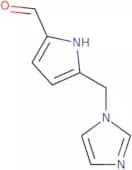
CAS:<p>Versatile small molecule scaffold</p>Formula:C8H9NO2Purity:Min. 95%Molecular weight:151.2 g/mol5-(1H-Imidazol-1-ylmethyl)-1H-pyrrole-2-carbaldehyde
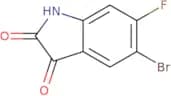
CAS:<p>Versatile small molecule scaffold</p>Formula:C9H9N3OPurity:Min. 95%Molecular weight:175.19 g/mol5-Bromo-6-fluoroindoline-2,3-dione
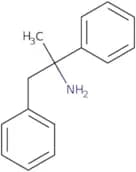
CAS:<p>Versatile small molecule scaffold</p>Formula:C8H3BrFNO2Purity:Min. 95%Molecular weight:244.02 g/mol1,2-Diphenylpropan-2-amine
CAS:<p>1,2-Diphenylpropan-2-amine is a compound that is used in the clinical setting to treat epilepsy and other neurological disorders. It has been shown to have neuroprotective effects by decreasing the concentrations of Ca2+ in cells and may have anti-epileptic effects due to its ability to inhibit glutamate release. The molecular mechanism of action of 1,2-Diphenylpropan-2-amine has been studied using computational modeling and whole cell recordings. This drug also shows neuroprotective properties in animal models through chronic oral administration.</p>Formula:C15H17NPurity:Min. 95%Molecular weight:211.3 g/mol6-Hydroxy-1-methyl-1H-indazole
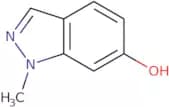
CAS:<p>Versatile small molecule scaffold</p>Formula:C8H8N2OPurity:Min. 95%Molecular weight:148.17 g/mol3-(4-Methoxyphenoxy)-1-propanesulfonyl chloride
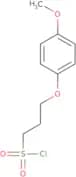
CAS:<p>Versatile small molecule scaffold</p>Formula:C10H13ClO4SPurity:Min. 95%Molecular weight:264.73 g/molSodium 3-(prop-2-enamido)propanoate
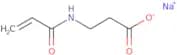
CAS:<p>Versatile small molecule scaffold</p>Formula:C6H8NNaO3Purity:Min. 95%Molecular weight:165.12 g/molMethyl[1-(3-nitrophenyl)ethyl]amine
CAS:<p>Versatile small molecule scaffold</p>Formula:C9H12N2O2Purity:Min. 95%Molecular weight:180.2 g/mol2-(Piperidin-2-yl)acetamide hydrochloride
CAS:<p>Versatile small molecule scaffold</p>Formula:C7H15ClN2OPurity:Min. 95%Molecular weight:178.66 g/mol5-Phenylpent-4-enenitrile
CAS:<p>Versatile small molecule scaffold</p>Formula:C11H11NPurity:Min. 95%Molecular weight:157.2 g/mol3-Azetidinyl acetate hydrochloride
CAS:<p>Versatile small molecule scaffold</p>Formula:C5H10ClNO2Purity:Min. 95%Molecular weight:151.59 g/molMethyl 3-hydroxyazetidine-1-carboxylate
CAS:<p>Versatile small molecule scaffold</p>Formula:C5H9NO3Purity:Min. 95%Molecular weight:131.13 g/molMethyl 3-oxoazetidine-1-carboxylate
CAS:<p>Versatile small molecule scaffold</p>Formula:C5H7NO3Purity:Min. 95%Molecular weight:129.11 g/molN-[2-(2-Hydroxyethoxy)ethyl]acetamide
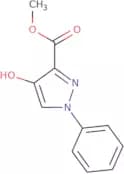
CAS:<p>N-[2-(2-Hydroxyethoxy)ethyl]acetamide is a molecule that is structurally similar to the chloride ion. It has been found to be bactericidal in both Gram-positive and Gram-negative bacteria at concentrations of 10 μg/mL or less, and it has been shown to inhibit the growth of cancer cells by interaction with their DNA. N-[2-(2-Hydroxyethoxy)ethyl]acetamide also has an amide group that interacts with metal ions such as copper, nickel, and cobalt, as well as ligands such as phellodendron amurense. The chemical structure of this molecule allows for absorption spectroscopy studies.</p>Formula:C6H13NO3Purity:Min. 95%Molecular weight:147.17 g/molMethyl 4-hydroxy-1-phenyl-1H-pyrazole-3-carboxylate
CAS:<p>Versatile small molecule scaffold</p>Formula:C11H10N2O3Purity:Min. 95%Molecular weight:218.21 g/mol2-(4-Butylphenyl)ethan-1-amine
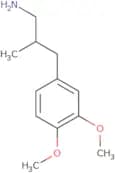
CAS:Controlled Product<p>Versatile small molecule scaffold</p>Formula:C12H19NPurity:Min. 95%Molecular weight:177.29 g/mol3-(3,4-Dimethoxyphenyl)-2-methylpropan-1-amine
CAS:<p>Versatile small molecule scaffold</p>Formula:C12H19NO2Purity:Min. 95%Molecular weight:209.28 g/mol3-Amino-1-(2-chloro-5-methoxyphenyl)urea
CAS:<p>Versatile small molecule scaffold</p>Formula:C8H10ClN3O2Purity:Min. 95%Molecular weight:215.64 g/mol4-{11-Ethyl-3-oxo-8-thia-4,6-diazatricyclo[7.4.0.0,2,7]trideca-1(9),2(7),5-trien-5-yl}benzoic acid
CAS:<p>Versatile small molecule scaffold</p>Formula:C19H18N2O3SPurity:Min. 95%Molecular weight:354.4 g/molEthyl 2-[(3,4-dimethoxyphenyl)methyl]-5-methyl-4-oxo-3H,4H-thieno[2,3-d]pyrimidine-6-carboxylate
CAS:<p>Versatile small molecule scaffold</p>Formula:C19H20N2O5SPurity:Min. 95%Molecular weight:388.4 g/mol2-{[5-(2-Bromophenyl)-4-[3-(trifluoromethyl)phenyl]-4H-1,2,4-triazol-3-yl]sulfanyl}acetic acid
CAS:<p>Versatile small molecule scaffold</p>Formula:C17H11BrF3N3O2SPurity:Min. 95%Molecular weight:458.3 g/mol3-[(1,1-Dioxo-1,2-benzothiazol-3-yl)amino]propanoic acid
CAS:<p>Versatile small molecule scaffold</p>Formula:C10H10N2O4SPurity:Min. 95%Molecular weight:254.26 g/mol2-Chloro-N-{[(4-fluorophenyl)carbamoyl]methyl}-N-methylacetamide
CAS:<p>Versatile small molecule scaffold</p>Formula:C11H12ClFN2O2Purity:Min. 95%Molecular weight:258.67 g/mol4-Chloro-2-[(diethylamino)(4-fluorophenyl)methylidene]-3-oxobutanenitrile
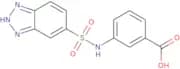
CAS:<p>Versatile small molecule scaffold</p>Formula:C15H16ClFN2OPurity:Min. 95%Molecular weight:294.75 g/mol3-(1H-1,2,3-Benzotriazole-5-sulfonamido)benzoic acid
CAS:<p>Versatile small molecule scaffold</p>Formula:C13H10N4O4SPurity:Min. 95%Molecular weight:318.31 g/mol2-{8-Oxatricyclo[7.4.0.0,2,7]trideca-1(9),2(7),3,5,10,12-hexaen-4-yloxy}acetic acid
CAS:<p>Versatile small molecule scaffold</p>Formula:C14H10O4Purity:Min. 95%Molecular weight:242.23 g/mol


![Methyl 6H-thieno[2,3-b]pyrrole-5-carboxylate](/_next/image/?url=https%3A%2Fstatic.cymitquimica.com%2Fproducts%2F3D%2Fthumb-webp%2FTEA46549.webp&w=3840&q=75)
![2-[4-(Methylsulfanyl)phenyl]ethan-1-amine](/_next/image/?url=https%3A%2Fstatic.cymitquimica.com%2Fproducts%2F3D%2Fthumb-webp%2FTEA46821.webp&w=3840&q=75)
![7-Methylthieno[2,3-c]pyridin-5-ol](/_next/image/?url=https%3A%2Fstatic.cymitquimica.com%2Fproducts%2F3D%2Fthumb-webp%2FTEA48765.webp&w=3840&q=75)
![4-Amino-7-methylthieno[2,3-c]pyridin-5-ol](/_next/image/?url=https%3A%2Fstatic.cymitquimica.com%2Fproducts%2F3D%2Fthumb-webp%2FTEA48771.webp&w=3840&q=75)
![Methyl 2-[hydroxy(pyridin-2-yl)methyl]prop-2-enoate](/_next/image/?url=https%3A%2Fstatic.cymitquimica.com%2Fproducts%2F3D%2Fthumb-webp%2FTEA48874.webp&w=3840&q=75)


![rac-(3aR,6aS)-Hexahydro-1H-cyclopenta[C]thiophen-5-one](/_next/image/?url=https%3A%2Fstatic.cymitquimica.com%2Fproducts%2F3D%2Fthumb-webp%2FTEA59791.webp&w=3840&q=75)
![4-[(1H-1,2,3-Triazol-1-yl)methyl]benzoic acid](/_next/image/?url=https%3A%2Fstatic.cymitquimica.com%2Fproducts%2F3D%2Fthumb-webp%2FTEA61853.webp&w=3840&q=75)
![2-[(3-Amino-2-pyridinyl)amino]ethanol](/_next/image/?url=https%3A%2Fstatic.cymitquimica.com%2Fproducts%2F3D%2Fthumb-webp%2FTEA70501.webp&w=3840&q=75)
![5-Oxo-2H,3H,5H,9bh-[1,3]thiazolo[2,3-a]isoindole-3-carboxylic acid](/_next/image/?url=https%3A%2Fstatic.cymitquimica.com%2Fproducts%2F3D%2Fthumb-webp%2FTEA72668.webp&w=3840&q=75)

![Methyl({1-[3-(trifluoromethyl)phenyl]ethyl})amine](/_next/image/?url=https%3A%2Fstatic.cymitquimica.com%2Fproducts%2F3D%2Fthumb-webp%2FTEA76199.webp&w=3840&q=75)
![7-Bromo-1-methyl-1H,2H,3H-pyrazolo[1,5-a]imidazole](/_next/image/?url=https%3A%2Fstatic.cymitquimica.com%2Fproducts%2F3D%2Fthumb-webp%2FTEA76786.webp&w=3840&q=75)
![Oxazolo[5,4-b]pyridin-2-amine](/_next/image/?url=https%3A%2Fstatic.cymitquimica.com%2Fproducts%2F3D%2Fthumb-webp%2FTEA76791.webp&w=3840&q=75)
![Pyrrolo[1,2-b]pyridazine-6-carboxylic acid](/_next/image/?url=https%3A%2Fstatic.cymitquimica.com%2Fproducts%2F3D%2Fthumb-webp%2FTEA76813.webp&w=3840&q=75)
![Methyl[2-(piperidin-4-yl)ethyl]amine dihydrochloride](/_next/image/?url=https%3A%2Fstatic.cymitquimica.com%2Fproducts%2F3D%2Fthumb-webp%2FTEA76893.webp&w=3840&q=75)
![1-[(3,5-Dimethoxyphenyl)methyl]piperazine](/_next/image/?url=https%3A%2Fstatic.cymitquimica.com%2Fproducts%2F3D%2Fthumb-webp%2FTEA77874.webp&w=3840&q=75)


![2H,3H,5H,6H,7H,8H-[1,2,4]Triazolo[4,3-a]pyridin-3-one](/_next/image/?url=https%3A%2Fstatic.cymitquimica.com%2Fproducts%2F3D%2Fthumb-webp%2FTEA80167.webp&w=3840&q=75)
![7-Bromo-[1,3]thiazolo[4,5-c]pyridin-2-amine](/_next/image/?url=https%3A%2Fstatic.cymitquimica.com%2Fproducts%2F3D%2Fthumb-webp%2FTEA80175.webp&w=3840&q=75)
![7-Oxo-2H,3H,7H-[1,3]oxazolo[3,2-a]pyrimidine-6-carbonitrile](/_next/image/?url=https%3A%2Fstatic.cymitquimica.com%2Fproducts%2F3D%2Fthumb-webp%2FTEA80189.webp&w=3840&q=75)
![4-Chloro-2-methyl-6,7-dihydro-5h-cyclopenta[d]pyrimidine](/_next/image/?url=https%3A%2Fstatic.cymitquimica.com%2Fproducts%2F3D%2Fthumb-webp%2FTEA80240.webp&w=3840&q=75)
![4-[5-(Trifluoromethyl)-1,2,4-oxadiazol-3-yl]phenol](/_next/image/?url=https%3A%2Fstatic.cymitquimica.com%2Fproducts%2F3D%2Fthumb-webp%2FTEA82815.webp&w=3840&q=75)


![1H,3H,4H,6H,7H-Pyrano[3,4-c]pyridin-6-one](/_next/image/?url=https%3A%2Fstatic.cymitquimica.com%2Fproducts%2F3D%2Fthumb-webp%2FTEA87291.webp&w=3840&q=75)
![Methyl[1-(3-nitrophenyl)ethyl]amine](/_next/image/?url=https%3A%2Fstatic.cymitquimica.com%2Fproducts%2F3D%2Fthumb-webp%2FTEA94934.webp&w=3840&q=75)


![N-[2-(2-Hydroxyethoxy)ethyl]acetamide](/_next/image/?url=https%3A%2Fstatic.cymitquimica.com%2Fproducts%2F3D%2Fthumb-webp%2FTEA97446.webp&w=3840&q=75)


![4-{11-Ethyl-3-oxo-8-thia-4,6-diazatricyclo[7.4.0.0,2,7]trideca-1(9),2(7),5-trien-5-yl}benzoic acid](/_next/image/?url=https%3A%2Fstatic.cymitquimica.com%2Fproducts%2F3D%2Fthumb-webp%2FTEB43905.webp&w=3840&q=75)
![Ethyl 2-[(3,4-dimethoxyphenyl)methyl]-5-methyl-4-oxo-3H,4H-thieno[2,3-d]pyrimidine-6-carboxylate](/_next/image/?url=https%3A%2Fstatic.cymitquimica.com%2Fproducts%2F3D%2Fthumb-webp%2FTEB43933.webp&w=3840&q=75)
![2-{[5-(2-Bromophenyl)-4-[3-(trifluoromethyl)phenyl]-4H-1,2,4-triazol-3-yl]sulfanyl}acetic acid](/_next/image/?url=https%3A%2Fstatic.cymitquimica.com%2Fproducts%2F3D%2Fthumb-webp%2FTEB43942.webp&w=3840&q=75)
![3-[(1,1-Dioxo-1,2-benzothiazol-3-yl)amino]propanoic acid](/_next/image/?url=https%3A%2Fstatic.cymitquimica.com%2Fproducts%2F3D%2Fthumb-webp%2FTEB44015.webp&w=3840&q=75)
![2-Chloro-N-{[(4-fluorophenyl)carbamoyl]methyl}-N-methylacetamide](/_next/image/?url=https%3A%2Fstatic.cymitquimica.com%2Fproducts%2F3D%2Fthumb-webp%2FTEB44016.webp&w=3840&q=75)
![4-Chloro-2-[(diethylamino)(4-fluorophenyl)methylidene]-3-oxobutanenitrile](/_next/image/?url=https%3A%2Fstatic.cymitquimica.com%2Fproducts%2F3D%2Fthumb-webp%2FTEB44017.webp&w=3840&q=75)
![2-{8-Oxatricyclo[7.4.0.0,2,7]trideca-1(9),2(7),3,5,10,12-hexaen-4-yloxy}acetic acid](/_next/image/?url=https%3A%2Fstatic.cymitquimica.com%2Fproducts%2F3D%2Fthumb-webp%2FTEB44023.webp&w=3840&q=75)