Building Blocks
This section contains fundamental products for the synthesis of organic and biological compounds. Building blocks are the essential starting materials used to construct complex molecules through various chemical reactions. They play a critical role in drug discovery, material science, and chemical research. At CymitQuimica, we offer a diverse range of high-quality building blocks to support your innovative research and industrial projects, ensuring you have the essential components for successful synthesis.
Subcategories of "Building Blocks"
- Boronic Acids & Boronic Acid Derivatives(5,756 products)
- Chiral Building Blocks(1,242 products)
- Hydrocarbon Building Blocks(6,095 products)
- Organic Building Blocks(61,038 products)
Found 196817 products of "Building Blocks"
Sort by
Purity (%)
0
100
|
0
|
50
|
90
|
95
|
100
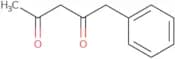
1-Phenylpentane-2,4-dione
CAS:<p>1-Phenylpentane-2,4-dione is a molecule that absorbs light. It has been shown to be an efficient absorber of solar radiation and has the potential to be used in photovoltaic devices. 1-Phenylpentane-2,4-dione can be used as an electron donor in polymer solar cells because it is able to act as both a chelate and a light absorber. 1-Phenylpentane-2,4-dione can also be used in acetone peroxide based solar cells because it is able to absorb light efficiently. In addition, 1-phenylpentane-2,4-dione may have use as an optical element for positioning systems such as telescopes or cameras.</p>Formula:C11H12O2Purity:Min. 95%Molecular weight:176.21 g/mol7-(4,4,5,5-Tetramethyl-1,3,2-dioxaborolan-2-yl)imidazo[1,2-a]pyridine
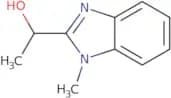
CAS:<p>7-(4,4,5,5-Tetramethyl-1,3,2-dioxaborolan-2-yl)imidazo[1,2-a]pyridine is a primary alcohol that can be synthesized from alpha-methylbenzyl alcohol and styrene. The compound has been shown to be an excellent substrate for the aerobic photooxidation of the cell membrane. 7-(4,4,5,5-Tetramethyl-1,3,2-dioxaborolan-2-yl)imidazo[1,2-a]pyridine is also stereoselective and can be used as a chiral building block for enantiomerically pure polymers. It has been shown to have cationic polymerization properties. This compound is also capable of photooxidation of isoprene.</p>Formula:C9H12O2Purity:Min. 95%Molecular weight:152.19 g/mol1-(1-Methyl-1H-1,3-benzodiazol-2-yl)ethan-1-ol
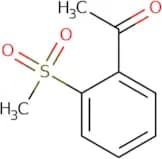
CAS:<p>Versatile small molecule scaffold</p>Formula:C10H12N2OPurity:Min. 95%Molecular weight:176.21 g/mol1-(2-Methanesulfonylphenyl)ethan-1-one
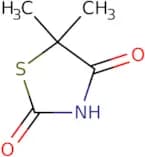
CAS:<p>Versatile small molecule scaffold</p>Formula:C9H10O3SPurity:Min. 95%Molecular weight:198.24 g/mol5,5-Dimethyl-1,3-thiazolidine-2,4-dione
CAS:<p>Versatile small molecule scaffold</p>Formula:C5H7NO2SPurity:Min. 95%Molecular weight:145.18 g/mol1,3-Oxathiolan-2-one
CAS:<p>Versatile small molecule scaffold</p>Formula:C3H4O2SPurity:Min. 95%Molecular weight:104.13 g/mol5-Isopropyl-3,8-dimethylazulene-1-carbaldehyde
CAS:<p>Versatile small molecule scaffold</p>Formula:C16H18OPurity:Min. 95%Molecular weight:226.32 g/mol3-[(2-Methoxyphenyl)amino]propanoic acid
CAS:<p>Versatile small molecule scaffold</p>Formula:C10H13NO3Purity:Min. 95%Molecular weight:195.21 g/mol3-[(3-Methoxyphenyl)amino]propanoic acid
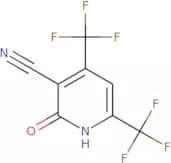
CAS:<p>Versatile small molecule scaffold</p>Formula:C10H13NO3Purity:Min. 95%Molecular weight:195.21 g/mol2-Oxo-4,6-bis(trifluoromethyl)-1,2-dihydropyridine-3-carbonitrile
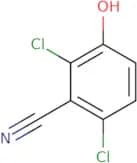
CAS:<p>Versatile small molecule scaffold</p>Formula:C8H2F6N2OPurity:Min. 95%Molecular weight:256.1 g/mol2,6-Dichloro-3-hydroxybenzonitrile
CAS:<p>2,6-Dichloro-3-hydroxybenzonitrile is a monophenolic compound that can be found in the faeces of rats and rabbits. It has been shown to inhibit biochemical activity in tissue culture, sublethal doses of argon and excised incubated tissues. 2,6-Dichloro-3-hydroxybenzonitrile also has an inhibitory effect on the production of acid in sulphates, enzyme preparations and assays. This chemical has been shown to have an inhibitory effect on mitochondrial function by decreasing ATP levels.</p>Formula:C7H3Cl2NOPurity:Min. 95%Molecular weight:188.01 g/mol1-Chloroisoquinolin-4-ol
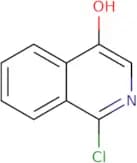
CAS:<p>1-Chloroisoquinolin-4-ol is a phenylpyrimidine with anti-inflammatory properties. It is used in the treatment of sensitivity and mediated diseases, such as osteoarthritis, rheumatoid arthritis, and ankylosing spondylitis. 1-Chloroisoquinolin-4-ol inhibits the enzymatic activity of matrix metalloproteinases (MMPs), which are enzymes that break down collagen and other proteins in the body. The inhibition of MMPs by 1-chloroisoquinolin-4-ol leads to reduced inflammation and pain. This compound is also an effective inhibitor of the activities of chloride channels involved in acid secretion by cells in the stomach lining, thus inhibiting acid production. 1-Chloroisoquinolin-4-ol has been shown to have anticholesterolemic effects on liver cells due to its ability to inhibit cholesterol synthesis through inhibition of HMG CoA</p>Formula:C9H6ClNOPurity:Min. 95%Molecular weight:179.6 g/mol1-Chloro-4-methoxyisoquinoline
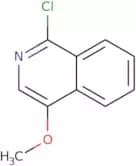
CAS:<p>1-Chloro-4-methoxyisoquinoline is an intermediate in the synthesis of isoquinolines. It is a white solid that is soluble in organic solvents such as ether, chloroform, and acetone. The chemical structure of 1-chloro-4-methoxyisoquinoline has not been well studied due to its instability.</p>Formula:C10H8ClNOPurity:Min. 95%Molecular weight:193.63 g/mol5-Methyl-benzo[1,2,5]thiadiazol-4-ylamine
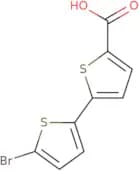
CAS:<p>Versatile small molecule scaffold</p>Formula:C7H7N3SPurity:Min. 95%Molecular weight:165.22 g/mol5-(5-Bromothiophen-2-yl)thiophene-2-carboxylic acid
CAS:<p>Versatile small molecule scaffold</p>Formula:C9H5BrO2S2Purity:Min. 95%Molecular weight:289.2 g/molN-Carbamoylmaleimide
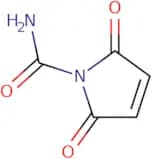
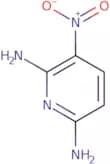
CAS:<p>N-Carbamoylmaleimide is a maleimide that reacts with amides to form N-hydroxysuccinimidyl esters. It is used as an alternative to succinimidyl esters for the synthesis of cross-linked polymers. The reaction proceeds via a cyclic intermediate, and is catalyzed by metal ions such as iron. The product is stable at room temperature, but decomposes at elevated temperatures. N-Carbamoylmaleimide can be synthesized by the reaction of methylbenzene with ammonia in the presence of sodium hydroxide, followed by dehydration with sulfuric acid. This compound can also be synthesized using a solid phase synthesis technique, which involves reacting an amine with vinyl ether and dimethylformamide in the presence of a carbonylating agent such as dicyclohexylcarbodiimide (DCC).</p>Formula:C5H4N2O3Purity:Min. 95%Molecular weight:140.1 g/mol2,6-diamino-3-nitropyridine
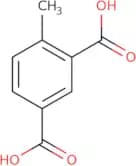
CAS:<p>2,6-Diamino-3-nitropyridine is a chemical compound that has been used as a catalyst for hydrogenation reduction in the synthesis of various organic compounds. It is a colorless solid that can be obtained by reacting ethyl chloroformate with ammonia and pyridine. 2,6-Diamino-3-nitropyridine can also be synthesized by ammonolysis of chloroformates or maleates with ammonia. The reaction mechanism of this process is similar to that of the catalytic hydrogenation reduction. This chemical is used in the preparation of flupirtine maleate, an anti-inflammatory drug with analgesic properties.</p>Formula:C5H6N4O2Purity:Min. 95%Molecular weight:154.13 g/mol4-Methylisophthalic acid
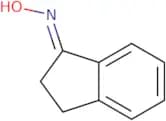
CAS:<p>4-Methylisophthalic acid is a carboxylic acid that belongs to the group of compounds known as isomers. It has been found in heartwood, dioxane, and piperazine. 4-Methylisophthalic acid has been shown to have an inhibitory effect on the growth of certain bacteria. This compound also has chemical compositions similar to those of monomethyl esters and methyl benzoate. The chemical treatment of this compound with solvents such as ethylene or acetone can result in its conversion into methylbenzoate or ethylbenzoate.</p>Formula:C9H8O4Purity:Min. 95%Molecular weight:180.16 g/mol1-Indanone oxime
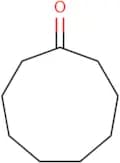
CAS:<p>1-Indanone oxime is a sulfonylating agent that reacts with primary amines to produce sulfonylureas. It is a model system for the study of chemical diversity and isozymes. 1-Indanone oxime has been shown to be an efficient synthetic agent for preparing hydroxyl compounds and oxime derivatives, and can be used to synthesize chlorides, secondary amines, and tertiary amines. The reaction time required for this chemical is shorter than other reagents such as sodium hypochlorite or nitrous acid. The reaction solution can be used in the synthesis of hydrochloric acid, nitric acid, chloroform, and vinyl chloride. 1-Indanone oxime has also been used to produce amino acids such as L-tryptophan or L-tyrosine.</p>Formula:C9H9NOPurity:Min. 95%Molecular weight:147.18 g/molCyclononanone
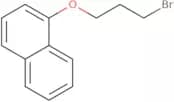
CAS:<p>Cyclononanone is a reactive compound that is metabolized in the body, primarily by oxidation to cyclohexanone. Cyclononanone is a lipid soluble chemical with high reactivity. It has been shown to have toxic effects on human cells and can be used as a chemical substrate in the study of lipid peroxidation. Cyclononanone also has some therapeutic properties, such as its ability to inhibit pro-inflammatory cytokine production and decrease the number of receptor cells for T cells. Cyclononanone has also been shown to have anti-inflammatory and antioxidant properties. This compound binds to the amide group of proteins and inhibits the hydrophobic effect, which may be related to its role as an anti-inflammatory agent.</p>Formula:C9H16OPurity:Min. 95%Molecular weight:140.23 g/mol1-(3-Bromopropoxy)naphthalene
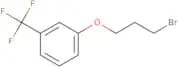
CAS:<p>Versatile small molecule scaffold</p>Formula:C13H13BrOPurity:Min. 95%Molecular weight:265.14 g/mol1-(3-Bromopropoxy)-3-(trifluoromethyl)benzene
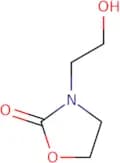
CAS:<p>Versatile small molecule scaffold</p>Formula:C10H10BrF3OPurity:Min. 95%Molecular weight:283.08 g/mol3-(2-Hydroxyethyl)-1,3-oxazolidin-2-one
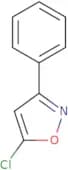
CAS:<p>3-(2-Hydroxyethyl)-1,3-oxazolidin-2-one is a synthetic compound that is used as an antioxidant and antibacterial agent. The chemical has been shown to be effective against a wide range of microorganisms, including bacteria, fungi, and viruses. 3-(2-Hydroxyethyl)-1,3-oxazolidin-2-one inhibits bacterial growth by modifying the cell membrane and disrupting the cell wall. This compound also has been found to react with amines in proteins, which may account for its antimicrobial activity. 3-(2-Hydroxyethyl)-1,3-oxazolidin-2-one reacts with oxygen to form hydroxyl radicals that can attack the lipid membrane of cells. It also reacts with piperazine in a reaction that produces nitric oxide radicals and hydrogen peroxide. This process can lead to oxidative carbonylation of polymers such as polypropylene or polyvinyl chloride (PVC</p>Formula:C5H9NO3Purity:Min. 95%Molecular weight:131.13 g/mol5-Chloro-3-phenylisoxazole
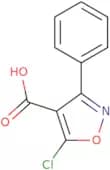
CAS:<p>5-Chloro-3-phenylisoxazole is a versatile compound with various applications. It has been widely used in research as a collagen cross-linking agent and in the synthesis of new compounds for drug development. Additionally, it has shown potential as an inhibitor of glycogen synthase kinase (GSK-3β), an enzyme involved in the regulation of cell signaling pathways.</p>Formula:C9H6ClNOPurity:Min. 95%Molecular weight:179.6 g/mol5-Chloro-3-phenyl-1,2-oxazole-4-carboxylic acid
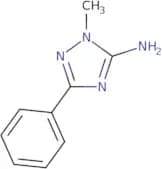
CAS:<p>Versatile small molecule scaffold</p>Formula:C10H6ClNO3Purity:Min. 95%Molecular weight:223.61 g/mol1-Methyl-3-phenyl-1H-1,2,4-triazol-5-amine
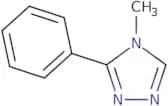
CAS:<p>Versatile small molecule scaffold</p>Formula:C9H10N4Purity:Min. 95%Molecular weight:174.2 g/mol4-Methyl-3-phenyl-4H-1,2,4-triazole
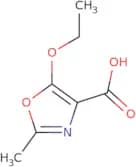
CAS:<p>Versatile small molecule scaffold</p>Formula:C9H9N3Purity:Min. 95%Molecular weight:159.19 g/mol5-Ethoxy-2-methyl-1,3-oxazole-4-carboxylic acid
CAS:<p>Versatile small molecule scaffold</p>Formula:C7H9NO4Purity:Min. 95%Molecular weight:171.15 g/mol4-Bromo-2,3,5,6-tetramethylbenzoic acid
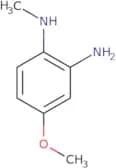
CAS:<p>Versatile small molecule scaffold</p>Formula:C11H13BrO2Purity:Min. 95%Molecular weight:257.12 g/mol4-Methoxy-1-N-methylbenzene-1,2-diamine
CAS:<p>Versatile small molecule scaffold</p>Formula:C8H12N2OPurity:Min. 95%Molecular weight:152.19 g/mol4-Methoxy-N-methyl-2-nitrobenzenamine
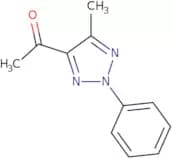
CAS:<p>4-Methoxy-N-methyl-2-nitrobenzenamine is a quinone that is found in nature. It has been shown to have anti-tumour properties and may be used to treat tumours. 4-Methoxy-N-methyl-2-nitrobenzenamine has also been shown to have an oxidoreductase activity, which is an enzyme that catalyzes the oxidation of organic compounds. This compound also binds to tumour cells by hydrogen bonding and intramolecular hydrogen bonds. 4MMBN can bind to a proton on one molecule and a sulfoxide on another, which is a type of hydrogen bond. The recombinant human form of this compound has been shown to inhibit the growth of cancer cells in vitro.</p>Formula:C8H10N2O3Purity:Min. 95%Molecular weight:182.18 g/mol1-(5-Methyl-2-phenyl-2H-1,2,3-triazol-4-yl)ethan-1-one
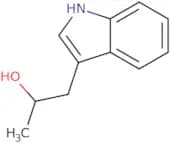
CAS:<p>Versatile small molecule scaffold</p>Formula:C11H11N3OPurity:Min. 95%Molecular weight:201.22 g/mol1-(1H-Indol-3-yl)propan-2-ol
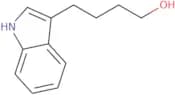
CAS:Controlled Product<p>Versatile small molecule scaffold</p>Formula:C11H13NOPurity:Min. 95%Molecular weight:175.23 g/mol4-(1H-Indol-3-yl)butan-1-ol
CAS:<p>Versatile small molecule scaffold</p>Formula:C12H15NOPurity:Min. 95%Molecular weight:189.25 g/mol2,3-Dihydro-1H-isoindole-2-carboxamide
CAS:<p>2,3-Dihydro-1H-isoindole-2-carboxamide is a synthetic compound that inhibits the synthesis of monoacylglycerol. It is an inhibitor of the enzyme diacylglycerol lipase (DAGL). This inhibition causes an increase in the levels of free fatty acids and glycerol, which are substrates for triglyceride synthesis. The increased levels of free fatty acids have been shown to have protective effects on heart diseases, while the increase in glycerol decreases fat deposition in adipose tissue. 2,3-Dihydro-1H-isoindole-2-carboxamide has been used as a tool to study the contribution of DAGL to triglyceride biosynthesis in cell culture and animal models.</p>Formula:C9H10N2OPurity:Min. 95%Molecular weight:162.19 g/mol2-[4-(Methylsulfanyl)phenoxy]propanoic acid
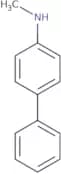
CAS:<p>Versatile small molecule scaffold</p>Formula:C10H12O3SPurity:Min. 95%Molecular weight:212.27 g/molN-Methyl-4-phenylaniline
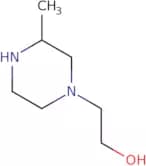
CAS:<p>N-Methyl-4-phenylaniline (NMP) is a fatty acid inhibitor that can be used to treat hepatitis. It is an inhibitor of the enzyme known as N-hydroxy-4-aminobiphenyl amidohydrolase, which is involved in the second step of the synthesis of arachidonic acid, a precursor of prostaglandins. The inhibition of this enzyme reduces the production of prostaglandin E2 and other eicosanoids that are important for inflammation. NMP has also been shown to have potential mechanism for treating primary sclerosing cholangitis (PSC). This drug binds with bile salts in the intestines and prevents their reabsorption back into circulation. This leads to increased bile salt concentrations in the liver, which may help reduce inflammation and fibrosis in PSC.</p>Formula:C13H13NPurity:Min. 95%Molecular weight:183.25 g/mol2-(3-Methylpiperazin-1-yl)ethan-1-ol
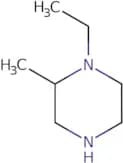
CAS:<p>Versatile small molecule scaffold</p>Formula:C7H16N2OPurity:Min. 95%Molecular weight:144.21 g/mol1-Ethyl-2-methyl-piperazine
CAS:<p>Versatile small molecule scaffold</p>Formula:C7H16N2Purity:Min. 95%Molecular weight:128.22 g/molMethoxy(propan-2-ylidene)amine
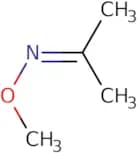
CAS:<p>Please enquire for more information about Methoxy(propan-2-ylidene)amine including the price, delivery time and more detailed product information at the technical inquiry form on this page</p>Formula:C4H9NOPurity:Min. 95 Area-%Molecular weight:87.12 g/mol3-(Ethoxycarbonyl)but-3-enoic acid
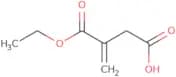
CAS:<p>Versatile small molecule scaffold</p>Formula:C7H10O4Purity:Min. 95%Molecular weight:158.15 g/mol3-(Methoxycarbonyl)but-3-enoic acid
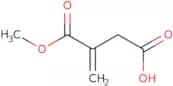
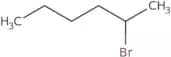
CAS:<p>3-(Methoxycarbonyl)but-3-enoic acid is a monomer that belongs to the group of organic compounds. It has a viscosity of 0.1, and is soluble in water and alcohols. 3-(Methoxycarbonyl)but-3-enoic acid can be used for the synthesis of polyvinyl alcohol, an organic polymer. This compound has functional groups such as hydroxyl and carboxylic acids, which are important in biological functions such as DNA replication and protein synthesis. 3-(Methoxycarbonyl)but-3-enoic acid is also used for the production of carbon nanotubes by chemical vapor deposition, as well as metal hydroxides with high melting points.</p>Formula:C6H8O4Purity:Min. 95%Molecular weight:144.12 g/mol2-Bromohexane (contains 3-Bromohexane) (stabilized with Copper chip)
CAS:<p>2-Bromohexane is an organic compound and a chemical building block. It is produced by the reaction of 1,3-dibromohexane with copper. 2-Bromohexane is used in the production of epoxides and other chemicals. The synthesis of 2-bromohexane starts with the addition of bromine to 1,3-dibromohexane followed by the addition of copper (II) chloride. This reaction produces 3-bromohexane as a byproduct which can be removed from the reaction mixture using a Dean–Stark trap. In this process, two moles of hydrogen are used to convert one mole of bromine into one mole of hydrogen bromide gas, which can be easily condensed into liquid form. The monoalkylation product 2-bromohexane reacts with an alkyl halide to produce a mixture containing two different alkyl halides. These</p>Formula:C6H13BrPurity:85%Molecular weight:165.07 g/molVinyl Pivalate (stabilized with HQ)
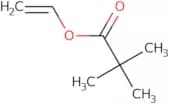
CAS:<p>Vinyl Pivalate is a polyvinyl polymer stabilized with HQ. It is produced by condensation polymerization of vinyl acetate and pivalic acid in presence of a free radical initiator. The monomer ratio is 80:20. Vinyl Pivalate has a high degree of thermal expansion, which makes it suitable for use in the manufacture of films, coatings and adhesives. This polymer also has good chemical resistance and can be used in the manufacture of products where heat resistance is required. Vinyl Pivalate's reactive properties make it ideal for use as an ingredient in the production of polymers with reactive groups such as carboxylic acids or amines. The reaction mechanism for this polymerization is shown below:</p>Formula:C7H12O2Purity:Min. 95%Molecular weight:128.17 g/mol1-Bromo-2-naphthaldehyde
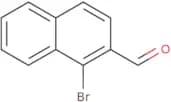
CAS:<p>1-Bromo-2-naphthaldehyde is a reactive aldehyde that reacts with alkyl halides to form unsymmetrical adducts. This compound undergoes intramolecular hydrogenation and can be used as an excellent starting material for synthesizing ferrocenes. 1-Bromo-2-naphthaldehyde is also used in the synthesis of photochromic compounds, which are compounds that change color when exposed to ultraviolet radiation. 1-Bromo-2-naphthaldehyde undergoes protonation and forms hydrogen bonds with other molecules, making it useful for research on hydrogen bonding.</p>Formula:C11H7BrOPurity:Min. 95%Molecular weight:235.08 g/molDiclosan-d4
CAS:<p>Diclosan-d4 is a cationic surfactant that is used in the treatment of wastewater. It has been shown to inhibit bacterial growth and reduce the number of bacteria in water. Diclosan-d4 is used as a biocide in detergent compositions, such as laundry detergents and dishwashing liquids. It also has antimicrobial properties against fungi, which may be due to its ability to bind to fatty acids and cell membranes. This compound binds to polymeric surfaces through electrostatic interactions with carboxyl groups on the polymer film surface. Diclosan-d4 is used at concentrations of 10 ppm for subclinical mastitis in cows, but can cause lung cell toxicity at higher concentrations.</p>Formula:C12H4D4Cl2O2Purity:Min. 95%Molecular weight:259.12 g/mol2-Bromo-2-(3-chlorophenyl)acetic acid
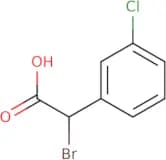
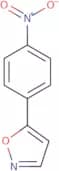
CAS:<p>Versatile small molecule scaffold</p>Formula:C8H6BrClO2Purity:Min. 95%Molecular weight:249.49 g/mol5-(4-Nitrophenyl)isoxazole
CAS:<p>Versatile small molecule scaffold</p>Formula:C9H6N2O3Purity:Min. 95%Molecular weight:190.16 g/molEthylene glycol bis(propionitrile) ether
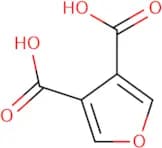
CAS:<p>Ethylene glycol bis(propionitrile) ether is a byproduct of the production of ethylene. It is introduced into a reaction solution containing acrylonitrile, which reacts to form an intermediate that can then be isolated from the solution. The intermediate is neutralized and reacted with water to produce ethylene glycol bis(propionitrile) ether. The electrochemical impedance spectroscopy (EIS) technique has been used to study the morphology and solvation of this compound.</p>Formula:C8H12N2O2Purity:Min. 95%Molecular weight:168.2 g/mol3,4-Furandicarboxylic acid
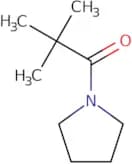
CAS:<p>3,4-Furandicarboxylic acid is a crystalline compound that belongs to the group of carboxylic acids. It is formed by the hydrogenation of 3,4-dihydroxyphenylacetic acid and has been used in the industrial production of diethyl esters. The crystal structure of 3,4-furandicarboxylic acid has been determined using X-ray crystallography. This compound forms a dihedral angle with the ethyl group and hydrogen bonds to the proton on one side and an intramolecular hydrogen bond on the other side. 3,4-Furandicarboxylic acid is used as a precursor for hydrochloric acid and as an energy-efficient fuel in organic synthesis reactions.</p>Formula:C6H4O5Purity:Min. 95%Molecular weight:156.09 g/mol2,2-Dimethyl-1-(pyrrolidin-1-yl)propan-1-one
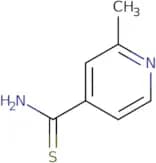
CAS:<p>Versatile small molecule scaffold</p>Formula:C9H17NOPurity:Min. 95%Molecular weight:155.24 g/mol2-Methy-4-thioisonicotinicamide
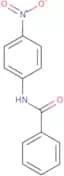
CAS:<p>Versatile small molecule scaffold</p>Formula:C7H8N2SPurity:Min. 95%Molecular weight:152.22 g/mol4'-Nitrobenzanilide
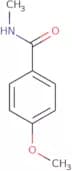
CAS:<p>4'-Nitrobenzanilide is an organic compound that is used to synthesize dyes and other chemicals. It can be prepared by reacting a primary or secondary amine with 4-nitrochlorobenzene in the presence of a base. This reaction produces the nitroanilide, which can be oxidized to the nitrobenzanilide. The high yield and low toxicity of this process make it an attractive alternative to older methods of production. 4'-Nitrobenzanilide has been shown to have significant environmental effects, particularly in terms of pollution caused by chlorinated solvents.</p>Formula:C13H10N2O3Purity:Min. 95%Molecular weight:242.23 g/mol4-Methoxy-N-methylbenzamide
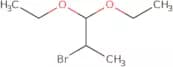
CAS:<p>4-Methoxy-N-methylbenzamide is a benzene that has been synthetically modified to an amide, which is then annulated to an isoquinoline. This compound has two functionalizations: one cyclopropane and one diffraction. The yield of this reaction was approximately 55%. 4-Methoxy-N-methylbenzamide (4MMB) is a x-ray active molecule with a dihedral angle of about 60°, which is common in natural products. 4MMB is also an oxidative molecule and reacts with biomolecules. 4MMB contains the following characteristic structural features: an aromatic ring, a carbonyl group, and two amide bonds.</p>Formula:C9H11NO2Purity:Min. 95%Molecular weight:165.19 g/mol2-Bromopropionaldehyde Diethyl Acetal
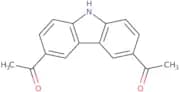
CAS:<p>2-Bromopropionaldehyde diethyl acetal is an organic compound that is used as a reactant in the preparation of other compounds. It can be prepared by the reaction of 3-bromo-1-propanol with magnesium in ether. The reaction is catalyzed by pyridinium chlorochromate, which facilitates the ring-opening reaction. The product can also be used to introduce alkyl groups onto aromatic rings, such as benzene and naphthalene. 2-Bromopropionaldehyde diethyl acetal has a high redox potential, making it reactive and nucleophilic.</p>Formula:C7H15BrO2Purity:Min. 95%Molecular weight:211.1 g/mol1,1-(9H-carbazole-3,6-diyl)diethanone
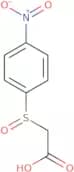
CAS:<p>1,1-(9H-carbazole-3,6-diyl)diethanone is an aromatic compound with a molecular formula of C12H10N2O that belongs to the class of enol ethers. It can be used as a framework for the synthesis of other compounds. The acylation reaction is catalyzed by a transfer catalyst and carried out in dioxane at room temperature. After filtration and washing with deionized water, it is then dried under vacuum to yield the product. Friedel-Crafts acylation or a metal salt may be used during this process. 1,1-(9H-carbazole-3,6-diyl)diethanone has also been shown to act as a ligand for transition metals such as copper and zinc in certain reactions.</p>Formula:C16H13NO2Purity:Min. 95%Molecular weight:251.28 g/mol2-(4-Nitrobenzenesulfinyl)acetic acid
CAS:<p>2-(4-Nitrobenzenesulfinyl)acetic acid is an organic compound that has a hydrogen bond acceptor and a hydrogen bond donor. It also has two groups of nitrobenzenesulfonic acid attached to the same carbon atom, and therefore contains both electron-donating and electron-withdrawing groups.</p>Formula:C8H7NO5SPurity:Min. 95%Molecular weight:229.21 g/mol2-(4-Bromobenzenesulfonyl)acetic acid
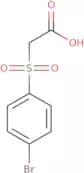
CAS:<p>Versatile small molecule scaffold</p>Formula:C8H7BrO4SPurity:Min. 95%Molecular weight:279.11 g/mol2-[(4-Nitrophenyl)sulfanyl]acetic acid
CAS:<p>2-[(4-Nitrophenyl)sulfanyl]acetic acid is a colorless liquid with a boiling point of 168°C. It is soluble in water, glycol, and ether, but not in ethanol. 2-[(4-Nitrophenyl)sulfanyl]acetic acid has been shown to be an acceptor for borate, forming the perborate ion. It also reacts with glycol to form the glyoxalate ion. The compound has been shown to react with nitric acid and ethylene glycol to form nitroethane and acetic acid molecules. This reaction is catalyzed by hydrogen bonding between the oxygen atoms of acetic acid and nitric acid, which causes an electron transfer from nitric acid to acetic acid molecules. This process results in reactive species that can then react with other substances such as hydrogen bonds or peracetic acid.</p>Formula:C8H7NO4SPurity:Min. 95%Molecular weight:213.21 g/mol(4-Bromo-phenylsulfanyl)-acetic acid
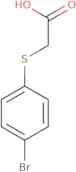
CAS:<p>Versatile small molecule scaffold</p>Formula:C8H7BrO2SPurity:Min. 95%Molecular weight:247.11 g/mol2-((4-Methoxyphenyl)thio)acetic acid
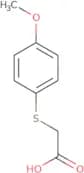
CAS:<p>Versatile small molecule scaffold</p>Formula:C9H10O3SPurity:Min. 95%Molecular weight:198.24 g/mol1-(4-Bromophenyl)-3,3-dimethylurea
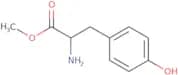
CAS:<p>1-(4-Bromophenyl)-3,3-dimethylurea is a growth regulator that belongs to the heterocycle pyrazole derivative. It binds to the cytochrome P450 enzyme and inhibits the production of proteins vital for cell division, leading to cell death by inhibiting the production of proteins vital for cell division. 1-(4-Bromophenyl)-3,3-dimethylurea has been shown to inhibit methionine adenosyltransferase and suppress DNA methylation. This drug also has a toxic effect on respiratory system cells, which may be due to its ability to induce apoptosis.</p>Formula:C9H11BrN2OPurity:Min. 95%Molecular weight:243.1 g/molMethyl (2R)-2-amino-3-(4-hydroxyphenyl)propanoate
CAS:<p>Methyl (2R)-2-amino-3-(4-hydroxyphenyl)propanoate is a linker that binds to the nuclear hormone receptors found in cancer cells. It has been shown that this molecule has anticancer activity in animals, but its efficacy has not been evaluated in humans. Methyl (2R)-2-amino-3-(4-hydroxyphenyl)propanoate is a stereoselective agent, which means it selectively binds to one of two mirror images of the same molecule. The molecule was originally synthesized for use as an estrogen receptor antagonist but also shows affinity for progesterone and androgen receptors. This linker is being investigated as a potential drug for the treatment of hormone receptor positive glioma, prostate cancer, and breast cancer.</p>Formula:C10H13NO3Purity:Min. 95%Molecular weight:195.21 g/molEthyl[1-(oxolan-2-yl)-2-phenylethyl]amine
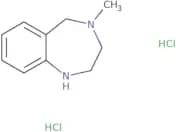
CAS:<p>Versatile small molecule scaffold</p>Formula:C14H21NOPurity:Min. 95%Molecular weight:219.32 g/mol4-Methyl-2,3,4,5-tetrahydro-1H-1,4-benzodiazepine dihydrochloride
CAS:<p>Versatile small molecule scaffold</p>Formula:C10H16Cl2N2Purity:Min. 95%Molecular weight:235.15 g/mol2-Benzylbenzo[D]isothiazol-3(2H)-one 1,1-dioxide
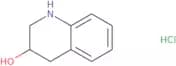
CAS:<p>Versatile small molecule scaffold</p>Formula:C14H11NO3SPurity:Min. 95%Molecular weight:273.31 g/mol1,2,3,4-Tetrahydroquinolin-3-ol
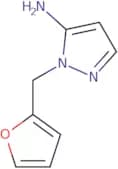
CAS:<p>1,2,3,4-Tetrahydroquinolin-3-ol is a stabilizer that can be used to prevent or slow down the polymerization of epoxy resins. It can also be used as an intermediate in the synthesis of other organic compounds. 1,2,3,4-Tetrahydroquinolin-3-ol has been shown to react with amines and nucleophiles to form new compounds. It has also been shown to stabilize proton transfer reactions. This compound is also capable of reacting with inorganic acids to form ring-opening polymers.</p>Formula:C9H11NOPurity:Min. 95%Molecular weight:149.19 g/mol2-Furan-2-ylmethyl-2H-pyrazol-3-ylamine
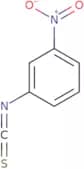
CAS:<p>Versatile small molecule scaffold</p>Formula:C8H9N3OPurity:Min. 95%Molecular weight:163.18 g/mol3-Nitrophenyl isothiocyanate
CAS:<p>3-Nitrophenyl isothiocyanate (3NPITC) is a trifluoroacetic acid derivative that can be used as an anticancer agent. 3NPITC is synthesized in a solid-phase synthesis process, which involves the use of amines and provides a high detection sensitivity. 3NPITC inhibits the proliferation of glioma cells by inhibiting the growth of cells that are in the G1/S phase of the cell cycle. It also has cytostatic effects on other cancer cells, such as leukemia and lymphoma, due to its ability to inhibit DNA synthesis. 3NPITC does not exhibit chemical instability and has been shown to have an isolated yield of 83%.</p>Formula:O2NC6H4NCSPurity:Min. 95%Molecular weight:180.18 g/mol4-Phenoxyphenyl isothiocyanate
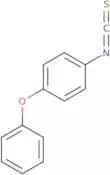
CAS:<p>4-Phenoxyphenyl isothiocyanate is a potent anthelmintic drug that has been shown to produce mutations in the DNA of animals. It is a nitro compound that may cause mutagenicity, which is a heritable change in the genetic material. 4-Phenoxyphenyl isothiocyanate has been shown to be mutagenic and has hydroxylamine and thiourea as metabolites. The hydroxylamine metabolite has been shown to be an anthelmintic, whereas the thiourea metabolite was found to be mutagenic. 4-Phenoxyphenyl isothiocyanate is biotransformed into diphenyl ether, which also possesses antimicrobial properties.</p>Formula:C13H9NOSPurity:Min. 95%Molecular weight:227.28 g/molN-Phenyl-1,3,4-thiadiazol-2-amine
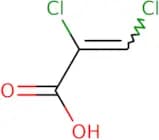
CAS:<p>Versatile small molecule scaffold</p>Formula:C8H7N3SPurity:Min. 95%Molecular weight:177.23 g/mol(2Z)-2,3-Dichloroprop-2-enoic acid
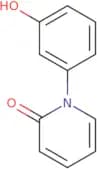
CAS:<p>Versatile small molecule scaffold</p>Formula:C3H2Cl2O2Purity:Min. 95%Molecular weight:140.95 g/mol1-(3-Hydroxyphenyl)-1,2-dihydropyridin-2-one
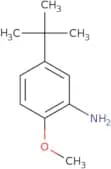
CAS:<p>Versatile small molecule scaffold</p>Formula:C11H9NO2Purity:Min. 95%Molecular weight:187.19 g/mol5-tert-Butyl-2-methoxyaniline
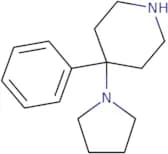
CAS:<p>Versatile small molecule scaffold</p>Formula:C11H17NOPurity:Min. 95%Molecular weight:179.26 g/mol4-Phenyl-4-(pyrrolidin-1-yl)piperidine
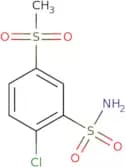
CAS:Controlled Product<p>Versatile small molecule scaffold</p>Formula:C15H22N2Purity:Min. 95%Molecular weight:230.35 g/mol2-Chloro-5-methanesulfonylbenzene-1-sulfonamide
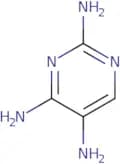
CAS:<p>Versatile small molecule scaffold</p>Formula:C7H8ClNO4S2Purity:Min. 95%Molecular weight:269.7 g/molpyrimidine-2,4,5-triamine
CAS:<p>Pyrimidine-2,4,5-triamine is a nucleotide derivative that is used to study the effects of extracellular Ca2+ on cell growth. It has anticancer activity and is used in the treatment of human immunodeficiency virus (HIV) infection and other inflammatory diseases. Pyrimidine-2,4,5-triamine has been shown to inhibit phosphatases, including malonic acid phosphatase and nitro phosphatase. This inhibition leads to an accumulation of malonic acid and nitro compounds which are cytotoxic. The drug also inhibits the production of hydrogen peroxide by inhibiting surface methodology enzymes such as peroxidase or catalase. Pyrimidine-2,4,5-triamine has been shown to be resistant to hydrolysis by hydrophobic effect enzymes such as esterases or glucuronidases. The drug also causes irreversible inhibition of DNA gyrase and topoisomerase</p>Formula:C4H7N5Purity:Min. 95%Molecular weight:125.13 g/mol2-(Octylsulfanyl)ethan-1-ol
CAS:<p>2-(Octylsulfanyl)ethan-1-ol (2SSE) is an organic solvent that is used as a polymer film to coat surfaces. It is also used in vitro tests to determine the effects of ethylene on environmental pollution. This compound has been shown to be reactive with chlorine and sodium carbonate, which causes bond cleavage and ring opening. 2SSE has nmr spectra that can be used for identification of the compound. The reaction time for this polymerization process is important in order to prevent complications such as incomplete polymerization or crosslinking. A chromatographic method can be used to identify the presence of 2SSE in a sample, including its purity.</p>Formula:C10H22OSPurity:Min. 95%Molecular weight:190.35 g/mol2-[(Morpholin-4-yl)methyl]-3,4-dihydroquinazolin-4-one
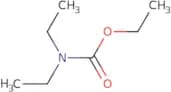
CAS:<p>Versatile small molecule scaffold</p>Formula:C13H15N3O2Purity:Min. 95%Molecular weight:245.28 g/molEthyl N,N-diethylcarbamate
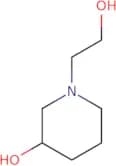
CAS:<p>Ethyl N,N-diethylcarbamate is a potent inducer of the CYP3A4 enzyme and has been shown to cause cell lysis. It is a cyclic peptide that belongs to the antimicrobial peptides group. Ethyl N,N-diethylcarbamate has been shown to bind to bacterial dna and human liver cells as well as human erythrocytes. This drug also induces DNA strand breaks in both wild-type and mutant strains of Escherichia coli. Ethyl N,N-diethylcarbamate also causes an increase in nitrite levels in mouse models. The chemical structure of this compound is C6H11NO2 with a molecular weight of 149.18 g/mol. It has three diastereomers: R-(+), S-(+), and R-(−).</p>Formula:C7H15NO2Purity:Min. 95%Molecular weight:145.2 g/mol1-(2-Hydroxyethyl)piperidin-3-ol
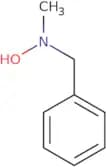
CAS:<p>Versatile small molecule scaffold</p>Formula:C7H15NO2Purity:Min. 95%Molecular weight:145.2 g/molN-Benzyl-N-methylhydroxylamine
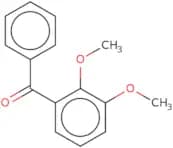
CAS:<p>N-Benzyl-N-methylhydroxylamine is a compound that has been shown to react with carbon disulfide, forming an adduct. The structure of the adduct has been reinvestigated by electron spin resonance spectroscopy and magnetic resonance spectroscopy. The NMR spectrum of the adduct showed resonances at δ 1.05 (s, 6H), δ 2.50 (s, 3H), δ 4.78 (s, 3H) and δ 7.80 ppm (t, J = 9 Hz, 2H). The resonance spectrum of the adduct showed resonances at δ 1.05 ppm and δ 4.78 ppm. When reacted with carbon disulfide in benzene solution, the NMR spectrum of the product was observed to have resonances at δ 1.05 ppm and δ 4.78 ppm, which are similar to those observed in the resonance spectrum of the adduct when reacted</p>Formula:C8H11NOPurity:Min. 95%Molecular weight:137.2 g/mol(2,4-Dimethoxyphenyl)(phenyl)methanone
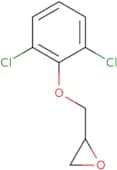
CAS:<p>2,4-Dimethoxyphenyl)(phenyl)methanone (DMPM) is a quencher of light with an absorber capacity of approximately 2.5%. It is used in vitro as a marker for cationic polymerization and UV absorption. DMPM has also been shown to inhibit the mitochondrial membrane potential, which may be due to its ability to induce pro-apoptotic proteins. DMPM binds to fatty acids and can be extracted using dispersive solid-phase extraction, which allows for its detection by gas chromatography. This drug has been shown to react with radiation and produce reactive oxygen species that may lead to cellular damage.</p>Formula:C15H14O3Purity:Min. 95%Molecular weight:242.3 g/mol2-(2,6-Dichlorophenoxymethyl)oxirane
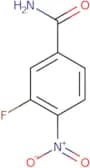
CAS:<p>Versatile small molecule scaffold</p>Formula:C9H8Cl2O2Purity:Min. 95%Molecular weight:219.06 g/mol3-Fluoro-4-nitrobenzamide
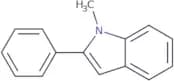
CAS:<p>Versatile small molecule scaffold</p>Formula:C7H5FN2O3Purity:Min. 95%Molecular weight:184.13 g/mol1-Methyl-2-phenylindole
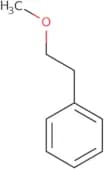
CAS:<p>1-Methyl-2-phenylindole (1MPI) is an adenine nucleotide analog, which has been shown to cause oxidative injury in the cervical cancer cells. The hydrochloric acid present in 1MPI reacts with the hydroxyl group on the indole ring to form a reactive species that can damage cellular macromolecules and DNA. 1MPI also causes mitochondrial dysfunction and reduced ATP levels, leading to cell death. It has been shown to be effective against diabetic neuropathy and reduce the production of malondialdehyde in tissue culture experiments. This drug is also capable of inducing apoptosis by releasing nitrous oxide and activating caspases.</p>Formula:C15H13NPurity:Min. 95%Molecular weight:207.27 g/molPhenylethyl Methyl Ether
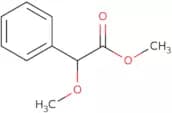
CAS:<p>Phenylethyl methyl ether is an organic compound that is commonly used as a cross-linking agent for the preparation of polymers. It reacts with an unsaturated polymer to form a covalent bond, which improves the polymer's mechanical properties. Phenylethyl methyl ether also has acidic properties and can react with chloride ions to produce chloride salts, such as phenyl etherates, which can be detected using spectroscopy. The phenyl groups are alicyclic, whereas the product is particle in shape. Phenylethyl methyl ether is structurally similar to terpinen-4-ol and has been shown to have anti-inflammatory activities in mice. This compound forms a particle and has been shown to have anti-inflammatory activities in mice.</p>Formula:C9H12OPurity:Min. 95%Molecular weight:136.19 g/molMethyl 2-methoxy-2-phenylacetate
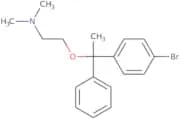
CAS:<p>Methyl 2-methoxy-2-phenylacetate is a tautomer of the flavin mononucleotide. It has been shown to have mechanistic and metabolic properties that are similar to those of other flavins. Methyl 2-methoxy-2-phenylacetate can be obtained by UV irradiation of methyl 2,4-dimethoxyphenylacetate or by irradiating methyl 2,4,6-trimethoxyphenylacetate with UV light. This compound can be used as a flavin analogue for the study of flavin compounds in nature. Methyl 2-methoxy-2-phenylacetate was also used in a method to synthesize carbanions by reacting with alkoxycarbonyl groups.</p>Formula:C10H12O3Purity:Min. 95%Molecular weight:180.2 g/molEmbramine
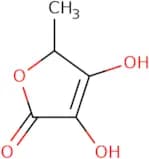
CAS:Controlled Product<p>Embramine is a drug that belongs to the group of maleate salts and is used in the treatment of idiopathic urticaria. It has been shown to inhibit nitrite levels in the body and reduce inflammation by inhibiting fatty acid release from cells. The drug has also been found to have a general inhibitory effect on the release of histamine, leukotrienes, and prostaglandins that are associated with allergic reactions. Embramine has also been shown to have antioxidative properties, which may be due to its aldehyde groups.</p>Formula:C18H22BrNOPurity:Min. 95%Molecular weight:348.28 g/mol3,4-Dihydroxy-5-methyl-2,5-dihydrofuran-2-one
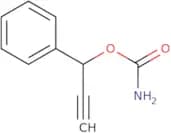
CAS:<p>3,4-Dihydroxy-5-methyl-2,5-dihydrofuran-2-one is a chemical compound that has a colorless crystal appearance. It is an oxidative and nonoxidative compound with the chemical formula C8H10O3. The chromatogram shows the overlap of different compounds which are separated by their colored bands. This overlapped banding pattern indicates the presence of 3,4-dihydroxy-5-methyl-2,5-dihydrofuran-2one in the mixture.</p>Formula:C5H6O4Purity:Min. 95%Molecular weight:130.1 g/mol1-Phenylprop-2-yn-1-yl carbamate
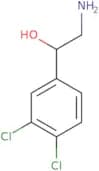
CAS:<p>1-Phenylprop-2-yn-1-yl carbamate is an insoluble compound that can be used as a diluent for therapeutic proteins. It has no known adverse effects on humans and it is not known to be carcinogenic. 1-Phenylprop-2-yn-1-yl carbamate inhibits inflammatory bowel disease by inhibiting the release of inflammatory cytokines, such as TNFα and ILβ, from activated macrophages. This drug is also effective in treating bowel disease caused by implanting bacteria, such as Salmonella enterica serovar Typhi and Shigella sonnei. The mechanism of action of 1-phenylpropan-2-ynyl carbamate is unclear but may be due to the inhibition of bacterial biosynthesis or the reconstitution of the bowel lining cells.</p>Formula:C10H9NO2Purity:Min. 95%Molecular weight:175.18 g/mol2-Amino-1-(3,4-dichloro-phenyl)-ethanol
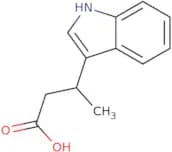
CAS:<p>2-Amino-1-(3,4-dichloro-phenyl)-ethanol is a triazine that binds to the active site of senescent and increases the rate of senescent in vitro. 2-Amino-1-(3,4-dichloro-phenyl)-ethanol has been shown to be effective at reducing hepatic steatosis in mice. The redox potentials of 2-amino-1-(3,4-dichloro-phenyl)-ethanol are -0.14 V vs NHE (negative hydrogen electrode) and -0.92 V vs Ag/AgCl (silver chloride). The chelate ring of 2-amino-1-(3,4-dichloro-phenyl)-ethanol contains eight atoms: two nitrogen atoms, two carbon atoms, two oxygen atoms, and two chlorine atoms. It is a diphosphine with a transfer reaction mechanism that is</p>Formula:C8H9Cl2NOPurity:Min. 95%Molecular weight:206.07 g/mol3-(1H-Indol-3-yl)butanoic acid
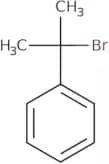
CAS:<p>3-(1H-Indol-3-yl)butanoic acid is an antibiotic that inhibits the activity of lipases and other enzymes that are involved in the digestion of fats. It is also an enantiomerically pure product, which means that it has a single chiral center and only one stereoisomer is present in the compound. 3-(1H-Indol-3-yl)butanoic acid has been shown to inhibit the growth of pseudomonas fluorescens, which is a bacterium that causes infections in humans. The enzyme hydrolysis of this antibiotic can be done by either microorganisms or enzymes from human cells.</p>Formula:C12H13NO2Purity:Min. 95%Molecular weight:203.24 g/mol(2-Bromopropan-2-yl)benzene
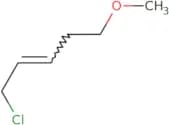
CAS:<p>2-Bromopropan-2-yl)benzene is an impurity in the production of polypropylene. It is a potential monomer that can be used for the synthesis of polymers. The compound has been shown to have copolymerization properties and can be used as a debrominating agent for poly(vinyl chloride). 2-Bromopropan-2-yl)benzene's reaction mechanism is based on the addition of bromine to the double bond of an organic compound. The product of this reaction is a halide, which is then hydrolyzed to release water and hydrogen bromide gas. 2-Bromopropan-2-yl)benzene also has antiinflammatory properties and has been shown to inhibit the production of chloride ions in immune cells. 2-Bromopropan-2-yl)benzene has also been shown to have peroxide decomposition properties, which may cause</p>Formula:C9H11BrPurity:Min. 95%Molecular weight:199.09 g/mol1-Chloro-5-methoxy-2-pentene
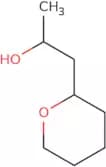
CAS:<p>Versatile small molecule scaffold</p>Formula:C6H11ClOPurity:Min. 95%Molecular weight:134.6 g/mol1-(Oxan-2-yl)propan-2-ol
CAS:<p>Versatile small molecule scaffold</p>Formula:C8H16O2Purity:Min. 95%Molecular weight:144.21 g/mol2-[4-(Ethylsulfanyl)phenyl]acetic acid
CAS:<p>Versatile small molecule scaffold</p>Formula:C10H12O2SPurity:Min. 95%Molecular weight:196.27 g/mol2-[4-(Propan-2-ylsulfanyl)phenyl]acetic acid
CAS:<p>Versatile small molecule scaffold</p>Formula:C11H14O2SPurity:Min. 95%Molecular weight:210.29 g/mol1-[4-(Ethylsulfanyl)phenyl]ethan-1-one
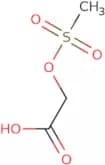
CAS:<p>Versatile small molecule scaffold</p>Formula:C10H12OSPurity:Min. 95%Molecular weight:180.27 g/mol2-(Methanesulfonyloxy)acetic acid
CAS:<p>2-Methanesulfonyloxyacetic acid (MSAA) is a nitrosated compound that is used in the food industry as a preservative. It has been shown to inhibit tumor growth by inhibiting the synthesis of DNA and RNA, as well as protein synthesis. MSAA also inhibits the production of dehydrogenase in thymus cells, which has been shown to be related to cancer development. The mechanism of this inhibition is not yet clear, but it may be due to an interaction with diazoacetate or imidazole. MSAA also inhibits catalysis by anion, which can be reinterpreted to mean that it catalyzes anion.</p>Formula:C3H6O5SPurity:Min. 95%Molecular weight:154.14 g/mol

![7-(4,4,5,5-Tetramethyl-1,3,2-dioxaborolan-2-yl)imidazo[1,2-a]pyridine](/_next/image/?url=https%3A%2Fstatic.cymitquimica.com%2Fproducts%2F3D%2Fthumb-webp%2FDAA31915.webp&w=3840&q=75)

![3-[(2-Methoxyphenyl)amino]propanoic acid](/_next/image/?url=https%3A%2Fstatic.cymitquimica.com%2Fproducts%2F3D%2Fthumb-webp%2FDAA33466.webp&w=3840&q=75)
![3-[(3-Methoxyphenyl)amino]propanoic acid](/_next/image/?url=https%3A%2Fstatic.cymitquimica.com%2Fproducts%2F3D%2Fthumb-webp%2FDAA33467.webp&w=3840&q=75)
![5-Methyl-benzo[1,2,5]thiadiazol-4-ylamine](/_next/image/?url=https%3A%2Fstatic.cymitquimica.com%2Fproducts%2F3D%2Fthumb-webp%2FDAA33893.webp&w=3840&q=75)

![2-[4-(Methylsulfanyl)phenoxy]propanoic acid](/_next/image/?url=https%3A%2Fstatic.cymitquimica.com%2Fproducts%2F3D%2Fthumb-webp%2FDAA36490.webp&w=3840&q=75)


![2-[(4-Nitrophenyl)sulfanyl]acetic acid](/_next/image/?url=https%3A%2Fstatic.cymitquimica.com%2Fproducts%2F3D%2Fthumb-webp%2FDAA40675.webp&w=3840&q=75)
![Ethyl[1-(oxolan-2-yl)-2-phenylethyl]amine](/_next/image/?url=https%3A%2Fstatic.cymitquimica.com%2Fproducts%2F3D%2Fthumb-webp%2FDAA41334.webp&w=3840&q=75)
![2-Benzylbenzo[D]isothiazol-3(2H)-one 1,1-dioxide](/_next/image/?url=https%3A%2Fstatic.cymitquimica.com%2Fproducts%2F3D%2Fthumb-webp%2FDAA41659.webp&w=3840&q=75)

![2-[(Morpholin-4-yl)methyl]-3,4-dihydroquinazolin-4-one](/_next/image/?url=https%3A%2Fstatic.cymitquimica.com%2Fproducts%2F3D%2Fthumb-webp%2FDAA55264.webp&w=3840&q=75)
![2-[4-(Ethylsulfanyl)phenyl]acetic acid](/_next/image/?url=https%3A%2Fstatic.cymitquimica.com%2Fproducts%2F3D%2Fthumb-webp%2FDAA58358.webp&w=3840&q=75)
![2-[4-(Propan-2-ylsulfanyl)phenyl]acetic acid](/_next/image/?url=https%3A%2Fstatic.cymitquimica.com%2Fproducts%2F3D%2Fthumb-webp%2FDAA58360.webp&w=3840&q=75)
![1-[4-(Ethylsulfanyl)phenyl]ethan-1-one](/_next/image/?url=https%3A%2Fstatic.cymitquimica.com%2Fproducts%2F3D%2Fthumb-webp%2FDAA58573.webp&w=3840&q=75)