Building Blocks
This section contains fundamental products for the synthesis of organic and biological compounds. Building blocks are the essential starting materials used to construct complex molecules through various chemical reactions. They play a critical role in drug discovery, material science, and chemical research. At CymitQuimica, we offer a diverse range of high-quality building blocks to support your innovative research and industrial projects, ensuring you have the essential components for successful synthesis.
Subcategories of "Building Blocks"
- Boronic Acids & Boronic Acid Derivatives(5,756 products)
- Chiral Building Blocks(1,242 products)
- Hydrocarbon Building Blocks(6,095 products)
- Organic Building Blocks(61,055 products)
Found 199650 products of "Building Blocks"
Sort by
Purity (%)
0
100
|
0
|
50
|
90
|
95
|
100
3-[(3,5-Dichlorophenyl)amino]propanoic acid
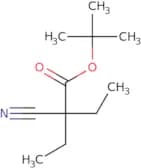
CAS:<p>Versatile small molecule scaffold</p>Formula:C9H9Cl2NO2Purity:Min. 95%Molecular weight:234.08 g/moltert-Butyl 2-cyano-2-ethylbutanoate
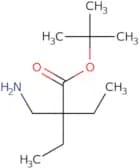
CAS:<p>Versatile small molecule scaffold</p>Formula:C11H19NO2Purity:Min. 95%Molecular weight:197.27 g/moltert-Butyl 2-(aminomethyl)-2-ethylbutanoate
CAS:<p>Versatile small molecule scaffold</p>Formula:C11H23NO2Purity:Min. 95%Molecular weight:201.31 g/molEthyl 5-bromo-3-methyl-1-benzofuran-2-carboxylate
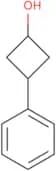
CAS:Versatile small molecule scaffoldFormula:C12H11BrO3Purity:Min. 95%Molecular weight:283.12 g/molrac-(1S,3S)-3-Phenylcyclobutanol
CAS:<p>Racemic 3-phenylcyclobutanol is an organic compound with the chemical formula CH(CH)CH(OH)CH. It is a white solid that is soluble in water, but insoluble in ethanol and ether. Racemic 3-phenylcyclobutanol can be synthesized by the ring-opening of cinnamyl chloride with potassium hydroxide. This reaction produces a mixture of stereoisomers, which are separated by fractional crystallization. The product obtained consists primarily of the erythro diastereomer, but also contains significant quantities of the threo diastereomer and traces of the dithreo diastereomer. Racemic 3-phenylcyclobutanol can also be produced by reacting cyclobutanol with an imine such as ethylene glycol or 1,2-ethanediol in the presence of a base such as sodium ethoxide or potassium tert-butoxide. In this process, rac</p>Formula:C10H12OPurity:Min. 95%Molecular weight:148.2 g/molrac-(1R,3R)-3-Phenylcyclobutanol
CAS:<p>Rac-1R,3R-3-phenylcyclobutanol is a catalyst that can be used in the ring-opening of cyclobutanol to yield cinnamyl alcohol. The catalytic reaction proceeds by means of a carbonium ion and is stereoselective. The product is obtained with high yields and stereoisomers are formed selectively. Rac-1R,3R-3-phenylcyclobutanol can also be used in the synthesis of imines from amines and ketones. This compound has been shown to have monooxygenase activity towards cinnamyl alcohol or cyclobutanone.</p>Formula:C10H12OPurity:Min. 95%Molecular weight:148.2 g/mol4-[5-Oxo-3-(trifluoromethyl)-4,5-dihydro-1H-pyrazol-1-yl]benzoic acid
CAS:<p>Versatile small molecule scaffold</p>Formula:C11H7F3N2O3Purity:Min. 95%Molecular weight:272.18 g/mol13-Amino-11-(4-methylphenyl)-1,8-diazatricyclo[7.4.0.0,2,7]trideca-2,4,6,8,10,12-hexaene-10,12-dicarbonitrile
CAS:<p>13-Amino-11-(4-methylphenyl)-1,8-diazatricyclo[7.4.0.0,2,7]trideca-2,4,6,8,10,12-hexaene-10,12-dicarbonitrile (AZD2171) is a potent and selective inhibitor of the JAK3 kinase. It has been shown to inhibit tumor xenografts in mice and to reduce the size of tumors by inhibiting the proliferation of cancer cells. In vitro studies have shown that AZD2171 has anti-inflammatory effects on nerve cells and prevents degenerative diseases by reducing oxidative stress caused by polyunsaturated fatty acids (PUFA). AZD2171 inhibits lipid peroxidation and reduces fatty acid synthesis as well as plasma mass spectrometry measurements in rats with high levels of PUFA.</p>Formula:C20H13N5Purity:Min. 95%Molecular weight:323.3 g/mol1,5-Dimethyl-1,4-diazepane
CAS:<p>Versatile small molecule scaffold</p>Formula:C7H16N2Purity:Min. 95%Molecular weight:128.22 g/mol1H,2H,3H,4H-Cyclopenta[b]indol-2-one
CAS:<p>Versatile small molecule scaffold</p>Formula:C11H9NOPurity:Min. 95%Molecular weight:171.19 g/mol2-[2-(Naphthalen-1-yl)acetamido]propanoic acid
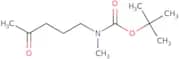
CAS:Versatile small molecule scaffoldFormula:C15H15NO3Purity:Min. 95%Molecular weight:257.28 g/moltert-Butyl N-methyl-N-(4-oxopentyl)carbamate
CAS:<p>Versatile small molecule scaffold</p>Formula:C11H21NO3Purity:Min. 95%Molecular weight:215.3 g/mol2,2,2-Trifluoro-1-[4-(trifluoromethyl)phenyl]ethan-1-ol
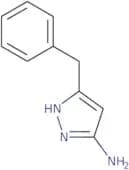
CAS:<p>Versatile small molecule scaffold</p>Formula:C9H6F6OPurity:Min. 95%Molecular weight:244.13 g/mol5-Benzyl-1H-pyrazol-3-amine
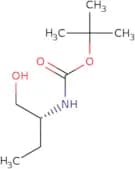
CAS:<p>Versatile small molecule scaffold</p>Formula:C10H11N3Purity:Min. 95%Molecular weight:173.22 g/molN-Boc-(R)-(+)-2-amino-1-butanol
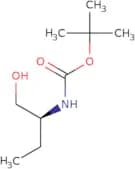
CAS:<p>Versatile small molecule scaffold</p>Formula:C9H19NO3Purity:Min. 95%Molecular weight:189.25 g/molN-Boc-(S)-(ˆ’)-2-amino-1-butanol
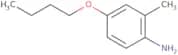
CAS:<p>Versatile small molecule scaffold</p>Formula:C9H19NO3Purity:Min. 95%Molecular weight:189.25 g/mol4-Butoxy-2-methylaniline
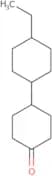
CAS:<p>Versatile small molecule scaffold</p>Formula:C11H17NOPurity:Min. 95%Molecular weight:179.26 g/mol4-(trans-4-Ethylcyclohexyl)cyclohexanone
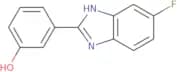
CAS:Versatile small molecule scaffoldFormula:C14H24OPurity:Min. 95%Molecular weight:208.35 g/mol3-(5-Fluoro-1H-1,3-benzodiazol-2-yl)phenol
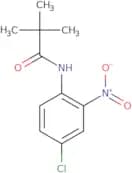
CAS:<p>Versatile small molecule scaffold</p>Formula:C13H9FN2OPurity:Min. 95%Molecular weight:228.22 g/molN-(4-Chloro-2-nitrophenyl)-2,2-dimethylpropanamide
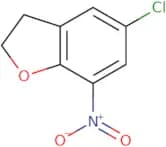
CAS:<p>Versatile small molecule scaffold</p>Formula:C11H13ClN2O3Purity:Min. 95%Molecular weight:256.68 g/mol5-Chloro-7-nitro-2,3-dihydro-1-benzofuran
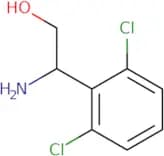
CAS:<p>Versatile small molecule scaffold</p>Formula:C8H6ClNO3Purity:Min. 95%Molecular weight:199.59 g/mol2-Amino-2-(2,6-dichlorophenyl)ethan-1-ol
CAS:<p>Versatile small molecule scaffold</p>Formula:C8H9Cl2NOPurity:Min. 95%Molecular weight:206.07 g/mol2-{[(tert-butoxy)carbonyl](phenyl)amino}acetic acid
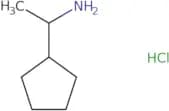
CAS:<p>2-{[(tert-Butoxy)carbonyl](phenyl)amino}acetic acid is a supramolecular building block that can be used as an additive for the synthesis of taxol, quinine and other drugs. The synthesis of 2-{[(tert-butoxy)carbonyl](phenyl)amino}acetic acid starts from the imine, which is generated by reaction with tert-butanol in the presence of a catalytic amount of pyridine. The imine is then dehydrated to form 2-{[(tert-butoxy)carbonyl](phenyl)amino}acetic acid. This method has been shown to be efficient and provides an asymmetric route to various pharmaceuticals.<br>2-[(tert-Butoxy)carbonyl]phenylaminoacetic acid was first synthesized in 1990 by Atsushi Ochiai and Yoshih</p>Formula:C13H17NO4Purity:Min. 95%Molecular weight:251.3 g/mol(1-cyclopentylethyl)amine hydrochloride
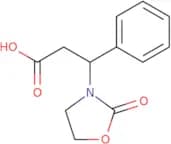
CAS:<p>Versatile small molecule scaffold</p>Formula:C7H15N·HClPurity:Min. 95%Molecular weight:149.66 g/mol3-(2-Oxo-1,3-oxazolidin-3-yl)-3-phenylpropanoic acid
CAS:<p>Versatile small molecule scaffold</p>Formula:C12H13NO4Purity:Min. 95%Molecular weight:235.24 g/molMethyl 10-aminodecanoate hydrochloride
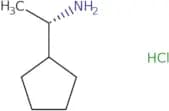
CAS:<p>Versatile small molecule scaffold</p>Formula:C11H24ClNO2Purity:Min. 95%Molecular weight:237.77 g/mol(S)-1-Cyclopentyl-ethylamine hydrochloride ee
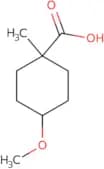
CAS:<p>Versatile small molecule scaffold</p>Formula:C7H16ClNPurity:Min. 95%Molecular weight:149.66 g/mol4-Methoxy-1-methylcyclohexane-1-carboxylic acid
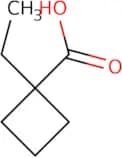
CAS:<p>Versatile small molecule scaffold</p>Formula:C9H16O3Purity:Min. 95%Molecular weight:172.22 g/mol1-Ethylcyclobutanecarboxylic acid
CAS:<p>1-Ethylcyclobutanecarboxylic acid is a liquid crystal that is optically active. It can be used as a nutrient for aerobic organisms and also has a role in the biosynthesis of fluorine. The preparation process of 1-ethylcyclobutanecarboxylic acid includes the use of fluorine, which is obtained from the mineral fluorspar, and an inorganic acid such as sulfuric acid. This compound has been shown to have an important role in the production of l-valine. It is also used as a substrate for dehydrogenase enzymes to produce hydrogen gas, which can then be used as an energy source.</p>Formula:C7H12O2Purity:Min. 95%Molecular weight:128.17 g/mol2-Formyl-5-methylbenzoic acid
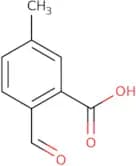
CAS:<p>2-Formyl-5-methylbenzoic acid is a chemical compound that belongs to the group of isoindolinones. It is a tetracyclic, hydrazide, and tricyclic compound. 2-Formyl-5-methylbenzoic acid has been shown to be an efficient additive for organic chemistry reactions. This chemical compound can be obtained by iodocyclization of 5-methylbenzene with hydroiodic acid and potassium iodide in the presence of catalysts such as potassium carbonate or sodium bromide. The product can also be synthesized by allylation of 2-formylbenzoic acid with allyl bromide in the presence of copper(II) acetate as a catalyst.</p>Formula:C9H8O3Purity:Min. 95%Molecular weight:164.16 g/mol4-(1-bromoethyl)-1,2-difluorobenzene
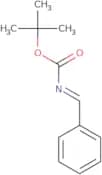
CAS:<p>Versatile small molecule scaffold</p>Formula:C8H7BrF2Purity:Min. 95%Molecular weight:221.05 g/moltert-Butyl (phenylmethylene)carbamate
CAS:Tert-butyl (phenylmethylene)carbamate is a diazo compound that can be used as a synthetic intermediate. It is an activated nucleophile, which reacts with arylaldehydes to form the corresponding peracid. This molecule is chiral and can exist in two forms, S and R. The R form of this molecule has been shown to react more readily with benzene than the S form. Tert-butyl (phenylmethylene)carbamate also reacts with valine to produce an amide derivative that contains an imino group.Formula:C12H15NO2Purity:Min. 95%Molecular weight:205.25 g/mol3-[3-(4-Methoxyphenyl)prop-2-enamido]propanoic acid
CAS:<p>Versatile small molecule scaffold</p>Formula:C13H15NO4Purity:Min. 95%Molecular weight:249.26 g/mol(2S)-2-Amino-4-phenylbutan-1-ol hydrochloride
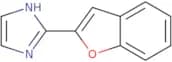
CAS:<p>Versatile small molecule scaffold</p>Formula:C10H16ClNOPurity:Min. 95%Molecular weight:201.69 g/mol2-(1-Benzofuran-2-yl)-1H-imidazole
CAS:2-(1-Benzofuran-2-yl)-1H-imidazole is a homologous compound that inhibits the synthesis of human chorionic gonadotropin (hCG) in cancer cells. It binds to the hormone hCG and prevents it from binding to its receptor. This leads to the inhibition of cancer cell proliferation, but not normal cell growth. The drug has been shown to be effective against Streptococcus pneumoniae and Streptococcus faecalis, which are bacteria that cause pneumonia and urinary tract infections respectively. 2-(1-Benzofuran-2-yl)-1H-imidazole also causes death of cancer cells by preventing replication of DNA and RNA.Formula:C11H8N2OPurity:Min. 95%Molecular weight:184.19 g/mol4-Methyl-octahydropyrrolo[3,4-b]morpholine
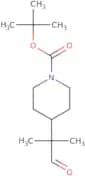
CAS:Versatile small molecule scaffoldFormula:C7H14N2OPurity:Min. 95%Molecular weight:142.2 g/moltert-Butyl 4-(2-methyl-1-oxopropan-2-yl)piperidine-1-carboxylate
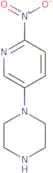
CAS:<p>Versatile small molecule scaffold</p>Formula:C14H25NO3Purity:Min. 95%Molecular weight:255.35 g/mol1-(6-Nitropyridin-3-yl)piperazine
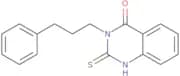
CAS:<p>1-(6-Nitropyridin-3-yl)piperazine is a tosylate of piperazine that can be used for radiolabeling. It has been shown to react with aziridine and form 1-(6-nitropyridin-3-yl)aziridine in the presence of isopropyl alcohol, yielding a mixture of isomers. This reaction has also been shown to proceed with isobutanol as solvent. The yield was dependent on the concentration of piperazine, but was greater when using higher concentrations. The experimentally determined rate constants and activation energies for this reaction were found to be 0.0074 M−1s−1 and −10.8 kJ/mol, respectively. This chemical can be used as a substrate for kinases or solvents in liquid chromatography, diluent in affinity chromatography, or reversed phase chromatography experiments.br> br></p>Formula:C9H12N4O2Purity:Min. 95%Molecular weight:208.22 g/mol3-(3-Phenylpropyl)-2-sulfanyl-3,4-dihydroquinazolin-4-one
CAS:<p>Versatile small molecule scaffold</p>Formula:C17H16N2OSPurity:Min. 95%Molecular weight:296.4 g/molN-(Adamantan-1-yl)-2-chloro-N-[(3-methoxyphenyl)methyl]acetamide
CAS:Versatile small molecule scaffoldFormula:C20H26ClNO2Purity:Min. 95%Molecular weight:347.9 g/mol2-{[(2,5-Dimethylphenyl)sulfanyl]methyl}-5-methyl-4-oxo-3H,4H-thieno[2,3-d]pyrimidine-6-carboxylic acid
CAS:<p>Versatile small molecule scaffold</p>Formula:C17H16N2O3S2Purity:Min. 95%Molecular weight:360.5 g/mol4-(Furan-2-ylmethyl)-11-methyl-5-sulfanyl-8-thia-4,6-diazatricyclo[7.4.0.0,2,7]trideca-1(9),2(7),5-trien-3-one
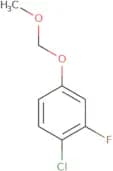
CAS:<p>Versatile small molecule scaffold</p>Formula:C16H16N2O2S2Purity:Min. 95%Molecular weight:332.4 g/mol1-Chloro-2-fluoro-4-(methoxymethoxy)benzene
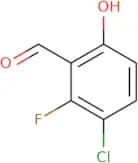
CAS:<p>Versatile small molecule scaffold</p>Formula:C8H8ClFO2Purity:Min. 95%Molecular weight:190.6 g/mol3-Chloro-2-fluoro-6-hydroxybenzaldehyde
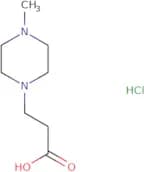
CAS:Versatile small molecule scaffoldFormula:C7H4ClFO2Purity:Min. 95%Molecular weight:174.55 g/mol3-(4-Methylpiperazin-1-yl)propanoic acid hydrochloride
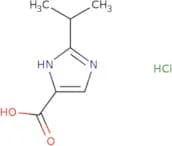
CAS:<p>Versatile small molecule scaffold</p>Formula:C8H17ClN2O2Purity:Min. 95%Molecular weight:208.68 g/mol2-(Propan-2-yl)-1H-imidazole-4-carboxylic acid hydrochloride
CAS:<p>Versatile small molecule scaffold</p>Formula:C7H11ClN2O2Purity:Min. 95%Molecular weight:190.63 g/mol2-tert-Butyl-1H-imidazole-4-carboxylic acid hydrochloride
CAS:<p>Versatile small molecule scaffold</p>Formula:C8H13ClN2O2Purity:Min. 95%Molecular weight:204.65 g/mol4-Cyano-3-methylphenylboronic acid pinacol ester
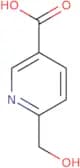
CAS:<p>Versatile small molecule scaffold</p>Formula:C14H18BNO2Purity:Min. 95%Molecular weight:243.11 g/mol6-(Hydroxymethyl)nicotinic acid
CAS:<p>Versatile small molecule scaffold</p>Formula:C7H7NO3Purity:Min. 95%Molecular weight:153.14 g/mol1-[(2-Fluorophenyl)methyl]-1,4-diazepane
CAS:<p>Versatile small molecule scaffold</p>Formula:C12H17FN2Purity:Min. 95%Molecular weight:208.28 g/mol1-Benzyl-4-tert-butoxycarbonylamino-pyrrolidine-3-carboxylic acid
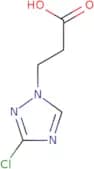
CAS:<p>Versatile small molecule scaffold</p>Formula:C17H24N2O4Purity:Min. 95%Molecular weight:320.4 g/mol3-(3-Chloro-1H-1,2,4-triazol-1-yl)propanoic acid
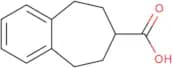
CAS:Versatile small molecule scaffoldFormula:C5H6ClN3O2Purity:Min. 95%Molecular weight:175.57 g/mol6,7,8,9-Tetrahydro-5H-benzocycloheptene-7-carboxylic acid
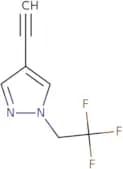
CAS:<p>Versatile small molecule scaffold</p>Formula:C12H14O2Purity:Min. 95%Molecular weight:190.24 g/mol4-Ethynyl-1-(2,2,2-trifluoroethyl)-1H-pyrazole
CAS:<p>Versatile small molecule scaffold</p>Formula:C7H5F3N2Purity:Min. 95%Molecular weight:174.12 g/mol1-(Difluoromethyl)-4-ethynyl-1H-pyrazole
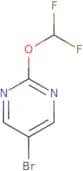
CAS:Versatile small molecule scaffoldFormula:C6H4F2N2Purity:Min. 95%Molecular weight:142.11 g/mol5-Bromo-2-(difluoromethoxy)pyrimidine
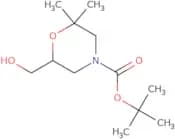
CAS:<p>Versatile small molecule scaffold</p>Formula:C5H3BrF2N2OPurity:Min. 95%Molecular weight:224.99 g/moltert-Butyl (6S)-6-(hydroxymethyl)-2,2-dimethylmorpholine-4-carboxylate
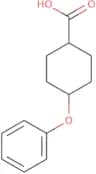
CAS:<p>Versatile small molecule scaffold</p>Formula:C12H23NO4Purity:Min. 95%Molecular weight:245.32 g/mol4-Phenoxycyclohexane-1-carboxylic acids
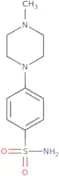
CAS:Versatile small molecule scaffoldFormula:C13H16O3Purity:Min. 95%Molecular weight:220.3 g/mol4-(4-Methylpiperazino)benzenesulfonamide
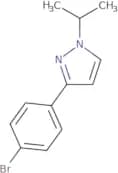
CAS:<p>Versatile small molecule scaffold</p>Formula:C11H17N3O2SPurity:Min. 95%Molecular weight:255.34 g/mol3-(4-Bromophenyl)-1-isopropylpyrazole
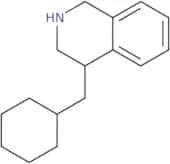
CAS:Versatile small molecule scaffoldFormula:C12H13BrN2Purity:Min. 95%Molecular weight:265.15 g/mol4-(Cyclohexylmethyl)-1,2,3,4-tetrahydroisoquinoline
CAS:<p>Versatile small molecule scaffold</p>Formula:C16H23NPurity:Min. 95%Molecular weight:229.4 g/moltert-Butyl N-[(tert-butoxy)carbonyl]-N-[6-(tetramethyl-1,3,2-dioxaborolan-2-yl)pyrazin-2-yl]carbamate
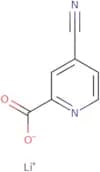
CAS:Versatile small molecule scaffoldFormula:C20H32BN3O6Purity:Min. 95%Molecular weight:421.3 g/molLithium 4-cyanopyridine-2-carboxylate
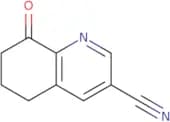
CAS:Versatile small molecule scaffoldFormula:C7H3LiN2O2Purity:Min. 95%Molecular weight:154.1 g/mol8-Oxo-5,6,7,8-tetrahydroquinoline-3-carbonitrile
CAS:<p>Versatile small molecule scaffold</p>Formula:C10H8N2OPurity:Min. 95%Molecular weight:172.18 g/mol4-Chloropyrrolo[1,2-b]pyridazine-3-carboxylic acid
CAS:<p>Versatile small molecule scaffold</p>Formula:C8H5ClN2O2Purity:Min. 95%Molecular weight:196.59 g/molEthyl 4-chloropyrrolo[1,2-b]pyridazine-3-carboxylate
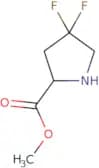
CAS:<p>Versatile small molecule scaffold</p>Formula:C10H9ClN2O2Purity:Min. 95%Molecular weight:224.64 g/molMethyl (2R)-4,4-difluoropyrrolidine-2-carboxylate
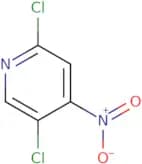
CAS:<p>Versatile small molecule scaffold</p>Formula:C6H9F2NO2Purity:Min. 95%Molecular weight:165.14 g/mol2,5-Dichloro-4-nitropyridine
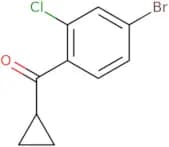
CAS:<p>Versatile small molecule scaffold</p>Formula:C5H2Cl2N2O2Purity:Min. 95%Molecular weight:192.98 g/mol(4-Bromo-2-chlorophenyl)(cyclopropyl)methanone
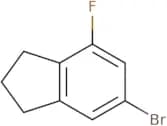
CAS:<p>Versatile small molecule scaffold</p>Formula:C10H8BrClOPurity:Min. 95%Molecular weight:259.52 g/mol6-Bromo-4-fluoro-2,3-dihydro-1H-indene
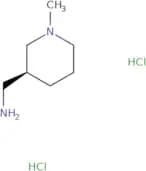
CAS:<p>Versatile small molecule scaffold</p>Formula:C9H8BrFPurity:Min. 95%Molecular weight:215.06 g/mol(S)-1-Methyl-3-Aminomethylpiperidine Dihydrochloride
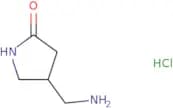
CAS:Versatile small molecule scaffoldFormula:C7H16N2·2HClPurity:Min. 95%Molecular weight:201.13 g/mol4-(aminomethyl)pyrrolidin-2-one hydrochloride
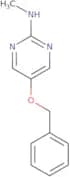
CAS:<p>Versatile small molecule scaffold</p>Formula:C5H11ClN2OPurity:Min. 95%Molecular weight:150.61 g/mol5-(Benzyloxy)-N-methylpyrimidin-2-amine
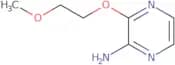
CAS:Versatile small molecule scaffoldFormula:C12H13N3OPurity:Min. 95%Molecular weight:215.25 g/mol3-(2-Methoxyethoxy)pyrazin-2-amine
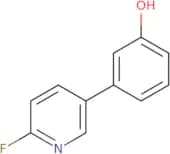
CAS:<p>Versatile small molecule scaffold</p>Formula:C7H11N3O2Purity:Min. 95%Molecular weight:169.18 g/mol3-(6-Fluoropyridin-3-yl)phenol
CAS:<p>Versatile small molecule scaffold</p>Formula:C11H8FNOPurity:Min. 95%Molecular weight:189.19 g/mol[5-(Difluoromethyl)-1,3-oxazol-4-yl]methanol
CAS:<p>Versatile small molecule scaffold</p>Formula:C5H5F2NO2Purity:Min. 95%Molecular weight:149.1 g/mol{6,6-Difluorospiro[2.5]octan-1-yl}methanamine
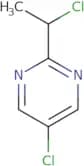
CAS:Versatile small molecule scaffoldFormula:C9H15F2NPurity:Min. 95%Molecular weight:175.22 g/mol5-Chloro-2-(1-chloroethyl)pyrimidine
CAS:<p>Versatile small molecule scaffold</p>Formula:C6H6Cl2N2Purity:Min. 95%Molecular weight:177.03 g/mol5-[(1H-1,2,3-Triazol-1-yl)methyl]furan-2-carboxylic acid
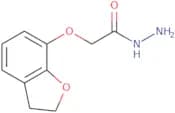
CAS:<p>Versatile small molecule scaffold</p>Formula:C8H7N3O3Purity:Min. 95%Molecular weight:193.16 g/mol2-(2,3-Dihydro-1-benzofuran-7-yloxy)acetohydrazide
CAS:<p>Versatile small molecule scaffold</p>Formula:C10H12N2O3Purity:Min. 95%Molecular weight:208.21 g/mol3-{3,5-Dioxo-10-oxa-4-azatricyclo[5.2.1.0,2,6]decan-4-yl}propanoic acid
CAS:Versatile small molecule scaffoldFormula:C11H13NO5Purity:Min. 95%Molecular weight:239.22 g/mol{Bicyclo[4.1.0]heptan-3-yl}methanethiol, iastereomers
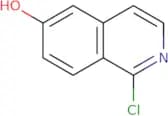
CAS:<p>Versatile small molecule scaffold</p>Formula:C8H14SPurity:Min. 95%Molecular weight:142.26 g/mol1-Chloroisoquinolin-6-ol
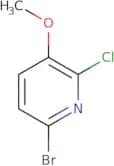
CAS:<p>Versatile small molecule scaffold</p>Formula:C9H6NOClPurity:Min. 95%Molecular weight:179.6 g/mol6-Bromo-2-chloro-3-methoxypyridine
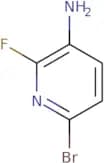
CAS:<p>Versatile small molecule scaffold</p>Formula:C6H5BrClNOPurity:Min. 95%Molecular weight:222.47 g/mol6-Bromo-2-fluoropyridin-3-amine
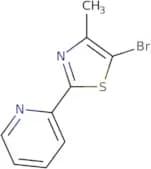
CAS:<p>Versatile small molecule scaffold</p>Formula:C5H4BrFN2Purity:Min. 95%Molecular weight:191 g/mol2-(5-bromo-4-methyl-1,3-thiazol-2-yl)pyridine
CAS:Versatile small molecule scaffoldFormula:C9H7BrN2SPurity:Min. 95%Molecular weight:255.13 g/mol4-Fluoro-2-trifluoromethyl-pyridine
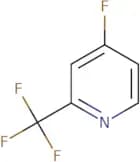
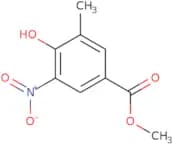
CAS:<p>Versatile small molecule scaffold</p>Formula:C6H3F4NPurity:Min. 95%Molecular weight:165.09 g/molBenzoic acid, 4-hydroxy-3-methyl-5-nitro-, methyl ester
CAS:<p>Versatile small molecule scaffold</p>Formula:C9H9NO5Purity:Min. 95%Molecular weight:211.17 g/molN-Ethyl-2-methoxyethanamine, hydrochloride
CAS:<p>Versatile small molecule scaffold</p>Formula:C5H14ClNOPurity:Min. 95%Molecular weight:139.62 g/molEthyl(2-fluoroethyl)amine hydrochloride
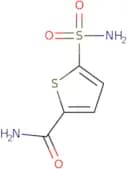
CAS:<p>Versatile small molecule scaffold</p>Formula:C4H11ClFNPurity:Min. 95%Molecular weight:127.6 g/mol5-Sulfamoylthiophene-2-carboxamide
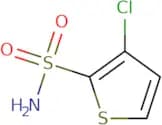
CAS:<p>Versatile small molecule scaffold</p>Formula:C5H6N2O3S2Purity:Min. 95%Molecular weight:206.2 g/mol3-Chlorothiophene-2-sulfonamide
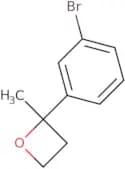
CAS:<p>Versatile small molecule scaffold</p>Formula:C4H4ClNO2S2Purity:Min. 95%Molecular weight:197.7 g/mol2-(3-Bromo-phenyl)-2-methyl-oxetane
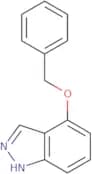
CAS:<p>Versatile small molecule scaffold</p>Formula:C10H11BrOPurity:Min. 95%Molecular weight:227.1 g/mol4-(Benzyloxy)-1H-indazole
CAS:<p>4-(Benzyloxy)-1H-indazole is a chemical compound that is synthesized by the reaction of 4-hydroxy-1H-indazole with benzyl bromide. This reaction proceeds through two steps: 1) diazotization and 2) aminolysis. The isoamyl acetate produced in step 1 reacts with the indazole in step 2 to produce 4-(benzyloxy)-1H-indazole. The reaction temperature for this process should be kept at or below 40°C, as it can result in a low yield of product. This chemical compound has been used as a nucleophile in various reactions and has been shown to react with nitrite ions to form an azine derivative.</p>Formula:C14H12N2OPurity:Min. 95%Molecular weight:224.26 g/mol2-Methyl-2-[3-(trifluoromethyl)phenyl]oxirane
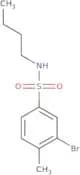
CAS:Versatile small molecule scaffoldFormula:C10H9F3OPurity:Min. 95%Molecular weight:202.17 g/molN-Butyl 3-bromo-4-methylbenzenesulfonamide
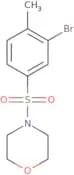
CAS:<p>Versatile small molecule scaffold</p>Formula:C11H16BrNO2SPurity:Min. 95%Molecular weight:306.22 g/mol1-(3-Bromo-4-methylphenylsulfonyl)morpholine
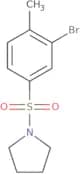
CAS:<p>Versatile small molecule scaffold</p>Formula:C11H14BrNO3SPurity:Min. 95%Molecular weight:320.21 g/mol1-(3-Bromo-4-methylphenylsulfonyl)pyrrolidine
CAS:<p>Versatile small molecule scaffold</p>Formula:C11H14BrNO2SPurity:Min. 95%Molecular weight:304.21 g/mol1-(2-Methoxyphenyl)ethane-1-thiol
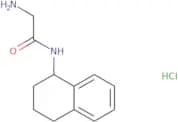
CAS:<p>Versatile small molecule scaffold</p>Formula:C9H12OSPurity:Min. 95%Molecular weight:168.26 g/mol2-Amino-N-(1,2,3,4-tetrahydronaphthalen-1-yl)acetamide hydrochloride
CAS:<p>Versatile small molecule scaffold</p>Formula:C12H17ClN2OPurity:Min. 95%Molecular weight:240.7 g/mol
![3-[(3,5-Dichlorophenyl)amino]propanoic acid](/_next/image/?url=https%3A%2Fstatic.cymitquimica.com%2Fproducts%2F3D%2Fthumb-webp%2FAGA57102.webp&w=3840&q=75)



![4-[5-Oxo-3-(trifluoromethyl)-4,5-dihydro-1H-pyrazol-1-yl]benzoic acid](/_next/image/?url=https%3A%2Fstatic.cymitquimica.com%2Fproducts%2F3D%2Fthumb-webp%2FAGA64914.webp&w=3840&q=75)
![13-Amino-11-(4-methylphenyl)-1,8-diazatricyclo[7.4.0.0,2,7]trideca-2,4,6,8,10,12-hexaene-10,12-dic…](/_next/image/?url=https%3A%2Fstatic.cymitquimica.com%2Fproducts%2F3D%2Fthumb-webp%2FAGA65139.webp&w=3840&q=75)

![1H,2H,3H,4H-Cyclopenta[b]indol-2-one](/_next/image/?url=https%3A%2Fstatic.cymitquimica.com%2Fproducts%2F3D%2Fthumb-webp%2FAGA67063.webp&w=3840&q=75)
![2-[2-(Naphthalen-1-yl)acetamido]propanoic acid](/_next/image/?url=https%3A%2Fstatic.cymitquimica.com%2Fproducts%2F3D%2Fthumb-webp%2FAGA67194.webp&w=3840&q=75)
![2,2,2-Trifluoro-1-[4-(trifluoromethyl)phenyl]ethan-1-ol](/_next/image/?url=https%3A%2Fstatic.cymitquimica.com%2Fproducts%2F3D%2Fthumb-webp%2FAGA69881.webp&w=3840&q=75)
amino}acetic acid](/_next/image/?url=https%3A%2Fstatic.cymitquimica.com%2Fproducts%2F3D%2Fthumb-webp%2FAGA80661.webp&w=3840&q=75)


![3-[3-(4-Methoxyphenyl)prop-2-enamido]propanoic acid](/_next/image/?url=https%3A%2Fstatic.cymitquimica.com%2Fproducts%2F3D%2Fthumb-webp%2FAGA89102.webp&w=3840&q=75)

![4-Methyl-octahydropyrrolo[3,4-b]morpholine](/_next/image/?url=https%3A%2Fstatic.cymitquimica.com%2Fproducts%2F3D%2Fthumb-webp%2FAGB25120.webp&w=3840&q=75)
![N-(Adamantan-1-yl)-2-chloro-N-[(3-methoxyphenyl)methyl]acetamide](/_next/image/?url=https%3A%2Fstatic.cymitquimica.com%2Fproducts%2F3D%2Fthumb-webp%2FAGB31503.webp&w=3840&q=75)
![2-{[(2,5-Dimethylphenyl)sulfanyl]methyl}-5-methyl-4-oxo-3H,4H-thieno[2,3-d]pyrimidine-6-carboxylic…](/_next/image/?url=https%3A%2Fstatic.cymitquimica.com%2Fproducts%2F3D%2Fthumb-webp%2FAGB31504.webp&w=3840&q=75)
![4-(Furan-2-ylmethyl)-11-methyl-5-sulfanyl-8-thia-4,6-diazatricyclo[7.4.0.0,2,7]trideca-1(9),2(7),5…](/_next/image/?url=https%3A%2Fstatic.cymitquimica.com%2Fproducts%2F3D%2Fthumb-webp%2FAGB31518.webp&w=3840&q=75)


![1-[(2-Fluorophenyl)methyl]-1,4-diazepane](/_next/image/?url=https%3A%2Fstatic.cymitquimica.com%2Fproducts%2F3D%2Fthumb-webp%2FAGB56126.webp&w=3840&q=75)


![tert-Butyl N-[(tert-butoxy)carbonyl]-N-[6-(tetramethyl-1,3,2-dioxaborolan-2-yl)pyrazin-2-yl]carbam…](/_next/image/?url=https%3A%2Fstatic.cymitquimica.com%2Fproducts%2F3D%2Fthumb-webp%2FAGC66806.webp&w=3840&q=75)
![4-Chloropyrrolo[1,2-b]pyridazine-3-carboxylic acid](/_next/image/?url=https%3A%2Fstatic.cymitquimica.com%2Fproducts%2F3D%2Fthumb-webp%2FAGC68873.webp&w=3840&q=75)
![Ethyl 4-chloropyrrolo[1,2-b]pyridazine-3-carboxylate](/_next/image/?url=https%3A%2Fstatic.cymitquimica.com%2Fproducts%2F3D%2Fthumb-webp%2FAGC68874.webp&w=3840&q=75)
![[5-(Difluoromethyl)-1,3-oxazol-4-yl]methanol](/_next/image/?url=https%3A%2Fstatic.cymitquimica.com%2Fproducts%2F3D%2Fthumb-webp%2FAGD18785.webp&w=3840&q=75)
![{6,6-Difluorospiro[2.5]octan-1-yl}methanamine](/_next/image/?url=https%3A%2Fstatic.cymitquimica.com%2Fproducts%2F3D%2Fthumb-webp%2FAGD40294.webp&w=3840&q=75)
![5-[(1H-1,2,3-Triazol-1-yl)methyl]furan-2-carboxylic acid](/_next/image/?url=https%3A%2Fstatic.cymitquimica.com%2Fproducts%2F3D%2Fthumb-webp%2FAGD62849.webp&w=3840&q=75)
![3-{3,5-Dioxo-10-oxa-4-azatricyclo[5.2.1.0,2,6]decan-4-yl}propanoic acid](/_next/image/?url=https%3A%2Fstatic.cymitquimica.com%2Fproducts%2F3D%2Fthumb-webp%2FAGD83670.webp&w=3840&q=75)
![{Bicyclo[4.1.0]heptan-3-yl}methanethiol, iastereomers](/_next/image/?url=https%3A%2Fstatic.cymitquimica.com%2Fproducts%2F3D%2Fthumb-webp%2FAGD93115.webp&w=3840&q=75)


![2-Methyl-2-[3-(trifluoromethyl)phenyl]oxirane](/_next/image/?url=https%3A%2Fstatic.cymitquimica.com%2Fproducts%2F3D%2Fthumb-webp%2FAJB40227.webp&w=3840&q=75)