Building Blocks
This section contains fundamental products for the synthesis of organic and biological compounds. Building blocks are the essential starting materials used to construct complex molecules through various chemical reactions. They play a critical role in drug discovery, material science, and chemical research. At CymitQuimica, we offer a diverse range of high-quality building blocks to support your innovative research and industrial projects, ensuring you have the essential components for successful synthesis.
Subcategories of "Building Blocks"
- Boronic Acids & Boronic Acid Derivatives(5,756 products)
- Chiral Building Blocks(1,242 products)
- Hydrocarbon Building Blocks(6,095 products)
- Organic Building Blocks(61,038 products)
Found 196817 products of "Building Blocks"
Sort by
Purity (%)
0
100
|
0
|
50
|
90
|
95
|
100
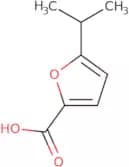
5-(Propan-2-yl)furan-2-carboxylic acid
CAS:<p>5-(Propan-2-yl)furan-2-carboxylic acid is a reagent that can be used in the synthesis of complex compounds. It is a speciality chemical that has been found to be useful as a building block and intermediate. 5-(Propan-2-yl)furan-2-carboxylic acid can be used in the synthesis of many different types of compounds, including pharmaceuticals, agrochemicals, and fine chemicals. The compound is also used as a research chemical and a versatile building block for more complex molecules.</p>Formula:C8H10O3Purity:Min. 95%Molecular weight:154.16 g/mol5-Et-furan-2-carboxylic acid
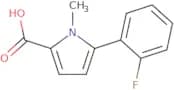
CAS:<p>5-Ethyl-furan-2-carboxylic acid is a tetrahydrofuran that can be synthesized from benzaldehyde and lithium. It has cytotoxic properties, which may be due to its acid derivative intermediates. The regiospecificity of this compound is also notable, as it was lithiated at the 5-position. This synthetic compound is an intermediate in the synthesis of other drugs such as alpidem or zolpidem.</p>Formula:C7H8O3Purity:Min. 95%Molecular weight:140.14 g/mol5-(2-Fluorophenyl)-1-methyl-1H-pyrrole-2-carboxylic acid
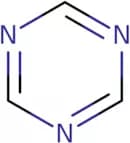
CAS:<p>Versatile small molecule scaffold</p>Formula:C12H10FNO2Purity:Min. 95%Color and Shape:PowderMolecular weight:219.21 g/mol1,3,5-Triazine
CAS:<p>1,3,5-Triazine is a nitrogen-containing heterocyclic compound that is used as a precursor for the synthesis of other compounds. It has been shown to inhibit the polymerase chain reaction and to bind to the enzyme DNA polymerase. This binding prevents the formation of an enzyme-substrate complex required for DNA replication. 1,3,5-Triazine also inhibits oxidative injury in experimental models and inhibits cellular physiology by decreasing the production of growth factor-β1. 1,3,5-Triazine has been shown to be a natural compound with inhibitory properties against growth factors and cell proliferation. This chemical also exhibits antioxidant effects by scavenging reactive oxygen species or inhibiting lipid peroxidation.END></p>Formula:C3H3N3Purity:Min. 95%Color and Shape:White PowderMolecular weight:81.08 g/mol3,4-Dihydroxy-3-cyclobutene-1,2-dione
CAS:<p>3,4-Dihydroxy-3-cyclobutene-1,2-dione is a small molecule that has been shown to be an effective antimicrobial agent. It is structurally related to squaric acid and has high reactivity with hydrogen fluoride. 3,4-Dihydroxy-3-cyclobutene-1,2-dione has the ability to lyse cells through the formation of hydrogen bonds with nucleic acids. This chemical compound can also act as a fluorescence probe for group P2 human serum proteins. The kinetic energy of this molecule was found to be very high in comparison to other molecules in its structural class.</p>Formula:C4H2O4Purity:Min 99.0%Color and Shape:Off-White PowderMolecular weight:114.06 g/molcis-2-Decenoic acid
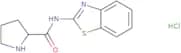
CAS:<p>cis-2-Decenoic acid is a fatty acid that acts as an antimicrobial agent. It has been shown to inhibit the growth of many human pathogens, including methicillin-resistant Staphylococcus aureus, Pseudomonas aeruginosa, and Candida albicans. cis-2-Decenoic acid also inhibits the production of proinflammatory cytokines by lipopolysaccharide and stimulates the production of anti-inflammatory cytokines. cis-2-Decenoic acid was also found to be effective against diabetic neuropathy biofilm in mice and may be useful for treatment of this condition.</p>Formula:C10H18O2Purity:Min. 98 Area-%Color and Shape:Clear LiquidMolecular weight:170.25 g/molN-(1,3-Benzothiazol-2-yl)pyrrolidine-2-carboxamide hydrochloride
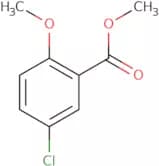
CAS:<p>Versatile small molecule scaffold</p>Formula:C12H14ClN3OSPurity:Min. 95%Color and Shape:PowderMolecular weight:283.78 g/mol5-Chloro-2-methoxybenzoic methyl ester
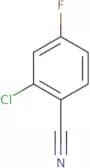
CAS:<p>5-Chloro-2-methoxybenzoic methyl ester is a versatile building block commonly used in the synthesis of various compounds. It serves as an acid methyl ester, making it suitable for use in medicinal chemistry and other synthetic applications. This compound can be obtained through pyrolysis or by reacting 5-chloro-2-methoxybenzoic acid with methanol under appropriate conditions.</p>Formula:C9H9ClO3Purity:Min. 95%Color and Shape:PowderMolecular weight:200.62 g/mol2-Chloro-4-fluorobenzonitrile
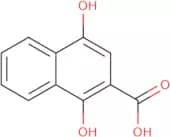
CAS:<p>2-Chloro-4-fluorobenzonitrile is a drug that has been shown to have antitumor effects by binding to the CB2 receptor. It inhibits hydrogenation reduction of the molecule, which may be due to its ability to react with both functional groups. 2-Chloro-4-fluorobenzonitrile has also been shown to inhibit progesterone receptor, which may lead to an increase in progesterone levels and a decrease in estrogen levels. The pharmacokinetic properties of this compound are not yet known.</p>Formula:C7H3ClFNPurity:Min. 95%Color and Shape:White PowderMolecular weight:155.56 g/mol1,4-Dihydroxy-2-naphthoic acid
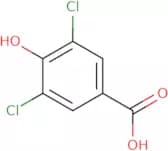
CAS:<p>1,4-Dihydroxy-2-naphthoic acid is a glycol ether that is used as a reagent in vitro for the study of inflammatory bowel disease. It has been shown to have inhibitory effects on polymerase chain reactions and human immunoglobulin synthesis in vitro. This compound also inhibits the activity of enzymes involved in inflammatory bowel disease, such as erythrocyte glutathione reductase, cytochrome p450, and myeloperoxidase. 1,4-Dihydroxy-2-naphthoic acid is an inhibitor molecule with a natural compound structure that binds to enzymes involved in inflammatory bowel disease to inhibit their function.</p>Formula:C11H8O4Purity:Min. 95%Color and Shape:PowderMolecular weight:204.18 g/mol3,5-Dichloro-4-hydroxybenzoic acid
CAS:<p>3,5-Dichloro-4-hydroxybenzoic acid is a phenolic acid that can be found in aromatic hydrocarbons. It has been shown to have antiallergic properties and has been used as an extract to treat acute toxicities. 3,5-Dichloro-4-hydroxybenzoic acid has also been shown to inhibit the production of p-hydroxybenzoic acid by rat liver microsomes. This compound may be useful in treating high blood pressure and vascular disease. It may also be used as a natural remedy for arthritis, as it has shown antiinflammatory effects. In addition, this compound can inhibit the growth of cancer cells and stimulate the immune system by binding to monoclonal antibodies that are specific for acidic pH.</p>Formula:C7H4Cl2O3Purity:Min. 95%Color and Shape:PowderMolecular weight:207.01 g/mol2-Chloro-4-methylsulfonylbenzoic acid
CAS:<p>2-Chloro-4-methylsulfonylbenzoic acid is a chlorinating agent that can be used to produce triketones from ketones. It is usually used as a hydrogen peroxide scavenger and a chlorinating agent in the food industry. 2-Chloro-4-methylsulfonylbenzoic acid can also be used to produce glyphosate, phosphoric acid solution, and chloride. The chlorinating property of this compound is due to its ability to form hypochlorous acid when it reacts with water. This reaction produces hypochlorite ions that are active against microorganisms by disrupting the cell membrane. 2-Chloro-4-methylsulfonylbenzoic acid can react with organic solvents such as carbon tetrachloride and optimizes the introduction of chlorine into organic compounds.</p>Formula:C8H7ClO4SPurity:Min. 95%Color and Shape:White PowderMolecular weight:234.66 g/mol2,5-Dihydroxyacetophenone
CAS:<p>2,5-Dihydroxyacetophenone (2,5-DA) is a natural phenolic compound that is found in many plants. It has been shown to have anti-inflammatory properties through its ability to inhibit the production of pro-inflammatory cytokines, such as tumor necrosis factor alpha and interleukin 1 beta. 2,5-DA inhibits the formation of reactive oxygen species and nitric oxide in rat neutrophils. 2,5-DA also has the ability to reduce oxidative stress by scavenging free radicals and inhibiting lipid peroxidation. The underlying mechanism for these effects is not fully understood but may be due to its ability to act as a substrate for matrix-assisted laser desorption ionization (MALDI). This means that it can react with protocatechuic acid molecules that are present in the sample preparation chamber, leading to polymerase chain reaction (PCR) amplification. MALDI uses lasers to ablate or vaporize samples</p>Formula:C8H8O3Purity:Min. 95%Color and Shape:Yellow PowderMolecular weight:152.15 g/mol3,4-Dihydroxyphenylacetic acid
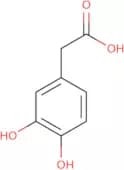
CAS:<p>3,4-Dihydroxyphenylacetic acid (DOPAC) is a metabolite of dopamine and is found in the central nervous system. Dopamine is an important neurotransmitter that is involved in the regulation of movement, emotional responses, and hormone release. Dopamine is synthesized from tyrosine by tyrosine hydroxylase and then converted to L-3,4-dihydroxyphenylalanine by L-aromatic amino acid decarboxylase. DOPAC can be formed from dopamine by monoamine oxidases or catechol O-methyltransferases. The level of DOPAC in the brain has been shown to be increased following exposure to neurotoxins such as 6-hydroxy dopamine or 1-methyl 4-phenyl 1,2,3,6 tetrahydropyridine (MPTP). This increase may be due to decreased activity of monoamine oxidases. The level</p>Formula:C8H8O4Purity:Min. 95%Color and Shape:Beige PowderMolecular weight:168.15 g/mol2,5-Diaminobenzonitrile
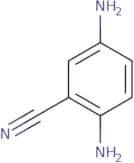
CAS:<p>2,5-Diaminobenzonitrile is a chemical compound with the molecular formula C6H5N3. It is a white crystalline solid that is insoluble in water and soluble in organic solvents such as acetone, chloroform, and ether. 2,5-Diaminobenzonitrile has been shown to be an effective monomer for polymer synthesis due to its stability and high densities. This chemical also has the ability to undergo hydrogen bonding and form hydrogen peroxide when heated to a temperature of 100 °C. The thermal isomerization of 2,5-diaminobenzonitrile can be slowed by adding other amines or nitrites.</p>Formula:C7H7N3Purity:Min. 95%Color and Shape:PowderMolecular weight:133.15 g/mol3',4'-Dihydroxyacetophenone
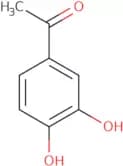
CAS:<p>3',4'-Dihydroxyacetophenone is a transcription-polymerase chain inhibitor that is used in the laboratory to study the effects of the enzyme on gene expression. It has been shown to inhibit transcription by binding to the polymerase and inhibiting RNA synthesis. 3',4'-Dihydroxyacetophenone also inhibits acetate extract enzyme activities, such as collagenase, protease, and lipase. This chemical also induces toll-like receptor (TLR) signaling pathways, which are responsible for inflammation responses. 3',4'-Dihydroxyacetophenone has been shown to have synergistic effects with protocatechuic acid, an antioxidant found in plants that is believed to be responsible for its anti-inflammatory properties. The mechanism of action of this chemical is still unknown; however, it may bind to fatty acids and form stable complexes that inhibit the activity of enzymes or change their shape so they can no longer function properly.</p>Formula:C8H8O3Purity:Min. 95%Color and Shape:PowderMolecular weight:152.15 g/mol1,4-Diiodobenzene
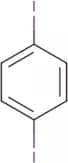
CAS:<p>1,4-Diiodobenzene is an anti-retroviral drug that is used in the treatment of HIV infection. It has a molecular weight of 208.2 and a melting point of -68°C. 1,4-Diiodobenzene binds to intracellular targets, such as reverse transcriptase, proteases and integrase in HIV-1. This drug also has immunomodulatory effects on T cells and B cells. 1,4-Diiodobenzene has been shown to be effective against bacterial vaginosis and may have beneficial effects on body mass index and fatty acid metabolism.</p>Formula:C6H4I2Purity:Min. 98 Area-%Color and Shape:White PowderMolecular weight:329.9 g/mol3,5-Dinitroaniline
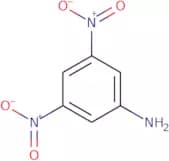
CAS:<p>3,5-Dinitroaniline is a chemical compound that has been shown to inhibit the growth of Pseudomonas aeruginosa. 3,5-Dinitroaniline binds to the bacterial cytochrome oxidase enzyme, which prevents the formation of ATP and disrupts cellular respiration. It also inhibits the synthesis of fatty acids in bacteria by binding to their DNA and RNA. 3,5-Dinitroaniline has also been shown to have genotoxic activity in bacteria by causing DNA strand breaks.</p>Formula:C6H5N3O4Purity:Min. 95%Color and Shape:Slightly Yellow PowderMolecular weight:183.12 g/mol2,9-Dimethyl-1,10-phenanthroline
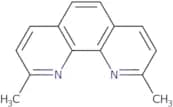
CAS:<p>Chelating agent used to detect aqueous copper ions by electrochemiluminescence</p>Formula:C14H12N2Purity:Min. 98 Area-%Color and Shape:Yellow PowderMolecular weight:208.26 g/molDMDM hydantoin, 50% min aqueous solution
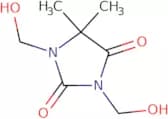
CAS:<p>DMDM Hydantoin is a preservative that is used in the production of many products, including personal care products and pharmaceuticals. DMDM Hydantoin is an antimicrobial agent that inhibits microbial growth by interfering with the microorganism's cell membrane. This chemical also has a low toxicity to humans and other mammals. It has been shown to inhibit the growth of bacteria in wastewater treatment plants and can be used to prevent the spread of infectious diseases. It also has antibacterial properties against some strains of Staphylococcus aureus, such as methicillin-resistant strains (MRSA). DMDM Hydantoin is often found in hair conditioners, shampoos, and other cosmetic products. It can be absorbed through the skin or ingested orally. Although it is not classified as carcinogenic, it may cause contact dermatitis or alopecia areata because of its ability to inhibit prostaglandin synthesis in animal studies.</p>Formula:C7H12N2O4Purity:(%) Min. 50%Color and Shape:Clear LiquidMolecular weight:188.18 g/mol