


Building Blocks
This section contains fundamental products for the synthesis of organic and biological compounds. Building blocks are the essential starting materials used to construct complex molecules through various chemical reactions. They play a critical role in drug discovery, material science, and chemical research. At CymitQuimica, we offer a diverse range of high-quality building blocks to support your innovative research and industrial projects, ensuring you have the essential components for successful synthesis.
Subcategories of "Building Blocks"
- Boronic Acids & Boronic Acid Derivatives(5,756 products)
- Chiral Building Blocks(1,242 products)
- Hydrocarbon Building Blocks(6,095 products)
- Organic Building Blocks(61,038 products)
Found 196817 products of "Building Blocks"
Sort by
Purity (%)
0
100
|
0
|
50
|
90
|
95
|
100
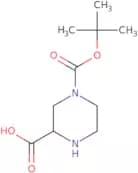
N-4-Boc-2-piperazine carboxylic acid
CAS:<p>N-4-Boc-2-piperazine carboxylic acid is an organic acid that functions in the metabolism of purine and bile acids. It is also involved in the metabolic pathway of the kidney, which is important for the elimination of waste products from the body. N-4-Boc-2-piperazine carboxylic acid has been shown to be useful as a marker for distinguishing between different types of kidney disease. It is a metabolite found in urine and can be used as an analytical tool for detecting renal function. This compound has also been shown to have long term effects on bile acid metabolism.</p>Formula:C10H18N2O4Purity:Min. 95%Color and Shape:White PowderMolecular weight:230.26 g/molDL-Penicillamine
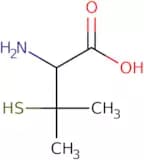
CAS:<p>DL-Penicillamine is a penicillamine that is used in the treatment of various diseases such as rheumatoid arthritis and primary sclerosing cholangitis. It has been shown to inhibit the production of inflammatory prostaglandins, which are responsible for pain and swelling. DL-Penicillamine has been used as a fluorescence probe for the detection of nonsteroidal anti-inflammatory drugs in water samples. DL-Penicillamine is also used to study coordination geometry and rate constants in solid tumours using fluorescence spectroscopy. This drug can be analyzed using chromatographic techniques or by X-ray diffraction data obtained with an electrochemical impedance spectroscopy system. The analytical method was published in 1981 by J.D. Hamer, et al., in "Analytical Chemistry".</p>Formula:C5H11NO2SPurity:Min. 95%Color and Shape:White PowderMolecular weight:149.21 g/mol1,3-Diphenylisobenzofuran
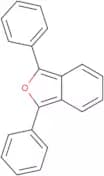
CAS:<p>1,3-Diphenylisobenzofuran is a reactive compound that has been shown to have anti-infectious and anticancer properties. It has been shown to cause cell lysis in a variety of infectious diseases, such as Chlamydia pneumoniae, Borrelia burgdorferi, and Salmonella typhimurium. It also has anticancer activity against human tumor cells lines and is ancillary to photodynamic therapy (PDT). 1,3-Diphenylisobenzofuran is able to induce apoptosis in rat liver microsomes by binding to the thiol group of cysteine residues on proteins. The activity index for this compound was found to be 10.0 μM.</p>Formula:C20H14OPurity:Min. 95%Color and Shape:Yellow SolidMolecular weight:270.32 g/molPhentolamine methanesulfonate
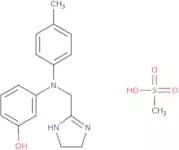
CAS:<p>Phentolamine is a synthetic mesylate that is used as an antihypertensive agent, and for the treatment of Raynaud's syndrome and pheochromocytoma. Phentolamine is also used to prevent frostbite and to treat various types of shock. Phentolamine blocks alpha-2-adrenergic receptors, thereby decreasing sympathetic nerve impulses to the heart, blood vessels, kidneys, and other organs. This drug also acts as a histamine antagonist by blocking H1-receptors on vascular smooth muscle cells. Phentolamine has been shown to have no significant effects on 5-hydroxytryptamine (5HT) release in vitro or in vivo.</p>Formula:C18H23N3O4SPurity:Min. 95%Color and Shape:White PowderMolecular weight:377.46 g/molD-Penicillamine
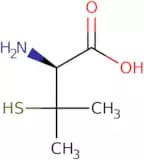
CAS:<p>D-Penicillamine is a nonsteroidal anti-inflammatory drug that is used to treat bowel disease, including ulcerative colitis and Crohn's disease. It has also been used as a treatment for schizophrenia that is unresponsive to other treatments. D-Penicillamine binds covalently to reactive oxygen species (ROS), thereby preventing their interaction with proteins and DNA. The binding of ROS by D-penicillamine can be monitored using electrochemical impedance spectroscopy (EIS). The compound has also been shown to reduce the expression of bcl-2 protein in human cells, which may result in increased oxidative injury and rates of cell proliferation. D-Penicillamine has been shown to have therapeutic benefits for patients with primary sclerosing cholangitis, myocardial infarcts, or preparative high performance liquid chromatography (HPLC) analysis.</p>Formula:C5H11NO2SPurity:Min 97%Color and Shape:White PowderMolecular weight:149.21 g/mol1H-Pyrazole
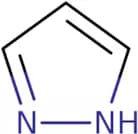
CAS:<p>1H-Pyrazole is a pharmacological agent that has been shown to have anti-cancer properties. It is a hydrogen-bonding compound that forms 1:1 complexes with coumarin derivatives, which are found in plants and other natural sources. The 1H-pyrazole ring has been shown to bind to the x-ray crystal structures of mitochondrial membranes and induce changes in their potential. This drug also inhibits the growth of solid tumours in vitro by inhibiting the synthesis of DNA and proteins. In addition, 1H-pyrazole has been shown to be an analytical method for measuring the concentration of natural compounds in water samples.</p>Formula:C3H4N2Purity:Min. 95%Color and Shape:PowderMolecular weight:68.08 g/mol6-bromo-2,3-dihydro-1-benzofuran-3-ol
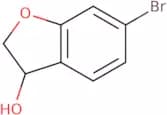
CAS:<p>Versatile small molecule scaffold</p>Formula:C8H7BrO2Purity:Min. 95%Color and Shape:PowderMolecular weight:215.05 g/molL-Phenylalanine
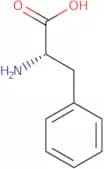
CAS:<p>L-phenylalanine is an amino acid that is naturally present in the human body. It is an essential amino acid, meaning it cannot be synthesized by the body and must be obtained through diet or supplementation. L-Phenylalanine has been shown to inhibit oxidative injury by scavenging reactive oxygen species (ROS) and reducing lipid peroxidation. It also has a protective effect on the intestinal tract by increasing the activity of bowel enzymes and preventing intestinal ulcers. L-Phenylalanine is used in biochemical studies to measure the activities of various enzymes, such as chymotrypsin, aminopeptidase, and carboxypeptidase. L-Phenylalanine can be converted into dopamine and norepinephrine, which are neurotransmitters in the brain that are important for memory, learning, mood regulation, sleep cycles, and other brain functions. L-Phenylalanine toxicity can lead to liver failure</p>Formula:C9H11NO2Color and Shape:White PowderMolecular weight:165.19 g/mol5-(Propan-2-yl)furan-2-carboxylic acid
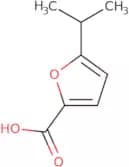
CAS:<p>5-(Propan-2-yl)furan-2-carboxylic acid is a reagent that can be used in the synthesis of complex compounds. It is a speciality chemical that has been found to be useful as a building block and intermediate. 5-(Propan-2-yl)furan-2-carboxylic acid can be used in the synthesis of many different types of compounds, including pharmaceuticals, agrochemicals, and fine chemicals. The compound is also used as a research chemical and a versatile building block for more complex molecules.</p>Formula:C8H10O3Purity:Min. 95%Molecular weight:154.16 g/mol6-[(1E)-2-(3,4-Dihydroxyphenyl)ethenyl]-3,4-dihydroxy-2H-pyran-2-one
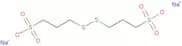
CAS:<p>Versatile small molecule scaffold</p>Formula:C13H10O6Purity:Min. 95%Color and Shape:PowderMolecular weight:262.2 g/mol3,3'-Dithiobis-1-propanesulfonic acid disodium salt
CAS:<p>Brightening agent used for copper electroplating</p>Formula:C6H12O6S4·2NaPurity:Min. 90 Area-%Color and Shape:White PowderMolecular weight:354.39 g/mol3-Methyl-4-(trifluoromethyl)benzaldehyde
CAS:<p>3-Methyl-4-(trifluoromethyl)benzaldehyde is a high quality research chemical. It is a versatile building block that can be used in the synthesis of complex compounds, such as pharmaceuticals and pesticides. 3-Methyl-4-(trifluoromethyl)benzaldehyde can be used as a reagent to synthesize other chemicals and as a reaction component to produce new organic compounds. 3-Methyl-4-(trifluoromethyl)benzaldehyde has CAS No. 951232-01-2.</p>Formula:C9H7F3OPurity:Min. 95%Color and Shape:PowderMolecular weight:188.15 g/mol3,3'-Diaminobenzidine
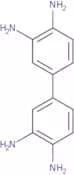
CAS:<p>3,3'-Diaminobenzidine (DAB) is an organic compound derived from benzidine. It is the precursor to the synthetic fibre polybenzimidazole (PBI), which have high thermal and oxidative stability properties. DAB is water-soluble as the tetrahydrochloride salt and is used in immunohistochemical staining of nucleic acids and proteins. Research in Alzheimer's disease, Aβ protein amyloid plaques are targeted by a primary antibody, and subsequently by a secondary antibody, which is conjugated with a peroxidase enzyme. This will bind DAB as a substrate and oxidize it, producing an easily observable brown colour. 3,3’-Diaminobenzidine is also available as the tetrahydrochloride salt and the tetrahydrochloride hydrate.</p>Formula:C12H14N4Purity:Min. 98 Area-%Color and Shape:PowderMolecular weight:214.27 g/mol5-Et-furan-2-carboxylic acid
CAS:<p>5-Ethyl-furan-2-carboxylic acid is a tetrahydrofuran that can be synthesized from benzaldehyde and lithium. It has cytotoxic properties, which may be due to its acid derivative intermediates. The regiospecificity of this compound is also notable, as it was lithiated at the 5-position. This synthetic compound is an intermediate in the synthesis of other drugs such as alpidem or zolpidem.</p>Formula:C7H8O3Purity:Min. 95%Molecular weight:140.14 g/mol1-Pyrenebutyric acid
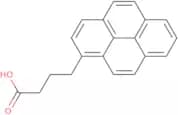
CAS:<p>1-Pyrenebutyric acid is a sodium salt that belongs to the group of polymerase chain reaction (PCR) reagents. It is used in PCR as a fluorescent probe for detecting the presence of dinucleotide phosphate and covalent linkages. 1-Pyrenebutyric acid has been shown to be a potential biomarker for electrochemical impedance spectroscopy and can be used as an optical sensor for optimal concentration. This compound has also been used in biological studies to detect the presence of human immunoglobulin, which binds to it with high affinity. 1-Pyrenebutyric acid undergoes a phase transition at a temperature between -190 and -195 degrees Celsius, which makes it useful as a fluorescence dye.</p>Formula:C20H16O2Purity:Min. 95%Color and Shape:Off-White PowderMolecular weight:288.34 g/mol4-Octylbenzenesulfonic acid sodium salt
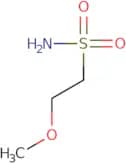
CAS:<p>4-Octylbenzenesulfonic acid sodium salt is a versatile building block that is used in the synthesis of pharmaceuticals, agrochemicals, and specialty chemicals. The compound is soluble in water and can be used as an intermediate in organic synthesis. 4-Octylbenzenesulfonic acid sodium salt has been used as a reagent for research purposes and as a starting material for the synthesis of other compounds. It is also used as a building block for complex molecules. CAS No. 6149-03-7</p>Formula:C14H21NaO3SPurity:Min. 97 Area-%Color and Shape:PowderMolecular weight:292.37 g/mol2-Methoxyethanesulfonamide
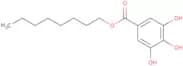
CAS:<p>Versatile small molecule scaffold</p>Formula:C3H9NO3SPurity:Min. 95%Color and Shape:Clear LiquidMolecular weight:139.17 g/molOctyl gallate
CAS:<p>Octyl gallate is a naturally occurring compound that belongs to the class of gallates. It is a non-toxic, water-soluble antioxidant that has been used as a preservative in foods and pharmaceuticals. Octyl gallate has been shown to inhibit nuclear DNA synthesis by binding to the dinucleotide phosphate (NDP) site on ribonucleotide reductase, thereby preventing the formation of deoxyribonucleotide triphosphates. A rate constant for this reaction has been determined using analytical methods. This compound also inhibits the growth of wild-type strains of Escherichia coli and Staphylococcus aureus, as well as some strains resistant to antibiotics such as erythromycin, chloramphenicol, tetracycline, and clindamycin. Octyl gallate may also have an effect on energy metabolism in bacteria by inhibiting p-hydroxybenzoic acid (PHBA) dehydratase</p>Formula:C15H22O5Purity:Min. 95%Color and Shape:White PowderMolecular weight:282.33 g/mol1,8-Octanediol
CAS:<p>1,8-Octanediol is a long-term efficacy drug that is used in the treatment of granulosa cell tumors. It has been shown to inhibit the proliferation of these cells by binding to them and inhibiting their metabolism. 1,8-Octanediol can be considered as an analog of progesterone and works by binding to progesterone receptors present in the tumor cells. This binding leads to a decrease in the production of estrogen and decreases the risk of cancer recurrence. 1,8-Octanediol has also been shown to increase body mass index (BMI) in women with polycystic ovary syndrome (PCOS). 1,8-Octanediol is soluble in water and has a phase transition temperature at around 37 degrees Celsius, which makes it biocompatible.</p>Formula:C8H18O2Purity:Min. 98 Area-%Color and Shape:White PowderMolecular weight:146.23 g/mol2-Oxa-7-azaspiro[3.5]nonane hemioxalate
CAS:<p>2-Oxa-7-azaspiro[3.5]nonane hemioxalate is a fine chemical that is used as a building block in research and development of complex compounds, such as pharmaceuticals, agrochemicals, and polymers. It has been shown to be useful in the synthesis of heterocycles, such as pyrrolidines, piperazines, indoles, and benzoxazoles. 2-Oxa-7-azaspiro[3.5]nonane hemioxalate can serve as a versatile building block for the preparation of various scaffolds with different functionalities. 2-Oxa-7-azaspiro[3.5]nonane hemioxalate is a reagent that can be used for the preparation of other compounds and intermediates as well.</p>Formula:C7H13NOC2H2O4Purity:Min. 95%Color and Shape:Off-White Clear LiquidMolecular weight:172.2 g/mol

![6-[(1E)-2-(3,4-Dihydroxyphenyl)ethenyl]-3,4-dihydroxy-2H-pyran-2-one](/_next/image/?url=https%3A%2Fstatic.cymitquimica.com%2Fproducts%2F3D%2Fthumb-webp%2FZWC96466.webp&w=3840&q=75)




![2-Oxa-7-azaspiro[3.5]nonane hemioxalate](/_next/image/?url=https%3A%2Fstatic.cymitquimica.com%2Fproducts%2F3D%2Fthumb-webp%2FFO29380.webp&w=3840&q=75)