Building Blocks
This section contains fundamental products for the synthesis of organic and biological compounds. Building blocks are the essential starting materials used to construct complex molecules through various chemical reactions. They play a critical role in drug discovery, material science, and chemical research. At CymitQuimica, we offer a diverse range of high-quality building blocks to support your innovative research and industrial projects, ensuring you have the essential components for successful synthesis.
Subcategories of "Building Blocks"
- Boronic Acids & Boronic Acid Derivatives(5,756 products)
- Chiral Building Blocks(1,242 products)
- Hydrocarbon Building Blocks(6,095 products)
- Organic Building Blocks(61,038 products)
Found 196817 products of "Building Blocks"
Sort by
Purity (%)
0
100
|
0
|
50
|
90
|
95
|
100
Methyl 4-bromo-2-methoxybenzoate
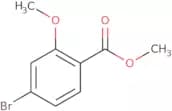
CAS:<p>Methyl 4-bromo-2-methoxybenzoate is a drug molecule that belongs to the amide class. It is a synthetic reagent and can be used as a potential precursor in the synthesis of other drugs. Methyl 4-bromo-2-methoxybenzoate has been shown to react with carboxylic acids to form methyl esters, which are functional groups that contain a carboxyl group (COOH) and an alcohol group (OH). This reaction is called methoxylation. The transformation of methyl 4-bromo-2-methoxybenzoate into methyl esters increases the solubility of the compound and allows for it to be transported in water.</p>Formula:C9H9BrO3Purity:Min. 98 Area-%Color and Shape:Yellow PowderMolecular weight:245.07 g/mol5-Hydroxyindole-3-acetic acid
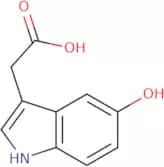
CAS:<p>Reduces brain amyloid plaques; induces neprilysin expression</p>Formula:C10H9NO3Purity:Min. 95%Color and Shape:Off-White PowderMolecular weight:191.18 g/mol5-Amino-2-methoxy-benzoic acid methyl ester
CAS:<p>5-Amino-2-methoxy-benzoic acid methyl ester is a synthetic compound that has been shown to have potential as an antibacterial. It has been found to inhibit the growth of bacteria by binding to DNA and preventing transcription. The selectivity for bacterial cells is due to its ability to penetrate the cell membrane, which does not occur in mammalian cells. 5-Amino-2-methoxy-benzoic acid methyl ester is synthesized from 2-(4′-aminophenyl)acetic acid and methoxymethyl chloride in two steps, with a yield of 60%.</p>Formula:C9H11NO3Purity:Min. 95%Color and Shape:Red PowderMolecular weight:181.19 g/mol4-Cyclobutylbenzaldehyde
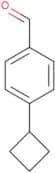
CAS:<p>4-Cyclobutylbenzaldehyde is a versatile building block that is used in the synthesis of complex compounds. This chemical is a reagent and speciality chemical which can be used for research purposes. It also has potential use as an intermediate or scaffold in organic synthesis. 4-Cyclobutylbenzaldehyde is a high quality compound with a CAS number of 875306-94-8.</p>Formula:C11H12OPurity:Min. 95%Color and Shape:Clear LiquidMolecular weight:160.22 g/mol7-Bromo-5-methoxyindole-3-carboxylic acid
CAS:<p>Please enquire for more information about 7-Bromo-5-methoxyindole-3-carboxylic acid including the price, delivery time and more detailed product information at the technical inquiry form on this page</p>Formula:C10H8BrNO3Purity:Min. 95%Color and Shape:PowderMolecular weight:270.09 g/mol2-(Nitromethylidene)-1,3-thiazinane
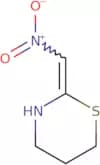
CAS:<p>2-(Nitromethylidene)-1,3-thiazinane is a chemical compound that has been shown to have chronic toxic effects in animal studies. It binds to the ryanodine receptor and inhibits the release of calcium from the sarcoplasmic reticulum, which may lead to an increase in acetylcholine, a neurotransmitter involved in many aspects of brain function. 2-(Nitromethylidene)-1,3-thiazinane has also been shown to inhibit the activity of neonicotinoids, insecticides that are used for agricultural and veterinary purposes. This compound is structurally similar to other non-competitive inhibitors of acetylcholine esterase, such as piperonyl butoxide.</p>Formula:C5H8N2O2SPurity:Min. 95%Color and Shape:PowderMolecular weight:160.2 g/moltrans-3-Hydroxy-L-proline
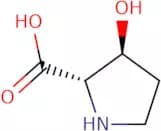
CAS:<p>Please enquire for more information about trans-3-Hydroxy-L-proline including the price, delivery time and more detailed product information at the technical inquiry form on this page</p>Formula:C5H9NO3Purity:Min. 95%Color and Shape:White PowderMolecular weight:131.13 g/mol4'-Hydroxy-2,2':6',2''-terpyridine
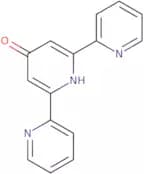
CAS:<p>4'-Hydroxy-2,2':6',2''-terpyridine is a molecule with the molecular formula C24H22N4O8. It is an organic compound that belongs to the group of heterocycles. It has been found to be a ligand for metal ions and has been shown to interact with particles at temperatures below 20°C. 4'-Hydroxy-2,2':6',2''-terpyridine crystallizes in two polymorphs: tetragonally (alpha) at room temperature and trigonally (beta) at temperatures below 20°C. The alpha form has been observed to undergo a photophysical reaction as it absorbs light and emits light in the ultraviolet region of the spectrum.</p>Formula:C15H11N3OPurity:Min. 95%Color and Shape:PowderMolecular weight:249.27 g/mol1-Bromopentane
CAS:<p>1-Bromopentane is a colorless liquid that has an unpleasant odor. It is soluble in water and reacts with acids to form bromides. 1-Bromopentane has been used as an oxidation catalyst in the preparation of organic compounds under conditions of constant pressure and light exposure. It has also been used in the synthesis of polymers, such as poly(1-bromopentene). Its biological properties are not well known, but it has been shown to have CB2 receptor agonist activity and inhibitory effects on oxidative stress. The chemical kinetic data for 1-bromopentane are available at various temperatures and pressures. Chloride ions can act as catalysts for its decomposition reaction, which is a stepwise process involving the conversion of hydroxyl groups into chloride atoms. The reaction mechanism starts with the conversion of one bromine atom into a radical by abstraction of a hydrogen atom from the molecule followed by addition of another brom</p>Formula:C5H11BrPurity:Min. 98 Area-%Color and Shape:Colorless Clear LiquidMolecular weight:151.04 g/mol2-[(2-{2-[(Oxiran-2-yl)methoxy]ethoxy}ethoxy)methyl]oxirane
CAS:<p>2-[(2-{2-[(Oxiran-2-yl)methoxy]ethoxy}ethoxy)methyl]oxirane is an ether that is used as a polymerizable monomer in the form of diglycidyl ether. It is biocompatible and has been shown to have antibacterial efficacy against Gram-positive bacteria. 2-[(2-{2-[(Oxiran-2-yl)methoxy]ethoxy}ethoxy)methyl]oxirane is also used to produce polymers with high molecular weight and low water solubility, which are used for various biomedical applications such as human immunoglobulin production or polymerase chain reactions.</p>Formula:C10H18O5Molecular weight:218.25 g/mol4-Bromo-3-methylbenzaldehyde
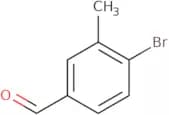
CAS:<p>4-Bromo-3-methylbenzaldehyde is a versatile building block that is used in the synthesis of many complex compounds. It can be used as a reactant, reagent, or speciality chemical. 4-Bromo-3-methylbenzaldehyde is an intermediate for the production of other chemicals and has been shown to be useful in the synthesis of various scaffolds. This product has been shown to have high purity and quality.</p>Formula:C8H7BrOPurity:Min. 95%Color and Shape:Yellow PowderMolecular weight:199.04 g/mol1-Bromo-2,4,6-trimethoxybenzene
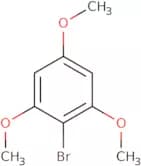
CAS:<p>1-Bromo-2,4,6-trimethoxybenzene is a reactive chemical that has shown to have toxic properties in model studies. It reacts with metals such as Iridium and can be used to remove halogens from solutions. It is also able to react with a variety of other molecules, including peroxides, chlorine gas and bromine gas. 1-Bromo-2,4,6-trimethoxybenzene can form free radicals when exposed to UV radiation and may be used as a ligand for metal ions. 1-Bromo-2,4,6-trimethoxybenzene is also soluble in n-dimethylformamide and carbon tetrachloride.</p>Formula:C9H11BrO3Purity:Min. 95%Color and Shape:White PowderMolecular weight:247.09 g/mol6-Bromoindole
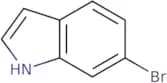
CAS:<p>6-Bromoindole is a synthetic compound that has been shown to have significant anticancer activity in animals. 6-Bromoindole shows cytotoxicity against cervical cancer cells and has been shown to be active against leukemia cells, with the potential for use as a therapeutic agent for both solid tumor cancers and hematological malignancies. The synthesis of 6-bromoindole is based on an asymmetric Friedel-Crafts reaction, which uses hydrochloric acid as a catalyst. This product also shows significant antibacterial activity and has been found to be effective against LPS-stimulated RAW264.7 cells.</p>Formula:C8H6BrNPurity:Min. 95%Color and Shape:PowderMolecular weight:196.04 g/mol(2S)-2-Amino-3-(1H-indol-3-yl)-N-methylpropanamide
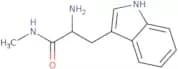
CAS:<p>Acetaminophen is a non-opioid analgesic and antipyretic drug. It is a common medication used to treat pain, fever, and inflammation. Acetaminophen inhibits matrix metalloproteinase (MMPs) by binding to the active site of the enzyme, thus preventing it from breaking down collagen in the extracellular matrix. This inhibition has been shown to be effective against cancer cells. Acetaminophen also has an antioxidative activity that may be due to its ability to inhibit lipid peroxidation, which is important for cell membrane integrity. Acetaminophen has been shown to reduce ulceration in animal models.</p>Formula:C12H15N3OPurity:Min. 95%Color and Shape:PowderMolecular weight:217.27 g/molIdebenone
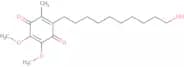
CAS:<p>Used for treatment of Alzheimer's disease and Friedreich's ataxia</p>Formula:C19H30O5Purity:Min. 98 Area-%Color and Shape:PowderMolecular weight:338.44 g/mol3-Amino-2-hydroxybenzoic acid
CAS:<p>3-Amino-2-hydroxybenzoic acid (AAHB) is a nonsteroidal anti-inflammatory drug that belongs to the group of pharmaceutical preparations. It inhibits the enzyme dehydroascorbate reductase, which is involved in the production of hydrogen peroxide and other reactive oxygen species by phagocytes. Hydrogen peroxide and other reactive oxygen species can cause DNA damage and lead to cancer development. AAHB may also have antimicrobial effects, as it has been shown to inhibit bacterial growth and cell adhesion. AAHB interacts with fatty acids in a similar manner as aspirin does, but with a lower potency. It has been shown to inhibit prostaglandin synthesis by inhibiting lipoxygenase activity. The binding of AAHB at these sites prevents the formation of arachidonic acid from linoleic acid and blocks the conversion of arachidonic acid into prostaglandin H2 (PGH2).</p>Formula:C7H7NO3Purity:Min. 98 Area-%Color and Shape:Off-White PowderMolecular weight:153.14 g/mol2-Methoxyethanesulfonamide
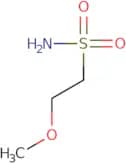
CAS:<p>Versatile small molecule scaffold</p>Formula:C3H9NO3SPurity:Min. 95%Color and Shape:Clear LiquidMolecular weight:139.17 g/mol7-Hydroxyquinoline-(1H)-2-one
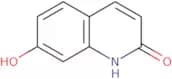
CAS:<p>7-Hydroxyquinoline-(1H)-2-one is a quinoline derivative that binds to epidermal growth factor (EGF) receptors. It has been shown to inhibit the chloride current in neurons, which may be due to its ability to bind to the dopamine receptors in these cells. 7-Hydroxyquinoline-(1H)-2-one also inhibits DNA and protein synthesis by binding to nucleophilic nitrogen atoms and protonated nitrogen atoms, respectively. It has been shown to have an inhibitory effect on cancer cell growth in control experiments. This drug is not active against normal cells because it does not bind well to them. 7-Hydroxyquinoline-(1H)-2-one binds with high affinity to piperazine and this interaction can be used as a fluorescent probe for the presence of quinoline derivatives.</p>Formula:C9H7NO2Purity:Min. 95%Color and Shape:PowderMolecular weight:161.16 g/mol±,±,p-Tribromoacetophenone
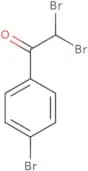
CAS:<p>Tribromoacetophenone is a brominated analog of acetophenone. It can be accessed by the reaction of an acid chloride with acetylacetone and then reacting the resulting bromide with hydrogen bromide. Tribromoacetophenone has been studied as an anti-cancer agent, but has shown little activity in animals. It is also used in the synthesis of other compounds, such as covid-19, which is being studied for its potential use as a pandemic vaccine against influenza type A H5N1.</p>Formula:C8H5OBr3Purity:Min. 95%Color and Shape:PowderMolecular weight:356.84 g/mol4-Bromo-2-(trifluoromethyl)benzoic acid methyl ester
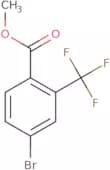
CAS:<p>4-Bromo-2-(trifluoromethyl)benzoic acid methyl ester is a versatile building block that can be used to produce complex compounds. It is also an intermediate and a useful scaffold in organic synthesis. This chemical has been used as a research chemical and as a reagent for the production of other chemicals. The compound has CAS number 957207-58-8 and can be obtained from our supplier in high quality, with purity of 99%.</p>Formula:C9H6BrF3O2Purity:Min. 95%Color and Shape:Colorless PowderMolecular weight:283.04 g/mol



![2-[(2-{2-[(Oxiran-2-yl)methoxy]ethoxy}ethoxy)methyl]oxirane](/_next/image/?url=https%3A%2Fstatic.cymitquimica.com%2Fproducts%2F3D%2Fthumb-webp%2FEAA20661.webp&w=3840&q=75)