Building Blocks
This section contains fundamental products for the synthesis of organic and biological compounds. Building blocks are the essential starting materials used to construct complex molecules through various chemical reactions. They play a critical role in drug discovery, material science, and chemical research. At CymitQuimica, we offer a diverse range of high-quality building blocks to support your innovative research and industrial projects, ensuring you have the essential components for successful synthesis.
Subcategories of "Building Blocks"
- Boronic Acids & Boronic Acid Derivatives(5,756 products)
- Chiral Building Blocks(1,242 products)
- Hydrocarbon Building Blocks(6,095 products)
- Organic Building Blocks(61,038 products)
Found 196817 products of "Building Blocks"
Sort by
Purity (%)
0
100
|
0
|
50
|
90
|
95
|
100
4H,5H,6H,7H,8H-[1,2,3]Triazolo[1,5-a][1,4]diazepine hydrochloride
CAS:<p>Versatile small molecule scaffold</p>Formula:C6H10N4•HClPurity:Min. 95%Color and Shape:PowderMolecular weight:174.63 g/mol2,5-Dichlorobenzoic acid ethyl ester
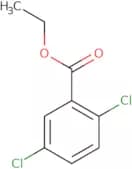
CAS:<p>2,5-Dichlorobenzoic acid ethyl ester is a high quality, versatile building block that can be used as a reagent or intermediate. It is a useful scaffold for the synthesis of fine chemicals and research chemicals. This compound has been used in the synthesis of 2,5-dichloro-N-(2-hydroxyethyl)benzamide (CAS No. 35112-27-7), which is a speciality chemical with potential applications in pharmaceuticals and agrochemicals.<br>2,5-Dichlorobenzoic acid ethyl ester reacts with an amine to produce an N-[2-(2,5-dichlorophenyl)ethyl]amine (CAS No. 35112-27-7). The reaction proceeds via an amide bond formation by condensation of the amine with the acid chloride formed from the acid and ethyl chloride. This reaction is facilitated by heat and</p>Formula:C9H8Cl2O2Purity:Min. 95%Color and Shape:PowderMolecular weight:219.06 g/mol4-Bromo-3-methyl-1,2-oxazole
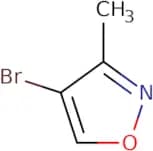
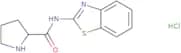
CAS:<p>4-Bromo-3-methyl-1,2-oxazole is a chemical compound that is used as a reaction component in organic synthesis. It is also used as a reagent for the synthesis of various pharmaceuticals. 4-Bromo-3-methyl-1,2-oxazole can be used to produce useful scaffolds and intermediates. This compound has been shown to be useful in the production of complex compounds and fine chemicals. CAS No. 101084-19-9</p>Formula:C4H4BrNOPurity:Min. 90%Color and Shape:Clear LiquidMolecular weight:161.98 g/molN-(1,3-Benzothiazol-2-yl)pyrrolidine-2-carboxamide hydrochloride
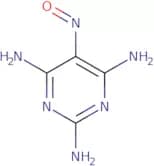
CAS:<p>Versatile small molecule scaffold</p>Formula:C12H14ClN3OSPurity:Min. 95%Color and Shape:PowderMolecular weight:283.78 g/mol5-Nitroso-2,4,6-triaminopyrimidine
CAS:<p>5-Nitroso-2,4,6-triaminopyrimidine is a chemical compound that has been shown to have anticancer activity. It reacts with nucleophilic compounds such as hydroxides of metals and amides to form an amide bond. 5-Nitroso-2,4,6-triaminopyrimidine inhibits the enzyme glycosylase by reacting with it in a nucleophilic attack. This reaction leads to the formation of a stable nitrosamine intermediate that can be hydrolyzed by an acid or base. The inhibitory effect of 5-Nitroso-2,4,6-triaminopyrimidine on malonic acid decarboxylase (MAD) and anthranilic acid synthase (AAS) in animals is due to its ability to react with these enzymes in a similar way as for MAD and AAS in humans. Inhibition of MAD and AAS leads to reduced levels of malonic</p>Formula:C4H6N6OPurity:Min. 95%Color and Shape:Yellow PowderMolecular weight:154.13 g/molCyproheptadine Related Compound A
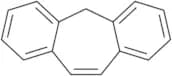
CAS:<p>Cyproheptadine Related Compound A is a molecule that binds to the histamine H2 receptor and can be used for the treatment of inflammatory bowel disease, chronic bronchitis, and diabetic neuropathy. It is metabolized by hydrolysis of the ester group by hydroxylases or oxidases in the liver. Cyproheptadine Related Compound A has been shown to have anti-inflammatory effects due to its ability to inhibit prostaglandin synthesis.</p>Formula:C15H12Purity:Min. 95%Molecular weight:192.26 g/mol4-{5H,6H,7H,8H-Pyrido[4,3-c]pyridazin-3-yl}-1,4-oxazepane
CAS:<p>Versatile small molecule scaffold</p>Formula:C12H18N4OPurity:Min. 95%Color and Shape:PowderMolecular weight:234.3 g/mol2-{[(9H-Fluoren-9-yl)methoxy]carbonyl}-1,2,3,4-tetrahydroisoquinoline-6-carboxylic acid
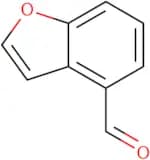
CAS:<p>2-{[(9H-Fluoren-9-yl)methoxy]carbonyl}-1,2,3,4-tetrahydroisoquinoline-6-carboxylic acid is a high quality reagent. It is a useful intermediate for the synthesis of various complex compounds. This compound is also a useful scaffold and building block for research chemicals. 2-{[(9H-Fluoren-9-yl)methoxy]carbonyl}-1,2,3,4-tetrahydroisoquinoline-6-carboxylic acid is versatile in that it can be used as a reaction component in different reactions.</p>Formula:C25H21NO4Purity:Min. 95%Color and Shape:PowderMolecular weight:399.4 g/molBenzofuran-4-carbaldehyde
CAS:<p>Benzofuran-4-carbaldehyde is a reactive, low molecular weight compound. It is an oxidative and thermally labile compound that can be used for the preparation of other compounds. Benzofuran-4-carbaldehyde is a colorless liquid with a boiling point of 124°C and a melting point of -27°C. It has a molecular weight of 92.07 g/mol and has a density of 0.91 g/mL at 20°C, which means it will have an octanol:water partition coefficient of 1.2. The molecule has two chiral centers, meaning there are four possible stereoisomers that can be made from it. This compound is primarily broken down into furan, formic acid, and methanol by oxidation mechanisms or by thermal decomposition pathways such as pyrolysis or condensation reactions to produce additional compounds.br>br>Benzofuran-4-carbaldehyde can be oxidized to produce reactive oxygen species</p>Formula:C9H6O2Purity:Min. 95%Molecular weight:146.14 g/mol4,4'-Dipyridyl
CAS:<p>Please enquire for more information about 4,4'-Dipyridyl including the price, delivery time and more detailed product information at the technical inquiry form on this page</p>Formula:C10H8N2Molecular weight:156.19 g/molN'-[3-Cyano-1-[2,6-dichloro-4-(trifluoromethyl)phenyl]-4-iodo-1H-pyrazol-5-yl]-N,N-dimethylmethanimidamide
CAS:<p>Please enquire for more information about N'-[3-Cyano-1-[2,6-dichloro-4-(trifluoromethyl)phenyl]-4-iodo-1H-pyrazol-5-yl]-N,N-dimethylmethanimidamide including the price, delivery time and more detailed product information at the technical inquiry form on this page</p>Formula:C14H9Cl2F3IN5Purity:Min. 95%Molecular weight:502.06 g/molN'-[3-Cyano-1-[2,6-dichloro-4-(trifluoromethyl)phenyl]-4-(trifluoromethyl)-1H-pyrazol-5-yl]-N,N-dimethylmethanimidamide
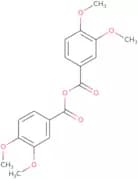
CAS:<p>Please enquire for more information about N'-[3-Cyano-1-[2,6-dichloro-4-(trifluoromethyl)phenyl]-4-(trifluoromethyl)-1H-pyrazol-5-yl]-N,N-dimethylmethanimidamide including the price, delivery time and more detailed product information at the technical inquiry form on this page</p>Formula:C15H9Cl2F6N5Purity:Min. 95%Molecular weight:444.16 g/mol3,4-Dimethoxybenzoic acid anhydride
CAS:<p>3,4-Dimethoxybenzoic acid anhydride is a synthetic compound that can be used for the synthesis of other natural products. It has been shown to inhibit the demethylation of flavones and to activate the mitogen-activated protein kinase (MAPK) pathway in cells. 3,4-Dimethoxybenzoic acid anhydride has also been shown to have anti-inflammatory effects by inhibiting prostaglandin synthesis.</p>Formula:C18H18O7Purity:Min. 95%Color and Shape:White PowderMolecular weight:346.33 g/mol4-Chloro-2-hydroxybenzamide
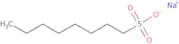
CAS:<p>4-Chloro-2-hydroxybenzamide is a useful building block that is used in the synthesis of complex compounds. It can be used as a research chemical, reaction component, or a speciality chemical. It has been shown to be a versatile building block that can be used in the synthesis of various compounds with different structures and properties. 4-Chloro-2-hydroxybenzamide has also been shown to have high quality and is structurally related to other useful scaffolds such as 1,3-dihydroxybenzene.</p>Formula:C7H6ClNO2Purity:Min. 95 Area-%Color and Shape:PowderMolecular weight:171.58 g/mol1-Octanesulfonic acid sodium salt
CAS:<p>1-Octanesulfonic acid sodium salt is a chemical compound that can be used to prepare surfactants. It has been shown to have a high optimum concentration for the formation of stable foam and is compatible with blood sampling, hydrophobic effect, and ester hydrochloride. 1-Octanesulfonic acid sodium salt has also been used as an analytical method for detecting sulfate ion in the presence of other ions on the basis of its reactivity with potassium permanganate. The detection limit is 0.1 ppm with a reaction solution containing 1% octanesulfonic acid sodium salt and 3% potassium permanganate. The chemical stability at pH 2 is higher than that at pH 7 because the sulfonate group acts as a buffer at low pH. 1-Octanesulfonic acid sodium salt can be quantified by means of fluorescence detector or electrochemical detector after it reacts with phenolphthalein in an acidic solution.</p>Formula:C8H18O3S•NaPurity:Min. 98%Color and Shape:White PowderMolecular weight:217.28 g/mol4-Octylbenzylamine
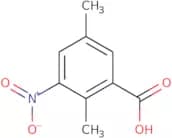
CAS:<p>4-Octylbenzylamine is a hydrophobic molecule that is soluble in organic solvents. In simulations, it was shown to have affinity for anions and aromatic hydrocarbons, as well as the ability to be immobilized on surfaces. 4-Octylbenzylamine is also a chromatographic stationary phase that can be used to separate solutes with similar properties. This molecule has been oriented so that it binds to the hydrated surface of the column, which improves its affinity for anions and aromatic hydrocarbons. The high-performance liquid chromatography (HPLC) technique utilizes this property to separate molecules of different affinities from one another in a systematic manner.</p>Formula:C15H25NPurity:Min. 95%Color and Shape:PowderMolecular weight:219.37 g/mol2,5-Dimethyl-3-nitrobenzoic acid
CAS:<p>2,5-Dimethyl-3-nitrobenzoic acid is a versatile building block that can be used in the synthesis of a wide range of compounds. It is also an important intermediate for the synthesis of pharmaceuticals and other speciality chemicals. 2,5-Dimethyl-3-nitrobenzoic acid has been shown to be useful in the preparation of high quality fine chemicals and research chemicals. This compound has been found to be an excellent reagent for various chemical reactions.</p>Formula:C9H9NO4Purity:Min. 95%Color and Shape:PowderMolecular weight:195.17 g/mol4-[(Pyridine-3-carbonyl)amino]butyric acid
CAS:<p>4-[(Pyridine-3-carbonyl)amino]butyric acid (4-PBA) is a non-proteinogenic amino acid that has been found in food and has been shown to have therapeutic effects on a number of diseases. 4-PBA is converted to gamma-aminobutyric acid (GABA) by the enzyme GABA transaminase. It also has a synergistic effect with sodium succinate, which is another precursor in the production of GABA. This synergistic effect increases the amount of GABA produced from 4-PBA and sodium succinate when they are consumed together. 4-PBA also binds to receptors for dopamine, which may be why it is effective for treating diabetic neuropathy and Parkinson's disease.</p>Formula:C10H12N2O3Purity:Min. 95%Color and Shape:White PowderMolecular weight:208.21 g/molD-Penicillamine
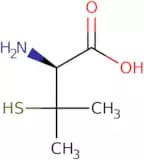
CAS:<p>D-Penicillamine is a nonsteroidal anti-inflammatory drug that is used to treat bowel disease, including ulcerative colitis and Crohn's disease. It has also been used as a treatment for schizophrenia that is unresponsive to other treatments. D-Penicillamine binds covalently to reactive oxygen species (ROS), thereby preventing their interaction with proteins and DNA. The binding of ROS by D-penicillamine can be monitored using electrochemical impedance spectroscopy (EIS). The compound has also been shown to reduce the expression of bcl-2 protein in human cells, which may result in increased oxidative injury and rates of cell proliferation. D-Penicillamine has been shown to have therapeutic benefits for patients with primary sclerosing cholangitis, myocardial infarcts, or preparative high performance liquid chromatography (HPLC) analysis.</p>Formula:C5H11NO2SPurity:Min 97%Color and Shape:White PowderMolecular weight:149.21 g/mol2-Chloro-3-pyridinecarboxyaldehyde
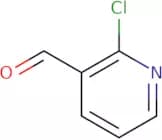
CAS:<p>2-Chloro-3-pyridinecarboxyaldehyde is a synthetic molecule that contains two chlorines and three pyridines. It is a potential drug for the treatment of cancer or tuberculosis. The synthesis of this compound starts from 2,4-dichlorobenzaldehyde and 3-amino-5-(chloromethyl)pyridine. The reaction with acetic acid yields 2-chloro-3-pyridinecarboxyaldehyde. This product has been shown to inhibit cancer cells in vitro, but it does not have any effect on healthy cells. In addition, this product can be used as an anticancer agent against cervical cancer cells in vitro.</p>Formula:C6H4ClNOPurity:Min. 98 Area-%Color and Shape:PowderMolecular weight:141.55 g/mol
![4H,5H,6H,7H,8H-[1,2,3]Triazolo[1,5-a][1,4]diazepine hydrochloride](/_next/image/?url=https%3A%2Fstatic.cymitquimica.com%2Fproducts%2F3D%2Fthumb-webp%2FGWC61084.webp&w=3840&q=75)

![4-{5H,6H,7H,8H-Pyrido[4,3-c]pyridazin-3-yl}-1,4-oxazepane](/_next/image/?url=https%3A%2Fstatic.cymitquimica.com%2Fproducts%2F3D%2Fthumb-webp%2FJHD95611.webp&w=3840&q=75)
![2-{[(9H-Fluoren-9-yl)methoxy]carbonyl}-1,2,3,4-tetrahydroisoquinoline-6-carboxylic acid](/_next/image/?url=https%3A%2Fstatic.cymitquimica.com%2Fproducts%2F3D%2Fthumb-webp%2FNKD22621.webp&w=3840&q=75)

![N'-[3-Cyano-1-[2,6-dichloro-4-(trifluoromethyl)phenyl]-4-iodo-1H-pyrazol-5-yl]-N,N-dimethylmethani…](/_next/image/?url=https%3A%2Fstatic.cymitquimica.com%2Fproducts%2F3D%2Fthumb-webp%2FFN182821.webp&w=3840&q=75)
![N'-[3-Cyano-1-[2,6-dichloro-4-(trifluoromethyl)phenyl]-4-(trifluoromethyl)-1H-pyrazol-5-yl]-N,N-di…](/_next/image/?url=https%3A%2Fstatic.cymitquimica.com%2Fproducts%2F3D%2Fthumb-webp%2FFN182822.webp&w=3840&q=75)


![4-[(Pyridine-3-carbonyl)amino]butyric acid](/_next/image/?url=https%3A%2Fstatic.cymitquimica.com%2Fproducts%2F3D%2Fthumb-webp%2FFP15522.webp&w=3840&q=75)