Building Blocks
This section contains fundamental products for the synthesis of organic and biological compounds. Building blocks are the essential starting materials used to construct complex molecules through various chemical reactions. They play a critical role in drug discovery, material science, and chemical research. At CymitQuimica, we offer a diverse range of high-quality building blocks to support your innovative research and industrial projects, ensuring you have the essential components for successful synthesis.
Subcategories of "Building Blocks"
- Boronic Acids & Boronic Acid Derivatives(5,778 products)
- Chiral Building Blocks(1,242 products)
- Hydrocarbon Building Blocks(6,098 products)
- Organic Building Blocks(61,084 products)
Found 198714 products of "Building Blocks"
Sort by
Purity (%)
0
100
|
0
|
50
|
90
|
95
|
100
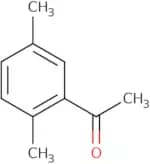
2',5'-Dimethylacetophenone
CAS:<p>2,5-Dimethylacetophenone is an alcohol with a chiral center. It is synthesized by reacting chlorinating agents with the ligand periconia, which leads to high yield and regiospecificity. The reaction system can be carried out in solvents such as diethyl ether or dichloromethane. The product is obtained as a mixture of two stereoisomers (R and S) with the R form being more abundant than the S form due to steric effects.<br>2,5-Dimethylacetophenone has been shown to react with naphthylamine in the presence of a base to give N-(2,5-dimethylphenyl)naphthalene-1,4-diamine in good yield.</p>Formula:C10H12OPurity:Min. 95%Color and Shape:Clear LiquidMolecular weight:148.2 g/mol2-Methyl-4-nitrobenzoic acid
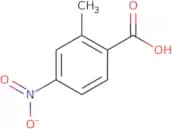
CAS:2-Methyl-4-nitrobenzoic acid is a synthetic drug substance. The crystalline structure of 2-methyl-4-nitrobenzoic acid is polymorphic and it can be obtained in two different forms: anhydrous form and monohydrate form. The reaction yield for this compound is low, which may be due to the presence of additives or deionized water. This drug substance has a high solubility in hydroxide solutions and methylbenzene. It reacts slowly with hydrochloric acid and sodium hydroxide solution to produce 2-methyl-4-nitrobenzoic acid hydrochloride and sodium benzoate, respectively. 2-Methyl-4-nitrobenzoic acid has low bioavailability due to its poor absorption from the gastrointestinal tract into the bloodstream.Formula:C8H7NO4Purity:Min. 95%Color and Shape:PowderMolecular weight:181.15 g/mol5-Amino-2-methoxy-benzoic acid methyl ester
CAS:<p>5-Amino-2-methoxy-benzoic acid methyl ester is a synthetic compound that has been shown to have potential as an antibacterial. It has been found to inhibit the growth of bacteria by binding to DNA and preventing transcription. The selectivity for bacterial cells is due to its ability to penetrate the cell membrane, which does not occur in mammalian cells. 5-Amino-2-methoxy-benzoic acid methyl ester is synthesized from 2-(4′-aminophenyl)acetic acid and methoxymethyl chloride in two steps, with a yield of 60%.</p>Formula:C9H11NO3Purity:Min. 95%Color and Shape:Red PowderMolecular weight:181.19 g/mol5-Ethylthio-1H-tetrazole - Conductivity < 30 uS/cm
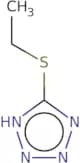
CAS:5-Ethylthio-1H-tetrazole is an angiogenic inhibitor. It has been shown to inhibit the TLR2 and TLR4 pathways by binding to toll-like receptor-inhibitory proteins, which results in the inhibition of the intracellular signaling cascade. This compound also inhibits the expression of inflammatory cytokines and chemokines that are involved in bowel disease. 5-Ethylthio-1H-tetrazole has been shown to be a potent activator of PPARγ, which is a nuclear receptor that regulates the expression of genes important for lipid metabolism and cell proliferation. 5-Ethylthio-1H-tetrazole has also been shown to have antiinflammatory activity through inhibition of cyclooxygenase 2 (COX2) enzyme activity.Formula:C3H6N4SColor and Shape:White PowderMolecular weight:130.17 g/molButane-1,3-diamine dihydrochloride
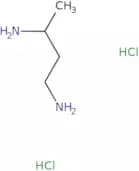
CAS:<p>Butane-1,3-diamine dihydrochloride is a potent cytotoxic agent that inhibits the synthesis of fatty acids and histidine. This compound inhibits squamous cell carcinoma cells by decreasing the cytosolic Ca2+ concentration, mitochondrial membrane potential, and cellular ATP levels. It also inhibits the growth of cancer cells by binding to lysine residues on cell membranes. Butane-1,3-diamine dihydrochloride has been synthesized in an asymmetric synthesis to produce a molecule with nitrogen atoms at opposite ends of the molecule. The decarboxylation of this molecule produces butane-1,3-diaminium ion.</p>Formula:C4H14Cl2N2Purity:Min. 95%Color and Shape:PowderMolecular weight:161.07 g/mol5-Aminopyrimidine
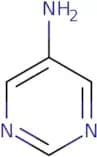
CAS:5-Aminopyrimidine is a synthetic compound that has been shown to have inhibitory effects on the nervous system. The structural formula of 5-aminopyrimidine is C6H4N3O2. It is a structural analogue of pyrimidine and can be used as an anticancer drug. 5-Aminopyrimidine can also be used in the treatment of diseases such as diabetes and Parkinson’s disease. The reaction mechanism of 5-aminopyrimidine begins with the formation of an unstable diazonium salt, which then reacts with a chloride ion to form an alloxan intermediate. This intermediate then reacts with phosphate group to form a product that is soluble in water.Formula:C4H5N3Purity:Min. 95%Color and Shape:White PowderMolecular weight:95.1 g/mol4-Methyl-4'-carboxy-2,2'-bipyridine
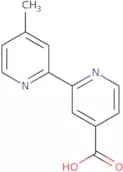
CAS:<p>4-Methyl-4'-carboxy-2,2'-bipyridine is a fluorescent probe that can be used to detect the presence of hydrogen peroxide in cells. It has been shown to bind to mitochondria and liver cells. The binding constants are in the range of 10 M. When exposed to light, 4-methyl-4'-carboxy-2,2'-bipyridine emits an orange fluorescence. This chemical has been used as an oxidation catalyst for amides and as an enhancer for reactive species in kinetic experiments. It also has been shown to have proton uptake properties.</p>Formula:C12H10N2O2Purity:Min. 95%Color and Shape:Off-White PowderMolecular weight:214.22 g/mol2-Azaspiro[3.5]nonane hydrochloride
CAS:<p>2-Azaspiro[3.5]nonane hydrochloride is a high quality reagent that is used as an intermediate for the synthesis of complex organic compounds, such as fine chemicals and speciality chemicals. It has been shown to be useful in the synthesis of a variety of chemical compounds, including research chemicals and versatile building blocks. This compound has the CAS number 1303968-07-1.</p>Formula:C8H15N·HClPurity:Min. 95%Molecular weight:161.67 g/molAzobenzene
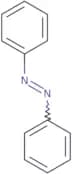
CAS:<p>Azobenzene is an azobenzene that binds to the actin filaments and inhibits their polymerization. It has been shown to inhibit the polymerization of actin filaments in human serum, which may be due to its ability to react with the nitrogen atoms in actin. Azobenzene has also been shown to have a thermal expansion coefficient of 0.015x10⁻⁵/°C, which is much larger than that of most other compounds. The molecular geometry of azobenzene is planar and symmetrical, with two hydrogen atoms on each nitrogen atom on both sides of the molecule. This symmetry leads to a low intramolecular hydrogen bonding energy. The molecule’s photochemical properties are also interesting because it has a long lifetime and can be excited by wavelengths between 400-500 nm.</p>Formula:C12H10N2Purity:Min. 97.5 Area-%Color and Shape:PowderMolecular weight:182.22 g/mol9-Azabicyclo[3.3.1]nonane N-oxyl
CAS:9-Azabicyclo[3.3.1]nonane N-oxyl (ABNO) is a reaction component in copper catalysed aerobic oxidation of alcohols. ABNO is a less hindered nitroxyl radical that exhibits an enhanced reactivity compared with TEMPO. Low catalyst loading (1 mol%) of ABNO can efficiently catalyse oxidation of alcohols in the presence of a Cu+ species and atmospheric oxygen to give the corresponding aldehyde or ketone.Formula:C8H14NOPurity:Min. 95 Area-%Color and Shape:PowderMolecular weight:140.2 g/mol5-Ethylindole
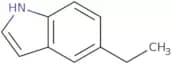
CAS:5-Ethylindole is a granulatimide that is synthesized by the cross-coupling of ethylene and copper chromite in the presence of solvents and magnesium. The chemical reactions are performed at temperatures between room temperature and 50°C, depending on the desired product. 5-Ethylindole is used as an intermediate for other chemicals such as pharmaceuticals, fungicides, dyes, and pesticides. It can be used to produce chloroethanol, which is used in the synthesis of numerous compounds including pharmaceuticals and plastics. Chromatographic techniques are often used to isolate 5-Ethylindole from mixtures with other chemicals.Formula:C10H11NPurity:Min. 95%Molecular weight:145.2 g/mol3-Amino-4-methoxybenzamide
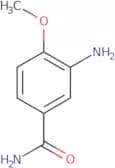
CAS:<p>3-Amino-4-methoxybenzamide (3AMB) is a transcriptional regulator that inhibits the expression of genes encoding for the synthesis of aminoglycoside antibiotics. 3AMB binds to DNA, forming a heteromer with the transcription factor HANATX, which prevents RNA polymerase from binding to DNA. This in turn inhibits gene expression and bacterial growth. 3AMB has been shown to trigger diabetic neuropathy by inhibiting xylitol dehydrogenase, an enzyme required for neuron protection against oxidative stress. The drug also has a high affinity for nucleophiles and can bind to various substrates such as sulfhydryl groups or hydroxyl groups.</p>Formula:C8H10N2O2Purity:Min. 98%Color and Shape:Off-White PowderMolecular weight:166.18 g/mol3-Iodo-4-methylbenzoic acid
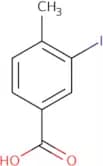
CAS:<p>3-Iodo-4-methylbenzoic acid is a synthetic growth factor that is used in the production of monoclonal antibodies. It is synthesized by reacting 3-iodo-4-methylbenzoic acid with trifluoroacetic acid, then purified by dispersive solid-phase extraction. The synthesis of 3-Iodo-4-methylbenzoic acid requires a labeling agent to be added to the reaction mixture for detection purposes. The labeled compound can be detected using assays such as radioimmunoassay or ELISA. In order to synthesize 3-Iodo-4-methylbenzoic acid, methyl esterification of 3-(2′,2′,2′,-trichloroethoxy)phenylacetic acid is required. This process involves an organic solvent and bromine as a catalyst. This compound has been shown to inhibit the BCR/ABL tyrosine kinase receptor</p>Formula:C8H7IO2Purity:Min. 95%Color and Shape:PowderMolecular weight:262.04 g/mol4-Amino-3-nitrobenzylamine hydrochloride
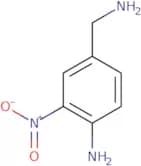
CAS:<p>4-Amino-3-nitrobenzylamine hydrochloride is a potential vanilloid receptor antagonist with potent antagonistic activities. It has been shown to inhibit the activation of neuronal TRPV1 receptors, as well as the uptake of 4-aminobenzoic acid (4-BA) in rat brain synaptosomes. In addition, this compound can be used to optimize drug structure, acting as an amide and alkyl groups. 4-Amino-3-nitrobenzylamine hydrochloride binds to the vanilloid receptor TRPV1 and blocks its activation. This prevents the release of proinflammatory substances that are responsible for pain, inflammation, and tissue injury.</p>Formula:C7H9N3O2·HClPurity:Min. 95%Color and Shape:PowderMolecular weight:203.63 g/mol3-Chlorobenzoic acid
CAS:<p>3-Chlorobenzoic acid is a compound that has been shown to have potent antibacterial activity against Pseudomonas aeruginosa and other bacteria. It has been shown to inhibit the ATP-binding cassette transporter, which is a protein that transports various molecules across cell membranes. 3-Chlorobenzoic acid also inhibits the growth of bacteria by lysing cells and interfering with DNA synthesis. This compound is an effective inhibitor of wild-type strains of E. coli, but not mutants resistant to 2,4-dichlorobenzoic acid. 3-Chlorobenzoic acid reacts with benzoate to form a crystal structure at room temperature and pressure. Further studies are needed to determine the coordination geometry and thermodynamic data for this reaction.</p>Formula:C7H5ClO2Purity:Min. 95%Color and Shape:PowderMolecular weight:156.57 g/mol1,3,5-Triazine
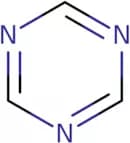
CAS:<p>1,3,5-Triazine is a nitrogen-containing heterocyclic compound that is used as a precursor for the synthesis of other compounds. It has been shown to inhibit the polymerase chain reaction and to bind to the enzyme DNA polymerase. This binding prevents the formation of an enzyme-substrate complex required for DNA replication. 1,3,5-Triazine also inhibits oxidative injury in experimental models and inhibits cellular physiology by decreasing the production of growth factor-β1. 1,3,5-Triazine has been shown to be a natural compound with inhibitory properties against growth factors and cell proliferation. This chemical also exhibits antioxidant effects by scavenging reactive oxygen species or inhibiting lipid peroxidation.END></p>Formula:C3H3N3Purity:Min. 95%Color and Shape:White PowderMolecular weight:81.08 g/molD-Penicillamine
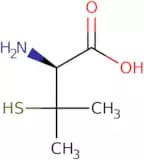
CAS:<p>D-Penicillamine is a nonsteroidal anti-inflammatory drug that is used to treat bowel disease, including ulcerative colitis and Crohn's disease. It has also been used as a treatment for schizophrenia that is unresponsive to other treatments. D-Penicillamine binds covalently to reactive oxygen species (ROS), thereby preventing their interaction with proteins and DNA. The binding of ROS by D-penicillamine can be monitored using electrochemical impedance spectroscopy (EIS). The compound has also been shown to reduce the expression of bcl-2 protein in human cells, which may result in increased oxidative injury and rates of cell proliferation. D-Penicillamine has been shown to have therapeutic benefits for patients with primary sclerosing cholangitis, myocardial infarcts, or preparative high performance liquid chromatography (HPLC) analysis.</p>Formula:C5H11NO2SPurity:Min 97%Color and Shape:White PowderMolecular weight:149.21 g/mol5-Iodo-2,4-dimethoxypyrimidine
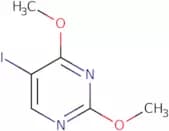
CAS:<p>5-Iodo-2,4-dimethoxypyrimidine is a chemical compound that can be used as a ligand for palladium. It is selective for alcohols and carbinols. The compound has been shown to catalyze the desilylation of organic halides and oxidized alcohols with high yields. 5-Iodo-2,4-dimethoxypyrimidine can also be used in the synthesis of carbohydrates and vinyl acetate. The yield of dehydrohalogenated products was found to be high when 5-iodo-2,4-dimethoxypyrimidine was used as a catalyst.</p>Formula:C6H7IN2O2Purity:Min. 95%Color and Shape:PowderMolecular weight:266.04 g/mol4-Iodobenzaldehyde
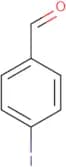
CAS:<p>4-Iodobenzaldehyde is a chemical compound with the molecular formula C6H5IO. It is an aromatic compound that can be used in cancer therapy. 4-Iodobenzaldehyde reacts with trifluoroacetic acid to form an intramolecular hydrogen, which is detected using a low-energy monomer and high detection sensitivity. 4-Iodobenzaldehyde has two phenyl substituents and a serine protease functional group, which are required for its interaction with other molecules. The presence of these functional groups allows analytical methods to be used to identify 4-iodobenzaldehyde in various samples. Using analytical methods, it can be determined that 4-iodobenzaldehyde interacts with an acceptor molecule at the reaction vessel thermally or by irradiation.</p>Formula:C7H5IOPurity:Min. 95%Color and Shape:Yellow PowderMolecular weight:232.02 g/molcis-2-Decenoic acid
CAS:<p>cis-2-Decenoic acid is a fatty acid that acts as an antimicrobial agent. It has been shown to inhibit the growth of many human pathogens, including methicillin-resistant Staphylococcus aureus, Pseudomonas aeruginosa, and Candida albicans. cis-2-Decenoic acid also inhibits the production of proinflammatory cytokines by lipopolysaccharide and stimulates the production of anti-inflammatory cytokines. cis-2-Decenoic acid was also found to be effective against diabetic neuropathy biofilm in mice and may be useful for treatment of this condition.</p>Formula:C10H18O2Purity:Min. 98 Area-%Color and Shape:Clear LiquidMolecular weight:170.25 g/mol


![2-Azaspiro[3.5]nonane hydrochloride](/_next/image/?url=https%3A%2Fstatic.cymitquimica.com%2Fproducts%2F3D%2Fthumb-webp%2FDCC96807.webp&w=3840&q=75)
![9-Azabicyclo[3.3.1]nonane N-oxyl](/_next/image/?url=https%3A%2Fstatic.cymitquimica.com%2Fproducts%2F3D%2Fthumb-webp%2FFA59534.webp&w=3840&q=75)