


Building Blocks
This section contains fundamental products for the synthesis of organic and biological compounds. Building blocks are the essential starting materials used to construct complex molecules through various chemical reactions. They play a critical role in drug discovery, material science, and chemical research. At CymitQuimica, we offer a diverse range of high-quality building blocks to support your innovative research and industrial projects, ensuring you have the essential components for successful synthesis.
Subcategories of "Building Blocks"
- Boronic Acids & Boronic Acid Derivatives(5,778 products)
- Chiral Building Blocks(1,242 products)
- Hydrocarbon Building Blocks(6,098 products)
- Organic Building Blocks(61,098 products)
Found 199594 products of "Building Blocks"
Sort by
Purity (%)
0
100
|
0
|
50
|
90
|
95
|
100
4-Cyanoindole
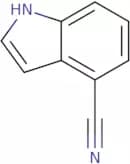
CAS:<p>The 4-cyanoindole is a fluorescent molecule that binds to proteins and affects protein homeostasis. It has been shown to bind to the sodium salt form of proteins, which are typically found in human liver cells. The binding of 4-cyanoindole to these proteins leads to its reduction by borohydride and fluorescence resonance energy transfer (FRET) between the molecule and the protein. This binding can be detected using a fluorescence lifetime spectroscopy technique, which detects changes in the fluorescence's lifetime as well as intensity. The binding of 4-cyanoindole to proteins has been shown to have anti-cancer properties. It has also been used for detection of monoclonal antibodies against cancer cells or for fluorescent labeling of cancer cells for immunofluorescent microscopy.</p>Formula:C9H6N2Color and Shape:White PowderMolecular weight:142.16 g/mol4-Chloroindole
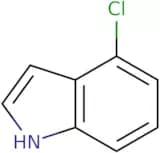
CAS:<p>4-Chloroindole is an indole compound that is a derivative of salicylic acid. It is used in the production of ethylene and casein, as well as being a major metabolite of anthranilic acid. 4-Chloroindole is also found in environmental pollutants and has been shown to be active against plant pathogens such as Pseudomonas syringae. It has been shown to inhibit the growth of Bacillus cereus by binding to its ribosomal RNA and inhibiting protein synthesis. In addition, it inhibits the biosynthesis of methylindole, which may be due to its ability to inhibit the enzyme tryptophan synthase.</p>Formula:C8H6ClNPurity:Min. 98 Area-%Color and Shape:Clear LiquidMolecular weight:151.59 g/mola-Cyano-4-hydroxycinnamic acid
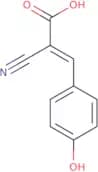
CAS:<p>a-Cyano-4-hydroxycinnamic acid is a cyclic peptide that has been shown to have cytotoxic and antimicrobial properties. It has been shown to be effective in reducing the viability of cells in vitro by interfering with DNA synthesis and cell signaling pathways, as well as causing oxidative stress. This compound also induces apoptosis in squamous carcinoma cells and hypoxic tumor cells; this effect may be due to its ability to induce the release of cytochrome c from mitochondria. a-Cyano-4-hydroxycinnamic acid has been shown to produce antibacterial activity against Gram-positive bacteria, such as Streptococcus pneumoniae and Staphylococcus aureus, but not against Gram-negative bacteria, such as Escherichia coli or Pseudomonas aeruginosa.</p>Formula:C10H7NO3Color and Shape:Slightly Yellow PowderMolecular weight:189.17 g/mol5-Chlorooxindole
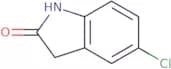
CAS:<p>5-Chlorooxindole is a synthetic, chemotherapeutic drug that has been shown to have anti-tumor activity in animal models. It is an oxindole derivative with the chemical formula CHNClO. The compound is synthesized by the reaction of 3,5-dichloroaniline and indole in chloroform and purified by column chromatography. 5-Chlorooxindole has shown potential as an antitumor agent because it inhibits cancer cell growth through mechanisms such as induction of apoptosis and suppression of tumor angiogenesis.</p>Formula:C8H6ClNOPurity:Min. 95%Molecular weight:167.59 g/mol5-Chloroindole
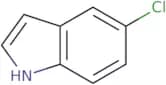
CAS:<p>5-Chloroindole is a molecule that can bind to the CB2 cannabinoid receptor. It has been shown in experiments to be an allosteric modulator of this receptor. 5-Chloroindole has been found to have an inhibitory effect on degenerative diseases, such as Huntington's disease and Alzheimer's disease, and may have therapeutic potential for these disorders. 5-Chloroindole binds to a metal surface by forming hydrogen bonds with the oxygen atom of its carboxyl group and the metal surface. The nucleophilic nature of 5-chloroindole allows it to react with chloride ions present in solution. 5-Chloroindole reacts with the carbon source in tissue culture, which leads to receptor activity and inhibition of cell proliferation.</p>Formula:C8H6ClNColor and Shape:White PowderMolecular weight:151.59 g/mol2-Chloro-5-aminomethylpyridine
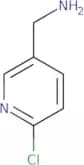
CAS:<p>2-Chloro-5-aminomethylpyridine is an active substance that is used in medicine. It is a chlorinated compound, which has been shown to be effective against resistant mutants of bacteria. The mechanism of action is not yet clear, but it may be due to the formation of hydrogen chloride, which inhibits the growth of bacteria by binding to DNA and RNA. 2-Chloro-5-aminomethylpyridine has also been shown to act as an inhibitor for enzymes such as succinic dehydrogenase and glucose 6 phosphate dehydrogenase. This drug can also be detected in urine samples with a high sensitivity analytical method.</p>Formula:C6H7ClN2Purity:Min. 95%Color and Shape:Off-White PowderMolecular weight:142.59 g/mol4-Chloro-3-nitrobenzonitrile
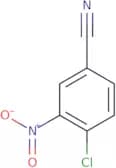
CAS:<p>4-Chloro-3-nitrobenzonitrile is a molecule with potent antibacterial activity. It is synthesized by the reaction of sodium carbonate, hydrogen chloride, and 4-chlorobenzonitrile. 4-Chloro-3-nitrobenzonitrile has shown antimicrobial properties against a wide range of bacteria, including methicillin resistant Staphylococcus aureus (MRSA) and Enterococcus faecium. This compound has been used in the treatment of infections caused by these bacteria. 4-Chloro-3-nitrobenzonitrile also has the ability to inhibit the synthesis of fatty acids and lipids in bacterial cells, which may be responsible for its antimicrobial effects.</p>Formula:C7H3ClN2O2Purity:Min. 95%Color and Shape:PowderMolecular weight:182.56 g/mol5-Chloro-2-methylindole
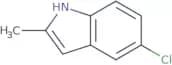
CAS:<p>5-Chloro-2-methylindole is an antimicrobial agent that is used to treat bacterial infections. It binds to the enzyme acetylacetone hydrazide, which prevents it from forming acetoacetate and 5-chloroindole. This leads to a decrease in the formation of serotonin, which may contribute to the alleviation of symptoms in patients with cerebral escherichia coli infection. 5-Chloro-2-methylindole has been shown to have antimicrobial effects against a number of bacteria, including E. coli and Staphylococcus aureus. The drug is injected intraperitoneally as a magnetic resonance imaging contrast agent for myelography, angiography, and other medical imaging procedures.</p>Formula:C9H8ClNPurity:Min. 95%Molecular weight:165.62 g/mol6-Carboxyindole
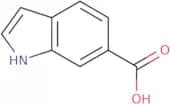
CAS:<p>6-Carboxyindole is an indole that binds to the IL-17A receptor, which leads to the production of pro-inflammatory cytokines. It has been shown to be involved in autoimmune diseases and other inflammatory conditions. 6-Carboxyindole can be used as a probe for studying the biology of IL-17A, by binding to it and inhibiting its effects. The chemical structure of 6-carboxyindole is also useful for diagnostic purposes, as it can bind to antibodies and antigens for detecting infectious diseases or other biological processes. 6-Carboxyindole can be used in the treatment of heart tissue by binding with monoclonal antibodies that are specific for cardiac proteins such as myosin light chain kinase.</p>Formula:C9H7NO2Purity:Min. 95%Molecular weight:161.16 g/mol3-Amino-N-propylpropanamide
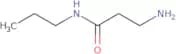
CAS:<p>3-Amino-N-propylpropanamide is a reagent and useful intermediate. It is a fine chemical that has CAS No. 271591-60-7. 3-Amino-N-propylpropanamide can be used as a versatile building block in the synthesis of fine chemicals, such as speciality chemicals and research chemicals, and in the preparation of pharmaceuticals and agrochemicals. 3APPA may also be used as a reaction component in organic synthesis to form amides, ureas, sulfonamides, or phosphonates, which are important intermediates for pharmaceuticals and agrochemicals.</p>Formula:C6H14N2OPurity:Min. 95%Color and Shape:Clear LiquidMolecular weight:130.19 g/mol1-Methyl-2-[(1-methyl-1H-imidazol-2-yl)disulfanyl]-1H-imidazole
CAS:<p>1,2-Dimethyl-1H-imidazolium chloride (1MDIC) is a useful building block for the synthesis of complex compounds. It is used as a reagent in organic synthesis and has been shown to be an effective catalyst for the Diels-Alder reaction. 1,2-Dimethyl-1H-imidazolium chloride is an excellent research chemical that can be used as a reaction component in organic synthesis and provide a versatile scaffold for the synthesis of diverse structures.</p>Formula:C8H10N4S2Purity:Min. 95%Color and Shape:PowderMolecular weight:226.3 g/mol2-Hydroxyisophthalic acid
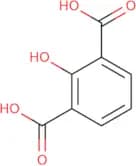
CAS:<p>2-Hydroxyisophthalic acid is a hydroxylated derivative of p-hydroxybenzoic acid. It is used in the manufacture of esters such as 2-ethoxyethanol and 2-ethoxyethyl acetate. It has also been shown to have a number of enzyme activities, including esterases, glycosidases, and lipases. The macrocyclic structure of 2-hydroxyisophthalic acid is responsible for its ability to interact with other molecules through hydrogen bonding and coordination chemistry. The carboxylate group on 2-hydroxyisophthalic acid interacts with the hydroxy group on the fatty acids found in soap, which leads to its use as an emulsifying agent. The carbonyl oxygens on 2-hydroxyisophthalic acid are responsible for its anti-inflammatory properties as they inhibit prostaglandin synthesis when they bind to the cyclooxygenase enzymes that catalyze</p>Formula:C8H6O5Purity:Min. 95 Area-%Color and Shape:PowderMolecular weight:182.13 g/molThiane-3-carbaldehyde
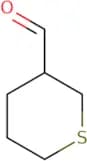
CAS:<p>Thiane-3-carbaldehyde is a fine chemical that is used in research and development as a versatile building block for the synthesis of complex compounds. Thiane-3-carbaldehyde can be used as a reagent, speciality chemical, or useful scaffold for the synthesis of high quality and useful intermediates. This compound has CAS number 61571-06-0.</p>Formula:C6H10OSPurity:Min. 95%Molecular weight:130.21 g/mol7-Bromo-5-methoxyindole-3-carboxylic acid
CAS:<p>Please enquire for more information about 7-Bromo-5-methoxyindole-3-carboxylic acid including the price, delivery time and more detailed product information at the technical inquiry form on this page</p>Formula:C10H8BrNO3Purity:Min. 95%Color and Shape:PowderMolecular weight:270.09 g/mol3-tert-Butyl-4-hydroxybenzoic acid
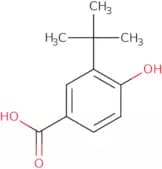
CAS:3-tert-Butyl-4-hydroxybenzoic acid is a phenolic compound that is found in the plant species of "Solanum xanthocarpum". It has antioxidant properties and has been shown to have anticancer activity in vitro. 3-tert-Butyl-4-hydroxybenzoic acid also inhibits the growth of human colon carcinoma cells. It is soluble in organic solvents and homopolymers at high temperatures, but insoluble at lower temperatures.Formula:C11H14O3Purity:Min. 95%Color and Shape:PowderMolecular weight:194.23 g/mol4-Bromo-3,5-dihydroxybenzamide
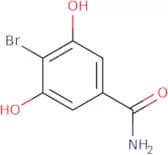
CAS:<p>4-Bromo-3,5-dihydroxybenzamide is a versatile building block that can be used as a reagent or as an intermediate in the synthesis of other compounds. It can also be used as a research chemical. 4-Bromo-3,5-dihydroxybenzamide has shown to be useful for the synthesis of complex organic compounds and is an excellent starting point for the preparation of novel scaffolds. This compound is also useful for making high quality products.</p>Formula:C7H6BrNO3Purity:90%Color and Shape:PowderMolecular weight:232.03 g/mol4-Bromo-3,5-dihydroxybenzoic acid methyl ester
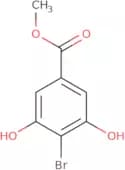
CAS:The compound 4-Bromo-3,5-dihydroxybenzoic acid methyl ester is an ether that is a natural product. It has been shown to have diastereoselective coupling with phenolic groups and unsymmetrically with lactones. This compound also undergoes epoxidation and farnesylation reactions. The intramolecular chain of the ether is methylated by formylation and reductive elimination.Formula:C8H7BrO4Purity:Min. 95%Color and Shape:PowderMolecular weight:247.04 g/mol4-(Bromomethyl)-2-iodo-1-nitrobenzene
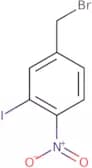
CAS:<p>4-(Bromomethyl)-2-iodo-1-nitrobenzene is a fine chemical that can be used as an intermediate for the synthesis of target molecules. It is a versatile building block with many different reactions and applications, such as research chemicals, reaction components, and speciality chemicals. This compound is also a useful building block for the synthesis of complex molecules. It has high quality and can be used as a reagent in lab experiments.</p>Formula:C7H5BrINO2Purity:Min. 95%Color and Shape:PowderMolecular weight:341.93 g/mol5-Benzyloxyindole-3-glyoxylamide
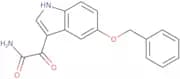
CAS:<p>5-Benzyloxyindole-3-glyoxylamide is a versatile building block that can be used in the synthesis of complex compounds. It has been shown to have a high quality and is useful as a reagent for research purposes. 5-Benzyloxyindole-3-glyoxylamide can be used as a reaction component and is useful as an intermediate in organic synthesis. 5BIGA has CAS number 22424-62-0 and is also known as 3-(benzyloxy)-5-(2,2,2-trifluoroethoxy)indole glyoxamide.</p>Formula:C17H14N2O3Purity:Min. 95%Molecular weight:294.3 g/mol2-[(Dimethylcarbamothioyl)sulfanyl]acetonitrile
CAS:Versatile small molecule scaffoldFormula:C5H8N2S2Purity:Min. 95%Color and Shape:PowderMolecular weight:160.30 g/mol

![1-Methyl-2-[(1-methyl-1H-imidazol-2-yl)disulfanyl]-1H-imidazole](/_next/image/?url=https%3A%2Fstatic.cymitquimica.com%2Fproducts%2F3D%2Fthumb-webp%2FLCA74729.webp&w=3840&q=75)
![2-[(Dimethylcarbamothioyl)sulfanyl]acetonitrile](/_next/image/?url=https%3A%2Fstatic.cymitquimica.com%2Fproducts%2F3D%2Fthumb-webp%2FLCA54035.webp&w=3840&q=75)