Building Blocks
Subcategories of "Building Blocks"
- Boronic Acids & Boronic Acid Derivatives(5,778 products)
- Chiral Building Blocks(1,243 products)
- Hydrocarbon Building Blocks(6,099 products)
- Organic Building Blocks(61,038 products)
Found 205376 products of "Building Blocks"
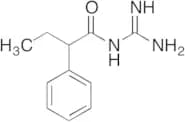
2-Phenyl-2-ethyl-acetyl-guanidine
Controlled ProductApplications 2-Phenyl-2-ethyl-acetyl-guanidine is a compound useful in organic synthesis.
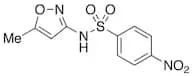
Formula:C11H15N3OColor and Shape:NeatMolecular weight:205.2564-Nitro Sulfamethoxazole
CAS:Controlled ProductApplications A Sulfamethoxazole metabolite.
References Gill, H., et al.: Br. J. Clin. Pharmacol., 42, 347 (1996), Winter, H., et al.: Clin. Pharmacol. Ther., 76, 579 (2004), Vyas, P., et al.: Biochem. Pharmacol., 70, 275 (2005), Vyas, P., et al.: Drug Metab. Dispos., 34, 16 (2006),Formula:C10H9N3O5SColor and Shape:Light BrownMolecular weight:283.26Diethyl Methylmalonate
CAS:Controlled ProductApplications Diethyl methylmalonate is readily used as a moderately bulky nucleophile in organic synthesis. Diethyl methylmalonate is also used as a reagent to synthesize 7-alkylaminopyrazolo[1,5-a]pyrimidines, compounds that have antifungal properties.
References Aakermark, B., et al.: Organometallics, 3, 679 (1984); Novinson, T., et al.: J. Med. Chem., 20, 296 (1977)Formula:C8H14O4Color and Shape:NeatMolecular weight:174.2Tetrahydro-5-methyl-2-furanol
CAS:Controlled ProductApplications Tetrahydro-5-methyl-2-furanol is an intermediate in synthesizing 2,3-Dihydro-2-methylfuran (D447355), which is a general reagent used in next generation of biofuels. Dihydrofuranyl derivative.
References Simmie, J. et al.: J. Phys Chem., 116, 4528 (2012);Formula:C5H10O2Color and Shape:NeatMolecular weight:102.132-Azido-2-deoxy-D-glucose
CAS:Applications 2-Azido-2-deoxy-D-glucose is a glucose derivative that have been used to study the substrate specificity of galactokinase.
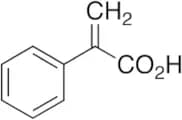
References Zou, W., et al.: Bioorg. Med. Chem. Lett., 22, 3540 (2012);Formula:C6H11N3O5Color and Shape:White PowderMolecular weight:205.17Atropic Acid
CAS:Impurity Ipratropium EP Impurity D
Stability Light Sensitive
Applications Atropic acid (Ipratropium EP Impurity D) is an impurity of Ipratropium bromide (I740500) and Atropine Sulfate (A794625).
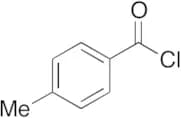
References Lyon, R., et al.: J. Pharm. Sci., 95, 1549 (2006), Loch, M., et al.: Toxicology, 233, 229 (2007), John, H., et al.: Anal. Bioanal. Chem., 396, 751 (2010),Formula:C9H8O2Color and Shape:NeatMolecular weight:148.16p-Toluoyl Chloride
CAS:Controlled ProductApplications p-Toluoyl chloride is an aromatic compound used as a reagent to synthesize (+)-Yashabushitriol, a plant metabolite that is naturally found in the male flowers of Alnus sieboldiana matsum. p-Toluoyl chloride is also used as a reagent to prepare derivatives of Desloratadine (D290250). Desloratadine is a selective H1-receptor antagonist that has anti-inflammatory effects and is used to treat patients with allergic rhinitis.
Not a dangerous good if item is equal to or less than 1g/ml and there is less than 100g/ml in the package
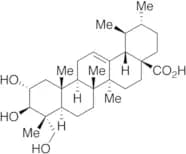
References Berger, W.. et al.: Ann. All. Asth. Immun., 89, 485 (2002); Fang, Z., et al.: Tetrahedron Lett., 54, 6834 (2013); Feldman, K. & Simpson, R.: Tetrahedron Lett., 30, 6985 (1989); Mu, S., et al.: Chin. Chem. Lett., 24, 531 (2013)Formula:C8H7ClOColor and Shape:NeatMolecular weight:154.59Asiatic Acid
CAS:Applications Asiatic Acid is a terpenoid with an ursane skeleton isolated from Centella asiatica. Asiatic Acid is a neuroprotectant and induces of apoptosis in HepG2 human hepatoma cells.
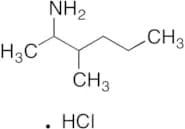
References Zhou, J. et al.: Jiang. Dax. Xueb. Yixueb., 19, 475 (2009); Hsu, Y.L. et al.: J. Pharmacol. Exp. Ther., 313, 333 (2005);Formula:C30H48O5Color and Shape:NeatMolecular weight:488.703-Methyl-2-hexanamine Hydrochloride Salt
CAS:Applications 3-Methyl-2-hexanamine HCl Salt is more stable and easier to purify compared to the free base.
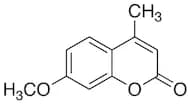
Formula:C7H17N·HClColor and Shape:Off-White To BeigeMolecular weight:115.2236467-Methoxy-4-methylcoumarin
CAS:Applications 7-Methoxy-4-methylcoumarin (cas# 2555-28-4) is a compound useful in organic synthesis.
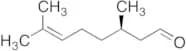
Formula:C11H10O3Color and Shape:NeatMolecular weight:190.20(+)-Citronellal
CAS:Controlled ProductApplications (+)-Citronellal is a monoterpene compound that is formed by the metabolism of plants. (+)-Citronellal is a natural insect repellant, and is the main component of citronellal oil. (+)-Citronellal is also used as a starting material in the one pot synthesis of (-)-Menthol (M218875).
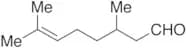
References Kwon, Y., et al.: Curr. Biol., 20, 1672 (2010); Lenardão, E., et al.: Tetrahedron, 63, 6671 (2007); Milone, C., et al.: Appl. Catal. A-Gen., 199, 239 (2000)Formula:C10H18OPurity:>90%Color and Shape:NeatMolecular weight:154.25rac-Citronellal (>90%)
CAS:Controlled ProductStability Hygroscopic
Applications rac-Citronellal is a monoterpenoid and the major isolate in citronella oil. Citronella oil is an essential oil bearing insecticidal properties. rac-Citronellal is also often used as a fragrance ingredient.
References Waliwitiya, R., et al.: J. Med. Entomol., 49, 614 (2012);Formula:C10H18OPurity:>90%Color and Shape:NeatMolecular weight:154.252-methyl-1-[4-(trifluoromethyl)phenyl]propan-1-one
CAS:Controlled ProductApplications 2-methyl-1-[4-(trifluoromethyl)phenyl]propan-1-one (cas# 64436-58-4) is a useful research chemical.
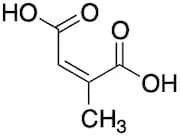
Formula:C11H11OF3Color and Shape:NeatMolecular weight:216.19Citraconic Acid
CAS:Controlled ProductApplications Citraconic Acid (cas# 498-23-7) is a useful research chemical.
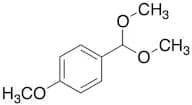
Formula:C5H6O4Color and Shape:NeatMolecular weight:130.09Anisaldehyde Dimethyl Acetal
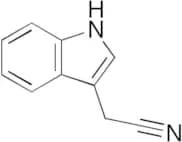
CAS:Controlled ProductFormula:C10H14O3Color and Shape:NeatMolecular weight:182.22Indole-3-acetonitrile
CAS:Applications Indole-3-acetonitrile is an indole derivative involved in the biosynthesis of the plant hormone indole acetic acid (I577340) via the indole-3-acetaldoxime pathway.
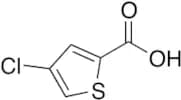
References Kong, W., et al.: Plant Cell Physiol, 56, 715-726 (2015)Formula:C10H8N2Color and Shape:Yellow CrystallineMolecular weight:156.184-Chlorothiophene-2-carboxylic Acid
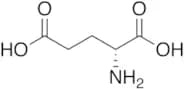
CAS:Controlled ProductFormula:C5H3ClO2SColor and Shape:NeatMolecular weight:162.59D-Glutamic Acid
CAS:Applications D-Glutamic Acid is the unnatural (R)-enantiomer of Glutamic Acid, a non-essential amino acid. Its salt form (glutamate) is an important neurotransmitter that plays a key role in long-term potentiation and is important for learning and memory. Glutamic Acid is also a key molecule in cellular metabolism.
References McEntee, W. et al.: Psychopharmacology, 111, 391 (1993); Manev, H. et al.: Mol. Pharmacol., 36, 106 (1989);Formula:C5H9NO4Color and Shape:NeatMolecular weight:147.13




![2-methyl-1-[4-(trifluoromethyl)phenyl]propan-1-one](/_next/image/?url=https%3A%2Fstatic.cymitquimica.com%2Fproducts%2FTR%2Fthumb-webp%2FB489000.webp&w=3840&q=75)