Building Blocks
Subcategories of "Building Blocks"
- Boronic Acids & Boronic Acid Derivatives(5,784 products)
- Chiral Building Blocks(1,243 products)
- Hydrocarbon Building Blocks(6,105 products)
- Organic Building Blocks(61,066 products)
Found 205426 products of "Building Blocks"
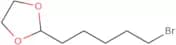
2-(5-Bromopentyl)-1,3-dioxolane
CAS:Versatile small molecule scaffold
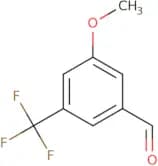
Formula:C8H15BrO2Purity:Min. 95%Molecular weight:223.11 g/mol3-Methoxy-5-(trifluoromethyl)benzaldehyde
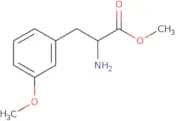
CAS:Versatile small molecule scaffoldFormula:C9H7F3O2Purity:Min. 95%Molecular weight:204.15 g/molMethyl 2-amino-3-(3-methoxyphenyl)propanoate
CAS:Versatile small molecule scaffoldFormula:C11H15NO3Purity:Min. 95%Molecular weight:209.24 g/molEthyl 2-[(1-phenylethyl)amino]acetate
CAS:Versatile small molecule scaffold
Formula:C12H17NO2Purity:Min. 95%Molecular weight:207.27 g/molRef: 3D-GCA72098
Discontinued product2-[(1-Methylpiperidin-4-yl)amino]ethan-1-ol
CAS:Versatile small molecule scaffold
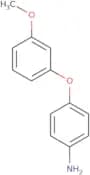
Formula:C8H18N2OPurity:Min. 95%Molecular weight:158.24 g/mol4-(3-Methoxyphenoxy)aniline
CAS:Versatile small molecule scaffold
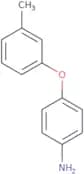
Formula:C13H13NO2Purity:Min. 95%Molecular weight:215.25 g/mol4-(3-Methylphenoxy)aniline hydrochloride
CAS:Versatile small molecule scaffold
Formula:C13H14ClNOPurity:Min. 95%Molecular weight:235.72 g/mol3-[4-(Hydroxymethyl)phenyl]propanoic acid
CAS:Versatile small molecule scaffold
Formula:C10H12O3Purity:Min. 95%Molecular weight:180.2 g/molRef: 3D-GCA70334
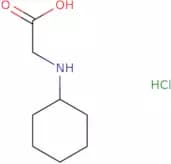
Discontinued product2-(Cyclohexylamino)acetic acid hydrochloride
CAS:2-(Cyclohexylamino)acetic acid hydrochloride is a chiral compound that has been shown to inhibit the activity of metalloproteinases, including matrix metalloproteinase (MMP) and peptidyl-arginine deiminases. It also inhibits the production of inflammatory cytokines in response to viral infection. 2-(Cyclohexylamino)acetic acid hydrochloride may be useful for the treatment of liver diseases such as hepatitis or cirrhosis due to its ability to inhibit MMP-2. It is also being investigated as a potential drug for traumatic brain injury because it has been shown to reduce oxidative stress and inflammation in animal models.Formula:C8H16ClNO2Purity:Min. 95%Molecular weight:193.67 g/molRef: 3D-GCA67670
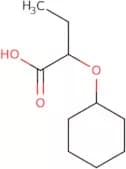
Discontinued product2-(Cyclohexyloxy)butanoic acid
CAS:Versatile small molecule scaffold
Formula:C10H18O3Purity:Min. 95%Molecular weight:186.25 g/molRef: 3D-GCA67473
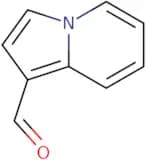
Discontinued product1-Indolizinecarboxaldehyde
CAS:Versatile small molecule scaffold
Formula:C9H7NOPurity:Min. 95%Molecular weight:145.16 g/molRef: 3D-GCA67164
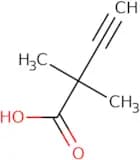
Discontinued product2,2-Dimethylbut-3-ynoic acid
CAS:2,2-Dimethylbut-3-ynoic acid is an organic compound that can be synthesized from acetone. The chemical formula of this compound is C6H12O2. 2,2-Dimethylbut-3-ynoic acid has a boiling point of 157 degrees Celsius and a melting point of -87 degrees Celsius. It has the molecular weight of 136.19 g/mol and its density is 1.07 g/cm^3 at 25 degrees Celsius. This compound can be used as a precursor to other chemicals, such as butanediol or butyraldehyde, which are used in production processes for plastics and synthetic rubber.
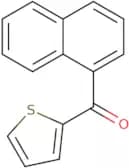
Formula:C6H8O2Purity:Min. 95%Molecular weight:112.13 g/mol(Naphthalen-1-yl)(thiophen-2-yl)methanone
CAS:Versatile small molecule scaffold
Formula:C15H10OSPurity:Min. 95%Molecular weight:238.31 g/molRef: 3D-GCA66233
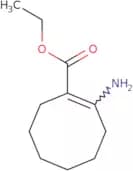
Discontinued productEthyl 2-aminocyclooct-1-ene-1-carboxylate
CAS:Versatile small molecule scaffoldFormula:C11H19NO2Purity:Min. 95%Molecular weight:197.27 g/molRef: 3D-GCA66194
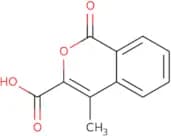
Discontinued product4-Methyl-1-oxo-1H-isochromene-3-carboxylic acid
CAS:Versatile small molecule scaffoldFormula:C11H8O4Purity:Min. 95%Molecular weight:204.18 g/molRef: 3D-GCA66174
Discontinued product2-(2-Hydroxyethyl)-2H,3H-[1,2,4]triazolo[4,3-a]pyridin-3-one
CAS:Versatile small molecule scaffold
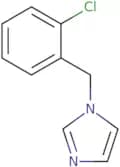
Formula:C8H9N3O2Purity:Min. 95%Molecular weight:179.18 g/mol1-(2-Chlorobenzyl)imidazole
CAS:Versatile small molecule scaffold
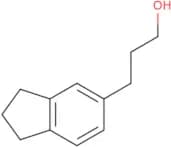
Formula:C10H9ClN2Purity:Min. 95%Molecular weight:192.64 g/mol3-(2,3-Dihydro-1H-inden-5-yl)propan-1-ol
CAS:Versatile small molecule scaffold
Formula:C12H16OPurity:Min. 95%Molecular weight:176.25 g/molRef: 3D-GCA63578
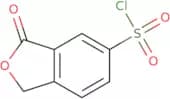
Discontinued product3-Oxo-1,3-dihydro-2-benzofuran-5-sulfonyl chloride
CAS:Versatile small molecule scaffold
Formula:C8H5ClO4SPurity:Min. 95%Molecular weight:232.64 g/molRef: 3D-GCA62276
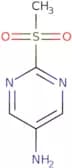
Discontinued product2-(Methylsulfonyl)pyrimidin-5-amine
CAS:Versatile small molecule scaffold
Formula:C5H7N3O2SPurity:Min. 95%Molecular weight:173.19 g/molRef: 3D-GCA62192
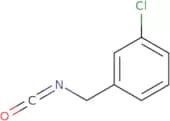
Discontinued product1-Chloro-3-(isocyanatomethyl)benzene
CAS:Versatile small molecule scaffold
Formula:C8H6ClNOPurity:Min. 95%Molecular weight:167.59 g/molRef: 3D-GCA62045
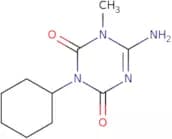
Discontinued product6-Amino-3-cyclohexyl-1-methyl-1,2,3,4-tetrahydro-1,3,5-triazine-2,4-dione
CAS:6-Amino-3-cyclohexyl-1-methyl-1,2,3,4-tetrahydro-1,3,5-triazine-2,4-dione is the metabolite of cyclophosphamide and is extracted using n-hexane and acetonitrile. It has been shown to be a potent inhibitor of DNA synthesis in vitro at concentrations as low as 10 μM. The average recoveries for this compound are 96.6% with an average recovery of 99.7%.Formula:C10H16N4O2Purity:Min. 95%Molecular weight:224.26 g/molRef: 3D-GCA61155
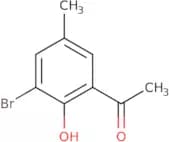
Discontinued product1-(3-Bromo-2-hydroxy-5-methylphenyl)ethan-1-one
CAS:Versatile small molecule scaffold
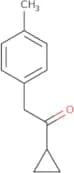
Formula:C9H9BrO2Purity:Min. 95%Molecular weight:229.07 g/mol1-Cyclopropyl-2-(4-methylphenyl)ethan-1-one
CAS:Versatile small molecule scaffold
Formula:C12H14OPurity:Min. 95%Molecular weight:174.24 g/molRef: 3D-GCA59497
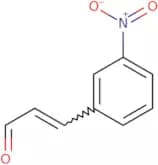
Discontinued product3-(3-Nitrophenyl)acrylaldehyde
CAS:3-(3-Nitrophenyl)acrylaldehyde is an organic compound that belongs to the class of aldehydes. It is used in the synthesis of halogenated compounds, such as dibromohexane, and in organic chemistry as a building block for the preparation of hydrophobic compounds. 3-(3-Nitrophenyl)acrylaldehyde reacts with benzene in an aldol condensation reaction to form 2,4-dinitrobenzaldehyde. This reaction may be catalyzed by acid or base. The efficiency of this reaction is increased when it is carried out at lower temperatures and higher pressures. The ring-opening reaction of 3-(3-nitrophenyl)acrylaldehyde with methanal also proceeds efficiently at lower temperatures and higher pressures.
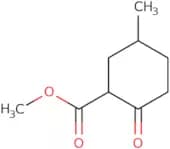
Formula:C9H7NO3Purity:Min. 95%Molecular weight:177.16 g/molMethyl 5-methyl-2-oxocyclohexane-1-carboxylate
CAS:Methyl 5-methyl-2-oxocyclohexane-1-carboxylate is a racemic compound with the chemical formula CH3(CH2)4CO2. The individual enantiomers are known as D and L methyl 5-methyl-2-oxocyclohexane-1-carboxylate. This compound is a sesquiterpenoid and has been found to inhibit the growth of certain bacteria, fungi, and parasites. The biological activity of this compound is due to its ability to interfere with protein synthesis by binding to the active site of enzymes that require a carboxyl group for their function. Methyl 5-methyl-2-oxocyclohexane-1-carboxylate can be found in nature as a mixture of two enantiomers, but it can also be synthesized in a racemic form.
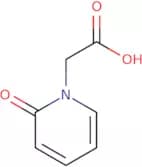
Formula:C9H14O3Purity:Min. 95%Molecular weight:170.21 g/mol(2-Oxopyridin-1(2H)-yl)acetic acid
CAS:2-Oxopyridin-1(2H)-yl)acetic acid is a colorless, crystalline solid that can be used as a reagent for organic synthesis. It has been shown to inhibit the growth of C. parapsilosis and T. tetracosane at low concentrations. 2-Oxopyridin-1(2H)-yl)acetic acid may have an inhibitory effect on the enzyme dehydrogenase, which catalyzes the conversion of hexadecanoic acid to hexadecenoic acid during lipid metabolism and is required for cell survival. This compound has also been shown to be effective against M. tuberculosis and M. avium complex, but not against other bacteria such as B. subtilis or S. aureus.
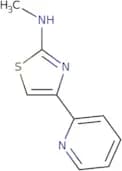
Formula:C7H7NO3Purity:Min. 95%Molecular weight:153.14 g/molN-Methyl-4-(pyridin-2-yl)-1,3-thiazol-2-amine
CAS:Versatile small molecule scaffold
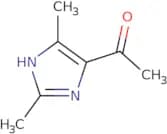
Formula:C9H9N3SPurity:Min. 95%Molecular weight:191.26 g/mol1-(2,5-Dimethyl-1H-imidazol-4-yl)ethan-1-one
CAS:Versatile small molecule scaffold
Formula:C7H10N2OPurity:Min. 95%Molecular weight:138.17 g/molRef: 3D-GCA53644
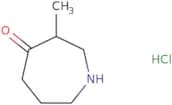
Discontinued product3-Methylazepan-4-one Hydrochloride
CAS:Versatile small molecule scaffold
Formula:C7H13NO·HClPurity:Min. 95%Molecular weight:163.64 g/molRef: 3D-GCA51523
Discontinued product2,6-Dimethylbenzene-1,4-diamine dihydrochloride
CAS:Versatile small molecule scaffold
Formula:C8H14Cl2N2Purity:Min. 95%Molecular weight:209.11 g/molRef: 3D-GCA49689
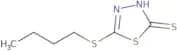
Discontinued product5-(Butylsulfanyl)-1,3,4-thiadiazole-2-thiol
CAS:Versatile small molecule scaffoldFormula:C6H10N2S3Purity:Min. 95%Molecular weight:206.4 g/molRef: 3D-GCA49283
Discontinued product1-(4-Methoxyphenyl)-2-methylpropan-2-amine
CAS:Controlled ProductVersatile small molecule scaffold
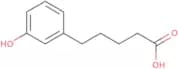
Formula:C11H17NOPurity:Min. 95%Molecular weight:179.26 g/mol5-(3-Hydroxyphenyl)pentanoic acid
CAS:5-(3-Hydroxyphenyl)pentanoic acid (5HPP) is a fatty acid that has been isolated from the leaves of Cardunculus sp. and has shown pharmacological and nutritional properties. 5HPP has been shown to inhibit bacterial growth, which may be due to its ability to bind to bacterial DNA. 5HPP also binds to protein markers, such as methoxyphenol and phenolic, which are associated with antioxidant activity. 5HPP profiles have been determined using liquid chromatography in order to identify the major compounds in this phytochemical.
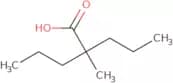
Formula:C11H14O3Purity:Min. 95%Molecular weight:194.23 g/mol2-Methyl-2-propylpentanoic acid
CAS:2-Methyl-2-propylpentanoic acid is an organic compound that belongs to the class of primary alcohols with a chemical formula CH3(CH2)5COOH. It is an acidic, fatty acid ester that can be synthesized by methylation of pentanoic acid. 2-Methyl-2-propylpentanoic acid has been used as a preservative in food and cosmetics, but it is also used as an intermediate for pharmaceuticals and other organic compounds. The use of 2-methyl-2-propylpentanoic acid as a solvent has been limited because it is highly reactive and corrosive to metal surfaces. This product can react with other compounds to produce new products, such as hippuric acid or citric acid. One theory about the mechanism of this reaction suggests that the reaction proceeds through a free radical chain mechanism.
Formula:C9H18O2Purity:Min. 95%Molecular weight:158.24 g/molRef: 3D-GBA11356
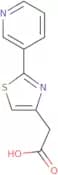
Discontinued product2-(2-(Pyridin-3-yl)thiazol-4-yl)acetic acid
CAS:Versatile small molecule scaffold
Formula:C10H8N2O2SPurity:Min. 95%Molecular weight:220.25 g/mol2-[(3,5-Dichlorophenyl)formamido]-2-methylpropanoic acid
CAS:Versatile small molecule scaffold
Formula:C11H11Cl2NO3Purity:Min. 95%Molecular weight:276.11 g/molRef: 3D-GBA11041
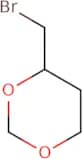
Discontinued product4-(Bromomethyl)-1,3-dioxane
CAS:Versatile small molecule scaffold
Formula:C5H9BrO2Purity:Min. 95%Molecular weight:181.03 g/molRef: 3D-GBA10039
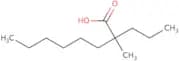
Discontinued product2-Methyl-2-propyloctanoic acid
CAS:Versatile small molecule scaffold
Formula:C12H24O2Purity:Min. 95%Molecular weight:200.32 g/molRef: 3D-GBA08040
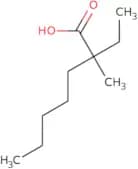
Discontinued product2-Ethyl-2-methylheptanoic acid
CAS:2-Ethyl-2-methylheptanoic acid is a monoester of 2-ethylhexanol. It has a crystalline structure and can be found in the form of spherical particles. 2-Ethyl-2-methylheptanoic acid has been shown to have synergistic effects with other surfactants, such as phosphoric acid solution, to extract organic compounds from various surfaces. The extraction process involves lowering the surface tension by adsorbing at least one molecule of the organic compound on the surface and then extracting it by contacting it with an appropriate solvent. Techniques such as scanning electron microscopy (SEM) are used to study the morphology of these spherical particles.
Formula:C10H20O2Purity:Min. 95%Molecular weight:172.26 g/molRef: 3D-GBA08038
Discontinued product[1,2,4]Triazolo[1,5-a]pyridin-8-amine
CAS:1,2,4-Triazolo[1,5-a]pyridin-8-amine is a heterocyclic compound that contains an aromatic ring and a heteroaryl group. The aromatic ring consists of six carbon atoms in a hexagon shape with one nitrogen atom at the center of the ring. It has two substituents on the ring: one unsubstituted and one substituted. The six-membered heteroaryl group is located on the opposite side of the aromatic ring from the halogen group. The amide group is attached to the 6-membered heteroatom.
Formula:C6H6N4Purity:Min. 95%Molecular weight:134.14 g/mol6-nitro-[1,2,4]triazolo[1,5-a]pyridin-2-amine
CAS:Versatile small molecule scaffold
Formula:C6H5N5O2Purity:Min. 95%Molecular weight:179.13 g/mol7,7-Dimethyl-5H,7H-furo[3,4-d]pyrimidin-2-amine
CAS:Versatile small molecule scaffold
Formula:C8H11N3OPurity:Min. 95%Molecular weight:165.19 g/molRef: 3D-GAD75656
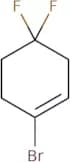
Discontinued product1-Bromo-4,4-difluorocyclohex-1-ene
CAS:Versatile small molecule scaffold
Formula:C6H7BrF2Purity:Min. 95%Molecular weight:197.02 g/mol4-(Piperazin-1-yl)pyridazine dihydrochloride
CAS:Versatile small molecule scaffoldFormula:C8H14Cl2N4Purity:Min. 95%Molecular weight:237.13 g/molRef: 3D-GAD29275
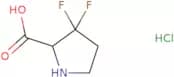
Discontinued product3,3-Difluoropyrrolidine-2-carboxylic acid hydrochloride
CAS:Versatile small molecule scaffoldFormula:C5H8ClF2NO2Purity:Min. 95%Molecular weight:187.57 g/molRef: 3D-GAD26573
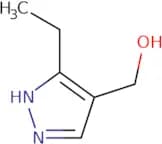
Discontinued product(5-Ethyl-1H-pyrazol-4-yl)methanol
CAS:Versatile small molecule scaffold
Formula:C6H10N2OPurity:Min. 95%Molecular weight:126.16 g/molRef: 3D-GAD22950
Discontinued product3-(Pyridin-4-yl)-2-azaspiro[3.3]heptan-1-one
CAS:Versatile small molecule scaffold
Formula:C11H12N2OPurity:Min. 95%Molecular weight:188.23 g/molRef: 3D-GAD15829
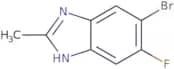
Discontinued product5-Bromo-6-fluoro-2-methyl-1H-1,3-benzodiazole
CAS:Versatile small molecule scaffoldFormula:C8H6BrFN2Purity:Min. 95%Molecular weight:229.05 g/molRef: 3D-GAC95864
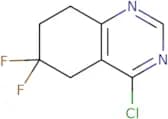
Discontinued product4-Chloro-6,6-difluoro-5,6,7,8-tetrahydroquinazoline
CAS:Versatile small molecule scaffold
Formula:C8H7ClF2N2Purity:Min. 95%Molecular weight:204.6 g/molRef: 3D-GAC95543
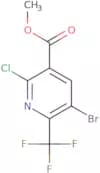
Discontinued productMethyl 5-bromo-2-chloro-6-(trifluoromethyl)pyridine-3-carboxylate
CAS:Versatile small molecule scaffoldFormula:C8H4BrClF3NO2Purity:Min. 95%Molecular weight:318.47 g/molRef: 3D-GAC83719
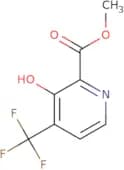
Discontinued productMethyl 3-hydroxy-4-(trifluoromethyl)pyridine-2-carboxylate
CAS:Versatile small molecule scaffold
Formula:C8H6F3NO3Purity:Min. 95%Molecular weight:221.13 g/molRef: 3D-GAC83697
Discontinued product4-Bromo-3-(propan-2-yl)-1H-pyrazolo[3,4-c]pyridine
CAS:Versatile small molecule scaffold
Formula:C9H10BrN3Purity:Min. 95%Molecular weight:240.1 g/molRef: 3D-GAC83677
Discontinued product2-Oxo-1H,2H,3H-pyrido[2,3-b][1,4]oxazine-6-carboxylic acid
CAS:Versatile small molecule scaffold
Formula:C8H6N2O4Purity:Min. 95%Molecular weight:194.14 g/molRef: 3D-GAC83518
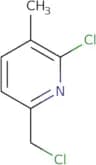
Discontinued product2-Chloro-6-(chloromethyl)-3-methylpyridine
CAS:Versatile small molecule scaffold
Formula:C7H7Cl2NPurity:Min. 95%Molecular weight:176.04 g/molRef: 3D-GAC83514
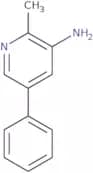
Discontinued product2-Methyl-5-phenylpyridin-3-amine
CAS:Versatile small molecule scaffold
Formula:C12H12N2Purity:Min. 95%Molecular weight:184.24 g/molRef: 3D-GAC83425
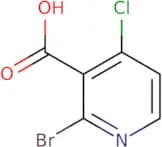
Discontinued product2-Bromo-4-chloropyridine-3-carboxylic acid
CAS:Versatile small molecule scaffold
Formula:C6H3BrClNO2Purity:Min. 95%Molecular weight:236.45 g/molRef: 3D-GAC83388
Discontinued product3-(Propan-2-yl)-1H-pyrazolo[3,4-c]pyridine-4-carboxylic acid
CAS:Versatile small molecule scaffoldFormula:C10H11N3O2Purity:Min. 95%Molecular weight:205.21 g/molRef: 3D-GAC83367
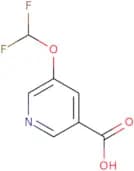
Discontinued product5-(Difluoromethoxy)nicotinic acid
CAS:Versatile small molecule scaffold
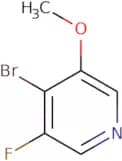
Formula:C7H5F2NO3Purity:Min. 95%Molecular weight:189.12 g/mol4-Bromo-3-fluoro-5-methoxypyridine
CAS:Versatile small molecule scaffold
Formula:C6H5BrFNOPurity:Min. 95%Molecular weight:206.01 g/molRef: 3D-GAC82573
Discontinued product3-Methyl-benzo[b]thiophene 1,1-dioxide
CAS:Versatile small molecule scaffold
Formula:C9H8O2SPurity:Min. 95%Molecular weight:180.23 g/molRef: 3D-GAA40691
Discontinued product4-((Diethylamino)methyl)aniline
CAS:Controlled ProductVersatile small molecule scaffold
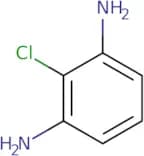
Formula:C11H18N2Purity:Min. 95%Molecular weight:178.28 g/mol2-Chlorobenzene-1,3-diamine
CAS:Versatile small molecule scaffold
Formula:C6H7ClN2Purity:Min. 95%Molecular weight:142.58 g/molRef: 3D-GAA40014
Discontinued productN-[2-(Benzylsulfanyl)phenyl]-2-chloroacetamide
CAS:Versatile small molecule scaffold
Formula:C15H14ClNOSPurity:Min. 95%Molecular weight:291.8 g/molRef: 3D-GAA39735
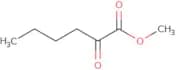
Discontinued productMethyl 2-oxohexanoate
CAS:Methyl 2-oxohexanoate is a synthetic chemical that is used as a solvent in organic synthesis. It can be deuterated to produce a deuterated derivative, which has been shown to have improved stability in an organic environment. Methyl 2-oxohexanoate has been used as the starting material for the asymmetric synthesis of some medicinal drugs, including the anti-inflammatory drug piroxicam. This chemical also has been shown to have anticancer activity due to its ability to inhibit fatty acid synthase and nutrient uptake in pancreatic cancer cells.
Formula:C7H12O3Purity:Min. 95%Molecular weight:144.17 g/mol2-{[Bis(methylamino)methylidene]amino}acetic acid
CAS:Versatile small molecule scaffold
Formula:C5H11N3O2Purity:Min. 95%Molecular weight:145.16 g/molRef: 3D-GAA39271
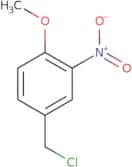
Discontinued product4-(Chloromethyl)-1-methoxy-2-nitrobenzene
CAS:4-(Chloromethyl)-1-methoxy-2-nitrobenzene is a heterocyclic compound that belongs to the group of germicides. It is prepared by the reaction of potassium carbonate with methylamine and 4-chloro-1-methoxybenzene. The chloromethyl group in this compound can be replaced by other halogens, such as bromine or iodine, in order to produce other derivatives. This type of chemical has been used in the past as a fungicide, but is now mostly used as a precursor for dyes. 4-(Chloromethyl)-1-methoxy-2-nitrobenzene has an analogous reaction with amines, which are compounds containing nitrogen and hydrogen atoms that have one or more organic substituents. These reactions are useful for producing drugs such as amphetamines, barbiturates, and some types of antibiotics.
Formula:C8H8ClNO3Purity:Min. 95%Molecular weight:201.61 g/molRef: 3D-GAA37819
Discontinued product2-[(2-nitrophenyl)sulfanyl]acetic acid
CAS:Versatile small molecule scaffold
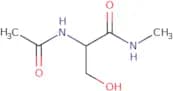
Formula:C8H7NO4SPurity:Min. 95%Molecular weight:213.2 g/mol(2S)-2-Acetamido-3-hydroxy-N-methylpropanamide
CAS:(2S)-2-Acetamido-3-hydroxy-N-methylpropanamide is a compound that belongs to the class of phosphopeptides. It is synthesized by reacting an N-acetylcysteamine with methylamine in the presence of sodium bicarbonate. This compound has shown to have antihypertensive and vasodilatory effects, as well as the ability to inhibit platelet aggregation.
Formula:C6H12N2O3Purity:Min. 95%Molecular weight:160.17 g/molRef: 3D-GAA36712
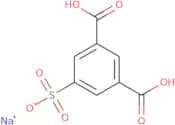
Discontinued productSodium 5-sulphoisophthalate
CAS:Sodium 5-sulphoisophthalate is a chemical compound that is the monosodium salt of sulfonated 5-sulphoisophthalic acid. It is an important raw material in the production of polycarboxylic acids, which are used as intermediates in the production of nylon and polyester. The reaction vessel for the production of sodium 5-sulfoisophthalate is usually a stainless steel pressure reactor. Sodium carbonate and sulfur trioxide react at high temperatures to produce sodium 5-sulfoisophthalate and hydrogen sulfide. The product can be purified by fractional distillation, or it can be reacted with ammonia to form ammonium sulfite, which can then be used as a fertilizer. Sodium 5-sulfoisophthalate has been shown to have fluorescence properties and can serve as a probe for hydrogen bonding between molecules.
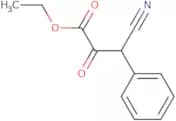
Formula:C8H5NaO7SPurity:Min. 95%Molecular weight:268.17 g/molEthyl 3-cyano-3-phenylpyruvate
CAS:Ethyl 3-cyano-3-phenylpyruvate is a chemical compound that is used as an antiviral agent. It has been shown in vitro to inhibit influenza virus and depression. Ethyl 3-cyano-3-phenylpyruvate is synthesized by the alkylation of furyl with phenyl group, followed by the reduction of the tetronic acid formed. The antiviral activity of ethyl 3-cyano-3-phenylpyruvate was analyzed by assessing the ability to inhibit viral replication and production of new viruses. The sodium salt form of this compound is used in foodstuff as a preservative.
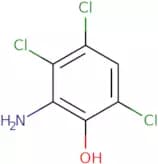
Formula:C12H11NO3Purity:Min. 95%Molecular weight:217.22 g/mol2-Amino-3,4,6-trichlorophenol
CAS:2-Amino-3,4,6-trichlorophenol is a versatile compound that has various applications in different fields. It is commonly used in chromatographic analysis as a reference standard and as a reagent in organic synthesis. This compound is also found naturally in plants such as monoterpenoids, isoflavones, pyrazoles, alkaloids, and chalcones. Additionally, it has been identified as a component of certain research chemicals.
Formula:C6H4Cl3NOPurity:Min. 95%Molecular weight:212.5 g/mol2-Hydroxy-2-(naphthalen-1-yl)propanoic acid
CAS:Versatile small molecule scaffold
Formula:C13H12O3Purity:Min. 95%Molecular weight:216.23 g/molRef: 3D-GAA34158
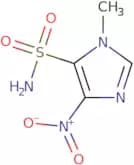
Discontinued product1-Methyl-4-nitro-1H-imidazole-5-sulfonamide
CAS:1-Methyl-4-nitro-1H-imidazole-5-sulfonamide is a cytotoxic agent that is used to treat cancer. This drug inhibits the growth of cancer cells and sensitizes them to radiation therapy by binding to DNA, which inhibits its ability to replicate. It has been shown to have an inhibitory effect on tumour growth in animal models. 1-Methyl-4-nitro-1H-imidazole-5-sulfonamide binds preferentially to tissues with high oxygen tension, such as the brain and bone marrow, and has been shown to be effective in treating leukemia cells. 1MM4NIAS is also radiosensitizing for cancer and can be used in combination with radiation therapy treatments for cancer patients.Formula:C4H6N4O4SPurity:Min. 95%Molecular weight:206.18 g/molRef: 3D-GAA33955
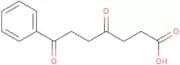
Discontinued product4,7-Dioxo-7-phenylheptanoic acid
CAS:Versatile small molecule scaffold
Formula:C13H14O4Purity:Min. 95%Molecular weight:234.25 g/molBis(2-phenylethyl)amine hydrochloride
CAS:Bis(2-phenylethyl)amine hydrochloride (BPEA) is a compound that has been shown to have neuroprotective effects in animal models of Alzheimer's disease. This compound has been found to inhibit the formation of reactive oxygen species, which are responsible for neuronal cell death. BPEA also inhibits the enzyme amine oxidase, which is responsible for the breakdown of neurotransmitters and may be involved in the development of Alzheimer's disease and other neurodegenerative diseases. BPEA has been shown to be effective in preventing and treating symptoms of Alzheimer's disease in an experimental model. Dipropylamine (DPEA), a known inhibitor of amine oxidase, was tested with BPEA and found to have synergistic effects. DPBA was not able to prevent or treat symptoms when given alone.
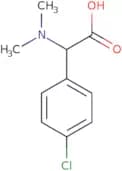
Formula:C16H20ClNPurity:Min. 95%Molecular weight:261.79 g/mol(4-Chloro-phenyl)-dimethylamino-acetic acid
CAS:Versatile small molecule scaffold
Formula:C10H12ClNO2Purity:Min. 95%Molecular weight:213.67 g/molRef: 3D-GAA32771
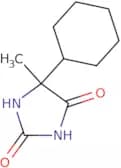
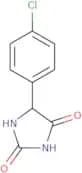
Discontinued product5-Cyclohexyl-5-methylimidazolidine-2,4-dione
CAS:5-Cyclohexyl-5-methylimidazolidine-2,4-dione is a ligand that binds to the receptor and activates it. It is used in research as a tool for studying ion channels, peptides, and protein interactions. 5-Cyclohexyl-5-methylimidazolidine-2,4-dione has been shown to inhibit the binding of an antibody to its antigen.
Formula:C10H16N2O2Purity:Min. 95%Molecular weight:196.25 g/molRef: 3D-GAA32677
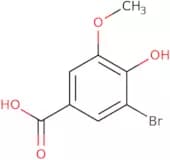
Discontinued product3-Bromo-4-hydroxy-5-methoxybenzoic acid
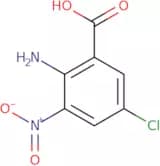
CAS:3-Bromo-4-hydroxy-5-methoxybenzoic acid is an organic compound that is a chlorinated derivative of benzoic acid. It can be synthesized by the reaction between benzene and sodium hypochlorite in the presence of a nuclear reactor. The reaction produces 3-bromo-4,5-dihydroxyphenylacetic acid which reacts with chlorine to produce 3,4,5-trichlorobenzoic acid. This compound can then be oxidized to form 3-bromo-4,5-dihydroxybenzoic acid or chlorinated to form 3,4,5,6 -tetrachlorobenzoic acid. The latter compound has been used as a precursor for herbicides such as Benlate and Clorox.Formula:C8H7BrO4Purity:Min. 95%Molecular weight:247.04 g/mol2-Amino-5-chloro-3-nitrobenzoic acid
CAS:2-Amino-5-chloro-3-nitrobenzoic acid is a synthetic compound that has been shown to have topoisomerase activity. It binds to the DNA of cancer cells and inhibits the expression of certain genes, which inhibits cell proliferation. 2-Amino-5-chloro-3-nitrobenzoic acid also interacts with the drug transport protein p-glycoprotein, inhibiting its function and leading to multidrug resistance in cancer cells. This drug has been shown to be cytotoxic for lung carcinoma cells.
Formula:C7H5ClN2O4Purity:Min. 95%Molecular weight:216.58 g/mol2-(Hydroxymethyl)-5-methoxy-4(1H)-pyridinone
CAS:Versatile small molecule scaffold
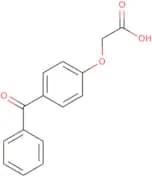
Formula:C7H9NO3Purity:Min. 95%Molecular weight:155.15 g/mol2-(4-Benzoylphenoxy)acetic acid
CAS:2-(4-Benzoylphenoxy)acetic acid is a phenoxy compound that can be used as an antinociceptive agent. It has been shown to inhibit the pain response in mice by binding to the peripheral cannabinoid receptor CB2 and blocking intracellular calcium channels, thereby inhibiting the release of pro-inflammatory molecules. 2-(4-Benzoylphenoxy)acetic acid also inhibits the activity of two enzymes involved in carbonic acid production and glucose metabolism, which may provide protection against metabolic disorders. Computational methods have been used to model the molecular structure of 2-(4-benzoylphenoxy)acetic acid, which are then compared with experimental data on hydrogen bonding interactions between dihedral angles and intramolecular hydrogen bonds.
Formula:C15H12O4Purity:Min. 95%Molecular weight:256.25 g/molRef: 3D-GAA32283
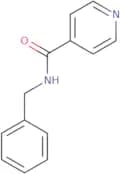
Discontinued productN-Benzylpyridine-4-carboxamide
CAS:N-Benzylpyridine-4-carboxamide is a synthetic compound that has been shown to have anticancer, anti-inflammatory, and neuropathic properties. This compound is an innovative drug candidate for the treatment of inflammatory diseases and cancer. N-Benzylpyridine-4-carboxamide inhibits the production of chemokines, which are cytokines that are involved in the recruitment of cells to sites of inflammation and infection. The mechanism involves the ring opening of the amide bond between the nitro group and the carboxylic acid group. The pharmacophore is derived from this ring opening reaction. This compound also blocks receptor subtypes such as 5HT3A or NMDA receptors, which may lead to neuropathic effects.
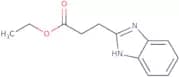
Formula:C13H12N2OPurity:Min. 95%Molecular weight:212.25 g/molEthyl 3-(1H-benzimidazol-2-yl)propanoate
CAS:Versatile small molecule scaffold
Formula:C12H14N2O2Purity:Min. 95%Molecular weight:218.25 g/molRef: 3D-GAA31523
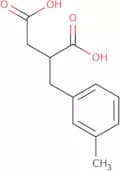
Discontinued product2-(3-Methylbenzyl)succinic acid
CAS:2-(3-Methylbenzyl)succinic acid is a sulfate metabolite that has been shown to regulate the activity of sulfate-reducing bacteria. It was first identified as a major metabolite in incubations with benzylsuccinic acid and xylene. The isomers of 2-(3-methylbenzyl)succinic acid are benzoate and hydroxyphthalide. The geochemical significance of this compound is not yet known, but it may signify the presence of microbial metabolism in the environment. The compound can be found at nanomolar concentrations in natural environments and has been shown to inhibit microbial growth by mechanisms that remain unclear.
Formula:C12H14O4Purity:Min. 95%Molecular weight:222.24 g/molRef: 3D-GAA31520
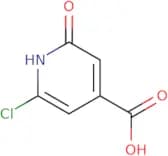
Discontinued product6-chloro-2-oxo-1,2-dihydropyridine-4-carboxylic acid
CAS:6-Chloro-2-oxo-1,2-dihydropyridine-4-carboxylic acid (6CODPC) is a carboxylic acid that is an active ingredient in some fungicides. It has been shown to inhibit the growth of certain plant pathogens such as viruses and bacteria. 6CODPC binds to the enzyme ribonucleotide reductase, which is involved in DNA synthesis and replication, leading to the inhibition of RNA synthesis and protein synthesis. This leads to cell death by apoptosis. 6CODPC also inhibits the production of proteins in plants that are necessary for photosynthesis.
Formula:C6H4ClNO3Purity:Min. 95%Molecular weight:173.6 g/molRef: 3D-GAA31351
Discontinued product3-Methyl-3H-[1,2,3]triazolo[4,5-d]pyrimidin-7-amine
CAS:3-Methyl-3H-[1,2,3]triazolo[4,5-d]pyrimidin-7-amine is a purine ligand that can be protonated at the N7 nitrogen. It has been shown to have biological properties such as anion binding and also shows strong dichroism spectra. The structure of 3-methyl-3H-[1,2,3]triazolo[4,5-d]pyrimidin-7-amine has been determined by X-ray crystallography and magnetic resonance spectroscopy. This ligand is not easily protonated in aqueous solution due to its high basicity. The protonation state of this ligand is sensitive to pH changes in the environment.
Formula:C5H6N6Purity:Min. 95%Molecular weight:150.14 g/molRef: 3D-GAA31255
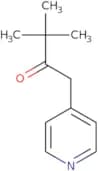
Discontinued product3,3-Dimethyl-1-(pyridin-4-yl)butan-2-one
CAS:Versatile small molecule scaffoldFormula:C11H15NOPurity:Min. 95%Molecular weight:177.24 g/molRef: 3D-GAA31186
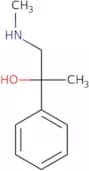
Discontinued product1-(Methylamino)-2-phenylpropan-2-ol
CAS:Versatile small molecule scaffold
Formula:C10H15NOPurity:Min. 95%Molecular weight:165.23 g/mol4-chloropyridine-2,6-diamine
CAS:4-Chloropyridine-2,6-diamine is a compound that contains nitrogen and carbon. It has been synthesized experimentally and the crystal structure has been determined by X-ray crystallography. This substance belongs to the class of heterocycles and it is a hydrogen bond acceptor. The crystal structure of 4-chloropyridine-2,6-diamine has been rationalized using experimental data. The electron density maps show that there are six moles of naphthalene for every mole of 4-chloropyridine-2,6-diamine in the crystal lattice.
4-Chloropyridine-2,6-diamine is an enthalpy donor because it donates its electrons to other substances. It also accepts hydrogen bonds from other substances. This substance can form supramolecular frameworks with pyridine and benzene molecules, which stabilizes the molecule's structure through covalFormula:C5H6N3ClPurity:Min. 95%Molecular weight:143.57 g/molRef: 3D-GAA30900
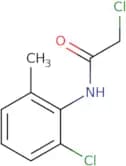
Discontinued product2-Chloro-N-(2-chloro-6-methylphenyl)acetamide
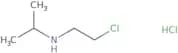
CAS:2-Chloro-N-(2-chloro-6-methylphenyl)acetamide is a fungicide that belongs to the group of racemic mixtures. It has been shown to be effective against phytopathogenic fungi, and also inhibits bacterial growth. 2-Chloro-N-(2-chloro-6-methylphenyl)acetamide is used in crop protection as a seed dressing or foliar spray. It is also effective against fungal infections such as ringworm and athlete's foot. This drug has been shown to have microbicidal properties, which are due to its ability to inhibit the growth of fungi by interfering with protein synthesis. 2CMA is systemic and can be absorbed through the skin or stomach lining, leading to an optically active effect on fungi cells.Formula:C9H9Cl2NOPurity:Min. 95%Molecular weight:218.08 g/molN-(2-Chloroethyl)propan-2-amine hydrochloride
CAS:Versatile small molecule scaffold
Formula:C5H13Cl2NPurity:Min. 95%Molecular weight:158.07 g/molRef: 3D-GAA30661
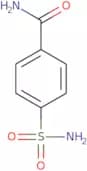
Discontinued product4-Sulfamoylbenzamide
CAS:4-Sulfamoylbenzamide is a sulfonamide that has been modified to improve its selectivity and potency. The modification of 4-sulfamoylbenzamide has been studied with anhydrase, which is an enzyme found in the eye that can cause glaucoma. The modifications allow this drug to selectively target the cytosolic isoforms of anhydrase. This drug also has anti-proliferative activity and can be used for the treatment of certain types of cancer, including breast, lung, prostate, and colon cancer. 4-Sulfamoylbenzamide was first synthesized in 1964 and was approved by the FDA in 1968 for use as an ophthalmic agent.
Formula:C7H8N2O3SPurity:Min. 95%Molecular weight:200.22 g/mol1,3-Diethyl 2-(cyclohex-2-en-1-yl)propanedioate
CAS:Versatile small molecule scaffoldFormula:C13H20O4Purity:Min. 95%Molecular weight:240.29 g/molRef: 3D-GAA30563
Discontinued productBicyclo[2.2.2]octan-2-ylmethanamine hydrochloride
CAS:Versatile small molecule scaffold
Formula:C9H18ClNPurity:Min. 95%Molecular weight:175.7 g/molRef: 3D-GAA30364
Discontinued product4-Fluoro-6-methoxypyridin-3-amine
CAS:Versatile small molecule scaffold
Formula:C6H7FN2OPurity:Min. 95%Molecular weight:142.13 g/molRef: 3D-FXC93115
Discontinued product{3-Fluoro-4-[(trifluoromethyl)sulfanyl]phenyl}hydrazine
CAS:Versatile small molecule scaffoldFormula:C7H6F4N2SPurity:Min. 95%Molecular weight:226.2 g/molRef: 3D-FXC90197
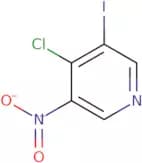
Discontinued product4-Chloro-3-iodo-5-nitropyridine
CAS:Versatile small molecule scaffold
Formula:C5H2ClIN2O2Purity:Min. 95%Molecular weight:284.44 g/molRef: 3D-FXC64382
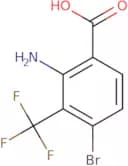
Discontinued product2-Amino-4-bromo-3-(trifluoromethyl)benzoic acid
CAS:Versatile small molecule scaffold
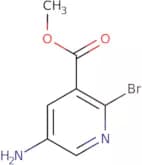
Formula:C8H5BrF3NO2Purity:Min. 95%Molecular weight:284.03 g/molMethyl 5-amino-2-bromopyridine-3-carboxylate
CAS:Versatile small molecule scaffold
Formula:C7H7BrN2O2Purity:Min. 95%Molecular weight:231.05 g/molRef: 3D-FXC61677
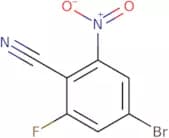
Discontinued product4-Bromo-2-fluoro-6-nitrobenzonitrile
CAS:Versatile small molecule scaffoldFormula:C7H2BrFN2O2Purity:Min. 95%Molecular weight:245.01 g/molRef: 3D-FXC59733
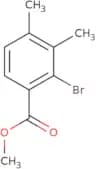
Discontinued productMethyl 2-bromo-3,4-dimethylbenzoate
CAS:Versatile small molecule scaffoldFormula:C10H11BrO2Purity:Min. 95%Molecular weight:243.1 g/molRef: 3D-FXC59438
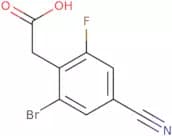
Discontinued product2-Bromo-4-cyano-6-fluorophenylacetic acid
CAS:Versatile small molecule scaffold
Formula:C9H5BrFNO2Purity:Min. 95%Molecular weight:258.04 g/molRef: 3D-FXC59122
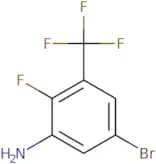
Discontinued product5-Bromo-2-fluoro-3-(trifluoromethyl)aniline
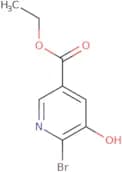
CAS:Versatile small molecule scaffoldFormula:C7H4BrF4NPurity:Min. 95%Molecular weight:258.01 g/molEthyl 6-bromo-5-hydroxypyridine-3-carboxylate
CAS:Versatile small molecule scaffold
Formula:C8H8BrNO3Purity:Min. 95%Molecular weight:246.06 g/molRef: 3D-FXC57371
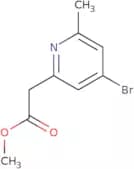
Discontinued productMethyl 2-(4-bromo-6-methylpyridin-2-yl)acetate
CAS:Versatile small molecule scaffoldFormula:C9H10BrNO2Purity:Min. 95%Molecular weight:244.08 g/molRef: 3D-FXC56732
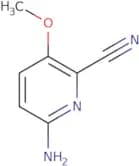
Discontinued product6-Amino-3-methoxypicolinonitrile
CAS:Versatile small molecule scaffold
Formula:C7H7N3OPurity:Min. 95%Molecular weight:149.15 g/molRef: 3D-FXC56342
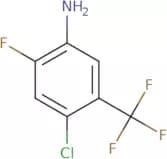
Discontinued product4-Chloro-2-fluoro-5-(trifluoromethyl)aniline
CAS:Versatile small molecule scaffold
Formula:C7H4ClF4NPurity:Min. 95%Molecular weight:213.56 g/molRef: 3D-FXC52441
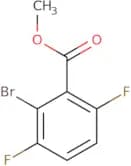
Discontinued productMethyl 2-bromo-3,6-difluorobenzoate
CAS:Versatile small molecule scaffold
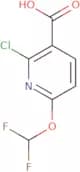
Formula:C8H5BrF2O2Purity:Min. 95%Molecular weight:251.03 g/mol2-Chloro-6-(difluoromethoxy)pyridine-3-carboxylic acid
CAS:Versatile small molecule scaffoldFormula:C7H4ClF2NO3Purity:Min. 95%Molecular weight:223.56 g/molRef: 3D-FXC51937
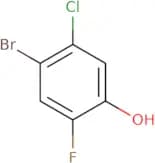
Discontinued product4-Bromo-5-chloro-2-fluorophenol
CAS:Versatile small molecule scaffold
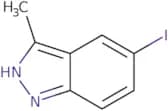
Formula:C6H3BrClFOPurity:Min. 95%Molecular weight:225.44 g/mol5-Iodo-3-methyl-1H-indazole
CAS:Versatile small molecule scaffold
Formula:C8H7IN2Purity:Min. 95%Molecular weight:258.06 g/mol5-Fluoro-1-benzofuran-7-carbaldehyde
CAS:Versatile small molecule scaffoldFormula:C9H5FO2Purity:Min. 95%Molecular weight:164.13 g/molRef: 3D-FXA15508
Discontinued product3-Chloro-5-(pyrazin-2-yl)-8-thia-4,6-diazatricyclo[7.4.0.0,2,7]trideca-1(9),2,4,6-tetraene
CAS:Versatile small molecule scaffoldFormula:C14H11ClN4SPurity:Min. 95%Molecular weight:302.8 g/molRef: 3D-FTB82172
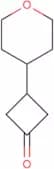
Discontinued product3-(Oxan-4-yl)cyclobutan-1-one
CAS:Versatile small molecule scaffold
Formula:C9H14O2Purity:Min. 95%Molecular weight:154.21 g/molRef: 3D-FTB63646
Discontinued product3-[3-(Trifluoromethyl)phenyl]cyclobutan-1-one
CAS:Versatile small molecule scaffold
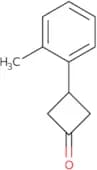
Formula:C11H9F3OPurity:Min. 95%Molecular weight:214.18 g/mol3-(2-Methylphenyl)cyclobutan-1-one
CAS:Versatile small molecule scaffold
Formula:C11H12OPurity:Min. 95%Molecular weight:160.21 g/molRef: 3D-FTB63636
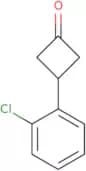
Discontinued product3-(2-Chlorophenyl)cyclobutan-1-one
CAS:The mechanism of the cyclobutanone cleavage reaction is a sequential intramolecular process in which the first step is a cyclobutanol intermediate that undergoes an expansion to form a six-membered ring with two unsaturated bonds. The second step involves bond cleavage and is triggered by the presence of palladium. This sequence can be used to synthesize 3-(2-chlorophenyl)cyclobutan-1-one.
Formula:C10H9ClOPurity:Min. 95%Molecular weight:180.63 g/molRef: 3D-FTB63635
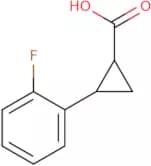
Discontinued product2-(2-Fluorophenyl)cyclopropanecarboxylic acid
CAS:Versatile small molecule scaffold
Formula:C10H9FO2Purity:Min. 95%Molecular weight:180.18 g/molRef: 3D-FTA26756
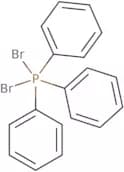
Discontinued productTriphenylphosphine dibromide
CAS:Triphenylphosphine dibromide is a chemical compound with a molecular formula of C6H5PBr2. It is an organic phosphorus bromide that is used in the synthesis of organic compounds. Triphenylphosphine dibromide has been shown to have high stability, which can be attributed to its high steric interactions and the presence of two hydroxyl groups. The compound is also used as a catalyst for asymmetric synthesis reactions, such as the enantioselective synthesis of fatty acids and cholesterol esters. Triphenylphosphine dibromide has also been shown to interact with ryanodine receptors, which are responsible for calcium release from intracellular stores in cardiac muscle cells. This interaction may be related to its therapeutic effects on metabolic disorders and autoimmune diseases.
Formula:C18H15Br2PPurity:Min. 95%Color and Shape:PowderMolecular weight:422.09 g/molRef: 3D-FT02536
Discontinued producttert-Butyl 4-methoxy-3,10-diazabicyclo[4.3.1]dec-3-ene-10-carboxylate
CAS:Versatile small molecule scaffoldFormula:C14H24N2O3Purity:Min. 95%Molecular weight:268.4 g/molRef: 3D-FSD25605
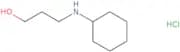
Discontinued product3-(Cyclohexylamino)propan-1-ol hydrochloride
CAS:Versatile small molecule scaffoldFormula:C9H20ClNOPurity:Min. 95%Molecular weight:193.7 g/molRef: 3D-FSD25578
Discontinued product4,4-Difluoro-2,2-dimethylcyclohexan-1-amine hydrochloride
CAS:Versatile small molecule scaffold
Formula:C8H16ClF2NPurity:Min. 95%Molecular weight:199.7 g/molRef: 3D-FSD25570
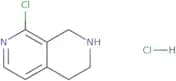
Discontinued product8-Chloro-1,2,3,4-tetrahydro-2,7-naphthyridine hydrochloride
CAS:Versatile small molecule scaffoldFormula:C8H10Cl2N2Purity:Min. 95%Molecular weight:205.1 g/molRef: 3D-FSD25567
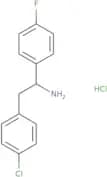
Discontinued product2-(4-Chlorophenyl)-1-(4-fluorophenyl)ethan-1-amine hydrochloride
CAS:Versatile small molecule scaffoldFormula:C14H14Cl2FNPurity:Min. 95%Molecular weight:286.2 g/molRef: 3D-FSD25561
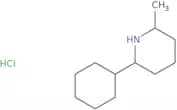
Discontinued product2-Cyclohexyl-6-methylpiperidine hydrochlorides
CAS:Versatile small molecule scaffold
Formula:C12H24ClNPurity:Min. 95%Molecular weight:217.8 g/molRef: 3D-FSD25550
Discontinued product2-(5,5-Difluoroazepan-4-yl)acetonitrile hydrochloride
CAS:Versatile small molecule scaffoldFormula:C8H13ClF2N2Purity:Min. 95%Molecular weight:210.7 g/molRef: 3D-FSD25538
Discontinued product5-Oxa-8-azaspiro[3.5]nonane-6-carboxylic acid hydrochloride
CAS:Versatile small molecule scaffold
Formula:C8H14ClNO3Purity:Min. 95%Molecular weight:207.7 g/molRef: 3D-FSD25537
Discontinued producttert-Butyl N-[1-(2-methanesulfonyl-6-phenoxypyrimidin-4-yl)piperidin-4-yl]carbamate
CAS:Versatile small molecule scaffold
Formula:C21H28N4O5SPurity:Min. 95%Molecular weight:448.5 g/molRef: 3D-FSD25524
Discontinued product1,2,3,4-Tetrahydro-2,7-naphthyridin-1-one hydrochloride
CAS:Versatile small molecule scaffoldFormula:C8H9ClN2OPurity:Min. 95%Molecular weight:184.6 g/molRef: 3D-FSD25490
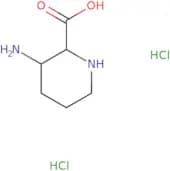
Discontinued product3-Aminopiperidine-2-carboxylic acid dihydrochloride
CAS:Versatile small molecule scaffoldFormula:C6H14Cl2N2O2Purity:Min. 95%Molecular weight:217.1 g/molRef: 3D-FSD25477
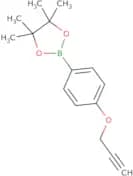
Discontinued product(4-Prop-2-ynoxyphenyl)boronic acid, pinacol ester
CAS:Versatile small molecule scaffold
Formula:C15H19BO3Purity:Min. 95%Molecular weight:258.12 g/mol3-[(5-Chloro-2-fluorophenyl)sulfamoyl]-4-methylbenzoic acid
CAS:Versatile small molecule scaffoldFormula:C14H11ClFNO4SPurity:Min. 95%Molecular weight:343.8 g/molRef: 3D-FRB70948
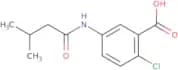
Discontinued product2-Chloro-5-(3-methylbutanamido)benzoic acid
CAS:Versatile small molecule scaffoldFormula:C12H14ClNO3Purity:Min. 95%Molecular weight:255.7 g/molRef: 3D-FRB55528
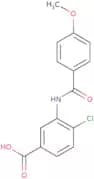
Discontinued product4-Chloro-3-(4-methoxybenzamido)benzoic acid
CAS:Versatile small molecule scaffold
Formula:C15H12ClNO4Purity:Min. 95%Molecular weight:305.71 g/molRef: 3D-FRB50804
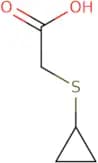
Discontinued product2-(Cyclopropylsulfanyl)acetic acid
CAS:Versatile small molecule scaffold
Formula:C5H8O2SPurity:Min. 95%Molecular weight:132.18 g/mol2-[(Cyclopropylmethyl)sulfanyl]ethan-1-amine
CAS:Versatile small molecule scaffold
Formula:C6H13NSPurity:Min. 95%Molecular weight:131.24 g/mol4-(Thiophen-2-yl)-1H,4H,5H,6H,7H-imidazo[4,5-c]pyridine-6-carboxylic acid
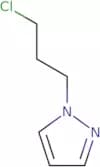
CAS:Versatile small molecule scaffoldFormula:C11H11N3O2SPurity:Min. 95%Molecular weight:249.29 g/mol1-(3-Chloropropyl)-1H-pyrazole
CAS:Versatile small molecule scaffold
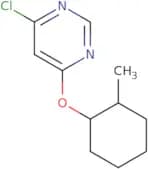
Formula:C6H9ClN2Purity:Min. 95%Molecular weight:144.6 g/mol4-Chloro-6-((2-methylcyclohexyl)oxy)pyrimidine
CAS:Versatile small molecule scaffoldFormula:C11H15ClN2OPurity:Min. 95%Molecular weight:226.7 g/molRef: 3D-FRA93107
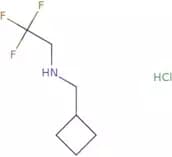
Discontinued product(Cyclobutylmethyl)(2,2,2-trifluoroethyl)amine hydrochloride
CAS:Versatile small molecule scaffoldFormula:C7H13ClF3NPurity:Min. 95%Molecular weight:203.63 g/molRef: 3D-FRA87900
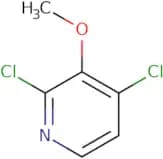
Discontinued product2,4-Dichloro-3-methoxypyridine
CAS:Versatile small molecule scaffold
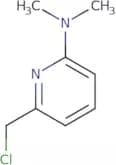
Formula:C6H5Cl2NOPurity:Min. 95%Molecular weight:178.01 g/mol6-(Chloromethyl)-N,N-dimethylpyridin-2-amine
CAS:Versatile small molecule scaffold
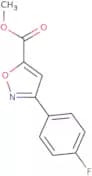
Formula:C8H11ClN2Purity:Min. 95%Molecular weight:170.64 g/molMethyl 3-(4-fluorophenyl)-1,2-oxazole-5-carboxylate
CAS:Versatile small molecule scaffold
Formula:C11H8FNO3Purity:Min. 95%Molecular weight:221.18 g/molRef: 3D-FNA55857
Discontinued product3-Hydrazinyl-6-methyl-5H-[1,2,4]triazino[5,6-b]indole
CAS:Versatile small molecule scaffoldFormula:C10H10N6Purity:Min. 95%Molecular weight:214.23 g/molRef: 3D-FNA44616
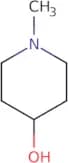
Discontinued product1-Methyl-4-piperidinol
CAS:1-Methyl-4-piperidinol is a hydroxylated piperidine that has been shown to inhibit the growth of cancer cells in culture. It was also found to be cytotoxic against human leukemia cells and murine myeloma cells. 1-Methyl-4-piperidinol has been shown to bind to the receptors on cell membranes, which may be responsible for its anti-cancer effects. The structure of 1-methyl-4-piperidinol is similar to that of pyrrolidine and piperazine, which are known to have antihistamine properties. In addition, 1-methyl-4-piperidinol binds with magnesium salt and forms a complex that inhibits the activity of hydrogen bond formation by amines and fatty acids. This inhibition leads to an increase in pH levels inside the cell, which may lead to cancer cell death.
Formula:C6H13NOPurity:Min. 95%Molecular weight:115.17 g/molMaleic acid
CAS:Maleic acid is dicarboxylic acid. It is the cis isomer. The trans isomer is fumaric acid
Formula:C4H4O4Purity:Min. 95%Color and Shape:White Clear LiquidMolecular weight:116.07 g/molRef: 3D-FM29309
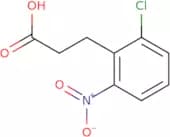
Discontinued product3-(2-Chloro-6-nitrophenyl)propanoic acid
CAS:Versatile small molecule scaffold
Formula:C9H8ClNO4Purity:Min. 95%Molecular weight:229.62 g/molRef: 3D-FJC99768
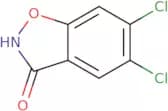
Discontinued product5,6-Dichloro-1,2-benzoxazol-3-ol
CAS:Versatile small molecule scaffold
Formula:C7H3Cl2NO2Purity:Min. 95%Molecular weight:204.01 g/molRef: 3D-FJB99673
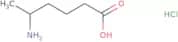
Discontinued product5-Aminohexanoic acid hydrochloride
CAS:Versatile small molecule scaffold
Formula:C6H14ClNO2Purity:Min. 95%Molecular weight:167.63 g/molRef: 3D-FJB91365
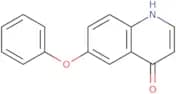
Discontinued product6-Phenoxy-1,4-dihydroquinolin-4-one
CAS:Versatile small molecule scaffold
Formula:C15H11NO2Purity:Min. 95%Molecular weight:237.25 g/molRef: 3D-FJB87194
Discontinued product2-(3-Methoxyphenyl)propanedioic acid
CAS:Versatile small molecule scaffold
Formula:C10H10O5Purity:Min. 95%Molecular weight:210.18 g/molRef: 3D-FJB65853
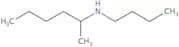
Discontinued productButyl(hexan-2-yl)amine
CAS:Versatile small molecule scaffold
Formula:C10H23NPurity:Min. 95%Molecular weight:157.3 g/molRef: 3D-FJB47456
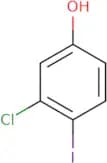
Discontinued product3-Chloro-4-iodophenol
CAS:Versatile small molecule scaffold
Formula:C6H4ClIOPurity:Min. 95%Molecular weight:254.45 g/molRef: 3D-FJB40342
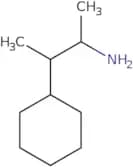
Discontinued product3-Cyclohexylbutan-2-amine
CAS:Versatile small molecule scaffold
Formula:C10H21NPurity:Min. 95%Molecular weight:155.28 g/molRef: 3D-FJB36440
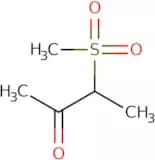
Discontinued product3-Methanesulfonylbutan-2-one
CAS:Versatile small molecule scaffold
Formula:C5H10O3SPurity:Min. 95%Molecular weight:150.2 g/molRef: 3D-FJB28005
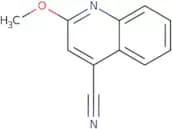
Discontinued product2-Methoxyquinoline-4-carbonitrile
CAS:Versatile small molecule scaffold
Formula:C11H8N2OPurity:Min. 95%Molecular weight:184.19 g/molRef: 3D-FJB16519
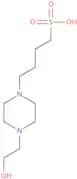
Discontinued productHEPBS
CAS:HEPBS, also known as N-(2-Hydroxyethyl)piperazine-N'-(4-butanesulfonic acid), is a zwitterionic chemical buffering agent with an optimal pH range of 7.6-9.0 and a pKa of 8.3.Formula:C10H22N2O4SPurity:Min. 95%Color and Shape:PowderMolecular weight:266.36 g/moltert-Butyl 2-amino-5H,6H,7H,8H-imidazo[1,2-a]pyridine-3-carboxylate
CAS:Versatile small molecule scaffoldFormula:C12H19N3O2Purity:Min. 95%Molecular weight:237.3 g/molRef: 3D-FDD53077
Discontinued product2-{Imidazo[1,2-a]pyridin-2-yl}-1H-imidazole
CAS:Versatile small molecule scaffoldFormula:C10H8N4Purity:Min. 95%Molecular weight:184.2 g/molRef: 3D-FDD52429
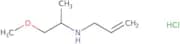
Discontinued product(1-Methoxypropan-2-yl)(prop-2-en-1-yl)amine hydrochloride
CAS:Versatile small molecule scaffold
Formula:C7H16ClNOPurity:Min. 95%Molecular weight:165.66 g/molRef: 3D-FDD52418
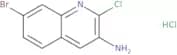
Discontinued product7-Bromo-2-chloroquinolin-3-amine hydrochloride
CAS:Versatile small molecule scaffold
Formula:C9H7BrCl2N2Purity:Min. 95%Molecular weight:293.97 g/molRef: 3D-FDD52402
Discontinued product2-Methyl-4-(2,2,2-trifluoroethyl)-4H-thieno[3,2-b]pyrrole-5-carboxylic acid
CAS:Versatile small molecule scaffoldFormula:C10H8F3NO2SPurity:Min. 95%Molecular weight:263.24 g/molRef: 3D-FDD52275
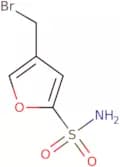
Discontinued product4-(Bromomethyl)furan-2-sulfonamide
CAS:Versatile small molecule scaffold
Formula:C5H6BrNO3SPurity:Min. 95%Molecular weight:240.08 g/molRef: 3D-FDD52001
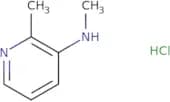
Discontinued productN,2-Dimethylpyridin-3-amine hydrochloride
CAS:Versatile small molecule scaffoldFormula:C7H11ClN2Purity:Min. 95%Molecular weight:158.63 g/molRef: 3D-FDD51851
Discontinued product3-{1-[2-(2-Methoxyphenyl)ethyl]-2,5-dioxoimidazolidin-4-yl}propanoic acid
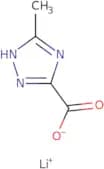
CAS:Versatile small molecule scaffoldFormula:C15H18N2O5Purity:Min. 95%Molecular weight:306.31 g/molLithium 5-methyl-1H-1,2,4-triazole-3-carboxylate
CAS:Versatile small molecule scaffold
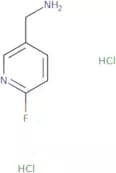
Formula:C4H4LiN3O2Purity:Min. 95%Molecular weight:133.1 g/mol(6-Fluoropyridin-3-yl)methanamine dihydrochloride
CAS:Versatile small molecule scaffold
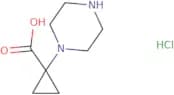
Formula:C6H9Cl2FN2Purity:Min. 95%Molecular weight:199.05 g/mol1-(Piperazin-1-yl)cyclopropane-1-carboxylic acid hydrochloride
CAS:Versatile small molecule scaffold
Formula:C8H15ClN2O2Purity:Min. 95%Molecular weight:206.67 g/molRef: 3D-FDD50645
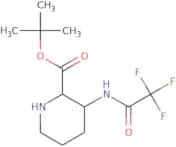
Discontinued producttert-Butyl 3-(trifluoroacetamido)piperidine-2-carboxylate
CAS:Versatile small molecule scaffoldFormula:C12H19F3N2O3Purity:Min. 95%Molecular weight:296.29 g/molRef: 3D-FDD50583
Discontinued productN,N-Dimethyl-2-(1-(1-(pyridin-2-yl)ethyl)-1H-inden-2-yl)ethan-1-amine hydrochloride
CAS:Please enquire for more information about N,N-Dimethyl-2-(1-(1-(pyridin-2-yl)ethyl)-1H-inden-2-yl)ethan-1-amine hydrochloride including the price, delivery time and more detailed product information at the technical inquiry form on this page
Formula:C20H24N2•(HCl)2Purity:Min. 95%Molecular weight:365.34 g/molRef: 3D-FD183759
Discontinued productDasatinib-d8
CAS:Controlled ProductPlease enquire for more information about Dasatinib-d8 including the price, delivery time and more detailed product information at the technical inquiry form on this page
Formula:C22H18D8ClN7O2SPurity:Min. 95%Molecular weight:496.05 g/molRef: 3D-FD183325
Discontinued product4-[(6-Chloropyridazin-3-yl)oxy]aniline
CAS:Versatile small molecule scaffold
Formula:C10H8ClN3OPurity:Min. 95%Molecular weight:221.64 g/mol2-[(3-Phenylpropyl)sulfanyl]acetic acid
CAS:Versatile small molecule scaffold
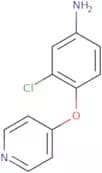
Formula:C11H14O2SPurity:Min. 95%Molecular weight:210.29 g/mol3-Chloro-4-(pyridin-4-yloxy)aniline
CAS:Versatile small molecule scaffold
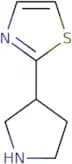
Formula:C11H9ClN2OPurity:Min. 95%Molecular weight:220.65 g/mol2-(Pyrrolidin-3-yl)-1,3-thiazole
CAS:Versatile small molecule scaffold
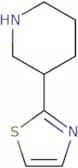
Formula:C7H10N2SPurity:Min. 95%Molecular weight:154.24 g/mol2-(Piperidin-3-yl)thiazole
CAS:Versatile small molecule scaffold
Formula:C8H12N2SPurity:Min. 95%Molecular weight:168.26 g/mol2-{[2-(Trifluoromethyl)phenyl]formamido}acetic acid
CAS:Versatile small molecule scaffold
Formula:C10H8F3NO3Purity:Min. 95%Molecular weight:247.17 g/molRef: 3D-FAB11794
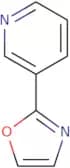
Discontinued product3-(1,3-Oxazol-2-yl)pyridine
CAS:Versatile small molecule scaffold
Formula:C8H6N2OPurity:Min. 95%Molecular weight:146.15 g/molRef: 3D-FAA99885
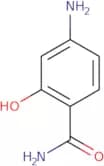
Discontinued product4-Amino-2-hydroxybenzamide
CAS:4-Amino-2-hydroxybenzamide is an aminoaryl amide that is produced by the thermal decomposition of 4-amino-2,6-dihydroxyphenylacetamide. It has been shown to be a potent inhibitor of the growth of bacteria and yeast, including Mycobacterium tuberculosis. The inhibitory effect was found to be due to inhibition of RNA synthesis as well as protein synthesis. This compound has also been shown to be effective against other types of microorganisms such as Pseudomonas aeruginosa and Staphylococcus aureus.
Formula:C7H8N2O2Purity:Min. 95%Molecular weight:152.15 g/molRef: 3D-FAA98589
Discontinued product2,2-Dichloroethan-1-amine hydrochloride
CAS:Versatile small molecule scaffoldFormula:C2H6Cl3NPurity:Min. 95%Molecular weight:150.4 g/mol3-[3-(Trifluoromethyl)phenyl]pyridine
CAS:Versatile small molecule scaffold
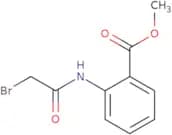
Formula:C12H8F3NPurity:Min. 95%Molecular weight:223.19 g/molMethyl 2-(2-bromoacetamido)benzoate
CAS:Versatile small molecule scaffold
Formula:C10H10BrNO3Purity:Min. 95%Molecular weight:272.09 g/molRef: 3D-FAA94643
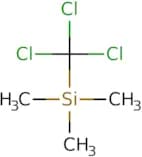
Discontinued productTrimethyl(trichloromethyl)silane
CAS:Trimethyl(trichloromethyl)silane is a chlorinating agent that reacts with hydrocarbons to form quinones. It is synthesized in the liquid phase and reacts with aldehydes, amines, and sodium formate to produce the trichloromethylated product. Trimethyl(trichloromethyl)silane is activated by electron deficiency and can be used to circumvent functional groups such as hydroxyl or carbonyl. This chemical also has properties that are not shared by other chlorinating agents, such as its ability to react with hydrogen fluoride without forming hydrochloric acid.
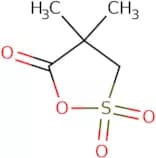
Formula:C4H9Cl3SiPurity:Min. 95%Molecular weight:191.55 g/mol4,4-Dimethyl-1,2λ⁶-oxathiolane-2,2,5-trione
CAS:Versatile small molecule scaffold
Formula:C5H8O4SPurity:Min. 95%Molecular weight:164.18 g/molRef: 3D-FAA92770
Discontinued product4,6-Dichloro-1H,2H,3H-pyrrolo[2,3-b]pyridine
CAS:Versatile small molecule scaffold
Formula:C7H6Cl2N2Purity:Min. 95%Molecular weight:189.04 g/molPiperazine-1-sulfonamide
CAS:Piperazine-1-sulfonamide is a protein inhibitor that belongs to the group of regulatory agents. It is used to regulate the growth of various types of cells, including immune cells and smooth muscle cells. Piperazine-1-sulfonamide has been shown to inhibit chemokine receptor activity in inflammatory bowel disease, which may be due to its ability to inhibit CXCR4 and CCR5 receptors. This drug also inhibits dpp-iv, an enzyme involved in protein degradation. The pharmacokinetic properties of this agent are not well studied, but it does show toxicity studies in rats at higher doses. Piperazine-1-sulfonamide can cause congestive heart failure and liver damage at high doses, so it should not be used for prolonged periods of time.
Formula:C4H11N3O2SPurity:Min. 95%Molecular weight:165.21 g/molRef: 3D-FAA90630
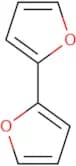
Discontinued product2,2'-Bifuran
CAS:2,2'-Bifuran is a synthetic compound with a carbonyl group and fluoro substituents. The carbonyl group of 2,2'-bifuran participates in reversible oxidation reactions with the cationic polymerization initiator, which leads to the formation of polymers. The presence of fluoro substituents on the bifuran ring is important for these reactions because they allow for steric interactions with neighboring groups during polymerization. This reaction is highly scalable due to the simple synthesis and inexpensive reagents needed to produce it. 2,2'-Bifuran has been used as an initiator in diagnostic tests and as a structural formula for other compounds.
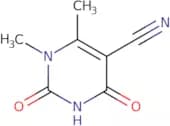
Formula:C8H6O2Purity:Min. 95%Molecular weight:134.13 g/mol1,6-Dimethyl-2,4-dioxo-1,2,3,4-tetrahydropyrimidine-5-carbonitrile
CAS:Versatile small molecule scaffoldFormula:C7H7N3O2Purity:Min. 95%Molecular weight:165.15 g/molRef: 3D-FAA90041
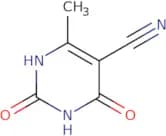
Discontinued product6-Methyl-5-cyanouracil
CAS:Versatile small molecule scaffold
Formula:C6H5N3O2Purity:Min. 95%Molecular weight:151.12 g/molRef: 3D-FAA90040
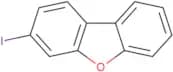
Discontinued product3-Iododibenzofuran
CAS:3-Iododibenzofuran is a fluorescent compound that has been used as a probe for the study of neutral endopeptidase activity. The compound is characterized by a high degree of thermal stability and an inhibitory potency at pH 7.0 that is approximately 3 orders of magnitude greater than that of the active site inhibitor, anthracene. 3-Iododibenzofuran can be synthesized using chemoenzymatic methods, with efficiencies and profiles that are similar to those obtained in the conventional method. This probe can also be used to investigate the functional role of proteins in living cells or tissues.
3-Iodobenzofuran has been shown to have pressor effects in rats and can cause tetrazole (a type of explosive) to detonate when heated, which makes it unsuitable for use in devices such as explosives or pyrotechnics.Formula:C12H7IOPurity:Min. 95%Molecular weight:294.09 g/molRef: 3D-FAA89629
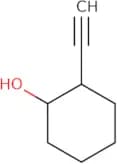
Discontinued product2-Ethynylcyclohexan-1-ol
CAS:2-Ethynylcyclohexan-1-ol is a cyclohexanol derivative that is synthesized by the intramolecular coupling of two phenylsulfonyl acetates. It has been shown to be an acid and base conjugate. 2-Ethynylcyclohexan-1-ol has a photophysical profile that includes fluorescence, which makes it useful for detection. This compound also yields ketones and carbocycles, making it useful in synthesis.
Formula:C8H12OPurity:Min. 95%Molecular weight:124.18 g/molRef: 3D-FAA87741
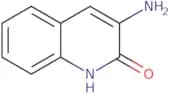
Discontinued product3-Aminoquinolin-2(1H)-one
CAS:3-Aminoquinolin-2(1H)-one is a synthetic compound. It has been prepared by condensation of 2-aminoacrylic acid with 1,3-diaminopropane. This reaction yields an imine that can be hydrolyzed to the corresponding amine. 3-Aminoquinolin-2(1H)-one has been used as an efficient method for the synthesis of hippuric acid and its isomers. The spectra of 3-aminoquinolin-2(1H)-one show three peaks at m/z=193, 182 and 144, which correspond to the molecular ion peak (m/z=193), the corresponding methylene peak (m/z=182) and the protonated amine peak (m/z=144). The mass spectrum shows two major peaks: one at m/z=193 and one at m/z=145. These peaks are due to fragmentation
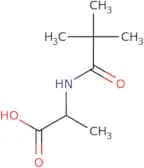
Formula:C9H8N2OPurity:Min. 95%Molecular weight:160.17 g/mol2-(2,2-Dimethylpropanamido)propanoic acid
CAS:Versatile small molecule scaffoldFormula:C8H15NO3Purity:Min. 95%Molecular weight:173.21 g/molRef: 3D-FAA87215
Discontinued product3-Hydroxy-2-phenylcyclopent-2-en-1-one
CAS:The herbicide 3-Hydroxy-2-phenylcyclopent-2-en-1-one is a phenoxy compound that inhibits the enzyme acetolactate synthase, which is required for the biosynthesis of branched chain amino acids. This inhibition leads to a shortage of these amino acids and growth inhibition in plants.
Formula:C11H10O2Purity:Min. 95%Molecular weight:174.2 g/molRef: 3D-FAA86479
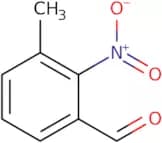
Discontinued product3-Methyl-2-nitrobenzaldehyde
CAS:3-Methyl-2-nitrobenzaldehyde is a compound that has been shown to undergo the shift reaction in which one atom or group of atoms is moved from one position to another. This reaction was catalyzed by carbodiimides, and the product was an n-substituted carbodiimide. 3-Methyl-2-nitrobenzaldehyde also has been shown to react with methylamine as well as amines such as aniline, cyclohexylamine, and benzylamine. The reaction products are diarylmethane derivatives with a nitrogen atom and an aryl group.
Formula:C8H7NO3Purity:Min. 95%Molecular weight:165.15 g/molRef: 3D-FAA85827
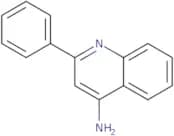
Discontinued product2-Phenylquinolin-4-amine
CAS:2-Phenylquinolin-4-amine is a ligand that binds to the active site of the human apoE4 protein, which is involved in lipid metabolism. 2-Phenylquinolin-4-amine has been shown to be cytotoxic against cancer cell lines and potent at low concentrations. It was also shown to have potent activity in apoptosis induction and cell cycle arrest. This ligand interacts with amide groups on the surface of proteins and can form amide bonds with other molecules, including formamide and solvents. The binding constants for 2-phenylquinolin-4-amine have been measured using molecular modeling techniques and bioinformatics databases.
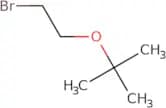
Formula:C15H12N2Purity:Min. 95%Molecular weight:220.28 g/mol2-(2-Bromoethoxy)-2-methylpropane
CAS:2-(2-Bromoethoxy)-2-methylpropane is a cavity solvent that is used to extract fullerenes, metal ions, and other organic compounds from crystals. It can be used as an extractant for metal cations in the presence of water. 2-(2-Bromoethoxy)-2-methylpropane has been shown to have ion channel inhibition properties. This compound will bind to the hydrophobic cavities of ion channels, which prevents the flow of ions through the channel. This binding leads to a decrease in membrane potential and causes cells to become unstable or die. 2-(2-Bromoethoxy)-2-methylpropane crystallizes in the monoclinic crystal system with a space group P21/c. In this crystal structure, there are two molecules per unit cell with their molecular axes parallel to each other and perpendicular to the two mirror planes that intersect at 90° angles. The conformation of this molecule can
Formula:C6H13BrOPurity:Min. 95%Molecular weight:181.07 g/molRef: 3D-FAA85376
Discontinued product2-Azabicyclo[2.2.2]octane hydrochloride
CAS:Versatile small molecule scaffold
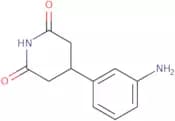
Formula:C7H14ClNPurity:Min. 95%Molecular weight:147.65 g/mol4-(3-Aminophenyl)piperidine-2,6-dione
CAS:Versatile small molecule scaffold
Formula:C11H12N2O2Purity:Min. 95%Molecular weight:204.22 g/molRef: 3D-FAA84045
Discontinued product

![Ethyl 2-[(1-phenylethyl)amino]acetate](/_next/image/?url=https%3A%2Fstatic.cymitquimica.com%2Fproducts%2F3D%2Fthumb-webp%2FGCA72098.webp&w=3840&q=75)
![2-[(1-Methylpiperidin-4-yl)amino]ethan-1-ol](/_next/image/?url=https%3A%2Fstatic.cymitquimica.com%2Fproducts%2F3D%2Fthumb-webp%2FGCA70951.webp&w=3840&q=75)
![3-[4-(Hydroxymethyl)phenyl]propanoic acid](/_next/image/?url=https%3A%2Fstatic.cymitquimica.com%2Fproducts%2F3D%2Fthumb-webp%2FGCA70334.webp&w=3840&q=75)
![2-(2-Hydroxyethyl)-2H,3H-[1,2,4]triazolo[4,3-a]pyridin-3-one](/_next/image/?url=https%3A%2Fstatic.cymitquimica.com%2Fproducts%2F3D%2Fthumb-webp%2FGCA65449.webp&w=3840&q=75)


![2-[(3,5-Dichlorophenyl)formamido]-2-methylpropanoic acid](/_next/image/?url=https%3A%2Fstatic.cymitquimica.com%2Fproducts%2F3D%2Fthumb-webp%2FGBA11041.webp&w=3840&q=75)
![[1,2,4]Triazolo[1,5-a]pyridin-8-amine](/_next/image/?url=https%3A%2Fstatic.cymitquimica.com%2Fproducts%2F3D%2Fthumb-webp%2FGBA05295.webp&w=3840&q=75)
![6-nitro-[1,2,4]triazolo[1,5-a]pyridin-2-amine](/_next/image/?url=https%3A%2Fstatic.cymitquimica.com%2Fproducts%2F3D%2Fthumb-webp%2FGBA04015.webp&w=3840&q=75)
![7,7-Dimethyl-5H,7H-furo[3,4-d]pyrimidin-2-amine](/_next/image/?url=https%3A%2Fstatic.cymitquimica.com%2Fproducts%2F3D%2Fthumb-webp%2FGAD75656.webp&w=3840&q=75)

![3-(Pyridin-4-yl)-2-azaspiro[3.3]heptan-1-one](/_next/image/?url=https%3A%2Fstatic.cymitquimica.com%2Fproducts%2F3D%2Fthumb-webp%2FGAD15829.webp&w=3840&q=75)
![4-Bromo-3-(propan-2-yl)-1H-pyrazolo[3,4-c]pyridine](/_next/image/?url=https%3A%2Fstatic.cymitquimica.com%2Fproducts%2F3D%2Fthumb-webp%2FGAC83677.webp&w=3840&q=75)
![2-Oxo-1H,2H,3H-pyrido[2,3-b][1,4]oxazine-6-carboxylic acid](/_next/image/?url=https%3A%2Fstatic.cymitquimica.com%2Fproducts%2F3D%2Fthumb-webp%2FGAC83518.webp&w=3840&q=75)
![3-(Propan-2-yl)-1H-pyrazolo[3,4-c]pyridine-4-carboxylic acid](/_next/image/?url=https%3A%2Fstatic.cymitquimica.com%2Fproducts%2F3D%2Fthumb-webp%2FGAC83367.webp&w=3840&q=75)
![3-Methyl-benzo[b]thiophene 1,1-dioxide](/_next/image/?url=https%3A%2Fstatic.cymitquimica.com%2Fproducts%2F3D%2Fthumb-webp%2FGAA40691.webp&w=3840&q=75)
![N-[2-(Benzylsulfanyl)phenyl]-2-chloroacetamide](/_next/image/?url=https%3A%2Fstatic.cymitquimica.com%2Fproducts%2F3D%2Fthumb-webp%2FGAA39735.webp&w=3840&q=75)
![2-{[Bis(methylamino)methylidene]amino}acetic acid](/_next/image/?url=https%3A%2Fstatic.cymitquimica.com%2Fproducts%2F3D%2Fthumb-webp%2FGAA39271.webp&w=3840&q=75)
![2-[(2-nitrophenyl)sulfanyl]acetic acid](/_next/image/?url=https%3A%2Fstatic.cymitquimica.com%2Fproducts%2F3D%2Fthumb-webp%2FGAA37565.webp&w=3840&q=75)

![3-Methyl-3H-[1,2,3]triazolo[4,5-d]pyrimidin-7-amine](/_next/image/?url=https%3A%2Fstatic.cymitquimica.com%2Fproducts%2F3D%2Fthumb-webp%2FGAA31255.webp&w=3840&q=75)


![Bicyclo[2.2.2]octan-2-ylmethanamine hydrochloride](/_next/image/?url=https%3A%2Fstatic.cymitquimica.com%2Fproducts%2F3D%2Fthumb-webp%2FGAA30364.webp&w=3840&q=75)

![{3-Fluoro-4-[(trifluoromethyl)sulfanyl]phenyl}hydrazine](/_next/image/?url=https%3A%2Fstatic.cymitquimica.com%2Fproducts%2F3D%2Fthumb-webp%2FFXC90197.webp&w=3840&q=75)

![3-Chloro-5-(pyrazin-2-yl)-8-thia-4,6-diazatricyclo[7.4.0.0,2,7]trideca-1(9),2,4,6-tetraene](/_next/image/?url=https%3A%2Fstatic.cymitquimica.com%2Fproducts%2F3D%2Fthumb-webp%2FFTB82172.webp&w=3840&q=75)
![3-[3-(Trifluoromethyl)phenyl]cyclobutan-1-one](/_next/image/?url=https%3A%2Fstatic.cymitquimica.com%2Fproducts%2F3D%2Fthumb-webp%2FFTB63644.webp&w=3840&q=75)
![tert-Butyl 4-methoxy-3,10-diazabicyclo[4.3.1]dec-3-ene-10-carboxylate](/_next/image/?url=https%3A%2Fstatic.cymitquimica.com%2Fproducts%2F3D%2Fthumb-webp%2FFSD25605.webp&w=3840&q=75)

![5-Oxa-8-azaspiro[3.5]nonane-6-carboxylic acid hydrochloride](/_next/image/?url=https%3A%2Fstatic.cymitquimica.com%2Fproducts%2F3D%2Fthumb-webp%2FFSD25537.webp&w=3840&q=75)
![tert-Butyl N-[1-(2-methanesulfonyl-6-phenoxypyrimidin-4-yl)piperidin-4-yl]carbamate](/_next/image/?url=https%3A%2Fstatic.cymitquimica.com%2Fproducts%2F3D%2Fthumb-webp%2FFSD25524.webp&w=3840&q=75)
![3-[(5-Chloro-2-fluorophenyl)sulfamoyl]-4-methylbenzoic acid](/_next/image/?url=https%3A%2Fstatic.cymitquimica.com%2Fproducts%2F3D%2Fthumb-webp%2FFRB70948.webp&w=3840&q=75)
![2-[(Cyclopropylmethyl)sulfanyl]ethan-1-amine](/_next/image/?url=https%3A%2Fstatic.cymitquimica.com%2Fproducts%2F3D%2Fthumb-webp%2FFRB42069.webp&w=3840&q=75)
![4-(Thiophen-2-yl)-1H,4H,5H,6H,7H-imidazo[4,5-c]pyridine-6-carboxylic acid](/_next/image/?url=https%3A%2Fstatic.cymitquimica.com%2Fproducts%2F3D%2Fthumb-webp%2FFRB28535.webp&w=3840&q=75)
![3-Hydrazinyl-6-methyl-5H-[1,2,4]triazino[5,6-b]indole](/_next/image/?url=https%3A%2Fstatic.cymitquimica.com%2Fproducts%2F3D%2Fthumb-webp%2FFNA44616.webp&w=3840&q=75)


![tert-Butyl 2-amino-5H,6H,7H,8H-imidazo[1,2-a]pyridine-3-carboxylate](/_next/image/?url=https%3A%2Fstatic.cymitquimica.com%2Fproducts%2F3D%2Fthumb-webp%2FFDD53077.webp&w=3840&q=75)
![2-{Imidazo[1,2-a]pyridin-2-yl}-1H-imidazole](/_next/image/?url=https%3A%2Fstatic.cymitquimica.com%2Fproducts%2F3D%2Fthumb-webp%2FFDD52429.webp&w=3840&q=75)
![2-Methyl-4-(2,2,2-trifluoroethyl)-4H-thieno[3,2-b]pyrrole-5-carboxylic acid](/_next/image/?url=https%3A%2Fstatic.cymitquimica.com%2Fproducts%2F3D%2Fthumb-webp%2FFDD52275.webp&w=3840&q=75)
![3-{1-[2-(2-Methoxyphenyl)ethyl]-2,5-dioxoimidazolidin-4-yl}propanoic acid](/_next/image/?url=https%3A%2Fstatic.cymitquimica.com%2Fproducts%2F3D%2Fthumb-webp%2FFDD51448.webp&w=3840&q=75)


![4-[(6-Chloropyridazin-3-yl)oxy]aniline](/_next/image/?url=https%3A%2Fstatic.cymitquimica.com%2Fproducts%2F3D%2Fthumb-webp%2FFBA18497.webp&w=3840&q=75)
![2-[(3-Phenylpropyl)sulfanyl]acetic acid](/_next/image/?url=https%3A%2Fstatic.cymitquimica.com%2Fproducts%2F3D%2Fthumb-webp%2FFBA13408.webp&w=3840&q=75)
![2-{[2-(Trifluoromethyl)phenyl]formamido}acetic acid](/_next/image/?url=https%3A%2Fstatic.cymitquimica.com%2Fproducts%2F3D%2Fthumb-webp%2FFAB11794.webp&w=3840&q=75)
![3-[3-(Trifluoromethyl)phenyl]pyridine](/_next/image/?url=https%3A%2Fstatic.cymitquimica.com%2Fproducts%2F3D%2Fthumb-webp%2FFAA95799.webp&w=3840&q=75)
![4,6-Dichloro-1H,2H,3H-pyrrolo[2,3-b]pyridine](/_next/image/?url=https%3A%2Fstatic.cymitquimica.com%2Fproducts%2F3D%2Fthumb-webp%2FFAA91215.webp&w=3840&q=75)


![2-Azabicyclo[2.2.2]octane hydrochloride](/_next/image/?url=https%3A%2Fstatic.cymitquimica.com%2Fproducts%2F3D%2Fthumb-webp%2FFAA84515.webp&w=3840&q=75)