Building Blocks
Subcategories of "Building Blocks"
- Boronic Acids & Boronic Acid Derivatives(5,780 products)
- Chiral Building Blocks(1,241 products)
- Hydrocarbon Building Blocks(6,100 products)
- Organic Building Blocks(61,024 products)
Found 205297 products of "Building Blocks"
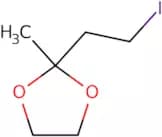
2-(2-Iodoethyl)-2-methyl-1,3-dioxolane
CAS:Versatile small molecule scaffold
Formula:C6H11IO2Purity:Min. 95%Molecular weight:242.05 g/molRef: 3D-DCA75051
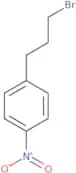
Discontinued product3-(4-Nitrophenyl)propyl bromide
CAS:3-(4-Nitrophenyl)propyl bromide (3NPPB) is a bifunctional ligand with antiproliferative activity. It is able to bind to the alpha subunit of human hepatocellular carcinoma (HCC) receptors, inhibiting the growth of cancer cells. 3NPPB has been shown to be effective in animal models for HCC and other cancers. 3NPPB is a metal chelator with a high binding affinity for copper, and it has been shown to reduce the level of copper in liver tissue.
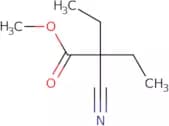
Formula:C9H10BrNO2Purity:Min. 95%Molecular weight:244.09 g/molMethyl 2-cyano-2-ethylbutanoate
CAS:Versatile small molecule scaffold
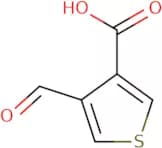
Formula:C8H13NO2Purity:Min. 95%Molecular weight:155.19 g/mol4-Formylthiophene-3-carboxylic acid
CAS:Versatile small molecule scaffold
Formula:C6H4O3SPurity:Min. 95%Molecular weight:156.16 g/molRef: 3D-DCA68605
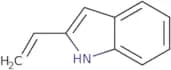
Discontinued product2-Ethenyl-1H-indole
CAS:2-Ethenyl-1H-indole is an organic compound that can be synthesized from a Friedel-Crafts reaction of a fatty acid and an alkyl halide. The cycloaddition process of 2-ethenyl-1H-indole to form the bicyclic system was found to proceed through a [4+2] cycloaddition mechanism with the formation of a strained six membered ring between the two carbon atoms at the junction. This product is then converted into biofuels, such as particle or fatty acids, by analytical chemistry. Preparative high performance liquid chromatography (HPLC) has been used to separate glycogen synthase kinase 3 (GSK3) oligosaccharides, which have been shown to be involved in various biological processes.
Formula:C10H9NPurity:Min. 95%Molecular weight:143.18 g/molRef: 3D-DCA65435
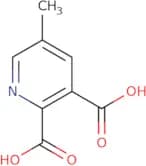
Discontinued product5-Methylpyridine-2,3-dicarboxylic acid
CAS:5-Methylpyridine-2,3-dicarboxylic acid is an organic compound with the formula CH3C6H4(CH2)4O2. It is a white crystalline solid that is soluble in water and ethanol. 5-Methylpyridine-2,3-dicarboxylic acid is a ligand for alkali metal ions. It has been used to synthesize a number of compounds with different properties, such as methoxymethyl, fluorescence properties and ammonium nitrate. The structures of the isomers can be determined by x-ray diffraction techniques and by gravimetric analysis.
Formula:C8H7NO4Purity:Min. 95%Molecular weight:181.15 g/mol1,4-Diazabicyclo[3.2.2]nonan-3-one
CAS:Versatile small molecule scaffold
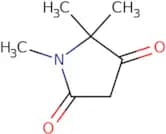
Formula:C7H12N2OPurity:Min. 95%Molecular weight:140.19 g/mol1,5,5-Trimethylpyrrolidine-2,4-dione
CAS:Versatile small molecule scaffold
Formula:C7H11NO2Purity:Min. 95%Molecular weight:141.2 g/molRef: 3D-DCA61796
Discontinued product2,3-Dihydro-benzo[1,4]dioxine-2-carboxylic acidmethyl ester
CAS:Versatile small molecule scaffoldFormula:C10H10O4Purity:Min. 95%Molecular weight:194.18 g/molRef: 3D-DAA66379
Discontinued product6-Ethyl-1H-1,2,3-benzotriazole
CAS:Versatile small molecule scaffold
Formula:C8H9N3Purity:Min. 95%Molecular weight:147.18 g/molRef: 3D-DAA66326
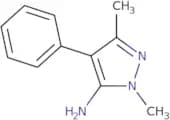
Discontinued product2,5-Dimethyl-4-phenylpyrazol-3-amine
CAS:Versatile small molecule scaffold
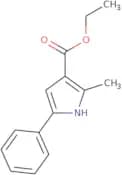
Formula:C11H13N3Purity:Min. 95%Molecular weight:187.25 g/molethyl 2-methyl-5-phenyl-1H-pyrrole-3-carboxylate
CAS:Ethyl 2-methyl-5-phenyl-1H-pyrrole-3-carboxylate is a serotonin analog. It has been shown to have antidepressant properties and inhibit the reuptake of serotonin by the neurotransmitter transporter. This leads to an increase in serotonin levels in the brain, which may be due to its ability to act on 5-HT2A and 5-HT2C receptors. The compound also acts as an antagonist at 5HT1A receptors, which may contribute to its antidepressant effects. In vivo activities of this drug have been confirmed using various animal models. Ethyl 2-methyl-5-phenyl-1H-pyrrole-3--carboxylate is a lead compound for other potential antidepressants with similar activity.
Formula:C14H15NO2Purity:Min. 95%Molecular weight:229.28 g/molRef: 3D-DAA65248
Discontinued productethyl 6-aminohexanoate,hydrochloride
CAS:Ethyl 6-aminohexanoate,hydrochloride is a monomer that can be polymerized with other ethyl 6-aminohexanoate,hydrochloride monomers to form polyelectrolytes. This compound has hydrophobic properties and reacts with functional groups. Ethyl 6-aminohexanoate,hydrochloride is fluorescent and has reactive properties. Polyelectrolytes are polymers that contain multiple charged groups which are able to form ionic bonds with other polymers or ions in solution. Ethyl 6-aminohexanoate,hydrochloride can be used as a crosslinker because it contains two methacrylate groups that react with the amino groups of proteins or polypeptides to form covalent bonds.
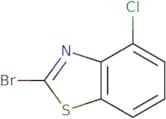
Formula:C8H18ClNO2Purity:Min. 95%Molecular weight:195.69 g/mol2-Bromo-4-chlorobenzothiazole
CAS:Versatile small molecule scaffold
Formula:C7H3BrClNSPurity:Min. 95%Molecular weight:248.53 g/molRef: 3D-DAA62240
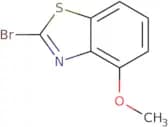
Discontinued product2-Bromo-4-methoxybenzothiazole
CAS:Versatile small molecule scaffold
Formula:C8H6BrNOSPurity:Min. 95%Molecular weight:244.11 g/molRef: 3D-DAA62239
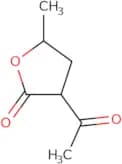
Discontinued product3-Acetyl-5-methyloxolan-2-one
CAS:Versatile small molecule scaffold
Formula:C7H10O3Purity:Min. 95%Molecular weight:142.15 g/mol1-Propyl-[1,4]diazepane
CAS:Versatile small molecule scaffold
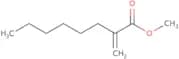
Formula:C8H18N2Purity:Min. 95%Molecular weight:142.25 g/molMethyl 2-methylideneoctanoate
CAS:Versatile small molecule scaffold
Formula:C10H18O2Purity:Min. 95%Molecular weight:170.25 g/molRef: 3D-DAA61840
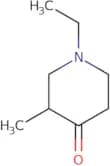
Discontinued product1-ethyl-3-methylpiperidin-4-one
CAS:Versatile small molecule scaffold
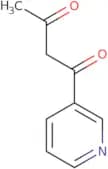
Formula:C8H15NOPurity:Min. 95%Molecular weight:141.21 g/mol1-(Pyridin-3-yl)butane-1,3-dione
CAS:1-(Pyridin-3-yl)butane-1,3-dione is an activating agent that can be used to treat a variety of disorders. It activates the insulin receptor and has been shown to activate the PPAR alpha and gamma heterodimers in vitro. 1-(Pyridin-3-yl)butane-1,3-dione may also have a proliferating effect on cells. This compound is a chelate ring that contains heterocyclic bonds, which are often found in compounds with profiles similar to those of 1-(pyridin-3-yl)butane-1,3-dione. The structural formula for this compound is shown below:
Formula:C9H9NO2Purity:Min. 95%Molecular weight:163.17 g/molRef: 3D-DAA59437
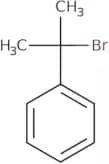
Discontinued product(2-Bromopropan-2-yl)benzene
CAS:2-Bromopropan-2-yl)benzene is an impurity in the production of polypropylene. It is a potential monomer that can be used for the synthesis of polymers. The compound has been shown to have copolymerization properties and can be used as a debrominating agent for poly(vinyl chloride). 2-Bromopropan-2-yl)benzene's reaction mechanism is based on the addition of bromine to the double bond of an organic compound. The product of this reaction is a halide, which is then hydrolyzed to release water and hydrogen bromide gas. 2-Bromopropan-2-yl)benzene also has antiinflammatory properties and has been shown to inhibit the production of chloride ions in immune cells. 2-Bromopropan-2-yl)benzene has also been shown to have peroxide decomposition properties, which may cause
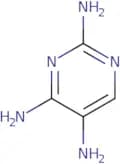
Formula:C9H11BrPurity:Min. 95%Molecular weight:199.09 g/molpyrimidine-2,4,5-triamine
CAS:Pyrimidine-2,4,5-triamine is a nucleotide derivative that is used to study the effects of extracellular Ca2+ on cell growth. It has anticancer activity and is used in the treatment of human immunodeficiency virus (HIV) infection and other inflammatory diseases. Pyrimidine-2,4,5-triamine has been shown to inhibit phosphatases, including malonic acid phosphatase and nitro phosphatase. This inhibition leads to an accumulation of malonic acid and nitro compounds which are cytotoxic. The drug also inhibits the production of hydrogen peroxide by inhibiting surface methodology enzymes such as peroxidase or catalase. Pyrimidine-2,4,5-triamine has been shown to be resistant to hydrolysis by hydrophobic effect enzymes such as esterases or glucuronidases. The drug also causes irreversible inhibition of DNA gyrase and topoisomerase
Formula:C4H7N5Purity:Min. 95%Molecular weight:125.13 g/molRef: 3D-DAA54650
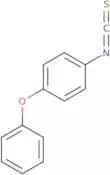
Discontinued product4-Phenoxyphenyl isothiocyanate
CAS:4-Phenoxyphenyl isothiocyanate is a potent anthelmintic drug that has been shown to produce mutations in the DNA of animals. It is a nitro compound that may cause mutagenicity, which is a heritable change in the genetic material. 4-Phenoxyphenyl isothiocyanate has been shown to be mutagenic and has hydroxylamine and thiourea as metabolites. The hydroxylamine metabolite has been shown to be an anthelmintic, whereas the thiourea metabolite was found to be mutagenic. 4-Phenoxyphenyl isothiocyanate is biotransformed into diphenyl ether, which also possesses antimicrobial properties.
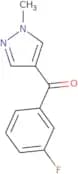
Formula:C13H9NOSPurity:Min. 95%Molecular weight:227.28 g/mol4-(3-Fluorobenzoyl)-1-methyl-1H-pyrazole
CAS:Controlled ProductVersatile small molecule scaffold
Formula:C11H9FN2OPurity:Min. 95%Molecular weight:204.2 g/molRef: 3D-CWB83601
Discontinued product3-[2-(1H-Pyrazol-1-yl)ethoxy]aniline
CAS:Versatile small molecule scaffold
Formula:C11H13N3OPurity:Min. 95%Molecular weight:203.24 g/molRef: 3D-CWB81954
Discontinued product5-Azido-1,2,3,4-tetrahydronaphthalene
CAS:Versatile small molecule scaffold
Formula:C10H11N3Purity:Min. 95%Molecular weight:173.21 g/molRef: 3D-CWB59136
Discontinued product[2-(2,3-Dihydro-1,4-benzodioxin-6-yl)ethyl]thiourea
CAS:Versatile small molecule scaffold
Formula:C11H14N2O2SPurity:Min. 95%Molecular weight:238.31 g/mol2-(5-Methyl-1H-pyrazol-1-yl)aniline
CAS:Versatile small molecule scaffold
Formula:C10H11N3Purity:Min. 95%Molecular weight:173.21 g/molRef: 3D-CWB58305
Discontinued product3-(2-Methoxy-5-methylphenyl)-1-(2-methylpropyl)-1H-pyrazole-4-carboxylic acid
CAS:Versatile small molecule scaffold
Formula:C16H20N2O3Purity:Min. 95%Molecular weight:288.34 g/molRef: 3D-CWB57850
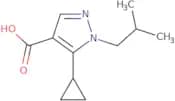
Discontinued product5-Cyclopropyl-1-(2-methylpropyl)-1H-pyrazole-4-carboxylic acid
CAS:Versatile small molecule scaffoldFormula:C11H16N2O2Purity:Min. 95%Molecular weight:208.26 g/molRef: 3D-CWB57611
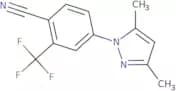
Discontinued product4-(3,5-Dimethyl-1H-pyrazol-1-yl)-2-(trifluoromethyl)benzonitrile
CAS:Versatile small molecule scaffoldFormula:C13H10F3N3Purity:Min. 95%Molecular weight:265.23 g/molRef: 3D-CWB57417
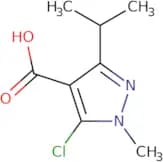
Discontinued product5-Chloro-1-methyl-3-(propan-2-yl)-1H-pyrazole-4-carboxylic acid
CAS:Versatile small molecule scaffoldFormula:C8H11ClN2O2Purity:Min. 95%Molecular weight:202.64 g/molN-Cyclohexyl-N-ethylaminosulfonamide
CAS:Versatile small molecule scaffold
Formula:C8H18N2O2SPurity:Min. 95%Molecular weight:206.31 g/molRef: 3D-CWB57364
Discontinued product2-(3-Hydroxyphenoxy)propanamide
CAS:Versatile small molecule scaffold
Formula:C9H11NO3Purity:Min. 95%Molecular weight:181.19 g/mol4-(Chloromethyl)-2-(ethoxymethyl)-1,3-thiazole
CAS:Versatile small molecule scaffold
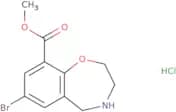
Formula:C7H10ClNOSPurity:Min. 95%Molecular weight:191.68 g/molMethyl 7-bromo-2,3,4,5-tetrahydro-1,4-benzoxazepine-9-carboxylate hydrochloride
CAS:Versatile small molecule scaffoldFormula:C11H13BrClNO3Purity:Min. 95%Molecular weight:322.58 g/molRef: 3D-CMD26672
Discontinued product4-Azatricyclo[4.2.1.0,3,7]nonan-2-ol
CAS:Versatile small molecule scaffold
Formula:C8H13NOPurity:Min. 95%Molecular weight:139.19 g/molRef: 3D-CMC37592
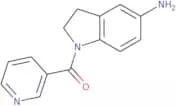
Discontinued product1-(Pyridine-3-carbonyl)-2,3-dihydro-1H-indol-5-amine
CAS:Versatile small molecule scaffold
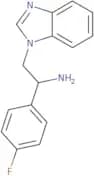
Formula:C14H13N3OPurity:Min. 95%Molecular weight:239.27 g/mol2-(1H-1,3-Benzodiazol-1-yl)-1-(4-fluorophenyl)ethan-1-amine
CAS:Versatile small molecule scaffoldFormula:C15H14FN3Purity:Min. 95%Molecular weight:255.29 g/molRef: 3D-CMB99669
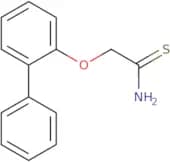
Discontinued product2-(2-Phenylphenoxy)ethanethioamide
CAS:Versatile small molecule scaffold
Formula:C14H13NOSPurity:Min. 95%Molecular weight:243.33 g/molRef: 3D-CMB99499
Discontinued product4-[(6-Methylpyrimidin-4-yl)oxy]aniline
CAS:Versatile small molecule scaffold
Formula:C11H11N3OPurity:Min. 95%Molecular weight:201.22 g/molRef: 3D-CMB98267
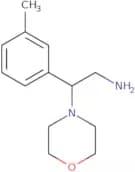
Discontinued product2-(3-Methylphenyl)-2-(morpholin-4-yl)ethan-1-amine
CAS:Versatile small molecule scaffold
Formula:C13H20N2OPurity:Min. 95%Molecular weight:220.31 g/molRef: 3D-CMB96624
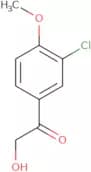
Discontinued product1-(3-Chloro-4-methoxyphenyl)-2-hydroxyethan-1-one
CAS:Versatile small molecule scaffold
Formula:C9H9ClO3Purity:Min. 95%Molecular weight:200.62 g/molRef: 3D-CMB80205
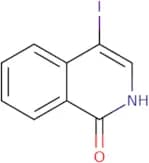
Discontinued product4-Iodo-1,2-dihydroisoquinolin-1-one
CAS:Versatile small molecule scaffold
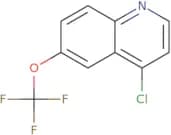
Formula:C9H6INOPurity:Min. 95%Molecular weight:271.05 g/mol4-Chloro-6-(trifluoromethoxy)quinoline
CAS:Versatile small molecule scaffold
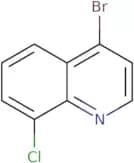
Formula:C10H5ClF3NOPurity:Min. 95%Molecular weight:247.6 g/mol4-Bromo-8-chloroquinoline
CAS:Versatile small molecule scaffold
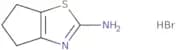
Formula:C9H5BrClNPurity:Min. 95%Molecular weight:242.5 g/mol5,6-Dihydro-4H-cyclopentathiazol-2-ylamine hydrobromide
CAS:Versatile small molecule scaffold
Formula:C6H9BrN2SPurity:Min. 95%Molecular weight:221.12 g/mol7-Chlorobenzo[D]isoxazol-3-amine
CAS:Versatile small molecule scaffold
Formula:C7H5ClN2OPurity:Min. 95%Molecular weight:168.58 g/molRef: 3D-CMB41364
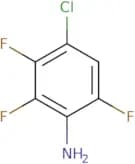
Discontinued product4-Chloro-2,3,6-trifluoroaniline
CAS:Versatile small molecule scaffold
Formula:C6H3ClF3NPurity:Min. 95%Molecular weight:181.54 g/molRef: 3D-CHA78544
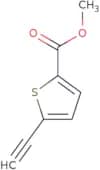
Discontinued productMethyl 5-ethynylthiophene-2-carboxylate
CAS:Versatile small molecule scaffoldFormula:C8H6O2SPurity:Min. 95%Molecular weight:166.2 g/molRef: 3D-CHA57526
Discontinued productMethyl 2-oxo-1,2,3,4-tetrahydroquinoline-6-carboxylate
CAS:Versatile small molecule scaffold
Formula:C11H11NO3Purity:Min. 95%Molecular weight:205.21 g/molRef: 3D-CHA47863
Discontinued product4,6-Dichloropyridine-3-sulfonyl chloride
CAS:Versatile small molecule scaffoldFormula:C5H2Cl3NO2SPurity:Min. 95%Molecular weight:246.5 g/molRef: 3D-CGC66675
Discontinued product3,7-Diazabicyclo[3.3.1]nonane dihydrochloride
CAS:Versatile small molecule scaffold
Formula:C7H16Cl2N2Purity:Min. 95%Molecular weight:199.12 g/molRef: 3D-CGC43053
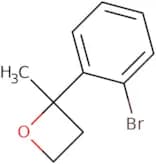
Discontinued product2-(2-Bromophenyl)-2-methyloxetane
CAS:Versatile small molecule scaffold
Formula:C10H11BrOPurity:Min. 95%Molecular weight:227.1 g/molRef: 3D-CGC24401
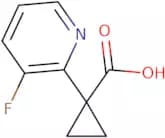
Discontinued product1-(3-Fluoropyridin-2-yl)cyclopropane-1-carboxylic acid
CAS:Versatile small molecule scaffold
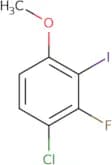
Formula:C9H8FNO2Purity:Min. 95%Molecular weight:181.16 g/mol1-Chloro-2-fluoro-3-iodo-4-methoxybenzene
CAS:Versatile small molecule scaffoldFormula:C7H5ClFIOPurity:Min. 95%Molecular weight:286.47 g/molRef: 3D-CGC00477
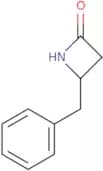
Discontinued product(+/-)-4-Benzylazetidin-2-one
CAS:(+/-)-4-Benzylazetidin-2-one is an enantiomer of the β-lactam antibiotic azetidinone. It has been synthesized by chemoenzymatic methods and is a racemic mixture of two enantiomers. (+/-)-4-Benzylazetidin-2-one is a lactam with a carboxylic acid substituent in the lactam ring. The chlorides are removed from the molecule by ammonolysis, which produces the amide. This amide reacts with an alkyl group, such as methyl chloride, to produce the lactam ring. The synthesis of (+/-)-4-Benzylazetidin-2-one can be catalyzed by either acidic or basic catalysts. These reactions are typically carried out in organic solvents and require heat and/or pressure to proceed at a reasonable rate. (+/-)-4 -Benzylazetid
Formula:C10H11NOPurity:Min. 95%Molecular weight:161.2 g/molRef: 3D-CGB88507
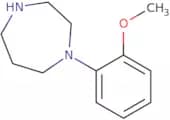
Discontinued product1-(2-Methoxyphenyl)-1,4-diazepane
CAS:Versatile small molecule scaffold
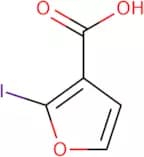
Formula:C12H18N2OPurity:Min. 95%Molecular weight:206.28 g/mol2-Iodofuran-3-carboxylic acid
CAS:2-Iodofuran-3-carboxylic acid is a reactive intermediate and has been used in the synthesis of amides, which are important in drug discovery. This compound is an oxocarbenium ion that reacts with nucleophiles to form an intramolecular cross-coupling reaction. 2-Iodofuran-3-carboxylic acid has been shown to be cytotoxic against cancer cells and can be used as a screening agent for anticancer drugs. The use of 2-iodofuran carboxylic acid has also been shown to inhibit lung cancer cell growth by inducing apoptosis.
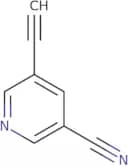
Formula:C5H3IO3Purity:Min. 95%Molecular weight:237.98 g/mol5-Ethynylpyridine-3-carbonitrile
CAS:Versatile small molecule scaffold
Formula:C8H4N2Purity:Min. 95%Molecular weight:128.13 g/molRef: 3D-CGA80305
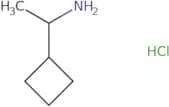
Discontinued product(1R)-1-Cyclobutylethan-1-amine hydrochloride
CAS:Versatile small molecule scaffoldFormula:C6H14ClNPurity:Min. 95%Molecular weight:135.63 g/molRef: 3D-CCB74379
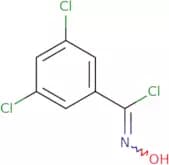
Discontinued product3,5-Dichloro-N-hydroxybenzene-1-carbonimidoyl chloride
CAS:Versatile small molecule scaffold
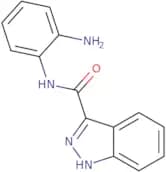
Formula:C7H4Cl3NOPurity:Min. 95%Molecular weight:224.5 g/molN-(2-Aminophenyl)-1H-indazole-3-carboxamide
CAS:Versatile small molecule scaffold
Formula:C14H12N4OPurity:Min. 95%Molecular weight:252.27 g/molRef: 3D-CCB70193
Discontinued product7-(Bromomethyl)pentadecane
CAS:7-(Bromomethyl)pentadecane is a molecule that has been used as an acceptor in organic photovoltaic devices. This molecule has a phenothiazine ring, which is electron deficient and low energy. 7-(Bromomethyl)pentadecane molecules are able to absorb light and convert it into electricity with high efficiency.
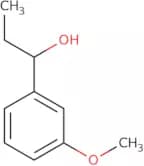
Formula:C16H33BrPurity:Min. 95%Molecular weight:305.34 g/mol1-(3-Methoxyphenyl)propan-1-ol
CAS:1-(3-Methoxyphenyl)propan-1-ol is a trialkylborane that reacts with alcohols to form alkylated products. It is used in the synthesis of benzene derivatives, and also has been used to react with magnesium halides. 1-(3-Methoxyphenyl)propan-1-ol can be used as an alternative to the toxic 1,2-dibromoethane when making alkylated products.
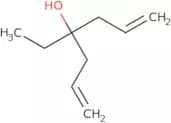
Formula:C10H14O2Purity:Min. 95%Molecular weight:166.22 g/mol4-Ethyl-1,6-heptadien-4-ol
CAS:Versatile small molecule scaffold
Formula:C9H16OPurity:Min. 95%Molecular weight:140.22 g/molRef: 3D-CCA93962
Discontinued product2-(5-Methyl-1,3-oxazol-2-yl)aniline
CAS:Versatile small molecule scaffold
Formula:C10H10N2OPurity:Min. 95%Molecular weight:174.2 g/molRef: 3D-CCA82971
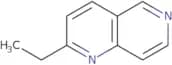
Discontinued product2-Ethyl-1,6-naphthyridine
CAS:Versatile small molecule scaffold
Formula:C10H10N2Purity:Min. 95%Molecular weight:158.2 g/molRef: 3D-CCA81668
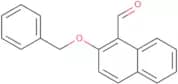
Discontinued product2-(Benzyloxy)-1-naphthaldehyde
CAS:2-(Benzyloxy)-1-naphthaldehyde is a synthetic compound that has been shown to inhibit the growth of P. aeruginosa. The synthesis of 2-(benzyloxy)-1-naphthaldehyde was achieved through the copper complex reaction with chalcone, which produced this compound in an efficient manner. In addition, 2-(benzyloxy)-1-naphthaldehyde has been shown to be a potent inhibitor of methyltransferase and dihedral molecular geometry studies. This makes it an attractive target for cancer therapy as well as Alzheimer's disease research because it inhibits the production of amyloid beta peptides, which are linked to these diseases.
Formula:C18H14O2Purity:Min. 95%Molecular weight:262.3 g/molRef: 3D-CCA80548
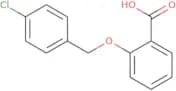
Discontinued product2-((4-Chlorobenzyl)oxy)benzoic acid
CAS:Versatile small molecule scaffold
Formula:C14H11ClO3Purity:Min. 95%Molecular weight:262.69 g/molRef: 3D-CCA80369
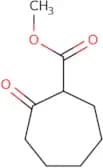
Discontinued productMethyl 2-oxo-1-cycloheptanecarboxylate
CAS:Methyl 2-oxo-1-cycloheptanecarboxylate is a quinoline derivative that inhibits the activity of sirtuin 2 enzyme. It has been shown to inhibit cancer cells in vitro and in vivo, as well as to induce apoptosis. This drug also inhibits the growth of human leukemia cells by inhibiting protein synthesis, which may be due to its ability to activate hydroxy groups in proteins. Methyl 2-oxo-1-cycloheptanecarboxylate is an activated form that can be synthesized from cyclohexanol and transfer reactions with amidines or alkoxycarbonyls. The carbonyl group on this compound is metabolized into carbon dioxide, water, and energy via oxidative reactions with glutathione peroxidase.
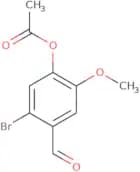
Formula:C9H14O3Purity:Min. 95%Molecular weight:170.21 g/mol4-Acetoxy-2-bromo-5-methoxybenzaldehyde
CAS:Versatile small molecule scaffold
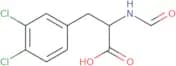
Formula:C10H9BrO4Purity:Min. 95%Molecular weight:273.08 g/mol3-(3,4-Dichlorophenyl)-2-formamidopropanoic acid
CAS:Versatile small molecule scaffold
Formula:C10H9Cl2NO3Purity:Min. 95%Molecular weight:262.09 g/molRef: 3D-CCA71567
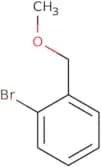
Discontinued product1-Bromo-2-(methoxymethyl)benzene
CAS:1-Bromo-2-(methoxymethyl)benzene is a boronic acid that is used in the synthesis of palladium complexes. It is synthesized by reacting 1-bromobenzene with methanol and methoxymethyl chloride. The 1-bromo-2-(methoxymethyl)benzene has been used as a ligand for palladium complexes, which are often used to catalyze organic reactions, such as the metathesis reaction. Synthetic methods have been developed to produce the compound and NMR spectra have been obtained to provide kinetic data on these reactions.
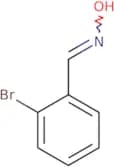
Formula:C8H9BrOPurity:Min. 95%Molecular weight:201.06 g/mol2-Bromobenzaldoxime
CAS:2-Bromobenzaldoxime is a biologically active molecule that has been shown to have significant physiological activities. It is an aldehyde, which is metabolized by the liver or kidneys into the corresponding alcohol, 2-bromoethanol. 2-Bromobenzaldoxime has been shown to be synthesized from diethyl ether and potassium phosphate in the presence of amino acids. The reaction proceeds with dehydration of the intermediate bromohydrin to form an aldoxime. This molecule can be used as a pharmaceutical drug for various diseases such as diabetes mellitus, hypertension, and inflammation.
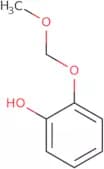
Formula:C7H6BrNOPurity:Min. 95%Molecular weight:200.03 g/mol2-(Methoxymethoxy)phenol
CAS:Versatile small molecule scaffold
Formula:C8H10O3Purity:Min. 95%Molecular weight:154.16 g/mol3-Methanesulfonylpyridine
CAS:Versatile small molecule scaffold
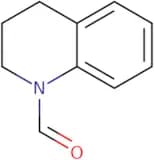
Formula:C6H7NO2SPurity:Min. 95%Molecular weight:157.19 g/mol1,2,3,4-Tetrahydroquinoline-1-carbaldehyde
CAS:Tetrahydroquinoline-1-carbaldehyde is extracted from the seeds of the plant Cyperus rotundus. It has been shown to have trackable results in laboratory mice.
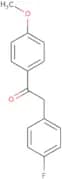
Formula:C10H11NOPurity:Min. 95%Molecular weight:161.2 g/mol2-(4-Fluorophenyl)-1-(4-methoxyphenyl)ethan-1-one
CAS:Versatile small molecule scaffold
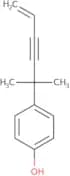
Formula:C15H13FO2Purity:Min. 95%Molecular weight:244.26 g/mol4-(2-Methylhex-5-en-3-yn-2-yl)phenol
CAS:Versatile small molecule scaffold
Formula:C13H14OPurity:Min. 95%Molecular weight:186.25 g/molRef: 3D-CAA69633
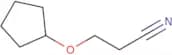
Discontinued product3-(Cyclopentyloxy)propanenitrile
CAS:Versatile small molecule scaffold
Formula:C8H13NOPurity:Min. 95%Molecular weight:139.19 g/molRef: 3D-CAA69418
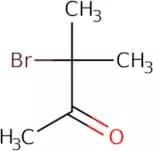
Discontinued product3-Bromo-3-methyl-2-butanone
CAS:3-Bromo-3-methyl-2-butanone is a carbocyanine dye with a low molecular weight. It has been shown to be an effective ligand for technetium and can be used to synthesize this radionuclide in the presence of acid catalysts. The synthesis of 3-bromo-3-methyl-2-butanone is achieved by reacting 3,5,5'-trimethylcyclohexyl isopropyl ether with bromine in the presence of an acid catalyst. The reaction time required for complete conversion may vary from 1 to 24 hours depending on the concentration and type of catalyst used. 3-Bromo-3-methyl-2-butanone is reversibly protonated and exhibits an enolate tautomeric structure. It also reacts with alkyl halides to form 2,4,6,8,10,12,-pentamethylcyclopentadien
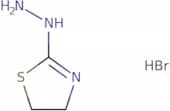
Formula:C5H9BrOPurity:Min. 95%Molecular weight:165.03 g/mol1-(4,5-Dihydro-1,3-thiazol-2-yl)hydrazine hydrobromide
CAS:Versatile small molecule scaffold
Formula:C3H8BrN3SPurity:Min. 95%Molecular weight:198.09 g/molRef: 3D-CAA64392
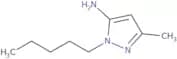
Discontinued product3-Methyl-1-pentyl-1H-pyrazol-5-amine
CAS:Versatile small molecule scaffold
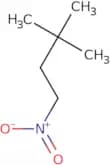
Formula:C9H17N3Purity:Min. 95%Molecular weight:167.25 g/mol3,3-Dimethyl-1-nitrobutane
CAS:Versatile small molecule scaffold
Formula:C6H13NO2Purity:Min. 95%Molecular weight:131.17 g/molRef: 3D-CAA62527
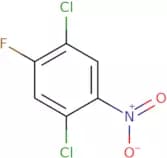
Discontinued product1,4-Dichloro-2-fluoro-5-nitrobenzene
CAS:Versatile small molecule scaffold
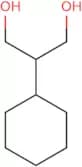
Formula:C6H2Cl2FNO2Purity:Min. 95%Molecular weight:209.99 g/mol2-Cyclohexylpropane-1,3-diol
CAS:2-Cyclohexylpropane-1,3-diol is a substrate for porcine pancreatic lipase. It is hydrolyzed by this enzyme, which is stereoselective and enantioselective. 2-Cyclohexylpropane-1,3-diol also has properties that are similar to angiotensin, a peptide that is secreted by the human body. This substance can be used as a solvent for other organic compounds in chemical reactions.
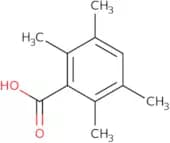
Formula:C9H18O2Purity:Min. 95%Molecular weight:158.24 g/mol2,3,5,6-Tetramethylbenzoic acid
CAS:2,3,5,6-Tetramethylbenzoic acid (TMB) is a white crystalline solid that is soluble in organic solvents and slightly soluble in water. It is used as a precursor for the manufacture of dyes, pharmaceuticals, and other organic compounds. TMB has been shown to be an effective catalyst for the use of malonic acid as a substrate. The active site of TMB is acidic and it has been shown to catalyse the reaction between malonic acid and carbon tetrachloride with a dipole moment. TMB also interacts with functional groups such as methylene chloride, chloroform, methanol and benzene.
Formula:C11H14O2Purity:Min. 95%Molecular weight:178.23 g/molRef: 3D-CAA60445
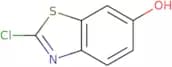
Discontinued product2-chloro-1,3-benzothiazol-6-ol
CAS:Versatile small molecule scaffold
Formula:C7H4ClNOSPurity:Min. 95%Molecular weight:185.63 g/molRef: 3D-CAA59116
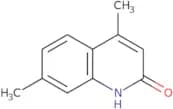
Discontinued product4,7-Dimethyl-1,2-dihydroquinolin-2-one
CAS:Versatile small molecule scaffold
Formula:C11H11NOPurity:Min. 95%Molecular weight:173.21 g/molRef: 3D-CAA58518
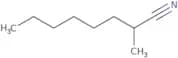
Discontinued product2-Methyloctanenitrile
CAS:2-Methyloctanenitrile is an oxime that can be hydrocyanated to produce a regioselective addition product. This reaction is catalyzed by the presence of hydroxylamine, which acts as a ligand in the transition state. The reaction proceeds with anti-markovnikov selectivity, which is due to the hydroxyl group on the methyl group. This reaction has been optimized for frequency and rates of reaction, and can be used with aldoximes as well.
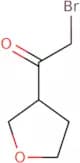
Formula:C9H17NPurity:Min. 95%Molecular weight:139.24 g/mol2-Bromo-1-(oxolan-3-yl)ethan-1-one
CAS:Versatile small molecule scaffold
Formula:C6H9BrO2Purity:Min. 95%Molecular weight:193.04 g/molRef: 3D-BUB02398
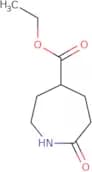
Discontinued productEthyl 7-oxoazepane-4-carboxylate
CAS:Versatile small molecule scaffold
Formula:C9H15NO3Purity:Min. 95%Molecular weight:185.22 g/molRef: 3D-BUA66308
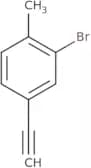
Discontinued product2-Bromo-4-ethynyl-1-methylbenzene
CAS:Versatile small molecule scaffold
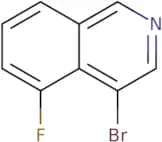
Formula:C9H7BrPurity:Min. 95%Molecular weight:195.06 g/mol4-Bromo-5-fluoro-isoquinoline
CAS:Versatile small molecule scaffold
Formula:C9H5BrFNPurity:Min. 95%Molecular weight:226.04 g/molRef: 3D-BPA45758
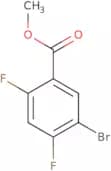
Discontinued productMethyl 5-bromo-2,4-difluorobenzoate
CAS:Versatile small molecule scaffold
Formula:C8H5BrF2O2Purity:Min. 95%Molecular weight:251.02 g/molRef: 3D-BPA32531
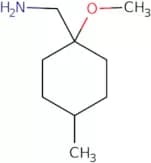
Discontinued product(1-Methoxy-4-methylcyclohexyl)methanamine
CAS:Versatile small molecule scaffoldFormula:C9H19NOPurity:Min. 95%Molecular weight:157.25 g/molRef: 3D-BNA48799
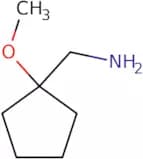
Discontinued product(1-Methoxycyclopentyl)methanamine
CAS:Versatile small molecule scaffold
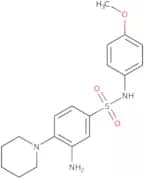
Formula:C7H15NOPurity:Min. 95%Molecular weight:129.2 g/mol3-Amino-N-(4-methoxyphenyl)-4-(piperidin-1-yl)benzene-1-sulfonamide
CAS:Versatile small molecule scaffold
Formula:C18H23N3O3SPurity:Min. 95%Molecular weight:361.5 g/mol5-[({2-[4-(Propan-2-yl)phenyl]-1,3-thiazol-5-yl}methyl)sulfanyl]-4H-1,2,4-triazol-3-amine
CAS:Versatile small molecule scaffold
Formula:C15H17N5S2Purity:Min. 95%Molecular weight:331.5 g/molRef: 3D-BJB21382
Discontinued product1-(Cyclohexyloxy)-4-iodobenzene
CAS:Versatile small molecule scaffold
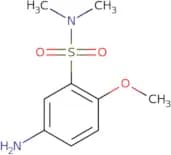
Formula:C12H15IOPurity:Min. 95%Molecular weight:302.15 g/mol5-Amino-2-methoxy-n,n-dimethylbenzenesulfonamide
CAS:Versatile small molecule scaffold
Formula:C9H14N2O3SPurity:Min. 95%Molecular weight:230.29 g/molRef: 3D-BJB17592
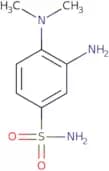
Discontinued product3-Amino-4-(dimethylamino)benzenesulfonamide
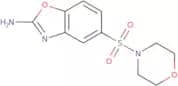
CAS:Versatile small molecule scaffoldFormula:C8H13N3O2SPurity:Min. 95%Molecular weight:215.28 g/mol5-(Morpholine-4-sulfonyl)-1,3-benzoxazol-2-amine
CAS:Versatile small molecule scaffold
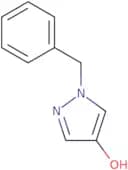
Formula:C11H13N3O4SPurity:Min. 95%Molecular weight:283.31 g/mol1-benzyl-1H-pyrazol-4-ol
CAS:Versatile small molecule scaffold
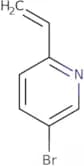
Formula:C10H10N2OPurity:Min. 95%Molecular weight:174.2 g/mol5-Bromo-2-ethenylpyridine
CAS:5-Bromo-2-ethenylpyridine is an organic compound with the molecular formula CHBrN. It is a crystalline solid that is soluble in organic solvents and has a melting point of 203 °C. 5-Bromo-2-ethenylpyridine can be used to make polymers, plastics, and coatings, as well as for the production of pharmaceuticals, herbicides, dyes, and pesticides. 5-Bromo-2-ethenylpyridine interacts with other compounds through covalent bonds or hydrogen bonds. This chemical's protonation state can change depending on pH levels.
5-Bromo-2-ethenylpyridine is a highly reactive compound that can polymerize easily under the right conditions and react with other chemicals to form chains or polymers.Formula:C7H6BrNPurity:Min. 95%Molecular weight:184.03 g/molMethyl 3-chloro-1H-pyrrole-2-carboxylate
CAS:Methyl 3-chloro-1H-pyrrole-2-carboxylate (MCPC) is a novel lead compound that selectively activates GPR40, a receptor for free fatty acids. MCPC is being studied for its potential use in the treatment of type 2 diabetes. Activation of GPR40 by MCPC leads to the production of insulin and other hormones that regulate blood sugar levels. MCPC has been shown to be a selective agonist for GPR40, with no significant activation of other receptors.
Formula:C6H6ClNO2Purity:Min. 95%Molecular weight:159.57 g/molDec-9-en-1-amine hydrochloride
CAS:Versatile small molecule scaffold
Formula:C10H22ClNPurity:Min. 95%Molecular weight:191.74 g/molRef: 3D-BIC04269
Discontinued product3-Bromobenzo[b]thiophen-5-ol
CAS:Versatile small molecule scaffold
Formula:C8H5BrOSPurity:Min. 95%Molecular weight:229.1 g/molRef: 3D-BEA49483
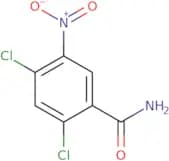
Discontinued product2,4-Dichloro-5-nitrobenzamide
CAS:Versatile small molecule scaffold
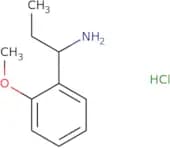
Formula:C7H4Cl2N2O3Purity:Min. 95%Molecular weight:235.02 g/mol1-(2-Methoxyphenyl)propan-1-amine
CAS:Versatile small molecule scaffold
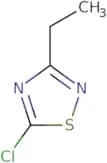
Formula:C10H16ClNOPurity:Min. 95%Molecular weight:201.69 g/mol5-Chloro-3-ethyl-1,2,4-thiadiazole
CAS:Versatile small molecule scaffold
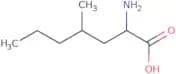
Formula:C4H5ClN2SPurity:Min. 95%Molecular weight:148.61 g/mol2-Amino-4-methylheptanoic acid
CAS:Versatile small molecule scaffold
Formula:C8H17NO2Purity:Min. 95%Molecular weight:159.23 g/molRef: 3D-BEA25743
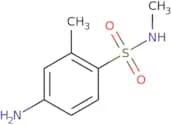
Discontinued product4-Amino-N,2-dimethylbenzene-1-sulfonamide
CAS:Versatile small molecule scaffoldFormula:C8H12N2O2SPurity:Min. 95%Molecular weight:200.26 g/molRef: 3D-BEA25252
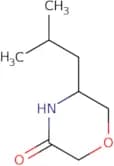
Discontinued product(5S)-5-(2-Methylpropyl)morpholin-3-one
CAS:Versatile small molecule scaffold
Formula:C8H15NO2Purity:Min. 95%Molecular weight:157.21 g/molRef: 3D-BEA25044
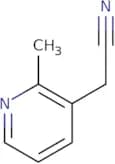
Discontinued product2-(2-Methylpyridin-3-yl)acetonitrile
CAS:Versatile small molecule scaffold
Formula:C8H8N2Purity:Min. 95%Molecular weight:132.16 g/molRef: 3D-BEA16673
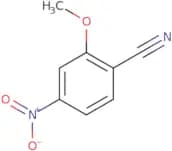
Discontinued product2-Methoxy-4-nitrobenzonitrile
CAS:2-Methoxy-4-nitrobenzonitrile is an acylsulfonamide that has been shown to inhibit the production of inflammatory cytokines and chemokines in a lung injury model. The compound has shown activity against cxcr2, which is a receptor for monocyte chemotactic protein 1 (MCP1) and macrophage inflammatory protein 1 alpha (MIP1α). 2-Methoxy-4-nitrobenzonitrile also inhibits carboxylic acid production and is orally bioavailable.
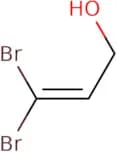
Formula:C8H6N2O3Purity:Min. 95%Molecular weight:178.14 g/mol3,3-Dibromoprop-2-en-1-ol
CAS:Versatile small molecule scaffold
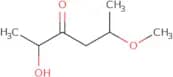
Formula:C3H4Br2OPurity:Min. 95%Molecular weight:215.87 g/mol2-Hydroxy-5-methoxyhexan-3-one
CAS:Versatile small molecule scaffold
Formula:C7H14O3Purity:Min. 95%Molecular weight:146.18 g/molRef: 3D-BEA08034
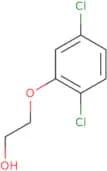
Discontinued product2-(2,5-Dichlorophenoxy)ethan-1-ol
CAS:Versatile small molecule scaffold
Formula:C8H8Cl2O2Purity:Min. 95%Molecular weight:207.05 g/molBenzyl[(2-methylphenyl)methyl]amine
CAS:Versatile small molecule scaffold
Formula:C15H17NPurity:Min. 95%Molecular weight:211.3 g/molRef: 3D-BDA12258
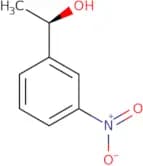
Discontinued product(1R)-1-(3-Nitrophenyl)ethanol
CAS:(1R)-1-(3-Nitrophenyl)ethanol is a prochiral alcohol that is generated by the oxidation of nitrobenzene. It has an optimal pH range of 5.5-7.0 and optimum catalytic activity at a ph range of 6.5-8.0. (1R)-1-(3-Nitrophenyl)ethanol can be used in the production of antibiotics such as penicillin and cephalosporin, which are derived from erythromycin. The chiral nature of this molecule allows for the synthesis of two different stereoisomers: erythromycin A and erythromycin B. This molecule also has been shown to have antifungal properties, inhibiting the growth of bacteria such as Bacillus subtilis, Staphylococcus aureus, and Escherichia coli.
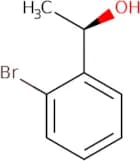
Formula:C8H9NO3Purity:Min. 95%Molecular weight:167.16 g/mol(R)-(+)-2-Bromo-±-methylbenzyl alcohol
CAS:Versatile small molecule scaffold
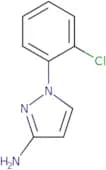
Formula:C8H9BrOPurity:Min. 95%Molecular weight:201.06 g/mol1-(2-Chlorophenyl)-1H-pyrazol-3-amine
CAS:Versatile small molecule scaffold
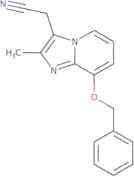
Formula:C9H8ClN3Purity:Min. 95%Molecular weight:193.63 g/molSCH 28080
CAS:SCH 28080 is a potent inhibitor of transcriptional activator protein-1 (AP-1) and nuclear factor-κB (NF-κB). These two transcriptional regulatory proteins are activated by various stimuli, including inflammatory cytokines, such as IL-1β, TNF-α, and IL-6. Activation of these transcription factors leads to the upregulation of the genes encoding proinflammatory mediators, such as eosinophil cationic protein and interleukins. SCH 28080 has been shown to inhibit NF-κB activation in human HL60 cells, which may be due to its ability to bind to both the α subunit of NF-κB and AP-1.
Formula:C17H15N3OPurity:Min. 95%Molecular weight:277.33 g/molRef: 3D-BDA08198
Discontinued product7-Chloro-5-methylimidazo[1,2-c]pyrimidine-2-carboxamide
CAS:Versatile small molecule scaffoldFormula:C8H7ClN4OPurity:Min. 95%Molecular weight:210.62 g/molRef: 3D-BDA07540
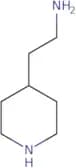
Discontinued product2-(Piperidin-4-yl)ethan-1-amine
CAS:2-(Piperidin-4-yl)ethan-1-amine is a nonsteroidal anti-inflammatory drug (NSAID) that inhibits the enzyme pancreatic lipase. This inhibition of lipases leads to the decrease in triglycerides and phospholipids in the blood, which prevents inflammation. 2-(Piperidin-4-yl)ethan-1-amine has been shown to have antibacterial and antifungal properties. It has been used for the treatment of infections caused by Mycobacteria sp., including Mycobacterium tuberculosis, M. avium complex, and M. kansasii. It also has been used for the treatment of orlistat induced side effects such as steatorrhea and diarrhea. The use of this drug is limited because it can cause liver toxicity or gastrointestinal ulceration at high doses.
Formula:C7H16N2Purity:Min. 95%Molecular weight:128.22 g/molRef: 3D-BDA02562
Discontinued product1H-Pyrazolo[3,4-c]pyridin-3-amine
CAS:Versatile small molecule scaffold
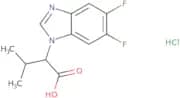
Formula:C6H6N4Purity:Min. 95%Molecular weight:134.14 g/mol2-(5,6-Difluoro-1H-1,3-benzodiazol-1-yl)-3-methylbutanoic acid hydrochloride
CAS:Versatile small molecule scaffoldFormula:C12H13ClF2N2O2Purity:Min. 95%Molecular weight:290.69 g/molRef: 3D-BAC92262
Discontinued product4-Methoxypyrazolo[1,5-a]pyridine
CAS:Versatile small molecule scaffold
Formula:C8H8N2OPurity:Min. 95%Molecular weight:148.16 g/molRef: 3D-BAC71547
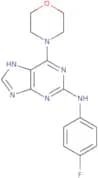
Discontinued productN-(4-Fluorophenyl)-6-(morpholin-4-yl)-9H-purin-2-amine
CAS:Versatile small molecule scaffold
Formula:C15H15FN6OPurity:Min. 95%Molecular weight:314.32 g/molRef: 3D-BAC57867
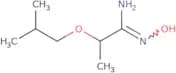
Discontinued productN'-Hydroxy-2-(2-methylpropoxy)propanimidamide
CAS:Versatile small molecule scaffold
Formula:C7H16N2O2Purity:Min. 95%Molecular weight:160.21 g/molRef: 3D-BAC50604
Discontinued product2-[3-(But-2-en-1-yloxy)phenyl]acetic acid
CAS:Versatile small molecule scaffold
Formula:C12H14O3Purity:Min. 95%Molecular weight:206.24 g/molRef: 3D-BAC40562
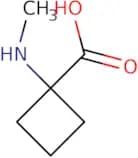
Discontinued product1-(Methylamino)cyclobutane-1-carboxylic acid
CAS:Versatile small molecule scaffold
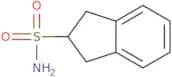
Formula:C6H11NO2Purity:Min. 95%Molecular weight:129.16 g/mol2,3-Dihydro-1H-indene-2-sulfonamide
CAS:Versatile small molecule scaffold
Formula:C9H11NO2SPurity:Min. 95%Molecular weight:197.26 g/molRef: 3D-BAC38140
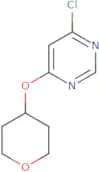
Discontinued product4-Chloro-6-(oxan-4-yloxy)pyrimidine
CAS:Versatile small molecule scaffold
Formula:C9H11ClN2O2Purity:Min. 95%Molecular weight:214.65 g/molRef: 3D-BAC37571
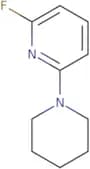
Discontinued product2-Fluoro-6-(piperidin-1-yl)pyridine
CAS:Versatile small molecule scaffold
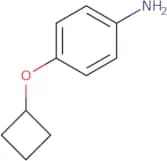
Formula:C10H13FN2Purity:Min. 95%Molecular weight:180.22 g/mol4-Cyclobutoxyaniline
CAS:Versatile small molecule scaffold
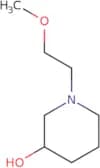
Formula:C10H13NOPurity:Min. 95%Molecular weight:163.22 g/mol1-(2-Methoxyethyl)piperidin-3-ol
CAS:Versatile small molecule scaffold
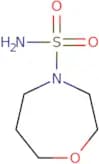
Formula:C8H17NO2Purity:Min. 95%Molecular weight:159.23 g/mol1,4-Oxazepane-4-sulfonamide
CAS:Versatile small molecule scaffold
Formula:C5H12N2O3SPurity:Min. 95%Molecular weight:180.2 g/molRef: 3D-BAC29293
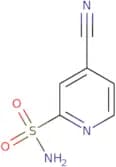
Discontinued product4-Cyanopyridine-2-sulfonamide
CAS:Versatile small molecule scaffold
Formula:C6H5N3O2SPurity:Min. 95%Molecular weight:183.19 g/molRef: 3D-BAC25915
Discontinued product[1-(6-Methylpyridazin-3-yl)pyrrolidin-2-yl]methanol
CAS:Versatile small molecule scaffoldFormula:C10H15N3OPurity:Min. 95%Molecular weight:193.25 g/molRef: 3D-BAC25616
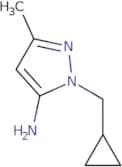
Discontinued product1-(Cyclopropylmethyl)-3-methyl-1H-pyrazol-5-amine
CAS:Versatile small molecule scaffold
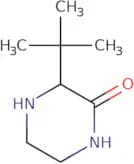
Formula:C8H13N3Purity:Min. 95%Molecular weight:151.21 g/mol3-tert-Butylpiperazin-2-one
CAS:Versatile small molecule scaffold
Formula:C8H16N2OPurity:Min. 95%Molecular weight:156.2 g/molRef: 3D-BAC24344
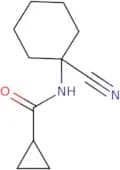
Discontinued productN-(1-Cyanocyclohexyl)cyclopropanecarboxamide
CAS:Versatile small molecule scaffold
Formula:C11H16N2OPurity:Min. 95%Molecular weight:192.26 g/molRef: 3D-BAC24042
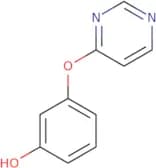
Discontinued product3-(Pyrimidin-4-yloxy)phenol
CAS:Versatile small molecule scaffold
Formula:C10H8N2O2Purity:Min. 95%Molecular weight:188.18 g/molRef: 3D-BAC22495
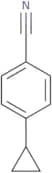
Discontinued product4-Cyclopropylbenzonitrile
CAS:4-Cyclopropylbenzonitrile is an electrophilic compound that reacts with a nucleophile to form a covalent bond. The reactivity of 4-cyclopropylbenzonitrile is activated by the addition of chloride. It can be used as a precursor to yield chloroform and other compounds, such as chloride and oxide. 4-Cyclopropylbenzonitrile can also react with sulfur or nitrosyl to form an electrophilic sulfur or nitrosyl compound.
Formula:C10H9NPurity:Min. 95%Molecular weight:143.19 g/mol3,4-Dihydrobenzo[e][1,3]oxazin-2-one
CAS:3,4-Dihydrobenzo[e][1,3]oxazin-2-one is an organic compound that is used as a catalyst in the synthesis of pharmaceuticals. It reacts with halides and alkali metal to form quaternary ammonium salts. This reaction can be represented by the following scheme:
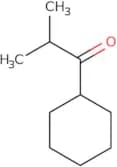
Formula:C8H7NO2Purity:Min. 95%Molecular weight:149.15 g/mol1-Cyclohexyl-2-methylpropan-1-one
CAS:Versatile small molecule scaffold
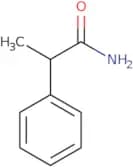
Formula:C10H18OPurity:Min. 95%Molecular weight:154.25 g/mol2-Phenylpropanamide
CAS:2-Phenylpropanamide is an amide that has been shown to have anti-inflammatory activity in a variety of animal models. It is also a metalloprotease inhibitor and suppresses the release of inflammatory cytokines. 2-Phenylpropanamide has shown some efficacy against cancer in human cell lines, and inhibits the production of the enzyme acetylcholinesterase. This drug also binds to adenosine A3 receptors, which are involved in inflammatory processes. 2-Phenylpropanamide has antioxidant properties, as it can scavenge radicals and inhibit hydroxyl radical formation. 2-Phenylpropanamide also has a high affinity for magnesium ions, which may explain its long elimination half-life after oral administration.
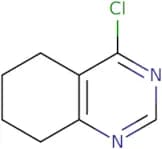
Formula:C9H11NOPurity:Min. 95%Molecular weight:149.19 g/mol4-Chloro-5,6,7,8-tetrahydroquinazoline
CAS:Versatile small molecule scaffold
Formula:C8H9ClN2Purity:Min. 95%Molecular weight:168.62 g/mol2-azaspiro[4.4]nonane-1,3-dione
CAS:2-Azaspiro[4.4]nonane-1,3-dione is a linker that is used in the synthesis of active derivatives of drugs. It has pharmacological and physicochemical properties that are similar to those of methylene. 2-Azaspiro[4.4]nonane-1,3-dione is used as an analytical standard for rp-hplc analysis and x-ray structural analysis. It can be used to synthesize pentylenetetrazole and imine derivatives for anticonvulsant properties, which have been shown to have properties similar to those of phenytoin.
Formula:C8H11NO2Purity:Min. 95%Molecular weight:153.18 g/molRef: 3D-BAA12495
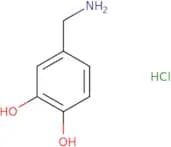
Discontinued product4-(Aminomethyl)-1,2-benzenediol hydrochloride
CAS:4-(Aminomethyl)-1,2-benzenediol hydrochloride is a potent inhibitor of monoamine neurotransmitter synthesis. It has been shown to inhibit the polymerase chain reaction (PCR) and is effective in the preparation of samples for PCR analysis. 4-(Aminomethyl)-1,2-benzenediol hydrochloride is chemically stable and has an electrochemical detector that can be used in its detection. This chemical also inhibits the incorporation of thymidine into DNA during DNA synthesis, leading to a decrease in DNA synthesis. The monoclonal antibody technique has been used to detect this compound in human serum and tissue biopsies.
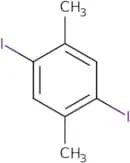
Formula:C7H10ClNO2Purity:Min. 95%Molecular weight:175.61 g/mol1,4-Diiodo-2,5-dimethylbenzene
CAS:1,4-Diiodo-2,5-dimethylbenzene is an iodide that can be used in the industrialization of iodine. It can be prepared from bicyclopropylidene and nitrosobenzene by coupling with a carbonyl group. The yield of this reaction is high and the product is stable. 1,4-Diiodo-2,5-dimethylbenzene can also be prepared by palladium-catalyzed cross coupling or a Diels–Alder reaction between 2,5-dimethylaniline and 3-(bromomethyl)cyclobutane. This process yields only one regioisomer because there are no other reactive groups on the ring to form a second regioisomeric product.
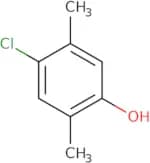
Formula:C8H8I2Purity:Min. 95%Molecular weight:357.96 g/mol4-Chloro-2,5-dimethylphenol
CAS:4-Chloro-2,5-dimethylphenol is a phenolic compound that is used as an intermediate in the synthesis of other organic compounds. It has low ph and can form adducts with methanol at high ph. 4-Chloro-2,5-dimethylphenol can be reacted with hydrogen chloride to produce the corresponding chloride or with a coupling agent to produce the corresponding imine. 4-Chloro-2,5-dimethylphenol can also be used as an elimination agent.
Formula:C8H9ClOPurity:Min. 95%Molecular weight:156.61 g/molRef: 3D-BAA12406
Discontinued product3,3-Dimethylglutarimide
CAS:3,3-Dimethylglutarimide is a molecule that has been shown to inhibit the enzyme butyrylcholinesterase in a stepwise manner. This inhibition prevents the breakdown of acetylcholine, which leads to increased levels of this neurotransmitter and an improvement in cognition. 3,3-Dimethylglutarimide also has protonation properties that allow it to form complexes with metal ions such as zinc and copper. These complexes are formed by the interaction of functional groups on the molecules with protons on the metal ions.
Formula:C7H11NO2Purity:Min. 95%Molecular weight:141.17 g/mol8-Azaspiro[4.5]decane hydrochloride
CAS:Versatile small molecule scaffold
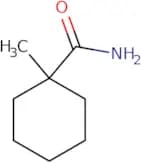
Formula:C9H17N·HClPurity:Min. 95%Molecular weight:175.7 g/mol1-Methylcyclohexane-1-carboxamide
CAS:1-Methylcyclohexane-1-carboxamide is a sclerotiorin, which are natural substances that have been shown to have inhibitory effects against fungi. It has been shown to be effective against Sclerotinia sclerotiorum and Gaseous Botrytis cinerea. The inhibition of sclerotiorin 1-methylcyclohexane-1-carboxamide is due to its ability to inhibit the synthesis of ergosterol, which is an important component of the fungal cell membrane. This drug has also been shown to have inhibitory effects on carbon bond formation in natural substances such as ginseng root or solid form.
Formula:C8H15NOPurity:Min. 95%Molecular weight:141.21 g/molRef: 3D-BAA12324
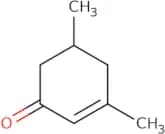
Discontinued product3,5-Dimethyl-2-cyclohexen-1-one
CAS:3,5-Dimethyl-2-cyclohexen-1-one is a β-unsaturated ketone that has been synthesized using an efficient method. It has been shown to have anti-inflammatory properties and is used for the treatment of pulmonary fibrosis in humans. The compound also binds to polyene compounds and supramolecular substrates. 3,5-Dimethyl-2-cyclohexen-1-one reacts with chloride ions to form a β unsaturated ketone chloride that can undergo alkylation with an electron donor such as acetonitrile. This reaction is catalyzed by microsomal cytochrome P450 enzymes and requires a reaction time of about two hours to complete.
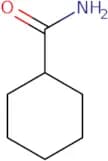
Formula:C8H12OPurity:Min. 95%Molecular weight:124.18 g/molCyclohexanecarboxamide
CAS:Cyclohexanecarboxamide is a carboxamide that has been shown to inhibit the growth of bacteria. It binds to the bacterial receptor and inhibits the activity of the enzyme carboxide, which is involved in the synthesis of monoamine neurotransmitters. Cyclohexanecarboxamide has also been shown to inhibit axonal growth in mammalian cells, which may be due to its ability to block potassium channels on nerve cells. Cyclohexanecarboxamide has been shown to have antimicrobial properties against a range of organisms including those resistant mutants.
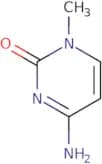
Formula:C7H13NOPurity:Min. 95%Molecular weight:127.18 g/mol4-Amino-1-methylpyrimidin-2(1H)-one
CAS:4-Amino-1-methylpyrimidin-2(1H)-one is a chemical compound that belongs to the group of pyrimidine compounds. It has been shown to be an inhibitor of viral life, with its activity against HIV being most well studied. The tautomers of 4-amino-1-methylpyrimidin-2(1H)-one are protonated and stable, meaning that they do not undergo any chemical change in the body. 4-Amino-1-methylpyrimidin-2(1H)-one is also able to form stable complexes with nitrogen atoms. The xray crystal structure for this compound shows that it coordinates with group P2, which contains two nitrogen atoms and one oxygen atom. The interaction between these three atoms is called a dinucleotide phosphate. This group binds to DNA by hydrogen bonds, forming intramolecular hydrogen bonds. The groups on the other side of the molecule bind
Formula:C5H7N3OPurity:Min. 95%Molecular weight:125.13 g/mol6-Amino-3-methylpyrimidin-4(3H)-one
CAS:Versatile small molecule scaffold
Formula:C5H7N3OPurity:Min. 95%Molecular weight:125.12 g/molRef: 3D-BAA12246
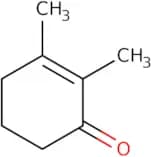
Discontinued product2,3-Dimethylcyclohex-2-en-1-one
CAS:2,3-Dimethylcyclohex-2-en-1-one is a phenylhydrazine derivative that can be converted into aporphine alkaloids. It is also an isomer of cyclohexenones and epoxides. This compound has substituents at the 2 and 3 positions which are either methyl or hydrogen, respectively. The carbonyl group in 2,3-Dimethylcyclohex-2-en-1-one is a ketone or aldehyde, depending on the substitution pattern. The oxygen function in this molecule is an ether or ester. 2,3-Dimethylcyclohex-2-en-1-one has properties that are similar to those of diketones and spirolactones because it contains both carbonyl and oxygen functions. It can be classified as an aporphine alkaloid because it has two rings fused together with one nitrogen atom between them
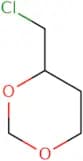
Formula:C8H12OPurity:Min. 95%Color and Shape:Clear LiquidMolecular weight:124.18 g/mol4-(Chloromethyl)-1,3-dioxane
CAS:Versatile small molecule scaffold
Formula:C5H9ClO2Purity:Min. 95%Molecular weight:136.58 g/molRef: 3D-BAA12162
Discontinued product(1R,6S,7R)-7-Bromobicyclo[4.1.0]heptane
CAS:Versatile small molecule scaffold
Formula:C7H11BrPurity:Min. 95%Molecular weight:175.07 g/molRef: 3D-BAA12141
Discontinued productDi-n-octylamine
CAS:Di-n-octylamine is a reactive chemical that is chemically stable in the presence of nitrogen. It is used in chemical biology as a transport agent for amines and other organic compounds. Di-n-octylamine has been shown to have optimum solubility in glycol ethers, magnesium salts, and trifluoroacetic acid. This compound reacts with fatty acids to form hydroxyl groups and can be used as an extractant for glycol ethers. The mechanism of this reaction involves intramolecular hydrogen transfer from the hydroxyl group on the fatty acid to the n-octyl amine molecule.
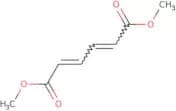
Formula:C16H35NPurity:Min. 95%Molecular weight:241.46 g/mol1,6-Dimethyl (2E,4E)-hexa-2,4-dienedioate
CAS:1,6-Dimethyl (2E,4E)-hexa-2,4-dienedioate is a hydrocarbon that can be synthesized from ethylene. The compound is a building block for polyunsaturated compounds and can be used as a feedstock in the production of monomers or polymers. It has been shown to have radiation catalysis properties and is sustainable with low environmental impact. 1,6-Dimethyl (2E,4E)-hexa-2,4-dienedioate has been shown to produce high yields and is not toxic to humans or animals. This product also has applications in the production of cosmetics and pharmaceuticals.
Formula:C8H10O4Purity:Min. 95%Molecular weight:170.16 g/mol3-Azaspiro[5.6]dodecane-2,4-dione
CAS:Versatile small molecule scaffold
Formula:C11H17NO2Purity:Min. 95%Molecular weight:195.26 g/molRef: 3D-BAA07889
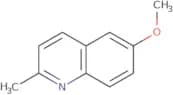
Discontinued product6-Methoxyquinaldine
CAS:6-Methoxyquinaldine is a fluorescent chemical that is used to study the structural changes of proteins. 6-Methoxyquinaldine is oxidized by various reagents, such as anilines and sulphates, to produce fluorescent products. The fluorescence intensity of the product can be quantified using fluorimetric analysis or microscopy techniques. The fluorescent products can be visualized using UV irradiation (365 nm) or by fluorescence microscopy. 6-Methoxyquinaldine can also be used in calibrating imaging techniques, such as confocal laser scanning microscopy.
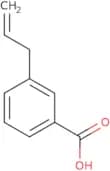
Formula:C11H11NOPurity:Min. 95%Molecular weight:173.21 g/mol3-(Prop-2-en-1-yl)benzoic acid
CAS:Versatile small molecule scaffold
Formula:C10H10O2Purity:Min. 95%Molecular weight:162.18 g/molRef: 3D-BAA07707
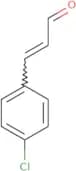
Discontinued product3-(4-Chlorophenyl)acrylaldehyde
CAS:Acrylaldehyde is a reactive compound that can bind to the enzyme tyrosinase, inhibiting its activity. 3-(4-Chlorophenyl)acrylaldehyde (3-CA) is a small molecule that has shown an inhibitory effect on the proliferation of leukemia cells in vitro and in vivo. It also has broad-spectrum antimicrobial activity against Gram-positive and Gram-negative bacteria, including methicillin-resistant Staphylococcus aureus (MRSA). Tyrosine kinases are enzymes that catalyze the transfer of phosphate groups from ATP to tyrosine residues in proteins, leading to cellular signaling and cell division. 3-(4-Chlorophenyl)acrylaldehyde binds to tyrosine kinases and inhibits their function, which may be responsible for its cytotoxic effects.
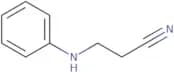
Formula:C9H7ClOPurity:Min. 95%Molecular weight:166.6 g/mol3-(Phenylamino)propanenitrile
CAS:3-(Phenylamino)propanenitrile (N-phenylglycine, PAG) is an amine that belongs to the class of compounds known as thermodynamic reaction intermediates. It is a chiral compound that can be used for the synthesis of β-unsaturated ketones and bichloride. The synthesis of PAG begins with the addition of phosphorus pentachloride and acrylonitrile to a solution containing thiamine pyrophosphate in an inorganic acid, such as hydrochloric acid. The reaction produces a mixture of amino acids and amides, including PAG. This process has been scaled up and shown to be selective for PAG.
Formula:C9H10N2Purity:Min. 95%Molecular weight:146.19 g/mol3-(2-Aminopropyl)phenol
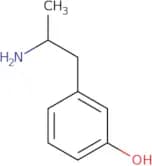
CAS:Controlled Product3-(2-Aminopropyl)phenol is a water-soluble drug that has been used as a pharmaceutical dosage to treat symptoms of autoimmune diseases and heart tissue damage. 3-(2-Aminopropyl)phenol is commonly found in the form of its salt, 3-(2-aminopropyl)benzene sulfonic acid, which is used to treat congestive heart failure. The chemical ionization of 3-(2-aminopropyl)phenol has been used to identify protein genes that encode for enzymes involved in the production of inflammatory substances. 3-(2-Aminopropyl)phenol also has anti-inflammatory properties.
Formula:C9H13NOPurity:Min. 95%Molecular weight:151.21 g/mol1-(Chloromethyl)-4-methylcyclohexane
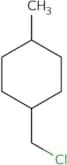
CAS:Versatile small molecule scaffold
Formula:C8H15ClPurity:Min. 95%Molecular weight:146.66 g/mol(2-Chloroethyl)cyclohexane
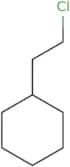
CAS:Versatile small molecule scaffold
Formula:C8H15ClPurity:Min. 95%Molecular weight:146.66 g/molRef: 3D-BAA07361
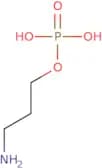
Discontinued productCyclophosphamide Related Compound C
CAS:Cyclophosphamide Related Compound C is a potent retinoic acid agonist. It is a white to yellowish crystalline compound, soluble in ether, acetone and chloroform. Cyclophosphamide Related Compound C has been shown to have skin care effects by reducing the production of sebum and regulating the production of melanin. It also has an anti-inflammatory effect on the skin by inhibiting prostaglandin synthesis. Cyclophosphamide Related Compound C also regulates the activity of retinoic acid receptors, which may be useful for treatment of acne or psoriasis.
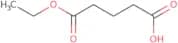
Formula:C3H10NO4PPurity:Min. 95%Molecular weight:155.09 g/molMonoethyl Glutarate
CAS:Monoethyl glutarate is a chemical compound that is used as an antimicrobial agent. It is soluble in water and has shown to have a broad spectrum of activity against bacteria, fungi, and algae. Monoethyl glutarate is also used as a pharmaceutical preparation in dry weight preparations and ionotropic gelation. The mechanism of action of this compound is not fully understood, but it has been shown to bind with naphthalene with the formation of a bicyclic heterocycle. This binding leads to the inhibition of enzymes such as fatty acid synthase, which are involved in the production of prostaglandins. Monoethyl glutarate may also act by forming an unsaturated alkyl group or by blocking the synthesis of fatty acids or phospholipids on the cell membrane surface.
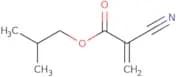
Formula:C7H12O4Purity:Min. 95%Molecular weight:160.17 g/molIsobutyl 2-cyanoacrylate
CAS:Isobutyl 2-cyanoacrylate is a monomer that has been used in the clinical setting for the repair of tissue defects. It is an alkyl ester of acrylic acid, which reacts with water to form an acrylate polymer. Isobutyl 2-cyanoacrylate can also be used as a tissue growth factor because it stimulates the growth and proliferation of cells. Isobutyl 2-cyanoacrylate has antimicrobial activity against Gram-positive bacteria and fungi. It has also shown anti-inflammatory properties and may be useful for embolization or angiography procedures.
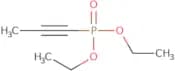
Formula:C8H11NO2Purity:Min. 95%Color and Shape:Clear LiquidMolecular weight:153.18 g/molDiethyl (prop-1-yn-1-yl)phosphonate
CAS:Diethyl (prop-1-yn-1-yl)phosphonate is an organic compound that belongs to the class of propargylic compounds. It is a colorless liquid with a boiling point of 56°C. Diethyl (prop-1-yn-1-yl)phosphonate can be used as a reagent for hydrozirconation and as an adduct in organic chemistry. This compound can be hydrolyzed to form diethyl phosphite, which has been shown to react with alcohols, amines, and thiols.
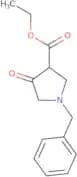
Formula:C7H13O3PPurity:Min. 95%Molecular weight:176.15 g/molethyl 1-benzyl-4-oxo-pyrrolidine-3-carboxylate
CAS:Versatile small molecule scaffold
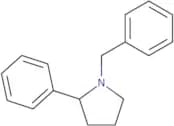
Formula:C14H17NO3Purity:Min. 95%Molecular weight:247.29 g/mol1-Benzyl-2-phenylpyrrolidine
CAS:Versatile small molecule scaffold
Formula:C17H19NPurity:Min. 95%Molecular weight:237.34 g/molRef: 3D-BAA02556
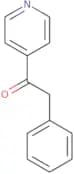
Discontinued product2-Phenyl-1-(pyridin-4-yl)ethan-1-one
CAS:Versatile small molecule scaffold
Formula:C13H11NOPurity:Min. 95%Molecular weight:197.23 g/mol3-Chloro-6-cyclohexylaminopyridazine
CAS:Versatile small molecule scaffold
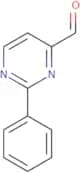
Formula:C10H14ClN3Purity:Min. 95%Molecular weight:211.7 g/mol2-Phenylpyrimidine-4-carbaldehyde
CAS:Versatile small molecule scaffold
Formula:C11H8N2OPurity:Min. 95%Molecular weight:184.19 g/molRef: 3D-BAA01407
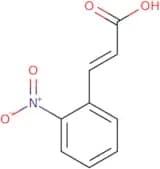
Discontinued producttrans-2-Nitrocinnamic Acid
CAS:Trans-2-nitrocinnamic acid is an organic compound that belongs to the ester compounds group. It is a precursor to cinnamic acid derivatives, which are used in analytical chemistry and as reagents in synthetic chemistry. Trans-2-nitrocinnamic Acid can be obtained from the reaction of nitrobenzene with acetic anhydride and hydrochloric acid. The spectra of trans-2-nitrocinnamic acid are characterized by a single peak at δ 3.4 ppm for the protonated molecule, and two peaks at δ 4.0 and δ 5.3 ppm for the deprotonated molecule. Trans-2-Nitrocinnamic Acid has been shown to have genotoxic activity in human lymphocytes in vitro, although this activity was not observed in mice or hamster cells.
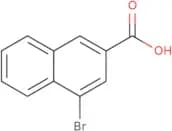
Formula:C9H7NO4Purity:Min. 95%Molecular weight:193.16 g/mol4-bromonaphthalene-2-carboxylic acid
CAS:4-Bromonaphthalene-2-carboxylic acid (4-BNCA) is a naphthalene derivative that is used as a starting material for the synthesis of binaphthyls and benzyne. 4-BNCA is a methyl ester that can be obtained from the reaction of 4-bromoaniline with formaldehyde and sodium hydroxide in ethanol. It has been shown to react with benzene, forming an adduct which is destabilized by acid methylation. This product has been used in the chemistry of cycloaddition reactions and aromaticity.
Formula:C11H7BrO2Purity:Min. 95%Molecular weight:251.1 g/molRef: 3D-BAA01380
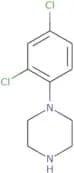
Discontinued product1-(2,4-Dichlorophenyl)piperazine
CAS:Controlled ProductVersatile small molecule scaffold
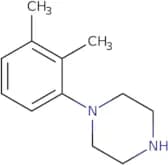
Formula:C10H12Cl2N2Purity:Min. 95%Molecular weight:231.12 g/mol1-(2,3-Dimethylphenyl)piperazine
CAS:Controlled Product1-(2,3-Dimethylphenyl)piperazine is a piperidine derivative that has been shown to have antidepressant activity in both in vitro and in vivo studies. It acts as an antagonist at the 5-HT1A receptor and as an agonist at the 5-HT2A receptor. 1-(2,3-Dimethylphenyl)piperazine has been shown to inhibit the production of dopamine, serotonin, and citric acid by inhibiting the enzyme citrate synthase. This drug also increases the concentration of chloride ions in cells. 1-(2,3-Dimethylphenyl)piperazine is used to treat depression, anxiety disorders, and other conditions that may be related to chemical imbalances of serotonin.
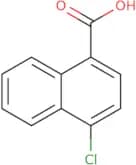
Formula:C12H18N2Purity:Min. 95%Molecular weight:190.29 g/mol4-Chloro-1-napthalenecarboxylic Acid
CAS:4-Chloro-1-naphthalenecarboxylic acid (4CNA) is a naphthalene derivative that can be used as a chlorinating agent. The optical rotation of 4CNA is -8 degrees in water and +10 degrees in acetonitrile. This compound has been shown to react with alkali metals to form metal salts, which are useful for the bioluminescent detection of DNA. 4CNA yields are increased by substituent effects, such as the introduction of an electron-withdrawing group on the ring, and decreased by electron donating groups on the ring. It also has been shown to have antirheumatic properties like salicylic acid, which is known to inhibit prostaglandin synthesis.
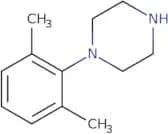
Formula:C11H7ClO2Purity:Min. 95%Molecular weight:206.63 g/mol1-(2,6-Dimethylphenyl)piperazine
CAS:Controlled ProductVersatile small molecule scaffold
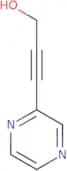
Formula:C12H18N2Purity:Min. 95%Molecular weight:190.28 g/mol3-(Pyrazin-2-yl)prop-2-yn-1-ol
CAS:Versatile small molecule scaffold
Formula:C7H6N2OPurity:Min. 95%Molecular weight:134.14 g/molRef: 3D-AXB08743
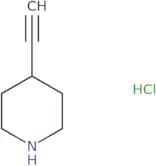
Discontinued product4-ethynylpiperidine hydrochloride
CAS:Versatile small molecule scaffold
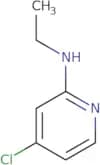
Formula:C7H12ClNPurity:Min. 95%Molecular weight:145.6 g/mol4-Chloro-N-ethylpyridin-2-amine
CAS:Versatile small molecule scaffold
Formula:C7H9ClN2Purity:Min. 95%Molecular weight:156.61 g/molRef: 3D-AWB61809
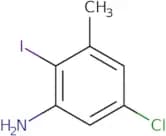
Discontinued product5-chloro-2-iodo-3-methylaniline
CAS:Versatile small molecule scaffold
Formula:C7H7ClINPurity:Min. 95%Molecular weight:267.5 g/molRef: 3D-AWB61763
Discontinued productImidazo[1,2-b]pyridazine-3-sulfonyl chloride
CAS:Versatile small molecule scaffoldFormula:C6H4ClN3O2SPurity:Min. 95%Molecular weight:217.63 g/molRef: 3D-AWB56773
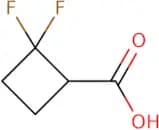
Discontinued product2,2-Difluorocyclobutane-1-carboxylic acid
CAS:Versatile small molecule scaffold
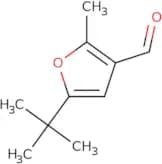
Formula:C5H6F2O2Purity:Min. 95%Molecular weight:136.1 g/mol5-tert-Butyl-2-methylfuran-3-carbaldehyde
CAS:Versatile small molecule scaffold
Formula:C10H14O2Purity:Min. 95%Molecular weight:166.22 g/molRef: 3D-AWB22237
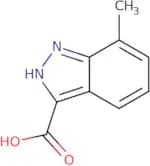
Discontinued product7-Methyl-1H-indazole-3-carboxylic acid
CAS:Versatile small molecule scaffold
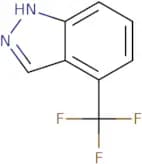
Formula:C9H8N2O2Purity:Min. 95%Molecular weight:176.17 g/mol4-(Trifluoromethyl)-1H-indazole
CAS:Versatile small molecule scaffold
Formula:C8H5F3N2Purity:Min. 95%Molecular weight:186.14 g/molRef: 3D-AQB33998
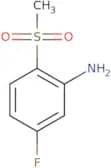
Discontinued product5-Fluoro-2-methanesulfonylaniline
CAS:Versatile small molecule scaffold
Formula:C7H8FNO2SPurity:Min. 95%Molecular weight:189.21 g/molRef: 3D-AQB33965
Discontinued product

![1,4-Diazabicyclo[3.2.2]nonan-3-one](/_next/image/?url=https%3A%2Fstatic.cymitquimica.com%2Fproducts%2F3D%2Fthumb-webp%2FDCA61911.webp&w=3840&q=75)
![2,3-Dihydro-benzo[1,4]dioxine-2-carboxylic acidmethyl ester](/_next/image/?url=https%3A%2Fstatic.cymitquimica.com%2Fproducts%2F3D%2Fthumb-webp%2FDAA66379.webp&w=3840&q=75)

![1-Propyl-[1,4]diazepane](/_next/image/?url=https%3A%2Fstatic.cymitquimica.com%2Fproducts%2F3D%2Fthumb-webp%2FDAA61974.webp&w=3840&q=75)
![3-[2-(1H-Pyrazol-1-yl)ethoxy]aniline](/_next/image/?url=https%3A%2Fstatic.cymitquimica.com%2Fproducts%2F3D%2Fthumb-webp%2FCWB81954.webp&w=3840&q=75)

![[2-(2,3-Dihydro-1,4-benzodioxin-6-yl)ethyl]thiourea](/_next/image/?url=https%3A%2Fstatic.cymitquimica.com%2Fproducts%2F3D%2Fthumb-webp%2FCWB58331.webp&w=3840&q=75)




![4-Azatricyclo[4.2.1.0,3,7]nonan-2-ol](/_next/image/?url=https%3A%2Fstatic.cymitquimica.com%2Fproducts%2F3D%2Fthumb-webp%2FCMC37592.webp&w=3840&q=75)
![4-[(6-Methylpyrimidin-4-yl)oxy]aniline](/_next/image/?url=https%3A%2Fstatic.cymitquimica.com%2Fproducts%2F3D%2Fthumb-webp%2FCMB98267.webp&w=3840&q=75)
![7-Chlorobenzo[D]isoxazol-3-amine](/_next/image/?url=https%3A%2Fstatic.cymitquimica.com%2Fproducts%2F3D%2Fthumb-webp%2FCMB41364.webp&w=3840&q=75)


![3,7-Diazabicyclo[3.3.1]nonane dihydrochloride](/_next/image/?url=https%3A%2Fstatic.cymitquimica.com%2Fproducts%2F3D%2Fthumb-webp%2FCGC43053.webp&w=3840&q=75)



![5-[({2-[4-(Propan-2-yl)phenyl]-1,3-thiazol-5-yl}methyl)sulfanyl]-4H-1,2,4-triazol-3-amine](/_next/image/?url=https%3A%2Fstatic.cymitquimica.com%2Fproducts%2F3D%2Fthumb-webp%2FBJB21382.webp&w=3840&q=75)



![3-Bromobenzo[b]thiophen-5-ol](/_next/image/?url=https%3A%2Fstatic.cymitquimica.com%2Fproducts%2F3D%2Fthumb-webp%2FBEA49483.webp&w=3840&q=75)
![Benzyl[(2-methylphenyl)methyl]amine](/_next/image/?url=https%3A%2Fstatic.cymitquimica.com%2Fproducts%2F3D%2Fthumb-webp%2FBDA12258.webp&w=3840&q=75)
![7-Chloro-5-methylimidazo[1,2-c]pyrimidine-2-carboxamide](/_next/image/?url=https%3A%2Fstatic.cymitquimica.com%2Fproducts%2F3D%2Fthumb-webp%2FBDA07540.webp&w=3840&q=75)
![1H-Pyrazolo[3,4-c]pyridin-3-amine](/_next/image/?url=https%3A%2Fstatic.cymitquimica.com%2Fproducts%2F3D%2Fthumb-webp%2FBDA00617.webp&w=3840&q=75)
![4-Methoxypyrazolo[1,5-a]pyridine](/_next/image/?url=https%3A%2Fstatic.cymitquimica.com%2Fproducts%2F3D%2Fthumb-webp%2FBAC71547.webp&w=3840&q=75)
![2-[3-(But-2-en-1-yloxy)phenyl]acetic acid](/_next/image/?url=https%3A%2Fstatic.cymitquimica.com%2Fproducts%2F3D%2Fthumb-webp%2FBAC40562.webp&w=3840&q=75)
![[1-(6-Methylpyridazin-3-yl)pyrrolidin-2-yl]methanol](/_next/image/?url=https%3A%2Fstatic.cymitquimica.com%2Fproducts%2F3D%2Fthumb-webp%2FBAC25616.webp&w=3840&q=75)
![3,4-Dihydrobenzo[e][1,3]oxazin-2-one](/_next/image/?url=https%3A%2Fstatic.cymitquimica.com%2Fproducts%2F3D%2Fthumb-webp%2FBAA12585.webp&w=3840&q=75)
![2-azaspiro[4.4]nonane-1,3-dione](/_next/image/?url=https%3A%2Fstatic.cymitquimica.com%2Fproducts%2F3D%2Fthumb-webp%2FBAA12495.webp&w=3840&q=75)

![8-Azaspiro[4.5]decane hydrochloride](/_next/image/?url=https%3A%2Fstatic.cymitquimica.com%2Fproducts%2F3D%2Fthumb-webp%2FBAA12330.webp&w=3840&q=75)

![(1R,6S,7R)-7-Bromobicyclo[4.1.0]heptane](/_next/image/?url=https%3A%2Fstatic.cymitquimica.com%2Fproducts%2F3D%2Fthumb-webp%2FBAA12141.webp&w=3840&q=75)

![3-Azaspiro[5.6]dodecane-2,4-dione](/_next/image/?url=https%3A%2Fstatic.cymitquimica.com%2Fproducts%2F3D%2Fthumb-webp%2FBAA07889.webp&w=3840&q=75)

![Imidazo[1,2-b]pyridazine-3-sulfonyl chloride](/_next/image/?url=https%3A%2Fstatic.cymitquimica.com%2Fproducts%2F3D%2Fthumb-webp%2FAWB56773.webp&w=3840&q=75)