Building Blocks
This section contains fundamental products for the synthesis of organic and biological compounds. Building blocks are the essential starting materials used to construct complex molecules through various chemical reactions. They play a critical role in drug discovery, material science, and chemical research. At CymitQuimica, we offer a diverse range of high-quality building blocks to support your innovative research and industrial projects, ensuring you have the essential components for successful synthesis.
Subcategories of "Building Blocks"
- Boronic Acids & Boronic Acid Derivatives(5,756 products)
- Chiral Building Blocks(1,242 products)
- Hydrocarbon Building Blocks(6,095 products)
- Organic Building Blocks(61,055 products)
Found 199650 products of "Building Blocks"
Sort by
Purity (%)
0
100
|
0
|
50
|
90
|
95
|
100
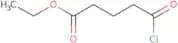
Glutaric acid monoethyl ester chloride
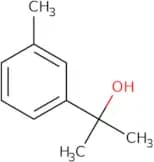
CAS:<p>Glutaric acid monoethyl ester chloride is an acid that has been used in pharmaceutical preparations and as a topical agent. It is used to treat chronic pulmonary diseases, such as asthma. The acidic properties of glutaric acid monoethyl ester chloride make it an effective agent for the treatment of autoimmune diseases, such as rheumatoid arthritis and multiple sclerosis. Glutaric acid monoethyl ester chloride also has dopamine-enhancing effects and can be used for the treatment of cancer. It is a monoclonal antibody that binds to brain infarction sites, preventing the progression of this disease. Glutaric acid monoethyl ester chloride has also been shown to have anti-inflammatory properties in bowel disease models, making it an effective treatment for inflammatory bowel disease (IBD).</p>Formula:C7H11ClO3Purity:Min. 95%Molecular weight:178.61 g/mol2-(3-Methylphenyl)propan-2-ol
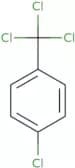
CAS:<p>2-(3-Methylphenyl)propan-2-ol is an oxygenated compound that has been shown to have antibacterial activity against Staphylococcus. It has also been shown to have antiacetylcholinesterase and bactericidal effects, which are believed to be due to its ability to inhibit the synthesis of a neurotransmitter called acetylcholine. 2-(3-Methylphenyl)propan-2-ol has also been shown to have antimicrobial bioactivities against Trichophyton mentagrophytes, a fungus that causes ringworm in humans. Interestingly, this molecule was found in plants from the Lamiaceae family, which includes herbs such as sage and thyme. These plants are used for their antimicrobial properties in traditional medicine. 2-(3-Methylphenyl)propan-2-ol also shows bioactivities against Alzheimer's disease and chemical compositions that may be helpful for treating these diseases.</p>Formula:C10H14OPurity:Min. 95%Molecular weight:150.22 g/mol4-Chlorobenzotrichloride
CAS:<p>4-Chlorobenzotrichloride is a hydrogen fluoride reagent that is used as an antibacterial agent. It has been shown to be highly active against gram-negative bacteria, including Pseudomonas aeruginosa and Escherichia coli. 4-Chlorobenzotrichloride is also a specific inhibitor of the bacterial enzyme DNA polymerase III and can inhibit the synthesis of DNA in mammalian cells. The administration of this drug has been shown to protect mice from brain damage due to oxygen deprivation. 4-Chlorobenzotrichloride has also been shown to have anti-cancer activity in various types of cancers, including breast cancer and chronic bronchitis. This drug binds specifically to mouse monoclonal antibodies that are specific for the cell surface markers CD3, CD4, or CD8 on T cells.</p>Formula:C7H4Cl4Purity:Min. 95%Molecular weight:229.91 g/molN-(Pyridin-4-yl)benzamide
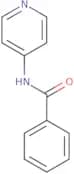
CAS:<p>N-(Pyridin-4-yl)benzamide is a control agent that is used as a pest control. It inhibits the enzyme nitric oxide synthase and prevents the production of nitric oxide, which has been implicated in the uncontrolled proliferation of certain cells. N-(Pyridin-4-yl)benzamide also has anti-cancer properties, inhibiting cancer cell growth by regulating DNA replication and protein synthesis. This drug is effective against colon cancer cells but not against breast cancer cells.<br>The supramolecular chemistry of this molecule was studied using diffraction techniques on calf thymus DNA and bacterial DNA gyrase. The transfer of energy from one molecule to another was observed using absorption spectroscopy on mouse brain tissue.</p>Formula:C12H10N2OPurity:Min. 95%Molecular weight:198.22 g/molAzepane-2-carboxylic acid hydrochloride
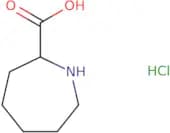
CAS:<p>Versatile small molecule scaffold</p>Formula:C7H14ClNO2Purity:Min. 95%Molecular weight:179.64 g/mol2-[(Naphthalen-2-yloxy)methyl]oxirane
CAS:<p>2-[(Naphthalen-2-yloxy)methyl]oxirane is a monomer that can be used to produce epoxides, amines, and other organic compounds. It is used as a transport agent and catalytic agent for the ring-opening of epoxides. The cyanosilylation reaction of 2-[(naphthalen-2-yloxy)methyl]oxirane with bis[trimethylsilyl]acetamide produces cyanosilylated products. This compound has been shown to be a ligand for phosphazene and polyethers, as well as an effective catalyst in the synthesis of cyclic ethers.</p>Formula:C13H12O2Purity:Min. 95%Molecular weight:200.23 g/molButyl ethenyl(methyl)phosphinate
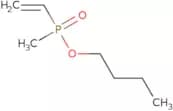
CAS:<p>Versatile small molecule scaffold</p>Formula:C7H15O2PPurity:Min. 95%Molecular weight:162.17 g/molNorbornane-2-methanol
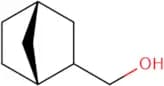
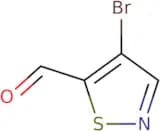
CAS:<p>Norbornane-2-methanol is a viscosity additive in lubricants, diesel fuel, and other industrial products. It is also used as a grignard reagent for the synthesis of organic compounds. Norbornane-2-methanol has been shown to react with copper chromite to produce the reactive chemical species quadricyclane, which can be used to synthesize organic compounds. Norbornane-2-methanol also reacts with primary alcohols to form a thermally stable c–h bond. The deuterium labeled version of this compound has been used in techniques such as nuclear magnetic resonance spectroscopy and mass spectrometry.</p>Formula:C8H14OPurity:Min. 95%Molecular weight:126.2 g/mol4-Bromo-1,2-thiazole-5-carbaldehyde
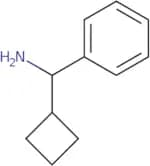
CAS:<p>Versatile small molecule scaffold</p>Formula:C4H2BrNOSPurity:Min. 95%Molecular weight:192.04 g/molCyclobutyl(phenyl)methanamine
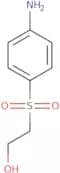
CAS:<p>Versatile small molecule scaffold</p>Formula:C11H15NPurity:Min. 95%Molecular weight:161.24 g/mol2-(4-Aminobenzenesulfonyl)ethan-1-ol
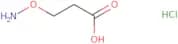
CAS:<p>2-(4-Aminobenzenesulfonyl)ethan-1-ol is a reactive chemical that is used in wastewater treatment. It reacts with sulfate, amines, and industrial hydrogen sulfate to form sulfonates, which are less toxic than the original compounds. 2-(4-aminobenzenesulfonyl)ethan-1-ol is also used as an activator for activated sludge. This chemical has been shown to be effective in dechlorination of aromatic amines and transformation of other pollutants such as ammonia, phenols, and tetrachloroethylene.</p>Formula:C8H11NO3SPurity:Min. 95%Color and Shape:PowderMolecular weight:201.24 g/mol3-(Aminooxy)propanoic acid hydrochloride
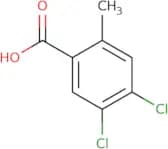
CAS:<p>3-Aminooxypropanoic acid hydrochloride is an oxime that is a chemical used as a chiral auxiliary in organic synthesis. It can also be used as a reagent to synthesize pyridinium salts. 3-Aminopropanoic acid hydrochloride is prepared by refluxing 3-aminopropionic acid with potassium hydroxide and ethyl bromoacetate in the presence of dimethylformamide. The reaction mixture is then cooled and acetone is added to precipitate the product, which is filtered off and dried.<br>3-Aminopropanoic acid hydrochloride reacts with potassium cyanide to form an imine intermediate, which can be converted into various substituted aminooxacetic acids through acylation with various substituted acylureido bromides or chlorides.</p>Formula:C3H8ClNO3Purity:Min. 95%Molecular weight:141.55 g/mol4,5-Dichloro-2-methylbenzoic acid
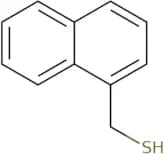
CAS:<p>4,5-Dichloro-2-methylbenzoic acid is a colorless crystalline solid. It is soluble in water and hydrochloric acid but insoluble in ethanol. The compound can be acetylated by chloroacetyl chloride to form 4,5-dichloro-2-methylbenzoic acid ethyl ester. The yield of this reaction is high and the product crystallizes readily from water. This reagent can be used for the synthesis of 2-alkylthiophenes with alkali metal hydroxides or metal salts as well as for the preparation of 2,4,5-trichlorobenzoic acid with hypoiodite or acetyl chloride. 4,5-Dichloro-2-methylbenzoic acid can also be used as a starting material for the production of dyes and drugs.</p>Formula:C8H6Cl2O2Purity:Min. 95%Molecular weight:205.03 g/mol(Naphthalen-1-yl)methanethiol
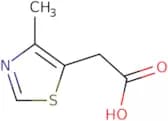
CAS:<p>Naphthalen-1-ylmethanethiol is a molecular compound with the molecular formula CHS. It consists of one naphthalene ring and one methanethiol group. Naphthalen-1-ylmethanethiol has been found to have a high photoelectron emission intensity in the region of 2.5 eV, which is characteristic for sulfur-containing molecules. This molecule has three different types of orbitals: sigma, pi, and omega, each with different energies and intensities. The pi orbital is composed of four orbitals that are perpendicular to each other; the sigma orbital is composed of two orbitals that are perpendicular to each other; and the omega orbital is composed of two orbitals that point towards each other. The pi orbital has the highest energy and intensity as well as the lowest binding energy.</p>Formula:C11H10SPurity:Min. 95%Molecular weight:174.26 g/mol4-Methyl-5-thiazoleacetic acid
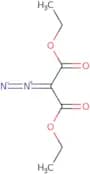
CAS:<p>4-Methyl-5-thiazoleacetic acid (MTAA) is a metabolite of chlormethiazole. It has been shown to have similar pharmacological properties as the parent drug, including analgesic, anti-inflammatory and antiemetic effects. MTAA is excreted quantitatively in urine and has been detected as an endogenous metabolite in humans. Gas chromatography with mass spectrometry was used to analyze human urine samples for MTAA and its metabolites. The metabolism of MTAA has been studied by extracting rat liver homogenates, analyzing them for MTAA, and determining the metabolic products that were found in the extractions. These studies show that 4-methyl-5-thiazoleacetic acid is metabolized to produce a number of metabolites, including edisylate, which is also an active metabolite of chlormethiazole.</p>Formula:C6H7NO2SPurity:Min. 95%Molecular weight:157.19 g/mol1,3-Diethyl 2-diazopropanedioate
CAS:<p>1,3-Diethyl 2-diazopropanedioate is a heterocyclic molecule with a chemical formula of C6H8N2O4. It has been used in pharmaceutical preparations and as an intermediate in the synthesis of other chemicals. 1,3-Diethyl 2-diazopropanedioate is hydrolyzed by ectonucleotidase to produce malonic acid and ethyl diazoacetate. This reaction may be important in the development of cancer due to its ability to react with DNA. The reactions are also involved in the chain reactions that lead to clotting of blood and thrombin receptor activation, which can result in a heart attack or stroke.</p>Formula:C7H10N2O4Purity:Min. 95%Molecular weight:186.17 g/molMethyl [(4-aminobenzoyl)amino]acetate
CAS:<p>Versatile small molecule scaffold</p>Formula:C10H12N2O3Purity:Min. 95%Molecular weight:208.21 g/mol2,5-Diazabicyclo[2.2.1]heptane, dihydrochloride
CAS:<p>Versatile small molecule scaffold</p>Formula:C5H10N2·2HClPurity:Min. 95%Molecular weight:171.07 g/mol2,3,4,6,7,11b-Hexahydro-1H-pyrazino[2,1-a]isoquinoline dihydrochloride
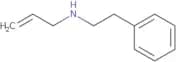
CAS:<p>Versatile small molecule scaffold</p>Formula:C12H18Cl2N2Purity:Min. 95%Molecular weight:261.19 g/mol(2-Phenylethyl)(prop-2-en-1-yl)amine
CAS:Controlled Product<p>Versatile small molecule scaffold</p>Formula:C11H15NPurity:Min. 95%Molecular weight:161.24 g/mol5-Cyanopentanoic acid
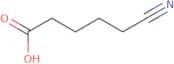
CAS:<p>5-Cyanopentanoic acid is an activating reagent that is used in the oxidation of alcohols and amines. It reacts with aldehydes, ketones, nitriles, and esters to form carboxylic acids. 5-Cyanopentanoic acid can also be used to form acyl cyanides from aldehydes and acetals. This substance inhibits microbial growth by reacting with the amino groups on microbial cell surfaces. 5-Cyanopentanoic acid has been shown to react with nucleophiles such as methyl alcohol or carbamic acid to form a bidentate ligand. The reaction mechanism for this process is similar to that of a nucleophile attacking an electrophile.END></p>Formula:C6H9NO2Purity:Min. 95%Molecular weight:127.14 g/mol2-(3-Methylphenyl)propan-1-amine
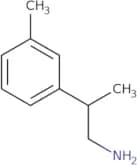
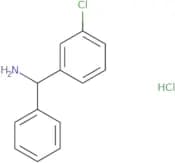
CAS:Controlled Product<p>Versatile small molecule scaffold</p>Formula:C10H15NPurity:Min. 95%Molecular weight:149.23 g/mol(3-Chlorophenyl)(phenyl)methanamine hydrochloride
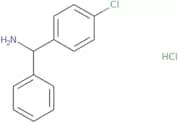
CAS:<p>Versatile small molecule scaffold</p>Formula:C13H13Cl2NPurity:Min. 95%Molecular weight:254.15 g/mol(4-Chlorophenyl)(phenyl)methanamine
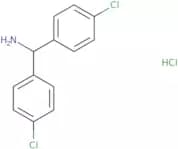
CAS:<p>4-Chlorophenyl)(phenyl)methanamine is a cytostatic drug that inhibits the growth of cells. It has been shown to have antioxidative activities in wastewater and to induce cell differentiation. The molecule has been synthesized from cetirizine and carbamazepine, which are antihistamines and anticonvulsants, respectively. Techniques such as advanced spectral techniques and nuclear magnetic resonance spectroscopy have been used to characterize the structure of this molecule. 4-Chlorophenyl)(phenyl)methanamine shows high levels of antioxidative activity in cancer cells.</p>Formula:C13H12ClNPurity:Min. 95%Molecular weight:217.7 g/molBis(4-chlorophenyl)methanamine hydrochloride
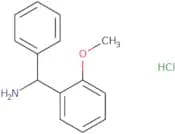
CAS:<p>Versatile small molecule scaffold</p>Formula:C13H12Cl3NPurity:Min. 95%Molecular weight:288.6 g/mol(2-Methoxyphenyl)(phenyl)methanamine hydrochloride
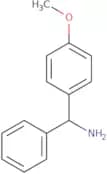
CAS:<p>Versatile small molecule scaffold</p>Formula:C14H16ClNOPurity:Min. 95%Molecular weight:249.73 g/mol(4-Methoxyphenyl)(phenyl)methanamine hydrochloride
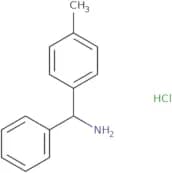
CAS:<p>Versatile small molecule scaffold</p>Formula:C14H15NOPurity:Min. 95%Molecular weight:213.27 g/mol(4-Methylphenyl)(phenyl)methanamine hydrochloride
CAS:<p>4-Methylphenyl)(phenyl)methanamine hydrochloride (4MPHM) is an antimicrobial agent that disrupts the cell membrane of mammalian cells. It also inhibits pancreatic regeneration and has been shown to inhibit the production of natural toxins, such as antimicrobial peptides. 4MPHM has been shown to enhance antibiotic drugs, such as fluconazole, and can be used in regenerative medicine to treat pancreatic cancer and other diseases. 4MPHM binds to a molecule on the cell membrane, which enhances permeability and causes a disruption in the integrity of the bacterial cell membrane.</p>Formula:C14H16ClNPurity:Min. 95%Molecular weight:233.73 g/molNaphthalen-1-yl(phenyl)methanamine hydrochloride
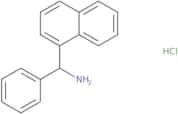
CAS:<p>Versatile small molecule scaffold</p>Formula:C17H16ClNPurity:Min. 95%Molecular weight:269.8 g/mol2-(1-Bromoethyl)-1,3-dioxolane
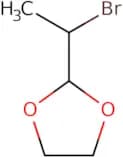
CAS:2-(1-Bromoethyl)-1,3-dioxolane is an organic compound with a molecular weight of 214.2 g/mol. It has two isomers: the cis form and the trans form. The cis form is more stable and less reactive than the trans form, although both have approximately equal binding affinity for human cytochrome P450. 2-(1-Bromoethyl)-1,3-dioxolane can be found in the metabolic profiles of many anticancer drugs such as abscisic acid, carboxylic acid and ethyl group derivatives. Furthermore, it can be used to synthesize polymers that are used in cancer treatments.Formula:C5H9BrO2Purity:Min. 95%Molecular weight:181.03 g/mol4-Bromo-1,6-naphthyridine
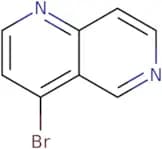
CAS:<p>Versatile small molecule scaffold</p>Formula:C8H5BrN2Purity:Min. 95%Molecular weight:209.04 g/mol2,8-Dioxaspiro[4.5]decane-1,3-dione
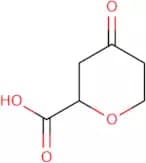
CAS:Versatile small molecule scaffoldFormula:C8H10O4Purity:Min. 95%Molecular weight:170.16 g/mol4-Oxooxane-2-carboxylic acid
CAS:<p>4-Oxooxane-2-carboxylic acid is a molecule that is involved in the stabilization of organic compounds. It is also used as a reaction rate catalyst for the ring-opening of orotic acid. 4-Oxooxane-2-carboxylic acid can stabilize carbanions and zwitterions, which are reactive intermediates in organic reactions. The mechanism of 4-Oxooxane-2-carboxylic acid's activity involves nucleophilic attack on the carbonyl carbon atom, leading to decarboxylation and formation of the corresponding carboxylate anion. This model system can be used to study nucleophilic reactions.</p>Formula:C6H8O4Purity:Min. 95%Molecular weight:144.12 g/mol5,6-Dibromo-1,3-benzodioxole
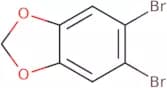
CAS:<p>Versatile small molecule scaffold</p>Formula:C7H4Br2O2Purity:Min. 95%Molecular weight:279.92 g/mol1,3-Dioxaindane-5-sulfonamide
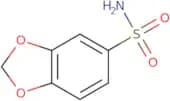
CAS:<p>Versatile small molecule scaffold</p>Formula:C7H7NO4SPurity:Min. 95%Molecular weight:201.2 g/mol7-Nitro-2,3-dihydro-1,4-benzodioxine-6-sulfonyl chloride
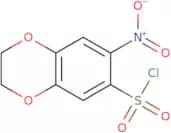
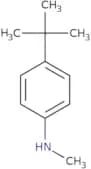
CAS:<p>Versatile small molecule scaffold</p>Formula:C8H6ClNO6SPurity:Min. 95%Molecular weight:279.65 g/mol4-tert-Butyl-N-methylaniline
CAS:<p>Versatile small molecule scaffold</p>Formula:C11H17NPurity:Min. 95%Molecular weight:163.26 g/mol1-Propanesulfonic acid
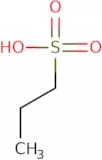
CAS:<p>1-Propanesulfonic acid is a chemical compound with the molecular formula CHOS. It is a white, water-soluble solid that can be used as a strong acid in organic synthesis. 1-Propanesulfonic acid has been shown to have high values of cell lysis and basic protein stability when used as an analytical method for wastewater treatment. This chemical compound has been shown to be stable in the presence of redox potentials, which would make it an ideal candidate for use in electrochemical impedance spectroscopy. The structural analysis of 1-propanesulfonic acid shows that it is very similar to dinucleotide phosphate, which is needed for DNA replication and transcription.</p>Formula:CH3CH2CH2SO3HPurity:Min. 95%Molecular weight:124.16 g/mol[(4-Methylphenyl)sulfanyl]formonitrile
CAS:<p>[(4-Methylphenyl)sulfanyl]formonitrile is a reactive chemical that is used in the synthesis of organic and organometallic compounds. It has been shown to be an effective thiocyanation agent, which may be due to its ability to form cyanate upon reaction with sulfide. The cross-coupling mechanism for [(4-Methylphenyl)sulfanyl]formonitrile is not well understood, but it does not appear to involve the formation of sulfur transfer or a mechanistic intermediate. This reactive compound has two functional groups that are similar to those found in biomolecules such as amino acids and nucleic acids.</p>Formula:C8H7NSPurity:Min. 95%Molecular weight:149.21 g/mol(Phenylsulfanyl)formonitrile
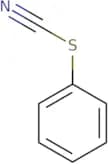
CAS:<p>Phenylsulfanyl)formonitrile is a trimethylaliphatic hydrocarbon that has been used in the synthesis of many other organic compounds. It can be produced by reacting phenylhydrazine with formaldehyde and hydrogen chloride gas, or by reacting aminobutyric acid with hydroxylacetone. This compound is a reactive functional group which can undergo nucleophilic attack. Phenylsulfanyl)formonitrile has an absorption maxima at 275 nm and is sensitive to ultraviolet light. It is used in sample preparation for bacterial strains and mutant strains as well as analytical methods for determining the inhibitory effect of this compound on these organisms. Phenylsulfanyl)formonitrile also inhibits the growth of Trichomonas vaginalis.</p>Formula:C7H5NSPurity:Min. 95%Color and Shape:PowderMolecular weight:135.19 g/molThiocyanic acid, 4-methoxyphenyl ester
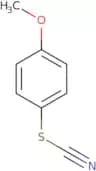
CAS:<p>Thiocyanic acid, 4-methoxyphenyl ester is a functionalised molecule that has been used as a reagent in organic chemistry. This compound contains a heteroaromatic ring with a perfluoroalkyl group and copper. Thiocyanic acid, 4-methoxyphenyl ester has been used as a catalyst for the conversion of chloride to elemental chlorine. The reactivity of this molecule is dependent on the presence of other functional groups such as oxo or thiol groups.</p>Formula:C8H7NOSPurity:Min. 95%Molecular weight:165.21 g/mol(2R)-2-Amino-3-[(3-methylbut-2-en-1-yl)sulfanyl]propanoic acid
CAS:<p>(2R)-2-Amino-3-[(3-methylbut-2-en-1-yl)sulfanyl]propanoic acid is a fatty acid ester that has been used as a model system for the study of growth factor activity. It is a zwitterion with an acidic pH and it is soluble in water. This drug is used to manufacture pharmaceutical dosage forms, such as reconstituted tablets. (2R)-2-Amino-3-[(3-methylbut-2-en-1-yl)sulfanyl]propanoic acid has been studied for its targetable properties, which may be useful in diagnostic applications. The compound can also be used to implant therapeutic factors into cells or tissues circumferentially.</p>Formula:C8H15NO2SPurity:Min. 95%Molecular weight:189.28 g/molDiethyl Benzylidenemalonate
CAS:<p>Diethyl benzylidenemalonate is a polymerization catalyst that can be used in the synthesis of polyesters. It is used as a homogeneous catalyst for reactions involving trifluoroacetic acid, x-ray diffraction data and solid catalysts. This polymerization catalyst has been shown to be active with methylene groups and carbonyl groups. Diethyl benzylidenemalonate has been shown to be able to catalyze the synthesis of β-unsaturated ketones in an isolated yield.</p>Formula:C14H16O4Purity:Min. 95%Color and Shape:Clear LiquidMolecular weight:248.28 g/mol2,2'-dichlorobenzophenone
CAS:<p>2,2'-dichlorobenzophenone is a benzophenone derivative that is used as a precursor in the production of dyes, flame retardants, and plasticizers. It has the molecular conformations of both cis and trans isomers. In the cis conformation, the dipole moment points towards the 2 position on the ring. The trans conformation has a dipole moment pointing to the 3 position on the ring.</p>Formula:C13H8Cl2OPurity:Min. 95%Molecular weight:251.11 g/mol2-[(Phenylsulfanyl)methyl]oxirane
CAS:<p>2-[(Phenylsulfanyl)methyl]oxirane is an unsaturated heterocyclic that can be synthesized by the reaction of ethylene and acrylonitrile on-line. The metal surface catalyzes this reaction, which is used as a corrosion inhibitor in magnesium. 2-[(Phenylsulfanyl)methyl]oxirane has been shown to inhibit insulin resistance in mice by targeting the metal salt in the body. It also inhibits hyperglycemia in diabetic mice, which may be due to its ability to bind with carboxyalkyl groups and block their interactions with insulin receptor sites.</p>Formula:C9H10OSPurity:Min. 95%Molecular weight:166.24 g/mol2-[(2,6-Dimethylphenoxy)methyl]oxirane
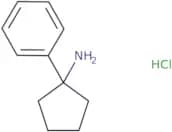
CAS:<p>Versatile small molecule scaffold</p>Formula:C11H14O2Purity:Min. 95%Molecular weight:178.23 g/mol1-Phenylcyclopentanamine hydrochloride
CAS:<p>Versatile small molecule scaffold</p>Formula:C11H16ClNPurity:Min. 95%Molecular weight:197.7 g/mol{2-[(3-Carboxypropanoyl)oxy]ethyl}trimethylammonium chloride
CAS:<p>Succinylcholine is a depolarizing neuromuscular blocking agent that is used in surgical procedures. Succinylcholine hydrolyzes to succinic acid and choline in vivo and is metabolized by the liver. The half-life of succinylcholine is about 2 minutes in humans. It has been shown that this drug causes respiratory paralysis, but only at high doses. Succinylcholine also has potent cardiac effects, which are due to its ability to block nicotinic acetylcholine receptors on the heart muscle. It was found that succinylmonocholine (a metabolite of succinylcholine) can be detected in urine samples after administration of this drug with a kinetic data analysis method. This method uses LC-MS/MS to measure the concentration of succinylmonocholine in human serum and isolated heart tissue samples. A pharmacokinetic study showed that succinycholines accumulation rate constant was 0.051 ± 0.</p>Formula:C9H18ClNO4Purity:Min. 95%Molecular weight:239.69 g/molEthyl 6-Hydroxyhexanoate
CAS:<p>Ethyl 6-hydroxyhexanoate is an ester with the chemical formula CH3COOC2H5. It is a colorless liquid that can be prepared by the reaction of ethyl alcohol and acetyl chloride. Ethyl 6-hydroxyhexanoate has been shown to react with amines at a rate that is faster than the reaction rate for fatty acids, which may be due to its higher surface area. This ester also reacts with primary alcohols to form esters or ethers. The functional groups on ethyl 6-hydroxyhexanoate include carboxylic acid, hydroxyl group, and primary alcohol.</p>Formula:C8H16O3Purity:Min. 95%Molecular weight:160.21 g/mol5-(Bromomethyl)-3-(4-chlorophenyl)-1,2-oxazole
CAS:<p>Versatile small molecule scaffold</p>Formula:C10H7BrClNOPurity:Min. 95%Molecular weight:272.52 g/mol5-(Bromomethyl)-3-(2,4-dichlorophenyl)-1,2-oxazole
CAS:<p>Versatile small molecule scaffold</p>Formula:C10H6BrCl2NOPurity:Min. 95%Molecular weight:306.97 g/mol3-Amino-1-(4-chlorophenyl)pyrrolidin-2-one
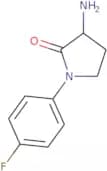
CAS:<p>Versatile small molecule scaffold</p>Formula:C10H11ClN2OPurity:Min. 95%Molecular weight:210.66 g/mol3-Amino-1-(4-fluorophenyl)pyrrolidin-2-one
CAS:<p>Versatile small molecule scaffold</p>Formula:C10H11FN2OPurity:Min. 95%Molecular weight:194.21 g/mol4-Methylazetidin-2-one
CAS:<p>Versatile small molecule scaffold</p>Formula:C4H7NOPurity:Min. 95%Molecular weight:85.1 g/mol2,3-Dimethylbenzene-1,4-diamine
CAS:<p>Versatile small molecule scaffold</p>Formula:C8H12N2Purity:Min. 95%Molecular weight:136.2 g/mol4-(4-Methoxyphenyl)cyclohexan-1-one
CAS:<p>Versatile small molecule scaffold</p>Formula:C13H16O2Purity:Min. 95%Molecular weight:204.26 g/molN-Methylbenzenecarbothioamide
CAS:<p>N-Methylbenzenecarbothioamide is a chemical compound that has a molecular weight of 269.3 g/mol, and is a colorless liquid with a boiling point of 115°C. It is soluble in water and alcohols, but insoluble in ether. N-Methylbenzenecarbothioamide has low toxicity to animals when used at sublethal doses. The uptake of this substance by the lungs can be increased by exposure to chloride ions or serotonin. This chemical has shown to have an effect on the central nervous system as well, which may be due to its ability to release serotonin from the presynaptic nerve terminal. <br>N-Methylbenzenecarbothioamide can also form hydrogen bonds with other molecules, including protonated amines, hydroxyl groups, and sulfuric acid groups. This chemical was first synthesized by Emil Fischer in 1894 and was later named "carboxylic acid methyl ester"</p>Formula:C8H9NSPurity:Min. 95%Molecular weight:151.23 g/mol2-Methyl-1H-imidazole-4,5-dicarboxylic acid
CAS:<p>2-Methyl-1H-imidazole-4,5-dicarboxylic acid is a dicarboxylic acid that has both acidic and basic properties. It can be found in architectures such as the nitrogen atom (N) and hydrogen sulfate (HSO). The molecular formula is C2H3N3O4 and the chemical name is 2-methyl-1H-imidazole-4,5-dicarboxylic acid. This compound stabilizes metal ligands in coordination geometry. Crystal x-ray diffraction studies have shown that 2MIDA forms a fluorescence complex with protonated carboxylate groups. The fluorescent properties of this compound are due to its supramolecular interactions with other molecules and its ability to coordinate with metal ions. Photocatalytic activity has been observed for this substance when it was mixed with titanium dioxide nanoparticles.</p>Formula:C6H6N2O4Purity:Min. 95%Molecular weight:170.12 g/mol2-Amino-5-chloro-4-methyl-1,3-thiazole
CAS:<p>Versatile small molecule scaffold</p>Formula:C4H5ClN2SPurity:Min. 95%Molecular weight:148.61 g/molN-(4-Acetylphenyl)-4-methylbenzene-1-sulfonamide
CAS:<p>Versatile small molecule scaffold</p>Formula:C15H15NO3SPurity:Min. 95%Molecular weight:289.4 g/mol3-[(2-Hydroxyethyl)sulfanyl]propan-1-ol
CAS:<p>3-[(2-Hydroxyethyl)sulfanyl]propan-1-ol is a sulfide metabolite that is formed in the body from the sulfhydryl group of cysteine. It is an aliphatic compound that can be found in plants, animals, and microorganisms. 3-[(2-Hydroxyethyl)sulfanyl]propan-1-ol has been shown to inhibit bacterial growth by binding to DNA and RNA. This process inhibits transcription and replication of bacterial DNA, which leads to cell death.</p>Formula:C5H12O2SPurity:Min. 95%Molecular weight:136.22 g/mol2,3-Dichloro-1-benzothiophene
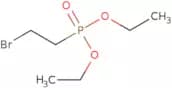
CAS:<p>2,3-Dichloro-1-benzothiophene is an organochlorine compound that is a colorless solid. It has the formula CHClS and it is used as a precursor to other compounds. 2,3-Dichloro-1-benzothiophene can be prepared by reacting phenylphosphine with hydrogen chloride in the presence of chlorine:<br>2PCl + 2HCl → 2CHClS + PCl <br>It can also be synthesized from 1,4-dichlorobenzene and sulfuric acid. The chemical reactions for this are shown below:<br>2C6H4Cl2 + H2SO4 → (CH)5CO2H + Cl2 <br>The product is purified by recrystallization or distillation. The major use of 2,3-dichloro-1-benzothiophene is as a precursor to other compounds such as</p>Formula:C8H4Cl2SPurity:Min. 95%Molecular weight:203.09 g/molDiethyl 2-Bromoethylphosphonate
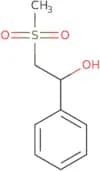
CAS:<p>Diethyl 2-bromoethylphosphonate is a chemical compound that is used in the synthesis of pharmaceuticals. It can be used to prepare conjugates, which are important for biological properties, such as alkylation. Diethyl 2-bromoethylphosphonate also has proton and reversed-phase high performance liquid chromatography applications. This compound is used to synthesize decyl phosphonic acid, which is an organic solvent with biological properties. Diethyl 2-bromoethylphosphonate can be hydrolyzed by hydrochloric acid or nitro. It can also be analyzed using gravimetric analysis.</p>Formula:C6H14BrO3PPurity:Min. 95%Molecular weight:245.05 g/mol2-Methanesulfonyl-1-phenylethan-1-ol
CAS:<p>Versatile small molecule scaffold</p>Formula:C9H12O3SPurity:Min. 95%Molecular weight:200.26 g/mol3-Methanesulfonyl-2,2-dimethylpropanoic acid
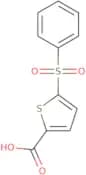
CAS:<p>Versatile small molecule scaffold</p>Formula:C6H12O4SPurity:Min. 95%Molecular weight:180.22 g/mol5-(Benzenesulfonyl)thiophene-2-carboxylic acid
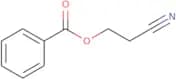
CAS:<p>Versatile small molecule scaffold</p>Formula:C11H8O4S2Purity:Min. 95%Molecular weight:268.3 g/mol2-Cyanoethyl benzoate
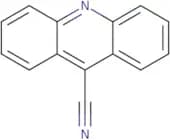
CAS:2-Cyanoethyl benzoate is a nucleophilic reagent that can be used for the synthesis of polypeptides. It acts as an acyl transfer agent and is used in the immobilization of proteins on solid supports, such as acrylonitrile or cellulose. 2-Cyanoethyl benzoate has been shown to have anti-inflammatory properties, which may be due to its inhibition of prostaglandin synthesis. The mechanism may involve inhibition of cyclooxygenase and lipoxygenase enzymes by blocking the conversion of arachidonic acid to prostaglandins and leukotrienes. This reagent also has been shown to have antipsychotic effects, which are likely due to its antagonistic effects against dopamine receptors in the brain.Formula:C10H9NO2Purity:Min. 95%Molecular weight:175.18 g/molAcridine-9-carbonitrile
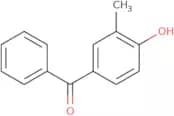
CAS:<p>Acridine-9-carbonitrile is a fluorescent dye that is sensitive to peroxide. Acridine-9-carbonitrile has been used as a hydrogen peroxide probe in the determination of peroxidase activity, and it has also been used as an oxidizing agent in organic synthesis. It is also active against carbamazepine and fluorophore. Acridine-9-carbonitrile can be activated by irradiation with ultraviolet light or by nitrous oxide. This compound was first synthesized in 1891, and has been studied for its advances in techniques such as fluorescence microscopy and DNA sequencing.</p>Formula:C14H8N2Purity:Min. 95%Molecular weight:204.23 g/mol4-Hydroxy-3-methyl-benzophenone
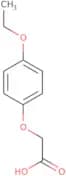
CAS:<p>4-Hydroxy-3-methyl-benzophenone is a benzene derivative with a 4-hydroxyl group and 3 methyl groups. It is an organic compound that has the ability to form hydrogen bonds. This compound is used in the production of polymers, plastics, and resins.</p>Formula:C14H12O2Purity:Min. 95%Molecular weight:212.24 g/mol2-(4-Ethoxyphenoxy)acetic acid
CAS:<p>Versatile small molecule scaffold</p>Formula:C10H12O4Purity:Min. 95%Molecular weight:196.2 g/mol4,4'-Sulfonylbis-morpholine
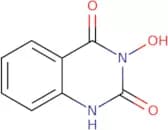
CAS:<p>Versatile small molecule scaffold</p>Formula:C8H16N2O4SPurity:Min. 95%Molecular weight:236.29 g/mol3-Hydroxy-1,2,3,4-tetrahydroquinazoline-2,4-dione
CAS:<p>3-Hydroxy-1,2,3,4-tetrahydroquinazoline-2,4-dione is an amido-containing amino acid that is a potent and selective antagonist of the AMPA receptor. It has been shown to be active against influenza A and B viruses in cell culture. 3-Hydroxy-1,2,3,4-tetrahydroquinazoline-2,4-dione also inhibits glutamate release in the brain by blocking presynaptic calcium currents. The molecular modeling study of this drug on a chlorine atom revealed a hydrogen bond with the carboxyl group at position 2 and a nitrogen atom at position 4. This hydrogen bond may explain its pharmacokinetic properties.</p>Formula:C8H6N2O3Purity:Min. 95%Molecular weight:178.14 g/mol4-m-Tolyl-thiazol-2-ylamine
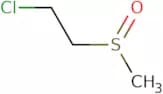
CAS:<p>Versatile small molecule scaffold</p>Formula:C10H10N2SPurity:Min. 95%Molecular weight:190.26 g/mol1-Chloro-2-methanesulfinylethane
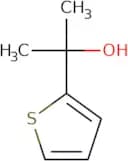
CAS:<p>Versatile small molecule scaffold</p>Formula:C3H7ClOSPurity:Min. 95%Molecular weight:126.61 g/mol2-(Thiophen-2-yl)propan-2-ol
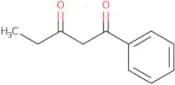
CAS:<p>Versatile small molecule scaffold</p>Formula:C7H10OSPurity:Min. 95%Molecular weight:142.22 g/mol1-Phenylpentane-1,3-dione
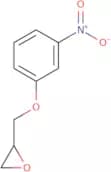
CAS:<p>1-Phenylpentane-1,3-dione is an organic compound that is a colorless liquid at room temperature. It belongs to the class of aliphatic hydrocarbons and can be used as an organic solution or as an alcohol group in organic solvents. This compound has a hydroxyl group and a hydroxy group, which gives it the ability to react with other compounds. 1-Phenylpentane-1,3-dione has been shown to be a good solvent for many organic reactions. It reacts with metals such as iron to form metal chelate complexes. 1-Phenylpentane-1,3-dione is also used in radiation treatments because it blocks the formation of new abnormal cells. The average particle diameter of this compound is 6 nm and its particle size ranges from 0.01 μm to 10 μm.</p>Formula:C11H12O2Purity:Min. 95%Molecular weight:176.21 g/mol2-(3-Nitrophenoxymethyl)oxirane
CAS:<p>Versatile small molecule scaffold</p>Formula:C9H9NO4Purity:Min. 95%Molecular weight:195.17 g/mol4-Bromoisoquinoline
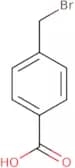
CAS:<p>4-Bromoisoquinoline is an aryl halide that can be used in the cross-coupling reaction with other aryl halides. It has been shown to have anticancer activity and to inhibit the growth of tumour cell lines in vitro. This compound is also efficient for inhibiting leukemia cells. 4-Bromoisoquinoline has been shown to have an inhibitory effect on cancer cells through the inhibition of DNA synthesis and RNA transcription, as well as by inducing apoptosis. The mechanism of action may be due to its ability to bind to aromatic hydrocarbons and halides, which leads to thermodynamic changes and vibrational energy transfer.</p>Formula:C9H6BrNPurity:Min. 95%Molecular weight:208.05 g/mol4-(Bromomethyl) benzoic acid
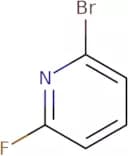
CAS:<p>4-(Bromomethyl) benzoic acid (4-BA) is a chemical compound that is used as an antimicrobial agent and a reagent in organic synthesis. It has been shown to have a broad spectrum of activity against Gram-positive and Gram-negative bacteria, fungi, and protozoa. 4-BA is stable at neutral pH and can be prepared by the reaction of 2-bromobenzeneacetic acid with sodium borohydride in the presence of acetic acid. This compound reacts with nucleophiles such as imatinib, forming an iminium intermediate. The resulting product can then react with chloride or hydrogen bond to form 4-BA chloride or 4-BA hydrogen bond respectively. Magnetic resonance spectroscopy has also been used to study the magnetic properties of this compound.</p>Formula:C8H7BrO2Purity:Min. 95%Color and Shape:White PowderMolecular weight:215.04 g/mol2-Bromo-6-fluoropyridine
CAS:<p>2-Bromo-6-fluoropyridine is a versatile building block that can be used to create a range of compounds. It is a useful intermediate and can be applied in the synthesis of high quality reagents, speciality chemicals, and complex compounds. It has been used as a reaction component in the synthesis of 2-(2-bromoethoxy)pyridine and 2-bromopyridine. This compound has CAS No. 144100-07-2, which makes it an important research chemical.</p>Formula:C5H3BrFNPurity:Min. 95%Color and Shape:PowderMolecular weight:174.94329Bromobenzene-d5
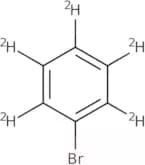
CAS:Controlled Product<p>Bromobenzene-d5 is a chemical compound that can be used as a chemical reagent for the production of other chemicals. It has a molecular weight of 188.21 and a melting point of -100°C. Bromobenzene-d5 has shown to be reactive with chloride and tert-butyl isocyanate, which are both strong bases. The molecule has an amorphous nature and exhibits vibrational properties at high frequencies. Bromobenzene-d5 also shows polarizability in the intramolecular hydrogen bond region, which is evident by an NMR spectrum of heterocycle bromobenzene-d5.</p>Formula:C6BrD5Purity:Min. 95%Molecular weight:162.04 g/mol5-Bromo-oxazole-2-carboxylic acid methyl ester
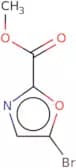
CAS:<p>Please enquire for more information about 5-Bromo-oxazole-2-carboxylic acid methyl ester including the price, delivery time and more detailed product information at the technical inquiry form on this page</p>Formula:C5H4BrNO3Purity:Min. 95%Molecular weight:205.99 g/mol5-Bromo-1-methyl-1H-1,2,3-triazole
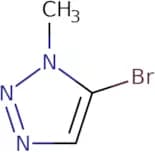
CAS:<p>Please enquire for more information about 5-Bromo-1-methyl-1H-1,2,3-triazole including the price, delivery time and more detailed product information at the technical inquiry form on this page</p>Formula:C3H4BrN3Purity:Min. 95%Molecular weight:162 g/mol4-Bromo-3,5-dimethylbenzoic acid methyl ester
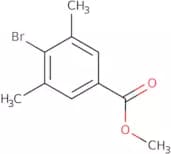
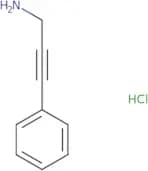
CAS:<p>4-Bromo-3,5-dimethylbenzoic acid methyl ester is a versatile building block that is used in the synthesis of complex compounds. 4-Bromo-3,5-dimethylbenzoic acid methyl ester is an intermediate in the synthesis of speciality chemicals and research chemicals. It is also a useful scaffold for the synthesis of high quality and useful reagents as well as reaction components.</p>Formula:C10H11BrO2Purity:Min. 95%Color and Shape:White PowderMolecular weight:243.1 g/mol3-Phenyl-2-propyn-1-amine hydrochloride
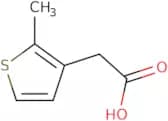
CAS:<p>3-Phenyl-2-propyn-1-amine hydrochloride is a dopamine β-hydroxylase inhibitor that can be detected in urine. It is used to study the effects of various drugs and chemicals on the metabolism of dopamine, noradrenaline, and other catecholamines. 3PPPA has been shown to inhibit the activity of cytochrome P450 enzymes and blocks adrenergic receptors. This drug also inhibits the synthesis of epinephrine from norepinephrine by blocking its conversion to epinephrine. 3PPPA may also be used as a receptor blocker for diagnosis or treatment of asthma or allergic reactions by preventing the release of histamine, which is released from mast cells in response to an allergen, causing inflammation.</p>Formula:C9H10ClNPurity:Min. 95%Molecular weight:167.64 g/mol2-(2-Methylthiophen-3-yl)acetic acid
CAS:<p>Versatile small molecule scaffold</p>Formula:C7H8O2SPurity:Min. 95%Molecular weight:156.2 g/mol7-Methoxy-4-phenyl-1,2-dihydroquinolin-2-one
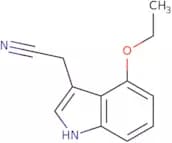
CAS:<p>Versatile small molecule scaffold</p>Formula:C16H13NO2Purity:Min. 95%Molecular weight:251.28 g/mol2-(4-Ethoxy-1H-indol-3-yl)acetonitrile
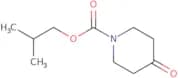
CAS:<p>Versatile small molecule scaffold</p>Formula:C12H12N2OPurity:Min. 95%Molecular weight:200.24 g/mol2-Methylpropyl 4-oxopiperidine-1-carboxylate
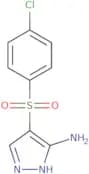
CAS:Controlled Product<p>Versatile small molecule scaffold</p>Formula:C10H17NO3Purity:Min. 95%Molecular weight:199.25 g/mol4-(4-Chlorobenzenesulfonyl)-1H-pyrazol-5-amine
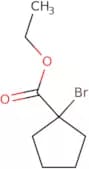
CAS:<p>Versatile small molecule scaffold</p>Formula:C9H8ClN3O2SPurity:Min. 95%Molecular weight:257.7 g/molEthyl 1-bromocyclopentane-1-carboxylate
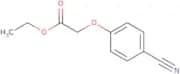
CAS:<p>Versatile small molecule scaffold</p>Formula:C8H13BrO2Purity:Min. 95%Molecular weight:221.09 g/molEthyl 2-(4-cyanophenoxy)acetate
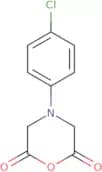
CAS:<p>Versatile small molecule scaffold</p>Formula:C11H11NO3Purity:Min. 95%Molecular weight:205.21 g/mol4-(4-Chlorophenyl)morpholine-2,6-dione
CAS:<p>Versatile small molecule scaffold</p>Formula:C10H8ClNO3Purity:Min. 95%Molecular weight:225.63 g/mol1-(2-Oxopropyl)pyrrolidine-2,5-dione
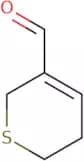
CAS:<p>1-(2-Oxopropyl)pyrrolidine-2,5-dione is a reactive molecule that can be used to conjugate biomolecules and synthetic polymers. It has been immobilized on the surface of polymer particles or in polymer matrices, which allows for the efficient separation of biomolecules and synthetic polymers. This molecule is also reactive with thiol groups and can be used to crosslink biomolecules and synthetic polymers. 1-(2-Oxopropyl)pyrrolidine-2,5-dione has been shown to react with immobilized proteins and DNA.</p>Formula:C7H9NO3Purity:Min. 95%Molecular weight:155.15 g/mol3,6-Dihydro-2H-thiopyran-5-carbaldehyde
CAS:<p>3,6-Dihydro-2H-thiopyran-5-carbaldehyde is an aldehyde that is used as an intermediate in the synthesis of crotonaldehyde. It reacts with hydrogen sulfide in the presence of an acidic catalyst to produce acrolein and water. The reaction product can be boiled off to generate a crude form of crotonaldehyde. 3,6-Dihydro-2H-thiopyran-5-carbaldehyde has been patented by BASF SE under patent number EP0992871.</p>Formula:C6H8OSPurity:Min. 95%Molecular weight:128.19 g/mol1,2,3,4-Tetrahydroquinoline-6-sulfonamide
CAS:<p>Versatile small molecule scaffold</p>Formula:C9H12N2O2SPurity:Min. 95%Molecular weight:212.27 g/mol8-Chloro-5-methoxy-N-methyl-1,2,3,4-tetrahydronaphthalen-1-amine hydrochloride
CAS:<p>Versatile small molecule scaffold</p>Formula:C12H17Cl2NOPurity:Min. 95%Molecular weight:262.17 g/mol1,2,3,5-Tetrahydroindolizine-1,5-dione
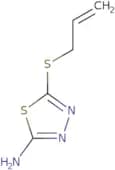
CAS:<p>Versatile small molecule scaffold</p>Formula:C8H7NO2Purity:Min. 95%Molecular weight:149.15 g/mol5-Allylsulfanyl-1,3,4-thiadiazol-2-amine
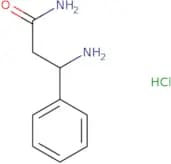
CAS:<p>Versatile small molecule scaffold</p>Formula:C5H7N3S2Purity:Min. 95%Molecular weight:173.3 g/mol3-Amino-3-phenylpropanamide hydrochloride
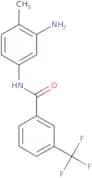
CAS:<p>Versatile small molecule scaffold</p>Formula:C9H13ClN2OPurity:Min. 95%Molecular weight:200.66 g/molN-(3-Amino-4-methylphenyl)-3-(trifluoromethyl)benzamide
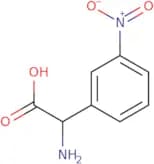
CAS:<p>Versatile small molecule scaffold</p>Formula:C15H13F3N2OPurity:Min. 95%Molecular weight:294.27 g/mol2-amino-2-(3-nitrophenyl)acetic acid
CAS:Versatile small molecule scaffoldFormula:C8H8N2O4Purity:Min. 95%Molecular weight:196.16 g/mol4-Bromo-2-nitro-1H-pyrrole
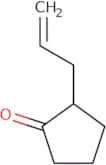
CAS:<p>Versatile small molecule scaffold</p>Formula:C4H3BrN2O2Purity:Min. 95%Molecular weight:190.98 g/mol2-(Prop-2-en-1-yl)cyclopentan-1-one
CAS:<p>2-(Prop-2-en-1-yl)cyclopentan-1-one (propargyl alcohol) is a heterocyclic compound that is the simplest member of the cyclopentanones. It has been shown to be an effective inhibitor of human viruses such as Hepatitis C virus, HIV, and influenza A virus. The antiviral activity of propargyl alcohol is attributed to its ability to inhibit viral DNA polymerase and RNA polymerase in the infected cells. Propargyl alcohol also inhibits glycol dimethyl ether, which is a cofactor for some cellular enzymes involved in lipid metabolism. This compound can also act as a substrate for allylation reactions with other compounds such as 1,3 butadiene or ethylene.</p>Formula:C8H12OPurity:Min. 95%Molecular weight:124.18 g/mol3-{[(4-Chlorophenyl)sulfanyl]methyl}benzoic acid
CAS:<p>Versatile small molecule scaffold</p>Formula:C14H11ClO2SPurity:Min. 95%Molecular weight:278.8 g/mol3-(2-Chlorophenoxymethyl)benzoic acid
CAS:<p>Versatile small molecule scaffold</p>Formula:C14H11ClO3Purity:Min. 95%Molecular weight:262.69 g/mol2-Bromo-1-[4-(2-methylpropyl)phenyl]ethan-1-one
CAS:<p>Versatile small molecule scaffold</p>Formula:C12H15BrOPurity:Min. 95%Molecular weight:255.15 g/mol2-Bromo-1-(3-chloro-4-methoxyphenyl)ethan-1-one
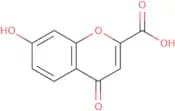
CAS:<p>Versatile small molecule scaffold</p>Formula:C9H8BrClO2Purity:Min. 95%Molecular weight:263.51 g/mol7-Hydroxy-4-oxo-4H-chromene-2-carboxylic acid
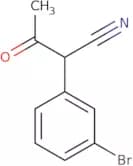
CAS:<p>7-Hydroxy-4-oxo-4H-chromene-2-carboxylic acid is a molecule that is found in the human body. It has been shown to have cationic polymer activity and to inhibit the growth of bacteria by binding to the hydroxyl group of DNA. 7-Hydroxy-4-oxo-4H-chromene-2-carboxylic acid has potent inhibitory activity against Gram positive and Gram negative bacteria, including Mycobacterium tuberculosis and Staphylococcus aureus. This compound can be used as an antibiotic for bacterial infections due to its ability to bind with high concentrations of the hydroxyl group on DNA.</p>Formula:C10H6O5Purity:Min. 95%Molecular weight:206.15 g/mol2-(3-Bromophenyl)-3-oxobutanenitrile
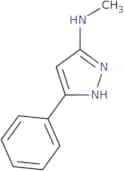
CAS:<p>Versatile small molecule scaffold</p>Formula:C10H8BrNOPurity:Min. 95%Molecular weight:238.08 g/molN-Methyl-5-phenyl-1H-pyrazol-3-amine
CAS:<p>Versatile small molecule scaffold</p>Formula:C10H11N3Purity:Min. 95%Molecular weight:173.21 g/mol1,3-Dichloropentane
CAS:<p>1,3-Dichloropentane is a molecule that consists of chlorine and hydrogen atoms. It has been studied extensively in kinetic isotope effect experiments for its transport properties. The kinetic isotope effect is the change in reaction rate due to the presence of an atom with an atomic mass different from the reactant or product. 1,3-Dichloropentane has also been studied for its role in cell membrane transport. This molecule is not reactive, but it does have a reactive isotope effect on cells when it reacts with chlorine atoms.</p>Formula:C5H10Cl2Purity:Min. 95%Molecular weight:141.04 g/mol1-Benzylpyrrolidine-2,4-dione
CAS:<p>Versatile small molecule scaffold</p>Formula:C11H11NO2Purity:Min. 95%Molecular weight:189.21 g/mol1-Bromo-4-(trifluoromethyl)cyclohexane
CAS:<p>Versatile small molecule scaffold</p>Formula:C7H10BrF3Purity:Min. 95%Molecular weight:231.05 g/mol4-Chloro-6-methyl-1H-pyrazolo[3,4-d]pyrimidine
CAS:<p>Versatile small molecule scaffold</p>Formula:C6H5ClN4Purity:Min. 95%Molecular weight:168.58 g/mol6-Methyl-1H-pyrazolo[3,4-d]pyrimidin-4(7H)-one
CAS:<p>Versatile small molecule scaffold</p>Formula:C6H6N4OPurity:Min. 95%Molecular weight:150.14 g/molEthyl 3-bromo-2-oxocyclohexanecarboxylate
CAS:<p>3-Bromo-2-oxocyclohexanecarboxylate is a diterpene alkaloid that has been prepared by the Friedel-Crafts reaction of ethyl bromoacetate and cyclohexane. The product is an intramolecular arylation, which means that the two carbons in the ring are bonded to each other. This type of reaction usually produces a group specific functional group, such as an acid chloride or ester, but in this case it produces an alcohol. 3-Bromo-2-oxocyclohexanecarboxylate is used as a precursor for silver salts which are used to make photographic film.</p>Formula:C9H13BrO3Purity:Min. 95%Molecular weight:249.1 g/mol2-[(3-Phenylpropyl)sulfanyl]acetic acid
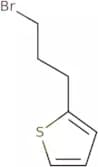
CAS:<p>Versatile small molecule scaffold</p>Formula:C11H14O2SPurity:Min. 95%Molecular weight:210.29 g/mol2-(3-Bromopropyl)-thiophene
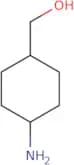
CAS:<p>Versatile small molecule scaffold</p>Formula:C7H9BrSPurity:Min. 95%Molecular weight:205.12 g/molCyclohexanemethanol, 4-amino-, cis-
CAS:<p>Versatile small molecule scaffold</p>Formula:C7H15NOPurity:Min. 95%Molecular weight:129.2 g/mol2-(4-Chlorobenzoyl)-1-methyl-1H-imidazole
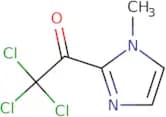
CAS:Controlled Product<p>Versatile small molecule scaffold</p>Formula:C11H9ClN2OPurity:Min. 95%Molecular weight:220.65 g/mol1-Methyl-2-(trichloroacetyl)imidazole
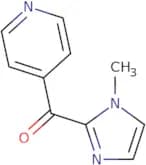
CAS:<p>1-Methyl-2-(trichloroacetyl)imidazole is a small molecule that is synthesized for the treatment of cancer. It interacts with dna and inhibits its function by binding to the minor groove in DNA, which causes conformational changes. 1-Methyl-2-(trichloroacetyl)imidazole has been shown to be effective against cancer cells that are resistant to other anticancer compounds. The molecular target for this compound is not fully understood, but it may work by inhibiting DNA synthesis or by inducing apoptosis. 1-Methyl-2-(trichloroacetyl)imidazole has shown some activity against leukemia and colon cancer cell lines in vitro and in vivo.</p>Formula:C6H5Cl3N2OPurity:Min. 95%Molecular weight:227.48 g/mol4-(1-Methyl-1H-imidazole-2-carbonyl)pyridine
CAS:<p>Versatile small molecule scaffold</p>Formula:C10H9N3OPurity:Min. 95%Molecular weight:187.2 g/mol2-(2-Chlorobenzoyl)-1-methyl-1H-imidazole
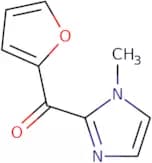
CAS:Controlled ProductVersatile small molecule scaffoldFormula:C11H9ClN2OPurity:Min. 95%Molecular weight:220.65 g/mol2-(Furan-2-carbonyl)-1-methyl-1H-imidazole
CAS:<p>Versatile small molecule scaffold</p>Formula:C9H8N2O2Purity:Min. 95%Molecular weight:176.17 g/mol3-[3-(4-Bromo-phenyl)-[1,2,4]oxadiazol-5-yl]-propionic acid
CAS:<p>Versatile small molecule scaffold</p>Formula:C11H9BrN2O3Purity:Min. 95%Molecular weight:297.1 g/mol4-Bromo-3-methylthiophene-2-carboxaldehyde
CAS:Versatile small molecule scaffoldFormula:C6H5BrOSPurity:Min. 95%Molecular weight:205.07 g/mol4,5-Dibromo-3-methylthiophene-2-carbaldehyde
CAS:<p>Versatile small molecule scaffold</p>Formula:C6H4Br2OSPurity:Min. 95%Molecular weight:283.97 g/mol1-(Pyridin-2-yl)-2-(pyridin-4-yl)ethan-1-one
CAS:<p>Versatile small molecule scaffold</p>Formula:C12H10N2OPurity:Min. 95%Molecular weight:198.22 g/mol1-(3-Pyridyl)-2-thiourea
CAS:<p>1-(3-Pyridyl)-2-thiourea is an organic compound that belongs to the thiourea functional group. It is a white crystalline solid that has orthorhombic symmetry. 1-(3-Pyridyl)-2-thiourea has a protonated nitrogen atom on its pyridine ring, which gives it a positive charge. This functional group interacts with other molecules due to the presence of lone electron pairs on the nitrogen atom and the carbonyl oxygen atom. Crystal x-ray diffraction studies have shown that 1-(3-Pyridyl)-2-thiourea crystallizes in the group p2 space group and is oriented along [001]. The ligand coordinates are nitrate and solvent.</p>Formula:C6H7N3SPurity:Min. 95%Molecular weight:153.2 g/mol(Quinolin-3-yl)thiourea
CAS:<p>Versatile small molecule scaffold</p>Formula:C10H9N3SPurity:Min. 95%Molecular weight:203.27 g/mol2-(2-methyl-1H-imidazol-1-yl)acetic acid hydrochloride
CAS:<p>Versatile small molecule scaffold</p>Formula:C6H9ClN2O2Purity:Min. 95%Molecular weight:176.6 g/mol3-(5,6-Dimethyl-1H-1,3-benzodiazol-1-yl)propanoic acid hydrochloride
CAS:<p>Versatile small molecule scaffold</p>Formula:C12H15ClN2O2Purity:Min. 95%Molecular weight:254.71 g/mol2-[(Carboxymethyl)dimethylazaniumyl]acetate
CAS:<p>Versatile small molecule scaffold</p>Formula:C6H11NO4Purity:Min. 95%Molecular weight:161.16 g/mol3,6-Bis(3,5-dimethyl-1H-pyrazol-1-yl)-1,2,4,5-tetrazine
CAS:3,6-Bis(3,5-dimethyl-1H-pyrazol-1-yl)-1,2,4,5-tetrazine is a group P2 molecule that diffracts well with x-rays. The compound has a molecular weight of 270.27 g/mol and the chemical formula is C12H11N5. 3,6-Bis(3,5-dimethyl-1H-pyrazol-1-yl)-1,2,4,5-tetrazine is soluble in acetonitrile but insoluble in water. The compound is stable at room temperature but will evaporate when heated to higher temperatures. 3,6bis(3,5dimethyl 1Hpyrazol 1yl) 1 2 4 5 tetrazine can be found in biochemical reactions as a nucleophile or can act as an inhibitor to enzymes such as cytochrome c oxidase or ATP synthaseFormula:C12H14N8Purity:Min. 95%Molecular weight:270.29 g/mol6-Chloro-4-phenylquinolin-2(1H)-one
CAS:<p>Dimethyl sulfate (DMS) is a highly toxic industrial chemical that is used in the production of other chemicals and as an analytical reagent. DMS is mainly used in the production of phenols, alkyl sulfates, and other organic compounds. Dimethyl sulfate is also used as a laboratory reagent for the synthesis of various organic compounds.</p>Formula:C15H10NOClPurity:Min. 95%Molecular weight:255.69 g/mol4-[(6-Chloropyridazin-3-yl)oxy]aniline
CAS:<p>Versatile small molecule scaffold</p>Formula:C10H8ClN3OPurity:Min. 95%Molecular weight:221.64 g/molrac-(2R,3S)-3-Amino-2-phenylbutan-2-ol hydrochloride
CAS:Versatile small molecule scaffoldFormula:C10H16ClNOPurity:Min. 95%Molecular weight:201.69 g/mol1-(4-Methoxyphenyl)-1H-pyrrole-2-carbaldehyde
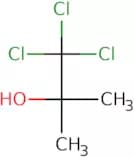
CAS:<p>Versatile small molecule scaffold</p>Formula:C12H11NO2Purity:Min. 95%Molecular weight:201.23 g/molChlorobutanol
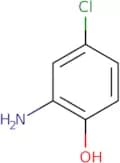
CAS:<p>Chlorobutanol is an antimicrobial agent that is used in the preservation of pharmaceuticals, cosmetics, and other products. It has been shown to be effective against a variety of bacterial and fungal organisms. Chlorobutanol is also used as a preservative in topical ophthalmic preparations. In addition, chlorobutanol has been found to be a potent inhibitor of histone deacetylase (HDAC) activity, which may be due to its ability to bind to the active site of HDACs. This binding prevents acetylation of lysine residues on histones, thereby preventing transcriptional activation.</p>Formula:C4H7OCl3Purity:Min. 95%Color and Shape:White To Off-White SolidMolecular weight:177.46 g/mol4-Chloro-2-aminophenol
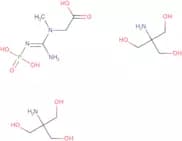
CAS:<p>4-Chloro-2-aminophenol is a chemical compound that can be found in nature or synthesized. It has antibacterial properties and is used as an antimicrobial agent. 4-Chloro-2-aminophenol inhibits the growth of bacteria by inhibiting nitrogenase enzyme activity, which is required for the production of amino acids and nucleic acids. This compound also induces cytotoxicity and significant cell death in colorectal adenocarcinoma cells. 4-Chloro-2-aminophenol is a weak acid that reacts with hydrochloric acid to form a diazonium salt, which reacts with benzene to form an intramolecular hydrogen bond. The final product of this reaction is a solid phase microextraction (SPME) sorbent that can be used to extract analytes from liquid samples.</p>Formula:C6H6ClNOPurity:Min. 95%Molecular weight:143.57 g/molCreatine phosphate di(tris) salt
CAS:<p>Creatine phosphate di(tris) salt is a cyclase and rectifier of potassium ion channels. It is a potent activator of calcium ion channels, expressed in the cells of the ng108-15 mouse neuroblastoma line. Creatine phosphate di(tris) salt also potently activates guanylate cyclase and l-type calcium ion channels. This drug has been shown to stimulate prostaglandin synthesis and inhibit the production of prostaglandin E1 in biological chemistry studies. Creatine phosphate di(tris) salt is a cyclase and rectifier of potassium ion channels. It is a potent activator of calcium ion channels, expressed in the cells of the ng108-15 mouse neuroblastoma line. Creatine phosphate di(tris) salt also potently activates guanylate cyclase and l-type calcium ion channels. This drug has been shown to stimulate prostaglandin synthesis and inhibit the production of prostaglandin E1 in</p>Formula:C12H32N5O11PPurity:Min. 95%Molecular weight:453.38 g/mol1-[(4-Chlorophenyl)phenylmethyl]piperazine
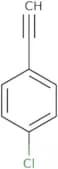
CAS:Controlled Product<p>1-[(4-Chlorophenyl)phenylmethyl]piperazine is an analytical reagent that is used in the determination of meclozine, a drug used for the treatment of nausea and vomiting. 1-[(4-Chlorophenyl)phenylmethyl]piperazine is a nucleophile, which means that it can donate electrons to other molecules. It can be used as a catalyst to increase the rate of chemical reactions. 1-[(4-Chlorophenyl)phenylmethyl]piperazine may also be used in wastewater treatment because it has been shown to have phospholipidosis inhibiting properties. The levorotatory form (1R-enantiomer) of this compound has been shown to inhibit protein synthesis in vitro and is an amine oxidase inhibitor that binds to proteins with nitrogen atoms. This nucleophilic compound may also be converted into an n-oxide or dinucleotide phosphate by hydrochloric acid and</p>Formula:C17H19ClN2Purity:Min. 95%Molecular weight:286.8 g/mol4-Chlorophenylacetylene
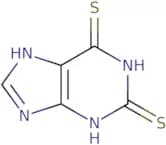
CAS:<p>4-Chlorophenylacetylene is a compound that is created by the reaction of chloroform and acetylene. The reaction yield can be increased by using a catalytic amount of silicon, which increases the rate of hydration. Terminal alkynes react with 4-chlorophenylacetylene to form polymers, which are insoluble in most solvents. 4-Chlorophenylacetylene has been shown to have inhibitory activity against the growth of bacteria and fungi when tested in model species such as Escherichia coli and Saccharomyces cerevisiae.</p>Formula:C8H5ClPurity:Min. 95%Color and Shape:PowderMolecular weight:136.58 g/mol2,6-Dimercaptopurine
CAS:<p>2,6-Dimercaptopurine (2,6-DMP) is an immunosuppressive drug that is used to prevent organ transplants from being rejected. It blocks the synthesis of DNA and RNA in cells by inhibiting the enzyme thymidylate synthase. The reaction mechanism involves a nucleophilic attack on the phosphorus atom of 2,6-DMP by a proton from water or another nucleophile such as urea or ammonia. 2,6-DMP is metabolized through a number of tautomeric forms, which are neutral and acidic in pH. One example of this is when 2,6-DMP reacts with hydrochloric acid to form a conjugate base that can be excreted in urine.</p>Formula:C5H4N4S2Purity:Min. 95%Color and Shape:Yellow PowderMolecular weight:184.24 g/mol2,4-Dichloropyrimidine-5-carboxylic acid
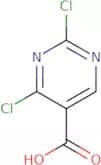
CAS:<p>2,4-Dichloropyrimidine-5-carboxylic acid is a chlorinating agent that reacts with nucleophiles to form chlorides. It has been used as a reactive intermediate in the synthesis of dyestuffs and esters. 2,4-Dichloropyrimidine-5-carboxylic acid can be prepared by cycloacylation of phosphorus oxychloride with an alkyne followed by chlorination. A chlorinating agent can also be prepared from enamines and chlorine. 2,4-Dichloropyrimidine-5-carboxylic acid is a reactive compound that can be used in the manufacture of pesticides, herbicides, and insecticides.</p>Formula:C5H2Cl2N2O2Purity:Min. 95%Molecular weight:192.99 g/mol3,5-Diamino-2,4,6-triiodobenzoic acid
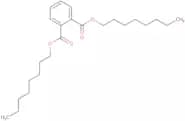
CAS:<p>3,5-Diamino-2,4,6-triiodobenzoic acid is a metabolite of hydrochloric acid and has been used in sample preparation for roentgenographic techniques. It is also used in the preparation of methylating agents for mass spectrometric analysis. It is hydrophilic with a methyl esterification that can be activated by amines. This chemical compound is found in human urine and has been shown to have an enhanced effect on tissues when combined with hydrochloric acid.</p>Formula:C7H5I3N2O2Purity:Min. 95%Color and Shape:PowderMolecular weight:529.84 g/molDi-n-octyl phthalate
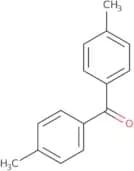
CAS:<p>Di-n-octyl phthalate (DNOP) is a phthalate that is used as a plasticizer in polyvinyl chloride. It is also used as an analytical reagent for the determination of activated phthalates in water, food, and human serum samples. DNOP has been shown to inhibit mitochondrial function and cellular respiration. This inhibition may be due to its ability to bind to the mitochondrial membrane and cause oxidative damage. It has also been shown to inhibit the growth of bacteria such as Escherichia coli by blocking protein synthesis. DNOP has been found to be chemically stable in rat liver microsomes, which indicates that it does not easily react with other chemicals or degrade over time.</p>Formula:C24H38O4Purity:Min. 95%Molecular weight:390.56 g/mol4,4'-Dimethylbenzophenone
CAS:<p>4,4'-Dimethylbenzophenone is a chemical that belongs to the group of phenols. It is used in pharmaceutical preparations as a stabilizer. 4,4'-Dimethylbenzophenone reacts with halides and radical coupling to form urethane bonds. This reaction can be used to prepare urethanes from ethyl chloride and hydroxybenzonitrile. The rate of this reaction is accelerated by UV irradiation.</p>Formula:C15H14OPurity:Min. 98%Color and Shape:White PowderMolecular weight:210.27 g/molN~1~-(tert-Butyl)glycinamide hydrochloride
CAS:<p>Versatile small molecule scaffold</p>Formula:C6H15ClN2OPurity:Min. 95%Molecular weight:166.65 g/mol4-(Piperidine-1-carbonyl)benzaldehyde
CAS:<p>Versatile small molecule scaffold</p>Formula:C13H15NO2Purity:Min. 95%Molecular weight:217.26 g/molEthyl 5-(bromomethyl)-2-phenyl-1,3-oxazole-4-carboxylate
CAS:<p>Versatile small molecule scaffold</p>Formula:C13H12BrNO3Purity:Min. 95%Molecular weight:310.14 g/molEthyl 5-(bromomethyl)-1,2,3-thiadiazole-4-carboxylate
CAS:<p>Versatile small molecule scaffold</p>Formula:C6H7BrN2O2SPurity:Min. 95%Molecular weight:251.1 g/mol2-Cyano-3-fluorobenzene-1-sulfonyl chloride
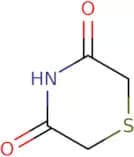
CAS:<p>Versatile small molecule scaffold</p>Formula:C7H3ClFNO2SPurity:Min. 95%Molecular weight:219.62 g/molThiomorpholine-3,5-dione
CAS:<p>Thiomorpholine-3,5-dione is a chemical compound that has an x-ray crystal structure. It was first synthesized in 1892 and was the first organic molecule with a herringbone molecular geometry to be discovered. Thiomorpholine-3,5-dione is used as a precursor for dyes, pharmaceuticals, and other organic compounds.</p>Formula:C4H5NO2SPurity:Min. 95%Molecular weight:131.16 g/mol5-Amino-1-[4-(trifluoromethyl)phenyl]-1H-pyrazole-4-carbonitrile
CAS:<p>Versatile small molecule scaffold</p>Formula:C11H7F3N4Purity:Min. 95%Molecular weight:252.2 g/mol3-Bromo-2,4-dichloroaniline
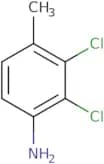
CAS:<p>Versatile small molecule scaffold</p>Formula:C6H4BrCl2NPurity:Min. 95%Molecular weight:240.91 g/mol2,3-dichloro-4-methylaniline
CAS:<p>Versatile small molecule scaffold</p>Formula:C7H7NCl2Purity:Min. 95%Molecular weight:176.04 g/mol1,2,3,4,5,6-Hexahydrophenanthridin-6-one
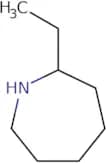
CAS:<p>Versatile small molecule scaffold</p>Formula:C13H13NOPurity:Min. 95%Molecular weight:199.25 g/mol2-Ethylazepane
CAS:<p>Versatile small molecule scaffold</p>Formula:C8H17NPurity:Min. 95%Molecular weight:127.23 g/mol2-(2-Methylpropyl)azepane
CAS:<p>Versatile small molecule scaffold</p>Formula:C10H21NPurity:Min. 95%Molecular weight:155.28 g/mol6-Chloro-2,2-dimethyl-4-chromanone
CAS:<p>Versatile small molecule scaffold</p>Formula:C11H11ClO2Purity:Min. 95%Molecular weight:210.65 g/mol7-Chloro-2,2-dimethyl-3,4-dihydro-2H-1-benzopyran-4-one
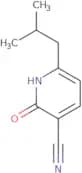
CAS:<p>Versatile small molecule scaffold</p>Formula:C11H11ClO2Purity:Min. 95%Molecular weight:210.65 g/mol6-(2-Methylpropyl)-2-oxo-1,2-dihydropyridine-3-carbonitrile
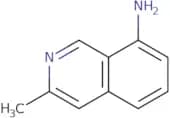
CAS:<p>Versatile small molecule scaffold</p>Formula:C10H12N2OPurity:Min. 95%Molecular weight:176.21 g/mol3-Methylisoquinolin-8-amine
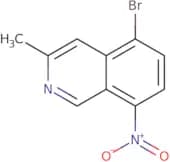
CAS:<p>Versatile small molecule scaffold</p>Formula:C10H10N2Purity:Min. 95%Molecular weight:158.2 g/mol5-bromo-3-methyl-8-nitroisoquinoline
CAS:<p>Versatile small molecule scaffold</p>Formula:C10H7BrN2O2Purity:Min. 95%Molecular weight:267.08 g/molrac-(3R,4R)-4-Phenylpiperidin-3-ol
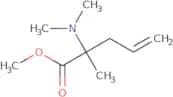
CAS:<p>Versatile small molecule scaffold</p>Formula:C11H15NOPurity:Min. 95%Molecular weight:177.2 g/molMethyl 2-(dimethylamino)-2-methylpent-4-enoate
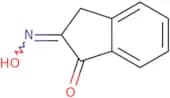
CAS:<p>Versatile small molecule scaffold</p>Formula:C9H17NO2Purity:Min. 95%Molecular weight:171.24 g/mol(Z)-2-(Hydroxyimino)-2,3-dihydro-1H-inden-1-one
CAS:<p>Versatile small molecule scaffold</p>Formula:C9H7NO2Purity:Min. 95%Molecular weight:161.16 g/mol2-[(6-Phenylpyridazin-3-yl)amino]ethan-1-ol
CAS:<p>Versatile small molecule scaffold</p>Formula:C12H13N3OPurity:Min. 95%Molecular weight:215.25 g/mol3-(5-Methyl-1,2-oxazol-3-yl)propanoic acid
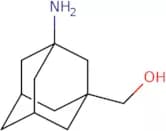
CAS:<p>3-(5-Methyl-1,2-oxazol-3-yl)propanoic acid (MTPA) is an extracellular cationic surfactant that has been shown to be an efficient method for the synthesis of citric acid. MTPA is a stable and soluble compound that is used in the production of polymers, plastics, and cosmetics. It also has antioxidant effects due to its ability to scavenge free radicals. MTPA can be synthesized by reacting methyl 3-(5-methyl-1,2-oxazol-3-yl)propanoate with hydrochloric acid and chlorine gas or chlorate ions in aqueous solution.</p>Formula:C7H9NO3Purity:Min. 95%Molecular weight:155.15 g/mol(3-Aminoadamantan-1-yl)methanol
CAS:<p>3-Aminoadamantan-1-ylmethanol (3MAM) is a carboxylic acid that is the target molecule in the hydrolysis of adamantane. It can be synthesized from 3-aminoadamantane by reacting with methanol, which reacts with the carboxylic acid group to form an ester. 3MAM is used as a neutralization agent for the synthesis of other compounds, such as 2-adamantanol. 3MAM is reactive with elemental mercury, which causes it to break down and form a carboxylic acid. Hydrolysis of 3MAM also occurs under acidic conditions and produces acetic acid, water, and hydrogen gas.</p>Formula:C11H19NOPurity:Min. 95%Molecular weight:181.27 g/molBenzyl prolinate hydrochloride
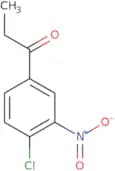
CAS:<p>Benzyl prolinate hydrochloride is a pressor drug that has been shown to be active against angiotensin-converting enzyme (ACE) and other enzymes. It is an inhibitor of the enzyme that converts angiotensin I to angiotensin II, which causes vasoconstriction and stimulates the release of aldosterone. The diethylamine salt of this compound is used as an antihypertensive agent in animals. Benzyl prolinate hydrochloride also inhibits esterase enzymes, which are involved in the metabolism of drugs such as barbiturates and benzodiazepines. This drug has been shown to inhibit both high-and low-activity forms of esterases.</p>Formula:C12H16ClNO2Purity:Min. 95%Molecular weight:241.71 g/mol1-(4-Chloro-3-nitrophenyl)propan-1-one
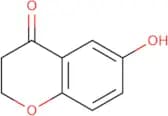
CAS:<p>Versatile small molecule scaffold</p>Formula:C9H8ClNO3Purity:Min. 95%Molecular weight:213.62 g/mol6-Hydroxy-chroman-4-one
CAS:<p>6-Hydroxy-chroman-4-one is a synthetic compound that is structurally similar to flavonoids. It has been shown as an antipsychotic agent in schizophrenia, but needs to be tested further. 6-Hydroxy-chroman-4-one binds to the dopamine D2 receptor, which is one of the main receptors involved in schizophrenia. This binding prevents the receptor from functioning, reducing psychotic symptoms. There are also a number of benzisoxazole derivatives that have been synthesized and tested for antipsychotic properties. 6-Hydroxy-chroman-4-one binds to the dopamine D2 receptor and prevents it from functioning, reducing psychotic symptoms.<br>6-Hydroxy chroman 4 one can also be used as a medicine or synthesize with other compounds such as chloropropane or isoflavones to make medicines.</p>Formula:C9H8O3Purity:Min. 95%Molecular weight:164.16 g/mol1-Methyl-4-oxo-5-[3-(trifluoromethyl)phenyl]-1,4-dihydropyridine-3-carboxylic acid
CAS:<p>Versatile small molecule scaffold</p>Formula:C14H10F3NO3Purity:Min. 95%Molecular weight:297.23 g/molMethyl 2-amino-4-methoxybutanoate hydrochloride
CAS:<p>Versatile small molecule scaffold</p>Formula:C6H14ClNO3Purity:Min. 95%Molecular weight:183.63 g/molEthyl 4-tert-butylbenzoylformate
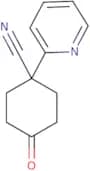
CAS:<p>Versatile small molecule scaffold</p>Formula:C14H18O3Purity:Min. 95%Molecular weight:234.29 g/mol4-Oxo-1-(2-pyridinyl)cyclohexanecarbonitrile
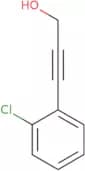
CAS:<p>Versatile small molecule scaffold</p>Formula:C12H12N2OPurity:Min. 95%Molecular weight:200.24 g/mol3-(2-Chlorophenyl)prop-2-yn-1-ol
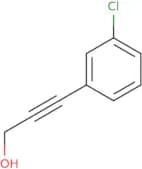
CAS:<p>Versatile small molecule scaffold</p>Formula:C9H7ClOPurity:Min. 95%Molecular weight:166.6 g/mol3-(3-Chloro-phenyl)-prop-2-yn-1-ol
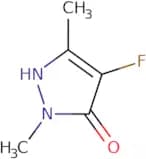
CAS:<p>Versatile small molecule scaffold</p>Formula:C9H7ClOPurity:Min. 95%Molecular weight:166.6 g/mol4-Fluoro-1,3-dimethyl-1H-pyrazol-5-ol
CAS:<p>Versatile small molecule scaffold</p>Formula:C5H7FN2OPurity:Min. 95%Molecular weight:130.12 g/mol3-(Ethoxymethyl)aniline
CAS:<p>Versatile small molecule scaffold</p>Formula:C9H13NOPurity:Min. 95%Molecular weight:151.21 g/mol3-[(Hexyloxy)methyl]aniline
CAS:<p>Versatile small molecule scaffold</p>Formula:C13H21NOPurity:Min. 95%Molecular weight:207.31 g/mol2-[[(1,1-Dimethylethyl)dimethylsilyl]oxy]phenol
CAS:<p>Versatile small molecule scaffold</p>Formula:C12H20O2SiPurity:Min. 95%Molecular weight:224.37 g/mol2-{[(Pyridin-2-yl)methyl]sulfanyl}ethan-1-ol
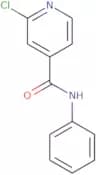
CAS:<p>Versatile small molecule scaffold</p>Formula:C8H11NOSPurity:Min. 95%Molecular weight:169.25 g/mol2-Chloro-N-phenylisonicotinamide
CAS:<p>Versatile small molecule scaffold</p>Formula:C12H9ClN2OPurity:Min. 95%Molecular weight:232.67 g/mol3,6-Dimethyl-2-sulfanyl-3,4-dihydroquinazolin-4-one
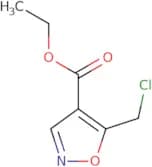
CAS:<p>Versatile small molecule scaffold</p>Formula:C10H10N2OSPurity:Min. 95%Molecular weight:206.3 g/molEthyl 5-(chloromethyl)-1,2-oxazole-4-carboxylate
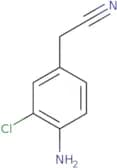
CAS:<p>Versatile small molecule scaffold</p>Formula:C7H8ClNO3Purity:Min. 95%Molecular weight:189.59 g/mol2-(4-Amino-3-chlorophenyl)acetonitrile
CAS:<p>Versatile small molecule scaffold</p>Formula:C8H7ClN2Purity:Min. 95%Molecular weight:166.61 g/mol(4-Chloro-1H-pyrazol-1-yl)methanol
CAS:<p>Versatile small molecule scaffold</p>Formula:C4H5ClN2OPurity:Min. 95%Molecular weight:132.55 g/mol4-[(1H-Pyrazol-1-yl)methyl]phenol
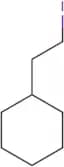
CAS:<p>4-[(1H-Pyrazol-1-yl)methyl]phenol (4PMP) is an inhibitor of dopamine beta-hydroxylase that has been studied in assays with dopamine and noradrenaline. It has been shown to activate both noradrenaline and dopamine receptors, and can be used as a tool for the study of blood pressure regulation. 4PMP also increases reactive oxygen species production, which may be due to its ability to react with cyanide ions. The binding of 4PMP to the enzyme is reversible and competitive. The pH profile of 4PMP has also been studied, with a range from 2 to 5.4. Kinetic studies have shown that the reaction rate for 4PMP is best described by a Michaelis-Menten kinetic model, with a Km value of 0.03 mM and Vmax value of 9.3 μM/min for dopamine β-hydroxylase inhibition. There are</p>Formula:C10H10N2OPurity:Min. 95%Molecular weight:174.2 g/mol(2-Iodoethyl)cyclohexane
CAS:<p>Versatile small molecule scaffold</p>Formula:C8H15IPurity:Min. 95%Molecular weight:238.11 g/mol3-(Cyclopentylsulfonyl)aniline
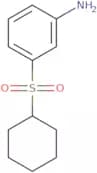
CAS:<p>Versatile small molecule scaffold</p>Formula:C11H15NO2SPurity:Min. 95%Molecular weight:225.31 g/mol3-(Cyclohexanesulfonyl)aniline
CAS:<p>Versatile small molecule scaffold</p>Formula:C12H17NO2SPurity:Min. 95%Molecular weight:239.34 g/molOctahydro-1H-quinolizin-1-amine
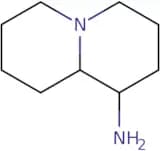
CAS:<p>Versatile small molecule scaffold</p>Formula:C9H18N2Purity:Min. 95%Molecular weight:154.25 g/molOctahydroindolizin-2-amine
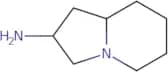
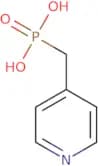
CAS:<p>Versatile small molecule scaffold</p>Formula:C8H16N2Purity:Min. 95%Molecular weight:140.23 g/mol4-Pyridylmethylphosphonic acid
CAS:<p>4-Pyridylmethylphosphonic acid is an inorganic compound that is a ligand for the metal Ruthenium. It is used in organic synthesis as a photosensitizer and a potentiometric titrant. The ligand binds to the metal through one or more of its oxygen atoms, forming a coordination complex. The bond cleavage reaction occurs when the molecule absorbs light of sufficient energy, causing it to break into two parts. 4-Pyridylmethylphosphonic acid is not very soluble in water and is therefore used as an electrolyte in potentiometric titrations. The pH of the solution will change depending on the concentration of the acid. 4-Pyridylmethylphosphonic acid can also be used as a catalyst for certain organic reactions such as esterification and transesterification reactions.</p>Formula:C6H8NO3PPurity:Min. 95%Molecular weight:173.11 g/mol4-Cyano-1H-pyrrole-2-carboxylic acid
CAS:<p>4-Cyano-1H-pyrrole-2-carboxylic acid is a small molecule that has been shown to have potent anti-cancer activity in animal models. It can induce the proliferation of human epidermal progenitor cells and the growth of tumor cells in culture. Animal studies have demonstrated that 4-cyano-1H-pyrrole-2-carboxylic acid enhances the infiltration of microglia and csf-1 receptor expression in brain tumors, leading to an increase in microglial activation. This agent also interacts with cancer cell factor receptor, enhancing its function and leading to increased infiltration of tumor cells by microglia.</p>Formula:C6H4N2O2Purity:Min. 95%Molecular weight:136.11 g/molEthyl 2-cycloheptylacetate
CAS:<p>Ethyl 2-cycloheptylacetate is an organic compound with the formula CH3CH2C6H11CH2CO2Et. It is a colorless liquid which is soluble in water and ether, but not in most common organic solvents. It has been shown to be effective in inhibiting the development of atherosclerosis in mice by interfering with cholesterol synthesis. In addition, it has been shown to inhibit the proliferation of vascular smooth muscle cells and to alter their gene expression profile. The compound also inhibits angiotensin II-induced hypertension, as well as norepinephrine-induced vasoconstriction and platelet aggregation.</p>Formula:C11H20O2Purity:Min. 95%Molecular weight:184.28 g/mol

![2-[(Naphthalen-2-yloxy)methyl]oxirane](/_next/image/?url=https%3A%2Fstatic.cymitquimica.com%2Fproducts%2F3D%2Fthumb-webp%2FFAA23406.webp&w=3840&q=75)
![Methyl [(4-aminobenzoyl)amino]acetate](/_next/image/?url=https%3A%2Fstatic.cymitquimica.com%2Fproducts%2F3D%2Fthumb-webp%2FFAA25986.webp&w=3840&q=75)
![2,5-Diazabicyclo[2.2.1]heptane, dihydrochloride](/_next/image/?url=https%3A%2Fstatic.cymitquimica.com%2Fproducts%2F3D%2Fthumb-webp%2FFAA26020.webp&w=3840&q=75)
![2,3,4,6,7,11b-Hexahydro-1H-pyrazino[2,1-a]isoquinoline dihydrochloride](/_next/image/?url=https%3A%2Fstatic.cymitquimica.com%2Fproducts%2F3D%2Fthumb-webp%2FFAA26046.webp&w=3840&q=75)
![2,8-Dioxaspiro[4.5]decane-1,3-dione](/_next/image/?url=https%3A%2Fstatic.cymitquimica.com%2Fproducts%2F3D%2Fthumb-webp%2FFAA27049.webp&w=3840&q=75)
![[(4-Methylphenyl)sulfanyl]formonitrile](/_next/image/?url=https%3A%2Fstatic.cymitquimica.com%2Fproducts%2F3D%2Fthumb-webp%2FFAA28574.webp&w=3840&q=75)
![(2R)-2-Amino-3-[(3-methylbut-2-en-1-yl)sulfanyl]propanoic acid](/_next/image/?url=https%3A%2Fstatic.cymitquimica.com%2Fproducts%2F3D%2Fthumb-webp%2FFAA28746.webp&w=3840&q=75)


![2-[(Phenylsulfanyl)methyl]oxirane](/_next/image/?url=https%3A%2Fstatic.cymitquimica.com%2Fproducts%2F3D%2Fthumb-webp%2FFAA29621.webp&w=3840&q=75)
![2-[(2,6-Dimethylphenoxy)methyl]oxirane](/_next/image/?url=https%3A%2Fstatic.cymitquimica.com%2Fproducts%2F3D%2Fthumb-webp%2FFAA29634.webp&w=3840&q=75)
![{2-[(3-Carboxypropanoyl)oxy]ethyl}trimethylammonium chloride](/_next/image/?url=https%3A%2Fstatic.cymitquimica.com%2Fproducts%2F3D%2Fthumb-webp%2FFAA29717.webp&w=3840&q=75)




![3-[(2-Hydroxyethyl)sulfanyl]propan-1-ol](/_next/image/?url=https%3A%2Fstatic.cymitquimica.com%2Fproducts%2F3D%2Fthumb-webp%2FFAA32360.webp&w=3840&q=75)










![3-{[(4-Chlorophenyl)sulfanyl]methyl}benzoic acid](/_next/image/?url=https%3A%2Fstatic.cymitquimica.com%2Fproducts%2F3D%2Fthumb-webp%2FFBA08241.webp&w=3840&q=75)

![2-Bromo-1-[4-(2-methylpropyl)phenyl]ethan-1-one](/_next/image/?url=https%3A%2Fstatic.cymitquimica.com%2Fproducts%2F3D%2Fthumb-webp%2FFBA09548.webp&w=3840&q=75)



![4-Chloro-6-methyl-1H-pyrazolo[3,4-d]pyrimidine](/_next/image/?url=https%3A%2Fstatic.cymitquimica.com%2Fproducts%2F3D%2Fthumb-webp%2FFBA12953.webp&w=3840&q=75)
![6-Methyl-1H-pyrazolo[3,4-d]pyrimidin-4(7H)-one](/_next/image/?url=https%3A%2Fstatic.cymitquimica.com%2Fproducts%2F3D%2Fthumb-webp%2FFBA12957.webp&w=3840&q=75)

![2-[(3-Phenylpropyl)sulfanyl]acetic acid](/_next/image/?url=https%3A%2Fstatic.cymitquimica.com%2Fproducts%2F3D%2Fthumb-webp%2FFBA13408.webp&w=3840&q=75)


![3-[3-(4-Bromo-phenyl)-[1,2,4]oxadiazol-5-yl]-propionic acid](/_next/image/?url=https%3A%2Fstatic.cymitquimica.com%2Fproducts%2F3D%2Fthumb-webp%2FFBA14994.webp&w=3840&q=75)


![2-[(Carboxymethyl)dimethylazaniumyl]acetate](/_next/image/?url=https%3A%2Fstatic.cymitquimica.com%2Fproducts%2F3D%2Fthumb-webp%2FFBA16390.webp&w=3840&q=75)


![4-[(6-Chloropyridazin-3-yl)oxy]aniline](/_next/image/?url=https%3A%2Fstatic.cymitquimica.com%2Fproducts%2F3D%2Fthumb-webp%2FFBA18497.webp&w=3840&q=75)


![1-[(4-Chlorophenyl)phenylmethyl]piperazine](/_next/image/?url=https%3A%2Fstatic.cymitquimica.com%2Fproducts%2F3D%2Fthumb-webp%2FFC20350.webp&w=3840&q=75)



![5-Amino-1-[4-(trifluoromethyl)phenyl]-1H-pyrazole-4-carbonitrile](/_next/image/?url=https%3A%2Fstatic.cymitquimica.com%2Fproducts%2F3D%2Fthumb-webp%2FFDA02567.webp&w=3840&q=75)





![2-[(6-Phenylpyridazin-3-yl)amino]ethan-1-ol](/_next/image/?url=https%3A%2Fstatic.cymitquimica.com%2Fproducts%2F3D%2Fthumb-webp%2FFDA07191.webp&w=3840&q=75)


![1-Methyl-4-oxo-5-[3-(trifluoromethyl)phenyl]-1,4-dihydropyridine-3-carboxylic acid](/_next/image/?url=https%3A%2Fstatic.cymitquimica.com%2Fproducts%2F3D%2Fthumb-webp%2FFDA09715.webp&w=3840&q=75)



![3-[(Hexyloxy)methyl]aniline](/_next/image/?url=https%3A%2Fstatic.cymitquimica.com%2Fproducts%2F3D%2Fthumb-webp%2FFDA17200.webp&w=3840&q=75)
![2-[[(1,1-Dimethylethyl)dimethylsilyl]oxy]phenol](/_next/image/?url=https%3A%2Fstatic.cymitquimica.com%2Fproducts%2F3D%2Fthumb-webp%2FFDA18046.webp&w=3840&q=75)
![2-{[(Pyridin-2-yl)methyl]sulfanyl}ethan-1-ol](/_next/image/?url=https%3A%2Fstatic.cymitquimica.com%2Fproducts%2F3D%2Fthumb-webp%2FFDA19191.webp&w=3840&q=75)

![4-[(1H-Pyrazol-1-yl)methyl]phenol](/_next/image/?url=https%3A%2Fstatic.cymitquimica.com%2Fproducts%2F3D%2Fthumb-webp%2FFDA20009.webp&w=3840&q=75)