


Building Blocks
This section contains fundamental products for the synthesis of organic and biological compounds. Building blocks are the essential starting materials used to construct complex molecules through various chemical reactions. They play a critical role in drug discovery, material science, and chemical research. At CymitQuimica, we offer a diverse range of high-quality building blocks to support your innovative research and industrial projects, ensuring you have the essential components for successful synthesis.
Subcategories of "Building Blocks"
- Boronic Acids & Boronic Acid Derivatives(5,778 products)
- Chiral Building Blocks(1,242 products)
- Hydrocarbon Building Blocks(6,098 products)
- Organic Building Blocks(61,034 products)
Found 199601 products of "Building Blocks"
Sort by
Purity (%)
0
100
|
0
|
50
|
90
|
95
|
100
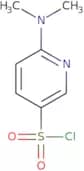
6-(Dimethylamino)pyridine-3-sulfonyl chloride
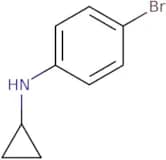
CAS:<p>Versatile small molecule scaffold</p>Formula:C7H9ClN2O2SPurity:Min. 95%Molecular weight:220.68 g/mol4-Bromo-N-cyclopropylaniline
CAS:<p>Versatile small molecule scaffold</p>Formula:C9H10BrNPurity:Min. 95%Molecular weight:212.09 g/mol1-(4-Benzylmorpholin-2-yl)ethan-1-amine
CAS:<p>Versatile small molecule scaffold</p>Formula:C13H20N2OPurity:Min. 95%Molecular weight:220.31 g/mol6-Bromo-3-iodo-1H-pyrazolo[4,3-b]pyridine
CAS:<p>Versatile small molecule scaffold</p>Formula:C6H3BrIN3Purity:Min. 95%Molecular weight:323.92 g/mol2-bromo-5-fluoropyridine-3-carbonitrile
CAS:<p>Versatile small molecule scaffold</p>Formula:C6H2BrFN2Purity:Min. 95%Molecular weight:201 g/mol3-Hydroxy-3-aminomethyloxetane
CAS:<p>Versatile small molecule scaffold</p>Formula:C4H9NO2Purity:Min. 95%Molecular weight:103.12 g/mol3-Chloro-4-(3-fluoro-2-nitrophenoxy)benzoic acid
CAS:<p>Versatile small molecule scaffold</p>Formula:C13H7ClFNO5Purity:Min. 95%Molecular weight:311.65 g/molEthyl 3,5-dimethylpyrazole-4-carboxylate hydrochloride
CAS:<p>Versatile small molecule scaffold</p>Formula:C8H13ClN2O2Purity:Min. 95%Molecular weight:204.65 g/moltert-Butyl 3-(bromomethyl)-8-azabicyclo[3.2.1]octane-8-carboxylate
CAS:<p>Versatile small molecule scaffold</p>Formula:C13H22BrNO2Purity:Min. 95%Molecular weight:304.22 g/mol3-Iodo-1-(oxan-2-yl)pyrazole
CAS:<p>Versatile small molecule scaffold</p>Formula:C8H11IN2OPurity:Min. 95%Molecular weight:278.09 g/mol2,5-Difluoropyridine
CAS:<p>2,5-Difluoropyridine is a ligand that is used in the synthesis of pharmaceuticals and other organic compounds. 2,5-Difluoropyridine is typically activated by a metal ion (e.g., palladium) to form an organometallic complex. The orientation of substituents on the difluoropyridine ring can affect its reactivity and selectivity. For example, chlorine atoms interact with the electrophilic carbon atom in the ring and orientations with electron withdrawing groups are more reactive than those with electron donating groups. 2,5-Difluoropyridine can be used as a cross-coupling reagent for Grignard reactions and nucleophilic substitution reactions. It also has been shown to inhibit human erythrocyte pyruvate kinase activity in vitro and may be useful for the treatment of diabetic complications such as neuropathy or retinopathy.</p>Formula:C5H3F2NPurity:Min. 95%Color and Shape:Clear LiquidMolecular weight:115.08 g/mol3,5-Dichloroaniline
CAS:<p>3,5-Dichloroaniline is an organic compound that exists in two forms. The form that is of most interest to chemists is the para form, which is also called 3,5-dichloro-4-nitroaniline. It has been shown to be an inhibitor of the P450 enzyme system and can be used as a probe for this enzyme activity. 3,5-Dichloroaniline inhibits the activity of bacterial enzymes such as urease, nitroreductase, and cytochrome C reductase. This compound also inhibits the reaction between hydrochloric acid and ammonia to produce ammonium chloride and water. Solubility data for this compound have been obtained by a variety of methods including in vitro studies and experiments on Sprague-Dawley rats.</p>Formula:C6H5Cl2NPurity:Min. 95%Molecular weight:162.02 g/molN~1~-(tert-Butyl)glycinamide hydrochloride
CAS:<p>Versatile small molecule scaffold</p>Formula:C6H15ClN2OPurity:Min. 95%Molecular weight:166.65 g/mol4-(Piperidine-1-carbonyl)benzaldehyde
CAS:<p>Versatile small molecule scaffold</p>Formula:C13H15NO2Purity:Min. 95%Molecular weight:217.26 g/molEthyl 5-(bromomethyl)-2-phenyl-1,3-oxazole-4-carboxylate
CAS:<p>Versatile small molecule scaffold</p>Formula:C13H12BrNO3Purity:Min. 95%Molecular weight:310.14 g/molEthyl 5-(bromomethyl)-1,2,3-thiadiazole-4-carboxylate
CAS:<p>Versatile small molecule scaffold</p>Formula:C6H7BrN2O2SPurity:Min. 95%Molecular weight:251.1 g/mol2-Cyano-3-fluorobenzene-1-sulfonyl chloride
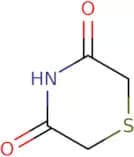
CAS:Versatile small molecule scaffoldFormula:C7H3ClFNO2SPurity:Min. 95%Molecular weight:219.62 g/molThiomorpholine-3,5-dione
CAS:<p>Thiomorpholine-3,5-dione is a chemical compound that has an x-ray crystal structure. It was first synthesized in 1892 and was the first organic molecule with a herringbone molecular geometry to be discovered. Thiomorpholine-3,5-dione is used as a precursor for dyes, pharmaceuticals, and other organic compounds.</p>Formula:C4H5NO2SPurity:Min. 95%Molecular weight:131.16 g/mol5-Amino-1-[4-(trifluoromethyl)phenyl]-1H-pyrazole-4-carbonitrile
CAS:Versatile small molecule scaffoldFormula:C11H7F3N4Purity:Min. 95%Molecular weight:252.2 g/mol3-Bromo-2,4-dichloroaniline
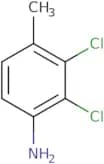
CAS:Versatile small molecule scaffoldFormula:C6H4BrCl2NPurity:Min. 95%Molecular weight:240.91 g/mol2,3-dichloro-4-methylaniline
CAS:<p>Versatile small molecule scaffold</p>Formula:C7H7NCl2Purity:Min. 95%Molecular weight:176.04 g/mol1,2,3,4,5,6-Hexahydrophenanthridin-6-one
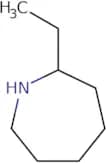
CAS:<p>Versatile small molecule scaffold</p>Formula:C13H13NOPurity:Min. 95%Molecular weight:199.25 g/mol2-Ethylazepane
CAS:<p>Versatile small molecule scaffold</p>Formula:C8H17NPurity:Min. 95%Molecular weight:127.23 g/mol2-(2-Methylpropyl)azepane
CAS:<p>Versatile small molecule scaffold</p>Formula:C10H21NPurity:Min. 95%Molecular weight:155.28 g/mol6-Chloro-2,2-dimethyl-4-chromanone
CAS:<p>Versatile small molecule scaffold</p>Formula:C11H11ClO2Purity:Min. 95%Molecular weight:210.65 g/mol7-Chloro-2,2-dimethyl-3,4-dihydro-2H-1-benzopyran-4-one
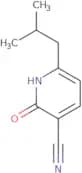
CAS:<p>Versatile small molecule scaffold</p>Formula:C11H11ClO2Purity:Min. 95%Molecular weight:210.65 g/mol6-(2-Methylpropyl)-2-oxo-1,2-dihydropyridine-3-carbonitrile
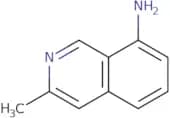
CAS:<p>Versatile small molecule scaffold</p>Formula:C10H12N2OPurity:Min. 95%Molecular weight:176.21 g/mol3-Methylisoquinolin-8-amine
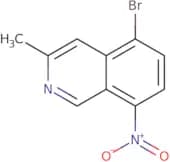
CAS:<p>Versatile small molecule scaffold</p>Formula:C10H10N2Purity:Min. 95%Molecular weight:158.2 g/mol5-bromo-3-methyl-8-nitroisoquinoline
CAS:Versatile small molecule scaffoldFormula:C10H7BrN2O2Purity:Min. 95%Molecular weight:267.08 g/molrac-(3R,4R)-4-Phenylpiperidin-3-ol
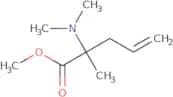
CAS:<p>Versatile small molecule scaffold</p>Formula:C11H15NOPurity:Min. 95%Molecular weight:177.2 g/molMethyl 2-(dimethylamino)-2-methylpent-4-enoate
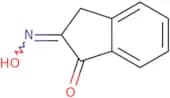
CAS:<p>Versatile small molecule scaffold</p>Formula:C9H17NO2Purity:Min. 95%Molecular weight:171.24 g/mol(Z)-2-(Hydroxyimino)-2,3-dihydro-1H-inden-1-one
CAS:Versatile small molecule scaffoldFormula:C9H7NO2Purity:Min. 95%Molecular weight:161.16 g/mol2-[(6-Phenylpyridazin-3-yl)amino]ethan-1-ol
CAS:<p>Versatile small molecule scaffold</p>Formula:C12H13N3OPurity:Min. 95%Molecular weight:215.25 g/mol3-(5-Methyl-1,2-oxazol-3-yl)propanoic acid
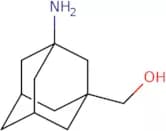
CAS:<p>3-(5-Methyl-1,2-oxazol-3-yl)propanoic acid (MTPA) is an extracellular cationic surfactant that has been shown to be an efficient method for the synthesis of citric acid. MTPA is a stable and soluble compound that is used in the production of polymers, plastics, and cosmetics. It also has antioxidant effects due to its ability to scavenge free radicals. MTPA can be synthesized by reacting methyl 3-(5-methyl-1,2-oxazol-3-yl)propanoate with hydrochloric acid and chlorine gas or chlorate ions in aqueous solution.</p>Formula:C7H9NO3Purity:Min. 95%Molecular weight:155.15 g/mol(3-Aminoadamantan-1-yl)methanol
CAS:<p>3-Aminoadamantan-1-ylmethanol (3MAM) is a carboxylic acid that is the target molecule in the hydrolysis of adamantane. It can be synthesized from 3-aminoadamantane by reacting with methanol, which reacts with the carboxylic acid group to form an ester. 3MAM is used as a neutralization agent for the synthesis of other compounds, such as 2-adamantanol. 3MAM is reactive with elemental mercury, which causes it to break down and form a carboxylic acid. Hydrolysis of 3MAM also occurs under acidic conditions and produces acetic acid, water, and hydrogen gas.</p>Formula:C11H19NOPurity:Min. 95%Molecular weight:181.27 g/molBenzyl prolinate hydrochloride
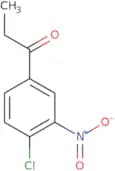
CAS:<p>Benzyl prolinate hydrochloride is a pressor drug that has been shown to be active against angiotensin-converting enzyme (ACE) and other enzymes. It is an inhibitor of the enzyme that converts angiotensin I to angiotensin II, which causes vasoconstriction and stimulates the release of aldosterone. The diethylamine salt of this compound is used as an antihypertensive agent in animals. Benzyl prolinate hydrochloride also inhibits esterase enzymes, which are involved in the metabolism of drugs such as barbiturates and benzodiazepines. This drug has been shown to inhibit both high-and low-activity forms of esterases.</p>Formula:C12H16ClNO2Purity:Min. 95%Molecular weight:241.71 g/mol1-(4-Chloro-3-nitrophenyl)propan-1-one
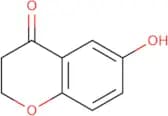
CAS:<p>Versatile small molecule scaffold</p>Formula:C9H8ClNO3Purity:Min. 95%Molecular weight:213.62 g/mol6-Hydroxy-chroman-4-one
CAS:<p>6-Hydroxy-chroman-4-one is a synthetic compound that is structurally similar to flavonoids. It has been shown as an antipsychotic agent in schizophrenia, but needs to be tested further. 6-Hydroxy-chroman-4-one binds to the dopamine D2 receptor, which is one of the main receptors involved in schizophrenia. This binding prevents the receptor from functioning, reducing psychotic symptoms. There are also a number of benzisoxazole derivatives that have been synthesized and tested for antipsychotic properties. 6-Hydroxy-chroman-4-one binds to the dopamine D2 receptor and prevents it from functioning, reducing psychotic symptoms.<br>6-Hydroxy chroman 4 one can also be used as a medicine or synthesize with other compounds such as chloropropane or isoflavones to make medicines.</p>Formula:C9H8O3Purity:Min. 95%Molecular weight:164.16 g/mol1-Methyl-4-oxo-5-[3-(trifluoromethyl)phenyl]-1,4-dihydropyridine-3-carboxylic acid
CAS:<p>Versatile small molecule scaffold</p>Formula:C14H10F3NO3Purity:Min. 95%Molecular weight:297.23 g/molMethyl 2-amino-4-methoxybutanoate hydrochloride
CAS:Versatile small molecule scaffoldFormula:C6H14ClNO3Purity:Min. 95%Molecular weight:183.63 g/molEthyl 4-tert-butylbenzoylformate
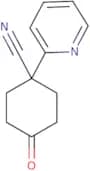
CAS:<p>Versatile small molecule scaffold</p>Formula:C14H18O3Purity:Min. 95%Molecular weight:234.29 g/mol4-Oxo-1-(2-pyridinyl)cyclohexanecarbonitrile
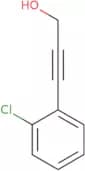
CAS:<p>Versatile small molecule scaffold</p>Formula:C12H12N2OPurity:Min. 95%Molecular weight:200.24 g/mol3-(2-Chlorophenyl)prop-2-yn-1-ol
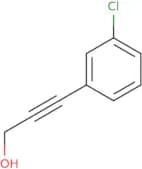
CAS:<p>Versatile small molecule scaffold</p>Formula:C9H7ClOPurity:Min. 95%Molecular weight:166.6 g/mol3-(3-Chloro-phenyl)-prop-2-yn-1-ol
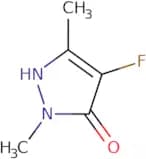
CAS:<p>Versatile small molecule scaffold</p>Formula:C9H7ClOPurity:Min. 95%Molecular weight:166.6 g/mol4-Fluoro-1,3-dimethyl-1H-pyrazol-5-ol
CAS:<p>Versatile small molecule scaffold</p>Formula:C5H7FN2OPurity:Min. 95%Molecular weight:130.12 g/mol3-(Ethoxymethyl)aniline
CAS:Versatile small molecule scaffoldFormula:C9H13NOPurity:Min. 95%Molecular weight:151.21 g/mol3-[(Hexyloxy)methyl]aniline
CAS:<p>Versatile small molecule scaffold</p>Formula:C13H21NOPurity:Min. 95%Molecular weight:207.31 g/mol2-[[(1,1-Dimethylethyl)dimethylsilyl]oxy]phenol
CAS:<p>Versatile small molecule scaffold</p>Formula:C12H20O2SiPurity:Min. 95%Molecular weight:224.37 g/mol2-{[(Pyridin-2-yl)methyl]sulfanyl}ethan-1-ol
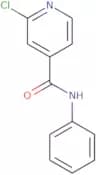
CAS:<p>Versatile small molecule scaffold</p>Formula:C8H11NOSPurity:Min. 95%Molecular weight:169.25 g/mol2-Chloro-N-phenylisonicotinamide
CAS:<p>Versatile small molecule scaffold</p>Formula:C12H9ClN2OPurity:Min. 95%Molecular weight:232.67 g/mol3,6-Dimethyl-2-sulfanyl-3,4-dihydroquinazolin-4-one
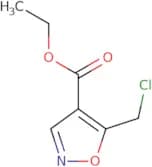
CAS:<p>Versatile small molecule scaffold</p>Formula:C10H10N2OSPurity:Min. 95%Molecular weight:206.3 g/molEthyl 5-(chloromethyl)-1,2-oxazole-4-carboxylate
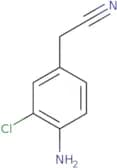
CAS:<p>Versatile small molecule scaffold</p>Formula:C7H8ClNO3Purity:Min. 95%Molecular weight:189.59 g/mol2-(4-Amino-3-chlorophenyl)acetonitrile
CAS:<p>Versatile small molecule scaffold</p>Formula:C8H7ClN2Purity:Min. 95%Molecular weight:166.61 g/mol(4-Chloro-1H-pyrazol-1-yl)methanol
CAS:<p>Versatile small molecule scaffold</p>Formula:C4H5ClN2OPurity:Min. 95%Molecular weight:132.55 g/mol4-[(1H-Pyrazol-1-yl)methyl]phenol
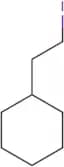
CAS:<p>4-[(1H-Pyrazol-1-yl)methyl]phenol (4PMP) is an inhibitor of dopamine beta-hydroxylase that has been studied in assays with dopamine and noradrenaline. It has been shown to activate both noradrenaline and dopamine receptors, and can be used as a tool for the study of blood pressure regulation. 4PMP also increases reactive oxygen species production, which may be due to its ability to react with cyanide ions. The binding of 4PMP to the enzyme is reversible and competitive. The pH profile of 4PMP has also been studied, with a range from 2 to 5.4. Kinetic studies have shown that the reaction rate for 4PMP is best described by a Michaelis-Menten kinetic model, with a Km value of 0.03 mM and Vmax value of 9.3 μM/min for dopamine β-hydroxylase inhibition. There are</p>Formula:C10H10N2OPurity:Min. 95%Molecular weight:174.2 g/mol(2-Iodoethyl)cyclohexane
CAS:<p>Versatile small molecule scaffold</p>Formula:C8H15IPurity:Min. 95%Molecular weight:238.11 g/mol3-(Cyclopentylsulfonyl)aniline
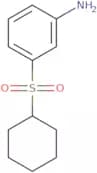
CAS:<p>Versatile small molecule scaffold</p>Formula:C11H15NO2SPurity:Min. 95%Molecular weight:225.31 g/mol3-(Cyclohexanesulfonyl)aniline
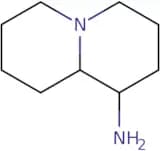
CAS:<p>Versatile small molecule scaffold</p>Formula:C12H17NO2SPurity:Min. 95%Molecular weight:239.34 g/molOctahydro-1H-quinolizin-1-amine
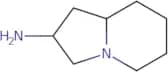
CAS:<p>Versatile small molecule scaffold</p>Formula:C9H18N2Purity:Min. 95%Molecular weight:154.25 g/molOctahydroindolizin-2-amine
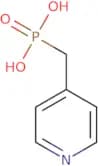
CAS:<p>Versatile small molecule scaffold</p>Formula:C8H16N2Purity:Min. 95%Molecular weight:140.23 g/mol4-Pyridylmethylphosphonic acid
CAS:<p>4-Pyridylmethylphosphonic acid is an inorganic compound that is a ligand for the metal Ruthenium. It is used in organic synthesis as a photosensitizer and a potentiometric titrant. The ligand binds to the metal through one or more of its oxygen atoms, forming a coordination complex. The bond cleavage reaction occurs when the molecule absorbs light of sufficient energy, causing it to break into two parts. 4-Pyridylmethylphosphonic acid is not very soluble in water and is therefore used as an electrolyte in potentiometric titrations. The pH of the solution will change depending on the concentration of the acid. 4-Pyridylmethylphosphonic acid can also be used as a catalyst for certain organic reactions such as esterification and transesterification reactions.</p>Formula:C6H8NO3PPurity:Min. 95%Molecular weight:173.11 g/mol4-Cyano-1H-pyrrole-2-carboxylic acid
CAS:<p>4-Cyano-1H-pyrrole-2-carboxylic acid is a small molecule that has been shown to have potent anti-cancer activity in animal models. It can induce the proliferation of human epidermal progenitor cells and the growth of tumor cells in culture. Animal studies have demonstrated that 4-cyano-1H-pyrrole-2-carboxylic acid enhances the infiltration of microglia and csf-1 receptor expression in brain tumors, leading to an increase in microglial activation. This agent also interacts with cancer cell factor receptor, enhancing its function and leading to increased infiltration of tumor cells by microglia.</p>Formula:C6H4N2O2Purity:Min. 95%Molecular weight:136.11 g/molEthyl 2-cycloheptylacetate
CAS:<p>Ethyl 2-cycloheptylacetate is an organic compound with the formula CH3CH2C6H11CH2CO2Et. It is a colorless liquid which is soluble in water and ether, but not in most common organic solvents. It has been shown to be effective in inhibiting the development of atherosclerosis in mice by interfering with cholesterol synthesis. In addition, it has been shown to inhibit the proliferation of vascular smooth muscle cells and to alter their gene expression profile. The compound also inhibits angiotensin II-induced hypertension, as well as norepinephrine-induced vasoconstriction and platelet aggregation.</p>Formula:C11H20O2Purity:Min. 95%Molecular weight:184.28 g/molEthyl 3-ethylpentanoate
CAS:<p>Versatile small molecule scaffold</p>Formula:C9H18O2Purity:Min. 95%Molecular weight:158.24 g/mol3-acetamido-2,2-dimethylpropanoic acid
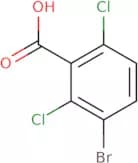
CAS:Versatile small molecule scaffoldFormula:C7H13NO3Purity:Min. 95%Molecular weight:159.19 g/mol2,6-dichloro-3-bromobenzoic acid
CAS:<p>Versatile small molecule scaffold</p>Formula:C7H3BrCl2O2Purity:Min. 95%Molecular weight:269.9 g/mol2-(4-Nitrophenyl)ethane-1-sulfonyl chloride
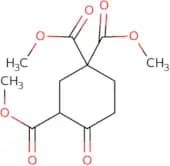
CAS:<p>Versatile small molecule scaffold</p>Formula:C8H8ClNO4SPurity:Min. 95%Molecular weight:249.67 g/mol1,1,3-Cyclohexanetricarboxylic acid, 4-oxo-, trimethyl ester
CAS:<p>Versatile small molecule scaffold</p>Formula:C12H16O7Purity:Min. 95%Molecular weight:272.25 g/mol1-(2-Methyltetrahydrofuran-2-yl)pent-4-en-1-one
CAS:Versatile small molecule scaffoldFormula:C10H16O2Purity:Min. 95%Molecular weight:168.23 g/mol5-chloro-2,1,3-benzoxadiazol-4-amine
CAS:<p>Versatile small molecule scaffold</p>Formula:C6H4ClN3OPurity:Min. 95%Molecular weight:169.57 g/mol2,3-Dihydro-1H-indole-6-sulfonic acid
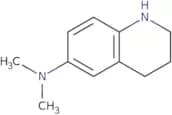
CAS:<p>Versatile small molecule scaffold</p>Formula:C8H9NO3SPurity:Min. 95%Molecular weight:199.23 g/molN,N-Dimethyl-1,2,3,4-tetrahydroquinolin-6-amine
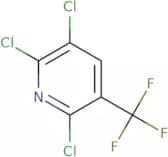
CAS:<p>Versatile small molecule scaffold</p>Formula:C11H16N2Purity:Min. 95%Molecular weight:176.26 g/mol2,3,6-Trichloro-5-(trifluoromethyl)pyridine
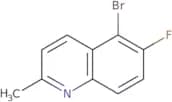
CAS:Sodium hypochlorite is a chemical compound that contains one chlorine atom and one sodium atom. It is used in the manufacture of various products, such as bleaches, disinfectants, and water treatment. Hypochlorite can be produced by reacting chlorine with sodium hydroxide or ammonia. Hypochlorite is also used to make other chemicals, such as phenols and chlorinated compounds. Hydrazine is a colorless liquid with a suffocating odor that is highly toxic and corrosive. It has been used as rocket fuel and has been shown to have carcinogenic effects on humans.Formula:C6HCl3F3NPurity:Min. 95%Molecular weight:250.4 g/mol5-Bromo-6-fluoro-2-methylquinoline
CAS:<p>5-Bromo-6-fluoro-2-methylquinoline is a reagent that is used as a counterion in organic synthesis. It also can be used as a synthetic intermediate for the production of ethoxymethylenemalonate. 5-Bromo-6-fluoro-2-methylquinoline is catalytic and readily reacts with Grignard reagents, polyphosphoric acid, and methyl groups to form reaction products. This product has been shown to react with diethyl ether and toluene in high yield under basic conditions.</p>Formula:C10H7BrFNPurity:Min. 95%Molecular weight:240.07 g/molMethyl 1-(propan-2-yl)-1H-imidazole-5-carboxylate
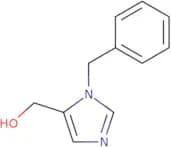
CAS:Versatile small molecule scaffoldFormula:C8H12N2O2Purity:Min. 95%Molecular weight:168.2 g/mol1-Benzyl-5-hydroxymethyl-1H-imidazole
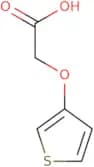
CAS:<p>1-Benzyl-5-hydroxymethyl-1H-imidazole is a dialkyl calcium channel antagonist that blocks the voltage-gated calcium channels in the nucleus and jejunum. It has been shown to have relaxant properties and antagonistic activity when it binds to the calcium channel. 1-Benzyl-5-hydroxymethyl-1H-imidazole has been investigated for its potential use as a treatment for disorders such as dyspepsia and peptic ulcer disease. The dimethylamino substituent on 1BHM may be responsible for its spontaneous decomposition, which limits its usefulness in vivo.</p>Formula:C11H12N2OPurity:Min. 95%Molecular weight:188.23 g/mol2-(Thiophen-3-yloxy)acetic acid
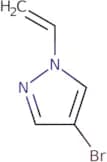
CAS:<p>Versatile small molecule scaffold</p>Formula:C6H6O3SPurity:Min. 95%Molecular weight:158.18 g/mol4-Bromo-1-vinyl-1H-pyrazole
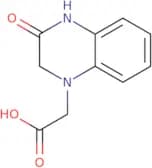
CAS:<p>4-Bromo-1-vinyl-1H-pyrazole is a substituted pyrazole that has a molecular formula of C6H4BrN. It is a paramagnetic compound with two different rotational constants for the vinyl group. 4-Bromo-1-vinyl-1H-pyrazole has been shown to interact with ruthenium and titanium complexes, which is due to its ability to bind to the metal center by coordinate covalent bonding. This interaction leads to conformational changes in the molecules and can be rationalized as population constants or as quantum numbers. 4-Bromo-1-vinyl-1H-pyrazole also has an NMR spectrum that includes peaks at 0.9 ppm, 1.7 ppm, 2.3 ppm, and 3.2 ppm that correspond to various nuclei in the molecule such as protons and carbon isotopes.</p>Formula:C5H5BrN2Purity:Min. 95%Molecular weight:173.01 g/mol2-(3-Oxo-1,2,3,4-tetrahydroquinoxalin-1-yl)acetic acid
CAS:Versatile small molecule scaffoldFormula:C10H10N2O3Purity:Min. 95%Molecular weight:206.2 g/mol(2S)-3-(Boc-amino)-2-amino-1-propanol
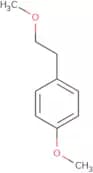
CAS:<p>Versatile small molecule scaffold</p>Formula:C8H18N2O3Purity:Min. 95%Molecular weight:190.24 g/molp-Methoxyphenethyl methyl ether-d3
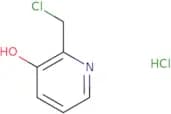
CAS:<p>Versatile small molecule scaffold</p>Formula:C10H14O2Purity:Min. 95%Molecular weight:166.22 g/mol2-(Chloromethyl)pyridin-3-ol hydrochloride
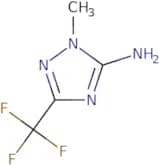
CAS:<p>Versatile small molecule scaffold</p>Formula:C6H7Cl2NOPurity:Min. 95%Molecular weight:180.03 g/mol1-Methyl-3-(trifluoromethyl)-1H-1,2,4-triazol-5-amine
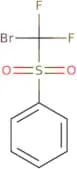
CAS:<p>Versatile small molecule scaffold</p>Formula:C4H5F3N4Purity:Min. 95%Molecular weight:166.1 g/molBromodifluoromethanesulfonylbenzene
CAS:<p>Bromodifluoromethanesulfonylbenzene is a nucleophilic synthon that can be used for the synthesis of organometallic compounds. It is a halide with a trifluoromethyl group that is used in organic chemistry as an efficient method for the synthesis of sulfoxides and sulfones. Bromodifluoromethanesulfonylbenzene can be used in combination with aryl boronic acids, amines, and silicon to synthesize aldimines.</p>Formula:C7H5BrF2O2SPurity:Min. 95%Molecular weight:271.08 g/molEthyl 2-bromoimidazo[2,1-b][1,3]thiazole-6-carboxylate
CAS:<p>Versatile small molecule scaffold</p>Formula:C8H7BrN2O2SPurity:Min. 95%Molecular weight:275.12 g/mol2-Bromoimidazo[2,1-b]thiazole-6-carboxylic acid
CAS:Versatile small molecule scaffoldFormula:C6H3BrN2O2SPurity:Min. 95%Molecular weight:247.07 g/molSpiro[bicyclo[3.2.1]octane-3,4'-imidazolidine]-2',5'-dione
CAS:<p>Versatile small molecule scaffold</p>Formula:C10H14N2O2Purity:Min. 95%Molecular weight:194.2 g/mol2-Methyl-5H-pyrrolo[3,4-b]pyrazine-5,7(6H)-dione
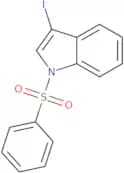
CAS:<p>Versatile small molecule scaffold</p>Formula:C7H5N3O2Purity:Min. 95%Molecular weight:163.13 g/mol3-Iodo-1-(phenylsulfonyl)indole
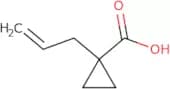
CAS:<p>3-Iodo-1-(phenylsulfonyl)indole (3-ISI) is a ligand that is used to crystallize metal ions. 3-ISI binds to metal ions through interactions with the halide ion. The 3-ISI molecule has two phenylsulfonyl groups and one iodine atom, which are the sites of coordination to metal ions. Friedel-Crafts acylation reactions use 3-ISI as a ligand because it does not react with the catalyst or acid, but can be easily replaced by other ligands during the reaction. Parameters for determining its structure include X-ray crystallography, NMR spectroscopy, IR spectroscopy, and elemental analysis. The chloride anion in 3-ISI is able to form hydrogen bonds with other chloride anions in order to stabilize its structure.<br>3-ISI can be synthesized by reacting iodides with benzyl bromide and phosphorous pent</p>Formula:C14H10INO2SPurity:Min. 95%Molecular weight:383.21 g/mol1-Allylcyclopropanecarboxylic acid
CAS:<p>Versatile small molecule scaffold</p>Formula:C7H10O2Purity:Min. 95%Molecular weight:126.15 g/mol2-Chloro-N-[(3,4-dimethoxyphenyl)methyl]propanamide
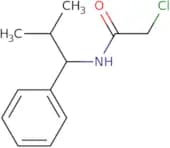
CAS:<p>Versatile small molecule scaffold</p>Formula:C12H16ClNO3Purity:Min. 95%Molecular weight:257.71 g/mol2-Chloro-N-(2-methyl-1-phenylpropyl)acetamide
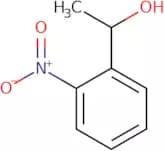
CAS:<p>Versatile small molecule scaffold</p>Formula:C12H16ClNOPurity:Min. 95%Molecular weight:225.71 g/mol(S)-1-(2-Nitrophenyl)ethanol
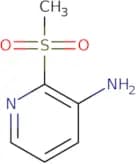
CAS:<p>Versatile small molecule scaffold</p>Formula:C8H9NO3Purity:Min. 95%Molecular weight:167.16 g/mol2-(Methylsulfonyl)pyridin-3-amine
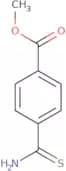
CAS:<p>Versatile small molecule scaffold</p>Formula:C6H8N2O2SPurity:Min. 95%Molecular weight:172.2 g/mol4-Thiocarbamoyl-benzoic acid methyl ester
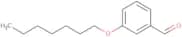
CAS:<p>Versatile small molecule scaffold</p>Formula:C9H9NO2SPurity:Min. 95%Molecular weight:195.24 g/mol3-(Heptyloxy)benzaldehyde
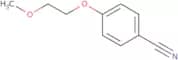
CAS:<p>Versatile small molecule scaffold</p>Formula:C14H20O2Purity:Min. 95%Molecular weight:220.31 g/mol4-(2-Methoxyethoxy)benzonitrile
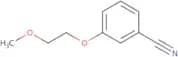
CAS:<p>4-(2-Methoxyethoxy)benzonitrile is a phenyl ether that can be synthesized by the reaction of 4-hydroxybenzonitrile and methoxymethyl chloride. It is an organic compound with a molecular formula of C8H12O2N2. This compound has been shown to undergo hydrolysis in nonaqueous solvents, as well as microwave irradiation, which produces phenol, acetone, and methanol.</p>Formula:C10H11NO2Purity:Min. 95%Molecular weight:177.2 g/mol3-(2-Methoxyethoxy)benzonitrile
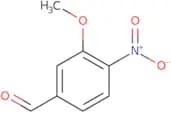
CAS:<p>Versatile small molecule scaffold</p>Formula:C10H11NO2Purity:Min. 95%Molecular weight:177.2 g/mol3-methoxy-4-nitrobenzaldehyde
CAS:<p>3-Methoxy-4-nitrobenzaldehyde (3MNB) is a biomolecular that is used to study nucleophilic substitutions. It has been shown to inhibit the growth of cells in culture, specifically those with fatty acid amides. 3MNB inhibits the synthesis of β-amyloid, a protein associated with Alzheimer's disease. 3MNB also has potent inhibitory activity on chloride channels and phenylhydrazone binding sites, which are targets for antipsychotic drugs. 3MNB inhibits the production of sh-sy5y cells and piperazine binding sites in the brain. The inhibition of these sites leads to an improvement in memory and learning ability.</p>Formula:C8H7NO4Purity:Min. 95%Molecular weight:181.1 g/mol1-Bromonaphthalen-2-amine hydrochloride
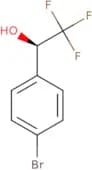
CAS:<p>Versatile small molecule scaffold</p>Formula:C10H9BrClNPurity:Min. 95%Molecular weight:258.54 g/mol(R)-1-(4-Bromophenyl)-2,2,2-trifluoroethan-1-ol
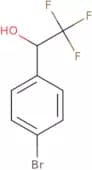
CAS:<p>Versatile small molecule scaffold</p>Formula:C8H6BrF3OPurity:Min. 95%Molecular weight:255.03 g/mol(S)-1-(4-Bromophenyl)-2,2,2-trifluoroethanol
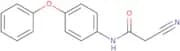
CAS:<p>Versatile small molecule scaffold</p>Formula:C8H6BrF3OPurity:Min. 95%Molecular weight:255.03 g/mol2-Cyano-N-(4-phenoxyphenyl)acetamide
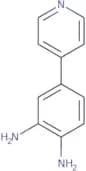
CAS:<p>Versatile small molecule scaffold</p>Formula:C15H12N2O2Purity:Min. 95%Molecular weight:252.27 g/mol4-(Pyridin-4-yl)benzene-1,2-diamine
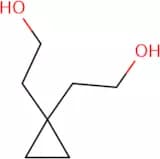
CAS:<p>Versatile small molecule scaffold</p>Formula:C11H11N3Purity:Min. 95%Molecular weight:185.22 g/mol1,1-Cyclopropanediethanol
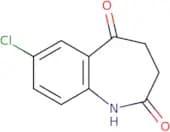
CAS:<p>Versatile small molecule scaffold</p>Formula:C7H14O2Purity:Min. 95%Molecular weight:130.18 g/mol7-chloro-2,3,4,5-tetrahydro-1H-1-benzazepine-2,5-dione
CAS:Versatile small molecule scaffoldFormula:C10H8ClNO2Purity:Min. 95%Molecular weight:209.63 g/mol4-[(3,5-Dimethyl-1H-pyrazol-4-yl)sulfonyl]morpholine
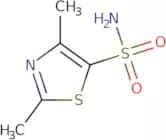
CAS:<p>Versatile small molecule scaffold</p>Formula:C9H15N3O3SPurity:Min. 95%Molecular weight:245.3 g/molDimethyl-1,3-thiazole-5-sulfonamide
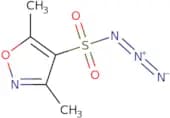
CAS:<p>Versatile small molecule scaffold</p>Formula:C5H8N2O2S2Purity:Min. 95%Molecular weight:192.3 g/molDimethyl-1,2-oxazole-4-sulfonyl azide
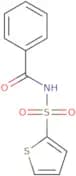
CAS:Versatile small molecule scaffoldFormula:C5H6N4O3SPurity:Min. 95%Molecular weight:202.19 g/molN-(Thiophene-2-sulfonyl)benzamide
CAS:<p>Versatile small molecule scaffold</p>Formula:C11H9NO3S2Purity:Min. 95%Molecular weight:267.3 g/mol2-Ethenyl-5-methylfuran
CAS:<p>2-Ethenyl-5-methylfuran is a monomer that belongs to the group of styrene. It has been shown to polymerize with cationic polymerization, and it can be used as a marker for carbohydrate. 2-Ethenyl-5-methylfuran is also able to copolymerize with many other monomers, including acrylonitrile and acrylic acid. The reactions of 2-ethenyl-5-methylfuran are similar to those of coumarin derivatives and trifluoroacetic acid. 2-Ethenyl-5-methylfuran can be used in chemical reactions, such as model systems.</p>Formula:C7H8OPurity:Min. 95%Color and Shape:Clear LiquidMolecular weight:108.14 g/mol5-Ethylidene-2-norbornene, sum of endo and exo, stabilizer with BHT
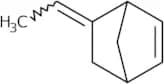
CAS:<p>5-Ethylidene-2-norbornene is a chemical that has been used in the past as an ingredient in plastics and rubber. It is now being investigated as a possible diagnostic agent for chronic exposure to hydrogen chloride. 5-Ethylidene-2-norbornene reacts with hydrogen chloride to form a fluorescent compound that can be detected by nmr spectroscopy. This reaction allows for the detection of hydrogen chloride at concentrations below the threshold limit value of 0.1 ppm, which is set by OSHA. The detection of hydrogen chloride can be accomplished using an optical sensor or by microencapsulating 5-ethylidene-2-norbornene inside a polymer matrix and measuring the fluorescence from the microcapsules. The use of 5-ethylidene-2-norbornene for this application is still under investigation but it may have potential clinical use as a diagnostic tool for chronic exposure to hydrogen chloride.</p>Formula:C9H12Purity:Min. 97.5 Area-%Color and Shape:Clear LiquidMolecular weight:120.19 g/molEthyl mercaptoacetate
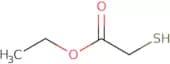
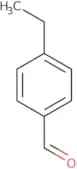
CAS:<p>Ethyl mercaptoacetate (EM) is a metabolite of ethyl diazoacetate (EDA) that reacts with nucleophilic groups such as hydroxyl, amino, and thiol groups. It binds to the receptor binding sites of an enzyme that is involved in inflammatory diseases. EM has been shown to have inhibitory effects on the activity of this enzyme and may be used for the treatment of inflammatory diseases. EM also inhibits the production of epoxides by acting as an alkylating agent on protein cysteine residues. This reaction leads to changes in the nmr spectra which can be used for identification purposes.</p>Formula:C4H8O2SPurity:Min. 95%Molecular weight:120.17 g/mol4-Ethylbenzaldehyde
CAS:<p>4-Ethylbenzaldehyde is a chemical compound that belongs to the group of fatty acids. It has been shown to have biological properties, such as antiviral potency and genotoxic effects. This chemical compound also has a gas sensor property and is used as an exothermic reactant in organic synthesis reactions. 4-Ethylbenzaldehyde has been shown to inhibit the growth of bacteria, fungi, and viruses by blocking the synthesis of viral nucleic acid or inhibiting viral protein synthesis. The magnetic resonance spectroscopy (NMR) spectral data for 4-ethylbenzaldehyde show that this chemical compound contains two methyl groups, one on each side of the benzene ring, with a hydroxyl group on one end. The carbon atoms are bonded together in an alternating pattern of single and double bonds. The molecular formula for 4-ethylbenzaldehyde is C9H10O2.</p>Formula:C9H10OPurity:Min. 96.0%Color and Shape:PowderMolecular weight:134.18 g/molN-[2-(3,4-Dihydroxyphenyl)ethyl]octanamide
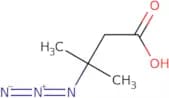
CAS:<p>N-[2-(3,4-Dihydroxyphenyl)ethyl]octanamide (CGP3466B) is a histone deacetylase (HDAC) inhibitor. It is used as a tool to investigate the role of HDACs in various diseases. CGP3466B has been shown to activate inflammatory genes, including NF-κB and TNF-α, which are implicated in inflammatory diseases. CGP3466B has also been shown to inhibit the polymerase chain reaction (PCR), leading to a decreased production of inflammatory molecules such as TNF-α. This drug can be used as a therapeutic agent for patients with nephrology dialysis and those with inflammatory diseases.<br>CGP3466B was shown to have an inhibitory effect on muscle cell proliferation and is being investigated for its use in cancer treatment.</p>Formula:C16H25NO3Purity:Min. 95%Molecular weight:279.37 g/mol3-Azido-3-methylbutanoic acid
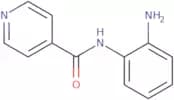
CAS:<p>3-Azido-3-methylbutanoic acid is an azide that is used as a catalyst. It is a homogeneous catalyst that can be used for the organic synthesis of olefins, such as ethylene and propylene oxide, and for the synthesis of silanes. 3-Azido-3-methylbutanoic acid can be formed by treating 3-azidobutane with methanol in the presence of sodium hydroxide or potassium hydroxide. This reaction forms a salt called sodium or potassium 3-azidomethylbutanoate, which is then hydrolyzed to form 3-azido-3-methylbutanoic acid.</p>Formula:C5H9N3O2Purity:Min. 95%Molecular weight:143.14 g/molN-(2-Amino-phenyl)-isonicotinamide
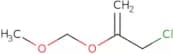
CAS:<p>N-(2-Amino-phenyl)-isonicotinamide is a compound that has various characteristics and potential applications. It has been studied for its interaction with dopamine, as well as its ability to react with methanol and hydrogen atoms. This compound also exhibits amide properties and has been investigated in the development of DNA vaccines. Additionally, it has shown cytotoxic effects on multidrug-resistant cells and demonstrated potential as a catalyst in reactions involving diphenyl ether and guanidine. Furthermore, N-(2-Amino-phenyl)-isonicotinamide has been explored in research related to ornithine, tripterygium, ammonium salts, and tetrachloride. Its diverse characteristics make it an intriguing compound for further study and potential applications.</p>Formula:C12H11N3OPurity:Min. 95%Molecular weight:213.24 g/mol2-(Chloromethyl)-3,5-dioxahex-1-ene
CAS:<p>2-(Chloromethyl)-3,5-dioxahex-1-ene is a synthetic compound that belongs to the group of piperidine compounds. It is a nucleophile and a primary amine that reacts with carbonyl compounds in an efficient method. This reaction is stereoselective and produces the corresponding 2-(chloromethyl)-3,5-dioxahex-1-enes. The chloride ion can be replaced by other nucleophiles such as methoxymethyl or amines. The malonate ester can also be used for this reaction.<br>2-(Chloromethyl)-3,5-dioxahex-1-ene has been shown to react with phenylacetonitrile and chloride ions to produce alkylated products such as 2-(chloromethyl)-3,5-dioxahexanenitrile or 2-(chloromethyl)-4,6-diox</p>Formula:C5H9ClO2Purity:Min. 95%Molecular weight:136.58 g/mol2-[4-(Trifluoroacetamido)phenyl]acetic acid
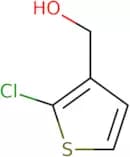
CAS:<p>Versatile small molecule scaffold</p>Formula:C10H8F3NO3Purity:Min. 95%Molecular weight:247.17 g/mol(2-Chlorothiophen-3-yl)methanol
CAS:<p>Versatile small molecule scaffold</p>Formula:C5H5ClOSPurity:Min. 95%Molecular weight:148.61 g/mol[2,2'-Bipyridin]-3-amine
CAS:<p>Versatile small molecule scaffold</p>Formula:C10H9N3Purity:Min. 95%Molecular weight:171.2 g/mol{4-Aminobicyclo[2.2.2]octan-1-yl}methanol
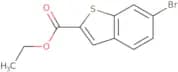
CAS:<p>Versatile small molecule scaffold</p>Formula:C9H17NOPurity:Min. 95%Molecular weight:155.24 g/molEthyl 6-bromo-1-benzothiophene-2-carboxylate
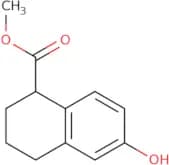
CAS:<p>Versatile small molecule scaffold</p>Formula:C11H9BrO2SPurity:Min. 95%Molecular weight:285.16 g/molMethyl 6-hydroxy-1,2,3,4-tetrahydronaphthalene-1-carboxylate
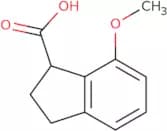
CAS:<p>Versatile small molecule scaffold</p>Formula:C12H14O3Purity:Min. 95%Molecular weight:206.24 g/mol7-Methoxy-2,3-dihydro-1H-indene-1-carboxylic acid
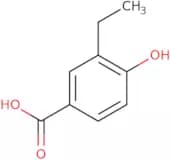
CAS:<p>Versatile small molecule scaffold</p>Formula:C11H12O3Purity:Min. 95%Molecular weight:192.21 g/mol3-Ethyl-4-hydroxybenzoic acid
CAS:<p>Versatile small molecule scaffold</p>Formula:C9H10O3Purity:Min. 95%Molecular weight:166.17 g/mol1-[(4-Methoxyphenyl)methyl]-1H-1,2,3,4-tetrazole-5-thiol
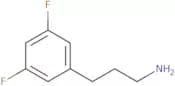
CAS:Versatile small molecule scaffoldFormula:C9H10N4OSPurity:Min. 95%Molecular weight:222.27 g/mol3-(3,5-Difluorophenyl)propan-1-amine
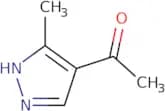
CAS:<p>Versatile small molecule scaffold</p>Formula:C9H11F2NPurity:Min. 95%Molecular weight:171.19 g/mol1-(5-Methyl-1H-Pyrazol-4-Yl)Ethanone
CAS:<p>Phenylhydrazine is a white crystalline solid with a molecular weight of 150.25, and the molecular formula C6H5NHN. It is soluble in water, alcohol, ether and chloroform. Phenylhydrazine can react with an acid chloride to form a hydrazone; this reaction is used in the synthesis of some pharmaceuticals. The most common use of phenylhydrazine is as a precursor to various pharmaceuticals, such as antipyretics and anti-inflammatory agents. Phenylhydrazine reacts with zinc chloride to form 1-(5-methyl-1H-pyrazol-4-yl)ethanone.</p>Formula:C6H8N2OPurity:Min. 95%Molecular weight:124.14 g/molEthyl 2-[(2-carbamoylphenyl)amino]acetate
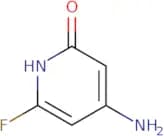
CAS:<p>Versatile small molecule scaffold</p>Formula:C11H14N2O3Purity:Min. 95%Molecular weight:222.24 g/mol4-Amino-6-fluoropyridin-2(1H)-one
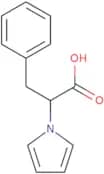
CAS:<p>Versatile small molecule scaffold</p>Formula:C5H5FN2OPurity:Min. 95%Molecular weight:128.11 g/mol3-Phenyl-2-(1H-pyrrol-1-yl)propanoic acid
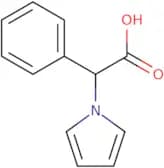
CAS:<p>Versatile small molecule scaffold</p>Formula:C13H13NO2Purity:Min. 95%Molecular weight:215.25 g/mol2-phenyl-2-(1H-pyrrol-1-yl)acetic acid
CAS:<p>Versatile small molecule scaffold</p>Formula:C12H11NO2Purity:Min. 95%Molecular weight:201.23 g/mol1-[(Methylamino)methyl]-1,2,3,4-tetrahydronaphthalen-1-ol
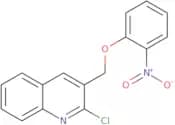
CAS:<p>Versatile small molecule scaffold</p>Formula:C12H17NOPurity:Min. 95%Molecular weight:191.3 g/mol2-Chloro-3-(2-nitrophenoxymethyl)quinoline
CAS:<p>Versatile small molecule scaffold</p>Formula:C16H11ClN2O3Purity:Min. 95%Molecular weight:314.72 g/molMethyl 3-[(2-methyl-1,3-thiazolidin-4-yl)formamido]propanoate hydrochloride
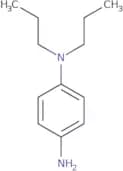
CAS:<p>Versatile small molecule scaffold</p>Formula:C9H17ClN2O3SPurity:Min. 95%Molecular weight:268.76 g/molN-1-,N-1-Dipropyl-1,4-benzenediamine
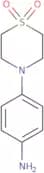
CAS:<p>Versatile small molecule scaffold</p>Formula:C12H20N2Purity:Min. 95%Molecular weight:192.31 g/mol4-(4-Aminophenyl)thiomorpholine 1,1-Dioxide
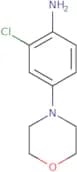
CAS:<p>Versatile small molecule scaffold</p>Formula:C10H14N2O2SPurity:Min. 95%Molecular weight:226.29 g/mol2-Chloro-4-(morpholin-4-yl)aniline
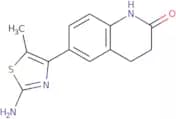
CAS:<p>Versatile small molecule scaffold</p>Formula:C10H13ClN2OPurity:Min. 95%Molecular weight:212.67 g/mol6-(2-Amino-5-methyl-1,3-thiazol-4-yl)-1,2,3,4-tetrahydroquinolin-2-one
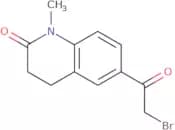
CAS:Versatile small molecule scaffoldFormula:C13H13N3OSPurity:Min. 95%Molecular weight:259.33 g/mol6-(2-Bromoacetyl)-1-methyl-1,2,3,4-tetrahydroquinolin-2-one
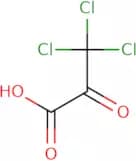
CAS:<p>Versatile small molecule scaffold</p>Formula:C12H12BrNO2Purity:Min. 95%Molecular weight:282.13 g/mol3,3,3-Trichloro-2-oxopropanoic acid
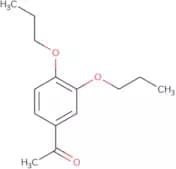
CAS:<p>3,3,3-Trichloro-2-oxopropanoic acid is a photochemical agent that has been used in the synthesis of sulfonamides. It is produced by the reaction of pyruvic acid with sulfuryl chloride or by the reaction of chloroacetic acid with ammonium chloride. The product can be converted to an amine or dichloride using piperidine or chlorine respectively. 3,3,3-Trichloro-2-oxopropanoic acid can also be synthesized from hydroperoxides and amines.</p>Formula:C3HCl3O3Purity:Min. 95%Molecular weight:191.39 g/mol1-(3,4-Dipropoxyphenyl)ethan-1-one
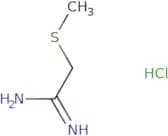
CAS:<p>Versatile small molecule scaffold</p>Formula:C14H20O3Purity:Min. 95%Molecular weight:236.31 g/mol2-(Methylsulfanyl)ethanimidamide hydrochloride
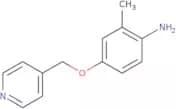
CAS:<p>2-(Methylsulfanyl)ethanimidamide hydrochloride (2MEA) is a pesticide that belongs to the group of esters. It is an alkylating agent that inhibits the growth of fungi by reacting with amino and sulfhydryl groups in proteins. 2MEA has also been shown to be effective against bacteria, specifically those that produce alkoxy or hydroxypyrimidines. The mechanism of action for 2MEA is similar to that of other halogenated alkylating agents, such as chloroacetonitrile. 2MEA is used as a catalyst for the production of mercaptans and alkylthios.</p>Formula:C3H9ClN2SPurity:Min. 95%Molecular weight:140.64 g/mol2-Methyl-4-(pyridin-4-ylmethoxy)aniline
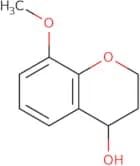
CAS:<p>Versatile small molecule scaffold</p>Formula:C13H14N2OPurity:Min. 95%Molecular weight:214.26 g/mol8-Methoxychroman-4-ol
CAS:<p>Versatile small molecule scaffold</p>Formula:C10H12O3Purity:Min. 95%Molecular weight:180.2 g/mol[1-(1-Benzofuran-2-yl)ethyl](ethyl)amine
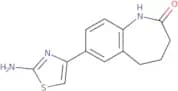
CAS:<p>Versatile small molecule scaffold</p>Formula:C12H15NOPurity:Min. 95%Molecular weight:189.25 g/mol7-(2-Amino-1,3-thiazol-4-yl)-2,3,4,5-tetrahydro-1H-1-benzazepin-2-one
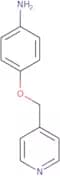
CAS:<p>Versatile small molecule scaffold</p>Formula:C13H13N3OSPurity:Min. 95%Molecular weight:259.33 g/mol4-(Pyridin-4-ylmethoxy)aniline
CAS:<p>Versatile small molecule scaffold</p>Formula:C12H12N2OPurity:Min. 95%Molecular weight:200.24 g/mol4-[(Pyridin-3-yl)methoxy]aniline
CAS:<p>Versatile small molecule scaffold</p>Formula:C12H12N2OPurity:Min. 95%Molecular weight:200.24 g/mol3-Chloro-4-[(5-chloropyrimidin-2-yl)oxy]aniline
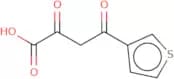
CAS:Versatile small molecule scaffoldFormula:C10H7Cl2N3OPurity:Min. 95%Molecular weight:256.08 g/mol2,4-Dioxo-4-(thiophen-3-yl)butanoic acid
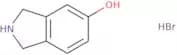
CAS:<p>Versatile small molecule scaffold</p>Formula:C8H6O4SPurity:Min. 95%Molecular weight:198.2 g/molIsoindolin-5-ol Hydrobromide
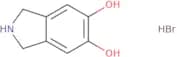
CAS:<p>Versatile small molecule scaffold</p>Formula:C8H10BrNOPurity:Min. 95%Molecular weight:135.17 g/molIsoindoline-5,6-diol hydrobromide
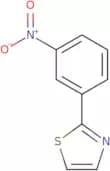
CAS:<p>Versatile small molecule scaffold</p>Formula:C8H10BrNO2Purity:Min. 95%Molecular weight:232.07 g/mol2-(3-Nitrophenyl)-1,3-thiazole
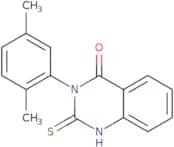
CAS:<p>Versatile small molecule scaffold</p>Formula:C9H6N2O2SPurity:Min. 95%Molecular weight:206.22 g/mol3-(2,5-Dimethylphenyl)-2-sulfanyl-3,4-dihydroquinazolin-4-one
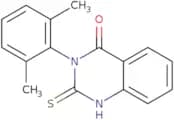
CAS:Versatile small molecule scaffoldFormula:C16H14N2OSPurity:Min. 95%Molecular weight:282.4 g/mol3-(2,6-Dimethylphenyl)-2-sulfanyl-3,4-dihydroquinazolin-4-one
CAS:<p>Versatile small molecule scaffold</p>Formula:C16H14N2OSPurity:Min. 95%Molecular weight:282.4 g/mol(1R)-1-(4-Propylphenyl)ethan-1-ol
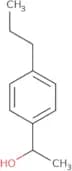
CAS:<p>Versatile small molecule scaffold</p>Formula:C11H16OPurity:Min. 95%Molecular weight:164.24 g/molFmoc-Arg(Pbf)-OH (U-13C6, U-15N4)
CAS:<p>Please enquire for more information about Fmoc-Arg(Pbf)-OH (U-13C6, U-15N4) including the price, delivery time and more detailed product information at the technical inquiry form on this page</p>Formula:C28C)6H40N)4O7SPurity:Min. 95%Molecular weight:658.7 g/molFluocinolone acetonide-21-carboxylic acid
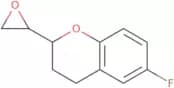
CAS:<p>Please enquire for more information about Fluocinolone acetonide-21-carboxylic acid including the price, delivery time and more detailed product information at the technical inquiry form on this page</p>Formula:C24H28F2O7Purity:Min. 95%Color and Shape:PowderMolecular weight:466.47 g/mol6-Fluoro-3,4-dihydro-2-oxiranyl-2H-1-benzopyran
CAS:<p>Fluorinated benzopyran. Nebivolol precursor.</p>Formula:C11H11FO2Purity:Min. 95%Color and Shape:PowderMolecular weight:194.2 g/molGaramine
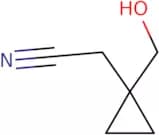
CAS:<p>Please enquire for more information about Garamine including the price, delivery time and more detailed product information at the technical inquiry form on this page</p>Formula:C13H27N3O6Purity:Min. 95%Molecular weight:321.37 g/mol1-(Hydroxymethyl)cyclopropaneacetonitrile
CAS:<p>1-(Hydroxymethyl)cyclopropaneacetonitrile is a cyclic molecule that can be synthesized from the reaction of sulfite and formaldehyde. It can also be obtained by hydrolysis of 1-hydroxycyclopropanecarboxylic acid. The synthesis of 1-(hydroxymethyl)cyclopropaneacetonitrile involves the oxidation of formaldehyde with sodium metaperiodate, followed by hydrolysis with potassium hydroxide or sodium hydroxide to produce 1-formylcyclopropaneacetonitrile, which reacts with sodium sulfite to yield the desired product. This compound has not been found in nature, but it is used as an intermediate in the synthesis of other compounds.</p>Formula:C6H9NOPurity:Min. 95%Molecular weight:111.14 g/molHydroxypropanedial
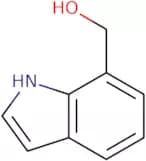
CAS:<p>Hydroxypropanedial is a hydroxy group-containing compound that is not found in natural sources. It has antioxidative properties, which may be due to its ability to scavenge reactive oxygen species or donate hydrogen atoms to free radicals. The compound also has cyclohexane ring and carbonyl groups, which are responsible for the hydroxyl and carboxylic acid functionalities respectively. This substance is used as a chromatographic reagent to measure second-order rate constants of reactions involving hydroxyl radicals. Hydroxypropanedial absorbs light strongly at wavelengths shorter than 300 nm, which is the most effective wavelength range for uv absorption in biological systems.</p>Formula:C3H4O3Purity:Min. 95%Color and Shape:Off-White To Light (Or Pale) Brown SolidMolecular weight:88.06 g/molIndole-7-methanol
CAS:<p>Indole-7-methanol is a flavin cofactor that catalyses the formylation of indole-7-carboxylic acid. Indole-7-methanol can be synthesized by the conversion of indole-7-carboxaldehyde with formaldehyde and ammonium acetate. The macrocyclic, isomeric, and formylated forms of indole-7-methanol have been shown to have utilisation activity in the synthesis of various compounds. These reactions are catalyzed by flavins such as FAD or FMN. Mutant, unsymmetrical derivatives of indole-7-methanol are also known to undergo these types of reactions. The most common derivative is indirubin, which has been shown to inhibit DNA polymerase III and IV in vitro.</p>Formula:C9H9NOPurity:Min. 95%Molecular weight:147.17 g/mol4-Iodo-1-tritylimidazole
CAS:<p>4-Iodo-1-tritylimidazole is an organic molecule that has a chemical stability comparable to that of a nucleophile. It is a molecule with a heterocycle and accepts electrons from carbinol compounds, halides, and other functional groups. 4-Iodo-1-tritylimidazole can be synthesized by the palladium-catalyzed coupling reaction between organometallic reagents and histidine. This compound has been shown to have properties that are similar to those of biomimetic molecules, such as cross-coupling.</p>Formula:C22H17IN2Purity:Min. 95%Color and Shape:PowderMolecular weight:436.29 g/mol2-({[(9H-fluoren-9-yl)methoxy]carbonyl}amino)-4,5-dimethoxybenzoic acid
CAS:<p>Versatile small molecule scaffold</p>Formula:C24H21NO6Purity:Min. 95%Molecular weight:419.4 g/mol4-(2,5-Dichlorophenyl)butanoic acid
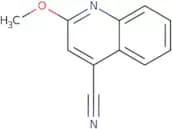
CAS:Versatile small molecule scaffoldFormula:C10H10Cl2O2Purity:Min. 95%Molecular weight:233.09 g/mol2-Methoxyquinoline-4-carbonitrile
CAS:<p>Versatile small molecule scaffold</p>Formula:C11H8N2OPurity:Min. 95%Molecular weight:184.19 g/mol6,7-Dimethyl-2-phenylquinoline-4-carboxylic acid
CAS:<p>Versatile small molecule scaffold</p>Formula:C18H15NO2Purity:Min. 95%Molecular weight:277.3 g/mol4-[(2-Methoxyethyl)amino]benzoic acid
CAS:<p>Versatile small molecule scaffold</p>Formula:C10H13NO3Purity:Min. 95%Molecular weight:195.21 g/mol4-Chloro-[1,1'-biphenyl]-3-carboxylic acid
CAS:<p>Versatile small molecule scaffold</p>Formula:C13H9ClO2Purity:Min. 95%Molecular weight:232.66 g/mol7-chloro-2,3-dihydro-1,4-benzodioxin-6-amine Hydrochloride
CAS:<p>Versatile small molecule scaffold</p>Formula:C8H8NO2Cl·HClPurity:Min. 95%Molecular weight:222.06 g/mol3-(Aminomethyl)-N,N-dimethylbenzene-1-sulfonamide hydrochloride
CAS:<p>Versatile small molecule scaffold</p>Formula:C9H15ClN2O2SPurity:Min. 95%Molecular weight:250.75 g/mol(4-Methyl-1H-imidazol-2-yl)methanamine dihydrochloride
CAS:Versatile small molecule scaffoldFormula:C5H9N3·2HClPurity:Min. 95%Molecular weight:184.07 g/mol3-(Methylsulfonyl)benzylaminehydrochloride
CAS:<p>Versatile small molecule scaffold</p>Formula:C8H12ClNO2SPurity:Min. 95%Molecular weight:221.71 g/mol[3-(Ethanesulfonyl)phenyl]methanamine hydrochloride
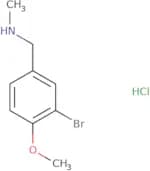
CAS:Versatile small molecule scaffoldFormula:C9H14ClNO2SPurity:Min. 95%Molecular weight:235.73 g/mol1-(3-Bromo-4-methoxyphenyl)-N-methylmethanamine hydrochloride
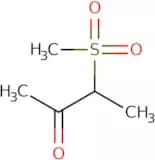
CAS:Versatile small molecule scaffoldFormula:C9H13BrClNOPurity:Min. 95%Molecular weight:266.56 g/mol3-Methanesulfonylbutan-2-one
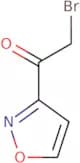
CAS:<p>Versatile small molecule scaffold</p>Formula:C5H10O3SPurity:Min. 95%Molecular weight:150.2 g/mol2-Bromo-1-(1,2-oxazol-3-yl)ethan-1-one
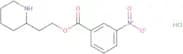
CAS:<p>Versatile small molecule scaffold</p>Formula:C5H4BrNO2Purity:Min. 95%Molecular weight:189.99 g/mol2-(Piperidin-2-yl)ethyl 3-nitrobenzoate hydrochloride
CAS:Versatile small molecule scaffoldFormula:C14H19ClN2O4Purity:Min. 95%Molecular weight:314.76 g/mol3-[3-({[(9H-Fluoren-9-yl)methoxy]carbonyl}amino)propanamido]propanoic acid
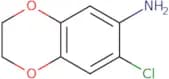
CAS:<p>Versatile small molecule scaffold</p>Formula:C21H22N2O5Purity:Min. 95%Molecular weight:382.4 g/mol7-Chloro-2,3-dihydro-1,4-benzodioxin-6-amine
CAS:<p>Versatile small molecule scaffold</p>Formula:C8H8ClNO2Purity:Min. 95%Molecular weight:185.61 g/mol4-Bromo-7-chlorobenzofuran
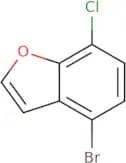
CAS:<p>Versatile small molecule scaffold</p>Formula:C8H4BrClOPurity:Min. 95%Molecular weight:231.47 g/mol2-Amino-2-cyclohexylpropan-1-ol
CAS:Versatile small molecule scaffoldFormula:C9H19NOPurity:Min. 95%Molecular weight:157.25 g/mol3-Cyclohexylbutan-2-amine
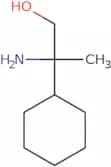
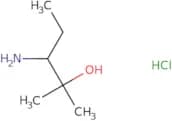
CAS:<p>Versatile small molecule scaffold</p>Formula:C10H21NPurity:Min. 95%Molecular weight:155.28 g/mol3-Amino-2-methylpentan-2-ol hydrochloride
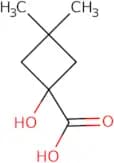
CAS:Versatile small molecule scaffoldFormula:C6H16ClNOPurity:Min. 95%Molecular weight:153.65 g/mol1-Hydroxy-3,3-dimethylcyclobutane-1-carboxylic acid
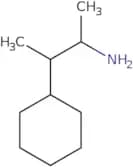
CAS:Versatile small molecule scaffoldFormula:C7H12O3Purity:Min. 95%Molecular weight:144.17 g/mol2-(Benzenesulfonyl)-2-phenylethan-1-amine hydrochloride
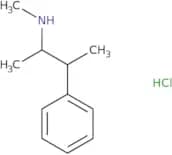
CAS:<p>Versatile small molecule scaffold</p>Formula:C14H16ClNO2SPurity:Min. 95%Molecular weight:297.8 g/molMethyl(3-phenylbutan-2-yl)amine hydrochloride
CAS:Controlled Product<p>Versatile small molecule scaffold</p>Formula:C11H18ClNPurity:Min. 95%Molecular weight:199.72 g/mol6-Oxaspiro[4.5]decan-9-one
CAS:<p>Versatile small molecule scaffold</p>Formula:C9H14O2Purity:Min. 95%Molecular weight:154.21 g/mol6-Oxaspiro[4.5]decan-9-ol
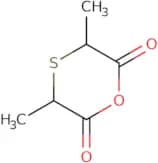
CAS:<p>Versatile small molecule scaffold</p>Formula:C9H16O2Purity:Min. 95%Molecular weight:156.22 g/mol3,5-Dimethyl-1,4-oxathiane-2,6-dione
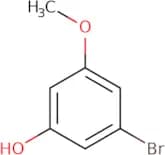
CAS:<p>Versatile small molecule scaffold</p>Formula:C6H8O3SPurity:Min. 95%Molecular weight:160.19 g/mol3-Bromo-5-methoxyphenol
CAS:<p>Versatile small molecule scaffold</p>Formula:C7H7BrO2Purity:Min. 95%Molecular weight:203.04 g/mol1H,3H,4H-[1,4]Oxazino[4,3-a]indole-1,3-dione
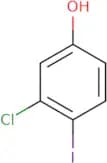
CAS:<p>Versatile small molecule scaffold</p>Formula:C11H7NO3Purity:Min. 95%Molecular weight:201.18 g/mol3-Chloro-4-iodophenol
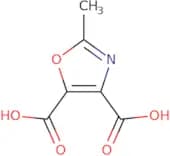
CAS:<p>Versatile small molecule scaffold</p>Formula:C6H4ClIOPurity:Min. 95%Molecular weight:254.45 g/mol2-Methyl-1,3-oxazole-4,5-dicarboxylic acid
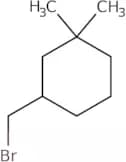
CAS:<p>Versatile small molecule scaffold</p>Formula:C6H5NO5Purity:Min. 95%Molecular weight:171.11 g/mol3-(Bromomethyl)-1,1-dimethylcyclohexane
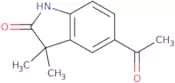
CAS:<p>Versatile small molecule scaffold</p>Formula:C9H17BrPurity:Min. 95%Molecular weight:205.13 g/mol5-Acetyl-3,3-dimethyl-2,3-dihydro-1H-indol-2-one
CAS:Versatile small molecule scaffoldFormula:C12H13NO2Purity:Min. 95%Molecular weight:203.24 g/mol4-[2-(Piperidin-1-yl)ethoxy]phenol hydrochloride
CAS:Versatile small molecule scaffoldFormula:C13H20ClNO2Purity:Min. 95%Molecular weight:257.75 g/mol


![6-Bromo-3-iodo-1H-pyrazolo[4,3-b]pyridine](/_next/image/?url=https%3A%2Fstatic.cymitquimica.com%2Fproducts%2F3D%2Fthumb-webp%2FFCC20817.webp&w=3840&q=75)


![tert-Butyl 3-(bromomethyl)-8-azabicyclo[3.2.1]octane-8-carboxylate](/_next/image/?url=https%3A%2Fstatic.cymitquimica.com%2Fproducts%2F3D%2Fthumb-webp%2FFCC32319.webp&w=3840&q=75)


![5-Amino-1-[4-(trifluoromethyl)phenyl]-1H-pyrazole-4-carbonitrile](/_next/image/?url=https%3A%2Fstatic.cymitquimica.com%2Fproducts%2F3D%2Fthumb-webp%2FFDA02567.webp&w=3840&q=75)





![2-[(6-Phenylpyridazin-3-yl)amino]ethan-1-ol](/_next/image/?url=https%3A%2Fstatic.cymitquimica.com%2Fproducts%2F3D%2Fthumb-webp%2FFDA07191.webp&w=3840&q=75)


![1-Methyl-4-oxo-5-[3-(trifluoromethyl)phenyl]-1,4-dihydropyridine-3-carboxylic acid](/_next/image/?url=https%3A%2Fstatic.cymitquimica.com%2Fproducts%2F3D%2Fthumb-webp%2FFDA09715.webp&w=3840&q=75)



![3-[(Hexyloxy)methyl]aniline](/_next/image/?url=https%3A%2Fstatic.cymitquimica.com%2Fproducts%2F3D%2Fthumb-webp%2FFDA17200.webp&w=3840&q=75)
![2-[[(1,1-Dimethylethyl)dimethylsilyl]oxy]phenol](/_next/image/?url=https%3A%2Fstatic.cymitquimica.com%2Fproducts%2F3D%2Fthumb-webp%2FFDA18046.webp&w=3840&q=75)
![2-{[(Pyridin-2-yl)methyl]sulfanyl}ethan-1-ol](/_next/image/?url=https%3A%2Fstatic.cymitquimica.com%2Fproducts%2F3D%2Fthumb-webp%2FFDA19191.webp&w=3840&q=75)

![4-[(1H-Pyrazol-1-yl)methyl]phenol](/_next/image/?url=https%3A%2Fstatic.cymitquimica.com%2Fproducts%2F3D%2Fthumb-webp%2FFDA20009.webp&w=3840&q=75)








![Ethyl 2-bromoimidazo[2,1-b][1,3]thiazole-6-carboxylate](/_next/image/?url=https%3A%2Fstatic.cymitquimica.com%2Fproducts%2F3D%2Fthumb-webp%2FFDA35398.webp&w=3840&q=75)
![2-Bromoimidazo[2,1-b]thiazole-6-carboxylic acid](/_next/image/?url=https%3A%2Fstatic.cymitquimica.com%2Fproducts%2F3D%2Fthumb-webp%2FFDA35400.webp&w=3840&q=75)
![Spiro[bicyclo[3.2.1]octane-3,4'-imidazolidine]-2',5'-dione](/_next/image/?url=https%3A%2Fstatic.cymitquimica.com%2Fproducts%2F3D%2Fthumb-webp%2FFDA35506.webp&w=3840&q=75)
![2-Methyl-5H-pyrrolo[3,4-b]pyrazine-5,7(6H)-dione](/_next/image/?url=https%3A%2Fstatic.cymitquimica.com%2Fproducts%2F3D%2Fthumb-webp%2FFDA35697.webp&w=3840&q=75)
![2-Chloro-N-[(3,4-dimethoxyphenyl)methyl]propanamide](/_next/image/?url=https%3A%2Fstatic.cymitquimica.com%2Fproducts%2F3D%2Fthumb-webp%2FFDA36488.webp&w=3840&q=75)

![4-[(3,5-Dimethyl-1H-pyrazol-4-yl)sulfonyl]morpholine](/_next/image/?url=https%3A%2Fstatic.cymitquimica.com%2Fproducts%2F3D%2Fthumb-webp%2FFDA46686.webp&w=3840&q=75)

![N-[2-(3,4-Dihydroxyphenyl)ethyl]octanamide](/_next/image/?url=https%3A%2Fstatic.cymitquimica.com%2Fproducts%2F3D%2Fthumb-webp%2FFEA02681.webp&w=3840&q=75)
![2-[4-(Trifluoroacetamido)phenyl]acetic acid](/_next/image/?url=https%3A%2Fstatic.cymitquimica.com%2Fproducts%2F3D%2Fthumb-webp%2FFEA11362.webp&w=3840&q=75)
![[2,2'-Bipyridin]-3-amine](/_next/image/?url=https%3A%2Fstatic.cymitquimica.com%2Fproducts%2F3D%2Fthumb-webp%2FFEA16653.webp&w=3840&q=75)
![{4-Aminobicyclo[2.2.2]octan-1-yl}methanol](/_next/image/?url=https%3A%2Fstatic.cymitquimica.com%2Fproducts%2F3D%2Fthumb-webp%2FFEA17666.webp&w=3840&q=75)
![1-[(4-Methoxyphenyl)methyl]-1H-1,2,3,4-tetrazole-5-thiol](/_next/image/?url=https%3A%2Fstatic.cymitquimica.com%2Fproducts%2F3D%2Fthumb-webp%2FFEA21934.webp&w=3840&q=75)
![Ethyl 2-[(2-carbamoylphenyl)amino]acetate](/_next/image/?url=https%3A%2Fstatic.cymitquimica.com%2Fproducts%2F3D%2Fthumb-webp%2FFEA23433.webp&w=3840&q=75)
![1-[(Methylamino)methyl]-1,2,3,4-tetrahydronaphthalen-1-ol](/_next/image/?url=https%3A%2Fstatic.cymitquimica.com%2Fproducts%2F3D%2Fthumb-webp%2FFEA27155.webp&w=3840&q=75)
![Methyl 3-[(2-methyl-1,3-thiazolidin-4-yl)formamido]propanoate hydrochloride](/_next/image/?url=https%3A%2Fstatic.cymitquimica.com%2Fproducts%2F3D%2Fthumb-webp%2FFEA29263.webp&w=3840&q=75)
amine](/_next/image/?url=https%3A%2Fstatic.cymitquimica.com%2Fproducts%2F3D%2Fthumb-webp%2FFEA34056.webp&w=3840&q=75)
![4-[(Pyridin-3-yl)methoxy]aniline](/_next/image/?url=https%3A%2Fstatic.cymitquimica.com%2Fproducts%2F3D%2Fthumb-webp%2FFEA35044.webp&w=3840&q=75)
![3-Chloro-4-[(5-chloropyrimidin-2-yl)oxy]aniline](/_next/image/?url=https%3A%2Fstatic.cymitquimica.com%2Fproducts%2F3D%2Fthumb-webp%2FFEA35537.webp&w=3840&q=75)



![2-({[(9H-fluoren-9-yl)methoxy]carbonyl}amino)-4,5-dimethoxybenzoic acid](/_next/image/?url=https%3A%2Fstatic.cymitquimica.com%2Fproducts%2F3D%2Fthumb-webp%2FFJB00512.webp&w=3840&q=75)


![4-[(2-Methoxyethyl)amino]benzoic acid](/_next/image/?url=https%3A%2Fstatic.cymitquimica.com%2Fproducts%2F3D%2Fthumb-webp%2FFJB19907.webp&w=3840&q=75)
![4-Chloro-[1,1'-biphenyl]-3-carboxylic acid](/_next/image/?url=https%3A%2Fstatic.cymitquimica.com%2Fproducts%2F3D%2Fthumb-webp%2FFJB20759.webp&w=3840&q=75)


![[3-(Ethanesulfonyl)phenyl]methanamine hydrochloride](/_next/image/?url=https%3A%2Fstatic.cymitquimica.com%2Fproducts%2F3D%2Fthumb-webp%2FFJB27147.webp&w=3840&q=75)
![3-[3-({[(9H-Fluoren-9-yl)methoxy]carbonyl}amino)propanamido]propanoic acid](/_next/image/?url=https%3A%2Fstatic.cymitquimica.com%2Fproducts%2F3D%2Fthumb-webp%2FFJB31646.webp&w=3840&q=75)
![6-Oxaspiro[4.5]decan-9-one](/_next/image/?url=https%3A%2Fstatic.cymitquimica.com%2Fproducts%2F3D%2Fthumb-webp%2FFJB39857.webp&w=3840&q=75)
![6-Oxaspiro[4.5]decan-9-ol](/_next/image/?url=https%3A%2Fstatic.cymitquimica.com%2Fproducts%2F3D%2Fthumb-webp%2FFJB39858.webp&w=3840&q=75)
![1H,3H,4H-[1,4]Oxazino[4,3-a]indole-1,3-dione](/_next/image/?url=https%3A%2Fstatic.cymitquimica.com%2Fproducts%2F3D%2Fthumb-webp%2FFJB40144.webp&w=3840&q=75)
![4-[2-(Piperidin-1-yl)ethoxy]phenol hydrochloride](/_next/image/?url=https%3A%2Fstatic.cymitquimica.com%2Fproducts%2F3D%2Fthumb-webp%2FFJB42264.webp&w=3840&q=75)