Building Blocks
This section contains fundamental products for the synthesis of organic and biological compounds. Building blocks are the essential starting materials used to construct complex molecules through various chemical reactions. They play a critical role in drug discovery, material science, and chemical research. At CymitQuimica, we offer a diverse range of high-quality building blocks to support your innovative research and industrial projects, ensuring you have the essential components for successful synthesis.
Subcategories of "Building Blocks"
- Boronic Acids & Boronic Acid Derivatives(5,756 products)
- Chiral Building Blocks(1,242 products)
- Hydrocarbon Building Blocks(6,095 products)
- Organic Building Blocks(61,055 products)
Found 199650 products of "Building Blocks"
Sort by
Purity (%)
0
100
|
0
|
50
|
90
|
95
|
100
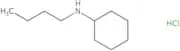
N-Butylcyclohexanamine hydrochloride
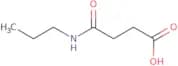
CAS:<p>Versatile small molecule scaffold</p>Formula:C10H22ClNPurity:Min. 95%Molecular weight:191.74 g/mol3-(Propylcarbamoyl)propanoic acid
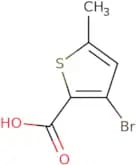
CAS:<p>Versatile small molecule scaffold</p>Formula:C7H13NO3Purity:Min. 95%Molecular weight:159.18 g/mol3-bromo-5-methylthiophene-2-carboxylic acid
CAS:<p>3-Bromo-5-methylthiophene-2-carboxylic acid (3BMT) is a drug that inhibits the enzyme succinate dehydrogenase. Succinate dehydrogenase is an enzyme that catalyzes the conversion of succinate to fumarate in the citric acid cycle, which is a series of biochemical reactions in cellular respiration. 3BMT prevents the formation of acetyl coenzyme A, which is needed for the production of energy in cells. This drug also has a pyrrole moiety that can be oxidized by difluoromethylating it and then reacting with pyrrole to form 2,4-dichloropyrimidine. 3BMT has been shown to inhibit carboxamides such as L-aspartate oxidase and glutamate decarboxylase.</p>Formula:C6H5BrO2SPurity:Min. 95%Molecular weight:221.1 g/molSpiro[bicyclo[3.2.0]heptane-2,1'-cyclopropan]-3-en-7-one
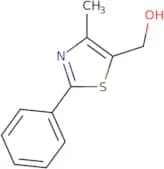
CAS:<p>Versatile small molecule scaffold</p>Formula:C9H10OPurity:Min. 95%Molecular weight:134.2 g/mol(4-Methyl-2-phenyl-1,3-thiazol-5-yl)methanol
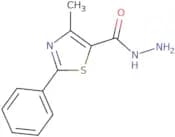
CAS:<p>Versatile small molecule scaffold</p>Formula:C11H11NOSPurity:Min. 95%Molecular weight:205.28 g/mol4-Methyl-2-phenylthiazole-5-carboxylic acid hydrazide
CAS:<p>4-Methyl-2-phenylthiazole-5-carboxylic acid hydrazide is a potent anticancer agent. It has been shown to inhibit the growth of cancer cells through inhibition of DNA synthesis and protein synthesis, as well as by inducing apoptosis. 4-Methyl-2-phenylthiazole-5-carboxylic acid hydrazide binds to the active site of DNA gyrase, an enzyme that maintains the integrity of bacterial DNA. This binding prevents the formation of an antibiotic-inhibitor complex with the enzyme cell wall synthesis that is required for cell wall biosynthesis, inhibiting protein synthesis and cell division. The antitumor activity was found to be mediated through interactions with pharmacological targets such as butanamide, phenacyl, dioxane, and chlorides. These drugs bind to pharmacophores on tumor cells and are able to penetrate into tumor cells more easily than other drugs. The potent anticancer</p>Formula:C11H11N3OSPurity:Min. 95%Molecular weight:233.29 g/mol2-[(1-Imidazolyl)methyl]aniline
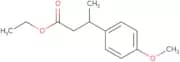
CAS:Versatile small molecule scaffoldFormula:C10H11N3Purity:Min. 95%Molecular weight:173.21 g/molEthyl 3-(4-methoxyphenyl)butanoate
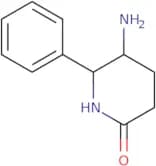
CAS:<p>Versatile small molecule scaffold</p>Formula:C13H18O3Purity:Min. 95%Molecular weight:222.28 g/molrac-(5R,6S)-5-Amino-6-phenylpiperidin-2-one
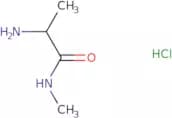
CAS:<p>Versatile small molecule scaffold</p>Formula:C11H14N2OPurity:Min. 95%Molecular weight:190.24 g/mol(2R)-2-Amino-N-methylpropanamide hydrochloride
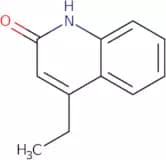
CAS:<p>Versatile small molecule scaffold</p>Formula:C4H11ClN2OPurity:Min. 95%Molecular weight:138.59 g/mol4-Ethyl-1,2-dihydroquinolin-2-one
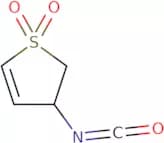
CAS:<p>Versatile small molecule scaffold</p>Formula:C11H11NOPurity:Min. 95%Molecular weight:173.21 g/mol3-Isocyanato-2,3-dihydrothiophene 1,1-dioxide
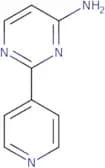
CAS:<p>Versatile small molecule scaffold</p>Formula:C5H5NO3SPurity:Min. 95%Molecular weight:159.17 g/mol2-(4-Pyridinyl)-4-pyrimidinamine
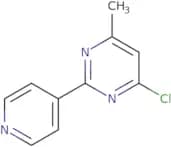
CAS:<p>Versatile small molecule scaffold</p>Formula:C9H8N4Purity:Min. 95%Molecular weight:172.19 g/mol4-Chloro-6-methyl-2-(pyridin-4-yl)pyrimidine
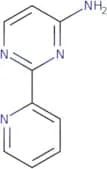
CAS:<p>Versatile small molecule scaffold</p>Formula:C10H8ClN3Purity:Min. 95%Molecular weight:205.64 g/mol2-(Pyridin-2-yl)pyrimidin-4-amine
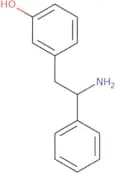
CAS:<p>2-(Pyridin-2-yl)pyrimidin-4-amine (PPPA) is an antimicrobial agent that is used in the treatment of bacterial infections. It binds to the chloride ion in the cell wall and prevents the formation of a functional pore, causing leakage of cellular contents. PPPA reacts with cyanamide to form 2-(pyridin-2-yl)pyrimidin-4(1H)-one (PPPOH), which is more reactive than PPPA. The reactivity of PPPOH causes damage to the cell's cytoplasmic membrane, leading to cell death. PPPA also reacts with nitro, alkynyl, and alkylaminoalkyl groups, as well as carboxy, cyano, and alkenyl groups on proteins and amino acids. PPPA hydrolyzes phenoxy and cyclohexane rings found in some antibiotics such as tetracycline.</p>Formula:C9H8N4Purity:Min. 95%Molecular weight:172.19 g/mol3-(2-Amino-2-phenylethyl)phenol
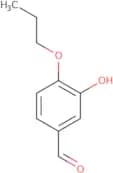
CAS:<p>Versatile small molecule scaffold</p>Formula:C14H15NOPurity:Min. 95%Molecular weight:213.27 g/mol3-Hydroxy-4-propoxybenzaldehyde
CAS:<p>3-Hydroxy-4-propoxybenzaldehyde is a metabolically stable inhibitor of the enzyme, phenylalanine 4-hydroxylase. 3HPA inhibits the production of phenolic compounds and reduces the risk of cancer. It has been shown to be potently active against human leukemia cells in vitro, but less active against other cell lines. 3HPA is also selective for tumor cells, which may be due to its ability to inhibit DNA synthesis by preventing the formation of n-substituted benzylamino compounds. 3HPA stabilizes DNA and RNA synthesis, which may help prevent tumor growth.</p>Formula:C10H12O3Purity:Min. 95%Molecular weight:180.2 g/mol5-Aminoquinolin-2(1H)-one
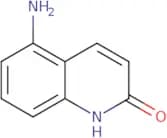
CAS:<p>5-Aminoquinolin-2(1H)-one is an antimicrobial agent that has been shown to have antibacterial activity against gram-positive and gram-negative organisms. The structure of 5-aminoquinolin-2(1H)-one is a carboxylic acid with a hydrogen atom on the alpha carbon, which gives it an alkylamino group and amino group. The tautomeric form of this compound is a quinolinate ester. 5-Aminoquinolin-2(1H)-one has been shown to be effective against drug resistant bacteria, such as Staphylococcus aureus, Streptococcus pneumoniae, and Pseudomonas aeruginosa. This drug also inhibits the growth of Mycobacterium tuberculosis at low concentrations.<br>5-Aminoquinolin-2(1H)-one may act by inhibiting the synthesis of proteins or DNA in cells by</p>Formula:C9H8N2OPurity:Min. 95%Molecular weight:160.17 g/molEthyl 5-sulfanyl-1,3,4-oxadiazole-2-carboxylate
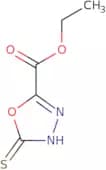
CAS:<p>Versatile small molecule scaffold</p>Formula:C5H6N2O3SPurity:Min. 95%Molecular weight:174.18 g/mol4-(4-Chlorophenyl)-2-hydrazino-1,3-thiazole
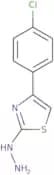
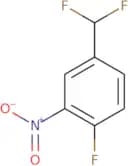
CAS:<p>Versatile small molecule scaffold</p>Formula:C9H8ClN3SPurity:Min. 95%Molecular weight:225.7 g/mol4-(Difluoromethyl)-1-fluoro-2-nitrobenzene
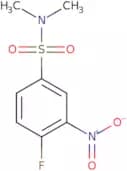
CAS:<p>Versatile small molecule scaffold</p>Formula:C7H4F3NO2Purity:Min. 95%Molecular weight:191.11 g/mol4-Fluoro-N,N-dimethyl-3-nitrobenzene-1-sulfonamide
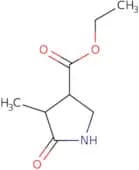
CAS:<p>Versatile small molecule scaffold</p>Formula:C8H9FN2O4SPurity:Min. 95%Molecular weight:248.23 g/molEthyl 4-methyl-5-oxopyrrolidine-3-carboxylate
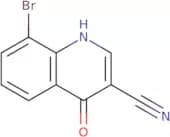
CAS:<p>Versatile small molecule scaffold</p>Formula:C8H13NO3Purity:Min. 95%Molecular weight:171.19 g/mol8-Bromo-4-hydroxyquinoline-3-carbonitrile
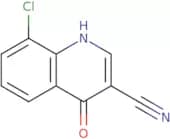
CAS:<p>Versatile small molecule scaffold</p>Formula:C10H5BrN2OPurity:Min. 95%Molecular weight:249.06 g/mol8-Chloro-4-hydroxyquinoline-3-carbonitrile
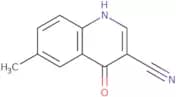
CAS:<p>Versatile small molecule scaffold</p>Formula:C10H5ClN2OPurity:Min. 95%Molecular weight:204.61 g/mol4-Hydroxy-6-methylquinoline-3-carbonitrile
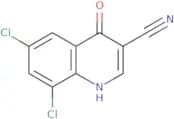
CAS:<p>Versatile small molecule scaffold</p>Formula:C11H8N2OPurity:Min. 95%Molecular weight:184.19 g/mol6,8-Dichloro-4-hydroxyquinoline-3-carbonitrile
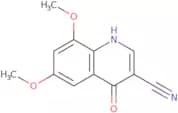
CAS:<p>Versatile small molecule scaffold</p>Formula:C10H4Cl2N2OPurity:Min. 95%Molecular weight:239.05 g/mol4-Hydroxy-6,8-dimethoxyquinoline-3-carbonitrile
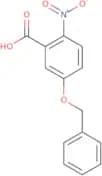
CAS:<p>Versatile small molecule scaffold</p>Formula:C12H10N2O3Purity:Min. 95%Molecular weight:230.22 g/mol5-(benzyloxy)-2-nitrobenzoic acid
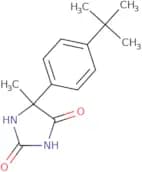
CAS:<p>Versatile small molecule scaffold</p>Formula:C14H11NO5Purity:Min. 95%Molecular weight:273.2 g/mol5-(4-tert-Butylphenyl)-5-methylimidazolidine-2,4-dione
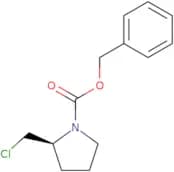
CAS:<p>Versatile small molecule scaffold</p>Formula:C14H18N2O2Purity:Min. 95%Molecular weight:246.3 g/mol(S)-1-N-Cbz-2-chloromethyl-pyrrolidine
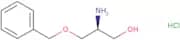
CAS:<p>Versatile small molecule scaffold</p>Formula:C13H16ClNO2Purity:Min. 95%Molecular weight:253.73 g/mol(S)-(-)-2-Amino-3-benzyloxy-1-propanol Hydrochloride
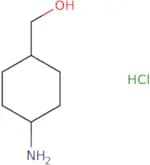
CAS:<p>Versatile small molecule scaffold</p>Formula:C10H16ClNO2Purity:Min. 95%Molecular weight:217.69 g/molcis-4-aminocyclohexanemethanol hcl
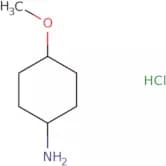
CAS:<p>Versatile small molecule scaffold</p>Formula:C7H16ClNOPurity:Min. 95%Molecular weight:165.66 g/molcis-4-methoxy-cyclohexylamine hcl
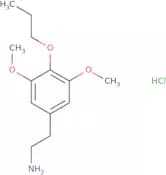
CAS:<p>Versatile small molecule scaffold</p>Formula:C7H16ClNOPurity:Min. 95%Molecular weight:165.66 g/mol2-(3,5-Dimethoxy-4-propoxyphenyl)ethan-1-amine hydrochloride
CAS:Controlled Product<p>Versatile small molecule scaffold</p>Formula:C13H22ClNO3Purity:Min. 95%Molecular weight:275.77 g/mol2-[3,5-Dimethoxy-4-(propan-2-yloxy)phenyl]ethan-1-amine hydrochloride
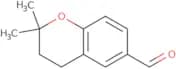
CAS:Controlled Product<p>Versatile small molecule scaffold</p>Formula:C13H22ClNO3Purity:Min. 95%Molecular weight:275.77 g/mol2,2-Dimethylchromane-6-carbaldehyde
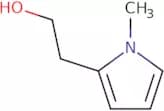
CAS:<p>2,2-Dimethylchromane-6-carbaldehyde is a flavonoid compound that is structurally similar to abyssinone and resacetophenone. It has been shown to have anti-oxidant activity in the presence of hydrogen peroxide in vitro. 2,2-Dimethylchromane-6-carbaldehyde has also been shown to inhibit the growth of MCF7 cells by inducing apoptosis and cell cycle arrest at G0/G1 phase.</p>Formula:C12H14O2Purity:Min. 95%Molecular weight:190.24 g/mol2-(1-Methyl-1H-pyrrol-2-yl)ethan-1-ol
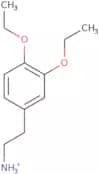
CAS:<p>Versatile small molecule scaffold</p>Formula:C7H11NOPurity:Min. 95%Molecular weight:125.17 g/mol2-(3,4-diethoxyphenyl)ethanamine
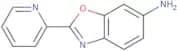
CAS:Controlled Product<p>2-(3,4-Diethoxyphenyl)ethanamine is a quinazolone derivative that is electron deficient. It has been shown to inhibit the contractility of isolated rat ileum and guinea pig vas deferens preparations. 2-(3,4-Diethoxyphenyl)ethanamine also potently inhibits phosphorylation of myosin light chain and can be used as a tool for studying the involvement of phosphorylation in muscle contraction. It has been shown to inhibit lipid droplet formation in L6 cells by activating AMP-activated protein kinase (AMPK).</p>Formula:C12H19NO2Purity:Min. 95%Molecular weight:209.28 g/mol2-(Pyridin-2-yl)-1,3-benzoxazol-6-amine
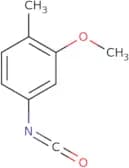
CAS:<p>Versatile small molecule scaffold</p>Formula:C12H9N3OPurity:Min. 95%Molecular weight:211.22 g/mol4-Isocyanato-2-methoxy-1-methylbenzene
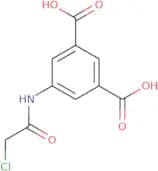
CAS:<p>Versatile small molecule scaffold</p>Formula:C9H9NO2Purity:Min. 95%Molecular weight:163.17 g/mol5-(2-Chloroacetamido)benzene-1,3-dicarboxylic acid
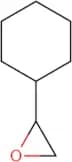
CAS:<p>Versatile small molecule scaffold</p>Formula:C10H8ClNO5Purity:Min. 95%Molecular weight:257.63 g/mol(2S)-2-Cyclohexyloxirane
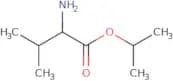
CAS:<p>Versatile small molecule scaffold</p>Formula:C8H14OPurity:Min. 95%Molecular weight:126.2 g/molPropan-2-yl (2S)-2-amino-3-methylbutanoate
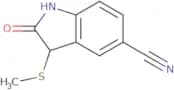
CAS:<p>Propan-2-yl (2S)-2-amino-3-methylbutanoate is an amino acid derivative that is used as a chiral auxiliary. The compound has been used in the synthesis of amides, esters, and other amine products. It has also been used in the preparation of enantiomerically pure protonated amines. Propan-2-yl (2S)-2-amino-3-methylbutanoate can be used as a chiral auxiliary in chromatographic techniques to separate racemic mixtures into their enantiomers. This compound is mesomorphic at low temperatures and becomes isotropic at higher temperatures. Propan-2-yl (2S)-2-amino-3-methylbutanoate is also soluble in solvents with different polarities, such as water and chloroform, and has a molecular weight of 158.25 g/mol.</p>Formula:C8H17NO2Purity:Min. 95%Molecular weight:159.23 g/mol3-(Methylsulfanyl)-2-oxo-2,3-dihydro-1H-indole-5-carbonitrile
CAS:<p>Versatile small molecule scaffold</p>Formula:C10H8N2OSPurity:Min. 95%Molecular weight:204.25 g/mol2-[(4-Fluorophenyl)methyl]oxirane
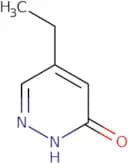
CAS:<p>Versatile small molecule scaffold</p>Formula:C9H9FOPurity:Min. 95%Molecular weight:152.16 g/mol5-Ethylpyridazin-3(2H)-one
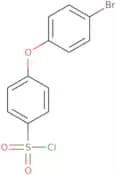
CAS:<p>Versatile small molecule scaffold</p>Formula:C6H8N2OPurity:Min. 95%Molecular weight:124.14 g/mol4-(4-Bromophenoxy)benzene-1-sulfonyl chloride
CAS:<p>Versatile small molecule scaffold</p>Formula:C12H8BrClO3SPurity:Min. 95%Molecular weight:347.61 g/mol3,3-Dimethylpyrrolidine-2-carboxylic Acid Hydrochloride
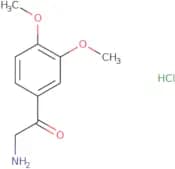
CAS:<p>Versatile small molecule scaffold</p>Formula:C7H13NO2·HClPurity:Min. 95%Molecular weight:179.64 g/mol2-(3,4-Dimethoxy-phenyl)-2-oxo-ethyl-ammonium chloride
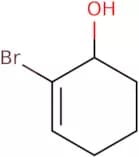
CAS:Controlled Product<p>Versatile small molecule scaffold</p>Formula:C10H14NO3ClPurity:Min. 95%Molecular weight:231.68 g/mol2-Bromo-2-cyclohexen-1-ol
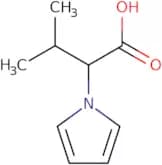
CAS:<p>2-Bromo-2-cyclohexen-1-ol is an organic compound that belongs to the group of chlorides, iodides, and yields. Mechanistic studies have shown that this compound reacts by nucleophilic attack at a reactive site that contains halides. The chloride ion is a terminal alkyne and has been shown to be reactive with 2-bromo-2-cyclohexen-1-ol. The indole nitrogen in 2-bromo-2-cyclohexenol has been shown to undergo nucleophilic substitution with an aryl chloride substrate. This reaction has been shown to be reversible by adding base.</p>Formula:C6H9BrOPurity:Min. 95%Molecular weight:177.04 g/mol3-Methyl-2-(1H-pyrrol-1-yl)butanoic acid
CAS:<p>Versatile small molecule scaffold</p>Formula:C9H13NO2Purity:Min. 95%Molecular weight:167.21 g/mol2-(Prop-2-en-1-yl)benzoic acid
CAS:<p>Prop-2-en-1-yl benzoic acid is an alkenoic, organometallic compound that is a metabolite of 2-bromopropane. It can be obtained from the bromolactonization of tetrahydrofuran with lithium aluminum hydride followed by allylic oxidation with chromium oxide and sodium hydroxide. Prop-2-en-1-yl benzoic acid has been shown to inhibit the enzyme acetylcholinesterase, which leads to increased levels of acetylcholine in the brain. This leads to increased activity on nicotinic receptors and improved cognition. This compound has also been shown to be a ligand for donepezil, which is an inhibitor of cholinesterases. Donepezil is used as a treatment for Alzheimer's disease and other forms of dementia, but it does not cross the blood brain barrier. In this case, prop-2-en-1</p>Formula:C10H10O2Purity:Min. 95%Molecular weight:162.18 g/mol7-Methyl-5H-pyrano[4,3-b]pyridin-5-one
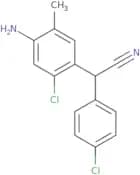
CAS:<p>Versatile small molecule scaffold</p>Formula:C9H7NO2Purity:Min. 95%Molecular weight:161.16 g/mol2-(4-Amino-2-chloro-5-methylphenyl)-2-(4-chlorophenyl)acetonitrile
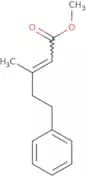
CAS:<p>2-(4-Amino-2-chloro-5-methylphenyl)-2-(4-chlorophenyl)acetonitrile is an analogue of diazocine. It has a dihedral angle of 12.3° and a benzene ring.</p>Formula:C15H12Cl2N2Purity:Min. 95%Molecular weight:291.2 g/molMethyl 3-methyl-5-phenylpent-2-enoate
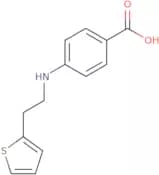
CAS:<p>Versatile small molecule scaffold</p>Formula:C13H16O2Purity:Min. 95%Molecular weight:204.26 g/mol4-((2-(Thiophen-2-yl)ethyl)amino)benzoic acid
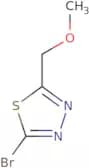
CAS:Versatile small molecule scaffoldFormula:C13H13NO2SPurity:Min. 95%Molecular weight:247.31 g/mol2-Bromo-5-(methoxymethyl)-1,3,4-thiadiazole
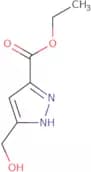
CAS:<p>Versatile small molecule scaffold</p>Formula:C4H5BrN2OSPurity:Min. 95%Molecular weight:209.07 g/molEthyl 5-(hydroxymethyl)-1H-pyrazole-3-carboxylate
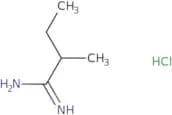
CAS:<p>Versatile small molecule scaffold</p>Formula:C7H10N2O3Purity:Min. 95%Molecular weight:170.17 g/mol2-Methylbutanimidamide hydrochloride
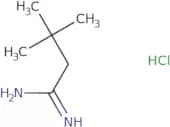
CAS:<p>Versatile small molecule scaffold</p>Formula:C5H13ClN2Purity:Min. 95%Molecular weight:136.62 g/mol3,3-Dimethylbutanimidamide hydrochloride
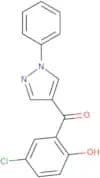
CAS:<p>Versatile small molecule scaffold</p>Formula:C6H15ClN2Purity:Min. 95%Molecular weight:150.65 g/mol(5-Chloro-2-hydroxyphenyl)(1-phenyl-1H-pyrazol-4-yl)methanone
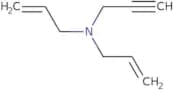
CAS:<p>Versatile small molecule scaffold</p>Formula:C16H11ClN2O2Purity:Min. 95%Molecular weight:298.72 g/molBis(prop-2-en-1-yl)(prop-2-yn-1-yl)amine
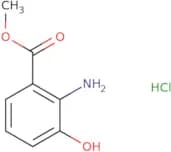
CAS:<p>Versatile small molecule scaffold</p>Formula:C9H13NPurity:Min. 95%Molecular weight:135.2 g/molMethyl 2-amino-3-hydroxybenzoate hydrochloride
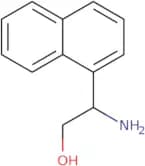
CAS:<p>Versatile small molecule scaffold</p>Formula:C8H10ClNO3Purity:Min. 95%Molecular weight:203.62 g/mol2-Amino-2-(naphthalen-1-yl)ethanol
CAS:<p>2-Amino-2-(naphthalen-1-yl)ethanol is a diastereomer that is expressed as an optically active propionic acid. It is industrially used for the production of naphthalene derivatives.</p>Formula:C12H13NOPurity:Min. 95%Molecular weight:187.24 g/mol4-(1-Aminoethyl)benzonitrile
CAS:<p>4-(1-Aminoethyl)benzonitrile (AEB) is a compound that is used to treat cardiac hypertrophy. It is an innovative drug that inhibits the growth of cardiomyocytes by inhibiting collagen synthesis and inducing their apoptosis. AEB inhibits the production of collagen, which is needed for the development of cardiac hypertrophy. AEB also modulates the expression of proteins involved in muscle function, including protein genes and lipase.</p>Formula:C9H10N2Purity:Min. 95%Molecular weight:146.19 g/molThieno[3,2-c]pyridine-2-carboxylic acid
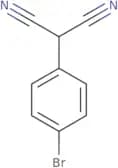
CAS:<p>Versatile small molecule scaffold</p>Formula:C8H5NO2SPurity:Min. 95%Molecular weight:179.2 g/mol2-(4-Bromophenyl)propanedinitrile
CAS:<p>Versatile small molecule scaffold</p>Formula:C9H5BrN2Purity:Min. 95%Molecular weight:221.05 g/mol3-(Hydroxymethyl)oxan-4-ol
CAS:<p>Versatile small molecule scaffold</p>Formula:C6H12O3Purity:Min. 95%Molecular weight:132.16 g/mol2,4,6-Trimethyl-1,3,5-dithiazinane
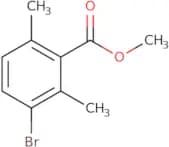
CAS:<p>2,4,6-Trimethyl-1,3,5-dithiazinane (TMTD) is a heterocyclic compound that has been shown to be an effective inhibitor of glutamate dehydrogenase. TMTD has also been shown to have antioxidant properties and can be used in the treatment of cancer. The effect of TMTD on epidermal growth factor (EGF) and fatty acid metabolism has been investigated. It is also a methyl transferase inhibitor and can inhibit the synthesis of fatty acids in cells. TMTD can be used as a diagnostic agent for detection of the presence of glutamine synthetase in cells. The effective dose for TMTD varies depending on the type of application; for example, it may be administered orally at a dosage range between 5-50mg/kg body weight or topically at a dosage range between 0.001-0.1%.</p>Formula:C6H13NS2Purity:Min. 95%Molecular weight:163.3 g/molMethyl 3-bromo-2,6-dimethylbenzoate
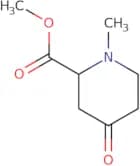
CAS:<p>Versatile small molecule scaffold</p>Formula:C10H11BrO2Purity:Min. 95%Molecular weight:243.1 g/molMethyl 1-methyl-4-oxopiperidine-2-carboxylate
CAS:<p>Versatile small molecule scaffold</p>Formula:C8H13NO3Purity:Min. 95%Molecular weight:171.19 g/mol1,3-Dimethoxy-5-[(E)-2-nitroethenyl]benzene
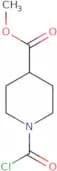
CAS:<p>Versatile small molecule scaffold</p>Formula:C10H11NO4Purity:Min. 95%Molecular weight:209.2 g/mol4-Piperidinecarboxylic acid, 1-(chlorocarbonyl)-, methyl ester
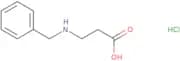
CAS:<p>Versatile small molecule scaffold</p>Formula:C8H12ClNO3Purity:Min. 95%Molecular weight:205.64 g/molN-Benzyl-beta-alanine hydrochloride
CAS:<p>Versatile small molecule scaffold</p>Formula:C10H14ClNO2Purity:Min. 95%Molecular weight:215.67 g/mol1-[2-(Methylamino)ethyl]pyrrolidin-2-one
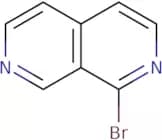
CAS:<p>Versatile small molecule scaffold</p>Formula:C7H14N2OPurity:Min. 95%Molecular weight:142.2 g/mol1-Bromo-2,7-naphthyridine
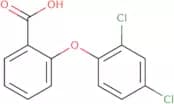
CAS:<p>Versatile small molecule scaffold</p>Formula:C8H5BrN2Purity:Min. 95%Molecular weight:209.04 g/mol2-(2,4-Dichlorophenoxy)benzoic acid
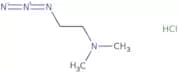
CAS:<p>Versatile small molecule scaffold</p>Formula:C13H8Cl2O3Purity:Min. 95%Molecular weight:283.1 g/mol(2-Azidoethyl)dimethylamine hydrochloride
CAS:Controlled Product<p>Versatile small molecule scaffold</p>Formula:C4H11ClN4Purity:Min. 95%Molecular weight:150.61 g/molN-(Cyclohexylmethyl)-4-methylbenzene-1-sulfonamide
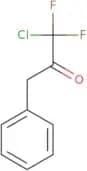
CAS:<p>Versatile small molecule scaffold</p>Formula:C14H21NO2SPurity:Min. 95%Molecular weight:267.39 g/mol1-Chloro-1,1-difluoro-3-phenylpropan-2-one
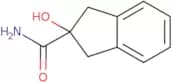
CAS:<p>Versatile small molecule scaffold</p>Formula:C9H7ClF2OPurity:Min. 95%Molecular weight:204.6 g/mol2-Hydroxy-2,3-dihydro-1H-indene-2-carboxamide
CAS:<p>Versatile small molecule scaffold</p>Formula:C10H11NO2Purity:Min. 95%Molecular weight:177.2 g/mol2-phenyl-4H-furo[3,2-b]pyrrole-5-carboxylic acid
CAS:<p>Versatile small molecule scaffold</p>Formula:C13H9NO3Purity:Min. 95%Molecular weight:227.22 g/mol4-[(Carbamoylmethyl)amino]benzoic acid
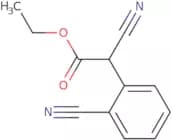
CAS:<p>Versatile small molecule scaffold</p>Formula:C9H10N2O3Purity:Min. 95%Molecular weight:194.19 g/molEthyl 2-cyano-2-(2-cyanophenyl)acetate
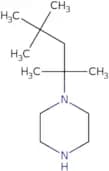
CAS:<p>Versatile small molecule scaffold</p>Formula:C12H10N2O2Purity:Min. 95%Molecular weight:214.22 g/mol1-(2,4,4-Trimethylpentan-2-yl)piperazine
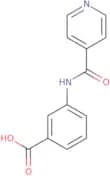
CAS:<p>Versatile small molecule scaffold</p>Formula:C12H26N2Purity:Min. 95%Molecular weight:198.35 g/mol3-(Pyridine-4-amido)benzoic acid
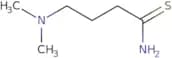
CAS:<p>Versatile small molecule scaffold</p>Formula:C13H10N2O3Purity:Min. 95%Molecular weight:242.23 g/mol4-(Dimethylamino)butanethioamide
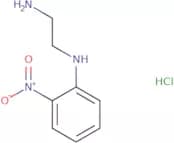
CAS:<p>Versatile small molecule scaffold</p>Formula:C6H14N2SPurity:Min. 95%Molecular weight:146.26 g/molN-(2-Aminoethyl)-2-nitroaniline hydrochloride
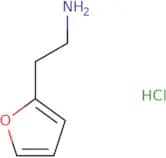
CAS:<p>Versatile small molecule scaffold</p>Formula:C8H12ClN3O2Purity:Min. 95%Molecular weight:217.65 g/mol2-(Furan-2-yl)ethan-1-amine hydrochloride
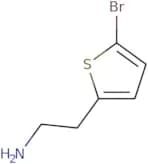
CAS:<p>Versatile small molecule scaffold</p>Formula:C6H10ClNOPurity:Min. 95%Molecular weight:147.6 g/mol2-(5-Bromothiophen-2-yl)ethan-1-amine
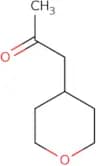
CAS:<p>Versatile small molecule scaffold</p>Formula:C6H8BrNSPurity:Min. 95%Molecular weight:206.11 g/mol1-(Oxan-4-yl)propan-2-one
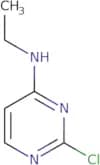
CAS:<p>Versatile small molecule scaffold</p>Formula:C8H14O2Purity:Min. 95%Molecular weight:142.2 g/mol2-Chloro-N-ethylpyrimidin-4-amine
CAS:<p>2-Chloro-N-ethylpyrimidin-4-amine is a class I inhibitor of the cytochrome P450 that has been shown to inhibit the kinase activity of a number of protein tyrosine phosphatases. The inhibition of these enzymes results in an increase in cellular activities such as transcription and translation. 2-Chloro-N-ethylpyrimidin-4-amine has also been shown to have cytotoxic effects on cultured cells and is able to bind to hydrophobic regions on proteins, which may account for its ability to induce apoptosis.</p>Formula:C6H8ClN3Purity:Min. 95%Molecular weight:157.6 g/mol1-[(tert-butoxy)carbonyl]-1,2,5,6-tetrahydropyridine-3-carboxylic acid
CAS:<p>Versatile small molecule scaffold</p>Formula:C11H17NO4Purity:Min. 95%Molecular weight:227.3 g/mol1-[(tert-Butoxy)carbonyl]-1,2,3,6-tetrahydropyridine-3-carboxylic acid
CAS:<p>Versatile small molecule scaffold</p>Formula:C11H17NO4Purity:Min. 95%Molecular weight:227.26 g/mol1-(Ethanesulfonyl)propan-2-one
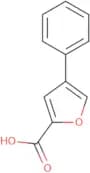
CAS:Versatile small molecule scaffoldFormula:C5H10O3SPurity:Min. 95%Molecular weight:150.2 g/mol4-Phenylfuran-2-carboxylic acid
CAS:<p>Versatile small molecule scaffold</p>Formula:C11H8O3Purity:Min. 95%Molecular weight:188.18 g/mol5,6-Dihydro-3-hydroxy-4H-pyrrolo[1,2-c][1,2,3]oxadiazol-7-ium
CAS:<p>Versatile small molecule scaffold</p>Formula:C5H6N2O2Purity:Min. 95%Molecular weight:126.11 g/molethyl 5,6-dihydro-4H-pyrrolo[1,2-b]pyrazole-3-carboxylate
CAS:<p>Ethyl 5,6-dihydro-4H-pyrrolo[1,2-b]pyrazole-3-carboxylate is an isomeric mixture that can be obtained by an efficient method. It is stable in alkaline conditions and can be hydrolyzed in alkaline conditions.</p>Formula:C9H12N2O2Purity:Min. 95%Molecular weight:180.2 g/mol6-(2-Chloroethyl)-7-methyl-5h-thiazolo[3,2-a]pyrimidin-5-one
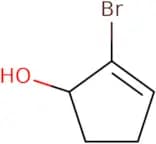
CAS:<p>Versatile small molecule scaffold</p>Formula:C9H9ClN2OSPurity:Min. 95%Molecular weight:228.7 g/mol2-Bromocyclopent-2-en-1-ol
CAS:<p>2-Bromocyclopent-2-en-1-ol is an organic compound that is used in the synthesis of a variety of other compounds. This chemical can be synthesized by reacting cyclopentanone with bromine and then hydrolyzing the product. The resulting product has a configurational, asymmetric synthesis.</p>Formula:C5H7BrOPurity:Min. 95%Molecular weight:163.01 g/mol8-Methyl-2,3,4,5-tetrahydro-1H-1-benzazepin-2-one
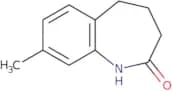
CAS:<p>Versatile small molecule scaffold</p>Formula:C11H13NOPurity:Min. 95%Molecular weight:175.23 g/moltert-Butyl N-(2-oxo-2,3,4,5-tetrahydro-1H-1-benzazepin-3-yl)carbamate
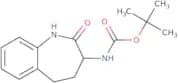
CAS:<p>Versatile small molecule scaffold</p>Formula:C15H20N2O3Purity:Min. 95%Molecular weight:276.33 g/mol2-[2-(Oxiran-2-yl)ethyl]-2,3-dihydro-1H-isoindole-1,3-dione
CAS:<p>Versatile small molecule scaffold</p>Formula:C12H11NO3Purity:Min. 95%Molecular weight:217.22 g/mol4-chlorofuro[3,2-c]pyridine-2-carbaldehyde
CAS:<p>Versatile small molecule scaffold</p>Formula:C8H4ClNO2Purity:Min. 95%Molecular weight:181.6 g/mol4-chlorofuro[3,2-c]pyridine-2-carboxylic acid
CAS:<p>Versatile small molecule scaffold</p>Formula:C8H4ClNO3Purity:Min. 95%Molecular weight:197.6 g/mol1-{4-Chlorofuro[3,2-c]pyridin-2-yl}ethan-1-one
CAS:<p>Versatile small molecule scaffold</p>Formula:C9H6ClNO2Purity:Min. 95%Molecular weight:195.6 g/mol4,5-Dihydro-4-oxo-furo[3,2-C]pyridine-2-carboxaldehyde
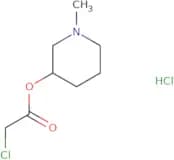
CAS:<p>Versatile small molecule scaffold</p>Formula:C8H5NO3Purity:Min. 95%Molecular weight:163.13 g/mol1-Methylpiperidin-3-yl 2-chloroacetate hydrochloride
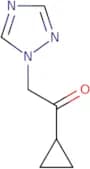
CAS:<p>Versatile small molecule scaffold</p>Formula:C8H15Cl2NO2Purity:Min. 95%Molecular weight:228.1 g/mol1-Cyclopropyl-2-(1H-1,2,4-triazol-1-yl)ethan-1-one
CAS:<p>Versatile small molecule scaffold</p>Formula:C7H9N3OPurity:Min. 95%Molecular weight:151.17 g/mol1-[4-Chloro-2-(trifluoromethyl)phenyl]ethan-1-one
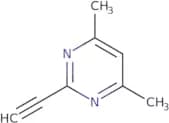
CAS:<p>Versatile small molecule scaffold</p>Formula:C9H6ClF3OPurity:Min. 95%Molecular weight:222.59 g/mol2-Ethynyl-4,6-dimethylpyrimidine
CAS:<p>2-Ethynyl-4,6-dimethylpyrimidine (2EDMP) is a ligand that can be used to form two-dimensional supramolecular frameworks. It can assemble into chains and trifluoroacetate chains by hydrogen bonds with other 2EDMP molecules. The solvent evaporation technique is used to form these supramolecular frameworks from the liquid solution of 2EDMP. The structural properties of 2EDMP are well characterized by its two-dimensional crystal structure and the intermolecular interactions between it and other molecules in the crystal.</p>Formula:C8H8N2Purity:Min. 95%Molecular weight:132.16 g/mol1-(4-Methylbenzenesulfonyl)bicyclo[1.1.0]butane
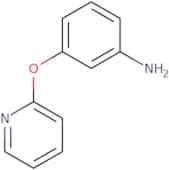
CAS:<p>Versatile small molecule scaffold</p>Formula:C11H12O2SPurity:Min. 95%Molecular weight:208.28 g/mol3-(Pyridin-2-yloxy)aniline
CAS:<p>3-(Pyridin-2-yloxy)aniline is a synthetic compound that is used as a potent inhibitor of the enzyme tyrosine hydroxylase. This enzyme catalyzes the conversion of tyrosine to L-3,4-dihydroxyphenylalanine and plays a key role in the synthesis of dopamine. 3-(Pyridin-2-yloxy)aniline has been shown to be effective in treating Parkinson's disease and other disorders that involve neuronal degeneration and cell death. This drug inhibits the production of dopamine by binding to tyrosine hydroxylase, thereby preventing it from converting tyrosine into L-3,4-dihydroxyphenylalanine. The compound also has significant inhibitory activity against cyclin dependent kinases (CDKs), which are enzymes that regulate the activity of protein kinases.</p>Formula:C11H10N2OPurity:Min. 95%Molecular weight:186.21 g/mol1-(3-Methylpiperidin-1-yl)propan-2-amine
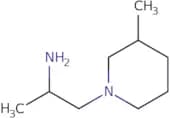
CAS:<p>Versatile small molecule scaffold</p>Formula:C9H20N2Purity:Min. 95%Molecular weight:156.27 g/molMethyl 2,4,6-trichlorobenzoate
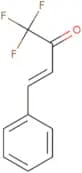
CAS:<p>Versatile small molecule scaffold</p>Formula:C8H5Cl3O2Purity:Min. 95%Molecular weight:239.5 g/mol1,1,1-Trifluoro-4-phenylbut-3-en-2-one
CAS:<p>Trifluoromethanesulfonic acid is a superacidic acid that has been used in organic synthesis. It has been shown to be reactive with electron-deficient molecules such as methyl cinnamate, which can lead to the formation of anions and carbanions. Trifluoromethanesulfonic acid is also able to protonate carbonyls, which makes it useful for the synthesis of functionalized carbonyls. Trifluoromethanesulfonic acid is hydrophobic and reacts with membranes, making it useful for protein extraction. It also reacts with s. typhimurium, a bacterium that causes food poisoning.</p>Formula:C10H7F3OPurity:Min. 95%Molecular weight:200.16 g/mol3-Methoxycyclohexane-1-carbonyl chloride
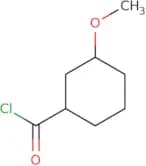
CAS:<p>Versatile small molecule scaffold</p>Formula:C8H13ClO2Purity:Min. 95%Molecular weight:176.64 g/mol2-(3-Hydroxycyclohexyl)acetic acid
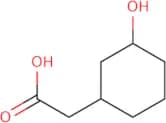
CAS:<p>Versatile small molecule scaffold</p>Formula:C8H14O3Purity:Min. 95%Molecular weight:158.19 g/molMethyl 2-(3-hydroxycyclohexyl)acetate
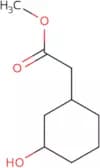
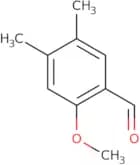
CAS:<p>Versatile small molecule scaffold</p>Formula:C9H16O3Purity:Min. 95%Molecular weight:172.22 g/mol2-Methoxy-4,5-dimethylbenzaldehyde
CAS:<p>Versatile small molecule scaffold</p>Formula:C10H12O2Purity:Min. 95%Molecular weight:164.2 g/mol2-t-Butyl-E-vinylboronic acid
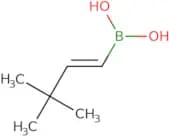
CAS:<p>Versatile small molecule scaffold</p>Formula:C6H13BO2Purity:Min. 95%Molecular weight:127.98 g/mol5-(2-Aminophenyl)-2,3-dihydro-1,3,4-oxadiazol-2-one
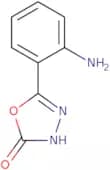
CAS:<p>5-(2-Aminophenyl)-2,3-dihydro-1,3,4-oxadiazol-2-one is an organic compound that belongs to the class of hydrazides. It has been used in the synthesis of other compounds and is used as a catalyst for peptide coupling reactions. The melting point of this compound is 139°C, and it decomposes at temperatures above 230°C. 5-(2-Aminophenyl)-2,3-dihydro-1,3,4-oxadiazol-2-one hydrolyzes to release ammonia and 2HCl. This reaction can be catalyzed by methylamine or hydrazine. 5-(2-Aminophenyl)-2,3-dihydro-1,3,4-oxadiazol-2-one can also undergo rearrangement reactions with methylamine or hydrazine to form anth</p>Formula:C8H7N3O2Purity:Min. 95%Molecular weight:177.16 g/mol2-(6-Methoxynaphthalen-2-yl)propanenitrile
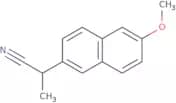
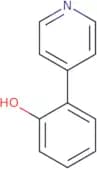
CAS:<p>2-(6-Methoxynaphthalen-2-yl)propanenitrile is a naturally occurring amino acid that can be synthesized in the laboratory. It has been found to inhibit enzyme activities such as ammonium sulfate, microbial metabolism and amide formation in bacteria. 2-(6-Methoxynaphthalen-2-yl)propanenitrile also inhibits the growth of bacteria by blocking the synthesis of proteins, DNA and RNA. The activity of this drug is specific for bacterial strains and does not affect higher organisms such as humans or mice. This compound is chiral, meaning that it can exist in two forms which are mirror images of each other. 2-(6-Methoxynaphthalen-2-yl)propanenitrile has been shown to be active against a number of bacterial strains including Pseudomonas aeruginosa, Streptococcus pyogenes and Staphylococcus aure</p>Formula:C14H13NOPurity:Min. 95%Molecular weight:211.26 g/mol2-(Pyridin-4-yl)phenol
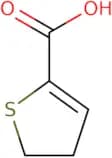
CAS:<p>Versatile small molecule scaffold</p>Formula:C11H9NOPurity:Min. 95%Molecular weight:171.19 g/mol4,5-Dihydrothiophene-2-carboxylic acid
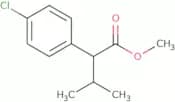
CAS:<p>4,5-Dihydrothiophene-2-carboxylic acid is a gamma-aminobutyric acid (GABA) inhibitor that belongs to the group of esters. It is used as an intermediate in the synthesis of GABA esters. 4,5-Dihydrothiophene-2-carboxylic acid has been shown to inhibit the activity of transaminase C1–6 alkyl and the metabolism of GABA to succinic semialdehyde. This compound also inhibits c1–6 alkyl transaminase, which converts GABA into succinic semialdehyde.</p>Formula:C5H6O2SPurity:Min. 95%Molecular weight:130.17 g/molMethyl 2-(4-chlorophenyl)-3-methylbutanoate
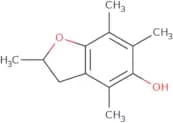
CAS:<p>Methyl 2-(4-chlorophenyl)-3-methylbutanoate (MEMB) is a sulfoxide that has been shown to stabilize the carbon nanotubes. MEMB is added to the carbon nanotube solution before it is heated to a temperature of 150°C. It was found that MEMB stabilizes the carbon nanotubes by forming a coordinated complex with the carbonyl group on the ends of the tubes. The MEMB molecule can then be removed from the tube by heating at higher temperatures, typically around 250°C. This process was also found to produce more long-term stability in the tubes, even after repeated heating cycles.</p>Formula:C12H15ClO2Purity:Min. 95%Molecular weight:226.7 g/mol2,4,6,7-Tetramethyl-2,3-dihydro-1-benzofuran-5-ol
CAS:<p>2,4,6,7-Tetramethyl-2,3-dihydro-1-benzofuran-5-ol is a chlorinated benzenesulfonate. It is used in the treatment of hepatic diseases such as liver cirrhosis and chronic hepatitis. 2,4,6,7-Tetramethyl-2,3-dihydro-1-benzofuran-5-ol inhibits the synthesis of cholesterol and bile acids by competitive inhibition of 3β hydroxysteroid dehydrogenase. This compound also has a phenolic group that can be oxidized to form a phenoxy radical which may have antioxidant properties. The imidazole derivative has been shown to have antimicrobial activity against Gram positive bacteria such as Staphylococcus aureus and Streptococcus pneumoniae.</p>Formula:C12H16O2Purity:Min. 95%Molecular weight:192.25 g/mol2-(Pyridine-3-yl)oxyacetic acid
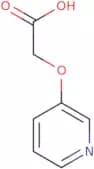
CAS:<p>Versatile small molecule scaffold</p>Formula:C7H7NO3Purity:Min. 95%Molecular weight:153.14 g/mol2-(Ethylamino)isonicotinic acid
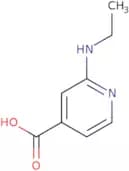
CAS:<p>Versatile small molecule scaffold</p>Formula:C8H10N2O2Purity:Min. 95%Molecular weight:166.18 g/mol3-Chloro-5-phenylpyridazine
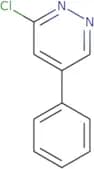
CAS:<p>Versatile small molecule scaffold</p>Formula:C10H7ClN2Purity:Min. 95%Molecular weight:190.63 g/mol(2S)-2-[(tert-Butylcarbamoyl)amino]-3-methylbutanoic acid
CAS:<p>Versatile small molecule scaffold</p>Formula:C10H20N2O3Purity:Min. 95%Molecular weight:216.28 g/mol4-(Chloromethyl)-2-(4-chlorophenyl)-1,3-dioxolane
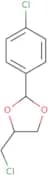
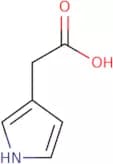
CAS:<p>Versatile small molecule scaffold</p>Formula:C10H10Cl2O2Purity:Min. 95%Molecular weight:233.09 g/mol2-(1H-Pyrrol-3-yl)acetic acid
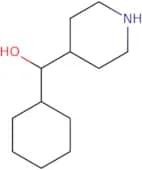
CAS:<p>2-(1H-Pyrrol-3-yl)acetic acid is a thioether monosubstituted orthopedic agent that has inhibitory activities against potent inhibitory functionalities. It is a fluorine containing compound that was synthesized through electropolymerization of 2-(1H-pyrrol-3-yl)acetic acid with acrylonitrile and tetrafluoroethylene. The bioactive molecules in this compound are carboxylates, pyrrole residues, and oxidants. This molecule also has the functionalities of being an orthopedic agent, an oxidant, and a polymer film.</p>Formula:C6H7NO2Purity:Min. 95%Molecular weight:125.13 g/molCyclohexyl(piperidin-4-yl)methanol
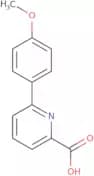
CAS:<p>Versatile small molecule scaffold</p>Formula:C12H23NOPurity:Min. 95%Molecular weight:197.32 g/mol6-(4-Methoxyphenyl)picolinic acid
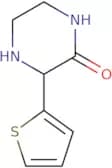
CAS:<p>Versatile small molecule scaffold</p>Formula:C13H11NO3Purity:Min. 95%Molecular weight:229.23 g/mol3-(Thiophen-2-yl)piperazin-2-one
CAS:<p>3-(Thiophen-2-yl)piperazin-2-one (TPZ) is a chemical compound with a molecular weight of 248.37 g/mol. TPZ has been shown to inhibit the mitochondrial membrane potential, which leads to the release of cytochrome c and ATP production inhibition in microglia cells. TPZ is also an acetylcholine receptor agonist that binds to the α7 nicotinic acetylcholine receptor. TPZ has been shown to have dose-dependent effects on diabetic patients, suggesting its clinical relevance for metabolic disorders like diabetes mellitus type 2 and obesity. TPZ may be used as an inhibitor in fatty acid synthesis, although it is not a specific enzyme inhibitor for any particular enzyme.</p>Formula:C8H10N2OSPurity:Min. 95%Molecular weight:182.25 g/mol9-Thia-2-azaspiro[5.5]undecane
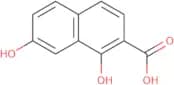
CAS:<p>Versatile small molecule scaffold</p>Formula:C9H17NSPurity:Min. 95%Molecular weight:171.31 g/mol1,7-Dihydroxynaphthalene-2-carboxylic acid
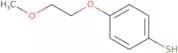
CAS:<p>Versatile small molecule scaffold</p>Formula:C11H8O4Purity:Min. 95%Molecular weight:204.18 g/mol4-(2-Methoxyethoxy)benzene-1-thiol
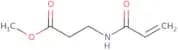
CAS:<p>Versatile small molecule scaffold</p>Formula:C9H12O2SPurity:Min. 95%Molecular weight:184.26 g/molMethyl 3-(prop-2-enamido)propanoate
CAS:<p>Methyl 3-(prop-2-enamido)propanoate is an acrylate that is used as a monomer in the production of polymers. It is an analog of methyl vinyl ketone and reacts with radical initiators to form copolymers, which can be modified by adding base catalysts. The polymerization process can be carried out in bulk or in solution. Methyl 3-(prop-2-enamido)propanoate has been shown to react with ethyl bromoacetate to produce acrylic acid esters.</p>Formula:C7H11NO3Purity:Min. 95%Molecular weight:157.17 g/molMethyl imidazo[1,2-a]pyridine-7-carboxylate
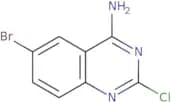
CAS:<p>Versatile small molecule scaffold</p>Formula:C9H8N2O2Purity:Min. 95%Molecular weight:176.17 g/mol6-Bromo-2-chloroquinazolin-4-amine
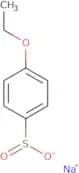
CAS:<p>Versatile small molecule scaffold</p>Formula:C8H5BrClN3Purity:Min. 95%Molecular weight:258.5 g/molSodium 4-ethoxybenzene-1-sulfinate
CAS:<p>Versatile small molecule scaffold</p>Formula:C8H9NaO3SPurity:Min. 95%Molecular weight:208.21 g/mol1-[(Piperidin-4-yl)methyl]pyrrolidin-2-one hydrochloride
CAS:<p>Versatile small molecule scaffold</p>Formula:C10H19ClN2OPurity:Min. 95%Molecular weight:218.72 g/mol1,3-dihydro-2,1-benzisothiazole 2,2-dioxide
CAS:<p>1,3-Dihydro-2,1-benzisothiazole 2,2-dioxide is a chemical compound that has been synthesized to be used as a pharmaceutical. It has the following characteristics: cyclization, amidation, and unsubstituted. The synthesis of this chemical is done through a synthetic process where it is coupled with an FT-IR and then sulfited. This product also reacts with sodium sulfite and chloride in a cyclization reaction.</p>Formula:C7H7NO2SPurity:Min. 95%Molecular weight:169.2 g/mol4-Chloro-1,3-dihydro-2,1-benzisothiazole 2,2-dioxide
CAS:<p>Versatile small molecule scaffold</p>Formula:C7H6ClNO2SPurity:Min. 95%Molecular weight:203.65 g/mol6-Chloro-1,3-dihydro-2,1-benzothiazole-2,2-dione
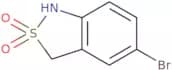
CAS:<p>Versatile small molecule scaffold</p>Formula:C7H6ClNO2SPurity:Min. 95%Molecular weight:203.65 g/mol5-bromo-1,3-dihydro-2lambda6,1-benzothiazole-2,2-dione
CAS:<p>Versatile small molecule scaffold</p>Formula:C7H6BrNO2SPurity:Min. 95%Molecular weight:248.1 g/mol4-Methyl-1,3-dihydro-2λ⁶,1-benzothiazole-2,2-dione
CAS:<p>Versatile small molecule scaffold</p>Formula:C8H9NO2SPurity:Min. 95%Molecular weight:183.23 g/mol(2E)-3-(5-Bromofuran-2-yl)prop-2-enoic acid
CAS:<p>Versatile small molecule scaffold</p>Formula:C7H5BrO3Purity:Min. 95%Molecular weight:217.02 g/mol(2E)-3-(5-Methanesulfonylfuran-2-yl)prop-2-enoic acid
CAS:Versatile small molecule scaffoldFormula:C8H8O5SPurity:Min. 95%Molecular weight:216.21 g/mol(2E)-3-[5-(Methoxycarbonyl)furan-2-yl]prop-2-enoic acid
CAS:<p>Versatile small molecule scaffold</p>Formula:C9H8O5Purity:Min. 95%Molecular weight:196.16 g/mol(2E)-3-(5-Chlorofuran-2-yl)prop-2-enoic acid
CAS:<p>Versatile small molecule scaffold</p>Formula:C7H5ClO3Purity:Min. 95%Molecular weight:172.56 g/mol5-Formyl-2-(methylsulfanyl)pyrimidine-4-carboxylic acid
CAS:<p>Versatile small molecule scaffold</p>Formula:C7H6N2O3SPurity:Min. 95%Molecular weight:198.2 g/mol3-[4-(Dimethylamino)phenyl]imidazolidine-2,4-dione
CAS:<p>Versatile small molecule scaffold</p>Formula:C11H13N3O2Purity:Min. 95%Molecular weight:219.24 g/mol7-(Methylsulfanyl)heptanoic acid
CAS:<p>7-(Methylsulfanyl)heptanoic acid is an alkaloid that is found in the bark and leaves of the tree Dictyocarpus heptacarpus. It is a racemic mixture of diptocarpiline and diptocarpidine. This alkaloid has shown to have sulfide and diptocarpidine as its main constituents. 7-(Methylsulfanyl)heptanoic acid has been shown to be effective against tuberculosis, but it does not show antimicrobial activities against gram-positive bacteria such as Staphylococcus aureus or Streptococcus pyogenes.</p>Formula:C8H16O2SPurity:Min. 95%Molecular weight:176.28 g/molPropan-2-yl (2S,3S)-2-amino-3-methylpentanoate
CAS:<p>Versatile small molecule scaffold</p>Formula:C9H19NO2Purity:Min. 95%Molecular weight:173.3 g/molEthyl 3-bromo-1,2-oxazole-4-carboxylate
CAS:<p>Ethyl 3-bromo-1,2-oxazole-4-carboxylate is a reactive compound that can react with bromonitrile to form an isoxazole. It reacts with other dipolarophiles such as dimerization of bromonitriles to give the desired product in high yield. This compound can also be used for the synthesis of 1,3-dipolar cycloadducts. The active compounds are often used as starting materials for the synthesis of other organic compounds.</p>Formula:C6H6BrNO3Purity:Min. 95%Molecular weight:220.02 g/mol5-Chloro-1,3-dihydro-2,1-benzisothiazole 2,2-dioxide
CAS:<p>Versatile small molecule scaffold</p>Formula:C7H6ClNO2SPurity:Min. 95%Molecular weight:203.65 g/mol4-Chloro-N-(2,2-dimethoxyethyl)aniline
CAS:<p>Versatile small molecule scaffold</p>Formula:C10H14ClNO2Purity:Min. 95%Molecular weight:215.67 g/mol[1-(Propan-2-yl)-1H-1,2,4-triazol-5-yl]methanol
CAS:<p>Versatile small molecule scaffold</p>Formula:C6H11N3OPurity:Min. 95%Molecular weight:141.17 g/mol1-Methyl-1H-1,2,4-triazole-5-carbaldehyde oxime
CAS:<p>Versatile small molecule scaffold</p>Formula:C4H6N4OPurity:Min. 95%Molecular weight:126.1 g/mol1-(Propan-2-yl)-1H-1,2,4-triazole-5-carbaldehyde
CAS:<p>Versatile small molecule scaffold</p>Formula:C6H9N3OPurity:Min. 95%Molecular weight:139.16 g/mol1-[(tert-Butyldimethylsilyl)oxy]cyclohexane-1-carbaldehyde
CAS:<p>Versatile small molecule scaffold</p>Formula:C13H26O2SiPurity:Min. 95%Molecular weight:242.4 g/mol4-[(tert-Butyldimethylsilyl)oxy]aniline
CAS:<p>4-[(tert-Butyldimethylsilyl)oxy]aniline is a structural analog of the anti-hepatitis drug thalidomide. It has been shown to have antiviral activity against HIV, Hepatitis C and SARS. This compound has high affinity for the viral capsid protein and prevents viral assembly by inhibiting the production of progeny virions. 4-[(tert-Butyldimethylsilyl)oxy]aniline also has anti-inflammatory effects that are similar to those of thalidomide and can be used as a lead compound in the search for new drugs to treat hepatitis B infections.</p>Formula:C12H21NOSiPurity:Min. 95%Molecular weight:223.39 g/mol5-Amino-2-chloro-N-phenylbenzamide
CAS:<p>Versatile small molecule scaffold</p>Formula:C13H11ClN2OPurity:Min. 95%Molecular weight:246.69 g/mol2-(1-Piperazinyl)benzonitrile
CAS:<p>2-(1-Piperazinyl)benzonitrile is a neuroprotective drug that has been shown to be effective in the treatment of neuropathic and traumatic brain injury. It is a dopamine receptor agonist that binds to the d4 receptor, which is found in high concentrations in the central nervous system. 2-(1-Piperazinyl)benzonitrile enhances dopamine release by increasing calcium levels in cells, which leads to increased dopamine production and improved cognitive function. This drug also prevents neuronal death by preventing oxidative stress and apoptosis. The synthesis of this molecule can be achieved through solid-phase synthesis or chloroformate coupling reactions.</p>Formula:C11H13N3Purity:Min. 95%Molecular weight:187.25 g/mol3-Methoxy-1H-pyrazolo[3,4-d]pyrimidin-4-amine
CAS:<p>3-Methoxy-1H-pyrazolo[3,4-d]pyrimidin-4-amine is a soluble guanylate cyclase (sGC) inhibitor that inhibits the production of cyclic guanosine monophosphate (cGMP) in smooth muscle cells. 3MPPD inhibits intracellular cGMP and therefore causes the blood vessels to relax, which leads to an increase in blood pressure. This inhibition is selective for sGC, as it does not inhibit adenosine kinase or other intracellular enzymes. 3MPPD also has a contractile effect on vascular smooth muscle cells, which may be due to its ability to inhibit calcium release from intracellular stores. The maximal response of 3MPPD was found using mesenteric vascular strips in vitro, where it was shown to produce a concentration-dependent relaxation of VSMCs. In addition, this drug is able to reduce the severity of injury caused by a balloon</p>Formula:C6H7N5OPurity:Min. 95%Molecular weight:165.15 g/mol1h-pyrazole-4-carboxamide, 3-amino-5-methoxy-
CAS:<p>Versatile small molecule scaffold</p>Formula:C5H8N4O2Purity:Min. 95%Molecular weight:156.15 g/mol3-[3-(Methoxycarbonyl)phenyl]propanoic acid
CAS:<p>Versatile small molecule scaffold</p>Formula:C11H12O4Purity:Min. 95%Molecular weight:208.21 g/mol[(1,3,4-Thiadiazol-2-yl)amino]formonitrile
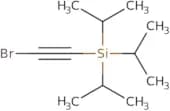
CAS:<p>[(1,3,4-Thiadiazol-2-yl)amino]formonitrile is a cytostatic agent that inhibits the synthesis of cellular proteins. It has been shown to be effective against influenza virus and some other viruses. [(1,3,4-Thiadiazol-2-yl)amino]formonitrile also has anti-inflammatory properties and can be used as a diagnostic agent for tissue culture. This drug binds to DNA at the nucleotide level and prevents the formation of protein by inhibiting RNA synthesis in cells. It has been shown to be effective against tissue culture cells infected with hepatitis B virus or influenza A virus. [(1,3,4-Thiadiazol-2-yl)amino]formonitrile is reconstituted in water or DMSO before use in experiments with animals such as mice (CD1 strain).</p>Formula:C3H2N4SPurity:Min. 95%Molecular weight:126.14 g/mol(2-Bromoethynyl)tris(propan-2-yl)silane
CAS:<p>(2-Bromoethynyl)tris(propan-2-yl)silane is a synthetically useful compound that has been used in the synthesis of amines, as well as in the preparation of triazoles. It can be used to produce chaperones and antitumoural drugs, such as solvents and palladium-catalyzed cross-coupling reactions. This compound is an efficient source of ethynyl groups for cross-coupling reactions with a wide range of amine partners. The ring-opening reaction of this compound with pyrroles provides two equivalents of propargyl alcohols, which can then be converted into an array of products including amino acids and pharmaceuticals.</p>Formula:C11H21SiBrPurity:Min. 95%Molecular weight:261.27 g/mol3-(Thiophen-2-yl)morpholine
CAS:<p>Versatile small molecule scaffold</p>Formula:C8H11NOSPurity:Min. 95%Molecular weight:169.25 g/mol3-Ethyl-1,2,3,4-tetrahydroisoquinoline
CAS:<p>Versatile small molecule scaffold</p>Formula:C11H15NPurity:Min. 95%Molecular weight:161.24 g/mol2-Ethoxy-9H-purin-6-amine
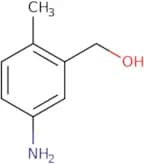
CAS:<p>Versatile small molecule scaffold</p>Formula:C7H9N5OPurity:Min. 95%Molecular weight:179.18 g/mol(5-Amino-2-methylphenyl)methanol
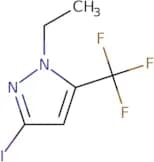
CAS:<p>Versatile small molecule scaffold</p>Formula:C8H11NOPurity:Min. 95%Molecular weight:137.18 g/mol1-Ethyl-3-iodo-5-(trifluoromethyl)-1H-pyrazole
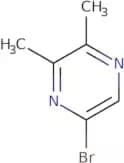
CAS:<p>Versatile small molecule scaffold</p>Formula:C6H6F3IN2Purity:Min. 95%Molecular weight:290.02 g/mol5-Bromo-2,3-dimethylpyrazine
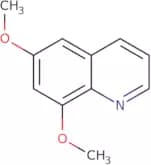
CAS:<p>Versatile small molecule scaffold</p>Formula:C6H7BrN2Purity:Min. 95%Molecular weight:187.04 g/mol6,8-Dimethoxyquinoline
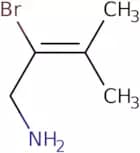
CAS:<p>6,8-Dimethoxyquinoline is a quinoline derivative that has been used to synthesize a number of other drugs. It has shown activity against cancer cells in vitro and in vivo and has been shown to have an anticholinergic effect on the central nervous system. 6,8-Dimethoxyquinoline also inhibits bacterial growth and is active against Gram-positive bacteria such as Enterococcus faecalis, Staphylococcus aureus, Streptococcus pyogenes, and Bacillus subtilis. This compound binds to the enzyme carbonic anhydrase II with high affinity. The binding of 6,8-dimethoxyquinoline with carbonic anhydrase II prevents the conversion of CO2 into carbonic acid, which may lead to cell death by inhibiting respiration.</p>Formula:C11H11NO2Purity:Min. 95%Molecular weight:189.21 g/mol2-Bromo-3-methylbut-2-en-1-amine
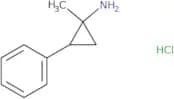
CAS:<p>Versatile small molecule scaffold</p>Formula:C5H10BrNPurity:Min. 95%Molecular weight:164.04 g/molrac-(1R,2S)-1-Methyl-2-phenylcyclopropan-1-amine hydrochloride
CAS:<p>Versatile small molecule scaffold</p>Formula:C10H14ClNPurity:Min. 95%Molecular weight:183.7 g/mol(Hept-6-en-1-yl)(methyl)amine
CAS:<p>Versatile small molecule scaffold</p>Formula:C8H17NPurity:Min. 95%Molecular weight:127.23 g/mol{Imidazo[1,2-a]pyridin-8-yl}methanol hydrochloride
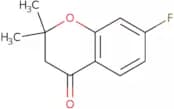
CAS:<p>Versatile small molecule scaffold</p>Formula:C8H9ClN2OPurity:Min. 95%Molecular weight:184.62 g/mol7-Fluoro-2,3-dihydro-2,2-dimethylchromen-4-one
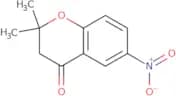
CAS:<p>Versatile small molecule scaffold</p>Formula:C11H11FO2Purity:Min. 95%Molecular weight:194.2 g/mol2,2-Dimethyl-6-nitrochroman-4-one
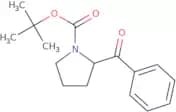
CAS:<p>2,2-Dimethyl-6-nitrochroman-4-one is an active compound that belongs to the group of serotonin antagonists. It binds to the 5-HT1A, 5-HT2C, and 5-HT7 receptors, with high affinity. The 5-HT6 receptor has also been shown to be expressed in the nervous system. This drug is used to treat psychotic disorders and dementia. 2,2-Dimethyl-6-nitrochroman-4-one inhibits dopamine receptors and can cause depression or worsen schizophrenia symptoms when it is taken for a long time.</p>Formula:C11H11NO4Purity:Min. 95%Molecular weight:221.21 g/moltert-Butyl (2S)-2-benzoylpyrrolidine-1-carboxylate
CAS:Controlled Product<p>Versatile small molecule scaffold</p>Formula:C16H21NO3Purity:Min. 95%Molecular weight:275.34 g/mol(R)-Phenyl[(2S)-pyrrolidin-2-yl]methanol hydrochloride
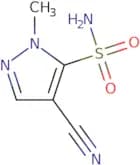
CAS:<p>Versatile small molecule scaffold</p>Formula:C11H16ClNOPurity:Min. 95%Molecular weight:213.7 g/mol4-Cyano-1-methyl-1H-pyrazole-5-sulfonamide
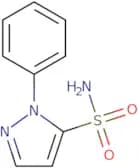
CAS:<p>Versatile small molecule scaffold</p>Formula:C5H6N4O2SPurity:Min. 95%Molecular weight:186.19 g/mol1-Phenyl-1H-pyrazole-5-sulfonamide
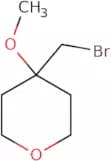
CAS:<p>Versatile small molecule scaffold</p>Formula:C9H9N3O2SPurity:Min. 95%Molecular weight:223.25 g/mol4-(Bromomethyl)-4-methoxyoxane
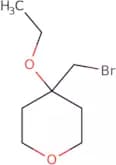
CAS:<p>Versatile small molecule scaffold</p>Formula:C7H13BrO2Purity:Min. 95%Molecular weight:209.08 g/mol4-(Bromomethyl)-4-ethoxyoxane
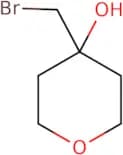
CAS:<p>Versatile small molecule scaffold</p>Formula:C8H15BrO2Purity:Min. 95%Molecular weight:223.11 g/mol4-(Bromomethyl)oxan-4-ol
CAS:<p>Versatile small molecule scaffold</p>Formula:C6H11BrO2Purity:Min. 95%Molecular weight:195.05 g/mol[4-(Aminomethyl)oxan-4-yl]methanamine dihydrochloride
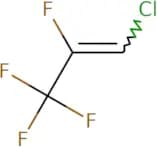
CAS:<p>Versatile small molecule scaffold</p>Formula:C7H18Cl2N2OPurity:Min. 95%Molecular weight:217.13 g/mol(Z)-1-Chloro-2,3,3,3-tetrafluoropropene
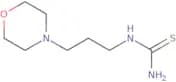
CAS:<p>(Z)-1-Chloro-2,3,3,3-tetrafluoropropene is a chemical used in commercial solvents. It is a colorless gas with an odor similar to that of hexane. It has been shown to have cardiac effects in chronic exposure studies and it can also cause chronic oral toxicity in animals. Studies on the toxicology of (Z)-1-chloro-2,3,3,3-tetrafluoropropene have been conducted using fruit extract and protein synthesis assays. The results show that this compound may be useful for the treatment of cancer and other diseases caused by protein aggregation.</p>Formula:C3HClF4Purity:Min. 95%Molecular weight:148.49 g/mol1-(3-Morpholinopropyl)-2-thiourea
CAS:<p>Versatile small molecule scaffold</p>Formula:C8H17N3OSPurity:Min. 95%Molecular weight:203.31 g/mol1-[(2R)-Piperidin-2-yl]ethan-1-one hydrochloride
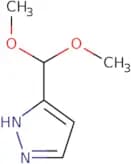
CAS:<p>Versatile small molecule scaffold</p>Formula:C7H14ClNOPurity:Min. 95%Molecular weight:163.64 g/mol3-(Dimethoxymethyl)-1H-pyrazole
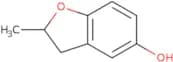
CAS:<p>3-(Dimethoxymethyl)-1H-pyrazole is a natural product that is produced by the reaction of acetals with catalytic amounts of trifluoromethanesulfonic acid. This chemical is synthesised by reacting orthoformates and functional groups. 3-(Dimethoxymethyl)-1H-pyrazole is found in catalytic amounts in the synthesis of pyrazoles and cyclic compounds. The yield of 3-(dimethoxymethyl)-1H-pyrazole can be increased by adding an oxidant to the reaction mixture.</p>Formula:C6H10N2O2Purity:Min. 95%Molecular weight:142.16 g/mol2-Methyl-2,3-dihydro-1-benzofuran-5-ol
CAS:<p>Versatile small molecule scaffold</p>Formula:C9H10O2Purity:Min. 95%Molecular weight:150.17 g/mol5-Ethynyl-4-methyl-1,3-thiazole
CAS:<p>Versatile small molecule scaffold</p>Formula:C6H5NSPurity:Min. 95%Molecular weight:123.18 g/mol

![Spiro[bicyclo[3.2.0]heptane-2,1'-cyclopropan]-3-en-7-one](/_next/image/?url=https%3A%2Fstatic.cymitquimica.com%2Fproducts%2F3D%2Fthumb-webp%2FLCA28688.webp&w=3840&q=75)
![2-[(1-Imidazolyl)methyl]aniline](/_next/image/?url=https%3A%2Fstatic.cymitquimica.com%2Fproducts%2F3D%2Fthumb-webp%2FLCA29250.webp&w=3840&q=75)
![2-[3,5-Dimethoxy-4-(propan-2-yloxy)phenyl]ethan-1-amine hydrochloride](/_next/image/?url=https%3A%2Fstatic.cymitquimica.com%2Fproducts%2F3D%2Fthumb-webp%2FLCA36770.webp&w=3840&q=75)
![2-[(4-Fluorophenyl)methyl]oxirane](/_next/image/?url=https%3A%2Fstatic.cymitquimica.com%2Fproducts%2F3D%2Fthumb-webp%2FLCA39662.webp&w=3840&q=75)


![7-Methyl-5H-pyrano[4,3-b]pyridin-5-one](/_next/image/?url=https%3A%2Fstatic.cymitquimica.com%2Fproducts%2F3D%2Fthumb-webp%2FLCA43683.webp&w=3840&q=75)

![Thieno[3,2-c]pyridine-2-carboxylic acid](/_next/image/?url=https%3A%2Fstatic.cymitquimica.com%2Fproducts%2F3D%2Fthumb-webp%2FLDA23637.webp&w=3840&q=75)


![1,3-Dimethoxy-5-[(E)-2-nitroethenyl]benzene](/_next/image/?url=https%3A%2Fstatic.cymitquimica.com%2Fproducts%2F3D%2Fthumb-webp%2FLDA25543.webp&w=3840&q=75)
![1-[2-(Methylamino)ethyl]pyrrolidin-2-one](/_next/image/?url=https%3A%2Fstatic.cymitquimica.com%2Fproducts%2F3D%2Fthumb-webp%2FLDA27380.webp&w=3840&q=75)

![2-phenyl-4H-furo[3,2-b]pyrrole-5-carboxylic acid](/_next/image/?url=https%3A%2Fstatic.cymitquimica.com%2Fproducts%2F3D%2Fthumb-webp%2FLDA34544.webp&w=3840&q=75)
![4-[(Carbamoylmethyl)amino]benzoic acid](/_next/image/?url=https%3A%2Fstatic.cymitquimica.com%2Fproducts%2F3D%2Fthumb-webp%2FLDA36440.webp&w=3840&q=75)
![1-[(tert-butoxy)carbonyl]-1,2,5,6-tetrahydropyridine-3-carboxylic acid](/_next/image/?url=https%3A%2Fstatic.cymitquimica.com%2Fproducts%2F3D%2Fthumb-webp%2FLDA44711.webp&w=3840&q=75)
![1-[(tert-Butoxy)carbonyl]-1,2,3,6-tetrahydropyridine-3-carboxylic acid](/_next/image/?url=https%3A%2Fstatic.cymitquimica.com%2Fproducts%2F3D%2Fthumb-webp%2FLDA44714.webp&w=3840&q=75)

![5,6-Dihydro-3-hydroxy-4H-pyrrolo[1,2-c][1,2,3]oxadiazol-7-ium](/_next/image/?url=https%3A%2Fstatic.cymitquimica.com%2Fproducts%2F3D%2Fthumb-webp%2FLDA47705.webp&w=3840&q=75)
![ethyl 5,6-dihydro-4H-pyrrolo[1,2-b]pyrazole-3-carboxylate](/_next/image/?url=https%3A%2Fstatic.cymitquimica.com%2Fproducts%2F3D%2Fthumb-webp%2FLDA47710.webp&w=3840&q=75)
![6-(2-Chloroethyl)-7-methyl-5h-thiazolo[3,2-a]pyrimidin-5-one](/_next/image/?url=https%3A%2Fstatic.cymitquimica.com%2Fproducts%2F3D%2Fthumb-webp%2FLDA48800.webp&w=3840&q=75)
![2-[2-(Oxiran-2-yl)ethyl]-2,3-dihydro-1H-isoindole-1,3-dione](/_next/image/?url=https%3A%2Fstatic.cymitquimica.com%2Fproducts%2F3D%2Fthumb-webp%2FLDA50670.webp&w=3840&q=75)
![4-chlorofuro[3,2-c]pyridine-2-carbaldehyde](/_next/image/?url=https%3A%2Fstatic.cymitquimica.com%2Fproducts%2F3D%2Fthumb-webp%2FLDA51807.webp&w=3840&q=75)
![4-chlorofuro[3,2-c]pyridine-2-carboxylic acid](/_next/image/?url=https%3A%2Fstatic.cymitquimica.com%2Fproducts%2F3D%2Fthumb-webp%2FLDA51808.webp&w=3840&q=75)
![1-{4-Chlorofuro[3,2-c]pyridin-2-yl}ethan-1-one](/_next/image/?url=https%3A%2Fstatic.cymitquimica.com%2Fproducts%2F3D%2Fthumb-webp%2FLDA51810.webp&w=3840&q=75)
![4,5-Dihydro-4-oxo-furo[3,2-C]pyridine-2-carboxaldehyde](/_next/image/?url=https%3A%2Fstatic.cymitquimica.com%2Fproducts%2F3D%2Fthumb-webp%2FLDA51817.webp&w=3840&q=75)
![1-[4-Chloro-2-(trifluoromethyl)phenyl]ethan-1-one](/_next/image/?url=https%3A%2Fstatic.cymitquimica.com%2Fproducts%2F3D%2Fthumb-webp%2FLDA52034.webp&w=3840&q=75)
![1-(4-Methylbenzenesulfonyl)bicyclo[1.1.0]butane](/_next/image/?url=https%3A%2Fstatic.cymitquimica.com%2Fproducts%2F3D%2Fthumb-webp%2FLDA53730.webp&w=3840&q=75)

![(2S)-2-[(tert-Butylcarbamoyl)amino]-3-methylbutanoic acid](/_next/image/?url=https%3A%2Fstatic.cymitquimica.com%2Fproducts%2F3D%2Fthumb-webp%2FLDA67478.webp&w=3840&q=75)
![9-Thia-2-azaspiro[5.5]undecane](/_next/image/?url=https%3A%2Fstatic.cymitquimica.com%2Fproducts%2F3D%2Fthumb-webp%2FLDA69702.webp&w=3840&q=75)
![Methyl imidazo[1,2-a]pyridine-7-carboxylate](/_next/image/?url=https%3A%2Fstatic.cymitquimica.com%2Fproducts%2F3D%2Fthumb-webp%2FLDA71801.webp&w=3840&q=75)
![1-[(Piperidin-4-yl)methyl]pyrrolidin-2-one hydrochloride](/_next/image/?url=https%3A%2Fstatic.cymitquimica.com%2Fproducts%2F3D%2Fthumb-webp%2FLEA24763.webp&w=3840&q=75)




![(2E)-3-[5-(Methoxycarbonyl)furan-2-yl]prop-2-enoic acid](/_next/image/?url=https%3A%2Fstatic.cymitquimica.com%2Fproducts%2F3D%2Fthumb-webp%2FLEA25237.webp&w=3840&q=75)


![3-[4-(Dimethylamino)phenyl]imidazolidine-2,4-dione](/_next/image/?url=https%3A%2Fstatic.cymitquimica.com%2Fproducts%2F3D%2Fthumb-webp%2FLEA25682.webp&w=3840&q=75)


![[1-(Propan-2-yl)-1H-1,2,4-triazol-5-yl]methanol](/_next/image/?url=https%3A%2Fstatic.cymitquimica.com%2Fproducts%2F3D%2Fthumb-webp%2FLEA34039.webp&w=3840&q=75)


![1-[(tert-Butyldimethylsilyl)oxy]cyclohexane-1-carbaldehyde](/_next/image/?url=https%3A%2Fstatic.cymitquimica.com%2Fproducts%2F3D%2Fthumb-webp%2FLEA35178.webp&w=3840&q=75)
![4-[(tert-Butyldimethylsilyl)oxy]aniline](/_next/image/?url=https%3A%2Fstatic.cymitquimica.com%2Fproducts%2F3D%2Fthumb-webp%2FLEA35974.webp&w=3840&q=75)


![3-Methoxy-1H-pyrazolo[3,4-d]pyrimidin-4-amine](/_next/image/?url=https%3A%2Fstatic.cymitquimica.com%2Fproducts%2F3D%2Fthumb-webp%2FLEA37522.webp&w=3840&q=75)

![3-[3-(Methoxycarbonyl)phenyl]propanoic acid](/_next/image/?url=https%3A%2Fstatic.cymitquimica.com%2Fproducts%2F3D%2Fthumb-webp%2FLEA37650.webp&w=3840&q=75)
![[(1,3,4-Thiadiazol-2-yl)amino]formonitrile](/_next/image/?url=https%3A%2Fstatic.cymitquimica.com%2Fproducts%2F3D%2Fthumb-webp%2FLEA39384.webp&w=3840&q=75)



![{Imidazo[1,2-a]pyridin-8-yl}methanol hydrochloride](/_next/image/?url=https%3A%2Fstatic.cymitquimica.com%2Fproducts%2F3D%2Fthumb-webp%2FLEA47718.webp&w=3840&q=75)
![(R)-Phenyl[(2S)-pyrrolidin-2-yl]methanol hydrochloride](/_next/image/?url=https%3A%2Fstatic.cymitquimica.com%2Fproducts%2F3D%2Fthumb-webp%2FLEA49262.webp&w=3840&q=75)
![[4-(Aminomethyl)oxan-4-yl]methanamine dihydrochloride](/_next/image/?url=https%3A%2Fstatic.cymitquimica.com%2Fproducts%2F3D%2Fthumb-webp%2FLEA51191.webp&w=3840&q=75)
![1-[(2R)-Piperidin-2-yl]ethan-1-one hydrochloride](/_next/image/?url=https%3A%2Fstatic.cymitquimica.com%2Fproducts%2F3D%2Fthumb-webp%2FLEA55621.webp&w=3840&q=75)