Building Blocks
This section contains fundamental products for the synthesis of organic and biological compounds. Building blocks are the essential starting materials used to construct complex molecules through various chemical reactions. They play a critical role in drug discovery, material science, and chemical research. At CymitQuimica, we offer a diverse range of high-quality building blocks to support your innovative research and industrial projects, ensuring you have the essential components for successful synthesis.
Subcategories of "Building Blocks"
- Boronic Acids & Boronic Acid Derivatives(5,756 products)
- Chiral Building Blocks(1,242 products)
- Hydrocarbon Building Blocks(6,095 products)
- Organic Building Blocks(61,037 products)
Found 196139 products of "Building Blocks"
Sort by
Purity (%)
0
100
|
0
|
50
|
90
|
95
|
100
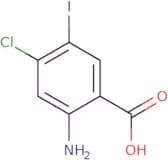
2-Amino-4-chloro-5-iodobenzoic acid
CAS:<p>Versatile small molecule scaffold</p>Formula:C7H5ClINO2Purity:Min. 95%Molecular weight:297.48 g/mol(2S,4R)-1-[(tert-Butoxy)carbonyl]-4-(2-methoxy-2-oxoethyl)pyrrolidine-2-carboxylic acid
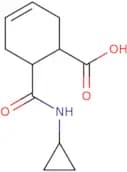
CAS:<p>Versatile small molecule scaffold</p>Formula:C13H21NO6Purity:Min. 95%Molecular weight:287.31 g/mol6-(Cyclopropylcarbamoyl)cyclohex-3-ene-1-carboxylic acid
CAS:<p>Versatile small molecule scaffold</p>Formula:C11H15NO3Purity:Min. 95%Molecular weight:209.24 g/mol4-[4-(4-Chlorophenyl)piperazin-1-yl]-4-oxobutanoic acid
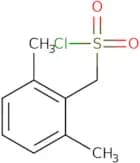
CAS:Controlled Product<p>Versatile small molecule scaffold</p>Formula:C14H17ClN2O3Purity:Min. 95%Molecular weight:296.75 g/mol(2,6-Dimethylphenyl)methanesulfonyl chloride
CAS:<p>Versatile small molecule scaffold</p>Formula:C9H11ClO2SPurity:Min. 95%Molecular weight:218.7 g/mol1-Sulfanyl-4H,5H-[1,2,4]triazolo[4,3-a]quinoxalin-4-one
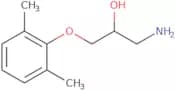
CAS:<p>1-Sulfanyl-4H,5H-[1,2,4]triazolo[4,3-a]quinoxalin-4-one is a potential antiviral drug that has been shown to inhibit the replication of the human immunodeficiency virus (HIV) in vitro. The most effective compounds have been shown to bind to the 5'-terminal region of the viral RNA genome and inhibit HIV's ability to interact with host cells. 1-Sulfanyl-4H,5H-[1,2,4]triazolo[4,3-a]quinoxalin-4-one has also been shown to be a potent inhibitor of influenza A virus replication in vitro. 1-Sulfanyl-4H,5H-[1,2,4]triazolo[4,3-a]quinoxalin-4-one binds tightly with high affinity to its target site and inhibits the enzyme PCSK9 which</p>Formula:C9H6N4OSPurity:Min. 95%Molecular weight:218.24 g/mol1-Amino-3-(2,6-dimethylphenoxy)propan-2-ol
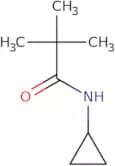
CAS:<p>Versatile small molecule scaffold</p>Formula:C11H17NO2Purity:Min. 95%Molecular weight:195.26 g/molN-Cyclopropyl-2,2-dimethyl-propanamide
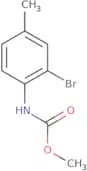
CAS:<p>Versatile small molecule scaffold</p>Formula:C8H15NOPurity:Min. 95%Molecular weight:141.21 g/molMethyl N-(2-bromo-4-methylphenyl)carbamate
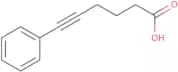
CAS:<p>Versatile small molecule scaffold</p>Formula:C9H10BrNO2Purity:Min. 95%Molecular weight:244.08 g/mol6-Phenylhex-5-ynoic acid
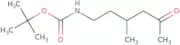
CAS:<p>Versatile small molecule scaffold</p>Formula:C12H12O2Purity:Min. 95%Molecular weight:188.22 g/moltert-Butyl N-(3-methyl-5-oxohexyl)carbamate
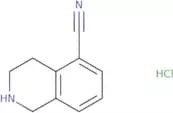
CAS:<p>Versatile small molecule scaffold</p>Formula:C12H23NO3Purity:Min. 95%Molecular weight:229.32 g/mol1,2,3,4-Tetrahydroisoquinoline-5-carbonitrile hydrochloride
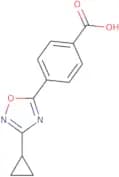
CAS:<p>Versatile small molecule scaffold</p>Formula:C10H11ClN2Purity:Min. 95%Molecular weight:194.66 g/mol4-(3-Cyclopropyl-1,2,4-oxadiazol-5-yl)benzoic acid
CAS:<p>Versatile small molecule scaffold</p>Formula:C12H10N2O3Purity:Min. 95%Molecular weight:230.22 g/mol2-[4-Chloro-2-(trifluoromethyl)phenyl]-4,4,5,5-tetramethyl-1,3,2-dioxaborolane
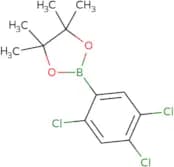
CAS:<p>Versatile small molecule scaffold</p>Formula:C13H15BClF3O2Purity:Min. 95%Molecular weight:306.52 g/mol4,4,5,5-Tetramethyl-2-(2,4,5-trichlorophenyl)-1,3,2-dioxaborolane
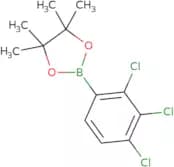
CAS:<p>Versatile small molecule scaffold</p>Formula:C12H14BCl3O2Purity:Min. 95%Molecular weight:307.4 g/mol4,4,5,5-Tetramethyl-2-(2,3,4-trichlorophenyl)-1,3,2-dioxaborolane
CAS:<p>Versatile small molecule scaffold</p>Formula:C12H14BCl3O2Purity:Min. 95%Molecular weight:307.4 g/mol2-[3-Chloro-4-(trifluoromethyl)phenyl]-4,4,5,5-tetramethyl-1,3,2-dioxaborolane
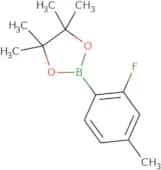
CAS:<p>Versatile small molecule scaffold</p>Formula:C13H15BClF3O2Purity:Min. 95%Molecular weight:306.52 g/mol2-(2-Fluoro-4-methyl-phenyl)-4,4,5,5-tetramethyl-1,3,2-dioxaborolane
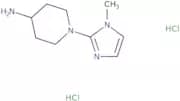
CAS:<p>Versatile small molecule scaffold</p>Formula:C13H18BFO2Purity:Min. 95%Molecular weight:236.09 g/mol1-(1-Methyl-1H-imidazol-2-yl)piperidin-4-amine dihydrochloride
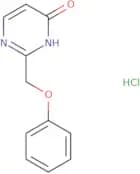
CAS:<p>Versatile small molecule scaffold</p>Formula:C9H18Cl2N4Purity:Min. 95%Molecular weight:253.17 g/mol2-(Phenoxymethyl)-1,4-dihydropyrimidin-4-one hydrochloride
CAS:<p>Versatile small molecule scaffold</p>Formula:C11H11ClN2O2Purity:Min. 95%Molecular weight:238.67 g/mol[2-(Morpholin-4-yl)-1,3-thiazol-5-yl]methanamine dihydrochloride
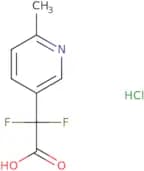
CAS:<p>Versatile small molecule scaffold</p>Formula:C8H15Cl2N3OSPurity:Min. 95%Molecular weight:272.19 g/mol2,2-Difluoro-2-(6-methylpyridin-3-yl)acetic acid hydrochloride
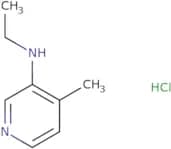
CAS:<p>Versatile small molecule scaffold</p>Formula:C8H8ClF2NO2Purity:Min. 95%Molecular weight:223.6 g/molN-Ethyl-4-methylpyridin-3-amine hydrochloride
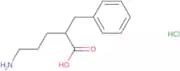
CAS:<p>Versatile small molecule scaffold</p>Formula:C8H13ClN2Purity:Min. 95%Molecular weight:172.65 g/mol5-Amino-2-benzylpentanoic acid hydrochloride
CAS:<p>Versatile small molecule scaffold</p>Formula:C12H18ClNO2Purity:Min. 95%Molecular weight:243.73 g/mol[1-(Aminomethyl)-3-phenylcyclobutyl]methanol hydrochloride
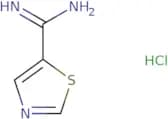
CAS:<p>Versatile small molecule scaffold</p>Formula:C12H18ClNOPurity:Min. 95%Molecular weight:227.73 g/mol1,3-Thiazole-5-carboximidamide hydrochloride
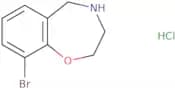
CAS:<p>Versatile small molecule scaffold</p>Formula:C4H6ClN3SPurity:Min. 95%Molecular weight:163.63 g/mol9-Bromo-2,3,4,5-tetrahydro-1,4-benzoxazepine hydrochloride
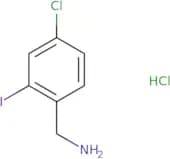
CAS:<p>Versatile small molecule scaffold</p>Formula:C9H11BrClNOPurity:Min. 95%Molecular weight:264.54 g/mol(4-Chloro-2-iodophenyl)methanamine hydrochloride
CAS:<p>Versatile small molecule scaffold</p>Formula:C7H8Cl2INPurity:Min. 95%Molecular weight:303.95 g/mol1-[2-Chloro-5-(trifluoromethyl)phenyl]cyclopropan-1-amine hydrochloride
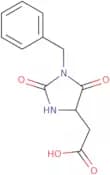
CAS:<p>Versatile small molecule scaffold</p>Formula:C10H10Cl2F3NPurity:Min. 95%Molecular weight:272.09 g/mol2-(1-Benzyl-2,5-dioxoimidazolidin-4-yl)acetic acid
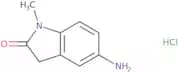
CAS:<p>Versatile small molecule scaffold</p>Formula:C12H12N2O4Purity:Min. 95%Molecular weight:248.23 g/mol5-Amino-1-methyl-2,3-dihydro-1H-indol-2-one hydrochloride
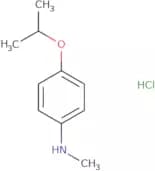
CAS:Controlled Product<p>5-Amino-1-methyl-2,3-dihydro-1H-indol-2-one hydrochloride is a research tool that belongs to the class of peptides. It is used as an inhibitor in pharmacological research or as a reagent in antibody production. This product has been shown to inhibit ion channels and bind to ligand receptors. 5-Amino-1-methyl-2,3-dihydro-1H-indol-2-one hydrochloride binds to the receptor using a mechanism involving hydrogen bonds or Van der Waals forces. It also interacts with other proteins and can be used as a high purity reagent for antibodies.</p>Formula:C9H11ClN2OPurity:Min. 95%Molecular weight:198.65 g/molN-Methyl-4-(propan-2-yloxy)aniline hydrochloride
CAS:<p>Versatile small molecule scaffold</p>Formula:C10H16ClNOPurity:Min. 95%Molecular weight:201.69 g/mol6-Methyl-7-(trifluoromethyl)pyrazolo[1,5-a]pyrimidine-2-carboxylic acid
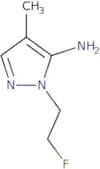
CAS:<p>Versatile small molecule scaffold</p>Formula:C9H6F3N3O2Purity:Min. 95%Molecular weight:245.16 g/mol1-(2-Fluoroethyl)-4-methyl-1H-pyrazol-5-amine
CAS:<p>Versatile small molecule scaffold</p>Formula:C6H10FN3Purity:Min. 95%Molecular weight:143.16 g/molN-[3-(2-Oxo-1,3-oxazolidin-3-yl)propyl]methanesulfonamide
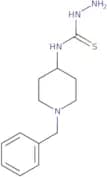
CAS:<p>Versatile small molecule scaffold</p>Formula:C7H14N2O4SPurity:Min. 95%Molecular weight:222.3 g/mol3-Amino-1-(1-benzylpiperidin-4-yl)thiourea
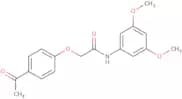
CAS:<p>Versatile small molecule scaffold</p>Formula:C13H20N4SPurity:Min. 95%Molecular weight:264.39 g/mol2-(4-Acetylphenoxy)-N-(3,5-dimethoxyphenyl)acetamide
CAS:<p>Versatile small molecule scaffold</p>Formula:C18H19NO5Purity:Min. 95%Molecular weight:329.3 g/mol3-[N-(4-Methylphenyl)benzenesulfonamido]propanoic acid
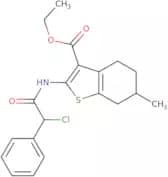
CAS:<p>Versatile small molecule scaffold</p>Formula:C16H17NO4SPurity:Min. 95%Molecular weight:319.4 g/molEthyl 2-(2-chloro-2-phenylacetamido)-6-methyl-4,5,6,7-tetrahydro-1-benzothiophene-3-carboxylate
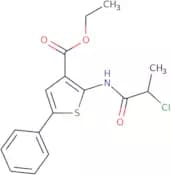
CAS:<p>Versatile small molecule scaffold</p>Formula:C20H22ClNO3SPurity:Min. 95%Molecular weight:391.9 g/molEthyl 2-(2-chloropropanamido)-5-phenylthiophene-3-carboxylate
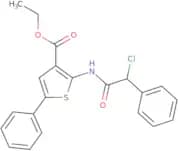
CAS:<p>Versatile small molecule scaffold</p>Formula:C16H16ClNO3SPurity:Min. 95%Molecular weight:337.8 g/molEthyl 2-(2-chloro-2-phenylacetamido)-5-phenylthiophene-3-carboxylate
CAS:<p>Versatile small molecule scaffold</p>Formula:C21H18ClNO3SPurity:Min. 95%Molecular weight:399.9 g/mol4-Chloro-2-{2-[(4-methyl-4H-1,2,4-triazol-3-yl)sulfanyl]acetamido}benzoic acid
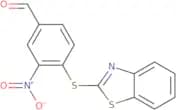
CAS:<p>Versatile small molecule scaffold</p>Formula:C12H11ClN4O3SPurity:Min. 95%Molecular weight:326.76 g/mol4-(1,3-Benzothiazol-2-ylsulfanyl)-3-nitrobenzaldehyde
CAS:<p>Versatile small molecule scaffold</p>Formula:C14H8N2O3S2Purity:Min. 95%Molecular weight:316.4 g/mol2-Chloro-N-[4-(4-ethylphenyl)-1,3-thiazol-2-yl]-2-phenylacetamide
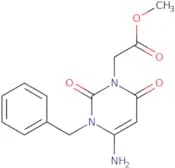
CAS:<p>Versatile small molecule scaffold</p>Formula:C19H17ClN2OSPurity:Min. 95%Molecular weight:356.9 g/molMethyl 2-(4-amino-3-benzyl-2,6-dioxo-1,2,3,6-tetrahydropyrimidin-1-yl)acetate
CAS:<p>Versatile small molecule scaffold</p>Formula:C14H15N3O4Purity:Min. 95%Molecular weight:289.29 g/mol2-[(5-Methylthiophen-2-yl)formamido]acetic acid
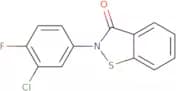
CAS:<p>2-[(5-Methylthiophen-2-yl)formamido]acetic acid is a research tool that is used as an activator of G protein coupled receptors. It binds to the receptor, which induces activation and signaling via second messengers. 2-[(5-Methylthiophen-2-yl)formamido]acetic acid has been shown to activate ion channels in cells and is also a ligand for the receptor. This compound has been shown to be a potent inhibitor of GABA (gamma amino butyric acid) binding in rat brain synaptosomes.</p>Formula:C8H9NO3SPurity:Min. 95%Molecular weight:199.23 g/mol2-(3-Chloro-4-fluorophenyl)-2,3-dihydro-1,2-benzothiazol-3-one
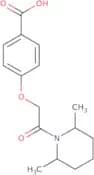
CAS:<p>Versatile small molecule scaffold</p>Formula:C13H7ClFNOSPurity:Min. 95%Molecular weight:279.72 g/mol4-(2-(2,6-Dimethylpiperidin-1-yl)-2-oxoethoxy)benzoic acid
CAS:<p>Versatile small molecule scaffold</p>Formula:C16H21NO4Purity:Min. 95%Molecular weight:291.34 g/mol2-Chloromethyl-5-methyl-4-oxo-3,4-dihydro-thieno[2,3-d]pyrimidine-6-carboxylic acid methyl ester
CAS:<p>Versatile small molecule scaffold</p>Formula:C10H9ClN2O3SPurity:Min. 95%Molecular weight:272.71 g/mol6-(Furan-2-yl)-3-methyl-1-phenyl-1H-pyrazolo[3,4-b]pyridine-4-carboxylic acid
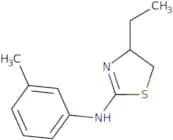
CAS:<p>Versatile small molecule scaffold</p>Formula:C18H13N3O3Purity:Min. 95%Molecular weight:319.3 g/mol4-Ethyl-N-(3-methylphenyl)-4,5-dihydro-1,3-thiazol-2-amine
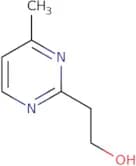
CAS:<p>Versatile small molecule scaffold</p>Formula:C12H16N2SPurity:Min. 95%Molecular weight:220.34 g/mol2-(4-Methylpyrimidin-2-yl)ethan-1-ol
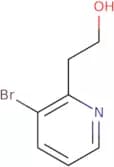
CAS:<p>Versatile small molecule scaffold</p>Formula:C7H10N2OPurity:Min. 95%Molecular weight:138.17 g/mol2-(3-Bromopyridin-2-yl)ethan-1-ol
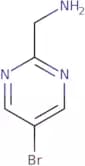
CAS:<p>Versatile small molecule scaffold</p>Formula:C7H8BrNOPurity:Min. 95%Molecular weight:202.05 g/mol(5-Bromopyrimidin-2-yl)methanamine
CAS:<p>Versatile small molecule scaffold</p>Formula:C5H6BrN3Purity:Min. 95%Molecular weight:188.03 g/mol6-Ethyl-2-(3-hydroxyphenyl)-3H,4H-thieno[2,3-d]pyrimidin-4-one
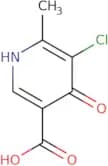
CAS:<p>Versatile small molecule scaffold</p>Formula:C14H12N2O2SPurity:Min. 95%Molecular weight:272.32 g/mol5-Chloro-4-hydroxy-6-methylpyridine-3-carboxylic acid
CAS:<p>Versatile small molecule scaffold</p>Formula:C7H6ClNO3Purity:Min. 95%Molecular weight:187.58 g/mol4-(Bromomethyl)-4-fluorooxane
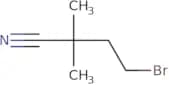
CAS:<p>Versatile small molecule scaffold</p>Formula:C6H10BrFOPurity:Min. 95%Molecular weight:197.05 g/mol4-Bromo-2,2-dimethylbutanenitrile
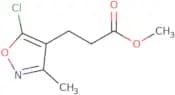
CAS:<p>Versatile small molecule scaffold</p>Formula:C6H10BrNPurity:Min. 95%Molecular weight:176.05 g/molMethyl 3-(5-chloro-3-methyl-1,2-oxazol-4-yl)propanoate
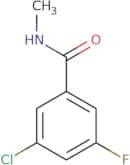
CAS:<p>Versatile small molecule scaffold</p>Formula:C8H10ClNO3Purity:Min. 95%Molecular weight:203.62 g/mol3-Chloro-5-fluoro-N-methylbenzamide
CAS:<p>Versatile small molecule scaffold</p>Formula:C8H7ClFNOPurity:Min. 95%Molecular weight:187.6 g/mol8-(2-Methylprop-2-en-1-yl)-5-oxa-8-azaspiro[3.5]nonane
CAS:<p>Versatile small molecule scaffold</p>Formula:C11H19NOPurity:Min. 95%Molecular weight:181.3 g/mol1-(Furan-2-yl)-2-azaspiro[3.3]heptane
CAS:<p>Versatile small molecule scaffold</p>Formula:C10H13NOPurity:Min. 95%Molecular weight:163.22 g/mol2-(Iodomethyl)-8,8-dimethyl-1-oxaspiro[4.5]decane
CAS:<p>Versatile small molecule scaffold</p>Formula:C12H21IOPurity:Min. 95%Molecular weight:308.2 g/mol3-(Furan-2-yl)-2-azaspiro[3.4]octan-1-one
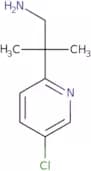
CAS:<p>Versatile small molecule scaffold</p>Formula:C11H13NO2Purity:Min. 95%Molecular weight:191.23 g/mol2-(5-Chloropyridin-2-yl)-2-methylpropan-1-amine
CAS:<p>Versatile small molecule scaffold</p>Formula:C9H13ClN2Purity:Min. 95%Molecular weight:184.66 g/mol5-Cyclopentyl-3-ethyl-1,2,4-oxadiazole
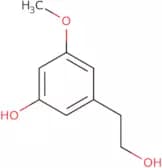
CAS:<p>Versatile small molecule scaffold</p>Formula:C9H14N2OPurity:Min. 95%Molecular weight:166.22 g/mol3-(2-Hydroxyethyl)-5-methoxyphenol
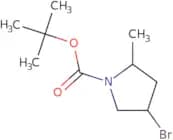
CAS:<p>5-Hydroxytryptamine (5-HT) is a neurotransmitter that is synthesized in the brain and released into the blood. It has been shown to be involved in the regulation of sleep and appetite, as well as other functions. The 5-HT3 receptor antagonist drugs are used for the treatment of nausea and vomiting. These drugs inhibit gastric emptying, which may be due to their ability to inhibit 5-HT synthesis or block 5-HT receptors. 5-HT antagonists can also cause sedation, which may be due to their ability to inhibit 5-HT synthesis or block 5-HT receptors.</p>Formula:C9H12O3Purity:Min. 95%Molecular weight:168.19 g/moltert-Butyl 4-bromo-2-methylpyrrolidine-1-carboxylate
CAS:<p>Versatile small molecule scaffold</p>Formula:C10H18BrNO2Purity:Min. 95%Molecular weight:264.16 g/mol4-({[(9H-Fluoren-9-yl)methoxy]carbonyl}amino)hexanoic acid
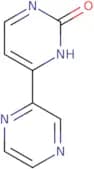
CAS:<p>Versatile small molecule scaffold</p>Formula:C21H23NO4Purity:Min. 95%Molecular weight:353.4 g/mol4-(Pyrazin-2-yl)pyrimidin-2-ol
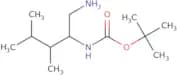
CAS:<p>Versatile small molecule scaffold</p>Formula:C8H6N4OPurity:Min. 95%Molecular weight:174.16 g/moltert-Butyl N-(1-amino-3,4-dimethylpentan-2-yl)carbamate
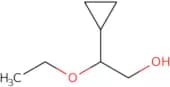
CAS:<p>Versatile small molecule scaffold</p>Formula:C12H26N2O2Purity:Min. 95%Molecular weight:230.35 g/mol2-Cyclopropyl-2-ethoxyethan-1-ol
CAS:<p>Versatile small molecule scaffold</p>Formula:C7H14O2Purity:Min. 95%Molecular weight:130.18 g/mol2-({[(9H-Fluoren-9-yl)methoxy]carbonyl}amino)bicyclo[3.1.0]hexane-2-carboxylic acid
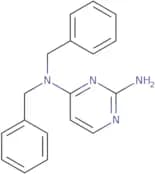
CAS:<p>Versatile small molecule scaffold</p>Formula:C22H21NO4Purity:Min. 95%Molecular weight:363.4 g/molN4,N4-Dibenzylpyrimidine-2,4-diamine
CAS:<p>Versatile small molecule scaffold</p>Formula:C18H18N4Purity:Min. 95%Molecular weight:290.4 g/mol2-[(Benzyloxy)carbonyl]-2-azabicyclo[2.2.2]octane-6-carboxylic acid
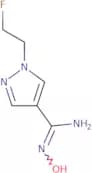
CAS:<p>Versatile small molecule scaffold</p>Formula:C16H19NO4Purity:Min. 95%Molecular weight:289.33 g/mol1-(2-Fluoroethyl)-N'-hydroxy-1H-pyrazole-4-carboximidamide
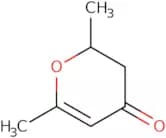
CAS:<p>Versatile small molecule scaffold</p>Formula:C6H9FN4OPurity:Min. 95%Molecular weight:172.16 g/mol2,6-Dimethyl-3,4-dihydro-2H-pyran-4-one
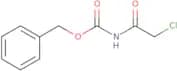
CAS:<p>Versatile small molecule scaffold</p>Formula:C7H10O2Purity:Min. 95%Molecular weight:126.15 g/molBenzyl N-(2-chloroacetyl)carbamate
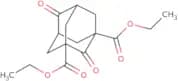
CAS:<p>Versatile small molecule scaffold</p>Formula:C10H10ClNO3Purity:Min. 95%Molecular weight:227.64 g/mol1,3-Diethyl 2,6-dioxoadamantane-1,3-dicarboxylate
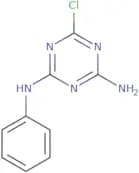
CAS:<p>Versatile small molecule scaffold</p>Formula:C16H20O6Purity:Min. 95%Molecular weight:308.33 g/mol6-Chloro-N2-phenyl-1,3,5-triazine-2,4-diamine
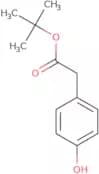
CAS:<p>Versatile small molecule scaffold</p>Formula:C9H8ClN5Purity:Min. 95%Molecular weight:221.64 g/moltert-Butyl 2-(4-hydroxyphenyl)acetate
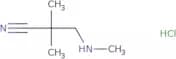
CAS:<p>Versatile small molecule scaffold</p>Formula:C12H16O3Purity:Min. 95%Color and Shape:PowderMolecular weight:208.25 g/mol2,2-Dimethyl-3-(methylamino)propanenitrile hydrochloride
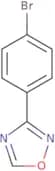
CAS:<p>Versatile small molecule scaffold</p>Formula:C6H13ClN2Purity:Min. 95%Molecular weight:148.63 g/mol3-(4-Bromophenyl)-1,2,4-oxadiazole
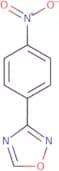
CAS:<p>Versatile small molecule scaffold</p>Formula:C8H5BrN2OPurity:Min. 95%Molecular weight:225.42 g/mol3-(4-Nitrophenyl)-1,2,4-oxadiazole
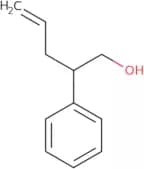
CAS:<p>Versatile small molecule scaffold</p>Formula:C8H5N3O3Purity:Min. 95%Molecular weight:191.14 g/mol2-Phenylpent-4-en-1-ol
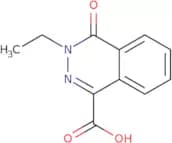
CAS:<p>Reaction with 2-phenylpent-4-en-1-ol with a boronate or styrene derivative in the presence of a catalyst such as zinc acetate, can give rise to allyl alcohol. The reaction is selective for the epoxide over the other two possible hydroxyl groups. Ring opening of the epoxide gives the homoallyl alcohol and subsequent reaction with another molecule of allyl alcohol leads to an oxirane. This last compound can be converted to an oxide by treatment with hydrogen peroxide and potassium permanganate.<br>2-Phenylpent-4-en-1-ol is also used as a selective agent in reactions involving oxidizing agents such as chromium trioxide and dichromate. It reacts selectively at the double bond, which is more reactive than other bonds present in this type of chemical structure.</p>Formula:C11H14OPurity:Min. 95%Molecular weight:162.23 g/mol3-Ethyl-4-oxo-3,4-dihydrophthalazine-1-carboxylic acid
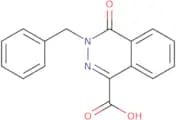
CAS:<p>Versatile small molecule scaffold</p>Formula:C11H10N2O3Purity:Min. 95%Molecular weight:218.21 g/mol3-Benzyl-4-oxo-3,4-dihydrophthalazine-1-carboxylic acid
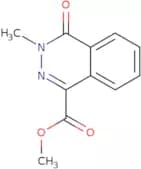
CAS:<p>Versatile small molecule scaffold</p>Formula:C16H12N2O3Purity:Min. 95%Molecular weight:280.28 g/molMethyl 3-methyl-4-oxo-3,4-dihydrophthalazine-1-carboxylate
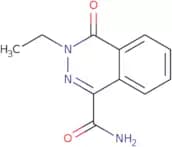
CAS:<p>Versatile small molecule scaffold</p>Formula:C11H10N2O3Purity:Min. 95%Molecular weight:218.21 g/mol3-Ethyl-4-oxo-3,4-dihydrophthalazine-1-carboxamide
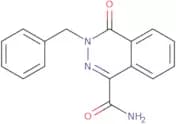
CAS:<p>Versatile small molecule scaffold</p>Formula:C11H11N3O2Purity:Min. 95%Molecular weight:217.22 g/mol3-Benzyl-4-oxo-3,4-dihydrophthalazine-1-carboxamide
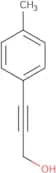
CAS:<p>Versatile small molecule scaffold</p>Formula:C16H13N3O2Purity:Min. 95%Molecular weight:279.29 g/mol3-(4-Methylphenyl)prop-2-yn-1-ol
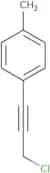
CAS:<p>Versatile small molecule scaffold</p>Formula:C10H10OPurity:Min. 95%Molecular weight:146.19 g/mol1-(3-Chloroprop-1-yn-1-yl)-4-methylbenzene
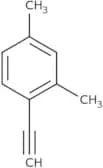
CAS:<p>Versatile small molecule scaffold</p>Formula:C10H9ClPurity:Min. 95%Molecular weight:164.63 g/mol1-Ethynyl-2,4-dimethyl-benzene
CAS:<p>Versatile small molecule scaffold</p>Formula:C10H10Purity:Min. 95%Molecular weight:130.19 g/mol2-Chloro-6-hydroxy-7-methylpurine
CAS:<p>2-Chloro-6-hydroxy-7-methylpurine (2CHM) is a betaine that is found in the leaves of the plant Cinchona ledgeriana. It can be obtained by methylation of 2,6-dichloropurine and has been shown to inhibit bacterial growth. The 2CHM isomer shows antibacterial activity against Escherichia coli, Staphylococcus aureus, Streptococcus pyogenes, and Bacillus subtilis. This compound inhibits protein synthesis by binding to DNA or RNA. It also inhibits cell growth by interfering with transcription and translation. The alkali form of CHM is also effective against bacteria as it binds to DNA and affects protein synthesis.</p>Formula:C6H5ClN4OPurity:Min. 95%Molecular weight:184.58 g/molMethyl 2-Isothiocyanatobenzoate
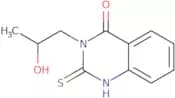
CAS:<p>Methyl 2-isothiocyanatobenzoate is a heterocyclic compound that is used as a precursor in the synthesis of many other compounds. It reacts with electrophiles such as hydrogen, chlorine, and bromine to form alkylating agents. Methyl 2-isothiocyanatobenzoate has shown anticancer activity and can be used for the treatment of cancer. This compound is membrane permeable and can cross the blood brain barrier. In addition, methyl 2-isothiocyanatobenzoate is a good substrate for nitroreductases and can be activated by radiation or chloride ions to form an alkylating agent that inhibits DNA synthesis. The magnetic resonance spectroscopy of this compound shows it has a relatively high level of chloride ions.</p>Formula:C9H7NO2SPurity:Min. 95%Molecular weight:193.22 g/mol3-(2-Hydroxypropyl)-2-sulfanyl-3,4-dihydroquinazolin-4-one
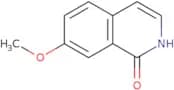
CAS:<p>Versatile small molecule scaffold</p>Formula:C11H12N2O2SPurity:Min. 95%Molecular weight:236.29 g/mol7-Methoxy-1,2-dihydroisoquinolin-1-one
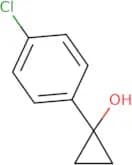
CAS:<p>Versatile small molecule scaffold</p>Formula:C10H9NO2Purity:Min. 95%Molecular weight:175.18 g/mol1-(4-Chlorophenyl)cyclopropan-1-ol
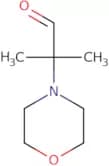
CAS:<p>Versatile small molecule scaffold</p>Formula:C9H9ClOPurity:Min. 95%Molecular weight:168.62 g/mol2-Methyl-2-morpholinopropanal
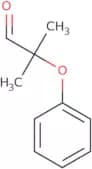
CAS:<p>2-Methyl-2-morpholinopropanal is a chemical that is used in the synthesis of pharmaceuticals and as a reactant in coatings. It has been shown to be an effective inhibitor of tumor cell proliferation, with a mechanism that is not fully understood. It may inhibit tumor cell proliferation by suppressing the activity of cancer cells, or by inhibiting the production of hydrogen sulfate, which is necessary for tumor cell proliferation. 2-Methyl-2-morpholinopropanal has also been shown to have denitrification and desulfurization properties. It can be used to remove nitrate from water supplies and can also reduce sulfur emissions from coal power plants.</p>Formula:C8H15NO2Purity:Min. 95%Molecular weight:157.21 g/mol2-Methyl-2-phenoxypropanal
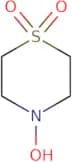
CAS:<p>Versatile small molecule scaffold</p>Formula:C10H12O2Purity:Min. 95%Molecular weight:164.2 g/mol4-hydroxy-1λ6-thiomorpholine-1,1-dione
CAS:<p>Versatile small molecule scaffold</p>Formula:C4H9NO3SPurity:Min. 95%Molecular weight:151.18 g/mol(1R,2S,5R)-2-Isopropyl-5-methyl-cyclohexanecarboxylic acid
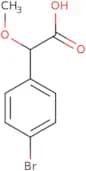
CAS:<p>(1R,2S,5R)-2-Isopropyl-5-methyl-cyclohexanecarboxylic acid is a liquid that is used in the synthesis of ethyl alcohol. It is produced by the condensation of benzene and acetone and reacts with sulfuric acid to form a mixture of dimethylbenzene, methanol, and water. This compound also serves as an intermediate for the production of perfumes, catalysts for other chemical reactions, and industrial solvents. It is used in the manufacture of tobacco products such as cigarettes and cigars.</p>Formula:C11H20O2Purity:Min. 95%Molecular weight:184.28 g/mol2-(4-Bromophenyl)-2-methoxyacetic acid
CAS:<p>Versatile small molecule scaffold</p>Formula:C9H9BrO3Purity:Min. 95%Molecular weight:245.07 g/mol6-Chloro-3-methyl-3,4-dihydroquinazolin-4-one
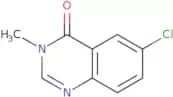
CAS:Controlled Product<p>Versatile small molecule scaffold</p>Formula:C9H7ClN2OPurity:Min. 95%Molecular weight:194.62 g/mol6-Hydroxyquinazolin-4(1H)-one
CAS:<p>6-Hydroxyquinazolin-4(1H)-one is a potent inhibitor of the tyrosine kinase, which blocks the growth of cancer cells and tumor progression. It has been shown to inhibit the growth of human esophageal cancer cells in vitro and in vivo. 6-Hydroxyquinazolin-4(1H)-one inhibits the activity of EGFR tyrosine kinase in these cells. This drug also inhibits the cell proliferation induced by lapatinib, a drug that blocks the activity of HER2 protein tyrosine kinase. 6-Hydroxyquinazolin-4(1H)-one is an inhibitor that belongs to the class of dithiocarbamic compounds. It competitively binds to metal ions such as zinc or copper, which are necessary for enzyme activity. In addition, it inhibits cancer cell growth by inhibition of protein synthesis through interference with ribosomes and RNA polymerases.</p>Formula:C8H6N2O2Purity:Min. 95%Molecular weight:162.15 g/mol2-Thioxo-2,3,5,6,7,8-hexahydro-4(1H)-quinazolinone
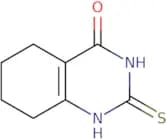
CAS:<p>Versatile small molecule scaffold</p>Formula:C8H10N2OSPurity:Min. 95%Molecular weight:182.24 g/mol6-Amino-3-methylquinazolin-4(3H)-one
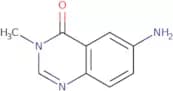
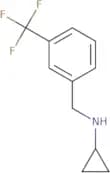
CAS:Controlled Product<p>Versatile small molecule scaffold</p>Formula:C9H9N3OPurity:Min. 95%Molecular weight:175.19 g/molCyclopropyl-(3-trifluoromethyl-benzyl)-amine
CAS:<p>Versatile small molecule scaffold</p>Formula:C11H12F3NPurity:Min. 95%Molecular weight:215.22 g/moltert-Butyl-N-methylcarbamate
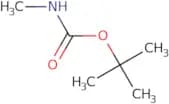
CAS:<p>tert-Butyl-N-methylcarbamate is an amine that is used in the preparation of styrene. It is a ligand and can be used as a sodium hydrogen amide in an amination reaction. The tert-butyl group can be replaced with other substituents, such as carboxylic acid, ester, or nitrile to produce different functionalities. Tert-butyl-N-methylcarbamate is also used to prepare nicotine from hydrogen sulfate.</p>Formula:C6H13NO2Purity:Min. 95%Molecular weight:131.17 g/mol4,5,5-Trimethylpyrrolidin-2-one
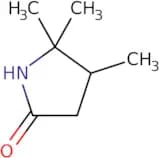
CAS:<p>Versatile small molecule scaffold</p>Formula:C7H13NOPurity:Min. 95%Molecular weight:127.18 g/mol4-(Methylsulfanyl)-6-oxo-1,6-dihydropyrimidine-5-carbonitrile
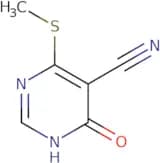
CAS:<p>Versatile small molecule scaffold</p>Formula:C6H5N3OSPurity:Min. 95%Molecular weight:167.19 g/mol2H-Pyrido[1,2-a]pyrimidin-2-one
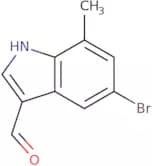
CAS:<p>2H-Pyrido[1,2-a]pyrimidin-2-one is an acetylcholine antagonist that binds to nicotinic acetylcholine receptors. It has potent antitumor activity and inhibits the growth of lepidoptera larvae. 2H-Pyrido[1,2-a]pyrimidin-2-one also has antibacterial properties. It is a synthetic compound that has been shown to inhibit gram negative bacteria such as Escherichia coli and Pseudomonas aeruginosa. 2H-Pyrido[1,2-a]pyrimidin-2-one also inhibits the growth of insect larvae by binding nicotinic acetylcholine receptors in the insect's nervous system. This leads to paralysis and death.</p>Formula:C8H6N2OPurity:Min. 95%Molecular weight:146.15 g/mol5-Bromo-7-methyl-1H-indole-3-carbaldehyde
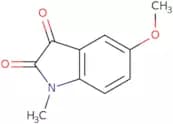
CAS:<p>Versatile small molecule scaffold</p>Formula:C10H8BrNOPurity:Min. 95%Molecular weight:238.08 g/mol5-methoxy-1-methylindoline-2,3-dione
CAS:<p>5-methoxy-1-methylindoline-2,3-dione is a synthetic compound that belongs to the class of oxidants. It is an intramolecular oxygen source that is enantioselective and has been shown to be an effective reagent for oxidation of carboxylic acids. 5-Methoxy-1-methylindoline-2,3-dione has been used in aerobic reactions to produce isatins from oxindoles. The yields of this reaction are high and the products are obtained in good purity.</p>Formula:C10H9NO3Purity:Min. 95%Molecular weight:191.18 g/mol1-Azatricyclo[6.3.1.0,4,12]dodeca-4,6,8(12)-trien-2-one
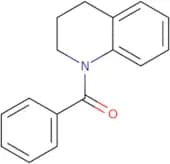
CAS:<p>Azatricyclo[6.3.1.0,4,12]dodeca-4,6,8(12)-trien-2-one (ATC) is a synthetic compound that has been shown to have anti-inflammatory and antipsychotic effects. It also has been shown to be an effective antidepressant drug in the treatment of chronic kidney disease. ATC binds to the nitric oxide synthase protein to inhibit its catalytic activity and reduce nitric oxide production, which is associated with inflammation and pain. In addition, ATC has been found to decrease glutamate release by inhibiting glutamate receptors in the brain and induce apoptosis in cancer cells.<br>ATC is a heterocycle with a bicyclic structure consisting of two six-membered rings fused together with an eight-membered ring attached at one end.</p>Formula:C11H11NOPurity:Min. 95%Molecular weight:173.21 g/mol1-Benzoyl-1,2,3,4-tetrahydroquinoline
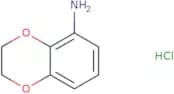
CAS:<p>Versatile small molecule scaffold</p>Formula:C16H15NOPurity:Min. 95%Molecular weight:237.3 g/mol2,3-Dihydro-1,4-benzodioxin-5-amine hydrochloride
CAS:<p>Versatile small molecule scaffold</p>Formula:C8H10ClNO2Purity:Min. 95%Molecular weight:187.62 g/mol7-Bromo-2,3-dihydro-1,4-benzodioxine-5-carboxylic acid
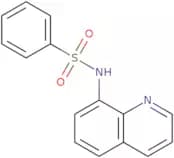
CAS:<p>Versatile small molecule scaffold</p>Formula:C9H7BrO4Purity:Min. 95%Molecular weight:259.05 g/mol8-(4-Benzenesulfonylamino)quinoline
CAS:<p>8-(4-Benzenesulfonylamino)quinoline is an anti-diabetic agent that inhibits the release of glucose from liver cells. It has been shown to be effective in hamsters with alloxan-induced diabetes. 8-(4-Benzenesulfonylamino)quinoline blocks the production of glucose by inhibiting the activity of pancreatic beta cells, which produce insulin and secrete it into the bloodstream. The drug binds specifically to these cells and prevents insulin secretion, thereby decreasing blood glucose levels. This agent can also interact with ascorbate (vitamin C), an extractant used to purify 8-(4-benzenesulfonylamino)quinoline, forming hydrogen peroxide (H2O2). The H2O2 formed may cause some damage to animal tissues when used for extraction purposes.</p>Formula:C15H12N2O2SPurity:Min. 95%Molecular weight:284.3 g/mol3-azabicyclo[3.2.0]heptane hydrochloride
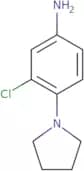
CAS:<p>Versatile small molecule scaffold</p>Formula:C6H11N·HClPurity:Min. 95%Molecular weight:133.62 g/mol3-Chloro-4-(1-pyrrolidinyl)aniline
CAS:<p>Versatile small molecule scaffold</p>Formula:C10H13ClN2Purity:Min. 95%Molecular weight:196.68 g/mol3-Aminobenzanilide
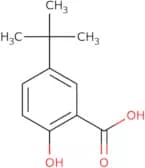
CAS:<p>3-Aminobenzanilide is a reactive chemical substance that belongs to the class of amides. It is a hydrochloride salt, which is soluble in water and has the ability to form an amide bond with a variety of compounds. 3-Aminobenzanilide reacts with hydrochloric acid to create photochemical properties. The reactivity can be decreased by adding an amine to the molecule or by substituting it with chloride ions. 3-Aminobenzanilide has been shown to have lipid-lowering effects and may be used as a drug for this purpose. It also inhibits tyrosine kinase activity and may be used for this purpose as well. 3-Aminobenzanilide is found in anilines, which are chemicals that are usually made from benzene and ammonia. This compound can also be used as a model system for other molecules that contain nitro groups, such as nitroglycerin.</p>Formula:C13H12N2OPurity:Min. 95%Molecular weight:212.25 g/mol5-tert-Butyl-2-hydroxybenzoic acid
CAS:<p>5-tert-Butyl-2-hydroxybenzoic acid (5BHB) is a synthetic, hydrophobic and polyvalent compound that can reversibly activate xenobiotic metabolizing enzymes. 5BHB has been shown to induce CYP1A2 activity in human liver cells, as well as increase the activity of other xenobiotic metabolizing enzymes such as CYP3A4, CYP2D6, and CYP2C19. This activation occurs through the direct binding of 5BHB to nuclear receptors, which are proteins embedded within the cell membrane that bind with specific hormones or other molecules. A cavity within the receptor binds with the hydrophobic 5BHB molecule. The activation of these enzymes leads to increased metabolism of foreign compounds in the body and may be beneficial in reducing drug toxicity.</p>Formula:C11H14O3Purity:Min. 98 Area-%Color and Shape:PowderMolecular weight:194.23 g/mol5-(Benzyloxy)-2-hydroxybenzoic acid
CAS:<p>Versatile small molecule scaffold</p>Formula:C14H12O4Purity:Min. 95%Molecular weight:244.25 g/mol2-Methanesulfonylcyclohexan-1-one
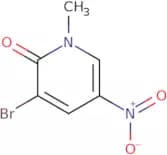
CAS:<p>Versatile small molecule scaffold</p>Formula:C7H12O3SPurity:Min. 95%Molecular weight:176.24 g/mol3-Bromo-1-methyl-5-nitropyridin-2(1H)-one
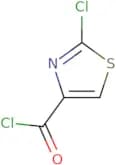
CAS:<p>Versatile small molecule scaffold</p>Formula:C6H5BrN2O3Purity:Min. 95%Molecular weight:233.02 g/mol2-Chloro-1,3-thiazole-4-carbonyl chloride
CAS:<p>Versatile small molecule scaffold</p>Formula:C4HCl2NOSPurity:Min. 95%Molecular weight:182.03 g/mol6,7-Dimethoxy-1,2-dihydroisoquinolin-1-one
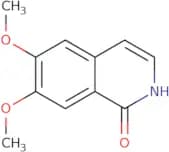
CAS:<p>Versatile small molecule scaffold</p>Formula:C11H11NO3Purity:Min. 95%Molecular weight:205.21 g/molEthyl 3-hydroxy-1H-indazole-1-carboxylate
CAS:<p>Versatile small molecule scaffold</p>Formula:C10H10N2O3Purity:Min. 95%Molecular weight:206.2 g/mol1-(2-Hydroxy-4,6-dimethylphenyl)ethan-1-one
CAS:<p>1-(2-Hydroxy-4,6-dimethylphenyl)ethan-1-one is an experimental molecule that is a hydrogen bond acceptor. It has a C3v conformation with the H atom in the hydroxymethyl group in a trans position and the methyl group on the opposite side of the ring. The experimentally determined frequencies for this molecule are in good agreement with those predicted by theory. This molecule has been observed to have a conformational change when it is protonated or deprotonated. In addition, this molecule can be used as an intermediate for polyhalogenating benzonitrile derivatives and carboxylic acids.</p>Formula:C10H12O2Purity:Min. 95%Molecular weight:164.2 g/mol1-[Amino(phenyl)methyl]cyclohexan-1-ol hydrochloride
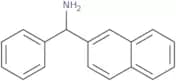
CAS:<p>Versatile small molecule scaffold</p>Formula:C13H20ClNOPurity:Min. 95%Molecular weight:241.8 g/molNaphthalen-2-yl(phenyl)methanamine
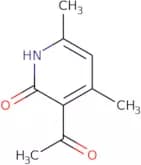
CAS:<p>Versatile small molecule scaffold</p>Formula:C17H15NPurity:Min. 95%Molecular weight:233.31 g/mol3-Acetyl-4,6-dimethyl-1,2-dihydropyridin-2-one
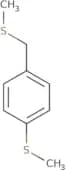
CAS:<p>3-Acetyl-4,6-dimethyl-1,2-dihydropyridin-2-one is an organic compound with the chemical formula CHNO. It is a white crystalline solid that is soluble in water and polar organic solvents. The molecule features a cyclic amide group that can be cleaved to give three equivalents of ammonia. This acid has been shown to react with morpholine to form an acidic, basic isomeric mixture of 3-(morpholinomethyl)pyridine (3MP). The structure of the 3MP was determined by x-ray structural analysis and found to have a similar structure to pyridine.</p>Formula:C9H11NO2Purity:Min. 95%Molecular weight:165.19 g/mol4-(Methylsulfanyl)benzyl methyl sulfide
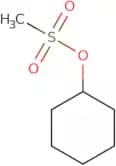
CAS:<p>Versatile small molecule scaffold</p>Formula:C9H12S2Purity:Min. 95%Molecular weight:184.3 g/molCyclohexyl methanesulfonate
CAS:<p>Cyclohexyl methanesulfonate is a synthetic compound that acts as an inhibitor of the CCR5 receptor. It blocks the binding of HIV-1 to cells and prevents infection. Cyclohexyl methanesulfonate has been shown to be effective in preventing inflammatory diseases, such as Crohn's disease, and autoimmune diseases such as type 1 diabetes mellitus. Cyclohexyl methanesulfonate is a low-energy radical that can be synthesized using hydrochloric acid or sodium carbonate in the presence of trifluoroacetic acid. The synthesis requires a hydroxybenzoic acid and a trifluoromethanesulfonic acid for the formation of cyclohexane.</p>Formula:C7H14O3SPurity:Min. 95%Molecular weight:178.25 g/mol4-Benzylpiperidine-1-sulfonamide
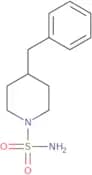
CAS:<p>Versatile small molecule scaffold</p>Formula:C12H18N2O2SPurity:Min. 95%Molecular weight:254.35 g/mol4-Acetyl-1H-pyrrole-2-carboxaldehyde
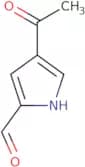
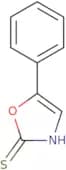
CAS:<p>4-Acetyl-1H-pyrrole-2-carboxaldehyde is a molecule that can be used to regulate proton transfer. It has been shown to have a photophysical effect, in which it absorbs light and transfers the energy to a nearby acceptor. 4-Acetyl-1H-pyrrole-2-carboxaldehyde also facilitates the transfer of protons from one compound to another. The thermodynamics of this reaction are dependent on substituent effects as well as pyrazole ring geometry. 4-Acetyl-1H-pyrrole-2-carboxaldehyde is able to undergo Friedel–Crafts reactions, where it forms an ethoxycarbonyl group by attacking a double bond with carbon monoxide and hydrogen chloride. This can be done in two ways: the dihedral or syn orientation, which results in different products.</p>Formula:C7H7NO2Purity:Min. 95%Molecular weight:137.14 g/mol5-Phenyl-1,3-oxazole-2-thiol
CAS:<p>Versatile small molecule scaffold</p>Formula:C9H7NOSPurity:Min. 95%Molecular weight:177.22 g/mol4-(Piperidin-3-yl)-1H-indole
CAS:<p>Versatile small molecule scaffold</p>Formula:C13H16N2Purity:Min. 95%Molecular weight:200.3 g/mol1-Bromo-4-[(2-chloroethyl)sulfanyl]benzene
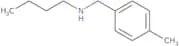
CAS:<p>Versatile small molecule scaffold</p>Formula:C8H8BrClSPurity:Min. 95%Molecular weight:251.57 g/molN-(4-Methylbenzyl)butan-1-amine
CAS:<p>Versatile small molecule scaffold</p>Formula:C12H19NPurity:Min. 95%Molecular weight:177.29 g/molButyl[(2-chlorophenyl)methyl]amine
CAS:<p>Versatile small molecule scaffold</p>Formula:C11H16ClNPurity:Min. 95%Molecular weight:197.7 g/mol2-[(4-Methanesulfonylphenyl)sulfanyl]benzoic acid
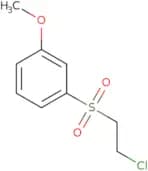
CAS:<p>Versatile small molecule scaffold</p>Formula:C14H12O4S2Purity:Min. 95%Molecular weight:308.4 g/mol1-(2-Chloroethanesulfonyl)-3-methoxybenzene
CAS:<p>Versatile small molecule scaffold</p>Formula:C9H11ClO3SPurity:Min. 95%Molecular weight:234.7 g/mol1-Chloro-4-[(2-chloroethyl)sulfonyl]benzene
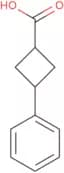
CAS:<p>Versatile small molecule scaffold</p>Formula:C8H8Cl2O2SPurity:Min. 95%Molecular weight:239.12 g/molrac-(1S,3S)-3-Phenylcyclobutane-1-carboxylic acid
CAS:<p>Rac-1-phenylcyclobutane-1-carboxylic acid is a carbanion that contains a cyclopropylcarbinyl group. It can be prepared by the reaction of ketones with lithium diisopropylamide. Rac-1-phenylcyclobutane-1-carboxylic acid is used as an intermediate in the synthesis of drugs such as ampicillin and erythromycin.</p>Formula:C11H12O2Purity:Min. 95%Molecular weight:176.21 g/mol7-Methylpyrazolo[1,5-a]pyridine-3-carboxylic acid
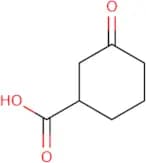
CAS:<p>Versatile small molecule scaffold</p>Formula:C9H8N2O2Purity:Min. 95%Molecular weight:176.17 g/mol3-Oxo-1-cyclohexanecarboxylic acid
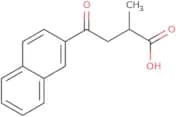
CAS:<p>3-Oxo-1-cyclohexanecarboxylic acid is a structural isomer of cyclohexanecarboxylic acid. It is a white crystalline solid that can react with monoxide to form 3-oxocyclohexane carboxylic acid or with chlorine to form 3-chlorocyclohexane carboxylic acid. The reaction rate and regioselectivity are dependent on the catalyst used. With catalytic amounts of copper and air, 3-oxocyclohexane carboxylic acid is formed preferentially, but when using an excess of copper, the chlorinated product is obtained in higher yields. This reaction occurs because the orthoformic carbon atom has a greater electron density than the meta formic carbon atom. The reaction mechanism begins with oxidation of the metal to form a metal oxide which then reacts with CO to produce CO2 and H2O.</p>Formula:C7H10O3Purity:Min. 95%Molecular weight:142.15 g/mol2-Methyl-4-(naphthalen-2-yl)-4-oxobutanoic acid
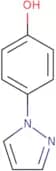
CAS:<p>Versatile small molecule scaffold</p>Formula:C15H14O3Purity:Min. 95%Molecular weight:242.27 g/mol4-(1H-Pyrazol-1-yl)phenol
CAS:<p>Versatile small molecule scaffold</p>Formula:C9H8N2OPurity:Min. 95%Molecular weight:160.17 g/molethyl 3-[(propan-2-yl)amino]propanoate
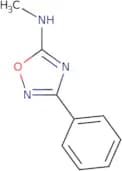
CAS:<p>Versatile small molecule scaffold</p>Formula:C8H17NO2Purity:Min. 95%Molecular weight:159.2 g/molN-Methyl-3-phenyl-1,2,4-oxadiazol-5-amine
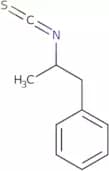
CAS:<p>Versatile small molecule scaffold</p>Formula:C9H9N3OPurity:Min. 95%Molecular weight:175.19 g/mol(2-Isothiocyanatopropyl)benzene
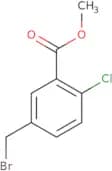
CAS:<p>Versatile small molecule scaffold</p>Formula:C10H11NSPurity:Min. 95%Molecular weight:177.27 g/molMethyl 5-bromomethyl-2-chlorobenzoate
CAS:<p>Methyl 5-bromomethyl-2-chlorobenzoate is a cytotoxic agent that inhibits tumor growth. It is a potent inhibitor of the enzyme PARP-1, which is involved in DNA repair, and inhibits tumor growth in vivo. Methyl 5-bromomethyl-2-chlorobenzoate is also able to complex with temozolomide and potentiate its antitumor activity. This drug has been shown to inhibit tumor growth in xenograft models, including xenografts of human non-small cell lung cancer cells transplanted into mice.</p>Formula:C9H8BrClO2Purity:Min. 95%Molecular weight:263.52 g/molThieno[3,2-d]pyrimidine-4-thiol
CAS:<p>Versatile small molecule scaffold</p>Formula:C6H4N2S2Purity:Min. 95%Molecular weight:168.2 g/mol4-Hydrazinothieno[3,2-d]pyrimidine
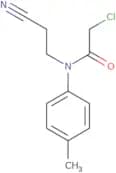
CAS:<p>Versatile small molecule scaffold</p>Formula:C6H6N4SPurity:Min. 95%Molecular weight:166.21 g/mol2-Chloro-N-(2-cyanoethyl)-N-(4-methylphenyl)acetamide
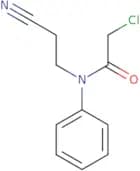
CAS:<p>Versatile small molecule scaffold</p>Formula:C12H13ClN2OPurity:Min. 95%Molecular weight:236.7 g/mol2-Chloro-N-(2-cyanoethyl)-N-phenylacetamide
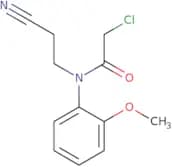
CAS:<p>Versatile small molecule scaffold</p>Formula:C11H11ClN2OPurity:Min. 95%Molecular weight:222.67 g/mol2-Chloro-N-(2-cyanoethyl)-N-(2-methoxyphenyl)acetamide
CAS:<p>Versatile small molecule scaffold</p>Formula:C12H13ClN2O2Purity:Min. 95%Molecular weight:252.69 g/molThieno[3,2-d]pyrimidin-4(1H)-one
CAS:<p>Thieno[3,2-d]pyrimidin-4(1H)-one is a synthetic compound that has been shown to inhibit cancer cell proliferation. It has an amination reaction at the 2' position of the pyrimidine ring and this pharmacophore is responsible for its anticancer activity. Thieno[3,2-d]pyrimidin-4(1H)-one inhibits leukemia HL-60 cells with a potency similar to that of imatinib. It also inhibits hepg2 cells, which are tumor cells derived from hepatocytes. The kinase selectivity profile of thieno[3,2-d]pyrimidin-4(1H)-one does not show any toxicity towards normal cells such as human skin fibroblasts or human umbilical vein endothelial cells. Thieno[3,2-d]pyrimidin-4(1H)-one exhibits a safety profile similar</p>Formula:C6H4N2OSPurity:Min. 95%Molecular weight:152.17 g/mol1-{Thieno[3,2-d]pyrimidin-4-yl}pyrrolidine
CAS:<p>Versatile small molecule scaffold</p>Formula:C10H11N3SPurity:Min. 95%Molecular weight:205.28 g/mol3-Amino-8-methyl-1,3-diazaspiro[4.5]decane-2,4-dione
CAS:<p>Versatile small molecule scaffold</p>Formula:C9H15N3O2Purity:Min. 95%Molecular weight:197.23 g/mol2-Methyl-2-[(propan-2-yl)amino]propanenitrile
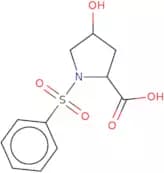
CAS:<p>Versatile small molecule scaffold</p>Formula:C7H14N2Purity:Min. 95%Molecular weight:126.2 g/mol1-(Benzenesulfonyl)-4-hydroxypyrrolidine-2-carboxylic acid
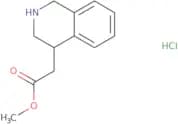
CAS:<p>Versatile small molecule scaffold</p>Formula:C11H13NO5SPurity:Min. 95%Molecular weight:271.3 g/molMethyl 2-(1,2,3,4-tetrahydroisoquinolin-4-yl)acetate hydrochloride
CAS:<p>Versatile small molecule scaffold</p>Formula:C12H16ClNO2Purity:Min. 95%Molecular weight:241.71 g/mol3,5-Dichlorobenzo[d]isoxazole
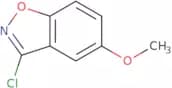
CAS:<p>Versatile small molecule scaffold</p>Formula:C7H3Cl2NOPurity:Min. 95%Molecular weight:188.01 g/mol3-Chloro-5-methoxy-1,2-benzoxazole
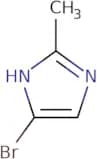
CAS:<p>Versatile small molecule scaffold</p>Formula:C8H6ClNO2Purity:Min. 95%Molecular weight:183.59 g/mol4-Bromo-2-methyl-1H-imidazole
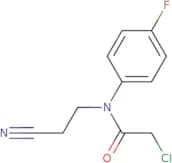
CAS:<p>4-Bromo-2-methyl-1H-imidazole is a carboxylic acid derivative that has been shown to function as a catalyst. It has been used in the synthesis of imidazoles, succinimides, and acylamino derivatives. 4-Bromo-2-methyl-1H-imidazole also has an acidic nature, which makes it useful for the synthesis of esters and amides from carboxylic acids. This compound can be used in the preparation of glycosides by reacting with sugars. 4-Bromo-2-methyl-1H-imidazole is also able to form radicals when heated with oxygen or sodium nitrite. The radical formed will react with alkyl halides and trifluoromethanesulfonic anhydride to form acyl halides and trifluoromethanesulfonamides respectively.</p>Formula:C4H5BrN2Purity:Min. 95%Molecular weight:161 g/mol2-Chloro-N-(2-cyanoethyl)-N-(4-fluorophenyl)acetamide
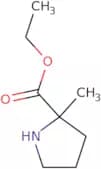
CAS:<p>Versatile small molecule scaffold</p>Formula:C11H10ClFN2OPurity:Min. 95%Molecular weight:240.66 g/molEthyl 2-methylpyrrolidine-2-carboxylate
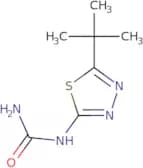
CAS:<p>Versatile small molecule scaffold</p>Formula:C8H15NO2Purity:Min. 95%Molecular weight:157.21 g/mol(5-tert-Butyl-1,3,4-thiadiazol-2-yl)urea
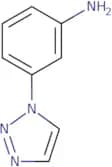
CAS:<p>Versatile small molecule scaffold</p>Formula:C7H12N4OSPurity:Min. 95%Molecular weight:200.26 g/mol3-(1H-1,2,3-Triazol-1-yl)aniline
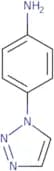
CAS:<p>Versatile small molecule scaffold</p>Formula:C8H8N4Purity:Min. 95%Molecular weight:160.18 g/mol4-(1H-1,2,3-Triazol-1-yl)aniline
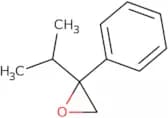
CAS:<p>Versatile small molecule scaffold</p>Formula:C8H8N4Purity:Min. 95%Molecular weight:160.18 g/mol2-Phenyl-2-(propan-2-yl)oxirane
CAS:<p>Versatile small molecule scaffold</p>Formula:C11H14OPurity:Min. 95%Molecular weight:162.23 g/molThieno[3,2-d]pyrimidin-4-amine
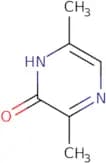
CAS:<p>Thieno[3,2-d]pyrimidin-4-amine is an inhibitor of the enzyme dihydrofolate reductase. This drug is being studied for the treatment of tuberculosis and other bacterial infections. It is a potent inhibitor of the uptake of thiocyanate by erythrocytes. The metabolic pathway for this drug has been shown to involve oxidation by cytochrome p450 enzymes, reduction by glutathione reductase, or conjugation with glucuronic acid. Thieno[3,2-d]pyrimidin-4-amine inhibits the synthesis of purine nucleotides in the mitochondria by inhibiting oxidative phosphorylation at complex III and IV. It also inhibits protein synthesis in bacteria. Thieno[3,2-d]pyrimidin-4-amine has been shown to have antiplasmodial activity against Plasmodium falciparum (</p>Formula:C6H5N3SPurity:Min. 95%Molecular weight:151.19 g/mol3,6-Dimethylpyrazin-2-ol
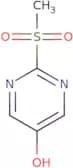
CAS:<p>3,6-Dimethylpyrazin-2-ol is a natural product that is found in the marine sponge Agelas mauritania. It was identified by its chemical structure and confirmed by X-ray crystallography. 3,6-Dimethylpyrazin-2-ol has been shown to inhibit the growth of E. coli bacteria and may be an effective antimicrobial agent against this type of bacteria.</p>Formula:C6H8N2OPurity:Min. 95%Molecular weight:124.14 g/mol2-Methanesulfonylpyrimidin-5-ol
CAS:<p>Versatile small molecule scaffold</p>Formula:C5H6N2O3SPurity:Min. 95%Molecular weight:174.18 g/mol5-chlorobenzo[b]thiophene-3-carbaldehyde
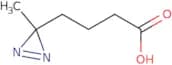
CAS:<p>Versatile small molecule scaffold</p>Formula:C9H5ClOSPurity:Min. 95%Molecular weight:196.65 g/mol4-(3-Methyl-3H-diazirin-3-yl)butanoic acid
CAS:<p>Versatile small molecule scaffold</p>Formula:C6H10N2O2Purity:Min. 95%Molecular weight:142.16 g/mol3-Chloro-5-nitro-1,2-benzoxazole
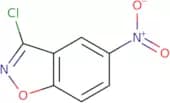
CAS:<p>Versatile small molecule scaffold</p>Formula:C7H3ClN2O3Purity:Min. 95%Molecular weight:198.56 g/molMethyl 3-chloro-1,2-benzoxazole-5-carboxylate
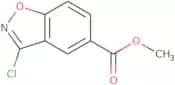
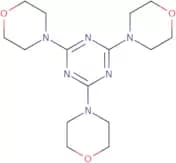
CAS:<p>Versatile small molecule scaffold</p>Formula:C9H6ClNO3Purity:Min. 95%Molecular weight:211.6 g/molTris(morpholin-4-yl)-1,3,5-triazine
CAS:<p>Tris(morpholin-4-yl)-1,3,5-triazine is a morpholine that has been used as a solvent. It is also used for the synthesis of ligands or as an acceptor in crystallographic studies. Tris(morpholin-4-yl)-1,3,5-triazine has a wide range of properties and can be used to adsorb different substances due to its interaction with them. This compound has been shown to have strong interactions with hydrochloric acid and isotherms are often used to describe these interactions.</p>Formula:C15H24N6O3Purity:Min. 95%Molecular weight:336.39 g/mol4-(2-Nitrophenoxy)benzoic acid
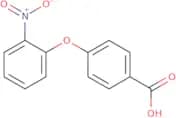
CAS:<p>Versatile small molecule scaffold</p>Formula:C13H9NO5Purity:Min. 95%Molecular weight:259.21 g/mol3-(Chloromethyl)-1,2,5-thiadiazole
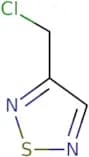
CAS:<p>Versatile small molecule scaffold</p>Formula:C3H3ClN2SPurity:Min. 95%Molecular weight:134.59 g/mol2-(Methylamino)-4,5-dihydro-1,3-thiazol-4-one
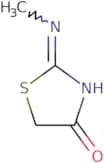
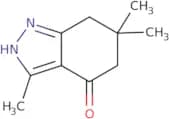
CAS:<p>2-(Methylamino)-4,5-dihydro-1,3-thiazol-4-one is a sulfur heterocycle that is a white crystalline solid at room temperature. It has a molecular weight of 165.14 and an empirical formula of C8H10N2S. 2-(Methylamino)-4,5-dihydro-1,3-thiazol-4-one has two tautomers: the enol and keto forms. The enol form dominates due to the electron delocalization over the sulfur atom in the molecule. 2-(Methylamino)-4,5-dihydro-1,3-thiazol-4-one is used as a reagent for chemical synthesis and as a starting material for other substances such as pharmaceuticals. The structure of this substance was determined by x-ray diffraction studies and by analyzing its diffraction pattern using the cent</p>Formula:C4H6N2OSPurity:Min. 95%Molecular weight:130.17 g/mol3,6,6-Trimethyl-1,5,6,7-tetrahydro-4h-indazol-4-one
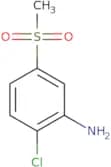
CAS:<p>Isoxazoles are a class of chemical compounds that contain the isoxazole ring. Isoxazoles can be synthesized by ring-opening reactions from 1,3-dihydroisoxazol-2-ones or by the reductive condensation of 2-hydroxybenzaldehydes and malononitrile derivatives. The synthesis of 3,6,6-trimethyl-1,5,6,7-tetrahydro-4H-indazol-4-one (TMI) is an example of this type of reaction. This compound was prepared in 1949 by H.P. Brown and coworkers at DuPont as part of their search for an organic insecticide. TMI has been shown to have a high degree of stability across a range of conditions and temperatures.</p>Formula:C10H14N2OPurity:Min. 95%Molecular weight:178.24 g/mol2-Chloro-5-methanesulfonylaniline
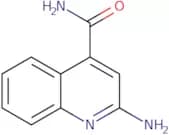
CAS:<p>Versatile small molecule scaffold</p>Formula:C7H8ClNO2SPurity:Min. 95%Molecular weight:205.66 g/mol2-Aminoquinoline-4-carboxamide
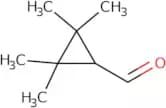
CAS:<p>2-Aminoquinoline-4-carboxamide is a medicament that is used in the treatment of fibrosis and inflammatory disorders. It has been combined with other medicaments to treat fibrotic diseases and inflammatory disorders. 2-Aminoquinoline-4-carboxamide may be used for prophylaxis and/or treatment of fibrotic diseases and inflammatory disorders.</p>Formula:C10H9N3OPurity:Min. 95%Molecular weight:187.2 g/mol2,2,3,3-Tetramethylcyclopropane-1-carbaldehyde
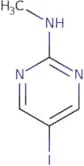
CAS:<p>Versatile small molecule scaffold</p>Formula:C8H14OPurity:Min. 95%Molecular weight:126.2 g/mol5-Iodo-N-methylpyrimidin-2-amine
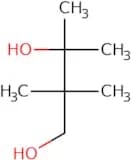
CAS:<p>Versatile small molecule scaffold</p>Formula:C5H6IN3Purity:Min. 95%Molecular weight:235.03 g/mol2,2,3-Trimethylbutane-1,3-diol
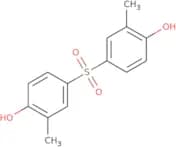
CAS:<p>Versatile small molecule scaffold</p>Formula:C7H16O2Purity:Min. 95%Molecular weight:132.2 g/mol4,4′-Sulfonylbis(2-methylphenol)
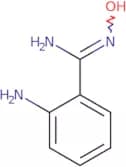
CAS:<p>4,4′-Sulfonylbis(2-methylphenol) is a synthetic estrogen analog that binds to the estrogen receptor. It has been shown to bind to the receptor with high affinity and act as an agonist. In addition, it can inhibit aromatase activity in vitro and in vivo. 4,4′-Sulfonylbis(2-methylphenol) has been used for the treatment of breast cancer in postmenopausal women with hormone receptors positive for estrogen. The drug also shows promise as an anti-inflammatory agent for autoimmune diseases such as systemic lupus erythematosus (SLE). It may be useful in treating various types of cancer, including prostate and colon cancer. 4,4′-Sulfonylbis(2-methylphenol) is not metabolized by humans but rather excreted unchanged in urine.</p>Formula:C14H14O4SPurity:Min. 95%Molecular weight:278.33 g/mol2-Aminobenzamidoxime
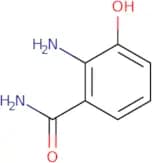
CAS:<p>2-Aminobenzamidoxime is a hydrogen bond donor that can regulate the interaction between two molecules, including proteins and nucleic acids. This chemical can also be used to boost the activity of an acceptor molecule. It is used in pharmacodynamics to introduce fluorescent groups into drugs or other compounds for detection. 2-Aminobenzamidoxime has been shown to possess fluorescence properties and cyclic behavior, which makes it useful for glycan studies. The affinity of 2-aminobenzamidoxime for glycans is due to its nature as a glycosylating agent.</p>Formula:C7H9N3OPurity:Min. 95%Molecular weight:151.17 g/mol2-Amino-3-hydroxybenzamide
CAS:<p>2-Amino-3-hydroxybenzamide is a benzamide, which is a class of natural products. It has been shown to have anti-candida activity against Candida albicans and to inhibit the growth of methicillin-resistant Staphylococcus aureus and Escherichia coli. 2-Amino-3-hydroxybenzamide has been isolated from the marine sponge Eucheuma cottonii and has been shown to be active against glioma cells. The compound was found to bind with high affinity to DNA, which inhibits DNA synthesis by preventing the unwinding of DNA strands. This inhibition leads to cell death by inhibiting protein synthesis or affecting other cellular processes.</p>Formula:C7H8N2O2Purity:Min. 95%Molecular weight:152.15 g/mol1,10-Diiododecane
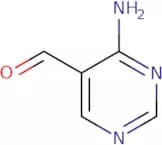
CAS:<p>1,10-Diiododecane is a chemical crosslinking agent that reacts with hydroxyl groups to form ether linkages. It has been shown to be effective in vitro and in vivo for treating hemicyanine-induced pulmonary fibrosis. 1,10-Diiododecane has also been used as a quaternization agent and as a monolayer on polymer films. The redox potential of the diiododecane molecule is high enough for it to react with electrophilic reagents such as hydrochloric acid. This property makes 1,10-diiododecane an excellent candidate for use as a crosslinking agent in polymer films.</p>Formula:C10H20I2Purity:Min. 95%Molecular weight:394.08 g/mol4-Aminopyrimidine-5-carboxaldehyde
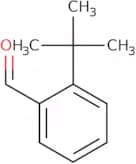
CAS:<p>4-Aminopyrimidine-5-carboxaldehyde is a molecule that has been found to cause regression of cancer. It targets the erbb-2 receptor, which is necessary for cell growth and survival in many types of cancer. This compound has been shown to inhibit the growth of cancer cells in vitro by downregulating the expression of erbb-2. The molecular descriptors have been calculated using an algorithm and are used to describe the physical properties of this molecule. It has been shown that it is effective at inhibiting tumor growth and inducing regression in mice bearing human breast tumors xenografted with human breast cancer cells. 4-Aminopyrimidine-5-carboxaldehyde has also been shown to inhibit colorectal cancer cell proliferation by reducing cellular protein synthesis.<br>br>br><br>This molecule's structure consists of a 4-amino group, a pyrimidine ring, and an aldehyde group. It contains functional groups such as carb</p>Formula:C5H5N3OPurity:Min. 95%Molecular weight:123.11 g/mol2-tert-Butylbenzaldehyde
CAS:<p>2-tert-Butylbenzaldehyde is a reactive compound that can be used in the synthesis of complex molecules. It is a reagent for the production of unsymmetrical compounds and has been used in various methodologies, such as condensations, ionic reactions, and electrochemistry. 2-tert-Butylbenzaldehyde has also been shown to act as an intermediate for the production of other chemical compounds. This compound is often used as a substrate for enzymes such as aldolases and bifunctional enzymes. 2-tert-Butylbenzaldehyde is found naturally in plants and animals.</p>Formula:C11H14OPurity:Min. 95%Molecular weight:162.23 g/mol5-Chloro-benzo[b]thiophene-3-carboxylic acid
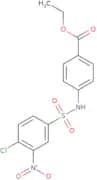
CAS:<p>Versatile small molecule scaffold</p>Formula:C9H5ClO2SPurity:Min. 95%Molecular weight:212.65 g/molEthyl 4-(4-chloro-3-nitrobenzenesulfonamido)benzoate
CAS:<p>Versatile small molecule scaffold</p>Formula:C15H13ClN2O6SPurity:Min. 95%Molecular weight:384.8 g/mol

![(2S,4R)-1-[(tert-Butoxy)carbonyl]-4-(2-methoxy-2-oxoethyl)pyrrolidine-2-carboxylic acid](/_next/image/?url=https%3A%2Fstatic.cymitquimica.com%2Fproducts%2F3D%2Fthumb-webp%2FQWA50164.webp&w=3840&q=75)
![4-[4-(4-Chlorophenyl)piperazin-1-yl]-4-oxobutanoic acid](/_next/image/?url=https%3A%2Fstatic.cymitquimica.com%2Fproducts%2F3D%2Fthumb-webp%2FQWA52173.webp&w=3840&q=75)
![1-Sulfanyl-4H,5H-[1,2,4]triazolo[4,3-a]quinoxalin-4-one](/_next/image/?url=https%3A%2Fstatic.cymitquimica.com%2Fproducts%2F3D%2Fthumb-webp%2FQWA76027.webp&w=3840&q=75)
![2-[4-Chloro-2-(trifluoromethyl)phenyl]-4,4,5,5-tetramethyl-1,3,2-dioxaborolane](/_next/image/?url=https%3A%2Fstatic.cymitquimica.com%2Fproducts%2F3D%2Fthumb-webp%2FQWB93585.webp&w=3840&q=75)
![2-[3-Chloro-4-(trifluoromethyl)phenyl]-4,4,5,5-tetramethyl-1,3,2-dioxaborolane](/_next/image/?url=https%3A%2Fstatic.cymitquimica.com%2Fproducts%2F3D%2Fthumb-webp%2FQWB93597.webp&w=3840&q=75)
![[2-(Morpholin-4-yl)-1,3-thiazol-5-yl]methanamine dihydrochloride](/_next/image/?url=https%3A%2Fstatic.cymitquimica.com%2Fproducts%2F3D%2Fthumb-webp%2FQWC14073.webp&w=3840&q=75)
![[1-(Aminomethyl)-3-phenylcyclobutyl]methanol hydrochloride](/_next/image/?url=https%3A%2Fstatic.cymitquimica.com%2Fproducts%2F3D%2Fthumb-webp%2FQWC15580.webp&w=3840&q=75)
![1-[2-Chloro-5-(trifluoromethyl)phenyl]cyclopropan-1-amine hydrochloride](/_next/image/?url=https%3A%2Fstatic.cymitquimica.com%2Fproducts%2F3D%2Fthumb-webp%2FQWC15623.webp&w=3840&q=75)
![6-Methyl-7-(trifluoromethyl)pyrazolo[1,5-a]pyrimidine-2-carboxylic acid](/_next/image/?url=https%3A%2Fstatic.cymitquimica.com%2Fproducts%2F3D%2Fthumb-webp%2FQWC36586.webp&w=3840&q=75)
![N-[3-(2-Oxo-1,3-oxazolidin-3-yl)propyl]methanesulfonamide](/_next/image/?url=https%3A%2Fstatic.cymitquimica.com%2Fproducts%2F3D%2Fthumb-webp%2FQWC49536.webp&w=3840&q=75)
![3-[N-(4-Methylphenyl)benzenesulfonamido]propanoic acid](/_next/image/?url=https%3A%2Fstatic.cymitquimica.com%2Fproducts%2F3D%2Fthumb-webp%2FQXA16550.webp&w=3840&q=75)
![4-Chloro-2-{2-[(4-methyl-4H-1,2,4-triazol-3-yl)sulfanyl]acetamido}benzoic acid](/_next/image/?url=https%3A%2Fstatic.cymitquimica.com%2Fproducts%2F3D%2Fthumb-webp%2FQXA16634.webp&w=3840&q=75)
![2-Chloro-N-[4-(4-ethylphenyl)-1,3-thiazol-2-yl]-2-phenylacetamide](/_next/image/?url=https%3A%2Fstatic.cymitquimica.com%2Fproducts%2F3D%2Fthumb-webp%2FQXA16664.webp&w=3840&q=75)
![2-[(5-Methylthiophen-2-yl)formamido]acetic acid](/_next/image/?url=https%3A%2Fstatic.cymitquimica.com%2Fproducts%2F3D%2Fthumb-webp%2FQXA16671.webp&w=3840&q=75)
![2-Chloromethyl-5-methyl-4-oxo-3,4-dihydro-thieno[2,3-d]pyrimidine-6-carboxylic acid methyl ester](/_next/image/?url=https%3A%2Fstatic.cymitquimica.com%2Fproducts%2F3D%2Fthumb-webp%2FQXA16696.webp&w=3840&q=75)
![6-(Furan-2-yl)-3-methyl-1-phenyl-1H-pyrazolo[3,4-b]pyridine-4-carboxylic acid](/_next/image/?url=https%3A%2Fstatic.cymitquimica.com%2Fproducts%2F3D%2Fthumb-webp%2FQXA16701.webp&w=3840&q=75)
![6-Ethyl-2-(3-hydroxyphenyl)-3H,4H-thieno[2,3-d]pyrimidin-4-one](/_next/image/?url=https%3A%2Fstatic.cymitquimica.com%2Fproducts%2F3D%2Fthumb-webp%2FQZB81468.webp&w=3840&q=75)

![8-(2-Methylprop-2-en-1-yl)-5-oxa-8-azaspiro[3.5]nonane](/_next/image/?url=https%3A%2Fstatic.cymitquimica.com%2Fproducts%2F3D%2Fthumb-webp%2FQZC12860.webp&w=3840&q=75)
![1-(Furan-2-yl)-2-azaspiro[3.3]heptane](/_next/image/?url=https%3A%2Fstatic.cymitquimica.com%2Fproducts%2F3D%2Fthumb-webp%2FQZC14729.webp&w=3840&q=75)
![2-(Iodomethyl)-8,8-dimethyl-1-oxaspiro[4.5]decane](/_next/image/?url=https%3A%2Fstatic.cymitquimica.com%2Fproducts%2F3D%2Fthumb-webp%2FQZC17905.webp&w=3840&q=75)
![3-(Furan-2-yl)-2-azaspiro[3.4]octan-1-one](/_next/image/?url=https%3A%2Fstatic.cymitquimica.com%2Fproducts%2F3D%2Fthumb-webp%2FQZC19656.webp&w=3840&q=75)

![4-({[(9H-Fluoren-9-yl)methoxy]carbonyl}amino)hexanoic acid](/_next/image/?url=https%3A%2Fstatic.cymitquimica.com%2Fproducts%2F3D%2Fthumb-webp%2FQZC35880.webp&w=3840&q=75)
![2-({[(9H-Fluoren-9-yl)methoxy]carbonyl}amino)bicyclo[3.1.0]hexane-2-carboxylic acid](/_next/image/?url=https%3A%2Fstatic.cymitquimica.com%2Fproducts%2F3D%2Fthumb-webp%2FQZC61230.webp&w=3840&q=75)
![2-[(Benzyloxy)carbonyl]-2-azabicyclo[2.2.2]octane-6-carboxylic acid](/_next/image/?url=https%3A%2Fstatic.cymitquimica.com%2Fproducts%2F3D%2Fthumb-webp%2FQZC64183.webp&w=3840&q=75)


![2H-Pyrido[1,2-a]pyrimidin-2-one](/_next/image/?url=https%3A%2Fstatic.cymitquimica.com%2Fproducts%2F3D%2Fthumb-webp%2FRAA07567.webp&w=3840&q=75)
![1-Azatricyclo[6.3.1.0,4,12]dodeca-4,6,8(12)-trien-2-one](/_next/image/?url=https%3A%2Fstatic.cymitquimica.com%2Fproducts%2F3D%2Fthumb-webp%2FRAA07837.webp&w=3840&q=75)

![3-azabicyclo[3.2.0]heptane hydrochloride](/_next/image/?url=https%3A%2Fstatic.cymitquimica.com%2Fproducts%2F3D%2Fthumb-webp%2FRAA08457.webp&w=3840&q=75)





![1-[Amino(phenyl)methyl]cyclohexan-1-ol hydrochloride](/_next/image/?url=https%3A%2Fstatic.cymitquimica.com%2Fproducts%2F3D%2Fthumb-webp%2FRAA11293.webp&w=3840&q=75)

![1-Bromo-4-[(2-chloroethyl)sulfanyl]benzene](/_next/image/?url=https%3A%2Fstatic.cymitquimica.com%2Fproducts%2F3D%2Fthumb-webp%2FRAA18114.webp&w=3840&q=75)
![Butyl[(2-chlorophenyl)methyl]amine](/_next/image/?url=https%3A%2Fstatic.cymitquimica.com%2Fproducts%2F3D%2Fthumb-webp%2FRAA18339.webp&w=3840&q=75)
![2-[(4-Methanesulfonylphenyl)sulfanyl]benzoic acid](/_next/image/?url=https%3A%2Fstatic.cymitquimica.com%2Fproducts%2F3D%2Fthumb-webp%2FRAA18513.webp&w=3840&q=75)
![1-Chloro-4-[(2-chloroethyl)sulfonyl]benzene](/_next/image/?url=https%3A%2Fstatic.cymitquimica.com%2Fproducts%2F3D%2Fthumb-webp%2FRAA19184.webp&w=3840&q=75)
![7-Methylpyrazolo[1,5-a]pyridine-3-carboxylic acid](/_next/image/?url=https%3A%2Fstatic.cymitquimica.com%2Fproducts%2F3D%2Fthumb-webp%2FRAA20547.webp&w=3840&q=75)
![ethyl 3-[(propan-2-yl)amino]propanoate](/_next/image/?url=https%3A%2Fstatic.cymitquimica.com%2Fproducts%2F3D%2Fthumb-webp%2FRAA21722.webp&w=3840&q=75)
![Thieno[3,2-d]pyrimidine-4-thiol](/_next/image/?url=https%3A%2Fstatic.cymitquimica.com%2Fproducts%2F3D%2Fthumb-webp%2FRAA22924.webp&w=3840&q=75)
![4-Hydrazinothieno[3,2-d]pyrimidine](/_next/image/?url=https%3A%2Fstatic.cymitquimica.com%2Fproducts%2F3D%2Fthumb-webp%2FRAA22926.webp&w=3840&q=75)
![Thieno[3,2-d]pyrimidin-4(1H)-one](/_next/image/?url=https%3A%2Fstatic.cymitquimica.com%2Fproducts%2F3D%2Fthumb-webp%2FRAA23410.webp&w=3840&q=75)
![1-{Thieno[3,2-d]pyrimidin-4-yl}pyrrolidine](/_next/image/?url=https%3A%2Fstatic.cymitquimica.com%2Fproducts%2F3D%2Fthumb-webp%2FRAA23448.webp&w=3840&q=75)
![3-Amino-8-methyl-1,3-diazaspiro[4.5]decane-2,4-dione](/_next/image/?url=https%3A%2Fstatic.cymitquimica.com%2Fproducts%2F3D%2Fthumb-webp%2FRAA25293.webp&w=3840&q=75)
![2-Methyl-2-[(propan-2-yl)amino]propanenitrile](/_next/image/?url=https%3A%2Fstatic.cymitquimica.com%2Fproducts%2F3D%2Fthumb-webp%2FRAA25647.webp&w=3840&q=75)
![3,5-Dichlorobenzo[d]isoxazole](/_next/image/?url=https%3A%2Fstatic.cymitquimica.com%2Fproducts%2F3D%2Fthumb-webp%2FRAA26353.webp&w=3840&q=75)
![Thieno[3,2-d]pyrimidin-4-amine](/_next/image/?url=https%3A%2Fstatic.cymitquimica.com%2Fproducts%2F3D%2Fthumb-webp%2FRAA28574.webp&w=3840&q=75)
![5-chlorobenzo[b]thiophene-3-carbaldehyde](/_next/image/?url=https%3A%2Fstatic.cymitquimica.com%2Fproducts%2F3D%2Fthumb-webp%2FRAA29668.webp&w=3840&q=75)

![5-Chloro-benzo[b]thiophene-3-carboxylic acid](/_next/image/?url=https%3A%2Fstatic.cymitquimica.com%2Fproducts%2F3D%2Fthumb-webp%2FRAA36124.webp&w=3840&q=75)