Building Blocks
This section contains fundamental products for the synthesis of organic and biological compounds. Building blocks are the essential starting materials used to construct complex molecules through various chemical reactions. They play a critical role in drug discovery, material science, and chemical research. At CymitQuimica, we offer a diverse range of high-quality building blocks to support your innovative research and industrial projects, ensuring you have the essential components for successful synthesis.
Subcategories of "Building Blocks"
- Boronic Acids & Boronic Acid Derivatives(5,756 products)
- Chiral Building Blocks(1,242 products)
- Hydrocarbon Building Blocks(6,095 products)
- Organic Building Blocks(61,037 products)
Found 196200 products of "Building Blocks"
Sort by
Purity (%)
0
100
|
0
|
50
|
90
|
95
|
100
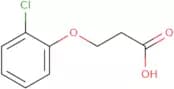
3-(2-Chlorophenoxy)propionic acid
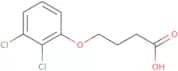
CAS:<p>Versatile small molecule scaffold</p>Formula:C9H9ClO3Purity:Min. 95%Molecular weight:200.62 g/mol4-(2,3-Dichlorophenoxy)butanoic acid
CAS:Controlled Product<p>Versatile small molecule scaffold</p>Formula:C10H10Cl2O3Purity:Min. 95%Molecular weight:249.09 g/mol(3-Aminopropyl)(octyl)amine
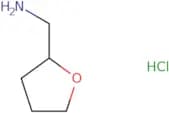
CAS:<p>Versatile small molecule scaffold</p>Formula:C11H26N2Purity:Min. 95%Molecular weight:186.34 g/mol(2R)-Tetrahydro-2-furanmethanamine hydrochloride
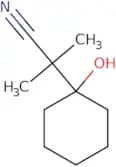
CAS:<p>Versatile small molecule scaffold</p>Formula:C5H12ClNOPurity:Min. 95%Molecular weight:137.61 g/mol2-(1-Hydroxycyclohexyl)-2-methylpropanenitrile
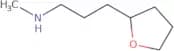
CAS:<p>Versatile small molecule scaffold</p>Formula:C10H17NOPurity:Min. 95%Molecular weight:167.25 g/molN-Methyl-3-(tetrahydrofuran-2-yl)propan-1-amine
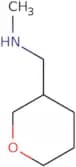
CAS:<p>Versatile small molecule scaffold</p>Formula:C8H17NOPurity:Min. 95%Molecular weight:143.23 g/mol3-(Methylaminomethyl)tetrahydropyran
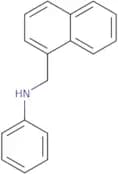
CAS:<p>Versatile small molecule scaffold</p>Formula:C7H15NOPurity:Min. 95%Molecular weight:129.2 g/molN-(Naphthalen-1-ylmethyl)aniline
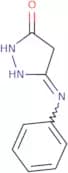
CAS:<p>Versatile small molecule scaffold</p>Formula:C17H15NPurity:Min. 95%Molecular weight:233.31 g/mol3-(Phenylamino)-4,5-dihydro-1H-pyrazol-5-one
CAS:<p>Versatile small molecule scaffold</p>Formula:C9H9N3OPurity:Min. 95%Molecular weight:175.19 g/mol{1-[(4-Chlorophenyl)methyl]-1H-1,3-benzodiazol-2-yl}methanol
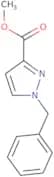
CAS:Controlled Product<p>Versatile small molecule scaffold</p>Formula:C15H13ClN2OPurity:Min. 95%Molecular weight:272.73 g/molMethyl 1-benzyl-1H-pyrazole-3-carboxylate
CAS:<p>Versatile small molecule scaffold</p>Formula:C12H12N2O2Purity:Min. 95%Molecular weight:216.24 g/mol6-Chloro-3-phenyl[1,2,4]triazolo[4,3-b]pyridazine
CAS:<p>Versatile small molecule scaffold</p>Formula:C11H7ClN4Purity:Min. 95%Molecular weight:230.66 g/mol1-N-[(2-Methylphenyl)methyl]benzene-1,2-diamine
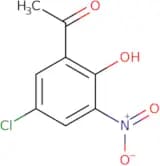
CAS:<p>Versatile small molecule scaffold</p>Formula:C14H16N2Purity:Min. 95%Molecular weight:212.29 g/mol5-chloro-2-hydroxy-3-nitrobenzoic acid
CAS:<p>5-Chloro-2-hydroxy-3-nitrobenzoic acid (5CHNBA) is a potent inhibitor of the HIV integrase. 5CHNBA inhibits the activity of integrase by binding to the enzyme and preventing it from adding new DNA sequences to the viral genome. It has been shown to be effective against HIV integrase in vitro and in vivo, with inhibitory activities against both wild type and drug resistant HIV integrases. 5CHNBA is not an amide or saponified compound, but it does contain a nitrobenzoic group that reacts with chlorine atoms to form chlorination products, such as dichloro 5-chloro-2-hydroxy-3-nitrobenzoic acid.</p>Formula:C7H4ClNO5Purity:Min. 95%Molecular weight:217.6 g/mol2,3-Cycloheptenopyridine
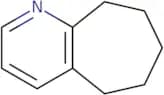
CAS:<p>2,3-Cycloheptenopyridine is a molybdenum metal complex with chloroform. It belongs to the class of nucleophilic complexes. The reaction product of cycloheptenopyridine n-oxide and formaldehyde, it has a spectrum that shows peaks at 521 nm and 609 nm. This complex can be prepared by reacting 2,3-cycloheptenopyridine with hydrogen peroxide in dimethylformamide as a reagent.<br>2,3-Cycloheptenopyridine is an example of an n-oxide because it contains both oxygen atoms in the same molecule. The two isomers are cis and trans, but only the cis form is known to exist naturally on Earth. The trans isomer can be synthesized through the use of peroxides or trioxides; however, this synthetic form is only stable at temperatures above 300°C.</p>Formula:C10H13NPurity:Min. 95%Molecular weight:147.22 g/mol1,2-Dihydrospiro[indole-3,3'-pyrrolidine]
CAS:<p>Versatile small molecule scaffold</p>Formula:C11H14N2Purity:Min. 95%Molecular weight:174.24 g/mol1-tert-Butyl-2-thiourea
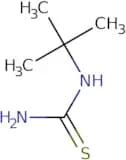
CAS:<p>1-tert-Butyl-2-thiourea is an organosulfur compound that belongs to the group of organic solvents. It can be used in reactions with hydrochloric acid and heat energy, and has a reaction yield of 98%. 1-tert-Butyl-2-thiourea is also used as a mitochondrial inhibitor. It inhibits proton transport through the mitochondrial membrane by reacting with amino groups on the enzyme complex. This prevents the transport of protons across the membrane, which inhibits ATP production, leading to cell death.</p>Formula:C5H12N2SPurity:Min. 95%Molecular weight:132.23 g/mol1-Chloro-4-(propane-2-sulfonyl)benzene
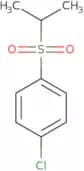
CAS:<p>Versatile small molecule scaffold</p>Formula:C9H11ClO2SPurity:Min. 95%Molecular weight:218.7 g/mol1-[(Chloromethyl)sulfanyl]-4-methoxybenzene
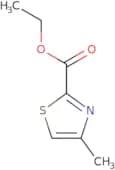
CAS:<p>Versatile small molecule scaffold</p>Formula:C8H9ClOSPurity:Min. 95%Molecular weight:188.67 g/molEthyl 4-Methyl-1,3-thiazole-2-carboxylate
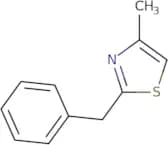
CAS:<p>Versatile small molecule scaffold</p>Formula:C7H9NO2SPurity:Min. 95%Molecular weight:171.21 g/mol2-Benzyl-4-methyl-1,3-thiazole
CAS:<p>2-Benzyl-4-methyl-1,3-thiazole is a hydroxamic acid that has been shown to have antibacterial and antimicrobial properties. It is a selective inhibitor of the enzyme leishmanase, which is an enzyme that catalyzes the conversion of L-2,4-diaminobutanoate to L-2,4-diaminobutanoic acid. 2MBTT has been shown to have antiproliferative activity in cancer cells and also has antiviral activity against human immunodeficiency virus type 1 (HIV) and herpes simplex virus type 1 (HSV). This compound has shown antifungal activity against Candida albicans and Aspergillus fumigatus in vitro. Molecular modeling studies suggest that this compound binds to a site on the enzyme leishmanase that is not accessible by other inhibitors such as pyridoxal phosphate or EDTA. The maximal response</p>Formula:C11H11NSPurity:Min. 95%Molecular weight:189.28 g/mol2-Benzoyl-1,3-thiazole
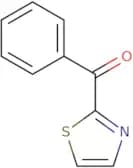
CAS:<p>Versatile small molecule scaffold</p>Formula:C10H7NOSPurity:Min. 95%Molecular weight:189.24 g/molN-(2,2-Dimethylpropyl)aniline
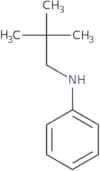
CAS:<p>N-(2,2-Dimethylpropyl)aniline is a heterocyclic compound that belongs to the class of amines. It is used in the synthesis of polymers and copolymers, such as polycarbonate plastics, polyurethane elastomers, and polyester fibers. N-(2,2-Dimethylpropyl)aniline can be used as a catalyst for cross-coupling reactions and also has been shown to catalyze x-ray crystallography studies. This product has also been shown to have carbamate and amide properties.<br>N-(2,2-Dimethylpropyl)aniline is an intermediate in the production of anilines from benzene derivatives with dimethylformamide or carbonyldiimidazole. It has also been shown to react with alcohols or phosphites to form esters or phosphoramides, respectively.</p>Formula:C11H17NPurity:Min. 95%Molecular weight:163.26 g/mol2-Iodo-N-phenylacetamide
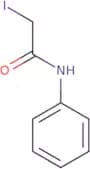
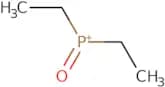
CAS:<p>2-Iodo-N-phenylacetamide (2IA) is a chemical that binds to the substrate binding site of the enzyme. It has been shown to have pro-inflammatory cytokine activity in vitro and in vivo. 2IA is a member of a class of compounds that are able to inhibit chronic viral infections by inhibiting the production of pro-inflammatory cytokines. The chemical diversity of 2IA is due to its functional groups, which include an electrospray ionization quadrupole, a phosphate group, and a disulfide bond. 2IA also has been shown to inhibit phosphorylation reactions in biochemical pathways.</p>Formula:C8H8INOPurity:Min. 95%Molecular weight:261.06 g/molDiethylphosphine oxide
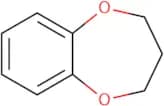
CAS:<p>Versatile small molecule scaffold</p>Formula:C4H10OPPurity:Min. 95%Molecular weight:105.1 g/mol3,4-dihydro-2H-1,5-benzodioxepine
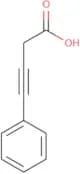
CAS:<p>3,4-Dihydro-2H-1,5-benzodioxepine is a chalcone that has been shown to have organic and inorganic acid properties. It is a natural product that has been shown to inhibit the growth of bacteria. The ultraviolet absorption properties of 3,4-dihydro-2H-1,5-benzodioxepine are due to its conjugated double bond system. This compound is an amide and contains a hydroxyl group and a chloride ion. 3,4-Dihydro-2H-1,5-benzodioxepine also has the ability to bind with amino groups on proteins. <br>3,4-Dihydro-2H-1,5 benzodioxepine can be found in plants such as "Achillea millefolium" (Yarrow).</p>Formula:C9H10O2Purity:Min. 95%Molecular weight:150.18 g/mol4-Phenylbut-3-ynoic acid
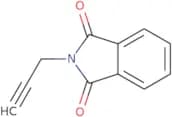
CAS:<p>4-Phenylbut-3-ynoic acid is a mixture of two stereoisomers that are obtained by the reaction of but-3-yne with phenylhalide. The mixture is used as a ligand in asymmetric synthesis and catalytic reactions. 4-Phenylbut-3-ynoic acid is also used as a reagent in organic syntheses, such as alkenylations, to produce an optically pure alkene product. 4-Phenylbut-3-ynoic acid has been shown to be selective for the desired stereoisomer.</p>Formula:C10H8O2Purity:Min. 95%Molecular weight:160.17 g/molN-Propargylphthalimide
CAS:<p>N-Propargylphthalimide is a supramolecular compound that has been shown to have antiinflammatory properties. It inhibits the production of prostaglandin E2 (PGE2) in human neutrophils, which can be caused by inhibiting the activity of acetylsalicylic acid (ASA). N-Propargylphthalimide has also been observed to inhibit tyrosinase and amine oxidase, which may be due to its ability to form hydrogen bonds with the enzyme's active site. N-Propargylphthalimide has not yet been tested on animals or humans.</p>Formula:C11H7NO2Purity:Min. 95%Molecular weight:185.18 g/mol9-Methyl-3-oxa-9-azabicyclo[3.3.1]nonan-7-one
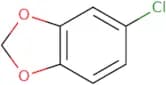
CAS:<p>Versatile small molecule scaffold</p>Formula:C8H13NO2Purity:Min. 95%Molecular weight:155.2 g/mol1-Chloro-3,4-methylenedioxybenzene
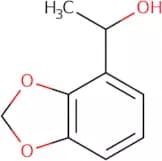
CAS:Controlled Product<p>1-Chloro-3,4-methylenedioxybenzene is an organic solvent used in the treatment of various inorganic compounds. The solvent is used to dissolve inorganic compounds that are insoluble in water and other solvents. 1-Chloro-3,4-methylenedioxybenzene can be used as a dehydrating agent or additive to remove water from organic substances such as coal tar or oils. It is also used as a catalyst for alkylation reactions and has been shown to inhibit the growth of bacteria by binding to DNA. This product has been demonstrated to have anti-inflammatory properties.</p>Formula:C7H5ClO2Purity:Min. 95%Molecular weight:156.57 g/mol1-(1,3-Dioxaindan-4-yl)ethan-1-ol
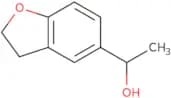
CAS:<p>Versatile small molecule scaffold</p>Formula:C9H10O3Purity:Min. 95%Molecular weight:166.2 g/mol1-(2,3-Dihydro-1-benzofuran-5-yl)ethanol
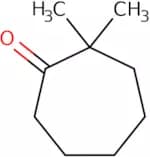
CAS:<p>Versatile small molecule scaffold</p>Formula:C10H12O2Purity:Min. 95%Molecular weight:164.2 g/mol2,2-Dimethylcycloheptan-1-one
CAS:<p>Versatile small molecule scaffold</p>Formula:C9H16OPurity:Min. 95%Molecular weight:140.2 g/mol6-Hydrazino[1,2,4]triazolo[4,3-b]pyridazine
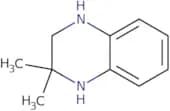
CAS:<p>Versatile small molecule scaffold</p>Formula:C5H6N6Purity:Min. 95%Molecular weight:150.14 g/mol2,2-Dimethyl-1,2,3,4-tetrahydroquinoxaline
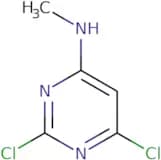
CAS:<p>Versatile small molecule scaffold</p>Formula:C10H14N2Purity:Min. 95%Molecular weight:162.23 g/mol2,6-dichloro-N-methylpyrimidin-4-amine
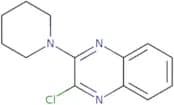
CAS:<p>Versatile small molecule scaffold</p>Formula:C5H5Cl2N3Purity:Min. 95%Molecular weight:178 g/mol2-Chloro-3-(piperidin-1-yl)quinoxaline
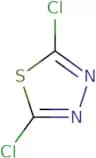
CAS:<p>Versatile small molecule scaffold</p>Formula:C13H14ClN3Purity:Min. 95%Molecular weight:247.72 g/moldichloro-1,3,4-thiadiazole
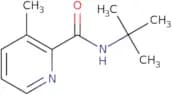
CAS:<p>Dichloro-1,3,4-thiadiazole is a dipole molecule with a nitrogen atom in the center of two chlorine atoms. It has a molecular electrostatic potential of -0.6 and an efficiency of 73%. Dichloro-1,3,4-thiadiazole is a polar molecule that can be described by three geometries: amide, dimethylformamide, and chlorine. The geometry of dichloro-1,3,4-thiadiazole is optimized using parameters such as the distance between two chlorine atoms (-2.8) and the distance between two nitrogen atoms (1.7).</p>Formula:C2Cl2N2SPurity:Min. 95%Molecular weight:155 g/molN-tert-Butyl-3-methylpyridine-2-carboxamide
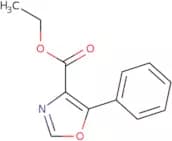
CAS:<p>Versatile small molecule scaffold</p>Formula:C11H16N2OPurity:Min. 95%Molecular weight:192.26 g/molEthyl 5-phenyl-1,3-oxazole-4-carboxylate
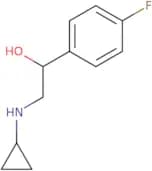
CAS:<p>Versatile small molecule scaffold</p>Formula:C12H11NO3Purity:Min. 95%Molecular weight:217.22 g/mol2-(Cyclopropylamino)-1-(4-fluorophenyl)ethan-1-ol
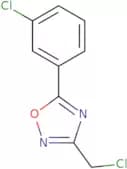
CAS:<p>Versatile small molecule scaffold</p>Formula:C11H14FNOPurity:Min. 95%Molecular weight:195.23 g/mol3-(Chloromethyl)-5-(3-chlorophenyl)-1,2,4-oxadiazole
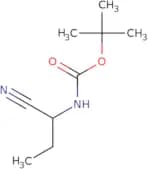
CAS:<p>Versatile small molecule scaffold</p>Formula:C9H6Cl2N2OPurity:Min. 95%Molecular weight:229.06 g/moltert-Butyl N-(1-cyanopropyl)carbamate
CAS:<p>Versatile small molecule scaffold</p>Formula:C9H16N2O2Purity:Min. 95%Molecular weight:184.24 g/mol[5-(3-Chlorophenyl)-1,2-oxazol-3-yl]methanol
CAS:<p>Versatile small molecule scaffold</p>Formula:C10H8ClNO2Purity:Min. 95%Molecular weight:209.63 g/mol3-Iodo-2,6-dihydro-4H-pyrrolo[3,4-c]pyrazole-5-carboxylic acid tert-butyl ester
CAS:<p>Versatile small molecule scaffold</p>Formula:C10H14IN3O2Purity:Min. 95%Molecular weight:335.14 g/mol4-[5-(Difluoromethyl)-1,3,4-oxadiazol-2-yl]benzoic acid
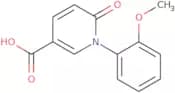
CAS:<p>Versatile small molecule scaffold</p>Formula:C10H6F2N2O3Purity:Min. 95%Molecular weight:240.16 g/mol1-(2-Methoxyphenyl)-6-oxo-1,6-dihydropyridine-3-carboxylic acid
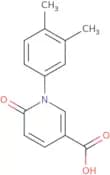
CAS:<p>Versatile small molecule scaffold</p>Formula:C13H11NO4Purity:Min. 95%Molecular weight:245.23 g/mol1-(3,4-Dimethylphenyl)-6-oxo-1,6-dihydropyridine-3-carboxylic acid
CAS:<p>Versatile small molecule scaffold</p>Formula:C14H13NO3Purity:Min. 95%Molecular weight:243.26 g/mol9-[(2-Chloropyridin-4-yl)methyl]-9H-purin-6-amine
CAS:<p>Versatile small molecule scaffold</p>Formula:C11H9ClN6Purity:Min. 95%Molecular weight:260.68 g/mol6-[(3-Bromophenyl)sulfanyl]pyridine-2-carboxylic acid
CAS:<p>Versatile small molecule scaffold</p>Formula:C12H8BrNO2SPurity:Min. 95%Molecular weight:310.17 g/mol1-[(2-Cyanophenyl)methyl]pyrrolidine-2-carboxamide
CAS:<p>Versatile small molecule scaffold</p>Formula:C13H15N3OPurity:Min. 95%Molecular weight:229.28 g/mol3-[(2-Methoxyphenyl)methoxy]-2-methylaniline
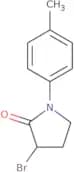
CAS:<p>Versatile small molecule scaffold</p>Formula:C15H17NO2Purity:Min. 95%Molecular weight:243.3 g/mol3-Bromo-1-(4-methylphenyl)pyrrolidin-2-one
CAS:<p>Versatile small molecule scaffold</p>Formula:C11H12BrNOPurity:Min. 95%Molecular weight:254.12 g/mol1-[3-Chloro-5-(trifluoromethyl)pyridin-2-yl]pyrrolidin-3-amine
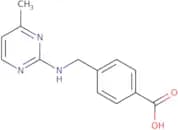
CAS:<p>Versatile small molecule scaffold</p>Formula:C10H11ClF3N3Purity:Min. 95%Molecular weight:265.66 g/mol4-(((4-Methylpyrimidin-2-yl)amino)methyl)benzoic acid
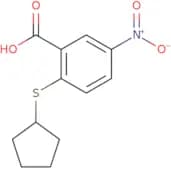
CAS:<p>Versatile small molecule scaffold</p>Formula:C13H13N3O2Purity:Min. 95%Molecular weight:243.26 g/mol2-(Cyclopentylsulfanyl)-5-nitrobenzoic acid
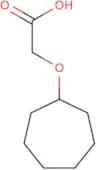
CAS:<p>Versatile small molecule scaffold</p>Formula:C12H13NO4SPurity:Min. 95%Molecular weight:267.3 g/mol2-(Cycloheptyloxy)acetic acid
CAS:<p>Versatile small molecule scaffold</p>Formula:C9H16O3Purity:Min. 95%Molecular weight:172.22 g/mol2-(5-Amino-2-chlorophenyl)-2-azaspiro[4.4]nonane-1,3-dione
CAS:<p>Versatile small molecule scaffold</p>Formula:C14H15ClN2O2Purity:Min. 95%Molecular weight:278.73 g/molN,N-Dimethyl-1,2,3,4-tetrahydroquinolin-7-amine dihydrochloride
CAS:<p>Versatile small molecule scaffold</p>Formula:C11H18Cl2N2Purity:Min. 95%Molecular weight:249.2 g/mol4-{[Benzyl(methyl)amino]methyl}-N-methylpyridin-2-amine
CAS:<p>Versatile small molecule scaffold</p>Formula:C15H19N3Purity:Min. 95%Molecular weight:241.33 g/mol4-[(5-Methylpyridin-2-yl)oxy]benzoic acid
CAS:<p>Versatile small molecule scaffold</p>Formula:C13H11NO3Purity:Min. 95%Molecular weight:229.2 g/mol1-{[1,2,3,4]Tetrazolo[1,5-a]pyrazin-5-yl}-1H-pyrazole-4-carboxylic acid
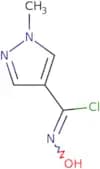
CAS:<p>Versatile small molecule scaffold</p>Formula:C8H5N7O2Purity:Min. 95%Molecular weight:231.17 g/molN-Hydroxy-1-methyl-1H-pyrazole-4-carbonimidoyl chloride
CAS:<p>Versatile small molecule scaffold</p>Formula:C5H6ClN3OPurity:Min. 95%Molecular weight:159.57 g/mol3-Methyl-1-(propan-2-yl)-4,5-dihydro-1H-1,2,4-triazol-5-one
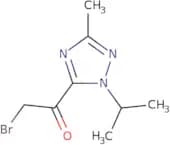
CAS:<p>Versatile small molecule scaffold</p>Formula:C6H11N3OPurity:Min. 95%Molecular weight:141.2 g/mol2-bromo-1-(1-isopropyl-3-methyl-1H-1,2,4-triazol-5-yl)ethanone
CAS:<p>Versatile small molecule scaffold</p>Formula:C8H12BrN3OPurity:Min. 95%Molecular weight:246.11 g/mol1-[(Methylsulfonyl)methyl]-4-(4,4,5,5-tetramethyl-1,3,2-dioxaborolan-2-yl)-1H-pyrazole
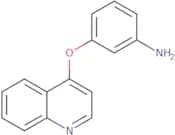
CAS:<p>Versatile small molecule scaffold</p>Formula:C11H19BN2O4SPurity:Min. 95%Molecular weight:286.16 g/mol3-(Quinolin-4-yloxy)aniline
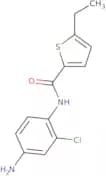
CAS:<p>Versatile small molecule scaffold</p>Formula:C15H12N2OPurity:Min. 95%Molecular weight:236.27 g/molN-(4-Amino-2-chlorophenyl)-5-ethylthiophene-2-carboxamide
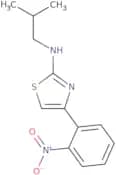
CAS:<p>Versatile small molecule scaffold</p>Formula:C13H13ClN2OSPurity:Min. 95%Molecular weight:280.77 g/molN-(2-Methylpropyl)-4-(2-nitrophenyl)-1,3-thiazol-2-amine
CAS:<p>Versatile small molecule scaffold</p>Formula:C13H15N3O2SPurity:Min. 95%Molecular weight:277.34 g/mol2-Methyl-4H,5H,6H,7H-pyrazolo[1,5-a]pyrimidine
CAS:<p>Versatile small molecule scaffold</p>Formula:C7H11N3Purity:Min. 95%Molecular weight:137.18 g/mol[1,3-Bis(4-methylphenyl)propan-2-yl](methyl)amine
CAS:Controlled Product<p>Versatile small molecule scaffold</p>Formula:C18H23NPurity:Min. 95%Molecular weight:253.4 g/mol1-[4-(Difluoromethoxy)phenyl]piperidin-3-amine
CAS:<p>Versatile small molecule scaffold</p>Formula:C12H16F2N2OPurity:Min. 95%Molecular weight:242.26 g/mol2-{1-[(2-Methylpropyl)carbamoyl]piperidin-3-yl}acetic acid
CAS:<p>Versatile small molecule scaffold</p>Formula:C12H22N2O3Purity:Min. 95%Molecular weight:242.31 g/mol2-Chloro-5-[(4-methylpyrimidin-2-yl)amino]benzoic acid
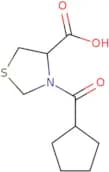
CAS:<p>Versatile small molecule scaffold</p>Formula:C12H10ClN3O2Purity:Min. 95%Molecular weight:263.68 g/mol(4R)-3-(Cyclopentylcarbonyl)-1,3-thiazolidine-4-carboxylic acid
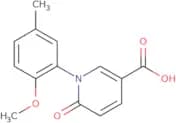
CAS:<p>Versatile small molecule scaffold</p>Formula:C10H15NO3SPurity:Min. 95%Molecular weight:229.3 g/mol1-(2-Methoxy-5-methylphenyl)-6-oxo-1,6-dihydropyridine-3-carboxylic acid
CAS:<p>Versatile small molecule scaffold</p>Formula:C14H13NO4Purity:Min. 95%Molecular weight:259.26 g/mol6-Oxo-1-{[2-(propan-2-yl)-1,3-thiazol-4-yl]methyl}-1,6-dihydropyridine-3-carboxylic acid
CAS:<p>Versatile small molecule scaffold</p>Formula:C13H14N2O3SPurity:Min. 95%Molecular weight:278.33 g/mol1-[(3,5-Dimethoxyphenyl)methyl]pyrrolidin-3-amine
CAS:<p>Versatile small molecule scaffold</p>Formula:C13H20N2O2Purity:Min. 95%Molecular weight:236.31 g/mol2-[2-(Piperidin-2-yl)-1,3-thiazol-4-yl]pyridine
CAS:<p>Versatile small molecule scaffold</p>Formula:C13H15N3SPurity:Min. 95%Molecular weight:245.35 g/mol1-[1-(2-Methanesulfonylethyl)-3,5-dimethyl-1H-pyrazol-4-yl]propan-1-one
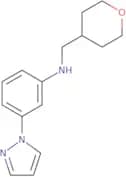
CAS:<p>Versatile small molecule scaffold</p>Formula:C11H18N2O3SPurity:Min. 95%Molecular weight:258.34 g/molN-(Oxan-4-ylmethyl)-3-(1H-pyrazol-1-yl)aniline
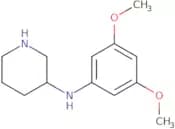
CAS:<p>Versatile small molecule scaffold</p>Formula:C15H19N3OPurity:Min. 95%Molecular weight:257.33 g/molN-(3,5-Dimethoxyphenyl)piperidin-3-amine
CAS:<p>Versatile small molecule scaffold</p>Formula:C13H20N2O2Purity:Min. 95%Molecular weight:236.31 g/mol2-(Dimethylamino)-1,3-benzothiazole-6-carboxylic acid
CAS:<p>Versatile small molecule scaffold</p>Formula:C10H10N2O2SPurity:Min. 95%Molecular weight:222.3 g/mol3-Fluoro-4-[(piperidine-1-carbonyl)amino]benzoic acid
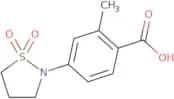
CAS:<p>Versatile small molecule scaffold</p>Formula:C13H15FN2O3Purity:Min. 95%Molecular weight:266.27 g/mol4-(1,1-Dioxo-1,2-thiazolidin-2-yl)-2-methylbenzoic acid
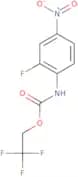
CAS:<p>Versatile small molecule scaffold</p>Formula:C11H13NO4SPurity:Min. 95%Molecular weight:255.29 g/mol2,2,2-Trifluoroethyl N-(2-fluoro-4-nitrophenyl)carbamate
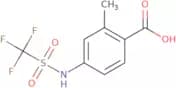
CAS:<p>Versatile small molecule scaffold</p>Formula:C9H6F4N2O4Purity:Min. 95%Molecular weight:282.15 g/mol2-Methyl-4-trifluoromethanesulfonamidobenzoic acid
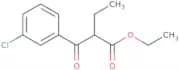
CAS:<p>Versatile small molecule scaffold</p>Formula:C9H8F3NO4SPurity:Min. 95%Molecular weight:283.23 g/molEthyl 2-(3-chlorobenzoyl)butanoate
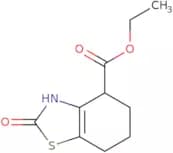
CAS:<p>Versatile small molecule scaffold</p>Formula:C13H15ClO3Purity:Min. 95%Molecular weight:254.71 g/molEthyl 2-hydroxy-4,5,6,7-tetrahydro-1,3-benzothiazole-4-carboxylate
CAS:<p>Versatile small molecule scaffold</p>Formula:C10H13NO3SPurity:Min. 95%Molecular weight:227.28 g/mol2,3,4,5,6,7-Hexahydro-1,3-benzothiazol-2-one
CAS:<p>Versatile small molecule scaffold</p>Formula:C7H9NOSPurity:Min. 95%Molecular weight:155.22 g/mol2H,3H,4H,5H,6H,7H,8H-Cyclohepta[D][1,3]thiazol-2-one
CAS:<p>2H,3H,4H,5H,6H,7H,8H-Cyclohepta[D][1,3]thiazol-2-one is a synthetic compound that has been modified to produce various derivatives. It is used in the synthesis of oligosaccharides and polysaccharides. This chemical also has potential applications in the treatment of cancer and diabetes.</p>Formula:C8H11NOSPurity:Min. 95%Molecular weight:169.25 g/mol3-(1,3-Dioxo-2,3-dihydro-1H-isoindol-2-yl)propanethioamide
CAS:<p>Versatile small molecule scaffold</p>Formula:C11H10N2O2SPurity:Min. 95%Molecular weight:234.28 g/mol(2-Chloro-4-methylphenyl)thiourea
CAS:<p>Versatile small molecule scaffold</p>Formula:C8H9ClN2SPurity:Min. 95%Molecular weight:200.69 g/mol2-(2,2,2-Trifluoroethanesulfonyl)acetic acid
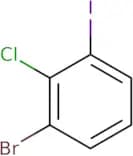
CAS:<p>Trifloxacin is a broad-spectrum antibacterial drug that belongs to the class of formyloxy compounds and the cephalosporin family. It has been shown to be active against both Gram-positive and Gram-negative bacteria, with activity against strains resistant to penicillin, ampicillin, erythromycin, and chloramphenicol. Trifloxacin binds to the bacterial ribosome by displacement of a pyridyl group in the ribosomal RNA, inhibiting protein synthesis. This binding inhibits cell growth by preventing the production of proteins that are vital for cell division.<br>br><br>Trifloxacin has also been found to inhibit DNA gyrase and topoisomerase IV in vitro. Trifloxacin's mechanism of action is similar to that of other quinolones such as norfloxacin and ciprofloxacin.</p>Formula:C4H5F3O4SPurity:Min. 95%Molecular weight:206.14 g/mol1-Bromo-2-chloro-3-iodobenzene
CAS:<p>Versatile small molecule scaffold</p>Formula:C6H3BrClIPurity:Min. 95%Molecular weight:317.35 g/mol4-Chloro-[1,1'-biphenyl]-3-amine
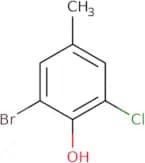
CAS:<p>Versatile small molecule scaffold</p>Formula:C12H10ClNPurity:Min. 95%Molecular weight:203.67 g/mol2-Bromo-6-chloro-4-methylphenol
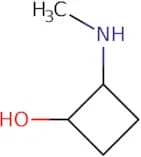
CAS:<p>Versatile small molecule scaffold</p>Formula:C7H6BrClOPurity:Min. 95%Molecular weight:221.48 g/molTrans-2-(methylamino)cyclobutan-1-ol
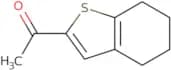
CAS:<p>Versatile small molecule scaffold</p>Formula:C5H11NOPurity:Min. 95%Molecular weight:101.15 g/mol1-(4,5,6,7-Tetrahydro-1-benzothiophen-2-yl)ethan-1-one
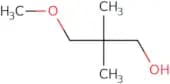
CAS:<p>Versatile small molecule scaffold</p>Formula:C10H12OSPurity:Min. 95%Molecular weight:180.27 g/mol3-Methoxy-2,2-dimethylpropan-1-ol
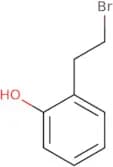
CAS:<p>3-Methoxy-2,2-dimethylpropan-1-ol is an experimental chemical that belongs to the group of cations. It has a transition state with yields of 1.0 kcal/mol and a molecular ion peak at m/z = 143. The spectra of 3-methoxy-2,2-dimethylpropan-1-ol show methoxy as the primary methyl group and an energetics of -3.3 kcal/mol. 3-Methoxy-2,2-dimethylpropan-1-ol can be used for fragmentation reactions. It also has been shown to form isomers by substituting the methoxy group on either side of the methyl group on the propane chain and it has a metastable isomeric form that can be observed in mass spectrometry. 3-Methoxypropane can also be used in transfer reactions to produce isobutene which is an isomeric</p>Formula:C6H14O2Purity:Min. 95%Molecular weight:118.17 g/mol2-(2-Bromoethyl)phenol
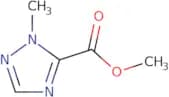
CAS:<p>Versatile small molecule scaffold</p>Formula:C8H9BrOPurity:Min. 95%Molecular weight:201.06 g/molMethyl 1-Methyl-1H-1,2,4-triazole-5-carboxylate
CAS:<p>Versatile small molecule scaffold</p>Formula:C5H7N3O2Purity:Min. 95%Molecular weight:141.13 g/mol1-{Bicyclo[2.2.2]octan-1-yl}ethan-1-one
CAS:<p>Versatile small molecule scaffold</p>Formula:C10H16OPurity:Min. 95%Molecular weight:152.23 g/mol[3-(Hydroxymethyl)quinolin-2-yl]methanol
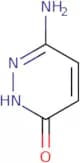
CAS:<p>Versatile small molecule scaffold</p>Formula:C11H11NO2Purity:Min. 95%Molecular weight:189.21 g/mol6-Aminopyridazin-3(2H)-one
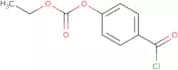
CAS:<p>6-Aminopyridazin-3(2H)-one is a chemical that belongs to the class of pyrazoles. It is non-toxic, has low solubility in water, and has not been shown to react with any other substances. It is a yellow solid that can be found in nature as an intermediate in the metabolism of amino acids. 6-Aminopyridazin-3(2H)-one can be used for screening purposes or research purposes.</p>Formula:C4H5N3OPurity:Min. 95%Molecular weight:111.1 g/mol4-(Carbonochloridoyl)phenyl ethyl carbonate
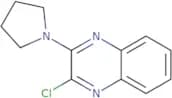
CAS:<p>4-(Carbonochloridoyl)phenyl ethyl carbonate is a chiral compound that has an optical rotation of +72 degrees. It is synthesised by the reaction of 4-chlorophenylethyl chloride with carbon dioxide and ethylene glycol. The properties of this compound are affected by the solvent, temperature, and pH. The interaction of 4-(Carbonochloridoyl)phenyl ethyl carbonate with other compounds may vary depending on its conformation and the techniques used to study it.</p>Formula:C10H9ClO4Purity:Min. 95%Molecular weight:228.63 g/mol2-Chloro-3-(pyrrolidin-1-yl)quinoxaline
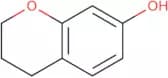
CAS:<p>Versatile small molecule scaffold</p>Formula:C12H12ClN3Purity:Min. 95%Molecular weight:233.69 g/mol3,4-dihydro-2H-1-benzopyran-7-ol
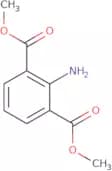
CAS:<p>3,4-Dihydro-2H-1-benzopyran-7-ol is a monomer that is used to synthesize medicines. It has the formula CH3COCH=CH(OH)CH3 and belongs to the group of flavonoids. 3,4-Dihydro-2H-1-benzopyran-7-ol has acidic properties, which are due to its isoflavones. It can be used as an acid catalyst in organic synthesis reactions and is a reaction product of chloropropane. 3,4-Dihydro-2H-1-benzopyran-7-ol also has high yield and can act as a bioisostere for other compounds such as chromene.</p>Formula:C9H10O2Purity:Min. 95%Molecular weight:150.18 g/mol1,3-dimethyl 2-aminobenzene-1,3-dicarboxylate
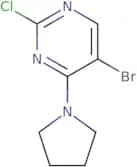
CAS:<p>1,3-dimethyl 2-aminobenzene-1,3-dicarboxylate is a synthetic substrate that is used to study the effects of anticancer drugs. It has been shown to inhibit the growth of cancer cells by interfering with the synthesis of DNA and protein. The compound also has a high redox potential and can be used as a reducing agent in coordination chemistry. 1,3-Dimethyl 2-aminobenzene-1,3-dicarboxylate inhibits proteolytic enzymes such as papain and trypsin. It is also able to induce gene expression by interacting with nucleotides on DNA, thereby inhibiting cancer cell proliferation.</p>Formula:C10H11NO4Purity:Min. 95%Molecular weight:209.2 g/mol5-Bromo-2-chloro-4-(pyrrolidin-1-yl)pyrimidine
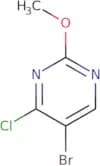
CAS:<p>Versatile small molecule scaffold</p>Formula:C8H9BrClN3Purity:Min. 95%Molecular weight:262.53 g/mol5-Bromo-4-chloro-2-methoxypyrimidine
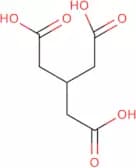
CAS:<p>Versatile small molecule scaffold</p>Formula:C5H4BrClN2OPurity:Min. 95%Molecular weight:223.45 g/mol3-(Carboxymethyl)pentanedioic acid
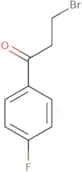
CAS:<p>3-(Carboxymethyl)pentanedioic acid is a chiral molecule with a copper complex. It has been shown to be a primary target for benzyl and allyl groups as ligands, although it can also form metal ion complexes. 3-(Carboxymethyl)pentanedioic acid is soluble in alkali metal, hydroxyl group, and c1-4 alkyl solvents. It crystallizes in the orthorhombic space group P2(1)/n with unit cell dimensions of a=8.79 Å, b=6.02 Å, c=5.55 Å, β=105.11° and Z=4 for x-ray diffraction studies at room temperature.</p>Formula:C7H10O6Purity:Min. 95%Molecular weight:190.15 g/mol3-Bromo-1-(4-fluorophenyl)propan-1-one
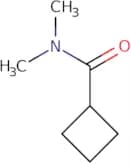
CAS:<p>Versatile small molecule scaffold</p>Formula:C9H8BrFOPurity:Min. 95%Molecular weight:231.06 g/molN,N-Dimethylcyclobutanecarboxamide
CAS:<p>Versatile small molecule scaffold</p>Formula:C7H13NOPurity:Min. 95%Molecular weight:127.18 g/molN-[(2-Chlorophenyl)methyl]acetamide
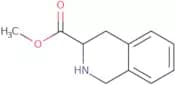
CAS:<p>Versatile small molecule scaffold</p>Formula:C9H10ClNOPurity:Min. 95%Molecular weight:183.63 g/molMethyl 1,2,3,4-tetrahydroisoquinoline-3-carboxylate
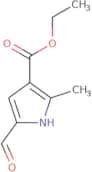
CAS:<p>Versatile small molecule scaffold</p>Formula:C11H13NO2Purity:Min. 95%Molecular weight:191.23 g/molEthyl 5-formyl-2-methyl-1H-pyrrole-3-carboxylate
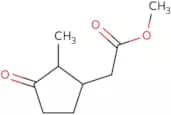
CAS:<p>Versatile small molecule scaffold</p>Formula:C9H11NO3Purity:Min. 95%Molecular weight:181.19 g/molMethyl 2-(2-methyl-3-oxocyclopentyl)acetate
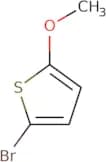
CAS:<p>Versatile small molecule scaffold</p>Formula:C9H14O3Purity:Min. 95%Molecular weight:170.21 g/mol2-Bromo-5-methoxythiophene
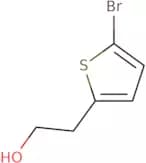
CAS:<p>2-Bromo-5-methoxythiophene is a fluorophore used to study the photochemical reactions of organic molecules. It has been shown to exhibit an intramolecular reaction with methanol, which can be used for detection and identification of this compound. The synthesis of 2-bromo-5-methoxythiophene is achieved by reacting bromine and methoxybenzene in the presence of potassium carbonate. It can be detected using fluorescence spectroscopy or chemiluminescence measurements. This compound exhibits solvatochromism, which means that its emission wavelength changes depending on the solvent used. In addition, it has been shown to have a low toxicity and good stability in water and air.</p>Formula:C5H5OSBrPurity:Min. 95%Molecular weight:193.06 g/mol2-(5-Bromothiophen-2-yl)ethan-1-ol
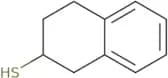
CAS:<p>Versatile small molecule scaffold</p>Formula:C6H7BrOSPurity:Min. 95%Molecular weight:207.09 g/mol1,2,3,4-Tetrahydronaphthalene-2-thiol
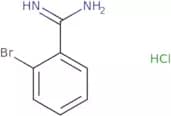
CAS:<p>Versatile small molecule scaffold</p>Formula:C10H12SPurity:Min. 95%Molecular weight:164.27 g/mol2-Bromobenzenecarboximidamide hydrochloride
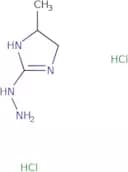
CAS:<p>Versatile small molecule scaffold</p>Formula:C7H7BrN2·HClPurity:Min. 95%Molecular weight:235.51 g/mol2-Hydrazinyl-4-methyl-4,5-dihydro-1H-imidazole dihydrochloride
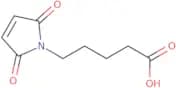
CAS:<p>Versatile small molecule scaffold</p>Formula:C4H12Cl2N4Purity:Min. 95%Molecular weight:187.07 g/mol5-(2,5-Dioxo-2,5-dihydro-1H-pyrrol-1-yl)pentanoic acid
CAS:<p>Versatile small molecule scaffold</p>Formula:C9H11NO4Purity:Min. 95%Molecular weight:197.19 g/mol5-(Ethylsulfanyl)pent-1-yne
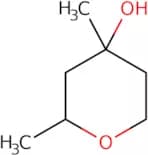
CAS:<p>Versatile small molecule scaffold</p>Formula:C7H12SPurity:Min. 95%Molecular weight:128.2 g/mol2,4-Dimethyloxan-4-ol
CAS:<p>Versatile small molecule scaffold</p>Formula:C7H14O2Purity:Min. 95%Molecular weight:130.18 g/mol[(3-Chlorophenyl)methyl][2-(dimethylamino)ethyl]amine
CAS:<p>Versatile small molecule scaffold</p>Formula:C11H17ClN2Purity:Min. 95%Molecular weight:212.72 g/molBicyclo[2.2.1]heptane-2-carboximidamide hydrochloride
CAS:<p>Versatile small molecule scaffold</p>Formula:C8H15ClN2Purity:Min. 95%Molecular weight:174.67 g/mol2-[5-(2-Hydroxyethanesulfonyl)pentanesulfonyl]ethan-1-ol
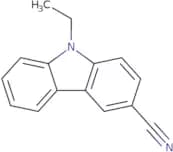
CAS:<p>Versatile small molecule scaffold</p>Formula:C9H20O6S2Purity:Min. 95%Molecular weight:288.4 g/mol9-Ethyl-9H-carbazole-3-carbonitrile
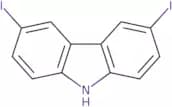
CAS:<p>Versatile small molecule scaffold</p>Formula:C15H12N2Purity:Min. 95%Molecular weight:220.27 g/mol3,6-Diiodo-9H-carbazole
CAS:<p>3,6-Diiodo-9H-carbazole is an activated carbazole that can be used to prepare polyvinyl chloride. It reacts with iodide ions in a reaction that produces 3,6-diiodo-9H-carbazole iodide. This compound has been shown to have good transport properties and can be used as a fluorescent probe for the detection of amines. 3,6-Diiodo-9H-carbazole also has been found to react with amines at room temperature and above, forming diazo compounds and other products. 3,6-Diiodo-9H-carbazole has been shown to have an adverse effect on marine ecosystems as it binds to chlorides and forms insoluble compounds.</p>Formula:C12H7I2NPurity:Min. 95%Molecular weight:418.99 g/molNauclefine
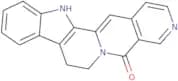
CAS:<p>Nauclefine is an analog of nifedipine that has been shown to have anticancer properties. It works by binding to a protein found in urine and blocking the activity of kinases, which are enzymes that play a role in cancer cell growth and survival. Nauclefine has been studied extensively in Chinese medicine for its ability to induce apoptosis, or programmed cell death, in tumor cells. It is also being investigated as a potential inhibitor of human kinases involved in cancer progression. Nauclefine has shown promising results as an anticancer agent and may prove to be a valuable tool in the fight against cancer.</p>Formula:C18H13N3OPurity:Min. 95%Molecular weight:287.3 g/mol1-(4-Chlorophenyl)-3-(prop-2-yn-1-yl)urea
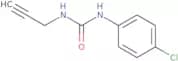
CAS:<p>Versatile small molecule scaffold</p>Formula:C10H9ClN2OPurity:Min. 95%Molecular weight:208.64 g/mol3-Oxo-2-(pyridin-2-yl)butanenitrile
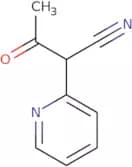
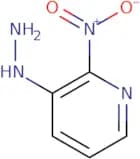
CAS:<p>3-Oxo-2-(pyridin-2-yl)butanenitrile is a chemical compound that can be found in the natural environment. The molecule contains a nitrogen atom, and has an electron donating substituent on the side chain of the ring. 3-Oxo-2-(pyridin-2-yl)butanenitrile has been shown to have a chemical shift of 11.6 ppm and can be seen as an acceptor in proton NMR spectra. The molecule is tautomeric, meaning it exists in two forms: one where the nitrile group is attached to the oxygen atom of the pyridine ring and another where it is attached to the nitrogen atom. This molecule can also be classified as a heterocyclic compound because it has at least one heteroatom with at least two different atoms within its ring system.</p>Formula:C9H8N2OPurity:Min. 95%Molecular weight:160.17 g/mol3-Hydrazino-2-nitropyridine
CAS:<p>3-Hydrazino-2-nitropyridine is a hormone that regulates the production of gonadotropins and sex hormones. It has been shown to have an inhibitory effect on the production of gonadotropins, which are involved in the regulation of reproduction. 3-Hydrazino-2-nitropyridine is a diffusible molecule that can be contacted with a variety of metal ions, such as zinc and copper. It also binds to alkaline surfaces and has been used to prepare low yield preparations. It has been found to have receptor antagonist activity against pyridynes and nondiffusible properties.</p>Formula:C5H6N4O2Purity:Min. 95%Molecular weight:154.13 g/mol4-Ethynyl-1H-pyrazole
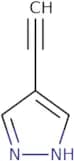
CAS:<p>4-Ethynyl-1H-pyrazole is a type of dipole that has a fluorine atom at the 1-position. It has been shown to have an affinity constant of 10.7 M, which is significantly higher than other dipoles such as the 4-ethynylpyridine (10.6 M) and phenylboronic acid (10.5 M). The molecular modeling study rationalized the covalent inhibitors that were first observed in this molecule. Constant values were found for both acceptor and donor groups in non-covalent interactions with single molecules, as well as with functional theory, which was used to find solvent effects on the fluorescence properties of this molecule. 4-Ethynyl-1H-pyrazole has also been shown to be a ligand for metal ions, including copper and zinc, with optical properties that can be affected by solvents such as water or ethanol.</p>Formula:C5H4N2Purity:Min. 95%Molecular weight:92.1 g/mol1,6-Dimethyl-1H-pyrazolo[3,4-d]pyrimidin-4(7H)-one
CAS:<p>Versatile small molecule scaffold</p>Formula:C7H8N4OPurity:Min. 95%Molecular weight:164.17 g/mol4-[4-(Trifluoromethyl)phenyl]butan-2-one
CAS:<p>Versatile small molecule scaffold</p>Formula:C11H11F3OPurity:Min. 95%Molecular weight:216.2 g/molEthyl 2-{1,4-dioxaspiro[4.5]decan-6-yl}acetate
CAS:<p>Ethyl 2-{1,4-dioxaspiro[4.5]decan-6-yl}acetate is an organic compound that can be synthesized by the allylation of the corresponding acid chloride and cyclic ester with ethyl bromoacetate. It is a surrogate for halides in biological studies and has been used as a building block for statins. This compound was also used to synthesize azaphilones through an asymmetric synthesis approach. Ethyl 2-{1,4-dioxaspiro[4.5]decan-6-yl}acetate is able to form amines by reacting with ammonia or ammonium hydroxide, which makes it useful in the synthesis of drugs such as antihistamines and antihypertensives. Ethyl 2-{1,4-dioxaspiro[4.5]decan-6-yl}acetate can also be used as a precursor</p>Formula:C12H20O4Purity:Min. 95%Molecular weight:228.28 g/mol2-{1,4-Dioxaspiro[4.5]decan-6-yl}ethan-1-ol
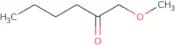
CAS:<p>Versatile small molecule scaffold</p>Formula:C10H18O3Purity:Min. 95%Molecular weight:186.25 g/mol1-Methoxyhexan-2-one
CAS:<p>1-Methoxyhexan-2-one is a chemical compound that is used in organic synthesis. It can be prepared by the reaction of trialkylboranes with hydrogen peroxide, or by the oxidation of 1-methoxycyclohexene with basic hydrogen peroxide. The molecule contains a carbonyl group and an alkoxy group, which makes it chemically reactive. 1-Methoxyhexan-2-one is used to synthesize organoboranes, which are used in organic chemistry as reagents for various reactions.</p>Formula:C7H14O2Purity:Min. 95%Molecular weight:130.18 g/molThiazolo[5,4-b]pyridine-2-thiol
CAS:<p>Versatile small molecule scaffold</p>Formula:C6H4N2S2Purity:Min. 95%Molecular weight:168.24 g/mol{[1,3]Thiazolo[5,4-b]pyridin-2-yl}hydrazine
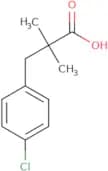
CAS:<p>Versatile small molecule scaffold</p>Formula:C6H6N4SPurity:Min. 95%Molecular weight:166.21 g/mol3-(4-Chlorophenyl)-2,2-dimethylpropanoic acid
CAS:<p>Versatile small molecule scaffold</p>Formula:C11H13ClO2Purity:Min. 95%Color and Shape:PowderMolecular weight:212.67 g/mol3-(2-Bromo-ethyl)-benzo[d]isoxazole
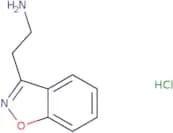
CAS:<p>Versatile small molecule scaffold</p>Formula:C9H8BrNOPurity:Min. 95%Molecular weight:226.07 g/mol2-(1,2-Benzoxazol-3-yl)ethan-1-amine hydrochloride
CAS:<p>Versatile small molecule scaffold</p>Formula:C9H11ClN2OPurity:Min. 95%Molecular weight:198.65 g/mol2-(Benzo[d]isoxazol-3-yl)ethanol
CAS:<p>Versatile small molecule scaffold</p>Formula:C9H9NO2Purity:Min. 95%Molecular weight:163.18 g/mol5-Bromo-3-(bromomethyl)benzo[D]isoxazole
CAS:<p>Versatile small molecule scaffold</p>Formula:C8H5Br2NOPurity:Min. 95%Molecular weight:290.94 g/mol3-(Aminomethyl)benzo[d]isoxazole HCl
CAS:<p>Versatile small molecule scaffold</p>Formula:C8H9ClN2OPurity:Min. 95%Molecular weight:184.62 g/mol2-(Methylsulfonyl)-1H-benzo[d]imidazole
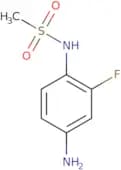
CAS:<p>2-(Methylsulfonyl)-1H-benzo[d]imidazole (MSBI) is a relatively new class of catalysts that can be used to promote the oxidation of alcohols. The catalytic system consists of copper, iodides, and MSBI. The first step in the catalytic cycle is the formation of a complex between MSBI and copper. This complex reacts with an alcohol to give a more reactive species, which then oxidizes iodide to iodine. The iodide is reduced back to iodide by hydrogen peroxide generated from the reaction with water. The spectrum of MSBI shows peaks at 1706 cm-1 and 1684 cm-1 due to its methyl groups, while the peak at 1202 cm-1 corresponds to the stretching vibration in the imidazole ring. Experimental results show that MSBI has a low density and high theoretical activity.</p>Formula:C8H8N2O2SPurity:Min. 95%Molecular weight:196.22 g/molN-(4-Amino-2-fluorophenyl)methanesulfonamide
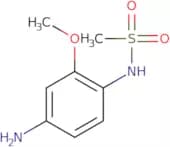
CAS:<p>Versatile small molecule scaffold</p>Formula:C7H9FN2O2SPurity:Min. 95%Molecular weight:204.22 g/molN-(4-Amino-2-methoxyphenyl)methanesulfonamide
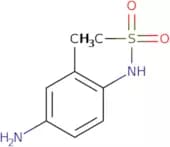
CAS:<p>Versatile small molecule scaffold</p>Formula:C8H12N2O3SPurity:Min. 95%Molecular weight:216.26 g/molN-(4-Amino-2-methylphenyl)methanesulfonamide
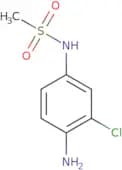
CAS:<p>Versatile small molecule scaffold</p>Formula:C8H12N2O2SPurity:Min. 95%Molecular weight:200.26 g/molN-(4-Amino-3-chlorophenyl)methanesulfonamide
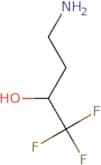
CAS:<p>Versatile small molecule scaffold</p>Formula:C7H9ClN2O2SPurity:Min. 95%Molecular weight:220.68 g/mol4-Amino-2-hydroxy-1,1,1-trifluorobutane
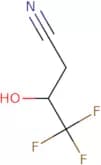
CAS:<p>Versatile small molecule scaffold</p>Formula:C4H8F3NOPurity:Min. 95%Molecular weight:143.11 g/mol4,4,4-Trifluoro-3-hydroxybutanenitrile
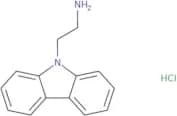
CAS:<p>Versatile small molecule scaffold</p>Formula:C4H4F3NOPurity:Min. 95%Molecular weight:139.08 g/mol2-(9H-Carbazol-9-yl)ethan-1-amine hydrochloride
CAS:<p>Versatile small molecule scaffold</p>Formula:C14H15ClN2Purity:Min. 95%Molecular weight:246.73 g/mol3H-Spiro[2-benzofuran-1,3'-pyrrolidine]
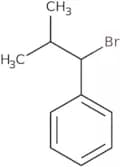
CAS:<p>Versatile small molecule scaffold</p>Formula:C11H13NOPurity:Min. 95%Molecular weight:175.23 g/mol(1-Bromo-2-methylpropyl)benzene
CAS:<p>Versatile small molecule scaffold</p>Formula:C10H13BrPurity:Min. 95%Molecular weight:213.11 g/mol4-(1-Phenylethoxy)aniline
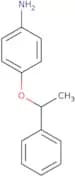
CAS:<p>Versatile small molecule scaffold</p>Formula:C14H15NOPurity:Min. 95%Molecular weight:213.27 g/mol2,4-Dimethylbenzene-1-carbothioamide
CAS:<p>Versatile small molecule scaffold</p>Formula:C9H11NSPurity:Min. 95%Molecular weight:165.26 g/mol2,4,6-Trimethylbenzene-1-carbothioamide
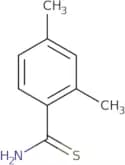
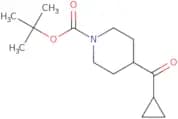
CAS:<p>Versatile small molecule scaffold</p>Formula:C10H13NSPurity:Min. 95%Molecular weight:179.28 g/moltert-Butyl 4-(cyclopropanecarbonyl)piperidine-1-carboxylate
CAS:<p>Versatile small molecule scaffold</p>Formula:C14H23NO3Purity:Min. 95%Molecular weight:253.34 g/molMethylboronic acid-d3
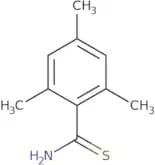
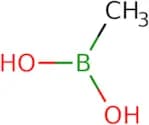
CAS:<p>Versatile small molecule scaffold</p>Formula:CH5BO2Purity:90%MinMolecular weight:62.88 g/molTrans-cyclobutane-1,3-diol
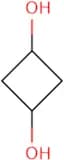
CAS:<p>Versatile small molecule scaffold</p>Formula:C4H8O2Purity:Min. 95%Molecular weight:88.11 g/mol{6-Methoxy-[1,2,4]triazolo[4,3-b]pyridazin-3-yl}methanamine
CAS:<p>Versatile small molecule scaffold</p>Formula:C7H9N5OPurity:Min. 95%Molecular weight:179.18 g/mol[6-(2-Methoxyethoxy)naphthalen-2-yl]boronic acid
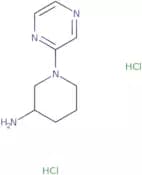
CAS:<p>Versatile small molecule scaffold</p>Formula:C13H15BO4Purity:Min. 95%Molecular weight:246.07 g/mol1-(2-Pyrazinyl)-3-piperidinamine dihydrochloride
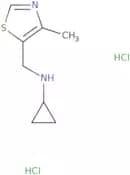
CAS:<p>Versatile small molecule scaffold</p>Formula:C9H16Cl2N4Purity:Min. 95%Molecular weight:251.15 g/mol5-Thiazolemethanamine, N-cyclopropyl-4-methyl-, dihydrochloride
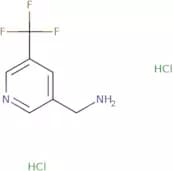
CAS:<p>Versatile small molecule scaffold</p>Formula:C8H14Cl2N2SPurity:Min. 95%Molecular weight:241.18 g/molC-(5-Trifluoromethyl-pyridin-3-yl)-methylaminedihydrochloride
CAS:<p>Versatile small molecule scaffold</p>Formula:C7H9Cl2F3N2Purity:Min. 95%Molecular weight:249.06 g/mol1-Oxa-9-azaspiro[5.5]undecan-4-ol hydrochloride
CAS:<p>Versatile small molecule scaffold</p>Formula:C9H18ClNO2Purity:Min. 95%Molecular weight:207.7 g/mol6-Azaspiro[2.5]octane-1-carboxylic acid hydrochloride
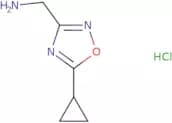
CAS:<p>Versatile small molecule scaffold</p>Formula:C8H14ClNO2Purity:Min. 95%Molecular weight:191.66 g/mol(5-Cyclopropyl-1,2,4-oxadiazol-3-yl)methanamine hydrochloride
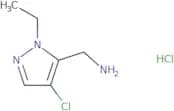
CAS:<p>Versatile small molecule scaffold</p>Formula:C6H10ClN3OPurity:Min. 95%Molecular weight:175.61 g/mol(4-Chloro-1-ethyl-1H-pyrazol-5-yl)methanamine hydrochloride
CAS:<p>Versatile small molecule scaffold</p>Formula:C6H11Cl2N3Purity:Min. 95%Molecular weight:196.07 g/mol3-Amino-N-methylbutanamide hydrochloride
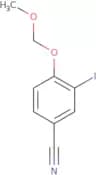
CAS:<p>Versatile small molecule scaffold</p>Formula:C5H13ClN2OPurity:Min. 95%Molecular weight:152.62 g/mol3-Iodo-4-(methoxymethoxy)benzonitrile
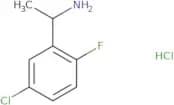
CAS:<p>Versatile small molecule scaffold</p>Formula:C9H8INO2Purity:Min. 95%Molecular weight:289.07 g/mol(1R)-1-(5-Chloro-2-fluorophenyl)ethan-1-amine hydrochloride
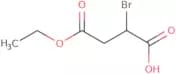
CAS:<p>Versatile small molecule scaffold</p>Formula:C8H10Cl2FNPurity:Min. 95%Molecular weight:210.07 g/mol(2S)-2-Bromo-4-ethoxy-4-oxobutanoic acid
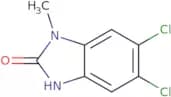
CAS:<p>Versatile small molecule scaffold</p>Formula:C6H9BrO4Purity:Min. 95%Molecular weight:225.04 g/mol5,6-Dichloro-1-methyl-2,3-dihydro-1H-1,3-benzodiazol-2-one
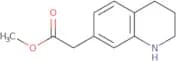
CAS:<p>Versatile small molecule scaffold</p>Formula:C8H6Cl2N2OPurity:Min. 95%Molecular weight:217.05 g/molMethyl 2-(1,2,3,4-tetrahydroquinolin-7-yl)acetate
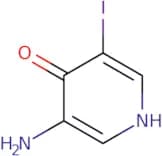
CAS:<p>Versatile small molecule scaffold</p>Formula:C12H15NO2Purity:Min. 95%Molecular weight:205.25 g/mol3-Amino-5-iodopyridin-4-ol
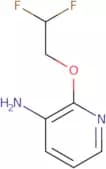
CAS:<p>Versatile small molecule scaffold</p>Formula:C5H5IN2OPurity:Min. 95%Molecular weight:236.01 g/mol2-(2,2-Difluoroethoxy)pyridin-3-amine
CAS:<p>Versatile small molecule scaffold</p>Formula:C7H8F2N2OPurity:Min. 95%Molecular weight:174.15 g/mol2-cyclopropyl-2-({[(9H-fluoren-9-yl)methoxy]carbonyl}amino)acetic acid
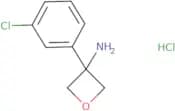
CAS:<p>Versatile small molecule scaffold</p>Formula:C20H19NO4Purity:Min. 95%Molecular weight:337.4 g/mol3-(3-Chlorophenyl)oxetan-3-amine hydrochloride
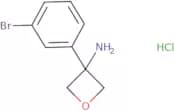
CAS:<p>Versatile small molecule scaffold</p>Formula:C9H11Cl2NOPurity:Min. 95%Molecular weight:220.09 g/mol3-(3-bromophenyl)oxetan-3-amine hcl
CAS:<p>Versatile small molecule scaffold</p>Formula:C9H11BrClNOPurity:Min. 95%Molecular weight:264.55 g/mol(S)-1-O-Tolylethanamine hydrochloride
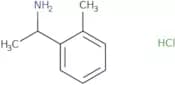
CAS:<p>Versatile small molecule scaffold</p>Formula:C9H14ClNPurity:Min. 95%Molecular weight:171.67 g/mol4-Bromo-1H-pyrrolo[2,3-c]pyridin-5-amine
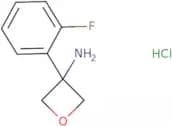
CAS:<p>Versatile small molecule scaffold</p>Formula:C7H6BrN3Purity:Min. 95%Molecular weight:212.05 g/mol3-(2-Fluorophenyl)oxetan-3-amine hydrochloride
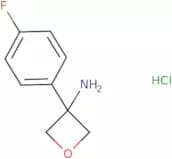
CAS:<p>Versatile small molecule scaffold</p>Formula:C9H11ClFNOPurity:Min. 95%Molecular weight:203.64 g/mol3-(4-Fluorophenyl)oxetan-3-amine hydrochloride
CAS:<p>Versatile small molecule scaffold</p>Formula:C9H11ClFNOPurity:Min. 95%Molecular weight:203.64 g/mol2-(1-{[(tert-Butoxy)carbonyl]amino}ethyl)-1,3-thiazole-5-carboxylic acid
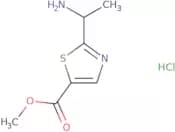
CAS:<p>Versatile small molecule scaffold</p>Formula:C11H16N2O4SPurity:Min. 95%Molecular weight:272.32 g/molMethyl 2-(1-aminoethyl)-1,3-thiazole-5-carboxylate hydrochloride
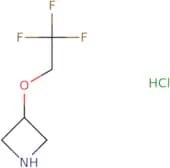
CAS:<p>Versatile small molecule scaffold</p>Formula:C7H11ClN2O2SPurity:Min. 95%Molecular weight:222.69 g/mol3-(2,2,2-Trifluoroethoxy)azetidine hydrochloride
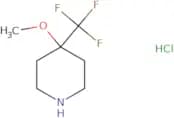
CAS:<p>Versatile small molecule scaffold</p>Formula:C5H9ClF3NOPurity:Min. 95%Molecular weight:191.58 g/mol4-Methoxy-4-(trifluoromethyl)piperidine hydrochloride
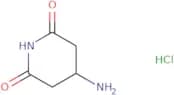
CAS:<p>Versatile small molecule scaffold</p>Formula:C7H13ClF3NOPurity:Min. 95%Molecular weight:219.63 g/mol4-aminopiperidine-2,6-dione hydrochloride
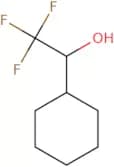
CAS:<p>Versatile small molecule scaffold</p>Formula:C5H9ClN2O2Purity:Min. 95%Molecular weight:164.59 g/mol1-Cyclohexyl-2,2,2-trifluoroethan-1-ol
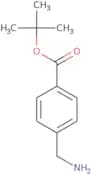
CAS:<p>Versatile small molecule scaffold</p>Formula:C8H13F3OPurity:Min. 95%Molecular weight:182.18 g/moltert-butyl 4-(aminomethyl)benzoate
CAS:<p>Versatile small molecule scaffold</p>Formula:C12H17NO2Purity:Min. 95%Molecular weight:207.3 g/mol1-[4-(Dimethylamino)-2-hydroxyphenyl]ethan-1-one
CAS:<p>Versatile small molecule scaffold</p>Formula:C10H13NO2Purity:Min. 95%Molecular weight:179.22 g/mol2H,3H-Furo[3,2-b]pyridin-3-one hydrochloride
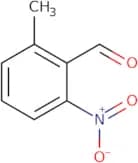
CAS:<p>Versatile small molecule scaffold</p>Formula:C7H6ClNO2Purity:Min. 95%Molecular weight:171.58 g/molBenzaldehyde, 2-methyl-6-nitro-
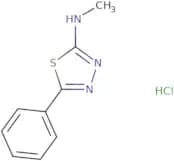
CAS:<p>Benzaldehyde, 2-methyl-6-nitro-, is a chlorinated chemical that can be used to produce 1,3-dioxanes. It reacts with ethylene and hydrogen chloride to form an oxime. The reaction rate can be increased by adding acid or by protonating the benzaldehyde. This product has many different uses, including being a binding agent for chloroform and other chemicals as well as being used in the production of heterocycles.</p>Formula:C8H7NO3Purity:Min. 95%Molecular weight:165.15 g/molN-Methyl-5-phenyl-1,3,4-thiadiazol-2-amine hydrochloride
CAS:<p>Versatile small molecule scaffold</p>Formula:C9H10ClN3SPurity:Min. 95%Molecular weight:227.71 g/mol


![{1-[(4-Chlorophenyl)methyl]-1H-1,3-benzodiazol-2-yl}methanol](/_next/image/?url=https%3A%2Fstatic.cymitquimica.com%2Fproducts%2F3D%2Fthumb-webp%2FHAA18731.webp&w=3840&q=75)
![6-Chloro-3-phenyl[1,2,4]triazolo[4,3-b]pyridazine](/_next/image/?url=https%3A%2Fstatic.cymitquimica.com%2Fproducts%2F3D%2Fthumb-webp%2FHAA19080.webp&w=3840&q=75)
![1-N-[(2-Methylphenyl)methyl]benzene-1,2-diamine](/_next/image/?url=https%3A%2Fstatic.cymitquimica.com%2Fproducts%2F3D%2Fthumb-webp%2FHAA19192.webp&w=3840&q=75)
![1,2-Dihydrospiro[indole-3,3'-pyrrolidine]](/_next/image/?url=https%3A%2Fstatic.cymitquimica.com%2Fproducts%2F3D%2Fthumb-webp%2FHAA19872.webp&w=3840&q=75)
![1-[(Chloromethyl)sulfanyl]-4-methoxybenzene](/_next/image/?url=https%3A%2Fstatic.cymitquimica.com%2Fproducts%2F3D%2Fthumb-webp%2FHAA20589.webp&w=3840&q=75)
![9-Methyl-3-oxa-9-azabicyclo[3.3.1]nonan-7-one](/_next/image/?url=https%3A%2Fstatic.cymitquimica.com%2Fproducts%2F3D%2Fthumb-webp%2FHAA22481.webp&w=3840&q=75)
![6-Hydrazino[1,2,4]triazolo[4,3-b]pyridazine](/_next/image/?url=https%3A%2Fstatic.cymitquimica.com%2Fproducts%2F3D%2Fthumb-webp%2FHAA22900.webp&w=3840&q=75)
![[5-(3-Chlorophenyl)-1,2-oxazol-3-yl]methanol](/_next/image/?url=https%3A%2Fstatic.cymitquimica.com%2Fproducts%2F3D%2Fthumb-webp%2FHBB42479.webp&w=3840&q=75)
![3-Iodo-2,6-dihydro-4H-pyrrolo[3,4-c]pyrazole-5-carboxylic acid tert-butyl ester](/_next/image/?url=https%3A%2Fstatic.cymitquimica.com%2Fproducts%2F3D%2Fthumb-webp%2FHBB42843.webp&w=3840&q=75)
![4-[5-(Difluoromethyl)-1,3,4-oxadiazol-2-yl]benzoic acid](/_next/image/?url=https%3A%2Fstatic.cymitquimica.com%2Fproducts%2F3D%2Fthumb-webp%2FHBC02266.webp&w=3840&q=75)
![9-[(2-Chloropyridin-4-yl)methyl]-9H-purin-6-amine](/_next/image/?url=https%3A%2Fstatic.cymitquimica.com%2Fproducts%2F3D%2Fthumb-webp%2FHBC14810.webp&w=3840&q=75)
![6-[(3-Bromophenyl)sulfanyl]pyridine-2-carboxylic acid](/_next/image/?url=https%3A%2Fstatic.cymitquimica.com%2Fproducts%2F3D%2Fthumb-webp%2FHBC16823.webp&w=3840&q=75)
![1-[(2-Cyanophenyl)methyl]pyrrolidine-2-carboxamide](/_next/image/?url=https%3A%2Fstatic.cymitquimica.com%2Fproducts%2F3D%2Fthumb-webp%2FHBC17213.webp&w=3840&q=75)
![3-[(2-Methoxyphenyl)methoxy]-2-methylaniline](/_next/image/?url=https%3A%2Fstatic.cymitquimica.com%2Fproducts%2F3D%2Fthumb-webp%2FHBC18533.webp&w=3840&q=75)
![1-[3-Chloro-5-(trifluoromethyl)pyridin-2-yl]pyrrolidin-3-amine](/_next/image/?url=https%3A%2Fstatic.cymitquimica.com%2Fproducts%2F3D%2Fthumb-webp%2FHBC23008.webp&w=3840&q=75)
![2-(5-Amino-2-chlorophenyl)-2-azaspiro[4.4]nonane-1,3-dione](/_next/image/?url=https%3A%2Fstatic.cymitquimica.com%2Fproducts%2F3D%2Fthumb-webp%2FHBC33895.webp&w=3840&q=75)
![4-{[Benzyl(methyl)amino]methyl}-N-methylpyridin-2-amine](/_next/image/?url=https%3A%2Fstatic.cymitquimica.com%2Fproducts%2F3D%2Fthumb-webp%2FHBC37035.webp&w=3840&q=75)
![4-[(5-Methylpyridin-2-yl)oxy]benzoic acid](/_next/image/?url=https%3A%2Fstatic.cymitquimica.com%2Fproducts%2F3D%2Fthumb-webp%2FHBC41715.webp&w=3840&q=75)
![1-{[1,2,3,4]Tetrazolo[1,5-a]pyrazin-5-yl}-1H-pyrazole-4-carboxylic acid](/_next/image/?url=https%3A%2Fstatic.cymitquimica.com%2Fproducts%2F3D%2Fthumb-webp%2FHBC43407.webp&w=3840&q=75)
![1-[(Methylsulfonyl)methyl]-4-(4,4,5,5-tetramethyl-1,3,2-dioxaborolan-2-yl)-1H-pyrazole](/_next/image/?url=https%3A%2Fstatic.cymitquimica.com%2Fproducts%2F3D%2Fthumb-webp%2FHBC53099.webp&w=3840&q=75)
![2-Methyl-4H,5H,6H,7H-pyrazolo[1,5-a]pyrimidine](/_next/image/?url=https%3A%2Fstatic.cymitquimica.com%2Fproducts%2F3D%2Fthumb-webp%2FHBC59736.webp&w=3840&q=75)
amine](/_next/image/?url=https%3A%2Fstatic.cymitquimica.com%2Fproducts%2F3D%2Fthumb-webp%2FHBC60292.webp&w=3840&q=75)
![1-[4-(Difluoromethoxy)phenyl]piperidin-3-amine](/_next/image/?url=https%3A%2Fstatic.cymitquimica.com%2Fproducts%2F3D%2Fthumb-webp%2FHBC71139.webp&w=3840&q=75)
![2-{1-[(2-Methylpropyl)carbamoyl]piperidin-3-yl}acetic acid](/_next/image/?url=https%3A%2Fstatic.cymitquimica.com%2Fproducts%2F3D%2Fthumb-webp%2FHBC72047.webp&w=3840&q=75)
![2-Chloro-5-[(4-methylpyrimidin-2-yl)amino]benzoic acid](/_next/image/?url=https%3A%2Fstatic.cymitquimica.com%2Fproducts%2F3D%2Fthumb-webp%2FHBC73339.webp&w=3840&q=75)
![6-Oxo-1-{[2-(propan-2-yl)-1,3-thiazol-4-yl]methyl}-1,6-dihydropyridine-3-carboxylic acid](/_next/image/?url=https%3A%2Fstatic.cymitquimica.com%2Fproducts%2F3D%2Fthumb-webp%2FHBC76359.webp&w=3840&q=75)
![1-[(3,5-Dimethoxyphenyl)methyl]pyrrolidin-3-amine](/_next/image/?url=https%3A%2Fstatic.cymitquimica.com%2Fproducts%2F3D%2Fthumb-webp%2FHBC80997.webp&w=3840&q=75)
![2-[2-(Piperidin-2-yl)-1,3-thiazol-4-yl]pyridine](/_next/image/?url=https%3A%2Fstatic.cymitquimica.com%2Fproducts%2F3D%2Fthumb-webp%2FHBC81613.webp&w=3840&q=75)
![1-[1-(2-Methanesulfonylethyl)-3,5-dimethyl-1H-pyrazol-4-yl]propan-1-one](/_next/image/?url=https%3A%2Fstatic.cymitquimica.com%2Fproducts%2F3D%2Fthumb-webp%2FHBC82740.webp&w=3840&q=75)
![3-Fluoro-4-[(piperidine-1-carbonyl)amino]benzoic acid](/_next/image/?url=https%3A%2Fstatic.cymitquimica.com%2Fproducts%2F3D%2Fthumb-webp%2FHBC87415.webp&w=3840&q=75)
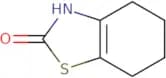
![2H,3H,4H,5H,6H,7H,8H-Cyclohepta[D][1,3]thiazol-2-one](/_next/image/?url=https%3A%2Fstatic.cymitquimica.com%2Fproducts%2F3D%2Fthumb-webp%2FHCA00116.webp&w=3840&q=75)
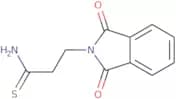
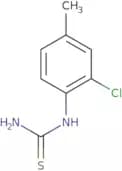
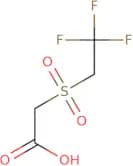
![4-Chloro-[1,1'-biphenyl]-3-amine](/_next/image/?url=https%3A%2Fstatic.cymitquimica.com%2Fproducts%2F3D%2Fthumb-webp%2FHCA01394.webp&w=3840&q=75)
![1-{Bicyclo[2.2.2]octan-1-yl}ethan-1-one](/_next/image/?url=https%3A%2Fstatic.cymitquimica.com%2Fproducts%2F3D%2Fthumb-webp%2FHCA03201.webp&w=3840&q=75)
![[3-(Hydroxymethyl)quinolin-2-yl]methanol](/_next/image/?url=https%3A%2Fstatic.cymitquimica.com%2Fproducts%2F3D%2Fthumb-webp%2FHCA03214.webp&w=3840&q=75)
![N-[(2-Chlorophenyl)methyl]acetamide](/_next/image/?url=https%3A%2Fstatic.cymitquimica.com%2Fproducts%2F3D%2Fthumb-webp%2FHCA05832.webp&w=3840&q=75)

![[(3-Chlorophenyl)methyl][2-(dimethylamino)ethyl]amine](/_next/image/?url=https%3A%2Fstatic.cymitquimica.com%2Fproducts%2F3D%2Fthumb-webp%2FHCA09508.webp&w=3840&q=75)
![Bicyclo[2.2.1]heptane-2-carboximidamide hydrochloride](/_next/image/?url=https%3A%2Fstatic.cymitquimica.com%2Fproducts%2F3D%2Fthumb-webp%2FHCA09770.webp&w=3840&q=75)
![2-[5-(2-Hydroxyethanesulfonyl)pentanesulfonyl]ethan-1-ol](/_next/image/?url=https%3A%2Fstatic.cymitquimica.com%2Fproducts%2F3D%2Fthumb-webp%2FHCA10056.webp&w=3840&q=75)
![1,6-Dimethyl-1H-pyrazolo[3,4-d]pyrimidin-4(7H)-one](/_next/image/?url=https%3A%2Fstatic.cymitquimica.com%2Fproducts%2F3D%2Fthumb-webp%2FHCA12152.webp&w=3840&q=75)
![4-[4-(Trifluoromethyl)phenyl]butan-2-one](/_next/image/?url=https%3A%2Fstatic.cymitquimica.com%2Fproducts%2F3D%2Fthumb-webp%2FHCA13219.webp&w=3840&q=75)
![Ethyl 2-{1,4-dioxaspiro[4.5]decan-6-yl}acetate](/_next/image/?url=https%3A%2Fstatic.cymitquimica.com%2Fproducts%2F3D%2Fthumb-webp%2FHCA13355.webp&w=3840&q=75)
![2-{1,4-Dioxaspiro[4.5]decan-6-yl}ethan-1-ol](/_next/image/?url=https%3A%2Fstatic.cymitquimica.com%2Fproducts%2F3D%2Fthumb-webp%2FHCA13356.webp&w=3840&q=75)
![Thiazolo[5,4-b]pyridine-2-thiol](/_next/image/?url=https%3A%2Fstatic.cymitquimica.com%2Fproducts%2F3D%2Fthumb-webp%2FHCA13509.webp&w=3840&q=75)
![{[1,3]Thiazolo[5,4-b]pyridin-2-yl}hydrazine](/_next/image/?url=https%3A%2Fstatic.cymitquimica.com%2Fproducts%2F3D%2Fthumb-webp%2FHCA13511.webp&w=3840&q=75)
![3-(2-Bromo-ethyl)-benzo[d]isoxazole](/_next/image/?url=https%3A%2Fstatic.cymitquimica.com%2Fproducts%2F3D%2Fthumb-webp%2FHCA14867.webp&w=3840&q=75)
![2-(Benzo[d]isoxazol-3-yl)ethanol](/_next/image/?url=https%3A%2Fstatic.cymitquimica.com%2Fproducts%2F3D%2Fthumb-webp%2FHCA14890.webp&w=3840&q=75)
![5-Bromo-3-(bromomethyl)benzo[D]isoxazole](/_next/image/?url=https%3A%2Fstatic.cymitquimica.com%2Fproducts%2F3D%2Fthumb-webp%2FHCA14895.webp&w=3840&q=75)
![3-(Aminomethyl)benzo[d]isoxazole HCl](/_next/image/?url=https%3A%2Fstatic.cymitquimica.com%2Fproducts%2F3D%2Fthumb-webp%2FHCA14896.webp&w=3840&q=75)
![2-(Methylsulfonyl)-1H-benzo[d]imidazole](/_next/image/?url=https%3A%2Fstatic.cymitquimica.com%2Fproducts%2F3D%2Fthumb-webp%2FHCA15981.webp&w=3840&q=75)
![3H-Spiro[2-benzofuran-1,3'-pyrrolidine]](/_next/image/?url=https%3A%2Fstatic.cymitquimica.com%2Fproducts%2F3D%2Fthumb-webp%2FHCA17448.webp&w=3840&q=75)
![{6-Methoxy-[1,2,4]triazolo[4,3-b]pyridazin-3-yl}methanamine](/_next/image/?url=https%3A%2Fstatic.cymitquimica.com%2Fproducts%2F3D%2Fthumb-webp%2FHDC49279.webp&w=3840&q=75)
![[6-(2-Methoxyethoxy)naphthalen-2-yl]boronic acid](/_next/image/?url=https%3A%2Fstatic.cymitquimica.com%2Fproducts%2F3D%2Fthumb-webp%2FHDC50517.webp&w=3840&q=75)
![1-Oxa-9-azaspiro[5.5]undecan-4-ol hydrochloride](/_next/image/?url=https%3A%2Fstatic.cymitquimica.com%2Fproducts%2F3D%2Fthumb-webp%2FHDC52993.webp&w=3840&q=75)
![6-Azaspiro[2.5]octane-1-carboxylic acid hydrochloride](/_next/image/?url=https%3A%2Fstatic.cymitquimica.com%2Fproducts%2F3D%2Fthumb-webp%2FHDC53045.webp&w=3840&q=75)

![2-cyclopropyl-2-({[(9H-fluoren-9-yl)methoxy]carbonyl}amino)acetic acid](/_next/image/?url=https%3A%2Fstatic.cymitquimica.com%2Fproducts%2F3D%2Fthumb-webp%2FHDC76555.webp&w=3840&q=75)
![4-Bromo-1H-pyrrolo[2,3-c]pyridin-5-amine](/_next/image/?url=https%3A%2Fstatic.cymitquimica.com%2Fproducts%2F3D%2Fthumb-webp%2FHDC83764.webp&w=3840&q=75)
![2-(1-{[(tert-Butoxy)carbonyl]amino}ethyl)-1,3-thiazole-5-carboxylic acid](/_next/image/?url=https%3A%2Fstatic.cymitquimica.com%2Fproducts%2F3D%2Fthumb-webp%2FHDC87309.webp&w=3840&q=75)
![1-[4-(Dimethylamino)-2-hydroxyphenyl]ethan-1-one](/_next/image/?url=https%3A%2Fstatic.cymitquimica.com%2Fproducts%2F3D%2Fthumb-webp%2FHEA07069.webp&w=3840&q=75)
![2H,3H-Furo[3,2-b]pyridin-3-one hydrochloride](/_next/image/?url=https%3A%2Fstatic.cymitquimica.com%2Fproducts%2F3D%2Fthumb-webp%2FHEA09600.webp&w=3840&q=75)