


Building Blocks
This section contains fundamental products for the synthesis of organic and biological compounds. Building blocks are the essential starting materials used to construct complex molecules through various chemical reactions. They play a critical role in drug discovery, material science, and chemical research. At CymitQuimica, we offer a diverse range of high-quality building blocks to support your innovative research and industrial projects, ensuring you have the essential components for successful synthesis.
Subcategories of "Building Blocks"
- Boronic Acids & Boronic Acid Derivatives(5,756 products)
- Chiral Building Blocks(1,242 products)
- Hydrocarbon Building Blocks(6,095 products)
- Organic Building Blocks(61,037 products)
Found 196200 products of "Building Blocks"
Sort by
Purity (%)
0
100
|
0
|
50
|
90
|
95
|
100
5-Methoxyspiro[2.3]hexan-1-amine hydrochloride
CAS:<p>Versatile small molecule scaffold</p>Formula:C7H14ClNOPurity:Min. 95%Molecular weight:163.64 g/mol3-[2-({[(9H-Fluoren-9-yl)methoxy]carbonyl}amino)cyclohexyl]propanoic acid
CAS:<p>Versatile small molecule scaffold</p>Formula:C24H27NO4Purity:Min. 95%Molecular weight:393.5 g/mol2-[(Tetrahydro-1,1-dioxido-2H-thiopyran-4-yl)oxy]-ethanol
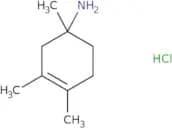
CAS:<p>Versatile small molecule scaffold</p>Formula:C7H14O4SPurity:Min. 95%Molecular weight:194.25 g/mol1,3,4-Trimethylcyclohex-3-en-1-amine hydrochloride
CAS:<p>Versatile small molecule scaffold</p>Formula:C9H18ClNPurity:Min. 95%Molecular weight:175.7 g/molMethyl 2-formyl-6H-thieno[2,3-b]pyrrole-5-carboxylate
CAS:<p>Versatile small molecule scaffold</p>Formula:C9H7NO3SPurity:Min. 95%Molecular weight:209.22 g/mol2-[3-(Aminomethyl)benzenesulfonyl]ethan-1-ol hydrochloride
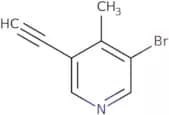
CAS:<p>Versatile small molecule scaffold</p>Formula:C9H14ClNO3SPurity:Min. 95%Molecular weight:251.73 g/mol3-Bromo-5-ethynyl-4-methylpyridine
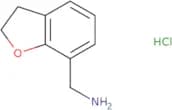
CAS:<p>Versatile small molecule scaffold</p>Formula:C8H6BrNPurity:Min. 95%Molecular weight:196.04 g/mol(2,3-Dihydro-1-benzofuran-7-yl)methanamine hydrochloride
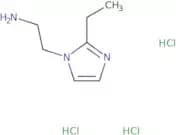
CAS:<p>Versatile small molecule scaffold</p>Formula:C9H12ClNOPurity:Min. 95%Molecular weight:185.65 g/mol2-(2-Ethyl-1H-imidazol-1-yl)ethan-1-amine trihydrochloride
CAS:<p>Versatile small molecule scaffold</p>Formula:C7H16Cl3N3Purity:Min. 95%Molecular weight:248.6 g/mol8-Benzyl-1-oxa-8-azaspiro[4.5]dec-2-en-4-one
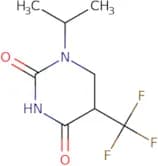
CAS:<p>Versatile small molecule scaffold</p>Formula:C15H17NO2Purity:Min. 95%Molecular weight:243.3 g/mol1-(Propan-2-yl)-5-(trifluoromethyl)-1,2,3,4-tetrahydropyrimidine-2,4-dione
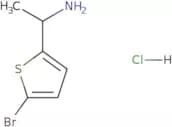
CAS:<p>Versatile small molecule scaffold</p>Formula:C8H11F3N2O2Purity:Min. 95%Molecular weight:224.18 g/mol1-(5-Bromothiophen-2-yl)ethan-1-amine hydrochloride
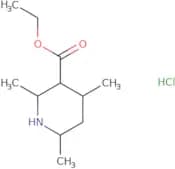
CAS:<p>Versatile small molecule scaffold</p>Purity:Min. 95%Molecular weight:242.57 g/molEthyl 2,4,6-trimethylpiperidine-3-carboxylate hydrochloride
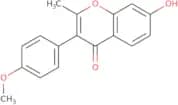
CAS:<p>Versatile small molecule scaffold</p>Formula:C11H22ClNO2Purity:Min. 95%Molecular weight:235.75 g/mol7-Hydroxy-3-(4-methoxyphenyl)-2-methyl-4H-chromen-4-one
CAS:<p>Versatile small molecule scaffold</p>Formula:C17H14O4Purity:Min. 95%Molecular weight:282.29 g/mol1-Chloro-3-(methylsulfanyl)propane
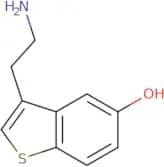
CAS:<p>1-Chloro-3-(methylsulfanyl)propane is a chiral molecule that has been shown to be present in humans, plants, and nature. It can be synthesized from isothiocyanates, which are compounds that are found in tissues of animals and plants. 1-Chloro-3-(methylsulfanyl)propane has been shown to be toxic to cancer cells by inhibiting the synthesis of DNA and RNA. This compound also activates sulforaphane, welwitindolinone, and other natural products.</p>Formula:C4H9ClSPurity:Min. 95%Molecular weight:124.63 g/mol3-(2-Aminoethyl)-1-benzothiophen-5-ol
CAS:<p>Versatile small molecule scaffold</p>Formula:C10H11NOSPurity:Min. 95%Molecular weight:193.27 g/mol4-Nitrobutyric Acid Methyl Ester
CAS:<p>4-Nitrobutyric Acid Methyl Ester is a compound that belongs to the group of nitro compounds. It is an antimycobacterial agent that inhibits the growth of Mycobacterium tuberculosis by inhibiting the synthesis of mycolic acids and cell wall components. 4-Nitrobutyric Acid Methyl Ester has been shown to be effective in vitro against Mycobacterium avium complex and in animal models against Mycobacterium bovis. This molecule was synthesized by means of a solid-phase synthesis, with a stereoselective process yielding 98% ee.</p>Formula:C5H9NO4Purity:Min. 95%Molecular weight:147.13 g/mol9-Decen-1-ol
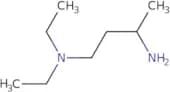
CAS:<p>9-Decen-1-ol is an acyl chain that contains a hydroxyl group. It is a chemical precursor to the synthesis of long-chain fatty acids and other biologically important lipids. 9-Decen-1-ol is also used as a solid catalyst in organic synthesis reactions, such as the reaction mechanism for hydrochloric acid and fatty acids. The expression plasmid containing the gene for 9-decen-1-ol was introduced into Escherichia coli cells using cationic surfactant to create an E. coli strain that produces this chemical compound. This synthetic pathway has been shown to be stable in both water vapor and cell culture conditions. It also binds odorants, which may contribute its odorant binding properties. Intracellular calcium concentration increases when 9-decen-1-ol binds with G protein coupled receptors, leading to cellular activation of phospholipase A2 and increased free arachidonic acid release from membrane phosph</p>Formula:C10H20OPurity:Min. 95%Molecular weight:156.27 g/mol(3-Aminobutyl)diethylamine
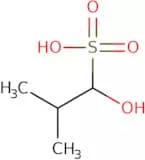
CAS:<p>Versatile small molecule scaffold</p>Formula:C8H20N2Purity:Min. 95%Molecular weight:144.26 g/molSodium 1-hydroxy-2-methylpropane-1-sulfonate
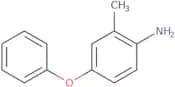
CAS:<p>Versatile small molecule scaffold</p>Formula:C4H10O4SPurity:Min. 95%Molecular weight:154.19 g/mol2-Methyl-4-phenoxyaniline
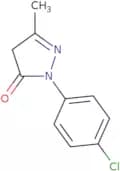
CAS:<p>Versatile small molecule scaffold</p>Formula:C13H13NOPurity:Min. 95%Molecular weight:199.25 g/mol1-(4-Chlorophenyl)-3-methyl-5-pyrazolone
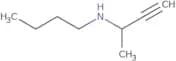
CAS:<p>1-(4-Chlorophenyl)-3-methyl-5-pyrazolone is a molecule that has the ability to form hydrogen bonds. It has been shown that it is a monomer and can exist in two tautomeric forms, as an enol and keto form. The most stable form of the molecule is the keto form, which has been shown to be antipyrine. Hydrogen bonding occurs when electronegative atoms on one molecule are attracted to electropositive atoms on another molecule. Intermolecular hydrogen bonding between 1-(4-chlorophenyl)-3-methyl-5-pyrazolone molecules results in a more stable compound than would otherwise be possible. This property is of great importance in determining the function of many organic compounds.</p>Formula:C10H9ClN2OPurity:Min. 95%Molecular weight:208.65 g/mol(But-3-yn-2-yl)(butyl)amine
CAS:<p>Versatile small molecule scaffold</p>Formula:C8H15NPurity:Min. 95%Molecular weight:125.21 g/mol2-{[(4-Fluorophenyl)sulphonyl]amino}acetic acid
CAS:<p>Versatile small molecule scaffold</p>Formula:C8H8FNO4SPurity:Min. 95%Molecular weight:233.21 g/mol2-{[(4-Chlorophenyl)sulfonyl]amino}acetic acid
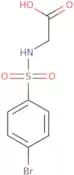
CAS:<p>Versatile small molecule scaffold</p>Formula:C8H8ClNO4SPurity:Min. 95%Molecular weight:249.67 g/mol2-(4-Bromophenylsulfonamido)acetic acid
CAS:<p>2-(4-Bromophenylsulfonamido)acetic acid is a basic organic compound that is used as a reagent in organic synthesis. This compound is the salt of 2-bromoacetic acid and 4-aminobenzenesulfonic acid, which are both carboxylic acids. The chemical formula for this compound is CHBrNO2SCH3COOH. 2-(4-Bromophenylsulfonamido)acetic acid has been shown to hydrolyze at a basic pH and undergo ester hydrolysis with methyl alcohol. It also has properties that make it useful for the synthesis of symmetrical dimers and centrosymmetric molecules.</p>Formula:C8H8BrNO4SPurity:Min. 95%Molecular weight:294.12 g/mol(4-Methoxy-benzenesulfonylamino)-acetic acid
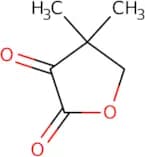
CAS:<p>Versatile small molecule scaffold</p>Formula:C9H11NO5SPurity:Min. 95%Molecular weight:245.25 g/molDihydro-4,4-dimethyl-2,3-furandione
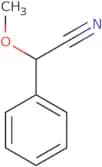
CAS:<p>Dihydro-4,4-dimethyl-2,3-furandione is an organic compound that belongs to a class of molecules called cinchona alkaloids. It is used as a substrate for the study of enzyme reactions in the laboratory and as a model system for studying other molecules that are similar in structure. Dihydro-4,4-dimethyl-2,3-furandione has shown to be an effective inhibitor of acid formation from cinchonidine, which is a natural product derived from the bark of Cinchona species. The molecule also has asymmetric synthesis capabilities and can produce lactones with one or two ester groups.</p>Formula:C6H8O3Purity:Min. 95%Molecular weight:128.13 g/mol2-Methoxy-2-phenylacetonitrile
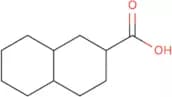
CAS:<p>2-Methoxy-2-phenylacetonitrile (2MP) is an organic solvent that is used in the synthesis of pharmaceutical drugs. It has a low toxicity and low flammability. 2MP has been shown to have cardiovascular protective effects by protecting against myocardial infarction and stroke. The mechanism of this protection is not well understood, but it may be due to its ability to deactivate reactive oxygen species or inhibit platelet aggregation. This chemical also has optical properties that allow it to be used as a fluorescent probe for metal ions, such as sodium periodate.</p>Formula:C9H9NOPurity:Min. 95%Molecular weight:147.17 g/molDecahydronaphthalene-2-carboxylic acid
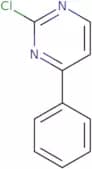
CAS:<p>Decahydronaphthalene-2-carboxylic acid is a plant cell metabolite that was first detected in the leaves of the Atriplex canescens plant. It has been shown to be a substrate for oxidative cyclization by cleavage of the carbon-carbon bond adjacent to the carboxyl group. Decahydronaphthalene-2-carboxylic acid is present in naphthenic oils, which are hydrocarbons obtained from petroleum distillation. The degradation products of decahydronaphthalene-2-carboxylic acid have been determined using analytical methods such as gas chromatography and mass spectrometry. Decahydronaphthalene-2-carboxylic acid is converted into 1-hydroxy-2-naphthoic acid, which can be further degraded by oxidation to form aromatic hydrocarbons. Decahydronaphthalene-2-carboxylic acid may</p>Formula:C11H18O2Purity:Min. 95%Molecular weight:182.26 g/mol2-Chloro-4-phenylpyrimidine
CAS:<p>2-Chloro-4-phenylpyrimidine (2CP) is a molecule that has been shown to inhibit the growth of cancer cells. The proposed mechanism is that 2CP inhibits the synthesis of DNA and RNA, which leads to cellular death. 2CP also has anti-inflammatory properties, which may be due to its ability to induce corticotropin-releasing hormone (CRH). CRH is a hormone that regulates the release of corticosteroids from the adrenal glands. This is thought to be due to its ability to inhibit the production of the enzyme anthranilic acid, which is involved in the synthesis of CRH. 2CP was synthesized by diazotization and then irradiation with UV light. It can be used as an anticancer agent against cancer cells in vitro.</p>Formula:C10H7ClN2Purity:Min. 95%Molecular weight:190.63 g/mol2-Bromophenyl Isothiocyanate
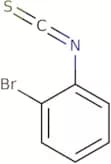
CAS:<p>2-Bromophenyl Isothiocyanate is a reactive compound that has been shown to have significant anti-inflammatory activity. It is an allylamine, a type of drug that inhibits the production of inflammatory substances such as TNF-α and interleukin-1β. It also has antioxidant properties, which may be due to its ability to scavenge free radicals. 2-Bromophenyl Isothiocyanate belongs to the group of thione compounds, which are organic compounds containing a sulfur atom bonded with a nitrogen atom. This thione is synthesized from the reaction of an alkyl halide (such as bromobenzene) with ammonia and hydrogen cyanide in the presence of an alkali metal. The stereoselective nature of this reaction mechanism may account for its high degree of anti-inflammatory activity.</p>Formula:C7H4BrNSPurity:Min. 95%Molecular weight:214.08 g/mol8-Nonen-1-ol
CAS:<p>8-Nonen-1-ol is a thioether with a long carbon chain. It is an active natural product that has been found in the rhizome of the plant "Eucalyptus" and has been shown to be effective against pest insects. 8-Nonen-1-ol is used as a solvent and intermediate in organic synthesis. It is also used as a reagent for dehydration reactions, such as the conversion of alcohols to ethers, or the conversion of esters to acids. The compound can be synthesized by reacting boron trifluoride etherate with long-chain fatty alcohols at temperatures below 0°C. 8-Nonen-1-ol also forms monolayers on silica gel and other solid supports. Acid catalysis can be used to break down these layers, releasing the compounds from the surface.</p>Formula:C9H18OPurity:Min. 95%Molecular weight:142.24 g/mol6-Chloro-2,2'-bipyridine
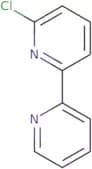
CAS:<p>6-Chloro-2,2'-bipyridine is a bipyridine derivative that can be used as an indicator for the presence of hydrochloric acid in gas. The oxidation of 6-chloro-2,2'-bipyridine and chloride ion yields 6-chloro-2,4,4'-trimethylpyridine and hydrogen ion. The emission spectrum of this compound has a strong peak at 514 nm when it is excited with light at 365 nm. This peak can be used to identify the presence of hydrochloric acid.</p>Formula:C10H7ClN2Purity:Min. 95%Molecular weight:190.63 g/mol5-Phenylpyrazolidin-3-one
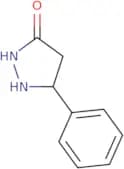
CAS:<p>5-Phenylpyrazolidin-3-one is a pyrazole compound that has a tautomeric form. It has been shown to selectively interact with anions, such as chloride anion, in the presence of hydrogen bonds. This leads to the production of a hydrogen cation and an electrophilic imine. 5-Phenylpyrazolidin-3-one is used in chemosensors for the detection of various chemicals, including formaldehyde and acetaldehyde. 5-Phenylpyrazolidin-3-one also has antitumor activity due to its ability to inhibit DNA synthesis and induce apoptosis in cancer cells.</p>Formula:C9H10N2OPurity:Min. 95%Molecular weight:162.19 g/molButyl 2-aminoacetate hydrochloride
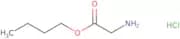
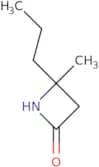
CAS:<p>Butyl 2-aminoacetate hydrochloride (BAH) is a synthetic chemical that is used in the synthesis of pharmaceuticals, pesticides, and polymers. BAH has been shown to cause acute kidney injury in rats and mice. It is also known to be involved in the synthesis of esters, which are compounds derived from an acid and an alcohol. The piperidinecarboxylic acid metabolite of BAH is well absorbed by the intestine after oral administration but does not appear to be excreted through urine or bile. A study on pancreatitis patients found that BAH can cause pancreatic inflammation when given intravenously as a supplement. This drug may also have potential for the treatment of chronic kidney disease and Alzheimer's disease due to its ability to inhibit cholesterol biosynthesis and inhibit amyloid beta protein production.</p>Formula:C6H14ClNO2Purity:Min. 95%Molecular weight:167.63 g/mol4-Methyl-4-propylazetidin-2-one
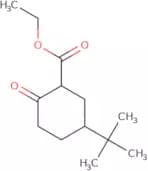
CAS:<p>Versatile small molecule scaffold</p>Formula:C7H13NOPurity:Min. 95%Molecular weight:127.2 g/molEthyl 5-tert-butyl-2-oxocyclohexane-1-carboxylate
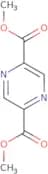
CAS:<p>Versatile small molecule scaffold</p>Formula:C13H22O3Purity:Min. 95%Molecular weight:226.31 g/molDimethyl Pyrazine-2,5-dicarboxylate
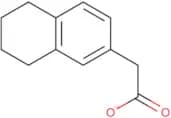
CAS:<p>Versatile small molecule scaffold</p>Formula:C8H8N2O4Purity:Min. 95%Molecular weight:196.16 g/mol(5,6,7,8-Tetrahydro-naphthalen-2-yl)-acetic acid
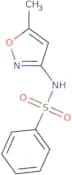
CAS:<p>Versatile small molecule scaffold</p>Formula:C12H14O2Purity:Min. 95%Molecular weight:190.24 g/molN-(5-Methyl-3-isoxazolyl)benzenesulfonamide
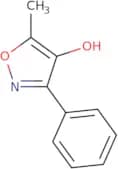
CAS:<p>Versatile small molecule scaffold</p>Formula:C10H10N2O3SPurity:Min. 95%Molecular weight:238.27 g/mol5-Methyl-3-phenyl-1,2-oxazol-4-ol
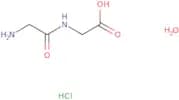
CAS:<p>Versatile small molecule scaffold</p>Formula:C10H9NO2Purity:Min. 95%Molecular weight:175.18 g/molGlycylglycine Hydrochloride Monohydrate
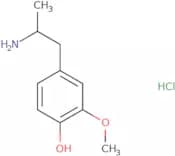
CAS:<p>Glycylglycine hydrochloride monohydrate is a glycine salt that can be used as a metal chelator. It has been shown to be an experimental model for the study of metal-binding proteins, and it can also be used as a model system for the study of benzalkonium chloride. Glycylglycine hydrochloride monohydrate has been shown to have thermodynamic data and biological studies. In vitro assays have been used to show its transfer reactions with other molecules, such as intermolecular hydrogen bonding and coordination geometry. Synchronous fluorescence has also been used to investigate the energy metabolism of glycylglycine hydrochloride monohydrate in solution.</p>Formula:C4H8N2O3·HCl·H2OPurity:Min. 95%Molecular weight:186.6 g/mol4-Hydroxy-3-methoxyamphetamine hydrochloride
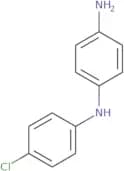
CAS:Controlled Product<p>Versatile small molecule scaffold</p>Formula:C10H16ClNO2Purity:Min. 95%Molecular weight:217.69 g/molN1-(4-Chlorophenyl)benzene-1,4-diamine
CAS:<p>Rhodella is a type of fungus that has a unique mode of growth. It is autotrophic and can grow in the absence of oxygen. Rhodella has been shown to take up galactose through a carrier-mediated facilitated transport system, which provides evidence for the existence of such a transport mechanism in unicellular organisms. The uptake process was found to be inhibited by xylose, suggesting that rhodella may use an active transport system to move galactose across the cell membrane. Autoradiography revealed that rhodella cells contain high levels of uronic acid, a type of sugar found in many plants, which supports the idea that rhodella may be closely related to plants.</p>Formula:C12H11ClN2Purity:Min. 95%Molecular weight:218.68 g/mol2,6-Diethylpyrazine
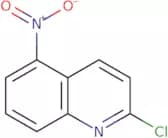
CAS:<p>Versatile small molecule scaffold</p>Formula:C8H12N2Purity:Min. 95%Molecular weight:136.19 g/mol2-Chloro-5-nitroquinoline
CAS:<p>2-Chloro-5-nitroquinoline is an oxidized aminoquinoline that is synthesized from nitric acid and benzene. It contains a nitro group, which makes it susceptible to oxidation. 2-Chloro-5-nitroquinoline is used as a solvent for rubber, plastics, and waxes. It can also be used as a solvent in the production of quinolines and other nitrogen compounds. Nitration of this compound produces 2-chloroquinoline, which can be transformed into 2-chloroquinolinium hydroxide by reaction with sodium hydroxide. The substituent on the ortho position can be determined by oleum or bromine water.</p>Formula:C9H5ClN2O2Purity:Min. 95%Molecular weight:208.6 g/molN-[Bis(methylsulfanyl)methylidene]methanesulfonamide
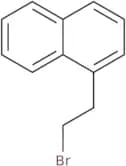
CAS:<p>Versatile small molecule scaffold</p>Formula:C4H9NO2S3Purity:Min. 95%Molecular weight:199.3 g/mol1-(2-Bromoethyl)naphthalene
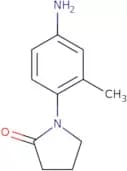
CAS:<p>1-(2-Bromoethyl)naphthalene is a heterocyclic compound with two bromine atoms attached to the same carbon atom. It has two stereoisomers, one of which can be synthesized from phenacyl and the other from diketone. It is used in organic synthesis as a reactive intermediate for the alkylation of various substrates. The rate of reactivity is dependent on the electron donating ability of the substrate, with electron-donating groups resulting in faster reaction rates. This product has been shown to undergo enthalpic transfer reactions at room temperature, and chemoselective alkylation reactions at elevated temperatures.</p>Formula:C12H11BrPurity:Min. 95%Molecular weight:235.12 g/mol1-(4-Amino-2-methylphenyl)-2-pyrrolidinone
CAS:<p>Versatile small molecule scaffold</p>Formula:C11H14N2OPurity:Min. 95%Molecular weight:190.24 g/molN-[4-Chloro-3-(trifluoromethyl)phenyl]-2,2-dimethylpropanamide
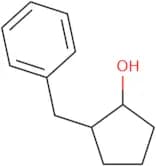
CAS:<p>N-[4-Chloro-3-(trifluoromethyl)phenyl]-2,2-dimethylpropanamide is a white crystalline solid that belongs to the class of chains. This compound has hydrogen bonds and pivaloyl groups. It is also torsion and has a benzene ring. N-[4-Chloro-3-(trifluoromethyl)phenyl]-2,2-dimethylpropanamide is used in the synthesis of pharmaceuticals.</p>Formula:C12H13ClF3NOPurity:Min. 95%Molecular weight:279.68 g/mol2-Benzylcyclopentan-1-ol
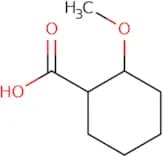
CAS:<p>2-Benzylcyclopentan-1-ol is a cyclopropane derivative that is obtained by the radical cyclization of toluene. It has been shown to undergo thermolysis and hydrogen transfer reactions with nitroxyl radicals. 2-Benzylcyclopentan-1-ol reacts reversibly with anions and is capable of rearrangements. It can be hydrolyzed to produce cyclopentane and hydrogen gas, which are both hydrocarbons.</p>Formula:C12H16OPurity:Min. 95%Molecular weight:176.25 g/mol2-Methoxycyclohexane-1-carboxylic acid
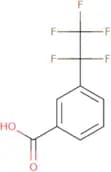
CAS:<p>Versatile small molecule scaffold</p>Formula:C8H14O3Purity:Min. 95%Molecular weight:158.19 g/mol3-(Pentafluoroethyl)benzoic acid
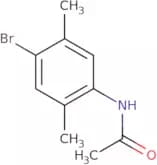
CAS:<p>Versatile small molecule scaffold</p>Formula:C9H5F5O2Purity:Min. 95%Molecular weight:240.13 g/molN-(4-Bromo-2,5-dimethylphenyl)acetamide
CAS:<p>Versatile small molecule scaffold</p>Formula:C10H12BrNOPurity:Min. 95%Molecular weight:242.11 g/molN-(4-Bromo-2-chloronaphthalen-1-yl)acetamide
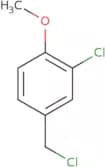
CAS:<p>Versatile small molecule scaffold</p>Formula:C12H9BrClNOPurity:Min. 95%Molecular weight:298.56 g/mol2-Chloro-4-(chloromethyl)-1-methoxybenzene
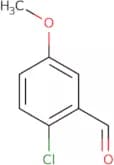
CAS:<p>2-Chloro-4-(chloromethyl)-1-methoxybenzene is a fibrinolytic drug that has been shown to be effective in the treatment of deep vein thrombosis. It reversibly binds to albumin, which prevents the formation of clots by inhibiting fibrin polymerization and stabilizing existing clots. Fibrinolysis also results in the release of plasminogen activator, which converts plasminogen to plasmin. This conversion leads to the dissolution of blood clots. 2-Chloro-4-(chloromethyl)-1-methoxybenzene has also been shown to have a carboxylic acid group on its structure, which increases lipophilicity and decreases water solubility, making it more suitable for use as a fibrinolytic agent. The optimum substituents for this drug are an aromatic ring or substituted aromatic ring with</p>Formula:C8H8Cl2OPurity:Min. 95%Molecular weight:191.05 g/mol2-Chloro-5-methoxybenzaldehyde
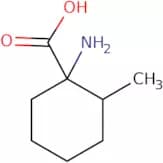
CAS:<p>2-Chloro-5-methoxybenzaldehyde is a chemical that belongs to the group of ether extracts. It can be extracted from urine samples and has been used as a reagent in the synthesis of dioxolanes. The hydroxylation reactions are catalyzed by the enzyme alcohol dehydrogenase, which is found in humans and other animals. 2-Chloro-5-methoxybenzaldehyde is also catalyzed by dioxolane synthase, which is an enzyme found in plants. 2-Chloro-5-methoxybenzaldehyde has been shown to react with acetaldehyde to form methylated products, such as methyl esters or hydroxylactones. This product has been studied using NMR spectroscopy and it was observed that this compound contains stereocentres.</p>Formula:C8H7ClO2Purity:Min. 95%Molecular weight:170.59 g/mol1-Amino-2-methylcyclohexane-1-carboxylic acid
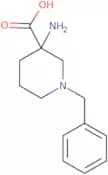
CAS:<p>Versatile small molecule scaffold</p>Formula:C8H15NO2Purity:Min. 95%Molecular weight:157.21 g/mol3-Amino-1-benzyl-piperidine-3-carboxylic acid
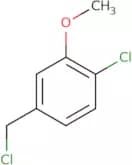
CAS:<p>Versatile small molecule scaffold</p>Formula:C13H18N2O2Purity:Min. 95%Molecular weight:234.3 g/mol1-Chloro-4-(chloromethyl)-2-methoxybenzene
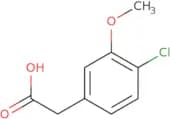
CAS:<p>Versatile small molecule scaffold</p>Formula:C8H8Cl2OPurity:Min. 95%Molecular weight:191.05 g/mol2-(4-Chloro-3-methoxyphenyl)acetic acid
CAS:<p>Versatile small molecule scaffold</p>Formula:C9H9ClO3Purity:Min. 95%Molecular weight:200.62 g/mol7H-[1,2,4]Triazolo[4,3-b][1,2,4]triazol-3-amine
CAS:<p>Versatile small molecule scaffold</p>Formula:C3H4N6Purity:Min. 95%Molecular weight:124.1 g/mol7H-[1,2,4]Triazolo[4,3-b][1,2,4]triazole-3-thiol
CAS:<p>Versatile small molecule scaffold</p>Formula:C3H3N5SPurity:Min. 95%Molecular weight:141.2 g/molTricyclo[6.2.1.0,2,7]undeca-2,4,6-triene-1-carboxylic acid
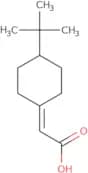
CAS:<p>Versatile small molecule scaffold</p>Formula:C12H12O2Purity:Min. 95%Molecular weight:188.22 g/mol2-(4-tert-Butylcyclohexylidene)acetic acid
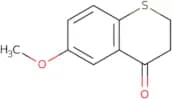
CAS:<p>Versatile small molecule scaffold</p>Formula:C12H20O2Purity:Min. 95%Molecular weight:196.29 g/mol6-Methoxy-3,4-dihydro-2H-1-benzothiopyran-4-one
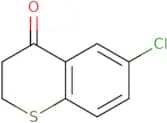
CAS:<p>Versatile small molecule scaffold</p>Formula:C10H10O2SPurity:Min. 95%Molecular weight:194.25 g/mol6-Chlorothiochroman-4-one
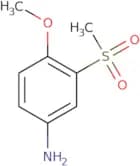
CAS:<p>6-Chlorothiochroman-4-one is a heterocycle that has been synthesized and purified. It has shown to inhibit the growth of botrytis cinerea, a fungus that causes black rot on various plants. 6-Chlorothiochroman-4-one can be used as a starting material for the synthesis of other compounds with medicinal properties. The compound is also an excellent biomolecular probe for studying detoxification enzymes in natural products. The best yields were obtained by using acidic conditions, which led to the hydrolysis of the sulfide group to form the corresponding thiol. The optimal parameters for dehydrogenation are pH 2 and 40 ˚C. In vitro studies have shown that 6-chlorothiochroman-4-one inhibits angiogenesis in endothelial cells and is carcinogenic at high concentrations (>5 mM).</p>Formula:C9H7ClOSPurity:Min. 95%Molecular weight:198.67 g/mol3-Methanesulfonyl-4-methoxyaniline
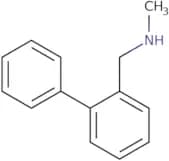
CAS:<p>Versatile small molecule scaffold</p>Formula:C8H11NO3SPurity:Min. 95%Molecular weight:201.25 g/mol1-(2-Biphenylyl)-N-methylmethanamine
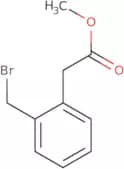
CAS:<p>1-(2-Biphenylyl)-N-methylmethanamine is a monosaccharide that belongs to the group of neochamaejasmine. It has been shown to have insecticidal properties and can be used as a pesticide. 1-(2-Biphenylyl)-N-methylmethanamine has been shown to contain diterpenoids, which are found in plants and insects. This compound also contains diterpenes, which are derived from terpene alcohols and are found in plants such as neochamaejasmin. The ethanol extract of 1-(2-biphenyl) N-methylmethanamine was found to have antimicrobial activity against bacteria such as Pseudomonas aeruginosa, Staphylococcus aureus, and Escherichia coli.</p>Formula:C14H15NPurity:Min. 95%Molecular weight:197.28 g/molBenzeneacetic acid, 2-(bromomethyl)-, methyl ester
CAS:<p>Benzeneacetic acid, 2-(bromomethyl)-, methyl ester is an intermediate in the synthesis of trifloxystrobin.</p>Formula:C10H11BrO2Purity:Min. 95%Molecular weight:243.1 g/mol3-[(4-Methoxyphenyl)sulfanyl]propanoic acid
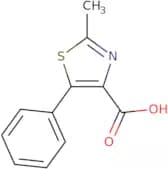
CAS:<p>Versatile small molecule scaffold</p>Formula:C10H12O3SPurity:Min. 95%Molecular weight:212.27 g/mol2-Methyl-5-phenyl-1,3-thiazole-4-carboxylic acid
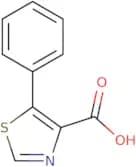
CAS:<p>Versatile small molecule scaffold</p>Formula:C11H9NO2SPurity:Min. 95%Molecular weight:219.26 g/mol5-Phenylthiazole-4-carboxylic acid
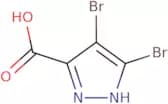
CAS:<p>5-Phenylthiazole-4-carboxylic acid is a heterocycle that is a muscarinic receptor antagonist. It blocks the action of acetylcholine on the muscarinic receptors, which are found in smooth muscles and glands. Muscarinic receptor antagonists are used to reduce salivation, treat peptic ulcers, and relieve bladder spasms. The onset of this drug is long-acting and it has a duration of up to 24 hours in humans. 5-Phenylthiazole-4-carboxylic acid has been shown to block the binding of acetylcholine at the muscarinic receptor with an IC50 value of 11 nM. This agent also has polycyclic properties and can form hydrogen bonds with acidic functional groups such as phosphoric acid. 5-Phenylthiazole-4-carboxylic acid may have pharmacological profiles similar to chlorpheniramine because they both bind to</p>Formula:C10H7NO2SPurity:Min. 95%Molecular weight:205.23 g/mol3,4-Dibromo-1H-pyrazole-5-carboxylic acid
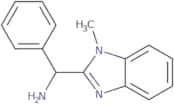
CAS:<p>Versatile small molecule scaffold</p>Formula:C4H2Br2N2O2Purity:Min. 95%Molecular weight:269.88 g/mol(1-Methyl-1H-1,3-benzodiazol-2-yl)(phenyl)methanamine
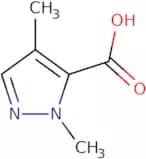
CAS:<p>Versatile small molecule scaffold</p>Formula:C15H15N3Purity:Min. 95%Molecular weight:237.31 g/mol1,4-dimethyl-1H-pyrazole-5-carboxylic acid
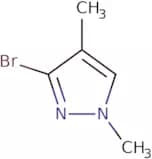
CAS:<p>Versatile small molecule scaffold</p>Formula:C6H8N2O2Purity:Min. 95%Molecular weight:140.13 g/mol3-Bromo-1,4-dimethyl-pyrazole
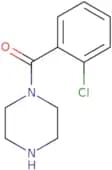
CAS:<p>Versatile small molecule scaffold</p>Formula:C5H7BrN2Purity:Min. 95%Molecular weight:175.03 g/mol(2-Chlorophenyl)(piperazin-1-yl)methanone
CAS:<p>Versatile small molecule scaffold</p>Formula:C11H13ClN2OPurity:Min. 95%Molecular weight:224.69 g/mol(5-Bromo-benzo[b]thiophen-2-yl)-methanol
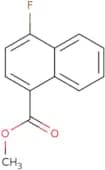
CAS:<p>Versatile small molecule scaffold</p>Formula:C9H7BrOSPurity:Min. 95%Molecular weight:243.12 g/molMethyl 4-fluoronaphthalene-1-carboxylate
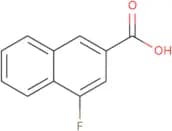
CAS:<p>Versatile small molecule scaffold</p>Formula:C12H9FO2Purity:Min. 95%Molecular weight:204.2 g/mol4-Fluoronaphthalene-2-carboxylic acid
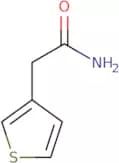
CAS:<p>4-Fluoronaphthalene-2-carboxylic acid is a synthetic compound that belongs to the class of nitro compounds. This compound has been shown to have constant connectivity with quinoline and naphthoic acid. 4-Fluoronaphthalene-2-carboxylic acid has also been found to be ionizable and ionic, showing correlations with water solubility. It is an organic carboxylic acid that can be used in the synthesis of other chemicals, such as quinoline derivatives or naphthoic acids.</p>Formula:C11H7FO2Purity:Min. 95%Molecular weight:190.17 g/mol2-(Thiophen-3-yl)acetamide
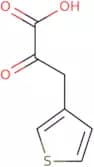
CAS:<p>2-(Thiophen-3-yl)acetamide is a drug that binds to the chemokine receptor CXCR4. It has been shown to have antinociceptive effects in a tail-flick test and reversed phase high performance liquid chromatography (RP-HPLC) study. This drug also has a low affinity for opioid receptors. The pharmacokinetic characteristics of 2-(Thiophen-3-yl)acetamide have not been studied in detail yet, but it may be stored in muscle tissue.</p>Formula:C6H7NOSPurity:Min. 95%Molecular weight:141.19 g/mol2-Oxo-3-(thiophen-3-yl)propanoic acid
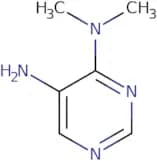
CAS:<p>Versatile small molecule scaffold</p>Formula:C7H6O3SPurity:Min. 95%Molecular weight:170.19 g/mol4-N,4-N-Dimethylpyrimidine-4,5-diamine
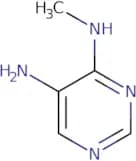
CAS:<p>Versatile small molecule scaffold</p>Formula:C6H10N4Purity:Min. 95%Molecular weight:138.17 g/molN4-Methylpyrimidine-4,5-diamine
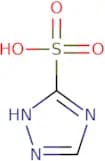
CAS:<p>N4-Methylpyrimidine-4,5-diamine is an inhibitor of glycogen synthase kinase-3 (GSK3). It binds to the ATP binding site on GSK3 and inhibits its activity, which leads to a decrease in the phosphorylation of glycogen synthase. This inhibition results in a decrease in glycogen synthesis. N4-Methylpyrimidine-4,5-diamine has been shown to inhibit the catalytic activity of GSK3 with magnesium as a cofactor. It also has been shown to have antiinflammatory effects due to its ability to inhibit nitric oxide production. The compound is formed by reducing purines with sodium borohydride and then reacting it with triazole.</p>Formula:C5H8N4Purity:Min. 95%Molecular weight:124.14 g/mol1H-1,2,4-Triazole-3-sulfonic acid
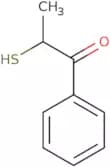
CAS:<p>1H-1,2,4-Triazole-3-sulfonic acid is a selective herbicide that inhibits the growth of plants by inhibiting photosynthesis. This herbicide has been shown to be effective against dicotyledonous plants but not monocotyledons. 1H-1,2,4-Triazole-3-sulfonic acid is used as a selective herbicide for crops such as soybeans and cotton fields. It is also used on lawns and golf courses to control broadleaf weeds such as clover and ragweed. The patent number is US 4,859,739 B2.</p>Formula:C2H3N3O3SPurity:Min. 95%Molecular weight:149.13 g/mol1-Phenyl-2-sulfanylpropan-1-one
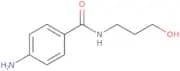
CAS:<p>Versatile small molecule scaffold</p>Formula:C9H10OSPurity:Min. 95%Molecular weight:166.24 g/mol4-Amino-N-(3-hydroxypropyl)benzamide
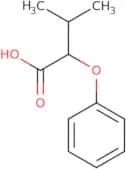
CAS:<p>Versatile small molecule scaffold</p>Formula:C10H14N2O2Purity:Min. 95%Molecular weight:194.23 g/mol3-Methyl-2-phenoxybutanoic acid
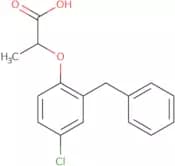
CAS:<p>Versatile small molecule scaffold</p>Formula:C11H14O3Purity:Min. 95%Molecular weight:194.23 g/mol2-(2-Benzyl-4-chlorophenoxy)propanoic acid
CAS:<p>Versatile small molecule scaffold</p>Formula:C16H15ClO3Purity:Min. 95%Molecular weight:290.74 g/mol5-Methoxy[1,3]thiazolo[5,4-b]pyridin-2-amine
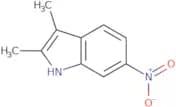
CAS:<p>Versatile small molecule scaffold</p>Formula:C7H7N3OSPurity:Min. 95%Molecular weight:181.21 g/mol2,3-Dimethyl-6-nitro-1H-indole
CAS:<p>2,3-Dimethyl-6-nitro-1H-indole is a formamide that is found in the chromic acid oxidation of indole. It was first synthesized by R. B. Woodward in 1940 and has been used as a reagent for the synthesis of various indoles. 2,3-Dimethyl-6-nitro-1H-indole can be synthesized by reacting formaldehyde with nitroethane in aqueous solution at pH 9 and then adding an aqueous solution of sodium hydroxide. The product precipitates as a crystalline solid that can be filtered off and purified by recrystallization from water or ethanol.</p>Formula:C10H10N2O2Purity:Min. 95%Molecular weight:190.2 g/mol5H,6H,7H,8H,9H-[1,2,4]Triazolo[4,3-a]azepine-3-thiol
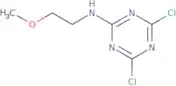
CAS:<p>Versatile small molecule scaffold</p>Formula:C7H11N3SPurity:Min. 95%Molecular weight:169.25 g/mol4,6-Dichloro-N-(2-methoxyethyl)-1,3,5-triazin-2-amine
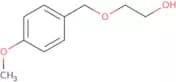
CAS:<p>Versatile small molecule scaffold</p>Formula:C6H8Cl2N4OPurity:Min. 95%Molecular weight:223.06 g/mol2-(4-Methoxybenzyloxy)ethanol
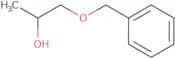
CAS:<p>2-(4-Methoxybenzyloxy)ethanol is a reversible and efficient catalyst for the dehydration of adenine. It is used in chemical synthesis to make 2,4-dibromoacetic acid. This compound has also been shown to be an effective dehydratase for clostridium.</p>Formula:C10H14O3Purity:Min. 95%Molecular weight:182.22 g/mol1-Benzyloxy-2-propanol
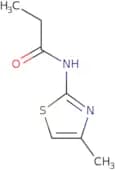
CAS:<p>1-Benzyloxy-2-propanol is a synthetic compound that has been used to synthesize a variety of compounds. It is an alkylating agent that reacts with the nucleophilic centers on DNA, RNA, and proteins, leading to the formation of crosslinks between these molecules. 1-Benzyloxy-2-propanol can be used as a monomer in the synthesis of polymers with perfluorinated side chains. This compound also has anti-inflammatory properties due to its ability to inhibit lipase activity and phosphodiesterase activity.</p>Formula:C10H14O2Purity:Min. 95%Molecular weight:166.22 g/molN-(4-Methylthiazol-2-yl)propionamide
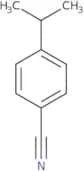
CAS:<p>N-(4-methylthiazol-2-yl)propionamide is an activator of the amp-activated protein kinase (AMPK) signaling pathway, which has been shown to regulate glucose and fatty acid metabolism. In vitro studies have demonstrated that N-(4-methylthiazol-2-yl)propionamide activates AMPK, leading to increased uptake of glucose and fatty acids by cells. This drug has been shown to increase insulin sensitivity in mice by activation of the phosphatidylinositol 3 kinase signaling pathway. N-(4-Methylthiazol-2-yl)propionamide has also been shown to inhibit influenza virus replication in cell culture studies.</p>Formula:C7H10N2OSPurity:Min. 95%Molecular weight:170.23 g/mol4-Isopropylbenzonitrile
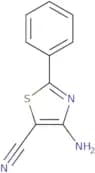
CAS:<p>4-Isopropylbenzonitrile (4IPB) is a reactive molecule that can be used to generate nitro radicals. It is a good candidate for the generation of nitro radicals because it has a redox potential that is near the center of the range encompassed by reactions with hydrogen peroxide. 4IPB also reacts with halogenated compounds, such as haloalkyls, which are efficient methods for generating nitro radicals. The reactivity of 4IPB can be demonstrated through assays using nitro and radical chain reactions. Hyperbolic plots of c1-6 alkyl and c1-4 alkyl in acidic media show that 4IPB is more reactive than other molecules in this class, such as mda-mb-231 cell and tyrosinase.</p>Formula:C10H11NPurity:Min. 95%Molecular weight:145.2 g/mol4-Amino-2-phenyl-1,3-thiazole-5-carbonitrile
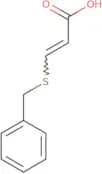
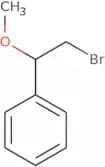
CAS:<p>Versatile small molecule scaffold</p>Formula:C10H7N3SPurity:Min. 95%Molecular weight:201.25 g/mol(2Z)-3-(Benzylsulfanyl)prop-2-enoic acid
CAS:<p>Versatile small molecule scaffold</p>Formula:C10H10O2SPurity:Min. 95%Molecular weight:194.25 g/mol1-(2-Bromoethoxy)-3-nitrobenzene
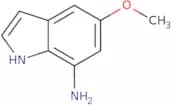
CAS:<p>Versatile small molecule scaffold</p>Formula:C8H8BrNO3Purity:Min. 95%Molecular weight:246.06 g/mol5-Methoxy-1H-indol-7-amine
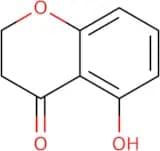
CAS:<p>Versatile small molecule scaffold</p>Formula:C9H10N2OPurity:Min. 95%Molecular weight:162.19 g/mol5-Hydroxy-3,4-dihydro-2H-1-benzopyran-4-one
CAS:<p>5-Hydroxy-3,4-dihydro-2H-1-benzopyran-4-one is a bioactive compound that is produced by microorganisms from indole alkaloids. It has been shown to have antibacterial activity in the form of an enzyme cascade, which can be inhibited by other compounds. The 5-hydroxy group of this compound is believed to be responsible for its inhibitory effects on the enzyme monooxygenase. This compound has not been fully characterized and does not have a known biological function.</p>Formula:C9H8O3Purity:Min. 95%Molecular weight:164.16 g/mol6,6-dimethylbicyclo[3.1.0]hexan-3-one
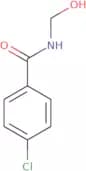
CAS:<p>6,6-dimethylbicyclo[3.1.0]hexan-3-one is a test compound that has been shown to exhibit antidepressant properties in animal models of depression. It is a cyclic ketone that can be synthesized by the scalable method of reacting piperazine with acetyl chloride and diethyl malonate. 6,6-Dimethylbicyclo[3.1.0]hexan-3-one has been shown to produce a statistically significant increase in locomotor activity in mice, but not rats, suggesting its effects are mediated by central nervous system mechanisms. This compound also exhibits antinociceptive and anxiolytic properties in animals.</p>Formula:C8H12OPurity:Min. 95%Molecular weight:124.18 g/mol4-Chloro-N-(hydroxymethyl)benzamide
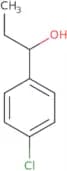
CAS:<p>4-Chloro-N-(hydroxymethyl)benzamide is an electrophilic reactive compound. It can undergo biotransformation to the more reactive 4-chloro-N-(hydroxymethyl)benzoic acid, which has been shown to be mutagenic in bacteria and carcinogenic in rats. This compound reacts with hydronium ions and hydroxide ions to form a reactive electrophile. 4-Chloro-N-(hydroxymethyl)benzamide also reacts with ethanethiol, which may be carcinogenic as well. This compound was incubated with glutathione, an antioxidant that protects cells from oxidative stress caused by free radicals, but it was not able to protect cells from the mutagenicity of this compound.</p>Formula:C8H8ClNO2Purity:Min. 95%Molecular weight:185.61 g/mol1-(4-Chlorophenyl)propan-1-ol
CAS:<p>1-(4-Chlorophenyl)propan-1-ol is a ligand that binds to the active site of enzymes, such as chiral alcohol dehydrogenase and amino alcohol dehydrogenase. It was used to catalyze the synthesis of optically pure products in enantioselective reactions. 1-(4-Chlorophenyl)propan-1-ol has been shown to be an excellent precatalyst for asymmetric catalysis. It also reacts with amino alcohols to form optically pure products in an experiment involving the use of chiral azetidine.</p>Formula:C9H11ClOPurity:Min. 95%Molecular weight:170.64 g/mol1',2'-dihydrospiro[cyclopropane-1,3'-indol]-2'-one
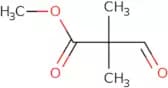
CAS:<p>Versatile small molecule scaffold</p>Formula:C10H9NOPurity:Min. 95%Molecular weight:159.19 g/molmethyl 2,2-dimethyl-3-oxopropanoate
CAS:<p>Methyl 2,2-dimethyl-3-oxopropanoate is an enantioselective propionate with an asymmetric synthesis. The enantiomers of methyl 2,2-dimethyl-3-oxopropanoate are separated by the use of a chiral auxiliary. The enantioselective synthesis of propionates is achieved by crotylboration, a reaction that uses boron and crotyl alcohol as substrates. Methyl 2,2-dimethyl-3-oxopropanoate is an example of a polyketide synthesized via the polyketide pathway. This compound is used in the synthesis of halipeptin, which is an antibiotic that inhibits bacterial growth by inhibiting protein synthesis and cell division.</p>Formula:C6H10O3Purity:Min. 95%Molecular weight:130.1 g/molDodecan-2-amine
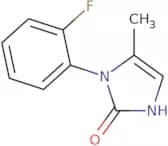
CAS:<p>Versatile small molecule scaffold</p>Formula:C12H27NPurity:Min. 95%Molecular weight:185.35 g/mol1-(2-Fluorophenyl)-5-methyl-2,3-dihydro-1H-imidazol-2-one
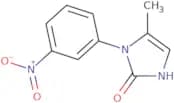
CAS:<p>Versatile small molecule scaffold</p>Formula:C10H9FN2OPurity:Min. 95%Molecular weight:192.19 g/mol5-Methyl-1-(3-nitrophenyl)-2,3-dihydro-1H-imidazol-2-one
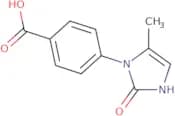
CAS:<p>Versatile small molecule scaffold</p>Formula:C10H9N3O3Purity:Min. 95%Molecular weight:219.2 g/mol4-(5-Methyl-2-oxo-2,3-dihydro-1H-imidazol-1-yl)benzoic acid
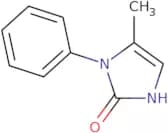
CAS:Controlled Product<p>4-(5-Methyl-2-oxo-2,3-dihydro-1H-imidazol-1-yl)benzoic acid is a ligand that binds to ion channels and is used as a research tool in pharmacological studies. It has been shown to activate a number of ion channels, including sodium and potassium channels. This compound has also been shown to bind to the GABA receptor, which regulates chloride levels in the brain. 4-(5-Methyl-2-oxo-2,3-dihydro-1H-imidazol-1y)benzoic acid may be used as an inhibitor for some ion channels and an activator for others.<br>4-(5 -methyl - 2 - oxo - 2 , 3 - dihydro - 1 H - imidazol - 1 yl) benzoic acid can be used in antibody production by conjugating it with other molecules</p>Formula:C11H10N2O3Purity:Min. 95%Molecular weight:218.21 g/mol5-Methyl-1-phenyl-2,3-dihydro-1H-imidazol-2-one
CAS:<p>Versatile small molecule scaffold</p>Formula:C10H10N2OPurity:Min. 95%Molecular weight:174.2 g/mol1H-Pyrazolo[4,3-d]pyrimidin-7-amine
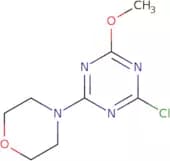
CAS:<p>1H-Pyrazolo[4,3-d]pyrimidin-7-amine is a purine derivative that has been shown to have anti-leishmanial activity. It has been shown to be effective in the treatment of Leishmania donovani infections in mice without causing any adverse effects on the host. The previous studies show that 1H-pyrazolo[4,3-d]pyrimidin-7-amine inhibits the synthesis of purines, which are involved in nucleic acid and protein biosynthesis. This drug also appears to be more potent than other pyrazolopyrimidine derivatives because it targets ribonucleotide reductase. 1H-Pyrazolo[4,3-d]pyrimidin-7-amine is metabolized by cytochrome P450 enzymes and excreted as its metabolites in urine.</p>Formula:C5H5N5Purity:Min. 95%Molecular weight:135.13 g/mol2-Chloro-4-methoxy-6-(4-morpholinyl)-1,3,5-triazine
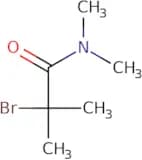
CAS:<p>Versatile small molecule scaffold</p>Formula:C8H11ClN4O2Purity:Min. 95%Molecular weight:230.65 g/mol2-Bromo-N,N,2-trimethylpropanamide
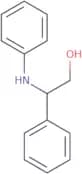
CAS:<p>Versatile small molecule scaffold</p>Formula:C6H12BrNOPurity:Min. 95%Molecular weight:194.07 g/mol2-Phenyl-2-(phenylamino)ethan-1-ol
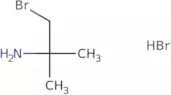
CAS:<p>2-Phenyl-2-(phenylamino)ethan-1-ol is a reagent that can be used in the synthesis of amines, acid catalysts, aldehydes and epoxides. It is used in the conversion of ethyl bromoacetate to an epoxide in high yield and with excellent regioselectivity. This product can also be reused for at least five cycles without significant loss in efficiency. 2-Phenyl-2-(phenylamino)ethan-1-ol has been shown to be useful for the preparation of cyclic, aliphatic and aromatic alcohols from their corresponding phenols with tetrafluoroborate as the base. The nucleophilic nature of this product makes it a suitable candidate for reactions involving anilines.</p>Formula:C14H15NOPurity:Min. 95%Molecular weight:213.27 g/mol1-Bromo-2-methylpropan-2-amine hydrobromide
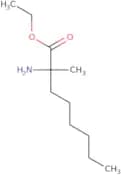
CAS:<p>Versatile small molecule scaffold</p>Formula:C4H11Br2NPurity:Min. 95%Molecular weight:232.94 g/molEthyl 2-amino-2-methyloctanoate
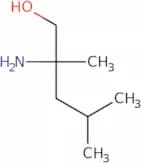
CAS:<p>Versatile small molecule scaffold</p>Formula:C11H23NO2Purity:Min. 95%Molecular weight:201.31 g/mol2-Amino-2,4-dimethylpentan-1-ol
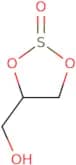
CAS:<p>Versatile small molecule scaffold</p>Formula:C7H17NOPurity:Min. 95%Molecular weight:131.22 g/mol1,3,2-Dioxathiolane-4-methanol 2-oxide
CAS:<p>Versatile small molecule scaffold</p>Formula:C3H6O4SPurity:Min. 95%Molecular weight:138.14 g/mol1H,2H,3H,4H-Benzo[G]quinazoline-2,4-dione
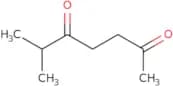
CAS:<p>1H,2H,3H,4H-Benzo[G]quinazoline-2,4-dione is an analog of the purine nucleoside adenine. It has been shown to bind to DNA by interacting with the polymerase and fluorescent probes. In addition to binding to DNA, 1H,2H,3H,4H-Benzo[G]quinazoline-2,4-dione interacts with other dna binding proteins and has been shown to form conformational triplexes with complementary strands of DNA. The compound also binds to ribonucleoprotein and can be used as a fluorescent probe for RNA synthesis. This compound has been shown to have thermal stability as well as denaturation properties that are dependent on pH and ionic strength.</p>Formula:C12H8N2O2Purity:Min. 95%Molecular weight:212.2 g/mol6-Methylheptane-2,5-dione
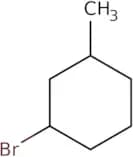
CAS:<p>Versatile small molecule scaffold</p>Formula:C8H14O2Purity:Min. 95%Molecular weight:142.2 g/mol1-Bromo-3-methylcyclohexane
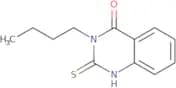
CAS:<p>1-Bromo-3-methylcyclohexane is an organic compound that is used as a catalyst in the petroleum industry. It is activated by heating, which converts it to its active form. 1-Bromo-3-methylcyclohexane is also a precursor for the production of biofuels and other chemicals.<br>1-Bromo-3-methylcyclohexane can be activated by heating it under nitrogen gas, which creates a more stable product. This process can be used to create pyrolysis oil, which can be refined into biofuel or other chemicals.</p>Formula:C7H13BrPurity:Min. 95%Molecular weight:177.08 g/mol3-Butyl-2-sulfanyl-3,4-dihydroquinazolin-4-one
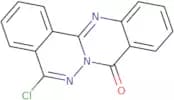
CAS:<p>Versatile small molecule scaffold</p>Formula:C12H14N2OSPurity:Min. 95%Molecular weight:234.32 g/mol10-Chloro-13H-5,11,12-triazatetraphen-13-one
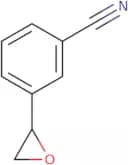
CAS:<p>Versatile small molecule scaffold</p>Formula:C15H8ClN3OPurity:Min. 95%Molecular weight:281.69 g/mol-3(oxiran-2-yl)benzonitrile
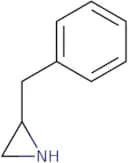
CAS:<p>Versatile small molecule scaffold</p>Formula:C9H7NOPurity:Min. 95%Molecular weight:145.16 g/mol2-Benzylaziridine
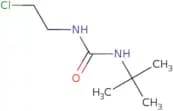
CAS:Controlled Product<p>2-Benzylaziridine is an organic compound that can be synthesized from 2-benzyloxirane and ammonia. It is used as a chromatographic stationary phase, a synthetic intermediate, and a starting material for the synthesis of other aziridines. The reaction rate of this compound depends on the energy of the reaction. Low energy reactions are generally faster than high energy reactions. In addition, ring-opening reactions are faster than aziridine synthesis because they require less activation energy. 2-Benzylaziridine can be produced in two different isomeric forms: cis and trans. This compound has been shown to have impurities such as isosafrole and aziridine which may be difficult to remove by distillation or recrystallization alone.<br>2-Benzylaziridine has been shown to have low toxicity in animal studies.END>></p>Formula:C9H11NPurity:Min. 95%Molecular weight:133.19 g/mol1-tert-Butyl-3-(2-chloroethyl)urea
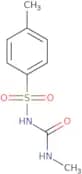
CAS:<p>Versatile small molecule scaffold</p>Formula:C7H15ClN2OPurity:Min. 95%Molecular weight:178.66 g/mol4-Methyl-N-(methylcarbamoyl)benzenesulfonamide
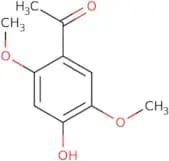
CAS:<p>Versatile small molecule scaffold</p>Formula:C9H12N2O3SPurity:Min. 95%Molecular weight:228.27 g/mol1-(4-Hydroxy-2,5-dimethoxyphenyl)ethan-1-one
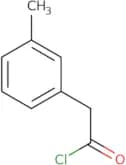
CAS:<p>Versatile small molecule scaffold</p>Formula:C10H12O4Purity:Min. 95%Molecular weight:196.2 g/molm-Tolyl-acetyl chloride
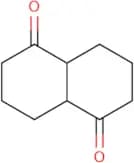
CAS:<p>Versatile small molecule scaffold</p>Formula:C9H9ClOPurity:Min. 95%Molecular weight:168.62 g/molDecahydronaphthalene-1,5-dione
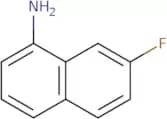
CAS:<p>Versatile small molecule scaffold</p>Formula:C10H14O2Purity:Min. 95%Molecular weight:166.22 g/mol7-Fluoronaphthalen-1-amine
CAS:<p>Versatile small molecule scaffold</p>Formula:C10H8FNPurity:Min. 95%Molecular weight:161.18 g/mol3,5-Dihydroxy-[1,2,4]triazine-6-carboxylic acid
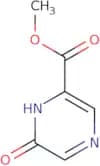
CAS:<p>3,5-Dihydroxy-[1,2,4]triazine-6-carboxylic acid is an antibacterial agent that belongs to the group of cyclizing drugs. It has a neutralizing reaction with alkali and hydrolyzes in water to form semicarbazide. 3,5-Dihydroxy-[1,2,4]triazine-6-carboxylic acid reacts with benzyl alcohol to produce a reaction product that is hydrolyzed by water to form penicillin. This drug has been shown to be effective against bacteria such as Staphylococcus aureus and Bacillus subtilis. 3,5-Dihydroxy-[1,2,4]triazine-6-carboxylic acid can cause pollution if it is not neutralized with methanol before being disposed of.</p>Formula:C4H3N3O4Purity:Min. 95%Molecular weight:157.08 g/molMethyl 6-oxo-1,6-dihydropyrazine-2-carboxylate
CAS:<p>Methyl 6-oxo-1,6-dihydropyrazine-2-carboxylate is a lysine methyltransferase inhibitor. It has been shown to inhibit the DNA methylation and histone lysine methylation of mammalian cells, leading to changes in gene expression. Methyl 6-oxo-1,6-dihydropyrazine-2-carboxylate inhibits the uptake of methionine into cells and prevents its conversion to S-adenosylmethionine (SAM). SAM is an important donor of methyl groups for methylating DNA and histones. Methyl 6-oxo-1,6-dihydropyrazine-2 carboxylate also inhibits actin filament formation by preventing the binding of regulatory effector proteins such as cofilin, which is involved in nucleotide exchange on actin filaments.</p>Formula:C6H6N2O3Purity:Min. 95%Molecular weight:154.12 g/mol2-ethyl-6-methylpyrazine
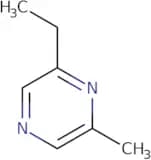
CAS:<p>2-Ethyl-6-methylpyrazine is a chemical substance with the formula CH3CONH2. It is used as a flavorant and has been shown to have tyrosinase activity in human liver cells. It can be synthesized by oxidation of ethyl pyruvate by sodium hypochlorite, followed by hydrolysis of the resulting 2-ethyl-6-methylpyruvic acid with dilute sulfuric acid. The chromatographic method for the identification of methylpyrazines was developed using a model system of fatty acids. A solid phase microextraction technique was employed for the analysis of 2-ethyl-6-methylpyrazine in acidic media, and the reaction products were analyzed by gas chromatography–mass spectrometry (GC–MS). 2-Ethyl-6-methylpyrazine was identified as an alkene and its molecular ion peak at m/z=147. Its mass spectrum showed signals at m</p>Formula:C7H10N2Purity:Min. 95%Molecular weight:122.17 g/mol4-Amino-6-methyl-2H-pyridazin-3-one
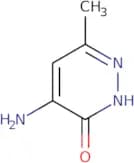
CAS:<p>Versatile small molecule scaffold</p>Formula:C5H7N3OPurity:Min. 95%Molecular weight:125.13 g/mol1-Cyclohexylpropyl carbamate
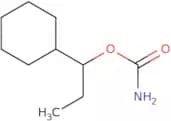
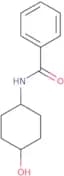
CAS:<p>1-Cyclohexylpropyl carbamate is a diagnostic agent that can be used to measure inflammatory bowel disease. It is an analog of 1-cyclohexyl-2,2,2-trifluoroethyl carbamate. The compound is insoluble in water and must be reconstituted with a diluent prior to use. The particle size of the reconstituted compound can be adjusted by varying the concentration of the diluent. 1-Cyclohexylpropyl carbamate binds to herpes simplex virus type 2 (HSV-2) with high affinity and has been shown to inhibit HSV-2 replication in cell culture. Iontophoresis is a technique for delivering ionic molecules into tissue by means of an electric field. This technique has been shown to increase the concentration of 1-cyclohexylpropyl carbamate within cells infected with HSV-2.</p>Formula:C10H19NO2Purity:Min. 95%Molecular weight:185.26 g/mol4-Benzamidocyclohexanol
CAS:<p>Versatile small molecule scaffold</p>Formula:C13H17NO2Purity:Min. 95%Molecular weight:219.28 g/mol1,4-Dioxaspiro[4.6]undecan-8-amine
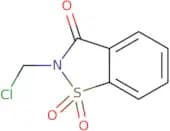
CAS:<p>Versatile small molecule scaffold</p>Formula:C9H17NO2Purity:Min. 95%Molecular weight:171.24 g/mol2-(Chloromethyl)-1,1-dioxo-1,2-benzothiazol-3-one
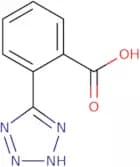
CAS:<p>2-(Chloromethyl)-1,1-dioxo-1,2-benzothiazol-3-one (CMTB) is a cytotoxic agent that inhibits the synthesis of DNA and RNA. CMTB has been shown to be effective against cancer cells in vitro, as well as against mycobacterial strains. The antitumor activity of CMTB is due to its ability to inhibit cancer cell proliferation by binding to DNA. This chemical has been shown as an effective treatment for lung cancer and ovarian cancer in mice. The cytotoxicity of CMTB has also been studied in human lung cancer cells.</p>Formula:C8H6ClNO3SPurity:Min. 95%Molecular weight:231.66 g/mol2-(1H-Tetrazol-5-yl)-benzoic acid
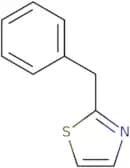
CAS:<p>2-(1H-Tetrazol-5-yl)-benzoic acid is a chloride salt of 2-(1H-tetrazol-5-yl)benzoic acid. It is soluble in water and organic solvents. The compound has a carboxylate group, which is the reactive part of the molecule. This group can be modified by reactions with other molecules, such as hydrothermal reactions that result in modifications to the structure of the carboxylate group. Tetrazole groups are found in many compounds, including those used in chemistry and octahedrally coordinated ligands. The coordination geometry of cadmium ions is tetrahedral, making it a good ligand for this type of compound. Crystal structures have been obtained for compounds containing both 2-(1H-tetrazol-5-yl)-benzoic acid and cadmium ions as ligands.</p>Formula:C8H6N4O2Purity:Min. 95%Molecular weight:190.16 g/mol2-Benzyl-1,3-thiazole
CAS:<p>2-Benzyl-1,3-thiazole (2BT) is a specific protein ligase inhibitor that has been shown to be active against various cancers in vivo. It binds to ubiquitin ligases and prevents their binding to proteins. 2BT is also an anion, which may change the electrostatic environment of the cell membrane and disrupt the lipid bilayer. This activity could lead to antiproliferation effects on tumor cells. 2BT has two different isomers, one of which has been shown to have a higher affinity for ubiquitin ligases than the other. The computational method employed in this study was DFT-B3LYP/6-31G* and used standard quantum chemistry software for geometries and energies. The conjugates of 2BT were obtained by reacting with cysteine residues using glutaraldehyde as a crosslinker. In vivo antitumor activity was observed at doses of 0.5mg/kg/day and 1</p>Formula:C10H9NSPurity:Min. 95%Molecular weight:175.25 g/molEthyl 2-oxobicyclo[4.1.0]heptane-7-carboxylate
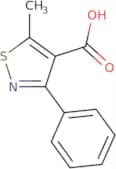
CAS:<p>Versatile small molecule scaffold</p>Formula:C10H14O3Purity:Min. 95%Molecular weight:182.22 g/mol5-Methyl-3-phenyl-1,2-thiazole-4-carboxylic acid
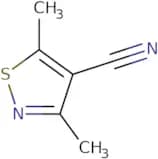
CAS:<p>Versatile small molecule scaffold</p>Formula:C11H9NO2SPurity:Min. 95%Molecular weight:219.26 g/molDimethyl-1,2-thiazole-4-carbonitrile
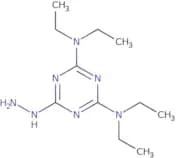
CAS:<p>Versatile small molecule scaffold</p>Formula:C6H6N2SPurity:Min. 95%Molecular weight:138.19 g/molN2,N2,N4,N4-Tetraethyl-6-hydrazinylidene-3,6-dihydro-1,3,5-triazine-2,4-diamine
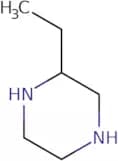
CAS:<p>Tetrodotoxin is a potent neurotoxin that blocks the transfer of nerve impulses. It is used as a pharmacological treatment for diseases of the urinary tract such as bladder and urethral spasms, bladder dysfunction, and urinary retention. Tetrodotoxin can also be used for the treatment of other conditions that affect the target tissue such as stenosis or cavity. This drug has been shown to be beneficial in autoimmune diseases, inflammatory diseases, and infections. Tetrodotoxin is implanted into the body through devices such as catheters or balloons to treat these conditions. The drug has anticholinergic properties which may cause side effects like dry mouth, blurred vision, difficulty urinating, and dizziness.</p>Formula:C11H23N7Purity:Min. 95%Molecular weight:253.35 g/mol2-Ethylpiperazine Dihydrochloride
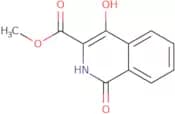
CAS:<p>2-Ethylpiperazine Dihydrochloride (2EP) is an activated form of piperazine that is used in databases for the study of reactions involving aldehydes and dehydrogenases. 2EP has been shown to be a competitive inhibitor of 11β-hydroxysteroid dehydrogenase, which is an enzyme involved in the conversion of cortisone to cortisol. It also has been shown to inhibit the production of formaldehyde from cyclooctane, as well as to catalyze the oxidation of pyridine. 2EP is an important part of optimization studies for catalysis and can also act as a catalyst itself.</p>Formula:C6H14N2ClHPurity:Min. 95%Molecular weight:187.11 g/molMethyl 1,4-dihydroxyisoquinoline-3-carboxylate
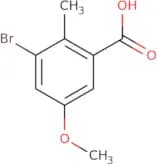
CAS:<p>Versatile small molecule scaffold</p>Formula:C11H9NO4Purity:Min. 95%Molecular weight:219.19 g/mol3-bromo-5-methoxy-2-methylbenzoic acid
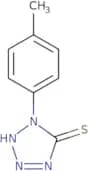
CAS:<p>Versatile small molecule scaffold</p>Formula:C9H9BrO3Purity:Min. 95%Molecular weight:245.07 g/mol1-(4-Methylphenyl)-1H-1,2,3,4-tetrazole-5-thiol
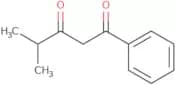
CAS:<p>Versatile small molecule scaffold</p>Formula:C8H8N4SPurity:Min. 95%Molecular weight:192.24 g/mol4-Methyl-1-phenylpentane-1,3-dione
CAS:<p>4-Methyl-1-phenylpentane-1,3-dione is a small molecule that can be used as a vaccine adjuvant. It has been shown to increase the immune response to influenza vaccination in mice and also induces an antibody response against Streptococcus pneumoniae in mice. 4MPPD also inhibits the activity of matrix metalloproteinase (MMP)-9, which is involved in chronic airway inflammation and bronchiolitis obliterans syndrome (BOS). This compound is synthesized from methyl 4-(4-methylphenyl)pentanoate by hydrolysis with subtilisin. The reaction products are then incubated with various fatty acids to produce the final product.</p>Formula:C12H14O2Purity:Min. 95%Molecular weight:190.24 g/mol7-Nitro-2,3,4,5-tetrahydro-1,5-benzothiazepin-4-one
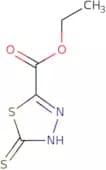
CAS:<p>Versatile small molecule scaffold</p>Formula:C9H8N2O3SPurity:Min. 95%Molecular weight:224.2 g/molEthyl 5-sulfanyl-1,3,4-thiadiazole-2-carboxylate
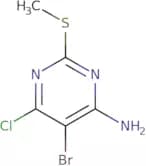
CAS:<p>Versatile small molecule scaffold</p>Formula:C5H6N2O2S2Purity:Min. 95%Molecular weight:190.2 g/mol5-bromo-6-chloro-2-(methylsulfanyl)pyrimidin-4-amine
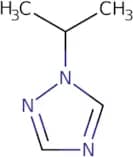
CAS:<p>Versatile small molecule scaffold</p>Formula:C5H5BrClN3SPurity:Min. 95%Molecular weight:254.5 g/mol1-Isopropyl-1H-1,2,4-triazole
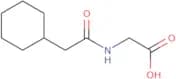
CAS:<p>Versatile small molecule scaffold</p>Formula:C5H9N3Purity:Min. 95%Molecular weight:111.15 g/mol2-(2-Cyclohexylacetamido)acetic acid
CAS:<p>Versatile small molecule scaffold</p>Formula:C10H17NO3Purity:Min. 95%Molecular weight:199.25 g/mol3-(3,4-Dimethyl-2,5-dioxo-2,5-dihydro-1H-pyrrol-1-yl)propanoic acid
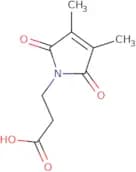
CAS:<p>Versatile small molecule scaffold</p>Formula:C9H11NO4Purity:Min. 95%Molecular weight:197.19 g/mol2-(6-Hydroxyhexyl)-2,3-dihydro-1H-isoindole-1,3-dione
CAS:<p>Versatile small molecule scaffold</p>Formula:C14H17NO3Purity:Min. 95%Molecular weight:247.29 g/mol1-Phenylpentan-2-amine
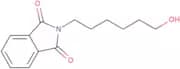
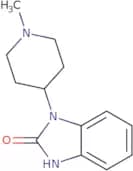
CAS:Controlled Product<p>1-Phenylpentan-2-amine is an organic compound with a chemical formula of C9H12N. It is an aromatic and heterocyclic amine that exhibits oxidative reactivity. 1-Phenylpentan-2-amine can be used as a substrate for coupling reactions, such as oxidative coupling and coordinating catalysts. It can also be used in the catalysis of metal catalysts to form new molecules in a reaction known as oxidative coupling.</p>Formula:C11H17NPurity:Min. 95%Molecular weight:163.26 g/mol1-(1-Methylpiperidin-4-yl)-2,3-dihydro-1H-1,3-benzodiazol-2-one
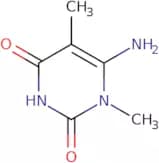
CAS:<p>Versatile small molecule scaffold</p>Formula:C13H17N3OPurity:Min. 95%Molecular weight:231.29 g/mol6-Amino-1,5-dimethyl-1,2,3,4-tetrahydropyrimidine-2,4-dione
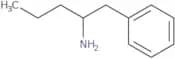
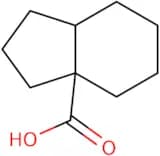
CAS:<p>Versatile small molecule scaffold</p>Formula:C6H9N3O2Purity:Min. 95%Molecular weight:155.15 g/molOctahydro-1H-indene-3a-carboxylic acid
CAS:<p>Versatile small molecule scaffold</p>Formula:C10H16O2Purity:Min. 95%Molecular weight:168.23 g/molEthyl 2-[2-(2-hydroxyethyl)phenyl]acetate
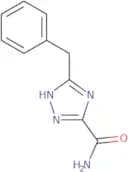
CAS:<p>Versatile small molecule scaffold</p>Formula:C12H16O3Purity:Min. 95%Molecular weight:208.25 g/mol5-Benzyl-1H-1,2,4-triazole-3-carboxamide
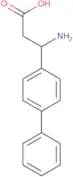
CAS:<p>Versatile small molecule scaffold</p>Formula:C10H10N4OPurity:Min. 95%Molecular weight:202.21 g/mol3-Amino-3-(4-biphenylyl)propionic Acid
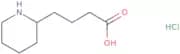
CAS:<p>Versatile small molecule scaffold</p>Formula:C15H15NO2Purity:Min. 95%Molecular weight:241.29 g/mol4-(Piperidin-2-yl)butanoic acid hydrochloride
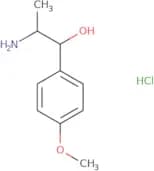
CAS:<p>Versatile small molecule scaffold</p>Formula:C9H18ClNO2Purity:Min. 95%Molecular weight:207.7 g/mol2-Amino-1-(4-methoxyphenyl)propan-1-ol hydrochloride
CAS:Controlled Product<p>Versatile small molecule scaffold</p>Formula:C10H16ClNO2Purity:Min. 95%Molecular weight:217.69 g/mol2-Ao-3-[3-(aomethyl)phenyl]propanoic acid dihydrochloride
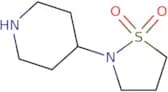
CAS:<p>Versatile small molecule scaffold</p>Formula:C10H16Cl2N2O2Purity:Min. 95%Molecular weight:267.15 g/mol4-(1,1-Dioxido-2-isothiazolidinyl)-piperidine
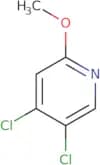
CAS:<p>Versatile small molecule scaffold</p>Formula:C8H16N2O2SPurity:Min. 95%Molecular weight:204.29 g/mol4,5-Dichloro-2-methoxy-pyridine
CAS:<p>Versatile small molecule scaffold</p>Formula:C6H5Cl2NOPurity:Min. 95%Molecular weight:178.02 g/mol3-[2-(Cyclohex-1-en-1-yl)ethyl]-6,7-dimethoxy-2-sulfanyl-3,4-dihydroquinazolin-4-one
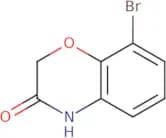
CAS:<p>Versatile small molecule scaffold</p>Formula:C18H22N2O3SPurity:Min. 95%Molecular weight:346.4 g/mol8-Bromo-2H-1,4-benzoxazin-3(4H)-one
CAS:<p>8-Bromo-2H-1,4-benzoxazin-3(4H)-one is a guanylate cyclase inhibitor. It is a synthetic compound that inhibits the soluble form of guanylate cyclase by binding to its active site. 8-Bromo-2H-1,4-benzoxazin-3(4H)-one has been shown to inhibit the production of cGMP in rat brain homogenates and in intact cells. The crystal x-ray diffraction data show that 8-bromo-2H-1,4-benzoxazin 3(4H) one is an organic molecule with a molecular formula of C6BrNO3 and a molecular weight of 214.8 g/mol. In addition, it yields white crystals or crystalline powder with a melting point range between 201°C and 204°C.</p>Formula:C8H6BrNO2Purity:Min. 95%Molecular weight:228.04 g/mol8-Bromo-2,2-dimethyl-4H-benzo[1,4]oxazin-3-one
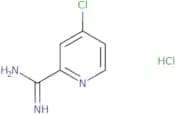
CAS:<p>Versatile small molecule scaffold</p>Formula:C10H10BrNO2Purity:Min. 95%Molecular weight:256.1 g/mol4-Chloropicolinimidamide hydrochloride
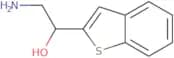
CAS:<p>Versatile small molecule scaffold</p>Formula:C6H7Cl2N3Purity:Min. 95%Molecular weight:192.04 g/mol2-Amino-1-(1-benzothiophen-2-yl)ethan-1-ol
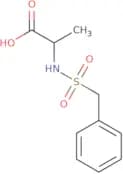
CAS:<p>Versatile small molecule scaffold</p>Formula:C10H11NOSPurity:Min. 95%Molecular weight:193.27 g/mol2-(Phenylmethanesulfonamido)propanoic acid
CAS:<p>Versatile small molecule scaffold</p>Formula:C10H13NO4SPurity:Min. 95%Molecular weight:243.28 g/mol4-[3-(4-Bromophenyl)-7H-[1,2,4]triazolo[3,4-b][1,3,4]thiadiazin-6-yl]benzene-1,2-diol
CAS:<p>Versatile small molecule scaffold</p>Formula:C16H11BrN4O2SPurity:Min. 95%Molecular weight:403.3 g/mol3-(2-Methoxyethyl)-2-sulfanylidene-2H,3H,4H,8H-pyrido[2,3-d]pyrimidin-4-one
CAS:<p>Versatile small molecule scaffold</p>Formula:C10H11N3O2SPurity:Min. 95%Molecular weight:237.28 g/mol3-(Oxolan-2-ylmethyl)-2-sulfanylidene-1H,2H,3H,4H-pyrido[2,3-d]pyrimidin-4-one
CAS:<p>Versatile small molecule scaffold</p>Formula:C12H13N3O2SPurity:Min. 95%Molecular weight:263.32 g/mol3-Cyclopropyl-2-sulfanylidene-1H,2H,3H,4H-pyrido[2,3-d]pyrimidin-4-one
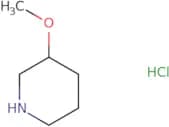
CAS:<p>Versatile small molecule scaffold</p>Formula:C10H9N3OSPurity:Min. 95%Molecular weight:219.27 g/mol3-Methoxypiperidine hydrochloride
CAS:<p>3-Methoxypiperidine hydrochloride is a chiral catalyst for the asymmetric synthesis of enantiomerically pure butyric acid. It has been shown to catalyze the conversion of racemic 3-hydroxypiperidine into optically pure 3-methoxypiperidine. This product also has industrial applications as it can be used in the production of polyester, polyurethane, and polyamides.</p>Formula:C6H13NO·HClPurity:Min. 95%Molecular weight:151.63 g/mol(R)-3-Methoxypiperidine hydrochloride
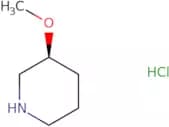
CAS:<p>Versatile small molecule scaffold</p>Formula:C6H14ClNOPurity:Min. 95%Molecular weight:151.63 g/mol(S)-3-Methoxypiperidine hydrochloride
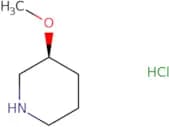
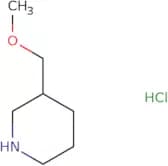
CAS:<p>Versatile small molecule scaffold</p>Formula:C6H14ClNOPurity:Min. 95%Molecular weight:151.63 g/mol3-(Methoxymethyl)piperidine hydrochloride
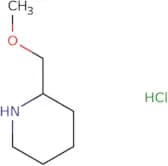
CAS:<p>Versatile small molecule scaffold</p>Formula:C7H16ClNOPurity:Min. 95%Molecular weight:165.66 g/mol2-(Methoxymethyl)piperidine hydrochloride
CAS:<p>Versatile small molecule scaffold</p>Formula:C7H16ClNOPurity:Min. 95%Molecular weight:165.66 g/molrac-[(1R,3S)-3-Aminocyclopentyl]methanol hydrochloride
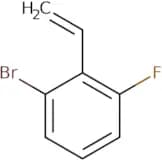
CAS:<p>Versatile small molecule scaffold</p>Formula:C6H14ClNOPurity:Min. 95%Molecular weight:151.6 g/mol1-Bromo-2-ethenyl-3-fluorobenzene
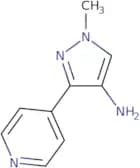
CAS:<p>Versatile small molecule scaffold</p>Formula:C8H6BrFPurity:Min. 95%Molecular weight:201.04 g/mol1-Methyl-3-(pyridin-4-yl)-1H-pyrazol-4-amine
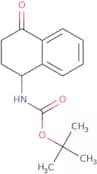
CAS:<p>Versatile small molecule scaffold</p>Formula:C9H10N4Purity:Min. 95%Molecular weight:174.2 g/moltert-Butyl (4-oxo-1,2,3,4-tetrahydronaphthalen-1-yl)carbamate
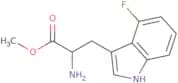
CAS:<p>Versatile small molecule scaffold</p>Formula:C15H19NO3Purity:Min. 95%Molecular weight:261.32 g/molMethyl 2-amino-3-(4-fluoro-1H-indol-3-yl)propanoate
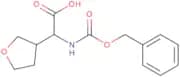
CAS:<p>Versatile small molecule scaffold</p>Formula:C12H13FN2O2Purity:Min. 95%Molecular weight:236.24 g/mol2-(((Benzyloxy)carbonyl)amino)-2-(tetrahydrofuran-3-yl)acetic acid
CAS:<p>Versatile small molecule scaffold</p>Formula:C14H17NO5Purity:Min. 95%Molecular weight:279.29 g/mol2-[3-(Tetramethyl-1,3,2-dioxaborolan-2-yl)phenyl]-1H-imidazole
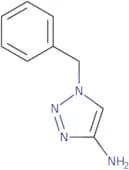
CAS:<p>Versatile small molecule scaffold</p>Formula:C15H19BN2O2Purity:Min. 95%Molecular weight:270.14 g/mol1-Benzyl-1H-1,2,3-triazol-4-amine
CAS:<p>Versatile small molecule scaffold</p>Formula:C9H10N4Purity:Min. 95%Molecular weight:174.2 g/molMethyl 7-bromoimidazo[1,2-a]pyridine-3-carboxylate
CAS:<p>Versatile small molecule scaffold</p>Formula:C9H7BrN2O2Purity:Min. 95%Molecular weight:255.07 g/mol4-[1-(N-BOC-Amino)cyclopropyl]phenylboronic acid pinacol ester
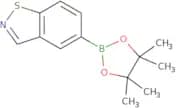
CAS:<p>Versatile small molecule scaffold</p>Formula:C20H30BNO4Purity:Min. 95%Molecular weight:359.27 g/mol5-(Tetramethyl-1,3,2-dioxaborolan-2-yl)-1,2-benzothiazole
CAS:<p>Versatile small molecule scaffold</p>Formula:C13H16BNO2SPurity:Min. 95%Molecular weight:261.2 g/mol3-(Benzyloxy)-6-oxabicyclo[3.1.0]hexane
CAS:<p>Versatile small molecule scaffold</p>Formula:C12H14O2Purity:Min. 95%Molecular weight:190.24 g/mol
![5-Methoxyspiro[2.3]hexan-1-amine hydrochloride](/_next/image/?url=https%3A%2Fstatic.cymitquimica.com%2Fproducts%2F3D%2Fthumb-webp%2FMKD78065.webp&w=3840&q=75)

![3-[2-({[(9H-Fluoren-9-yl)methoxy]carbonyl}amino)cyclohexyl]propanoic acid](/_next/image/?url=https%3A%2Fstatic.cymitquimica.com%2Fproducts%2F3D%2Fthumb-webp%2FMKD78067.webp&w=3840&q=75)
![2-[(Tetrahydro-1,1-dioxido-2H-thiopyran-4-yl)oxy]-ethanol](/_next/image/?url=https%3A%2Fstatic.cymitquimica.com%2Fproducts%2F3D%2Fthumb-webp%2FMKD78070.webp&w=3840&q=75)
![Methyl 2-formyl-6H-thieno[2,3-b]pyrrole-5-carboxylate](/_next/image/?url=https%3A%2Fstatic.cymitquimica.com%2Fproducts%2F3D%2Fthumb-webp%2FMKD78215.webp&w=3840&q=75)
![2-[3-(Aminomethyl)benzenesulfonyl]ethan-1-ol hydrochloride](/_next/image/?url=https%3A%2Fstatic.cymitquimica.com%2Fproducts%2F3D%2Fthumb-webp%2FMKD78221.webp&w=3840&q=75)
![8-Benzyl-1-oxa-8-azaspiro[4.5]dec-2-en-4-one](/_next/image/?url=https%3A%2Fstatic.cymitquimica.com%2Fproducts%2F3D%2Fthumb-webp%2FMKD78354.webp&w=3840&q=75)



![2-{[(4-Fluorophenyl)sulphonyl]amino}acetic acid](/_next/image/?url=https%3A%2Fstatic.cymitquimica.com%2Fproducts%2F3D%2Fthumb-webp%2FNAA02971.webp&w=3840&q=75)
![2-{[(4-Chlorophenyl)sulfonyl]amino}acetic acid](/_next/image/?url=https%3A%2Fstatic.cymitquimica.com%2Fproducts%2F3D%2Fthumb-webp%2FNAA02972.webp&w=3840&q=75)

![N-[Bis(methylsulfanyl)methylidene]methanesulfonamide](/_next/image/?url=https%3A%2Fstatic.cymitquimica.com%2Fproducts%2F3D%2Fthumb-webp%2FNAA06810.webp&w=3840&q=75)
![N-[4-Chloro-3-(trifluoromethyl)phenyl]-2,2-dimethylpropanamide](/_next/image/?url=https%3A%2Fstatic.cymitquimica.com%2Fproducts%2F3D%2Fthumb-webp%2FNAA69192.webp&w=3840&q=75)

![7H-[1,2,4]Triazolo[4,3-b][1,2,4]triazol-3-amine](/_next/image/?url=https%3A%2Fstatic.cymitquimica.com%2Fproducts%2F3D%2Fthumb-webp%2FNAA72821.webp&w=3840&q=75)
![7H-[1,2,4]Triazolo[4,3-b][1,2,4]triazole-3-thiol](/_next/image/?url=https%3A%2Fstatic.cymitquimica.com%2Fproducts%2F3D%2Fthumb-webp%2FNAA72826.webp&w=3840&q=75)
![Tricyclo[6.2.1.0,2,7]undeca-2,4,6-triene-1-carboxylic acid](/_next/image/?url=https%3A%2Fstatic.cymitquimica.com%2Fproducts%2F3D%2Fthumb-webp%2FNAA73346.webp&w=3840&q=75)
![3-[(4-Methoxyphenyl)sulfanyl]propanoic acid](/_next/image/?url=https%3A%2Fstatic.cymitquimica.com%2Fproducts%2F3D%2Fthumb-webp%2FNAA73936.webp&w=3840&q=75)
![(5-Bromo-benzo[b]thiophen-2-yl)-methanol](/_next/image/?url=https%3A%2Fstatic.cymitquimica.com%2Fproducts%2F3D%2Fthumb-webp%2FNAA77172.webp&w=3840&q=75)
![5-Methoxy[1,3]thiazolo[5,4-b]pyridin-2-amine](/_next/image/?url=https%3A%2Fstatic.cymitquimica.com%2Fproducts%2F3D%2Fthumb-webp%2FNAA79777.webp&w=3840&q=75)
![5H,6H,7H,8H,9H-[1,2,4]Triazolo[4,3-a]azepine-3-thiol](/_next/image/?url=https%3A%2Fstatic.cymitquimica.com%2Fproducts%2F3D%2Fthumb-webp%2FNAA80541.webp&w=3840&q=75)
![6,6-dimethylbicyclo[3.1.0]hexan-3-one](/_next/image/?url=https%3A%2Fstatic.cymitquimica.com%2Fproducts%2F3D%2Fthumb-webp%2FNAA85529.webp&w=3840&q=75)
![1',2'-dihydrospiro[cyclopropane-1,3'-indol]-2'-one](/_next/image/?url=https%3A%2Fstatic.cymitquimica.com%2Fproducts%2F3D%2Fthumb-webp%2FNAA86175.webp&w=3840&q=75)

![1H-Pyrazolo[4,3-d]pyrimidin-7-amine](/_next/image/?url=https%3A%2Fstatic.cymitquimica.com%2Fproducts%2F3D%2Fthumb-webp%2FNAA87756.webp&w=3840&q=75)
![1H,2H,3H,4H-Benzo[G]quinazoline-2,4-dione](/_next/image/?url=https%3A%2Fstatic.cymitquimica.com%2Fproducts%2F3D%2Fthumb-webp%2FNAA89860.webp&w=3840&q=75)
![3,5-Dihydroxy-[1,2,4]triazine-6-carboxylic acid](/_next/image/?url=https%3A%2Fstatic.cymitquimica.com%2Fproducts%2F3D%2Fthumb-webp%2FNAA92415.webp&w=3840&q=75)
![1,4-Dioxaspiro[4.6]undecan-8-amine](/_next/image/?url=https%3A%2Fstatic.cymitquimica.com%2Fproducts%2F3D%2Fthumb-webp%2FNAA94208.webp&w=3840&q=75)
![Ethyl 2-oxobicyclo[4.1.0]heptane-7-carboxylate](/_next/image/?url=https%3A%2Fstatic.cymitquimica.com%2Fproducts%2F3D%2Fthumb-webp%2FNAA94998.webp&w=3840&q=75)
![Ethyl 2-[2-(2-hydroxyethyl)phenyl]acetate](/_next/image/?url=https%3A%2Fstatic.cymitquimica.com%2Fproducts%2F3D%2Fthumb-webp%2FNCA96986.webp&w=3840&q=75)
![2-Ao-3-[3-(aomethyl)phenyl]propanoic acid dihydrochloride](/_next/image/?url=https%3A%2Fstatic.cymitquimica.com%2Fproducts%2F3D%2Fthumb-webp%2FNCA99989.webp&w=3840&q=75)
![3-[2-(Cyclohex-1-en-1-yl)ethyl]-6,7-dimethoxy-2-sulfanyl-3,4-dihydroquinazolin-4-one](/_next/image/?url=https%3A%2Fstatic.cymitquimica.com%2Fproducts%2F3D%2Fthumb-webp%2FNCB33792.webp&w=3840&q=75)
![8-Bromo-2,2-dimethyl-4H-benzo[1,4]oxazin-3-one](/_next/image/?url=https%3A%2Fstatic.cymitquimica.com%2Fproducts%2F3D%2Fthumb-webp%2FNCB36373.webp&w=3840&q=75)
![4-[3-(4-Bromophenyl)-7H-[1,2,4]triazolo[3,4-b][1,3,4]thiadiazin-6-yl]benzene-1,2-diol](/_next/image/?url=https%3A%2Fstatic.cymitquimica.com%2Fproducts%2F3D%2Fthumb-webp%2FNCB79219.webp&w=3840&q=75)
![3-(2-Methoxyethyl)-2-sulfanylidene-2H,3H,4H,8H-pyrido[2,3-d]pyrimidin-4-one](/_next/image/?url=https%3A%2Fstatic.cymitquimica.com%2Fproducts%2F3D%2Fthumb-webp%2FNCB79317.webp&w=3840&q=75)
![3-(Oxolan-2-ylmethyl)-2-sulfanylidene-1H,2H,3H,4H-pyrido[2,3-d]pyrimidin-4-one](/_next/image/?url=https%3A%2Fstatic.cymitquimica.com%2Fproducts%2F3D%2Fthumb-webp%2FNCB79318.webp&w=3840&q=75)
![3-Cyclopropyl-2-sulfanylidene-1H,2H,3H,4H-pyrido[2,3-d]pyrimidin-4-one](/_next/image/?url=https%3A%2Fstatic.cymitquimica.com%2Fproducts%2F3D%2Fthumb-webp%2FNCB79342.webp&w=3840&q=75)
![rac-[(1R,3S)-3-Aminocyclopentyl]methanol hydrochloride](/_next/image/?url=https%3A%2Fstatic.cymitquimica.com%2Fproducts%2F3D%2Fthumb-webp%2FNCB81006.webp&w=3840&q=75)
![2-[3-(Tetramethyl-1,3,2-dioxaborolan-2-yl)phenyl]-1H-imidazole](/_next/image/?url=https%3A%2Fstatic.cymitquimica.com%2Fproducts%2F3D%2Fthumb-webp%2FNCC04930.webp&w=3840&q=75)
![Methyl 7-bromoimidazo[1,2-a]pyridine-3-carboxylate](/_next/image/?url=https%3A%2Fstatic.cymitquimica.com%2Fproducts%2F3D%2Fthumb-webp%2FNCC41086.webp&w=3840&q=75)
![4-[1-(N-BOC-Amino)cyclopropyl]phenylboronic acid pinacol ester](/_next/image/?url=https%3A%2Fstatic.cymitquimica.com%2Fproducts%2F3D%2Fthumb-webp%2FNCC44188.webp&w=3840&q=75)
![3-(Benzyloxy)-6-oxabicyclo[3.1.0]hexane](/_next/image/?url=https%3A%2Fstatic.cymitquimica.com%2Fproducts%2F3D%2Fthumb-webp%2FNCC52054.webp&w=3840&q=75)