Building Blocks
This section contains fundamental products for the synthesis of organic and biological compounds. Building blocks are the essential starting materials used to construct complex molecules through various chemical reactions. They play a critical role in drug discovery, material science, and chemical research. At CymitQuimica, we offer a diverse range of high-quality building blocks to support your innovative research and industrial projects, ensuring you have the essential components for successful synthesis.
Subcategories of "Building Blocks"
- Boronic Acids & Boronic Acid Derivatives(5,756 products)
- Chiral Building Blocks(1,242 products)
- Hydrocarbon Building Blocks(6,095 products)
- Organic Building Blocks(61,055 products)
Found 199650 products of "Building Blocks"
Sort by
Purity (%)
0
100
|
0
|
50
|
90
|
95
|
100
{5H,6H,7H,8H-[1,2,4]Triazolo[4,3-a]pyridin-3-yl}methanol
CAS:<p>Versatile small molecule scaffold</p>Formula:C7H11N3OPurity:Min. 95%Molecular weight:153.18 g/molMethyl 1-Boc-azepane-4-carboxylate
CAS:<p>Versatile small molecule scaffold</p>Formula:C13H23NO4Purity:Min. 95%Molecular weight:257.33 g/molEthyl 8-bromo-4-chloro-1,6-naphthyridine-3-carboxylate
CAS:<p>Versatile small molecule scaffold</p>Formula:C11H8BrClN2O2Purity:Min. 95%Molecular weight:315.55 g/mol6-Fluoropyridine-3-sulfonyl fluoride
CAS:<p>Versatile small molecule scaffold</p>Formula:C5H3F2NO2SPurity:Min. 95%Molecular weight:179.15 g/mol4-Methyl-N-[2-(piperazin-1-yl)ethyl]benzene-1-sulfonamide dihydrochloride
CAS:<p>Versatile small molecule scaffold</p>Formula:C13H23Cl2N3O2SPurity:Min. 95%Molecular weight:356.3 g/mol(Azepan-4-yl)methanol
CAS:<p>Versatile small molecule scaffold</p>Formula:C7H15NOPurity:Min. 95%Molecular weight:129.2 g/moltert-Butyl 4-[4-chloro-5-(methoxycarbonyl)-1,3-thiazol-2-yl]piperazine-1-carboxylate
CAS:<p>Versatile small molecule scaffold</p>Formula:C14H20ClN3O4SPurity:Min. 95%Molecular weight:361.8 g/mol1-[3-(4-Chlorophenyl)-1,2,4-oxadiazol-5-yl]-2-phenylethan-1-amine, oxalic acid
CAS:<p>Versatile small molecule scaffold</p>Formula:C18H16ClN3O5Purity:Min. 95%Molecular weight:389.8 g/mol6-Chloro-3-iodo-1H-pyrazolo[3,4-b]pyridine
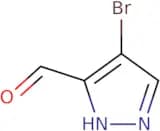
CAS:<p>Versatile small molecule scaffold</p>Formula:C6H3ClIN3Purity:Min. 95%Molecular weight:279.46 g/mol4-Iodo-1H-pyrazole-5-carbaldehyde
CAS:<p>Versatile small molecule scaffold</p>Formula:C4H3IN2OPurity:Min. 95%Molecular weight:221.98 g/molrac-tert-butyl N-[(1R,3S)-3-aminocyclohexyl]carbamate, cis
CAS:<p>Versatile small molecule scaffold</p>Formula:C11H22N2O2Purity:Min. 95%Molecular weight:214.3 g/molMethyl 4H,5H,6H,7H-thieno[2,3-c]pyridine-2-carboxylate
CAS:<p>Versatile small molecule scaffold</p>Formula:C9H11NO2SPurity:Min. 95%Molecular weight:197.26 g/mol2-(Dimethylamino)pentanoic acid
CAS:<p>Versatile small molecule scaffold</p>Formula:C7H15NO2Purity:Min. 95%Molecular weight:145.2 g/mol5-(4-([(tert-Butoxy)carbonyl]amino)phenyl)-1,2-oxazole-3-carboxylic acid
CAS:<p>Versatile small molecule scaffold</p>Formula:C15H16N2O5Purity:Min. 95%Molecular weight:304.3 g/mol3-(Morpholin-4-yl)pyridine-4-carboxylic acid
CAS:<p>Versatile small molecule scaffold</p>Formula:C10H12N2O3Purity:Min. 95%Molecular weight:208.21 g/mol2-Iodo-4-(trifluoromethyl)benzonitrile
CAS:<p>Versatile small molecule scaffold</p>Formula:C8H3F3INPurity:Min. 95%Molecular weight:297.02 g/mol2-Amino-4-(trifluoromethoxy)benzoic acid
CAS:<p>Versatile small molecule scaffold</p>Formula:C8H6F3NO3Purity:Min. 95%Molecular weight:221.13 g/molMethyl 5-bromo-2-methylthiophene-3-carboxylate
CAS:<p>Versatile small molecule scaffold</p>Formula:C7H7BrO2SPurity:Min. 95%Molecular weight:235.1 g/mol2,4-Dichloro-7-fluoro-3-methylquinoline
CAS:<p>Versatile small molecule scaffold</p>Formula:C10H6Cl2FNPurity:Min. 95%Molecular weight:230.06 g/mol2,4-Dichloro-5-fluoro-3-methylquinoline
CAS:<p>Versatile small molecule scaffold</p>Formula:C10H6Cl2FNPurity:Min. 95%Molecular weight:230.06 g/mol2,4-Dichloro-6-fluoro-3-methylquinoline
CAS:<p>Versatile small molecule scaffold</p>Formula:C10H6Cl2FNPurity:Min. 95%Molecular weight:230.06 g/mol2,4-dichloro-5,7-difluoro-3-methylquinoline
CAS:<p>Versatile small molecule scaffold</p>Formula:C10H5Cl2F2NPurity:Min. 95%Molecular weight:248.1 g/mol2-(Pyrrolidin-1-yl)-4-(tetramethyl-1,3,2-dioxaborolan-2-yl)pyridine
CAS:<p>Versatile small molecule scaffold</p>Formula:C15H23BN2O2Purity:Min. 95%Molecular weight:274.17 g/molN-Phenyl-1H-indol-4-amine
CAS:<p>Versatile small molecule scaffold</p>Formula:C14H12N2Purity:Min. 95%Molecular weight:208.26 g/moltert-Butyl N-methyl-N-(piperidin-2-ylmethyl)carbamate
CAS:<p>Versatile small molecule scaffold</p>Formula:C12H24N2O2Purity:Min. 95%Molecular weight:228.33 g/mol8-Fluoro-2-Methylquinolin-3-Amine
CAS:<p>Versatile small molecule scaffold</p>Formula:C10H9FN2Purity:Min. 95%Molecular weight:176.19 g/mol3-Bromo-8-fluoro-2-methylquinoline
CAS:<p>Versatile small molecule scaffold</p>Formula:C10H7BrFNPurity:Min. 95%Molecular weight:240.07 g/mol2-Amino-3-bromo-6-fluorobenzoic acid
CAS:<p>Versatile small molecule scaffold</p>Formula:C7H5BrFNO2Purity:Min. 95%Molecular weight:234.02 g/mol5-(Chloromethyl)-3-(naphthalen-1-yl)-2-(trifluoromethyl)-4H,7H-pyrazolo[1,5-a]pyrimidin-7-one
CAS:<p>Versatile small molecule scaffold</p>Formula:C18H11ClF3N3OPurity:Min. 95%Molecular weight:377.7 g/mol3-(Pyridin-2-yl)oxetan-3-amine
CAS:<p>Versatile small molecule scaffold</p>Formula:C8H10N2OPurity:Min. 95%Molecular weight:150.18 g/mol(1R)-1-(4-Bromophenyl)-3,3,3-trifluoropropan-1-amine
CAS:<p>Versatile small molecule scaffold</p>Formula:C9H9BrF3NPurity:Min. 95%Molecular weight:268.07 g/mol2-Chloro-N-(3,3-dimethylbutyl)acetamide
CAS:<p>Versatile small molecule scaffold</p>Formula:C8H16ClNOPurity:Min. 95%Molecular weight:177.67 g/mol1-(Bromomethyl)-2-cyclopropoxybenzene
CAS:<p>Versatile small molecule scaffold</p>Formula:C10H11BrOPurity:Min. 95%Molecular weight:227.1 g/mol2-{[(tert-Butoxy)carbonyl]amino}-3-(1H-indol-6-yl)propanoic acid
CAS:<p>Versatile small molecule scaffold</p>Formula:C16H20N2O4Purity:Min. 95%Molecular weight:304.34 g/mol2-{[(tert-Butoxy)carbonyl]amino}-3-(3,5-dibromophenyl)propanoic acid
CAS:<p>Versatile small molecule scaffold</p>Formula:C14H17Br2NO4Purity:Min. 95%Molecular weight:423.1 g/mol2-(2-Pyridyl)-4-methylthiazole-5-carboxylic acid
CAS:<p>2-Pyridyl-4-methylthiazole-5-carboxylic acid is a ligand that can be used to study the molecular orbitals of coordination complexes. The ligand binds to metal ions and forms metalloproteins, which are compounds that contain metals and proteins. 2-Pyridyl-4-methylthiazole-5-carboxylic acid has been shown to form dinuclear complexes with metal ions such as rhenium, which are important for chemical processes including catalytic reactions. The ligand also has an electron configuration that is similar to those of molecules in the group 18 elements in the periodic table, making it a good candidate for studying the electronic structure of these elements. X-ray crystallography studies have shown that this ligand binds to a metal ion at one end and coordinates with two other atoms at the other end. Functional theory calculations have been used to elucidate the electronic spectrum of this ligand.</p>Formula:C10H8N2O2SPurity:Min. 95%Molecular weight:220.25 g/mol2-Azatricyclo[7.3.0.0,3,7]dodeca-1,3(7),8-triene
CAS:<p>2-Azatricyclo[7.3.0.0,3,7]dodeca-1,3(7),8-triene is a mesoporous material with three dimensional channels that can adsorb molecules such as formaldehyde and pyridine. The zeolites in this material have been shown to catalyze the conversion of formaldehyde to methanol by reacting with a transition metal ion and a thioamide. This material has also been shown to be able to adsorb metal ions such as copper and zinc from solutions using its porous structure. 2-Azatricyclo[7.3.0.0,3,7]dodeca-1,3(7),8-triene can be used as a catalyst for the removal of toxic substances from water or air, or as a selective adsorbent for the separation of metal ions in industrial processes.</p>Formula:C11H13NPurity:Min. 95%Molecular weight:159.23 g/molMethyl(nitroso)octylamine
CAS:<p>Methyl(nitroso)octylamine (MNTOA) is a chemical that is used in animal research to induce cancer. MNTOA acts by nitrosating DNA, which induces mutations and leads to the formation of cholangiocarcinomas in rats. It also interacts with other molecules in the body, such as bladder proteins and hemoglobin, leading to an increased risk of death. MNTOA has been shown to be carcinogenic in animals, inducing tumors in the nasal cavity and bladder. The carcinogenicity of MNTOA may be caused by its ability to damage DNA through nitrosation reactions.</p>Formula:C9H20N2OPurity:Min. 95%Molecular weight:172.27 g/mol2-(4-Chlorobenzamido)benzoic acid
CAS:<p>2-(4-Chlorobenzamido)benzoic acid is a symmetric dimer with a hydrogen bond between the two benzene rings. The hydrogen bond is formed by the substituent on one benzene ring interacting with the hydrogen on the other one. The molecule has a conformation that allows it to form hydrogen bonds and is centrosymmetric. 2-(4-Chlorobenzamido)benzoic acid has been synthesized from benzaldehyde and substituted amides, which are synthons for an amide linkage. It crystallizes as a centrosymmetric dimer in space group P2(1)2(1).</p>Formula:C14H10ClNO3Purity:Min. 95%Molecular weight:275.68 g/mol4-(1H-Imidazol-4-yl)benzonitrile
CAS:<p>Versatile small molecule scaffold</p>Formula:C10H7N3Purity:Min. 95%Molecular weight:169.18 g/mol3-Iodobenzene-1,2-diamine
CAS:<p>Versatile small molecule scaffold</p>Formula:C6H7IN2Purity:Min. 95%Molecular weight:234.04 g/mol(2Z)-3-Iodobut-2-enoic acid
CAS:<p>Versatile small molecule scaffold</p>Formula:C4H5IO2Purity:Min. 95%Molecular weight:211.99 g/molCyclohex-1-en-1-ylmethanamine hydrochloride
CAS:<p>Versatile small molecule scaffold</p>Formula:C7H14ClNPurity:Min. 95%Molecular weight:147.64 g/mol1-(1-Bromoethyl)-2-methylbenzene
CAS:<p>Versatile small molecule scaffold</p>Formula:C9H11BrPurity:Min. 95%Molecular weight:199.09 g/molMethyl azepane-2-carboxylate hydrochloride
CAS:<p>Versatile small molecule scaffold</p>Formula:C8H16ClNO2Purity:Min. 95%Molecular weight:193.67 g/molEthyl 5,6-dihydroimidazo[2,1-b][1,3]thiazol-3-ylacetate
CAS:<p>Versatile small molecule scaffold</p>Formula:C9H12N2O2SPurity:Min. 95%Molecular weight:212.27 g/mol2-{3-Oxo-2H,3H,5H,6H-imidazo[2,1-b][1,3]thiazol-2-yl}acetic acid
CAS:<p>Versatile small molecule scaffold</p>Formula:C7H8N2O3SPurity:Min. 95%Molecular weight:200.22 g/molN-(2-Bromophenyl)-2-nitrobenzamide
CAS:<p>Versatile small molecule scaffold</p>Formula:C13H9BrN2O3Purity:Min. 95%Molecular weight:321.13 g/mol3-Hydroxy-2-methylquinolin-4(1H)-one
CAS:<p>3-Hydroxy-2-methylquinolin-4(1H)-one (3HMQ) is a compound that has optical properties. It can be used as a biological sample in dextran sulfate and mitochondrial membrane potential assays. 3HMQ has been shown to have redox potentials that are similar to those of the elements copper, iron, and zinc. This compound is also used for wastewater treatment and as a matrix effect agent in biocompatible polymers. 3HMQ is also a polymerase chain reaction (PCR) reagent that contains two disulfide bonds. The thermal expansion of this molecule has been shown to be close to that of human erythrocytes, making it useful for high-temperature applications such as disease activity studies and cellular physiology experiments.</p>Formula:C10H9NO2Purity:Min. 95%Molecular weight:175.18 g/mol1-[2-Chloro-5-(trifluoromethyl)phenyl]-2,5-dihydro-1H-pyrrole-2,5-dione
CAS:<p>Versatile small molecule scaffold</p>Formula:C11H5ClF3NO2Purity:Min. 95%Molecular weight:275.61 g/mol5,7-Dibromoquinoline
CAS:<p>5,7-Dibromoquinoline is a ligand that has an antiproliferative effect on cancer cells. It is a quinoline derivative that has been shown to have cytotoxic activity against the mouse fibroblast cell line MCF-7. The photophysical and fluorescence properties of 5,7-dibromoquinoline have been extensively studied and found to be dependent on the number of bromine substituents. This compound has also been shown to inhibit cancer cells in vitro. 5,7-Dibromoquinoline may act by interfering with cellular processes such as protein synthesis and DNA replication.</p>Formula:C9H5Br2NPurity:Min. 95%Molecular weight:286.95 g/mol1H,2H,3H-Pyrrolo[3,4-b]quinolin-3-one
CAS:<p>1H,2H,3H-Pyrrolo[3,4-b]quinolin-3-one is a natural product that inhibits the growth of cancer cells. It has been shown to be cytotoxic against human breast cancer cells in vitro and in vivo. The mechanism of action of this compound is not known but it has been shown to inhibit the growth of human breast cancer cells by deprotonation of a chloride anion. This compound may also be related to the anthranilic acid class of compounds and is an alkaloid with a bicyclic structure. 1H,2H,3H-Pyrrolo[3,4-b]quinolin-3-one is synthesized by cyclocondensation from luotonin and microwave irradiation. It can be obtained in high yields from anthranilic acid under alkaline conditions. Irradiation with microwaves is also used for its synthesis which produces unambiguous results.</p>Formula:C11H8N2OPurity:Min. 95%Molecular weight:184.19 g/molPhenylcyclopropylamine
CAS:<p>Phenylcyclopropylamine is an antimicrobial agent that is a prodrug of phenylhydrazine. It is used to treat inflammatory diseases such as arthritis and other rheumatic conditions, as well as cancer, lymphoproliferative disorders, and fatty acid metabolism disorders. Phenylcyclopropylamine inhibits the enzyme catalysis of ticagrelor by binding to the hydroxy group of the enzyme's active site. This irreversible inhibition prevents ticagrelor from breaking down arachidonic acid into prostaglandins. Phenylcyclopropylamine is also used in magnetic resonance spectroscopy experiments to study histones H3 and H4 in cells infected with viruses or anhydrous sodium.</p>Formula:C9H11NPurity:Min. 95%Molecular weight:133.19 g/mol5-(2-Phenylethyl)-2,3-dihydro-1,3,4-oxadiazol-2-one
CAS:<p>Versatile small molecule scaffold</p>Formula:C10H10N2O2Purity:Min. 95%Molecular weight:190.2 g/mol2-(Piperidin-1-yl)quinoxaline
CAS:<p>2-(Piperidin-1-yl)quinoxaline is a piperidine derivative that has been synthesized by catalyzed reactions. It has been shown to have constant kinetic parameters and an optimum in the range of 1.0-2.0 M in solvents with the following properties: polar, protic, or ionic. 2-(Piperidin-1-yl)quinoxaline has also been shown to exhibit solvent effects on its spectra, kinetics, and optimal parameters. The experimental transition states for this compound are unknown because it has not yet been studied experimentally.<br>Theoretical studies have shown that 2-(piperidin-1-yl)quinoxaline can be formed from a variety of pathways involving the following steps: hydrolysis of 2-(pyrrolidin-1-yl)quinoxaline, reductive amination of pyrrolidine with nitroethane, and reductive amination</p>Formula:C13H15N3Purity:Min. 95%Molecular weight:213.28 g/mol5-Chloro-N-methyl-1,3-benzothiazol-2-amine
CAS:<p>Versatile small molecule scaffold</p>Formula:C8H7ClN2SPurity:Min. 95%Molecular weight:198.67 g/mol7-Chloro-N-methyl-1,3-benzothiazol-2-amine
CAS:<p>Versatile small molecule scaffold</p>Formula:C8H7ClN2SPurity:Min. 95%Molecular weight:198.67 g/mol6-Chloro-N-methyl-1,3-benzothiazol-2-amine
CAS:<p>Versatile small molecule scaffold</p>Formula:C8H7ClN2SPurity:Min. 95%Molecular weight:198.67 g/mol1,1-Dimethoxy-4,4-dimethylpentan-3-one
CAS:<p>Versatile small molecule scaffold</p>Formula:C9H18O3Purity:Min. 95%Molecular weight:174.24 g/molMethyl 5-methyl-4-oxohexanoate
CAS:<p>Methyl 5-methyl-4-oxohexanoate is an unsaturated, branched-chain fatty acid found in tobacco. It has been shown to be produced by the oxidation of nicotine and cotinine. Methyl 5-methyl-4-oxohexanoate has been detected in tobacco leaves, as well as in smoke from cigarettes. The compound has been used as a marker for tobacco use, but it is not yet known if this compound is carcinogenic. Spectroscopic methods have shown that methyl 5-methyl-4-oxohexanoate can undergo photochemical reactions with oxygen to produce radicals that react with DNA and other biomolecules. Methyl 5-methyl-4-oxohexanoate reacts with DNA and proteins to form adducts that may be carcinogenic or mutagenic.</p>Formula:C8H14O3Purity:Min. 95%Molecular weight:158.19 g/mol[3-(Dimethylamino)-2-hydroxypropyl](methyl)amine
CAS:<p>Versatile small molecule scaffold</p>Formula:C6H16N2OPurity:Min. 95%Molecular weight:132.2 g/molMalonamamidine Hydrochloride
CAS:<p>Malonamamidine Hydrochloride is a formyl-containing nitro-nitrosourea derivative which has been shown to inhibit the development of choroidal neovascularization in rats. This drug also has an inhibitory effect on the inflammatory response, and may be useful for treating inflammatory diseases such as rheumatoid arthritis. Malonamamidine Hydrochloride is metabolized by hydrolysis to formaldehyde and aminomethyl malonic acid, which gives it its biological properties. It also contains a nitro group that can be reduced to hydroxylamine, which reacts with DNA and leads to DNA strand breaks.</p>Formula:C3H8ClN3OPurity:Min. 95%Molecular weight:137.57 g/molEthyl 5-methoxy-2-methyl-1H-indole-3-carboxylate
CAS:Controlled Product<p>Versatile small molecule scaffold</p>Formula:C13H15NO3Purity:Min. 95%Molecular weight:233.26 g/molChloromethyl 2-{[(tert-butoxy)carbonyl]amino}acetate
CAS:Versatile small molecule scaffoldFormula:C8H14ClNO4Purity:Min. 95%Molecular weight:223.65 g/mol3-Methylidenepiperidine-2,6-dione
CAS:<p>3-Methylidenepiperidine-2,6-dione is an unsaturated compound that has been isolated from coal tar. It is a colorless solid that melts at temperatures between 200 and 220 degrees Celsius. 3-Methylidenepiperidine-2,6-dione has been shown to be aliphatic and inorganic in nature. It is soluble in water, but insoluble in ether or chloroform. 3-Methylidenepiperidine-2,6-dione reacts with acid to form a cyclic dinitrile that hydrolyzes to form an organic acid (e.g., glutarimide) and diamide. The reaction is more pronounced when the concentration of acid is increased and when the pH of the solution is neutralized with a base such as sodium hydroxide or potassium hydroxide. 3-Methylidenepiperidine-2,6-dione also preferentially hydrolyzes d</p>Formula:C6H7NO2Purity:Min. 95%Molecular weight:125.13 g/mol3,4,6-Trichloro-1-benzothiophene-2-carboxylic acid
CAS:<p>Versatile small molecule scaffold</p>Formula:C9H3Cl3O2SPurity:Min. 95%Molecular weight:281.5 g/mol3-Bromo-1-benzothiophen-4-ol
CAS:<p>Versatile small molecule scaffold</p>Formula:C8H5BrOSPurity:Min. 95%Molecular weight:229.1 g/molN-(3-Aminopropyl)-3-methylfuran-2-carboxamide hydrochloride
CAS:<p>Versatile small molecule scaffold</p>Formula:C9H15ClN2O2Purity:Min. 95%Molecular weight:218.68 g/mol3-[Methyl(phenyl)amino]propan-1-ol
CAS:<p>Versatile small molecule scaffold</p>Formula:C10H15NOPurity:Min. 95%Molecular weight:165.2 g/mol2-(1-Methoxyethyl)-1H-benzimidazole
CAS:<p>Versatile small molecule scaffold</p>Formula:C10H12N2OPurity:Min. 95%Molecular weight:176.21 g/mol1-[1-(Pyridin-2-yl)ethyl]piperazine
CAS:<p>Versatile small molecule scaffold</p>Formula:C11H17N3Purity:Min. 95%Molecular weight:191.27 g/mol2-Amino-N-benzyl-3-phenylpropanamide hydrochloride
CAS:<p>Versatile small molecule scaffold</p>Formula:C16H19ClN2OPurity:Min. 95%Molecular weight:290.79 g/molTetrahydro-2-furanylmethyl4-methylbenzenesulfonate
CAS:<p>The Tetrahydro-2-furanylmethyl4-methylbenzenesulfonate ligand is a metal complex that can be used to form allyl complexes with Zirconium and Germanium. It also forms a stable cyclopentyl methyl allyl ligand, which is an important component of the catalytic cycle. This ligand has been shown to bind to alkali metals, such as sodium and potassium, and phosphines. It has a nucleophilic nature and can be used in metallocene reactions.</p>Formula:C12H16O4SPurity:Min. 95%Molecular weight:256.32 g/mol1-(1-Chloroethyl)-3-nitrobenzene
CAS:<p>Versatile small molecule scaffold</p>Formula:C8H8ClNO2Purity:Min. 95%Molecular weight:185.61 g/mol3,6-Dichloro-1-benzothiophene-2-carboxamide
CAS:<p>Versatile small molecule scaffold</p>Formula:C9H5Cl2NOSPurity:Min. 95%Molecular weight:246.11 g/mol2-Amino-1-(2-methoxyphenyl)ethanone hydrochloride
CAS:Controlled Product<p>Versatile small molecule scaffold</p>Formula:C9H12ClNO2Purity:Min. 95%Molecular weight:201.65 g/mol1-Ethyl-5-hydroxy-1,2,3,4-tetrahydroquinolin-2-one
CAS:<p>Versatile small molecule scaffold</p>Formula:C11H13NO2Purity:Min. 95%Molecular weight:191.23 g/mol2-Piperidin-1-ylnicotinonitrile
CAS:<p>Versatile small molecule scaffold</p>Formula:C11H13N3Purity:Min. 95%Molecular weight:187.24 g/mol3-(Benzylamino)-1-phenylpropan-1-ol
CAS:<p>Versatile small molecule scaffold</p>Formula:C16H19NOPurity:Min. 95%Molecular weight:241.33 g/mol5-Bromoindan-1-ol
CAS:<p>Versatile small molecule scaffold</p>Formula:C9H9BrOPurity:Min. 95%Molecular weight:213.07 g/mol5-Methoxy-2,2-dimethyl-5-oxopentanoic acid
CAS:<p>Versatile small molecule scaffold</p>Formula:C8H14O4Purity:Min. 95%Molecular weight:174.19 g/mol2-(Dimethylamino)-5-nitrobenzenecarbaldehyde
CAS:<p>Versatile small molecule scaffold</p>Formula:C9H10N2O3Purity:Min. 95%Molecular weight:194.19 g/molEthyl 5-amino-1,3-dimethyl-1H-pyrazole-4-carboxylate
CAS:<p>Versatile small molecule scaffold</p>Formula:C8H13N3O2Purity:Min. 95%Molecular weight:183.21 g/mol3-(2,5-Dimethyl-1H-pyrrol-1-yl)-1-methyl-1H-pyrazole
CAS:<p>Versatile small molecule scaffold</p>Formula:C10H13N3Purity:Min. 95%Molecular weight:175.24 g/mol5-tert-Butyl-4-ethyl-1,3-thiazol-2-amine
CAS:<p>Versatile small molecule scaffold</p>Formula:C9H16N2SPurity:Min. 95%Molecular weight:184.3 g/mol5-Chloro-4-methyl-2-nitrobenzoic acid
CAS:<p>Versatile small molecule scaffold</p>Formula:C8H6ClNO4Purity:Min. 95%Molecular weight:215.59 g/molN-[(4-Methylphenyl)sulfonyl]phenylalanine
CAS:<p>Versatile small molecule scaffold</p>Formula:C16H17NO4SPurity:Min. 95%Molecular weight:319.4 g/mol2-[2-(Furan-3-yl)-1,3-thiazol-4-yl]acetic acid
CAS:<p>Versatile small molecule scaffold</p>Formula:C9H7NO3SPurity:Min. 95%Molecular weight:209.22 g/mol4-Chloro-2-(chloromethyl)quinazoline
CAS:<p>Versatile small molecule scaffold</p>Formula:C9H6Cl2N2Purity:Min. 95%Molecular weight:213.06 g/mol2-Amino-N-(2-hydroxyethyl)benzamide hydrochloride
CAS:<p>Versatile small molecule scaffold</p>Formula:C9H13ClN2O2Purity:Min. 95%Molecular weight:216.66 g/mol1-Cyclopropyl-3,3-dimethylbutan-1-one
CAS:<p>Cyclopropyl-3,3-dimethylbutan-1-one is an organic compound with the formula (CH)C(O)CH. It is a white solid that is soluble in organic solvents and reacts with water to produce hydrochloric acid. Cyclopropyl-3,3-dimethylbutan-1-one can be used to make other compounds by iodocyclization, including 1,2,4-triazole and 3,4,5-trimethoxybenzene. This reaction proceeds with high stereoselectivity. The synthesis of cyclopropylmethylenecyclohexane can also be accomplished using this reagent. The presence of a hydroxyl group on the ring prevents its use as an oxidant for alkenes or alkynes because it undergoes oxidation by air. Cyclopropyl-3,3-dimethylbutan-1-one also undergoes stere</p>Formula:C9H16OPurity:Min. 95%Molecular weight:140.22 g/mol2-(4-Iodophenyl)propanoic acid
CAS:<p>Versatile small molecule scaffold</p>Formula:C9H9IO2Purity:Min. 95%Molecular weight:276.07 g/mol5-Chloro-2-acetamido-4-nitrobenzoic acid
CAS:<p>Amiloride is a medication that belongs to the group of potassium-sparing diuretics. It works by blocking sodium channels in the kidney, which reduces the amount of sodium and water that is reabsorbed into the body. Amiloride has been shown to be effective in human patients. This drug inhibits uptake of pyrazine, which is an active compound in amiloride. Amiloride also inhibits rinm5f, a channel found on renal tubular cells, with inhibitory potency as high as benzene ring. Amiloride has many inhibitors including exchangers such as Na/K-ATPase and Na/H exchanger and other benzene ring compounds such as amiloride itself and ethacrynic acid. The synthesis of amiloride was first reported in 1971 and it can be synthesized by two pathways: from benzene or from ethyl acetate.</p>Formula:C9H7ClN2O5Purity:Min. 95%Molecular weight:258.61 g/mol4,5-Dibromo-1H-pyrrole-2-carboxylic acid
CAS:<p>4,5-Dibromo-1H-pyrrole-2-carboxylic acid is a fatty acid derivative that inhibits the growth of bacteria by interfering with fatty acid synthesis. It was found to be active against Borrelia burgdorferi and Galleria mellonella and has been shown to be cytotoxic in vitro. 4,5-Dibromo-1H-pyrrole-2-carboxylic acid has also been shown to stimulate antibody production in mice and to have anticancer activity. 4,5-Dibromo-1H-pyrrole-2-carboxylic acid may be used therapeutically as an antiinfective agent for treating infectious diseases such as tuberculosis or cancer tissues.</p>Formula:C5H3Br2NO2Purity:Min. 95%Molecular weight:268.89 g/mol2-Bromo-1-cyclopropylpropan-1-one
CAS:<p>Versatile small molecule scaffold</p>Formula:C6H9BrOPurity:Min. 95%Molecular weight:177.04 g/mol5-(1,3-Benzothiazol-2-yl)-2-furaldehyde
CAS:<p>5-(1,3-Benzothiazol-2-yl)-2-furaldehyde is a benzothiazole that has been shown to be an effective lead compound for anticancer drug development. It has been shown to inhibit the growth of breast cancer cells in vitro and in vivo. 5-(1,3-Benzothiazol-2-yl)-2-furaldehyde's antitumor activity may be due to its ability to induce apoptosis by disrupting the cell cycle and inhibiting DNA synthesis. 5-(1,3-Benzothiazol-2-yl)-2-furaldehyde also binds to DNA and inhibits the function of both bacterial DNA gyrase and topoisomerase IV. It also possesses antiinflammatory properties which are due to its ability to inhibit prostaglandin synthesis.</p>Formula:C12H7NO2SPurity:Min. 95%Molecular weight:229.25 g/mol1,4-Dithiepan-6-one
CAS:<p>Versatile small molecule scaffold</p>Formula:C5H8OS2Purity:Min. 95%Molecular weight:148.3 g/mol4-N-(Propan-2-yl)pyridine-3,4-diamine
CAS:<p>Versatile small molecule scaffold</p>Formula:C8H13N3Purity:Min. 95%Molecular weight:151.21 g/mol6-Chloro-3-cyclohexyl-1,2,3,4-tetrahydropyrimidine-2,4-dione
CAS:<p>Versatile small molecule scaffold</p>Formula:C10H13ClN2O2Purity:Min. 95%Molecular weight:228.67 g/mol3-Chloro-2-nitrobenzonitrile
CAS:<p>3-Chloro-2-nitrobenzonitrile is a postulated intermediate in the synthesis of benzoic acid and isomers. It can be obtained by reacting phosphorus pentachloride with an aromatic compound containing a benzene ring with substituents that contain nitrile groups. The reaction of 3-chloro-2-nitrobenzonitrile with water produces benzoic acid. This transformation is attributed to the formation of an unstable intermediate, which then decomposes to form a more stable product.</p>Formula:C7H3ClN2O2Purity:Min. 95%Molecular weight:182.56 g/mol3-Chloro-4-nitrobenzonitrile
CAS:<p>3-Chloro-4-nitrobenzonitrile is a heterocyclic compound that inhibits the activity of transferase enzymes. The molecular structure of 3-Chloro-4-nitrobenzonitrile is similar to that of myriocin, which is a natural product from the fungus Myriococcum erythraeum. 3-Chloro-4-nitrobenzonitrile has been shown to be an inhibitor of the enzyme phosphatidylcholine: phosphatidylethanolamine N-methyltransferase (PCMT) in rat liver microsomes. It also has been shown to inhibit the activities of other transferases including phospholipase A2, phospholipase C, and serine/threonine protein kinases.</p>Formula:C7H3ClN2O2Purity:Min. 95%Molecular weight:182.56 g/mol3-Chloro-5-nitrobenzoic acid
CAS:<p>3-Chloro-5-nitrobenzoic acid is a potent antiparasitic drug that has been shown to be effective against filarial worms. It is metabolised in the liver to its active form, which inhibits the parasite's ability to produce ATP. 3-Chloro-5-nitrobenzoic acid has been found to be toxic at high doses and can also cause allergic reactions. This drug has been studied as a potential treatment for brugia, due to its structural similarities with benzamides and amides. The structures of analogues of 3-chloro-5-nitrobenzoic acid have been studied and they have shown promising results in gerbils infected with acanthocheilonema.</p>Formula:C7H4ClNO4Purity:Min. 95%Molecular weight:201.56 g/mol4-Oxo-4H-Pyrido[1,2-A]Pyrimidine-3-Carboxylic Acid
CAS:<p>4-Oxo-4H-pyrido[1,2-A]pyrimidine-3-carboxylic acid is a compound that has an analogy with the structure of pyridoxine. The structure of this molecule includes an alkoxycarbonyl group, a cycloalkyl group, and a phenyl group. This compound can be used as a medicine for gastroprotective purposes, and it also has anti-inflammatory properties. It is believed that 4-Oxo-4H-pyrido[1,2-A]pyrimidine-3-carboxylic acid can be used as a medicament to treat gastric ulcers.</p>Formula:C9H6N2O3Purity:Min. 95%Molecular weight:190.16 g/molFenipentol
CAS:<p>Fenipentol is a zymogen granule inhibitor that blocks the formation of zymogens in the pancreas. It is effective in treating cystic fibrosis by preventing pancreatic enzymes from being released into the intestine, which prevents the release of digestive enzymes and mucus, thereby reducing fluid loss. Fenipentol inhibits hydrochloric acid secretion and water vapor excretion, both of which are necessary for digestion. This drug also has a molecular structure that is hydrolyzed by hydrochloric acid and degrades when exposed to water vapor. Fenipentol's active form is an analog of methoxyfenozide, but it is more potent than its predecessor because it binds more tightly to the enzyme target and inhibits glutamate pyruvate transaminase more efficiently.</p>Formula:C11H16OPurity:Min. 95%Molecular weight:164.24 g/molN-(4-Methylphenyl)benzamide
CAS:<p>N-(4-Methylphenyl)benzamide (NMPBA) is a hydroxide ion-based reagent that can be used for the synthesis of carbonyl compounds. It has been shown to react with carbonyl compounds under mild conditions, forming an amide and a mixture of alcoholysis products. NMPBA is also capable of eliminating sulfides and thiols as well as reducing aromatic rings. The elimination reactions are optimized by irradiation and the structure-activity relationships have been investigated by organic chemistry experiments.</p>Formula:C14H13NOPurity:Min. 95%Molecular weight:211.26 g/molIsovalerophenone
CAS:<p>Isovalerophenone is a hydroxylated aromatic compound. It has been used in the production of microcapsules and polyvinyl chloride. This compound has shown high resistance to protease activity, with a high degree of stability in acidic solutions and radiation. Isovalerophenone can be synthesized from cyanuric acid and an alkanoic acid or methyl ethyl ketone.<br>br><br>Isovalerophenone is used in the manufacturing of photoresist for the semiconductor industry, as well as a component in the manufacture of plastics and resins.br><br>Isovalerophenone can be found in nature as an intermediate metabolite that is produced by some strains of bacteria (e.g., Pseudomonas aeruginosa).</p>Formula:C11H14OPurity:Min. 95%Molecular weight:162.23 g/molN-(Naphthalen-2-yl)acetamide
CAS:<p>N-(Naphthalen-2-yl)acetamide is a synthetic compound that has been shown to have anti-cancer and anti-inflammatory properties. It is a prodrug of N-(naphthalen-2-yl)acetamide, the active form. The prodrug is hydrolyzed in vivo to the active form by the action of hydrochloric acid in mammalian cells. The prodrug also binds to amines and oligodeoxynucleotides and inhibits their synthesis. In addition, it inhibits calcium pantothenate, which is an essential cofactor for DNA synthesis. N-(Naphthalen-2-yl)acetamide also has been shown to inhibit tumor growth in animal models by blocking DNA synthesis and cell proliferation. The drug is metabolized into chloride ions that are toxic to cancer cells but not normal cells. The optimum pH for this reaction is 7.5.</p>Formula:C12H11NOPurity:Min. 95%Molecular weight:185.22 g/mol2-Methyl-4-(4-morpholinyl)aniline
CAS:<p>Versatile small molecule scaffold</p>Formula:C11H16N2OPurity:Min. 95%Molecular weight:192.26 g/mol3-Phenylphenol
CAS:<p>3-Phenylphenol is an organic compound with a hydroxyl group. The detection sensitivity for 3-phenylphenol has been improved by the use of proton NMR spectroscopy, which can be used to differentiate between 3-phenylphenol and other compounds that also have a hydroxyl group. 3-Phenylphenol is lipophilic in nature, and it is soluble in trifluoroacetic acid. It has been shown to have immunomodulatory effects on human liver cells in vitro. It has been found to inhibit transfer reactions of flavonols glycosides, galacturonic acid, and high salt (NaCl) induced lipoperoxidation. The structure of 3-phenylphenol can be determined using gas chromatography mass spectrometry (GCMS).</p>Formula:C12H10OPurity:Min. 95%Molecular weight:170.21 g/mol2-(N-Phenylacetamido)acetic acid
CAS:<p>2-(N-Phenylacetamido)acetic acid is an alkyl ester that is synthesized by the reaction of acetyl chloride with toluene. This compound can be used as a pharmaceutical intermediate and a synthetic sweetener. The hydrogenation of 2-(N-phenylacetamido)acetic acid produces 2-(N-phenylacetamido)ethanoic acid, which has been shown to have antihypertensive effects. The p-toluenesulfonic acid is an acid catalyst that facilitates this reaction. <br>The acetylation of 2-(N-phenylacetamido)acetic acid produces 2-(N-phenylacetamido)propionic acid, which has been used in the synthesis of rhodium. The reaction also results in a number of diastereoisomeric salts; these are stereoisomers that differ from each other because they are not mirror images of one another.</p>Formula:C10H11NO3Purity:Min. 95%Molecular weight:193.2 g/mol2-(Dimethylamino)benzaldehyde
CAS:<p>2-(Dimethylamino)benzaldehyde is a stilbene derivative. It inhibits the activity of an enzyme called tyrosine phosphatase by binding to the active site of the enzyme and blocking its catalytic function. This compound has been used in vitro studies to study autoimmune diseases and may have potential as a drug for rheumatoid arthritis. 2-(Dimethylamino)benzaldehyde also binds to influenza virus, stabilizing it and inhibiting its replication, but does not inhibit other viruses such as HIV-1 or poliovirus.2-(Dimethylamino)benzaldehyde can be prepared by reacting n-dimethylformamide with hydrochloric acid. The reaction produces hydrogen chloride gas, which is then bubbled through redox potentials (e.g., ferric chloride solution), yielding 2-(dimethylamino)benzaldehyde and hydrogen gas.<br>2-(Dimethylamino)benzaldehyde can be synthesized using</p>Formula:C9H11NOPurity:Min. 95%Molecular weight:149.19 g/mol1-Ethenyl-2-nitrobenzene
CAS:<p>1-Ethenyl-2-nitrobenzene is a bifunctional reagent that reacts with hydroxy groups to form epoxides. It reacts with the amino group of amines to form nitro compounds and with fatty acids to form esters. The 1-ethenyl-2-nitrobenzene can be used as an oxidizing agent, which increases its utility in synthetic chemistry. In addition, 1-ethenyl-2-nitrobenzene has been shown to react synergistically with other reagents, such as indole-7-carboxylic acid and phenols, to produce a variety of products.</p>Formula:C8H7NO2Purity:Min. 95%Molecular weight:149.15 g/mol2-(3-Chloro-2-methylphenoxy)acetic acid
CAS:<p>2-(3-Chloro-2-methylphenoxy)acetic acid is an alkali metal salt that is soluble in water. It has a centrosymmetric, symmetric and ligand environment. Its coordination number is 2. The crystallographic environment is anion, polymeric and dimeric. The crystal structure of 2-(3-chloro-2-methylphenoxy)acetic acid is a hydrated hydrogen bond polyhedra.</p>Formula:C9H9ClO3Purity:Min. 95%Molecular weight:200.62 g/mol1-(2,5-Dimethylfuran-3-yl)-4,4,4-trifluorobutane-1,3-dione
CAS:<p>Versatile small molecule scaffold</p>Formula:C10H9F3O3Purity:Min. 95%Molecular weight:234.17 g/mol1-Benzoyl-2-sulfanylideneimidazolidin-4-one
CAS:<p>1-Benzoyl-2-sulfanylideneimidazolidin-4-one is a chemical.</p>Formula:C10H8N2O2SPurity:Min. 95%Molecular weight:220.25 g/mol2-(2,6-dichlorophenoxy)acetic Acid
CAS:<p>2-(2,6-Dichlorophenoxy)acetic Acid is a hydrogen peroxide generating compound that is used to synthesize acetone. This drug is also used in medicine as an antiarrythmic agent. 2-(2,6-Dichlorophenoxy)acetic Acid is synthesized by the reaction of chloroacetate with hydroxylated acetone. The drug has been shown to be effective against refluxed esophagitis and peptic ulcers, as well as in the treatment of cardiac arrhythmias. It is also used for the synthesis of a number of drugs including aminopyrine, acetaminophen and phenacetin.</p>Formula:C8H6O3Cl2Purity:Min. 95%Molecular weight:221.03 g/mol2,4,6-Trichlorophenoxyacetic acid
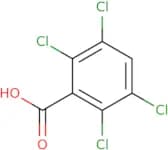
CAS:<p>2,4,6-Trichlorophenoxyacetic acid (2,4,6-T) is an alkanoic acid that has been shown to have allelopathic activity. It inhibits the transport of substances across cell membranes and also disrupts the function of lipid bilayers. 2,4,6-T has been shown to be toxic to animals in large quantities and can cause death after oral ingestion. This chemical undergoes biotransformation through a number of metabolic reactions including decarboxylation, glucuronidation conjugation with glucuronic acid or sulfate conjugation with sulfuric acid and amino acids. These metabolites are excreted through urine, bile or feces. 2,4,6-T also binds to proteins in the liver and kidneys where it may interfere with protein synthesis in these tissues.</p>Formula:C8H5Cl3O3Purity:Min. 95%Molecular weight:255.48 g/molN-Butyl-4-chloro-2-hydroxybenzamide
CAS:<p>N-Butyl-4-chloro-2-hydroxybenzamide is a hydroxyl analog of the drug clobetasol. It has been used to treat bowel disease, and as an implanting agent in biological studies. It also has anti-inflammatory properties, which may be due to its inhibition of prostaglandin synthesis. N-Butyl-4-chloro-2-hydroxybenzamide can be used for the treatment of microbial infections such as infectious diseases caused by Mycobacterium tuberculosis or Escherichia coli. The drug has also been shown to have antiocclusive effects on the intestines and to reduce intestinal secretions. N-Butyl-4-chloro-2 hydroxybenzamide is taken orally and it is metabolized in the liver by CYP3A4 enzymes.</p>Formula:C11H14ClNO2Purity:Min. 95%Molecular weight:227.69 g/mol3-Fluoronaphthalene-1-carboxylic acid
CAS:<p>Versatile small molecule scaffold</p>Formula:C11H7FO2Purity:Min. 95%Molecular weight:190.17 g/mol1-Fluoronaphthalene-2-carboxylic acid
CAS:<p>1-Fluoronaphthalene-2-carboxylic acid is an organic compound with the formula CHFO. It is a white solid that is soluble in organic solvents. The methoxy group makes this compound reactive, meaning it can react with other compounds to form new compounds. 1-Fluoronaphthalene-2-carboxylic acid can be synthesized by reacting 2 equivalents of Grignard reagents with naphthalene, followed by hydrolysis of the ester group. This reaction yields a carboxylic acid with a fluorine atom attached to a carbon adjacent to the carboxyl group. 1-Fluoronaphthalene-2-carboxylic acid has been used as both an imidoester and nucleophilic reagent in organic chemistry.</p>Formula:C11H7FO2Purity:Min. 95%Molecular weight:190.17 g/mol1-Acetylisatin
CAS:<p>1-Acetylisatin is an amine that has been shown to have antiinflammatory activity. The hydroxyl group on the 1-position reacts with malonic acid, yielding a diazonium salt. This reaction releases nitrogen gas and gives a carbostyril bound form. The carbostyril binds to inhibitor molecules, such as fatty acids, ethylene diamine and nitrogen atoms, which prevents them from reacting with each other.</p>Formula:C10H7NO3Purity:Min. 95%Molecular weight:189.17 g/mol4-(4-Fluorophenyl)-4-methylpentan-2-one
CAS:<p>Versatile small molecule scaffold</p>Formula:C12H15FOPurity:Min. 95%Molecular weight:194.24 g/mol2,2-Dimethylpentan-3-one
CAS:<p>2,2-Dimethylpentan-3-one is an enolate that is used as a synthetic intermediate in the synthesis of aldehydes. The optical and stereoselective properties of 2,2-dimethylpentan-3-one are due to its chiral center, which can be either R or S depending on the substituent effects. In this compound, the substituents are chloride and methoxy groups. These substituents have opposite effects on the reactivity in the molecule's enolate form. When chloride is present, it occupies an axial position with respect to the carbonyl group and therefore has a stabilizing effect on the molecule; this leads to lower reactivity. Methoxy groups occupy equatorial positions and have a destabilizing effect on the molecule by withdrawing electron density from its carbonyl group; this leads to higher reactivity.</p>Formula:C7H14OPurity:Min. 95%Molecular weight:114.19 g/mol2-Bromopropionyl bromide
CAS:<p>2-Bromopropionyl Bromide is a brominating agent that can be used as a chemical intermediate for the synthesis of polymeric materials. The bromine atom on the propionic acid group reacts with hydroxyl groups to form esters, amides, and phenols. It has minimal toxicity in cell culture and is not cytotoxic at concentrations up to 10%. 2-Bromopropionyl Bromide is an effective macroinitiator for cationic polymerization reactions. The acylation reaction with 3-chloroperoxybenzoic acid yields a diazonium salt which reacts further with tetronic acid or other cross-linking agents to form a polymer film. This product can be used for fluorescence techniques because it emits light when excited by ultraviolet radiation.</p>Formula:C3H4Br2OPurity:Min. 95%Color and Shape:Clear LiquidMolecular weight:215.87 g/mol2,2-Dimethylcyclohexane-1,3-dione
CAS:<p>2,2-Dimethylcyclohexane-1,3-dione is a compound that has been shown to be an intermediate in the taxol synthesis. It is an ester that can be alkylated and has been shown to have intramolecular or intermolecular alkylation through its ring system. The crystal structure analysis of this compound was done by x-ray diffraction and it was found to have key structural features for the synthesis of taxanes. 2,2-Dimethylcyclohexane-1,3-dione is used as an intermediate in the synthesis of taxol. It also shows enzymatic activity because it is a substrate for alcohol dehydrogenase. This molecule has been synthesized from different types of alcohols including methanol and ethanol via nitro reduction.</p>Formula:C8H12O2Purity:Min. 95%Molecular weight:140.18 g/mol1-Monotetranoin
CAS:<p>1-Monotetranoin is a fatty ester that is involved in the process of lipolysis, which is the breakdown of fat cells. Lipolysis occurs when an enzyme called lipase hydrolyzes triglycerides into glycerol and three fatty acids. 1-Monotetranoin has been shown to be a potent stimulator of growth factor production and cell proliferation in vivo models. It has also been shown to be effective at inhibiting angiogenic processes in vitro, including the release of growth factors from fat cells. The neutral pH optimum for 1-monotetranoin is between 7 and 8, which may be due to its hydrophobic nature.</p>Formula:C7H14O4Purity:Min. 95%Molecular weight:162.18 g/mol[(Carbamoylamino)carbonyl]urea
CAS:<p>[(Carbamoylamino)carbonyl]urea (Urea) is a reactive compound that can be found in urine, saliva, and sweat. Urea is used as an active methylene group in the synthesis of polyurethane. It can be synthesized by reacting hydrochloric acid with calcium carbonate and carbonyl oxygens. The chemical formula for urea is NH2CONH2. The molecular weight of urea is 60.06 g/mol. Hydrolysis of urea produces ammonia and carbon dioxide, which are both gases at room temperature. Reaction products include ammonia, carbon dioxide, water, and hydrogen cyanide. The pH of urea ranges from 6 to 9 when in solution or solid form, depending on the concentration of the compound. Urea has been shown to produce fatty acids when heated above 300 degrees Celsius.</p>Formula:C3H6N4O3Purity:Min. 95%Molecular weight:146.11 g/mol4-(Methylamino)benzaldehyde
CAS:<p>4-(Methylamino)benzaldehyde (4-MABA) is a positron-emitting substance that has been used in positron emission tomography (PET) imaging. 4-MABA is synthesized by hydrolysis of copper(II) complexes with 4-aminobenzaldehyde. It can also be synthesized by reacting copper(II) salts with 4-methylaniline. This substance is stable in aqueous solution, but hydrolyzes readily in the presence of water to form copper(I). The most likely electron acceptor for this reaction is oxygen, which leads to the formation of a stable complex. For diagnostic purposes, radiolabeled 4-MABA can be used as an indicator for positron emission from various tissues and organs.</p>Formula:C8H9NOPurity:Min. 95%Molecular weight:135.16 g/mol(4-Nitrophenyl)urea
CAS:<p>4-Nitrophenyl Urea (4NPU) is a compound that has antimalarial activity. It is an intramolecular hydrogen transfer agent that forms a reactive intermediate and interacts with anions, such as hydroxide ions, to form covalent bonds. 4NPU inhibits growth factor-mediated cell toxicity and has been shown to have the ability to select for mutant cells in vitro and in vivo. Crystals of 4NPU belong to the monoclinic system with space group P2 1/c. Hydrogen bonding occurs between the nitrogen atom on the urea moiety and water molecules in the crystal lattice, which stabilizes the molecule's structure.</p>Formula:C7H7N3O3Purity:Min. 95%Molecular weight:181.15 g/molPargyline
CAS:Controlled Product<p>Pargyline is a drug that belongs to the class of tricyclic antidepressants. It has inhibitory properties and acts as a monoamine oxidase inhibitor (MAOI). Pargyline inhibits the production of 5-hydroxytryptamine (5-HT) by inhibiting the activity of the enzyme, monoamine oxidase A. This inhibition leads to an increase in 5-HT concentrations in the brain, improving mood and alleviating depression. Pargyline also acts as an antagonist at 5-ht2 receptors and can be used for treating Parkinson's disease, which is caused by a decrease in dopamine levels. Pargyline has been shown to have low potency and does not inhibit the binding of compounds such as epidermal growth factor or interleukin 1β to their respective receptors.</p>Formula:C11H13NPurity:Min. 95%Molecular weight:159.23 g/molN,N-Diethyl-3-aminophenol
CAS:<p>N,N-Diethyl-3-aminophenol is a fluorescent probe that is used for the detection of nucleophilic substitutions. This nucleophile can react with electron-rich aromatic compounds to form stable covalent adducts. The reaction mechanism of this probe is not yet well understood, but it may involve a substitution reaction between the hydroxyl group and an electron-deficient aromatic compound to form a phenolate ester. N,N-Diethyl-3-aminophenol has been shown to exhibit high stability in organic solvents and can be used as a crosslinking agent for biomolecules. It also exhibits fluorescence properties that make it useful for the detection of chloride ions in solution.</p>Formula:C10H15NOPurity:Min. 95%Molecular weight:165.24 g/molN,N-Diethyl-m-toluidine
CAS:<p>N,N-Diethyl-m-toluidine is a chemical that is used as an intermediate in the synthesis of other chemicals. It has been shown to have a dipole moment and can be used in the production of dyes, pharmaceuticals, and herbicides. N,N-Diethyl-m-toluidine has been shown to inhibit heterocyclic amines from reacting with p-hydroxyphenylacetic acid which may prevent carcinogenesis. This product also has a chloride ion that will react with hydrochloric acid to form a fatty acid. The optical properties of N,N-Diethyl-m-toluidine are bathochromic and butyric acid.</p>Formula:C11H17NPurity:Min. 95%Molecular weight:163.26 g/mol2-Nitroanisole
CAS:<p>2-Nitroanisole is a chemical that can be found in the bladder of humans and rats. It is a byproduct of nitrosation reactions that occur in the body. Nitrosation reactions are catalyzed by hydrochloric acid, which converts nitric oxide to nitrous acid and further converts it to 2-nitroanisole. 2-Nitroanisole has been shown to induce genotoxic effects in rats and mice. This compound also has carcinogenic potential, as evidenced by carcinogenesis studies on rats and mice. The mechanism of action may involve the formation of reactive oxygen species that cause DNA damage.</p>Formula:C7H7NO3Purity:Min. 95%Molecular weight:153.14 g/mol2,3-Dimethoxyphenylacetic acid
CAS:<p>2,3-Dimethoxyphenylacetic acid is an amino acid derivative that is used as a precursor for the synthesis of drugs. It is a natural product that can be found in plants and animals. This compound has been synthesized by introducing a halide to the olefination of naphthoic acid with 2-methoxybenzaldehyde. The synthetic route has been modified to produce 2,3-dimethoxyphenylacetic acid from phenylacetic acid in order to avoid inefficiencies such as photochemical decomposition.</p>Formula:C10H12O4Purity:Min. 95%Molecular weight:196.2 g/mol(2-Phenylbutanoyl)urea
CAS:<p>2-Phenylbutanoyl)urea is an enzyme inducer that belongs to the group of acidic compounds. It has been shown to be a potent inducer of drug metabolism enzymes, such as cytochrome P450 enzymes and uridine 5'-diphospho-glucuronosyltransferases. 2-Phenylbutanoyl)urea has also been shown to have a significant effect on the pharmacokinetics of drugs that are substrates for these enzymes. This compound is insoluble in water and soluble in organic solvents, like acetone. 2-Phenylbutanoyl)urea is soluble in organic solvents, like acetone, and insoluble in water. 2-Phenylbutanoyl)urea is used as a model system for studying enzyme induction by acidic compounds.</p>Formula:C11H14N2O2Purity:Min. 95%Molecular weight:206.24 g/mol1-(3-Chlorophenyl)-3-methyl-4,5-dihydro-1H-pyrazol-5-one
CAS:<p>Versatile small molecule scaffold</p>Formula:C10H9ClN2OPurity:Min. 95%Molecular weight:208.64 g/mol1,2,3-Benzotriazin-4(3H)-one
CAS:<p>1,2,3-Benzotriazin-4(3H)-one is a molecule that belongs to the class of anthranilic acid derivatives. It is a competitive inhibitor of hydrogen chloride in the reaction mechanism for the conversion of methyl anthranilate to piperazine. The bioassay showed that it inhibits the growth of an organism at a concentration of 10 μg/mL. This molecule has been shown to be effective against Staphylococcus aureus and Helicobacter pylori.<br>A molecular modeling study was conducted on 1,2,3-benzotriazin-4(3H)-one and it was found that this molecule binds to the enzyme's active site by hydrogen bonding with the phosphate group on its target protein. This binding prevents substrate binding to the enzyme and inhibits its activity.</p>Formula:C7H5N3OPurity:Min. 95%Molecular weight:147.13 g/mol2-sec-Butylphenol
CAS:<p>2-sec-Butylphenol is an organic compound that is used as a solvent and has been used in the production of polymers. It can be synthesized from phenol and 2-butanol by cationic polymerization. The reaction mechanism for this process is similar to that of polyethylene, which involves the formation of monomers with reactive double bonds. Aromatase inhibition was observed in a kinetic study of 2-sec-butylphenol with human placental microsomes. This was attributed to the benzene ring substitution at position two on the phenyl group. The genotoxic potential of 2-sec-butylphenol has been investigated by exposing cells to different concentrations and observing DNA damage as measured by comet assay. Solubility data for 2-sec-butylphenol show that it is soluble up to 1g/L in water and up to 1g/L in acetone or ethanol. Low energy is required for polymer</p>Formula:C10H14OPurity:Min. 95%Molecular weight:150.22 g/mol2,4,5-Trichloronitrobenzene- 13C6
CAS:<p>2,4,5-Trichloronitrobenzene- 13C6 is a compound that can be found in the environment as a result of environmental pollution. It is also found in acid solutions, for example, in the presence of high concentrations of hydrogen chloride. The compound has been shown to inhibit the growth of Fusarium oxysporum f. at high concentrations and is thought to have anti-fungal properties. 2,4,5-Trichloronitrobenzene- 13C6 has been studied primarily as an inhibitor of nitrate reductase enzymes and has been shown to be an effective inhibitor of hydrogen chloride-dependent methylate activity and hydrogenated enzyme activities.</p>Formula:C6H2Cl3NO2Purity:Min. 95%Molecular weight:232.4 g/molEthyl 5-oxo-1-phenyl-4,5-dihydro-1H-pyrazole-3-carboxylate
CAS:<p>Ethyl 5-oxo-1-phenyl-4,5-dihydro-1H-pyrazole-3-carboxylate (EOPC) is a chemical intermediate. It is produced by the condensation of diethyl oxalate and ethyl acetate in the presence of hydrazine. EOPC is a colorless liquid that has an odor similar to that of benzaldehyde. The compound has been shown to inhibit the growth of methicillin resistant Staphylococcus aureus (MRSA) and Mycobacterium tuberculosis. EOPC may also have antiinflammatory properties.</p>Formula:C12H12N2O3Purity:Min. 95%Molecular weight:232.24 g/molPhthalamide
CAS:<p>Phthalamide is a crystalline polymorph that has inhibitory properties. It is an anthranilic acid derivative and is usually found as the sodium salt. This compound has been used in horticulture to control water vapor loss from plants. Phthalamide can also be used to titrate calorimetry, with a melting point of about 190°C. Biological studies have shown that phthalamide inhibits calcium uptake by the cell, which may lead to cancer.</p>Formula:C8H8N2O2Purity:Min. 95%Molecular weight:164.16 g/mol4-Chloro-2,5-dimethylbenzenesulfonyl chloride
CAS:<p>Versatile small molecule scaffold</p>Formula:C8H8Cl2O2SPurity:Min. 95%Molecular weight:239.12 g/mol4-Aminotoluene-3-sulfonic acid
CAS:<p>4-Aminotoluene-3-sulfonic acid (ATSA) is a chemical compound that is used as a solvent in organic synthesis. It has been shown to inhibit the acetylation of histone H3, which may be the cause of autoimmune diseases and metabolic disorders. ATSA also blocks colony-stimulating factor (CSF), which is an effector protein that regulates the proliferation and differentiation of cells, including T cells and B cells. This compound has been used as a model system for studying the mechanism of CSF regulation and intermolecular hydrogen bonding. ATSA binds to CSF by forming hydrogen bonds with amino acid residues on the surface of CSF. Structural analysis has revealed that ATSA interacts with protein in a manner similar to other inhibitors of CSF.</p>Formula:C7H9NO3SPurity:Min. 95%Molecular weight:187.22 g/mol4-Chloroaniline-3-sulfonic acid
CAS:<p>4-Chloroaniline-3-sulfonic acid is a dianhydride that can be used for the synthesis of graphene oxide. The ionic nature of this compound is demonstrated by its ability to generate an electric current when in contact with a metal electrode. It has been shown to have sensing properties and can be used in experimental sensors. Its monomeric nature makes it an ideal precursor for the production of conductive membranes made of graphene oxide. 4-Chloroaniline-3-sulfonic acid also has ionic properties, which make it useful as a proton conductor and synergistic effects with naphthalenic derivatives.</p>Formula:C6H6ClNSO3Purity:Min. 95%Molecular weight:207.64 g/mol2,6-Di-tert-butyl-4-(dimethylaminomethyl)phenol
CAS:<p>2,6-Di-tert-butyl-4-(dimethylaminomethyl)phenol is a synthetic antioxidant that has been used as a corrosion inhibitor and to protect against long-term exposure to radiation. It is found in many commercial products, including plastics and rubber products, paints and coatings, textiles, and detergents. 2,6-Di-tert-butyl-4-(dimethylaminomethyl)phenol has been shown to have antioxidant properties which may be due to its ability to scavenge free radicals or inhibit lipid peroxidation. This active form reacts with oxygen at high temperatures. The reaction products are soluble in organic solvents but not in water. It is also reactive with strong oxidizing agents such as potassium permanganate or nitric acid.</p>Formula:C17H29NOPurity:Min. 95%Molecular weight:263.42 g/mol2-tert-Butylphenol
CAS:<p>2-tert-Butylphenol is a specific agonist of the enzyme activity of fatty acid hydroxylase (Fah). 2-tert-Butylphenol also has an inhibitory effect on hexane oxidation and p-hydroxybenzoic acid production. This compound is used in industrial chemicals as well as in the synthesis of pharmaceuticals. The hydroxyl group in 2-tert-butylphenol can be activated by an oxidizing agent, such as sodium hypochlorite or hydrogen peroxide, to form a reactive hydroxy group. The hydroxy group may react with other molecules to form adducts or free radicals. In tissue culture, 2-tert-butylphenol is used for the activation of enzymes that are involved in the synthesis of fatty acids and prostaglandins.</p>Formula:C10H14OPurity:Min. 95%Molecular weight:150.22 g/molSalicylanilide
CAS:<p>Salicylanilide is an anthelmintic drug that belongs to the group of salicylanilides. It is used to treat infectious diseases such as bowel disease, which can be caused by protozoa or helminths. Salicylanilide has been shown to have in vivo antifungal activity against Candida albicans and in vitro activity against Trichophyton mentagrophytes. The mechanism of action of this drug is not known, but it has shown potential as a drug target for interfering with the polymerase chain reaction (PCR) process. Salicylanilide inhibits the growth of bacteria by inhibiting DNA synthesis and RNA synthesis. This drug also has a potent effect on human serum, and may be useful for analytical methods such as high-performance liquid chromatography (HPLC).</p>Formula:C13H11NO2Purity:Min. 95%Color and Shape:PowderMolecular weight:213.23 g/mol2-Hydroxycarbazole
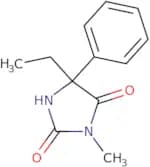
CAS:<p>2-Hydroxycarbazole is a molecule that binds to the dinucleotide phosphate and inhibits its enzymatic activity. It has been shown to be membrane permeable and reversible, with irreversible inhibition of protein synthesis in cancer cells. 2-Hydroxycarbazole has been shown to inhibit growth factor-induced DNA synthesis in cardiac cells. This compound binds irreversibly to the ryanodine receptor, which is involved in the release of calcium from sarcoplasmic reticulum vesicles, leading to an increase in cytosolic calcium concentration. This can be done using electrochemical impedance spectroscopy on model systems.</p>Formula:C12H9NOPurity:Min. 95%Molecular weight:183.21 g/molEthotoin-d5
CAS:<p>Ethotoin is a hydantoin antiepileptic drug. It acts by blocking the action of the sodium/potassium ATPase pump, which is important in maintaining the electrochemical gradient necessary for nerve cell repolarization and subsequent synaptic transmission. This leads to an increase in neuronal excitability and seizures, making it an effective antiepileptic drug. Ethotoin is also used to treat depression and other mental disorders. The uptake of ethotoin into nervous tissue can be inhibited by calcium ions, stabilizing membranes and preventing depolarization.</p>Formula:C11H7D5N2O2Purity:Min. 95%Molecular weight:209.26 g/mol2-Ethylbenzene-1-sulfonamide
CAS:<p>Versatile small molecule scaffold</p>Formula:C8H11NO2SPurity:Min. 95%Molecular weight:185.25 g/mol3-Methyl-4H-chromen-4-one
CAS:<p>3-Methyl-4H-chromen-4-one is a natural compound that has been shown to be effective against various bowel diseases. It is synthesized in the body by hydrolysis of 3,4-dihydroxybenzoic acid and can also be found in plants. This compound is a prodrug for the formation of 4-hydroxyphenylacetic acid, which then undergoes a glycosidic bond with collagen to form 3,4-dihydroxybenzoic acid. The hydroxyl group on this molecule also reacts with benzylic amino groups on proteins and nucleophilic groups on carbohydrates to form covalent bonds. These reactions lead to the formation of a variety of compounds that can be used as drugs for inflammatory bowel disease.</p>Formula:C10H8O2Purity:Min. 95%Molecular weight:160.17 g/mol2-(2-Phenylquinoline-4-amido)benzoic acid
CAS:<p>Versatile small molecule scaffold</p>Formula:C23H16N2O3Purity:Min. 95%Molecular weight:368.4 g/mol4-Amino-1-naphthalenesulfonic Acid
CAS:<p>4-Amino-1-naphthalenesulfonic acid (ANS) is a sulphanilic, hydroxyl group, nitrogen atoms, and amine. ANS has been shown to induce genotoxic effects in the presence of nitrite ion. ANS reacts with amines to form diazonium salts which are unstable and can undergo electrochemical reactions. This instability can lead to DNA damage in the presence of oxygen. 4-Amino-1-naphthalenesulfonic acid (ANS) is an analytical reagent that is used for the detection of fatty acids.</p>Formula:C10H9NO3SPurity:Min. 95%Molecular weight:223.25 g/mol2-Amino-3-chloro-9,10-dihydroanthracene-9,10-dione
CAS:<p>Versatile small molecule scaffold</p>Formula:C14H8ClNO2Purity:Min. 95%Molecular weight:257.67 g/mol8-Amino-1-naphthol-5-sulfonic acid
CAS:<p>8-Amino-1-naphthol-5-sulfonic acid is a fluorescent compound that reacts with phosphate groups of proteins and nucleic acids. The conjugate between 8-amino-1-naphthol and sulfonic acid, i.e., 8ANAS, is used as a probe to identify phosphatases and hydroxyproline in polyvinyl. The chromatographic separation of 8ANAS from the reaction mixture is accomplished by piperazine as an acidic mobile phase. The phosphorylation assay using 8ANAS can be used for the measurement of protein kinase activity in cells and tissues. In addition, it has been found that 8ANAS has anti-inflammatory properties against various inflammatory diseases such as neuro2a cells.</p>Formula:C10H9NO4SPurity:Min. 95%Molecular weight:239.25 g/mol1-Methyl-1,4-dihydroquinolin-4-one
CAS:<p>1-Methyl-1,4-dihydroquinolin-4-one is a cholinergic agent that is used in medicines. It is a hydrochloric acid salt of quinoline derivatives and exhibits clinical use as an anticholinesterase. This drug has also been shown to have locomotor activity in animals. The effective dose of 1-methyl-1,4-dihydroquinolin-4-one is 0.3mg/kg body weight (bw). This chemical has been shown to be toxic when given with radiation or echinopsidine and can inhibit protein synthesis in the cell.</p>Formula:C10H9NOPurity:Min. 95%Molecular weight:159.18 g/mol8-Chloro-1-naphthalenesulfonyl chloride
CAS:<p>Versatile small molecule scaffold</p>Formula:C10H6Cl2O2SPurity:Min. 95%Molecular weight:261.12 g/mol6-Iodo-2,4,5-trichlorophenol
CAS:<p>6-Iodo-2,4,5-trichlorophenol is a fungicide that inhibits fungal growth by interfering with the synthesis of ergosterol, a component of the cell membrane. This chemical can be found as pale yellow or yellow crystals and has a volatile odor. It is used in pesticides and preservatives because it has fungicidal properties. 6-Iodo-2,4,5-trichlorophenol is effective against fungi such as Aspergillus niger and Penicillium chrysogenum.</p>Formula:C6H2Cl3NO3Purity:Min. 95%Molecular weight:242.4 g/mol2-Amino-1-chloro-9,10-dihydroanthracene-9,10-dione
CAS:<p>2-Amino-1-chloro-9,10-dihydroanthracene-9,10-dione is a naphthalene derivative that can be used as an intermediate in the synthesis of dyes. It has been shown to be an acid binder and can react with nitrotoluene, dimethylamide, and copper chloride to form 2-aminoantranilic acid. The nitrogen atom in this molecule is also reactive and can bind to chlorides, iodides, and chlorine molecules to form 2-aminobenzylidene, 4-chloroiodobenzene, or 4-(2'-nitrobenzylidene)phenol.</p>Formula:C14H8ClNO2Purity:Min. 95%Molecular weight:257.67 g/mol1-Amino-4-bromo-2-methylanthraquinone
CAS:<p>1-Amino-4-bromo-2-methylanthraquinone is a hypervalent molecule that binds to the iron atom in human liver and human lymphocytes. It has been shown to have a protective effect against radiation, and also may have potential as an antiviral agent. 1-Amino-4-bromo-2-methylanthraquinone has been shown to inhibit the replication of retroviruses, such as HIV, by binding to the virus and preventing it from entering into host cells. The colorant properties of this compound are used in paints and dyes. 1-Amino-4-bromo-2-methylanthraquinone can be synthesized by reacting bromobenzene with ethyleneimine.</p>Formula:C15H10BrNO2Purity:Min. 95%Molecular weight:316.15 g/mol2-Aminonaphthalene-5-sulfonic acid
CAS:<p>2-Aminonaphthalene-5-sulfonic acid is a sulfonated aromatic amine that can be synthesized by reacting sodium salt of 2-naphthol with sulfur trioxide. It is a structural isomer of 1-aminoanthracene and has been used in the synthesis of other sulfonated compounds. 2-Aminonaphthalene-5-sulfonic acid has carcinogenic activity, and its use as an intermediate in chemical synthesis should be limited to short reaction times at low temperatures.</p>Formula:C10H9NO3SPurity:Min. 95%Molecular weight:223.25 g/mol2-Nitrobenzenesulfonic Acid Hydrate
CAS:<p>2-Nitrobenzenesulfonic acid hydrate (2NBS) is a reactive, sulfonated organic compound that has been used for many years as a precursor for pharmaceuticals. 2NBS reacts with sodium carbonate to form a mixture of nitrobenzenesulfonic acids. This process is known as sulfonation and can be used for biological treatment, such as wastewater treatment. 2NBS is also known to react with styryl dye in an intramolecular hydrogen bond to form the corresponding hydroxyl group. 2NBS also has antiinflammatory activities and has been found to inhibit the inflammatory response in rat models of inflammatory bowel disease.</p>Formula:C6H5NO5S·xH2OPurity:Min. 95%Molecular weight:203.17 g/molN-[(4-Aminophenyl)sulfonyl]-N-(3,4-dimethyl-5-isoxazolyl)acetamide
CAS:<p>N-(4-aminophenylsulfonyl)-N-(3,4-dimethyl-5-isoxazolyl)acetamide (CAS: 83833-30-1) is a small molecule antibiotic that inhibits bacterial fatty acid synthesis. It binds to the 3'-phosphoadenosine 5'-phosphosulfate (PAPS) synthetase enzyme, which is responsible for converting adenosine 5'-phosphosulfate (APS) to PAPS. This binding prevents the production of APS, blocking the synthesis of fatty acids. In addition, N-(4-aminophenylsulfonyl)-N-(3,4-dimethyl-5-isoxazolyl)acetamide is a potent inhibitor of microbial infection in vitro and in vivo. It has been shown to be effective against viruses and bacteria such as Escherichia coli and Staphylococcus aureus.</p>Formula:C13H15N3O4SPurity:Min. 95%Molecular weight:309.34 g/mol1,2-Dibromopropane
CAS:<p>1,2-Dibromopropane is a chemical that has been used as a solvent and refrigerant. It is also used to produce other chemicals such as ethylene oxide and 1,3-dichloropropane. 1,2-Dibromopropane can be metabolized by the liver or kidney into reactive intermediates that cause damage to DNA. This chemical has been shown to cause an antibody response in rats when orally administered at high doses. The mechanism of this chemical's toxicity is not known, but it may involve the formation of reactive intermediates with the release of glucuronide conjugate and kinetic energy.</p>Formula:C3H6Br2Purity:Min. 95%Molecular weight:201.89 g/mol1,1,2-Tribromoethane
CAS:<p>1,1,2-Tribromoethane is a chemical compound that contains hydrogen and fluorine. It is a colorless liquid that has a boiling point of -114.4°C. 1,1,2-Tribromoethane has been shown to have biological properties as an inhibitor of the enzyme covid-19 pandemic. This compound also has photoelectron spectroscopy and quantum theory in its physical properties. It can be found in water vapor or thermodynamic reactions with carbon dioxide, sulfur dioxide, hydrogen chloride, chlorine atom or chloride ion at high temperatures and pressures. The section of 1,1,2-tribromoethane is covalent and it has a molecular weight of 132.3 g/mol.</p>Formula:C2H3Br3Purity:Min. 95%Molecular weight:266.76 g/molTetrahydrolinalool
CAS:<p>Tetrahydrolinalool is a diphenyl ether that can be used to prepare a film-forming polymer. It is often used as a sample preparation agent for biological samples. Tetrahydrolinalool reacts with chlorine atoms in the presence of sodium carbonate and cationic surfactant to form a glycol ether, which then reacts with piperonal to form an ion channel. This reaction mechanism results in the formation of detergent compositions, which are often used to remove fatty acids and hydroxyl groups from biological samples.</p>Formula:C10H22OPurity:Min. 95%Molecular weight:158.29 g/mol3-Methylpentan-3-yl carbamate
CAS:Controlled Product<p>3-Methylpentan-3-yl carbamate (MMPC) is a chemical compound that has been studied for its potential in the treatment of autoimmune and inflammatory diseases. It is an analog of 3-methylpentanoic acid, which has been shown to have anti-inflammatory activity. MMPC has also been shown to be effective against bowel disease, such as ulcerative colitis and Crohn's disease. MMPC acts by inhibiting the synthesis of proteins that are involved in inflammation and cell proliferation, such as cytokines and matrix metalloproteinases.</p>Formula:C7H15NO2Purity:Min. 95%Molecular weight:145.2 g/mol1,1,1-Tris(hydroxymethyl)propane
CAS:<p>Tris(hydroxymethyl)propane is a diphenyl ether that has been shown to have an electrochemical impedance spectroscopy (EIS) spectrum in the human serum that is similar to those of other known antioxidants. Tris(hydroxymethyl)propane has been shown to protect against light-induced damage in human skin cells, and it also has radiation protective effects. Tris(hydroxymethyl)propane has also been shown to interact with trimethylolpropane, which is another antioxidant, and this interaction may affect the effectiveness of each agent. Tris(hydroxymethyl)propane inhibits lipid peroxidation by inhibiting the oxidation of fatty acids and hydroxyl groups on proteins.</p>Formula:C6H14O3Purity:Min. 95%Molecular weight:134.17 g/mol1-Phenylcyclopentanecarbonitrile
CAS:<p>1-Phenylcyclopentanecarbonitrile (PCN) is a chemical compound that has biological properties. It is used in the production of polyvinyl chloride, polyvinylidene chloride, and other plastics. PCN may also be used as an intermediate for the production of other chemicals such as diammonium cyanide, which is a raw material for the manufacture of fertilizers, and methoxyacetic acid, which is a precursor to pharmaceuticals. PCN has been shown to have neurotoxic effects on the nervous system in mice. It also causes atropine-like effects when administered to rats.</p>Formula:C12H13NPurity:Min. 95%Molecular weight:171.24 g/mol3,3-Diethylpiperidine-2,4-dione
CAS:<p>3,3-Diethylpiperidine-2,4-dione is a film-forming polymer that has been shown to be effective in the treatment of infectious diseases. It is used in pharmaceutical preparations to treat symptoms of bowel disease, food composition to prevent inflammation, and as an analog to amphetamines. 3,3-Diethylpiperidine-2,4-dione binds to the hydroxyl group on human serum albumin, which prevents it from binding with sodium citrate and forming an insoluble salt. This prevents the release of calcium ions from the albumin and alleviates symptoms of infectious diseases.</p>Formula:C9H15NO2Purity:Min. 95%Molecular weight:169.22 g/mol2,2-Dichloropropanoic Acid
CAS:<p>2,2-Dichloropropanoic Acid is a metabolite of propionic acid that is used in the treatment of autoimmune diseases. It has been shown to inhibit the enzyme activities of calcium pantothenate, polymerase chain, and protease in vitro. 2,2-Dichloropropanoic Acid has also been shown to be effective against bacteria such as Escherichia coli and Klebsiella pneumoniae in animal studies. The optimum concentration for 2,2-dichloropropanoic acid is not yet determined but it has been shown to have no acute toxic effects in rats.</p>Formula:C3H4Cl2O2Purity:Min. 95%Color and Shape:Clear LiquidMolecular weight:142.97 g/mol4-Amino-5-formyl-2-methylpyrimidine
CAS:<p>4-Amino-5-formyl-2-methylpyrimidine is an intermediate in the metabolism of pargyline and is able to inhibit oxidative enzymes. It has also been shown to be a potent inhibitor of the oxidation of aldehydes, ketones, and alcohols to their corresponding carboxylic acids. 4-Amino-5-formyl-2-methylpyrimidine is capable of inhibiting the oxidation of acetonitrile to nitrile with an IC50 value of 3.6 mM. This compound has not been shown to be an inhibitor of cytochrome P450 or monoamine oxidase, but it inhibits pyridoxal phosphate (a cofactor for tyrosine hydroxylase) and can therefore inhibit dopamine synthesis. The postulated mechanism is that 4-amino-5 formyl 2MMP binds to the active site on pyridoxal phosphate, thereby preventing its conversion into</p>Formula:C6H7N3OPurity:Min. 95%Molecular weight:137.14 g/molQuinethazone
CAS:<p>Quinethazone is a drug that belongs to the class of angiotensin II receptor antagonists. It is used for the treatment of hypertension and congestive heart failure. Quinethazone inhibits angiotensin II, which causes vasoconstriction, increases blood pressure, and decreases sodium excretion. The drug is also an effective inhibitor of the cardiac enzyme carbonic anhydrase and has been shown to be useful in treating diabetic neuropathy. Quinethazone has been found to have inhibitory properties against complex enzymes involved in infectious diseases such as tuberculosis and hepatitis C. This drug also regulates cardiac tissue growth by inhibiting protein genes, thereby preventing the development of cardiac hypertrophy.</p>Formula:C10H12ClN3O3SPurity:Min. 95%Molecular weight:289.74 g/molp-Toluenesulfonanilide
CAS:<p>p-Toluenesulfonanilide is a disinfectant that is used to control the growth of bacteria and fungi. It is effective against a variety of organisms, including Chaetoceros, Cladosporium, Alternaria, and Aspergillus. p-Toluenesulfonanilide has been shown to inhibit the growth of these organisms by interfering with their metabolism. The method for disinfecting water or other liquids is to add one part p-toluenesulfonanilide to at least 100 parts water. This method involves diluting the chemical in water and then adding it to a container containing the liquid that needs to be disinfected.</p>Formula:C13H13NO2SPurity:Min. 95%Molecular weight:247.32 g/mol3-Hydroxy-5-(hydroxymethyl)-2-methyl-pyridine-4-carbaldehyde
CAS:<p>3-Hydroxy-5-(hydroxymethyl)-2-methyl-pyridine-4-carbaldehyde (3HMPA) is a natural compound that has been shown to have tissue nonspecific effects on the bowel. It is structurally similar to pyridoxal, an amino acid present in food, and may have a role in the synthesis of proteins. 3HMPA has also been shown to be an effective treatment for infectious diseases such as HIV and tuberculosis. 3HMPA binds metal ions by chelation and inhibits the growth of bacteria by inhibiting glutamate production. This compound has also been shown to stimulate physiological responses in mice, including increased heart rate and blood pressure.</p>Formula:C8H9NO3Purity:Min. 95%Molecular weight:167.16 g/molAcridine orange hydrochloride hydrate
CAS:<p>Acridine orange hydrochloride hydrate is a fluorescent dye that is used as a nucleic acid stain. It can be used to detect the presence of dna in cells. Acridine orange hydrochloride hydrate binds to DNA, intercalates into the double helix, and changes its fluorescence properties. This dye was first synthesized in 1927 by German chemists, but it was not until 1953 that the biological applications became clear. Acridine orange hydrochloride hydrate has been shown to bind to the nuclear DNA of human HL-60 cells and inhibit the polymerase chain reaction (PCR). Acridine orange hydrochloride hydrate is also capable of inhibiting enzyme activities and reactions involving transfer reactions.</p>Formula:C17H20ClN3Purity:Min. 95%Molecular weight:301.8 g/molIodoaceticacid
CAS:<p>Iodoacetic acid is a non-steroidal anti-inflammatory drug that is used to relieve pain and reduce inflammation. It reduces the production of prostaglandin E2, which is a chemical mediator of inflammation. Iodoacetic acid has been shown to have no significant effects on energy metabolism or response element activity in human polymorphonuclear leukocytes. Iodoacetic acid has shown to be an effective inhibitor of the enzyme form that converts dinucleotide phosphate (NAD) into NADH (NADase). This compound is stable in sephadex g-100, which allows for easy separation by high-performance liquid chromatography (HPLC). The analytical method for iodoacetic acid involves adding the compound to a buffer solution containing sephadex g-100 and measuring the decrease in light transmission at 236 nm over time.</p>Formula:C2H3IO2Purity:Min. 95%Molecular weight:185.95 g/molethyl 2-(2-aminophenyl)acetate hydrochloride
CAS:<p>Versatile small molecule scaffold</p>Formula:C10H13NO2·HClPurity:Min. 95%Molecular weight:215.67 g/mol1-Methylindolin-2-one
CAS:<p>1-Methylindolin-2-one is an enolate that is synthetically prepared from a methoxymethyl group. 1-Methylindolin-2-one has the ability to inhibit bacterial growth by inhibiting the synthesis of proteins and nucleic acids. It binds to the carbonyl group on the bacteria surface, which prevents the formation of reactive compounds which are necessary for cell division. The reactive form of 1-methylindolin-2-one also has antibacterial activity against a variety of bacteria such as Pseudomonas aeruginosa, Staphylococcus aureus, and Escherichia coli.</p>Formula:C9H9NOPurity:Min. 95%Molecular weight:147.18 g/mol4-Aminoazobenzene
CAS:<p>4-Aminoazobenzene is an azole compound that is structurally similar to diazonium salts. It is an enzyme inducer, which means that it induces the activity of other enzymes. 4-Aminoazobenzene has been shown to increase the activity of DNA polymerase and RNA polymerase in vitro and also inhibits the growth of cultured human cancer cells. This drug has shown genotoxic effects in mice and rats, which may be due to its ability to bind to DNA or form cross-links with DNA. 4-Aminoazobenzene has been used as a chemical intermediate for dyes, photographic chemicals, and pharmaceuticals. It is chemically stable in aqueous solutions at low pH levels but decomposes at higher pH levels or under alkaline conditions. The nitrogen atoms in this compound are not essential for its chemical stability, but are important for binding with monoclonal antibodies such as anti-IgG antibody.</p>Formula:C6H5NNC6H4NH2Purity:Min. 95%Molecular weight:197.24 g/mol5-Nitro-2-furonitrile
CAS:<p>5-Nitro-2-furonitrile is a nitro compound that is used in the synthesis of other organic compounds. 5-Nitro-2-furonitrile reacts with chloride ions, hydrogen chloride and acid to form nitro radicals, which have a kinetic energy of 5 kcal/mole. The resulting nitro radical can then react with an olefinic or alkoxy radical to form 3-chloroperoxybenzoic acid. This reaction releases the chloride ion and generates hydrochloric acid. 5-Nitro-2-furonitrile is also capable of reacting with azides such as phosphorus oxychloride, forming an azide radical that can be oxidized by 3-chloroperoxybenzoic acid to form a nitric oxide radical. Nitric oxide radicals react with oxygen molecules to produce ozone, thereby releasing the chloride ion and generating hydrochloric acid.<br>5-Nitro-2-furonitrile is used</p>Formula:C5H2N2O3Purity:Min. 95%Molecular weight:138.08 g/molPhenylephrine
CAS:<p>Phenylephrine is a sympathomimetic drug that stimulates α-adrenergic receptors. It is used to relieve the symptoms of chronic cough and to reduce blood pressure in patients with high blood pressure. Phenylephrine has been shown to inhibit the activity of toll-like receptor 4 on human cells, leading to a reduction in proinflammatory cytokines. In addition, phenylephrine has been shown to inhibit the activity of TLR2 on human cells, which leads to an increase in intracellular calcium levels. The effects of phenylephrine are mediated by activation of non-selective cation channels and inhibition of phosphodiesterases. This drug is also used as a mydriatic and cycloplegic agent for eye disorders such as glaucoma or ocular hypertension.</p>Formula:C9H13NO2Purity:Min. 95%Molecular weight:167.21 g/mol1-Phenylbiguanide hydrochloride
CAS:<p>1-Phenylbiguanide hydrochloride (1PBGH) is a potent inhibitor of the enzyme tyrosinase, which is involved in the synthesis of melanin. It inhibits the production of melanin, resulting in lightening skin coloration. 1PBGH has been shown to inhibit the growth of cancer cells by inhibiting energy metabolism and adenosine triphosphate (ATP) production. 1PBGH also reduces intracellular calcium levels in neuroblastoma cells and inhibits the proliferation of these cancer cells. This drug has been tested for its effectiveness against skin cancers.</p>Formula:C8H11N5·HClPurity:Min. 95%Molecular weight:213.67 g/mol5-Ethyl-2-hydroxybenzoic acid
CAS:<p>5-Ethyl-2-hydroxybenzoic acid has the chemical nature of a phenol and is also known as salicylic acid. It is a monosubstituted aromatic carboxylic acid with a methoxy group. The hydroxyl group on this molecule interacts with the hydroxyl group on adjacent molecules to form hydrogen bonds, which gives it stability. Salicylic acid reacts with 4-methoxybenzoic acid to produce 2,4-dihydroxybenzoic acid and salicylic acid. Salicylic acid can also react with ascorbic acid to produce 2,5-dihydroxybenzoic acid and salicylic acid. Salicylic acid can also react with benzoic acids to produce 4-hydroxybenzoic and 2,4,6-trihydroxybenzoic acids.</p>Formula:C9H10O3Purity:Min. 95%Molecular weight:166.18 g/mol4-Amino-N-[2-(morpholin-4-yl)ethyl]benzamide
CAS:<p>Versatile small molecule scaffold</p>Formula:C13H19N3O2Purity:Min. 95%Molecular weight:249.31 g/mol4-Amino-N-[2-(pyrrolidin-1-yl)ethyl]benzamide
CAS:<p>Versatile small molecule scaffold</p>Formula:C13H19N3OPurity:Min. 95%Molecular weight:233.31 g/mol2,3,5,6-Tetrachlorobenzoic acid
CAS:<p>Versatile small molecule scaffold</p>Formula:C7H2Cl4O2Purity:Min. 95%Molecular weight:259.9 g/molMephenytoin
CAS:<p>Mephenytoin is a drug that inhibits the activity of CYP2C19, which is an enzyme in the cytochrome P450 system. It has been shown to be effective in treating chronic viral hepatitis and autoimmune diseases such as psoriasis. The minimal toxicity of mephenytoin makes it a desirable candidate for use in chronic oral therapy. This drug also interacts with many other drugs, including nonsteroidal anti-inflammatory drugs, which may cause an increase or decrease in their effectiveness. Mephenytoin has been shown to inhibit the activities of the polymerase chain reaction (PCR) and reverse transcriptase in humans, making it useful for analytical purposes.</p>Formula:C12H14N2O2Purity:Min. 95%Molecular weight:218.25 g/molL-Alaninol
CAS:<p>L-Alaninol is a chemical compound that is used as a building block in organic synthesis.</p>Formula:C3H9NOMolecular weight:75.11 g/molN1-Methyl-pseudouridine-5'-triphosphate trisodium, 100mM aqueous solution
CAS:<p>Methyl-pseudouridine-5'-triphosphate trisodium is the triphosphate of 1-Methylpseudouridine is a substitute for uridine in modified mRNA. This substitution has shown to increase transfection by reducing immuogenicity. UV max wavelength = 272nm</p>Formula:C10H17N2O15P3•Na3Purity:Min. 95%Color and Shape:Clear LiquidMolecular weight:567.17 g/mol4-Diazobenzenesulfonic Acid
CAS:<p>Applications 4-Diazobenzenesulfonic acid (cas# 305-80-6) is a useful research chemical.<br></p>Formula:C6H4N2O3SMolecular weight:184.171,3,5-Trifluorotrichlorobenzene
CAS:<p>Applications 1,3,5-Trifluorotrichlorobenzene is a useful reagent.<br></p>Formula:C6Cl3F3Molecular weight:235.425-Chloroquinoline-2-carboxylic acid
CAS:<p>Versatile small molecule scaffold</p>Formula:C10H6ClNO2Purity:Min. 95%Molecular weight:207.61 g/mol2-Bromo-4-(4-fluorophenyl)-1,3-thiazole
CAS:<p>Versatile small molecule scaffold</p>Formula:C9H5NFSBrPurity:Min. 95%Molecular weight:258.11 g/mol4-bromo-1H-pyrazole-5-carbaldehyde
CAS:<p>Versatile small molecule scaffold</p>Formula:C4H3BrN2OPurity:Min. 95%Molecular weight:175 g/mol4-Acetamidobenzenesulfonamide
CAS:<p>4-Acetamidobenzenesulfonamide is a drug that inhibits the activity of several enzymes and is used in wastewater treatment. It has been shown to have a beneficial effect on metabolic disorders, such as insulin resistance, obesity, and type 2 diabetes. 4-Acetamidobenzenesulfonamide also regulates transcriptional activity by inhibiting the interaction between DNA and RNA polymerases. This drug has been shown to be active in treating autoimmune diseases, such as multiple sclerosis, rheumatoid arthritis, lupus erythematosus and Crohn's disease. It also aids in HIV infection by acting as an inhibitor of toll-like receptor signalling pathways. The drug binds to hydrogen bonds and hydrophobic interactions with water molecules to form a hydrophobic layer on the surface of cells in order to reduce water permeability. The drug also reduces bowel diseases such as ulcerative colitis and liver lesions caused by alcohol consumption or congestive</p>Formula:C8H10N2O3SPurity:Min. 95%Molecular weight:214.24 g/mol(R)-3-Phenylbutyric Acid
CAS:<p>Versatile small molecule scaffold</p>Formula:C10H12O2Purity:Min. 95%Molecular weight:164.2 g/mol4-Bromo-2-ethyliodobenzene
CAS:<p>Versatile small molecule scaffold</p>Formula:C8H8BrIPurity:Min. 95%Molecular weight:310.96 g/mol(Chloromethyl)cyclohexane
CAS:<p>(Chloromethyl)cyclohexane is a synthase gene that is responsible for synthesizing the enzyme chloromethyl cyclohexane, which is used as a solid catalyst. The synthesis of (chloromethyl)cyclohexane from phenyl groups and liquid crystal composition has been demonstrated using expression plasmids and active oxygen. The compound inhibits inflammatory diseases by preventing the production of arachidonic acid, which is an inflammatory agent. This compound also inhibits the production of prostaglandins, which are involved in the release of histamine from mast cells. Pharmaceutical preparations that contain this compound are primarily used to treat rheumatoid arthritis and other inflammatory diseases.</p>Formula:C7H13ClPurity:Min. 95%Molecular weight:132.63 g/moltert-Butyl 3-(piperidin-3-yl)azetidine-1-carboxylate
CAS:<p>Versatile small molecule scaffold</p>Formula:C13H24N2O2Purity:Min. 95%Molecular weight:240.35 g/mol
![{5H,6H,7H,8H-[1,2,4]Triazolo[4,3-a]pyridin-3-yl}methanol](/_next/image/?url=https%3A%2Fstatic.cymitquimica.com%2Fproducts%2F3D%2Fthumb-webp%2FJAC06308.webp&w=3840&q=75)

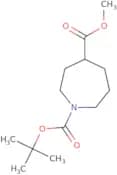
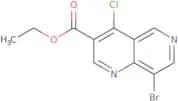
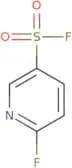
![4-Methyl-N-[2-(piperazin-1-yl)ethyl]benzene-1-sulfonamide dihydrochloride](/_next/image/?url=https%3A%2Fstatic.cymitquimica.com%2Fproducts%2F3D%2Fthumb-webp%2FJAC07345.webp&w=3840&q=75)
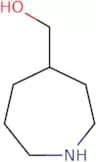
![tert-Butyl 4-[4-chloro-5-(methoxycarbonyl)-1,3-thiazol-2-yl]piperazine-1-carboxylate](/_next/image/?url=https%3A%2Fstatic.cymitquimica.com%2Fproducts%2F3D%2Fthumb-webp%2FJAC09614.webp&w=3840&q=75)
![1-[3-(4-Chlorophenyl)-1,2,4-oxadiazol-5-yl]-2-phenylethan-1-amine, oxalic acid](/_next/image/?url=https%3A%2Fstatic.cymitquimica.com%2Fproducts%2F3D%2Fthumb-webp%2FJAC13085.webp&w=3840&q=75)
![6-Chloro-3-iodo-1H-pyrazolo[3,4-b]pyridine](/_next/image/?url=https%3A%2Fstatic.cymitquimica.com%2Fproducts%2F3D%2Fthumb-webp%2FJAC22395.webp&w=3840&q=75)
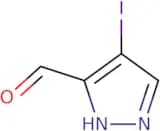
![rac-tert-butyl N-[(1R,3S)-3-aminocyclohexyl]carbamate, cis](/_next/image/?url=https%3A%2Fstatic.cymitquimica.com%2Fproducts%2F3D%2Fthumb-webp%2FJAC27817.webp&w=3840&q=75)
![Methyl 4H,5H,6H,7H-thieno[2,3-c]pyridine-2-carboxylate](/_next/image/?url=https%3A%2Fstatic.cymitquimica.com%2Fproducts%2F3D%2Fthumb-webp%2FJAC28772.webp&w=3840&q=75)
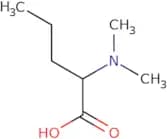
![5-(4-([(tert-Butoxy)carbonyl]amino)phenyl)-1,2-oxazole-3-carboxylic acid](/_next/image/?url=https%3A%2Fstatic.cymitquimica.com%2Fproducts%2F3D%2Fthumb-webp%2FJAC29801.webp&w=3840&q=75)
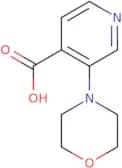
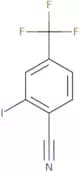
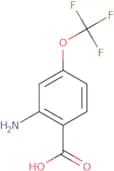
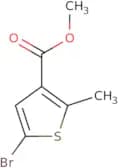
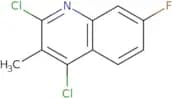
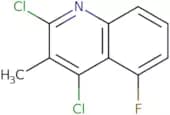
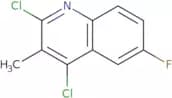
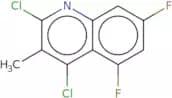
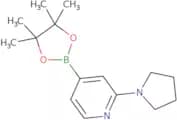
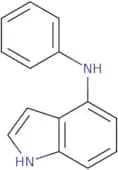
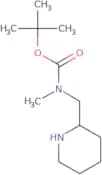
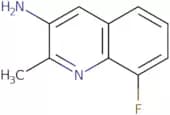
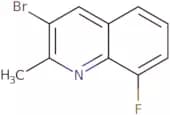
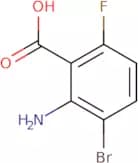
![5-(Chloromethyl)-3-(naphthalen-1-yl)-2-(trifluoromethyl)-4H,7H-pyrazolo[1,5-a]pyrimidin-7-one](/_next/image/?url=https%3A%2Fstatic.cymitquimica.com%2Fproducts%2F3D%2Fthumb-webp%2FJAC53670.webp&w=3840&q=75)
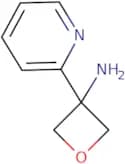
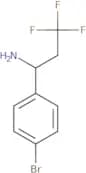
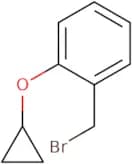
![2-{[(tert-Butoxy)carbonyl]amino}-3-(1H-indol-6-yl)propanoic acid](/_next/image/?url=https%3A%2Fstatic.cymitquimica.com%2Fproducts%2F3D%2Fthumb-webp%2FJAC97323.webp&w=3840&q=75)
![2-{[(tert-Butoxy)carbonyl]amino}-3-(3,5-dibromophenyl)propanoic acid](/_next/image/?url=https%3A%2Fstatic.cymitquimica.com%2Fproducts%2F3D%2Fthumb-webp%2FJAC97603.webp&w=3840&q=75)
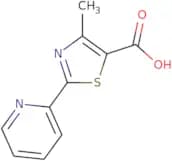
![2-Azatricyclo[7.3.0.0,3,7]dodeca-1,3(7),8-triene](/_next/image/?url=https%3A%2Fstatic.cymitquimica.com%2Fproducts%2F3D%2Fthumb-webp%2FJBA42199.webp&w=3840&q=75)
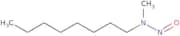
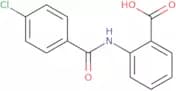
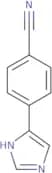
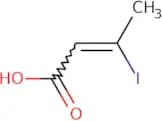
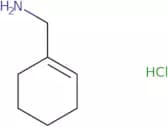
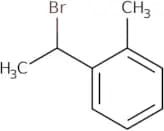
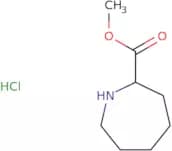
![Ethyl 5,6-dihydroimidazo[2,1-b][1,3]thiazol-3-ylacetate](/_next/image/?url=https%3A%2Fstatic.cymitquimica.com%2Fproducts%2F3D%2Fthumb-webp%2FJBA46714.webp&w=3840&q=75)
![2-{3-Oxo-2H,3H,5H,6H-imidazo[2,1-b][1,3]thiazol-2-yl}acetic acid](/_next/image/?url=https%3A%2Fstatic.cymitquimica.com%2Fproducts%2F3D%2Fthumb-webp%2FJBA47750.webp&w=3840&q=75)

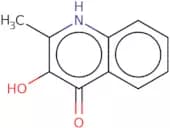
![1-[2-Chloro-5-(trifluoromethyl)phenyl]-2,5-dihydro-1H-pyrrole-2,5-dione](/_next/image/?url=https%3A%2Fstatic.cymitquimica.com%2Fproducts%2F3D%2Fthumb-webp%2FJBA52060.webp&w=3840&q=75)
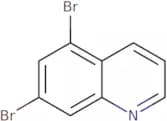
![1H,2H,3H-Pyrrolo[3,4-b]quinolin-3-one](/_next/image/?url=https%3A%2Fstatic.cymitquimica.com%2Fproducts%2F3D%2Fthumb-webp%2FJBA53542.webp&w=3840&q=75)

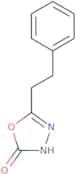
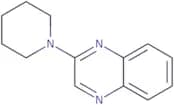
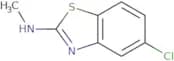
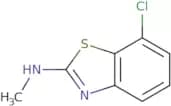
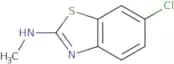
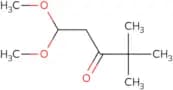

amine](/_next/image/?url=https%3A%2Fstatic.cymitquimica.com%2Fproducts%2F3D%2Fthumb-webp%2FJBA56934.webp&w=3840&q=75)
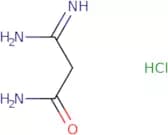
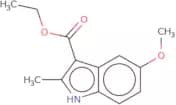
![Chloromethyl 2-{[(tert-butoxy)carbonyl]amino}acetate](/_next/image/?url=https%3A%2Fstatic.cymitquimica.com%2Fproducts%2F3D%2Fthumb-webp%2FJBA57336.webp&w=3840&q=75)
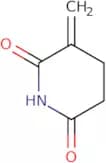
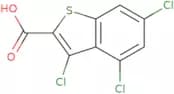
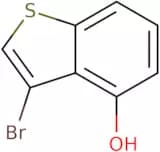
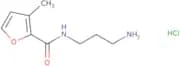
![3-[Methyl(phenyl)amino]propan-1-ol](/_next/image/?url=https%3A%2Fstatic.cymitquimica.com%2Fproducts%2F3D%2Fthumb-webp%2FJBA57944.webp&w=3840&q=75)
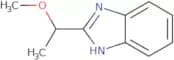
![1-[1-(Pyridin-2-yl)ethyl]piperazine](/_next/image/?url=https%3A%2Fstatic.cymitquimica.com%2Fproducts%2F3D%2Fthumb-webp%2FJBA58120.webp&w=3840&q=75)
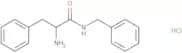
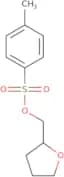
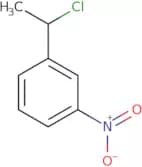
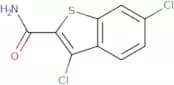
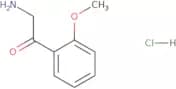
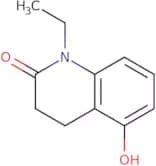
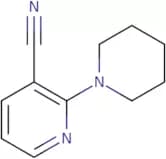
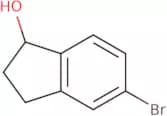
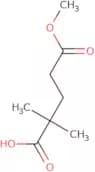
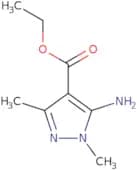
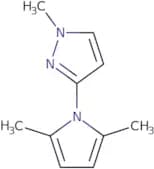
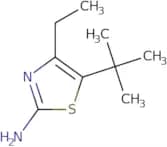
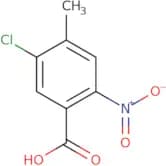
![N-[(4-Methylphenyl)sulfonyl]phenylalanine](/_next/image/?url=https%3A%2Fstatic.cymitquimica.com%2Fproducts%2F3D%2Fthumb-webp%2FJBA63534.webp&w=3840&q=75)
![2-[2-(Furan-3-yl)-1,3-thiazol-4-yl]acetic acid](/_next/image/?url=https%3A%2Fstatic.cymitquimica.com%2Fproducts%2F3D%2Fthumb-webp%2FIDC97860.webp&w=3840&q=75)
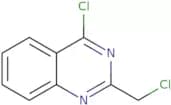
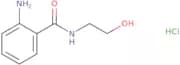
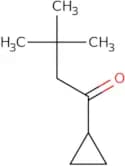
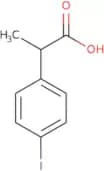
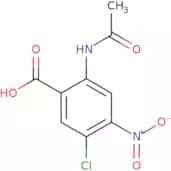
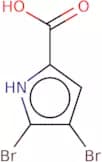
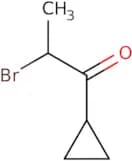
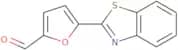
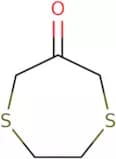
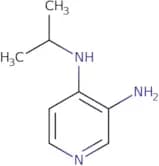
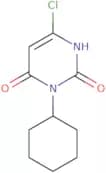
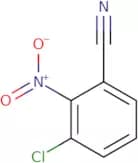
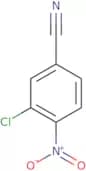
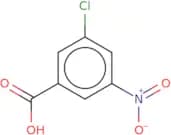
![4-Oxo-4H-Pyrido[1,2-A]Pyrimidine-3-Carboxylic Acid](/_next/image/?url=https%3A%2Fstatic.cymitquimica.com%2Fproducts%2F3D%2Fthumb-webp%2FJBA66258.webp&w=3840&q=75)
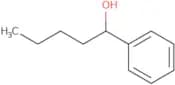
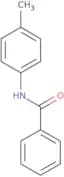
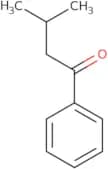
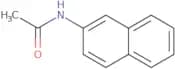
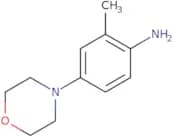
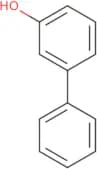
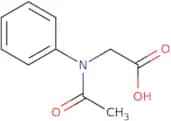
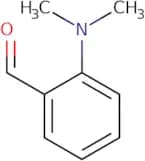
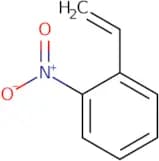
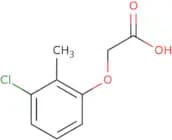
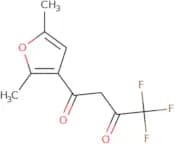
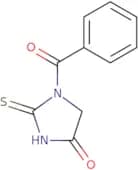
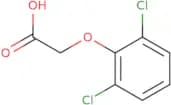

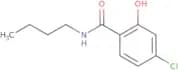
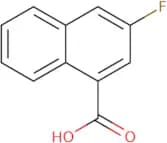
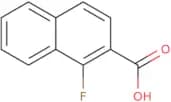
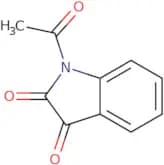

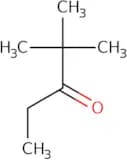
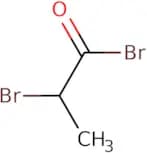
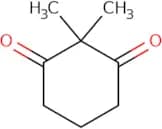
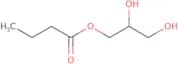
![[(Carbamoylamino)carbonyl]urea](/_next/image/?url=https%3A%2Fstatic.cymitquimica.com%2Fproducts%2F3D%2Fthumb-webp%2FAAA55699.webp&w=3840&q=75)
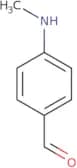
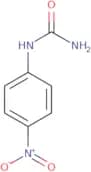
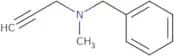
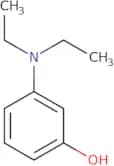
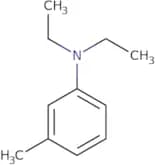
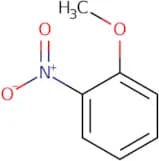
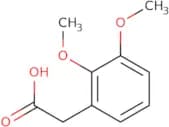
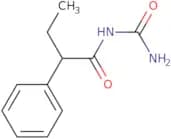
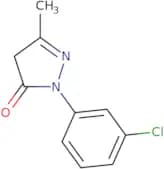
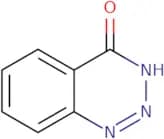
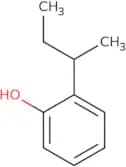
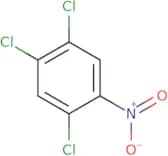
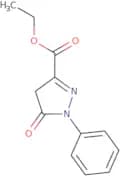
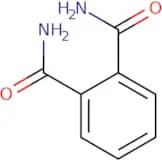
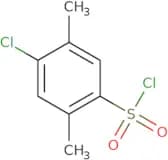
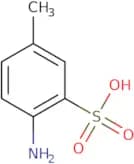
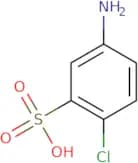
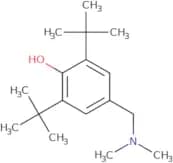
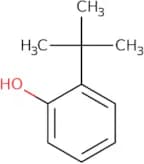
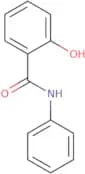
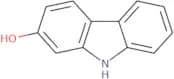
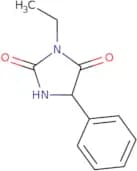
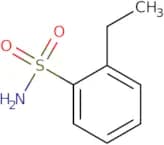
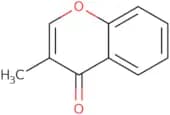
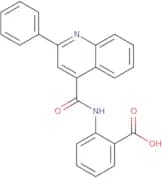
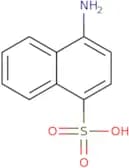
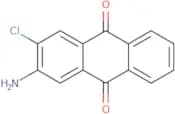
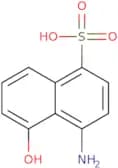
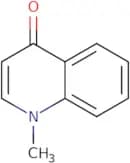
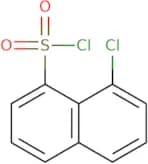
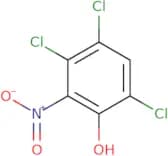
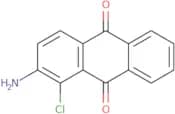
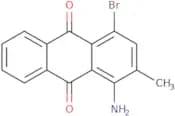
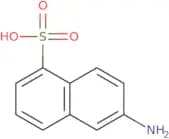

![N-[(4-Aminophenyl)sulfonyl]-N-(3,4-dimethyl-5-isoxazolyl)acetamide](/_next/image/?url=https%3A%2Fstatic.cymitquimica.com%2Fproducts%2F3D%2Fthumb-webp%2FAAA08074.webp&w=3840&q=75)
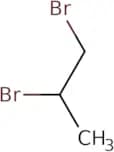
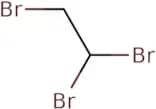

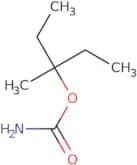
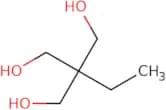
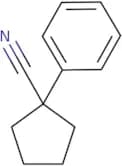
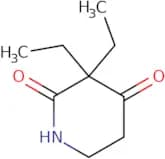
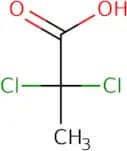
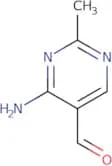
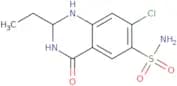
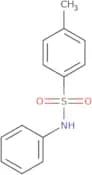
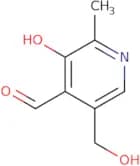
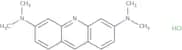
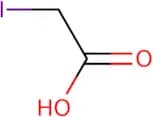
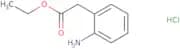
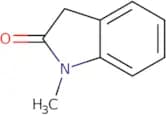
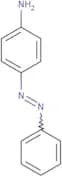
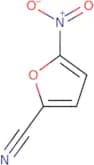
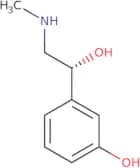
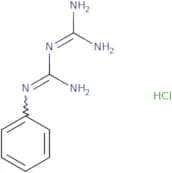
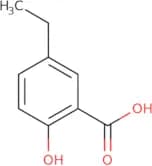
![4-Amino-N-[2-(morpholin-4-yl)ethyl]benzamide](/_next/image/?url=https%3A%2Fstatic.cymitquimica.com%2Fproducts%2F3D%2Fthumb-webp%2FAAA05109.webp&w=3840&q=75)
![4-Amino-N-[2-(pyrrolidin-1-yl)ethyl]benzamide](/_next/image/?url=https%3A%2Fstatic.cymitquimica.com%2Fproducts%2F3D%2Fthumb-webp%2FAAA05107.webp&w=3840&q=75)