Building Blocks
This section contains fundamental products for the synthesis of organic and biological compounds. Building blocks are the essential starting materials used to construct complex molecules through various chemical reactions. They play a critical role in drug discovery, material science, and chemical research. At CymitQuimica, we offer a diverse range of high-quality building blocks to support your innovative research and industrial projects, ensuring you have the essential components for successful synthesis.
Subcategories of "Building Blocks"
- Boronic Acids & Boronic Acid Derivatives(5,778 products)
- Chiral Building Blocks(1,243 products)
- Hydrocarbon Building Blocks(6,097 products)
- Organic Building Blocks(61,052 products)
Found 201390 products of "Building Blocks"
Sort by
Purity (%)
0
100
|
0
|
50
|
90
|
95
|
100
4-Amino-2-bromobenzonitrile
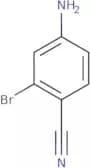
CAS:4-Amino-2-bromobenzonitrile is a crystallized ligand with a molecular formula of C6H7BrN. It belongs to the cationic class of ligands and has been shown to form intermolecular hydrogen bonds with aromatic rings. The crystal has a hexagonal unit cell and space group P-1. 4-Amino-2-bromobenzonitrile has been used as an elemental analysis reagent in the determination of copper, lead, zinc, and cadmium.Formula:C7H5BrN2Purity:Min. 95%Color and Shape:PowderMolecular weight:197.03 g/mol3-Acetoxybenzoic acid
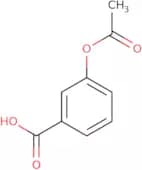
CAS:3-Acetoxybenzoic acid is a metabolite of 3-hydroxybenzoic acid, which is an intermediate in the biosynthesis of salicylic acid. It has been shown to have antibacterial properties and may be used as a topical treatment for skin infections caused by staphylococcus. 3-Acetoxybenzoic acid also has antiviral properties, which may be related to its ability to bind histone H3. 3-Acetoxybenzoic acid inhibits leishmania infantum growth and development by binding to chloride ions and preventing the formation of hydrogen bonds in the cell membrane. This prevents chloride ions from entering the cell and causes water channels to close, leading to dehydration and death.Formula:C9H8O4Purity:Min. 95%Color and Shape:PowderMolecular weight:180.16 g/mol3-Chloro-1,2-benzisothiazole
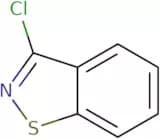
CAS:3-Chloro-1,2-benzisothiazole is a nucleophilic agent with a hydrogen bond donor. It has been shown to inhibit the replication of RNA in the presence of adenosine triphosphate (ATP) and to bind to amines. 3-Chloro-1,2-benzisothiazole is used as an inhibitor for non-nucleoside reverse transcriptase inhibitors. It has been shown to have high potency and strong inhibitory activity against HIV and other retroviruses. 3-Chloro-1,2-benzisothiazole also inhibits vibrational modes associated with enzymatic reactions.Formula:C7H4ClNSPurity:Min. 95%Color and Shape:PowderMolecular weight:169.63 g/mol4-(Dimethylamino)-3-nitrobenzoic acid
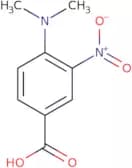
CAS:4-(Dimethylamino)-3-nitrobenzoic acid is a chemical compound with CAS No. 28096-56-2. It is a high quality chemical reagent, useful as an intermediate for the synthesis of complex compounds and fine chemicals. It is also a useful building block for the synthesis of versatile building blocks, and can be used in reactions to form new chemical compounds. 4-(Dimethylamino)-3-nitrobenzoic acid is also a versatile building block that can be used in many reactions to form new chemical compounds, and can be used as a research chemical or speciality chemical.Formula:C9H10N2O4Purity:Min. 95%Molecular weight:210.19 g/molSuccinylsulfathiazole
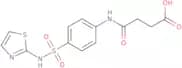
CAS:<p>Succinylsulfathiazole is a sulfa drug that has antimicrobial activity. It is a structural analogue of sulfanilamide, which is an antibiotic used to treat infectious diseases. Sulfa drugs are structurally related to the amino acid pantothenic acid and have been shown to have beneficial effects in animal models for bowel disease, autoimmune diseases, and other conditions. Succinylsulfathiazole has been shown to inhibit the growth of Aerobacter aerogenes and other bacteria by binding to their cell wall and interfering with synthesis of DNA. Succinylsulfathiazole has been shown to inhibit the growth of Aerobacter aerogenes and other bacteria by binding to their cell wall and interfering with synthesis of DNA.</p>Formula:C13H13N3O5S2Purity:Min. 98 Area-%Color and Shape:PowderMolecular weight:355.39 g/mol2-Hydroxyphenylacetic acid
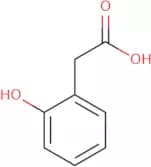
CAS:<p>2-Hydroxyphenylacetic acid is a hydroxylated phenolic acid that is structurally similar to other phenolic acids. It is present in many plants, including tea leaves and coffee beans, where it acts as an antioxidant. 2-Hydroxyphenylacetic acid has been found in the urine of humans and animals following ingestion of excessive amounts of these plants. It is also found in urine samples from patients with certain types of kidney disease. The synthesis of 2-hydroxyphenylacetic acid can be achieved by reacting ethylene diamine with sodium hydroxide solution or hydrochloric acid.</p>Formula:C8H8O3Purity:Min. 95%Color and Shape:Off-White Slightly Brown PowderMolecular weight:152.15 g/mol1,3,5-Triaminobenzene trihydrochloride
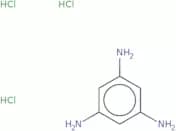
CAS:<p>1,3,5-Triaminobenzene trihydrochloride (TAT) is a low detection fluorescent probe that can be used as an introducing agent to introduce a triazine skeleton into a variety of heterocyclic amines. TAT has been shown to have the ability to bind with many different functional groups, such as amines and hydroxyls. The fluorescence of TAT is proportional to the amount of hydrogen bonding interactions between the probe and other molecules. TAT can be detected by means of energy-dispersive x-ray spectroscopy.</p>Formula:C6H12Cl3N3Purity:Min. 95%Color and Shape:White PowderMolecular weight:232.54 g/mol3-Methoxyacetophenone
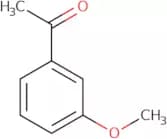
CAS:<p>3-Methoxyacetophenone is a bacterial metabolite that is produced by the metabolism of caproic acid. 3-Methoxyacetophenone has been shown to possess antibacterial activity against gram-positive bacteria and to inhibit protein synthesis in these bacteria. The compound class of 3-methoxyacetophenone includes methyl ketones, which are a type of organic compounds containing a carbonyl group (C=O). This compound can be found in bacterial strains such as Pseudomonas aeruginosa and Streptococcus pneumoniae. These bacteria produce 3-methoxyacetophenone during growth on l-tartaric acid or hydrogen tartrate as the sole carbon sources. The organism’s DNA sequences have been determined by deuterium isotope sequencing and l-tartaric acid as the sole carbon source.</p>Formula:C9H10O2Purity:Min. 95%Color and Shape:Colorless Clear LiquidMolecular weight:150.17 g/mol4,5-Diamino-6-hydroxy-2-mercapto pyrimidine
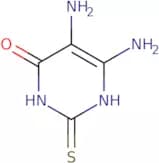
CAS:<p>4,5-Diamino-6-hydroxy-2-mercaptopyrimidine is a primary amino that binds to the sulfur in a molecule. It has potent antibacterial activity and can be used for desulfurization of petroleum products. 4,5-Diamino-6-hydroxy-2-mercaptopyrimidine has been shown to react with some cancer cells in vitro and may be used as an anticancer agent. It can also be used as a catalyst for the oxidation of organic compounds in wastewater treatment or hydrochloric acid production. 4,5-Diamino-6-hydroxy-2-mercaptopyrimidine can be synthesized by reacting 3 mercapto propionic acid with 5 aminopyrimidines. The synthesis was optimized using a kinetic method and coordination chemistry. It has also been shown to inhibit cell growth when used on human erythrocytes using patch clamp experiments and assays.br>br</p>Formula:C4H6N4OSPurity:Min. 95%Color and Shape:Off-White PowderMolecular weight:158.18 g/molcis-4-Hydroxycinnamic acid
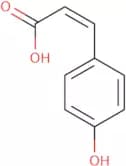
CAS:<p>Cis-4-Hydroxycinnamic acid is a phenolic acid that is found in plants and is a natural compound. It has been shown to be an inhibitor of cell proliferation. Cis-4-Hydoxycinnamic acid inhibits the synthesis of DNA and RNA, which may inhibit the growth of bacteria and fungi. This compound can be extracted from plant materials by acetate extract or preparative high-performance liquid chromatography (HPLC). Cis-4-Hydoxycinnamic acid also has anti-inflammatory properties, which may be due to its inhibition of prostaglandin synthesis.</p>Formula:C9H8O3Purity:Min. 95%Color and Shape:PowderMolecular weight:164.16 g/mol8-Hydroxyquinoline sulfate
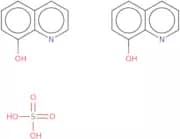
CAS:<p>8-Hydroxyquinoline sulfate is a drug that has been used to study the cancer tissue response to various drugs. The 8-hydroxyl group in the molecule interacts with metals and forms chelate complexes, which may be the reason for its cytotoxic effect. 8-Hydroxyquinoline sulfate also inhibits mitochondrial membrane potential and blocks the receptor activity of some cell types. It has been shown to be significantly cytotoxic to HL-60 cells, as well as other cell lines.</p>Formula:C18H14N2O2·H2SO4Purity:Min. 95%Color and Shape:Yellow PowderMolecular weight:388.4 g/mol3-Methoxyphenylacetic acid
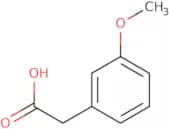
CAS:3-Methoxyphenylacetic acid is a molecule that belongs to the class of fatty acids. It can be synthesized by the Friedel-Crafts reaction between 3-methoxyphenol and acetic anhydride in an organic solvent. The molecule has been shown to inhibit the growth of k562 cells and subtilis, which are both bacteria, at low concentrations. 3-Methoxyphenylacetic acid is also used as a reagent for solid phase synthesis of organic molecules. Immobilization of this molecule is done by covalent linkage to silica gel, polystyrene, or other insoluble supports. This immobilization prevents the loss of 3-methoxyphenylacetic acid during reaction conditions such as heating, vacuum distillation, or exposure to air. 3-Methoxyphenylacetic acid has been shown to have a diameter of approximately 2 nm and hydrogen bonding capability with anhydFormula:C9H10O3Purity:Min. 95%Color and Shape:PowderMolecular weight:166.17 g/mol3,4-Diaminopyridine
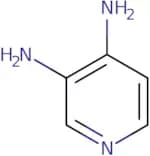
CAS:3,4-Diaminopyridine is a drug that can be used to treat some diseases. It is an aminopyridine with pharmacological effects on the central nervous system, cardiovascular system, and other organ systems. 3,4-Diaminopyridine has been shown to have potent antitumor activity against various tumor cells in vitro and in vivo. The drug also inhibits ATP-sensitive potassium channels and has been shown to prevent the development of autoimmune diseases by inhibiting the production of cytokines. 3,4-Diaminopyridine is a glycosidic compound that can exist as either a zwitterion or a monoanion depending on pH. The zwitterion form of 3,4-diaminopyridine binds with high affinity to the atp-sensitive K+ channel and causes cell death by increasing intracellular calcium concentration.Formula:C5H7N3Purity:Min. 95%Color and Shape:PowderMolecular weight:109.13 g/mol4-Aminocinnamic acid
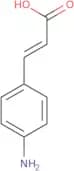
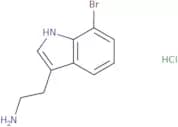
CAS:<p>4-Aminocinnamic acid is a monomer that can be polymerized to form polymers. It is soluble in organic solvents and is resistant to UV light. 4-Aminocinnamic acid has been shown to have photochemical properties and can be used to produce hydrogen bonds with other molecules. This compound has been used as a carbon source for microbial growth and has been shown to be an effective genetic control agent for the bacteria Escherichia coli. 4-Aminocinnamic acid has also been shown to inhibit the growth of butyric acid producing bacteria, such as Clostridium butyricum, while promoting the growth of lactic acid producing bacteria, such as Lactobacillus plantarum.</p>Formula:C9H9NO2Purity:90%Color and Shape:PowderMolecular weight:163.17 g/mol2-(7-Bromo-1H-indol-3-yl)ethanamine hydrochloride
CAS:Controlled Product2-(7-Bromo-1H-indol-3-yl)ethanamine hydrochloride is an organic chemical compound that belongs to the group of versatile building blocks. It is a colorless solid and has a melting point of 160°C. 2-(7-Bromo-1H-indol-3-yl)ethanamine hydrochloride can be used as a research chemical, reagent, or specialty chemical. This compound is a useful building block for the synthesis of complex compounds and can be used as a reaction component in the synthesis of useful scaffolds.Formula:C10H12BrClN2Purity:Min. 95%Color and Shape:PowderMolecular weight:275.57 g/mol3-Amino-2,4,6-triiodobenzoic acid
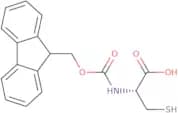
CAS:3-Amino-2,4,6-triiodobenzoic acid (3AIBA) is a chemical compound that is used as a contrast agent for medical imaging. It has been shown to be useful in the diagnosis of bladder cancer, and is used in the embolization of renal artery and ureteral calculi. 3AIBA functions by binding to the antigen binding sites on the tumor cells and allows visualization with X-rays. It has also been shown to be effective in reducing blood flow in tumors by blocking blood vessels with its cationic monomer. 3AIBA binds to the phosphate groups on DNA and causes crosslinking, which prevents DNA polymerase from binding with DNA. This inhibits DNA synthesis and cell division.Formula:C7H4I3NO2Purity:Min. 95%Color and Shape:PowderMolecular weight:514.83 g/molFmoc-L-cysteine
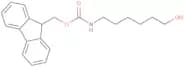
CAS:Fmoc-L-cysteine is a reactive thiol that can be used for the synthesis of peptides and proteins. Fmoc-L-cysteine is synthesized by hydrothiolation of L-cysteine with 3-mercaptopropionic acid, which leads to the formation of a disulfide bond. The reaction product is purified by column chromatography and analyzed by NMR spectroscopy. Fmoc-L-cysteine has been shown to have efficient prenylation activity in vitro and in cell culture experiments. It has also been shown to be an important amino acid for the formation of amyloid protein aggregates, as well as being involved with other helical peptides in plants. X-ray crystal structures have been determined for Fmoc-L-cysteine bound to monoclonal antibodies.Formula:C18H17NO4SPurity:Min. 98 Area-%Color and Shape:PowderMolecular weight:343.4 g/mol6-(Fmoc-amino)-1-hexanol
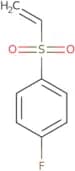
CAS:6-(Fmoc-amino)-1-hexanol is a high quality chemical that can be used as an intermediate in the synthesis of many complex compounds, such as pharmaceuticals, fine chemicals and research chemicals. It is often used as a building block in the synthesis of other useful chemicals and has been shown to have versatile reactions with many functional groups. 6-(Fmoc-amino)-1-hexanol can be used in reactions involving nucleophilic substitution, elimination, amination, esterification and transesterification.Formula:C21H25NO3Purity:Min. 95%Color and Shape:PowderMolecular weight:339.43 g/mol1-(Ethenesulfonyl)-4-fluorobenzene
CAS:<p>1-(Ethenesulfonyl)-4-fluorobenzene is a versatile chemical that can be used as a building block for the synthesis of complex compounds. It is also a reagent and speciality chemical with many applications in research. 1-(Ethenesulfonyl)-4-fluorobenzene is an excellent starting material for the synthesis of useful scaffolds and it has shown to have high quality.</p>Formula:C8H7FO2SPurity:Min. 95%Molecular weight:186.21 g/molN-(1-Cyano-1-methylethyl)-2-methylpropanamide
CAS:N-(1-Cyano-1-methylethyl)-2-methylpropanamide is a chemical that is used in pharmaceutical dosage. It is a prodrug of aminopropiophenone, which has been shown to be useful for the treatment of depression. This chemical is readily soluble in water and hydrochloric acid, but insoluble in trifluoroacetic acid or hydrophilic interaction chromatography. N-(1-Cyano-1-methylethyl)-2-methylpropanamide has been shown to bind to chloride ions, amines, and dodecyl groups.Formula:C8H14N2OPurity:Min. 95%Color and Shape:PowderMolecular weight:154.21 g/mol4-Ethoxy-3-methoxybenzaldehyde
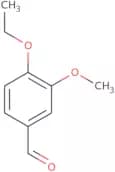
CAS:<p>4-Ethoxy-3-methoxybenzaldehyde is an organic compound that can be found in plants, such as in the leaves of the nutmeg plant. It is a cleavage product of 4-hydroxycoumarin. 4-Ethoxy-3-methoxybenzaldehyde is a dicarboxylic acid by substructure and it has been shown to be an intermediate in the synthesis of ethylene acetal and hydrogen peroxide. It is also postulated to react with chloride to form 4-chloroacetophenone and chloride ions, which are then reacted with hydrogen peroxide to form hydrochloric acid. The acute toxicity of this compound has not been determined but it may cause toxic effects on extracellular cells, such as radical species. The toxicities of 4-ethoxy-3-methoxybenzaldehyde have been observed in biphenyl which causes skin irritation, liver toxicity, kidney damage, and respiratory irritation</p>Formula:C10H12O3Purity:Min. 95%Color and Shape:PowderMolecular weight:180.2 g/mol4-Acetoxy-3-methoxyacetophenone
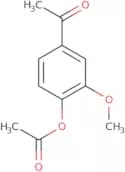
CAS:4-Acetoxy-3-methoxyacetophenone is a phenol that belongs to the group of phenolates. It is an oxidation product of eugenol, which is formed during the reaction of eugenol with halides, such as chlorine or bromine. 4-Acetoxy-3-methoxyacetophenone has been shown to be a potent inhibitor of the growth of bacteria, including Staphylococcus aureus and Escherichia coli. This compound has been studied by x-ray crystallography and it has been found to have a conformation that reproduces well in different conditions. The molecule contains a carbonyl group and an oxygenated group that are essential for its properties.Formula:C11H12O4Purity:Min. 95%Color and Shape:White PowderMolecular weight:208.21 g/mol1-(4-tert-Butylphenyl)ethan-1-ol
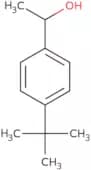
CAS:1-(4-tert-Butylphenyl)ethan-1-ol is a reagent, complex compound, useful intermediate, and fine chemical. It has CAS No. 34386-42-0 and is a useful scaffold for the synthesis of speciality chemicals. 1-(4-tert-Butylphenyl)ethan-1-ol is a versatile building block that can be used in the synthesis of many different compounds. It is also an important reaction component for the synthesis of many organic compounds.Formula:C12H18OPurity:Min. 95%Color and Shape:PowderMolecular weight:178.27 g/mol3-Amino-4-methylbenzonitrile
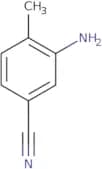
CAS:3-Amino-4-methylbenzonitrile is an organic compound that is produced by the oxidative dehydrogenation of 3,4-dimethylaniline. It has been shown to undergo a number of reactions, including hydrochloric acid transfer hydrogenation and diazotization. This reaction yields 3-amino-4-methylbenzonitrile, dimethylamine and anilines. The transfer hydrogenation of nitroarenes with 3-amino-4-methylbenzonitrile gives 3-(3,4)-diaminobenzonitrile and 2,6-dinitrotoluene. The optimization of this reaction has led to the discovery of new nitrite derivatives as a result of the addition of nitrite in the presence of 3-amino-4-methylbenzonitrile.Formula:C8H8N2Purity:Min. 95%Color and Shape:PowderMolecular weight:132.16 g/molLinalool glucoside
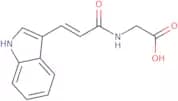
CAS:<p>Please enquire for more information about Linalool glucoside including the price, delivery time and more detailed product information at the technical inquiry form on this page</p>Formula:C16H28O6Purity:Min. 95%Color and Shape:Clear LiquidMolecular weight:316.39 g/molIndole-3-acryloylglycine
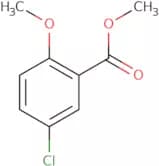
CAS:<p>Indole-3-acryloylglycine is a metabolite of tryptophan, which is an essential amino acid for humans. It has been shown to be a potential biomarker for inflammatory bowel disease (IBD). Indole-3-acryloylglycine can be detected in urine samples and can be used as a diagnostic tool to identify IBD patients. This method has also been validated using chromatographic and mass spectrometry methods. Dietary intake of 3-hydroxyanthranilic acid or kynurenine may affect the concentration of indole-3-acryloylglycine in the body.</p>Formula:C13H12N2O3Purity:Min. 98 Area-%Color and Shape:White Off-White PowderMolecular weight:244.25 g/mol5-Chloro-2-methoxybenzoic methyl ester
CAS:5-Chloro-2-methoxybenzoic methyl ester is a versatile building block commonly used in the synthesis of various compounds. It serves as an acid methyl ester, making it suitable for use in medicinal chemistry and other synthetic applications. This compound can be obtained through pyrolysis or by reacting 5-chloro-2-methoxybenzoic acid with methanol under appropriate conditions.Formula:C9H9ClO3Purity:Min. 95%Color and Shape:PowderMolecular weight:200.62 g/mol2-Acetoxybenzonitrile
CAS:<p>2-Acetoxybenzonitrile is an atypical, acidic organic compound with a molecular weight of 136.06 g/mol. It has a melting point of -5.5 °C and decomposes spontaneously at high temperatures to form benzonitrile, carbon dioxide, and water. 2-Acetoxybenzonitrile is able to act as a competitive inhibitor of acetylsalicylic acid (ASA) in the kinetic determination of ASA using acetylation as the rate-determining step. In this experiment, 2-acetoxybenzonitrile was found to be an effective inhibitor of acetylation with a KI value of 1.8 x 10 M. The spectrometer can be used to determine the molecular weight and purity of 2-acetoxybenzonitrile by measuring its absorbance in the ultraviolet region.<br>2-Acetoxybenzonitrile binds metal cations such as Cu(II), Fe(</p>Formula:C9H7NO2Purity:Min. 95%Color and Shape:Clear LiquidMolecular weight:161.16 g/mol4-Acetamidocinnamic acid
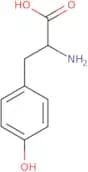
CAS:<p>4-Acetamidocinnamic acid is a useful building block for many different organic synthesis reactions. It can be used as a reagent, research chemical or specialty chemical, and is often used as a reaction component or intermediate in the synthesis of complex compounds. 4-Acetamidocinnamic acid is also a versatile building block with many applications in organic synthesis. It has been shown to be useful as a scaffold in synthesizing peptides and other bioactive molecules.</p>Formula:C11H11NO3Purity:Min. 95%Color and Shape:PowderMolecular weight:205.21 g/molDL-Tyrosine
CAS:<p>DL-Tyrosine is a non-essential amino acid that can be synthesized in the body from phenylalanine or obtained from food. DL-Tyrosine is a precursor of the neurotransmitter dopamine, which is involved in regulating mood, movement, and cognitive functions. DL-Tyrosine has been shown to inhibit the conversion of tyrosine to 3,4-dihydroxyphenylacetic acid (DOPAC) by dopamine β-hydroxylase. Tyrosine also prevents the formation of reactive oxygen species due to its chemical stability and ability to scavenge free radicals. DL-Tyrosine may have implications for treating Parkinson's disease, ADHD, depression, and chronic fatigue syndrome.</p>Formula:C9H11NO3Purity:Min. 95%Color and Shape:PowderMolecular weight:181.19 g/mol4-(Cyclopropylmethyl)-1-oxa-4,9-diazaspiro[5.5]undecan-3-one hydrochloride
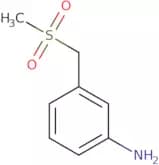
Please enquire for more information about 4-(Cyclopropylmethyl)-1-oxa-4,9-diazaspiro[5.5]undecan-3-one hydrochloride including the price, delivery time and more detailed product information at the technical inquiry form on this pageFormula:C12H20N2O2•(HCl)xPurity:Min. 95%Color and Shape:Powder3-(Methanesulfonylmethyl)aniline
CAS:3-(Methanesulfonylmethyl)aniline is a growth factor inhibitor that binds to the receptor-2, which is a protein tyrosine kinase. This binding inhibits the activation of endothelial cells and angiogenesis, as well as tumor growth. 3-(Methanesulfonylmethyl)aniline has been shown to inhibit the proliferation of human cancer cells in vitro by interfering with their ability to secrete vascular endothelial growth factor (VEGF). The drug also inhibits VEGFR-2 signaling pathways in endothelial cells, leading to a decrease in cell proliferation and angiogenesis. The mechanism of action is not yet fully understood.Formula:C8H11NO2SPurity:Min. 95%Molecular weight:185.24 g/molPyrene
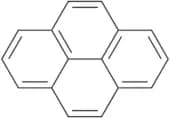
CAS:<p>Pyrene is a chemical compound that has been found to bind to DNA and inhibit the transcription of genetic information. It has been used as a fluorescence probe in biochemical research, wastewater treatment, and surface methodology. As a redox probe, pyrene can be used to measure the redox potential of reaction solutions. Pyrene has also been used as an analytical method for measuring transfer reactions in biological studies.</p>Formula:C16H10Purity:Min. 98 Area-%Color and Shape:PowderMolecular weight:202.25 g/molPiperazin-2-one
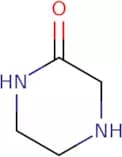
CAS:<p>Building block in medicinal chemistry</p>Formula:C4H8N2OPurity:Min. 95%Color and Shape:White PowderMolecular weight:100.12 g/mol1-Azido-2-(methylsulfonyl)ethane solution in dichloromethane
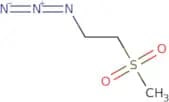
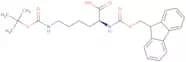
CAS:<p>Versatile small molecule scaffold</p>Formula:C3H7N3O2SPurity:Min. 95%Color and Shape:Clear LiquidMolecular weight:149.17 g/molFmoc-Lys(Boc)-OH
CAS:Fmoc-Lys(Boc)-OH is a synthetic amino acid that has been used to synthesize polypeptides. It is prepared by the reaction of naphthalene, trifluoroacetic acid and copper (II) acetate in an acidic environment. The synthesis of Fmoc-Lys(Boc)-OH involves the use of a high salt and coordination geometry for the copper complex. This amino acid can be used as a cancer drug, because it inhibits NS3 protease, which is an enzyme that promotes tumor growth. Fmoc-Lys(Boc)-OH also binds to carbohydrate receptors on cancer cells and inhibits uptake of these cells by macrophages.Formula:C26H32N2O6Purity:Min. 98 Area-%Color and Shape:White PowderMolecular weight:468.54 g/mol1,1,1,3,3,3-Hexafluoro-2-propanol
CAS:Hexafluoroisopropanol is a chemical compound that is used in the laboratory to study biological properties. It reacts with hydrogen fluoride, forming hydrogen hexafluoride gas and a fluorescent derivative. This reaction solution can be titrated using calorimetric techniques, which involves measuring the heat released by the reaction. Fluorescence probe studies can also be done to determine the conformational properties of hexafluoroisopropanol. Studying this molecule under different conditions can yield important thermodynamic data for its use in structural biology and fluorescence probe experiments.Formula:C3H2F6OPurity:Min. 98.5%Color and Shape:Clear LiquidMolecular weight:168.04 g/mol4-Acetoxyacetophenone
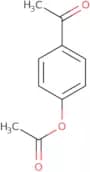
CAS:<p>4-Acetoxyacetophenone is an organic compound that has a functional group with a hydroxyl group. It can undergo dehydration to form acetone and acetic acid, which are the reaction products. The reaction system is activated by a reactive or acid catalyst, and the reaction solution is made up of non-polar solvents. Hydrogenation reduction can be used to synthesize 4-Acetoxyacetophenone from 2-hydroxyacetophenone.</p>Formula:C10H10O3Purity:Min. 95%Color and Shape:PowderMolecular weight:178.18 g/mol4-Amino-3,5-diiodobenzoic acid
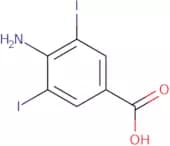
CAS:4-Amino-3,5-diiodobenzoic acid is a conjugate of the amino acid histidine with two iodine atoms. It is used as a radiopaque contrast agent for X-ray imaging and has been shown to be useful in distinguishing between normal tissue and cancerous lesions. The molecule can be modified to contain various functional groups that allow it to bind to other molecules such as proteins or DNA, which can alter its properties. 4-Amino-3,5-diiodobenzoic acid is also known as diaminobenzene diiodide and is soluble in water.Formula:C7H5I2NO2Purity:Min. 95%Color and Shape:PowderMolecular weight:388.93 g/mol4-Aminohippuric acid sodium
CAS:4-Aminohippuric acid sodium (4AHA) is a drug that is used as a diagnostic tool for measuring renal plasma flow and renal function. The drug is administered intravenously and its optical properties are measured. 4AHA is filtered by the kidneys, which causes it to be excreted in urine. A sensor is placed on the patient's arm and measures the concentration of 4AHA in the blood flowing through the arm. This measurement can then be used to calculate renal plasma flow, which indirectly indicates kidney function. 4AHA can also be used to measure sodium levels in blood plasma, as it binds to sodium ions in solution. However, this application of 4AHA has been superseded by newer technologies such as ion-selective electrodes and magnetic resonance imaging, which offer improved accuracy at lower cost.Formula:C9H10N2NaO3Purity:Min. 95%Color and Shape:PowderMolecular weight:217.18 g/molIndole-2-carboxylic acid tert-butyl ester
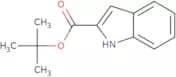
CAS:Indole-2-carboxylic acid tert-butyl ester is a synthetic compound that exhibits potent antiapoptotic activity. It has been shown to inhibit the bcl-2 family of proteins, which are involved in the regulation of apoptosis. Indole-2-carboxylic acid tert-butyl ester has also been shown to inhibit the growth of cancer cells in cell culture and induce apoptosis in these cells. This compound also inhibits the production of furan, which is a functional group found on some carcinogenic chemicals. Indole-2-carboxylic acid tert-butyl ester is an inhibitor of Bax protein, a proapoptotic protein that plays a role in regulating cell death.Formula:C13H15NO2Purity:Min. 95%Color and Shape:PowderMolecular weight:217.26 g/molIndoline-2-carboxylic acid
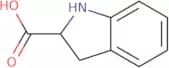
CAS:<p>Indoline-2-carboxylic acid is a photophysical molecule with an absorption maximum at 518 nm. It has been shown to inhibit the activity of enzymes such as cyclooxygenase, lipoxygenase, and monoamine oxidases. This compound has been found to be effective in the treatment of cancer cells. Indoline-2-carboxylic acid is also used in pharmaceutical preparations, where it binds to enantiomers of other molecules and inhibits their biological activity. Indoline-2-carboxylic acid reacts with hydrochloric acid to form allyl carbonate and amide.</p>Formula:C9H9NO2Purity:Min. 97 Area-%Color and Shape:PowderMolecular weight:163.17 g/molD-Tryptophan
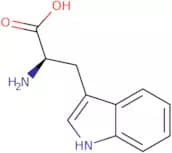
CAS:<p>D-amino acid</p>Formula:C11H12N2O2Purity:Min. 95%Color and Shape:PowderMolecular weight:204.23 g/mol5-Chloro-2-mercaptobenzimidazole
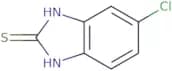
CAS:<p>5-Chloro-2-mercaptobenzimidazole is an inorganic base that is used as a microscopy reagent. It has been shown to have a transfer mechanism that is similar to the hydrogen ion transfer mechanism. 5-Chloro-2-mercaptobenzimidazole has been used in vivo assays and has functional groups that are important for its use in coatings and aluminum oxide. The molecule also contains chlorine atoms, which are important for its use in chlorination reactions. 5-Chloro-2-mercaptobenzimidazole can be used in voltammetry to test samples of organic compounds (e.g., casein) and has been shown to be effective against the Gram positive bacterium Staphylococcus aureus.</p>Formula:C7H5ClN2SPurity:Min. 98.5 Area-%Color and Shape:Off-White PowderMolecular weight:184.65 g/mol2-Aminobenzaldehyde
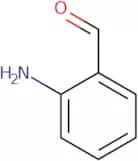
CAS:<p>2-Aminobenzaldehyde is an aromatic compound that contains a hydroxyl group, two nitrogen atoms, and an anhydrous sodium. It can be synthesized by the reaction of hydroxybenzaldehyde with trifluoroacetic acid or nitrobenzene. 2-Aminobenzaldehyde is used as a precursor to other compounds, such as 2-aminobenzonitrile and 2-aminophenol. It also reacts with anthranilic acid in the presence of sodium salts to give a variety of pyrazoles. This product has been shown to react with epidermal growth factor (EGF) in the presence of light to produce light emissions.</p>Formula:C7H7NOPurity:Min. 95%Color and Shape:PowderMolecular weight:121.14 g/molLauroyl coenzyme A lithium
CAS:<p>Please enquire for more information about Lauroyl coenzyme A lithium including the price, delivery time and more detailed product information at the technical inquiry form on this page</p>Formula:C33H58N7O17P3S•LixPurity:90%Color and Shape:Powder6-Phenoxy-3-pyridinemethanol
CAS:<p>Please enquire for more information about 6-Phenoxy-3-pyridinemethanol including the price, delivery time and more detailed product information at the technical inquiry form on this page</p>Formula:C12H11NO2Purity:Min. 95%Color and Shape:Clear LiquidMolecular weight:201.22 g/mol4-Methoxypyridazin-3-amine
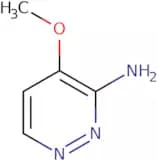
CAS:4-Methoxypyridazin-3-amine is a high quality chemical that can be used as a reagent, complex compound, useful intermediate, fine chemical, or speciality chemical. It is a versatile building block that can be used in reactions to make other chemicals such as pharmaceuticals and dyes. The 4-methoxypyridazin-3-amine molecule has shown promising results in research on the development of new drugs with potential anti-cancer properties.Formula:C5H7N3OPurity:Min. 95%Color and Shape:PowderMolecular weight:125.13 g/molMethyl 5-chlorosalicylate
CAS:Methyl 5-chlorosalicylate is a chemical compound with the molecular formula CHClO. It is a colorless liquid that has a minty odor. Methyl 5-chlorosalicylate is used in organic chemistry as an intermediate to synthesize other compounds, and it can be used in the synthesis of β-cell receptor antagonists. This drug is an analog of salicylic acid and its anti-inflammatory effects are due to the inhibition of chloride channels on macrophages. The drug's neutralizing properties have been shown by experiments with neutralizing antibody levels at physiological levels, which blocks viral replication and prevents cell damage by free radicals.Formula:C8H7ClO3Purity:Min. 95%Color and Shape:White PowderMolecular weight:186.59 g/molFmoc-Gly-Gly-Gly-OH
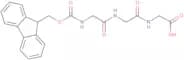
CAS:Fmoc-gly-gly-gly-OH is a synthetic amino acid with the carboxylate group at the alpha position and an amide group at the beta position. It is a white solid that can be synthesized by reacting glycine ethyl ester with glyoxylic acid in a solvent such as chloroform. Fmoc-gly-gly-gly-OH has been used to study the binding of oxytocin to its receptor, which is important for regulating uterine contraction during childbirth. The compound also has potential applications in drug delivery, biotechnology, and medical research.Formula:C21H21N3O6Purity:Min. 95%Color and Shape:PowderMolecular weight:411.41 g/mol





![4-(Cyclopropylmethyl)-1-oxa-4,9-diazaspiro[5.5]undecan-3-one hydrochloride](/_next/image/?url=https%3A%2Fstatic.cymitquimica.com%2Fproducts%2F3D%2Fthumb-webp%2FFC182982.webp&w=3840&q=75)