Building Blocks
This section contains fundamental products for the synthesis of organic and biological compounds. Building blocks are the essential starting materials used to construct complex molecules through various chemical reactions. They play a critical role in drug discovery, material science, and chemical research. At CymitQuimica, we offer a diverse range of high-quality building blocks to support your innovative research and industrial projects, ensuring you have the essential components for successful synthesis.
Subcategories of "Building Blocks"
- Boronic Acids & Boronic Acid Derivatives(5,756 products)
- Chiral Building Blocks(1,242 products)
- Hydrocarbon Building Blocks(6,095 products)
- Organic Building Blocks(61,051 products)
Found 199813 products of "Building Blocks"
Sort by
Purity (%)
0
100
|
0
|
50
|
90
|
95
|
100
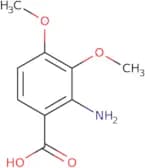
2-Amino-3,4-dimethoxybenzoic acid
CAS:<p>2-Amino-3,4-dimethoxybenzoic acid is a chemotherapeutic agent that inhibits the function of P-glycoprotein (Pgp) and other ATPase pumps. It has been shown to be effective in inhibiting the growth of human cancer cells with functionalities such as epidermal growth factor, p-glycoprotein, and TNF-α. This drug also inhibits the production of alicyclic compounds in the body by blocking their metabolic pathways. 2-Amino-3,4-dimethoxybenzoic acid is a fluorescent compound that emits green light when excited at 350 nm and 450 nm.</p>Formula:C9H11NO4Purity:Min. 95%Molecular weight:197.19 g/mol1-Phenylethane-1,2-diamine
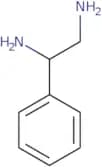
CAS:<p>1-Phenylethane-1,2-diamine (1PD) is a diamine tetraacetic acid salt that is a conformational analogue of the chemokine CXCL12. It has been shown to bind to its receptor and inhibit chemotaxis in vitro. 1PD has also been shown to be stereoselective in its binding to the receptor, with the sodium salt showing greater selectivity for CXCR4 than CXCR5. The solvation of 1PD has been studied by spectroscopic techniques and it is found that the solvation process is dominated by hydrogen bonding interactions with solvent molecules. This drug has not yet been analysed for human use or toxicity.</p>Formula:C8H12N2Purity:Min. 95%Molecular weight:136.19 g/mol1,4-Diazaspiro[5.5]undecane-3,5-dione
CAS:Versatile small molecule scaffoldFormula:C9H14N2O2Purity:Min. 95%Molecular weight:182.22 g/molN-(4-Aminobutyl)acetamide
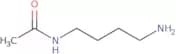
CAS:<p>N-(4-Aminobutyl)acetamide (4-ABAA) is a polyamine that can be found in the body as a byproduct of putrescine and spermidine. It is a potential biomarker for cancer, and has been shown to inhibit the activity of enzymes involved in energy metabolism. 4-ABAA is also present in maternal blood, where it can be used as a measure of disease activity during pregnancy. The basic structure of 4-ABAA is N-(4-aminobutyl)acetamide, which contains a nitrogen atom and an amine group. This molecule is soluble in water and has been used for analytical purposes.</p>Formula:C6H14N2OPurity:Min. 95%Color and Shape:Clear LiquidMolecular weight:130.19 g/mol2-Sulfanylbenzamide
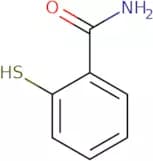
CAS:<p>2-Sulfanylbenzamide is a chemical compound that has been used as an anti-inflammatory drug and as a medicine for the treatment of autoimmune diseases. It has been shown to bind to basic proteins in human serum, which is responsible for its neutral pH. This agent also binds to primary cells and is chemically stable, with ethylene diamine as a matrix effect. 2-Sulfanylbenzamide has been shown to be effective against inflammatory diseases by inhibiting the synthesis of inflammatory mediators such as prostaglandins and leukotrienes.</p>Formula:C7H7NOSPurity:Min. 95%Molecular weight:153.2 g/mol2-Amino-1-(2-naphthyl)-1-ethanol
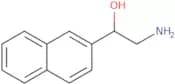
CAS:<p>2-Amino-1-(2-naphthyl)-1-ethanol (2NPE) is an atypical amino alcohol that is used as a pharmacological agent. It has been shown to have glucuronide and phenolic hydroxyl groups, which are reactive metabolites. 2NPE may be carcinogenic due to its ability to inhibit the activity of the enzyme glutathione reductase, which is involved in the detoxification of hydrogen peroxide and organic hydroperoxides. The metabolic pathways for 2NPE include sulfation by phenolic hydroxyl groups, which can lead to a residue of phenolic compounds in humans and animals. 2NPE has been found to have a thymic effect similar to natural n-substituted amino alcohols.</p>Formula:C12H13NOPurity:Min. 95%Molecular weight:187.24 g/mol2-(Bromomethyl)-1,3-dioxane
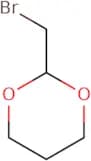
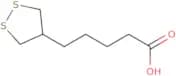
CAS:<p>Versatile small molecule scaffold</p>Formula:C5H9BrO2Purity:Min. 95%Molecular weight:181.03 g/mol5-(1,2-Dithiolan-4-yl)pentanoic acid
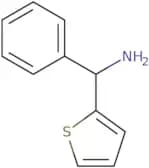
CAS:<p>Versatile small molecule scaffold</p>Formula:C8H14O2S2Purity:Min. 95%Molecular weight:206.3 g/molPhenyl(thiophen-2-yl)methanamine
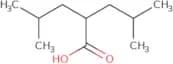
CAS:<p>Versatile small molecule scaffold</p>Formula:C11H11NSPurity:Min. 95%Molecular weight:189.28 g/mol4-Methyl-2-(2-methylpropyl)pentanoic acid
CAS:<p>Versatile small molecule scaffold</p>Formula:C10H20O2Purity:Min. 95%Molecular weight:172.26 g/mol2-Amino-2,3-dihydro-1H-benzo[de]isoquinoline-1,3-dione
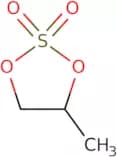
CAS:<p>2-Amino-2,3-dihydro-1H-benzo[de]isoquinoline-1,3-dione (BENZENE) is a chemical compound that has been used to study the photochemical properties of epoxides. It is also used as a starting material in the synthesis of polymers. The synthesis of polymers may be accomplished by cationic polymerization or ring opening. Nitro groups on BENZENE are commonly used to synthesize nitro polymers and other compounds containing nitro groups. This chemical can be synthesized by chlorination with formamide and subsequent reaction with nitrous acid or acrylates. BENZENE is also capable of localizing fluorescent dyes within a specific region of a sample and can be used to measure distances between molecules.</p>Formula:C12H8N2O2Purity:Min. 95%Molecular weight:212.2 g/molPropane-1,2-cyclic sulfate
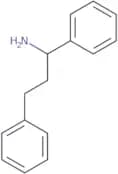
CAS:Propane-1,2-cyclic sulfate is a diphenyl ether that is an organic solvent. It has been shown to be effective in the treatment of aliphatic hydrocarbons and alkynes with carboxylates. Propane-1,2-cyclic sulfate also reacts with vinylene and plate test as a nonaqueous electrolyte. The optimal reaction temperature is around 40°C and the optimal pH is around 6.5.Formula:C3H6O4SPurity:Min. 95%Molecular weight:138.14 g/mol1,3-Diphenylpropan-1-amine
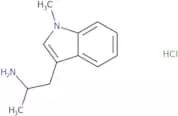
CAS:<p>Versatile small molecule scaffold</p>Formula:C15H17NPurity:Min. 95%Molecular weight:211.3 g/mol1-(1-Methyl-1H-indol-3-yl)propan-2-amine hydrochloride
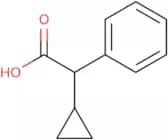
CAS:Controlled Product<p>Versatile small molecule scaffold</p>Formula:C12H17ClN2Purity:Min. 95%Molecular weight:224.73 g/mol2-Cyclopropyl-2-phenylacetic acid
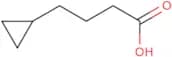
CAS:<p>Versatile small molecule scaffold</p>Formula:C11H12O2Purity:Min. 95%Molecular weight:176.21 g/mol4-Cyclopropylbutanoic acid
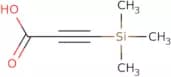
CAS:<p>4-Cyclopropylbutanoic acid is an organic compound that belongs to the class of fatty acids. It is a natural product that can be found in muscle tissue and has been shown to have antibacterial activity against the soil fungus, Oxysporum ferrugineum, and the plant pathogen, Fusarium oxysporum f. 4-Cyclopropylbutanoic acid is also used as a precursor for other compounds that are important in the biosynthesis of lipids and terpenes. This chemical has been analysed in tobacco leaves, untreated control soil, and rhizosphere soil samples. Results show that 4-cyclopropylbutanoic acid was present in all three samples with an average concentration of 0.8 ppm.</p>Formula:C7H12O2Purity:Min. 95%Molecular weight:128.17 g/mol3-(Trimethylsilyl)propiolic Acid
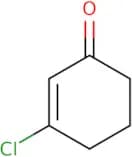
CAS:<p>3-(Trimethylsilyl)propiolic Acid is a dialkylamide that was prepared by an efficient method. It has been shown to react with amines and form amides. 3-(Trimethylsilyl)propiolic Acid also reacts with alkene chlorides to form chlorocarbonyls in the presence of a base. This product can be used as a precursor for other organic compounds. The acidic hydrolysis of 3-(Trimethylsilyl)propiolic Acid produces propiolic acid, which is a reactive electrophile that undergoes nucleophilic attack by amines to produce 2-aminoethanol and ammonia. This product may also be used as a precursor for other organic compounds.</p>Formula:C6H10O2SiPurity:Min. 95%Molecular weight:142.23 g/mol3-chlorocyclohex-2-en-1-one
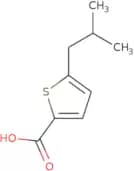
CAS:<p>3-Chlorocyclohex-2-en-1-one is an organic compound that is a member of the class of compounds called alkylating agents. It can be synthesized by reacting piperidine with an aryl chloride in the presence of phosphine. 3-Chlorocyclohex-2-en-1-one reacts with dimethylformamide to produce aziridines that are used as ligands in catalysis. The reaction rate of 3-chlorocyclohex-2-en-1-one is dependent on the concentration of nucleophile and electrophile, and it can be described by kinetics and kinetics.</p>Formula:C6H7ClOPurity:Min. 95%Molecular weight:130.58 g/mol5-(2-Methylpropyl)thiophene-2-carboxylic acid
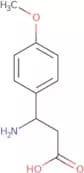
CAS:<p>5-(2-Methylpropyl)thiophene-2-carboxylic acid is a human hepatocyte receptor ligand that binds to the imidazole site on the human liver. It has been shown to have high affinity for this receptor and is able to antagonize the binding of agonists such as histamine and serotonin. 5-(2-Methylpropyl)thiophene-2-carboxylic acid has also been shown to be potent in blocking the activation of G proteins in human liver microsomes. This compound is an imidazole derivative that can bind to both receptors, which may account for its high affinity. The ligand is truncated at its C terminal end, which may account for its low affinity but high efficacy.</p>Formula:C9H12O2SPurity:Min. 95%Molecular weight:184.26 g/mol3-Amino-3-(4-methoxyphenyl)propionic Acid
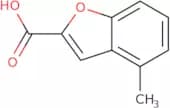
CAS:Versatile small molecule scaffoldFormula:C10H13NO3Purity:Min. 95%Molecular weight:195.22 g/mol4-Methyl-1-benzofuran-2-carboxylic acid
CAS:<p>Versatile small molecule scaffold</p>Formula:C10H8O3Purity:Min. 95%Molecular weight:176.17 g/mol3-phenylpentanoic acid
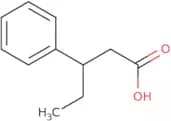
CAS:<p>3-phenylpentanoic acid is an impurity of 2-phenylbutyric acid, which is used in the synthesis of some pharmaceuticals. It is also an optical isomer of 3-phenylpropanoic acid. The compound has been shown to inhibit the growth of pseudomonas strains and may be useful in the treatment of neurotoxicity. The precise mechanism by which 3-phenylpentanoic acid inhibits bacterial growth is not known, but it has been speculated that it may inhibit the synthesis of proteins, RNA, or DNA. This compound can be synthesized chemoenzymatically from 2-phenylethyl esters and proton donors, such as ethylene glycol and formaldehyde. The enantiomers can be separated by chiral HPLC.</p>Formula:C11H14O2Purity:Min. 95%Molecular weight:178.22 g/mol2-Benzylbutanoic acid
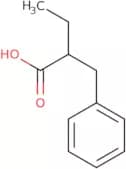
CAS:<p>2-Benzylbutanoic acid is a molecule that belongs to the class of β-amino acids. It is used as a drug for treating chronic pulmonary disease, and in pharmaceutical preparations for treating bowel disease, fatty acid metabolism disorders, and inflammatory diseases. 2-Benzylbutanoic acid has been shown to inhibit the activity of enzymes such as hydroxylases, which are involved in the synthesis of prostaglandins. Prostaglandins are involved in many physiological processes including pain perception and inflammation. 2-Benzylbutanoic acid has also been shown to have hypoglycemic effects on mice with diabetes mellitus type 1 when administered orally or intraperitoneally.</p>Formula:C11H14O2Purity:Min. 95%Molecular weight:178.23 g/mol2-(Pyrrolidin-2-yl)-1H-pyrrole
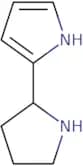
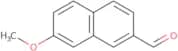
CAS:<p>Versatile small molecule scaffold</p>Formula:C8H12N2Purity:Min. 95%Molecular weight:136.19 g/mol7-Methoxynaphthalene-2-carbaldehyde
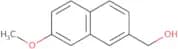
CAS:<p>7-Methoxynaphthalene-2-carbaldehyde is a dioxetane epoxide that is disfavored in the transcriptome. It can be produced by the oxidation of naphthalene and reacts with alcohols to form 7-methoxynaphthalene-2,3-diol. The metabolite has been detected in leukotriene A4, which is an inflammatory mediator in the body. There are two metabolic pathways for this compound: one involving enzyme kinetic and another involving kinetics. The former pathway involves a hydrolase enzyme called epoxide hydrolase, while the latter pathway does not involve any enzymes but rather is catalyzed by the substrate itself.</p>Formula:C12H10O2Purity:Min. 95%Molecular weight:186.21 g/mol(7-Methoxynaphthalen-2-yl)methanol
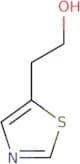
CAS:<p>Versatile small molecule scaffold</p>Formula:C12H12O2Purity:Min. 95%Molecular weight:188.22 g/mol2-(1,3-Thiazol-5-yl)ethan-1-ol
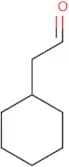
CAS:<p>2-(1,3-Thiazol-5-yl)ethan-1-ol is a primary alcohol that is used as an organic solvent in reactions involving bichromate and hydrogen peroxide. 2-(1,3-Thiazol-5-yl)ethan-1-ol can be oxidized by chromium to produce the chromium(VI) oxide. This compound has two substituents, a hydroxyl group and a thiazole ring. The hydroxyl group is a hydrogen atom bound to a single oxygen atom, while the thiazole ring is composed of one nitrogen atom and three carbon atoms. Hydrogen atoms are bound to each of these atoms. The hydroxyl group makes this compound an alcohol while the thiazole ring makes it an organic solvent.</p>Formula:C5H7NOSPurity:Min. 95%Molecular weight:129.18 g/mol2-Cyclohexylacetaldehyde
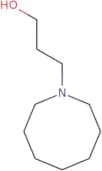
CAS:2-Cyclohexylacetaldehyde is an organic solvent that is used as a precursor in the synthesis of various pharmaceuticals and agrochemicals. It inhibits the production of acetaldehyde by inhibiting the enzyme alcohol dehydrogenase. This agent also has been shown to have anti-cancer properties, which may be due to its ability to inhibit cell growth and induce apoptosis in cancer cells. The anti-cancer effects are thought to be due to its ability to inhibit the biosynthesis of fatty acids and DNA/RNA synthesis. 2-Cyclohexylacetaldehyde has been shown to have a hydroxyl group, which can undergo oxidation reactions with other molecules. 2-Cyclohexylacetaldehyde is an amido compound that contains an alkoxy radical at its end.Formula:C8H14OPurity:Min. 95%Molecular weight:126.2 g/mol3-(Azocan-1-yl)propan-1-ol
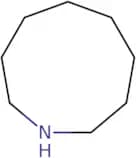
CAS:<p>Versatile small molecule scaffold</p>Formula:C10H21NOPurity:Min. 95%Molecular weight:171.28 g/molOctamethyleneimine
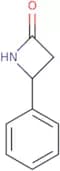
CAS:<p>Octamethyleneimine (ODA) is a heterocyclic compound that has been shown to have antiviral properties against the avian influenza virus. The virus binds to the ODA and is inactivated by reacting with the metal surface of the virus, thereby inhibiting its ability to infect cells. Octamethyleneimine also interacts with glucose-6-phosphate dehydrogenase, an enzyme involved in glycolysis, to inhibit growth factor activity. It has been shown that octamethyleneimine inhibits kinases by blocking their active site and preventing them from binding to phosphorylated protein substrates. This leads to a decrease in fatty acid synthesis and a reduction in skin inflammation due to acne vulgaris.</p>Formula:C8H17NPurity:Min. 95%Molecular weight:127.23 g/mol4-Phenylazetidin-2-one
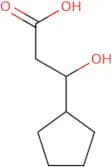
CAS:<p>4-Phenylazetidin-2-one is a potent antitumor agent that inhibits serine protease and has been shown to have anticancer activity. It is also an enzyme inhibitor that can be used as a reagent for the preparation of enzyme preparations and assays. 4-Phenylazetidin-2-one has been shown to inhibit the serine proteases chymotrypsin and trypsin, which are involved in protein digestion. It also inhibits β-amino acid aminopeptidase, which is involved in protein synthesis. 4-Phenylazetidin-2-one is useful as a reagent for the isolation of β-amino acid peptides from natural sources such as plants or animals. This compound has been shown to be effective against cancer cells due to its ability to inhibit β-amino acid aminopeptidase, which prevents the production of proteins vital for cell</p>Formula:C9H9NOPurity:Min. 95%Molecular weight:147.17 g/mol3-Cyclopentyl-3-hydroxypropanoic acid
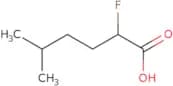
CAS:<p>Versatile small molecule scaffold</p>Formula:C8H14O3Purity:Min. 95%Molecular weight:158.19 g/mol2-Fluoro-5-methylhexanoic acid
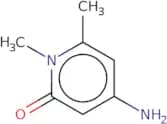
CAS:<p>Versatile small molecule scaffold</p>Formula:C7H13FO2Purity:Min. 95%Molecular weight:148.18 g/mol4-Amino-1,6-dimethyl-1,2-dihydropyridin-2-one
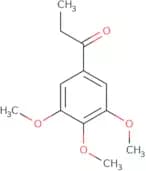
CAS:<p>Versatile small molecule scaffold</p>Formula:C7H10N2OPurity:Min. 95%Molecular weight:138.2 g/mol1-(3,4,5-Trimethoxyphenyl)propan-1-one
CAS:<p>Versatile small molecule scaffold</p>Formula:C12H16O4Purity:Min. 95%Molecular weight:224.25 g/mol{[(2-Methylprop-2-en-1-yl)oxy]methyl}benzene
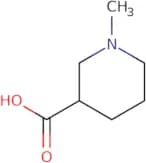
CAS:<p>Versatile small molecule scaffold</p>Formula:C11H14OPurity:Min. 95%Molecular weight:162.23 g/mol1-Methylpiperidine-3-carboxylic acid
CAS:<p>1-Methylpiperidine-3-carboxylic acid (1MP) is a neurotoxic compound that can be synthesized in vivo by the oxidation of choline. It has been shown to have a natriuretic and diuretic effect on the kidney, as well as stimulating the release of atrial natriuretic peptide. 1MP also has an agonistic effect on the dopamine receptors, and is a competitive antagonist for the binding of betaines to skin cells. Betaines are substances that are found in many foods, including wheat germ and spinach, which have been linked to nerve cell death in rats.<br>END>></p>Formula:C7H13NO2Purity:Min. 95%Molecular weight:143.19 g/molN-Hydroxypyridine-3-carboxamide
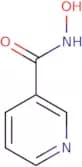
CAS:<p>N-Hydroxypyridine-3-carboxamide is a hydroxylated metabolite of nicotinic acid that has been shown to have skin conditioning properties. The optimum pH for this product is 3.5 and its biological properties include an inhibitory effect on viral replication and a galacturonic acid complex. N-Hydroxypyridine-3-carboxamide also exhibits a high degree of hemolytic activity, which may be due to the methyl nicotinate moiety or the carbonyl oxygens present in this compound.</p>Formula:C6H6N2O2Purity:Min. 95%Molecular weight:138.12 g/mol1H,3H-Furo[3,4-c]pyridin-3-one
CAS:<p>1H,3H-Furo[3,4-c]pyridin-3-one is a colorless crystalline compound. It has a pyridine ring with substituents on the nitrogen atom and the six-membered benzyl group. The molecule is chiral because of its two isomers. One isomer has a hydroxyl group bonded to the nitrogen atom and the other has a methyl group bonded to the nitrogen atom. 1H,3H-Furo[3,4-c]pyridin-3-one can be used as a recording material for infrared spectroscopy due to its high sensitivity and low background noise. Isomers of this compound are not coplanar.</p>Formula:C7H5NO2Purity:Min. 95%Molecular weight:135.12 g/mol(4-Sulfamoylphenyl)urea
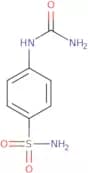
CAS:4-Sulfamoylphenyl urea is a molecule that is used in the treatment of cancer. It has been shown to inhibit the growth of pancreatic and colon cancer cells by interfering with their ability to use glucose, which is a major source of energy for these cells. 4-Sulfamoylphenyl urea also inhibits the production of carbonic anhydrase enzymes, which are needed for cellular respiration and lead to cell death. This drug has been shown to have anti-metastatic effects in vivo and in vitro, which may be due to its ability to inhibit protein synthesis.Formula:C7H9N3O3SPurity:Min. 95%Molecular weight:215.23 g/mol2-(Furan-2-ylformamido)-2-phenylacetic acid
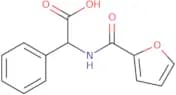
CAS:<p>Versatile small molecule scaffold</p>Formula:C13H11NO4Purity:Min. 95%Molecular weight:245.23 g/mol2-(Chroman-4-yl)acetic acid
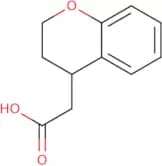
CAS:<p>Versatile small molecule scaffold</p>Formula:C11H12O3Purity:Min. 95%Molecular weight:192.21 g/mol2,3-Dihydro-1H-pyrrolo[3,4-c]pyridin-1-one
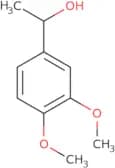
CAS:<p>2,3-Dihydro-1H-pyrrolo[3,4-c]pyridin-1-one is a kinase inhibitor that binds to the ATP site of the enzyme. Abnormal cell growth, cancer and other disorders are associated with abnormal cell proliferation. Kinases are enzymes that regulate cellular processes by adding phosphate groups to proteins. Thus, 2,3-dihydro-1H-pyrrolo[3,4-c]pyridin-1-one is used in the treatment of diseases such as leukemia and lymphoma. 2,3-Dihydro-1H-pyrrolo[3,4--c]pyridin-1--one inhibits abnormal cell growth by blocking signal transduction pathways in cancer cells. It also inhibits protein synthesis and has been shown to inhibit the proliferation of human myeloid leukemia cells in culture.</p>Formula:C7H6N2OPurity:Min. 95%Molecular weight:134.13 g/mol1-(3,4-Dimethoxyphenyl)ethanol
CAS:<p>1-(3,4-Dimethoxyphenyl)ethanol (1DMPE) is a phenolic compound that is used in the production of dyes. It has strong redox potential and can be easily oxidized to form 1,2-dihydroxybenzene. This compound is susceptible to environmental pollution and also has the potential to react with other chemicals to form toxic products. 1DMPE can undergo acidolysis with trifluoroacetic acid or hydroxylation reactions with hydrogen peroxide or sodium perborate in the presence of a metal catalyst. These reactions produce carbonyl groups as reaction products and are kinetically controlled by activation energies. The mechanisms of these reactions have not been well studied, but they are thought to be due to kinetic effects.</p>Formula:C10H14O3Purity:Min. 95%Molecular weight:182.22 g/mol3-Phenylamino-propionic acid
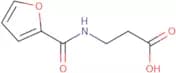
CAS:<p>3-Phenylamino-propionic acid is a hydroxylamine that has been synthesized by reacting anilines with phthalic acid and 2-hydroxyethyl methacrylate. 3-Phenylamino-propionic acid has been shown to be an antifungal agent, but it is not active against bacteria. The reaction time for the synthesis of this compound is constant, with yields of about 70%. This compound can be reused after purification. A hydroxamic group at the R1 position makes this compound reactive towards lipases.</p>Formula:C9H11NO2Purity:Min. 95%Molecular weight:165.19 g/mol3-(Furan-2-carboxamido)propanoic acid
CAS:<p>Versatile small molecule scaffold</p>Formula:C8H9NO4Purity:Min. 95%Molecular weight:183.16 g/mol1-Methyl-2-(prop-2-yn-1-yloxy)benzene
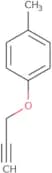
CAS:<p>Versatile small molecule scaffold</p>Formula:C10H10OPurity:Min. 95%Molecular weight:146.19 g/mol1-Methyl-4-(prop-2-yn-1-yloxy)benzene
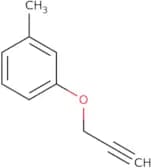
CAS:<p>Versatile small molecule scaffold</p>Formula:C10H10OPurity:Min. 95%Molecular weight:146.19 g/mol3-Methyl-phenyl propargyl ether
CAS:<p>3-Methyl-phenyl propargyl ether is a compound that was synthesized using extrapolated data from the titration calorimetry and crystal structure. It has been shown to inhibit the growth of Mycobacterium smegmatis in vitro. 3-Methyl-phenyl propargyl ether also inhibits the growth of Mycobacterium tuberculosis, although it does not affect other mycobacteria. This compound has been shown to have a constant inhibition constant with a family chemistry and thermodynamic properties that are similar to those of other compounds.</p>Formula:C10H10OPurity:Min. 95%Molecular weight:146.19 g/mol3-Prop-2-ynyloxy-benzaldehyde
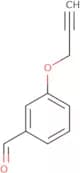
CAS:<p>3-Prop-2-ynyloxy-benzaldehyde is a crystalline compound that can be used as an intermediate for the synthesis of azides. The crystal structure of 3-prop-2-ynyloxybenzaldehyde was determined by X-ray crystallography. This molecule has four nitro groups, which are in the form of methylenes. The active methylene is a tetradentate amine, which coordinates to the chloride ion and forms a supramolecular complex with it. The chloroformate group is also coordinated to this chloride ion. The azide group is coordinated to the chloride ion through an N–N bond, and the nitro group is coordinated through an N–O bond. This molecule has a high degree of symmetry due to its rigid geometry and planarity, which helps in its efficient synthesis methods.</p>Formula:C10H8O2Purity:Min. 95%Molecular weight:160.17 g/mol

![1,4-Diazaspiro[5.5]undecane-3,5-dione](/_next/image/?url=https%3A%2Fstatic.cymitquimica.com%2Fproducts%2F3D%2Fthumb-webp%2FFAA69991.webp&w=3840&q=75)
![2-Amino-2,3-dihydro-1H-benzo[de]isoquinoline-1,3-dione](/_next/image/?url=https%3A%2Fstatic.cymitquimica.com%2Fproducts%2F3D%2Fthumb-webp%2FFAA69046.webp&w=3840&q=75)
![{[(2-Methylprop-2-en-1-yl)oxy]methyl}benzene](/_next/image/?url=https%3A%2Fstatic.cymitquimica.com%2Fproducts%2F3D%2Fthumb-webp%2FFAA65846.webp&w=3840&q=75)
![1H,3H-Furo[3,4-c]pyridin-3-one](/_next/image/?url=https%3A%2Fstatic.cymitquimica.com%2Fproducts%2F3D%2Fthumb-webp%2FFAA65752.webp&w=3840&q=75)
![2,3-Dihydro-1H-pyrrolo[3,4-c]pyridin-1-one](/_next/image/?url=https%3A%2Fstatic.cymitquimica.com%2Fproducts%2F3D%2Fthumb-webp%2FFAA65500.webp&w=3840&q=75)